Get 50% OFF All Premium 3D & STL Models!

“`html
So, you’ve found the perfect STL file of that classic Mustang you’ve always dreamed of printing from platforms like 88cars3d.com, but it’s just too big for your printer’s build volume. Don’t despair! Splitting large 3D models into manageable parts is a common practice in the 3D printing world, allowing you to create impressive, large-scale prints even with a smaller printer. This comprehensive guide will walk you through the process, from understanding the challenges to mastering the techniques needed to successfully split and print your dream car. We’ll cover essential software, best practices for clean cuts, and strategies for seamless reassembly. By the end of this article, you’ll be equipped with the knowledge and skills to tackle even the most ambitious 3D printing projects. You’ll learn about choosing the right software, planning your cuts for minimal visibility, using boolean operations, and mastering alignment techniques for the perfect final assembly.
The primary reason for splitting a large 3D model is to overcome the limitations of your 3D printer’s build volume. If your printer’s maximum printable size is smaller than the model’s dimensions, you’ll need to divide it into smaller sections. Beyond size limitations, splitting can also improve print quality. Smaller parts often allow for more optimal print orientations, reducing the need for extensive support structures and improving surface finish. Furthermore, splitting allows for printing sections in different materials or colors, opening up creative possibilities for multi-material prints and custom paint jobs. Finally, splitting can make it easier to manage and mitigate warping, especially with materials like ABS which are prone to this issue.
Even when downloading models from marketplaces such as 88cars3d.com, designed with printing in mind, you may still need to split them if aiming for a larger scale than initially intended.
Several software options are available for splitting 3D models, each with its own strengths and weaknesses. Here’s a look at some popular choices:
Meshmixer is a free, versatile software from Autodesk that’s excellent for basic model manipulation, including splitting. Its “Plane Cut” tool allows you to easily slice models along a chosen plane. Meshmixer also offers tools for smoothing the cut surfaces and adding connectors for easier reassembly. However, it can sometimes struggle with very complex meshes, and its parametric control is limited.
Blender is a powerful, open-source 3D modeling software that offers a wider range of tools for splitting and manipulating models. You can use boolean operations to precisely cut models along complex shapes, create interlocking parts, and add custom connectors. While Blender has a steeper learning curve than Meshmixer, its advanced features and flexibility make it ideal for complex projects. To effectively use Blender, create loop cuts where you wish to split the model. Then, separate the mesh along those cuts, generating independent objects for printing. Mastering Blender’s snapping tools will improve the precision of your cuts and connector placement.
Netfabb (now part of Autodesk) is a professional-grade software designed for additive manufacturing. It offers advanced tools for mesh repair, support generation, and model optimization, including sophisticated splitting capabilities. Netfabb’s “Cut” feature allows for precise slicing with various options for controlling the cut plane and adding dowel holes for alignment. However, Netfabb is a commercial software, and its cost may be prohibitive for hobbyists.
Careful planning is crucial for a successful split. The goal is to minimize the visibility of the seams after reassembly and to ensure the parts fit together securely. Here are some key considerations:
Whenever possible, place cut lines along existing features of the model, such as panel lines, door seams, or other natural divisions. This will help to camouflage the seams and make them less noticeable. Avoid placing cuts on large, flat surfaces, as these areas will be more prone to showing imperfections. On car models, consider cutting along the roofline, along the bottom of the doors, or at the wheel arches.
Consider adding interlocking features or connectors to the cut surfaces to improve alignment and structural integrity. These can be simple tabs and slots or more complex dovetail joints. The key is to design connectors that are easy to print and assemble. Using dowel pins, either printed or metal, can also significantly enhance alignment and joint strength. When designing connectors, ensure that they have sufficient clearance to avoid binding during assembly. Tolerances of 0.1-0.2mm are generally adequate for printed connectors.
Think about how each part will be oriented on the print bed. Choose orientations that minimize the need for support structures and maximize surface finish. Splitting the model can allow you to orient individual sections in ways that would be impossible with the full model. For example, a car body could be split horizontally to allow the roof to be printed face down, eliminating the need for supports on the visible surface.
Now, let’s walk through the splitting process using a specific example. We’ll use Blender for this example due to its power and flexibility, but the general principles apply to other software as well.
First, import your STL file into Blender. Ensure that the model is properly scaled and oriented. If necessary, use Blender’s scaling and rotation tools to adjust the model’s size and position. Check the mesh for any errors or non-manifold geometry. Use Blender’s “Mesh Analysis” tools to identify and fix any issues before proceeding.
Create a plane that will serve as the cutting tool. Position and orient the plane according to your planned cut line. In Blender, add a “Boolean” modifier to the car model. Set the operation to “Difference” and select the plane as the object. Apply the modifier. This will subtract the volume of the plane from the car model, effectively cutting it in half. Duplicate the plane and move it to the opposite side of the model to perform additional cuts, if needed.
After applying the boolean modifier, the model will be split into two separate parts. In Blender’s “Edit Mode,” select one of the parts and press “P” to separate it into a new object. Repeat this process for each section of the model. Finally, export each part as a separate STL file, ready for slicing and printing. Be sure to name the files clearly and consistently, such as “CarBody_Front.stl” and “CarBody_Rear.stl”.
For precise cutting, use Blender’s snapping tools to align the cutting plane to vertices, edges, or faces on the model. This ensures that the cuts are perfectly aligned and that the resulting parts fit together seamlessly.
With your model split into individual STL files, it’s time to prepare them for printing. Here’s a breakdown of essential slicing parameters and printer settings.
Carefully consider the orientation of each part on the print bed. Choose orientations that minimize the need for support structures, maximize surface finish, and ensure good bed adhesion. Use your slicer’s support generation tools to create necessary supports, paying attention to the support density, overhang angle, and support interface settings. For FDM printing, consider using tree supports, which are easier to remove and leave fewer marks on the printed surface. For resin printing, use strategically placed supports to minimize suction forces and prevent warping.
Choose a layer height that balances print quality and print time. Lower layer heights result in smoother surfaces but increase print time. A layer height of 0.1-0.2mm is a good starting point for most car models. Adjust the infill density to control the strength and weight of the parts. A higher infill density will result in a stronger part but will also increase print time and material usage. 15-25% infill is often sufficient for non-structural parts. Set the print speed according to your printer’s capabilities and the material being used. Slower print speeds generally result in better print quality but increase print time.
Select a material that is appropriate for your application. PLA is a good choice for prototyping and non-functional parts due to its ease of printing and low cost. PETG offers better strength and temperature resistance than PLA. ABS is a good choice for parts that need to withstand high temperatures or stress, but it is more prone to warping. Ensure good bed adhesion by using a heated bed, applying an adhesive such as glue stick or hairspray, and leveling the bed properly. A brim or raft can also improve bed adhesion, especially for parts with small contact areas.
Once all the parts are printed, the final step is to assemble and finish the model. Here’s what you need to know:
Carefully remove the support structures using appropriate tools such as pliers, cutters, or a deburring tool. Take care not to damage the printed surface. Sand the parts to remove any imperfections and smooth the surfaces. Start with a coarse grit sandpaper (e.g., 120 grit) and gradually move to finer grits (e.g., 220, 400, 600 grit) to achieve a smooth finish. Wet sanding can help to reduce dust and improve the surface finish.
Assemble the parts using glue or epoxy. Use clamps or tape to hold the parts together while the glue dries. Ensure that the parts are properly aligned before the glue sets. If you’ve designed interlocking features or connectors, use them to help with alignment and structural integrity. Cyanoacrylate (super glue) is generally a good choice for bonding PLA and PETG. Epoxy offers higher strength and gap-filling capabilities. For ABS, consider using acetone to chemically weld the parts together.
Once the model is assembled, you can paint and finish it to achieve the desired look. Apply a primer to the model to prepare the surface for paint. Use spray paint or airbrush to apply the base coat. Apply multiple thin coats for best results. Consider using masking tape to create clean lines and intricate designs. Finally, apply a clear coat to protect the paint and add a glossy or matte finish. Polishing compounds can enhance the shine and smoothness of the finished model.
Even with careful planning and execution, you might encounter some issues during the splitting and printing process. Here are some common problems and how to solve them:
If the cut surfaces don’t align properly, it could be due to inaccuracies in the cutting process or warping during printing. Double-check the accuracy of your cuts in the software and ensure that the parts are properly scaled and oriented. Calibrate your printer and use appropriate bed adhesion techniques to minimize warping. You may need to adjust the scale of the parts slightly in your slicer to compensate for any dimensional inaccuracies.
If the joints between the parts are weak or prone to breakage, it could be due to insufficient adhesive, poor joint design, or weak material. Use a strong adhesive such as epoxy or acetone (for ABS). Design interlocking features or connectors to improve the strength of the joints. Consider increasing the infill density in the areas around the joints to provide additional support. Finally, ensure that the material you’re using is appropriate for the application.
Even with careful planning, seams may still be visible after assembly. Use filler or putty to fill any gaps or imperfections along the seams. Sand the filled areas smooth and repaint the model to hide the seams. You can also use textured paint or weathering techniques to camouflage the seams and add realism to the model.
By following these techniques and troubleshooting tips, you’ll be well-equipped to split and print even the most complex 3D car models successfully. Remember to practice and experiment to refine your skills and find the methods that work best for you.
Splitting large 3D models is a crucial skill for any 3D printing enthusiast, opening up the possibilities for creating large-scale projects that would otherwise be impossible. Throughout this guide, we’ve covered everything from choosing the right software and planning your cuts to slicing, printing, and assembling the individual parts. Remember, careful planning, precise execution, and attention to detail are key to achieving a seamless and professional-looking final product. Whether you’re printing a classic car from 88cars3d.com or a custom-designed model, these techniques will empower you to bring your vision to life. As a next step, try downloading a complex model and practice splitting it using the techniques described. Experiment with different connectors and assembly methods to find what works best for you. With practice and patience, you’ll be able to confidently tackle even the most challenging 3D printing projects.
“`
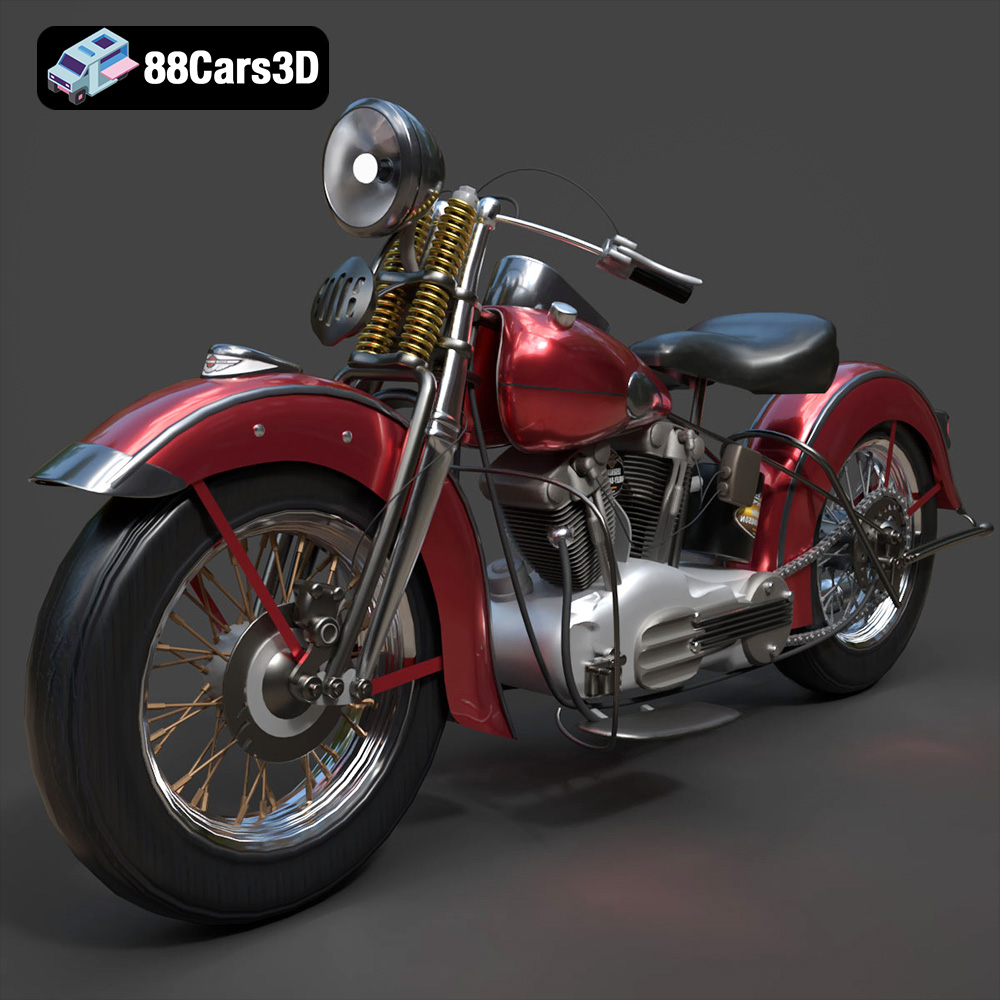
Texture: Yes
Material: Yes
Download the Harley Davidson F 1946 3D Model featuring clean geometry, realistic detailing, and a fully modeled interior. Includes .blend, .fbx, .obj, .glb, .stl, .ply, .unreal, and .max formats for rendering, simulation, and game development.
Price: $19.99
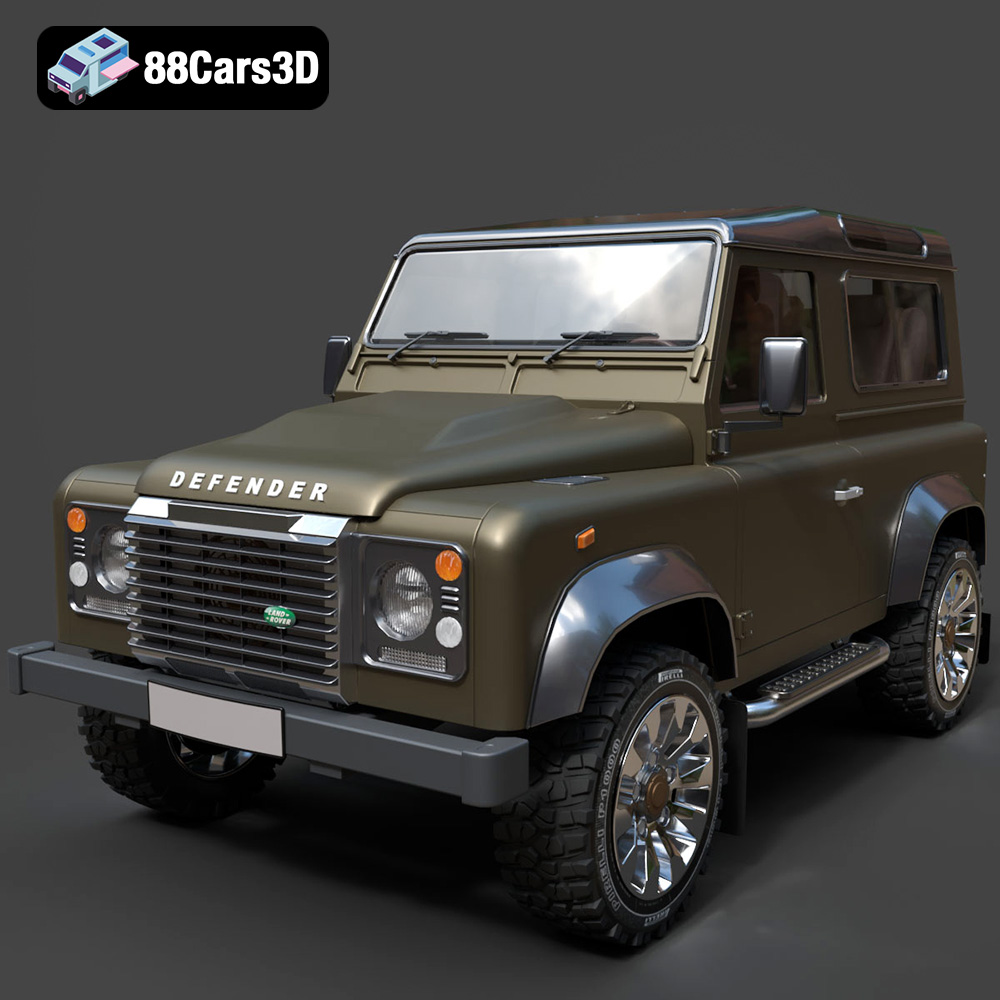
Texture: Yes
Material: Yes
Download the Land Rover Defender Works V8 3D Model featuring clean geometry, realistic detailing, and a fully modeled interior. Includes .blend, .fbx, .obj, .glb, .stl, .ply, .unreal, and .max formats for rendering, simulation, and game development.
Price: $19.99
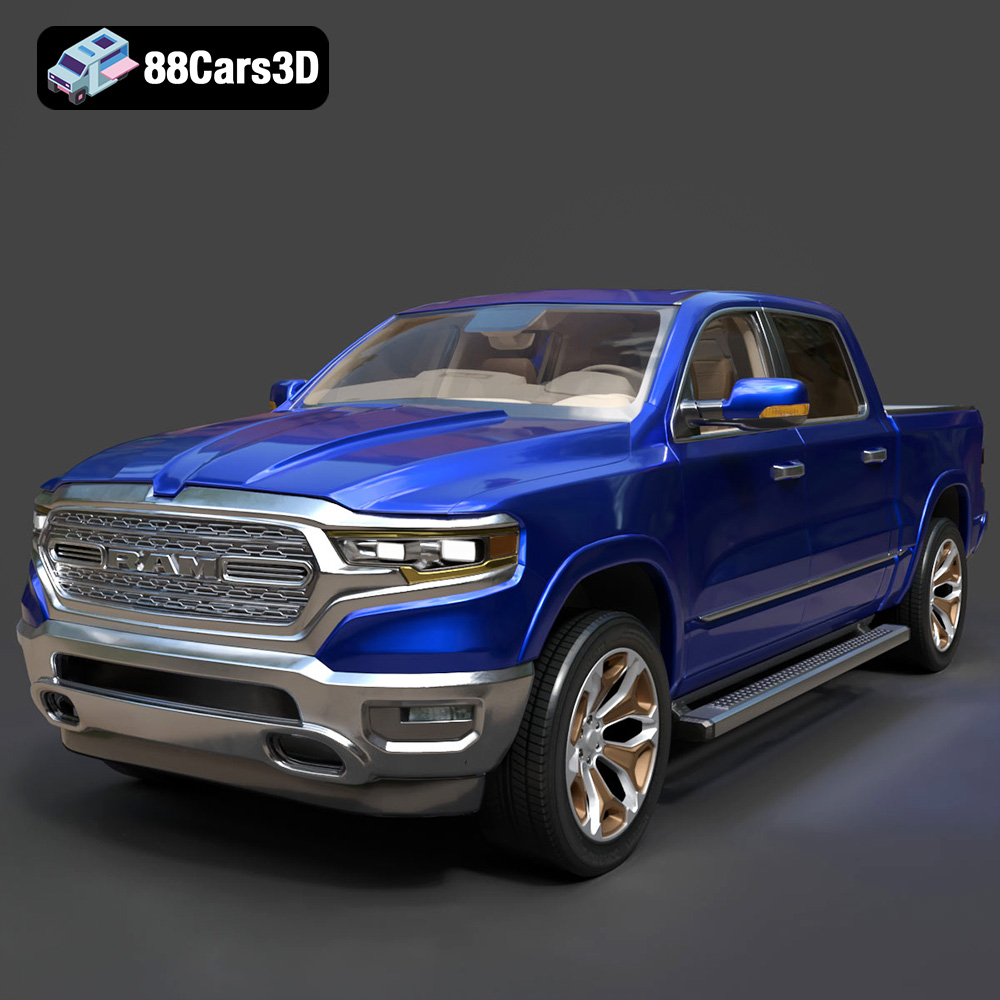
Texture: Yes
Material: Yes
Download the Dodge RAM 2019 3D Model featuring clean geometry, realistic detailing, and a fully modeled interior. Includes .blend, .fbx, .obj, .glb, .stl, .ply, .unreal, and .max formats for rendering, simulation, and game development.
Price: $19.99
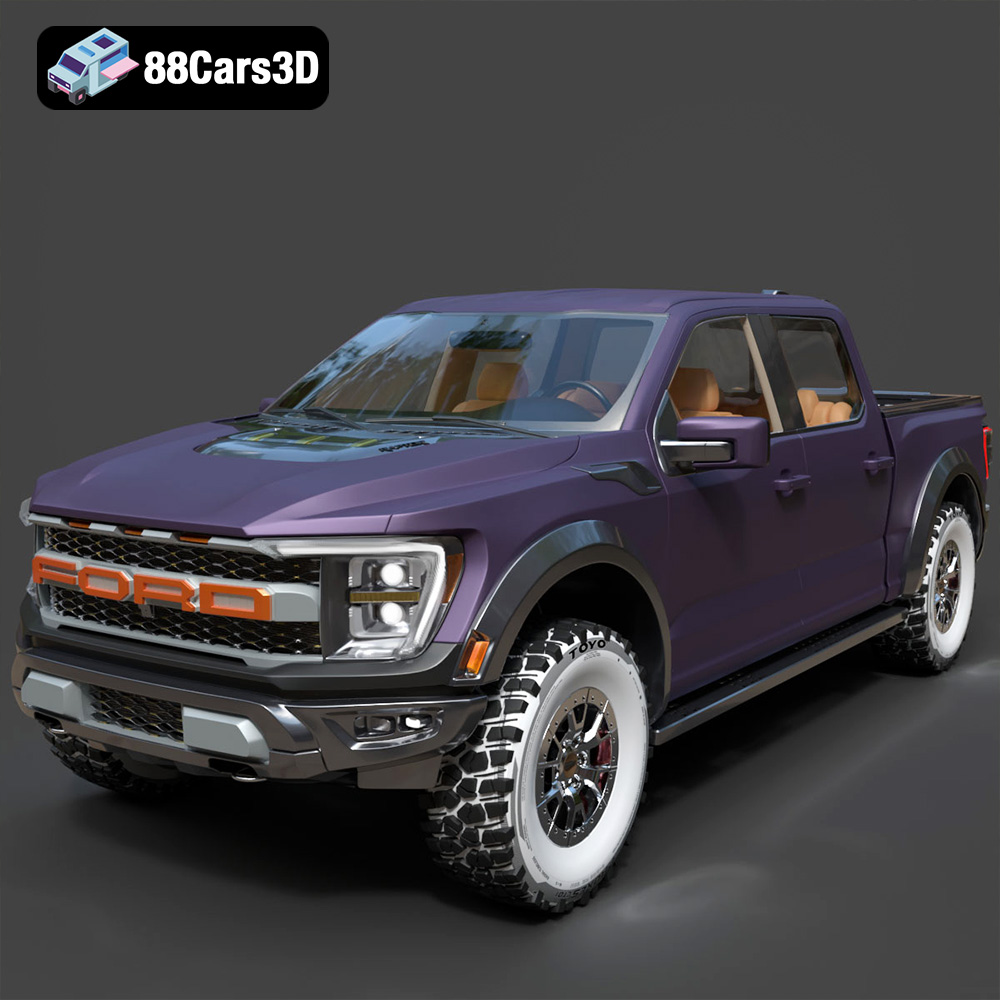
Texture: Yes | Material: Yes Download the ultra-high-detail Ford F-150 Raptor 2021 3D Model (8.73M Triangles). Features uncompromised widebody styling, fully modeled Fox Live Valve suspension, 37-inch tires, and interior. Perfect for premium VFX, cinematic rendering, and ArchViz. Includes .blend, .fbx, .obj, .glb, .stl, and .max formats.
Price: $29.99
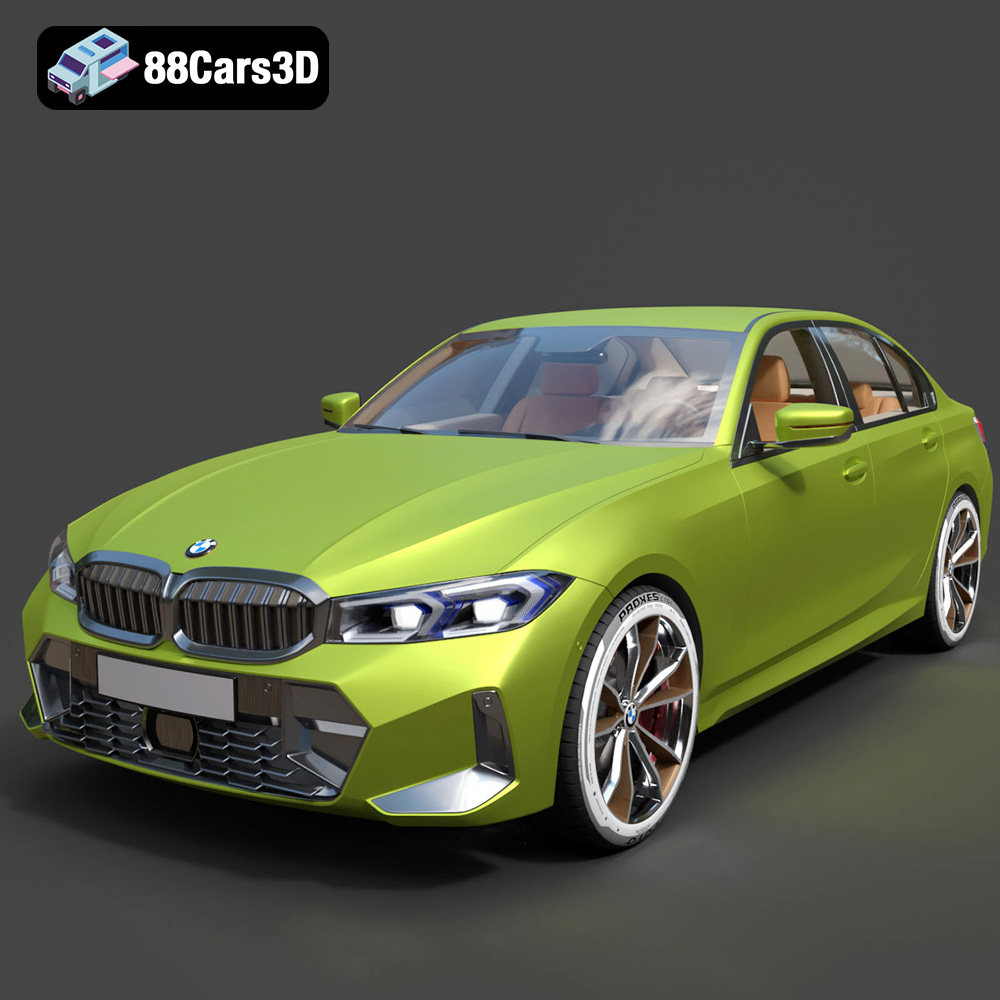
Texture: Yes | Material: Yes Download the ultra-high-detail BMW 3 Series Limousine (2022) 3D Model (4.16M Triangles). Features the modernized G20 LCI exterior, the all-new BMW Curved Display interior, and ultra-dense topology. Perfect for ArchViz, VFX, and cinematic rendering. Includes .blend, .fbx, .obj, .glb, .stl, and .max formats.
Price: $19.99
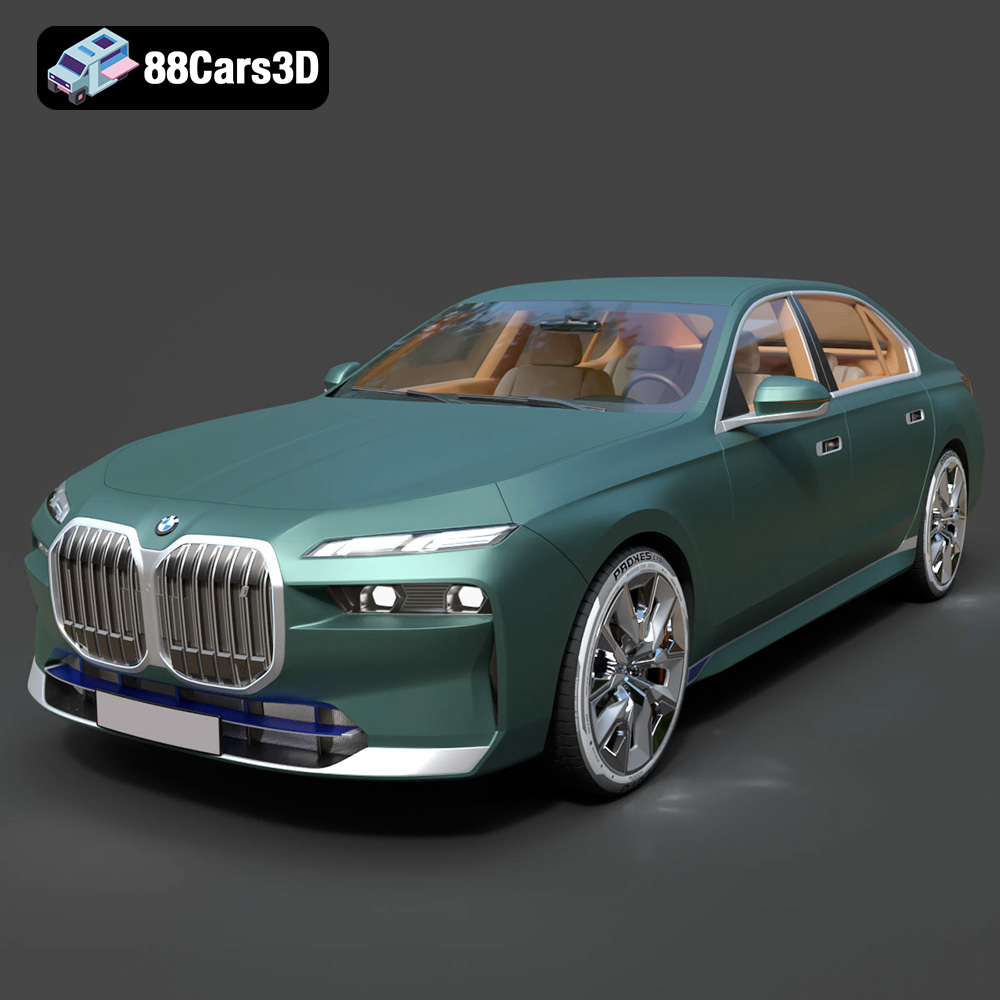
Texture: Yes | Material: Yes Download the ultra-high-detail BMW i7 (2023) 3D Model (4.14M Triangles). Features the illuminated kidney grille, split crystal headlights, fully modeled Theatre Screen interior, and monolithic luxury styling. Perfect for ArchViz, VFX, and cinematic rendering. Includes .blend, .fbx, .obj, .glb, .stl, and .max formats.
Price: $19.99
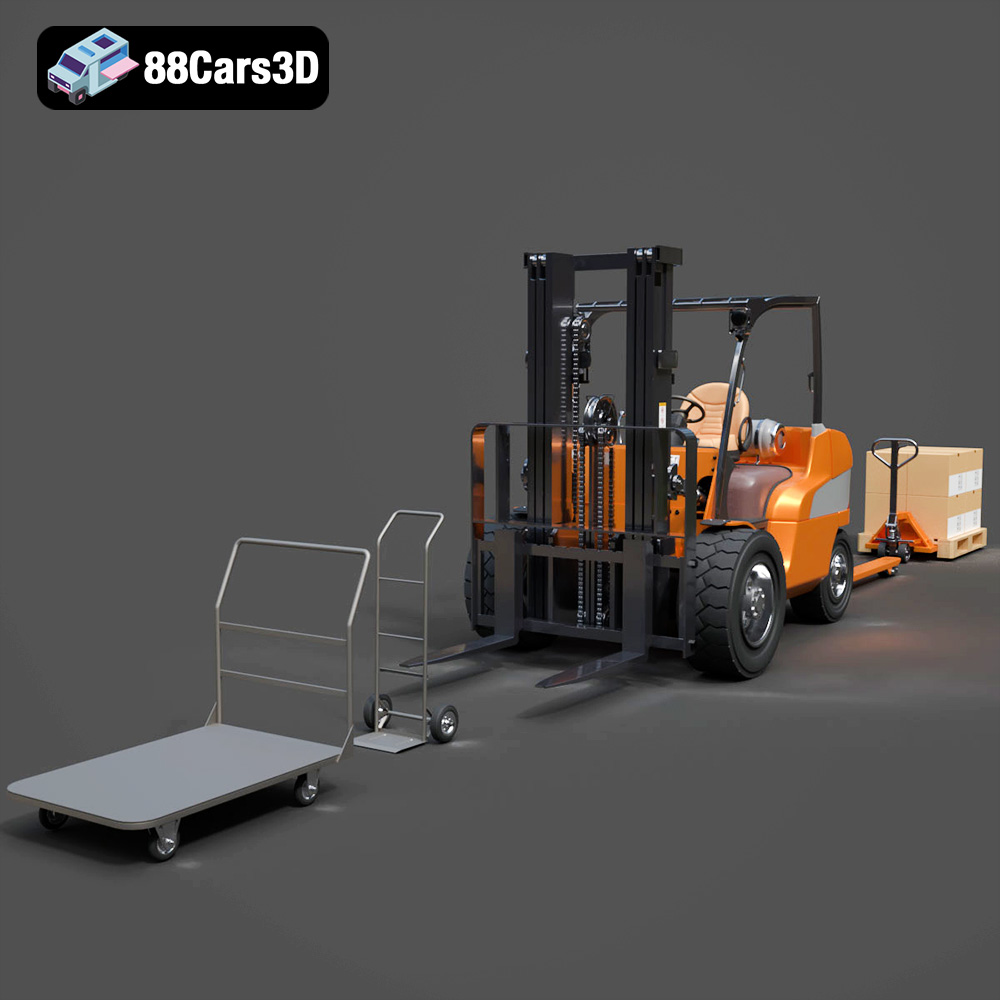
Texture: Yes | Material: Yes Download the highly detailed CAT Manual Loader & Warehouse Carts Kit 3D Model (2.4M Triangles). Features a macro-detailed hydraulic pallet jack, heavy-duty forks, and transport carts. Perfect for industrial ArchViz, factory rendering, and logistics simulations. Includes .blend, .fbx, .obj, .glb, .stl, and .max formats.
Price: $19.99

Texture: Yes | Material: Yes
Download the highly optimized Mazda CX-5 2014 3D Model (294k Triangles). Features the dynamic Kodo design language, signature grille, and a clean interior. Perfectly balanced for ArchViz, background traffic, and game development. Includes .blend, .fbx, .obj, .glb, .stl, and .max formats.
Price: $19.99
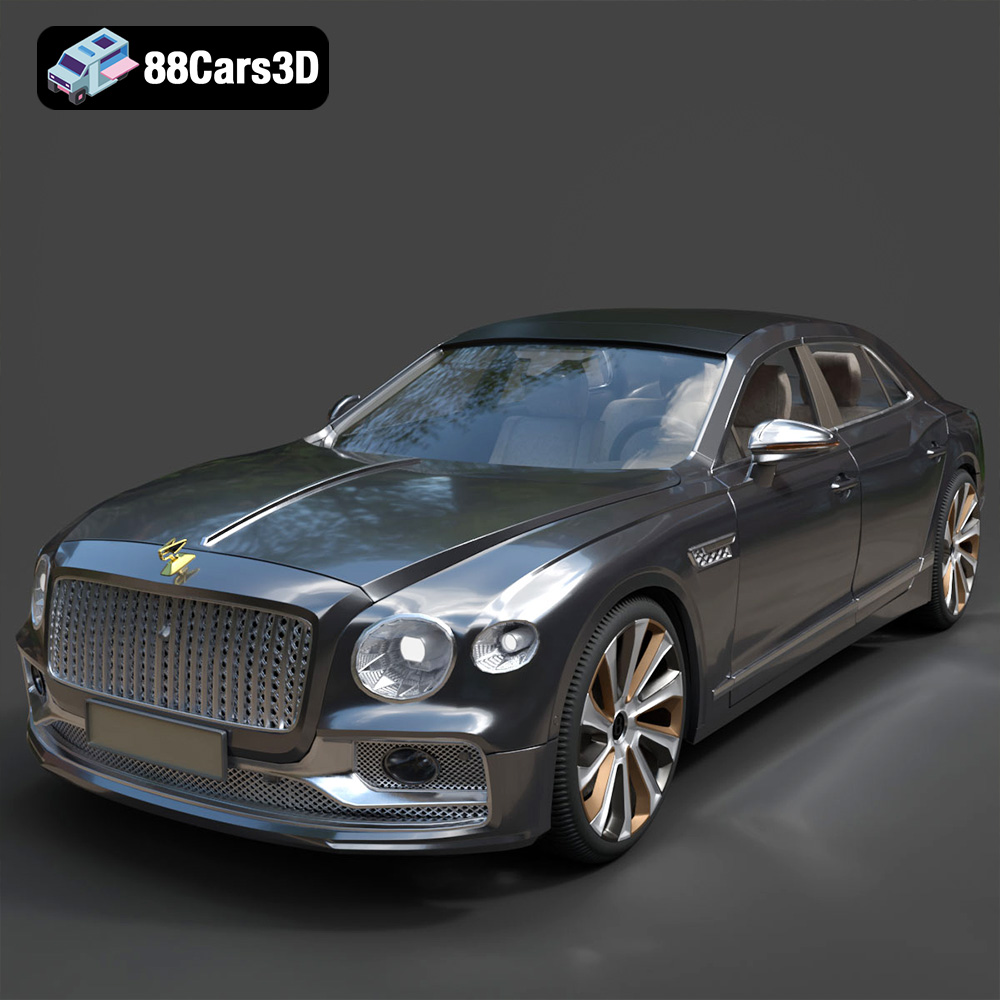
Texture: Yes | Material: Yes Download the ultra-high-detail Bentley Flying Spur Mulliner 2022 3D Model (2.94M Triangles). Features the bespoke Double Diamond grille, a fully modeled diamond-quilted interior, and exquisite luxury styling. Perfect for high-end ArchViz, VFX, and cinematic rendering. Includes .blend, .fbx, .obj, .glb, .stl, and .max formats.
Price: $19.90
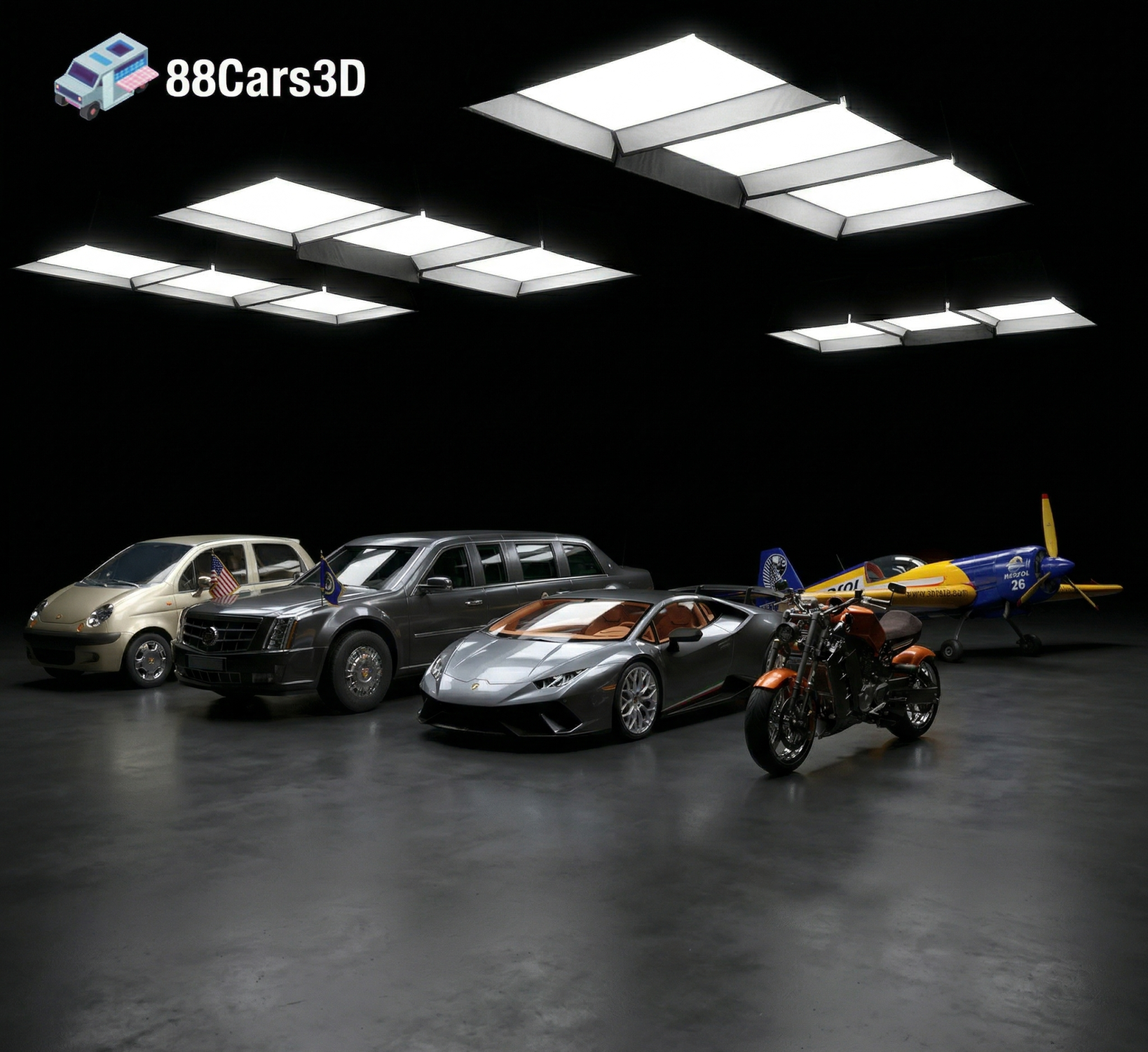
Texture: Yes | Material: Yes | 3D Printable: Yes. Download the Ultimate Creators’ Showcase featuring 5 premium 3D models: Lamborghini Huracan, ZAV Concept Motorcycle, Sukhoi SU-26, Presidential Limousine, and Daewoo Damas. Optimized for 4K CGI rendering and 3D printing. Save massive with this exclusive multi-category bundle!
Price: $99.99

