Get 50% OFF All Premium 3D & STL Models!

“`html
The world of automotive visualization is constantly evolving, demanding increasingly realistic and immersive experiences. Unreal Engine, with its powerful real-time rendering capabilities, has become a cornerstone for creating stunning visuals. One of the most exciting advancements in recent years is the integration of MetaHuman Creator, allowing for the creation of highly detailed and customizable digital humans. This article explores how to seamlessly integrate MetaHumans into your Unreal Engine projects, particularly within the context of automotive visualization. We’ll cover everything from importing MetaHumans, optimizing them for performance, and leveraging them to create compelling interactive experiences.
By the end of this guide, you’ll understand how to use MetaHumans to add a new level of realism to your automotive projects, whether you’re creating a virtual showroom, designing interactive configurators, or producing cinematic marketing content. Furthermore, we will address crucial performance considerations when working with such high-fidelity assets in a real-time environment.
The MetaHuman Creator is a cloud-based application that allows you to design and customize digital humans with incredible detail. The process begins with selecting a base mesh from a diverse library of pre-built characters. From there, you can adjust facial features, skin tones, hairstyles, clothing, and more. The resulting MetaHuman can then be downloaded and imported into Unreal Engine for use in your projects. This integration offers a streamlined workflow, especially when sourcing automotive assets from marketplaces such as 88cars3d.com, as you can quickly populate your scenes with realistic characters to complement your vehicles.
The core of MetaHuman Creator lies in its ability to create unique digital identities. You can morph between different base characters, adjusting individual features with precise sliders. This level of control allows you to create a diverse cast of characters for your automotive visualizations. For example, you might create a family to showcase the safety features of a vehicle or design a sophisticated driver to complement a luxury car model. The MetaHuman identity is defined by its DNA, which is a set of parameters that control the shape and appearance of the character. This DNA can be further tweaked within Unreal Engine using Blueprint scripting, allowing for dynamic customization at runtime.
Once you’ve created your MetaHuman, you’ll need to download it for use in Unreal Engine. MetaHuman Creator provides several export options, including a Quixel Bridge integration. This is the recommended method as it ensures seamless compatibility and optimal performance. When exporting, you can choose the level of detail (LOD) for the MetaHuman. For automotive visualizations, you’ll typically want to use the highest LOD for close-up shots and lower LODs for characters in the background. The export process also includes all the necessary textures, materials, and skeletal meshes required for rendering the MetaHuman in Unreal Engine. The typical download size for a high-quality MetaHuman can range from 500MB to several gigabytes, depending on the complexity and texture resolution.
After downloading your MetaHuman through Quixel Bridge, importing it into Unreal Engine is a straightforward process. The plugin automatically handles the creation of all necessary assets, including skeletal meshes, materials, textures, and animation Blueprints. However, there are several steps you can take to further optimize and customize your MetaHuman for your specific automotive visualization project. This includes adjusting material instances, setting up animation retargeting, and configuring facial animation.
The Quixel Bridge integration is the most efficient way to import MetaHumans into Unreal Engine. Once you’ve downloaded your MetaHuman in Quixel Bridge, it will automatically appear in the “My MetaHumans” tab. Simply click the “Add” button, and Quixel Bridge will handle the rest. It creates a new folder in your Content Browser containing all the necessary assets for your MetaHuman. The integration ensures that all textures are properly linked, materials are correctly configured, and the skeletal mesh is ready for animation. This eliminates the need for manual importing and setup, saving you valuable time and effort. It’s important to have the Quixel Bridge plugin enabled in Unreal Engine for this to work correctly.
MetaHumans come with a complex set of PBR (Physically Based Rendering) materials that contribute to their realistic appearance. These materials can be further customized using material instances. Material instances allow you to modify parameters like color, roughness, and metallic without affecting the base material. This is useful for fine-tuning the appearance of your MetaHuman to match the lighting and aesthetic of your automotive scene. Furthermore, you can optimize material performance by reducing texture resolutions or simplifying shader complexity. For example, you might reduce the resolution of the subsurface scattering texture for characters in the background to improve rendering speed. Platforms like 88cars3d.com offer optimized models for Unreal Engine that apply similar principles to vehicle assets, ensuring a balance between visual fidelity and performance.
Achieving realistic lighting and shading is crucial for making your MetaHumans look believable in your automotive visualizations. Unreal Engine offers a variety of lighting techniques, including Lumen global illumination and ray tracing. Lumen provides dynamic global illumination and reflections, creating a more immersive and realistic lighting environment. Ray tracing, on the other hand, offers even more accurate reflections and shadows, but it comes with a higher performance cost. The choice of lighting technique depends on your project’s performance requirements and visual fidelity goals. You can find detailed information on Lumen and ray tracing in the official Unreal Engine documentation at https://dev.epicgames.com/community/unreal-engine/learning.
Lumen is Unreal Engine’s next-generation global illumination and reflection system. It provides dynamic global illumination, meaning that lighting changes in real-time as you move light sources or objects in the scene. This is particularly useful for automotive visualizations, where you might want to simulate the changing lighting conditions of a showroom or outdoor environment. Lumen also provides realistic reflections, which are essential for accurately rendering the surfaces of vehicles and MetaHumans. To enable Lumen, you’ll need to set the Global Illumination and Reflections methods to “Lumen” in your project settings. Keep in mind that Lumen requires a relatively powerful GPU, so you might need to adjust the settings to optimize performance.
Realistic skin shading is essential for making your MetaHumans look believable. Unreal Engine provides a dedicated skin shader that takes into account factors like subsurface scattering, specular reflections, and ambient occlusion. Subsurface scattering simulates the way light penetrates the skin, creating a soft and translucent appearance. Specular reflections simulate the way light bounces off the skin’s surface, creating highlights and reflections. Ambient occlusion simulates the way light is blocked by the skin’s surface, creating subtle shadows and depth. By carefully adjusting the parameters of the skin shader, you can create a wide range of skin tones and appearances. For example, you might increase the subsurface scattering for a younger character to give their skin a more youthful glow.
Unreal Engine’s Blueprint visual scripting system allows you to create interactive experiences without writing any code. You can use Blueprints to control the behavior of your MetaHumans, such as animating their facial expressions, triggering animations, and responding to user input. This is particularly useful for creating interactive automotive configurators, where users can customize the appearance of a vehicle and interact with a virtual salesperson.
You can use Blueprints to control the animations of your MetaHumans. The MetaHuman comes with a pre-built animation Blueprint that handles facial animation, body animation, and lip syncing. You can trigger animations by calling functions on the animation Blueprint from your own Blueprints. For example, you might create a Blueprint that plays a specific animation when the user clicks a button. You can also use Blueprints to blend between different animations, creating smooth and natural transitions. For example, you might blend between an idle animation and a walking animation when the MetaHuman starts moving. When working with complex animation setups, consider using Animation Montages to organize and trigger animation sequences. This helps maintain a clean and manageable Blueprint graph.
MetaHumans can be integrated into interactive automotive configurators to provide a more personalized and engaging experience. You can use Blueprints to create elements that allow users to interact with the MetaHuman, such as changing their clothing, adjusting their hairstyle, or asking them questions about the vehicle. For example, you might create a Blueprint that changes the MetaHuman’s clothing when the user selects a different color option for the vehicle. You can also use Blueprints to create a dialogue system that allows the user to ask the MetaHuman questions about the vehicle’s features and benefits. This creates a more immersive and engaging experience for the user, helping them make a more informed purchase decision. Utilizing blend shapes and morph targets within the MetaHuman asset allows for dynamic adjustments to facial expressions based on user interaction, further enhancing the realism.
MetaHumans are high-fidelity assets that can be demanding on performance. It’s essential to optimize your MetaHumans to ensure smooth and responsive performance in your automotive visualizations. This includes reducing polygon counts, optimizing textures, and using Level of Detail (LOD) scaling. Additionally, consider using Nanite virtualized geometry for incredibly detailed meshes. Understanding these optimization techniques is critical for delivering a high-quality experience, especially when targeting lower-end hardware or mobile devices.
Nanite is Unreal Engine’s virtualized geometry system that allows you to render incredibly detailed meshes with millions or even billions of polygons in real-time. This is particularly useful for MetaHumans, which can have very high polygon counts. Nanite automatically handles the level of detail scaling, rendering only the polygons that are visible to the camera. This significantly reduces the performance cost of rendering high-poly MetaHumans. To enable Nanite for your MetaHuman, you’ll need to enable it in the asset’s settings. Keep in mind that Nanite requires a relatively powerful GPU, so you might need to adjust the settings to optimize performance. Enabling Nanite can drastically improve performance with minimal visual quality loss, especially in scenes with complex geometry and close-up shots.
Level of Detail (LOD) scaling is a technique that involves creating multiple versions of a mesh with varying levels of detail. The engine automatically switches between these versions based on the distance of the mesh from the camera. This allows you to reduce the performance cost of rendering distant objects without sacrificing visual quality. MetaHumans come with pre-built LODs, but you can further customize them to optimize performance. For example, you might reduce the polygon count of the lower LODs or simplify the materials. Carefully managing LODs is crucial for maintaining a smooth frame rate, especially in complex scenes with multiple MetaHumans and vehicles. When importing assets from marketplaces such as 88cars3d.com, pay attention to the provided LODs and adjust them as needed for your specific scene requirements.
MetaHumans are being used in a variety of automotive visualization applications, including virtual showrooms, interactive configurators, and cinematic marketing content. They can add a new level of realism and engagement to these experiences, helping customers connect with vehicles on a more emotional level. By showcasing real-world examples, we can highlight the tangible benefits of integrating MetaHumans into automotive workflows.
MetaHumans can be used to create virtual showrooms that provide a more personalized and engaging experience for customers. Instead of simply browsing a website, customers can interact with a virtual salesperson who can answer their questions and guide them through the vehicle’s features and benefits. The virtual salesperson can be customized to match the brand’s identity and target audience, creating a more consistent and memorable experience. Furthermore, the MetaHuman can adapt their responses based on the customer’s preferences and needs, providing a truly personalized experience. This level of personalization can significantly improve customer satisfaction and drive sales.
MetaHumans can be used to create cinematic marketing content that tells a compelling story about a vehicle. Instead of simply showcasing the vehicle’s features and specifications, you can create a narrative that highlights the emotional benefits of owning the vehicle. For example, you might create a video that shows a family using the vehicle to go on a road trip, emphasizing the vehicle’s safety, comfort, and reliability. By using MetaHumans to portray the characters in the story, you can create a more relatable and engaging experience for the viewer. This can significantly improve brand awareness and drive sales. Using Unreal Engine’s Sequencer, you can orchestrate complex scenes and animations with your MetaHumans and vehicle models, creating visually stunning and emotionally resonant content.
Integrating MetaHuman Creator with Unreal Engine opens up a world of possibilities for automotive visualization. By adding realistic and customizable digital humans to your projects, you can create more immersive and engaging experiences that resonate with your audience. From virtual showrooms to interactive configurators and cinematic marketing content, MetaHumans can enhance every aspect of your automotive visualization workflow. However, it’s crucial to understand the performance implications of using high-fidelity assets and to optimize your MetaHumans accordingly. By following the best practices outlined in this guide, you can create stunning visuals without sacrificing performance. Experiment with different lighting techniques, material customizations, and animation setups to find the optimal balance between visual fidelity and performance for your specific project. Embrace the power of MetaHumans and unlock the full potential of Unreal Engine for your automotive visualizations. Remember to consult the Unreal Engine documentation at https://dev.epicgames.com/community/unreal-engine/learning for the most up-to-date information on features and workflows.
“`
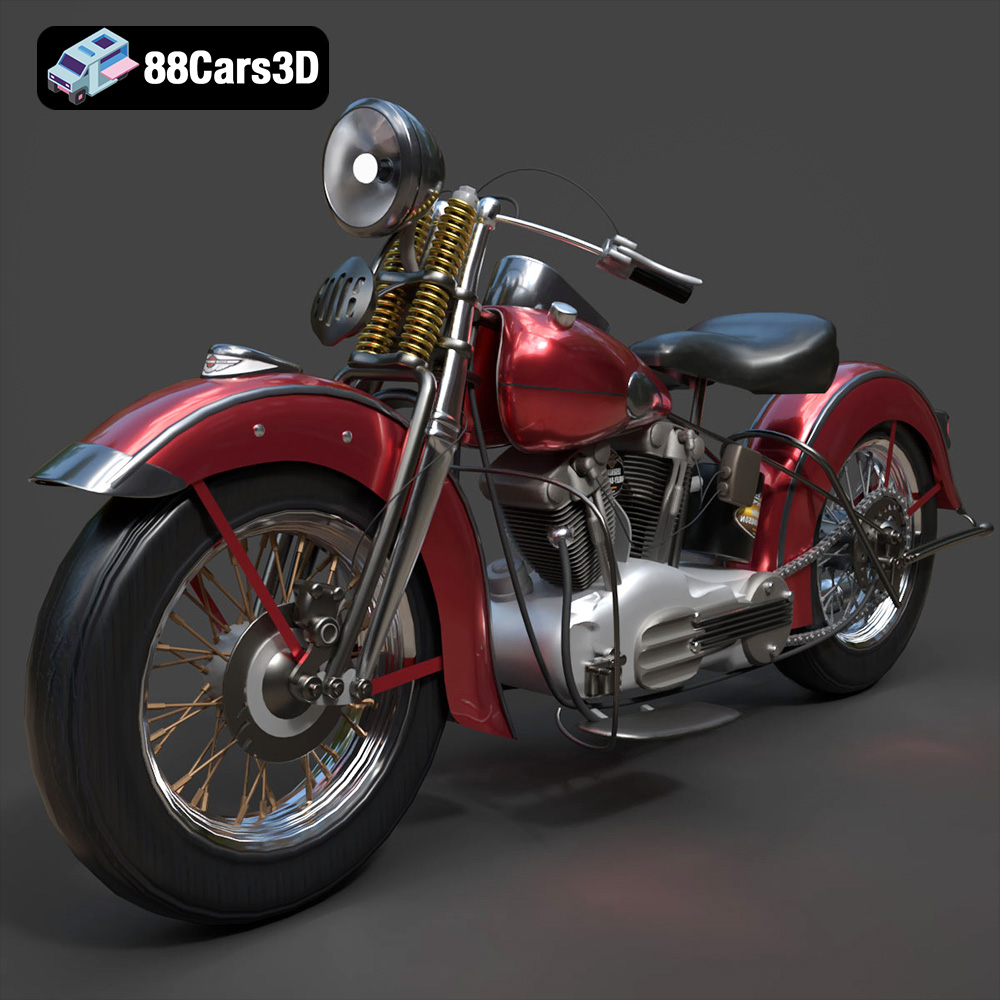
Texture: Yes
Material: Yes
Download the Harley Davidson F 1946 3D Model featuring clean geometry, realistic detailing, and a fully modeled interior. Includes .blend, .fbx, .obj, .glb, .stl, .ply, .unreal, and .max formats for rendering, simulation, and game development.
Price: $19.99
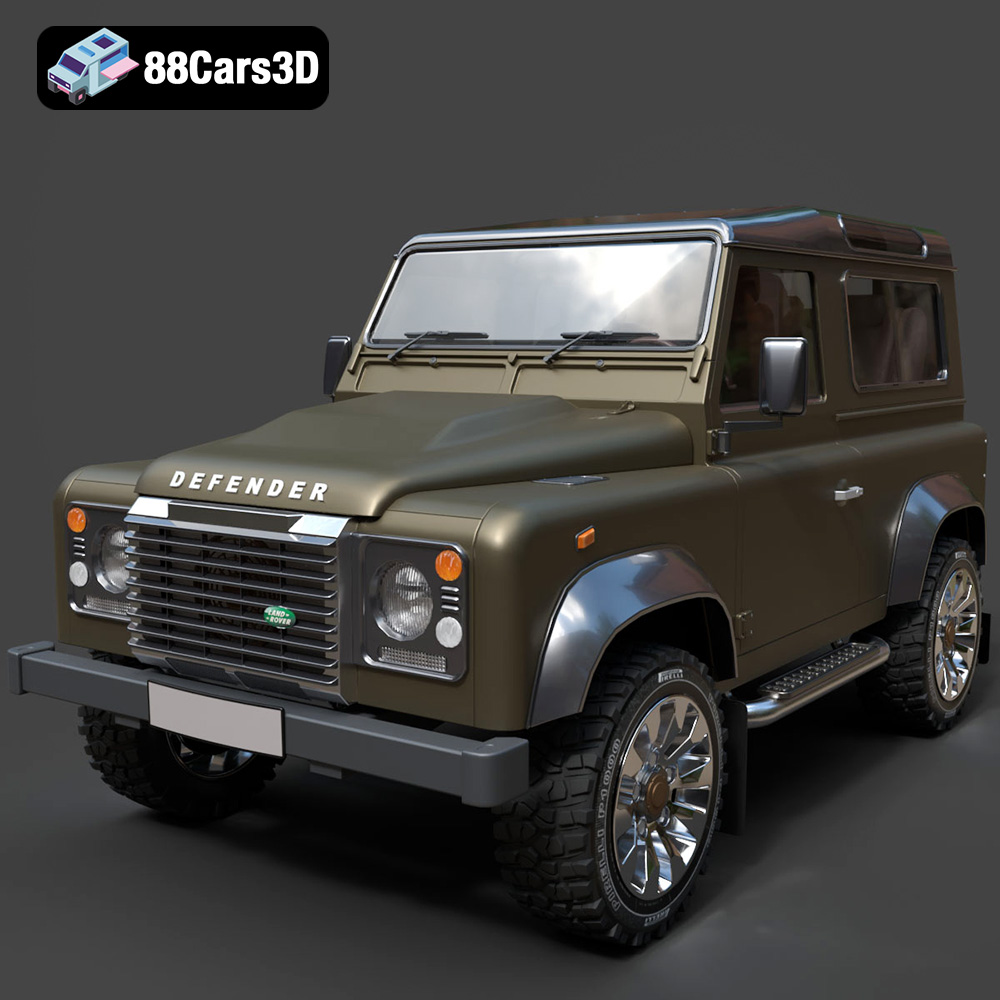
Texture: Yes
Material: Yes
Download the Land Rover Defender Works V8 3D Model featuring clean geometry, realistic detailing, and a fully modeled interior. Includes .blend, .fbx, .obj, .glb, .stl, .ply, .unreal, and .max formats for rendering, simulation, and game development.
Price: $19.99
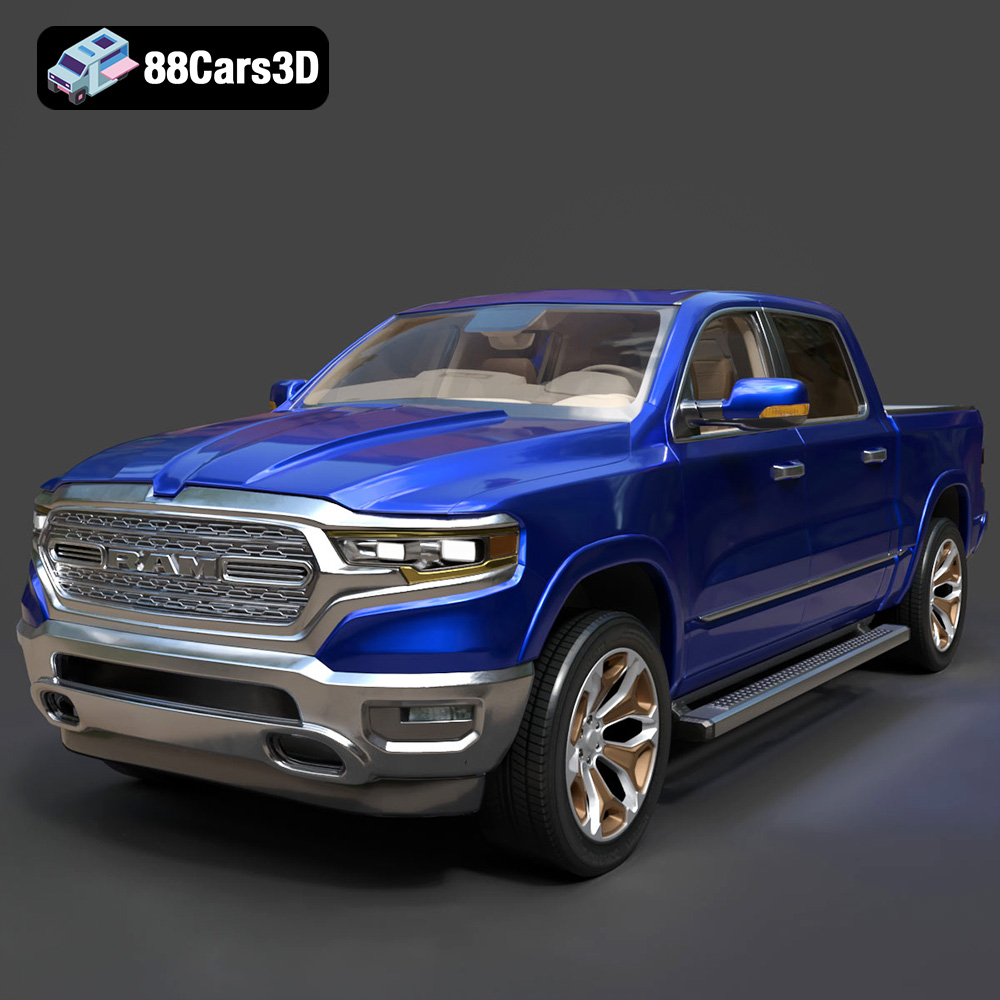
Texture: Yes
Material: Yes
Download the Dodge RAM 2019 3D Model featuring clean geometry, realistic detailing, and a fully modeled interior. Includes .blend, .fbx, .obj, .glb, .stl, .ply, .unreal, and .max formats for rendering, simulation, and game development.
Price: $19.99
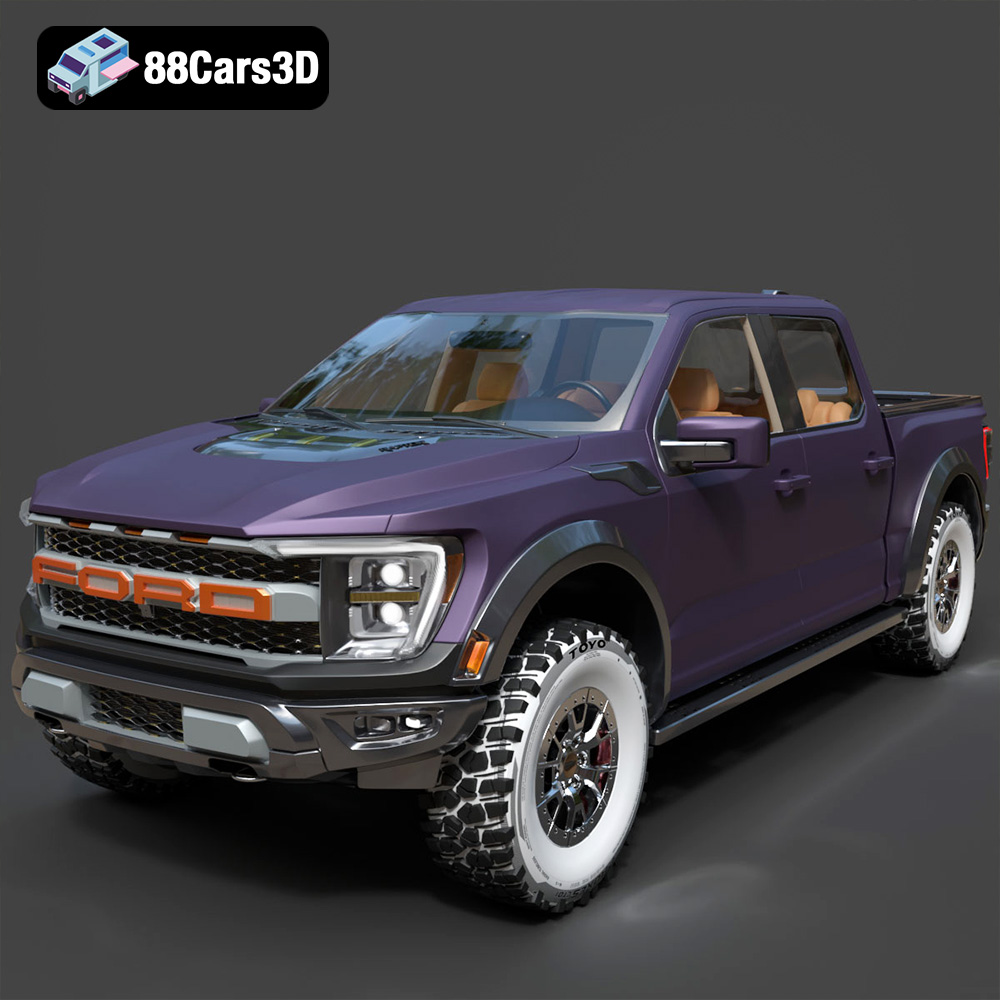
Texture: Yes | Material: Yes Download the ultra-high-detail Ford F-150 Raptor 2021 3D Model (8.73M Triangles). Features uncompromised widebody styling, fully modeled Fox Live Valve suspension, 37-inch tires, and interior. Perfect for premium VFX, cinematic rendering, and ArchViz. Includes .blend, .fbx, .obj, .glb, .stl, and .max formats.
Price: $29.99
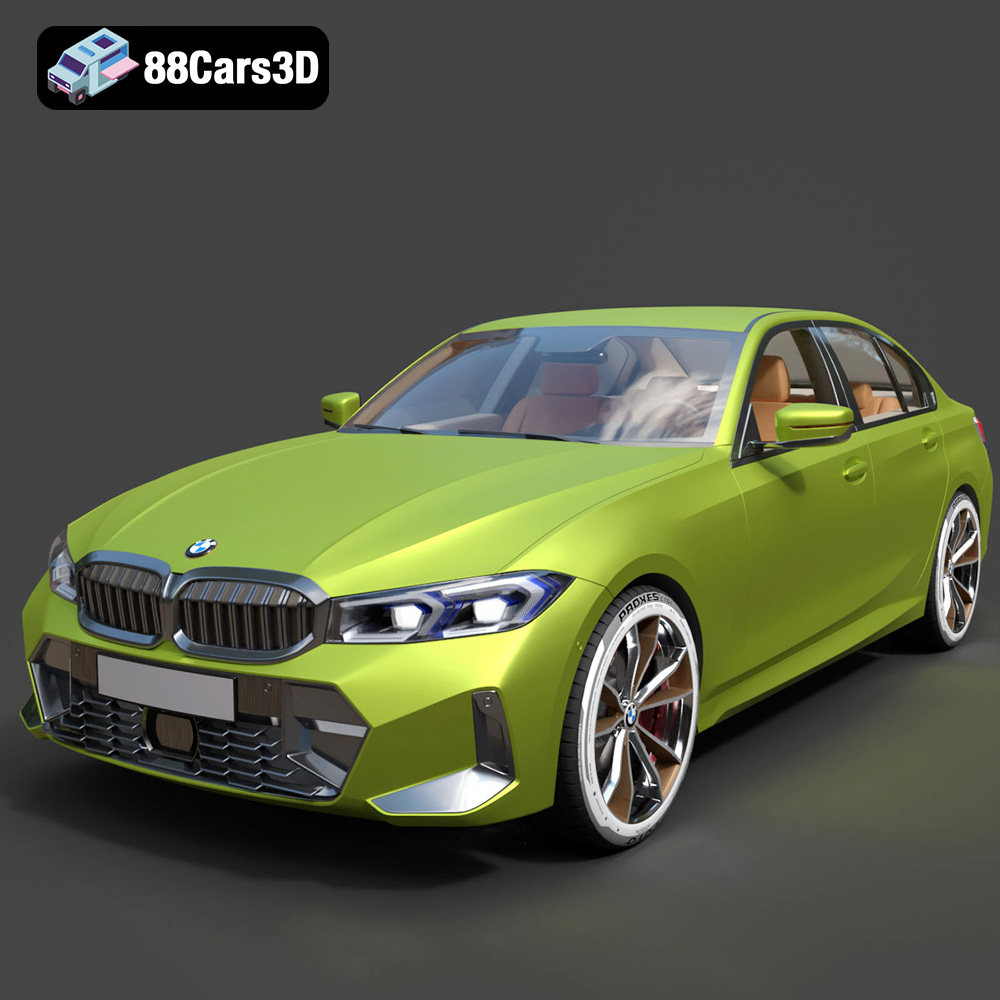
Texture: Yes | Material: Yes Download the ultra-high-detail BMW 3 Series Limousine (2022) 3D Model (4.16M Triangles). Features the modernized G20 LCI exterior, the all-new BMW Curved Display interior, and ultra-dense topology. Perfect for ArchViz, VFX, and cinematic rendering. Includes .blend, .fbx, .obj, .glb, .stl, and .max formats.
Price: $19.99
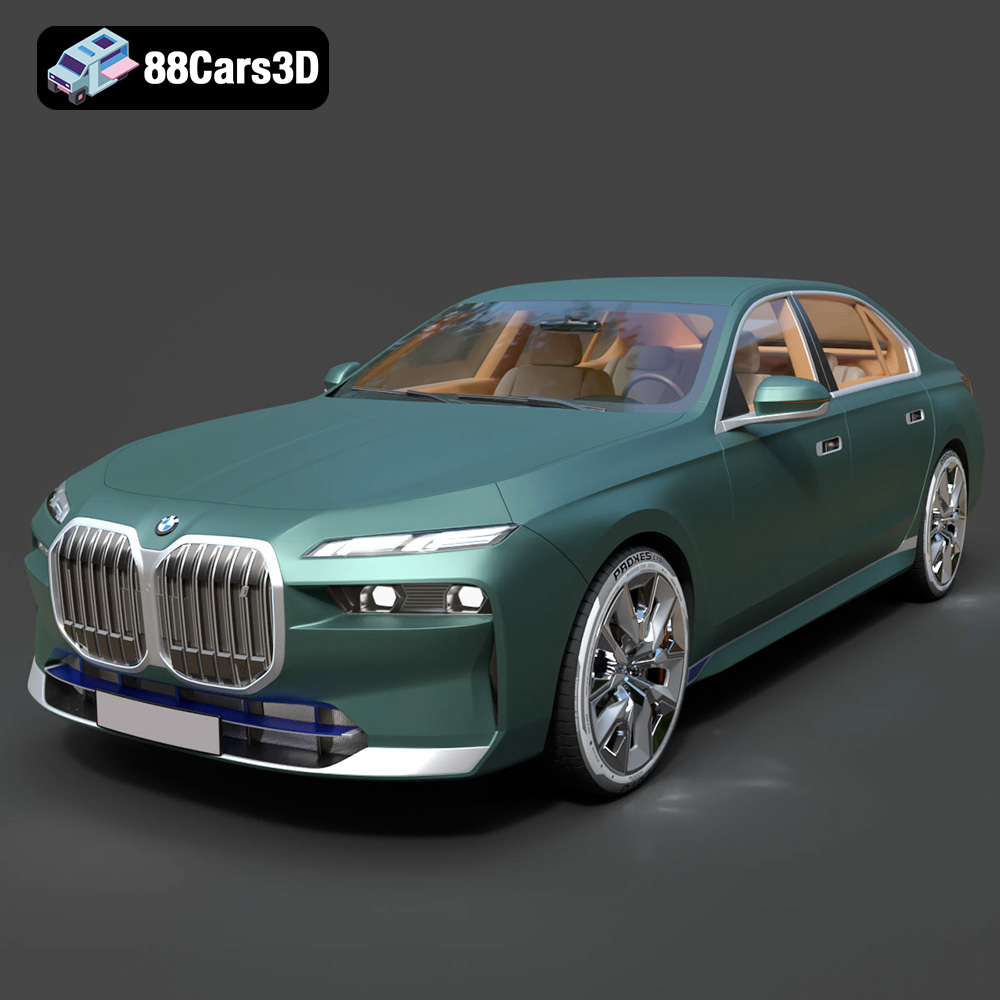
Texture: Yes | Material: Yes Download the ultra-high-detail BMW i7 (2023) 3D Model (4.14M Triangles). Features the illuminated kidney grille, split crystal headlights, fully modeled Theatre Screen interior, and monolithic luxury styling. Perfect for ArchViz, VFX, and cinematic rendering. Includes .blend, .fbx, .obj, .glb, .stl, and .max formats.
Price: $19.99
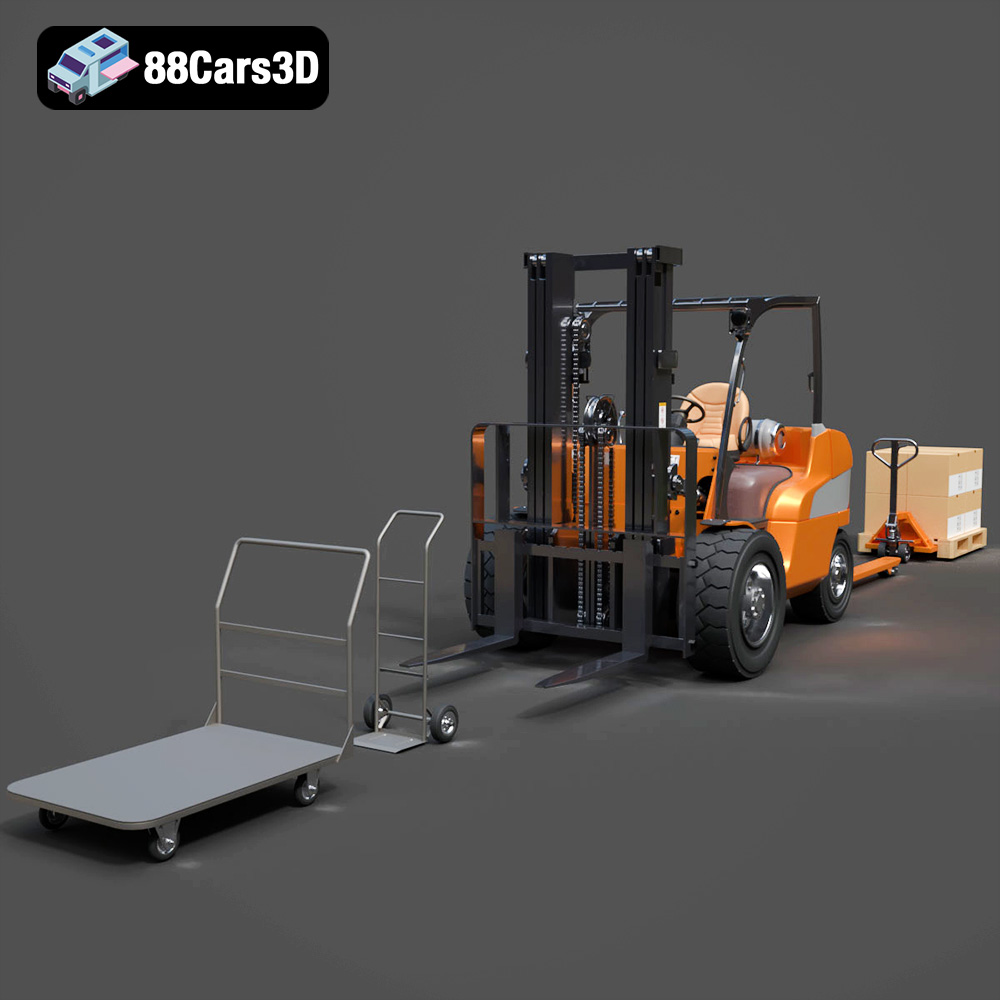
Texture: Yes | Material: Yes Download the highly detailed CAT Manual Loader & Warehouse Carts Kit 3D Model (2.4M Triangles). Features a macro-detailed hydraulic pallet jack, heavy-duty forks, and transport carts. Perfect for industrial ArchViz, factory rendering, and logistics simulations. Includes .blend, .fbx, .obj, .glb, .stl, and .max formats.
Price: $19.99
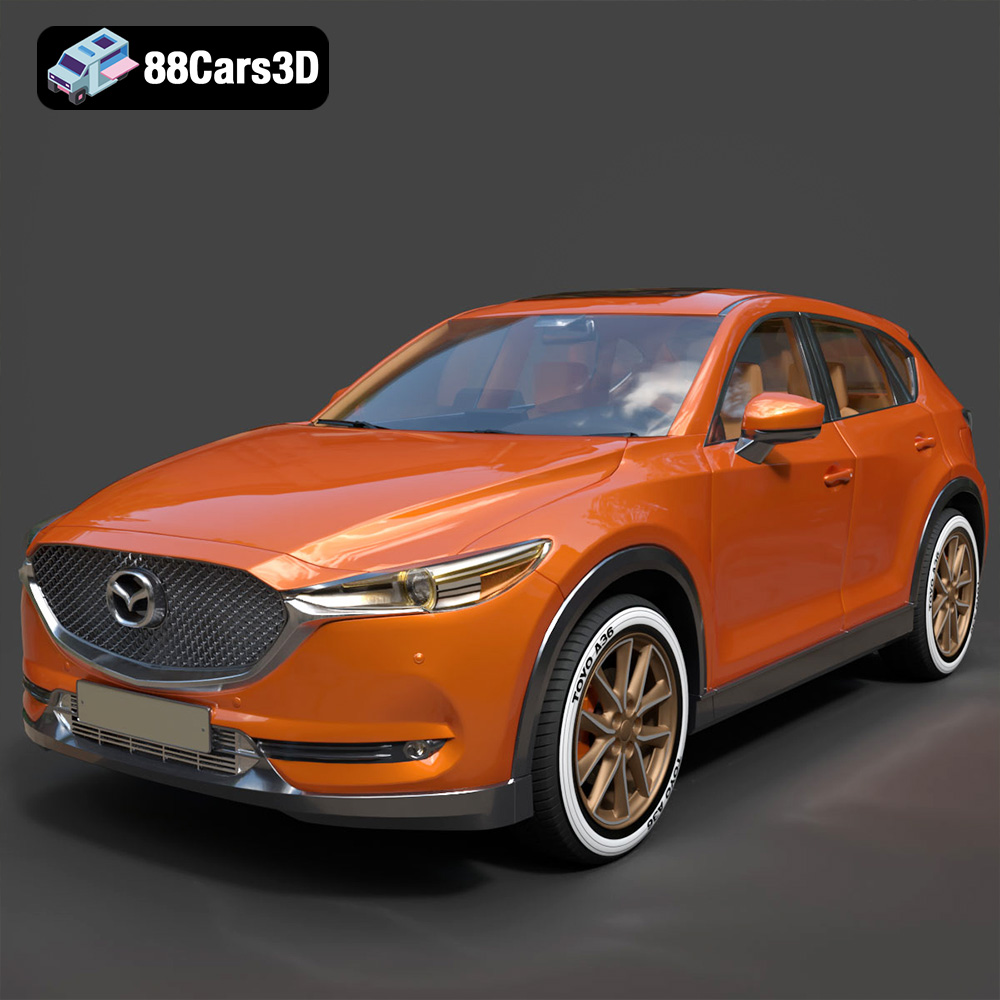
Texture: Yes | Material: Yes
Download the highly optimized Mazda CX-5 2014 3D Model (294k Triangles). Features the dynamic Kodo design language, signature grille, and a clean interior. Perfectly balanced for ArchViz, background traffic, and game development. Includes .blend, .fbx, .obj, .glb, .stl, and .max formats.
Price: $19.99
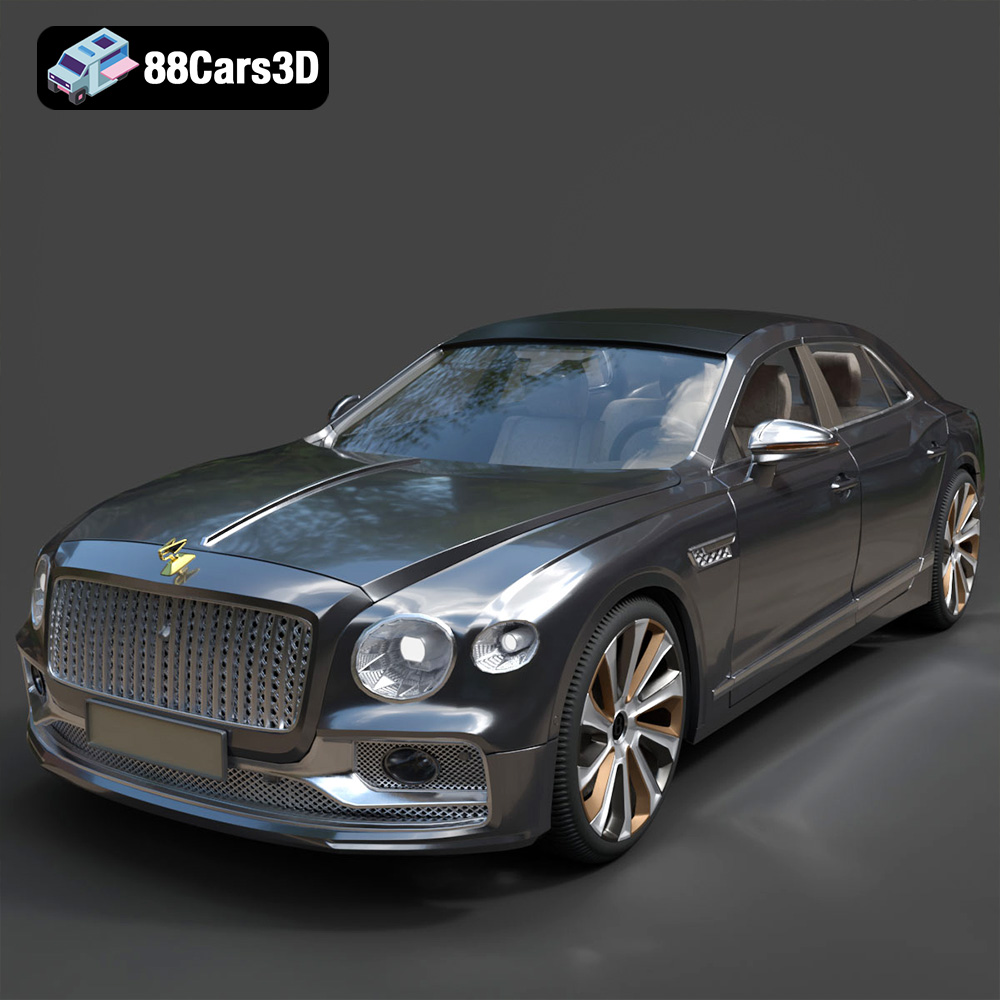
Texture: Yes | Material: Yes Download the ultra-high-detail Bentley Flying Spur Mulliner 2022 3D Model (2.94M Triangles). Features the bespoke Double Diamond grille, a fully modeled diamond-quilted interior, and exquisite luxury styling. Perfect for high-end ArchViz, VFX, and cinematic rendering. Includes .blend, .fbx, .obj, .glb, .stl, and .max formats.
Price: $19.90
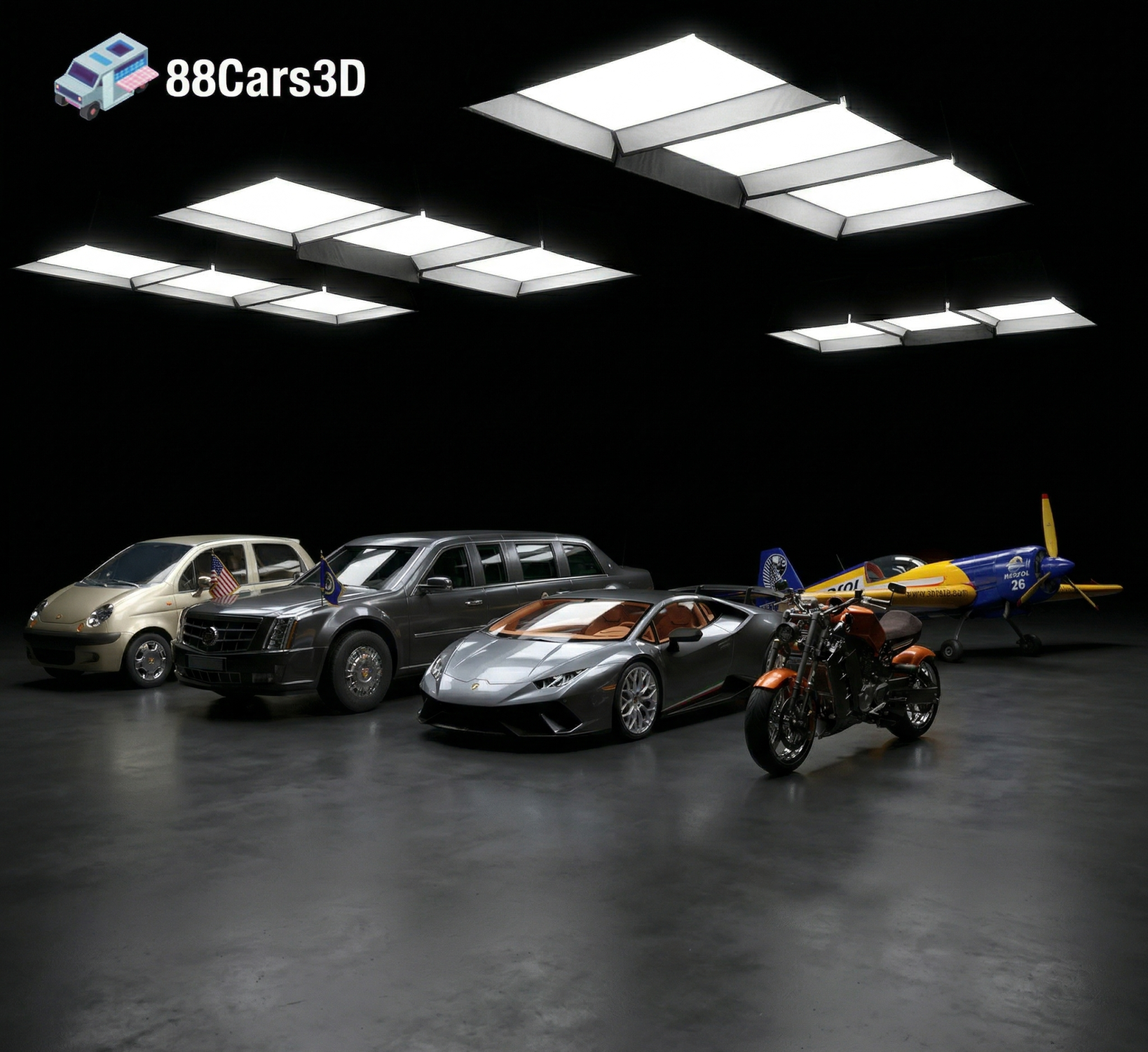
Texture: Yes | Material: Yes | 3D Printable: Yes. Download the Ultimate Creators’ Showcase featuring 5 premium 3D models: Lamborghini Huracan, ZAV Concept Motorcycle, Sukhoi SU-26, Presidential Limousine, and Daewoo Damas. Optimized for 4K CGI rendering and 3D printing. Save massive with this exclusive multi-category bundle!
Price: $99.99

