Get 50% OFF All Premium 3D & STL Models!

“`html
The world of 3D printing is full of exciting possibilities, but navigating the technical aspects can sometimes feel overwhelming. One of the first hurdles many enthusiasts face is understanding the different file formats used to represent 3D models. STL, OBJ, and FBX are three of the most common, and each has its strengths and weaknesses when it comes to 3D printing. Choosing the right file format can significantly impact the success of your print, affecting everything from print quality and file size to compatibility and post-processing options. This guide will delve deep into each format, exploring their technical specifications, ideal use cases, and how to optimize them for 3D printing success. We’ll explore practical tips, software-specific workflows, and real-world examples to help you make informed decisions, especially when working with detailed models, like the printable car models available on platforms like 88cars3d.com.
The chosen file format dictates how the 3D model’s geometry, color, and texture data are stored. An unsuitable format can lead to data loss, printing errors, or increased processing time. Understanding the nuances of each format empowers you to select the optimal choice for your specific project, enhancing the final product’s quality and accuracy. Think of it as choosing the right blueprint for a construction project – the foundation for a successful outcome.
STL, or Stereolithography, has long been the dominant file format in the 3D printing world. Its simplicity and widespread compatibility make it a reliable choice for many applications. However, its limitations should be understood to avoid potential pitfalls. The STL format represents a 3D model as a collection of triangles, describing only the surface geometry and lacking information about color, texture, or material properties.
An STL file contains a list of triangular facets, each defined by three vertices and a normal vector indicating the outward direction. This simple structure makes it easy to process and interpret by 3D printers and slicing software. However, the triangular representation can lead to faceted surfaces, especially on curved geometries. Higher triangle counts can mitigate this, but at the cost of increased file size and processing time. When dealing with complex shapes, optimizing mesh topology, by reducing unnecessary triangles while preserving detail, is crucial. Models on marketplaces such as 88cars3d.com often prioritize clean geometry for optimal printing.
STL’s primary advantage is its universal compatibility. Almost every 3D printer and slicing software supports it. It’s also relatively simple to generate and process. However, its lack of color and texture information limits its use in applications where visual appearance is crucial. Additionally, STL files can be prone to errors such as gaps, overlaps, and self-intersections, which need to be addressed before printing. Furthermore, the format doesn’t support metadata like author information or units of measurement. When using STL, you should therefore always double check all settings in your slicing software.
OBJ, or Object file format, offers a significant upgrade over STL by supporting color, texture, and material information. It represents a 3D model as a collection of vertices, edges, and faces, similar to STL, but with the added ability to define surface properties. This makes it suitable for applications where visual fidelity is important, such as architectural visualization, character modeling, and, increasingly, 3D printing of visually appealing parts.
OBJ files store geometric data in a human-readable format, making them relatively easy to inspect and edit. The file contains vertex coordinates, texture coordinates, normal vectors, and face definitions. Material properties, such as color, shininess, and transparency, are defined in a separate Material Template Library (MTL) file, which is referenced by the OBJ file. This separation allows for complex material definitions without cluttering the geometry data. However, managing both the OBJ and MTL files can be cumbersome, especially for complex models.
OBJ’s support for material definitions makes it a viable option for multi-material 3D printing. By assigning different materials to different parts of the model, you can create prints with varying colors, textures, and even mechanical properties. This capability opens up new possibilities for functional prototypes and aesthetically pleasing designs. Some slicing software offers advanced tools for managing and assigning materials to OBJ models, allowing for precise control over the final print. However, multi-material printing requires a specialized 3D printer and careful calibration to ensure proper material adhesion and blending.
FBX, or Filmbox, is a proprietary file format developed by Autodesk, designed for interoperability between 3D software packages. It supports a wide range of data, including geometry, animation, textures, materials, and even skeletal rigging. While primarily used in the entertainment industry, FBX can also be valuable for 3D printing, especially when dealing with complex models or animated designs.
FBX files store data in a binary or ASCII format, with the binary format being more compact and efficient. The format supports a hierarchical scene structure, allowing for complex relationships between objects. Animation data, such as keyframes and skeletal deformations, can also be stored within the FBX file, making it suitable for printing static poses of animated characters or objects. However, printing animated models directly is generally not possible, as 3D printers typically only support static geometries.
While not as common as STL or OBJ, FBX can be useful in specific scenarios. If you’re working with models created in Autodesk software, such as Maya or 3ds Max, exporting to FBX can preserve more data than exporting to STL. Additionally, FBX’s support for textures and materials can be beneficial if you plan to apply these properties during post-processing. However, many slicing software packages have limited support for FBX, so you may need to convert the file to STL or OBJ before printing. Also, it is important to note that some 3D printers may not be compatible with the advanced features that are sometimes found within FBX files.
Regardless of the file format you choose, proper preparation is crucial for successful 3D printing. This involves several steps, including mesh repair, orientation optimization, support generation, and slicing parameter adjustments. Skipping these steps can lead to print failures, poor surface quality, or excessive material usage. We’ll outline a typical workflow below, highlighting key considerations for each stage.
Before slicing, it’s essential to ensure that your 3D model is “watertight” or “manifold.” This means that the mesh must be closed, without any gaps, holes, or self-intersections. Non-manifold meshes can cause slicing errors and lead to incomplete or distorted prints. Software like Meshmixer, Netfabb, and Blender offer tools for identifying and repairing mesh errors. These tools can automatically fill gaps, remove duplicate vertices, and fix flipped normals. When downloading models from marketplaces such as 88cars3d.com, you can usually expect the models to be manifold. However, if you are creating your own models, checking for manifold errors is important. The tolerance settings used during mesh repair should be carefully chosen to avoid distorting fine details.
Print orientation significantly impacts the surface quality, support requirements, and print time. Orienting the model to minimize overhangs reduces the need for support structures, which can be time-consuming to remove and leave surface blemishes. However, other factors, such as layer adhesion and structural integrity, should also be considered. Slicing software provides tools for automatically generating support structures, but manual adjustment is often necessary to optimize their placement and minimize material usage. Different support types, such as tree supports and linear supports, offer varying levels of support and ease of removal. It’s essential to experiment with different orientations and support settings to find the optimal configuration for your specific model and printer.
Slicing software converts the 3D model into a series of layers that the printer can understand. The slicing parameters, such as layer height, infill density, print speed, and temperature, significantly affect the print quality, strength, and appearance. Lower layer heights result in smoother surfaces but increase print time. Higher infill densities increase strength but also increase material usage and print time. It’s important to find a balance between these factors to achieve the desired outcome. Some advanced slicing features, such as adaptive layer height and variable infill, can further optimize the print process by adjusting these parameters based on the model’s geometry.
The choice of 3D printing technology also influences the optimal file format and preparation workflow. Fused Deposition Modeling (FDM) and Stereolithography (SLA) are two of the most common technologies, each with its strengths and weaknesses. FDM printers use a heated nozzle to extrude thermoplastic filament, while SLA printers use a laser or projector to cure liquid resin. Understanding the characteristics of each technology is crucial for selecting the appropriate file format and slicing parameters.
FDM printing is generally more forgiving than SLA printing when it comes to mesh imperfections. However, large overhangs and fine details can be challenging to print without adequate support. STL is the most common file format for FDM printing due to its simplicity and widespread compatibility. When using OBJ files, it’s important to ensure that the material definitions are compatible with the slicing software. Layer height is a crucial parameter in FDM printing, typically ranging from 0.1mm to 0.3mm. Lower layer heights result in smoother surfaces but increase print time. Infill density also affects the strength and weight of the print, with values ranging from 10% to 100%. Bed adhesion is critical in FDM printing, and techniques like using a heated bed, applying adhesive, or adding a brim can help prevent warping and detachment. For example, printing a car model using FDM might require careful orientation to minimize supports on curved surfaces, and a layer height of 0.15mm for smoother details.
Resin printing offers higher resolution and finer detail than FDM printing, making it suitable for intricate models and prototypes. However, resin printing is also more sensitive to mesh imperfections and support requirements. STL is still a common file format for resin printing, but OBJ can be beneficial when dealing with models that have complex surface textures or colors. Layer height is even more critical in resin printing, typically ranging from 0.025mm to 0.05mm. Support structures are essential for resin printing, as the printed layers can be fragile before being fully cured. Careful placement and optimization of supports are crucial to avoid damaging the model during removal. For resin printing, hollowing the model can also significantly reduce material usage and print time. Platforms like 88cars3d.com are a great resource for finding resin-optimized STL files. Printing a car model using resin allows for incredibly fine details, requiring meticulous support placement to preserve the intricate design, and a layer height of 0.03mm for maximum resolution.
Even with proper file preparation and slicing parameters, 3D printing can still encounter various issues. Understanding these issues and their solutions is essential for achieving successful prints. Some common problems include warping, layer adhesion problems, stringing, and elephant’s foot.
Warping occurs when the printed part detaches from the build plate during printing, causing it to deform. This is more common with materials like ABS, which have a higher thermal expansion coefficient. To prevent warping, ensure that the build plate is clean and level, use a heated bed, apply an adhesive, and enclose the printer to maintain a consistent temperature. Increasing the bed temperature, adding a brim or raft, and using a slower print speed for the first few layers can also improve bed adhesion. For example, if a car model is warping at the corners, increasing the bed temperature by 5-10°C and adding a brim can often resolve the issue. A good first layer is essential.
Stringing occurs when the printer extrudes filament while moving between different parts of the model, leaving thin strands of plastic. This is more common with materials like PETG, which tend to be stringy. To reduce stringing, decrease the printing temperature, increase retraction distance and speed, and enable travel move settings in your slicing software. Layer adhesion problems occur when the printed layers do not properly bond together, resulting in weak or delaminated prints. This can be caused by low printing temperature, insufficient cooling, or poor layer alignment. Increasing the printing temperature, decreasing cooling fan speed, and ensuring that the nozzle is properly calibrated can improve layer adhesion. If layers are not adhering well, increase the temperature by small increments (5°C) to find a sweet spot.
Choosing the right file format is a crucial step in the 3D printing process. While STL remains the standard for its simplicity and compatibility, OBJ offers advantages for models with color and texture, and FBX provides versatility for complex designs and animations. Proper file preparation, including mesh repair, orientation optimization, and slicing parameter adjustments, is essential for achieving successful prints. Understanding the characteristics of different 3D printing technologies, such as FDM and resin, and troubleshooting common printing issues can further enhance your 3D printing experience. By mastering these concepts, you can unlock the full potential of 3D printing and bring your creative ideas to life. Explore resources like 88cars3d.com for high-quality STL files and continue experimenting with different settings to refine your skills. Take the knowledge from this guide and print a test object, experiment with orientations, supports, and slicing profiles to further your understanding. Every print is a learning opportunity!
“`
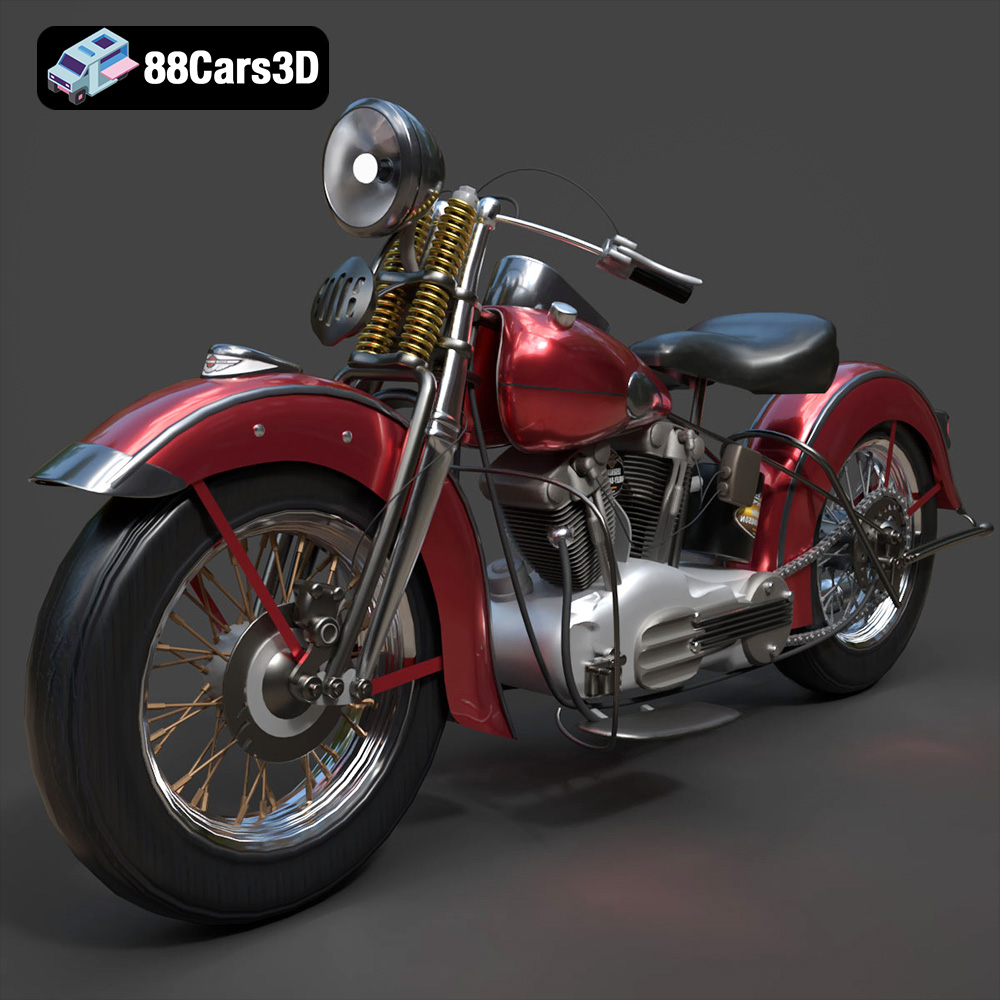
Texture: Yes
Material: Yes
Download the Harley Davidson F 1946 3D Model featuring clean geometry, realistic detailing, and a fully modeled interior. Includes .blend, .fbx, .obj, .glb, .stl, .ply, .unreal, and .max formats for rendering, simulation, and game development.
Price: $19.99
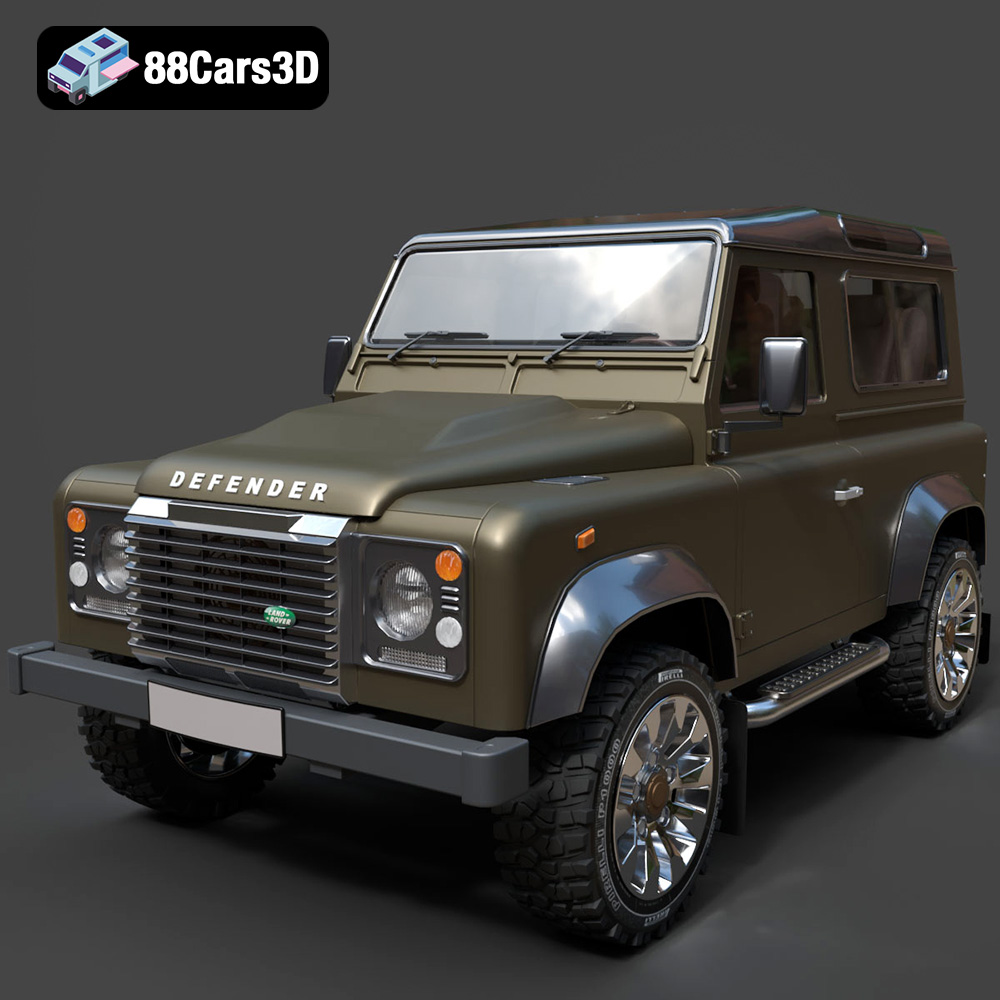
Texture: Yes
Material: Yes
Download the Land Rover Defender Works V8 3D Model featuring clean geometry, realistic detailing, and a fully modeled interior. Includes .blend, .fbx, .obj, .glb, .stl, .ply, .unreal, and .max formats for rendering, simulation, and game development.
Price: $19.99
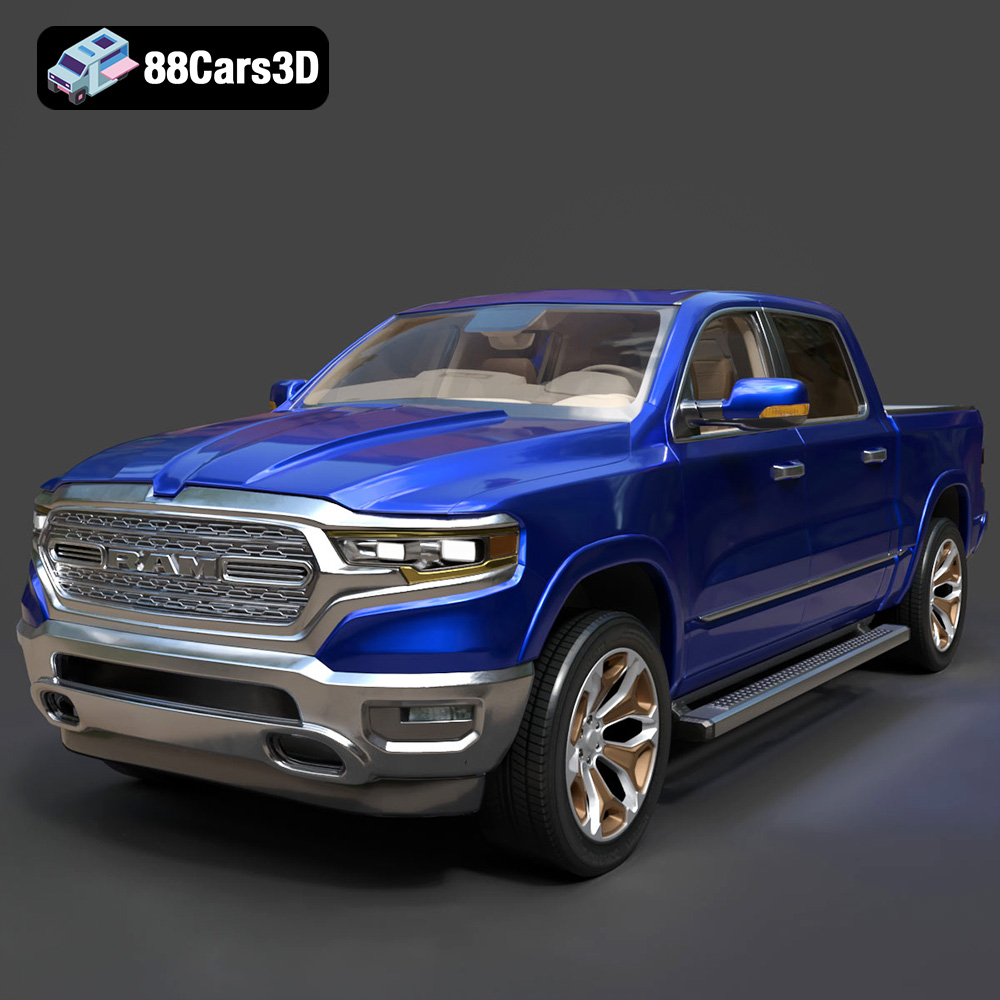
Texture: Yes
Material: Yes
Download the Dodge RAM 2019 3D Model featuring clean geometry, realistic detailing, and a fully modeled interior. Includes .blend, .fbx, .obj, .glb, .stl, .ply, .unreal, and .max formats for rendering, simulation, and game development.
Price: $19.99
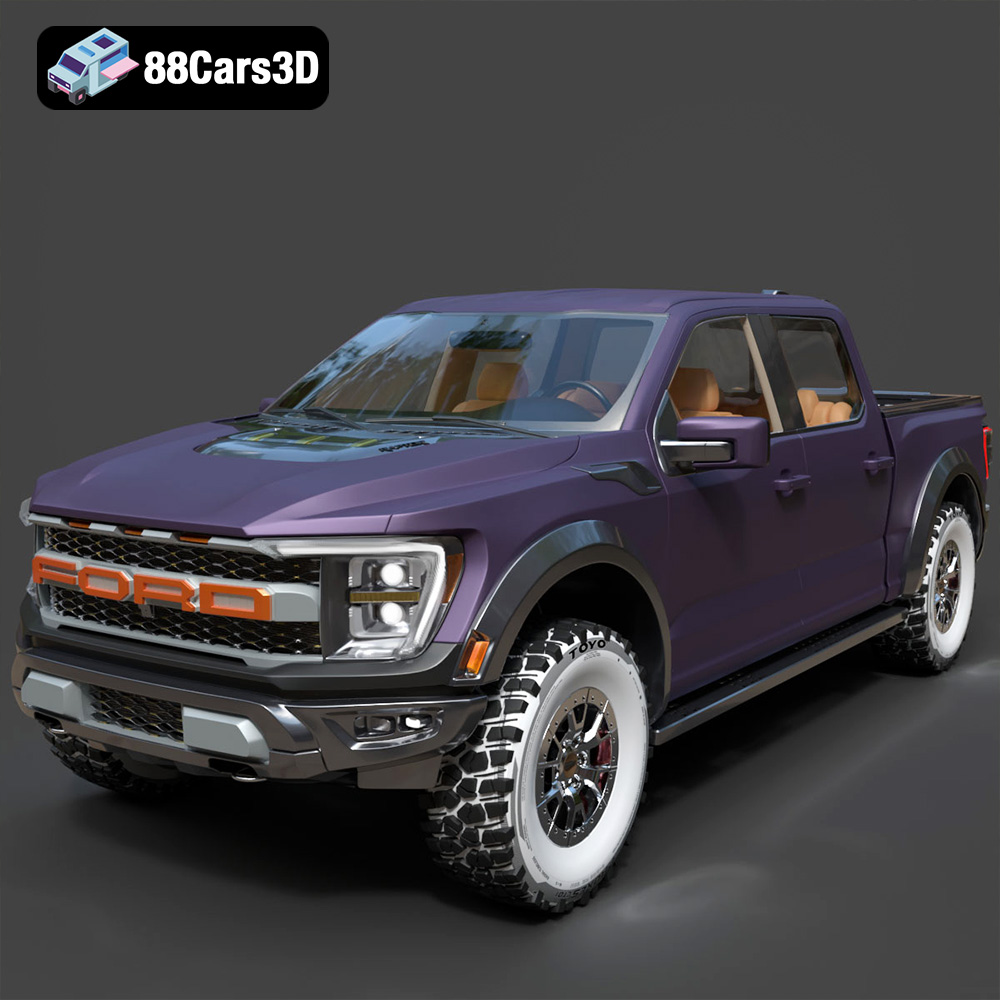
Texture: Yes | Material: Yes Download the ultra-high-detail Ford F-150 Raptor 2021 3D Model (8.73M Triangles). Features uncompromised widebody styling, fully modeled Fox Live Valve suspension, 37-inch tires, and interior. Perfect for premium VFX, cinematic rendering, and ArchViz. Includes .blend, .fbx, .obj, .glb, .stl, and .max formats.
Price: $29.99
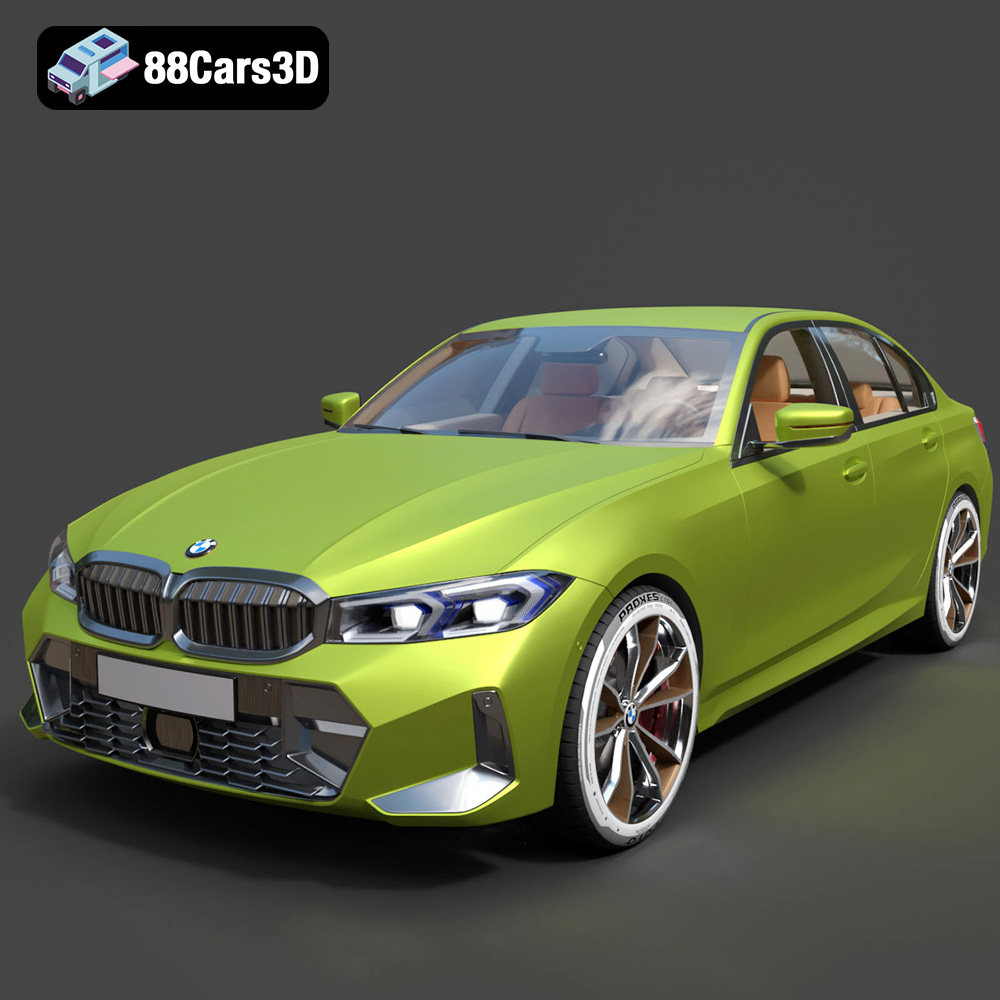
Texture: Yes | Material: Yes Download the ultra-high-detail BMW 3 Series Limousine (2022) 3D Model (4.16M Triangles). Features the modernized G20 LCI exterior, the all-new BMW Curved Display interior, and ultra-dense topology. Perfect for ArchViz, VFX, and cinematic rendering. Includes .blend, .fbx, .obj, .glb, .stl, and .max formats.
Price: $19.99
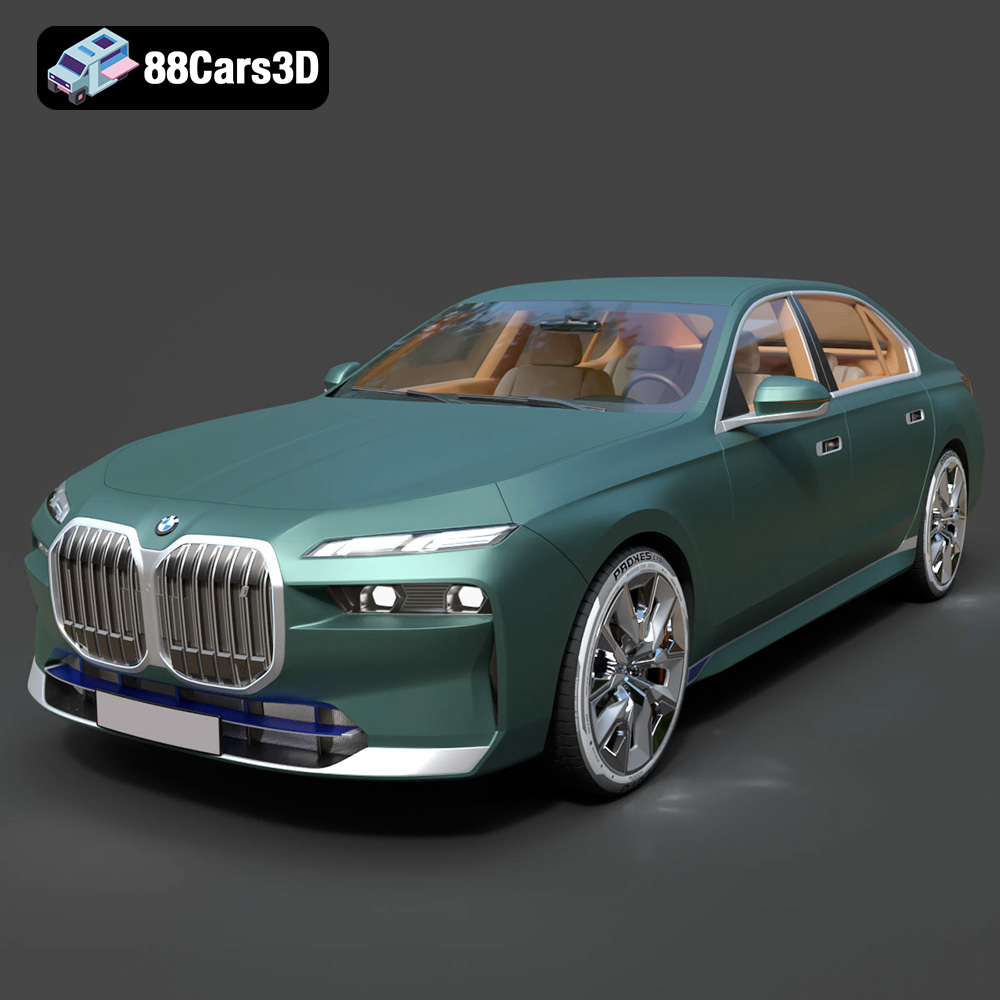
Texture: Yes | Material: Yes Download the ultra-high-detail BMW i7 (2023) 3D Model (4.14M Triangles). Features the illuminated kidney grille, split crystal headlights, fully modeled Theatre Screen interior, and monolithic luxury styling. Perfect for ArchViz, VFX, and cinematic rendering. Includes .blend, .fbx, .obj, .glb, .stl, and .max formats.
Price: $19.99
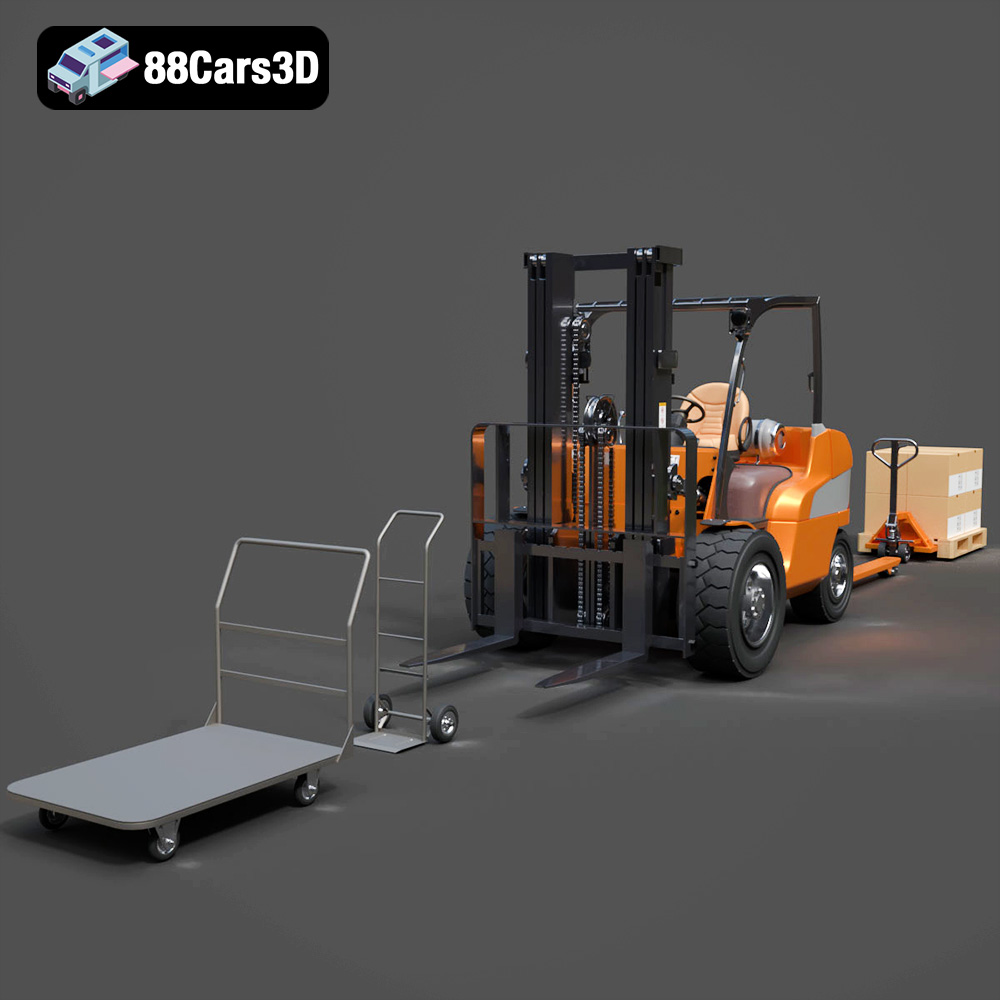
Texture: Yes | Material: Yes Download the highly detailed CAT Manual Loader & Warehouse Carts Kit 3D Model (2.4M Triangles). Features a macro-detailed hydraulic pallet jack, heavy-duty forks, and transport carts. Perfect for industrial ArchViz, factory rendering, and logistics simulations. Includes .blend, .fbx, .obj, .glb, .stl, and .max formats.
Price: $19.99

Texture: Yes | Material: Yes
Download the highly optimized Mazda CX-5 2014 3D Model (294k Triangles). Features the dynamic Kodo design language, signature grille, and a clean interior. Perfectly balanced for ArchViz, background traffic, and game development. Includes .blend, .fbx, .obj, .glb, .stl, and .max formats.
Price: $19.99
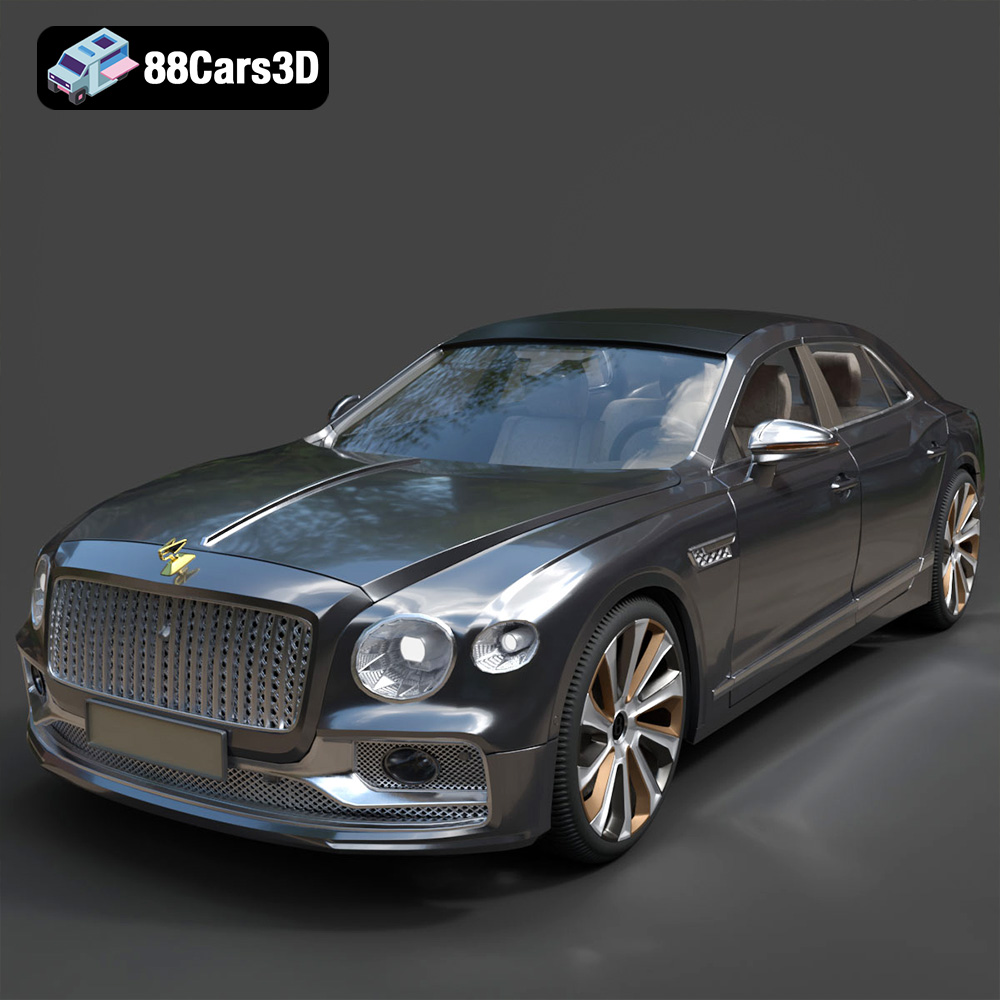
Texture: Yes | Material: Yes Download the ultra-high-detail Bentley Flying Spur Mulliner 2022 3D Model (2.94M Triangles). Features the bespoke Double Diamond grille, a fully modeled diamond-quilted interior, and exquisite luxury styling. Perfect for high-end ArchViz, VFX, and cinematic rendering. Includes .blend, .fbx, .obj, .glb, .stl, and .max formats.
Price: $19.90

Texture: Yes | Material: Yes | 3D Printable: Yes. Download the Ultimate Creators’ Showcase featuring 5 premium 3D models: Lamborghini Huracan, ZAV Concept Motorcycle, Sukhoi SU-26, Presidential Limousine, and Daewoo Damas. Optimized for 4K CGI rendering and 3D printing. Save massive with this exclusive multi-category bundle!
Price: $99.99

