Get 50% OFF All Premium 3D & STL Models!

“`html
Creating compelling automotive experiences in Unreal Engine hinges on realistic physics and accurate collision. But integrating highly detailed 3D car models, like those available on 88cars3d.com, can quickly strain system resources if collision and physics aren’t properly optimized. This article provides a comprehensive guide to optimizing collision and physics within Unreal Engine, specifically targeting the challenges presented by high-poly car models. We’ll cover everything from collision primitive setup and complex collision options to physics asset creation, performance profiling, and advanced techniques for achieving realistic vehicle dynamics without sacrificing frame rates. Whether you’re building a racing game, a vehicle configurator, or an automotive visualization, this guide will equip you with the knowledge to create a performant and visually stunning experience.
Collision detection is fundamental to any interactive experience. In Unreal Engine, collision dictates how objects interact, preventing them from passing through one another and enabling realistic physical interactions. Improper collision setup can lead to visual glitches, performance bottlenecks, and unrealistic behavior. For 3D car models, especially those with intricate details, careful consideration of collision complexity is crucial. Too simple, and interactions will feel inaccurate; too complex, and performance will plummet.
Unreal Engine offers several ways to define collision. Collision primitives, such as boxes, spheres, and capsules, are the simplest and most performant options. For basic blocking and general interaction, these are ideal. However, for accurate collision with detailed meshes, complex collision (using the mesh’s triangles for collision) is necessary. A common approach is to use a combination of both: simple primitives for broad collision and complex collision for areas requiring precise interaction, like wheel wells or the vehicle’s undercarriage. The “Collision Complexity” setting within a Static Mesh’s details panel allows you to control how collision is generated. Consider using “Use Complex Collision as Simple” sparingly, as it can be very expensive. Instead, manually create simplified collision meshes in your 3D modeling software to represent complex areas.
Collision channels and object types define how objects interact with each other. Collision channels specify which types of collisions an object will respond to, while object types categorize objects for broader interaction rules. For example, a car could be set to ignore collision with small pebbles (to avoid unnecessary physics calculations) but react strongly to walls or other vehicles. Careful configuration of collision channels and object types is essential for preventing unwanted collisions and optimizing performance. In the Project Settings, under “Collision,” you can define custom collision channels and object types to fine-tune your project’s collision behavior. Utilizing custom channels enables efficient filtering of collision events, greatly improving overall performance. For instance, create a “Vehicle” object type and a “Terrain” collision channel to precisely control interactions between the car and the environment.
Collision detection can be a significant performance bottleneck, especially with high-poly assets. Optimizing collision involves striking a balance between accuracy and performance. Several techniques can be employed to reduce the computational cost of collision detection without sacrificing visual fidelity.
Just as Level of Detail (LOD) meshes are used to reduce the polygon count of a model at a distance, LODs can also be used to simplify collision. A lower-LOD collision mesh can be generated with fewer polygons, significantly reducing the cost of collision detection when the object is further away. The lower LOD meshes should also have their collision properties set to block less complex collisions. This is especially important in open-world environments or racing games where multiple vehicles might be visible simultaneously. Within the Static Mesh Editor, you can assign separate LODs for both rendering and collision. Ensure that the collision LODs accurately represent the shape of the vehicle, but with significantly reduced polygon counts.
For complex shapes that cannot be easily represented with simple primitives, convex decomposition offers a good balance between accuracy and performance. Convex decomposition automatically generates a series of convex hulls that approximate the shape of the object. Convex hulls are more efficient for collision detection than concave shapes, making them ideal for collision. In Unreal Engine, the “Auto Convex Collision” tool can be used to generate convex hulls from a static mesh. Experiment with the “Max Hull Verts” and “Hull Precision” settings to find the optimal balance between accuracy and performance. For extremely complex shapes, manually creating convex hulls in a 3D modeling package and importing them as separate collision meshes may yield better results.
Realistic vehicle dynamics require a well-configured physics asset. A physics asset defines the physical properties of a mesh, including its mass, inertia, and collision constraints. It’s also used to create a skeletal hierarchy for simulating articulation and movement. For car models, a physics asset is crucial for simulating suspension, wheel movement, and body roll.
Unreal Engine’s Physics Asset Tool provides a visual interface for creating and configuring physics assets. The tool automatically generates a skeletal hierarchy based on the mesh’s bones and allows you to add collision shapes to each bone. For a car, you would typically create separate bodies for the chassis, wheels, suspension arms, and other movable components. The Physics Asset Tool is located in the Content Browser, right-click on your skeletal mesh, and choose “Create” -> “Physics Asset.” The tool offers options for automatically creating bodies and constraints, but manual adjustments are often necessary for optimal results. Begin by creating bodies for the major components, then refine the collision shapes and constraints to accurately represent the vehicle’s physical properties.
Constraints define how bodies in a physics asset are connected and how they can move relative to each other. For a car, constraints are used to simulate suspension joints, steering linkages, and other mechanical components. Unreal Engine provides various constraint types, including spherical, revolute, and prismatic joints. The Vehicle Movement Component is a high-level abstraction that simplifies the process of creating realistic vehicle movement. It handles engine torque, braking, steering, and suspension simulation. The Vehicle Movement Component relies on a properly configured physics asset to function correctly. Configure the Vehicle Movement Component with realistic parameters such as tire friction, suspension stiffness, and engine power. These parameters will interact directly with the Physics Asset, creating a realistic handling model for your car. Detailed documentation on the Vehicle Movement Component can be found on the official Unreal Engine website.
Lighting plays a pivotal role in automotive visualization, especially with real-time rendering in Unreal Engine. The engine’s advanced global illumination and reflection system, Lumen, can produce stunningly realistic results. However, Lumen can be computationally intensive, and proper optimization is essential for maintaining frame rates. An alternative to Lumen would be using baked lighting, or a combination of both.
Optimizing Lumen involves balancing visual quality with performance. Several settings can be adjusted to improve performance without drastically reducing visual fidelity. The “Final Gather Quality” setting controls the accuracy of Lumen’s global illumination calculations. Lowering this setting can significantly improve performance, especially in complex scenes. Additionally, consider using Surface Cache to precompute lighting for static objects, reducing the need for real-time calculations. Carefully adjusting the “Global Illumination Detail” and “Reflections Detail” settings can also yield substantial performance gains. Remember to profile your scene using Unreal Engine’s profiling tools to identify specific bottlenecks.
While Lumen offers dynamic global illumination, stationary and static lights can still play a crucial role in optimizing performance, particularly when combined with Lumen’s capabilities. Stationary lights provide a good balance between performance and dynamic lighting, as they can cast dynamic shadows but their direct lighting is baked into lightmaps. Static lights, on the other hand, offer the best performance as all lighting is precomputed, but they lack any dynamic capabilities. By strategically using stationary and static lights, you can reduce the workload on Lumen, improving overall performance without sacrificing visual quality. A common technique involves using static lights for ambient lighting and stationary lights for key lights and dynamic shadows. When working with 3D car models sourced from platforms like 88cars3d.com, consider the intended lighting scenario to pre-optimize lightmap UVs and shadow casting properties for maximum efficiency.
Unreal Engine’s Blueprint visual scripting system enables you to create interactive experiences without writing code. Blueprints are particularly useful for creating automotive configurators, interactive demos, and gameplay mechanics. By leveraging Blueprints, you can easily add functionality such as door opening/closing, engine start/stop, color customization, and more.
Building a basic automotive configurator involves using Blueprints to control the visibility and properties of different car components. For example, you can create a Blueprint that allows the user to change the car’s paint color, wheel type, and interior trim. The Blueprint would use “Set Material” nodes to change the car’s materials and “Set Visibility” nodes to show or hide different components. User input, such as button clicks or slider adjustments, would trigger these changes. Consider storing configuration options in a data table for easy management and modification. Platforms like 88cars3d.com offer meticulously organized models with clearly defined material slots, which greatly simplifies the integration with Blueprint-driven customization systems.
Blueprints can also be used to implement more complex interactive features, such as door opening animations, engine start sequences, and working headlights. For door animations, you can use a Timeline node to smoothly interpolate between the door’s closed and open positions. Engine start sequences can be implemented using a series of delayed events that trigger different sounds and visual effects. When implementing these features, consider performance implications. Use efficient Blueprint scripting techniques, such as avoiding excessive tick events and caching frequently used variables. For example, instead of calculating the distance between the camera and the car every frame, calculate it only when the camera position changes significantly.
Unreal Engine’s Nanite virtualized geometry system allows you to import incredibly detailed models without sacrificing performance. Nanite intelligently streams and renders only the visible polygons, enabling you to use models with millions or even billions of polygons. However, even with Nanite, proper LOD management remains crucial for optimizing performance, especially on lower-end hardware or in scenes with multiple vehicles. The Nanite system thrives on complex models; leveraging 3D car models from marketplaces such as 88cars3d.com can allow you to explore the full visual fidelity Nanite enables.
To enable Nanite for a static mesh, simply open the mesh in the Static Mesh Editor and enable the “Enable Nanite Support” checkbox in the details panel. Unreal Engine will automatically generate the necessary data structures for Nanite rendering. When importing a car model, ensure that the mesh is properly triangulated and that the normals are correctly oriented. Experiment with the “Fallback Percent Triangles” setting to control the level of detail used when Nanite is not available. Be aware that while Nanite handles geometric complexity efficiently, high material complexity (e.g., many unique materials or complex shader graphs) can still impact performance.
Even with Nanite enabled, using traditional LODs can still improve performance, especially for objects that are far away or partially occluded. By creating lower-polygon LODs, you can reduce the workload on both the GPU and the CPU. The LODs can be manually created in your 3D modeling software or automatically generated using Unreal Engine’s built-in LOD generation tools. For car models, consider creating LODs that progressively simplify the car’s body shape and remove small details such as door handles and trim pieces. When using LODs with Nanite, ensure that the transition between LODs is seamless to avoid visual popping. A good starting point is to create three LODs with polygon counts of 50%, 25%, and 10% of the original model’s polygon count.
Optimizing collision and physics in Unreal Engine for high-fidelity 3D car models is a multifaceted process. By understanding the fundamentals of collision detection, physics asset creation, and real-time rendering techniques, you can create visually stunning and performant automotive experiences. Key takeaways include: leveraging collision primitives and complex collision appropriately, creating optimized physics assets with realistic constraints, and utilizing Lumen efficiently. Tools and assets available from sites like 88cars3d.com offer a great starting point, but careful optimization is always needed. Don’t forget to leverage Nanite where possible, but combine with smart LOD management. The next steps involve experimenting with these techniques in your own projects, profiling performance bottlenecks, and continuously refining your optimization strategies. By mastering these techniques, you can push the boundaries of automotive visualization and create truly immersive experiences.
“`
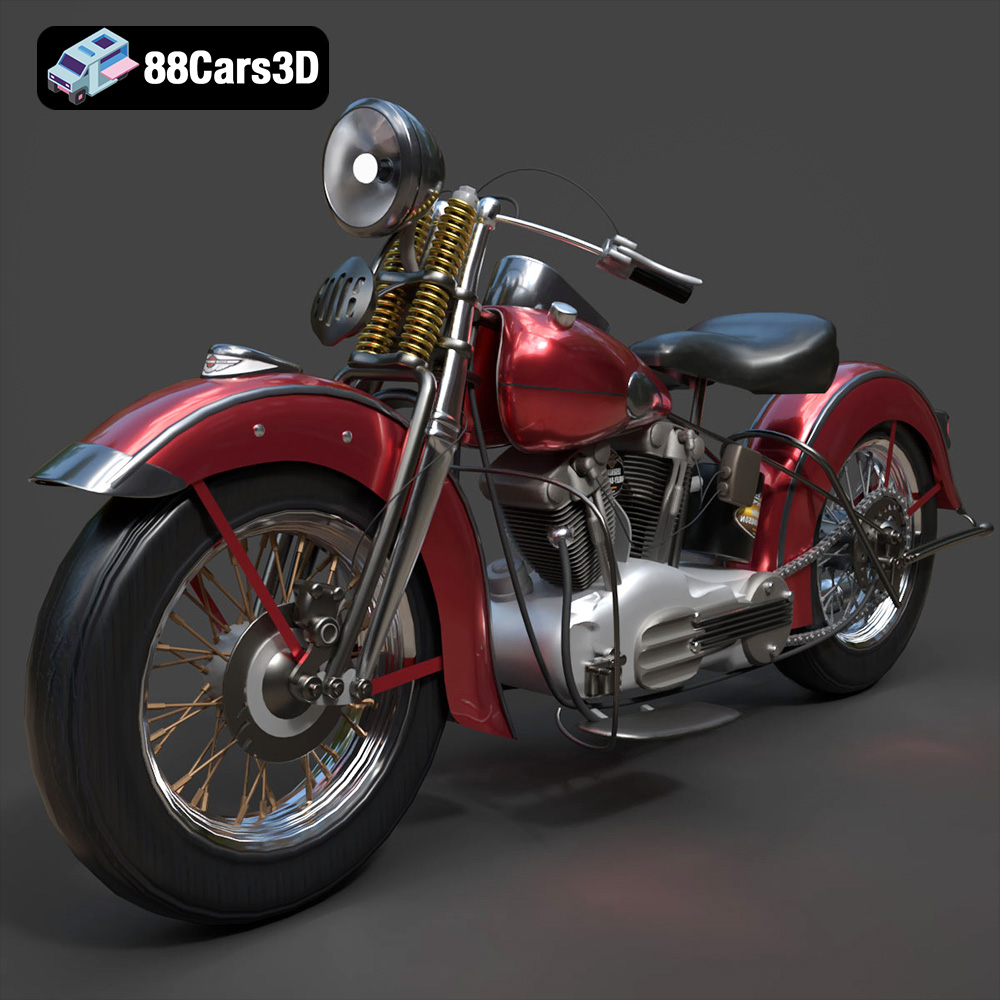
Texture: Yes
Material: Yes
Download the Harley Davidson F 1946 3D Model featuring clean geometry, realistic detailing, and a fully modeled interior. Includes .blend, .fbx, .obj, .glb, .stl, .ply, .unreal, and .max formats for rendering, simulation, and game development.
Price: $19.99
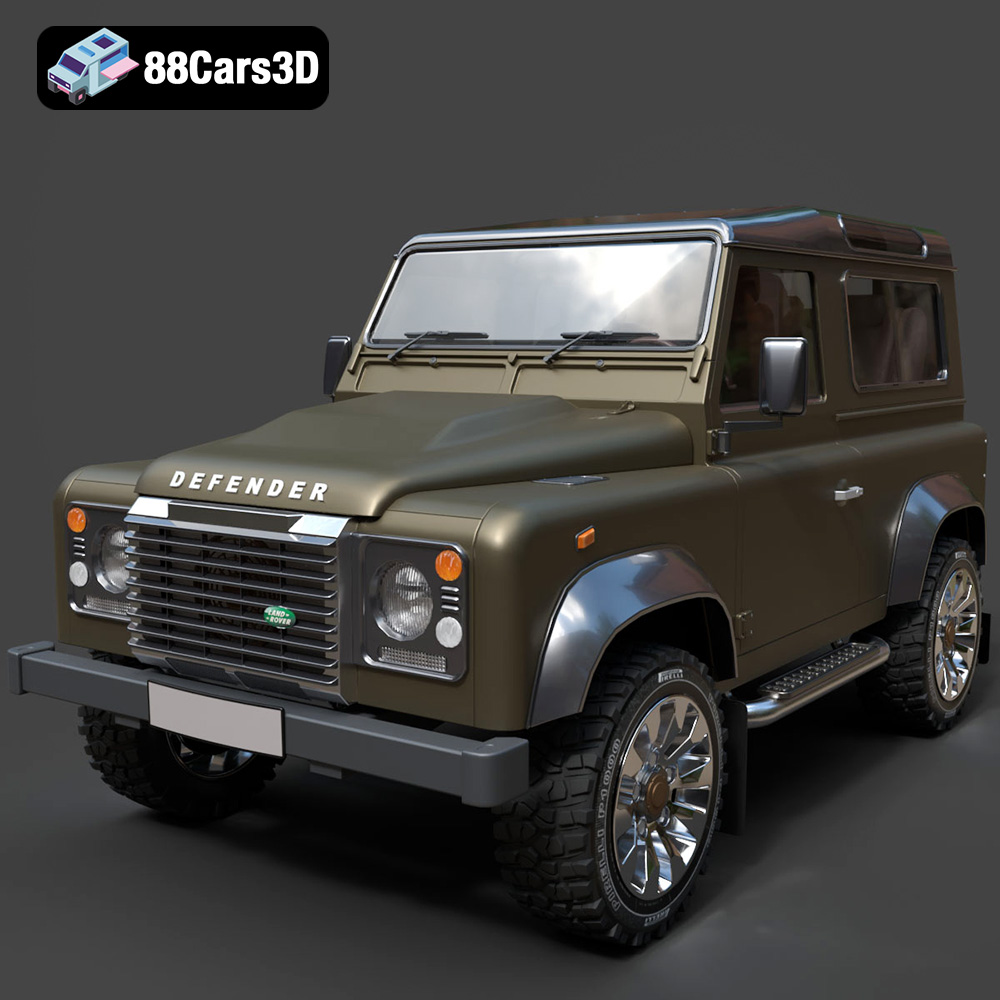
Texture: Yes
Material: Yes
Download the Land Rover Defender Works V8 3D Model featuring clean geometry, realistic detailing, and a fully modeled interior. Includes .blend, .fbx, .obj, .glb, .stl, .ply, .unreal, and .max formats for rendering, simulation, and game development.
Price: $19.99
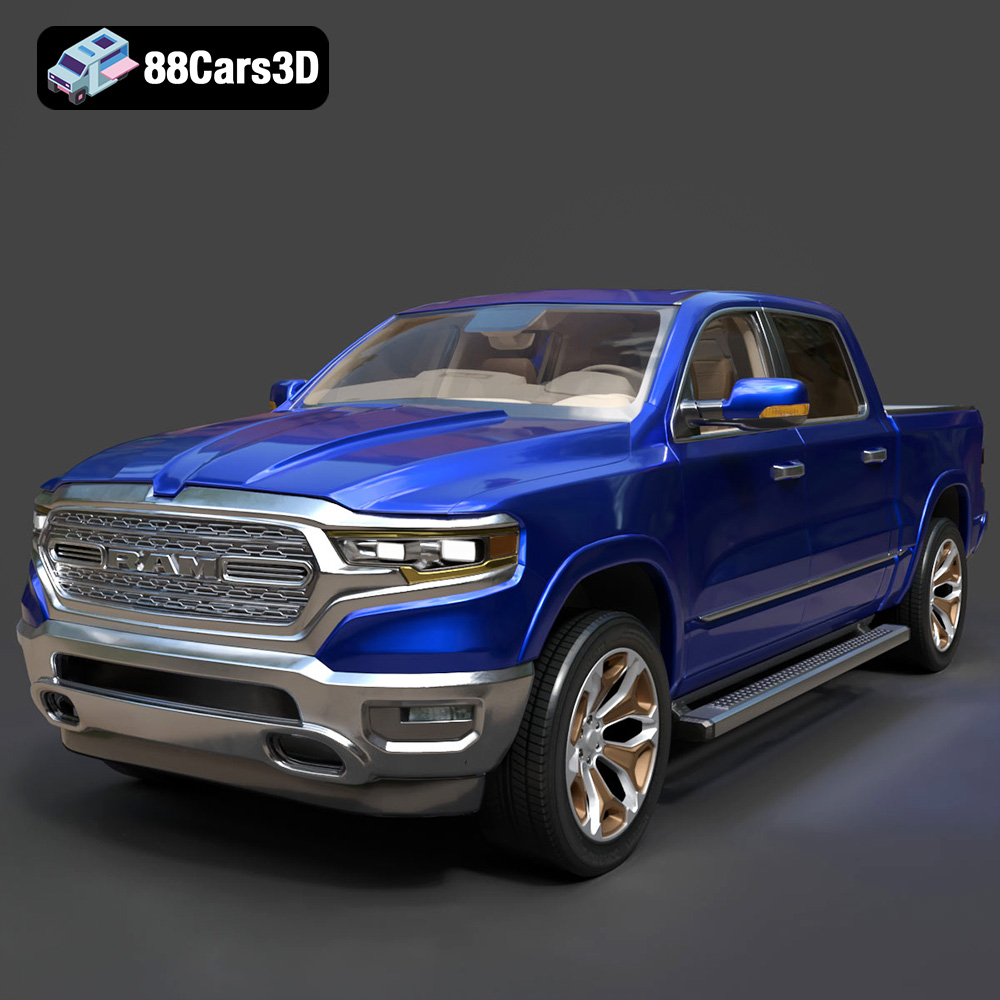
Texture: Yes
Material: Yes
Download the Dodge RAM 2019 3D Model featuring clean geometry, realistic detailing, and a fully modeled interior. Includes .blend, .fbx, .obj, .glb, .stl, .ply, .unreal, and .max formats for rendering, simulation, and game development.
Price: $19.99
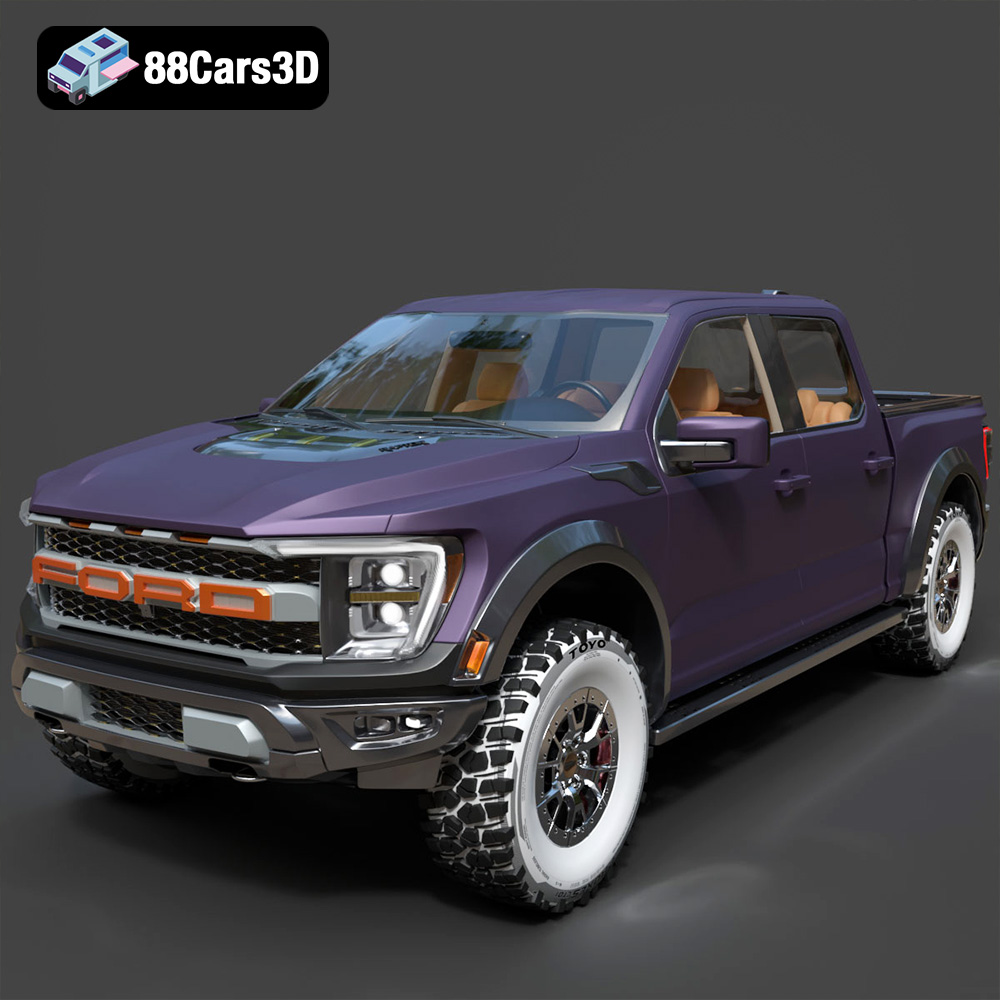
Texture: Yes | Material: Yes Download the ultra-high-detail Ford F-150 Raptor 2021 3D Model (8.73M Triangles). Features uncompromised widebody styling, fully modeled Fox Live Valve suspension, 37-inch tires, and interior. Perfect for premium VFX, cinematic rendering, and ArchViz. Includes .blend, .fbx, .obj, .glb, .stl, and .max formats.
Price: $29.99
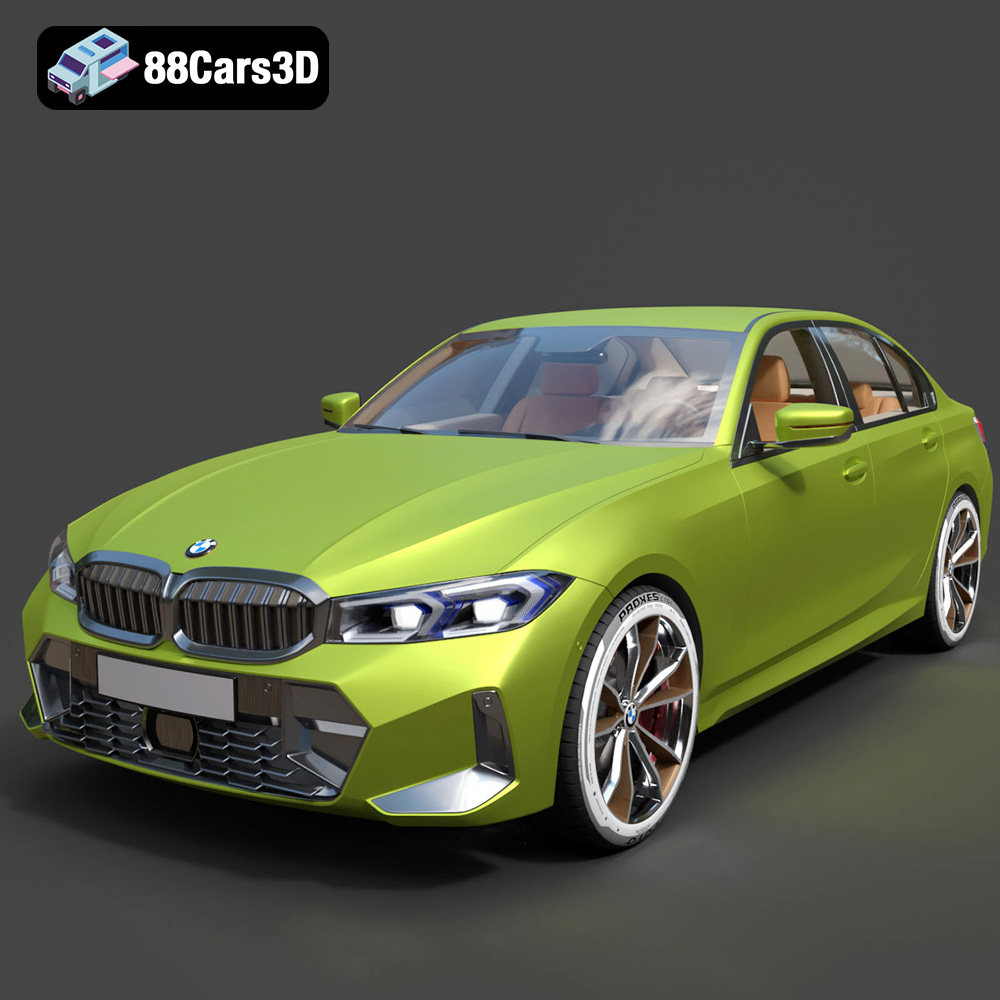
Texture: Yes | Material: Yes Download the ultra-high-detail BMW 3 Series Limousine (2022) 3D Model (4.16M Triangles). Features the modernized G20 LCI exterior, the all-new BMW Curved Display interior, and ultra-dense topology. Perfect for ArchViz, VFX, and cinematic rendering. Includes .blend, .fbx, .obj, .glb, .stl, and .max formats.
Price: $19.99
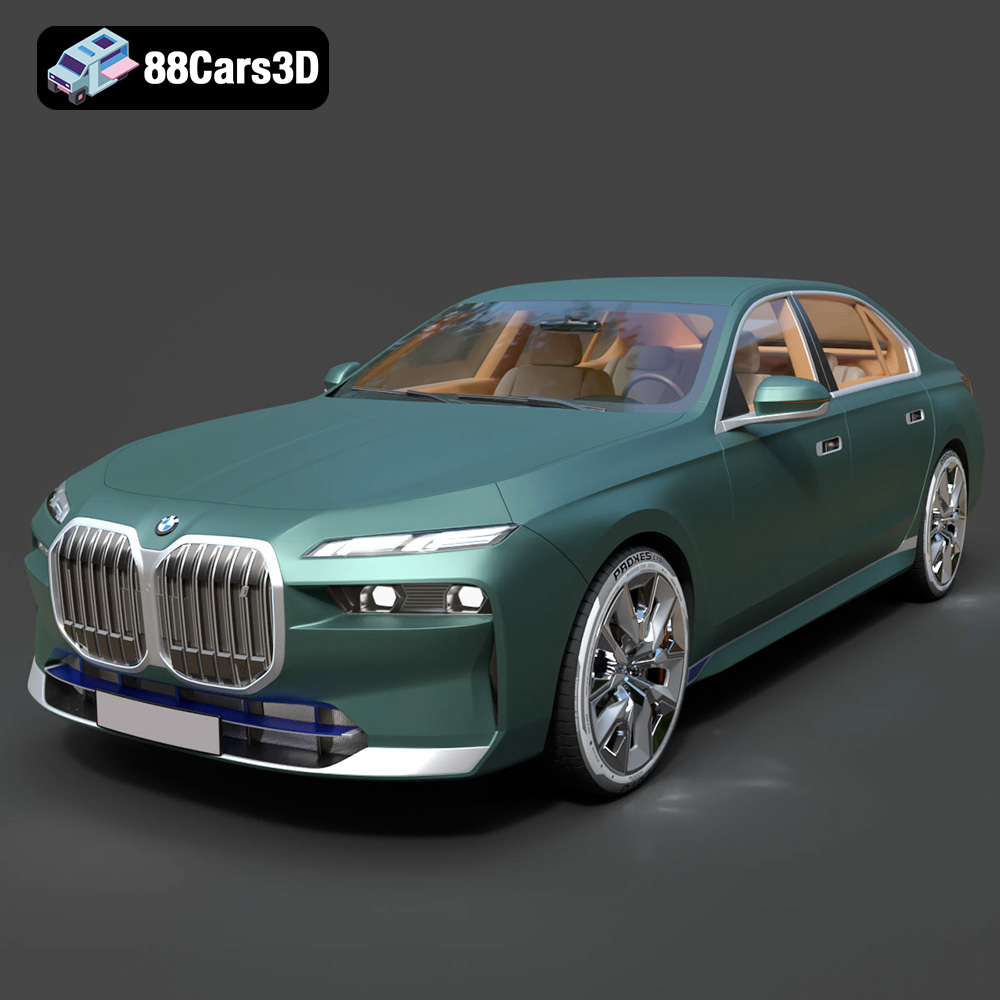
Texture: Yes | Material: Yes Download the ultra-high-detail BMW i7 (2023) 3D Model (4.14M Triangles). Features the illuminated kidney grille, split crystal headlights, fully modeled Theatre Screen interior, and monolithic luxury styling. Perfect for ArchViz, VFX, and cinematic rendering. Includes .blend, .fbx, .obj, .glb, .stl, and .max formats.
Price: $19.99
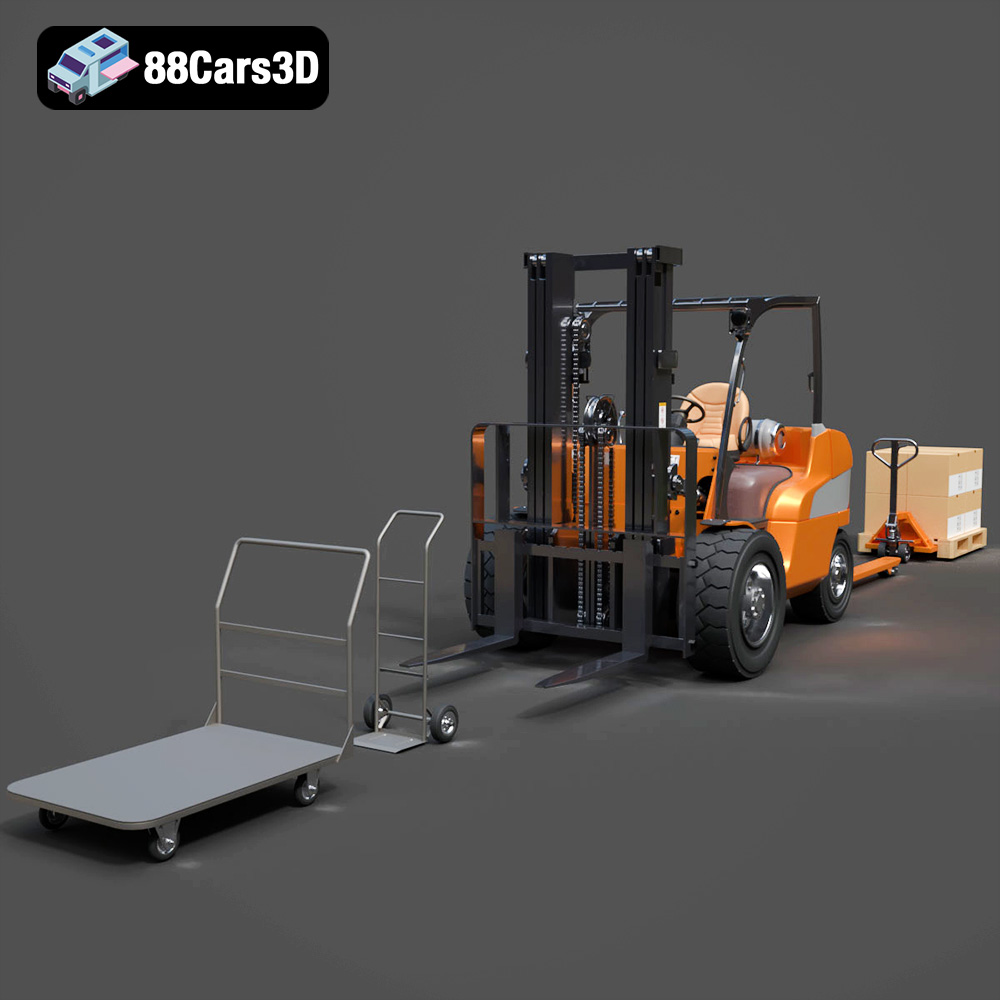
Texture: Yes | Material: Yes Download the highly detailed CAT Manual Loader & Warehouse Carts Kit 3D Model (2.4M Triangles). Features a macro-detailed hydraulic pallet jack, heavy-duty forks, and transport carts. Perfect for industrial ArchViz, factory rendering, and logistics simulations. Includes .blend, .fbx, .obj, .glb, .stl, and .max formats.
Price: $19.99
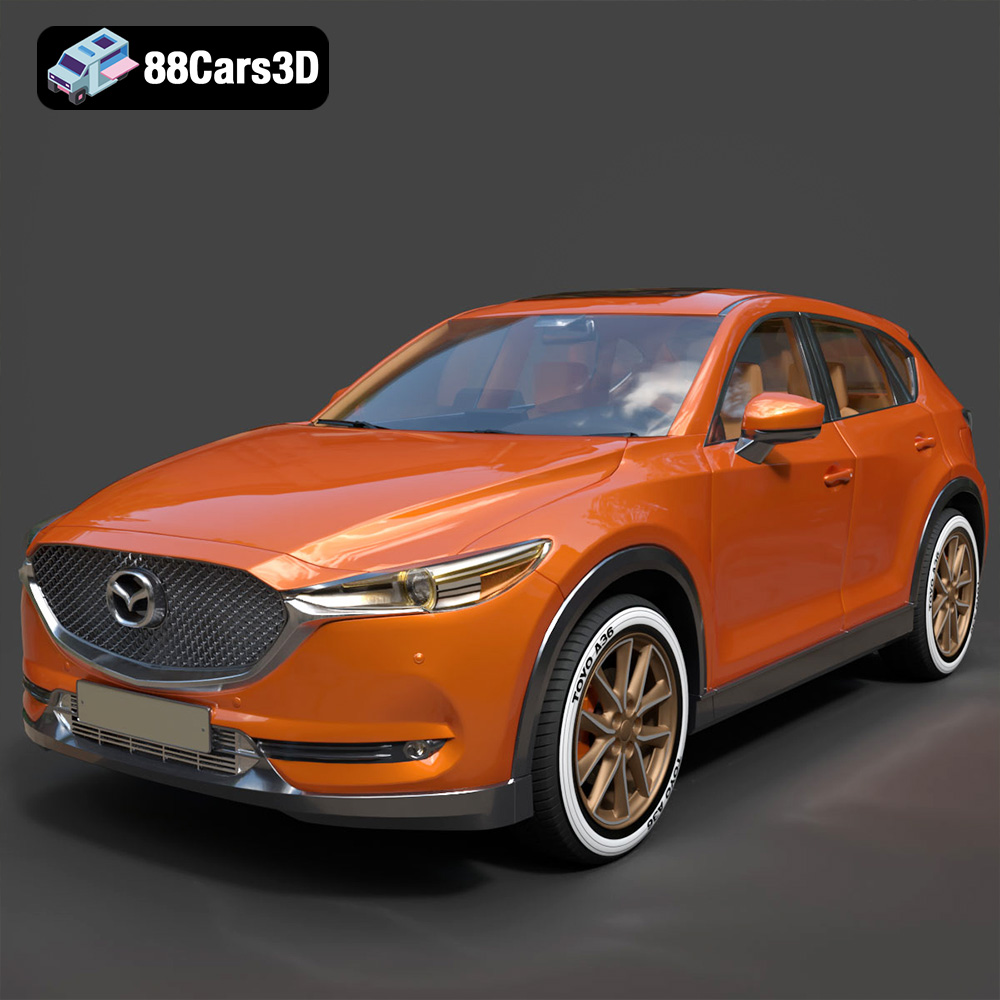
Texture: Yes | Material: Yes
Download the highly optimized Mazda CX-5 2014 3D Model (294k Triangles). Features the dynamic Kodo design language, signature grille, and a clean interior. Perfectly balanced for ArchViz, background traffic, and game development. Includes .blend, .fbx, .obj, .glb, .stl, and .max formats.
Price: $19.99
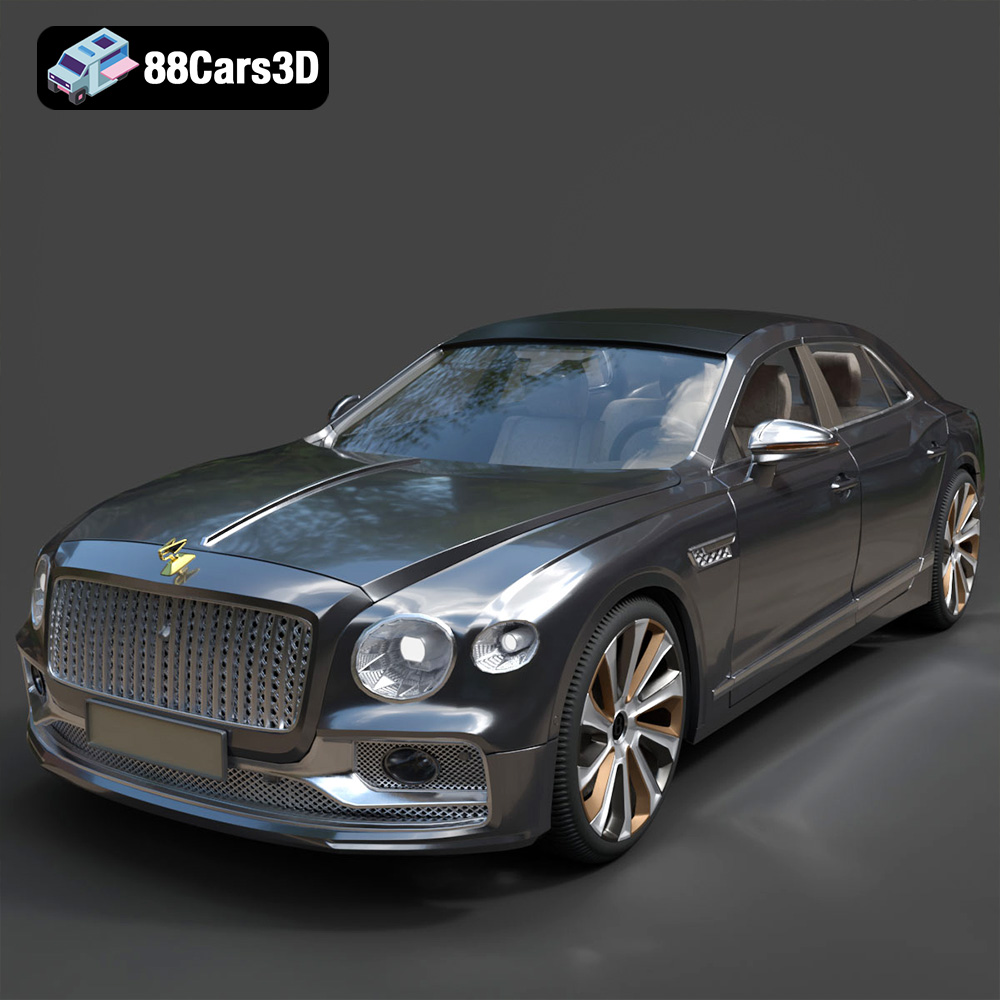
Texture: Yes | Material: Yes Download the ultra-high-detail Bentley Flying Spur Mulliner 2022 3D Model (2.94M Triangles). Features the bespoke Double Diamond grille, a fully modeled diamond-quilted interior, and exquisite luxury styling. Perfect for high-end ArchViz, VFX, and cinematic rendering. Includes .blend, .fbx, .obj, .glb, .stl, and .max formats.
Price: $19.90
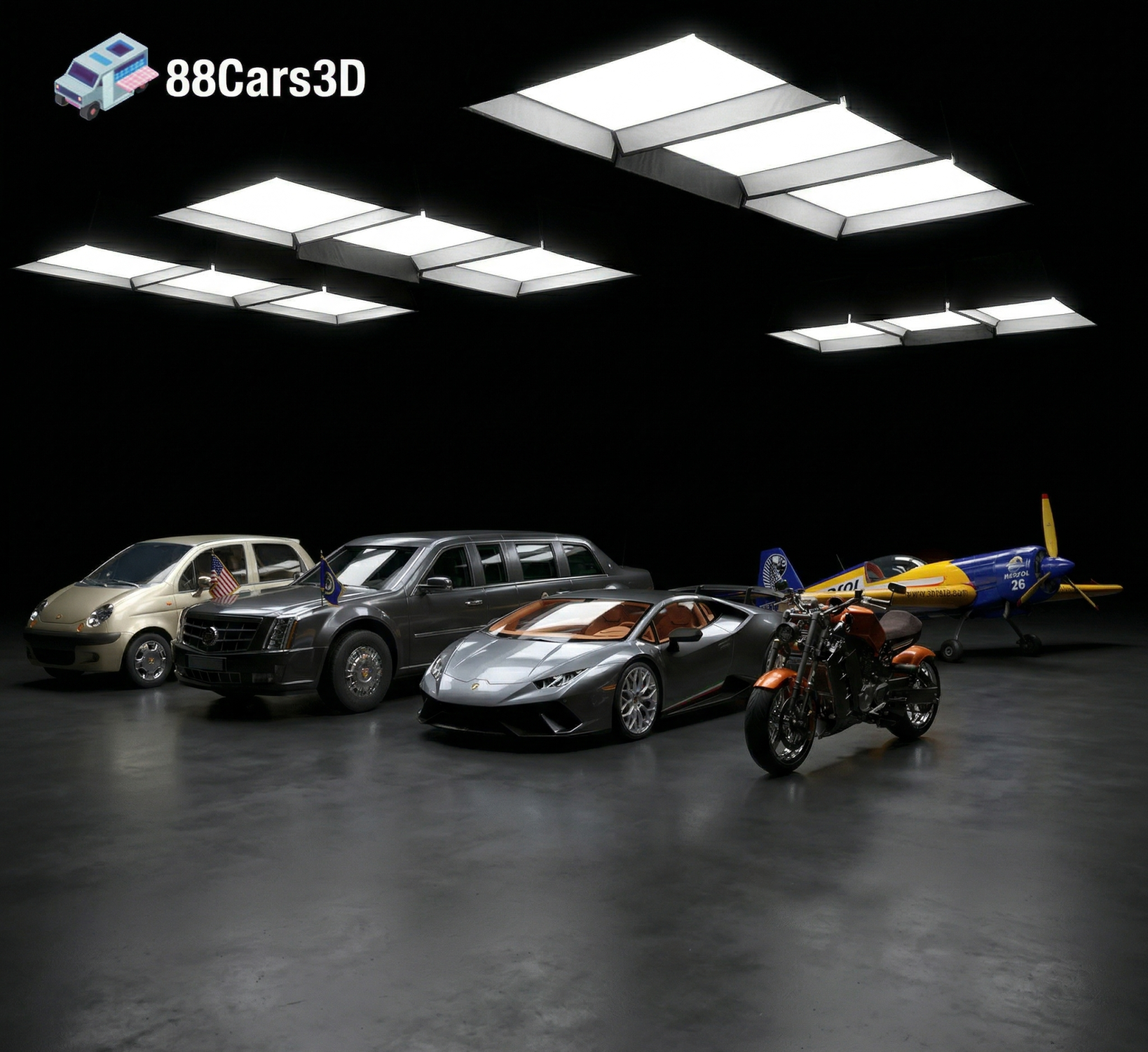
Texture: Yes | Material: Yes | 3D Printable: Yes. Download the Ultimate Creators’ Showcase featuring 5 premium 3D models: Lamborghini Huracan, ZAV Concept Motorcycle, Sukhoi SU-26, Presidential Limousine, and Daewoo Damas. Optimized for 4K CGI rendering and 3D printing. Save massive with this exclusive multi-category bundle!
Price: $99.99

