Get 50% OFF All Premium 3D & STL Models!

“`html
Virtual production is revolutionizing filmmaking and visualization, offering unprecedented flexibility and control over the creative process. At the heart of this revolution lies Unreal Engine, a powerful real-time rendering engine that enables the creation of photorealistic environments and interactive experiences. This blog post delves into the intricacies of virtual production with Unreal Engine, focusing specifically on LED wall workflows for automotive visualization. We’ll explore the technical aspects of setting up a virtual production environment, importing and optimizing 3D car models, creating realistic lighting, and leveraging Unreal Engine’s advanced features to produce stunning visual content. Whether you’re a seasoned Unreal Engine developer or just starting out, this guide will provide you with the knowledge and practical steps to harness the power of virtual production for your automotive projects.
In this comprehensive guide, you’ll learn about: Setting up your Unreal Engine project for virtual production; Optimizing 3D car models from sources like 88cars3d.com for real-time performance; Configuring LED walls and camera tracking systems; Implementing realistic lighting and reflections using Lumen and ray tracing; Utilizing Blueprint visual scripting for interactive elements; Mastering color correction and post-processing techniques; Overcoming common challenges in virtual production workflows; Optimizing performance for seamless real-time rendering.
The foundation of any successful virtual production project lies in a well-configured Unreal Engine project. The initial setup determines the scalability, performance, and overall quality of your final product. When starting a new project intended for LED wall virtual production, selecting the correct project template and configuring rendering settings is crucial. We need to choose the right template, and modify the default configurations to optimize the engine for the high demands of real-time rendering, especially when visualizing high-fidelity 3D car models.
For virtual production, the “Games” template is often a good starting point. This template provides a solid foundation for interactive experiences and real-time rendering. When creating the project, enable the “Starter Content” option. This will provide a useful set of assets that can be used for testing and prototyping. Before importing any assets, familiarize yourself with the project settings. Navigate to Edit > Project Settings to access various configuration options. Under the “Rendering” category, you’ll find settings related to rendering quality, lighting, and post-processing. Adjust these settings based on your project’s specific requirements and target hardware.
LED walls require specific rendering configurations to ensure accurate color reproduction and minimal latency. Important settings include:
Refer to the official Unreal Engine documentation at https://dev.epicgames.com/community/unreal-engine/learning for comprehensive details on rendering settings. Remember, optimizing these settings from the outset will prevent headaches later in the project.
Once your Unreal Engine project is set up, the next step is to import and optimize your 3D car models. High-quality 3D car models are essential for achieving photorealistic results in automotive visualization. However, these models often contain a large number of polygons and high-resolution textures, which can negatively impact performance in real-time rendering environments. Optimization is key to maintaining a smooth frame rate and ensuring a visually stunning experience. Platforms like 88cars3d.com offer optimized models specifically designed for Unreal Engine, which can significantly streamline this process.
Before importing your 3D car model into Unreal Engine, it’s important to prepare it properly. This involves checking the model’s topology, UV mapping, and material assignments. Ensure that the model has clean topology with minimal overlapping faces or non-manifold geometry. Verify that the UV mapping is correct and that all surfaces are properly unwrapped. This is crucial for applying textures and materials correctly. Check for correct normals and orientation.
Reducing the polygon count of your 3D car model is essential for improving performance. Techniques for polygon reduction include:
Similarly, optimizing texture resolutions is crucial for improving performance. Use textures that are just large enough to provide the necessary detail, and avoid using unnecessarily high-resolution textures. Use texture compression formats like DXT or BC to reduce the memory footprint of your textures. When sourcing automotive assets from marketplaces such as 88cars3d.com, pay attention to the provided texture resolutions and polygon counts to make an informed decision.
Physically Based Rendering (PBR) is a rendering technique that simulates the way light interacts with real-world materials. Using PBR materials in Unreal Engine is crucial for achieving realistic and believable visuals. The Material Editor in Unreal Engine provides a powerful set of tools for creating and customizing PBR materials. Mastering the Material Editor is essential for creating visually stunning automotive visualizations. We’ll explore how to create and customize PBR materials for various car parts, such as paint, chrome, and glass.
PBR materials are defined by several key properties, including:
Understanding these properties is essential for creating realistic PBR materials. Experiment with different values and textures to achieve the desired look.
Car paint materials typically consist of multiple layers, including a base coat, a clear coat, and a metallic flake layer. Replicating this complexity in Unreal Engine can be achieved by layering multiple materials or using custom material functions.
Fine-tune the material properties to achieve the desired color, reflectivity, and roughness. Use reference images of real car paint to guide your material creation process.
Lighting is a critical aspect of virtual production, significantly impacting the realism and mood of your scene. Unreal Engine offers several lighting options, including Lumen, a fully dynamic global illumination and reflections system, and traditional static and stationary lighting methods. Understanding the strengths and weaknesses of each approach is crucial for creating visually compelling and performant scenes. Selecting the appropriate lighting methods and optimizing their settings are vital for achieving realistic and believable results in real-time.
Lumen is Unreal Engine’s next-generation global illumination and reflections system. It provides fully dynamic global illumination, meaning that the lighting in your scene will automatically update in real-time as you move objects or change the lighting conditions. Lumen is particularly well-suited for virtual production environments where dynamic lighting is essential. To enable Lumen, navigate to Edit > Project Settings > Rendering > Global Illumination and set the “Global Illumination Method” to “Lumen.” Similarly, set the “Reflection Method” to “Lumen.”
Lumen offers several benefits, including:
While Lumen offers dynamic global illumination, it can be computationally expensive. In some cases, it may be beneficial to combine Lumen with static and stationary lighting to optimize performance. Static lighting is precomputed and does not change at runtime, while stationary lighting can change in response to dynamic events.
Here’s how to combine static and stationary lighting with Lumen:
By combining these lighting methods, you can achieve a balance between realism and performance.
Blueprint is Unreal Engine’s visual scripting system. It allows you to create interactive experiences without writing any code. Blueprint is a powerful tool for creating automotive configurators, interactive demos, and other virtual production applications. Mastering Blueprint visual scripting is essential for creating engaging and interactive experiences in Unreal Engine. We’ll explore how to use Blueprint to control vehicle behavior, trigger animations, and create user interfaces.
An automotive configurator allows users to customize various aspects of a car, such as its color, wheels, and interior. Blueprint can be used to create a fully interactive automotive configurator within Unreal Engine.
Here’s a basic outline of how to create an automotive configurator with Blueprint:
By using Blueprint, you can create a fully functional automotive configurator without writing any code. This allows users to explore different customization options and visualize their dream car in real-time.
Blueprint can also be used to implement vehicle dynamics, such as acceleration, braking, and steering. This allows you to create realistic and interactive driving experiences within Unreal Engine. Unreal Engine’s vehicle template offers a good starting point. You can modify the existing Blueprint to customize the vehicle’s behavior.
Experiment with different values and settings to achieve the desired vehicle dynamics. Consider factors such as the car’s weight, tire friction, and engine power. By implementing realistic vehicle dynamics, you can create a truly immersive driving experience.
Nanite is Unreal Engine’s virtualized geometry system. It allows you to import and render extremely high-poly models without sacrificing performance. Nanite is particularly useful for virtual production environments where high-fidelity assets are essential. With Nanite, developers can use film-quality source art consisting of millions or even billions of polygons directly in the engine. It automatically handles level-of-detail (LOD) selection and rendering, enabling a level of visual fidelity previously unattainable in real-time. Nanite significantly simplifies the workflow, allowing artists to focus on creating high-quality assets without worrying about manual optimization.
To enable Nanite for a static mesh, simply open the mesh in the Static Mesh Editor and enable the “Enable Nanite Support” option. Unreal Engine will automatically process the mesh and generate the necessary data for Nanite rendering.
Consider these configuration options:
Experiment with these settings to find the optimal balance between performance and visual quality.
While Nanite is designed to handle high-poly meshes, it’s still important to optimize your meshes for performance. Reduce unnecessary details and use appropriate texture resolutions. Avoid using extremely high-poly meshes for small or distant objects. When working with automotive assets, ensure that the highest level of detail is reserved for close-up shots and that Nanite is efficiently handling the LOD transitions. Nanite can significantly enhance the visual fidelity of 3D car models obtained from sources like 88cars3d.com, without compromising real-time performance.
Virtual production with Unreal Engine offers a powerful and flexible solution for automotive visualization. By mastering the techniques discussed in this blog post, you can create stunning visual content and interactive experiences that were previously impossible. From setting up your project and importing 3D car models to creating realistic materials and implementing dynamic lighting, Unreal Engine provides all the tools you need to bring your automotive visions to life.
Key takeaways from this guide include the importance of proper project setup, optimizing 3D models for real-time performance, creating realistic PBR materials, leveraging Lumen for dynamic global illumination, and utilizing Blueprint for interactive elements. By implementing these techniques, you can unlock the full potential of virtual production and create immersive automotive experiences that captivate and engage your audience. Take the next step in your virtual production journey by experimenting with different techniques and tools, and don’t be afraid to push the boundaries of what’s possible. Explore resources like the Unreal Engine documentation and online communities to further enhance your knowledge and skills. The world of virtual production is constantly evolving, so stay curious and keep learning.
“`
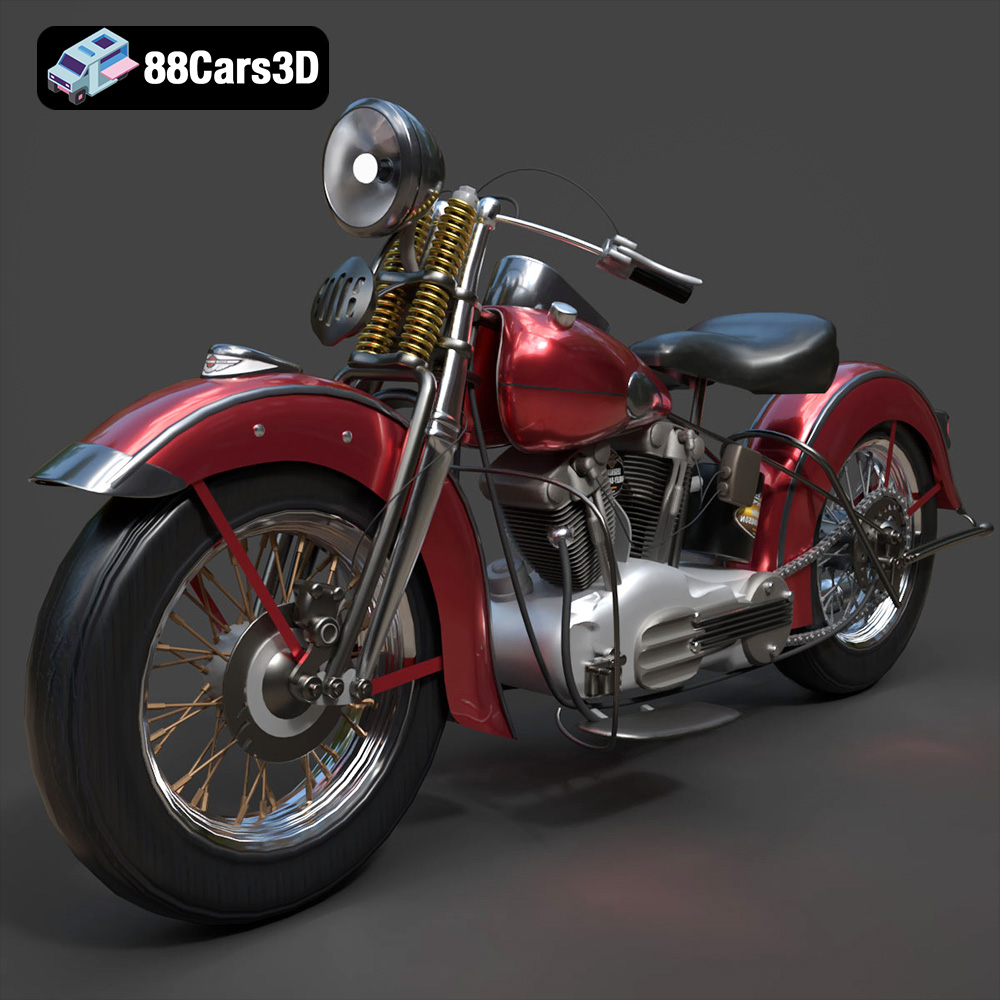
Texture: Yes
Material: Yes
Download the Harley Davidson F 1946 3D Model featuring clean geometry, realistic detailing, and a fully modeled interior. Includes .blend, .fbx, .obj, .glb, .stl, .ply, .unreal, and .max formats for rendering, simulation, and game development.
Price: $19.99
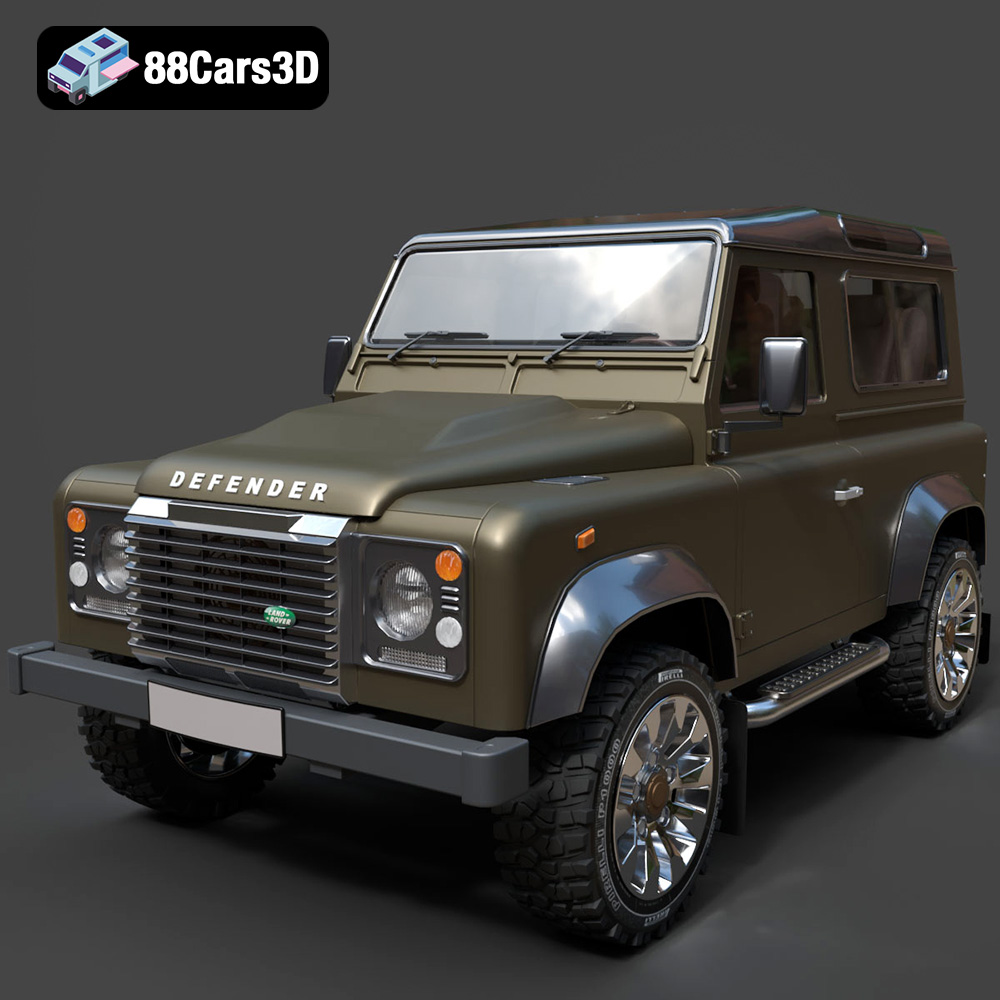
Texture: Yes
Material: Yes
Download the Land Rover Defender Works V8 3D Model featuring clean geometry, realistic detailing, and a fully modeled interior. Includes .blend, .fbx, .obj, .glb, .stl, .ply, .unreal, and .max formats for rendering, simulation, and game development.
Price: $19.99
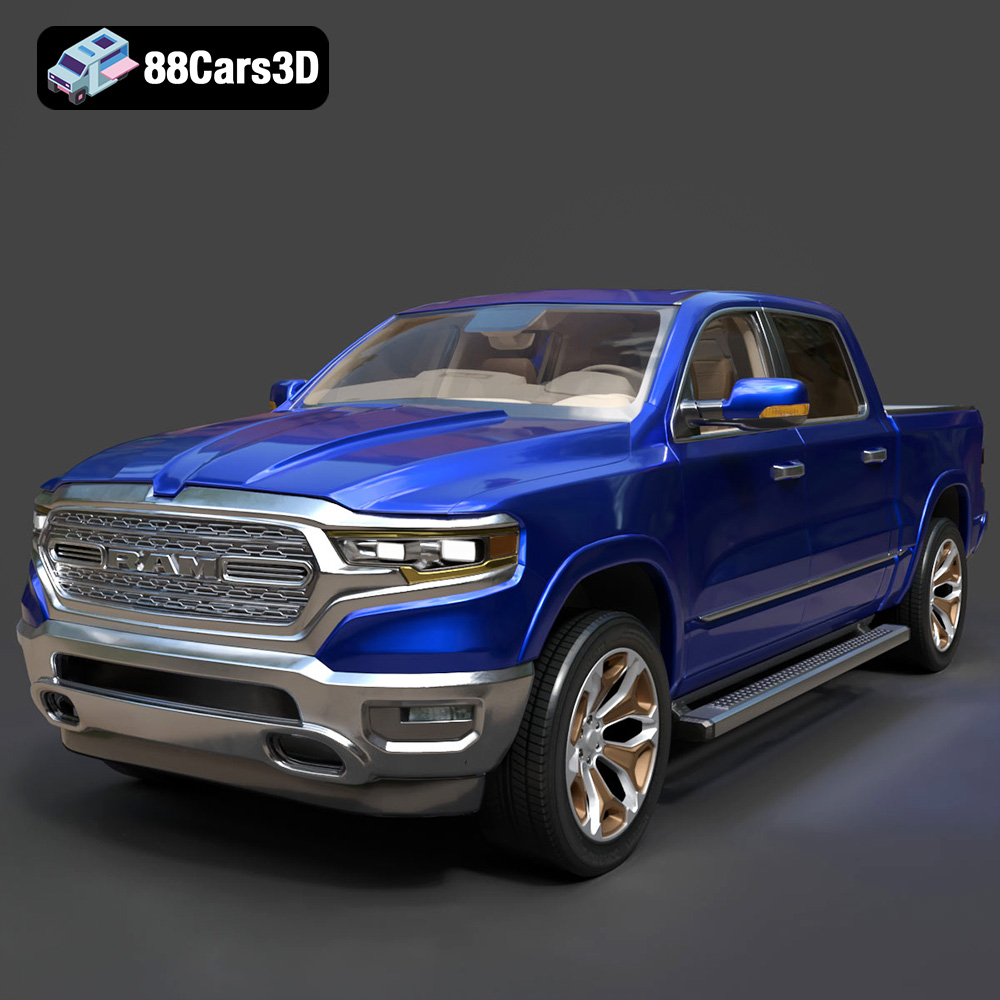
Texture: Yes
Material: Yes
Download the Dodge RAM 2019 3D Model featuring clean geometry, realistic detailing, and a fully modeled interior. Includes .blend, .fbx, .obj, .glb, .stl, .ply, .unreal, and .max formats for rendering, simulation, and game development.
Price: $19.99
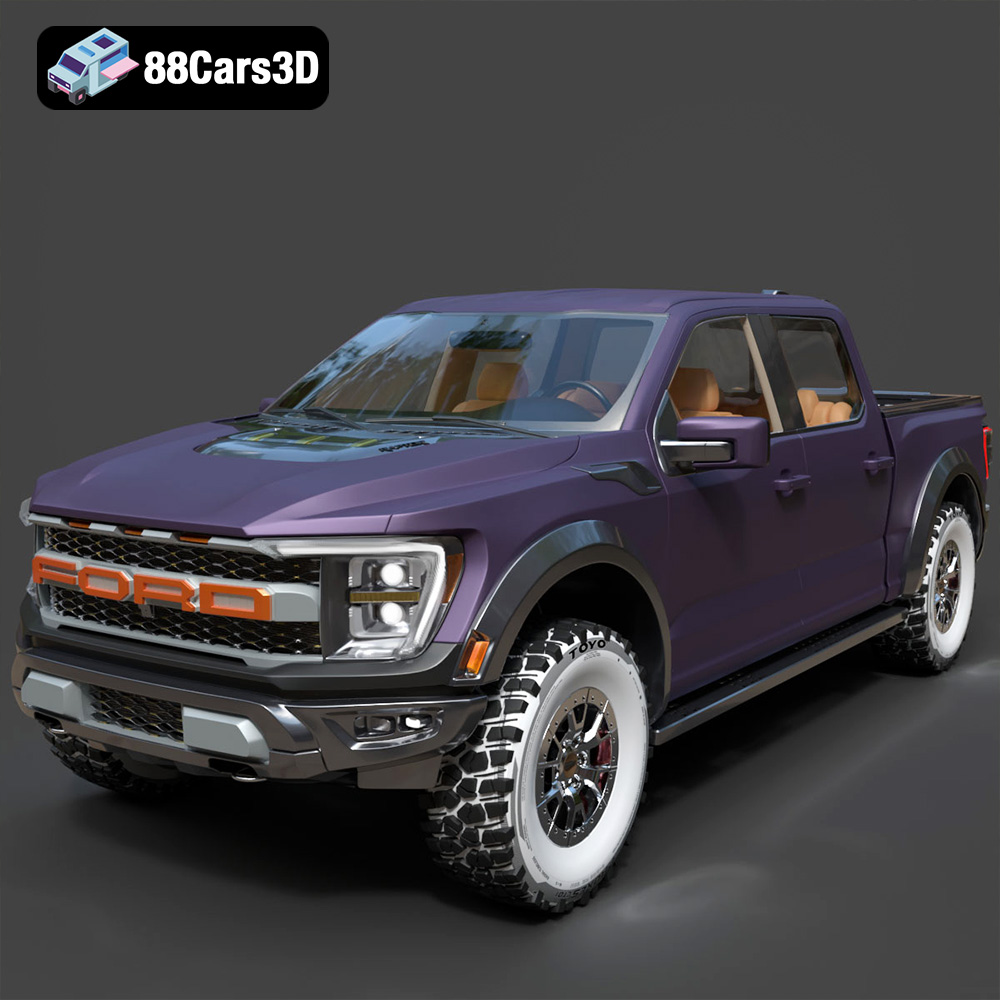
Texture: Yes | Material: Yes Download the ultra-high-detail Ford F-150 Raptor 2021 3D Model (8.73M Triangles). Features uncompromised widebody styling, fully modeled Fox Live Valve suspension, 37-inch tires, and interior. Perfect for premium VFX, cinematic rendering, and ArchViz. Includes .blend, .fbx, .obj, .glb, .stl, and .max formats.
Price: $29.99
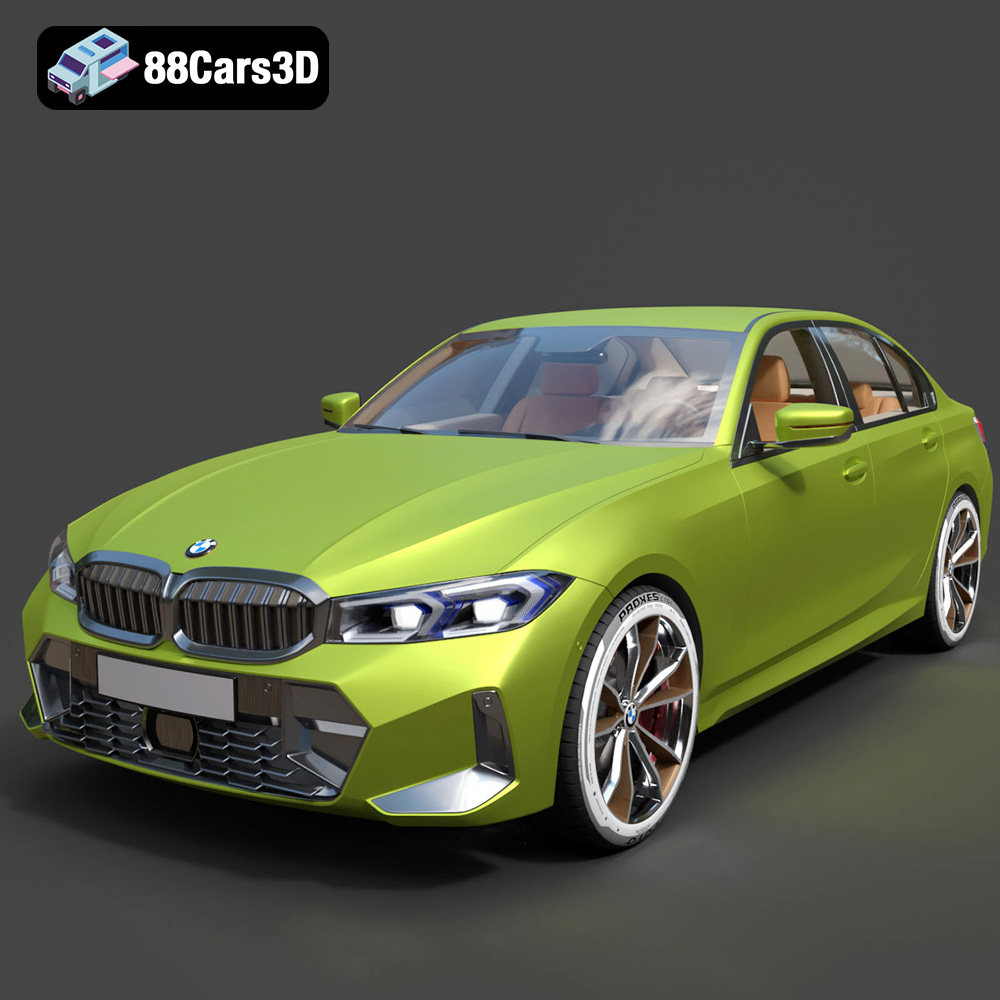
Texture: Yes | Material: Yes Download the ultra-high-detail BMW 3 Series Limousine (2022) 3D Model (4.16M Triangles). Features the modernized G20 LCI exterior, the all-new BMW Curved Display interior, and ultra-dense topology. Perfect for ArchViz, VFX, and cinematic rendering. Includes .blend, .fbx, .obj, .glb, .stl, and .max formats.
Price: $19.99
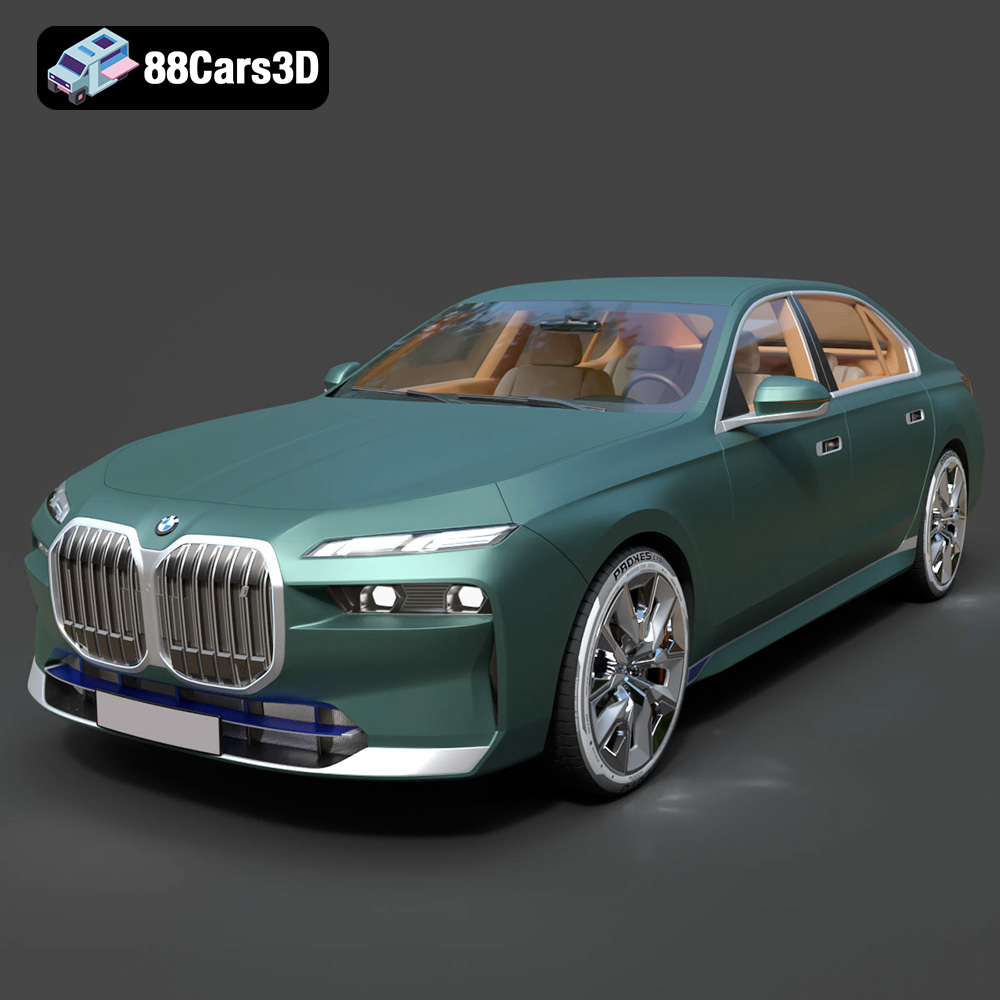
Texture: Yes | Material: Yes Download the ultra-high-detail BMW i7 (2023) 3D Model (4.14M Triangles). Features the illuminated kidney grille, split crystal headlights, fully modeled Theatre Screen interior, and monolithic luxury styling. Perfect for ArchViz, VFX, and cinematic rendering. Includes .blend, .fbx, .obj, .glb, .stl, and .max formats.
Price: $19.99
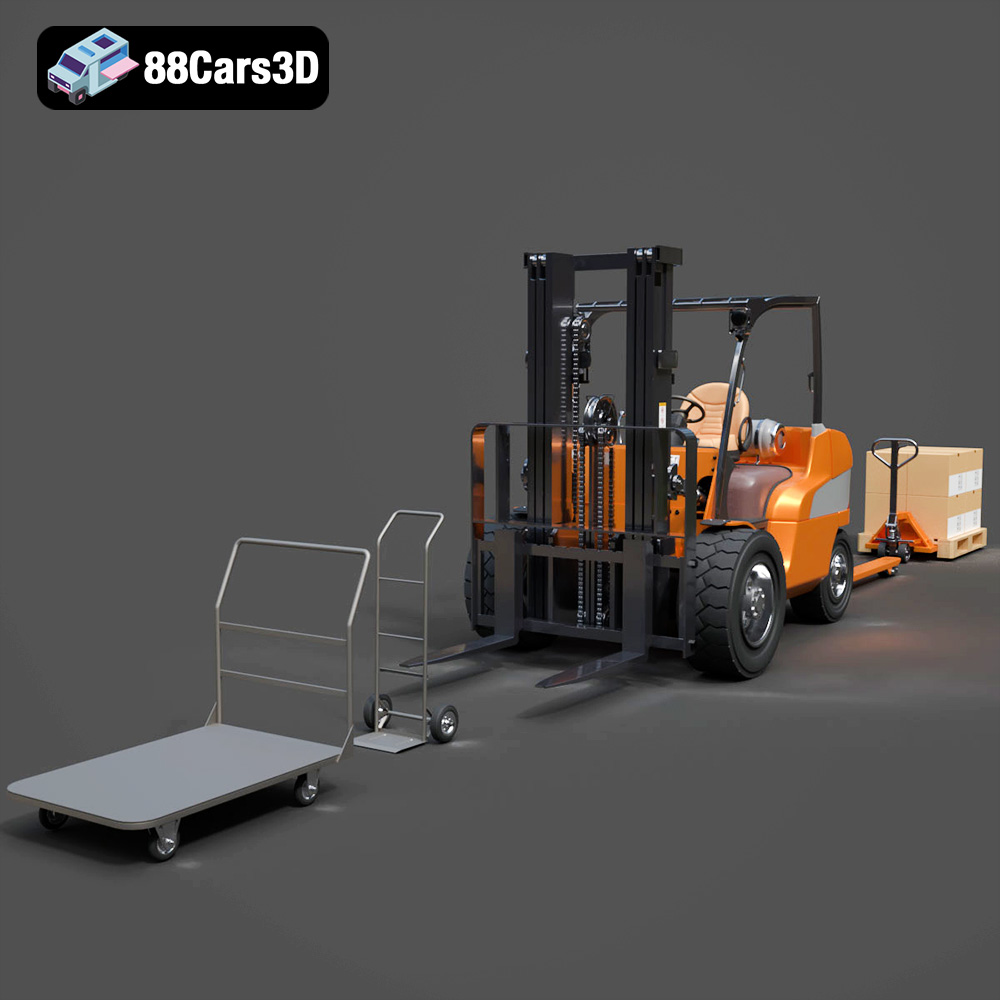
Texture: Yes | Material: Yes Download the highly detailed CAT Manual Loader & Warehouse Carts Kit 3D Model (2.4M Triangles). Features a macro-detailed hydraulic pallet jack, heavy-duty forks, and transport carts. Perfect for industrial ArchViz, factory rendering, and logistics simulations. Includes .blend, .fbx, .obj, .glb, .stl, and .max formats.
Price: $19.99
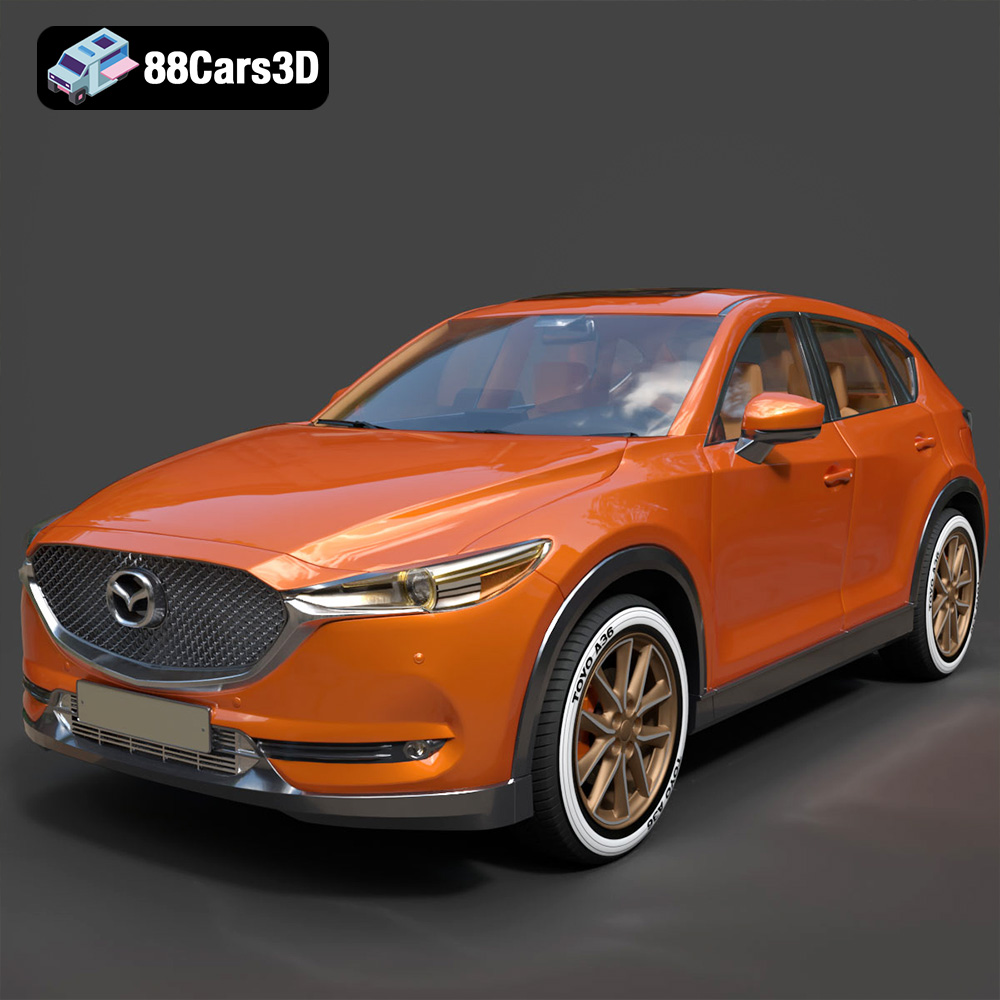
Texture: Yes | Material: Yes
Download the highly optimized Mazda CX-5 2014 3D Model (294k Triangles). Features the dynamic Kodo design language, signature grille, and a clean interior. Perfectly balanced for ArchViz, background traffic, and game development. Includes .blend, .fbx, .obj, .glb, .stl, and .max formats.
Price: $19.99
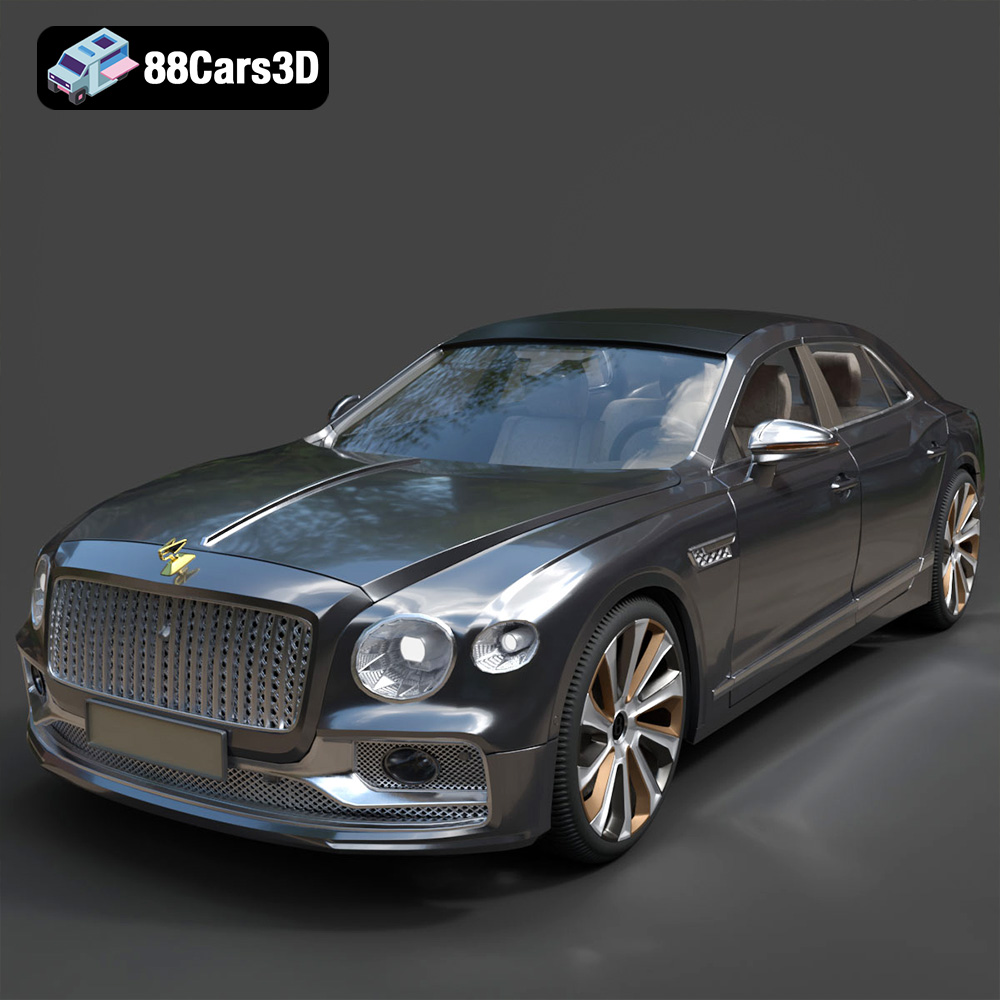
Texture: Yes | Material: Yes Download the ultra-high-detail Bentley Flying Spur Mulliner 2022 3D Model (2.94M Triangles). Features the bespoke Double Diamond grille, a fully modeled diamond-quilted interior, and exquisite luxury styling. Perfect for high-end ArchViz, VFX, and cinematic rendering. Includes .blend, .fbx, .obj, .glb, .stl, and .max formats.
Price: $19.90
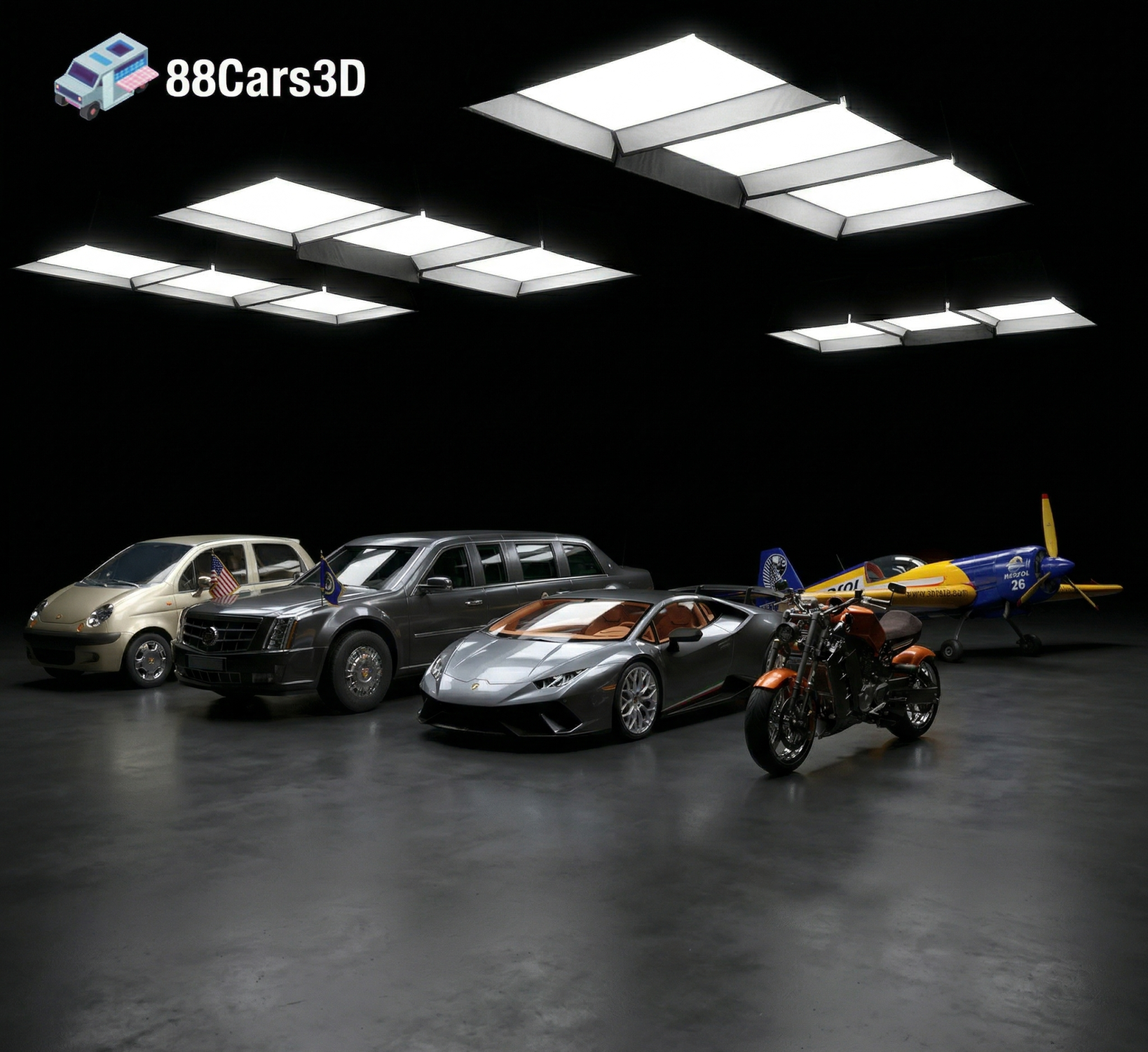
Texture: Yes | Material: Yes | 3D Printable: Yes. Download the Ultimate Creators’ Showcase featuring 5 premium 3D models: Lamborghini Huracan, ZAV Concept Motorcycle, Sukhoi SU-26, Presidential Limousine, and Daewoo Damas. Optimized for 4K CGI rendering and 3D printing. Save massive with this exclusive multi-category bundle!
Price: $99.99

