Get 50% OFF All Premium 3D & STL Models!

“`html
The world of 3D printing has opened up incredible opportunities for model makers, from hobbyists crafting intricate figurines to professionals prototyping automotive designs. The ability to transform digital designs into tangible objects has revolutionized the industry. However, selecting the right 3D printer can be daunting, given the sheer number of options available. This guide dives deep into the critical features that matter most when choosing a 3D printer specifically for model making, ensuring you can create highly detailed, accurate, and aesthetically pleasing models. We’ll explore key printer specifications, material considerations, software functionalities, and post-processing techniques, empowering you to make an informed decision and unlock the full potential of 3D printing for your model making endeavors.
Whether you’re looking to print stunning printable car models from platforms like 88cars3d.com or create custom architectural models, this comprehensive guide will equip you with the knowledge to choose the perfect 3D printer to bring your visions to life. We will delve into the nuances of FDM and resin printing, highlighting the strengths and weaknesses of each technology in the context of detailed model creation.
Resolution is paramount when it comes to model making. It determines the level of detail your printer can capture, directly impacting the final quality of your models. Higher resolution translates to smoother surfaces, sharper edges, and the ability to reproduce intricate features. The two key specifications related to resolution are layer height and XY resolution (for resin printers) or nozzle diameter (for FDM printers).
Layer height dictates the thickness of each printed layer. A smaller layer height creates finer details and smoother curves, but it also increases print time. For FDM printers, typical layer heights range from 0.1mm to 0.4mm. For resin printers, layer heights can go as low as 0.025mm or even lower. For highly detailed models, aiming for a layer height of 0.1mm or less on an FDM printer or 0.05mm or less on a resin printer is generally recommended. Experimentation is key; find the sweet spot that balances detail and print speed. For example, printing a complex car grille might require a 0.08mm layer height on an FDM printer to capture the fine details, while the rest of the car body can be printed at 0.15mm to save time.
For resin printers, XY resolution represents the smallest feature size the printer can accurately reproduce in the horizontal plane. Lower XY resolution values indicate finer details. For FDM printers, the nozzle diameter limits the horizontal resolution. A smaller nozzle can create finer details, but it also increases print time and can be more prone to clogging. Nozzles as small as 0.25mm are available for FDM printers, but a 0.4mm nozzle is a common starting point. Consider the type of models you intend to create when choosing a nozzle size. For detailed miniature figures, a smaller nozzle is advantageous. If you plan on printing large models quickly, a larger nozzle (0.6mm or 0.8mm) might be more suitable. Remember, you will likely want to invest in a variety of nozzles for different jobs.
The material you choose significantly impacts the properties of your finished model. Different materials offer varying levels of strength, flexibility, heat resistance, and surface finish. Understanding the characteristics of common 3D printing materials is crucial for selecting the right one for your specific needs.
For FDM printers, PLA (Polylactic Acid) is a popular choice for beginners due to its ease of use, biodegradability, and low odor. It’s well-suited for aesthetic models and prototypes but is not ideal for parts that require high strength or heat resistance. PETG (Polyethylene Terephthalate Glycol-modified) offers a good balance of strength, flexibility, and heat resistance, making it a versatile option for functional parts and models that need to withstand some wear and tear. ABS (Acrylonitrile Butadiene Styrene) is known for its high strength and heat resistance but requires a heated bed and enclosed chamber to prevent warping. Consider the intended use of your model when selecting a filament. For example, if you’re printing a car model that will be displayed in direct sunlight, ABS or PETG would be better choices than PLA.
Resin printers offer a wider range of material options, including standard resins, tough resins, flexible resins, and even castable resins for jewelry making. Standard resins are affordable and provide excellent detail, but they can be brittle. Tough resins offer increased impact resistance, making them suitable for functional parts and models that need to withstand handling. Flexible resins allow you to create models with rubber-like properties. Consider the specific requirements of your model when choosing a resin. If you’re printing a highly detailed miniature figure, a standard resin would be a good choice. If you’re printing a car bumper, a tough resin would be more appropriate.
The build volume of your 3D printer determines the maximum size of the objects you can print in a single piece. Consider the size of the models you plan to create when selecting a printer. While it’s possible to print larger models in multiple parts and assemble them later, printing in a single piece often results in a stronger and more aesthetically pleasing final product. The printer’s footprint is also a crucial consideration, especially if you have limited workspace.
Carefully assess the dimensions of your typical model projects. If you primarily print small figurines or car parts, a smaller build volume may suffice (e.g., 150x150x150mm). However, if you plan to print larger architectural models or full-size car components, you’ll need a printer with a significantly larger build volume (e.g., 300x300x400mm or even larger). Platforms like 88cars3d.com often specify the dimensions of their printable car models, allowing you to determine if a particular printer has sufficient build volume.
Even with a decent build volume, clever print orientation can help you maximize the printable size. Diagonal placement can sometimes allow you to print objects slightly larger than the printer’s stated dimensions. However, this may require more support structures. Ensure your slicing software allows you to rotate and position your model effectively within the build volume.
Slicing software is the crucial link between your 3D model and your printer. It takes your STL file and converts it into a set of instructions (G-code) that the printer can understand. The quality and features of your slicing software can significantly impact the final print quality.
Slicing software allows you to control various printing parameters, including layer height, infill density, print speed, temperature, and support structures. Experimenting with these parameters is essential for optimizing print quality and minimizing print time. Infill density determines the internal structure of your model. Higher infill densities result in stronger but heavier and more time-consuming prints. Support structures are necessary for printing overhangs and complex geometries. The type and placement of support structures can significantly impact the surface finish of your model. Common slicing software options include Cura, PrusaSlicer, Simplify3D, and Chitubox (for resin printers). Understanding these parameters is important. For example, when printing a solid car chassis, a 20-30% infill density might be sufficient, while a thin, fragile part might require 50-75% infill.
STL files can sometimes contain errors, such as non-manifold geometry or holes in the mesh. These errors can cause printing problems. Before slicing your model, it’s essential to repair any errors using mesh repair software such as Meshmixer, Netfabb, or online services like MakePrintable. When downloading models from marketplaces such as 88cars3d.com, you’ll typically find that the STL files have already been optimized for printing, but it’s always a good practice to check for errors before slicing.
Proper bed adhesion is crucial for preventing warping and ensuring that your model sticks firmly to the build plate throughout the printing process. A stable and level print bed is equally important for consistent print quality.
A heated bed is essential for printing materials like ABS and PETG, which are prone to warping. The heated bed helps to keep the first layer warm and prevents it from cooling too quickly, which can cause it to detach from the build plate. Adhesives such as glue sticks, hairspray, or specialized bed adhesion solutions can further improve bed adhesion. Rafts are sacrificial layers of material that are printed underneath the model. They provide a large, flat surface area that adheres well to the build plate and can be easily removed after printing. For FDM printing, ensure your bed is properly leveled. This is one of the most common issues and can be quickly resolved by tramming the four corners of the bed.
For printing materials like ABS, an enclosed chamber is highly recommended. The enclosed chamber helps to maintain a consistent temperature around the model, which prevents warping and cracking. Some 3D printers come with an enclosed chamber, while others can be upgraded with an enclosure kit. Controlling the environment around your print is vital for quality.
Regular maintenance and calibration are essential for ensuring consistent print quality and prolonging the lifespan of your 3D printer. This includes cleaning the print bed, lubricating moving parts, and calibrating the printer settings.
Regularly clean the print bed with isopropyl alcohol to remove any residue that can interfere with bed adhesion. Lubricate moving parts such as lead screws and bearings to ensure smooth operation. Inspect the printer for any signs of wear or damage, such as loose belts or worn nozzles. Replace parts as needed to maintain optimal performance. Regular checks can prevent catastrophic failures later on. For resin printing, this also includes cleaning the resin vat and replacing the FEP film when necessary.
Calibrate the printer settings regularly to ensure accurate prints. This includes bed leveling, calibrating the extruder steps per millimeter (E-steps), and adjusting the printing temperature. Bed leveling ensures that the nozzle is the correct distance from the print bed across the entire surface. E-steps calibration ensures that the correct amount of filament is extruded. Temperature calibration ensures that the filament or resin is heated to the optimal temperature for printing. These calibrations, while sometimes tedious, are essential for consistent, quality prints.
Post-processing is the final step in the 3D printing process. It involves cleaning, sanding, painting, and assembling your model to achieve the desired aesthetic and functional properties.
Carefully remove support structures using pliers, cutters, or a specialized support removal tool. Sand the surface of the model with progressively finer grits of sandpaper to remove any imperfections and create a smooth finish. Start with a coarse grit (e.g., 220 grit) and gradually move to a finer grit (e.g., 400 grit, 600 grit, 800 grit). For resin prints, cleaning with isopropyl alcohol is essential to remove any uncured resin.
Prime the model with a spray primer to create a smooth, uniform surface for painting. Apply multiple thin coats of paint using an airbrush or spray can. Allow each coat to dry completely before applying the next. Consider using different painting techniques, such as dry brushing or weathering, to add realism and detail to your model. Seal the painted model with a clear coat to protect the paint and create a glossy or matte finish.
Choosing the right 3D printer for model making is a crucial decision that can significantly impact the quality and success of your projects. By carefully considering the key features discussed in this guide, including print resolution, material compatibility, build volume, slicing software, bed adhesion, maintenance, and post-processing techniques, you can make an informed decision and select a printer that meets your specific needs and budget. Remember to balance your desired level of detail with factors like print time and material cost. The world of 3D printing offers endless possibilities for model makers. By mastering the techniques and principles outlined in this guide, you can unlock the full potential of this technology and bring your creative visions to life.
Take the time to research different printer models, compare their specifications, and read reviews from other model makers. Don’t be afraid to experiment with different materials and settings to find what works best for you. With practice and patience, you’ll be able to create stunning and highly detailed models that showcase your skills and creativity. Start by exploring available STL files, perhaps beginning with smaller, simpler models before tackling larger, more complex projects. Good luck and happy printing!
“`
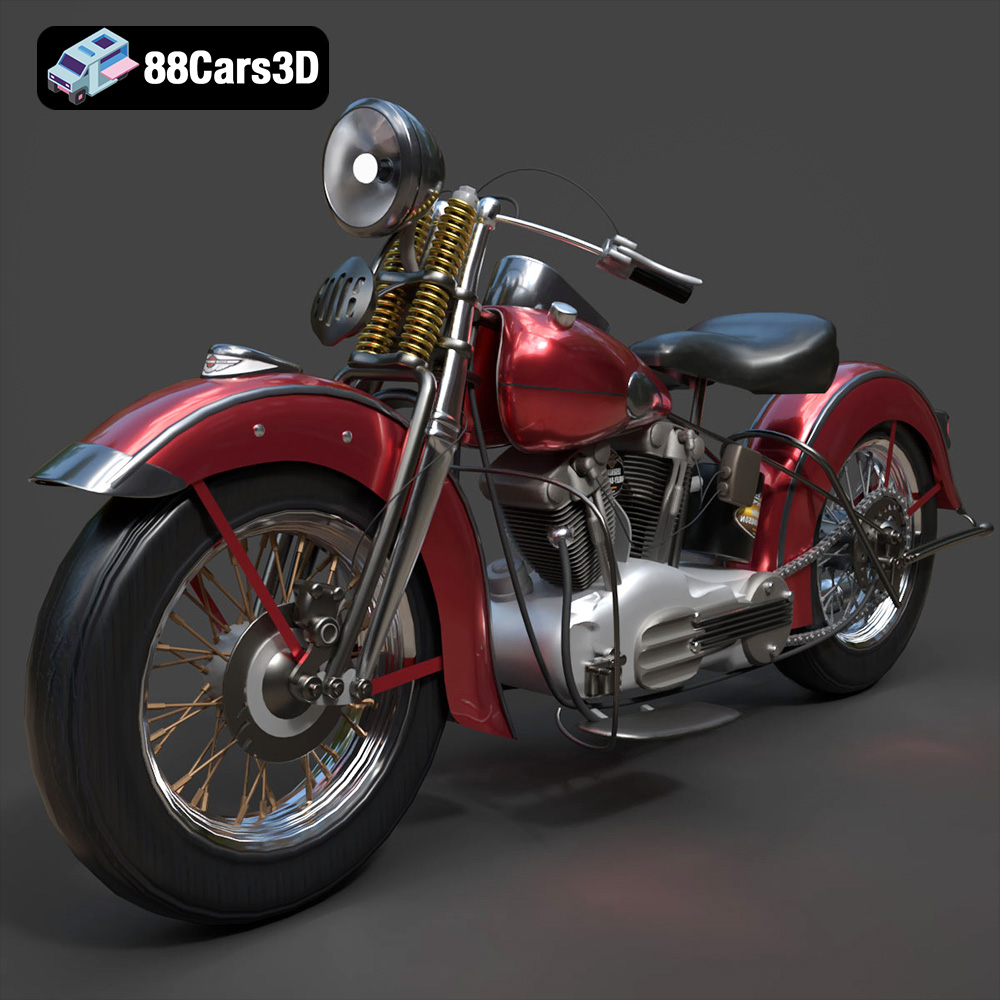
Texture: Yes
Material: Yes
Download the Harley Davidson F 1946 3D Model featuring clean geometry, realistic detailing, and a fully modeled interior. Includes .blend, .fbx, .obj, .glb, .stl, .ply, .unreal, and .max formats for rendering, simulation, and game development.
Price: $19.99
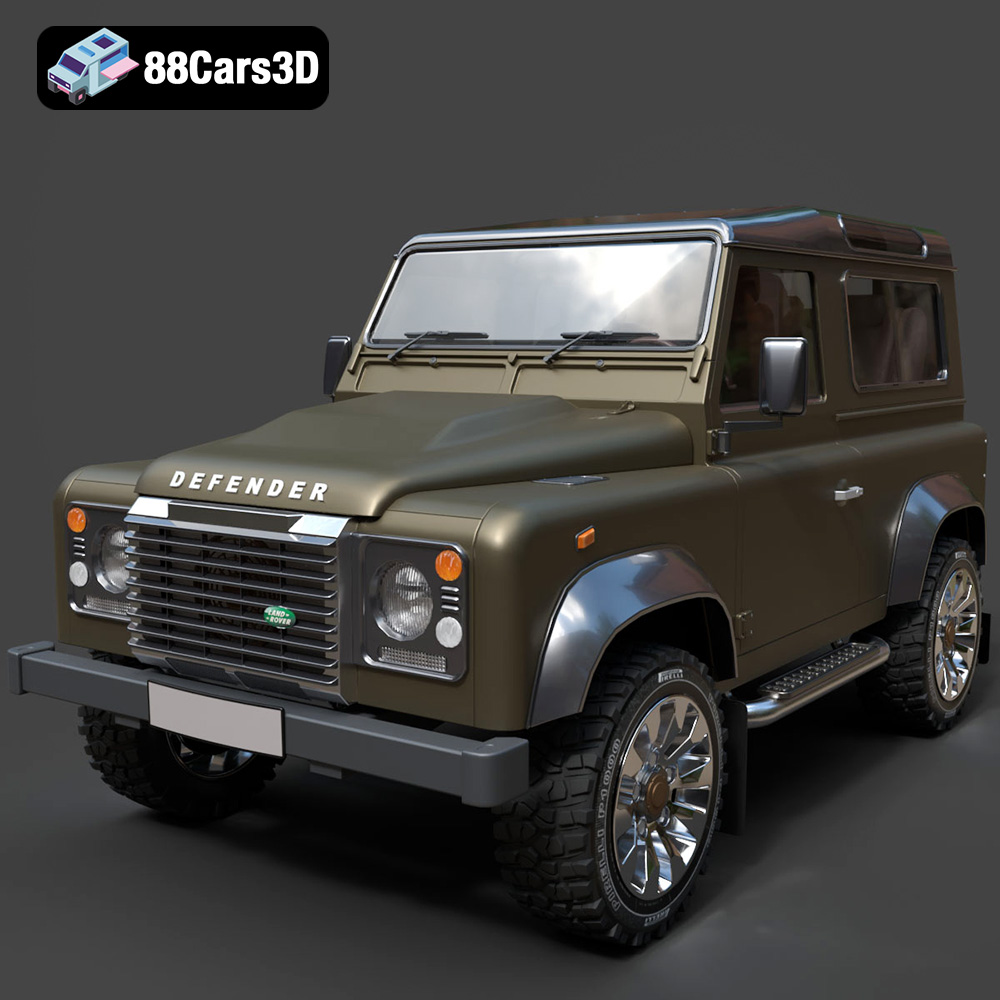
Texture: Yes
Material: Yes
Download the Land Rover Defender Works V8 3D Model featuring clean geometry, realistic detailing, and a fully modeled interior. Includes .blend, .fbx, .obj, .glb, .stl, .ply, .unreal, and .max formats for rendering, simulation, and game development.
Price: $19.99
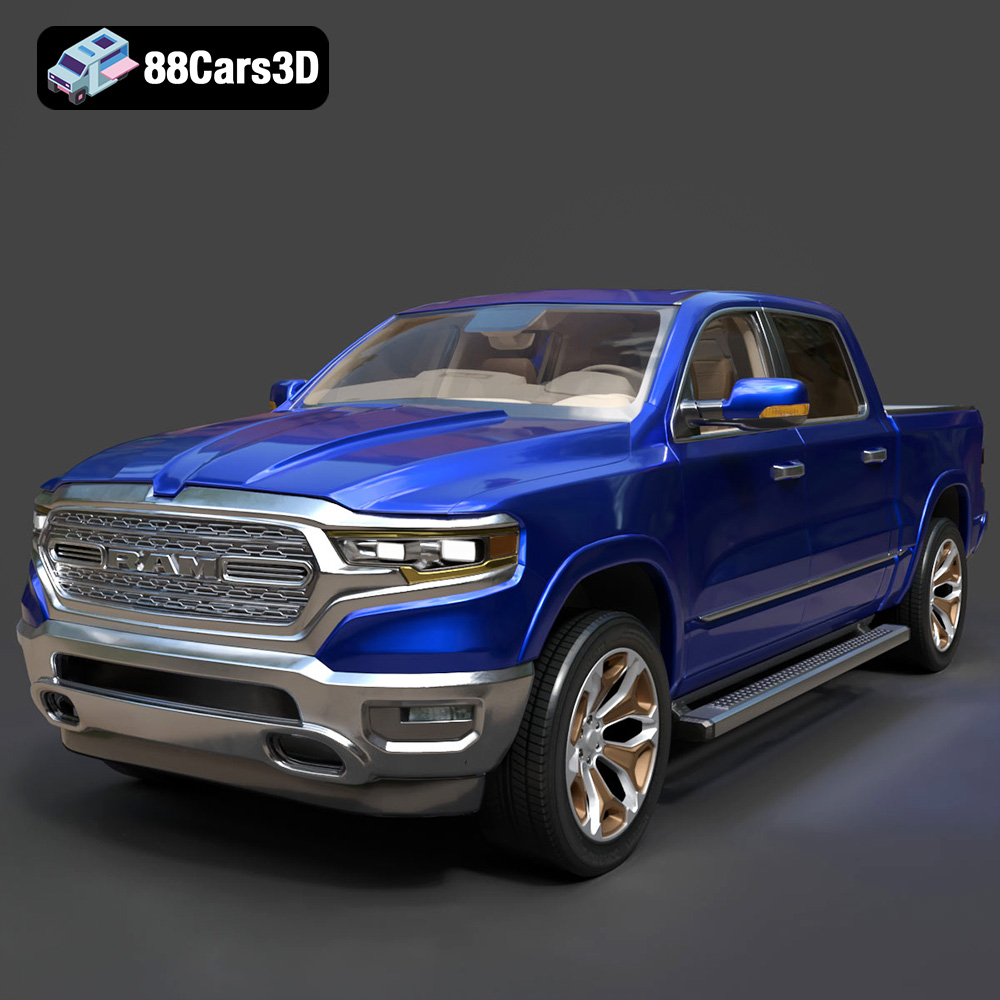
Texture: Yes
Material: Yes
Download the Dodge RAM 2019 3D Model featuring clean geometry, realistic detailing, and a fully modeled interior. Includes .blend, .fbx, .obj, .glb, .stl, .ply, .unreal, and .max formats for rendering, simulation, and game development.
Price: $19.99
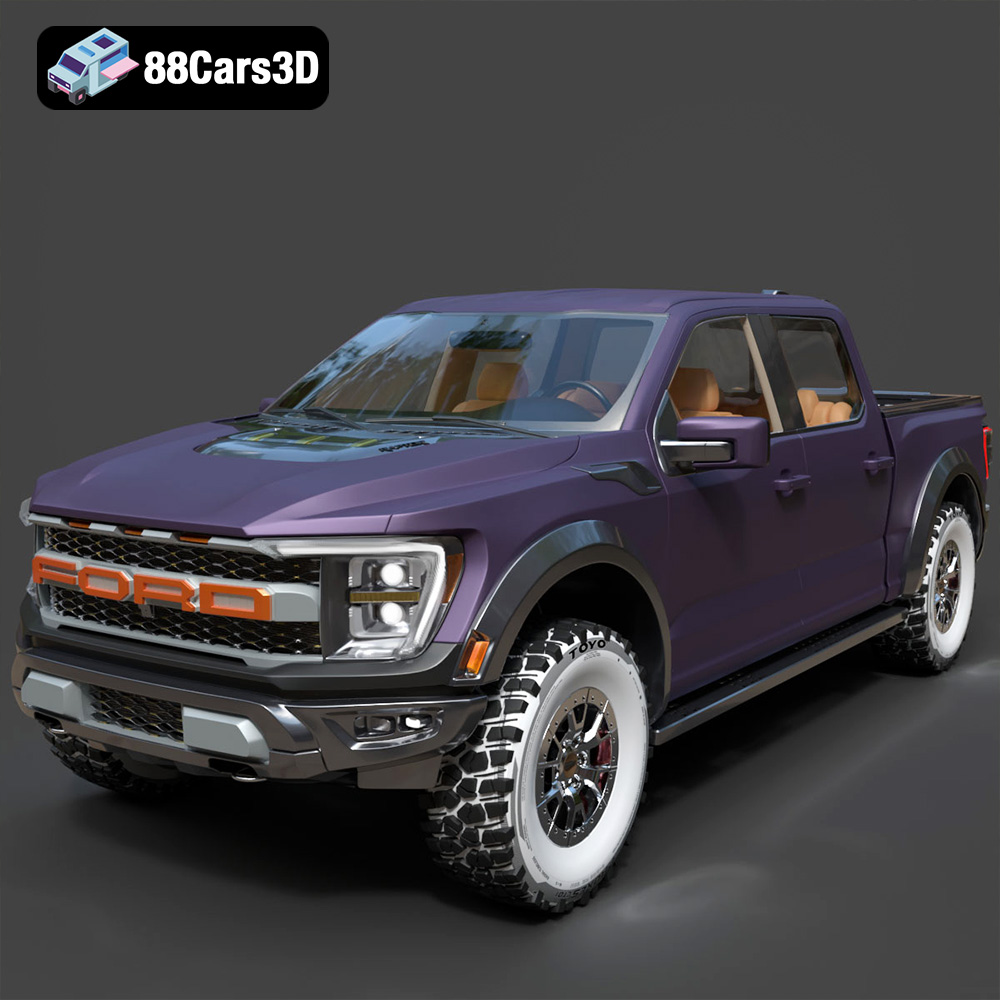
Texture: Yes | Material: Yes Download the ultra-high-detail Ford F-150 Raptor 2021 3D Model (8.73M Triangles). Features uncompromised widebody styling, fully modeled Fox Live Valve suspension, 37-inch tires, and interior. Perfect for premium VFX, cinematic rendering, and ArchViz. Includes .blend, .fbx, .obj, .glb, .stl, and .max formats.
Price: $29.99
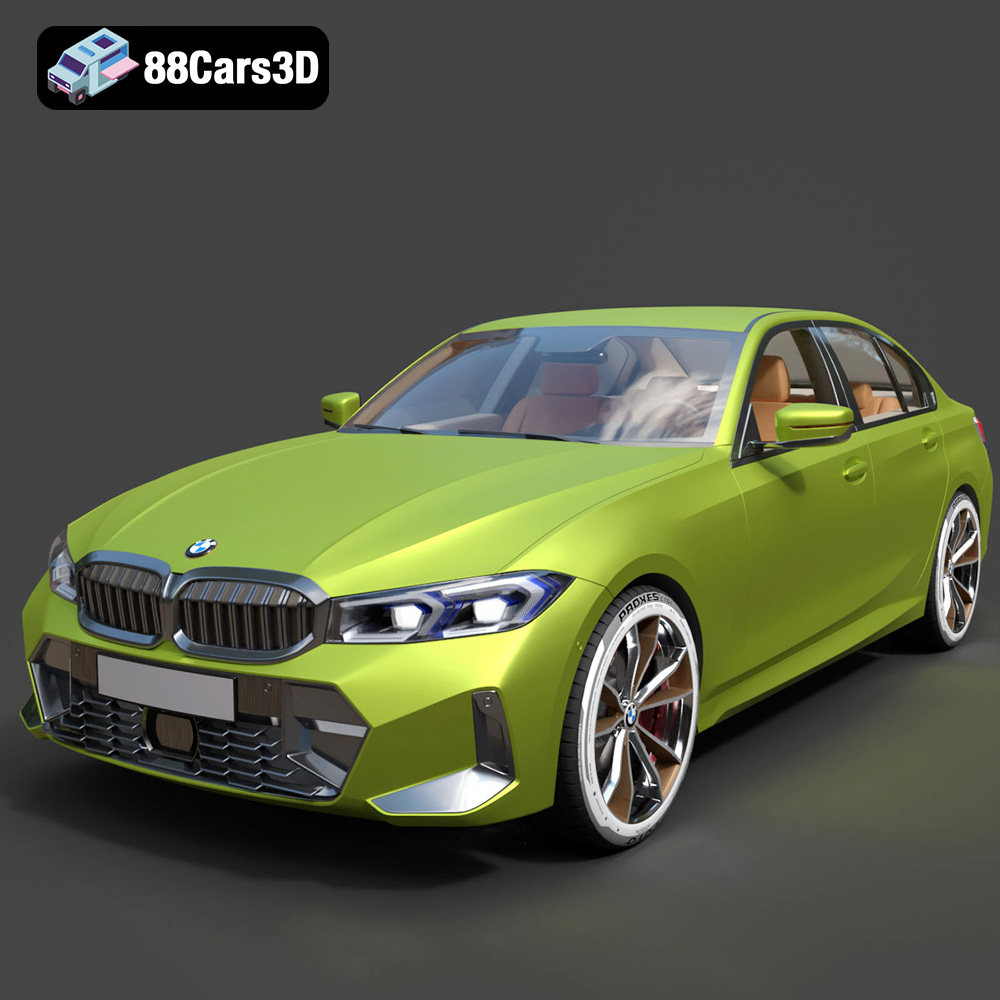
Texture: Yes | Material: Yes Download the ultra-high-detail BMW 3 Series Limousine (2022) 3D Model (4.16M Triangles). Features the modernized G20 LCI exterior, the all-new BMW Curved Display interior, and ultra-dense topology. Perfect for ArchViz, VFX, and cinematic rendering. Includes .blend, .fbx, .obj, .glb, .stl, and .max formats.
Price: $19.99
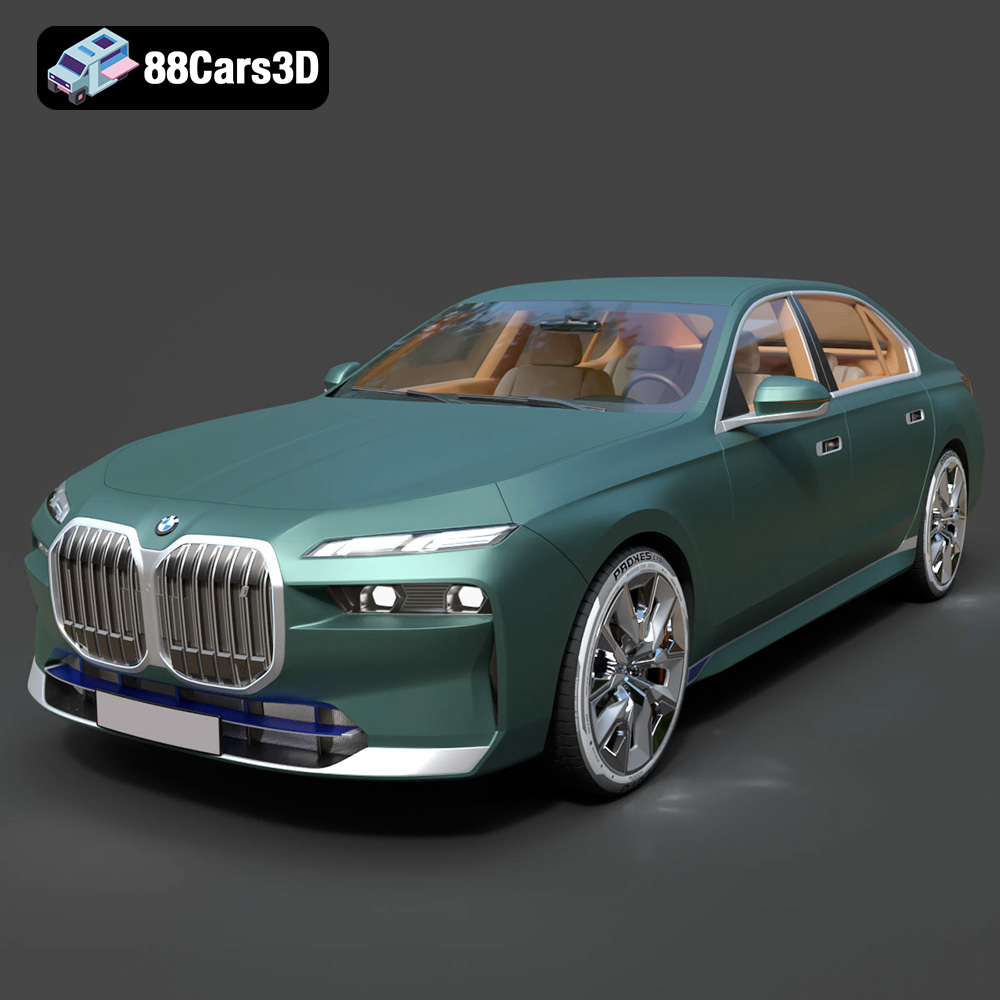
Texture: Yes | Material: Yes Download the ultra-high-detail BMW i7 (2023) 3D Model (4.14M Triangles). Features the illuminated kidney grille, split crystal headlights, fully modeled Theatre Screen interior, and monolithic luxury styling. Perfect for ArchViz, VFX, and cinematic rendering. Includes .blend, .fbx, .obj, .glb, .stl, and .max formats.
Price: $19.99
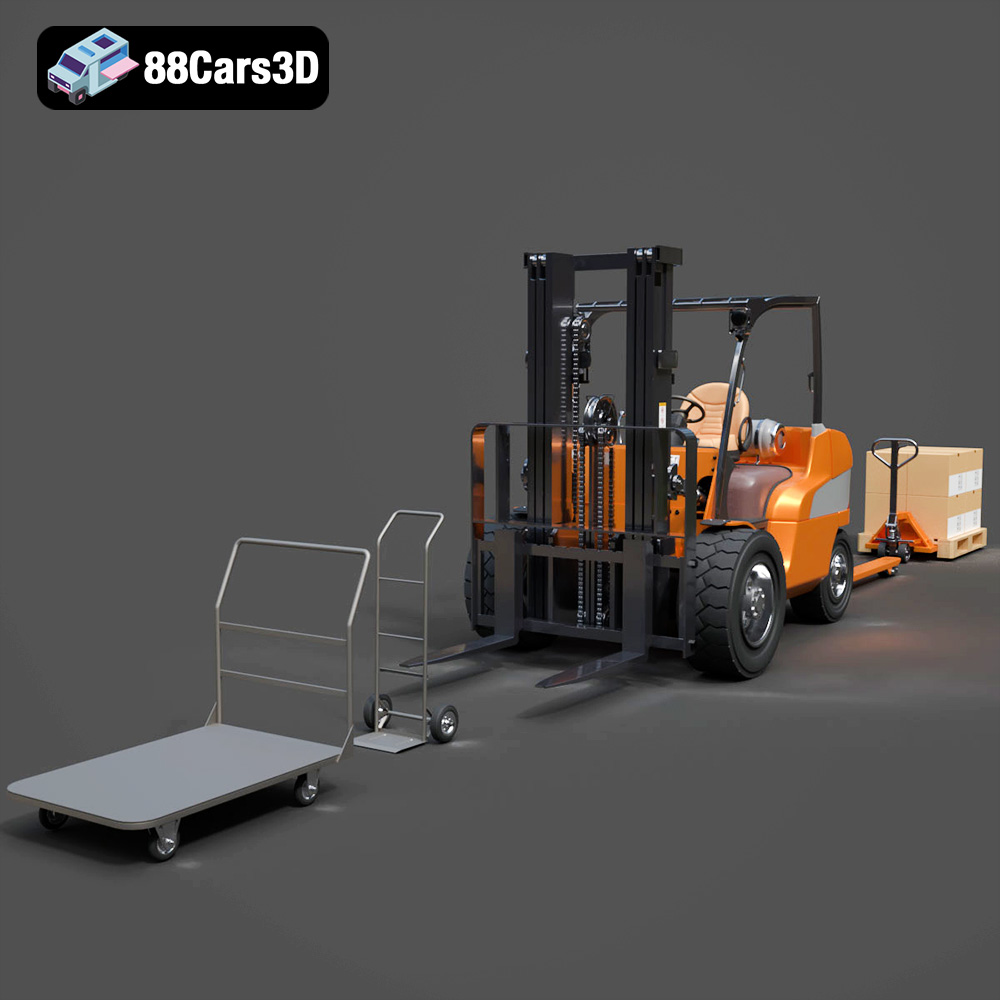
Texture: Yes | Material: Yes Download the highly detailed CAT Manual Loader & Warehouse Carts Kit 3D Model (2.4M Triangles). Features a macro-detailed hydraulic pallet jack, heavy-duty forks, and transport carts. Perfect for industrial ArchViz, factory rendering, and logistics simulations. Includes .blend, .fbx, .obj, .glb, .stl, and .max formats.
Price: $19.99

Texture: Yes | Material: Yes
Download the highly optimized Mazda CX-5 2014 3D Model (294k Triangles). Features the dynamic Kodo design language, signature grille, and a clean interior. Perfectly balanced for ArchViz, background traffic, and game development. Includes .blend, .fbx, .obj, .glb, .stl, and .max formats.
Price: $19.99
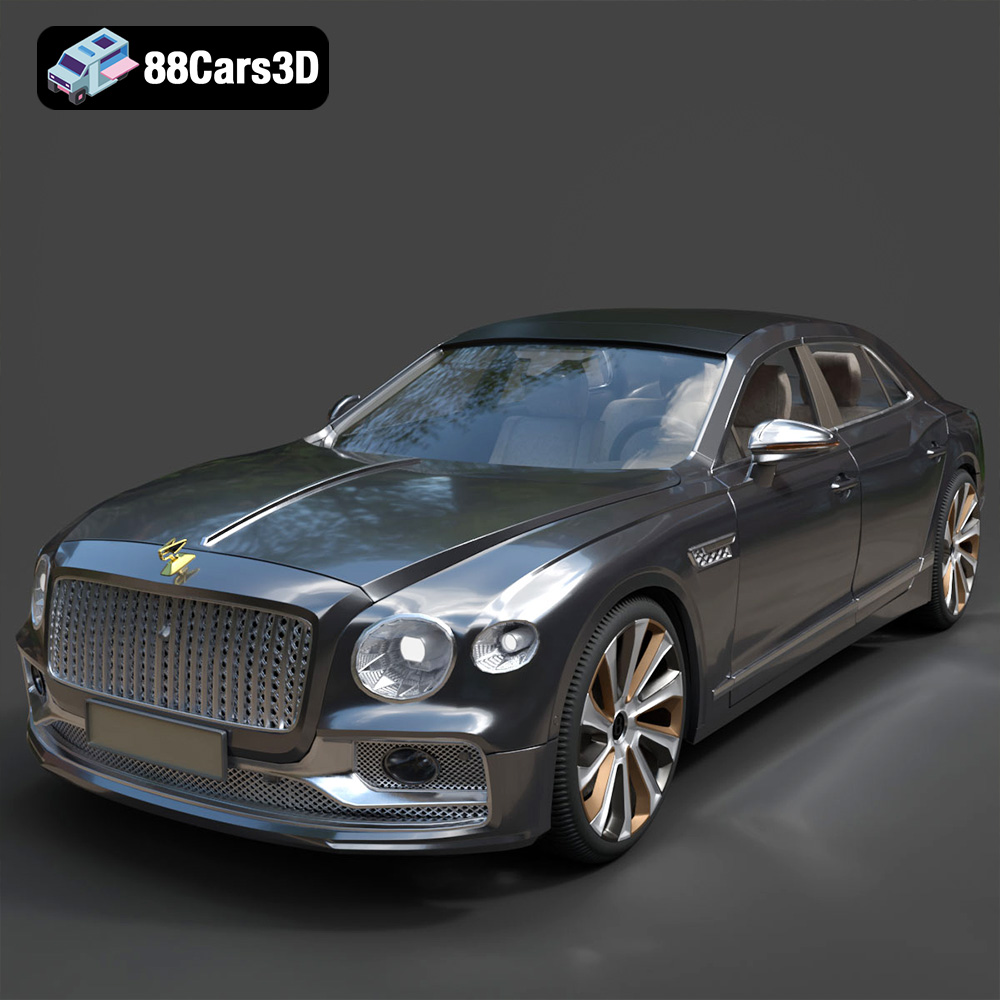
Texture: Yes | Material: Yes Download the ultra-high-detail Bentley Flying Spur Mulliner 2022 3D Model (2.94M Triangles). Features the bespoke Double Diamond grille, a fully modeled diamond-quilted interior, and exquisite luxury styling. Perfect for high-end ArchViz, VFX, and cinematic rendering. Includes .blend, .fbx, .obj, .glb, .stl, and .max formats.
Price: $19.90
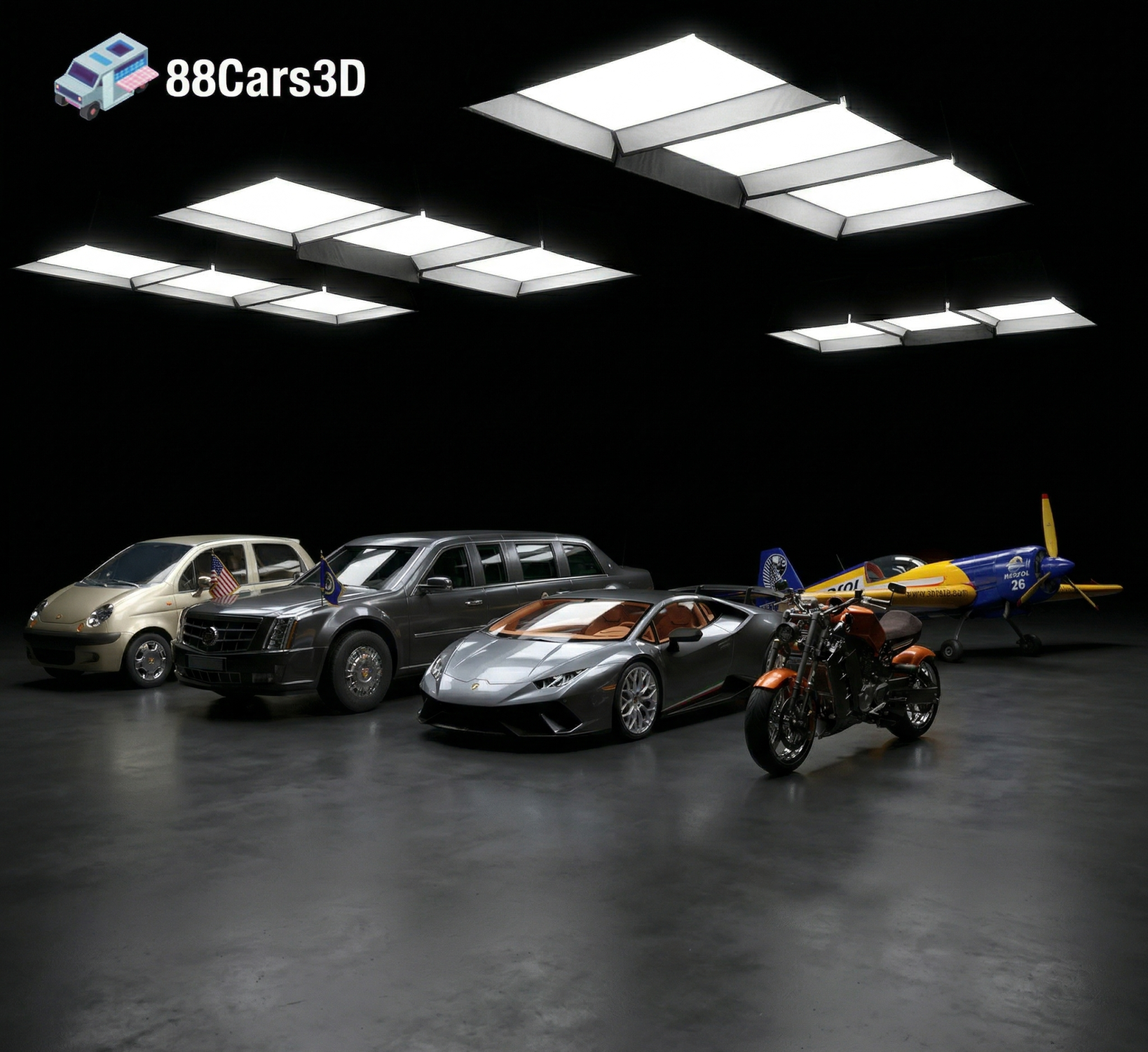
Texture: Yes | Material: Yes | 3D Printable: Yes. Download the Ultimate Creators’ Showcase featuring 5 premium 3D models: Lamborghini Huracan, ZAV Concept Motorcycle, Sukhoi SU-26, Presidential Limousine, and Daewoo Damas. Optimized for 4K CGI rendering and 3D printing. Save massive with this exclusive multi-category bundle!
Price: $99.99

