Get 50% OFF All Premium 3D & STL Models!

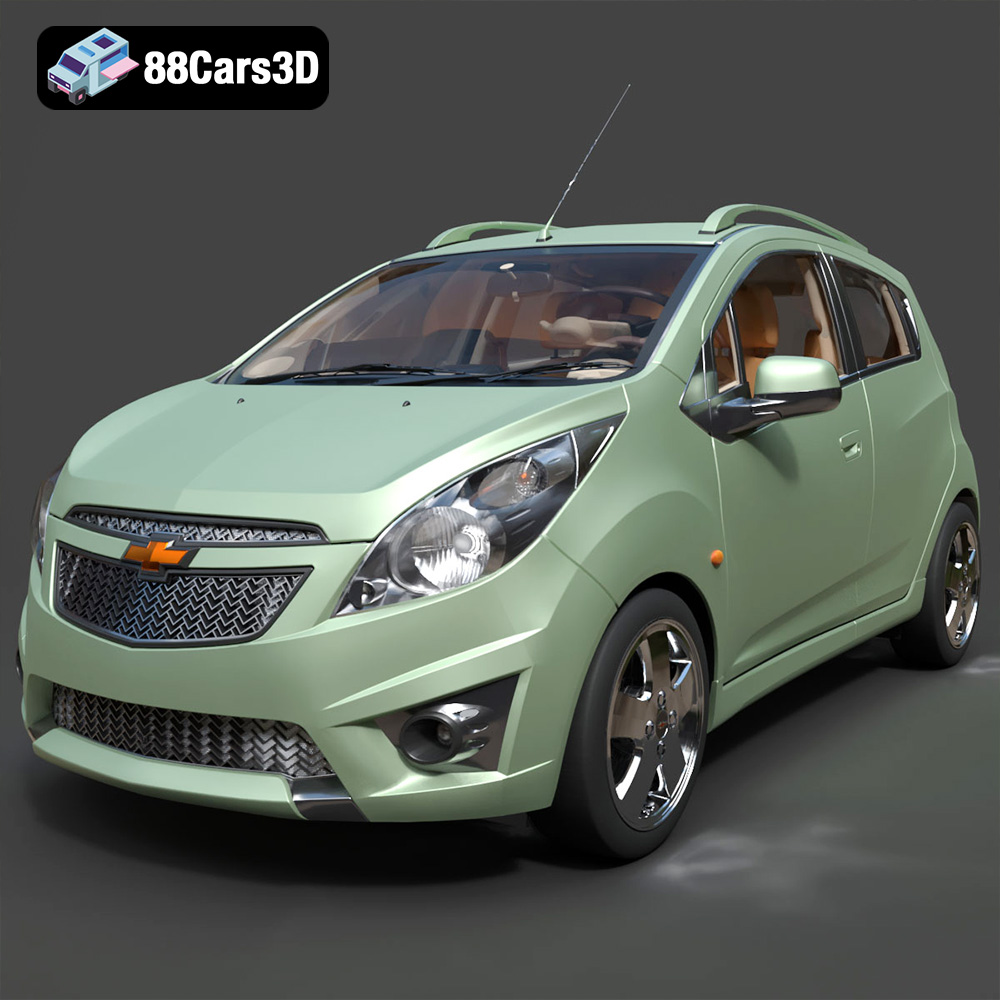
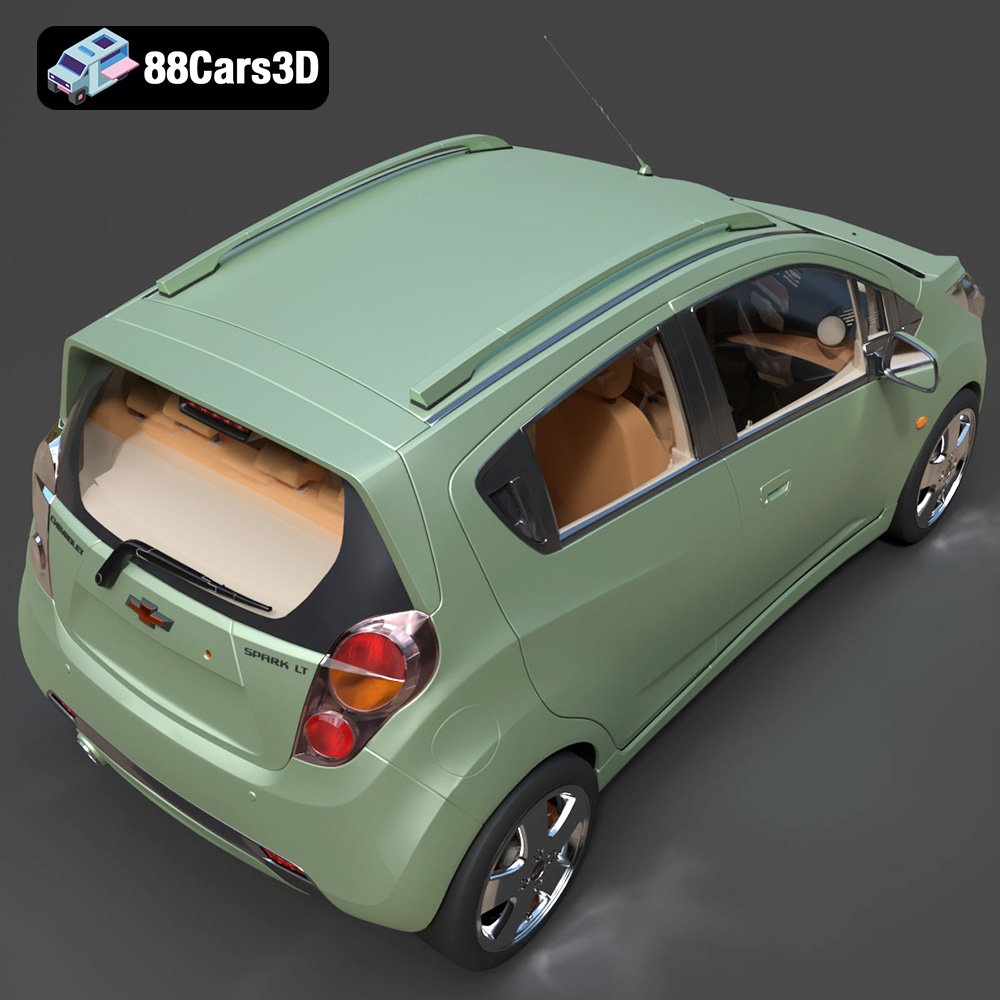
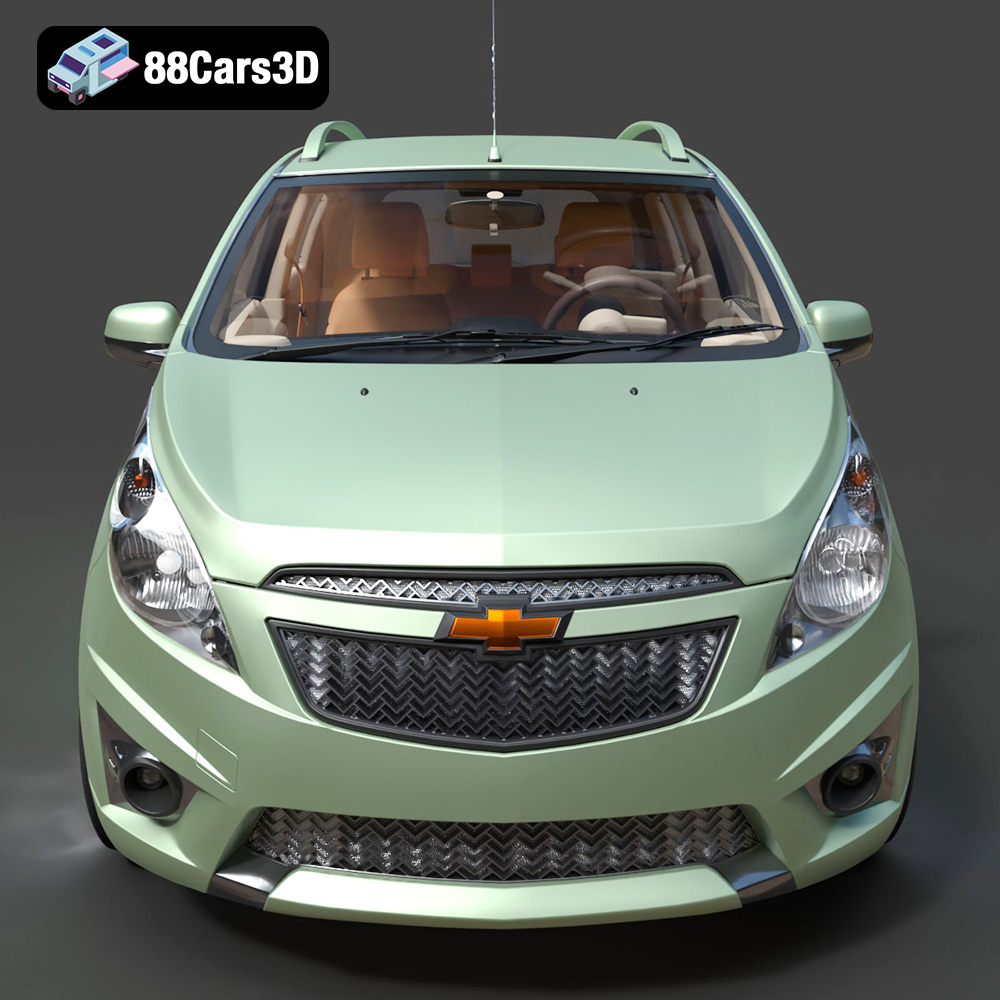
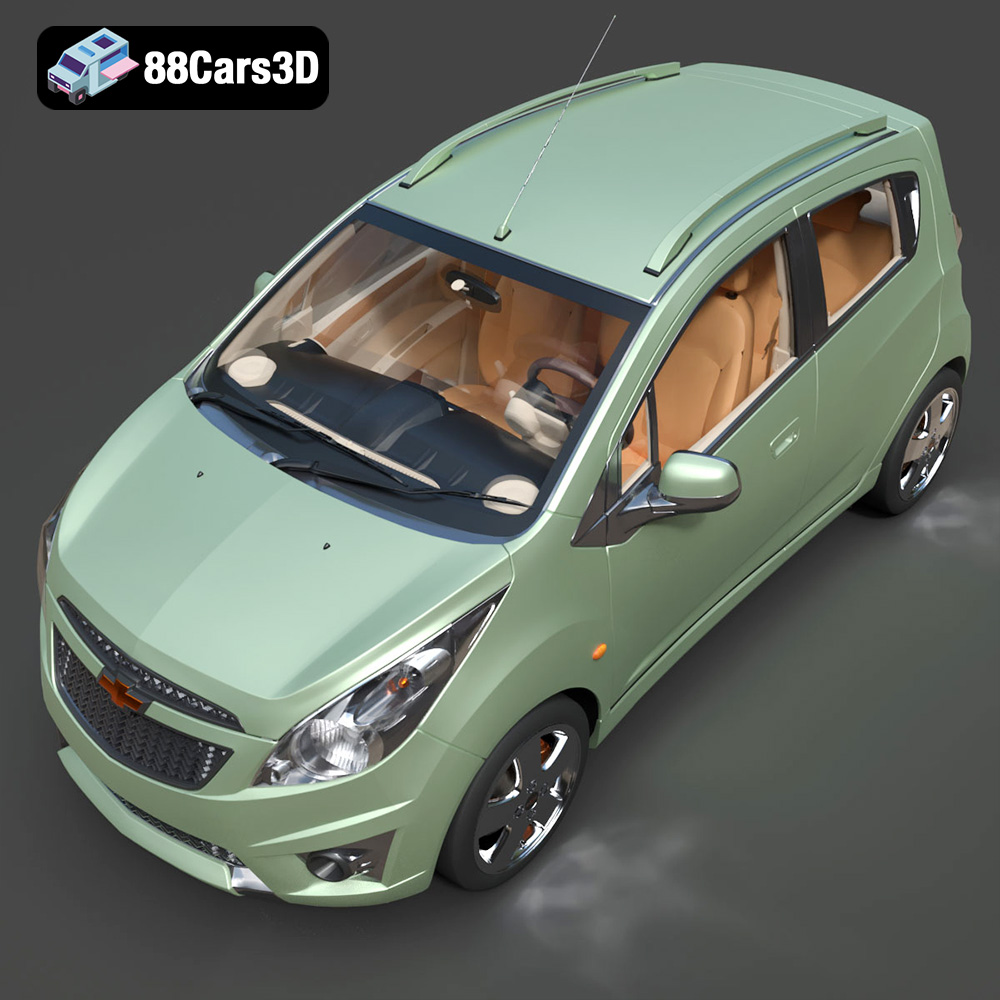
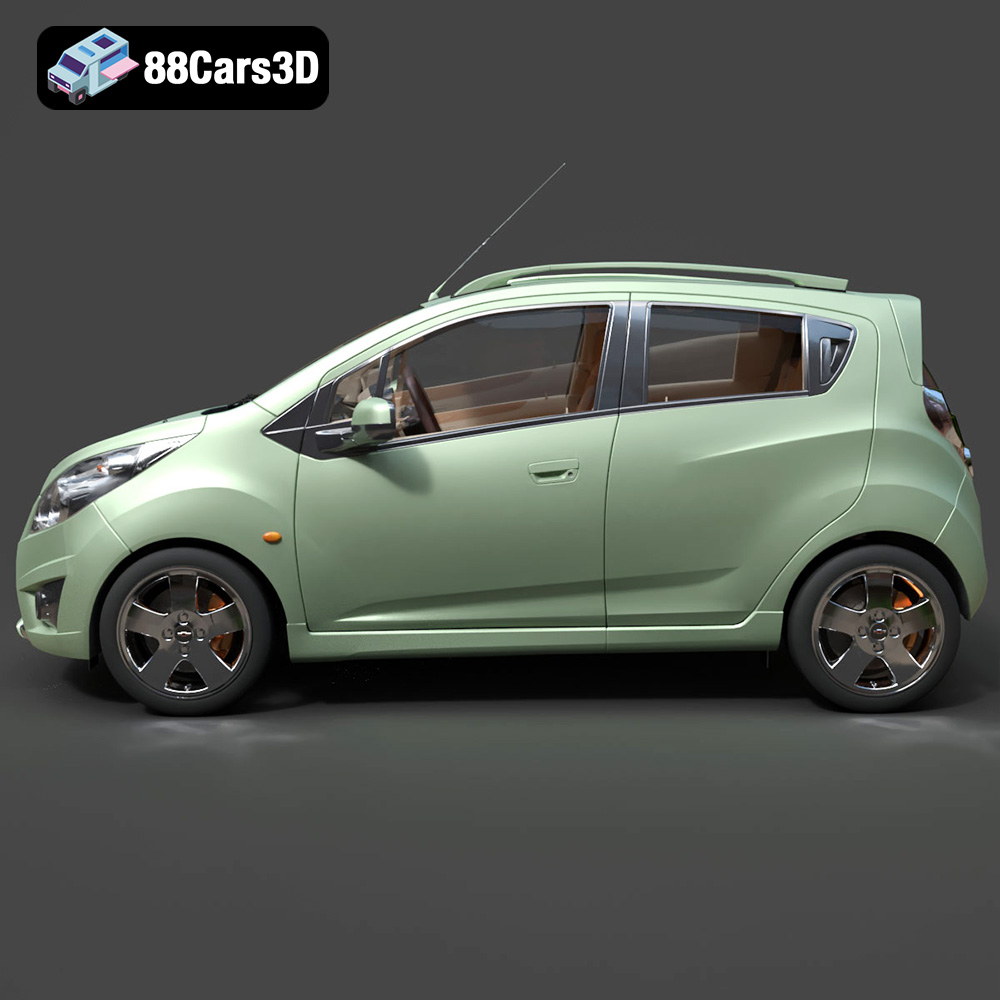
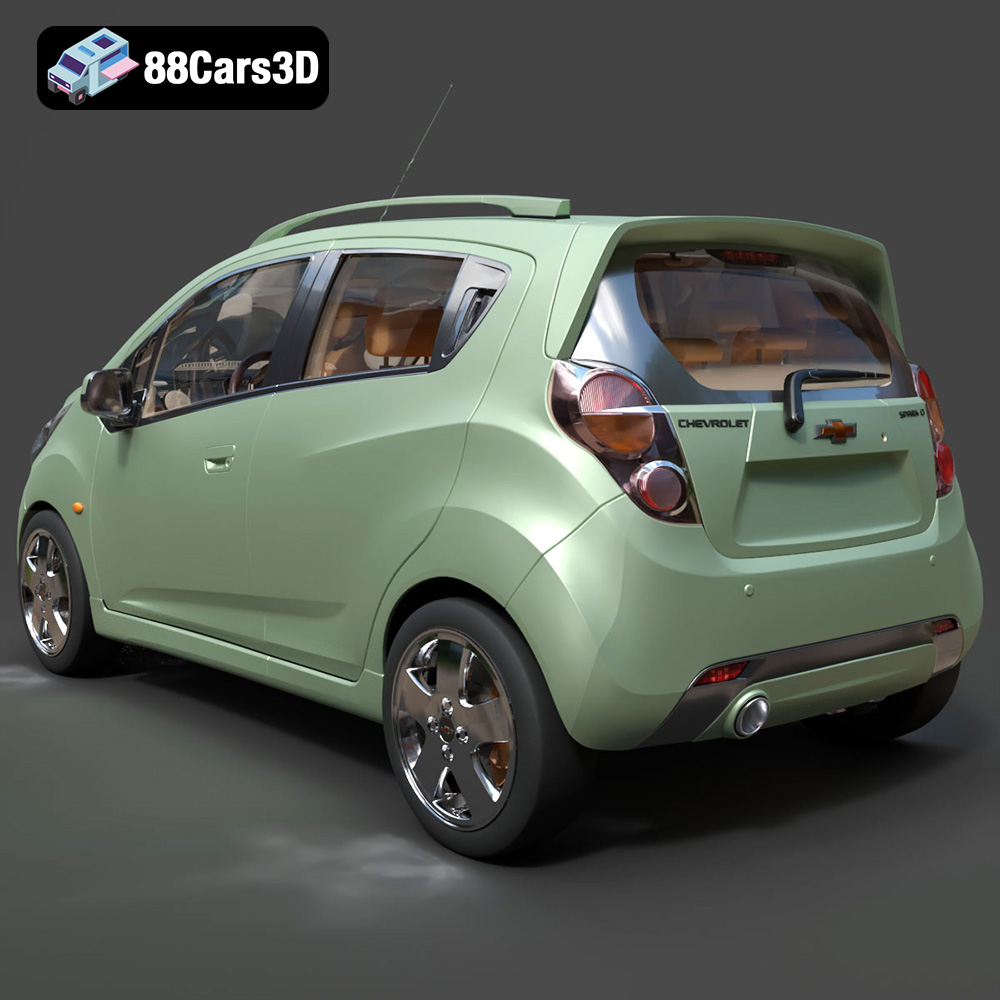
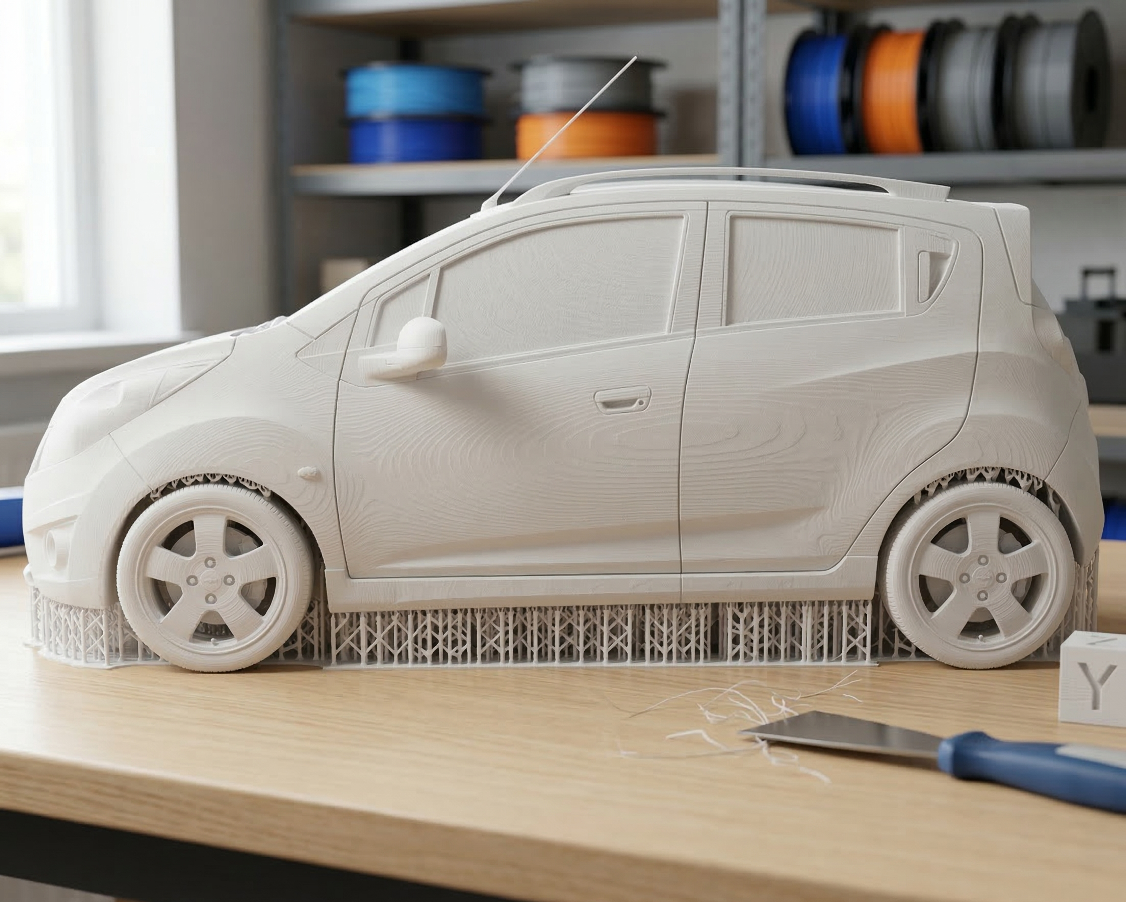
The Chevrolet Spark LT, a popular subcompact city car, is now within reach for 3D printing enthusiasts. Thanks to detailed 3D models available on platforms like 88cars3d.com, you can create your own miniature Spark LT for display, dioramas, or even as a unique gift. This guide provides a comprehensive overview of 3D printing the Chevrolet Spark LT model, covering everything from selecting the right settings to post-processing for a professional finish. We’ll explore the best practices for achieving high-quality prints, regardless of your experience level.
The success of your 3D printed Chevrolet Spark LT hinges on selecting the right printer and materials. Both Fused Deposition Modeling (FDM) and Stereolithography (SLA) printers can produce excellent results, but each has its strengths and weaknesses.
FDM printers are a popular choice due to their affordability and ease of use. For the Chevrolet Spark LT model, consider using PLA (Polylactic Acid) or PETG (Polyethylene Terephthalate Glycol-modified).
* **PLA:** PLA is biodegradable, easy to print, and available in a wide range of colors. It’s ideal for beginners and produces good results for larger-scale models.
* **PETG:** PETG offers greater durability and heat resistance than PLA, making it suitable for parts that may experience stress or higher temperatures. However, it can be slightly more challenging to print due to its tendency to string.
Resin printers, particularly SLA or DLP (Digital Light Processing) printers, excel at producing highly detailed prints with smooth surfaces. This is particularly beneficial for smaller-scale Chevrolet Spark LT models where fine details are crucial.
* **Resin:** Standard resin is a good starting point, offering a balance of strength and detail. For added durability, consider using a tough resin or a resin blend.
Choosing the right file format is critical for a successful 3D printing project. Different formats offer varying levels of detail, compatibility, and suitability for specific applications. The Chevrolet Spark LT 3D model on 88cars3d.com includes multiple file formats to cater to different needs, but understanding their nuances is essential.
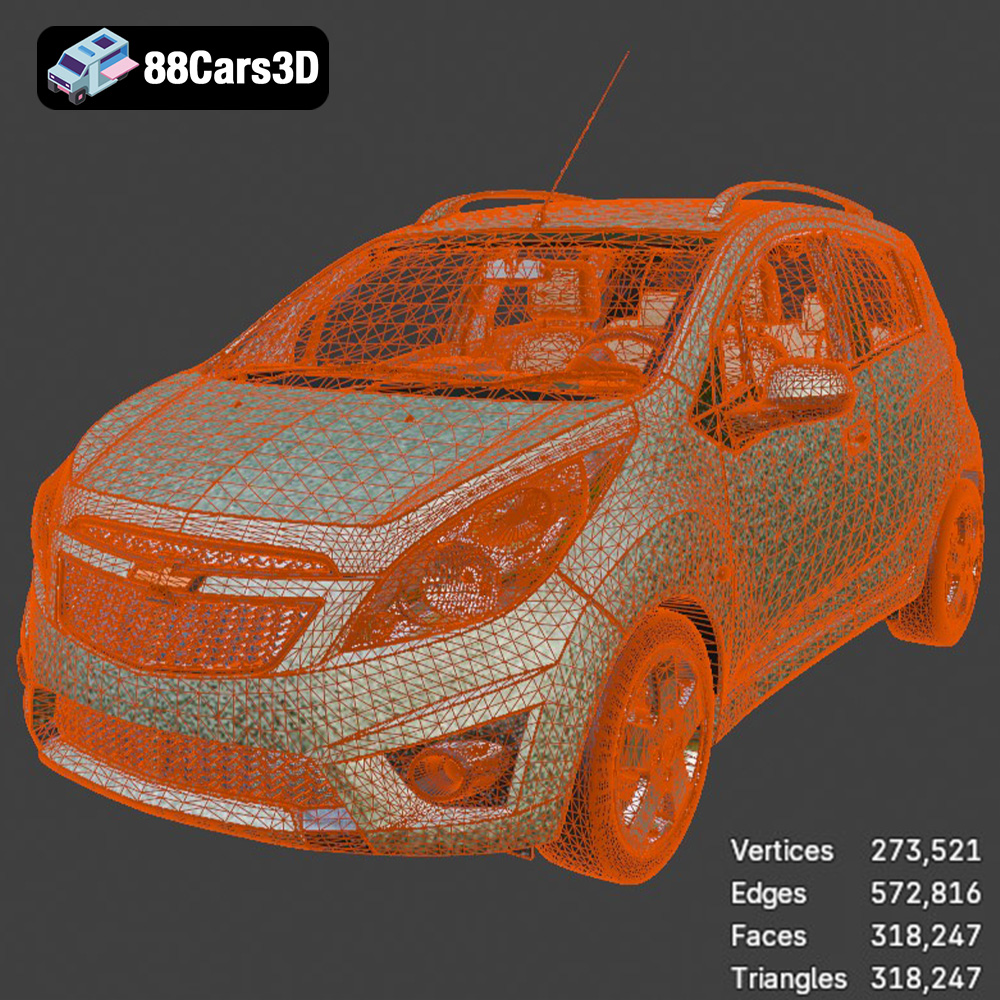
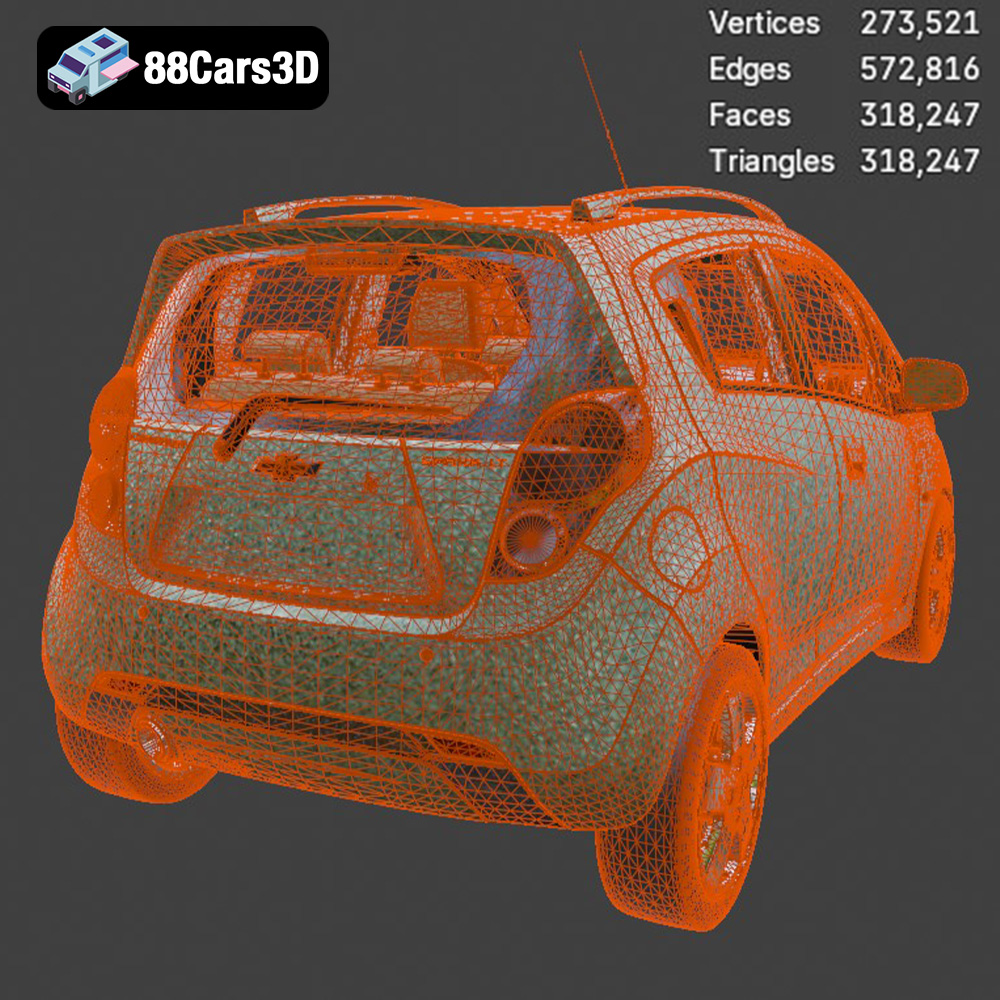
The .stl (Stereolithography) format is the workhorse of 3D printing. It represents a 3D object’s surface as a collection of triangles, creating a mesh. This simplicity makes it universally compatible with slicing software and 3D printers. When downloading the Chevrolet Spark LT model, the .stl format is your primary choice for 3D printing. While .stl files are widely supported, they only contain information about the object’s geometry. Textures, colors, and materials are not included in .stl files. This means that the printed object will be a single color, and any desired color schemes must be applied during post-processing. The mesh quality, determined by the number and size of the triangles, impacts the smoothness and accuracy of the printed model. A higher triangle count results in a smoother surface but also increases file size and processing time. Slicing software will use the STL file to generate the instructions (G-code) for the 3D printer, dictating the movements of the print head or laser.
While STL is the primary format for printing, the Chevrolet Spark LT model offers several others for different purposes:
* **.obj:** A more universal format than STL, .obj files can store color and texture information. This is useful if you intend to create colored prints (using specialized multi-material printers).
* **.ply:** Primarily used for storing 3D data acquired from 3D scanners, .ply is capable of representing high-detail meshes with color information. This format may be suitable for advanced users looking to manipulate highly accurate meshes.
* **.blend:** This is the native file format for Blender, a popular open-source 3D creation suite. Having the .blend file allows for extensive customization of the Chevrolet Spark LT model before exporting it for printing.
* **.fbx:** A common format for exchanging 3D data between different software packages, .fbx supports materials and animations. You can import the .fbx file of the Chevrolet Spark LT into slicing software, although you will likely only use the geometric data for printing.
* **.glb:** A binary file format that is used for transmitting 3D models efficiently. .glb files are commonly used for displaying 3D models on websites and in augmented reality (AR) applications. It allows for previewing the model before printing, giving you a better understanding of the final product.
* **.max:** This is the native file format for 3ds Max, another industry-standard 3D modeling software. The .max file provides the most flexibility for modifying and customizing the Chevrolet Spark LT model.
For most 3D printing applications, the .stl format will be the most appropriate choice for the Chevrolet Spark LT model. Ensure that the .stl file is properly scaled and oriented within your slicing software before proceeding with the printing process.
Before sending the Chevrolet Spark LT 3D model to your printer, careful preparation is essential. This involves using slicing software, making any necessary repairs, and determining the optimal orientation and supports.
Slicing software converts the 3D model into a series of layers that the printer can understand. Popular options include Cura, Simplify3D, and PrusaSlicer.
* **Layer Height:** As recommended, use a layer height of 0.04–0.12 mm, especially for resin printing to capture the fine details of the Spark LT. For FDM, a layer height of 0.1–0.2 mm offers a good balance between detail and print time.
* **Infill:** Set the infill density to 15–25%. This provides sufficient internal support without adding excessive weight or material.
* **Wall Thickness:** Use a wall thickness of 1.2–2.0 mm to ensure the model’s structural integrity.
* **Print Speed:** Adjust the print speed based on your printer and material. Slower speeds generally improve print quality, especially for intricate details.
Before slicing, inspect the 3D model for any errors such as non-manifold geometry or holes. Most slicing software includes tools to automatically repair these issues. Services like MeshMixer can also be used for more advanced repairs and modifications. Optimizing the model involves simplifying the mesh (reducing the triangle count) without sacrificing essential details.
Proper orientation is crucial for minimizing support material and achieving a smooth surface finish. For the Chevrolet Spark LT body, printing it at an angle is recommended. This reduces the need for supports on the curved surfaces. Separate components, such as the wheels, should be printed flat on the build plate. Support structures are necessary for overhanging features like the side mirrors, wheel arches, and rear spoiler. Use a support density of 10–20% and a support interface layer for easy removal.
Once the model is prepared, it’s time to start printing. Monitor the printing process closely and make adjustments as needed.
* **Temperature:** Set the nozzle temperature according to the filament manufacturer’s recommendations. PLA typically prints at 200–220°C, while PETG requires 230–250°C.
* **Bed Adhesion:** Ensure good bed adhesion to prevent warping. Use a heated bed (60°C for PLA, 70–80°C for PETG) and apply a layer of glue stick or hairspray if needed.
* **Cooling:** Use a part cooling fan to improve the print quality of small details and overhangs.
* **Exposure Time:** Adjust the exposure time based on the resin type and layer height. Refer to the resin manufacturer’s guidelines and perform test prints to dial in the optimal settings.
* **Lift Speed:** Set the lift speed to a moderate value to prevent layer separation.
* **Support Settings:** Optimize support settings for resin printing to minimize damage to the model during removal.
Keep a close eye on the printer during the printing process. Common issues include warping, layer separation, and nozzle clogging. Adjust the settings as needed to address these problems.
After printing, post-processing is essential to refine the Chevrolet Spark LT model and achieve a professional finish.
Carefully remove the support structures using pliers or a sharp knife. Sand the surface to smooth out any imperfections and remove support marks. Start with coarse sandpaper (150–220 grit) and gradually move to finer grits (400–600 grit) for a smooth finish.
Apply a layer of primer to prepare the model for painting. This helps to create a smooth and uniform surface. Use spray paint or an airbrush to apply the desired colors. Refer to Chevrolet’s factory color options for the Spark LT, such as Red Hot, Mystic Blue, or Summit White. Apply multiple thin coats for the best results.
If you printed the wheels and other components separately, assemble them carefully using glue or other adhesives. Add fine details such as window trim, lights, and emblems using paint markers or decals.
The cost and time required to 3D print the Chevrolet Spark LT model depend on several factors, including the size of the model, the printing material, and the printer settings.
A small-scale Chevrolet Spark LT model (1:64 scale) can be printed with less than 50 grams of filament or resin. PLA filament typically costs around $20–$30 per kilogram, while resin can range from $30 to $80 per liter.
Print time can vary from a few hours to over a day, depending on the size of the model, layer height, infill density, and print speed. Smaller models with low infill densities can be printed relatively quickly, while larger models with high detail levels will take longer.
3D printing the Chevrolet Spark LT 3D model offers a rewarding experience for hobbyists and automotive enthusiasts alike. By carefully selecting your printer and materials, preparing the model properly, and paying attention to the printing process, you can create a stunning miniature replica of this popular city car. Remember that models from sites like 88cars3d.com provide the necessary STL files to begin the 3D printing process. With the right techniques and patience, you can achieve professional-quality results and bring the Chevrolet Spark LT to life in your own home.
The Chevrolet Spark LT 3D Model is a highly accurate, efficiently modeled digital recreation of the popular subcompact city car. Known for its nimble handling, practical dimensions, and expressive styling, the Spark is a staple of modern urban environments across the globe. Perfect for populating modern city streets, architectural visualizations, urban traffic simulations, and mobile game development.
$9.99
.archviz
.automotive
.blend
.chevrolet
.fbx
.hatchback
.obj
.rendering
.subcompact
car-3d-model
chevy-spark
city-car
game-ready
mid-poly
spark-lt
traffic-car