Get 50% OFF All Premium 3D & STL Models!

“`html
3D printing has revolutionized the way we create, prototype, and manufacture objects. Whether you’re a hobbyist printing figurines, an engineer creating functional prototypes, or an automotive enthusiast building scale models from platforms like 88cars3d.com, the right equipment is crucial for success. Two key factors determining the size and complexity of your prints are the nozzle diameter and the bed size of your 3D printer. Selecting the optimal combination of these components can significantly impact print time, resolution, material usage, and overall success rate. This comprehensive guide will delve into the technical aspects of nozzle and bed size selection, providing the knowledge you need to make informed decisions for your specific 3D printing needs.
In this article, we’ll explore the advantages and disadvantages of different nozzle sizes, discuss how to calculate the optimal bed size for your projects, and provide practical tips for maximizing your 3D printer’s capabilities. From understanding the nuances of layer height and print speed to mastering techniques for printing large or multiple objects, we’ll equip you with the expertise to tackle any 3D printing challenge.
The nozzle is a critical component of your FDM (Fused Deposition Modeling) 3D printer, acting as the gateway through which molten filament is extruded onto the build plate. The diameter of the nozzle directly influences the resolution, speed, and strength of your 3D prints. Choosing the right nozzle size for your specific needs is paramount for achieving optimal results.
Smaller nozzle diameters, such as 0.25mm or 0.4mm, offer finer resolution and the ability to print intricate details. A smaller nozzle allows for thinner layers, resulting in smoother surfaces and more accurate reproduction of complex geometries. However, this increased resolution comes at the cost of longer print times. The smaller the nozzle, the more passes it needs to make to fill a given area. This is particularly important when printing detailed car models sourced from marketplaces such as 88cars3d.com, where capturing fine features is essential.
Larger nozzle diameters, such as 0.6mm or 0.8mm, prioritize speed and strength. They extrude more material per pass, significantly reducing print times. While they sacrifice some fine detail, larger nozzles are ideal for printing functional parts that require high structural integrity. They are also beneficial for printing larger objects where surface finish is less critical.
Print speed is directly correlated to nozzle diameter. A larger nozzle can deposit more material in a shorter amount of time, leading to faster prints. However, simply increasing the print speed beyond a certain point can lead to issues like under-extrusion, where the extruder cannot supply enough material to keep up with the nozzle’s demand. Finding the right balance between nozzle size and print speed is key. A good starting point is to consult your filament manufacturer’s recommendations and then fine-tune your settings through experimentation.
The build volume, defined by the dimensions of your printer’s bed, dictates the maximum size of objects you can print. Selecting a printer with an adequate bed size is crucial for accommodating your intended projects. Consider the types of models you’ll be printing most often and choose a bed size that comfortably accommodates them.
Before investing in a 3D printer, carefully assess the dimensions of your typical print jobs. Measure the longest, widest, and tallest dimensions of the objects you intend to print. Add a small buffer (e.g., 10-20mm) to each dimension to account for potential variations and ensure the object fits comfortably on the build plate. If you plan on printing multiple objects simultaneously, calculate the combined dimensions of the arranged parts and ensure they fit within the bed’s boundaries. When downloading models from marketplaces such as 88cars3d.com, pay close attention to the stated dimensions to ensure compatibility with your printer.
If your desired print exceeds the dimensions of your printer’s bed, you can employ tiling or scaling strategies. Tiling involves dividing the object into smaller sections that can be printed separately and then assembled afterward. This technique requires careful planning and precise alignment during assembly. Software like Meshmixer or Blender can be used to split models into manageable pieces. Scaling, on the other hand, involves reducing the overall size of the object to fit within the build volume. While this allows you to print the entire object in one piece, it can compromise the level of detail and functionality, depending on the scale factor.
Slicing software converts 3D models into instructions that your printer can understand. The slicing parameters you choose significantly influence the quality, speed, and success of your prints. Properly configuring these settings in relation to your nozzle and bed size is essential.
Layer height refers to the thickness of each layer of filament deposited by the nozzle. Generally, the layer height should be between 25% and 75% of the nozzle diameter. For example, with a 0.4mm nozzle, a layer height of 0.1mm to 0.3mm is typically recommended. Lower layer heights result in smoother surfaces and finer details but increase print time. Higher layer heights allow for faster prints but sacrifice some surface quality. Experiment with different layer heights to find the optimal balance for your specific project.
Infill refers to the internal structure of the printed object. Infill density determines the amount of material used to fill the interior, while the infill pattern dictates its arrangement. Higher infill densities increase the strength and weight of the object but also increase print time and material consumption. Common infill patterns include rectilinear, grid, triangles, and honeycomb. Choose an infill density and pattern that suits the structural requirements of your print. For decorative models, a low infill density (e.g., 10-15%) may suffice, while functional parts may require higher densities (e.g., 50-75%) for optimal strength.
Print speed dictates how quickly the printer moves the nozzle during printing. Higher print speeds reduce print time but can also lead to issues like under-extrusion and poor layer adhesion. Acceleration settings control how quickly the printer can change its speed. Higher acceleration settings can improve print speed but may also introduce vibrations and artifacts. Finding the right balance between print speed and acceleration is crucial for achieving optimal print quality and efficiency. For example, printing a detailed car model from 88cars3d.com might require slower speeds in areas with intricate features and faster speeds in areas with less detail. Typically, outer wall speeds should be slower than inner wall speeds for optimal aesthetics.
The choice of printing material also plays a critical role in achieving successful 3D prints. Different materials have different properties, such as melting temperature, strength, flexibility, and chemical resistance. Selecting the right material for your specific application is essential for ensuring the functionality and durability of your printed parts.
PLA is a widely used, biodegradable thermoplastic known for its ease of use and low printing temperature. It is a good choice for beginners and general-purpose printing. PLA is suitable for decorative models, prototypes, and non-functional parts. However, it is not as strong or heat-resistant as other materials like ABS or PETG. Recommended printing temperature for PLA is typically between 180°C and 220°C. A bed temperature of 60°C is also helpful to improve bed adhesion.
ABS is a strong, durable, and heat-resistant thermoplastic commonly used in automotive parts, consumer electronics, and industrial applications. It is more challenging to print than PLA due to its higher printing temperature and tendency to warp. ABS requires a heated bed and an enclosed printing environment to minimize warping. Recommended printing temperature for ABS is typically between 220°C and 250°C, and a bed temperature of 80°C to 110°C is recommended. Due to fumes emitted while printing, proper ventilation is important.
PETG combines the ease of printing of PLA with the strength and durability of ABS. It is a good choice for functional parts, mechanical components, and parts that require some flexibility. PETG is more resistant to moisture and chemicals than PLA. Recommended printing temperature for PETG is typically between 220°C and 250°C, and a bed temperature of 70°C to 80°C is recommended. PETG is generally less prone to warping than ABS and doesn’t require an enclosed build volume. The adhesion can be tricky with PETG so a good quality bed surface is recommended.
Even with the right nozzle and bed size, printing issues can still arise. Understanding common problems and their solutions is crucial for successful 3D printing.
Poor bed adhesion is a common problem, especially when printing large objects or using materials like ABS. To improve bed adhesion, ensure that the bed is properly leveled and clean. Use adhesive solutions such as glue stick, hairspray, or specialized bed adhesion products. Adjust the bed temperature and initial layer settings in your slicing software. A raft or brim can also help to increase the surface area of the first layer and improve adhesion. The initial layer height should be higher than the rest of the print (e.g., 0.3mm with a 0.4mm nozzle).
Warping and cracking occur when the printed object cools unevenly, causing stress and distortion. To prevent warping, maintain a consistent temperature throughout the printing process. Use a heated bed and an enclosed printing environment to minimize temperature fluctuations. Reduce the print speed and layer height, and increase the bed adhesion. For ABS, using an enclosure is essential. Thicker first layers will also help.
Clogging occurs when filament gets stuck in the nozzle, preventing the flow of material. Under-extrusion happens when the extruder cannot supply enough material to meet the nozzle’s demand. To prevent clogging, use high-quality filament, clean the nozzle regularly, and avoid printing at excessively low temperatures. To prevent under-extrusion, increase the printing temperature, reduce the print speed, and check the extruder mechanism for any issues. Make sure the extruder gear is properly gripping the filament.
Post-processing techniques can significantly improve the appearance and functionality of your 3D prints. These techniques involve refining the surface finish, removing support structures, and assembling multiple parts.
Support structures are often necessary for printing overhanging features. Removing these supports carefully is essential for preserving the integrity of the printed object. Use specialized tools such as pliers, knives, and sandpaper to remove the supports. For materials like PLA, supports can be relatively easy to break away. For more brittle materials or smaller details, take your time and carefully cut the support structure away from the print.
Sanding and smoothing techniques can be used to improve the surface finish of 3D prints. Start with coarse sandpaper to remove any imperfections and then gradually move to finer grits for a smoother finish. Wet sanding can help to reduce dust and improve the sanding process. Chemical smoothing, such as using acetone vapor for ABS, can also be used to achieve a glossy surface finish.
Painting and finishing techniques can add color, texture, and protection to your 3D prints. Use a primer to prepare the surface for painting. Apply multiple coats of paint and allow each coat to dry thoroughly before applying the next. Seal the painted surface with a clear coat to protect it from scratches and UV damage. For automotive models downloaded from 88cars3d.com, consider using automotive-grade paints for a realistic finish.
Choosing the right nozzle and bed size is a critical step in achieving successful 3D prints. Understanding the relationship between these parameters and factors like resolution, speed, material selection, and slicing settings will allow you to optimize your printing process and create high-quality parts. By carefully considering your specific needs and experimenting with different settings, you can unlock the full potential of your 3D printer and tackle a wide range of projects. Remember to always calibrate your printer, use high-quality filament, and carefully monitor the printing process for best results.
From printing intricate miniatures to creating functional prototypes, mastering the art of nozzle and bed size selection will empower you to bring your ideas to life. Whether you are printing car models, figurines, or functional parts, understanding the principles discussed in this guide will significantly improve your 3D printing outcomes. Start experimenting with different settings and materials, and you’ll be well on your way to becoming a 3D printing expert.
“`
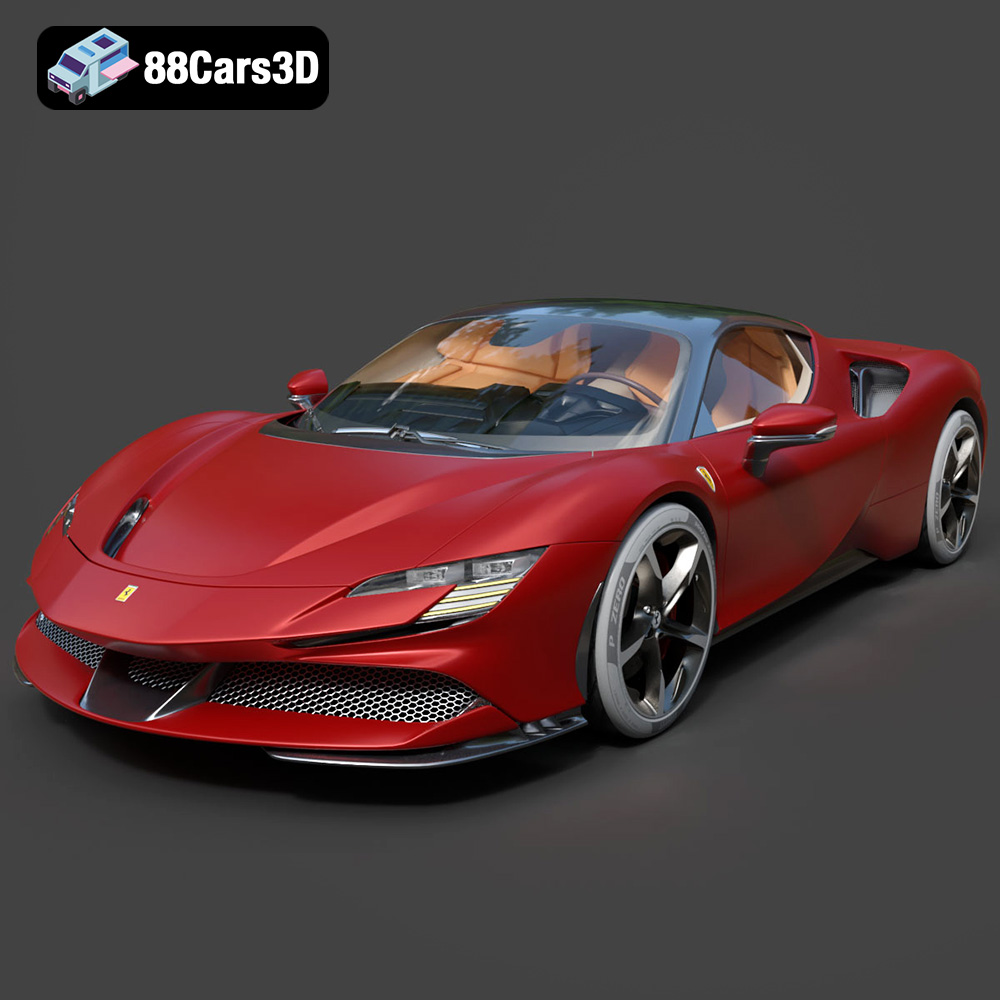
Texture: Yes
Material: Yes
Download the Ferrari SF90 Stradale 3D Model featuring clean geometry, realistic detailing, and a fully modeled interior. Includes .blend, .fbx, .obj, .glb, .stl, .ply, .unreal, and .max formats for rendering, simulation, and game development.
Price: $19.99
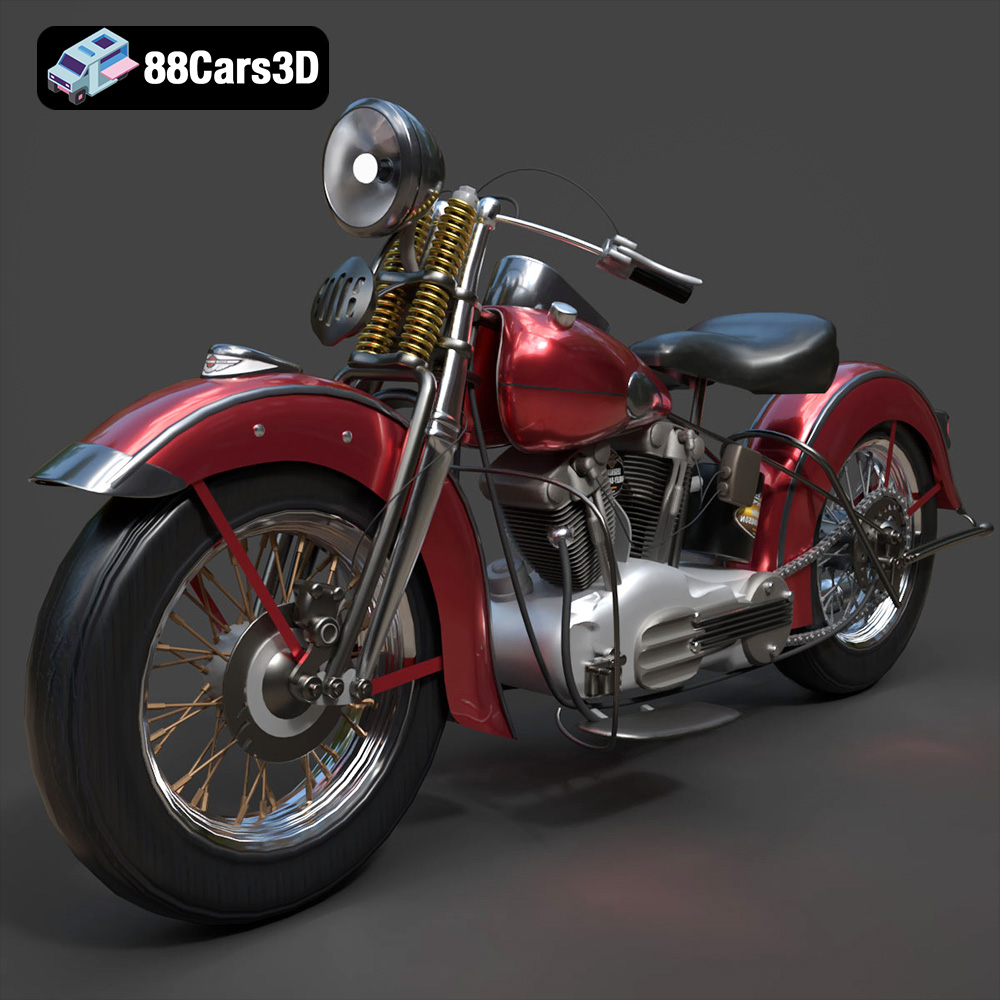
Texture: Yes
Material: Yes
Download the Harley Davidson F 1946 3D Model featuring clean geometry, realistic detailing, and a fully modeled interior. Includes .blend, .fbx, .obj, .glb, .stl, .ply, .unreal, and .max formats for rendering, simulation, and game development.
Price: $19.99
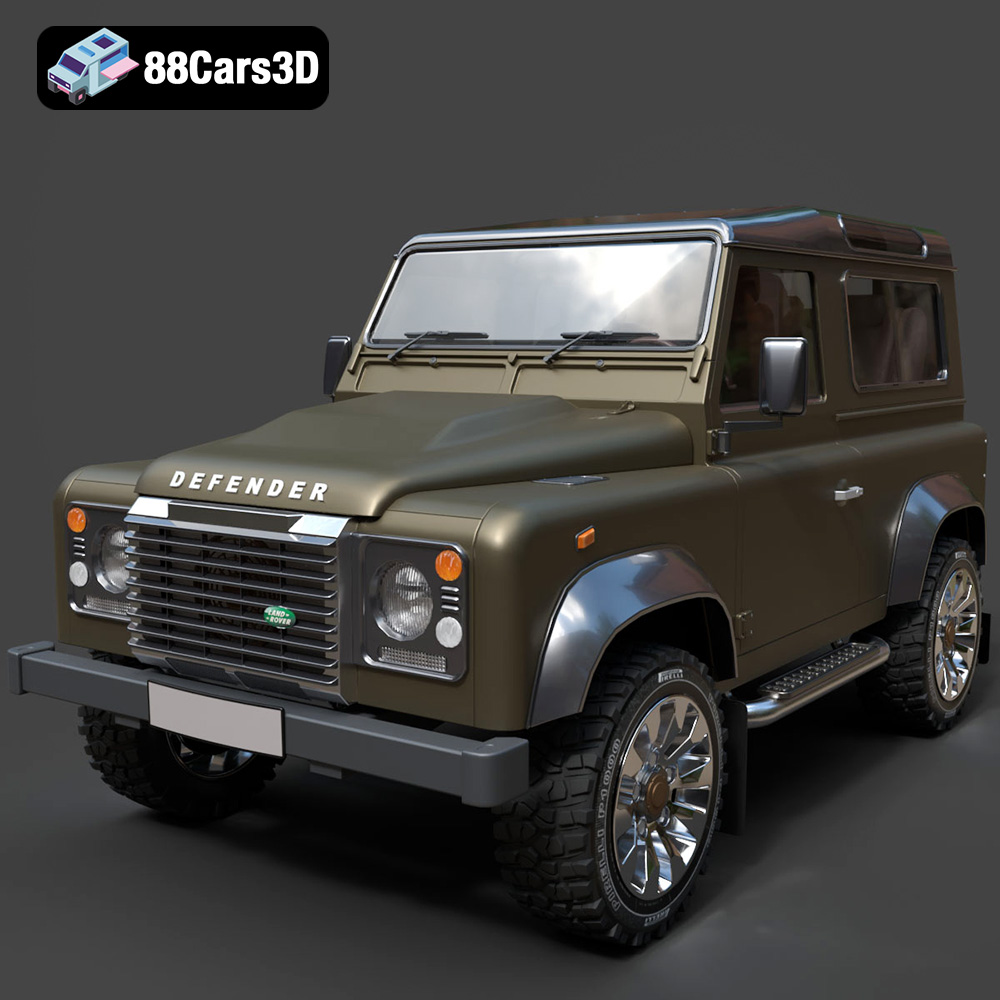
Texture: Yes
Material: Yes
Download the Land Rover Defender Works V8 3D Model featuring clean geometry, realistic detailing, and a fully modeled interior. Includes .blend, .fbx, .obj, .glb, .stl, .ply, .unreal, and .max formats for rendering, simulation, and game development.
Price: $19.99
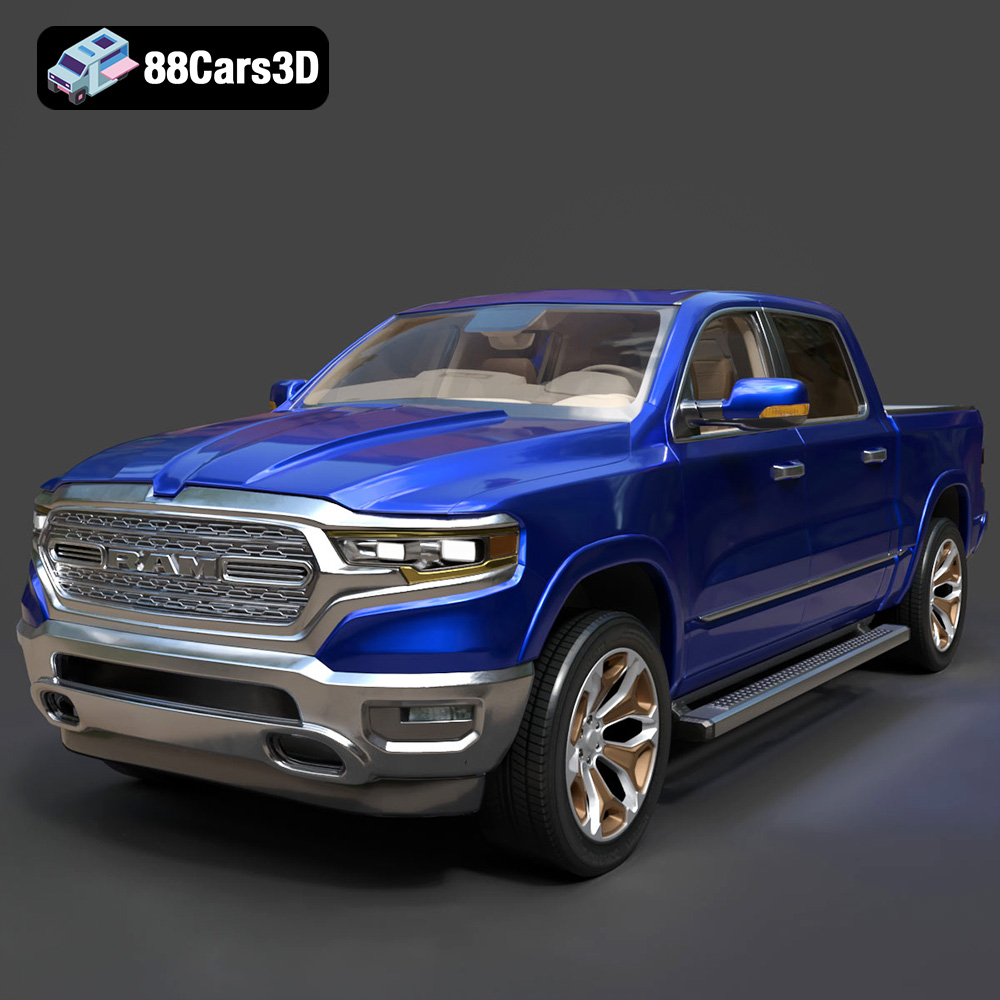
Texture: Yes
Material: Yes
Download the Dodge RAM 2019 3D Model featuring clean geometry, realistic detailing, and a fully modeled interior. Includes .blend, .fbx, .obj, .glb, .stl, .ply, .unreal, and .max formats for rendering, simulation, and game development.
Price: $19.99
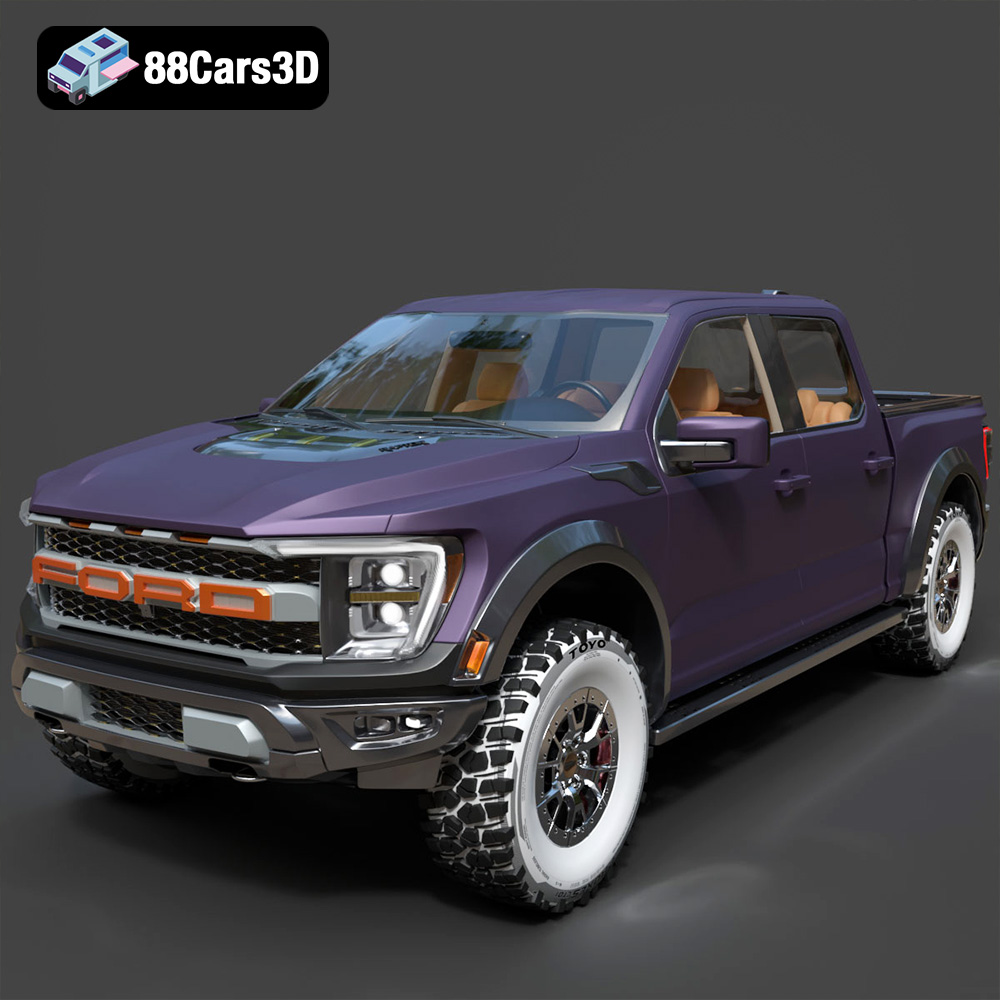
Texture: Yes | Material: Yes Download the ultra-high-detail Ford F-150 Raptor 2021 3D Model (8.73M Triangles). Features uncompromised widebody styling, fully modeled Fox Live Valve suspension, 37-inch tires, and interior. Perfect for premium VFX, cinematic rendering, and ArchViz. Includes .blend, .fbx, .obj, .glb, .stl, and .max formats.
Price: $29.99

Texture: Yes | Material: Yes Download the ultra-high-detail BMW 3 Series Limousine (2022) 3D Model (4.16M Triangles). Features the modernized G20 LCI exterior, the all-new BMW Curved Display interior, and ultra-dense topology. Perfect for ArchViz, VFX, and cinematic rendering. Includes .blend, .fbx, .obj, .glb, .stl, and .max formats.
Price: $19.99
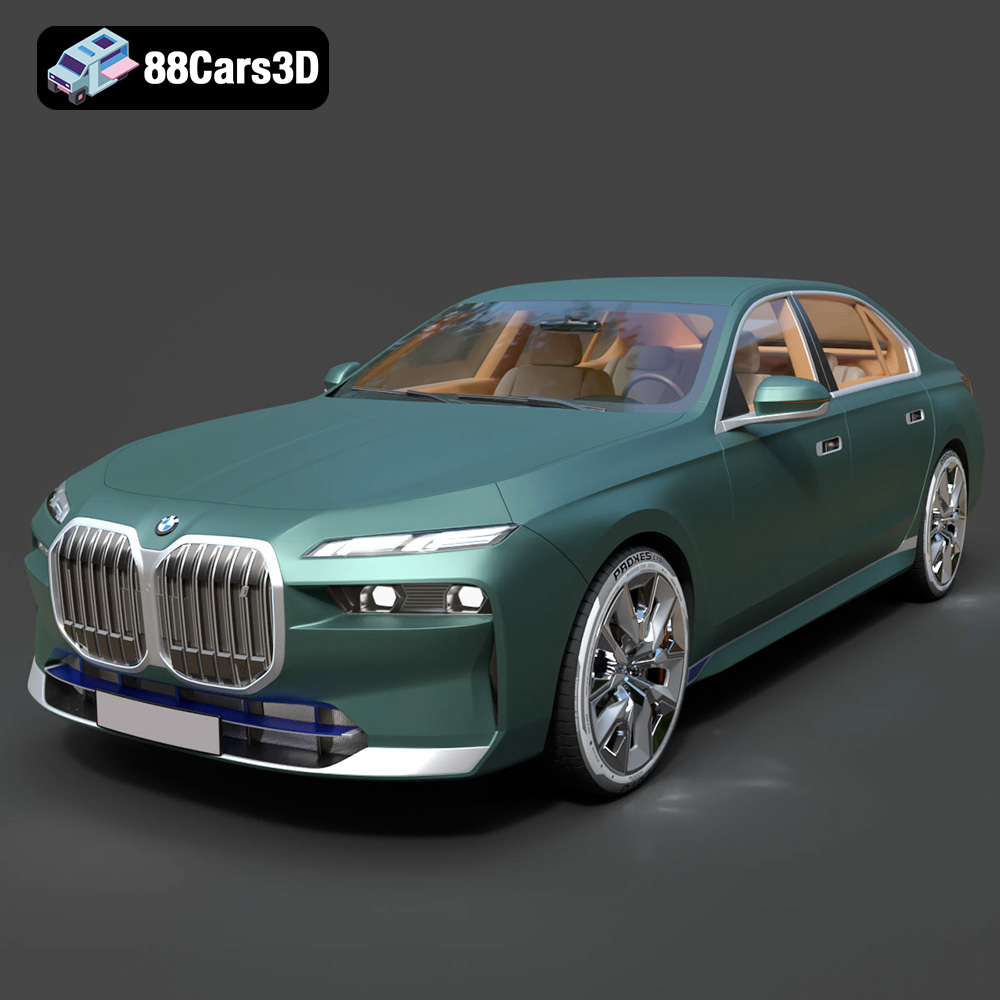
Texture: Yes | Material: Yes Download the ultra-high-detail BMW i7 (2023) 3D Model (4.14M Triangles). Features the illuminated kidney grille, split crystal headlights, fully modeled Theatre Screen interior, and monolithic luxury styling. Perfect for ArchViz, VFX, and cinematic rendering. Includes .blend, .fbx, .obj, .glb, .stl, and .max formats.
Price: $19.99
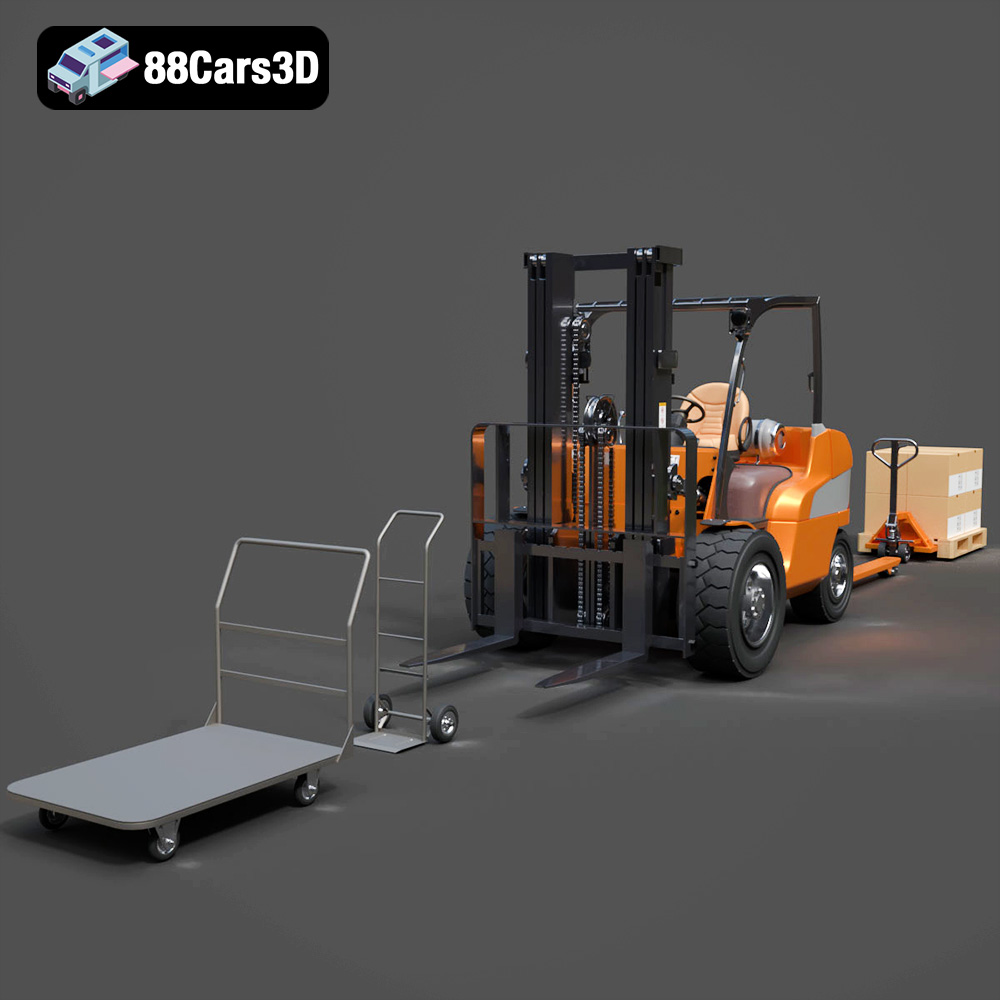
Texture: Yes | Material: Yes Download the highly detailed CAT Manual Loader & Warehouse Carts Kit 3D Model (2.4M Triangles). Features a macro-detailed hydraulic pallet jack, heavy-duty forks, and transport carts. Perfect for industrial ArchViz, factory rendering, and logistics simulations. Includes .blend, .fbx, .obj, .glb, .stl, and .max formats.
Price: $19.99
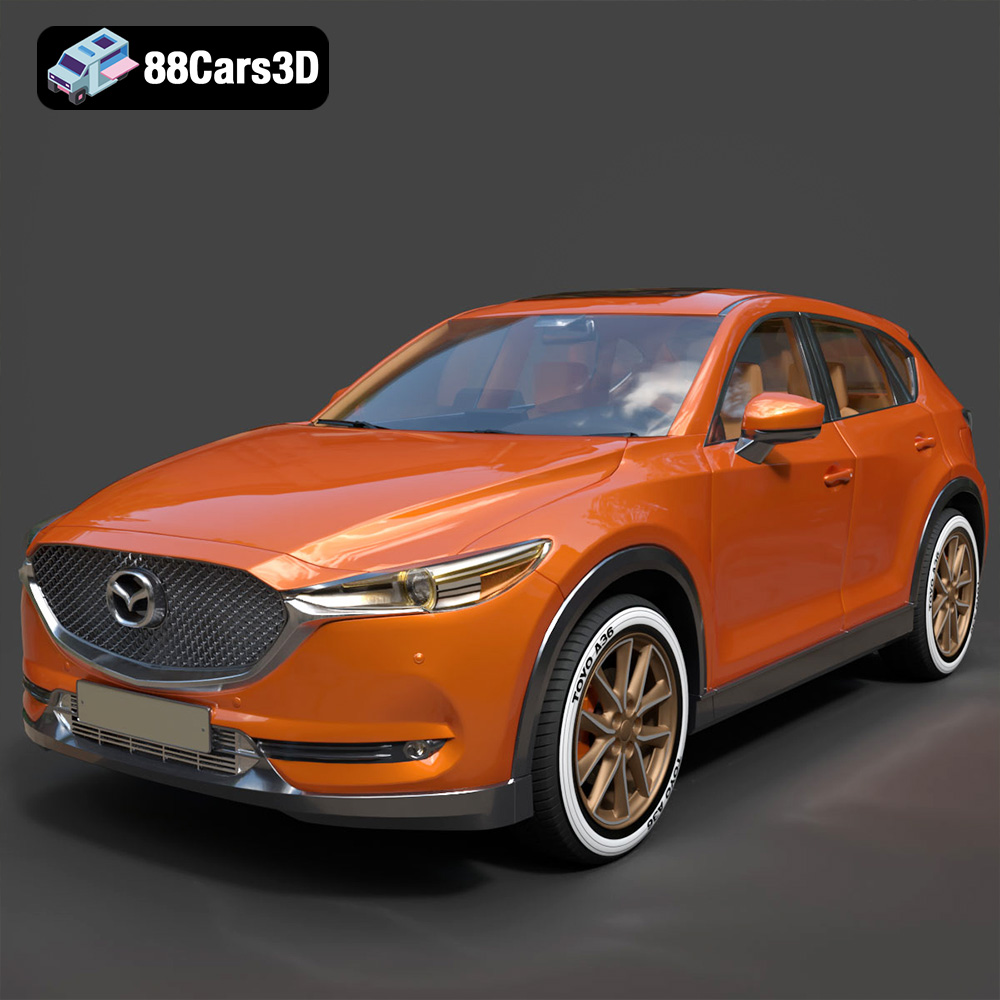
Texture: Yes | Material: Yes
Download the highly optimized Mazda CX-5 2014 3D Model (294k Triangles). Features the dynamic Kodo design language, signature grille, and a clean interior. Perfectly balanced for ArchViz, background traffic, and game development. Includes .blend, .fbx, .obj, .glb, .stl, and .max formats.
Price: $19.99
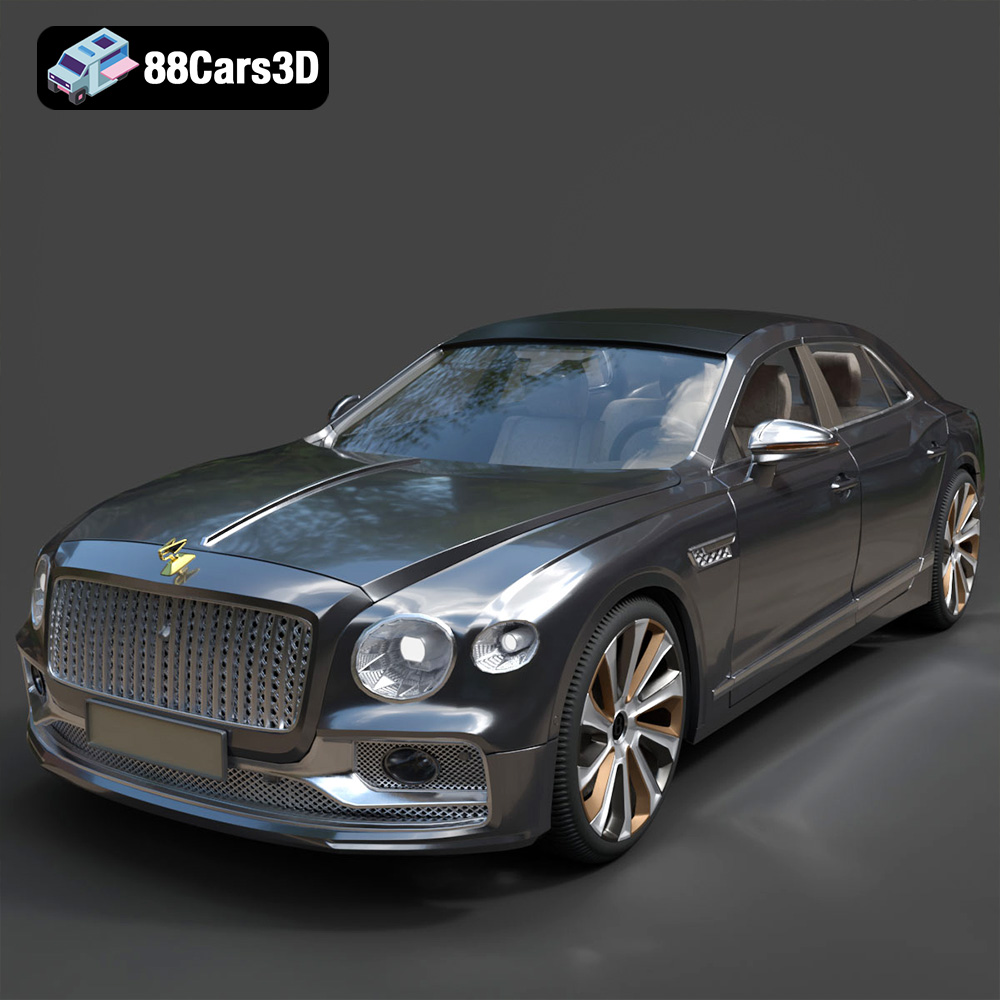
Texture: Yes | Material: Yes Download the ultra-high-detail Bentley Flying Spur Mulliner 2022 3D Model (2.94M Triangles). Features the bespoke Double Diamond grille, a fully modeled diamond-quilted interior, and exquisite luxury styling. Perfect for high-end ArchViz, VFX, and cinematic rendering. Includes .blend, .fbx, .obj, .glb, .stl, and .max formats.
Price: $19.90

