Get 50% OFF All Premium 3D & STL Models!

The world of 3D modeling has revolutionized countless industries, and few applications are as compelling as the creation of incredibly realistic and detailed 3D car models. Whether you’re an automotive designer visualizing a future concept, a game developer crafting immersive racing experiences, or a 3D printing enthusiast seeking a miniature marvel, the ability to work with high-quality 3D car models is an invaluable skill. This comprehensive guide will delve into the key techniques, workflows, and considerations involved in creating and utilizing 3D car models for various applications, from stunning automotive renderings to optimized game assets. We’ll explore industry-standard software, file format intricacies, and best practices for achieving photorealistic results.
Choosing the right file format is crucial for seamless integration of your 3D car models across different software packages and platforms. Each format boasts unique strengths and limitations, impacting compatibility, file size, and data preservation. Let’s explore the most common file formats used in the 3D car modeling world:
The .blend format is the native file format for Blender, the popular open-source 3D creation suite. Its primary advantage lies in preserving the full editing history, including modifiers, materials, and animation setups. This makes .blend files ideal for iterative design processes where you need to make frequent adjustments to the model. Because it’s a native format, .blend offers unparalleled access to Blender’s features. However, .blend files may not be directly compatible with other software, requiring export to a more universal format like .fbx or .obj for broader use.
.fbx (Filmbox) has become the de facto standard for transferring 3D assets between different software packages, particularly in the game development and real-time rendering industries. It efficiently stores geometric data, textures, materials, animations, and even skeletal rigging. This comprehensive data support makes .fbx perfect for importing 3D car models into game engines like Unreal Engine and Unity. While .fbx is widely compatible, complex scenes can sometimes encounter issues with material interpretation across different software versions. It’s crucial to test the import process and potentially adjust materials within the target software.
.obj (Wavefront Object) is one of the oldest and most widely supported 3D file formats. Its strength lies in its simplicity. It stores only the basic geometric data (vertices, faces, normals, and UV coordinates) and material references. This simplicity ensures high compatibility across a vast range of 3D modeling, sculpting, and CAD software. However, .obj files don’t store animations or complex material information, often requiring separate files for textures and material definitions (MTL files). It’s best used for transferring static 3D models where animation and advanced materials are not critical.
.glb (GL Transmission Format Binary) is designed for efficient delivery of 3D models to web browsers, AR/VR applications, and other real-time environments. It is a binary format that combines the 3D model data and textures into a single file, minimizing loading times and simplifying asset management. .glb is particularly suitable for displaying 3D car models on websites or in augmented reality experiences, offering a streamlined and optimized viewing experience. The format supports Physically Based Rendering (PBR) materials, ensuring realistic lighting and surface properties.
.stl (Stereolithography) is the standard file format for 3D printing. It represents the surface geometry of a 3D model as a collection of triangles. .stl files are simple and widely supported by 3D printing software. However, they don’t contain color, texture, or material information. When preparing 3D car models for printing, ensuring the model is watertight (no holes or gaps in the mesh) is crucial. High triangle counts are generally preferred for smoother surfaces, but this can increase file size and printing time.
.ply (Polygon File Format), also known as the Stanford Triangle Format, is a file format designed to store three-dimensional data from 3D scanners. It can store a variety of properties for each vertex, including color, normals, and texture coordinates, making it versatile for representing detailed mesh data. It’s commonly used in applications involving 3D scanning, CAD/CAM, and scientific visualization where preserving precision mesh data is paramount. Although .ply can store color and other properties, it is not widely used in game development or automotive rendering due to the ubiquity of formats like .fbx and .obj. It’s excellent when needing to work with raw, unaltered 3D scan data.
The .unreal file extension often refers to assets specifically packaged for use within the Unreal Engine. This isn’t a standalone file format in the same vein as .fbx or .obj, but rather a container for various assets like meshes, textures, and materials that are optimized and ready for immediate use within the Unreal Engine environment. Often, you’ll import .fbx files into Unreal Engine and then package them into .uasset files (Unreal Asset) which might be distributed. The key is optimization – models, textures and materials already configured to work seamlessly within Unreal, often with LOD (Level of Detail) already implemented.
.max is the proprietary file format for Autodesk 3ds Max, another industry-leading 3D modeling and animation software. Like .blend for Blender, .max files store the entire scene data, including geometry, materials, lighting, animation, and rendering settings. It allows for easy modification and iteration within 3ds Max. However, .max files are not directly compatible with other software and require export to formats like .fbx or .obj for wider use. It’s essential for animation workflows and photorealistic rendering workflows within 3ds Max.
When choosing a file format, consider the target application, the complexity of the 3D car model, and the need for animation or advanced material properties. Understanding the nuances of each format will ensure a smooth and efficient workflow.
Building a convincing 3D car model requires careful attention to detail and a solid understanding of both the aesthetic and technical aspects of the process. Here are some key factors to consider:
The polygon count of a 3D car model significantly impacts its performance, especially in real-time applications like games and VR. High polygon counts lead to more detailed surfaces but can strain processing power. Striking a balance between visual fidelity and performance is crucial. This can be achieved through techniques like:
UV unwrapping is the process of projecting the 3D model’s surface onto a 2D plane, allowing you to apply textures. A well-executed UV unwrap is essential for avoiding texture stretching and ensuring proper alignment of details. Key considerations include:
Automotive rendering demands the highest level of realism. Creating images and animations that are indistinguishable from real-world photographs requires meticulous attention to detail and a mastery of rendering techniques. Here’s an overview of a typical workflow:
3ds Max is a popular choice for automotive rendering due to its robust toolset and rendering capabilities. A typical workflow involves:
V-Ray and Corona Renderer are two leading rendering engines that offer advanced features for achieving photorealism. Key considerations include:
Integrating 3D car models into game engines requires a different approach than automotive rendering. Performance is paramount, so optimization is crucial. Let’s examine a workflow for Unreal Engine:
Importing a 3D car model into Unreal Engine typically involves:
Creating a compelling driving experience requires realistic vehicle physics. Unreal Engine provides built-in tools for simulating vehicle behavior, including:
Let’s explore some real-world examples of how 3D car models are used across different industries:
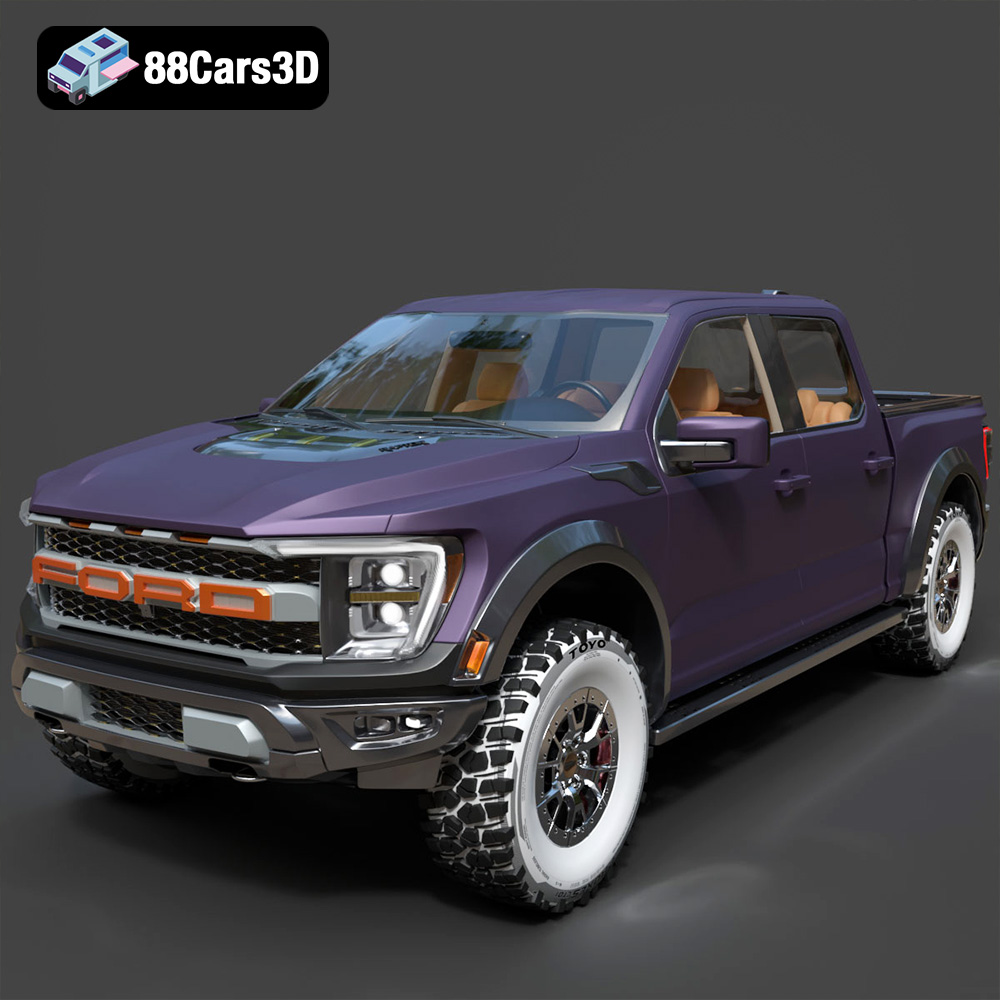
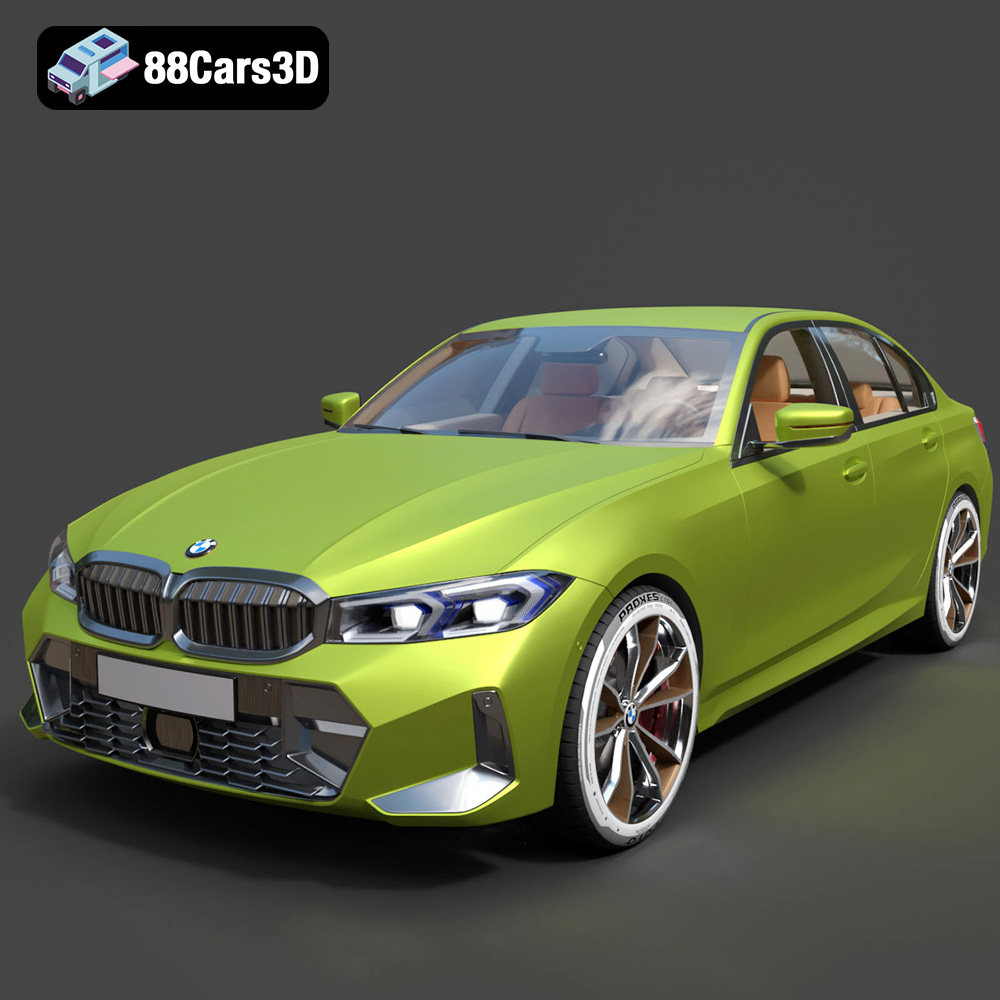
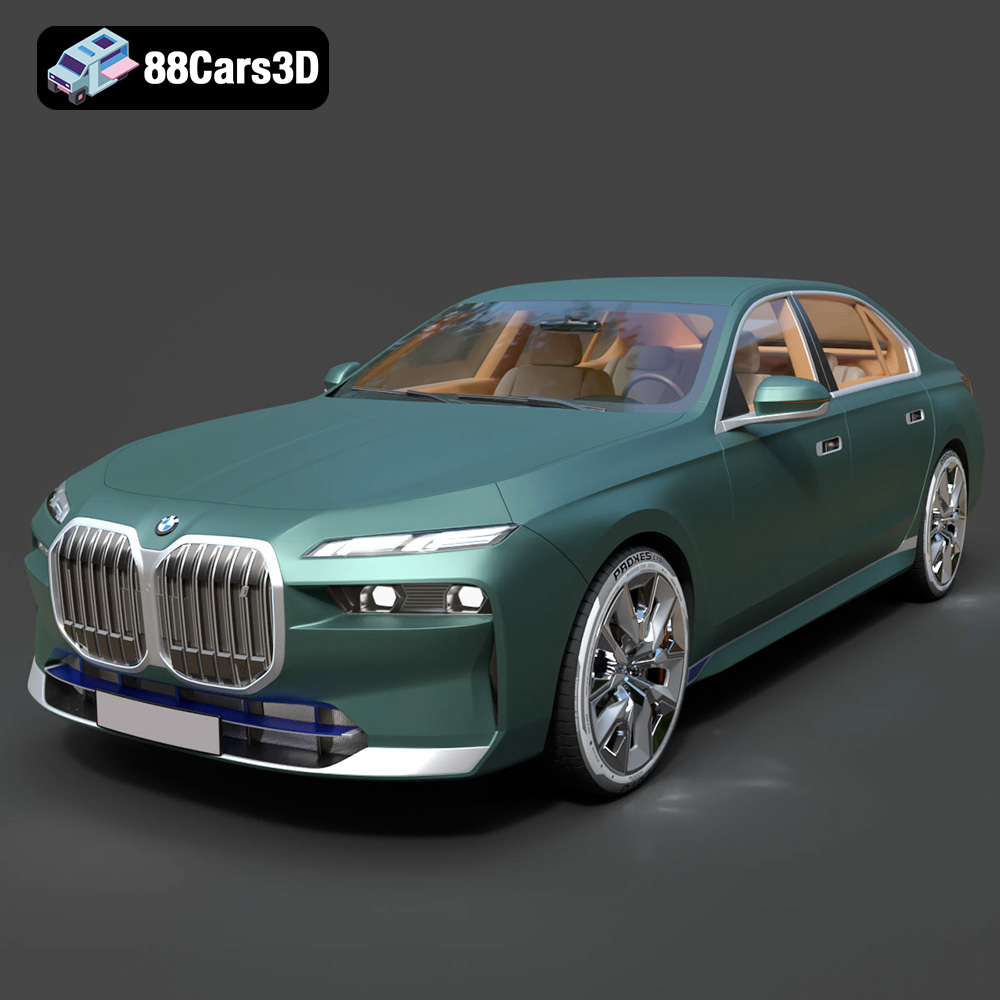
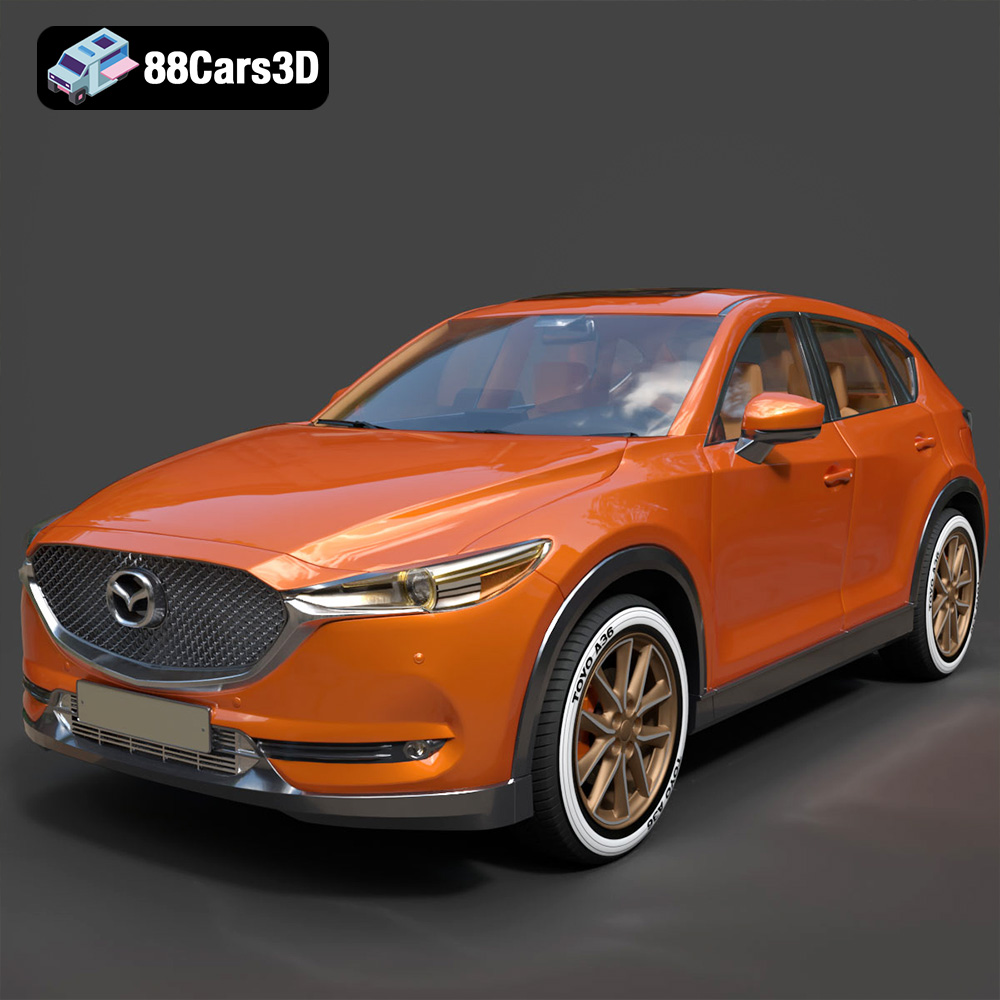
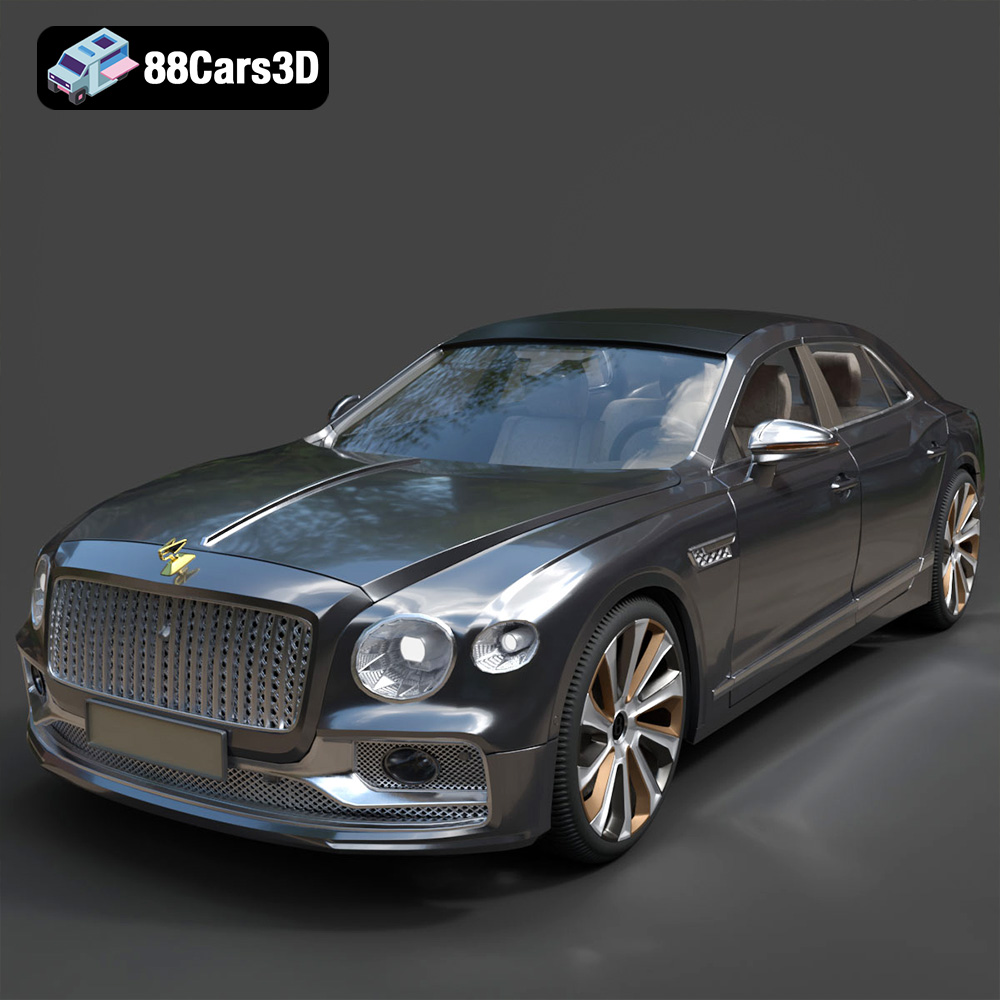
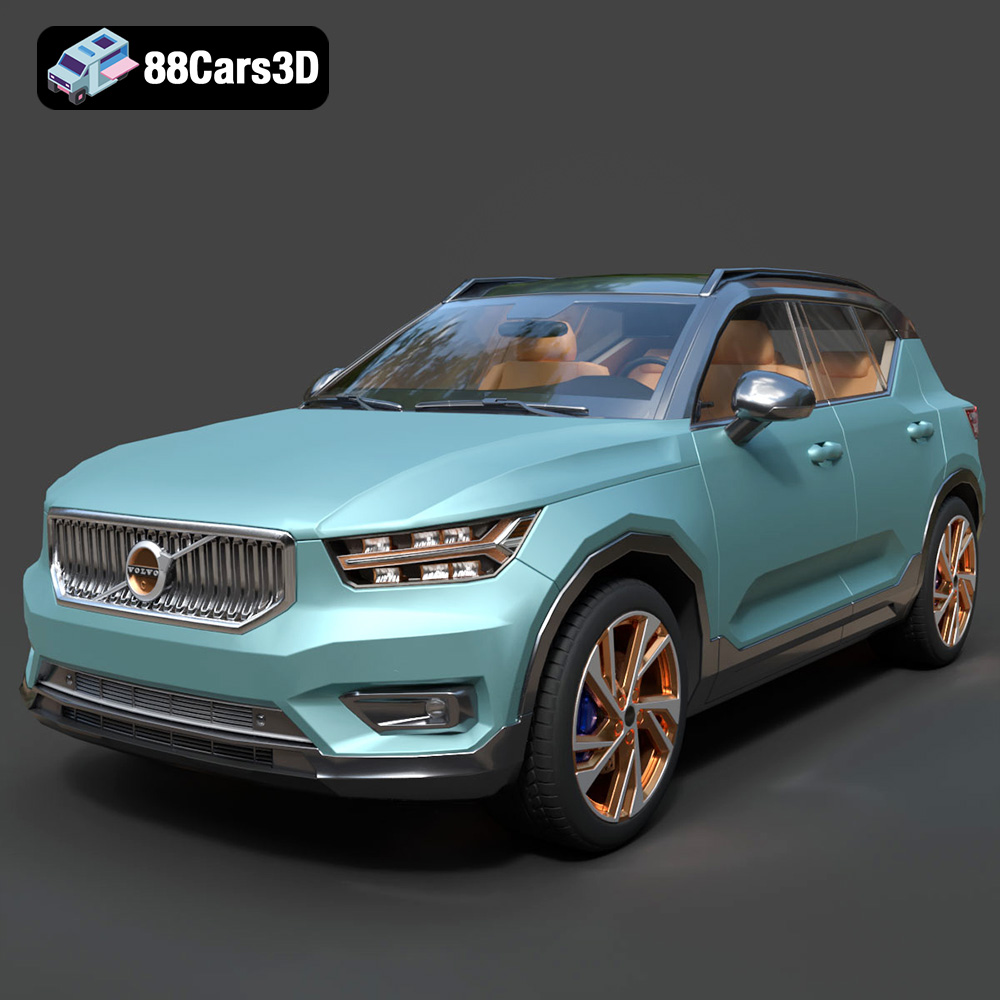
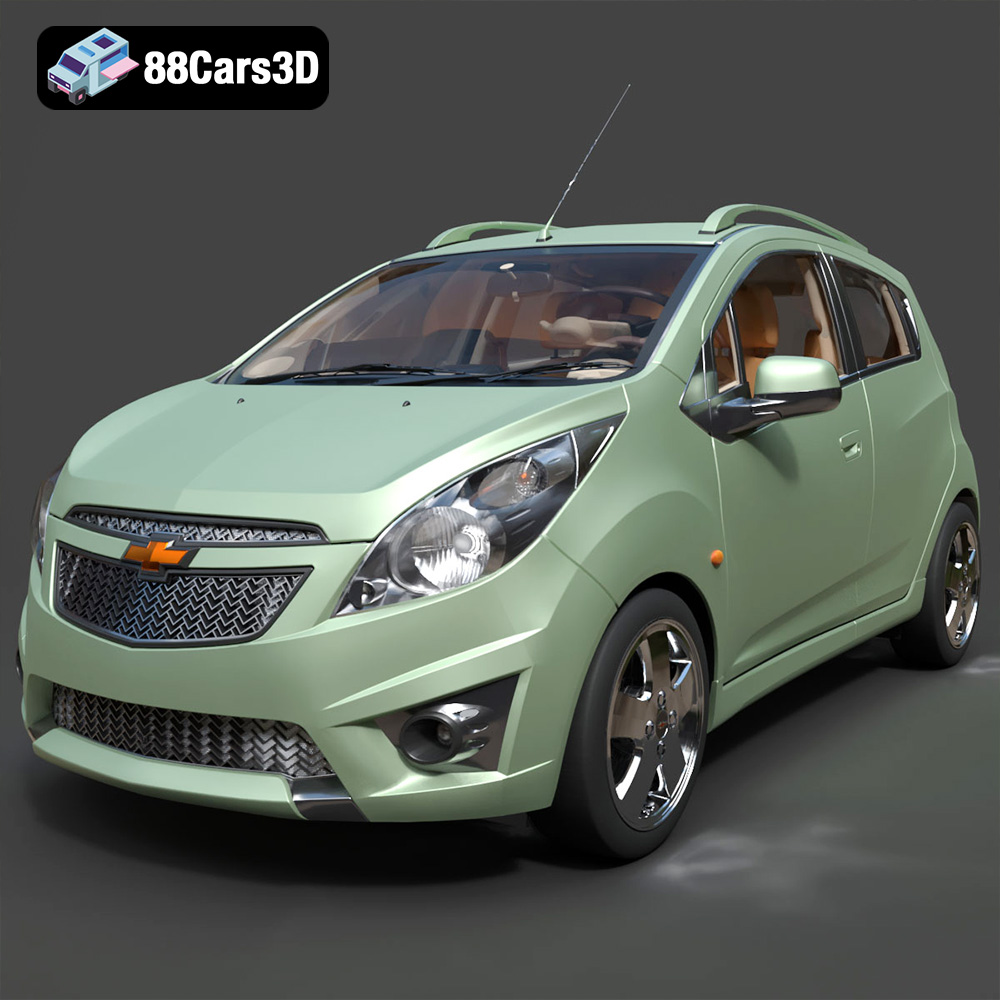
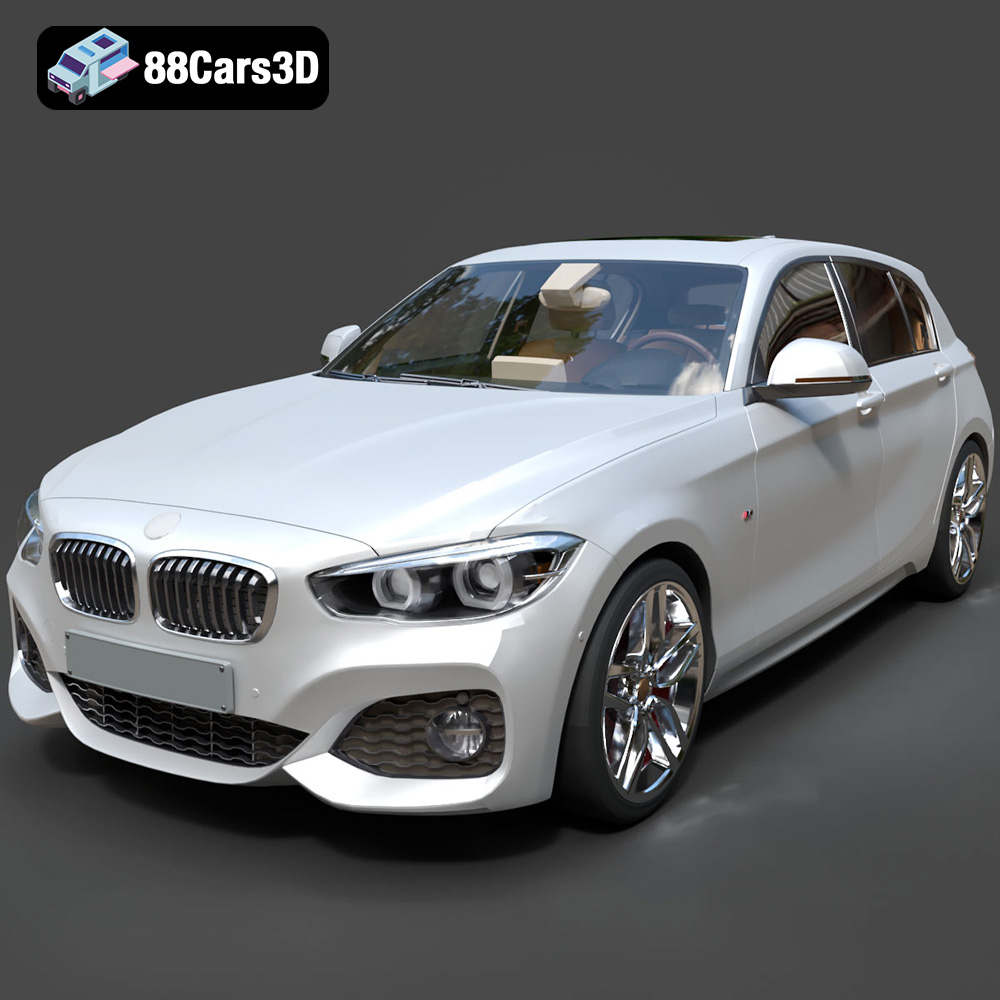
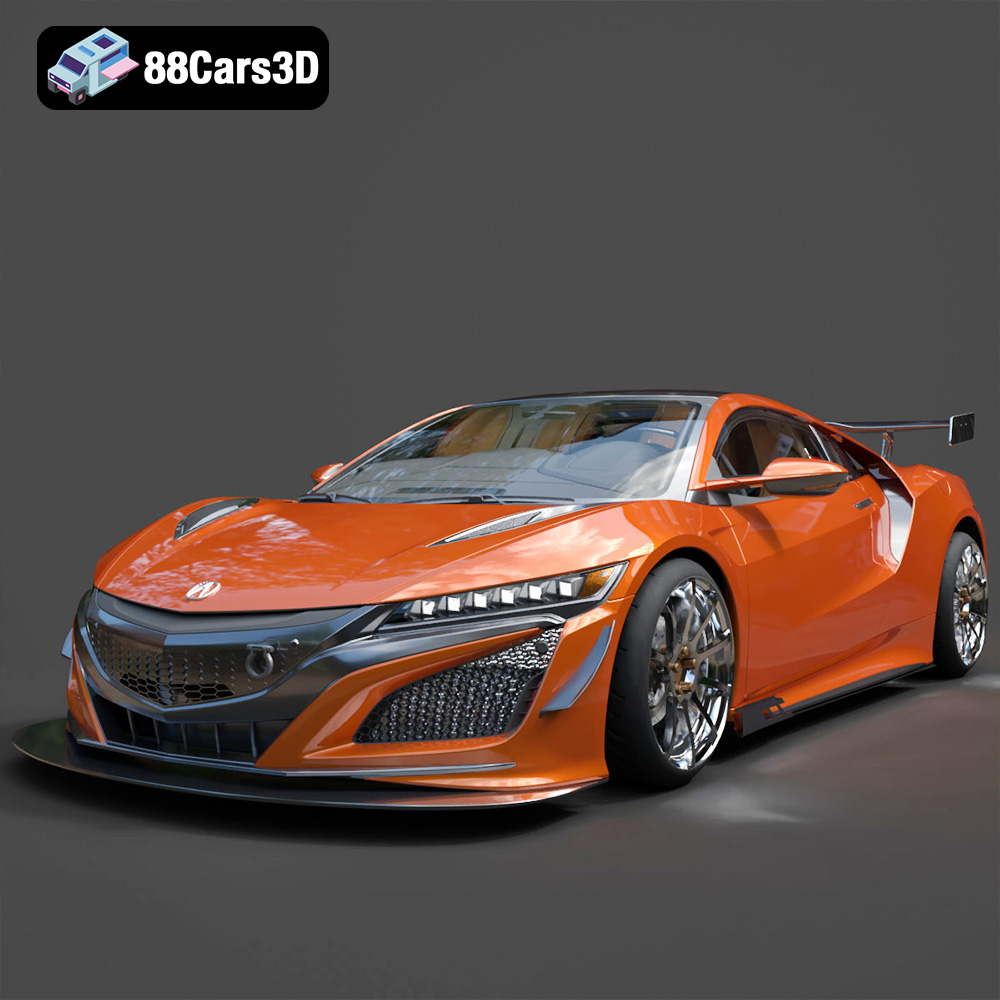
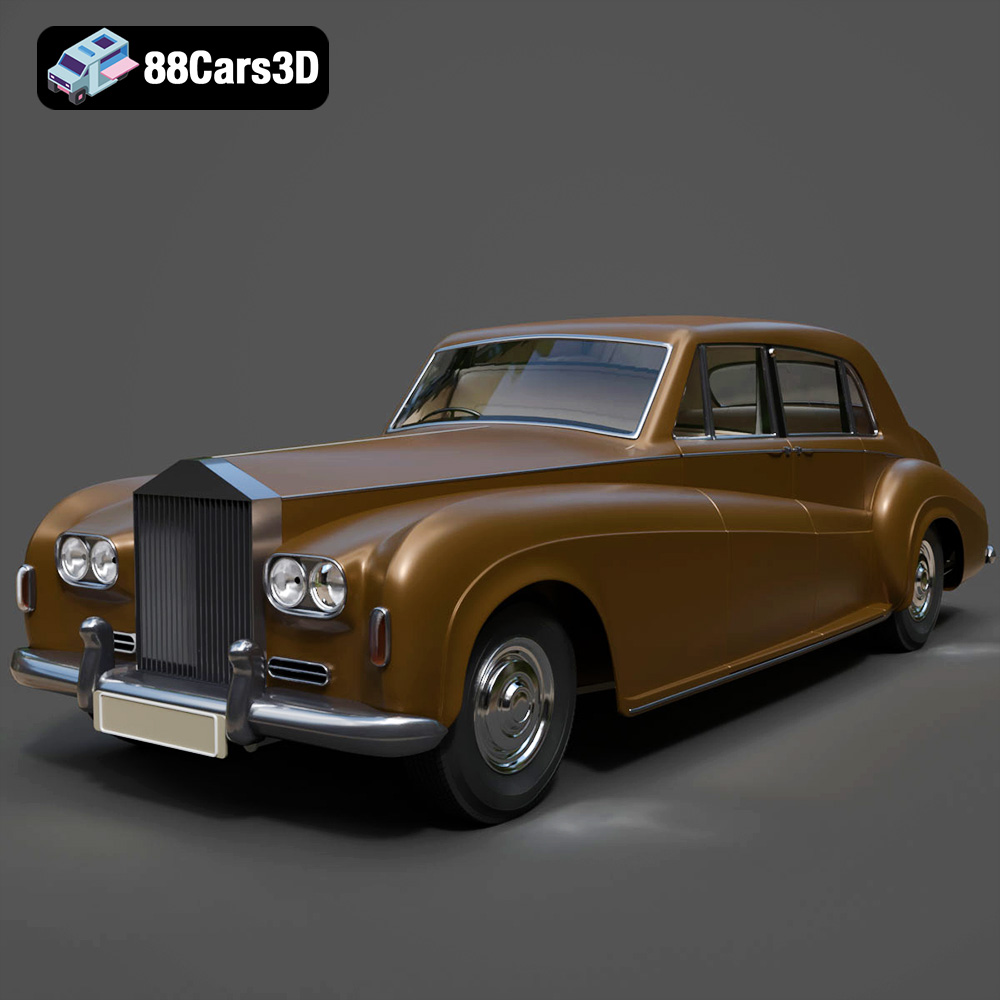
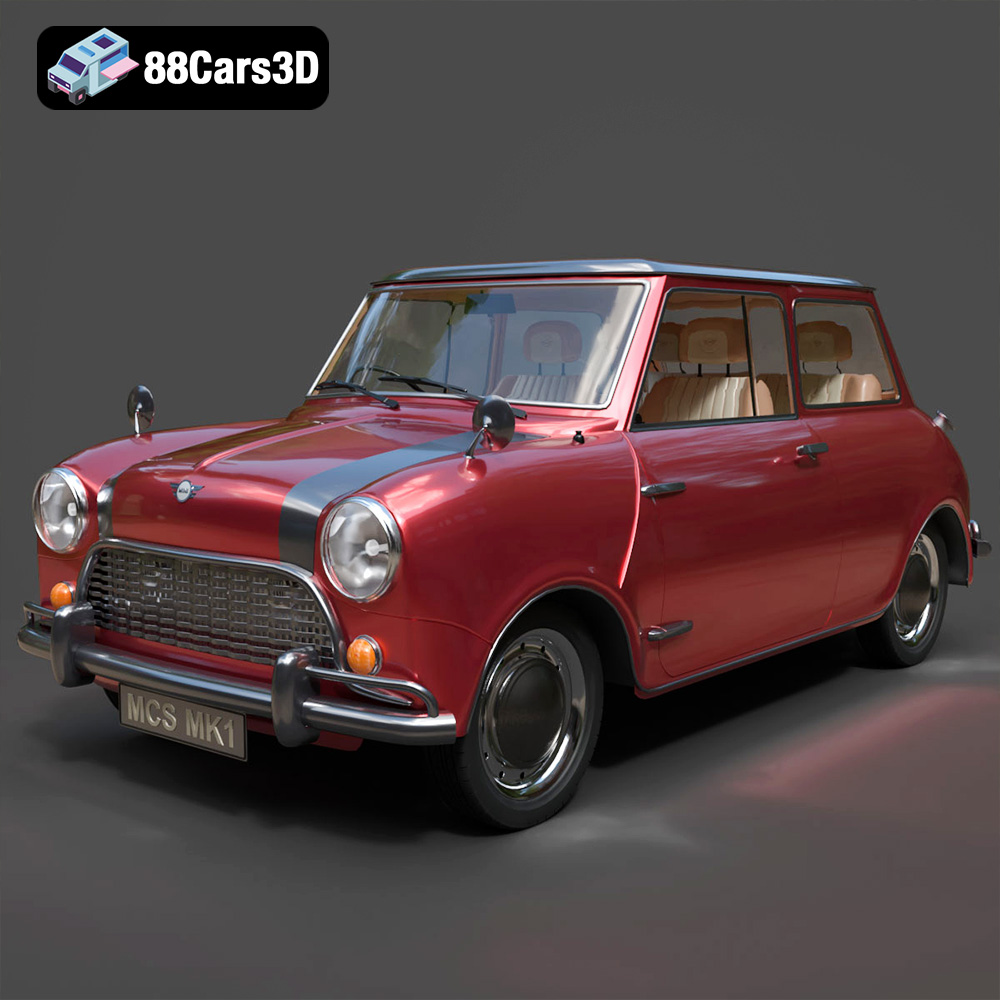
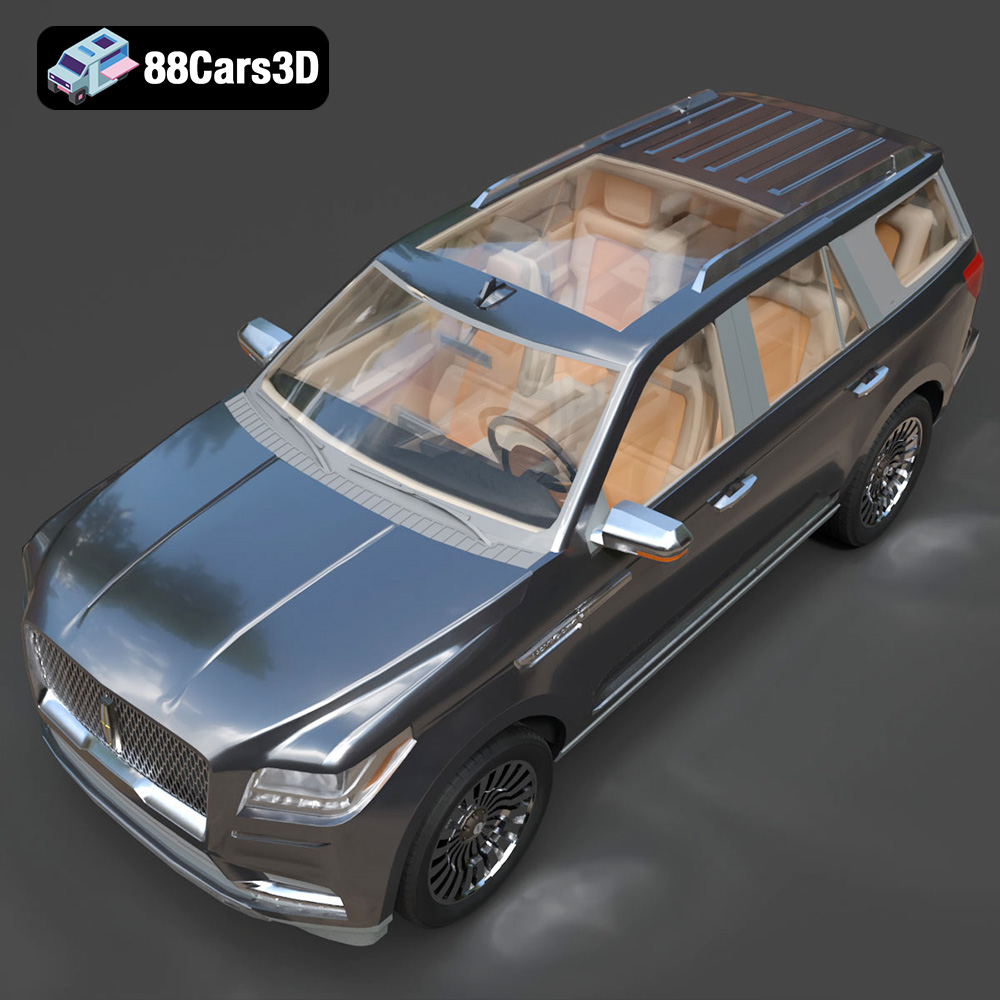
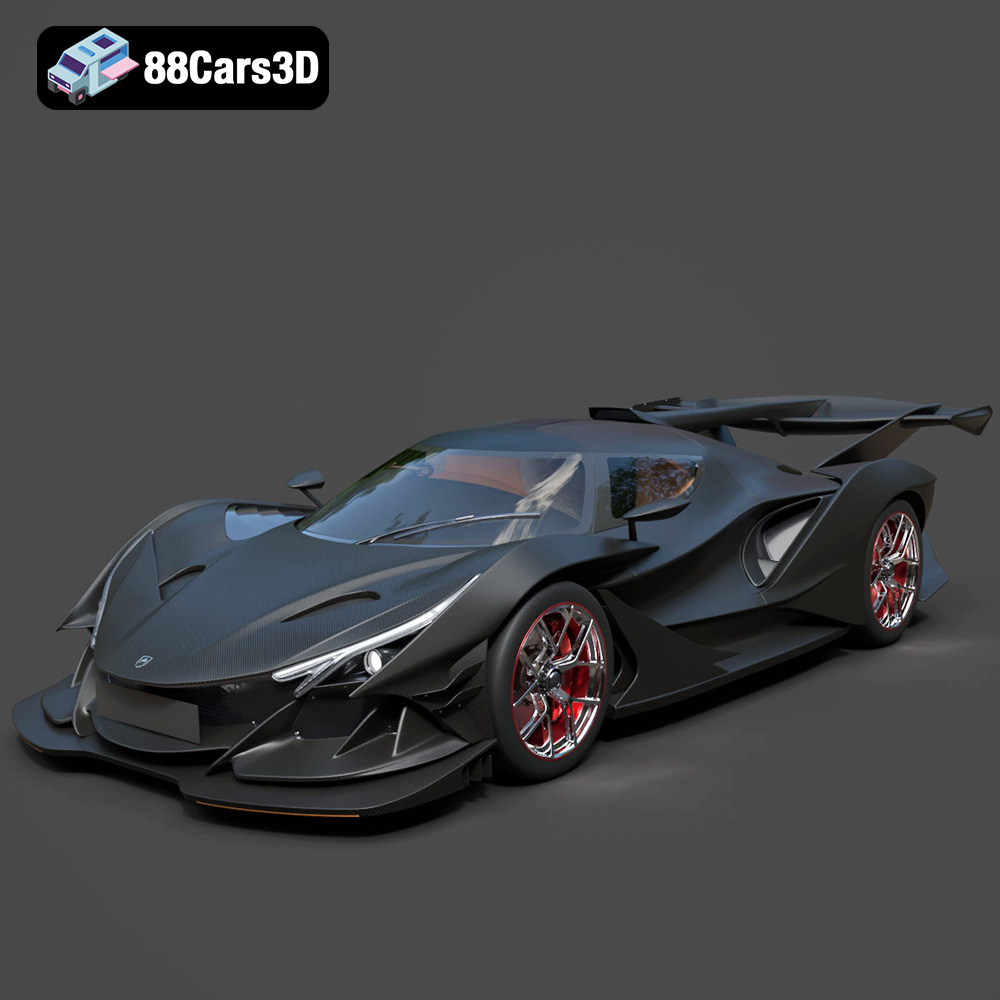
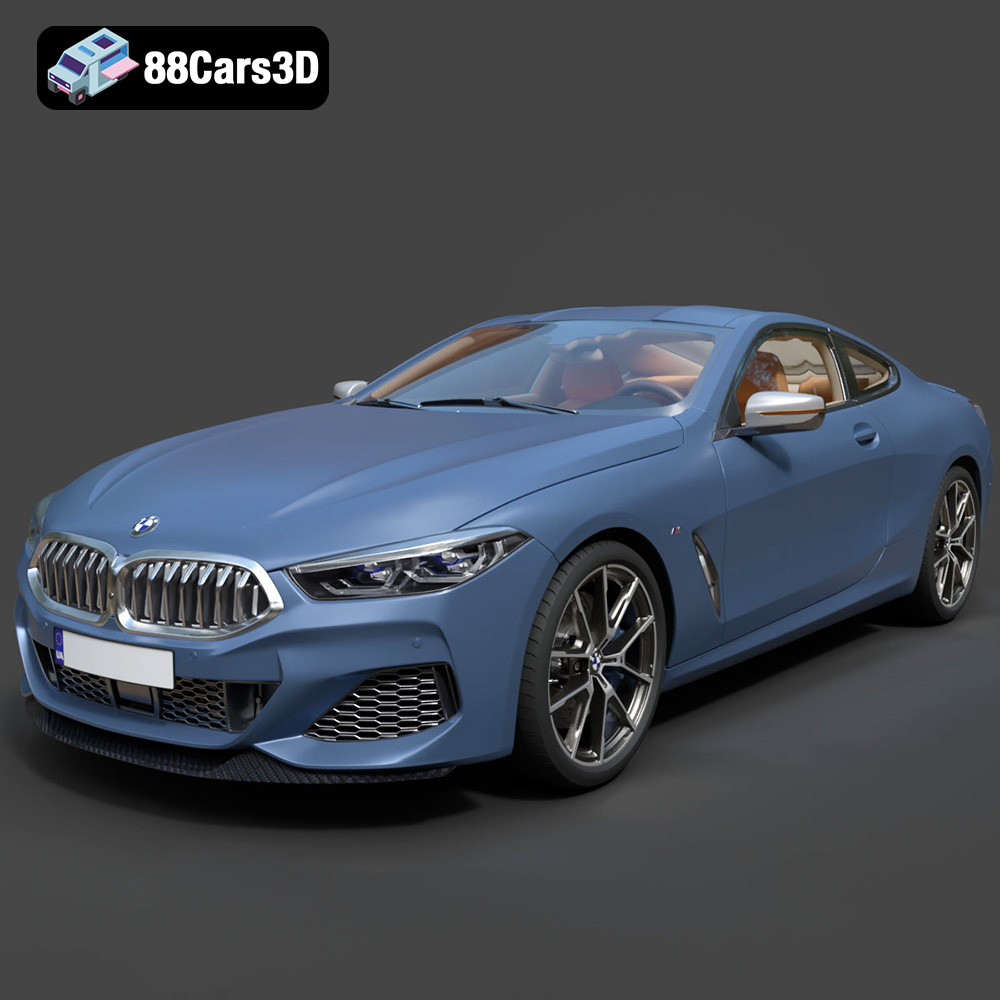
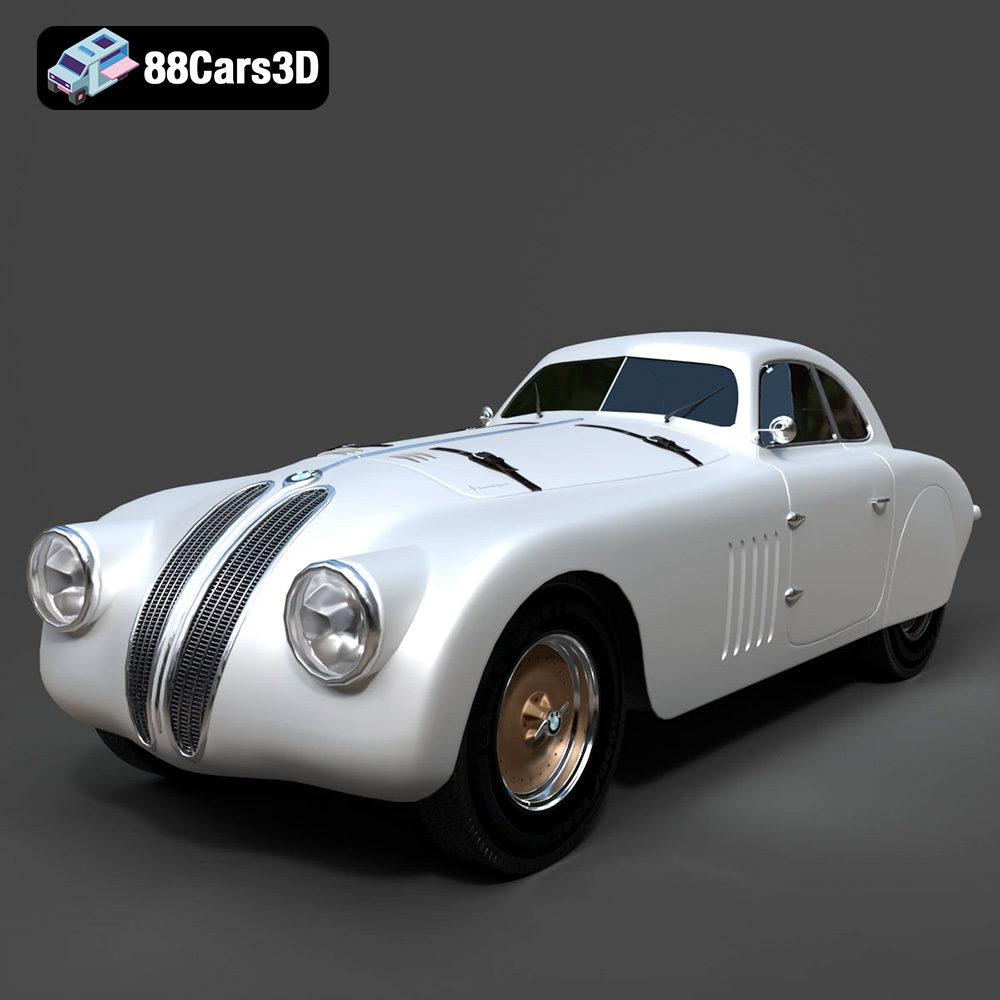
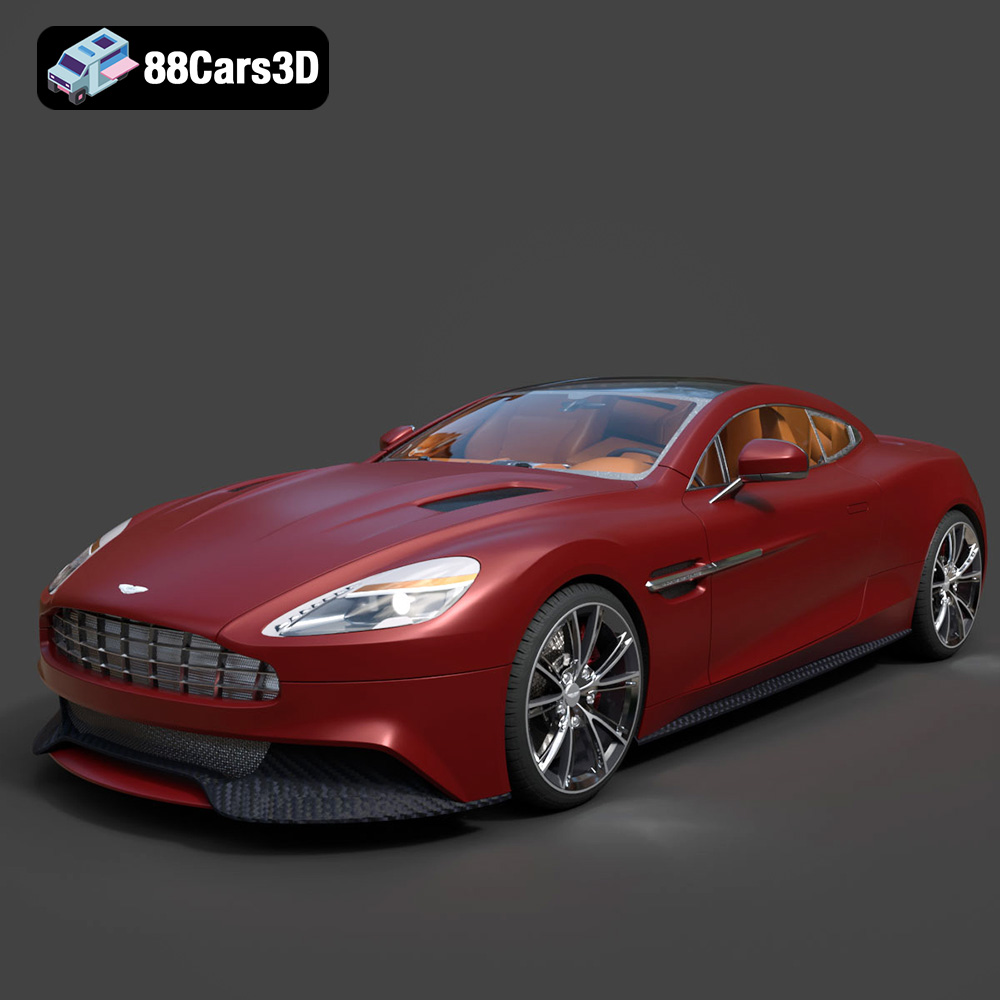
Automotive manufacturers use 3D car models extensively for visualizing new designs and concepts. High-quality renderings allow designers to evaluate the aesthetics and ergonomics of a vehicle before committing to physical prototypes. This significantly reduces development time and costs. Companies like 88cars3d.com provide a wide range of models to assist in this process.
3D car models are essential for creating immersive racing and open-world game environments. The models must be highly detailed and optimized for real-time performance. Game developers often use custom shaders and effects to enhance the visual realism of the vehicles.
When sourcing 3D car models from marketplaces like 88cars3d.com, several factors should influence your decision:
Examine the model’s topology, surface smoothness, and accuracy compared to the real-world vehicle. High-quality models will have clean topology, minimal surface imperfections, and accurate proportions.
Carefully review the licensing terms to understand how you can use the model. Some licenses may restrict commercial use or redistribution. Choosing a license that aligns with your intended use is critical.
Creating and utilizing high-quality 3D car models is a multifaceted process that requires a blend of technical skills, artistic vision, and a keen understanding of different software packages and file formats. By carefully considering polygon count, UV unwrapping, material definitions, and rendering techniques, you can achieve stunning results for automotive rendering, game development, and beyond. Whether you’re building your own models or sourcing them from reputable marketplaces, mastering these key concepts will empower you to elevate your projects and bring your automotive visions to life.

Price: $129.99

Price: $99.99

Price: $89.99