Get 50% OFF All Premium 3D & STL Models!

“`html
3D printing has revolutionized the automotive modeling world, offering enthusiasts and professionals the ability to create incredibly detailed wheels, tires, and other car parts with remarkable precision. The key to a successful print lies in understanding the nuances of STL files, mastering your 3D printer settings, and employing effective slicing techniques. This comprehensive guide will walk you through everything you need to know to produce stunning, high-quality car components, from initial file preparation to final post-processing. Whether you’re a seasoned 3D printing veteran or just starting out, this guide will provide you with the knowledge and skills to elevate your automotive modeling projects. We’ll cover everything from STL file structure to advanced support strategies, ensuring you get the perfect print every time.
This guide focuses on optimizing your 3D printing process to create wheels, tires and car parts. You will learn:
The STL (Stereolithography) file format is the workhorse of 3D printing. It represents the surface geometry of a 3D object as a collection of triangles. The quality of your STL file directly impacts the quality of your final print, especially when dealing with complex shapes like wheels and tires. Therefore, understanding its structure and potential pitfalls is crucial. When downloading models from marketplaces such as 88cars3d.com, ensure the files are optimized for 3D printing.
Mesh topology refers to the arrangement and connectivity of the triangles that make up the STL file. A well-designed mesh has evenly distributed triangles and avoids long, thin triangles, which can lead to printing artifacts. Resolution, or the number of triangles, determines the level of detail captured in the model. Higher resolution results in smoother curves but also increases file size and processing time. For wheels and tires, prioritize areas with curves and fine details, ensuring sufficient resolution to capture the intended shape.
STL files are often imperfect and may contain errors such as holes, non-manifold edges, and self-intersections. These errors can prevent your slicer from generating a valid toolpath and lead to failed prints. Before slicing, it’s essential to repair any errors in your STL file. Software like Meshmixer, Netfabb, and even online services can automatically detect and fix common mesh problems. A manifold mesh is one where every edge is part of exactly two faces, which is a necessity for 3D printing.
Slicing software converts your STL file into a series of instructions (G-code) that your 3D printer can understand. The slicing parameters you choose significantly affect the print quality, strength, and printing time. For detailed car parts like wheels and tires, careful attention to these settings is paramount. Common software include Cura and PrusaSlicer, each offering its own set of configurable parameters.
Layer height dictates the thickness of each printed layer. Lower layer heights (e.g., 0.1mm) result in smoother surfaces and finer details but increase printing time. Higher layer heights (e.g., 0.2mm) print faster but may compromise surface quality. A good starting point for wheels and tires is 0.15mm. Print speed, measured in mm/s, also affects print quality. Slower speeds generally yield better results, especially for intricate geometries. A print speed of 40-60mm/s is typically a good balance for detail and speed.
Infill refers to the internal structure of your 3D print. While wheels and tires might appear solid, they’re usually printed with an infill pattern to reduce material usage and printing time. Infill density, expressed as a percentage, determines how much of the interior space is filled. For load-bearing parts like wheels, a higher infill density (e.g., 20-30%) provides greater strength. Common infill patterns include grid, gyroid, and cubic. Gyroid infill offers a good balance of strength and speed, making it suitable for many car parts.
Support structures are temporary scaffolding used to support overhanging features during 3D printing. They prevent parts from collapsing under their own weight. Generating and removing support structures effectively is a crucial skill for printing complex car parts, particularly wheels with intricate spoke designs and tires with detailed tread patterns. Platforms like 88cars3d.com offer print-ready STL files, but often, the user must manage their own supports depending on printer capabilities.
There are various types of support structures, including linear supports, tree supports, and hybrid supports. Linear supports are simple and effective for basic overhangs, while tree supports are more efficient for complex geometries, using less material and being easier to remove. Hybrid supports combine both types to optimize support generation.
Proper support placement is critical to minimize material usage, ensure adequate support, and facilitate easy removal. Adjust support settings like overhang angle, support density, and support interface thickness to fine-tune the support structure. Overhang angle determines the angle at which supports are generated. Lower angles result in more supports but provide better support for shallow overhangs. Support density controls the spacing between support structures. Higher density provides more support but increases material usage. Support interface thickness defines the thickness of the interface layer between the support and the part, which can affect removal difficulty. A gap between the supports and the part can also reduce the effort of removal, with minimal impact on the finished model.
The choice of material and printer settings significantly affects the properties and appearance of your printed car parts. Different materials offer varying strengths, flexibilities, and temperature resistances. Matching the right material with your 3D printer settings is crucial for achieving optimal results.
FDM (Fused Deposition Modeling) and resin printing are the two most common 3D printing technologies. FDM printers use thermoplastic filaments like PLA, PETG, and ABS, while resin printers use liquid resins that are cured by UV light. FDM printers are generally more affordable and easier to use, while resin printers offer higher resolution and smoother surfaces, making them ideal for detailed parts like wheels and tires.
For tires, flexible filaments like TPU (Thermoplastic Polyurethane) are often used. These materials are well-suited to creating a realistic, rubber-like feel. When printing wheels, consider the desired finish. If you are planning to paint the wheels, a basic PLA will work, but if you want a metallic-looking finish directly from the printer, specialty filaments are available.
Each material requires specific temperature and speed settings. PLA typically prints at 200-220°C with a bed temperature of 60°C. PETG prints at 230-250°C with a bed temperature of 70-80°C. ABS prints at 230-260°C with a bed temperature of 80-110°C. Bed adhesion is critical for preventing warping and ensuring the part stays firmly attached to the build plate. Techniques for improving bed adhesion include using a heated bed, applying adhesive (e.g., glue stick or hairspray), and using a brim or raft.
Post-processing refers to the steps taken after printing to improve the appearance and functionality of your 3D printed parts. Common post-processing techniques include sanding, painting, and assembly. These steps are essential for achieving a professional finish on your automotive models.
Sanding is used to remove layer lines and smooth the surface of your 3D prints. Start with coarse sandpaper (e.g., 220 grit) to remove major imperfections and gradually move to finer grits (e.g., 400, 600, 800 grit) to achieve a smooth finish. Wet sanding can help reduce dust and improve the smoothness of the surface. For resin prints, sanding is often followed by polishing to achieve a glossy finish.
Painting is used to add color and protect your 3D printed parts. Start with a primer to provide a smooth and even surface for the paint to adhere to. Apply multiple thin coats of paint rather than one thick coat to avoid runs and drips. Use masking tape to create clean lines and protect areas that you don’t want to paint. After painting, apply a clear coat to protect the paint and add a glossy or matte finish.
Many car models consist of multiple parts that need to be assembled after printing. Use appropriate adhesives, such as super glue or epoxy, to bond the parts together. Ensure the surfaces are clean and dry before applying the adhesive. Use clamps or tape to hold the parts in place while the adhesive cures.
Despite careful planning and execution, 3D printing is not without its challenges. Common issues include warping, bed adhesion problems, stringing, and layer shifting. Understanding the causes of these issues and knowing how to troubleshoot them is crucial for successful 3D printing.
Warping occurs when the corners of your print lift off the build plate due to uneven cooling. This is more common with materials like ABS, which are prone to shrinkage. Solutions include using a heated bed, applying adhesive (e.g., glue stick or hairspray), using a brim or raft, and enclosing the printer to maintain a consistent temperature. A high initial layer height can also cause issues.
Stringing occurs when the printer extrudes filament while moving between different parts of the print, leaving thin strands of plastic behind. This is often caused by excessive retraction distance or temperature. Layer shifting occurs when the print head shifts position during printing, resulting in misaligned layers. This can be caused by loose belts, high print speeds, or vibrations.
Mastering the art of 3D printing wheels, tires, and car parts in STL format requires a comprehensive understanding of file preparation, slicing parameters, support structures, material selection, and post-processing techniques. By following the guidelines and tips outlined in this guide, you can significantly improve the quality and accuracy of your 3D printed automotive models. Remember to experiment with different settings and materials to find what works best for your printer and your specific project. Don’t be afraid to iterate and learn from your mistakes. The world of 3D printing is constantly evolving, so continuous learning and experimentation are key to success.
Now that you have the foundational knowledge, take the next step! Visit 88cars3d.com to explore a wide selection of high-quality, print-ready STL files for automotive enthusiasts. Start experimenting with different materials and techniques, and share your creations with the 3D printing community. Happy printing!
“`
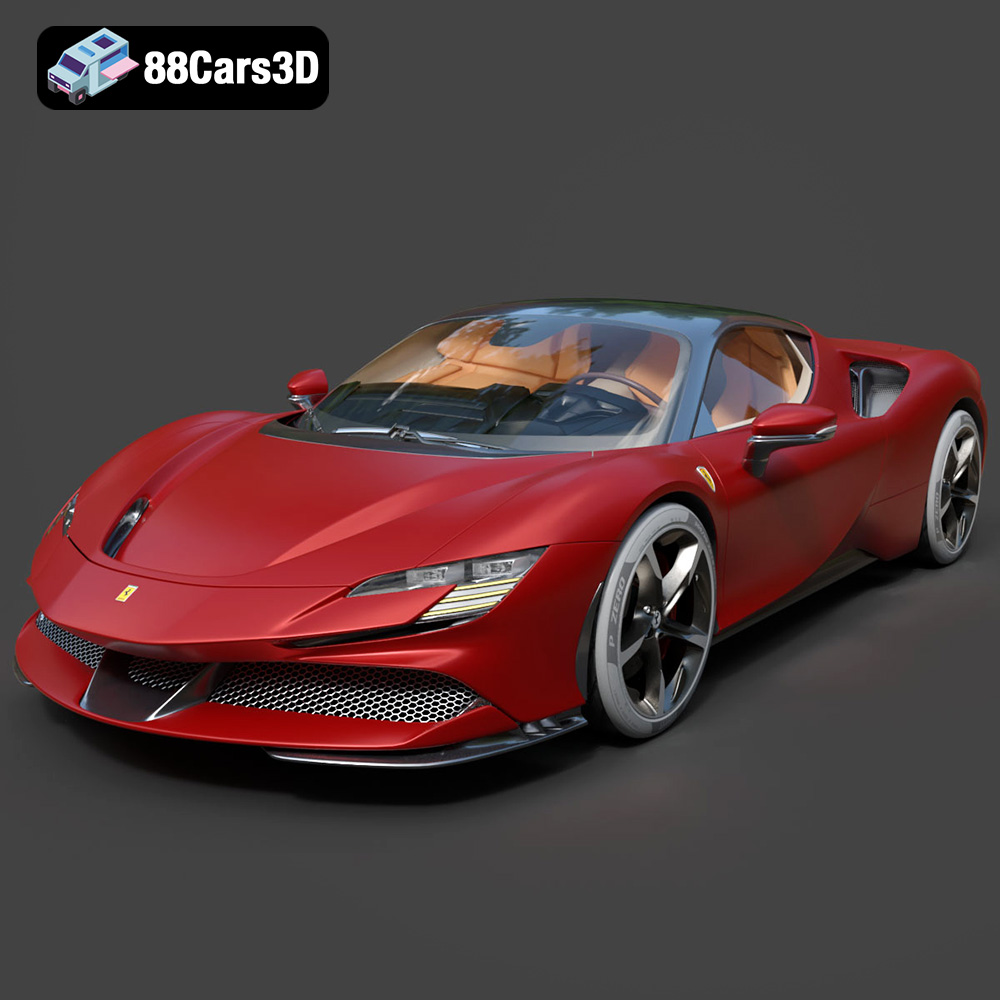
Texture: Yes
Material: Yes
Download the Ferrari SF90 Stradale 3D Model featuring clean geometry, realistic detailing, and a fully modeled interior. Includes .blend, .fbx, .obj, .glb, .stl, .ply, .unreal, and .max formats for rendering, simulation, and game development.
Price: $19.99
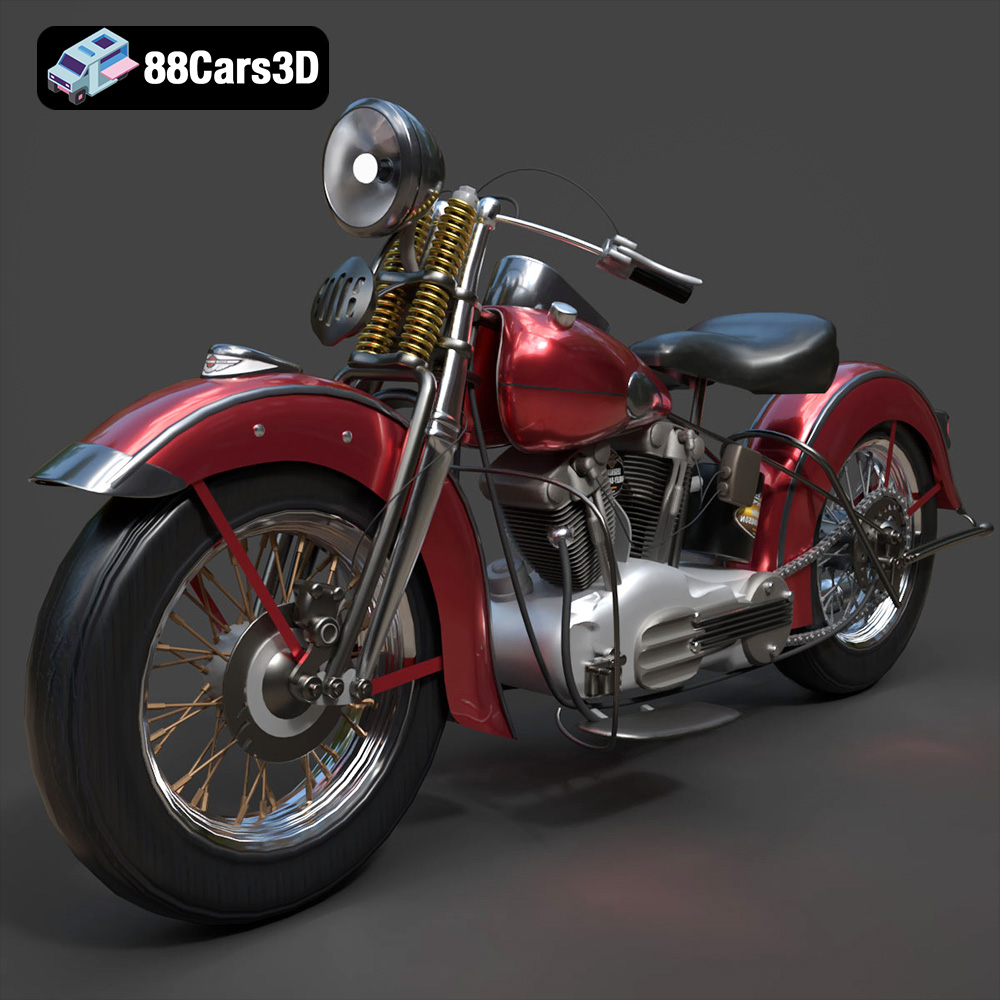
Texture: Yes
Material: Yes
Download the Harley Davidson F 1946 3D Model featuring clean geometry, realistic detailing, and a fully modeled interior. Includes .blend, .fbx, .obj, .glb, .stl, .ply, .unreal, and .max formats for rendering, simulation, and game development.
Price: $19.99
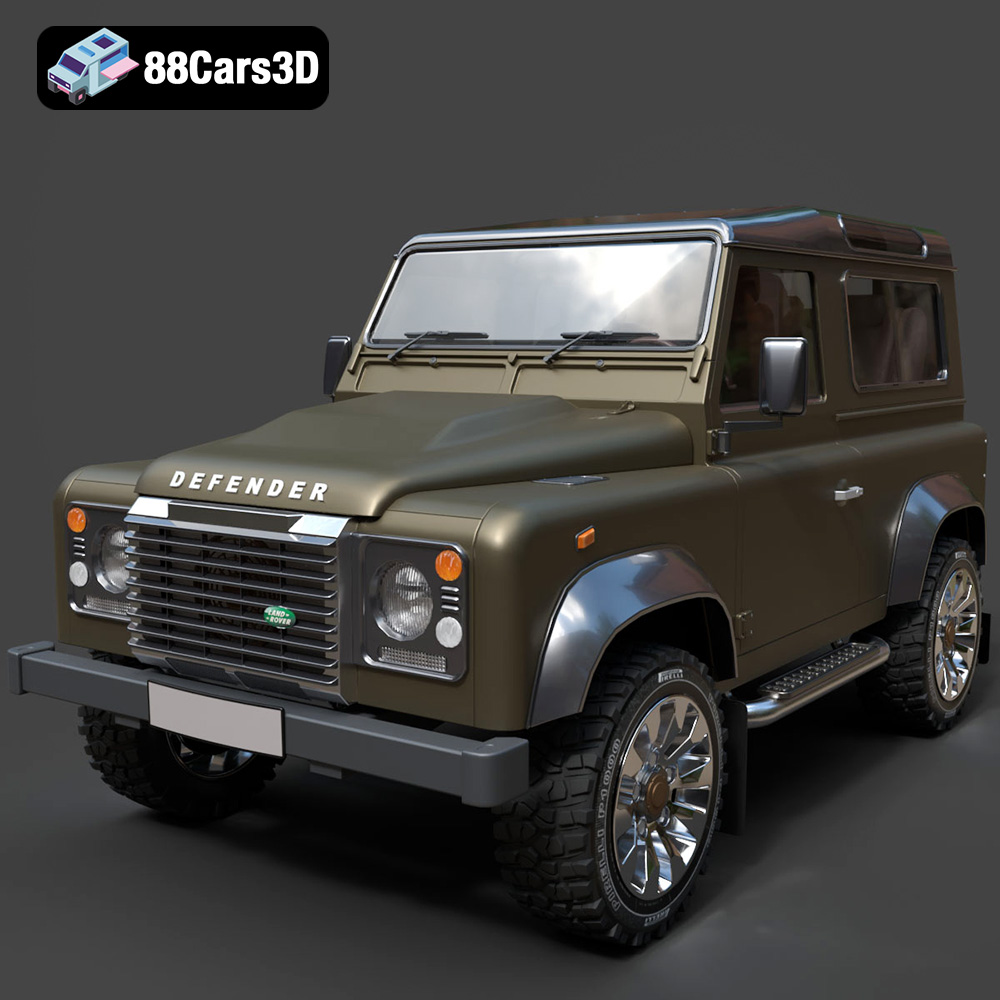
Texture: Yes
Material: Yes
Download the Land Rover Defender Works V8 3D Model featuring clean geometry, realistic detailing, and a fully modeled interior. Includes .blend, .fbx, .obj, .glb, .stl, .ply, .unreal, and .max formats for rendering, simulation, and game development.
Price: $19.99
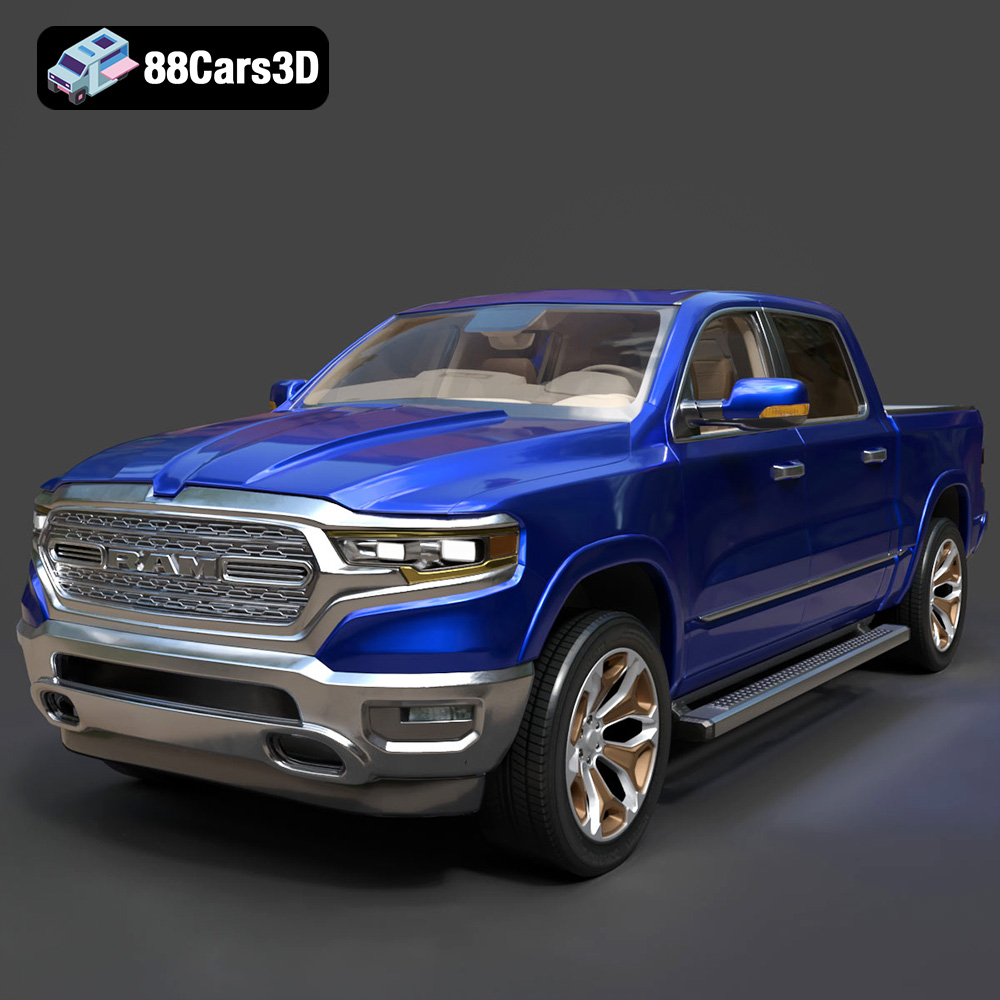
Texture: Yes
Material: Yes
Download the Dodge RAM 2019 3D Model featuring clean geometry, realistic detailing, and a fully modeled interior. Includes .blend, .fbx, .obj, .glb, .stl, .ply, .unreal, and .max formats for rendering, simulation, and game development.
Price: $19.99
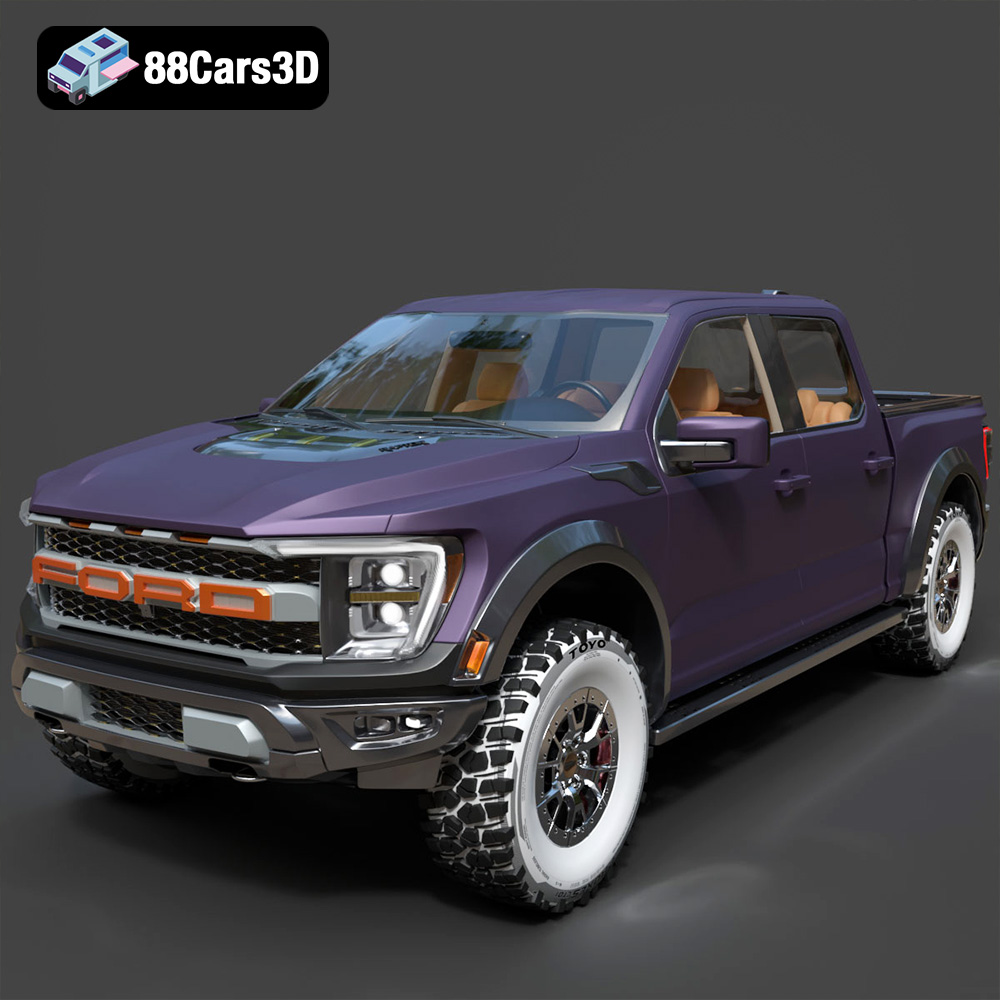
Texture: Yes | Material: Yes Download the ultra-high-detail Ford F-150 Raptor 2021 3D Model (8.73M Triangles). Features uncompromised widebody styling, fully modeled Fox Live Valve suspension, 37-inch tires, and interior. Perfect for premium VFX, cinematic rendering, and ArchViz. Includes .blend, .fbx, .obj, .glb, .stl, and .max formats.
Price: $29.99

Texture: Yes | Material: Yes Download the ultra-high-detail BMW 3 Series Limousine (2022) 3D Model (4.16M Triangles). Features the modernized G20 LCI exterior, the all-new BMW Curved Display interior, and ultra-dense topology. Perfect for ArchViz, VFX, and cinematic rendering. Includes .blend, .fbx, .obj, .glb, .stl, and .max formats.
Price: $19.99
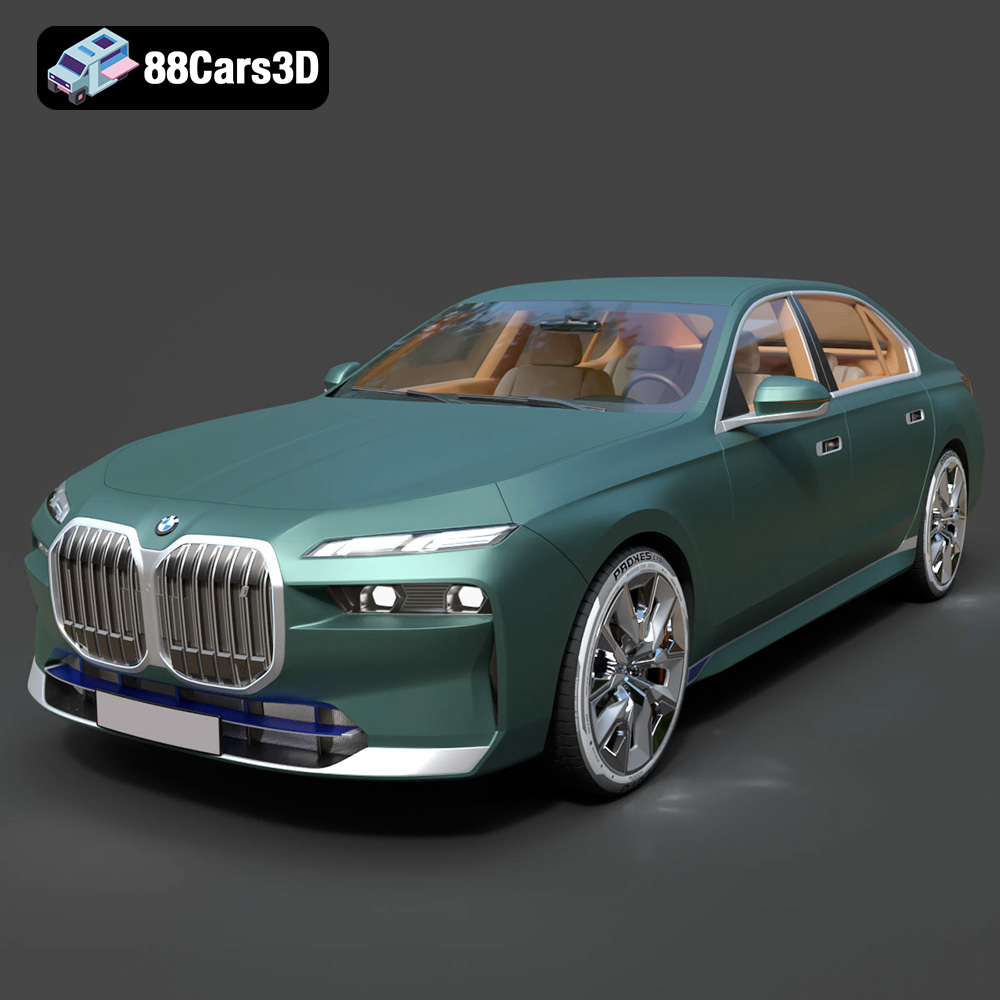
Texture: Yes | Material: Yes Download the ultra-high-detail BMW i7 (2023) 3D Model (4.14M Triangles). Features the illuminated kidney grille, split crystal headlights, fully modeled Theatre Screen interior, and monolithic luxury styling. Perfect for ArchViz, VFX, and cinematic rendering. Includes .blend, .fbx, .obj, .glb, .stl, and .max formats.
Price: $19.99
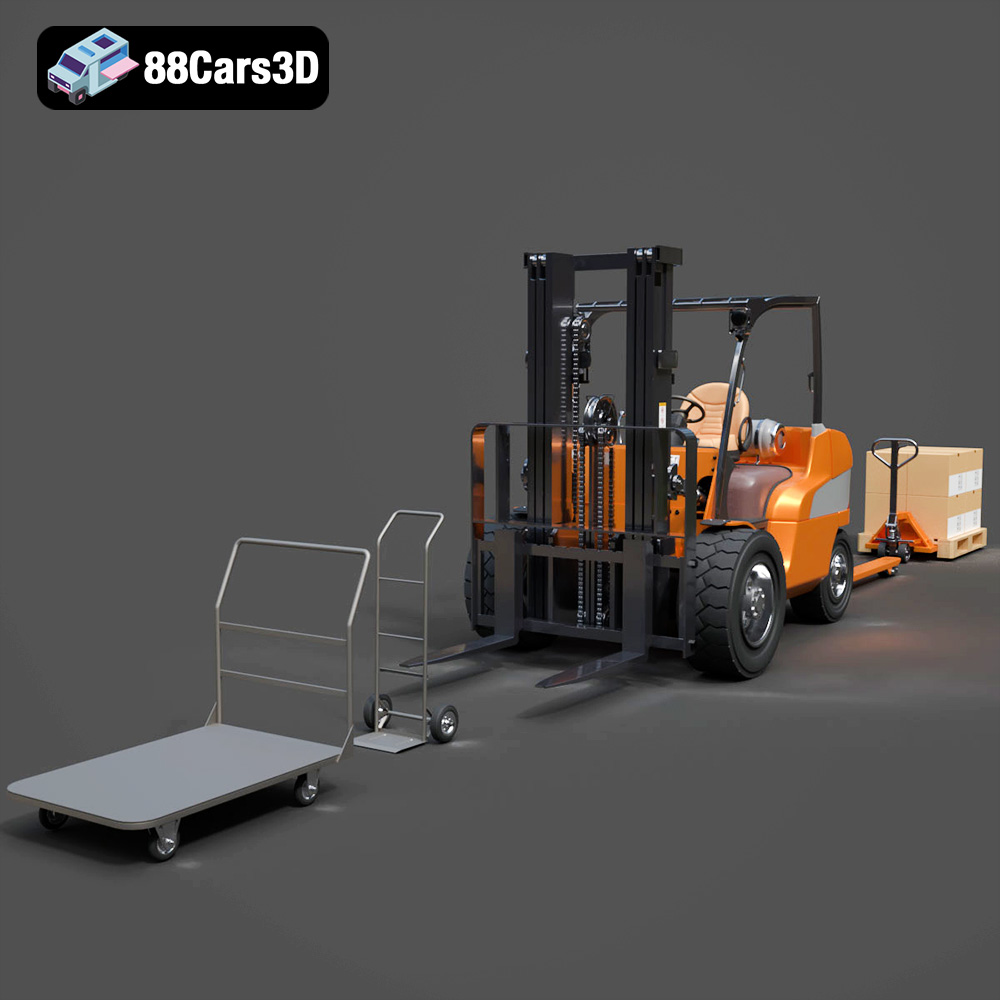
Texture: Yes | Material: Yes Download the highly detailed CAT Manual Loader & Warehouse Carts Kit 3D Model (2.4M Triangles). Features a macro-detailed hydraulic pallet jack, heavy-duty forks, and transport carts. Perfect for industrial ArchViz, factory rendering, and logistics simulations. Includes .blend, .fbx, .obj, .glb, .stl, and .max formats.
Price: $19.99

Texture: Yes | Material: Yes
Download the highly optimized Mazda CX-5 2014 3D Model (294k Triangles). Features the dynamic Kodo design language, signature grille, and a clean interior. Perfectly balanced for ArchViz, background traffic, and game development. Includes .blend, .fbx, .obj, .glb, .stl, and .max formats.
Price: $19.99
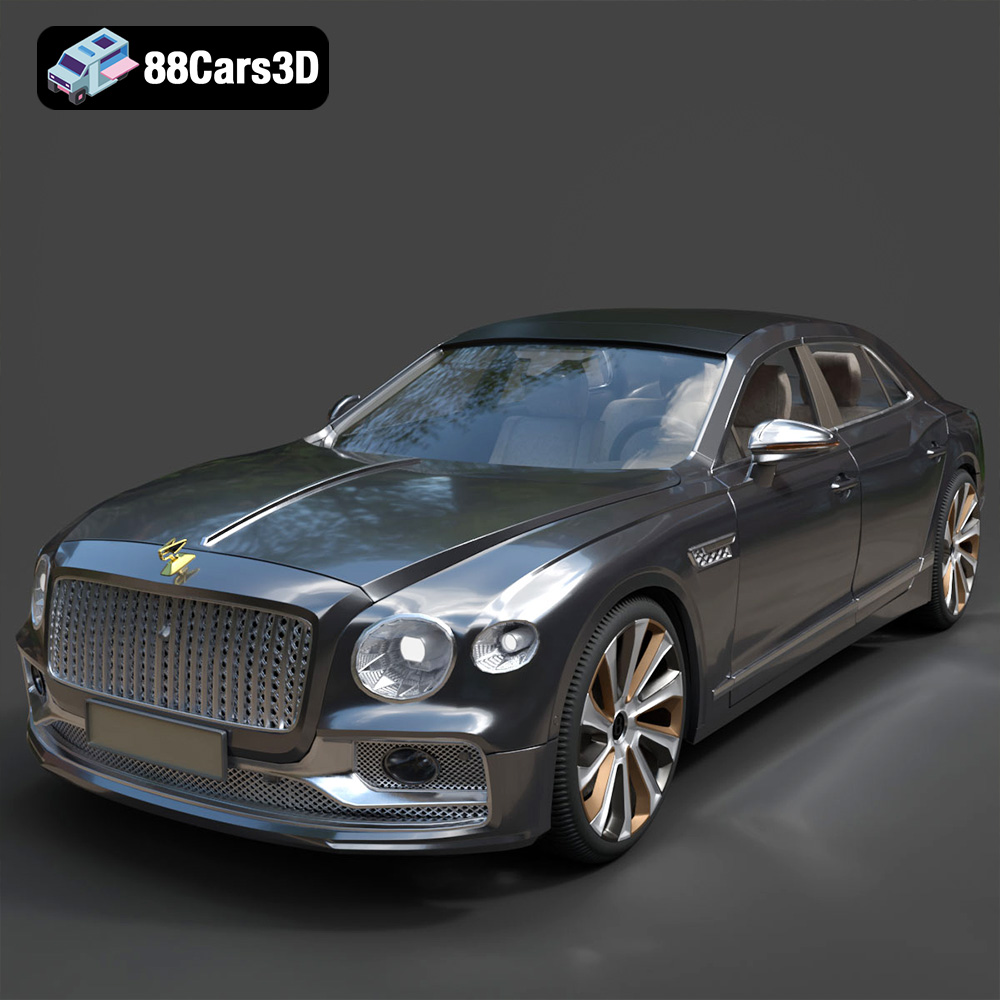
Texture: Yes | Material: Yes Download the ultra-high-detail Bentley Flying Spur Mulliner 2022 3D Model (2.94M Triangles). Features the bespoke Double Diamond grille, a fully modeled diamond-quilted interior, and exquisite luxury styling. Perfect for high-end ArchViz, VFX, and cinematic rendering. Includes .blend, .fbx, .obj, .glb, .stl, and .max formats.
Price: $19.90

