Get 50% OFF All Premium 3D & STL Models!

The world of automotive design and visualization is constantly evolving, driven by technological advancements that allow us to create increasingly realistic and immersive experiences. At the heart of this evolution lies the power of 3D car models. Whether you’re an automotive designer crafting the next groundbreaking concept, a game developer building a thrilling racing experience, or a visual effects artist creating stunning automotive commercials, high-quality 3D car models are essential. This comprehensive guide will explore the key aspects of working with 3D car models, covering everything from choosing the right model to optimizing it for your specific application. We’ll delve into the technical details, explore practical workflows, and showcase real-world examples to help you master the art of automotive 3D.
Choosing the right file format is paramount when working with 3D car models. Each format has its strengths and weaknesses, impacting compatibility, performance, and overall workflow efficiency. Let’s explore the most common file formats used in the industry and their specific applications.
The .blend format is the native file format for Blender, a powerful and free open-source 3D creation suite. It’s ideal when you need full control over the model, including the ability to modify the geometry, materials, and textures directly within Blender. .blend files can store complex scenes with lighting, animation, and other scene-specific data. If your primary workflow revolves around Blender, using .blend as your primary format is highly recommended. However, compatibility with other software might require exporting to more universal formats.
.fbx (Filmbox) is a versatile format developed by Autodesk that’s widely supported in the 3D industry. It excels in transferring models, animations, and scene data between different software packages, particularly game engines like Unreal Engine and Unity. .fbx supports various features like skeletal animation, blend shapes, and material properties, making it perfect for real-time applications. When exporting from a modeling program to Unreal Engine or Unity, .fbx is generally the preferred choice due to its robust feature set and widespread compatibility. It’s also a good choice for archiving as it is a widely understood format.
.obj (Wavefront Object) is a simple and widely supported format that stores geometry data (vertices, faces, and texture coordinates). It’s known for its cross-platform compatibility, making it a good option for transferring models between different 3D applications. However, .obj has limitations. It doesn’t store animation data, and it typically requires separate .mtl files to define material properties. While .obj is a reliable choice for basic geometry transfer, it might not be suitable for complex scenes or animated models. Because of its simplicity it is a good interchange format and a good choice when working with older software packages.
.glb (GL Transmission Format Binary) is a format designed for efficient transmission and loading of 3D models in web browsers, AR, and VR applications. It’s a binary format that combines the geometry, textures, and animations into a single file, reducing the number of HTTP requests and improving loading times. .glb is particularly well-suited for displaying 3D car models on websites or mobile devices, offering a lightweight and optimized solution for interactive experiences. For applications like WebGL or Three.js, .glb is often the optimal choice.
.stl (Stereolithography) is a format primarily used for 3D printing. It represents the surface geometry of a 3D model as a collection of triangles. While .stl is simple and widely supported by 3D printing software, it lacks color, texture, and material information. Therefore, it’s solely used for representing the shape of the model. If your goal is to 3D print a 3D car model, .stl is the standard choice for exporting the final geometry.
.ply (Polygon File Format) is a format that can store a variety of data associated with each vertex, including color, normals, and texture coordinates. It’s often used in applications like 3D scanning and reverse engineering, where precise geometric representation is crucial. .ply files can be larger than .obj files due to the additional data stored per vertex, but they offer greater flexibility and precision.
The .unreal format refers to assets specifically prepared for use within the Unreal Engine. These aren’t standalone files in the same way as the other formats listed here. Instead, they are collections of files, including meshes (.uasset), textures (.uasset), materials (.uasset), and animations (.uasset) that are organized within the Unreal Engine’s content browser. These assets are highly optimized for real-time performance and are ready to be used directly in your Unreal Engine projects. Importing a 3D car model into Unreal Engine often involves using an .fbx file as the initial import format, followed by creating and configuring the necessary materials and textures within the engine.
.max is the native file format for 3ds Max, another leading 3D modeling and animation software package. Similar to .blend, .max files store complete scene information, including geometry, materials, textures, lighting, animation, and rendering settings. If your primary workflow uses 3ds Max, using .max is the most efficient way to work with your models. However, for interoperability with other software, you’ll need to export to formats like .fbx or .obj. The 3ds Max format is especially useful for teams collaborating within a 3ds Max environment, allowing for seamless sharing and modification of project files.
Regardless of the file format you choose, optimizing your 3D car models is crucial for achieving optimal performance, especially in real-time applications like games and VR experiences. Unoptimized models can lead to performance bottlenecks, impacting frame rates and overall user experience.
Polygon count directly affects rendering performance. Reducing the number of polygons in your model without sacrificing visual fidelity is a key optimization technique. Tools like decimation modifiers in Blender and 3ds Max can automatically reduce polygon count while preserving the overall shape of the model. Carefully consider which areas of the model require high detail and which areas can be simplified. For example, the intricate details of the car’s interior might require more polygons than the undercarriage.
LOD systems involve creating multiple versions of the same model with varying levels of detail. The engine dynamically switches between these versions based on the distance from the camera. When the car is far away, a low-poly version is used, while a high-poly version is used when the car is close. This technique significantly improves performance by reducing the rendering load for distant objects. Game engines like Unreal Engine and Unity provide built-in support for LOD systems, making it easy to implement this optimization technique.
The software you choose to work with depends on your specific needs and expertise. However, some software packages are more commonly used for automotive rendering, game asset creation, and 3D printing.
3ds Max is a powerful 3D modeling, animation, and rendering software package widely used in the automotive industry. Its robust toolset and advanced rendering capabilities make it ideal for creating photorealistic visualizations of cars. 3ds Max offers a wide range of rendering engines, including Arnold, V-Ray, and Corona Renderer, allowing you to achieve stunning visual results. The software also offers advanced tools for creating complex materials, lighting setups, and animation sequences. Many professionals in the automotive rendering field rely on 3ds Max for their high-end projects.
Blender has gained immense popularity in recent years, becoming a powerful and versatile tool for game asset creation. Its free and open-source nature, combined with its robust modeling, sculpting, and texturing capabilities, makes it an attractive option for both indie developers and large studios. Blender’s real-time engine Eevee allows for fast previews. Furthermore, it integrates well with game engines like Unreal Engine and Unity through the .fbx export format.
3D car models are used in a wide range of industries, from automotive design and marketing to game development and film production. Their versatility and ability to create realistic visualizations make them an invaluable asset.
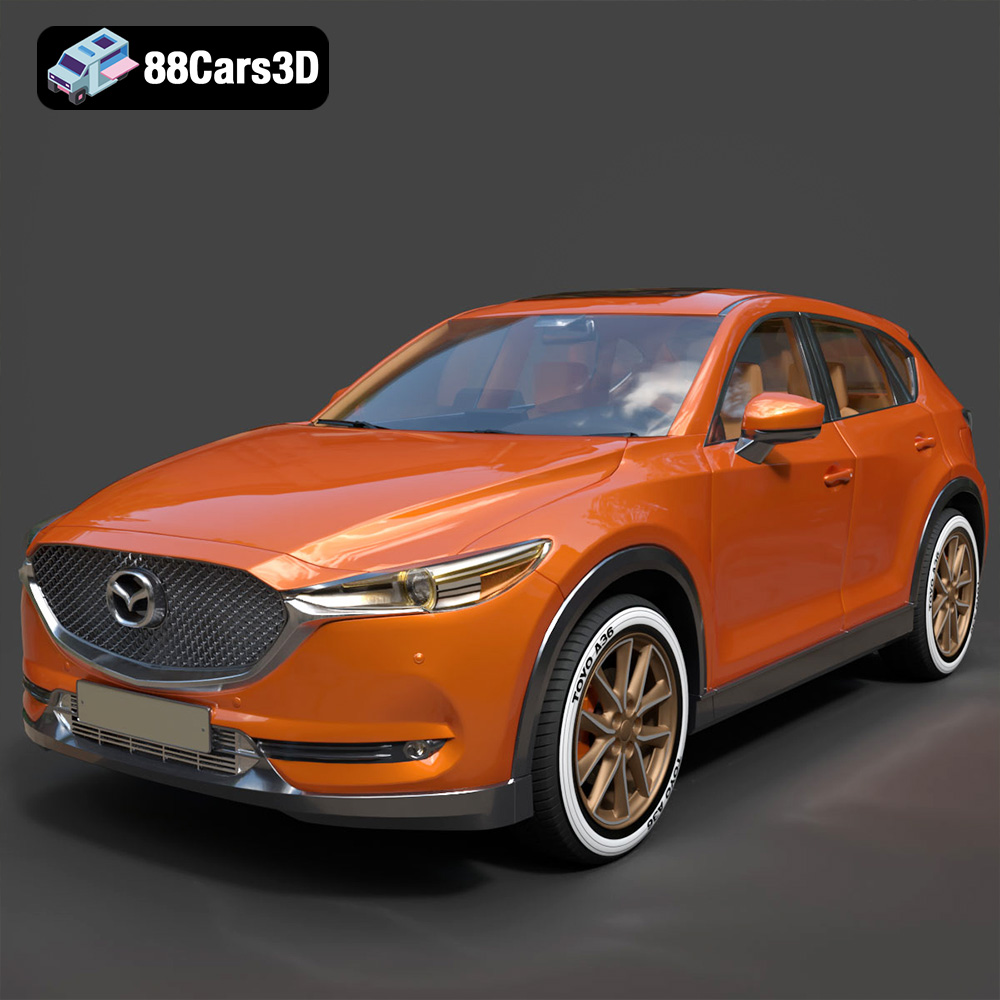
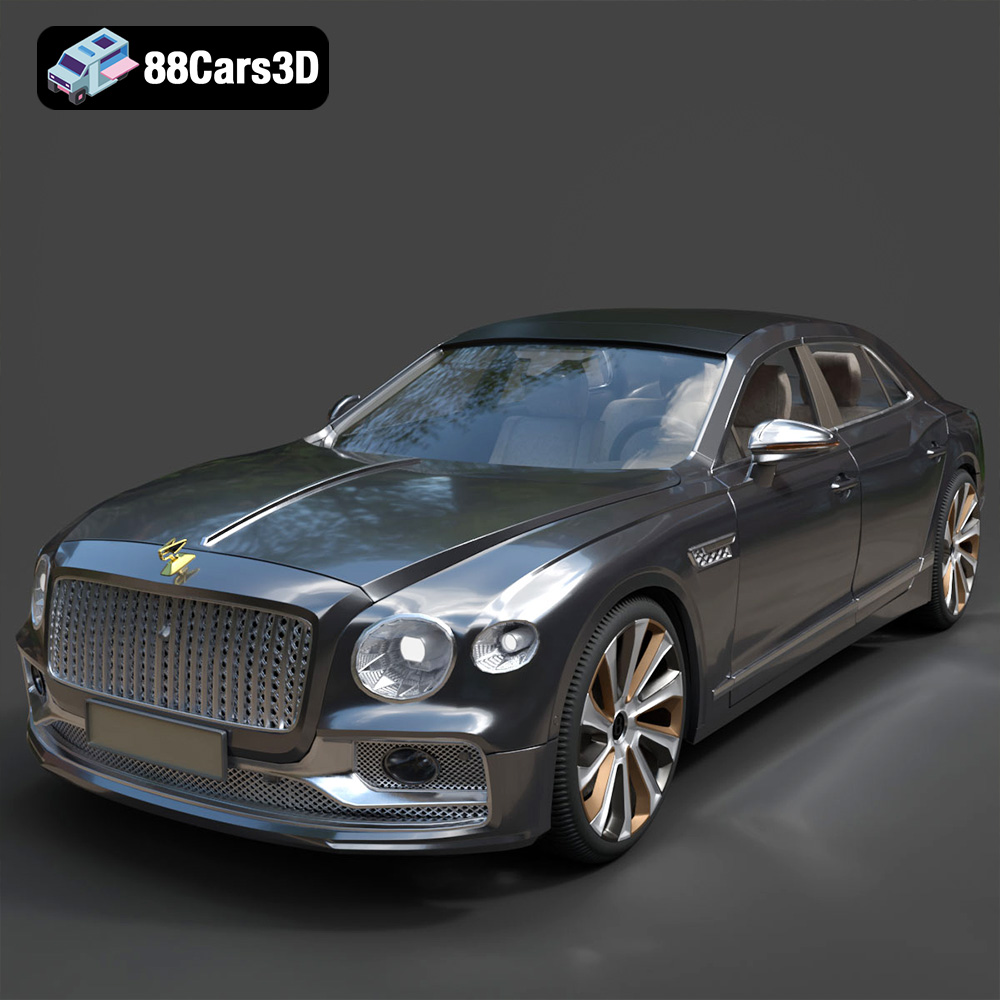
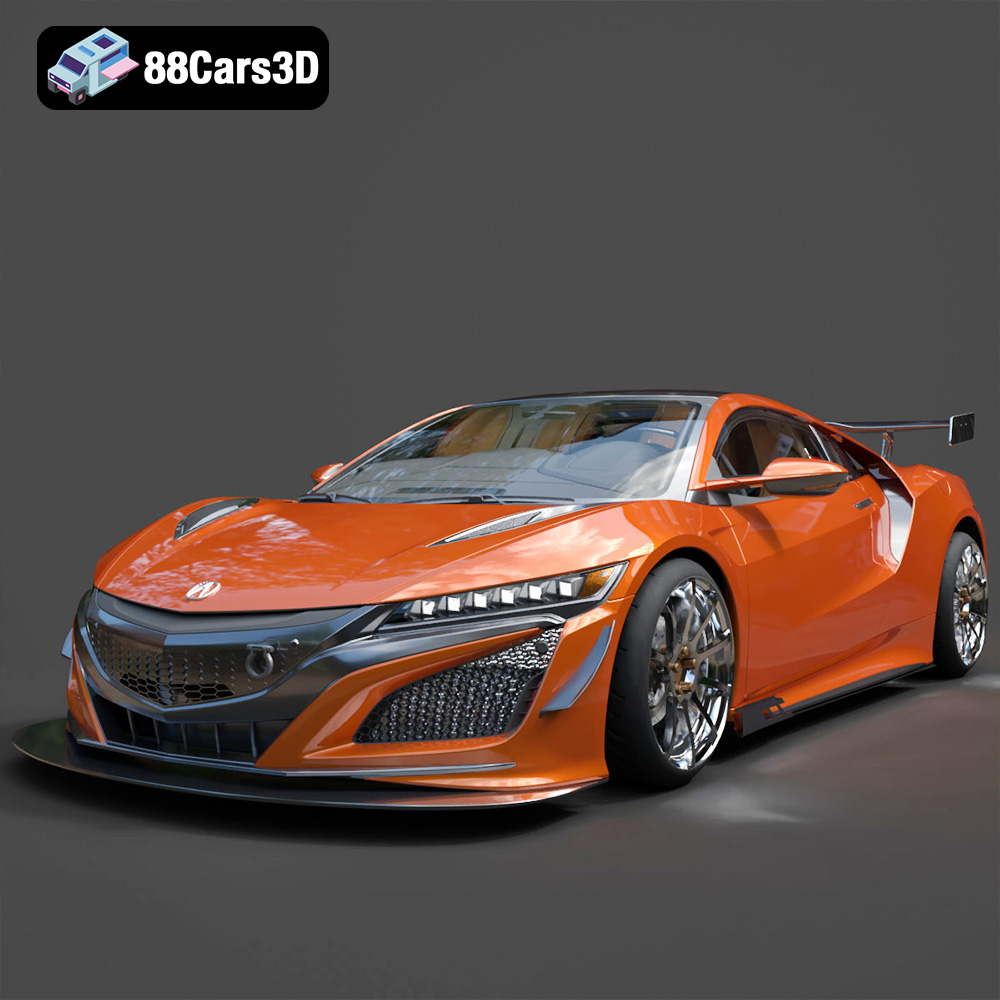
Automotive designers use 3D car models to create prototypes, explore design concepts, and visualize their ideas. 3D models allow designers to quickly iterate on different designs and evaluate their aesthetic appeal. High-quality renderings of 3D car models are also used for marketing and advertising purposes, showcasing new models to potential customers even before they are physically produced. In this context, websites like 88cars3d.com can provide a starting point for designers looking to quickly explore different car shapes and concepts.
3D car models are essential for creating realistic racing games and simulations. The level of detail and realism in the models directly impacts the immersion and enjoyment of the game. Game developers often use specialized tools and techniques to optimize 3D car models for real-time performance, ensuring smooth and responsive gameplay. Accurate physics simulations are also crucial for replicating the handling and dynamics of real-world cars.
The availability of high-quality 3D car models has increased significantly in recent years, with numerous online marketplaces offering a wide selection of models. Choosing the right marketplace can save you time and effort, ensuring that you get a model that meets your specific needs and quality standards. When selecting a marketplace, consider factors such as model quality, file formats, pricing, and licensing terms. Look for marketplaces that offer detailed model specifications, including polygon count, texture resolutions, and UV mapping information. Checking user reviews and ratings can also provide valuable insights into the quality and reliability of the models. 88cars3d.com is one such marketplace that provides a diverse range of high-quality 3D car models for various applications, from rendering to game development. Look at the licensing carefully, as some models may only be used for non-commercial purposes.
High polygon counts don’t always indicate high quality. Examine the topology to ensure a clean, even mesh structure. Inspect UVs, paying close attention to stretching or overlapping. Check material quality and whether the textures are of sufficient resolution for the intended purpose. Read reviews or examine work by other artists who have used the model.
Understand the usage rights associated with your 3D car model. Some licenses allow for commercial use, while others are restricted to personal projects. Consider what attribution is required, if any. Royalty-free licenses often allow a wide range of uses without paying ongoing fees. Make sure that your use case falls within the scope of the license.
Mastering the art of working with 3D car models requires a solid understanding of file formats, optimization techniques, and software workflows. By carefully considering these factors, you can create stunning automotive visualizations, immersive game experiences, and accurate 3D prints. Remember to choose the right file format for your specific application, optimize your models for performance, and select a reputable marketplace like 88cars3d.com to ensure you get high-quality assets. With the right tools and knowledge, you can unlock the full potential of 3D car models and elevate your automotive projects to the next level. Remember to always respect intellectual property rights and use licensed models in accordance with their terms.

Price: $129.99
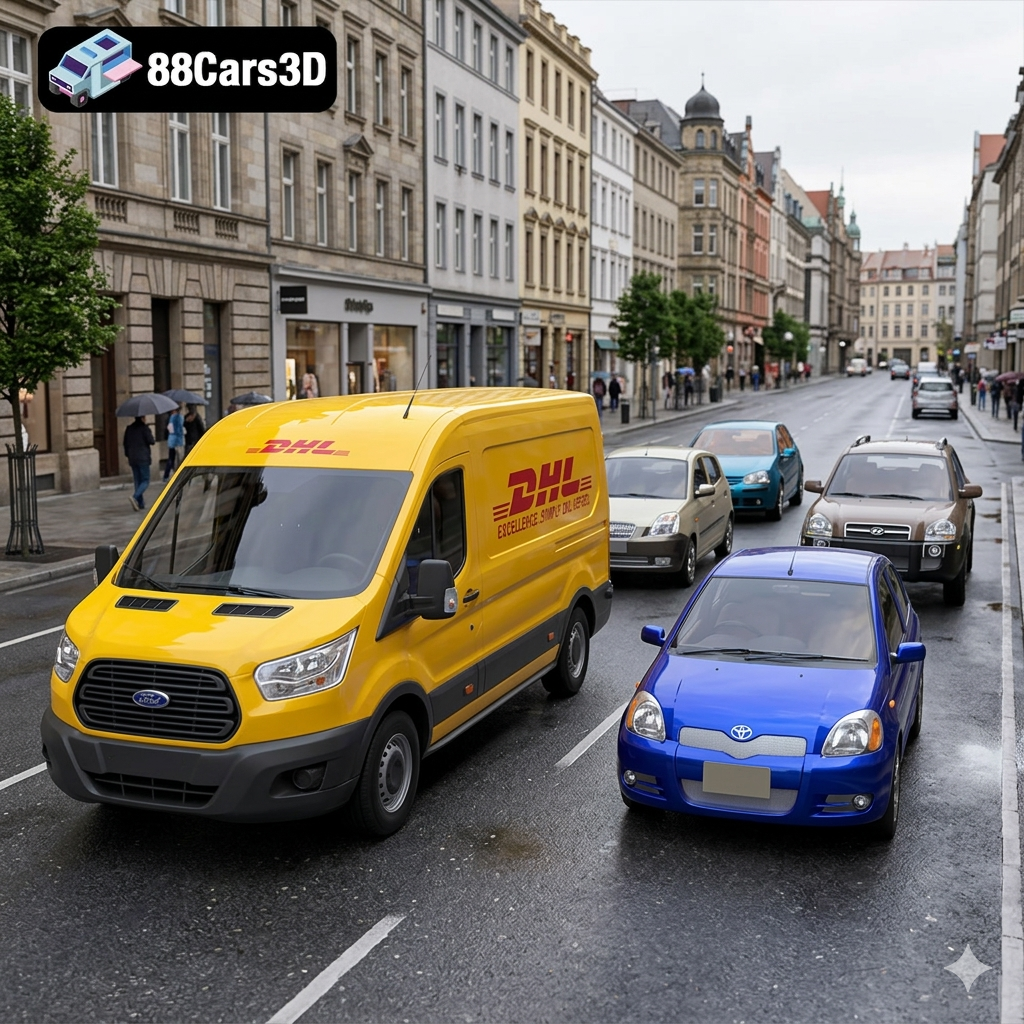
Price: $99.99
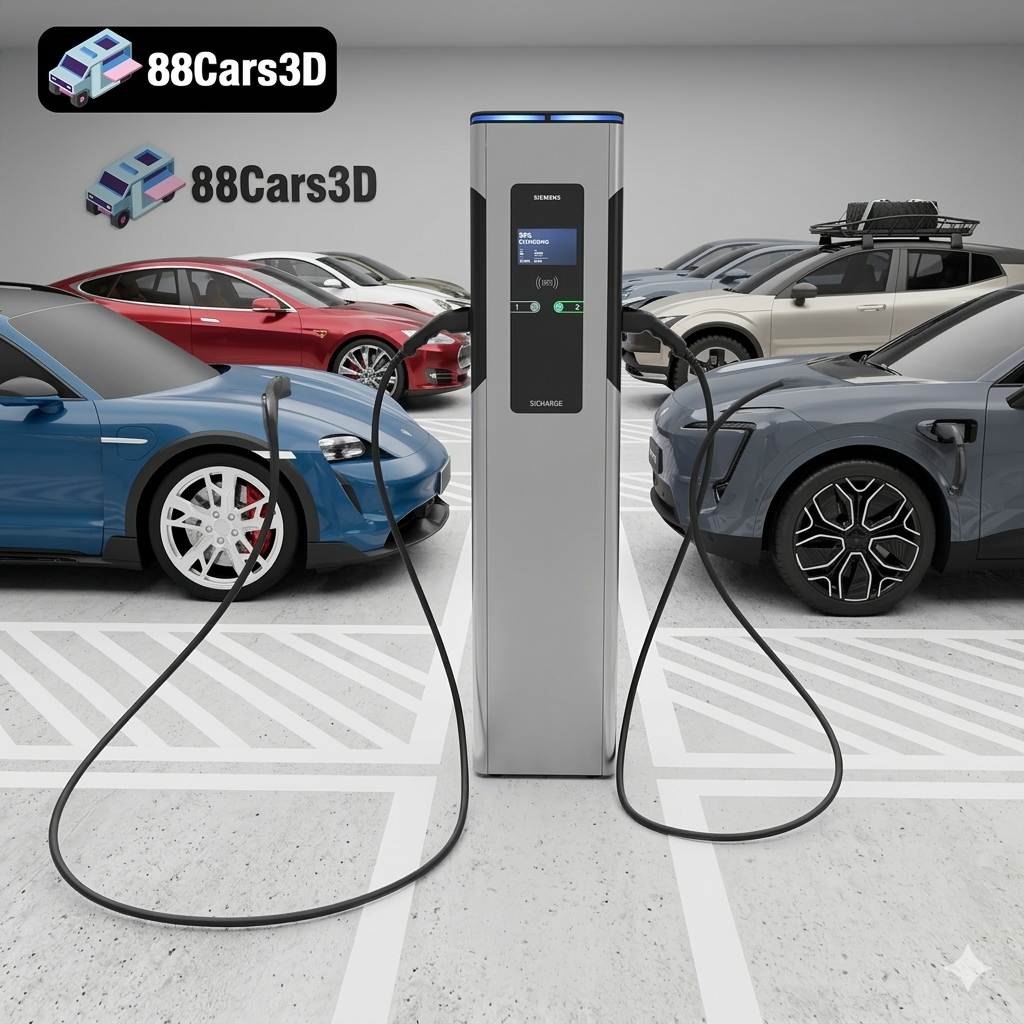
Price: $89.99