Get 50% OFF All Premium 3D & STL Models!

“`html
3D printing has revolutionized model making, offering unprecedented possibilities for creating intricate and detailed objects. Whether you’re replicating classic cars from platforms like 88cars3d.com, designing architectural models, or crafting miniature figurines, selecting the right 3D printer is paramount. But with a vast array of options available, each boasting a unique set of features, choosing the ideal machine can feel overwhelming. This comprehensive guide dives deep into the features that truly matter for model makers, covering everything from resolution and build volume to material compatibility and ease of use. By understanding these key aspects, you can make an informed decision and unlock your creative potential in the world of 3D printing.
This guide will walk you through the crucial features you need to consider, providing technical details, actionable tips, and real-world examples to help you choose the perfect 3D printer for your model making needs. We’ll cover everything from the intricacies of STL file handling to the nuances of post-processing your finished prints.
For model makers, print resolution and accuracy are non-negotiable. These factors directly impact the level of detail you can achieve in your models, determining how faithfully your digital designs translate into physical objects. A printer with higher resolution can reproduce intricate details, sharp edges, and smooth curves, resulting in visually stunning and realistic models. Resolution is typically measured in microns (µm), with lower numbers indicating finer detail. Accuracy, on the other hand, refers to how closely the printed part matches the intended dimensions of the digital model.
Layer height is perhaps the most critical parameter influencing resolution in FDM (Fused Deposition Modeling) 3D printing. It defines the thickness of each layer of material deposited during the printing process. Smaller layer heights result in smoother surfaces and finer details but also increase print time. For models with intricate details, such as automotive models available on 88cars3d.com, a layer height of 0.1mm or even 0.05mm is often necessary. Conversely, for simpler models or prototypes, a larger layer height (e.g., 0.2mm or 0.3mm) can be used to accelerate the printing process. Remember that your chosen nozzle size will also affect the minimum layer height you can reliably achieve. A 0.4mm nozzle can typically handle layer heights down to 0.1mm, while a 0.25mm nozzle allows for even finer details.
While layer height governs vertical resolution, XY resolution dictates the precision in the horizontal plane. In FDM printing, this is primarily determined by the precision of the printer’s motors and the size of the nozzle. In resin printing (SLA/DLP/MSLA), XY resolution is determined by the pixel size of the projector or LCD screen. Resin printers generally offer significantly higher XY resolution than FDM printers, often achieving resolutions of 50 microns or less. This makes them ideal for printing highly detailed miniatures and complex geometries. For example, if you are printing a small scale engine component, a resin printer would be the preferred choice for capturing all of the intricate details.
The build volume of a 3D printer defines the maximum dimensions of an object that can be printed in a single piece. For model makers, especially those working on larger projects or wanting to print multiple parts simultaneously, build volume is a crucial consideration. While it might be tempting to opt for the largest build volume possible, it’s important to balance this with other factors like print quality and cost. A larger build volume often comes with a higher price tag and may require more advanced features to maintain accuracy and stability.
Carefully consider the typical size of the models you intend to print. If you primarily work on small-scale models, a smaller build volume will suffice. However, if you plan to create larger models or print multiple parts for assembly, a larger build volume is essential. Also think about scaling down larger models to fit your build volume. For instance, an entire car model might be too large to print in one go, but you can break it down into smaller components and then glue them together. Many users find that a build volume of around 200mm x 200mm x 200mm offers a good balance between size and affordability for general model making. When sourcing STL files, double check the dimensions of the model to ensure it will fit the build volume of your intended 3D printer.
Regardless of your printer’s build volume, optimizing build plate utilization is key to maximizing efficiency. Software like Cura and PrusaSlicer allows you to arrange multiple parts on the build plate, minimizing wasted space and reducing print time. Consider nesting parts together or orienting them in a way that maximizes the number of parts you can print in a single batch. Also, carefully think about the placement of support structures; proper support design will allow you to print more items on the build plate. Efficient build plate utilization not only saves time and material but also reduces the overall cost of your 3D printing projects.
The range of materials a 3D printer can handle directly impacts the types of models you can create and their final properties. Different materials offer varying levels of strength, flexibility, heat resistance, and aesthetic appeal. For model makers, versatility in material compatibility is crucial for exploring different design possibilities and achieving specific functional requirements.
FDM printers offer a wide range of material options, each with its own unique characteristics. PLA (Polylactic Acid) is a popular choice due to its ease of use, biodegradability, and wide availability. It’s ideal for printing decorative models and prototypes. PETG (Polyethylene Terephthalate Glycol) offers improved strength and heat resistance compared to PLA, making it suitable for functional parts and models that will be exposed to higher temperatures. ABS (Acrylonitrile Butadiene Styrene) is known for its durability and impact resistance but requires higher printing temperatures and a heated bed to prevent warping. More advanced materials like Nylon, Polycarbonate, and TPU (Thermoplastic Polyurethane) offer specialized properties such as high strength, flexibility, and chemical resistance.
Resin printers utilize liquid resins that are cured by UV light. Standard resins offer high detail and are ideal for printing intricate models and miniatures. Tough resins provide increased strength and impact resistance, making them suitable for functional parts and models that will be subjected to stress. Flexible resins allow for the creation of parts with rubber-like properties, such as gaskets, seals, and flexible joints. There are also specialized resins available, such as castable resins for jewelry making and biocompatible resins for dental applications.
3D printing software plays a critical role in the model making process. It allows you to prepare your digital models for printing, generate support structures, and fine-tune printer settings. The slicing software converts your 3D model (typically in STL format) into a series of layers that the printer can understand and build upon. Choosing the right slicing software and mastering its features can significantly impact the quality, speed, and success of your prints.
Several excellent slicing software options are available, each with its own strengths and weaknesses. Cura is a free and open-source slicer that’s widely popular among beginners and experienced users alike. It offers a user-friendly interface, a wide range of customizable settings, and a large community of users who provide support and share profiles. PrusaSlicer, developed by Prusa Research, is another excellent free slicer known for its advanced features, such as variable layer height and adaptive infill. Simplify3D is a paid slicer that offers advanced control over print settings and support generation. For file repair, Netfabb Basic is a free tool that can fix common issues with STL files, ensuring they are watertight and printable. When downloading models from marketplaces such as 88cars3d.com, it is essential to verify the integrity of the STL file before proceeding to slice and print. Netfabb can help you check and repair files with corrupted meshes.
Mastering slicing parameters is crucial for achieving optimal print quality. Layer height, as discussed earlier, directly impacts resolution. Infill density determines the internal strength and weight of the model; higher infill densities result in stronger but heavier and more material-intensive prints. Print speed affects the overall printing time and can also impact print quality; slower speeds generally result in smoother surfaces and more accurate details. Support structures are essential for printing overhangs and complex geometries; choosing the right support type and placement is crucial for ensuring successful prints and easy removal. Bed adhesion settings, such as using a brim or raft, help to ensure that the print adheres firmly to the build plate, preventing warping and detachment. Experimenting with these parameters and finding the optimal settings for your specific printer, material, and model is key to achieving consistently high-quality prints.
Proper printer calibration and regular maintenance are essential for ensuring consistent performance and prolonging the life of your 3D printer. A well-calibrated printer will produce accurate and reliable prints, while neglecting maintenance can lead to print failures, reduced print quality, and even damage to the printer.
Bed leveling is arguably the most critical calibration step for FDM printers. A properly leveled bed ensures that the first layer of the print adheres firmly to the build plate, preventing warping and detachment. Many printers feature automatic bed leveling (ABL) systems, which use sensors to automatically compensate for slight variations in bed height. However, even with ABL, it’s still important to periodically check and adjust the bed level manually. Use a piece of paper or a feeler gauge to ensure that the nozzle is the correct distance from the bed at various points across the build plate. For resin printers, bed leveling involves setting the Z-offset, which determines the initial height of the build plate above the LCD screen.
Regular maintenance is crucial for keeping your 3D printer in top condition. Clean the build plate regularly with isopropyl alcohol to remove any residue or debris. Lubricate the lead screws and linear rails to ensure smooth and accurate movement. Check the nozzle for clogs and replace it if necessary. Inspect the belts and pulleys for wear and tear and tighten them as needed. For resin printers, clean the resin vat and FEP film after each print to prevent resin buildup and damage. By performing these simple maintenance tasks regularly, you can ensure that your 3D printer continues to deliver consistent and reliable performance for years to come. Platforms like 88cars3d.com provide a fantastic resource for printable car models; ensuring your printer is well-maintained will allow you to get the best possible results when printing these files.
Post-processing refers to the steps taken after printing to refine the appearance and functionality of your 3D printed models. These techniques can transform a raw 3D print into a polished and professional-looking piece. For model makers, post-processing is often essential for achieving the desired level of realism and detail.
Removing support structures is often the first step in post-processing. Carefully detach the supports using pliers, cutters, or a sharp knife. Be mindful not to damage the model during the removal process. Sanding is a common technique for smoothing the surface of 3D printed models. Start with coarse sandpaper to remove any layer lines or imperfections, then gradually move to finer grits to achieve a smooth finish. For resin prints, isopropyl alcohol is used to clean the uncured resin from the surface of the model.
Painting can significantly enhance the appearance of your 3D printed models. Use primer to prepare the surface for paint, then apply multiple thin coats of acrylic paint. Consider using masking tape to create clean lines and intricate details. For multi-part models, assembly is the final step. Use glue or epoxy to join the individual parts together. Ensure that the parts are properly aligned and securely fastened. Sanding and filling any gaps before painting can create a seamless and professional-looking finish.
Choosing the right 3D printer for model making involves carefully considering several key features, including print resolution and accuracy, build volume, material compatibility, slicing software, printer calibration, and post-processing techniques. By understanding these factors and tailoring your choices to your specific needs and budget, you can unlock the full potential of 3D printing and create stunning and detailed models. Remember to invest time in learning the intricacies of slicing software and mastering post-processing techniques to elevate the quality of your finished prints. Explore online communities and resources for tips and inspiration, and don’t be afraid to experiment with different materials and settings to discover what works best for you. With the right equipment and a little practice, you can transform your creative visions into tangible realities.
Start by assessing your current and future model-making needs, considering the typical size, complexity, and material requirements of your projects. Research different 3D printer models within your budget, comparing their specifications and features. Download sample STL files from platforms like 88cars3d.com to test print on different printers or to verify print quality. Finally, embrace the learning curve and enjoy the process of creating beautiful and intricate models with the power of 3D printing.
“`
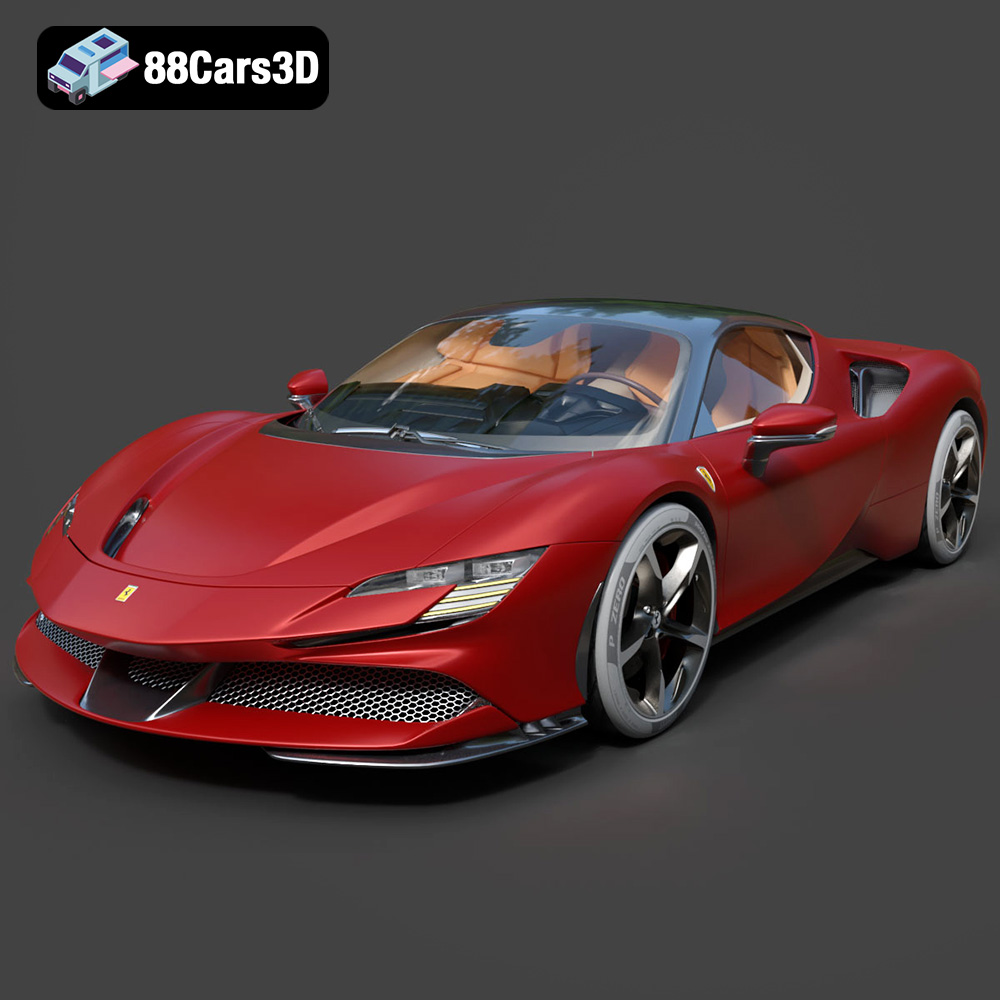
Texture: Yes
Material: Yes
Download the Ferrari SF90 Stradale 3D Model featuring clean geometry, realistic detailing, and a fully modeled interior. Includes .blend, .fbx, .obj, .glb, .stl, .ply, .unreal, and .max formats for rendering, simulation, and game development.
Price: $19.99
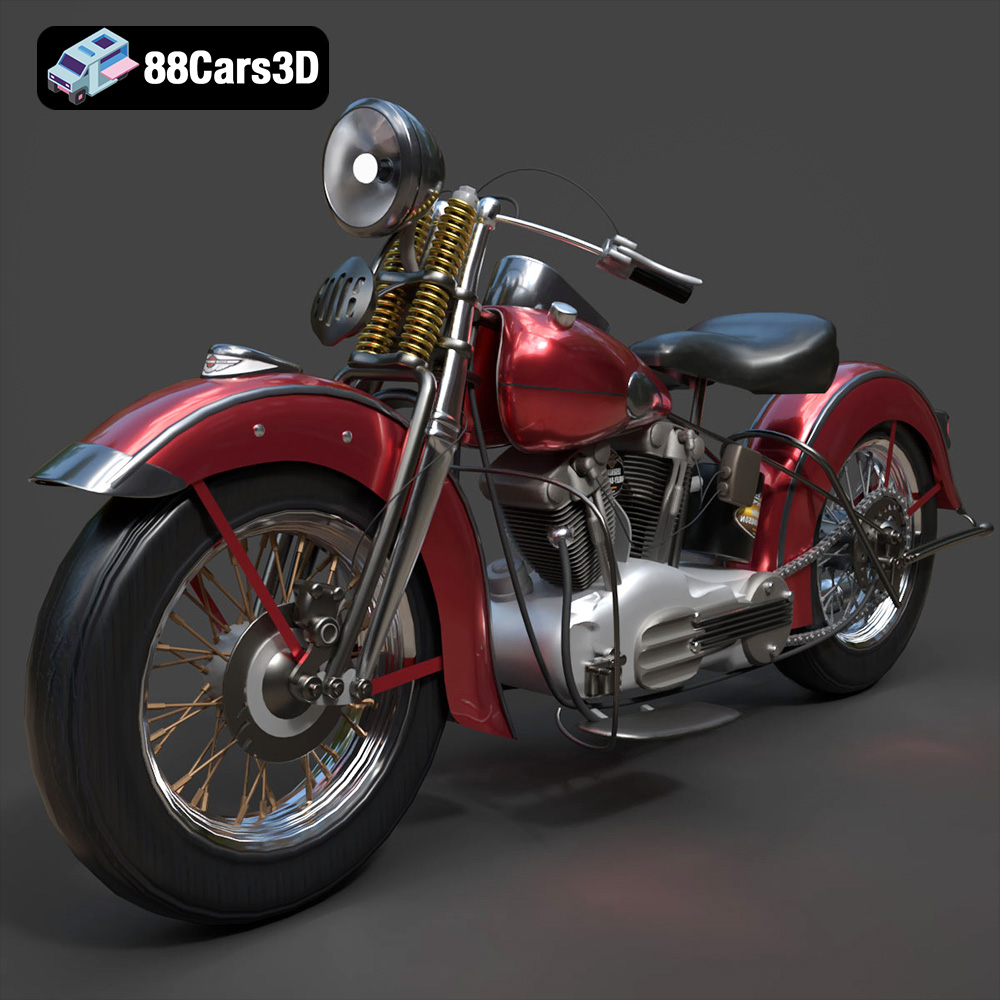
Texture: Yes
Material: Yes
Download the Harley Davidson F 1946 3D Model featuring clean geometry, realistic detailing, and a fully modeled interior. Includes .blend, .fbx, .obj, .glb, .stl, .ply, .unreal, and .max formats for rendering, simulation, and game development.
Price: $19.99
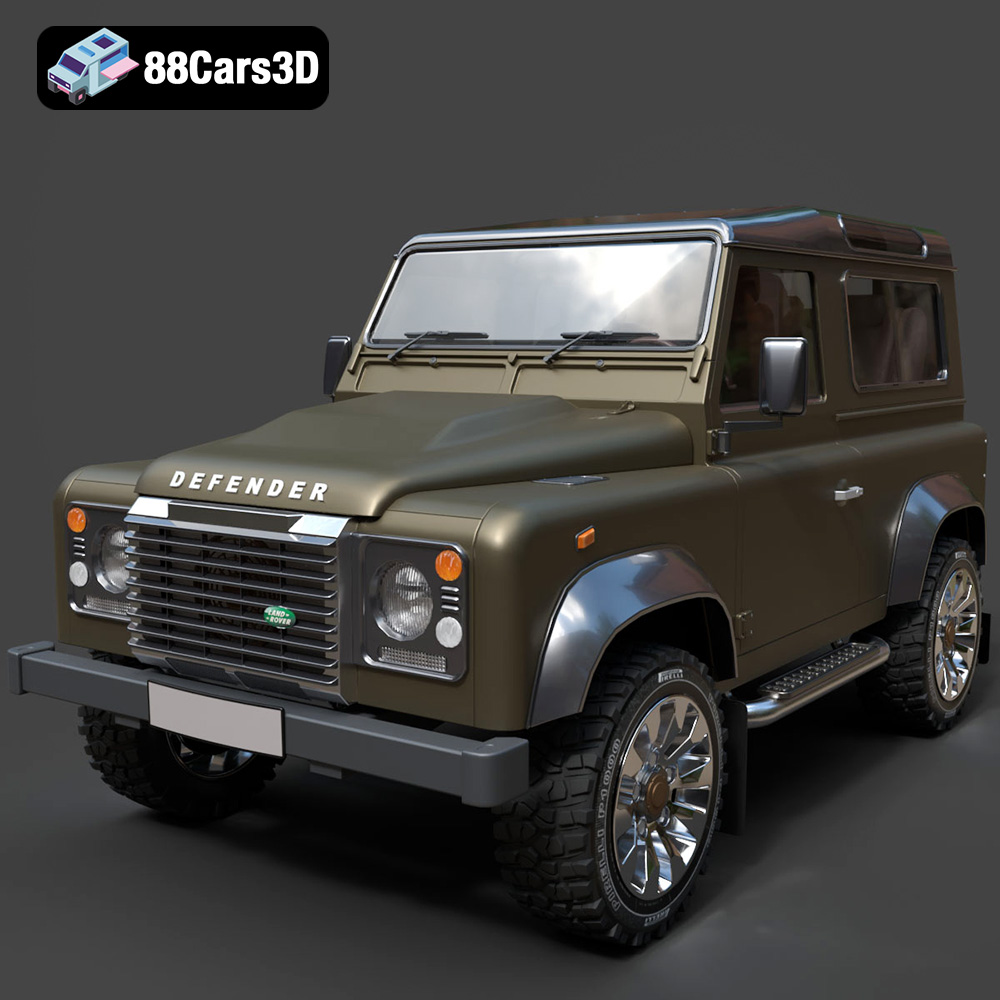
Texture: Yes
Material: Yes
Download the Land Rover Defender Works V8 3D Model featuring clean geometry, realistic detailing, and a fully modeled interior. Includes .blend, .fbx, .obj, .glb, .stl, .ply, .unreal, and .max formats for rendering, simulation, and game development.
Price: $19.99
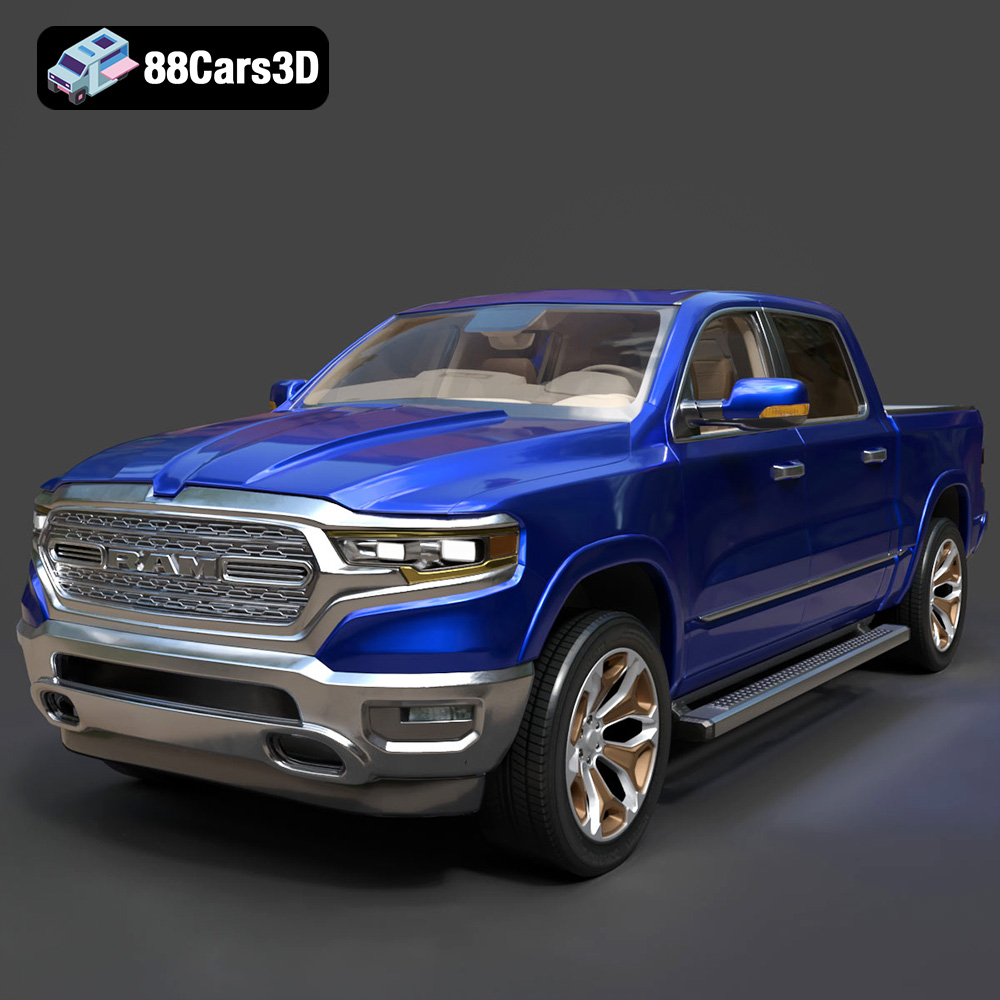
Texture: Yes
Material: Yes
Download the Dodge RAM 2019 3D Model featuring clean geometry, realistic detailing, and a fully modeled interior. Includes .blend, .fbx, .obj, .glb, .stl, .ply, .unreal, and .max formats for rendering, simulation, and game development.
Price: $19.99
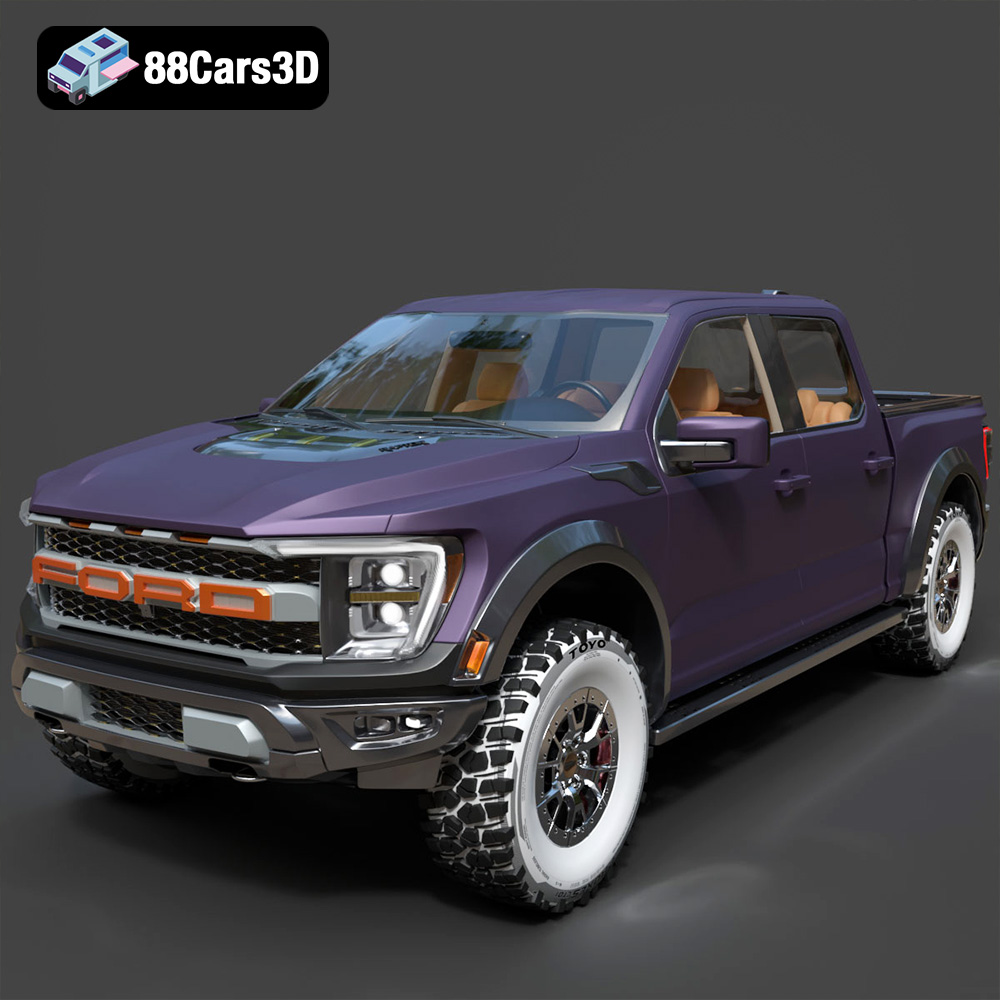
Texture: Yes | Material: Yes Download the ultra-high-detail Ford F-150 Raptor 2021 3D Model (8.73M Triangles). Features uncompromised widebody styling, fully modeled Fox Live Valve suspension, 37-inch tires, and interior. Perfect for premium VFX, cinematic rendering, and ArchViz. Includes .blend, .fbx, .obj, .glb, .stl, and .max formats.
Price: $29.99

Texture: Yes | Material: Yes Download the ultra-high-detail BMW 3 Series Limousine (2022) 3D Model (4.16M Triangles). Features the modernized G20 LCI exterior, the all-new BMW Curved Display interior, and ultra-dense topology. Perfect for ArchViz, VFX, and cinematic rendering. Includes .blend, .fbx, .obj, .glb, .stl, and .max formats.
Price: $19.99
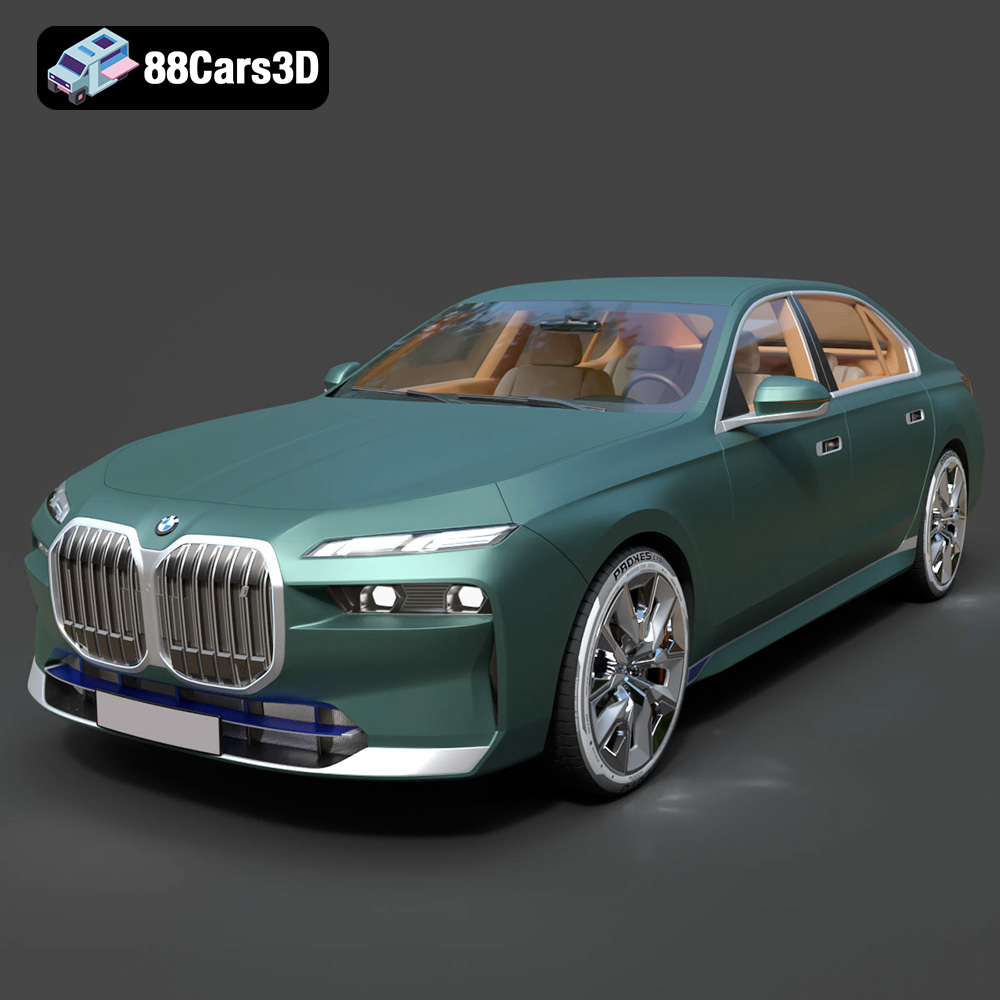
Texture: Yes | Material: Yes Download the ultra-high-detail BMW i7 (2023) 3D Model (4.14M Triangles). Features the illuminated kidney grille, split crystal headlights, fully modeled Theatre Screen interior, and monolithic luxury styling. Perfect for ArchViz, VFX, and cinematic rendering. Includes .blend, .fbx, .obj, .glb, .stl, and .max formats.
Price: $19.99
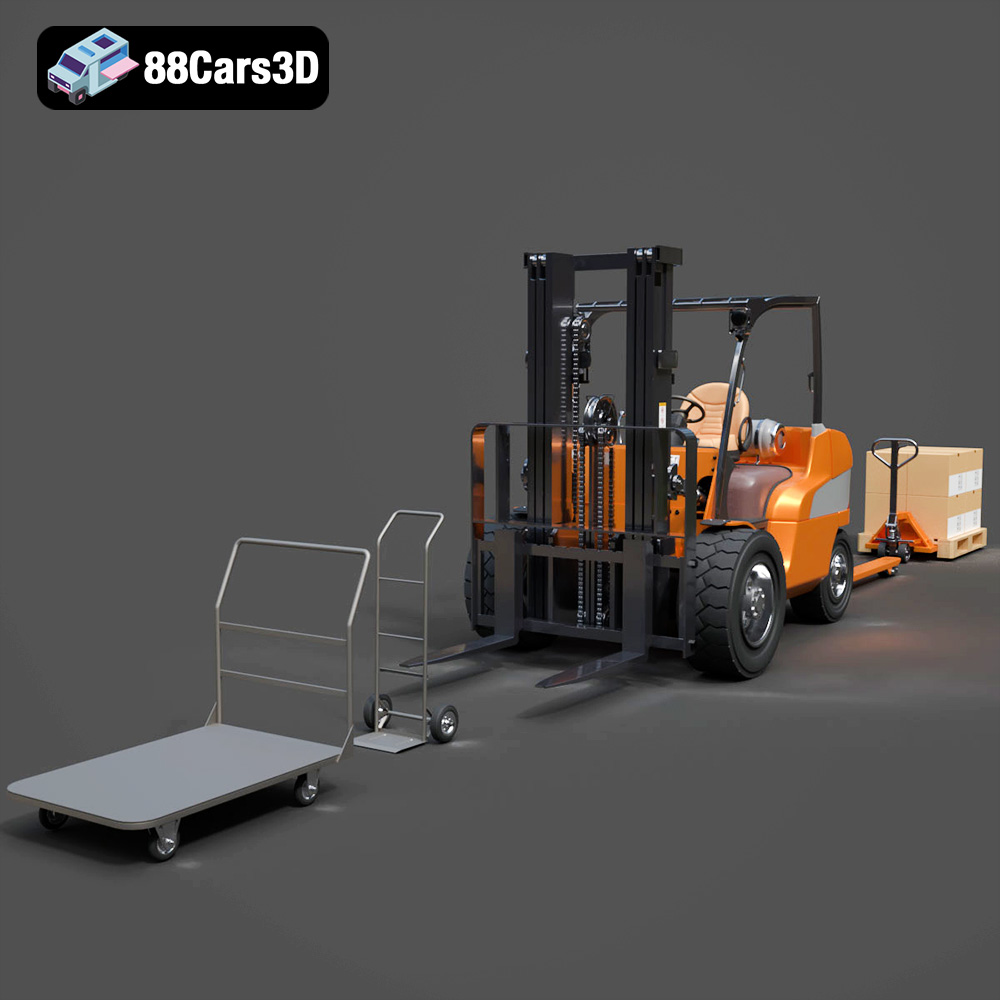
Texture: Yes | Material: Yes Download the highly detailed CAT Manual Loader & Warehouse Carts Kit 3D Model (2.4M Triangles). Features a macro-detailed hydraulic pallet jack, heavy-duty forks, and transport carts. Perfect for industrial ArchViz, factory rendering, and logistics simulations. Includes .blend, .fbx, .obj, .glb, .stl, and .max formats.
Price: $19.99

Texture: Yes | Material: Yes
Download the highly optimized Mazda CX-5 2014 3D Model (294k Triangles). Features the dynamic Kodo design language, signature grille, and a clean interior. Perfectly balanced for ArchViz, background traffic, and game development. Includes .blend, .fbx, .obj, .glb, .stl, and .max formats.
Price: $19.99
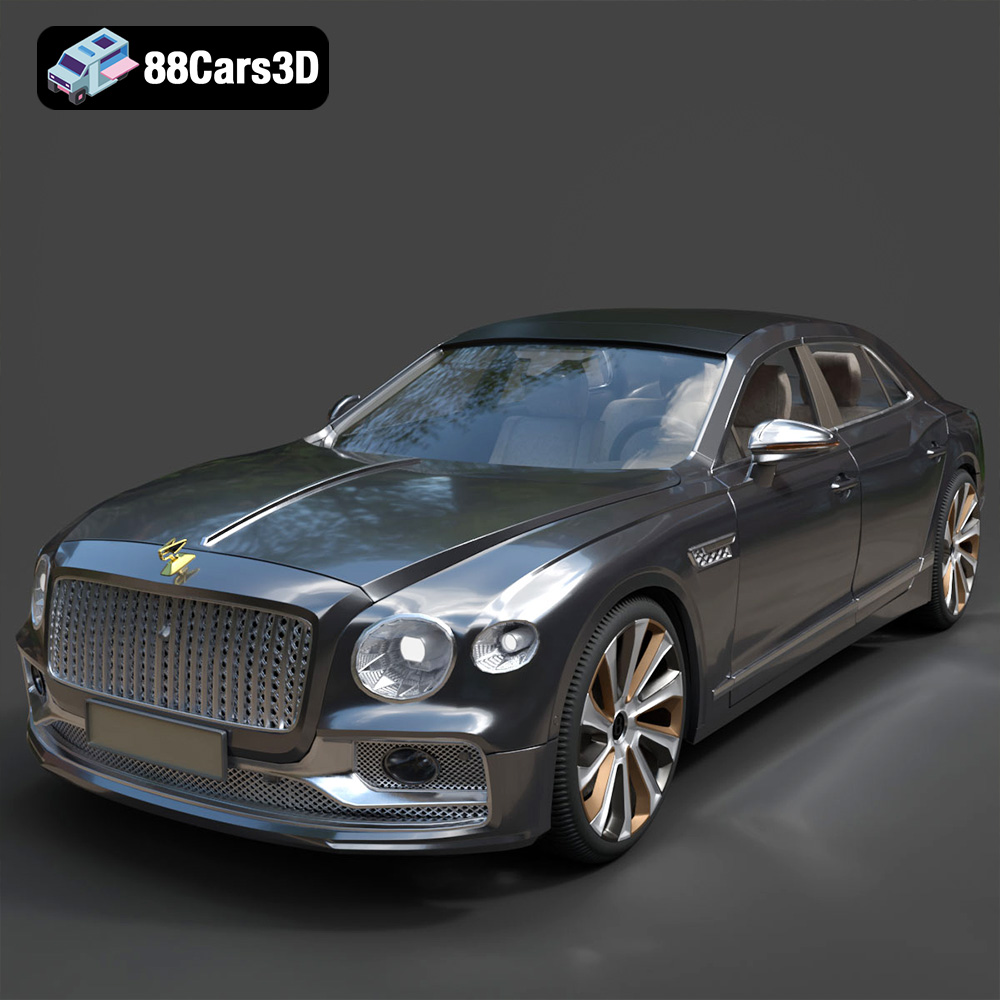
Texture: Yes | Material: Yes Download the ultra-high-detail Bentley Flying Spur Mulliner 2022 3D Model (2.94M Triangles). Features the bespoke Double Diamond grille, a fully modeled diamond-quilted interior, and exquisite luxury styling. Perfect for high-end ArchViz, VFX, and cinematic rendering. Includes .blend, .fbx, .obj, .glb, .stl, and .max formats.
Price: $19.90

