Get 50% OFF All Premium 3D & STL Models!

In the rapidly evolving landscape of digital visualization, the demand for high-fidelity 3D assets has never been greater. From the breathtaking realism of cinematic sequences to the immersive interactivity of next-generation video games and the practical applications of augmented reality, the quality of a 3D model can make or break a project. Automotive design, in particular, stands at the forefront of this digital revolution, requiring an unparalleled level of detail and accuracy to capture the essence of iconic vehicles.
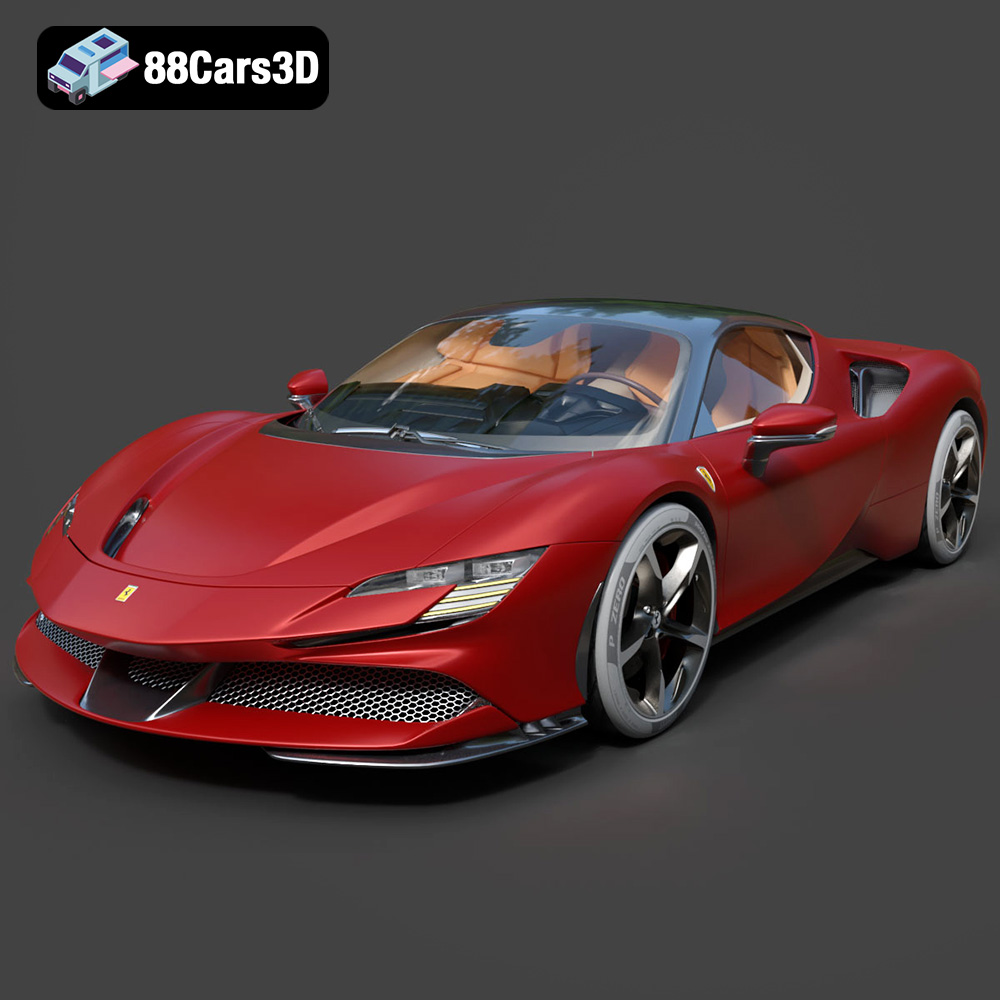
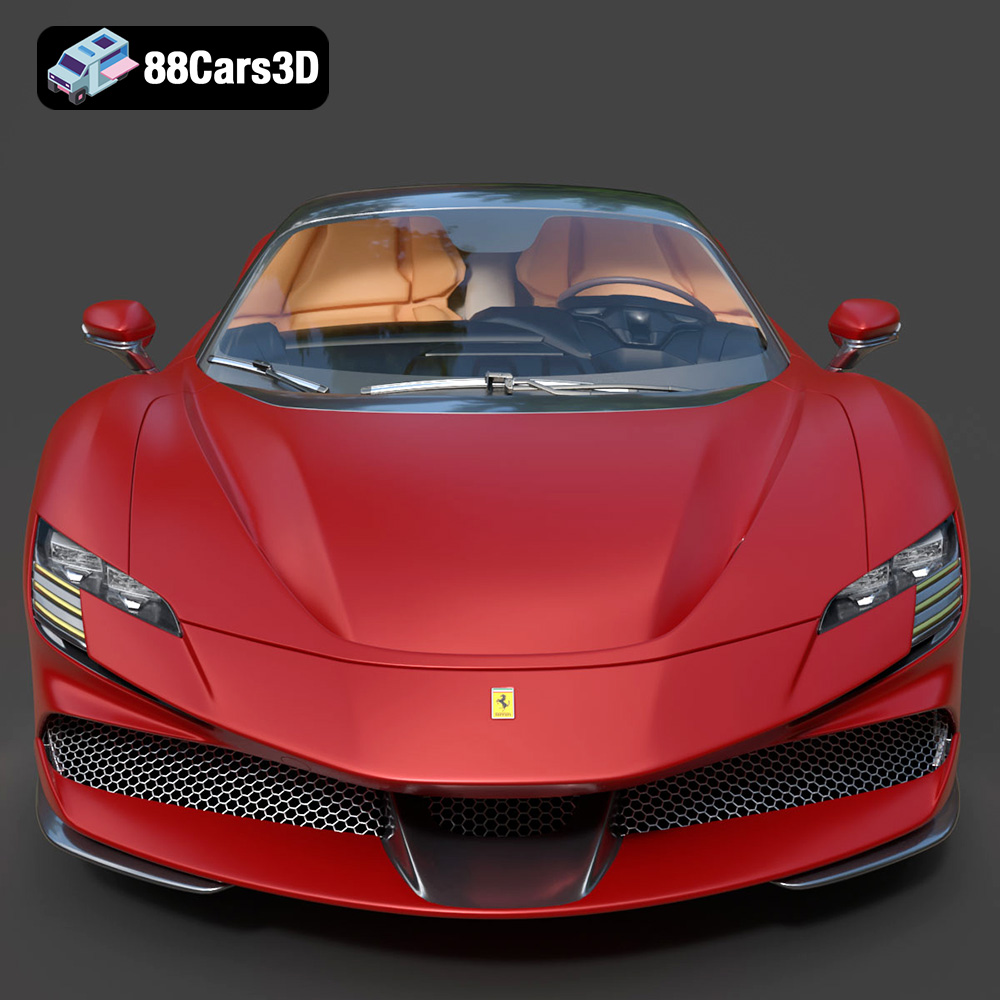
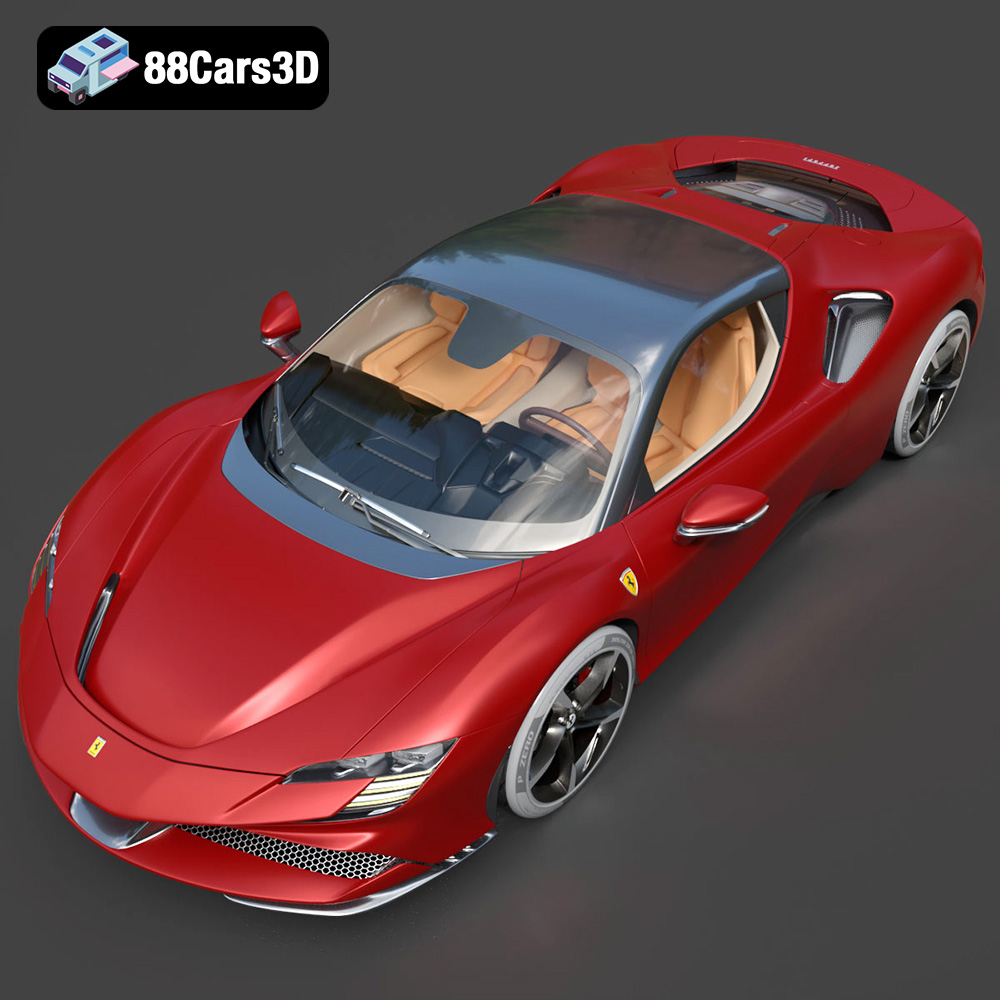
Imagine being able to integrate a legendary hypercar into your architectural visualization, game world, or an interactive AR experience with perfect fidelity. This is precisely the power that professional 3D car models provide. Today, we delve deep into the technical intricacies and creative potential unlocked by meticulously crafted assets, using an exceptional example: the Ferrari SF90 Stradale 2020 3D Model. This model, available on 88cars3d.com, is not just a digital representation; it’s a gateway to pushing the boundaries of what’s possible in professional design and interactive media.
The choice of file format is a critical decision in any 3D workflow, dictating compatibility, feature support, and downstream applications. A truly versatile 3D model, such as the Ferrari SF90 Stradale 2020, offers a comprehensive suite of formats, each optimized for specific use cases. Understanding these differences is paramount for maximizing efficiency and achieving desired results across various platforms and software.
The .blend file format is Blender’s native project file. When you acquire a .blend file for the Ferrari SF90 Stradale, you’re not just getting the mesh; you’re getting a fully editable Blender scene. This includes all materials, textures, lighting setups, and potentially even animation rigs. For Blender users, this offers unparalleled flexibility, allowing for direct modification, rendering, and scene composition without any conversion artifacts. Its open-source nature means a vast community supports it, and updates frequently enhance its capabilities, making it ideal for artists seeking full creative control within a powerful and free environment.
.fbx (Filmbox) is arguably the most ubiquitous 3D exchange format, developed by Autodesk. Its strength lies in its ability to store not just mesh data (vertices, faces, normals, UVs) but also materials, textures, animations, cameras, and lights. This makes it an ideal choice for transferring complex scenes between different 3D software packages like 3ds Max, Maya, and Blender, and crucially, into game engines such as Unreal Engine and Unity. When integrating the Ferrari SF90 into a real-time pipeline, the .fbx format ensures that the asset retains critical data for animation and material assignment, making it game-engine ready straight out of the box.
The .obj (Wavefront Object) format is a simple, universal geometry definition file. It primarily stores vertex data, texture coordinates, normals, and face information, along with references to external material files (.mtl). While it doesn’t support advanced features like animation or rigging, its simplicity ensures compatibility across virtually all 3D software. For static renders, 3D printing preparation, or as a fallback format, .obj is incredibly reliable. It’s perfect for the Ferrari SF90 when you need a clean mesh for a new project or to import into less common software.
.glb (GL Transmission Format Binary) is a relatively newer format that has rapidly gained traction, especially for web-based 3D, augmented reality (AR), and virtual reality (VR) applications. It is a binary version of glTF, which packages all necessary data—geometry, materials, textures, and animations—into a single, self-contained file. This optimization makes .glb files incredibly efficient for streaming and displaying 3D content in browsers, on mobile devices, and within AR/VR headsets. For showcasing the Ferrari SF90 in an interactive web configurator or an immersive AR app, .glb provides superior performance and ease of deployment.
The .stl (Stereolithography) format is the cornerstone of 3D printing and rapid prototyping. It describes only the surface geometry of a 3D object as a collection of unconnected triangular facets. It lacks color, texture, or material information, focusing solely on the object’s shape for additive manufacturing. If your goal is to 3D print a scaled model of the Ferrari SF90 Stradale, the .stl file provided ensures the mesh is properly prepared for slicing and printing, capturing the vehicle’s form for physical realization.
The .ply (Polygon File Format) is often used for storing 3D data from 3D scanners or for CAD applications. It can store a variety of data beyond just geometry, including color, transparency, and properties at each vertex or face. This makes it particularly useful for scientific visualization, engineering analysis, or when precise mesh data with additional attributes is required. For detailed inspection or reverse engineering studies of the Ferrari SF90, the .ply format offers a robust representation.
The .unreal format denotes an asset specifically configured for Unreal Engine. This isn’t a single file type but rather a collection of assets (meshes, materials, textures, blueprints) packaged and optimized to work seamlessly within Unreal Engine’s ecosystem. Using the .unreal version of the Ferrari SF90 Stradale means less time spent on importing, setting up materials, and optimizing geometry within the engine, allowing developers to jump directly into scene composition and interactivity. This pre-configuration saves significant development time and ensures optimal performance in a real-time environment.
Finally, the .max file is the native project format for Autodesk 3ds Max, one of the leading software packages for 3D modeling, animation, and rendering. Similar to .blend files, a .max file contains the entire scene data—geometry, materials, textures, lighting, cameras, and animations. For artists working in 3ds Max, this provides the most comprehensive and editable version of the Ferrari SF90 Stradale, allowing for high-end cinematic rendering, detailed animation, and integration into complex visualization projects. It offers maximum control for professional rendering pipelines.
Automotive rendering is a specialized field where the intersection of artistry and technical precision truly shines. Achieving photorealism for a vehicle like the Ferrari SF90 Stradale requires more than just a good model; it demands a deep understanding of light, materials, and composition. The Ferrari SF90 Stradale 2020 3D Model provides the perfect foundation for this demanding craft.
For many professional studios, 3ds Max remains the backbone of their automotive visualization workflow. Utilizing the provided .max file, artists can seamlessly import the Ferrari SF90 Stradale into their scene. The initial setup involves establishing a realistic lighting environment. This often begins with High Dynamic Range Images (HDRIs) that simulate real-world lighting conditions, capturing accurate reflections and ambient illumination. Coupled with strategic studio lighting setups – a combination of area lights, spot lights, and often dome lights – the vehicle’s intricate curves and finishes can be highlighted. Advanced renderers like V-Ray or Corona Renderer are then employed to calculate complex light interactions, ensuring that every glint and shadow is rendered with stunning accuracy. The clean geometry and expertly crafted UVs of the Ferrari SF90 Stradale 3D Model ensure that these lighting calculations are precise and efficient, preventing artifacts and expediting render times.
To truly elevate an automotive render beyond mere realism to breathtaking photorealism, several advanced techniques are indispensable. Global Illumination (GI) is crucial for simulating how light bounces around a scene, illuminating indirect areas and contributing to overall scene brightness and color bleed. Caustics, the focused light patterns produced by reflections and refractions through transparent and reflective surfaces, are particularly important for elements like headlights, taillights, and the intricate glass of the vehicle. Depth of Field (DOF) can draw the viewer’s eye to specific details, mimicking how a camera lens focuses. Finally, post-production in software like Adobe Photoshop or After Effects allows for fine-tuning, color grading, adding subtle atmospheric effects, and compositing multiple render passes. The high-resolution materials and professional-grade quality of the Ferrari SF90 Stradale 3D Model from 88cars3d.com provide the robust data needed to support these complex rendering techniques, ensuring that the final output is nothing short of spectacular.
The interactive nature of game development presents a unique set of challenges compared to static rendering. Game assets must not only look incredible but also perform efficiently in real-time environments, often under strict performance budgets. The Ferrari SF90 Stradale 2020 3D Model is meticulously optimized to meet these rigorous demands, making it an invaluable asset for game developers.
When developing for platforms like Unreal Engine or Unity, the primary goal is often to balance visual fidelity with frame rate performance. The provided .fbx and .unreal files for the Ferrari SF90 Stradale are designed precisely for this purpose. Developers can import these formats directly into their engine, leveraging pre-configured materials and optimized geometry. The model’s “clean and efficient geometry” is a critical feature, meaning it has an appropriate poly count that can be used for various Levels of Detail (LODs). For instance, a high-poly version can be used when the car is close to the camera, while progressively lower-poly versions can be swapped in as the car moves further away, dramatically improving performance without a noticeable drop in visual quality. Additionally, pre-built collision meshes ensure accurate physical interactions within the game world. Real-time lighting, screen-space reflections, and increasingly, hardware-accelerated ray tracing within engines, can then be utilized to make the car shine, reflecting the game environment realistically.
Every decision in game development, from asset poly count to texture resolution, impacts the player’s experience. A high-quality game asset like the Ferrari SF90 Stradale minimizes draw calls, optimizes rendering performance, and ensures smooth gameplay. For racing games, open-world environments, or even interactive car configurators, the responsiveness and visual consistency of the vehicle are paramount. Leveraging professional 3D car models significantly reduces the burden on development teams, allowing them to focus on game mechanics and overall experience rather than spending countless hours optimizing base assets. The realistic materials and textures integrated into the SF90 model ensure that regardless of the lighting or environment in the game, the car maintains its iconic appearance, enhancing immersion and player satisfaction.
The boundaries of 3D visualization are constantly expanding, with augmented reality (AR), virtual reality (VR), and interactive web experiences becoming increasingly prevalent. These emerging platforms demand 3D models that are not only visually striking but also highly optimized for diverse hardware and streaming capabilities. The Ferrari SF90 Stradale 2020 3D Model demonstrates exceptional adaptability for these cutting-edge applications.
For delivering 3D content in AR, VR, and web environments, efficiency is key. Mobile phones and VR headsets have more constrained processing power than high-end rendering workstations. This is where the .glb format for the Ferrari SF90 Stradale truly shines. As a single, self-contained binary file, .glb is highly optimized for fast loading and rendering in browsers and AR/VR applications. Its compactness and support for PBR (Physically Based Rendering) materials allow for stunning visual quality without sacrificing performance. Imagine a virtual showroom where customers can explore the Ferrari SF90 in full 3D from their web browser, or an AR app that projects a life-sized SF90 into their driveway. The clean geometry and efficient texture packing of models from 88cars3d.com are essential for these scenarios, ensuring smooth interaction and a compelling user experience even on less powerful devices.
Beyond the glamour of marketing and entertainment, professional 3D models serve critical roles in scientific visualization and industrial design. The Ferrari SF90 Stradale model, with its inclusion of .ply and .stl formats, caters to these specialized needs. The .ply format, known for its ability to store precise polygon mesh data, can be invaluable for engineers or researchers conducting aerodynamic simulations, structural analyses, or detailed visualizations of automotive components. Its capacity for storing additional vertex properties makes it suitable for detailed data mapping. Similarly, the .stl format is the standard for 3D printing, enabling rapid prototyping and the creation of physical models. For automotive designers, engineers, or even enthusiasts, being able to quickly generate a tangible, scaled prototype of the SF90 Stradale allows for tactile evaluation of its form, proportions, and aesthetic details, bridging the gap between digital design and physical manifestation.
In any professional 3D project, time is money, and quality is paramount. The decision to use pre-made, high-quality 3D car models like the Ferrari SF90 Stradale 2020 can have a profound impact on a project’s efficiency, cost-effectiveness, and ultimate success. Investing in professional-grade assets is a strategic move for studios and individual artists alike.
Modeling a complex vehicle like the Ferrari SF90 Stradale from scratch can take hundreds, if not thousands, of hours for even experienced artists. This includes meticulous blueprint matching, clean topology creation, UV unwrapping, and material development. By acquiring a professionally made model, such as those available on 88cars3d.com, you bypass this arduous process entirely. The time saved can be redirected towards crucial aspects of your project, such as scene composition, animation, lighting, or interactivity. Moreover, these models come with guaranteed clean and efficient geometry, realistic materials, and proper UV mapping, eliminating the guesswork and potential errors associated with custom modeling. This assurance of quality reduces iteration cycles and ensures that the final product meets industry standards without requiring extensive clean-up or rework.
Consider a large-scale game development project or an architectural visualization studio that needs to populate multiple scenes with diverse vehicles. Building each car from scratch would be an insurmountable task. Professional 3D car models provide a scalable solution, allowing teams to quickly integrate high-quality assets into vast environments. For instance, an automotive commercial might feature the Ferrari SF90 Stradale racing through a digitally constructed city. Instead of modeling the car, the focus can be entirely on dynamic camera movements, visual effects, and environmental details, significantly shortening production timelines. The versatility of the Ferrari SF90 Stradale 2020 3D Model, with its range of file formats and applications, makes it an ideal choice for projects that demand both flexibility and uncompromised quality, enabling artists to take on more ambitious projects with confidence and efficiency.
The world of 3D visualization is a confluence of art, technology, and meticulous craftsmanship. At its core are the assets that bring digital worlds to life. The Ferrari SF90 Stradale 2020 3D Model exemplifies the pinnacle of professional 3D car models, offering an exceptional blend of visual fidelity, technical precision, and format versatility. Whether your objective is to create breathtaking automotive renders, design immersive game experiences, deploy interactive AR/VR applications, or even produce physical prototypes through 3D printing, this model provides the robust foundation you need.
Understanding the nuances of file formats, the demands of various professional workflows, and the invaluable time-saving benefits of expertly crafted assets empowers creators to push their boundaries. For those seeking to integrate the ultimate hypercar into their next project, models like the Ferrari SF90 Stradale from 88cars3d.com are not just purchases; they are investments in quality, efficiency, and unparalleled digital realism. Unlock the full potential of your creative vision with assets designed for excellence.
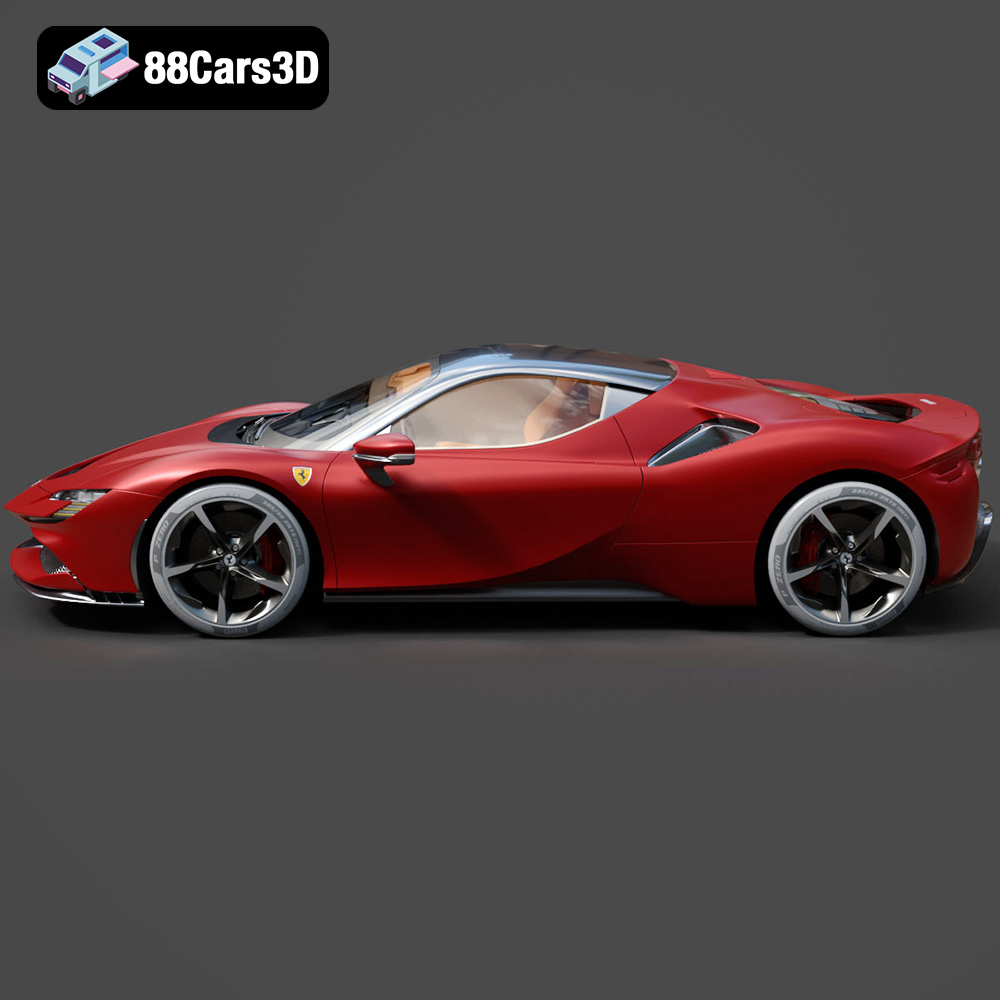
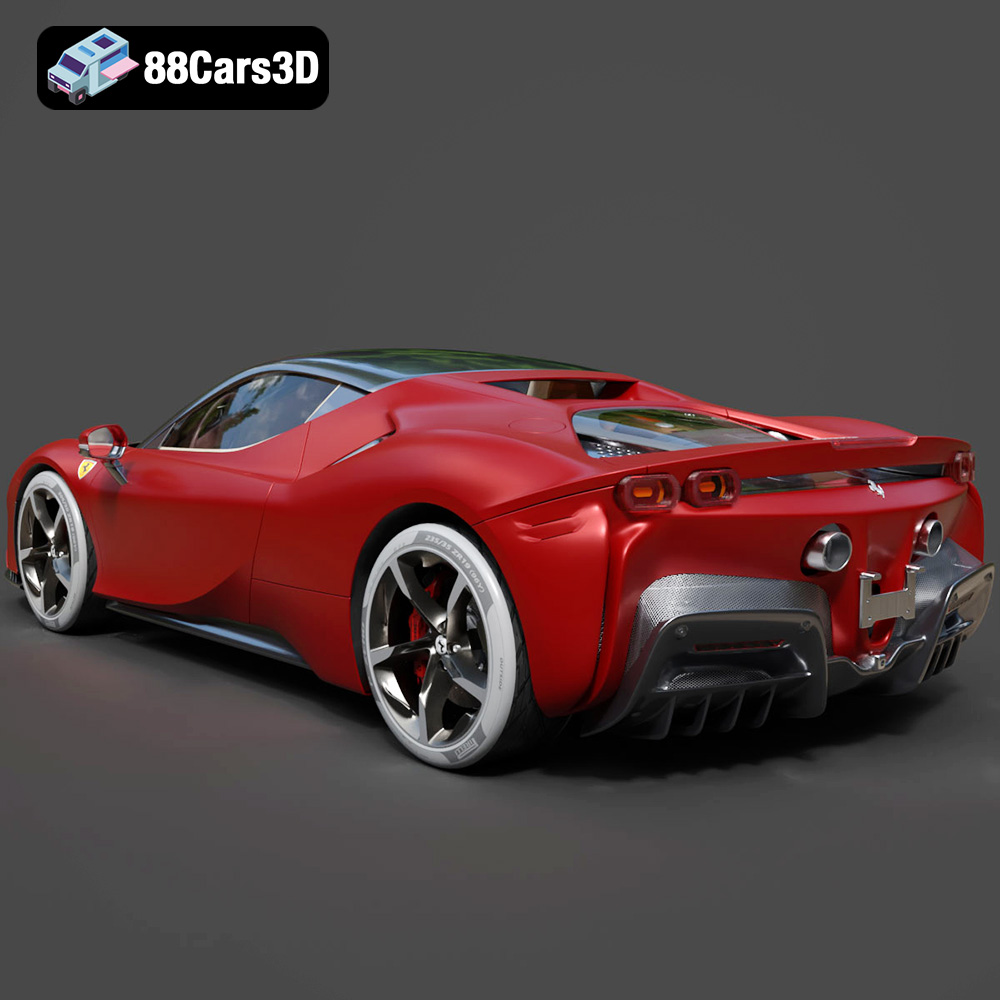
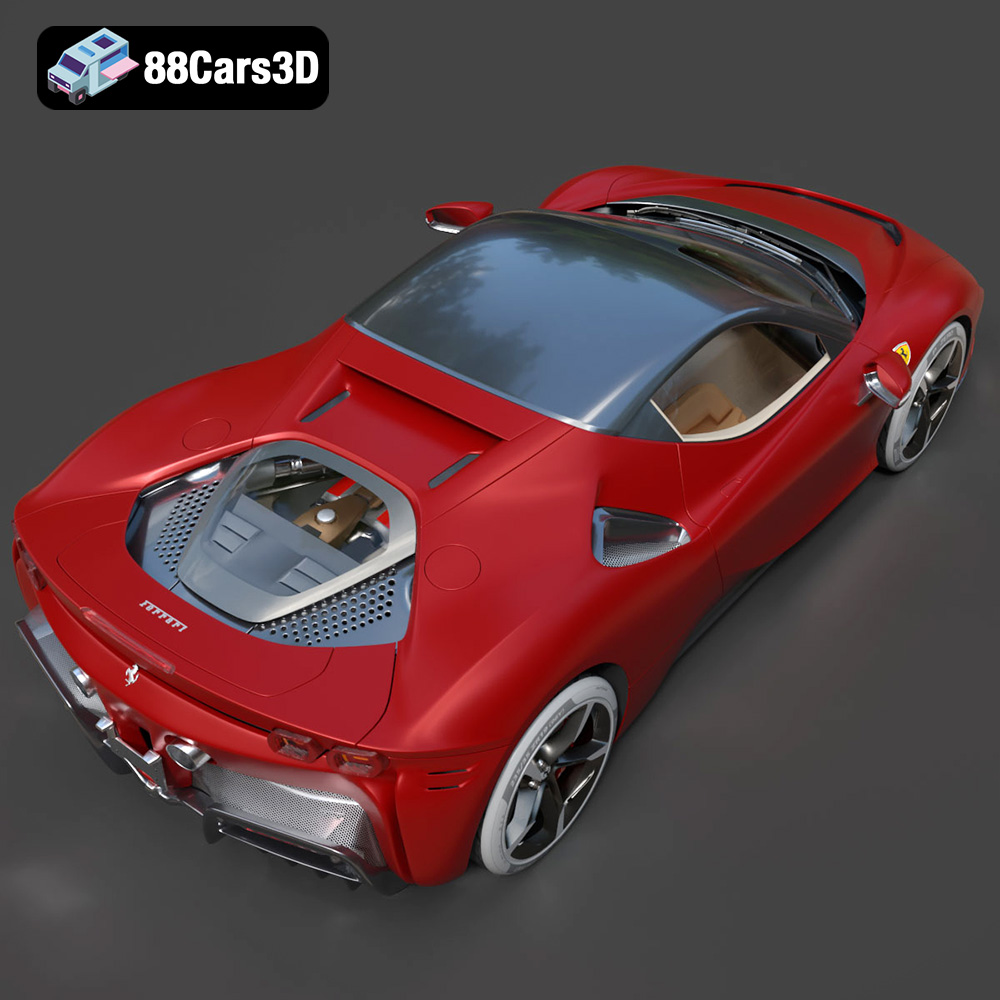
Experience the pinnacle of automotive engineering with our meticulously crafted 3D model of the Ferrari SF90 Stradale. This model embodies the perfect fusion of hypercar performance and cutting-edge technology, capturing every detail of the iconic Italian masterpiece with stunning accuracy.
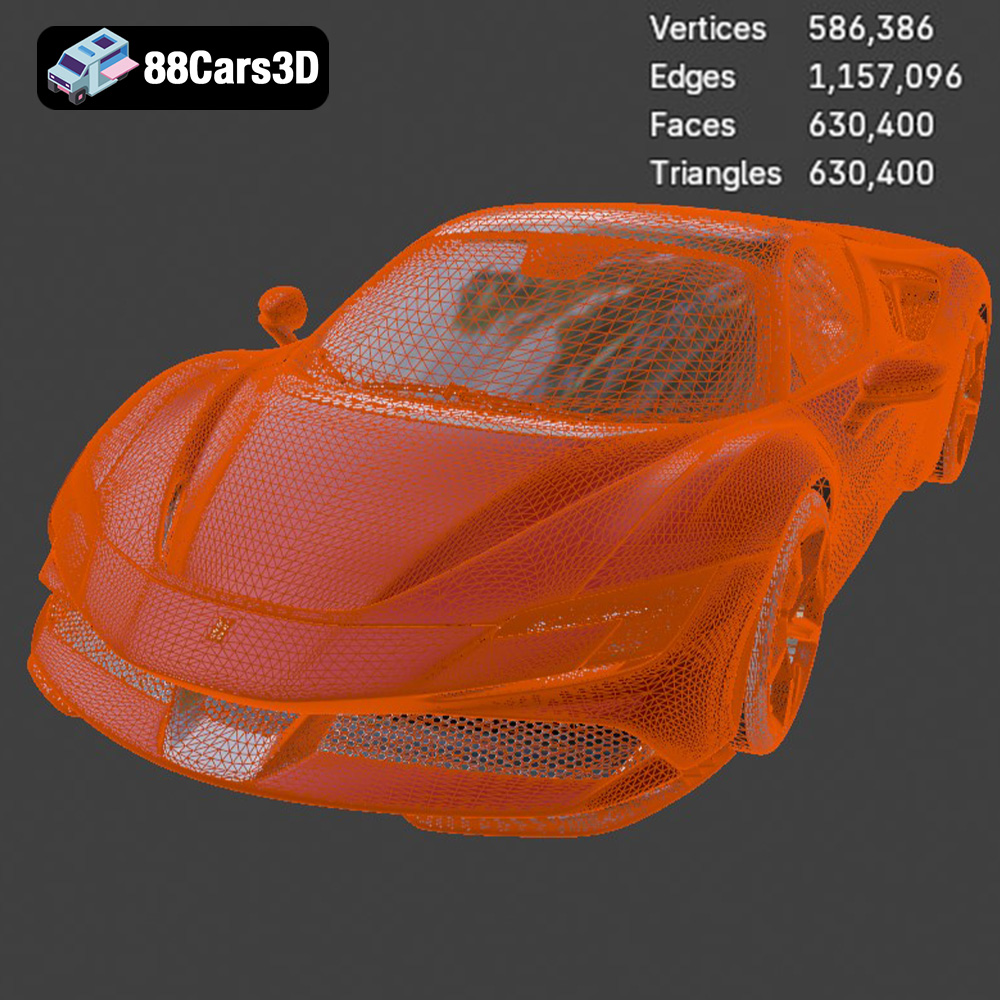
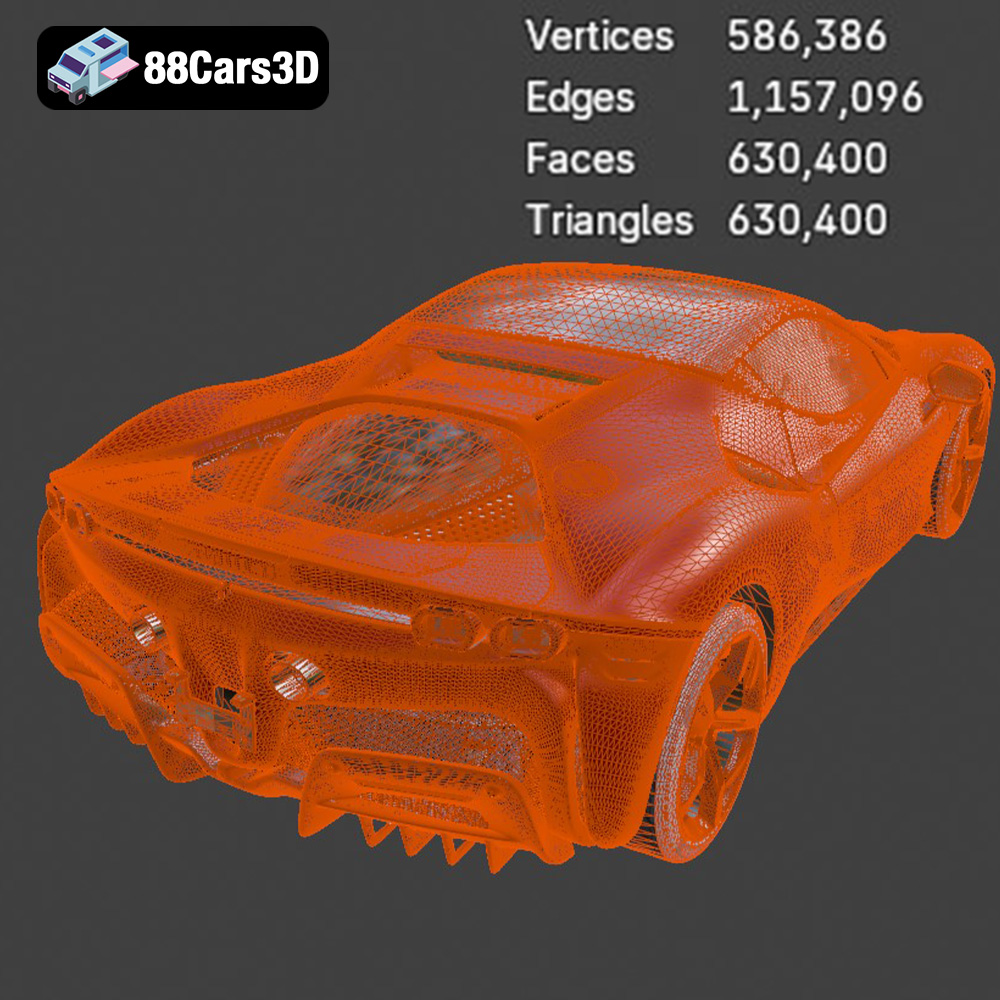
Our 3D model features clean geometry, ensuring seamless integration into any project. Realistic materials and textures enhance the visual fidelity, delivering a lifelike representation that stands out in any application. Created with professional quality in mind, this model is optimized for a variety of uses, from game development to high-end rendering.
Key Features:
Applications:
Provided File Formats:
$19.99
.arvr
.blend
.car3dmodel
.fbx
.ferrari
.gameasset
.glb
.max
.obj
.ply
.rendering
.sf90
.sf90stradale
.simulation
.sportsCar
.stl
.stradale
.unreal