Get 50% OFF All Premium 3D & STL Models!

In the vast, dynamic world of 3D visualization, automotive rendering, and game development, the pursuit of photorealism is an unending journey. Artists and developers pour countless hours into meticulously crafting detailed environments, lifelike characters, and stunning hero assets. Yet, a common oversight can often break the illusion faster than anything else: the cars that populate the scene. While a fleet of futuristic supercars might look impressive, a virtual city street filled exclusively with high-end luxury vehicles instantly feels artificial and unrelatable.
True authenticity in urban landscapes, sprawling game worlds, or intricate architectural visualizations comes not just from the extraordinary, but from the everyday. The subtle hum of familiar traffic, the sight of a common sedan, or the presence of a delivery van grounds a scene in reality, making it truly believable. This is where the “Everyday City Traffic Essentials pack” from 88cars3d.com steps in. This invaluable 5-in-1 bundle provides a diverse collection of civilian cars and a commercial vehicle, meticulously designed to inject unparalleled realism into any professional 3D project. It’s the unsung hero that turns a mere 3D scene into a living, breathing environment, ensuring your audience’s immersion remains unbroken.
For decades, the focus in 3D automotive modeling often gravitated towards exotic, high-performance vehicles. While these models are undoubtedly captivating, they represent a tiny fraction of the global vehicle fleet. Professional studios understand that to create a truly convincing virtual world, whether for a blockbuster movie, a sprawling open-world game, or a detailed architectural walkthrough, the environment needs to mirror reality – and reality is filled with everyday cars.
Imagine an architectural render showcasing a stunning new high-rise. If the street in front is populated solely by sleek sports cars, it immediately feels staged, like a car show rather than a bustling urban street. Everyday vehicles – a modest hatchback, an older SUV, a compact city car – convey a sense of normalcy and lived-in authenticity. They suggest movement, purpose, and the mundane activities that define a city, making the main architectural subject stand out precisely because its surroundings are so believable. This is the core strength of 3D car models like those found in the Everyday City Traffic Essentials pack; they provide the contextual realism that elevates a scene from good to exceptional.
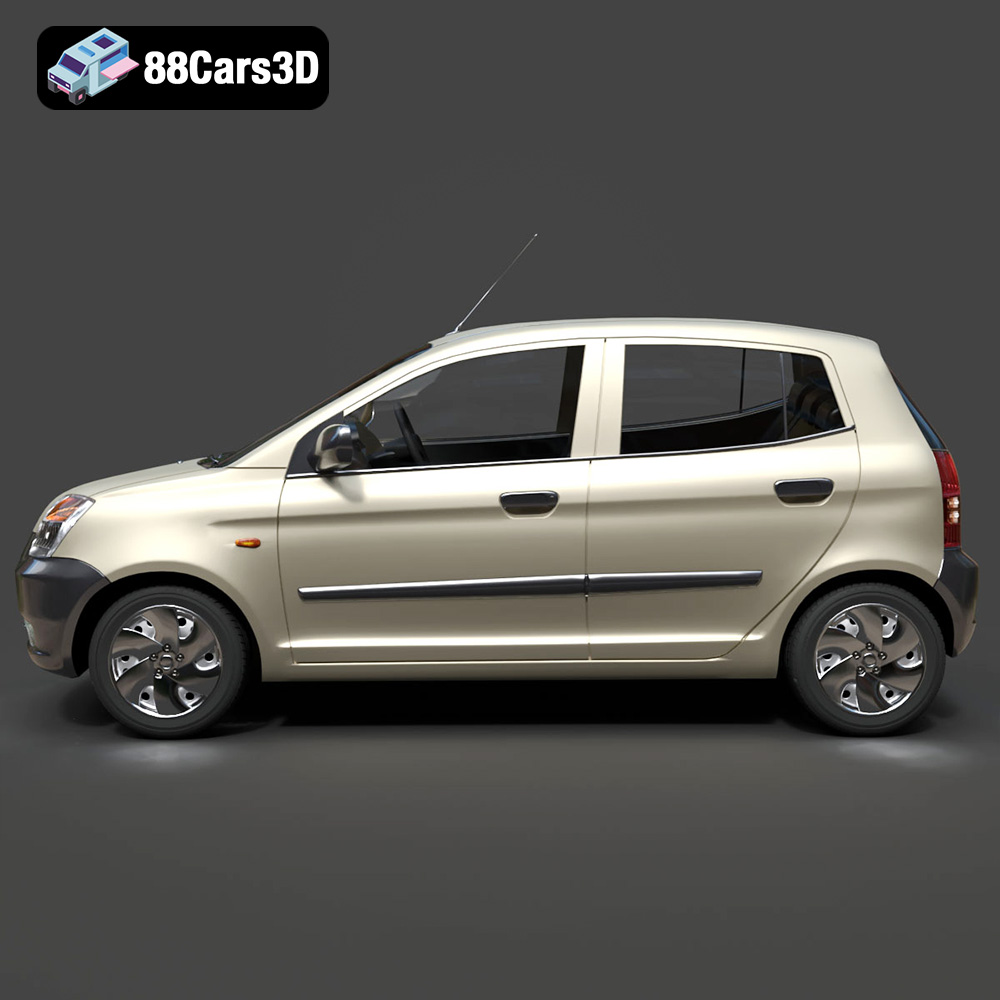
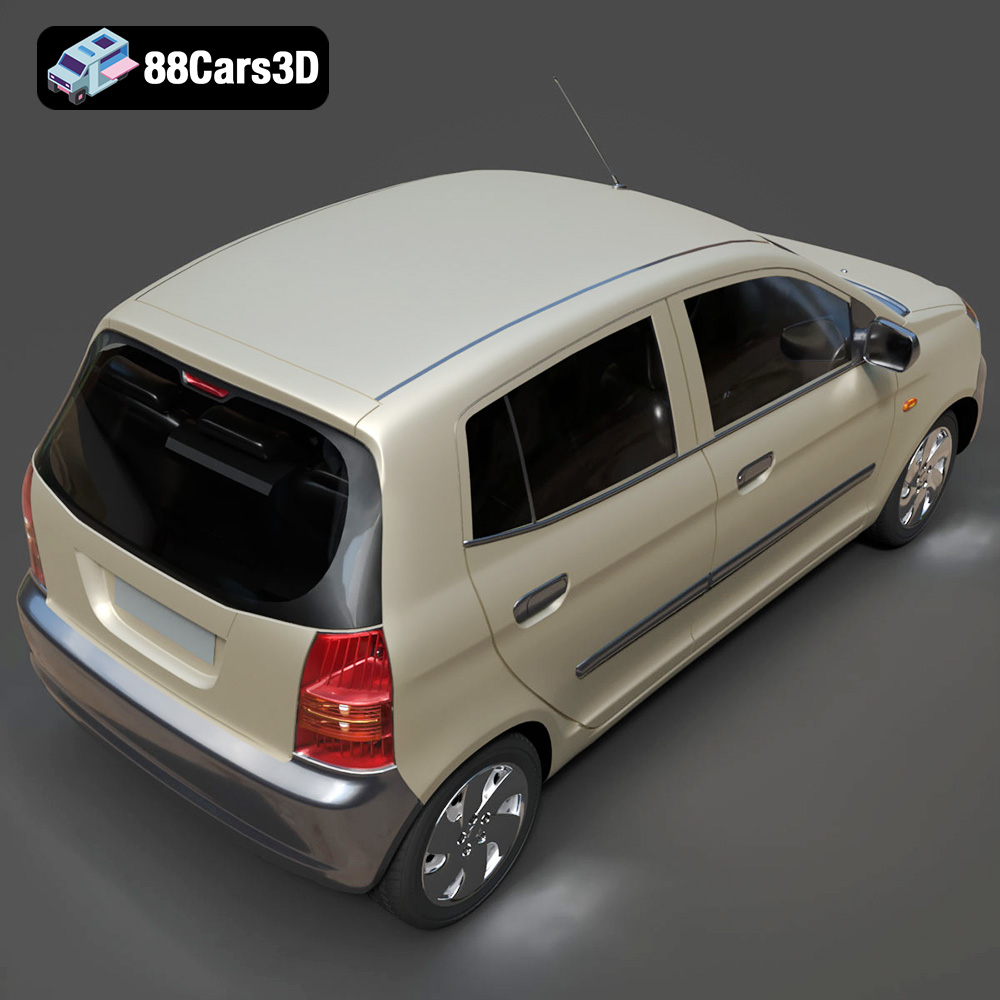
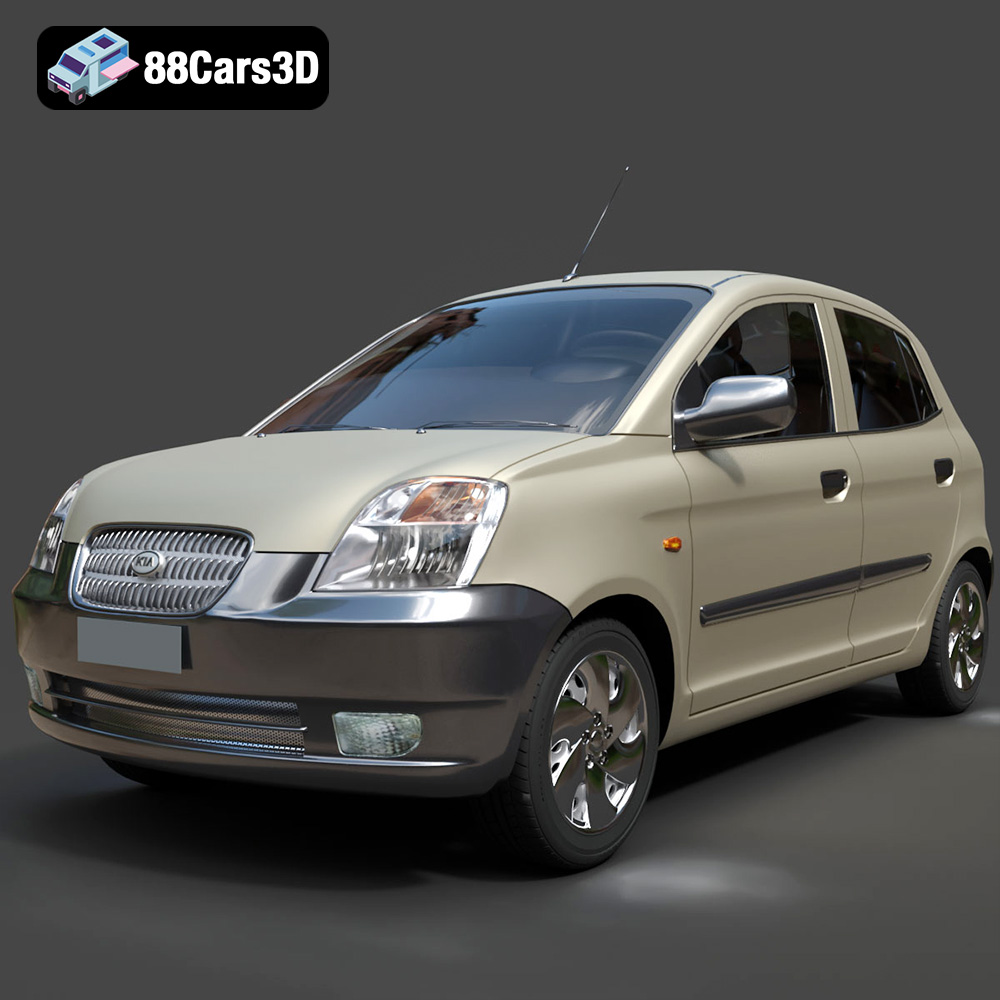
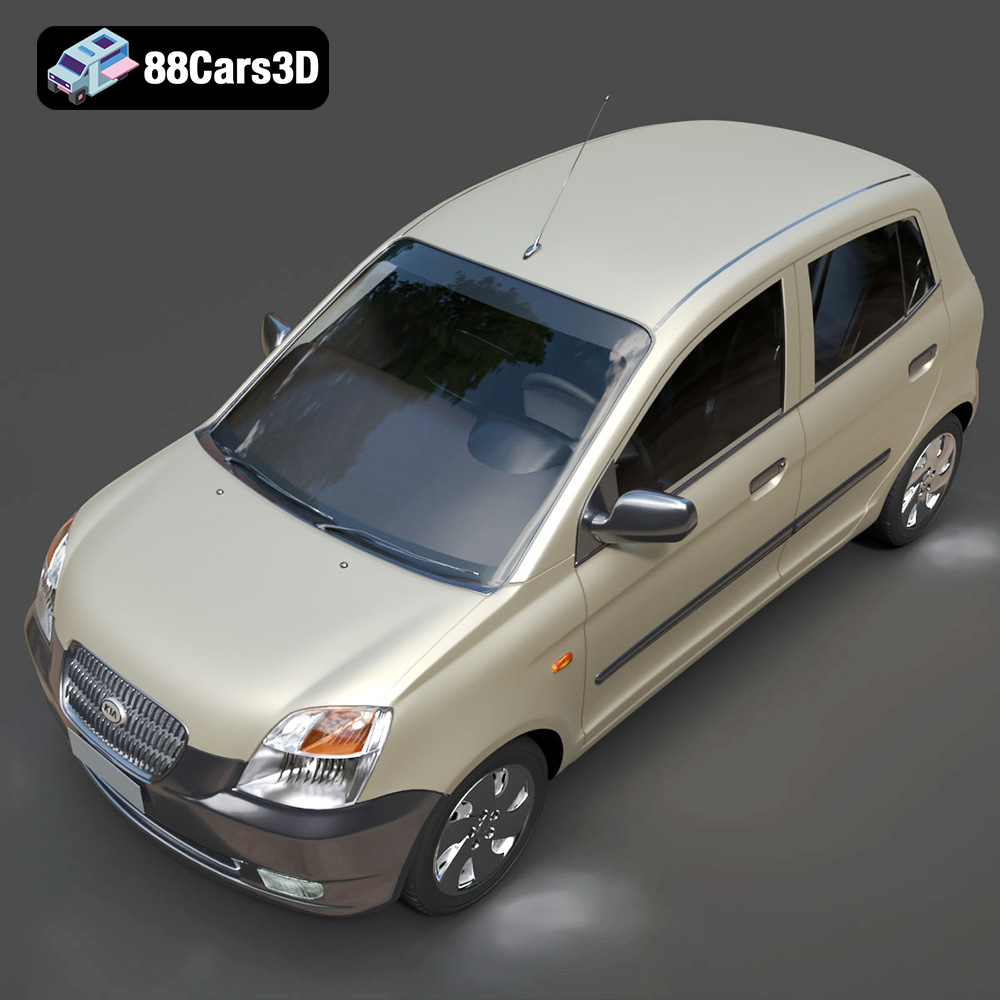
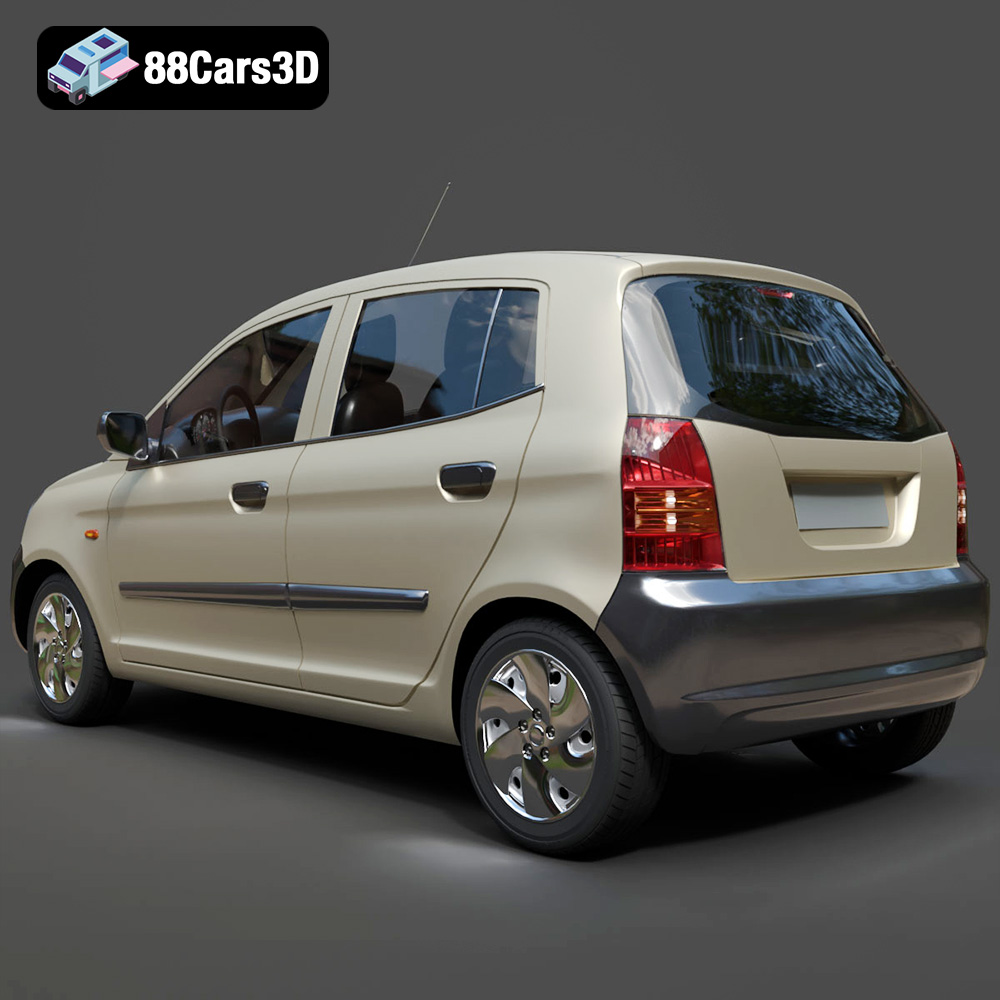
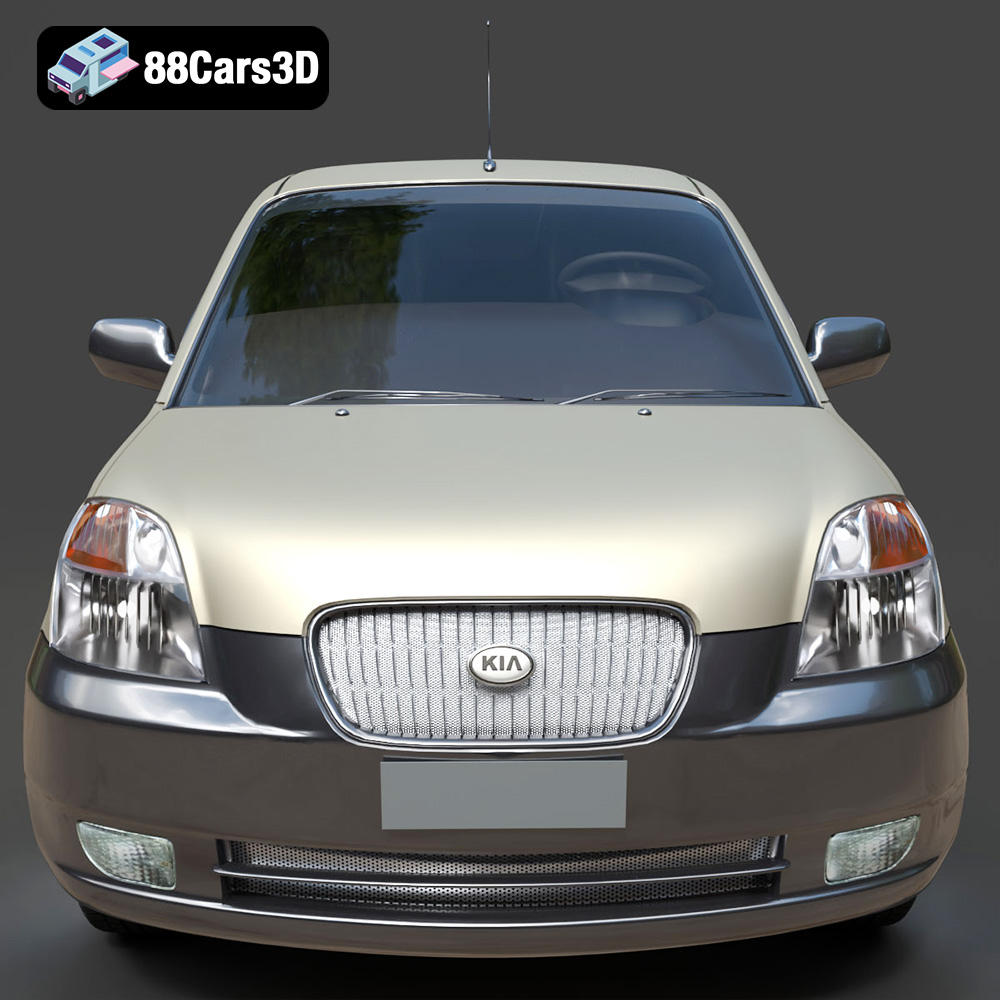
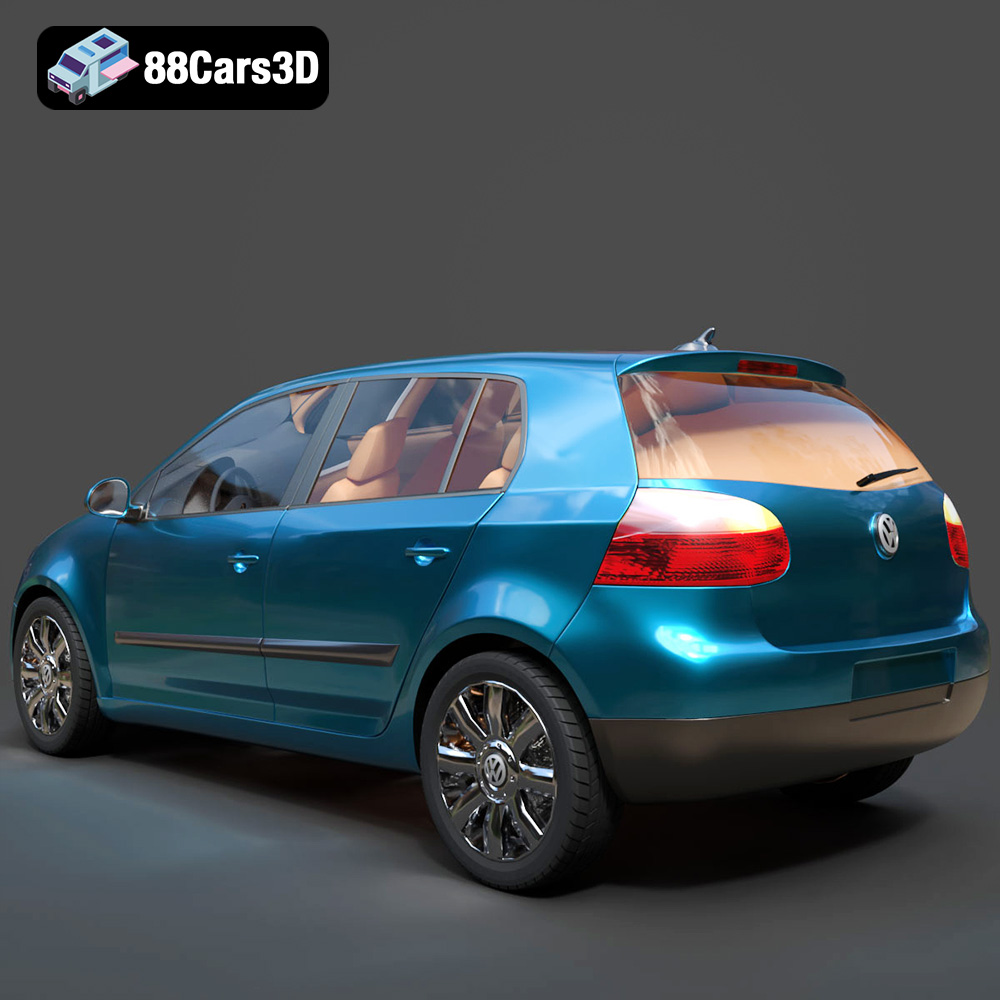
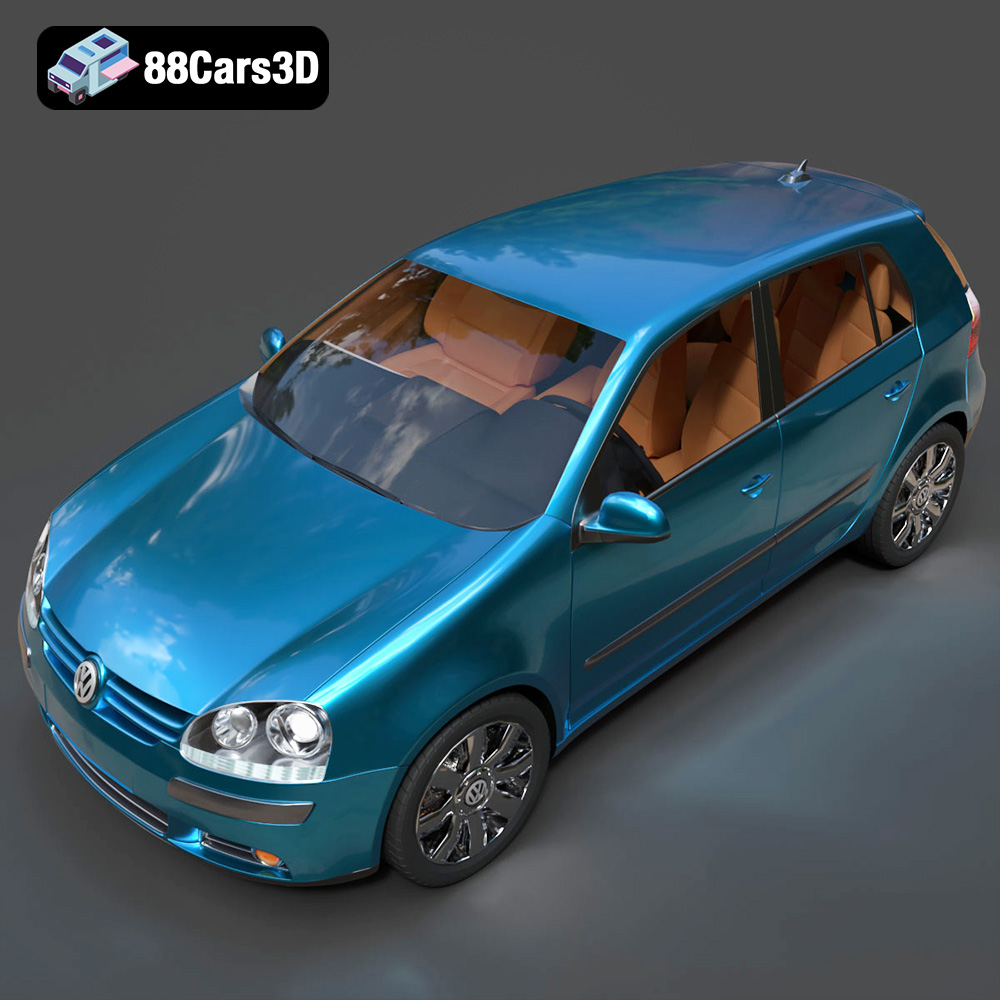
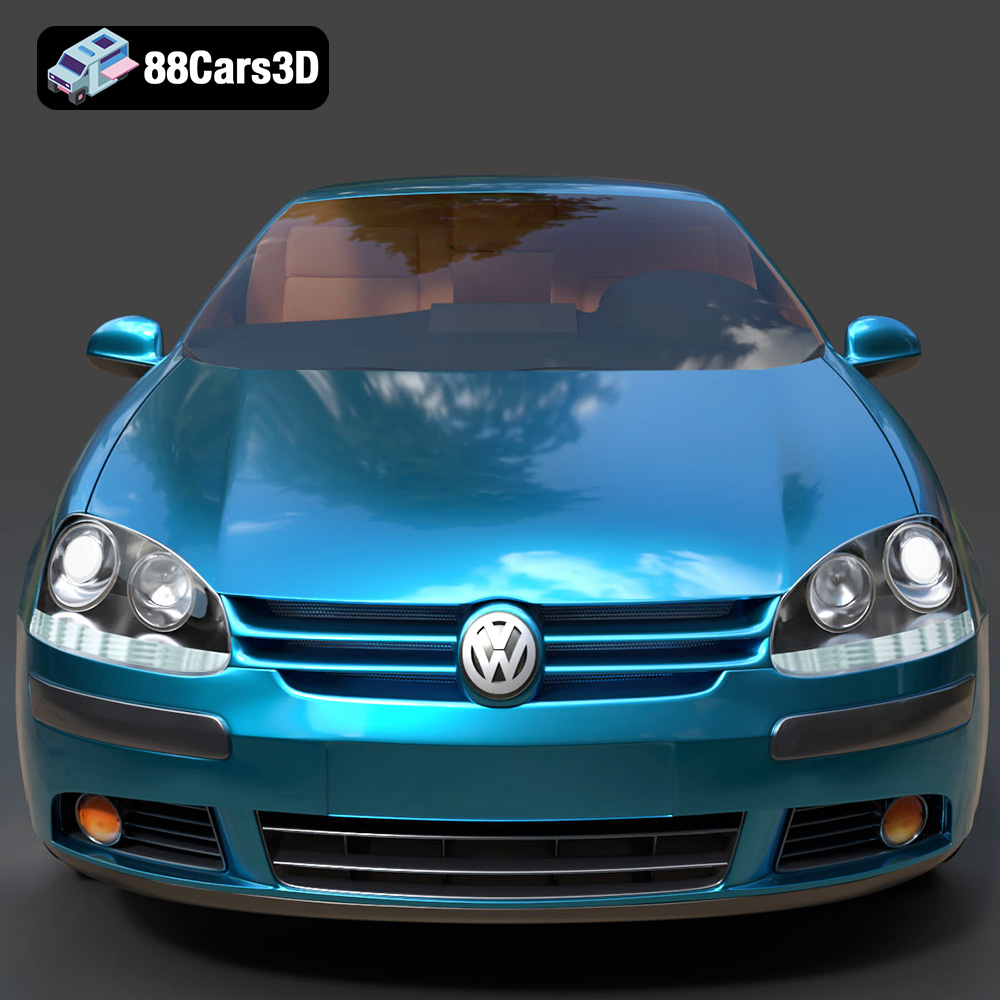
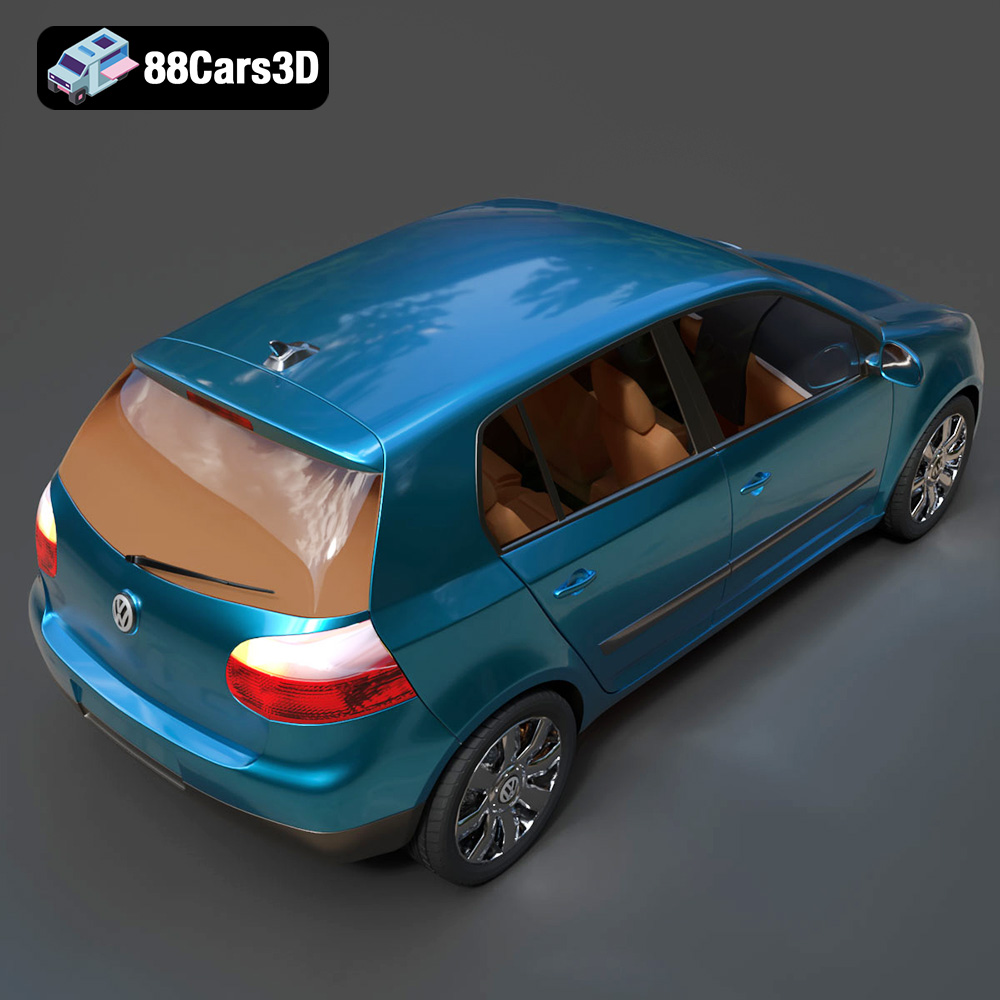
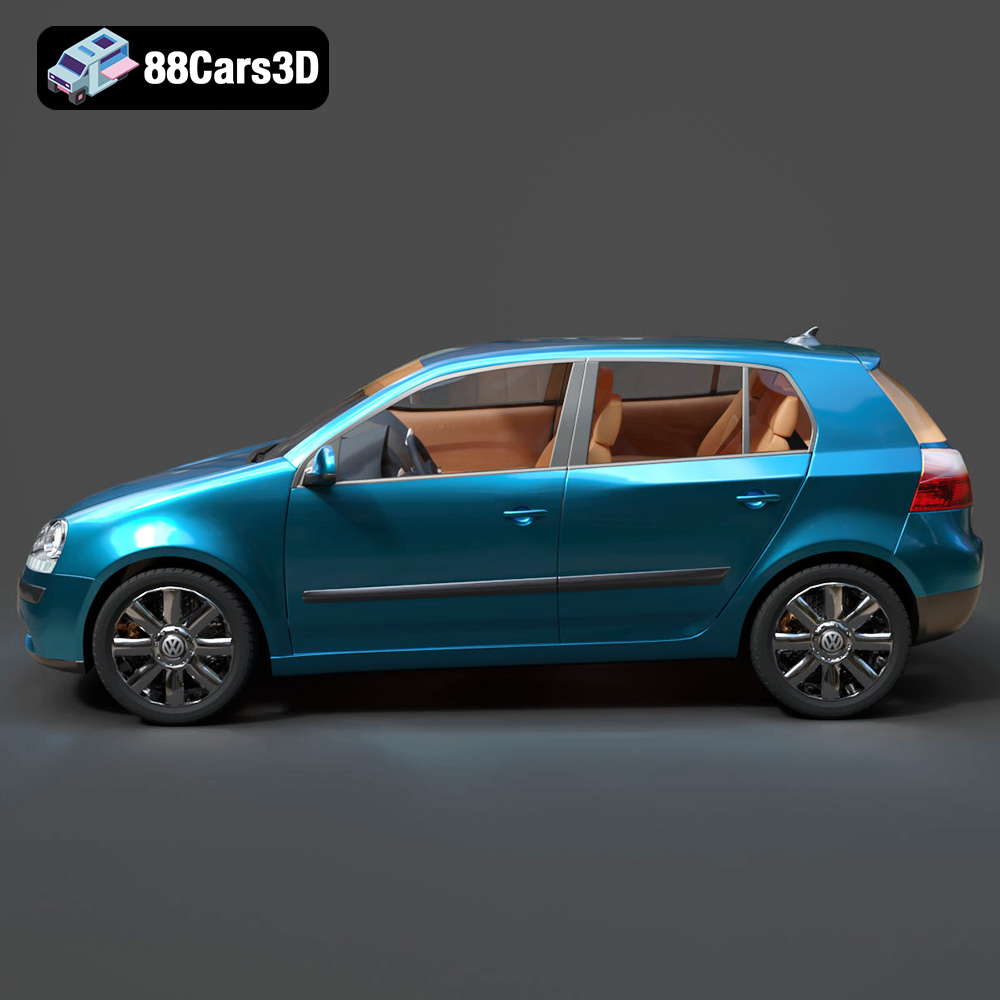
In game development, particularly for open-world titles, civilian traffic is more than just background noise; it’s a vital component of world-building. NPC (non-player character) vehicles, traffic flow, and parked cars contribute significantly to the player’s sense of immersion. A street populated by realistic, diverse models – from the classic Volkswagen Golf to a modern Kia Picanto – tells a story about the city, its economy, and its inhabitants. It makes the world feel dynamic and less like a static set piece. Developers rely on optimized, varied assets to achieve this without compromising performance, and this bundle offers exactly that blend of variety and technical readiness.
Navigating the diverse landscape of 3D model file formats is crucial for any professional working with digital assets. Each format serves a specific purpose, offering unique advantages in terms of compatibility, features, and optimization for various workflows. Understanding when and why to use each format can streamline production and prevent countless headaches. The Everyday City Traffic Essentials pack, for example, is supplied in a comprehensive range of formats, ensuring maximum flexibility across different software and pipelines.
The .blend file is Blender’s native format, containing a complete scene with all objects, meshes, materials, textures, animations, and lighting setups. It’s the ideal choice for Blender users who need full editability and access to all modifiers, node-based materials, and rig controls. If you’re planning to further refine the models, create custom animations within Blender, or integrate them into a Blender-centric pipeline, the .blend format provides the most comprehensive starting point. Its self-contained nature ensures that all scene data is preserved, offering unparalleled flexibility for artists deeply embedded in the Blender ecosystem.
FBX (Filmbox) is a proprietary file format developed by Autodesk, widely regarded as the industry standard for 3D asset exchange. It supports geometry, materials, textures, animations, and skeletal data, making it ideal for transferring models between different 3D software packages like 3ds Max, Maya, Blender, and directly into game engines like Unreal Engine and Unity. For real-time pipelines, .fbx is often the preferred choice due to its robust support for animation rigs, LODs (Levels of Detail), and scene hierarchies. When importing models for game development or animated sequences, .fbx ensures that crucial data like pivot points (already properly set up in the Everyday City Traffic bundle) and separated parts are maintained for seamless integration.
OBJ (Object) is one of the oldest and most universally supported 3D file formats. It’s an excellent choice for straightforward geometry exchange, particularly when dealing with static meshes. An .obj file stores vertex positions, UV coordinates, normals, and face information, often accompanied by an .mtl (material library) file for basic material definitions. While it doesn’t support animation or rigging, its simplicity and wide compatibility make it a reliable fallback for cross-software integration. For rendering static scenes or preparing models for 3D printing where complex rigging isn’t required, .obj remains a go-to format.
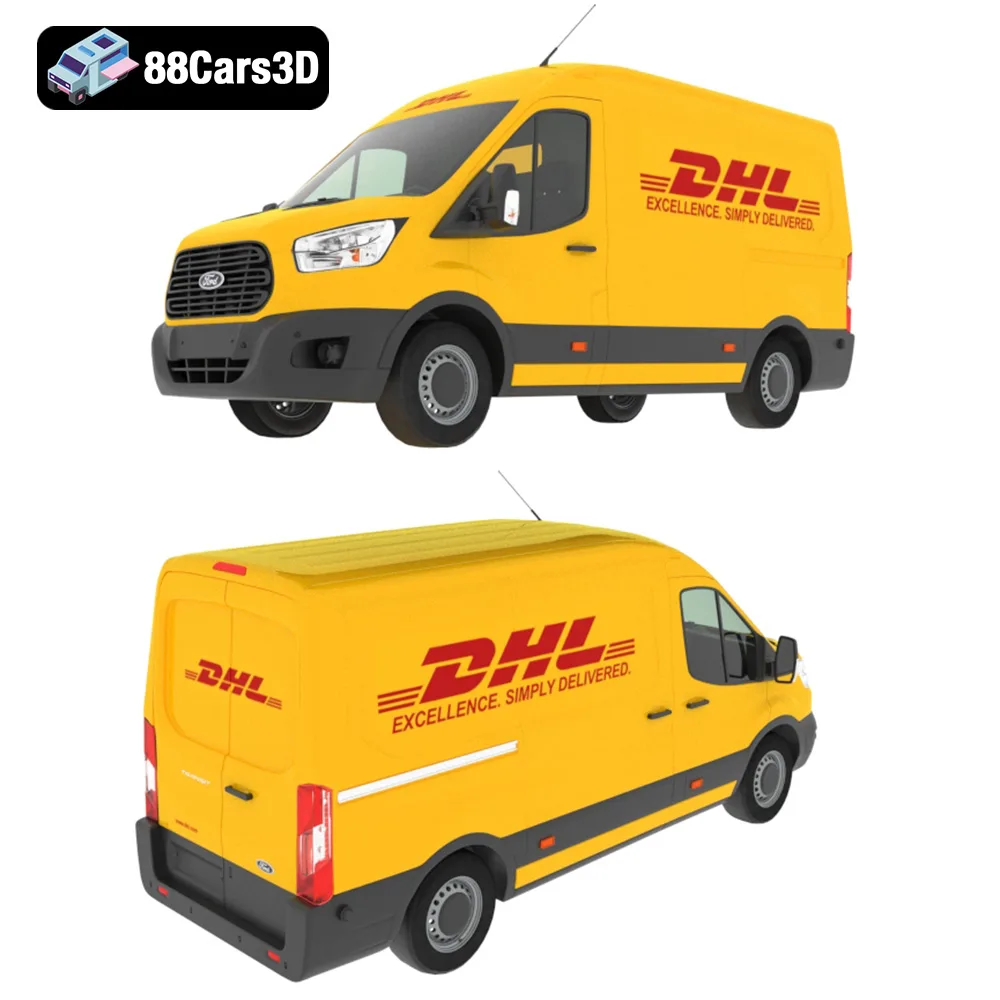
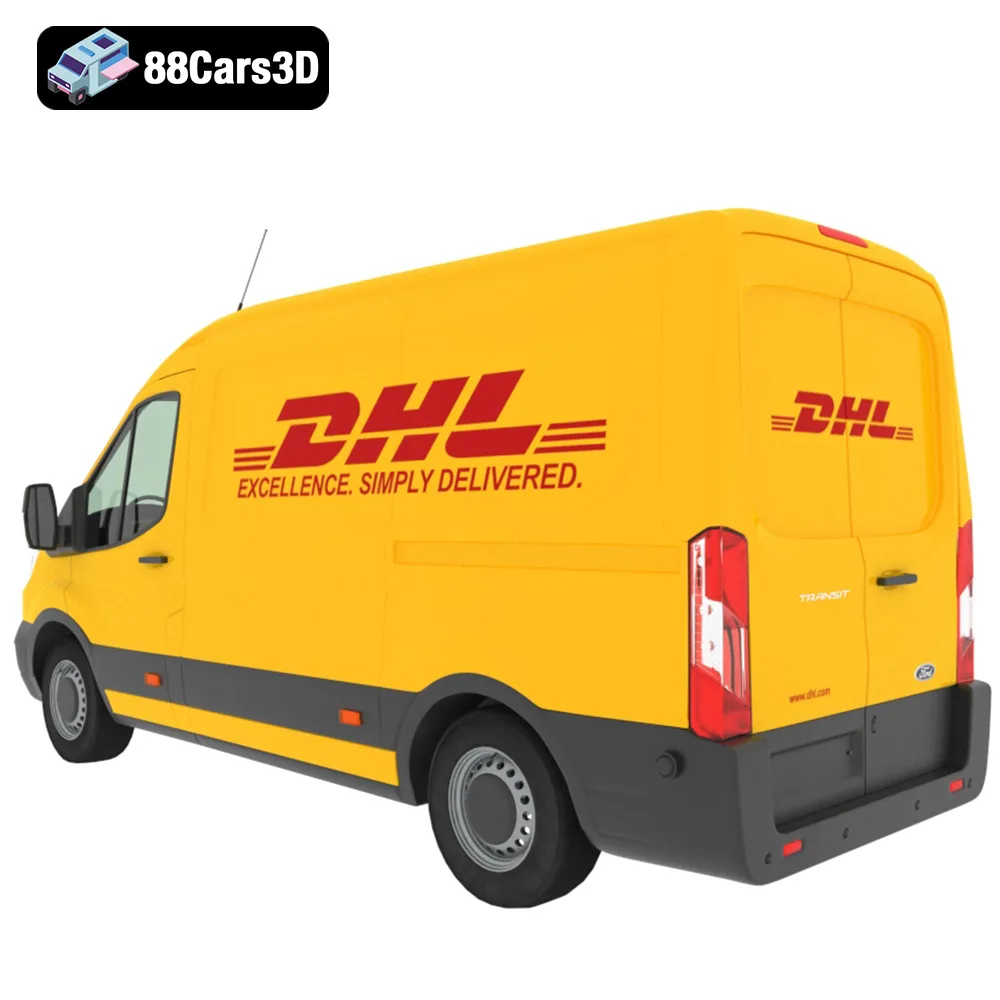
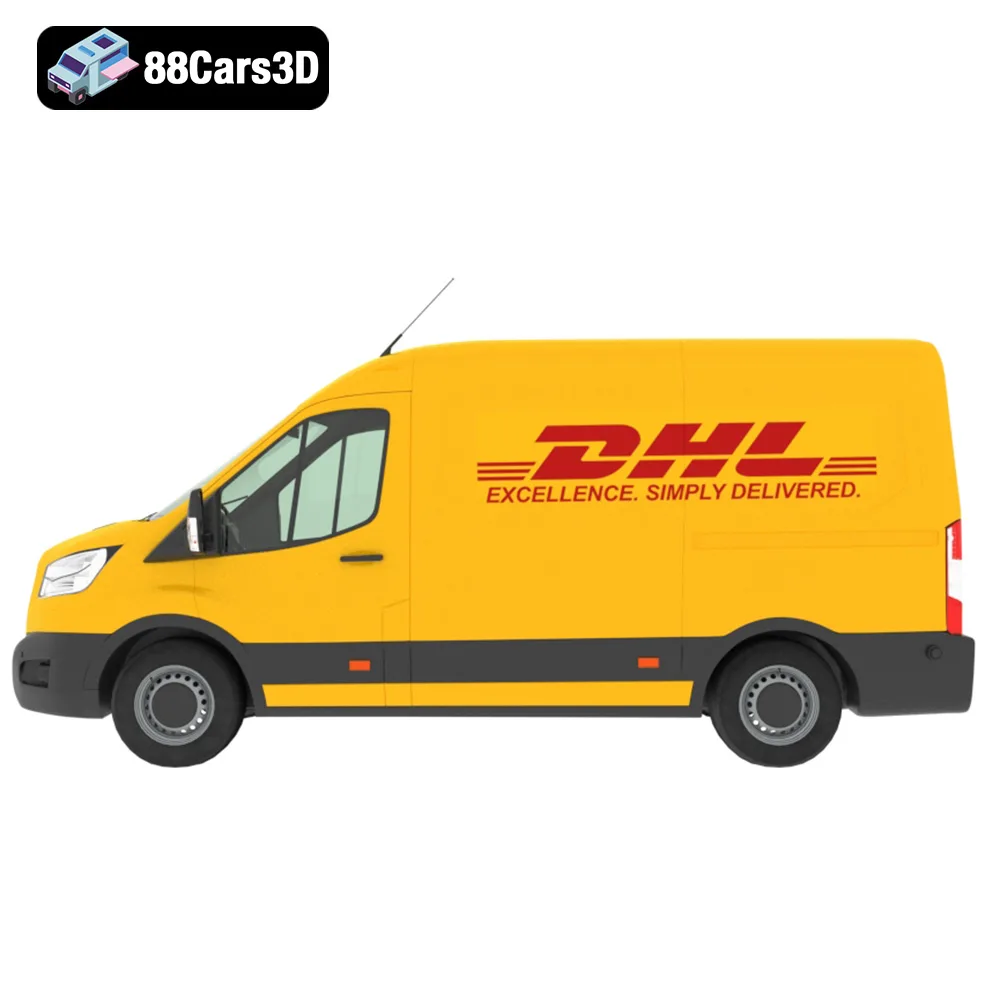
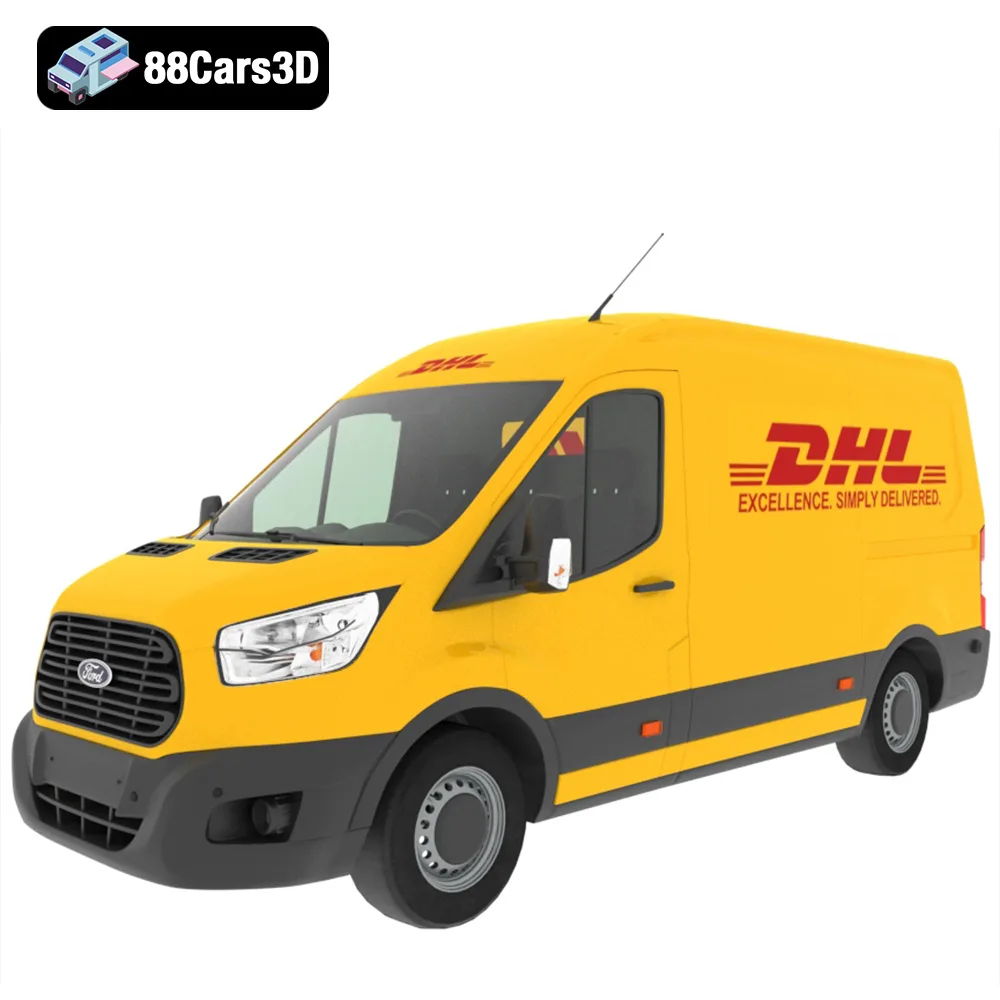
GLB (GL Transmission Format Binary) is a relatively newer format designed for efficient transmission and loading of 3D scenes and models, particularly optimized for web-based applications, augmented reality (AR), and virtual reality (VR). It’s a binary format that embeds all assets (geometry, materials, textures, animations) into a single file, making it very portable and easy to share. The .glb format is quickly becoming the standard for displaying 3D content directly in browsers and AR/VR experiences, offering a streamlined workflow for showcasing models like the Kia Picanto or Ford Transit DHL van in interactive contexts without complex setups.
STL (Stereolithography) is almost exclusively used for 3D printing. It represents a 3D model as a series of connected triangles, describing only the surface geometry of an object without color, texture, or other CAD attributes. While simple, its ubiquity makes it the fundamental format for sending models to 3D printers. For the Everyday City Traffic Essentials pack, the inclusion of .stl files means that these digital assets can be transformed into physical scale models, perfect for architectural dioramas or tabletop displays, directly adhering to the specified 3D print settings.
PLY (Polygon File Format), sometimes referred to as the Stanford Triangle Format, is a robust format for storing 3D data from 3D scanners, CAD software, and other applications that require high precision. It supports a wider range of properties than .obj, including color, transparency, surface normals, and even confidence values for each vertex or face. While less common for general-purpose rendering than .fbx or .obj, .ply is valuable in specialized fields like engineering, cultural heritage preservation, and scientific visualization where precise mesh data and attributes are paramount.
While not a standalone general-purpose file format in the same vein as FBX or OBJ, .unreal refers to assets specifically packaged and optimized for direct integration into Unreal Engine. This often implies that the included FBX files (or other sources) have been pre-processed, potentially with proper folder structures, collision meshes, LODs, and basic material setups configured for Unreal’s pipeline. Having models “Unreal-ready” signifies that they conform to the engine’s asset standards, allowing for quicker drag-and-drop integration into real-time environments, which is a significant time-saver for game developers utilizing this robust engine.
The .max file is the native project format for Autodesk 3ds Max, one of the leading software packages for 3D modeling, animation, and rendering. Like .blend for Blender, a .max file contains all scene data, including geometry, lights, cameras, animations, and materials, often configured for specific renderers like V-Ray or Corona. For artists working within 3ds Max, this format provides full editability and allows access to all modifiers and scene settings. The inclusion of .max files in the Everyday City Traffic bundle ensures that 3ds Max users can seamlessly integrate and customize these vehicles for their highest-fidelity renders and complex scene setups.
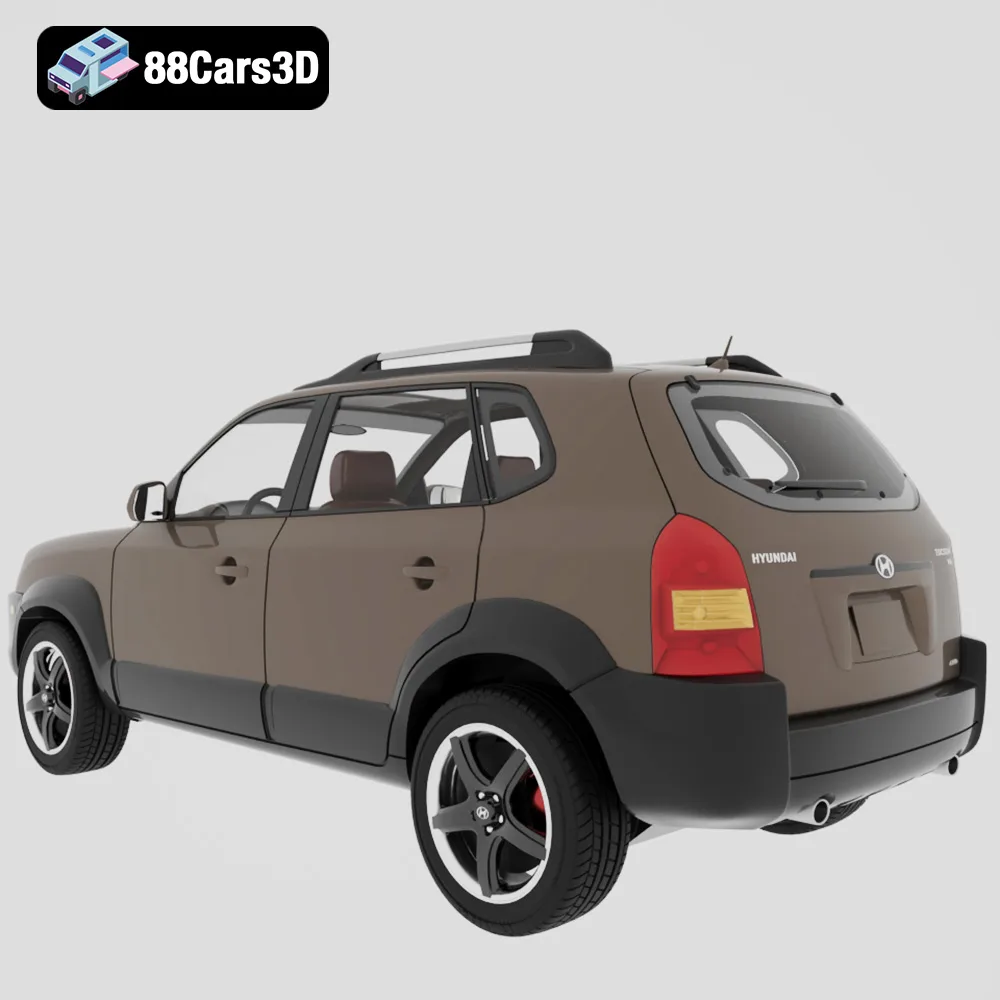
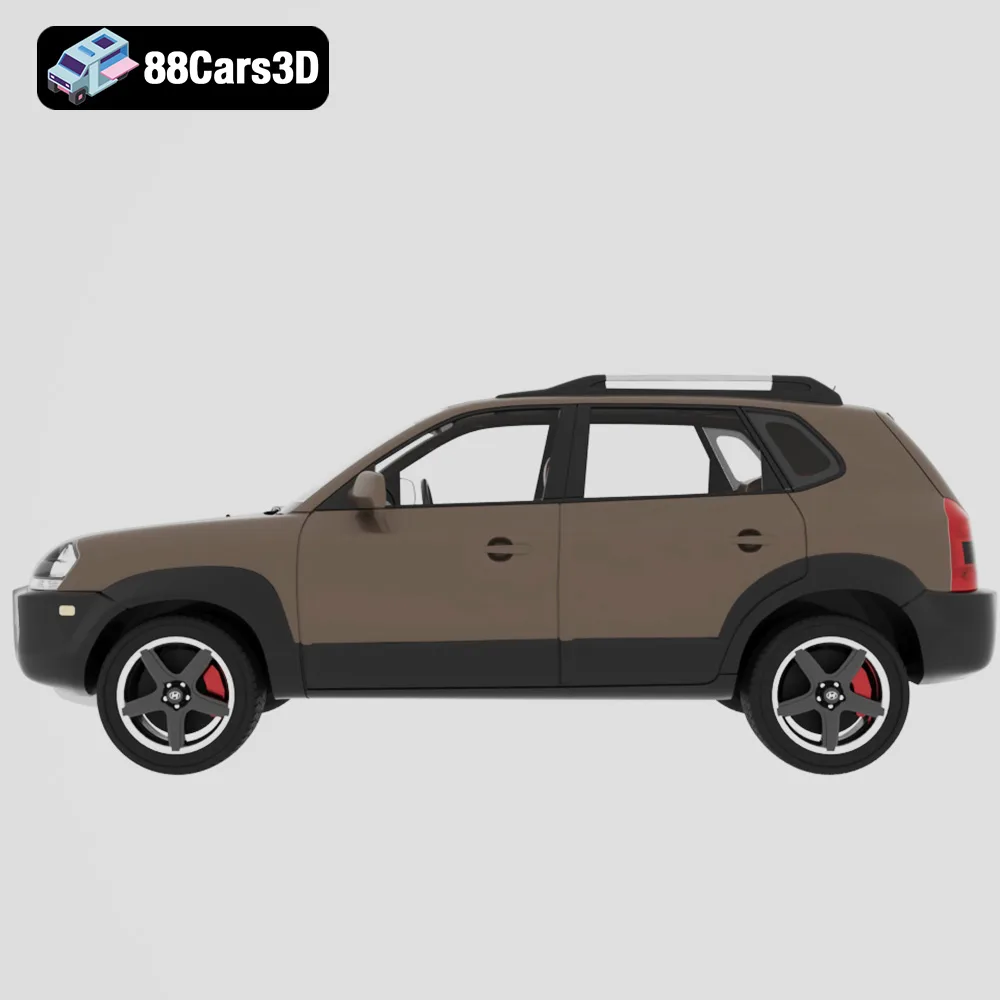
The true power of the Everyday City Traffic Essentials pack lies in its curated selection of vehicles, each chosen for its ubiquity and ability to add a layer of realism often overlooked. This isn’t just a random assortment; it’s a strategic collection designed to fill critical gaps in any professional asset library.
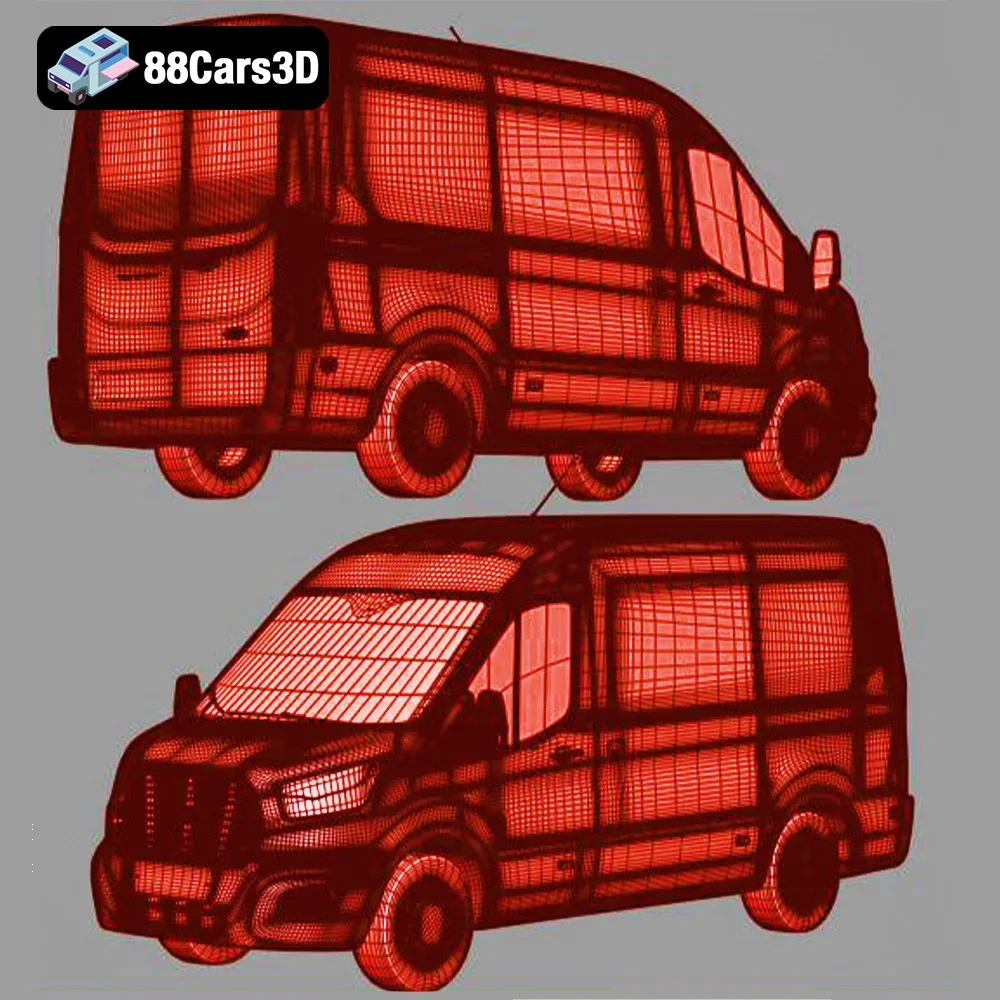
Beyond the selection, the models within this bundle boast technical features essential for professional use. All parts, including wheels, doors, and steering wheels, are separated objects. This critical detail allows for easy rigging, physics integration in game engines like Unity or Unreal, and dynamic animation for traffic simulations. The clean, quad-based topology is optimized for instancing, meaning you can duplicate these models numerous times across a large scene using scatter plugins like Forest Pack or Chaos Scatter without crippling your render engine or game performance. This technical foresight makes the Everyday City Traffic Essentials pack a truly powerful asset for large-scale environment creation.
Creating highly detailed 3D car models is one thing; ensuring they are optimized for diverse professional applications – from high-fidelity cinematic rendering to real-time game engines – is another entirely. The models from 88cars3d.com, particularly within the Everyday City Traffic Essentials pack, demonstrate a clear understanding of these technical demands, offering a perfect balance of visual quality and performance efficiency.
Achieving realistic results starts with fundamental accuracy. All models in this bundle adhere to 100% real-world scale. This seemingly simple detail is crucial for seamless integration into existing scenes, ensuring that vehicles don’t appear disproportionate next to buildings, characters, or other assets. Furthermore, proper pivot point setup for all wheels is a non-negotiable feature for animation and game development. Correct pivots allow for accurate rotation, enabling smooth vehicle controllers in Unreal Engine or Unity, and realistic animation sequences without tedious manual adjustments.
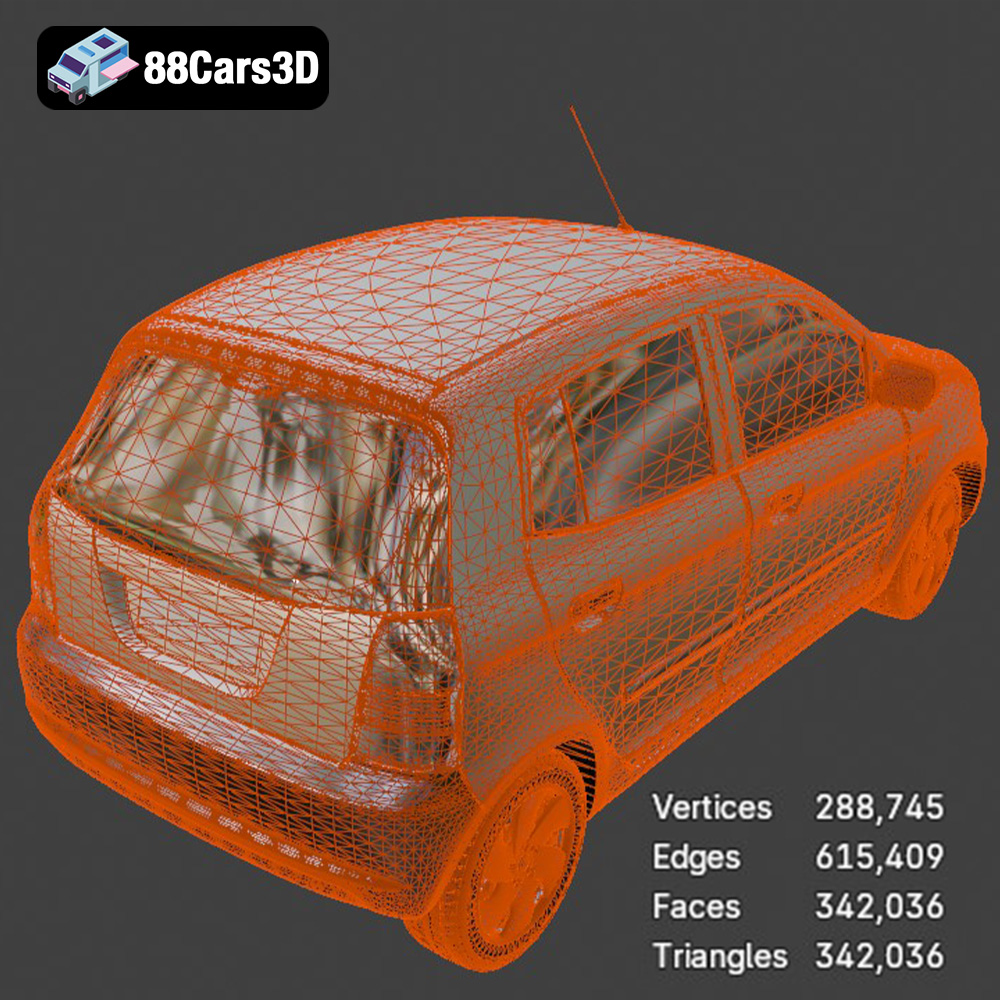
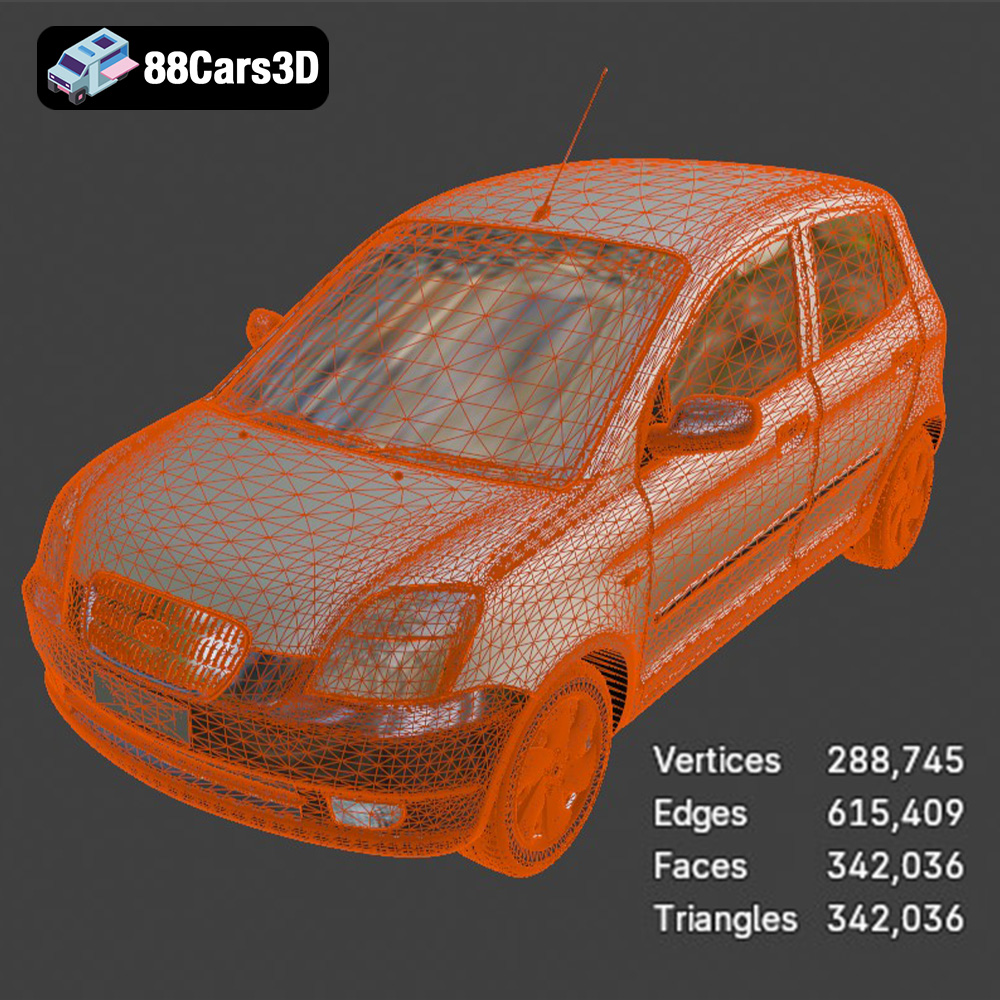
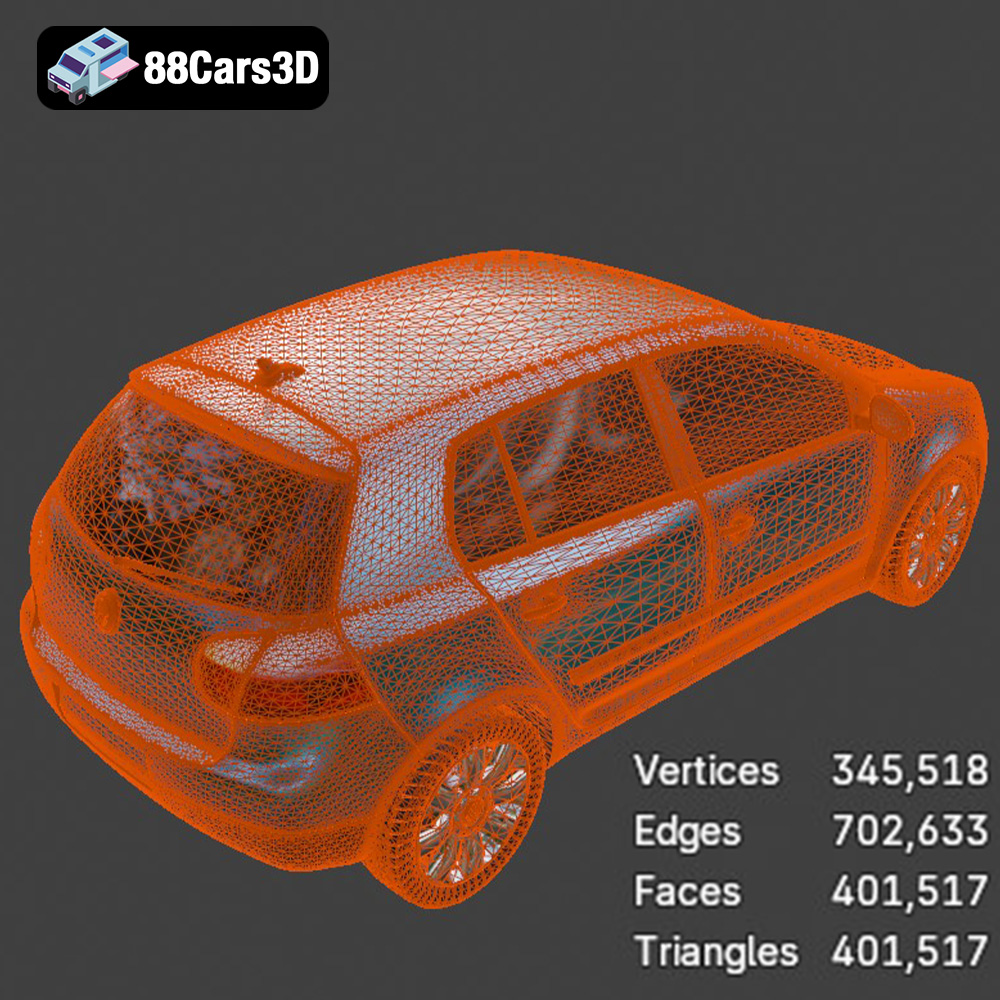
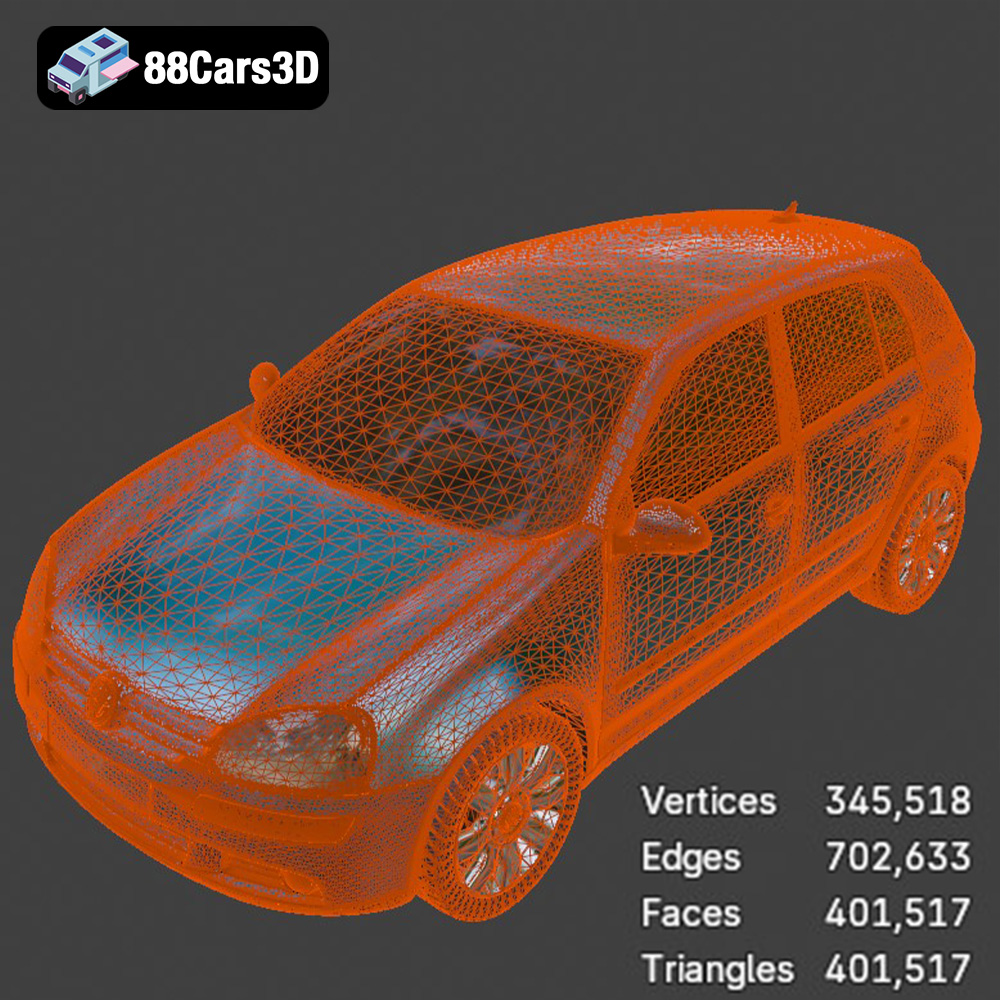
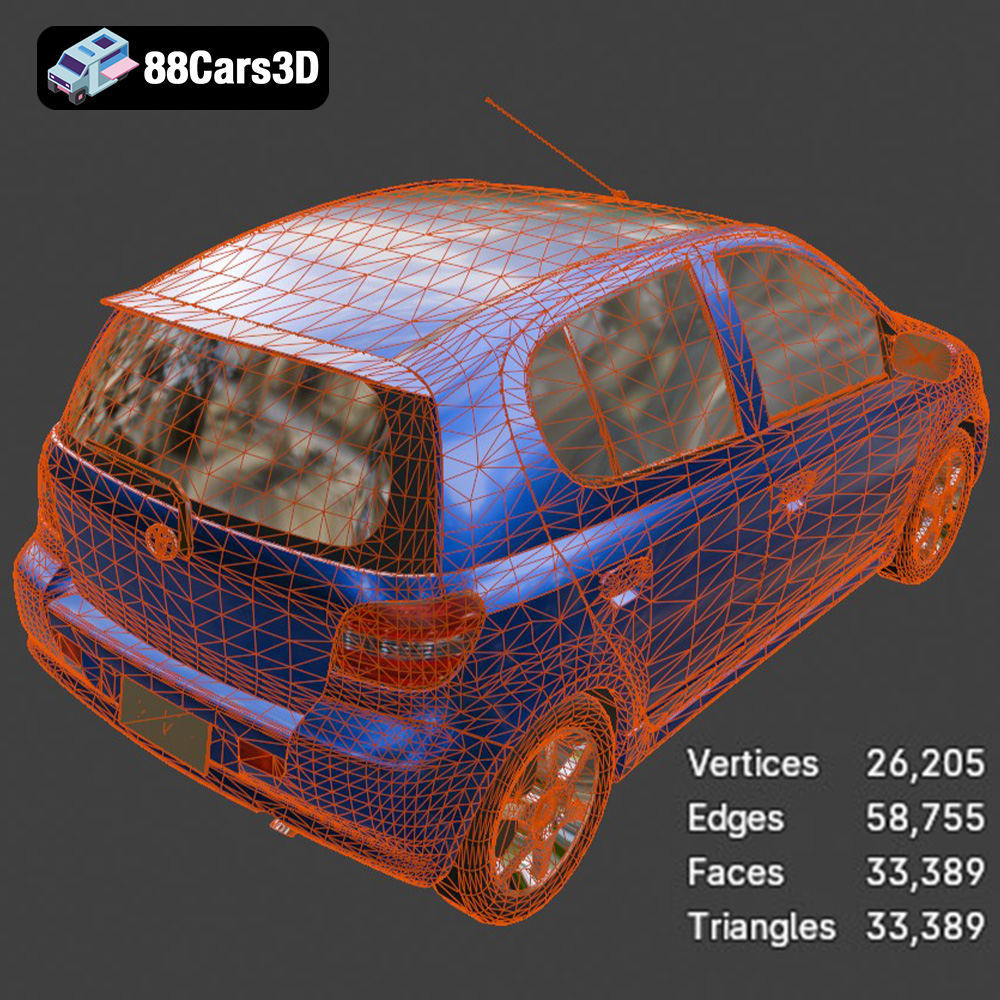
The “clean topology” of these models, based on quad geometry, is a significant technical advantage. Quad-based meshes are inherently more predictable and easier to subdivide (for higher detail at render time) or optimize (for real-time performance) compared to triangulated meshes. This optimized topology allows for efficient UV mapping, crucial for applying high-resolution textures without distortion. Moreover, “optimized” means the poly count is carefully managed to deliver visual fidelity without excessive geometry, a vital consideration for complex scenes where dozens or hundreds of vehicles might be present. This optimization is what allows them to be duplicated multiple times across a city block using instancing techniques, maintaining smooth performance even in heavily populated environments.
Professional pipelines are rarely monolithic. Artists and studios often work with a variety of software and renderers. The Everyday City Traffic Essentials pack boasts full compatibility with industry-leading renderers such as V-Ray, Corona, and Arnold. This means the materials and texture setups are designed to translate effectively, producing consistent, high-quality results regardless of your chosen rendering solution. For real-time applications, the models are ready to be integrated into modern game engines, often requiring minimal setup thanks to well-organized meshes and PBR (Physically Based Rendering) ready materials. This cross-platform readiness saves immense amounts of time and effort in asset preparation.
The versatility of the Everyday City Traffic Essentials pack extends across multiple industries, offering tangible benefits and streamlining workflows for professionals in architectural visualization, game development, and urban planning.
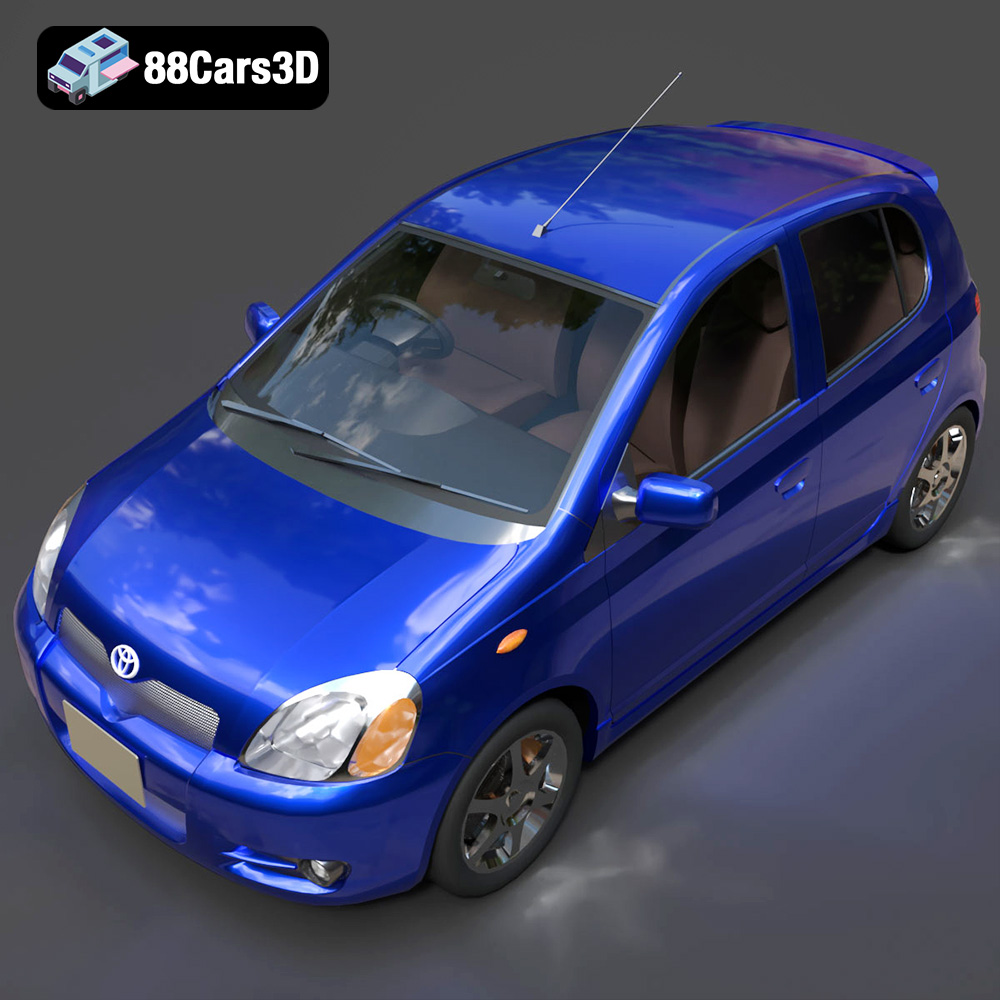
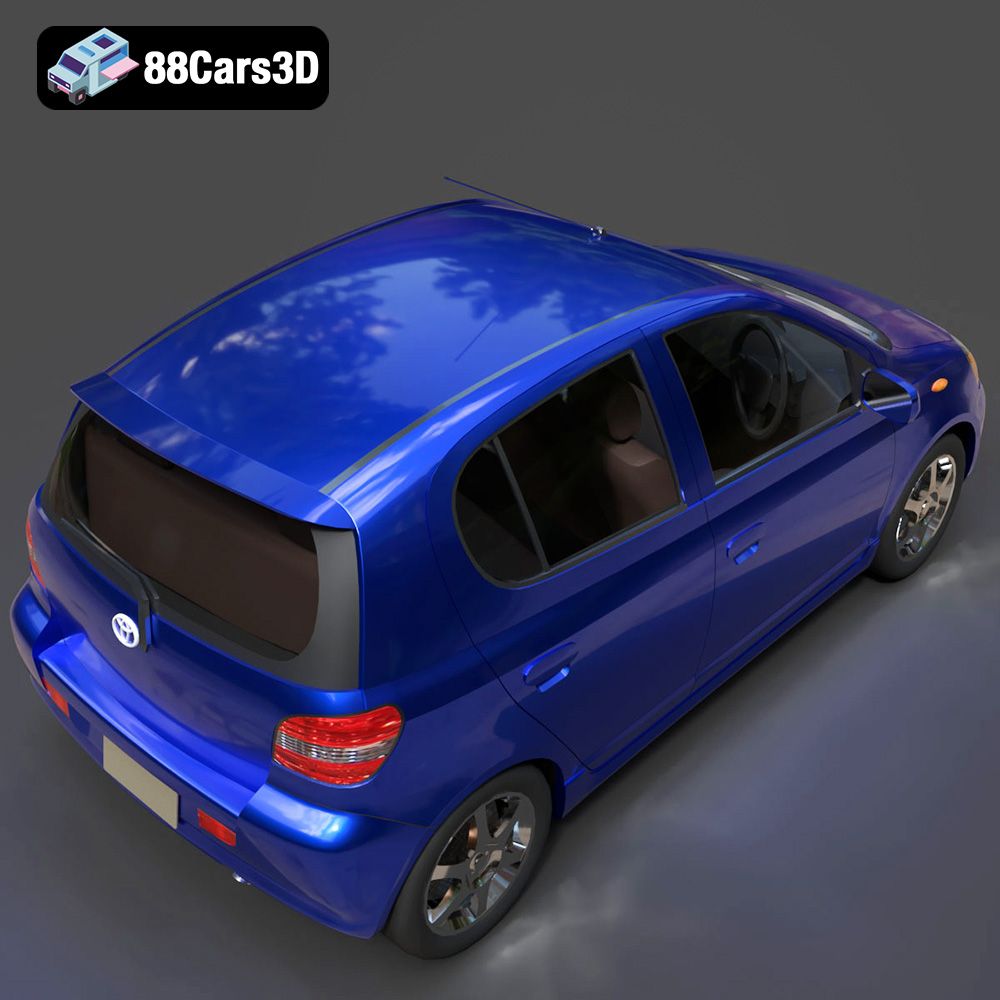
In architectural visualization, the exterior environment is just as critical as the building itself. A photorealistic building rendered in isolation often feels sterile. By populating the streets with authentic, everyday 3D car models like the VW Golf or the Toyota Yaris, ArchViz artists can dramatically enhance the perceived realism of their renders. These background vehicles act as visual anchors, grounding the architectural marvel in a believable, bustling context. Furthermore, their compatibility with scatter plugins like Forest Pack or Chaos Scatter allows artists to quickly generate entire traffic flows or parking lot scenes with minimal manual placement, significantly speeding up production while maintaining high visual quality.
For game developers, especially those creating open-world environments, the need for diverse and optimized background traffic is paramount. The models in this bundle are “game-ready,” meaning their clean topology, proper pivot points, and separated parts are ideal for integration into game engines. They can serve as civilian NPC vehicles, static parking lot props, or part of a dynamic traffic system. The blend of modern and older vehicles, alongside a commercial van, provides developers with the assets needed to create a convincing and varied urban tapestry that feels alive and reactive, without incurring heavy performance costs.
Beyond entertainment and marketing, 3D car models play a crucial role in urban planning and traffic flow simulations. Visualizing new infrastructure, analyzing traffic patterns, or demonstrating smart-city concepts requires realistic vehicles to convey the impact and functionality of proposed changes. The real-world scale accuracy and clean geometry of these models make them ideal for such simulations, providing clear and precise visual data for stakeholders and decision-makers. The ability to animate these models for traffic flow demonstrations further enhances their utility in this specialized field.
While digital rendering is a primary application, the Everyday City Traffic Essentials pack offers an exciting additional dimension: 3D printability. This feature expands the utility of these models beyond virtual environments, opening doors for diorama builders, automotive enthusiasts, and even rapid prototyping for physical models.
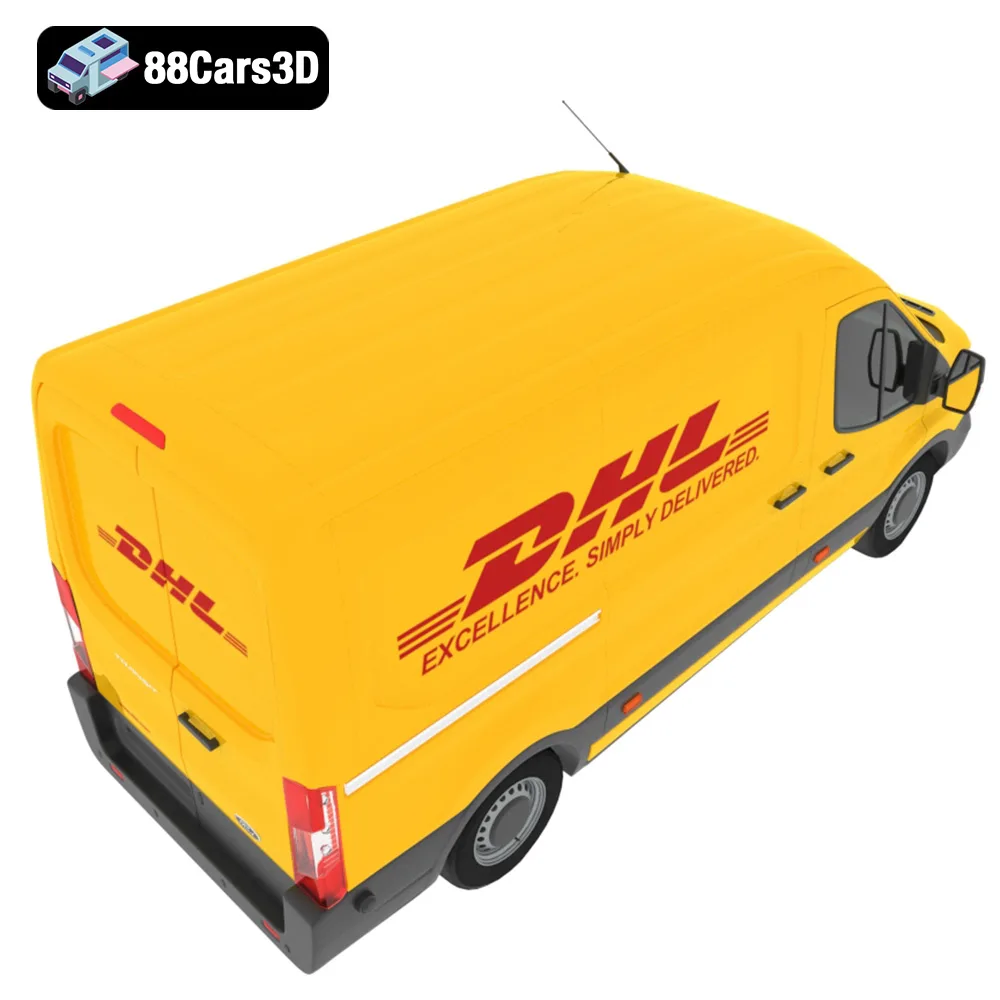
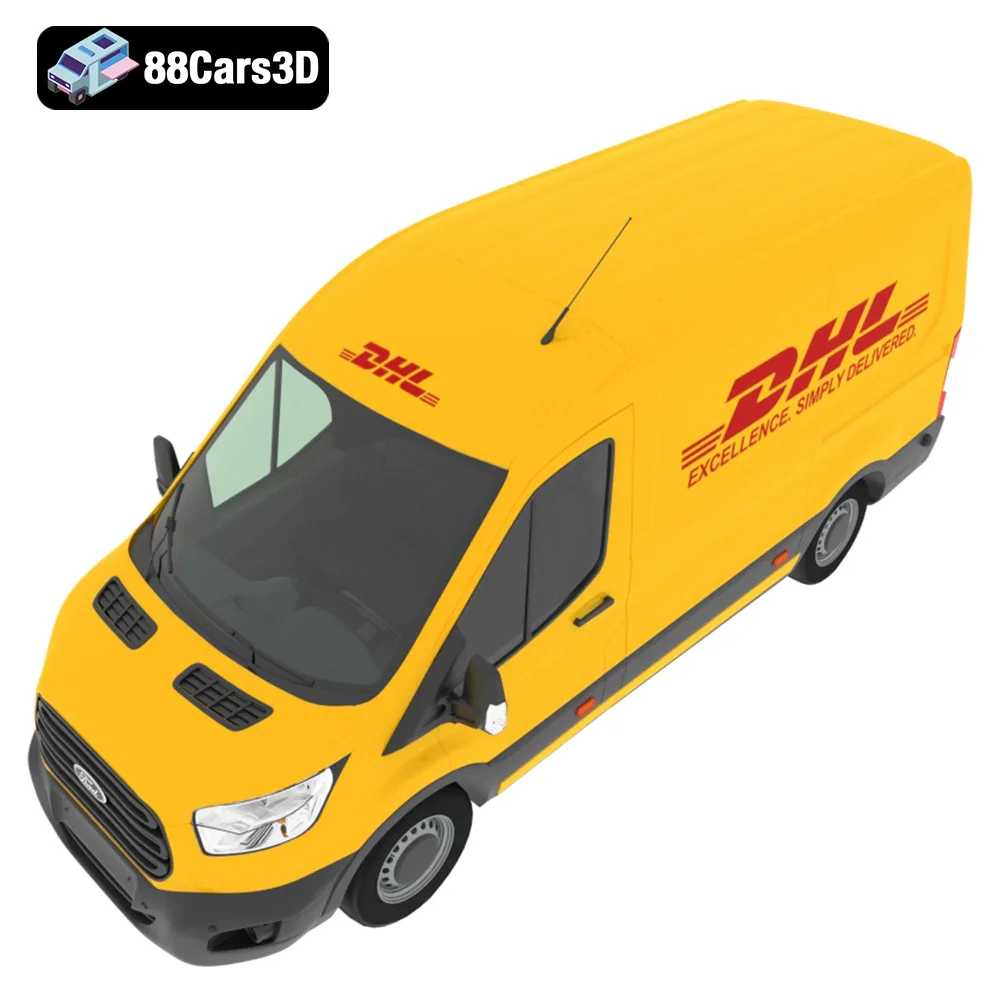
The inclusion of STL files and specific 3D print settings makes this bundle a treasure trove for model makers. Imagine a meticulously detailed architectural diorama, where the buildings are complemented by miniature versions of the VW Golf, Kia Picanto, or even the DHL Ford Transit van, accurately scaled to 1:43 or 1:64. These physical models add an incredible layer of tangible realism to architectural presentations, urban planning models, or even enthusiast collections. The recommended layer heights and printing orientations ensure that even fine details are captured, making for high-quality physical reproductions.
The product details offer precise recommendations for successful 3D printing:
This careful consideration for 3D printing demonstrates the comprehensive thought put into the design of these 3D car models, ensuring their utility extends into the physical realm.
In a crowded marketplace of digital assets, finding a reliable source for high-quality, technically sound 3D car models is paramount. 88cars3d.com distinguishes itself by focusing on professional-grade assets that meet the rigorous demands of various industries. The Everyday City Traffic Essentials pack is a prime example of their commitment to quality, versatility, and value.
The bundle represents a significant saving compared to purchasing individual models, offering a total value of €233.95 for a fraction of the cost. This economic advantage is coupled with the assurance of high-quality, optimized models that are ready to integrate into diverse professional workflows. From clean topology to real-world scale, proper pivots, and broad compatibility, these assets are designed to save artists and developers valuable time and resources, allowing them to focus on creative execution rather than asset cleanup or optimization.
Whether you’re an ArchViz artist needing to populate a bustling cityscape, a game developer building an immersive open-world, or a product designer exploring 3D printing, 88cars3d.com provides a curated selection of 3D car models that stand up to professional scrutiny. The “Everyday City Traffic Essentials pack” is more than just a collection of cars; it’s a strategic investment in realism, efficiency, and the undeniable power of authentic visual storytelling.
The pursuit of photorealism in 3D environments is an intricate dance between grand gestures and subtle details. While hero assets often capture the spotlight, it’s the meticulous attention to the everyday elements that truly anchors a scene in reality. The “Everyday City Traffic Essentials pack” from 88cars3d.com embodies this principle perfectly. By offering a diverse, technically robust, and meticulously optimized collection of common vehicles, it provides artists and developers with an indispensable toolkit for crafting believable urban landscapes, immersive game worlds, and impactful architectural visualizations.
From the nostalgic charm of a Toyota Yaris to the modern sleekness of a Kia Picanto, and the functional authenticity of a DHL Ford Transit van, these 3D car models are designed to integrate seamlessly into any professional workflow. Their compatibility across major software, renderers, and even 3D printing applications ensures maximum flexibility and return on investment. If you’re serious about elevating the realism and narrative depth of your 3D projects, investing in these foundational everyday assets is not just a choice, but a necessity. Explore the possibilities and build more convincing worlds with the Everyday City Traffic Essentials pack, available now at 88cars3d.com.
The Everyday City Traffic 3D Models Bundle is the ultimate “realism toolkit” for architectural visualization (ArchViz) artists, game developers, and VFX studios. While supercars grab attention, nothing breaks the realism of a virtual city faster than a street filled only with luxury vehicles. To make an urban scene look truly photorealistic and believable, you need authentic, everyday traffic. This highly versatile 5-in-1 package provides the perfect mix of civilian cars spanning different decades, alongside a realistic commercial delivery van. Instead of buying these essential background and mid-ground assets individually (Total Value: €233.95), this bundle equips your library with everything you need at a massive discount.
$99.99
archviz-traffic
background-vehicles
city-traffic-bundle
everyday-cars-3d
ford-transit-dhl
game-ready
hyundai-tucson
kia-picanto
npc-cars
toyota-yaris
urban-environment
vw-golf