Get 50% OFF All Premium 3D & STL Models!

In the vast landscape of 3D visualization and simulation, the demand for highly detailed, authentic models continues to grow. From captivating cinematic sequences to immersive game environments and precise architectural visualizations, the ability to render real-world objects with unparalleled accuracy is paramount. This is especially true in the realm of automotive design and heavy-duty vehicles, where subtle nuances and robust engineering translate into visual integrity. Today, we’re diving deep into what makes a truly exceptional 3D car model, focusing on the intricate details and professional applications that transform digital assets into invaluable tools.
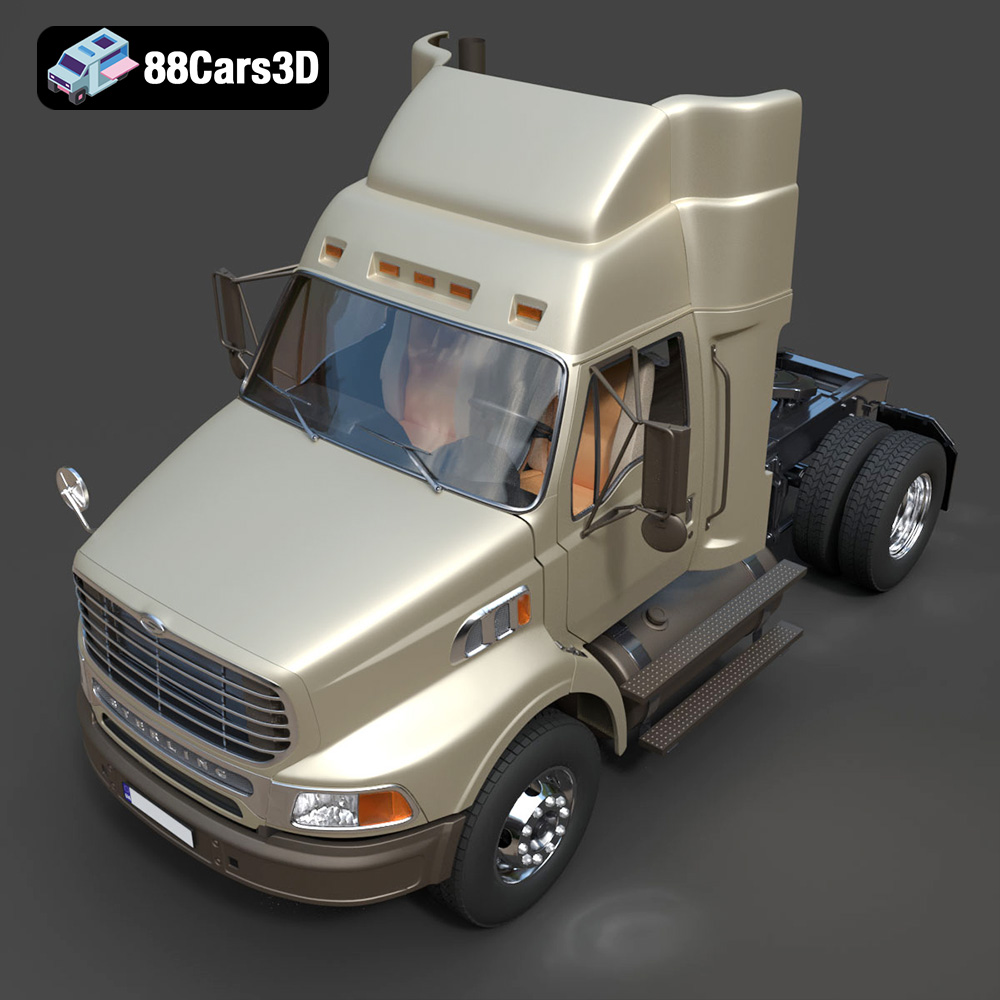
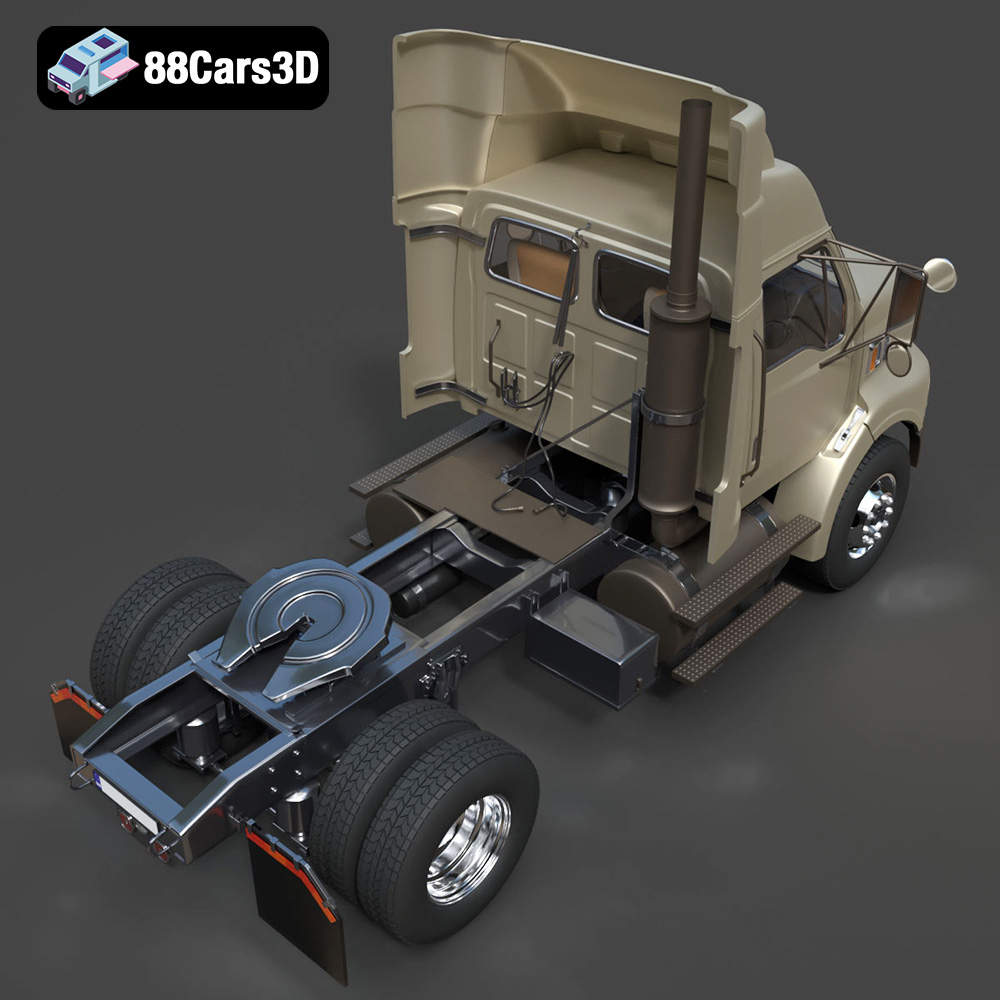
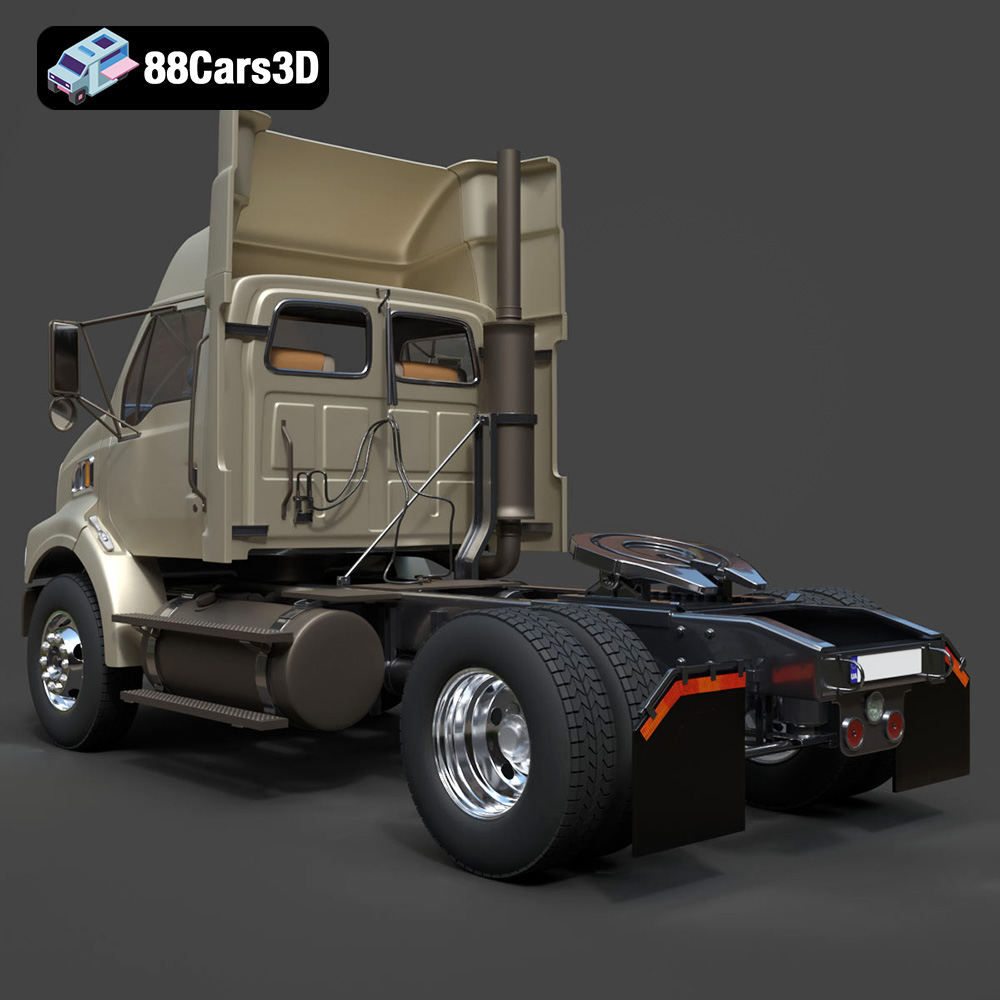
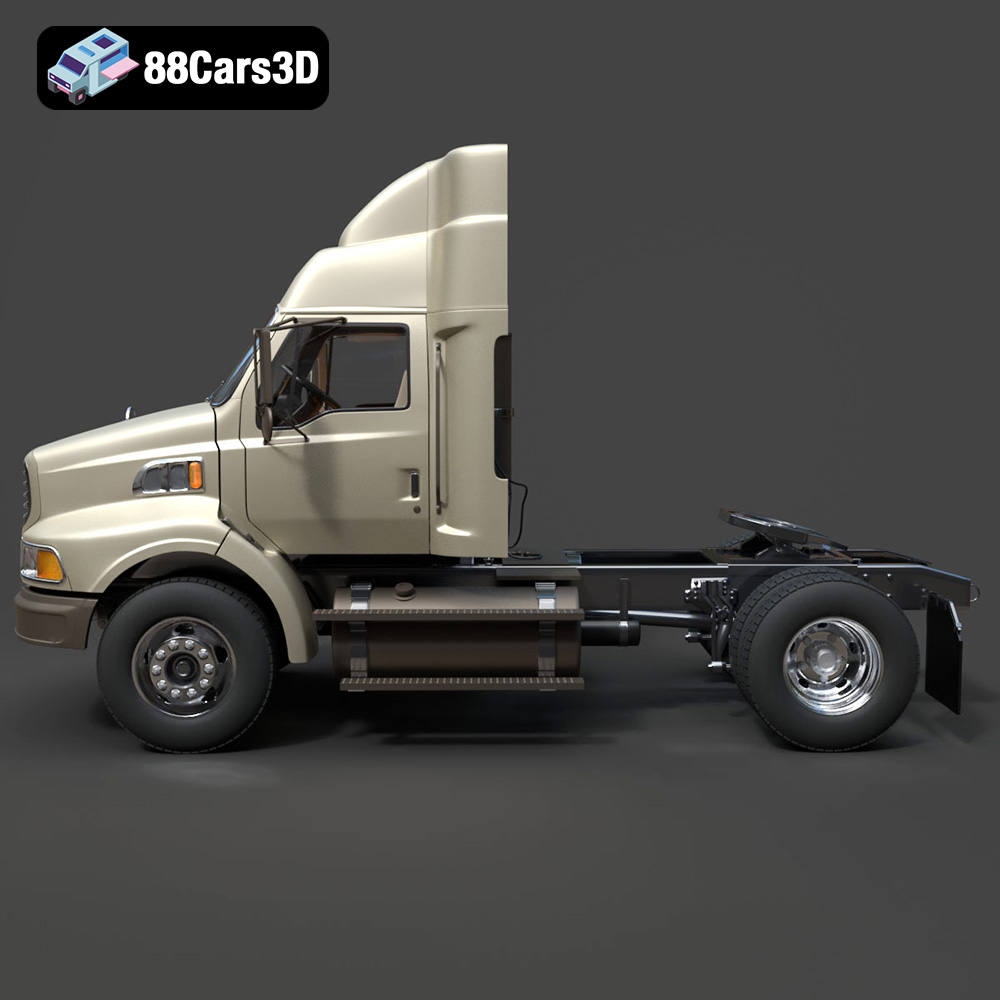
Whether you’re an automotive designer crafting next-generation vehicles, a game developer building a realistic trucking simulator, or a visualization artist creating stunning industrial scenes, the foundation of your work lies in the quality of your 3D assets. A standout example of such an asset, available at 88cars3d.com, is the Ford Sterling A9500 Tractor Truck 2006 3D Model. This model isn’t just a digital representation; it’s a meticulously engineered piece of digital art, designed to meet the rigorous demands of professional production pipelines. Its high polygon count, attention to real-world detail, and versatile file formats make it an ideal choice for anyone serious about elevating their 3D projects.
The journey of any 3D model, from creation to final application, is intrinsically linked to its file format. Each format serves a specific purpose, offering unique advantages in terms of compatibility, data retention, and optimization for particular workflows. Understanding these differences is crucial for any professional working with 3D car models or any other complex digital asset.
The .blend format is Blender’s native file type. It’s a comprehensive package, containing the entire Blender scene, including mesh data, materials, textures, animations, camera setups, lighting, and even scripts. Its primary advantage is its ability to preserve all aspects of a Blender project, making it fully editable and ideal for users who primarily work within the Blender ecosystem. For the Ford Sterling A9500 Tractor Truck model, having a .blend file means artists can immediately dive in, inspect the scene setup, modify materials, adjust geometry, or re-render with Blender’s powerful Cycles or Eevee engines, retaining full control over the asset’s intricate details.
Autodesk’s .fbx (Filmbox) format is arguably the most widely adopted format for exchanging 3D data between different software applications. It’s renowned for its robust support of geometry, materials (with some limitations across software), animations, skeletal data, and even camera and light information. For automotive rendering and game assets, .fbx is a go-to. It’s the preferred format for importing into game engines like Unreal Engine and Unity, due to its efficient handling of complex scenes and animation curves. When acquiring the Sterling A9500 as an .fbx, users can expect a clean, organized mesh with proper pivots and potentially basic material assignments, ready for further refinement in their chosen DCC (Digital Content Creation) tool.
The .obj (Object) format is one of the oldest and most universal 3D file formats. It’s a simple, text-based format that primarily stores geometry (vertices, normals, texture coordinates, faces) and references external material files (.mtl) for basic shading information. While it doesn’t support animation or complex scene data, its widespread compatibility makes it an excellent choice for cross-software transfers when basic geometry is the main concern. For archival purposes or when moving models between diverse software packages that might not support .fbx perfectly, .obj remains a reliable option. The Sterling A9500 as an .obj ensures fundamental geometry is preserved, ready for material reapplication in any software.
.glb (GLB format, a binary version of glTF) is quickly becoming the standard for 3D models on the web, augmented reality (AR), and virtual reality (VR) applications. It’s designed for efficient transmission and loading, packaging 3D model data (geometry, materials, textures, animations) into a single, compact file. Its focus on real-time rendering and small file size makes it perfect for interactive web viewers, AR apps on mobile devices, or VR experiences where performance is critical. While the high-poly Sterling A9500 would require optimization for these real-time uses, the .glb format provides an excellent starting point for such ventures after decimation, allowing for quick integration into browser-based presentations or AR demonstrations.
The .stl (Stereolithography) format is the de facto standard for 3D printing. It represents a 3D model as a collection of triangles (a tessellated surface) without color, texture, or other CAD attributes. Its simplicity makes it universally compatible with 3D printers and slicing software. The Ford Sterling A9500 model includes an .stl file, indicating its readiness for physical fabrication. This is particularly exciting for hobbyists or professionals looking to create scale models or prototypes of this iconic tractor truck, leveraging its detailed geometry for a tangible output.
The .ply (Polygon File Format) is another format used for storing 3D data, particularly from 3D scanners. It can store not only the XYZ coordinates of vertices and the connectivity of faces but also properties like color, transparency, and texture coordinates. While less common for general asset exchange than .fbx or .obj, it’s valuable in scientific, CAD, and engineering contexts where precision and additional per-vertex data are important. Its inclusion for the Sterling A9500 suggests a robust and accurate mesh, suitable for detailed analysis or specific industrial simulations.
The .unreal format refers to assets specifically configured and sometimes packaged for direct use within Unreal Engine. While typically this means an .fbx imported and optimized within Unreal, having an explicitly “unreal” option can imply pre-configured materials, collision meshes, or even blueprints. For a complex asset like the Sterling A9500, this could mean an optimized version ready for integration, or at least a highly prepared mesh that streamlines the import and setup process in Unreal Engine, saving significant development time for game developers or virtual production studios.
Autodesk’s .max format is the native file type for 3ds Max, a powerhouse in architectural visualization, automotive rendering, and animation. Similar to .blend for Blender, a .max file encapsulates the entire 3ds Max scene, including geometry, lights, cameras, materials, textures, modifiers, and animation data. Professionals relying on 3ds Max for their high-end rendering projects will find the .max file for the Sterling A9500 invaluable, offering full creative control and the ability to leverage 3ds Max’s extensive toolset for rendering with V-Ray, Corona, or Arnold, ensuring seamless integration into existing pipelines.
In industries ranging from advertising and product visualization to virtual reality training and game development, the realism of a 3D asset directly impacts its effectiveness. High-fidelity 3D car models, like the Ford Sterling A9500, offer a multitude of advantages:
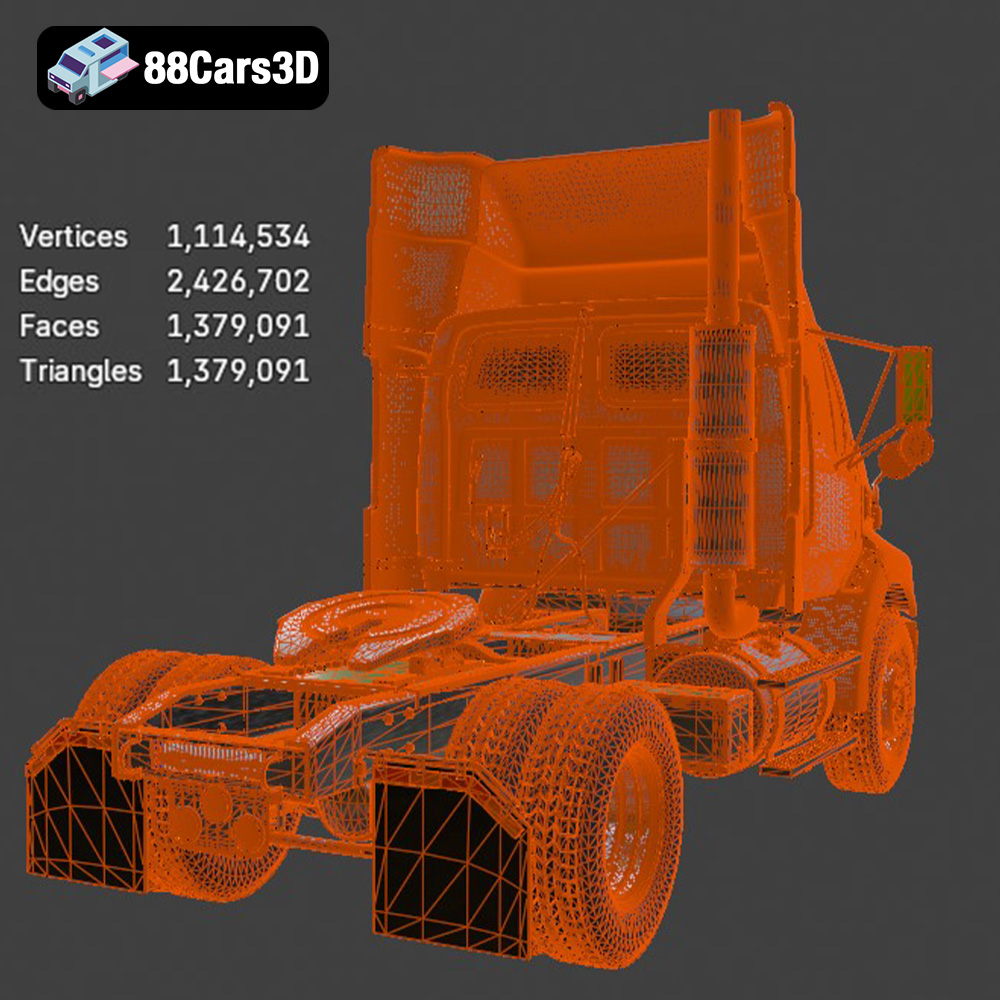
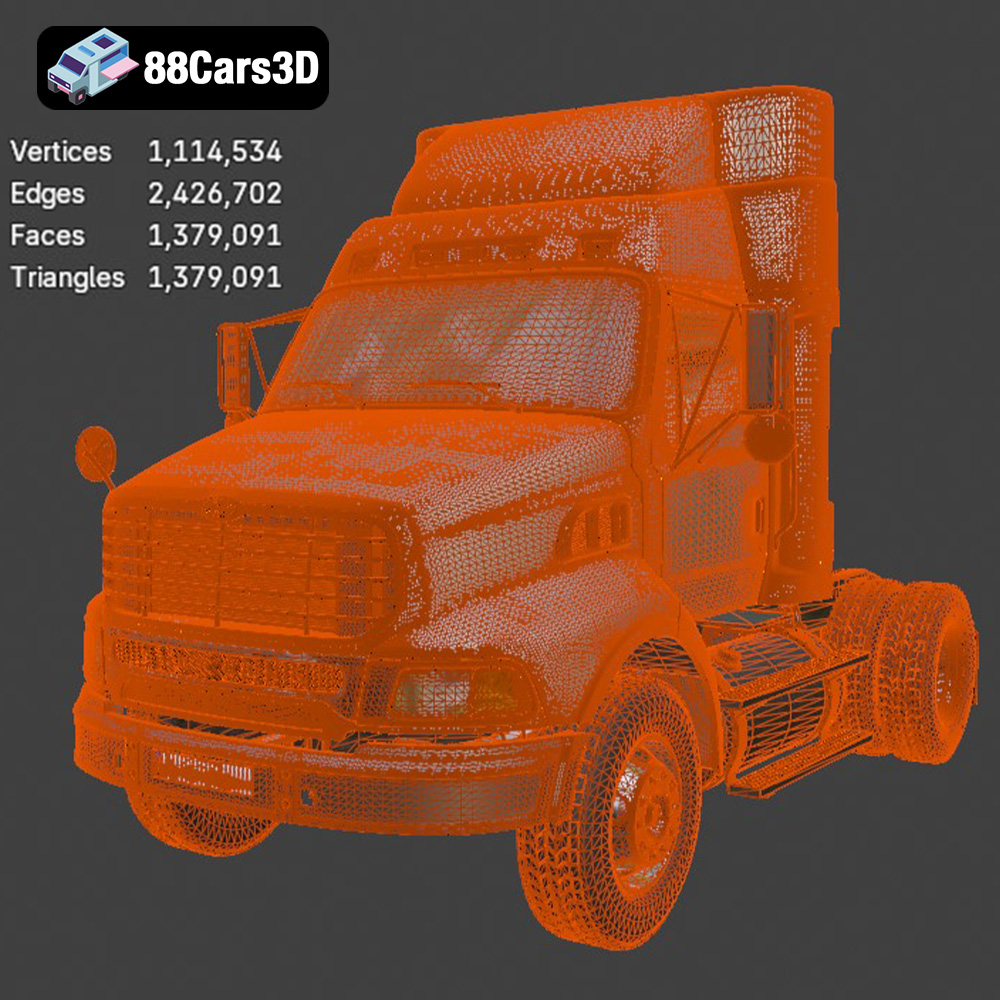
For photorealistic automotive rendering, a high-poly model is indispensable. The Ford Sterling A9500 boasts nearly 1.6 million triangles, a figure that ensures smooth curves, sharp edges, and intricate details hold up under extreme close-ups. This level of detail is critical for:
With such a dense mesh, artists can extract normal maps, ambient occlusion, and curvature maps with exceptional accuracy, forming the basis for truly convincing PBR (Physically Based Rendering) materials in any advanced rendering engine.
Beyond aesthetics, accuracy serves a functional purpose. For professional simulators – perhaps for truck driving training or logistics planning – precise geometry and real-world scale are vital. The Sterling A9500’s accurate proportions and detailed components (like the fifth-wheel coupling, suspension, and interior layout) provide a credible foundation for such applications, even if optimization is needed for real-time performance.
A well-built, high-poly model offers immense flexibility. Its clean topology means it can be easily modified, customized, or adapted for new uses. Changing paint schemes, swapping out wheels, adjusting accessories, or even converting a day cab to a sleeper configuration are all possible because the underlying mesh is robust and intelligently constructed. This adaptability makes it a long-term asset, capable of evolving with project needs.
The Ford Sterling A9500 Tractor Truck 2006 3D Model is a testament to meticulous 3D craftsmanship. Let’s unpack the technical details that elevate this model beyond a mere digital object.
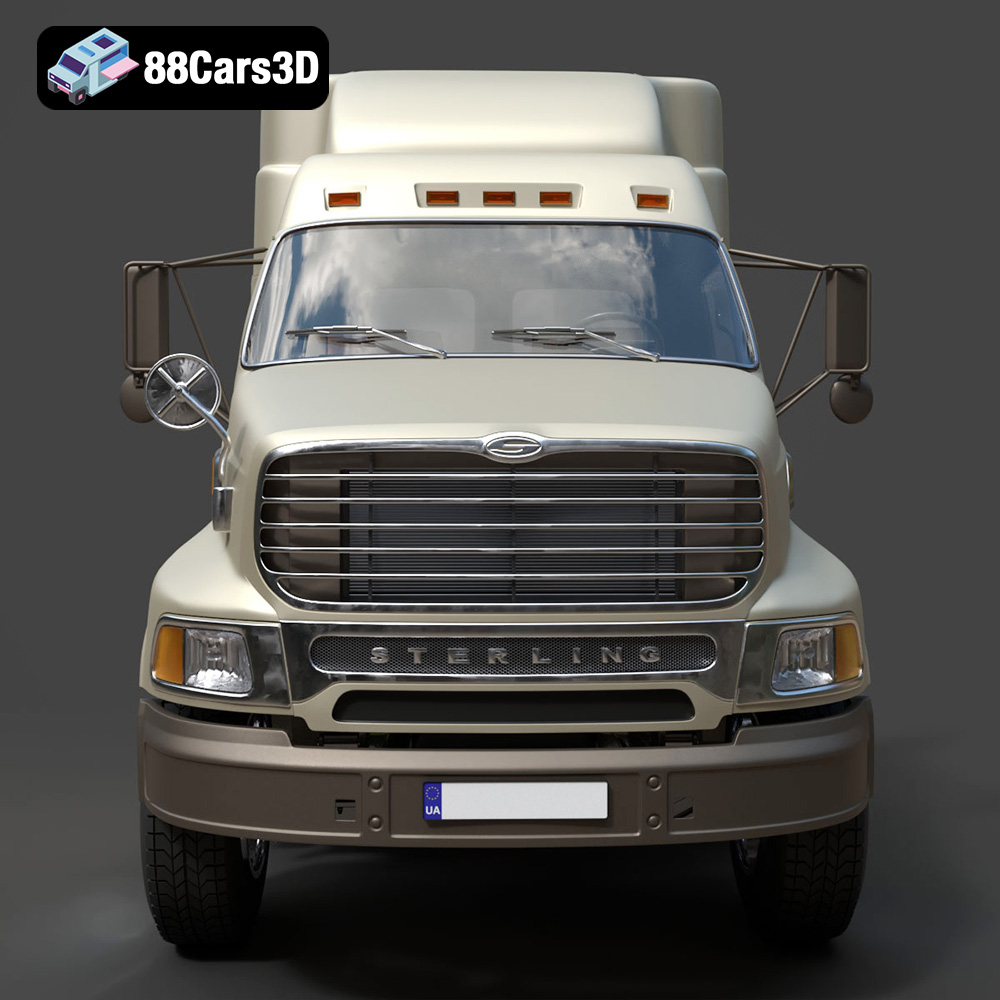
The exterior of the Sterling A9500 is where its rugged charm and industrial prowess truly shine. The model captures the distinctive bold chrome front grille, the aerodynamic sloped hood design, and the overall heavy-duty Class 8 tractor proportions with exacting accuracy. This includes:
The nearly 1.6 million triangles are distributed intelligently to capture every curve and panel gap, ensuring that even under close scrutiny, the model maintains its integrity and visual appeal. This makes it a perfect hero asset for any scene requiring a commanding presence.
Often overlooked in simpler 3D car models, the interior of the Sterling A9500 is rendered with the same high standards as its exterior. The model features an authentic commercial driver’s cabin layout, designed for long-haul ergonomics:
This optimized geometry is suitable for high-resolution first-person POV rendering, allowing for detailed interior shots or even virtual walkthroughs, which is invaluable for simulation or immersive presentation applications.
The raw numbers speak volumes about the model’s complexity and quality:
These figures indicate a meticulously crafted, high-poly mesh structure. The advantages include:
This level of detail makes the Sterling A9500 model an ideal candidate for professional automotive rendering and commercial visualization projects, where every detail counts.
Once you have a meticulously crafted 3D model like the Ford Sterling A9500, the next step is to breathe life into it through professional rendering. Automotive rendering is an art form that combines technical prowess with an keen eye for aesthetics, creating images that are often indistinguishable from photographs.
For high-end rendering, software like 3ds Max or Blender, paired with powerful rendering engines such as V-Ray, Corona, Arnold (for 3ds Max), or Cycles and Eevee (for Blender), are essential. With the Sterling A9500 model provided in .max and .blend formats, you have native access to all scene elements. Your workflow might involve:
The realism of your render largely depends on your materials. The Sterling A9500 model provides a strong foundation, and here’s how to enhance it:
The high polygon count of the Sterling A9500 ensures that these intricate material details are applied to a smooth, accurate surface, leading to breathtaking final renders that are perfect for industrial fleet branding mockups or commercial logistics showcases.
While the Ford Sterling A9500 Tractor Truck 2006 3D Model is a “hero” asset designed for high-resolution rendering, its integration into real-time game engines like Unreal Engine or Unity requires a strategic approach. High-poly models, by their nature, are computationally intensive, but with careful optimization, they can serve as central figures in game environments or interactive experiences.
At nearly 1.58 million triangles, the Sterling A9500 is far too dense for efficient real-time performance in a typical game scene where multiple vehicles and complex environments are present. Directly importing such an asset would lead to severe frame rate drops. This is why the product description notes it will require manual retopology or decimation.
Using the provided .fbx or even a specifically configured .unreal file, you can import the optimized Sterling A9500 into Unreal Engine. Once imported, you’ll set up its PBR materials, add collision meshes (simple box colliders are often sufficient for large vehicles), and integrate it into a vehicle blueprint. This allows for realistic physics, driver controls, and interactive elements, making it suitable for driving simulators, virtual production environments, or advanced AR/VR experiences where it might be a central, interactive element.
Even with the need for optimization, starting with an incredibly detailed base model like the one from 88cars3d.com significantly simplifies the retopology and baking process, as all the necessary high-resolution data is already present and accurate.
One of the most exciting applications for highly detailed 3D car models is 3D printing. The Ford Sterling A9500’s inclusion of an .stl format opens up a world of possibilities for creating tangible, physical replicas, ranging from scale models for display to functional components for RC semi-truck builds.
The .stl file provided is designed to translate the complex digital geometry into a printable mesh. However, successful 3D printing involves careful consideration of several factors:
Once printed, the real artistry begins with post-processing. This typically involves:
The ability to transform a high-fidelity digital asset into a tangible, customizable model provides a unique blend of digital and physical craftsmanship, offering endless possibilities for hobbyists, collectors, and even professional prototypers.
A well-constructed 3D asset like the Ford Sterling A9500 Tractor Truck is not just a static model; it’s a versatile foundation for a multitude of professional applications. Its design, with separated components and clean topology, makes customization and integration into diverse pipelines highly efficient.
The included file formats and robust mesh structure of the Sterling A9500 allow for extensive customization. This is particularly valuable for:
The provision of multiple industry-standard file formats (.fbx, .obj, .blend, .max, .unreal) ensures that the Sterling A9500 can be seamlessly integrated into almost any professional 3D pipeline. This means:
The Ford Sterling A9500 Tractor Truck 2006 3D Model is more than just a purchase; it’s an investment in efficiency, quality, and creative freedom for any professional 3D artist or developer working in the automotive or heavy industrial sectors.
The world of 3D modeling thrives on detail, accuracy, and versatility. As we’ve explored, a high-fidelity 3D car model, particularly one as robust and meticulously crafted as the Ford Sterling A9500 Tractor Truck 2006 3D Model, is an indispensable asset for a wide range of professional applications. From achieving photorealistic automotive rendering in cinematic productions and industrial visualizations to providing a solid foundation for complex game assets and tangible 3D prints, its technical specifications and comprehensive file format support stand out.
Understanding the nuances of each 3D file format ensures that you can leverage this powerful model in your preferred software, whether it’s Blender, 3ds Max, or Unreal Engine. While real-time applications might require thoughtful optimization, the underlying quality of the mesh guarantees that visual fidelity is retained through techniques like retopology and texture baking.
Ultimately, investing in high-quality 3D car models saves significant development time, enhances project realism, and opens up new creative avenues. The Ford Sterling A9500 model from 88cars3d.com exemplifies this commitment to excellence, providing professionals with a reliable, detailed, and adaptable asset ready to be deployed in their most ambitious projects. Elevate your automotive visualization and simulation projects today by exploring the exceptional models available at 88cars3d.com.
The Ford Sterling A9500 Tractor Truck 2006 3D Model is a highly detailed digital recreation of the iconic heavy-duty Class 8 commercial semi-truck. Born from the legacy of Ford’s heavy truck division, the Sterling A-Line series is renowned for its rugged durability, versatile chassis, and commanding presence on the highway. This model captures the classic aerodynamic yet muscular styling that made it a staple of regional hauling, vocational fleets, and industrial logistics across North America.
$79.99
.automotive
.blend
.fbx
.obj
.rendering
.stl
3d printing
a9500
big-rig
car-3d-model
class-8
commercial-vehicle
ford-trucks
heavy-duty
high poly
semi-truck
sterling-truck
tractor-truck