Get 50% OFF All Premium 3D & STL Models!

In the vibrant world of 3D visualization, automotive design, and game development, the quest for perfection often begins with the right assets. Few subjects captivate imaginations quite like high-performance vehicles, especially those bearing the iconic insignia of Italian craftsmanship. From the sculpted lines of a Ferrari to the audacious presence of a Lamborghini, these machines embody a blend of engineering marvel and artistic passion that translates powerfully into the digital realm.
For professionals across industries, acquiring truly exceptional 3D car models is not merely a convenience; it’s a strategic investment. High-quality assets lay the groundwork for stunning renders, immersive game environments, and precise physical prototypes. They are the silent engines powering cinematic sequences, realistic architectural visualizations, and cutting-edge virtual reality experiences. The demand for meticulous detail, accurate scale, and optimized topology has never been higher, reflecting the ever-increasing sophistication of digital production pipelines.
This pursuit of digital automotive excellence leads us to curated collections that address these professional needs directly. Imagine having access to a suite of legendary Italian vehicles, each a masterpiece of 3D artistry, ready for immediate integration into your most ambitious projects. This is precisely what a bundle like The Italian Legends Bundle offers – a comprehensive collection designed to elevate any creative endeavor. Whether your goal is a breathtaking automotive rendering, the creation of engaging game assets, or a precise 3D print, the quality of your foundational models dictates the ultimate success of your vision. Platforms like 88cars3d.com specialize in providing these types of premium assets, ensuring artists and developers have the tools they need to bring their automotive dreams to life.
Navigating the diverse landscape of 3D software and applications requires a fundamental understanding of various file formats. Each format serves specific purposes, offering unique advantages for different stages of the 3D workflow, from initial modeling to final rendering, game integration, or 3D printing. For a premium collection like The Italian Legends Bundle, which boasts extensive compatibility, knowing which format to use and when is crucial for maximizing efficiency and output quality. Let’s delve into the key formats frequently encountered with high-quality 3D car models.
The .blend file is the native format for Blender, a powerful open-source 3D creation suite. When you receive a .blend file, you’re getting a complete Blender scene, often fully editable with materials, textures, lighting, and even animation data intact. This format is ideal for users who operate within the Blender ecosystem, allowing for immediate modification, custom rigging, or leveraging Blender’s robust Cycles and Eevee renderers for photorealistic automotive rendering. It ensures all scene parameters, modifiers, and relationships between objects are preserved, offering maximum flexibility for artists who want to dive deep into the model’s construction.
.fbx (Filmbox) is a proprietary file format developed by Autodesk, widely recognized as the industry standard for 3D data exchange. Its strength lies in its ability to store not just mesh data, but also materials, textures, rigging, animation, and even camera and light information. This makes .fbx incredibly versatile for transferring assets between different 3D applications like 3ds Max, Maya, and Blender, and crucially, for integrating game assets into real-time pipelines such as Unreal Engine and Unity. For a model like a supercar from The Italian Legends Bundle, .fbx ensures that the complex hierarchical structure of components (body, wheels, calipers) and any potential animation setups are preserved, facilitating seamless import into game engines or other DCC applications for professional use.
The .obj (Wavefront OBJ) format is one of the oldest and most universally supported file formats for 3D models. It primarily stores geometry (vertices, normals, UV coordinates) and can reference external material files (.mtl) for basic color and texture information. While it doesn’t support rigging or animation, its widespread compatibility makes it a safe bet for cross-software transfers when you only need the raw mesh data. If you’re working with a new or niche 3D application, .obj is often the most reliable way to import a 3D model, offering a clean foundation for custom material setups and further detailing.
.glb (GL Transmission Format Binary) is the binary version of glTF, a royalty-free specification for the efficient transmission and loading of 3D scenes and models by applications. It’s quickly becoming the “JPEG of 3D” due to its optimization for real-time applications, especially in augmented reality (AR), virtual reality (VR), and browser-based display. A .glb file packages all necessary data—geometry, materials, textures, animations—into a single, self-contained file, making it incredibly easy to share and integrate. For showcasing 3D car models interactively on a website or deploying them in a mobile AR experience, .glb is the format of choice due to its efficiency and PBR (Physically Based Rendering) material support.
The .stl (Stereolithography) format is the de facto standard for additive manufacturing, commonly used for 3D printing. It represents a 3D model as a series of connected triangles, describing only the surface geometry of an object without color, texture, or other CAD attributes. For “3D Print Ready” models like those in The Italian Legends Bundle, the inclusion of .stl files means the mesh has been optimized for printing, ensuring manifold geometry, appropriate thickness, and resolution. This makes it effortless to prepare the model for slicing software and send it to an FDM or SLA 3D printer for creating physical collectibles, prototypes, or scale models.
.ply (Polygon File Format or Stanford Triangle Format) is a file format for storing 3D data, particularly from 3D scanners. It can store a wider range of properties than .obj or .stl, including color, transparency, confidence values, and normals for each vertex or face. While not as common for consumer-level 3D model distribution, it is highly valued in scientific, engineering, and CAD applications where precision and additional data attributes are critical for analysis or reverse engineering tasks.
While not a standalone file format in the traditional sense, “.unreal” often refers to assets specifically prepared and optimized for direct import and use within Unreal Engine. This typically involves .fbx files that adhere to Unreal’s specific import conventions, alongside curated materials, textures, and blueprints. These assets are pre-configured with appropriate scale, pivots, and possibly even basic collision meshes, ensuring an extremely smooth workflow for game developers and virtual production artists. 88cars3d.com often provides models tailored for such engine-ready deployment, saving significant development time.
The .max file is the native format for Autodesk 3ds Max, a leading software for 3D modeling, animation, rendering, and visual effects. Similar to .blend files, a .max file contains an entire scene, including geometry, materials, lighting, cameras, animation, and scene settings. It provides the highest level of editability for 3ds Max users, allowing full access to modifiers, scene hierarchy, and render settings (e.g., V-Ray, Corona). For professionals whose primary workflow is centered around 3ds Max for high-end automotive rendering and visualization, the .max format offers unparalleled control and flexibility.
Understanding these formats empowers artists and developers to choose the right tools for the job, ensuring that premium 3D car models like those in The Italian Legends Bundle can be leveraged to their fullest potential across a spectrum of creative and technical applications.
Creating professional-grade 3D car models is a complex endeavor that goes far beyond simple shape replication. It demands an intricate understanding of both artistic form and technical precision. When you invest in premium assets, you’re not just buying a mesh; you’re acquiring countless hours of expertise in topology, detailing, and optimization. This dedication to quality is what distinguishes exceptional models, like those found in The Italian Legends Bundle, from lesser alternatives.
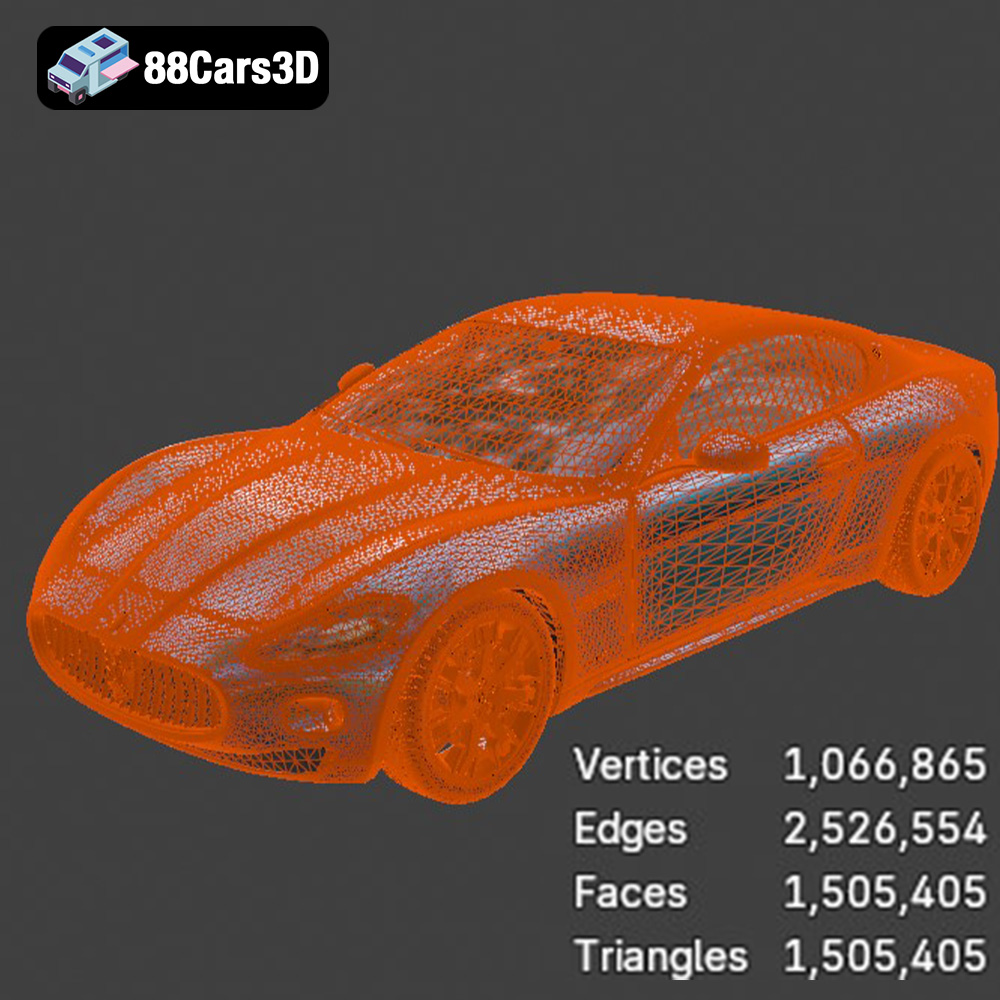
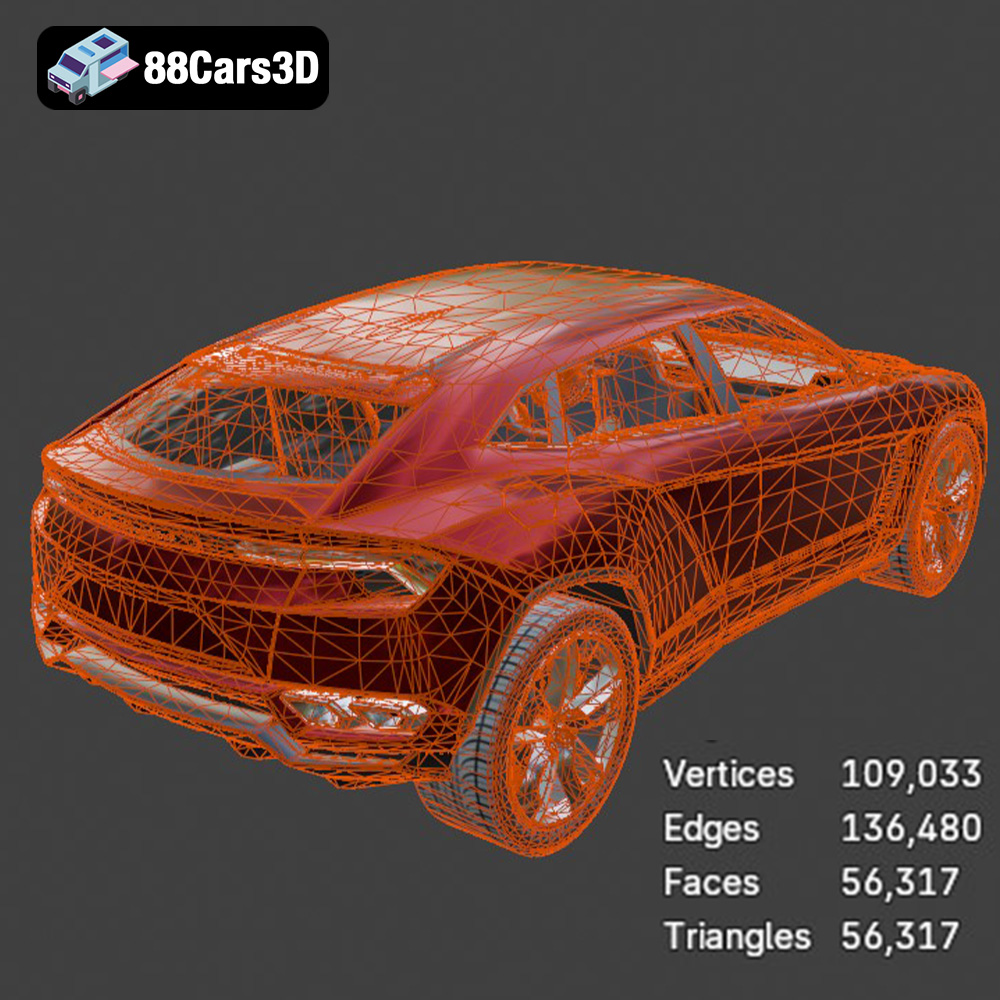
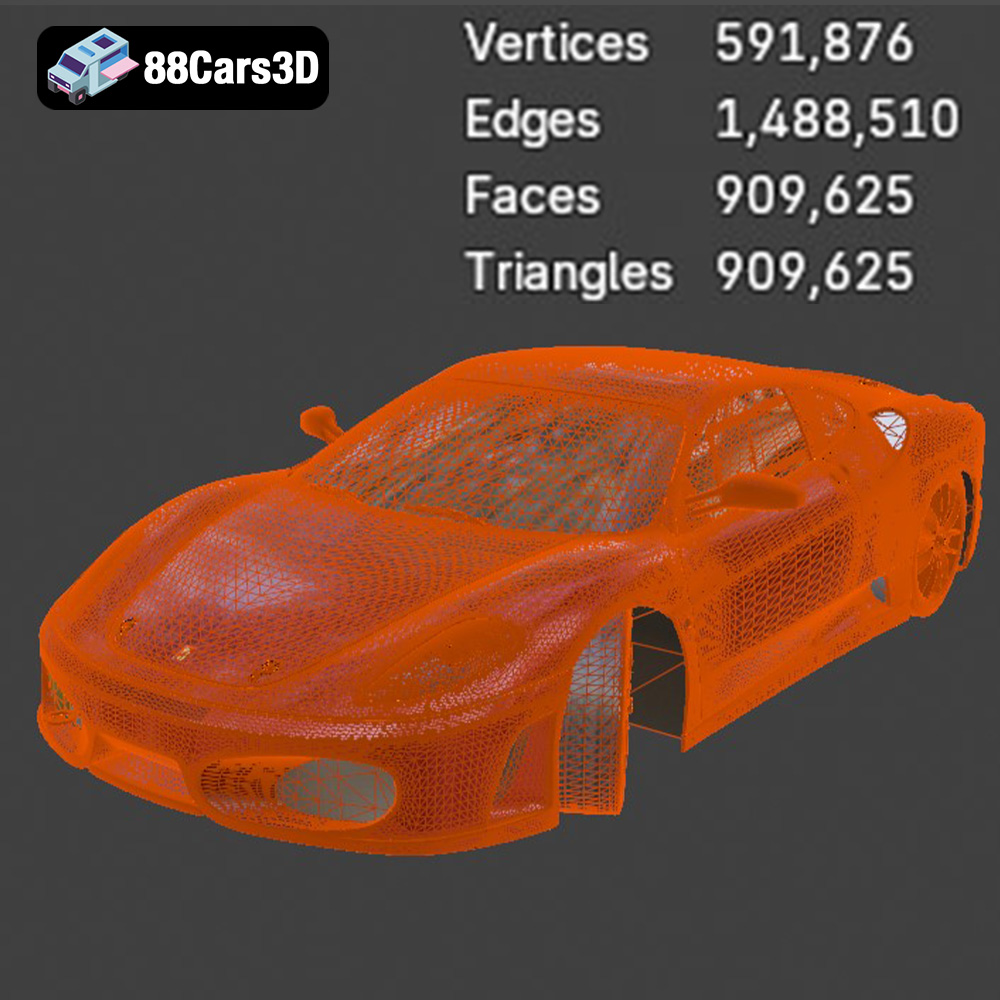
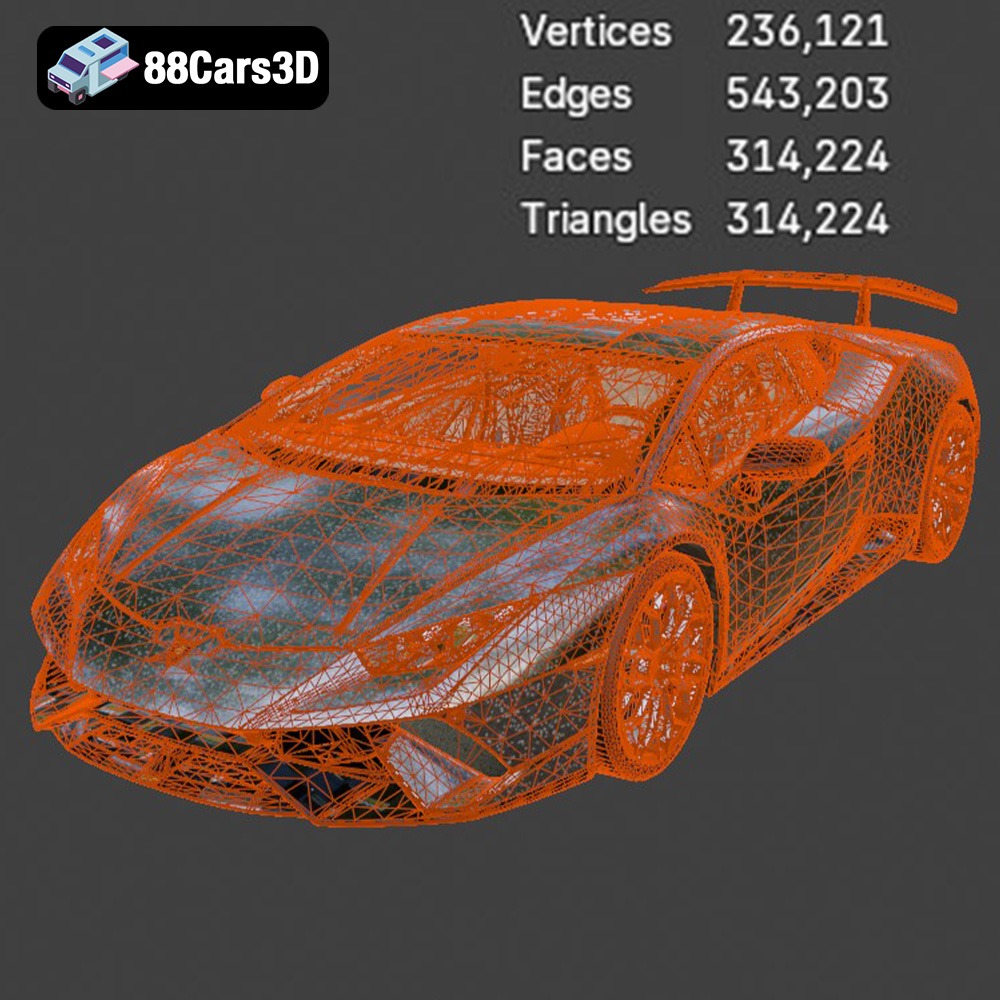
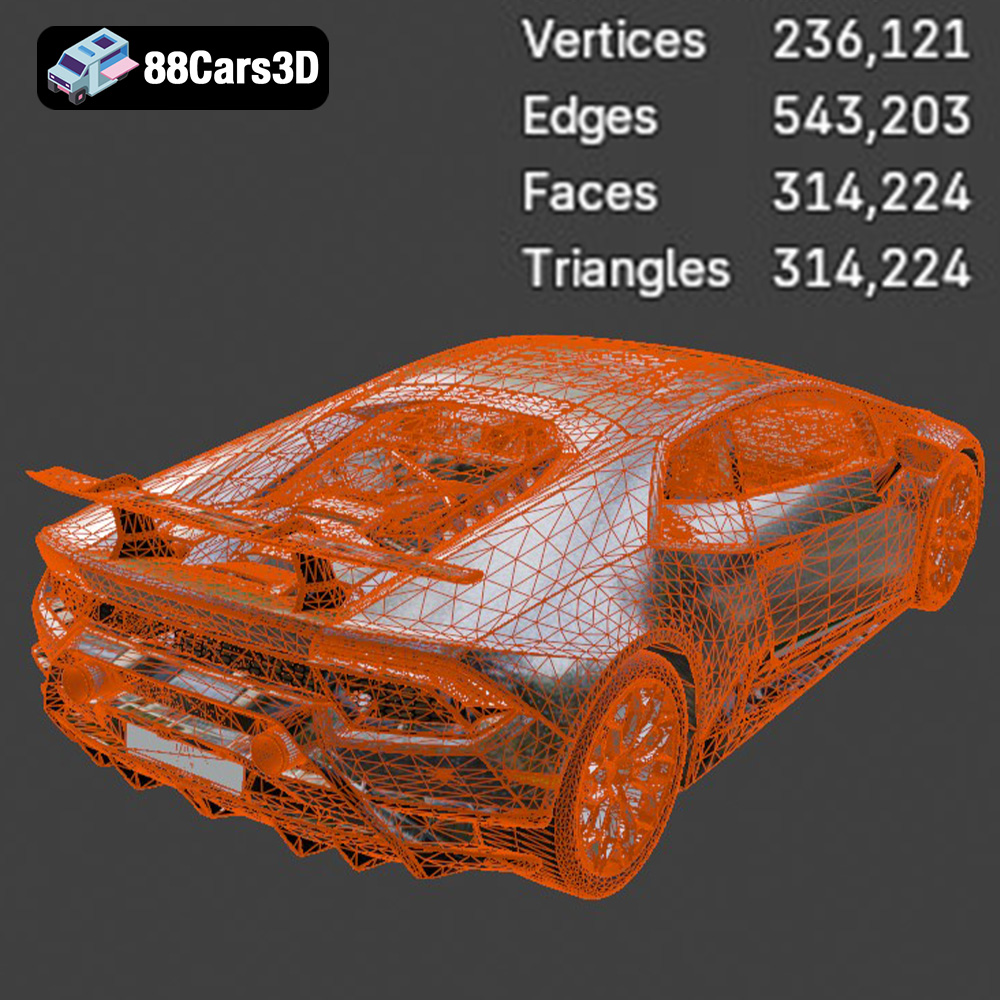
At the heart of any great 3D model is its topology. For automotive subjects, a clean, quad-based topology is paramount. This means the mesh is constructed primarily of four-sided polygons, which allows for smooth subdivision, predictable deformation, and, crucially, beautiful light reflections. Imperfect topology, characterized by triangles (tris) and N-gons (polygons with more than four sides) in critical areas, can lead to rendering artifacts, unsightly pinching, and difficulty in animating. Optimized quad-based topology ensures that surfaces, especially the expansive, reflective panels of a supercar, catch and refract light naturally, mimicking the real-world finish. This meticulous approach is essential for high-stakes cinematic renders where every highlight and shadow must be flawless. The models in The Italian Legends Bundle exhibit this “Optimization Mastery,” providing high-poly detail where it truly enhances the aesthetic without sacrificing performance for automotive rendering.
Authenticity in 3D car models hinges on an unwavering commitment to detail and scale. Every vehicle in a professional collection must be built to exact factory dimensions, ensuring 1:1 accuracy. This “Real-World Scale” is critical for applications like architectural visualization (ArchViz), where a car needs to fit realistically into a scene, or for scale modeling, where physical accuracy is non-negotiable. Beyond dimensions, “Precision Detailing” translates to accurate light clusters that refract and reflect as their physical counterparts do, branded brake calipers that add an extra layer of realism, and intricate aerodynamic fins that define a supercar’s aggressive stance. These subtle yet crucial details are what transform a generic car model into a recognizable, high-fidelity digital twin, elevating renders and game environments to a new level of immersion.
A truly professional 3D car model is designed for flexibility. This means that critical components are separated and correctly pivoted, ready for animation or individual customization. Wheels should be distinct objects, allowing for realistic rotation and steering. Doors, hoods, trunks, and steering wheels are typically separated, enabling rigging for opening and closing animations. For game development, this modularity is invaluable for physics simulations, damage models, and customization options. For 3D printing enthusiasts using a bundle like The Italian Legends Bundle, separated components can even facilitate multi-part printing, allowing for different materials or colors, or easier assembly of complex structures like an RC car body shell. This foresight in model construction significantly streamlines professional workflows, saving artists and developers valuable time.
The versatility of high-quality 3D car models from collections like The Italian Legends Bundle extends across numerous professional pipelines. These assets are not merely static representations but dynamic tools designed to integrate seamlessly into complex production environments, driving innovation in fields ranging from marketing to interactive entertainment.
For cinematic quality visuals, automotive rendering in industry-standard software like 3ds Max or Blender is paramount. Artists leverage powerful render engines such as V-Ray, Corona Renderer, Cycles, or Eevee to achieve breathtaking photorealism. The clean topology and precision detailing of these models ensure that complex reflections on polished surfaces, accurate material responses (like metallic paint, carbon fiber, and leather), and nuanced lighting interactions are rendered flawlessly. In a typical workflow, a 3D artist would import the model (perhaps using the .max or .blend files directly), set up a studio lighting environment—often an HDRI (High Dynamic Range Image) combined with targeted area lights—and then meticulously craft materials to match real-world references. The separated components of The Italian Legends Bundle models simplify the process of applying unique materials to different parts, from glossy bodywork to matte tires and intricate interiors, enabling stunning hero shots and dynamic motion blur effects.
In the realm of interactive entertainment, premium game assets are crucial for delivering immersive experiences. Unreal Engine and Unity, the leading game development platforms, demand highly optimized yet visually rich models. The Italian Legends Bundle provides “Elite ‘Tier 1′” assets, meaning they are designed with game development in mind. While high-poly models are fantastic for cinematics, game development often requires multiple Levels of Detail (LODs) to maintain performance across various distances from the camera. A clean base mesh, as provided in this bundle, facilitates the creation of these LODs, as well as the generation of efficient collision meshes. Game artists would typically import the .fbx files, configure PBR materials within the engine, set up appropriate physics assets for realistic driving dynamics, and ensure the vehicle’s separated components are ready for in-game customization or damage systems. The “engine-ready” nature of these models significantly reduces the time and effort required to integrate them into demanding real-time environments.
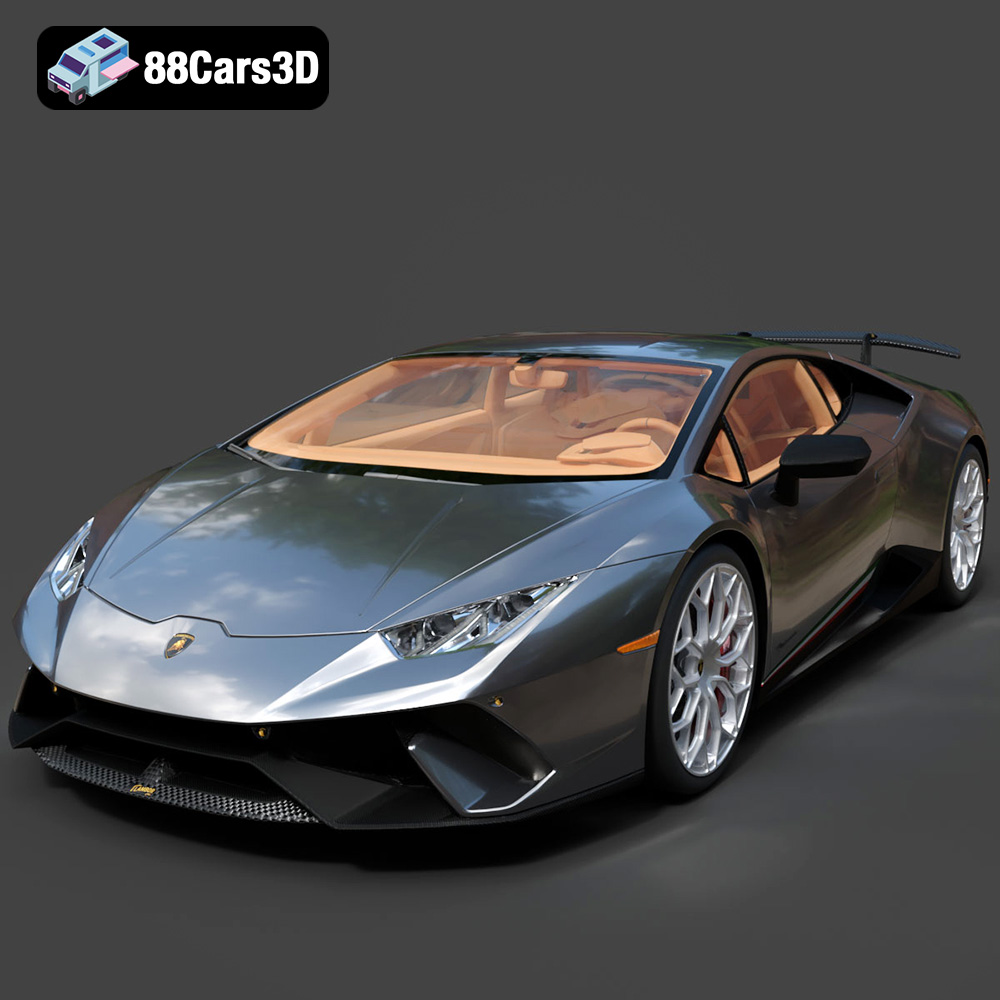
Architectural Visualization and Virtual Production are two fields where the addition of high-fidelity vehicles can dramatically elevate the realism and storytelling of a scene. In ArchViz, placing a Lamborghini Huracán Performante or a Maserati GranTurismo from The Italian Legends Bundle in the driveway of a luxury villa or a high-end garage instantly adds scale, context, and a sense of aspirational lifestyle. The “Real-World Scale” and “Precision Detailing” ensure these vehicles don’t look out of place but rather enhance the overall aesthetic. For virtual production, where digital assets are composited with live-action footage in real-time, accurate 3D car models are indispensable. They serve as essential props, background elements, or even hero vehicles for virtual sets, providing filmmakers with unprecedented control over their scenes and allowing for complex shots that would be impossible or prohibitively expensive in physical production.
The convergence of digital artistry and physical fabrication has opened exciting new avenues for creators and enthusiasts. High-fidelity 3D car models are no longer confined to screens; they can be brought to life as tangible objects through 3D printing. For a collection like The Italian Legends Bundle, which explicitly touts “3D Print Ready (STL Included),” this capability is a significant advantage, transforming digital data into exquisite physical collectibles and functional prototypes.
Preparing a 3D model for additive manufacturing requires specific considerations, and this is where optimized .stl files become invaluable. An ideal mesh for 3D printing must be “manifold,” meaning it has no holes, gaps, or overlapping polygons, ensuring a watertight volume that a 3D printer can interpret correctly. Models in The Italian Legends Bundle are designed with “Optimized mesh flow,” which is critical for preventing common printing errors such as non-manifold edges or inverted normals. This attention to mesh integrity allows for seamless preparation in slicing software, whether for high-resolution Resin (SLA) printing, which excels at capturing fine details, or FDM (Fused Deposition Modeling) printing, suitable for larger, more robust parts. The included .stl formats ensure that users can immediately proceed to printing without complex mesh repair or optimization work.
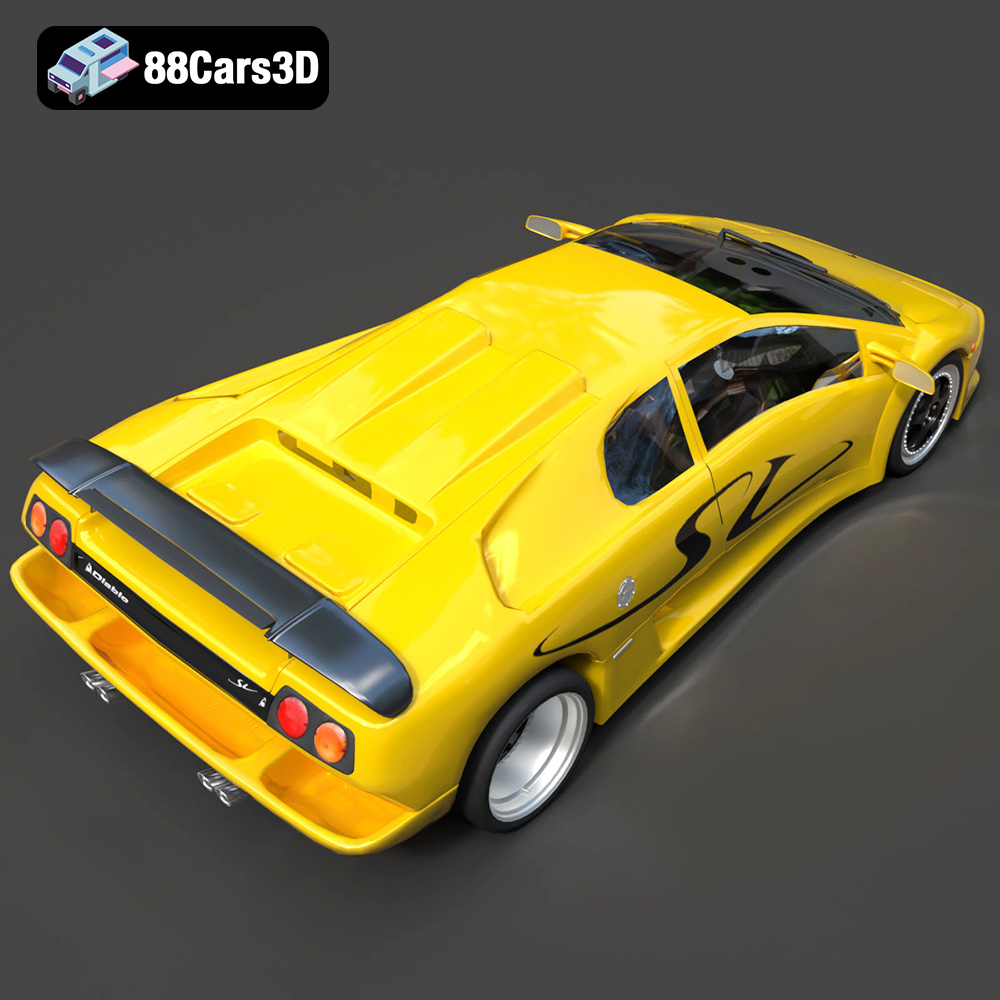
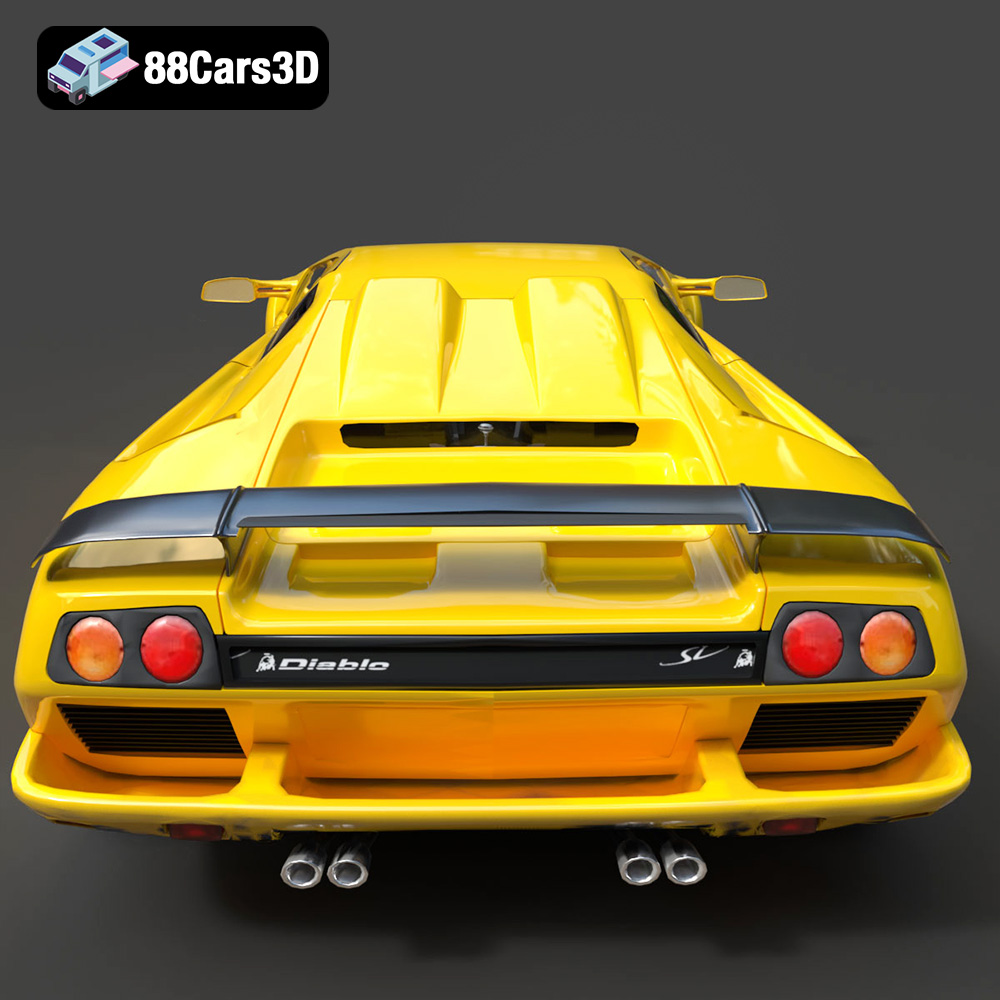
The ability to 3D print these legendary Italian supercars unlocks a world of possibilities for scale model enthusiasts and hobbyists. Imagine producing a highly detailed 1:24 or 1:18 scale replica of a Lamborghini Diablo SV or a Ferrari 458 Italia, perfectly capturing every curve and vent. The “Precision Detailing” in these 3D car models translates directly into incredibly sharp physical features on the printed object. Beyond static display models, the separated components (wheels, steering, body panels) also make these assets ideal for prototyping. Enthusiasts can print custom RC car body shells or test different modifications for physical models before committing to more expensive manufacturing methods. This bridges the gap between digital design and practical application, offering a unique avenue for creative expression.
While the .stl format doesn’t inherently carry material information, the choice of 3D printing material significantly impacts the final aesthetic and feel of a printed supercar. For high-detail scale models, resin printing (SLA/DLP) with fine layer heights (e.g., 0.05mm or less) is often preferred, capturing even the smallest aerodynamic fins and grille patterns with exceptional fidelity. The cured resin can then be sanded, primed, and painted to achieve a realistic automotive finish. For larger, more robust prints like RC car bodies, FDM printing with materials like ABS or PETG might be chosen for durability, though with slightly less fine detail. Post-processing techniques, including sanding, filler primer, and automotive-grade paints, can further enhance the realism of these printed 3D car models, creating truly museum-worthy collectibles.
The true value of a premium collection like The Italian Legends Bundle lies in its broad applicability across diverse creative industries. These highly detailed and optimized 3D car models serve as indispensable assets, empowering professionals to execute ambitious projects with unparalleled quality and efficiency. Let’s explore a few hypothetical yet entirely plausible scenarios where this bundle would be the ultimate toolkit.
Consider a high-budget action film requiring a spectacular chase sequence featuring a Lamborghini Huracán Performante and a Ferrari 458 Italia. Instead of relying solely on expensive real-world vehicles for every shot, a visual effects studio could utilize the models from The Italian Legends Bundle. For dynamic shots where the cars perform impossible stunts, or for close-up “Hero Car” moments showcasing intricate details, the clean topology and precision of these automotive rendering-ready models would be critical. VFX artists could animate the separated components – wheels spinning, suspension compressing, even active aerodynamics like the Huracán’s ALA system deploying – to achieve hyper-realistic motion blur and deformation. The high-fidelity meshes would hold up perfectly under intense scrutiny, whether in a slow-motion render or integrated seamlessly into live-action plates, delivering breathtaking visuals without compromising the production budget or safety.
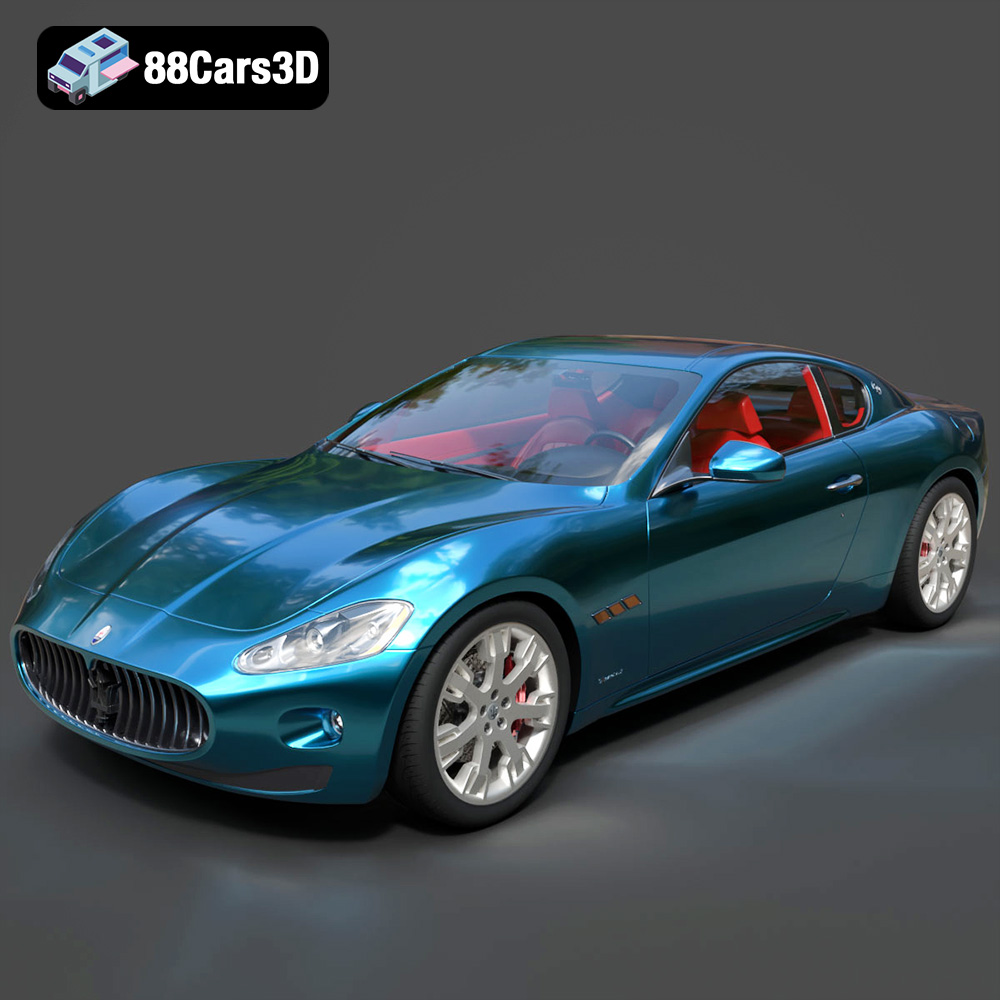
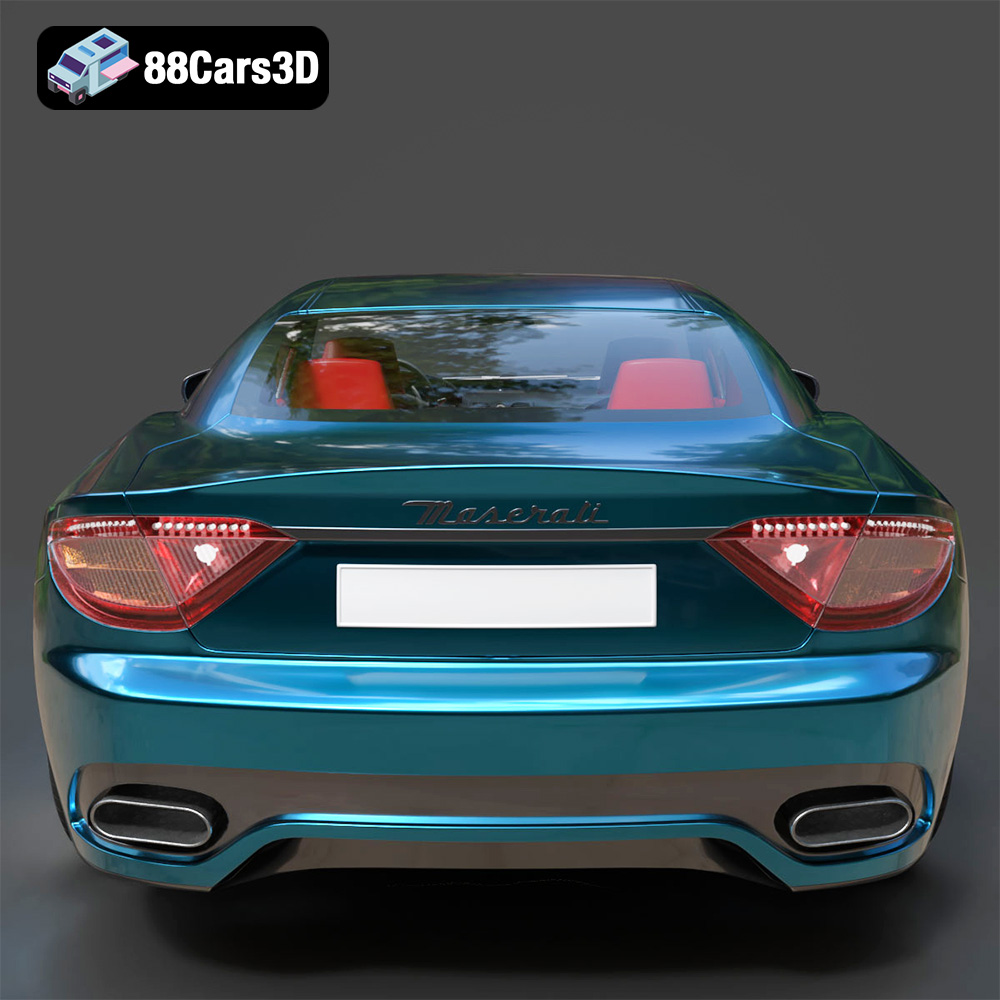
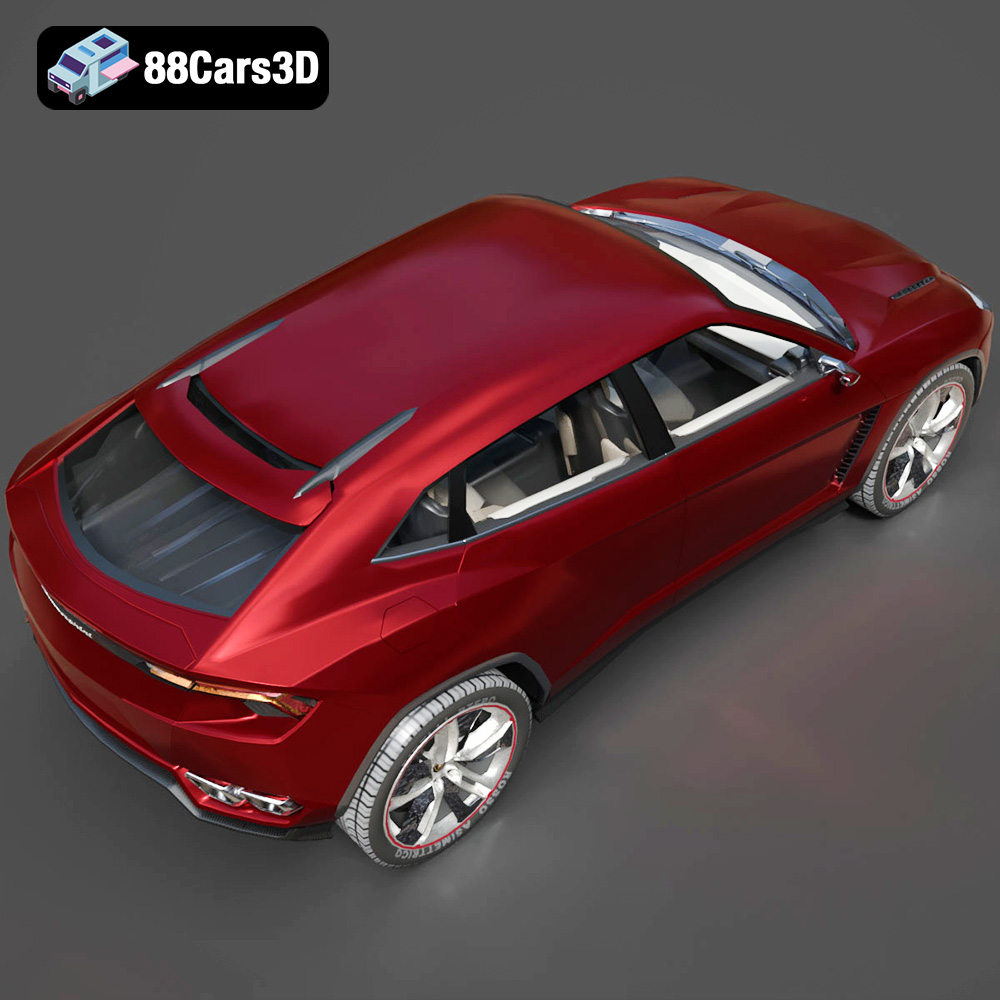
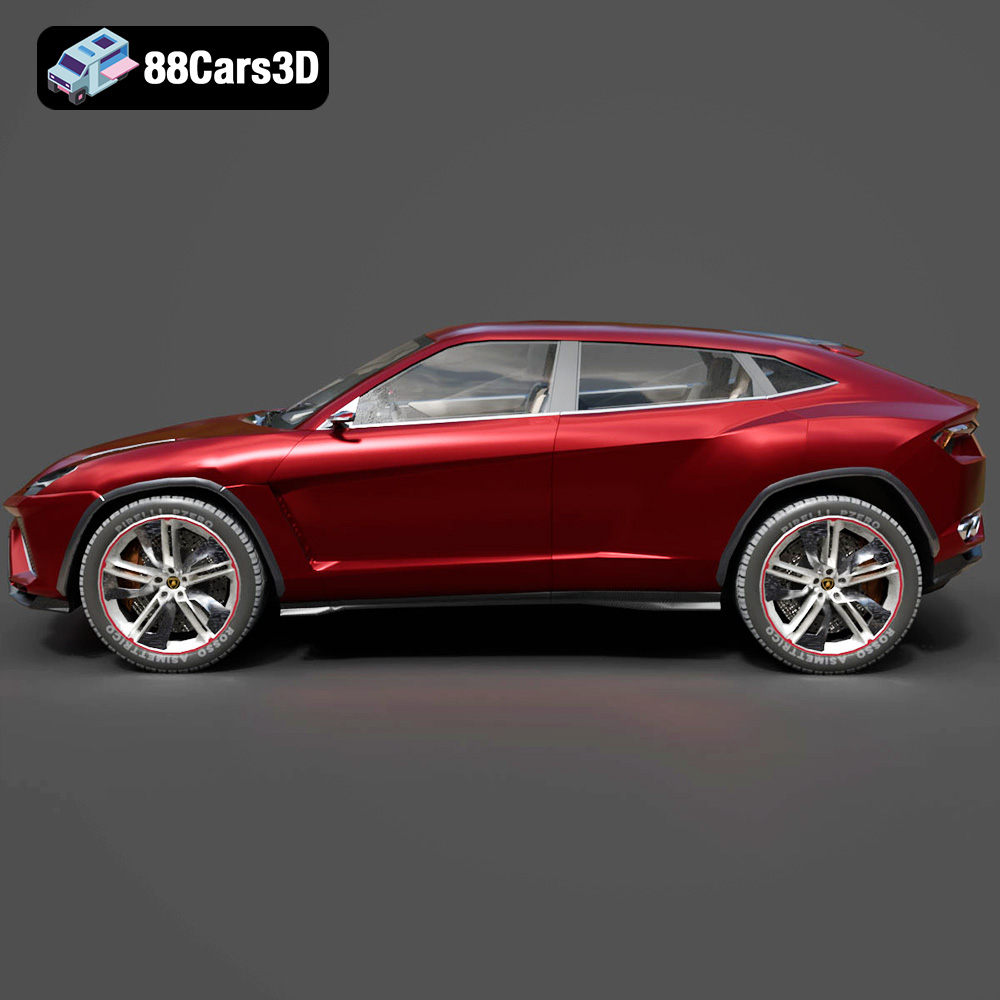
An architectural firm is tasked with creating a photorealistic visualization of a cutting-edge luxury car showroom. The design is sleek, minimalist, and designed to highlight the vehicles within. Integrating generic car models would diminish the impact, but populating the showroom with the iconic Maserati GranTurismo and the powerful Lamborghini Urus from the bundle elevates the entire presentation. The “Real-World Scale” ensures these vehicles sit perfectly within the meticulously designed space, while their “Precision Detailing” adds an undeniable layer of opulence. The ArchViz artists can position the models strategically, utilizing advanced lighting techniques and ray-tracing renderers to showcase the cars’ reflective surfaces, making them the stars of the architectural narrative. This not only enhances the visual appeal but also helps the client envision the high-end experience their showroom promises.
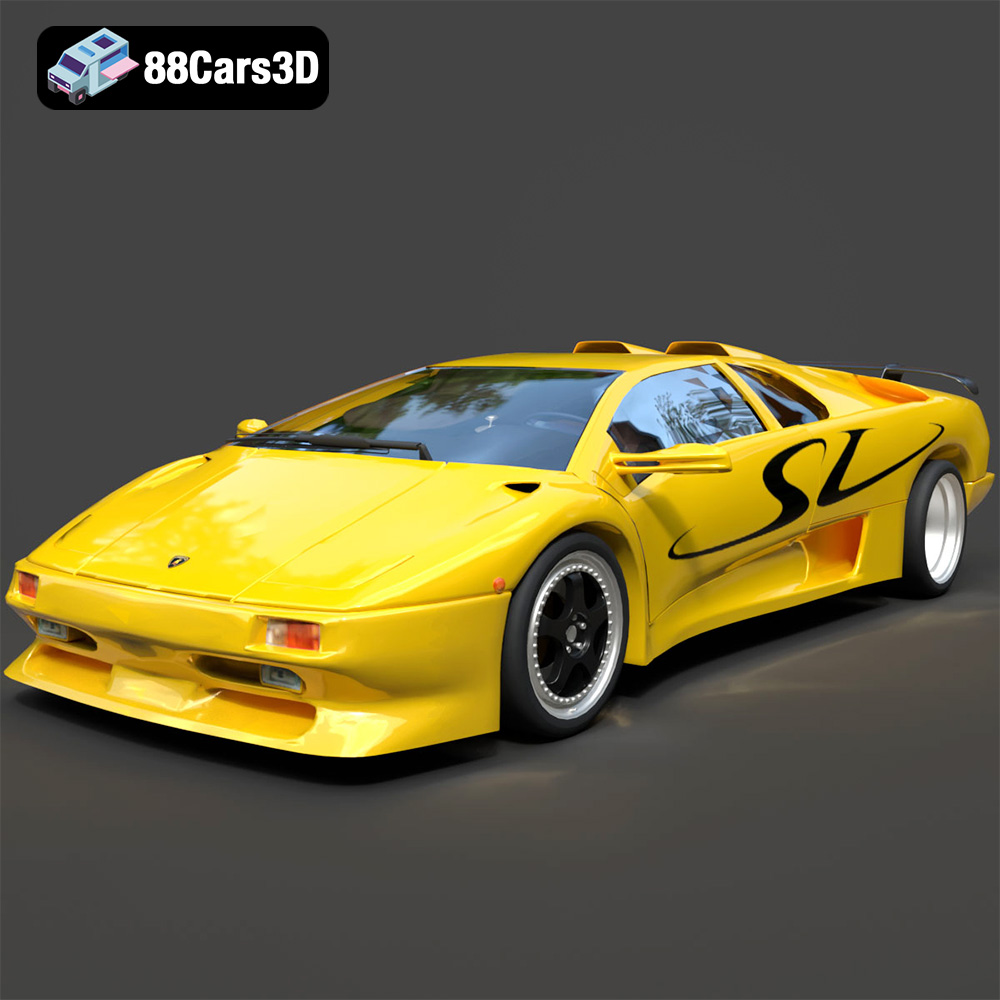
Imagine a digital museum curating a collection of legendary Italian vehicles, or an interactive AR/VR experience that allows users to explore these machines up close. The Italian Legends Bundle would be the ideal starting point. With models ranging from the vintage Lamborghini Diablo SV (1995) to modern marvels like the Urus, the bundle offers a journey through Italian automotive history. For an AR application, the .glb format would be perfect, allowing users to place a virtual Ferrari 458 Italia in their driveway and walk around it, examining every detail. In a VR environment, these meticulously crafted game assets could form the core of an immersive tour, where users could even “sit” inside the Maserati GT or inspect the engine bay of the Huracán. The blend of historical significance and digital precision makes this collection invaluable for educational, entertainment, and experiential projects.
The landscape of 3D visualization, game development, and digital design is constantly evolving, demanding ever-higher standards of quality and efficiency. For professionals working with automotive subjects, the investment in premium 3D car models is not just about aesthetics; it’s about empowering creativity, streamlining workflows, and delivering exceptional results. The intricate blend of artistic craftsmanship and technical precision in these assets ensures that every curve, every reflection, and every component contributes to an authentic and visually stunning final product.
The Italian Legends Bundle stands as a testament to this commitment to excellence. By offering a meticulously curated collection of iconic Italian supercars, optimized for both high-end rendering and precision 3D printing, it provides an unparalleled resource for a wide array of applications. From the cinematic grandeur of the Lamborghini Huracán Performante to the timeless elegance of the Maserati GranTurismo, each model is engineered to seamlessly integrate into your most demanding projects, whether you’re creating breathtaking automotive rendering, developing immersive game assets, or fabricating tangible collectibles.
Understanding the nuances of various file formats – from the editable depth of .blend and .max to the universal compatibility of .fbx and .obj, and the print-ready nature of .stl – is key to unlocking the full potential of such a bundle. This knowledge empowers creators to confidently navigate complex pipelines, ensuring their digital masterpieces translate flawlessly across platforms and purposes. For those seeking to elevate their digital automotive projects with assets that truly resonate with quality and detail, exploring collections like The Italian Legends Bundle on 88cars3d.com is a definitive step towards realizing their creative vision without compromise.
The Italian Thoroughbreds Bundle is an elite, curated collection representing the pinnacle of Italian automotive soul, speed, and sculptural design. This bundle brings together the aggressive track-focused aerodynamics of Lamborghini and Ferrari with the grand-touring elegance of Maserati. Designed for creators, collectors, and 3D printing enthusiasts, this collection offers a diverse range of vehicles—from 90s icons to modern-day engineering marvels.
Each model in this bundle has been meticulously crafted to capture the essence of “Bella Macchina.” Whether you are looking for the raw, naturally aspirated roar of a V10 Huracán or the timeless executive sportiness of the Maserati GT, this collection provides high-fidelity assets that refuse to compromise on quality. These models are optimized for professional-grade renders and have been specifically prepared for seamless integration into high-end automotive visualizations and precision 3D printing projects.
Perfect for: High-stakes cinematic renders, luxury 3D print collections, RC car body shell prototyping, architectural visualization, and digital automotive museums.
Included Vehicles in this Bundle:
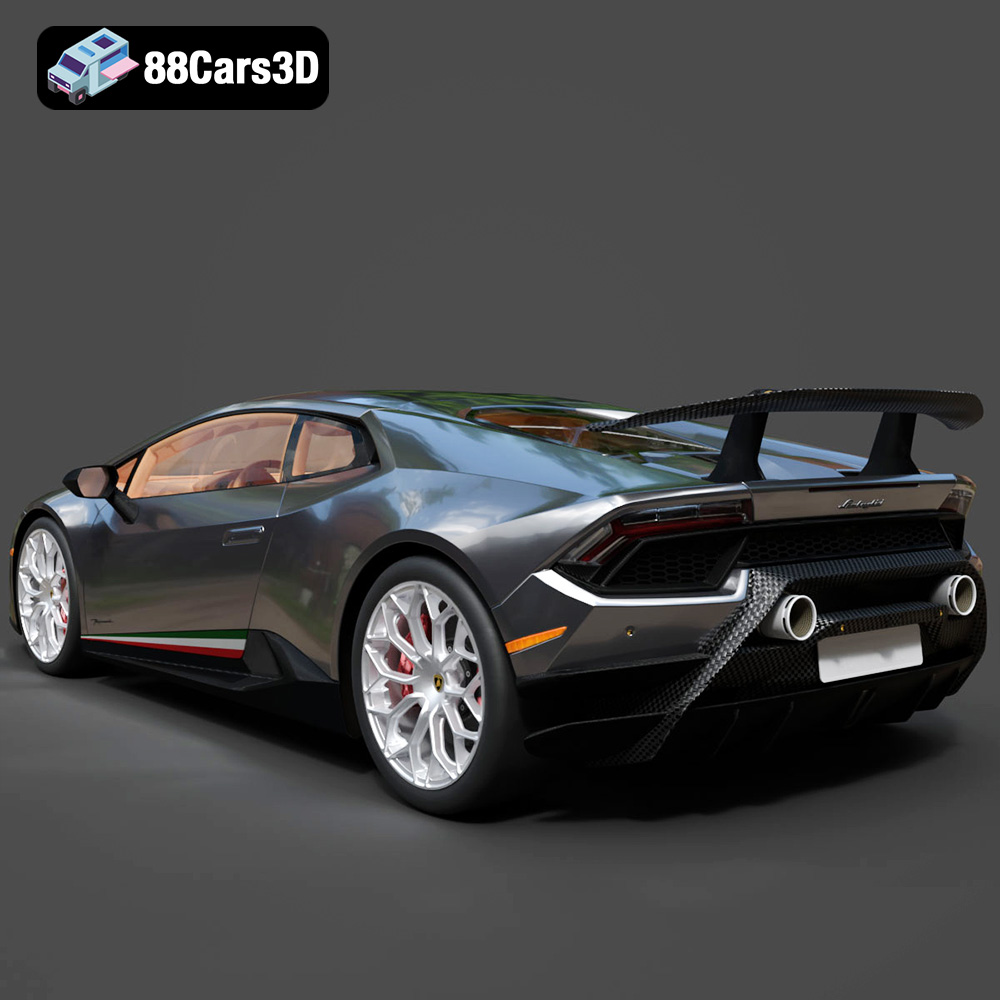
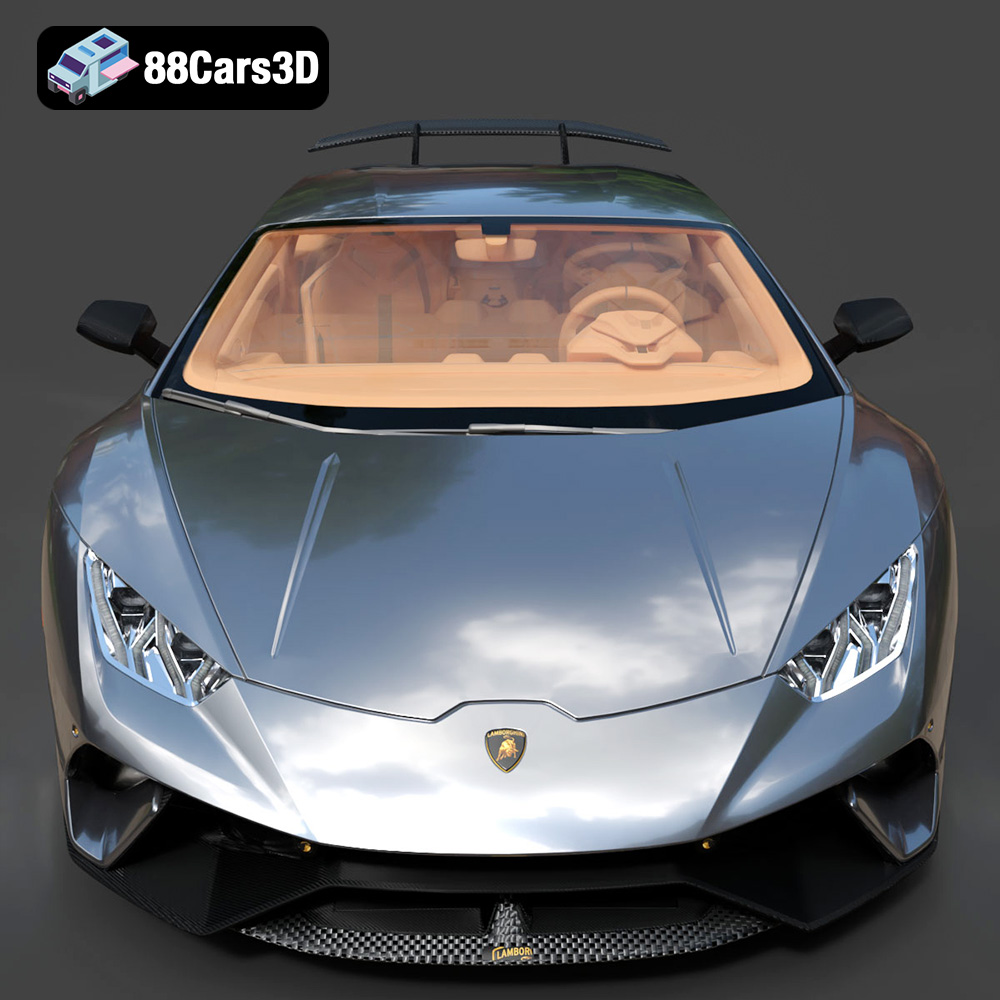
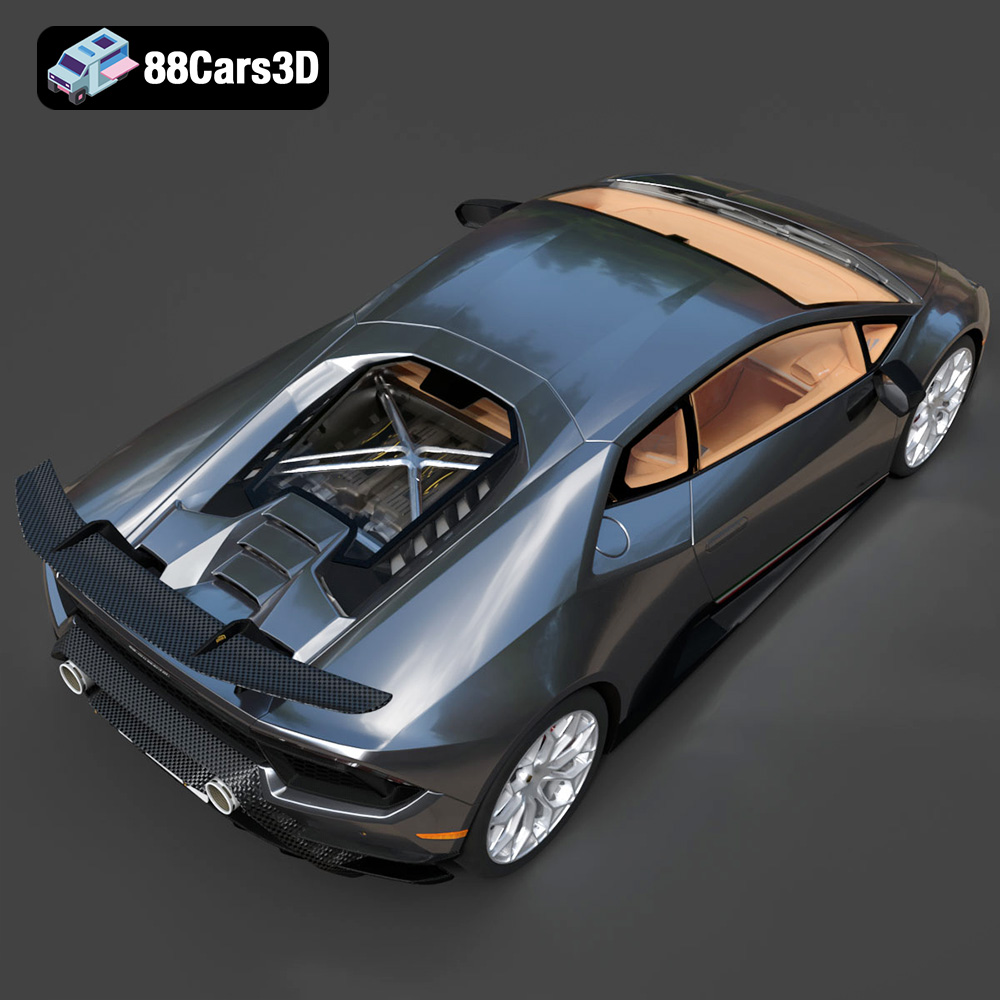
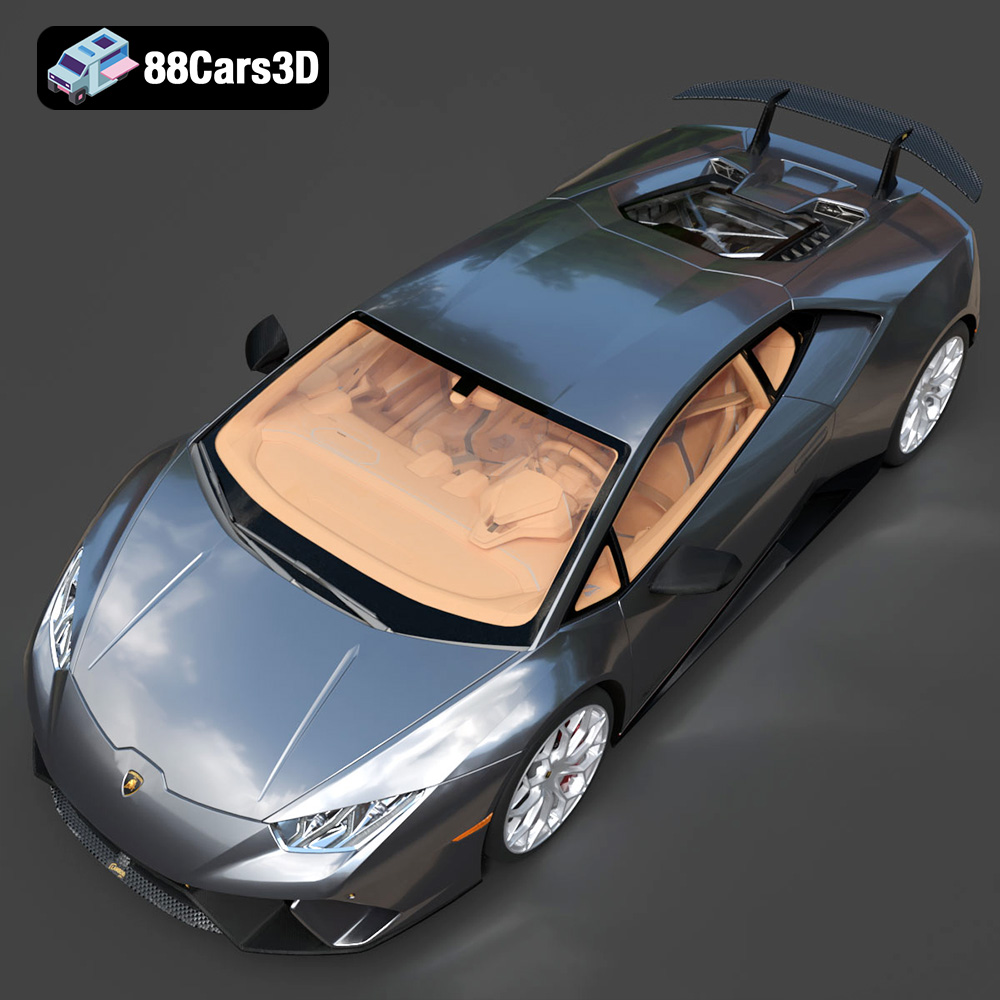
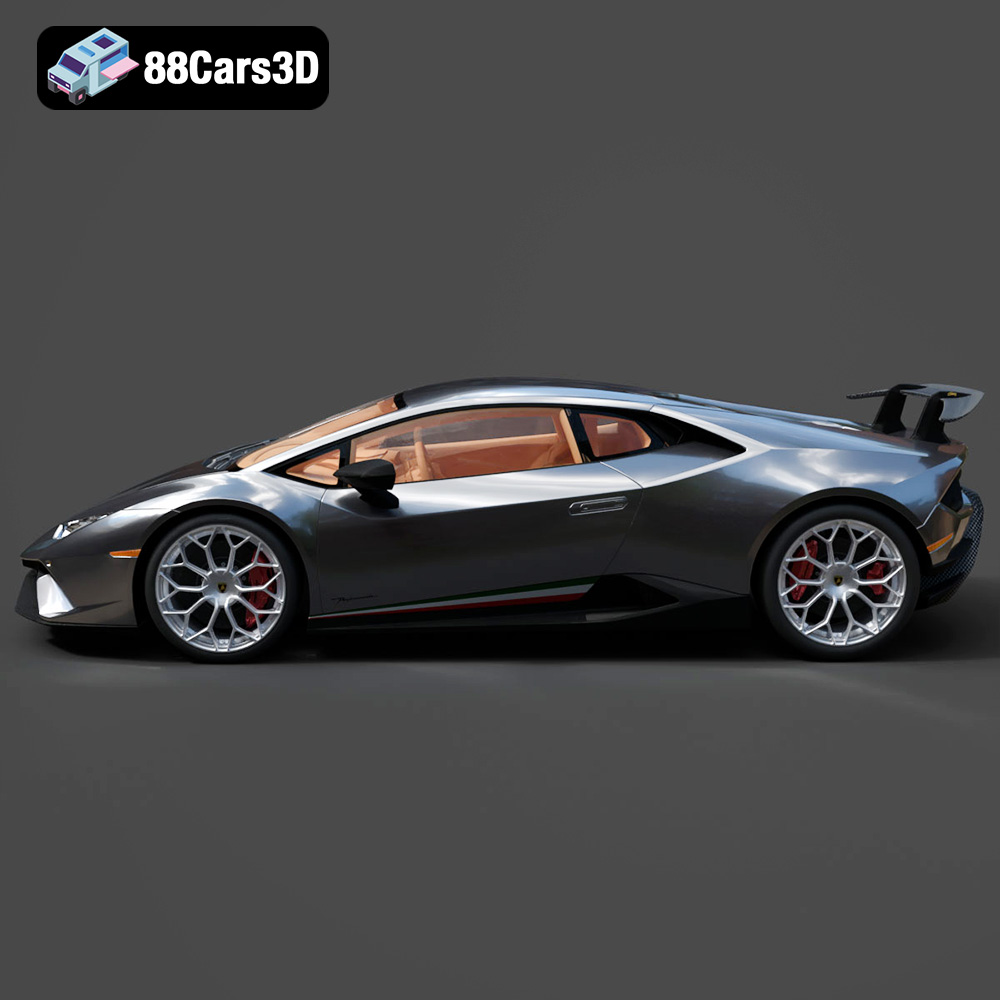
Lamborghini Huracán Performante LP 640-4 (2017): The track-king of the V10 era, featuring the iconic ALA active aerodynamics and aggressive styling.
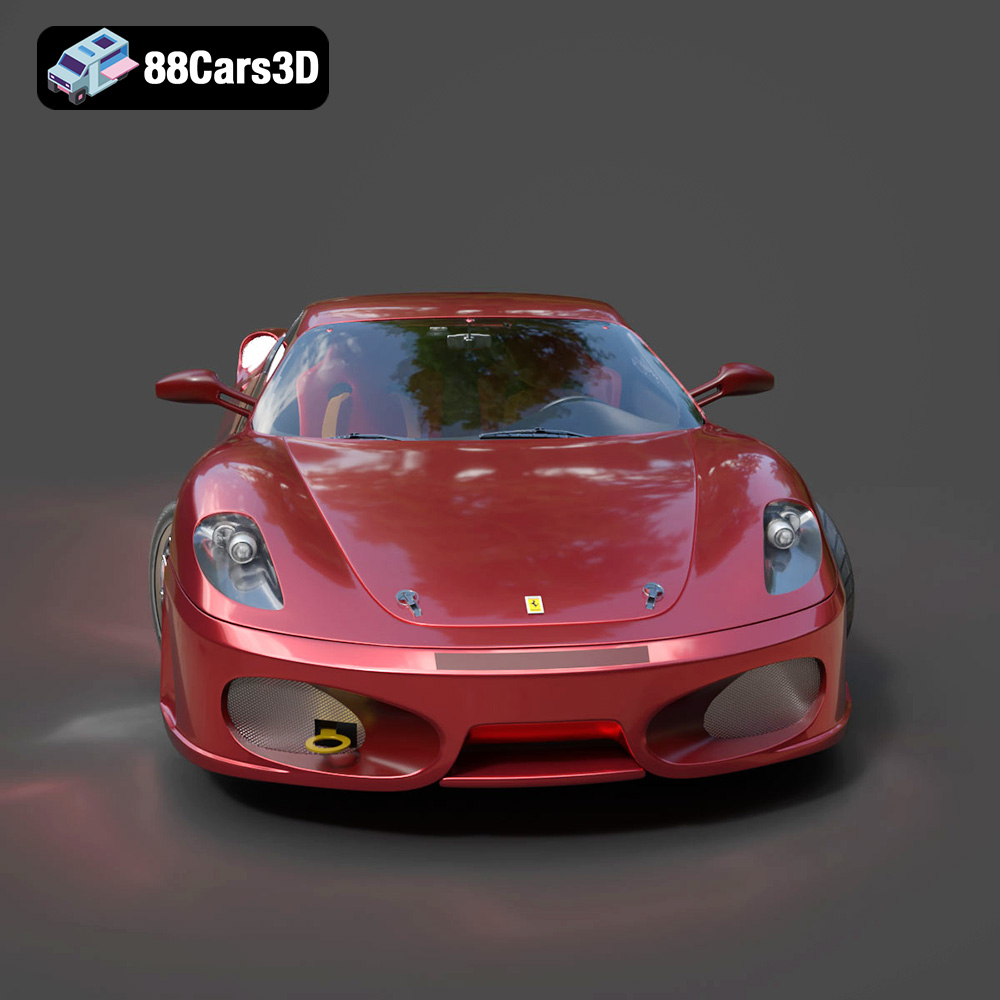
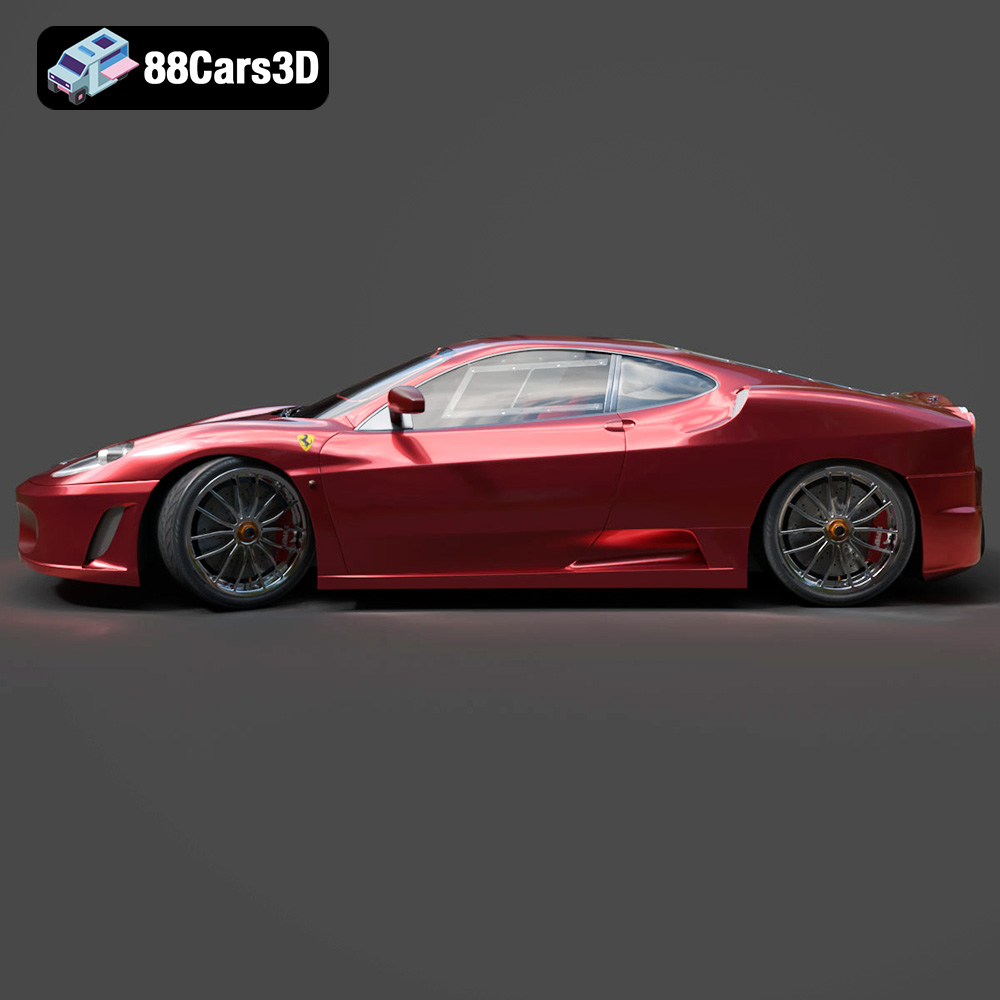
Ferrari 458 Italia (2013): A modern classic. The last naturally aspirated V8 masterpiece from Maranello, known for its clean, wind-tunnel-sculpted lines.
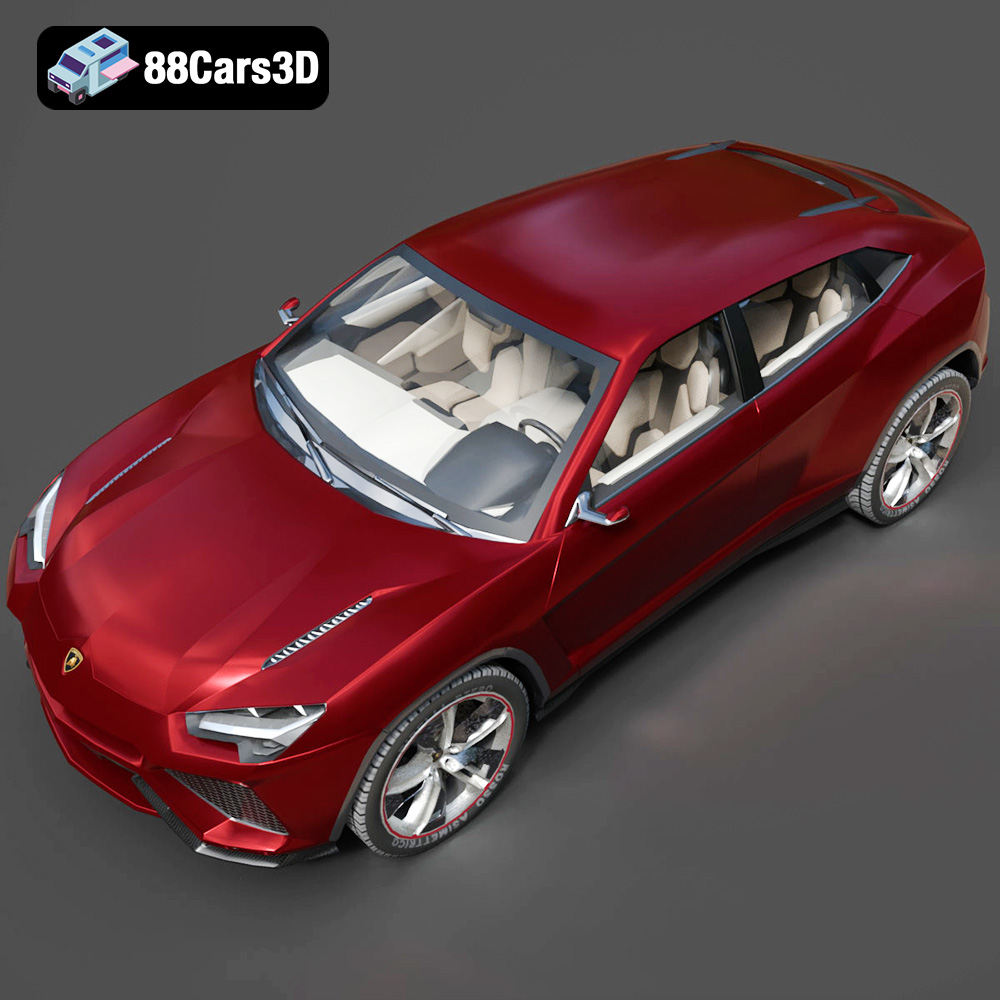
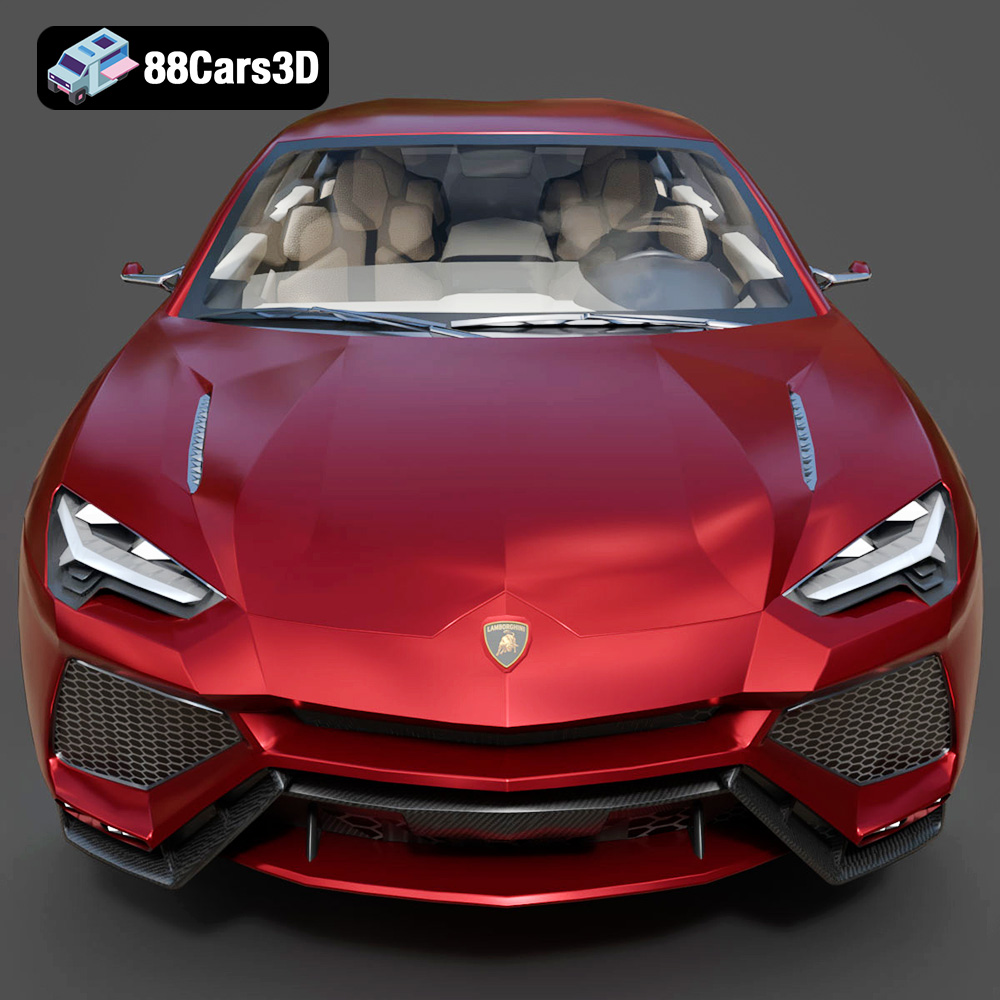
Lamborghini Urus: The world’s first Super Sport Utility Vehicle. Combining the soul of a super sports car with the functionality of an SUV.
Lamborghini Diablo SV (1995): A poster-car legend. The “Super Veloce” edition of the 90s icon, capturing the raw, analog era of Italian motoring.
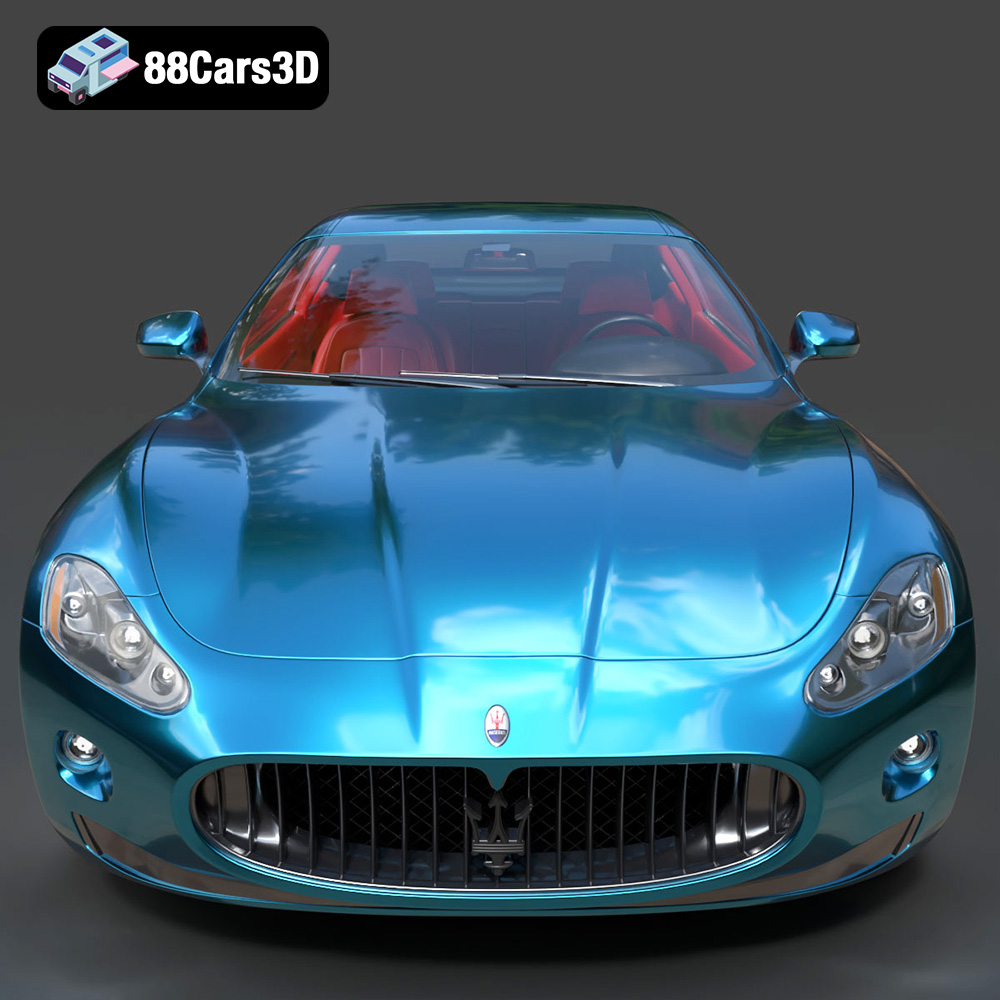
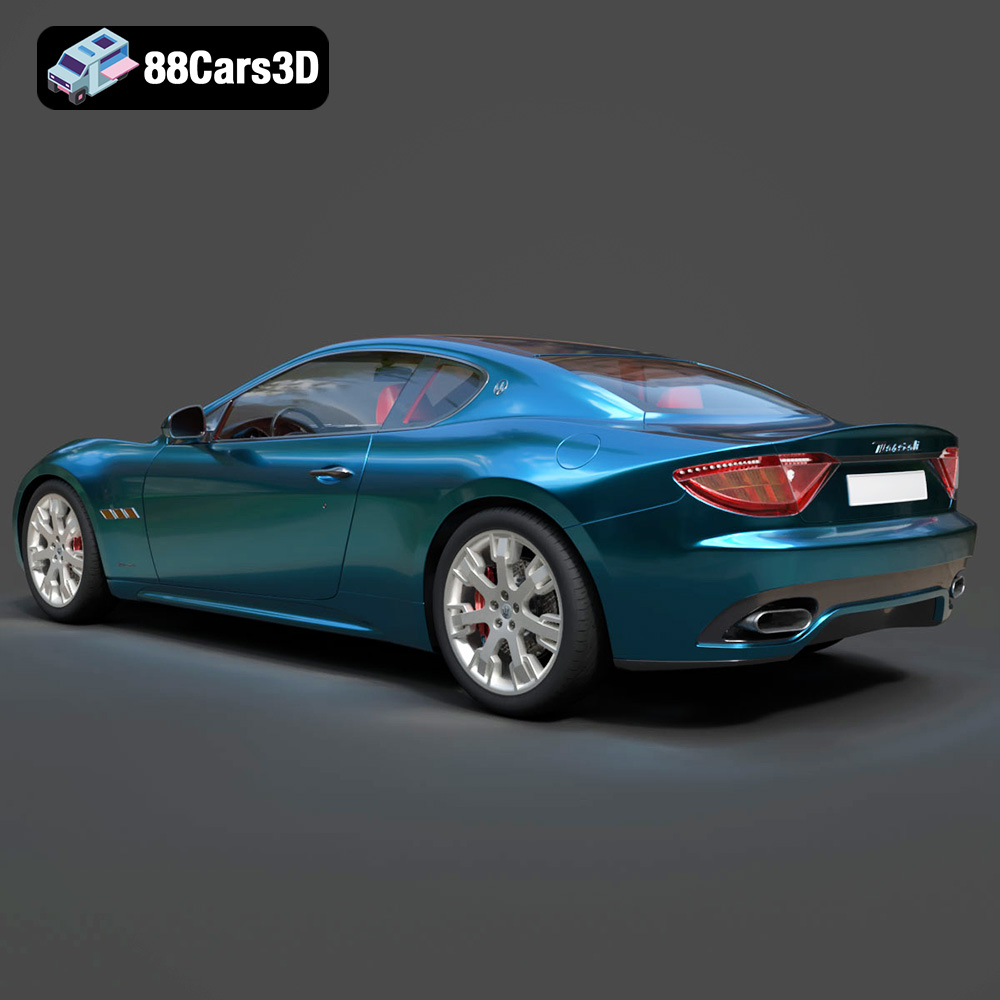
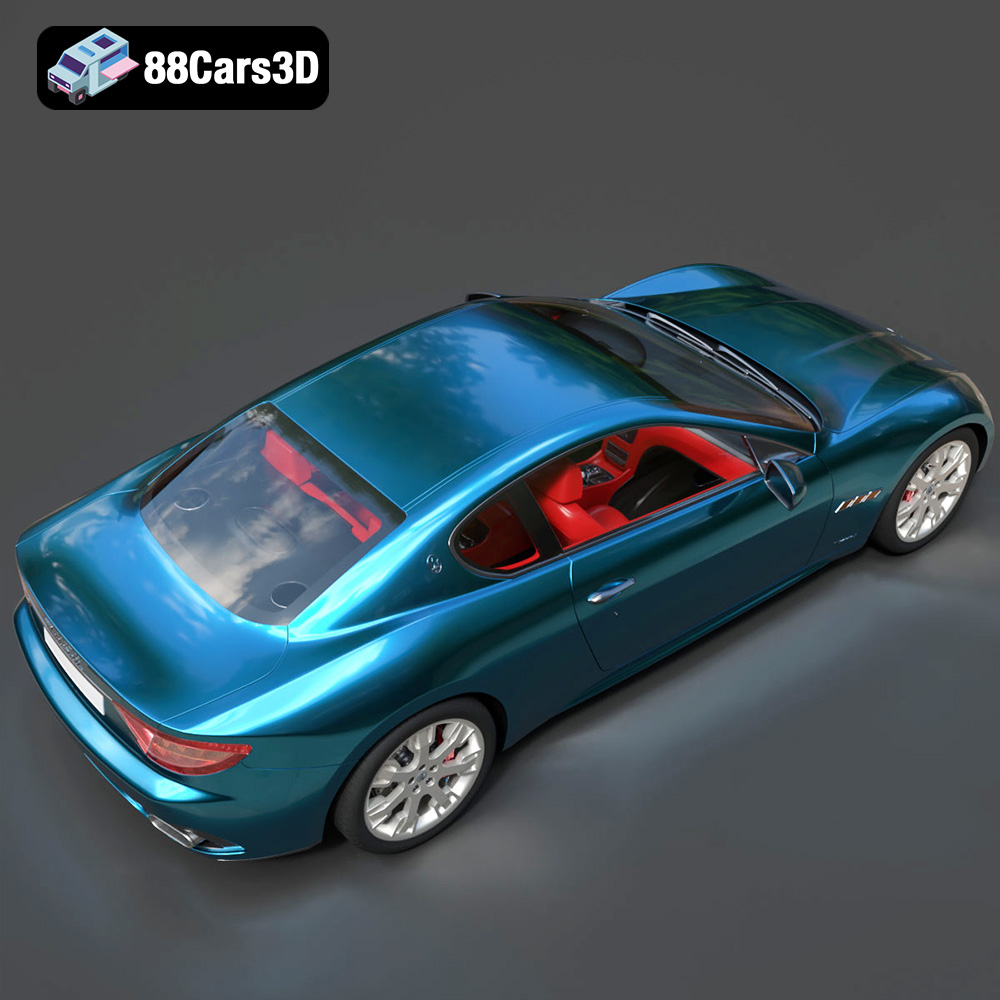
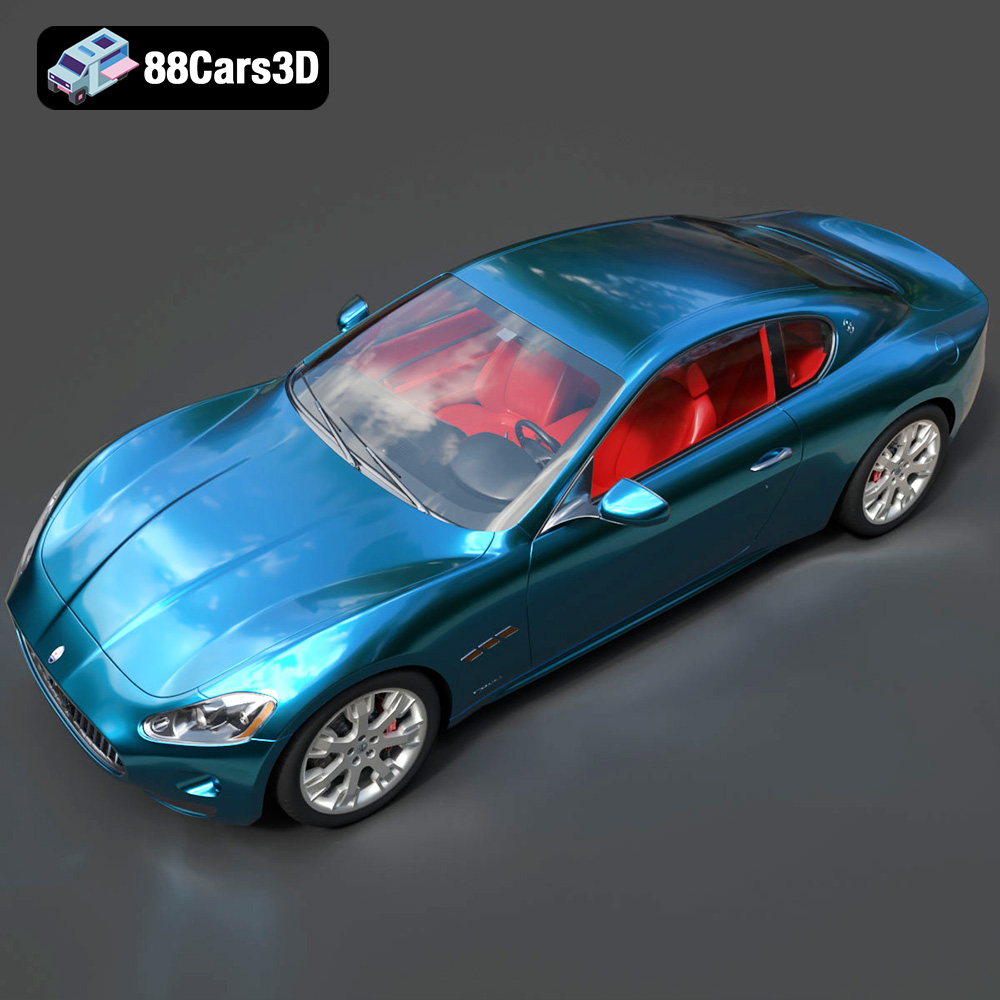
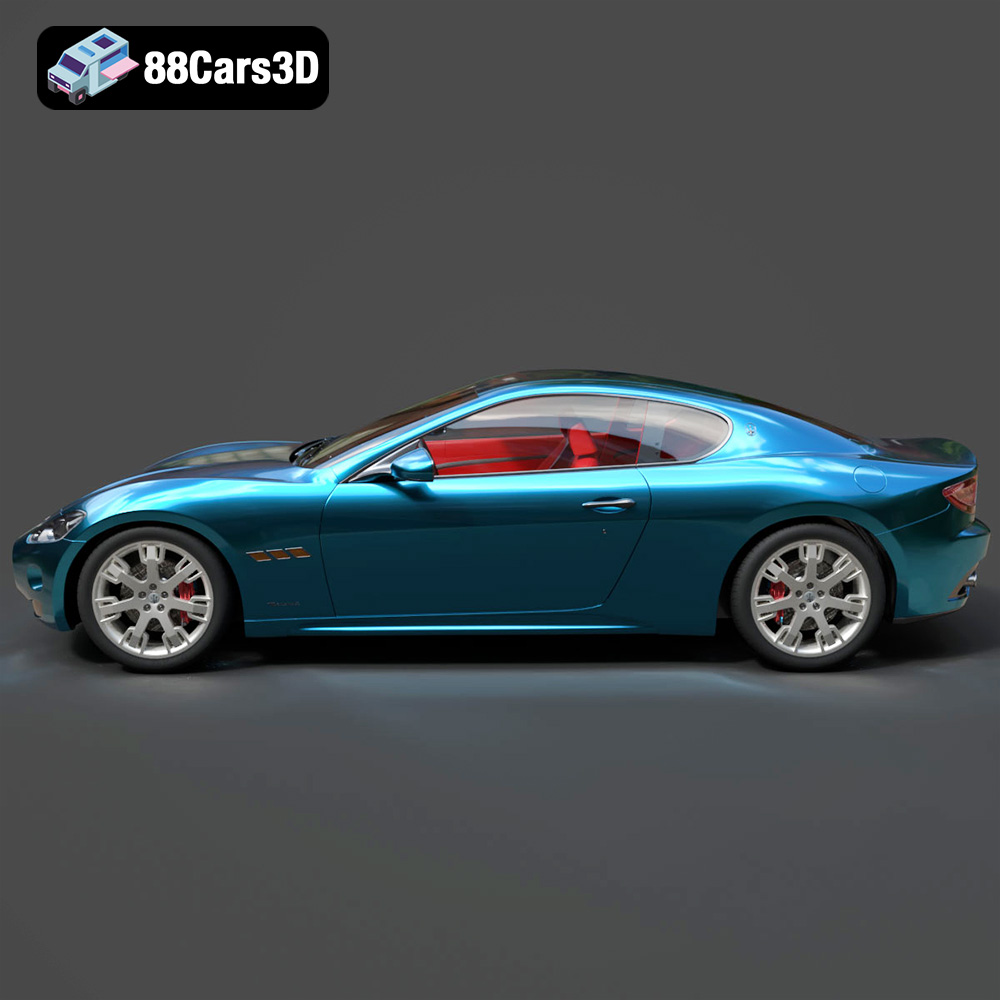
Maserati GranTurismo (GT): The ultimate expression of Italian luxury and grand touring, balancing sophisticated elegance with a racing heart.
Technical Specifications & Advantages:
3D Print Ready (STL Included): Optimized mesh flow ensuring these models are ready for high-resolution Resin (SLA) or FDM printing.
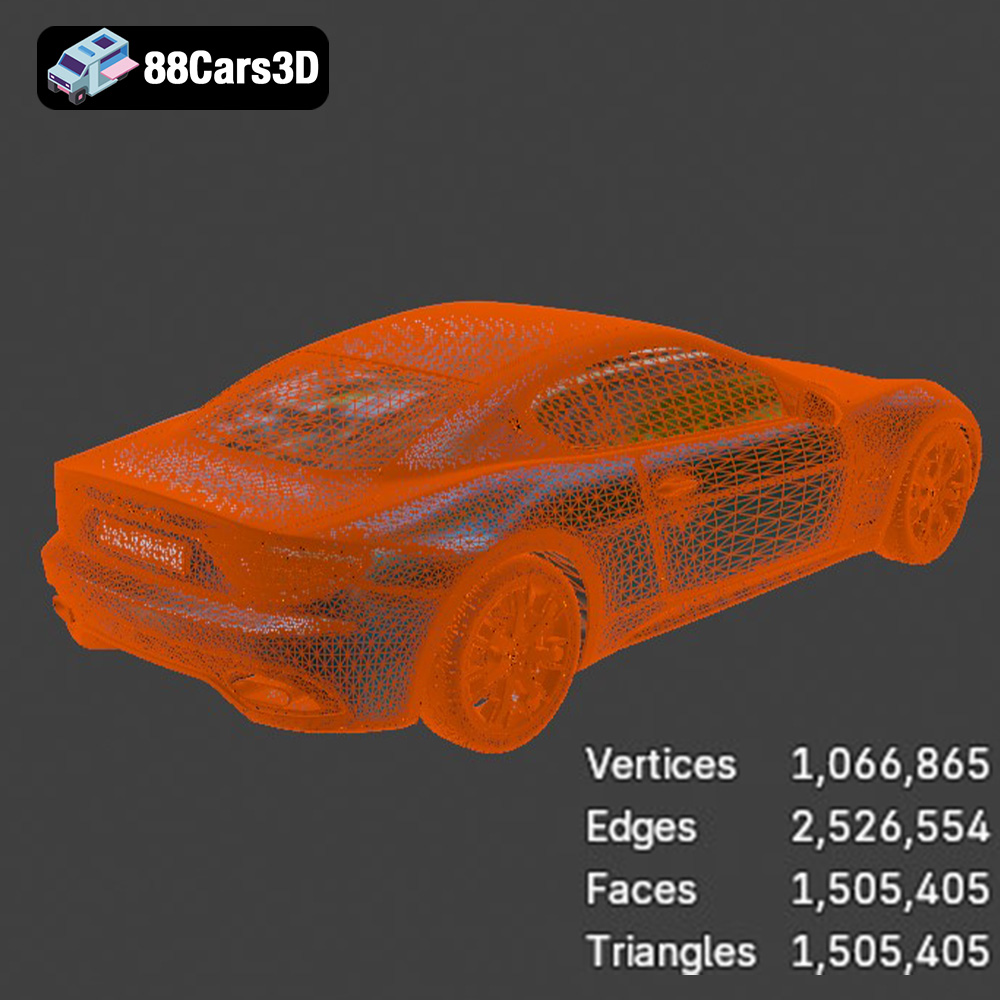
Optimization Mastery: High-poly detail where it matters, with an optimized quad-based topology for beautiful light reflections and motion blur.
Real-World Scale: Every vehicle is built to exact factory dimensions, ensuring 1:1 accuracy for scale modeling and ArchViz.
Precision Detailing: Accurate light clusters, branded brake calipers, and intricate aerodynamic fins.
Separated Components: Wheels, steering, and body panels are separated and pivoted for easy rigging, animation, or custom part printing.
Applications:
3D Printing & Collectibles: Perfect for creating 1:24 or 1:18 scale physical models with extreme detail.
ArchViz: Instantly elevate high-end villa driveways or luxury garage renders with a fleet of Italian exotics.
VFX & Cinema: Clean topology allows for stunning “Hero Car” close-ups and high-speed chase sequences.
Game Development: Elite “Tier 1” assets for racing games or high-end urban environments.
Included File Formats: .STL (Print Ready), .blend, .fbx, .obj, .max (Compatible with Unreal Engine, Unity, and all major 3D suites).
Title Tag: Italian Supercar 3D Models Bundle – Lamborghini, Ferrari & Maserati STL Collection
Meta Description: Texture: Yes | Material: Yes | 3D Printable: Yes. Download the Italian Thoroughbreds Bundle featuring 5 iconic 3D models: Lamborghini Huracán Performante, Ferrari 458 Italia, Lamborghini Urus, Diablo SV, and Maserati GT. Optimized for 4K rendering and 3D printing (STL included). Save 50% with this ultimate Italian vehicle collection.
$199.99
Ferrari & Maserati STL Collection
Italian Supercar 3D Models Bundle – Lamborghini