Get 50% OFF All Premium 3D & STL Models!

In the fast-paced world of digital visualization, the quality of your assets can make or break a project. Whether you’re an architectural visualization artist aiming to imbue a scene with unparalleled realism, a game developer crafting an immersive open world, or a virtual production specialist creating high-stakes commercial content, the demand for meticulously crafted 3D car models is ever-present and ever-growing. These aren’t just decorative elements; they are crucial components that define environment authenticity, elevate aesthetic appeal, and provide functional interactivity.
Today, we delve deep into the technical intricacies and creative possibilities offered by high-quality automotive 3D assets, exploring how they integrate into professional pipelines and what sets truly exceptional models apart. To illustrate these points, we’ll frequently reference the Ultimate German Luxury Cars 3D Models Bundle, a premier collection available on 88cars3d.com, which perfectly encapsulates the blend of detail, optimization, and versatility required in modern digital endeavors.
The digital age has fundamentally transformed how we design, showcase, and interact with automobiles. From the initial concept sketches to the final marketing renders, 3D models are at the core of this evolution. They provide an unparalleled level of control, precision, and flexibility, allowing artists and engineers to explore possibilities that were once confined to the physical realm.
Before a single piece of metal is cut, automotive manufacturers rely heavily on 3D models to prototype designs, test aerodynamics, and refine aesthetics. These early-stage models, often originating from CAD software, are then transformed into highly detailed assets for marketing, simulations, and virtual showrooms. The precision inherent in these models ensures that every curve, every reflection, and every shadow accurately represents the designer’s vision. For independent artists and studios, ready-to-use premium 3D car models like those in the Ultimate German Luxury Cars bundle drastically reduce production time, allowing them to jump straight into creative integration rather than spending weeks on modeling.
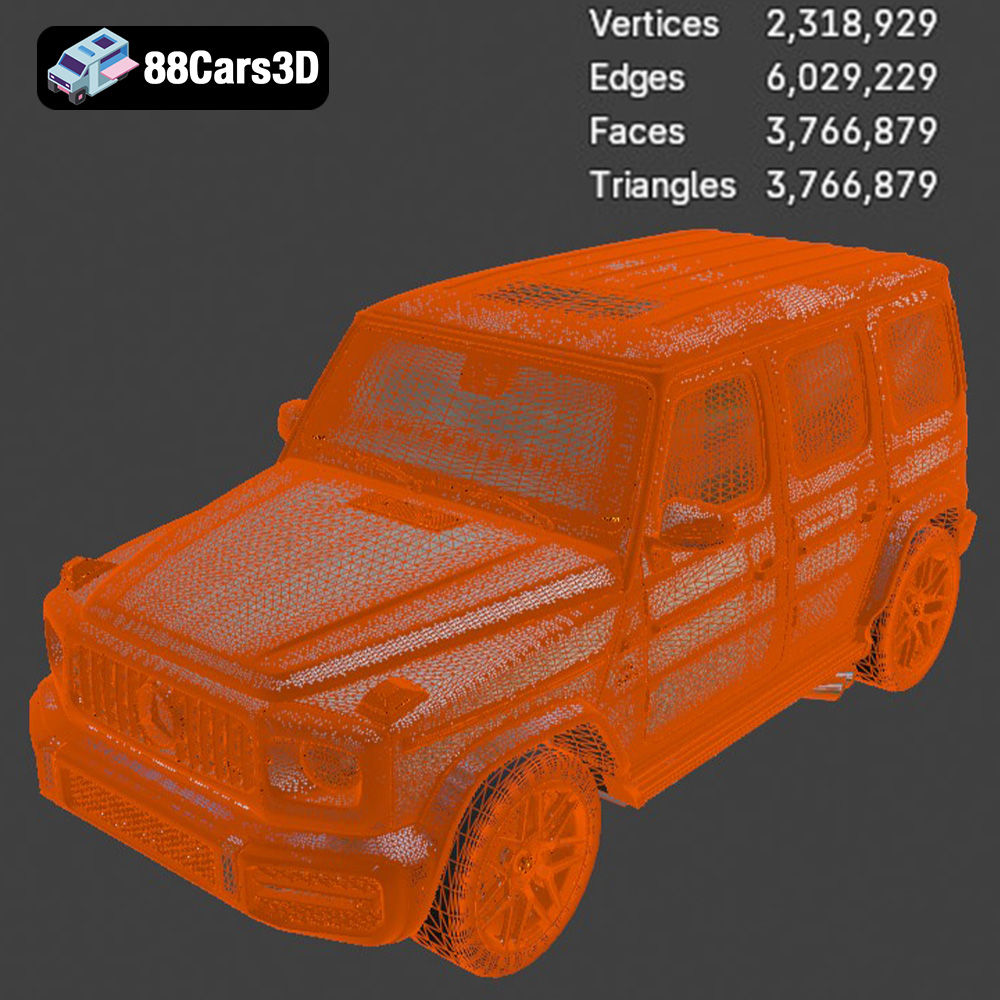
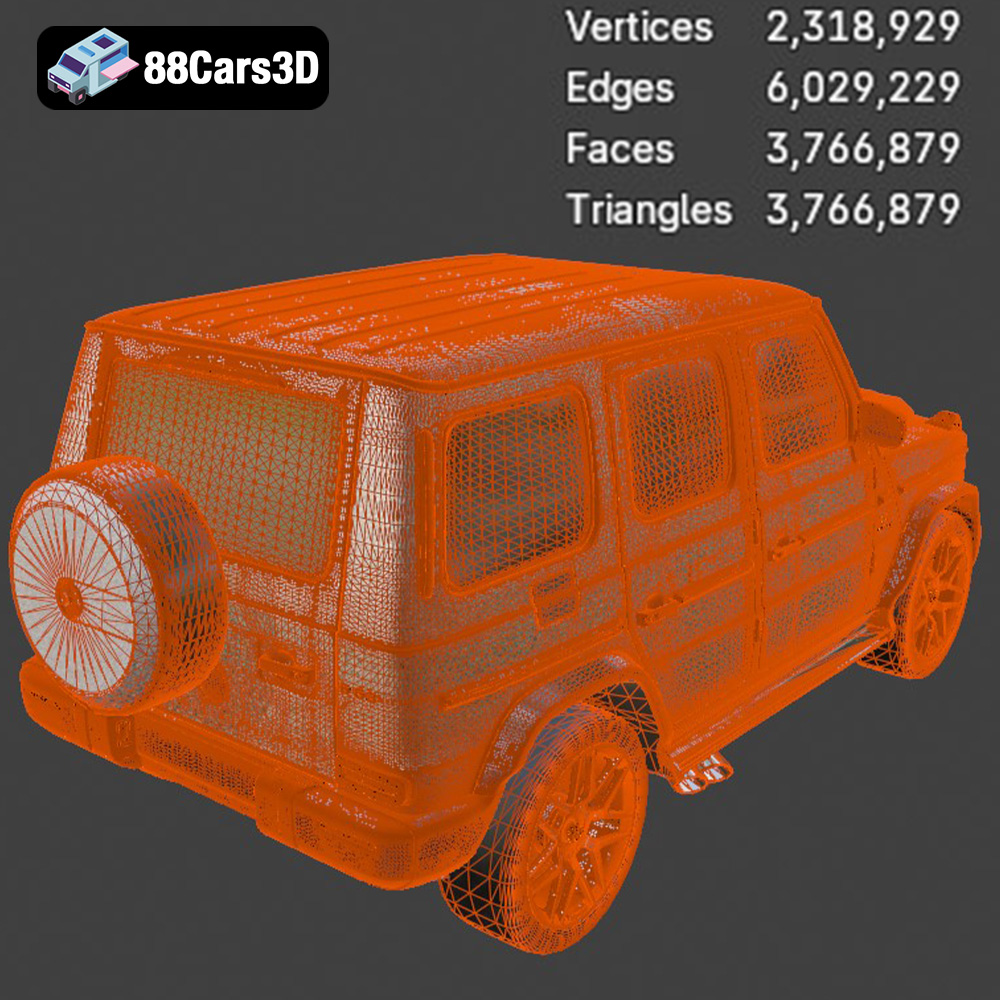
Modern rendering engines and game environments push the boundaries of visual fidelity. Artists are no longer satisfied with mere approximations; they strive for photorealism that blurs the line between the digital and the real. This demand necessitates 3D car models with clean topology, accurate UVs, high-resolution textures, and PBR (Physically Based Rendering) materials. Concurrently, particularly in game development and real-time visualization, these models must also be optimized for performance. Efficient polygon counts, well-managed draw calls, and streamlined material setups are critical to maintaining high frame rates and smooth interactions. Finding the sweet spot between visual detail and performance efficiency is a hallmark of truly professional 3D assets.
Navigating the diverse landscape of 3D model file formats is crucial for any professional working with digital assets. Each format serves a specific purpose, offering unique advantages in terms of compatibility, data preservation, and workflow efficiency. The Ultimate German Luxury Cars 3D Models Bundle from 88cars3d.com thoughtfully includes a variety of these formats, ensuring maximum utility across different software and pipelines.
The availability of multiple formats within a single bundle, such as the one found on 88cars3d.com, signifies a deep understanding of professional workflows, offering unparalleled flexibility and saving artists invaluable time on format conversions and data integrity checks.
The Ultimate German Luxury Cars 3D Models Bundle from 88cars3d.com is more than just a collection of vehicles; it’s a curated selection designed to meet the rigorous demands of high-end visualization and interactive experiences. This 4-in-1 premium package delivers iconic German engineering with meticulous digital craftsmanship, serving as an invaluable asset for any serious 3D artist.
The bundle strategically combines diverse automotive archetypes, each bringing its unique character and utility to your projects:
Beyond visual fidelity, the technical foundation of these models is paramount. The Ultimate German Luxury Cars bundle excels in these critical areas:
The true value of premium 3D car models lies in their seamless integration into diverse professional workflows. From creating compelling visualizations to building immersive interactive experiences, these assets are transformative.
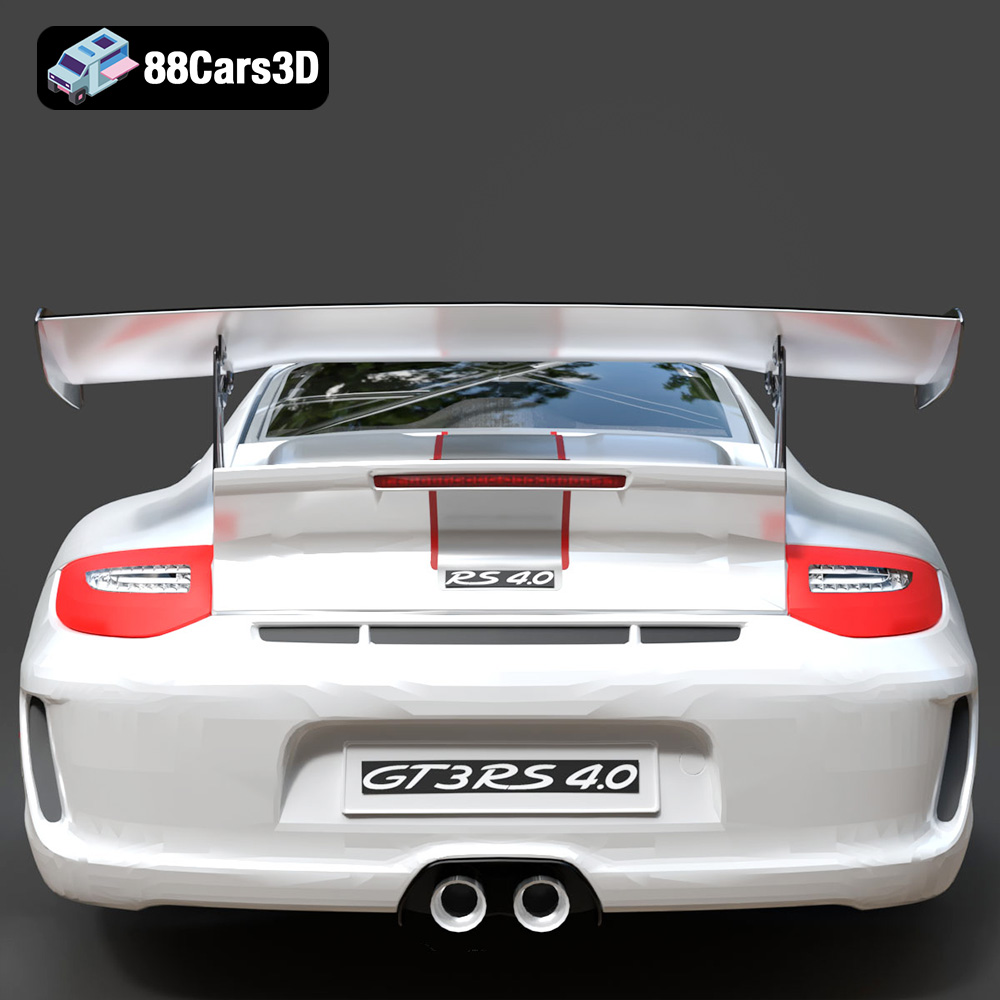
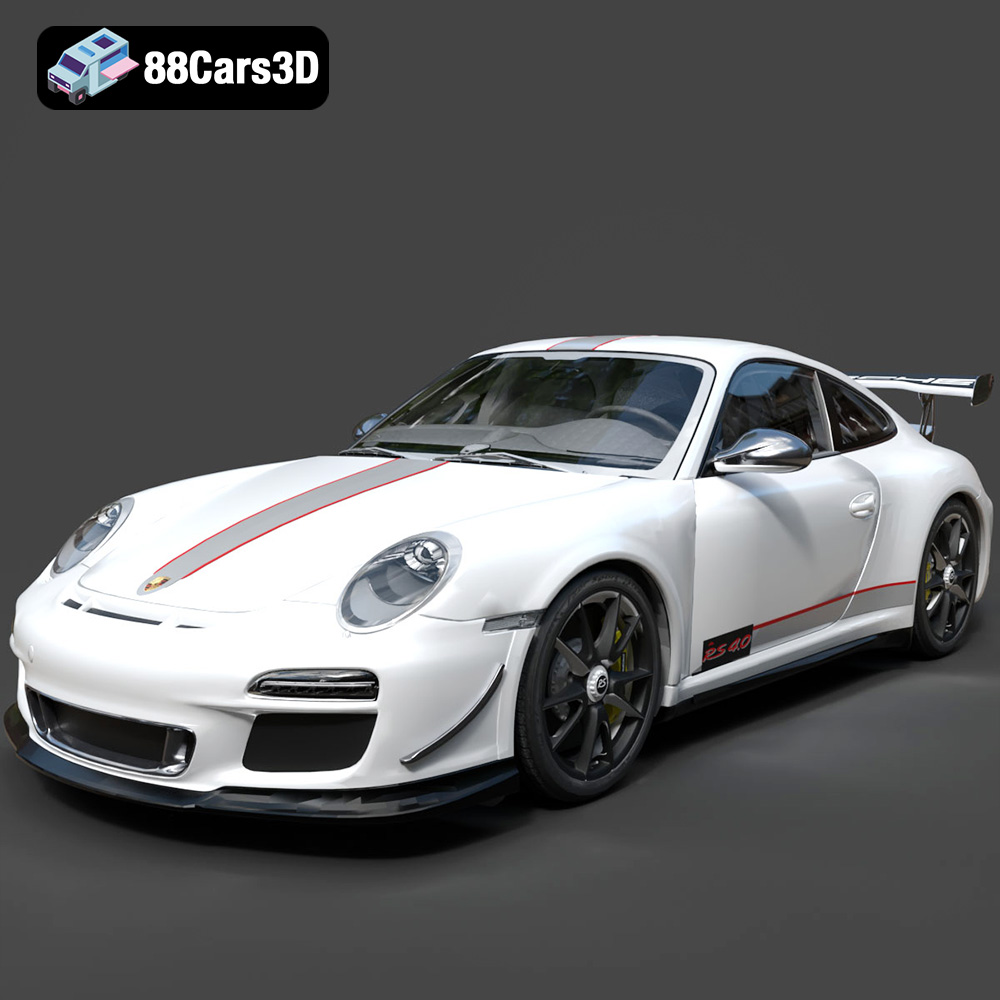
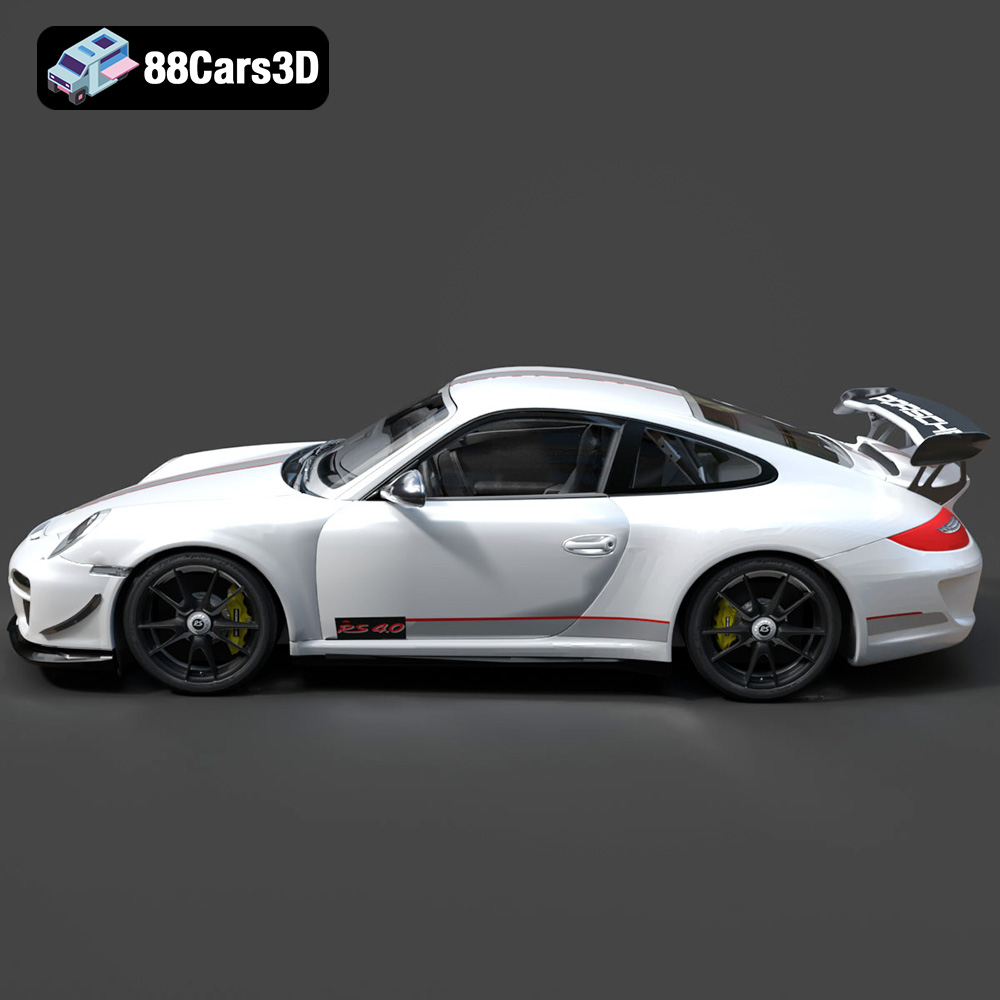
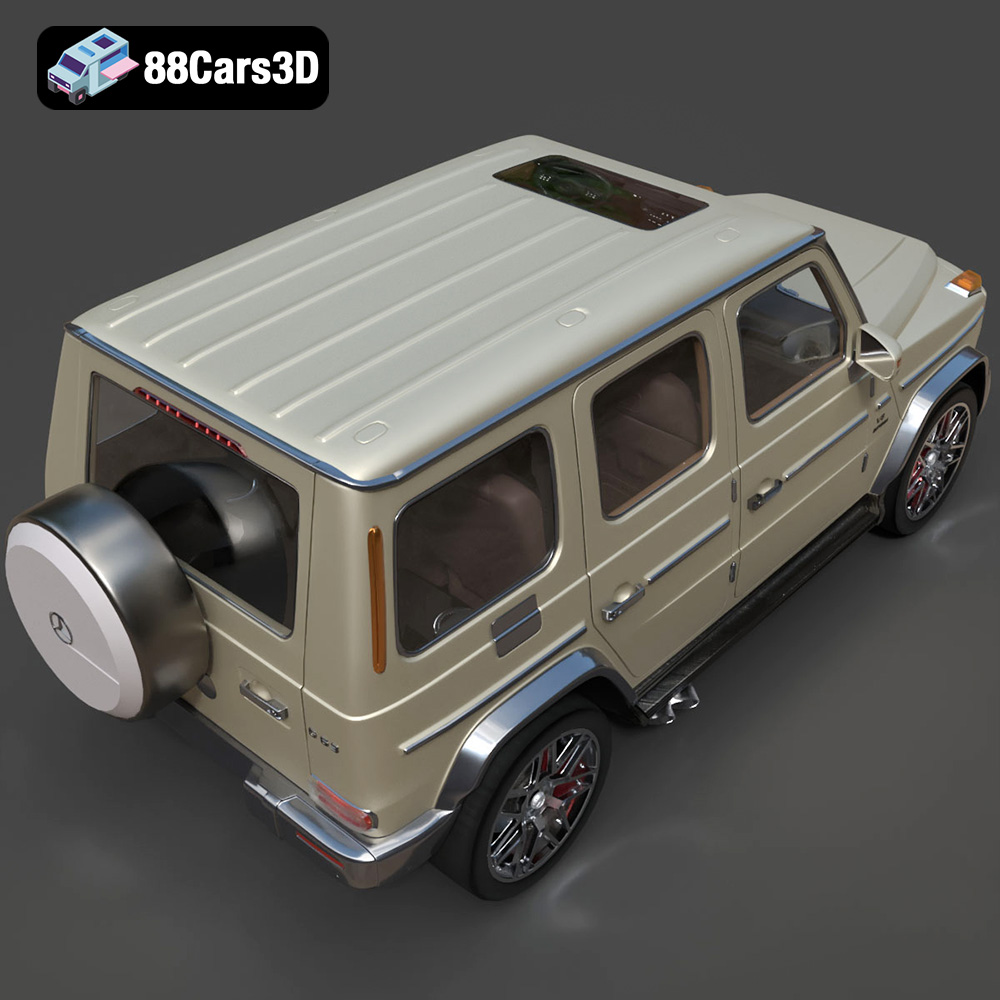
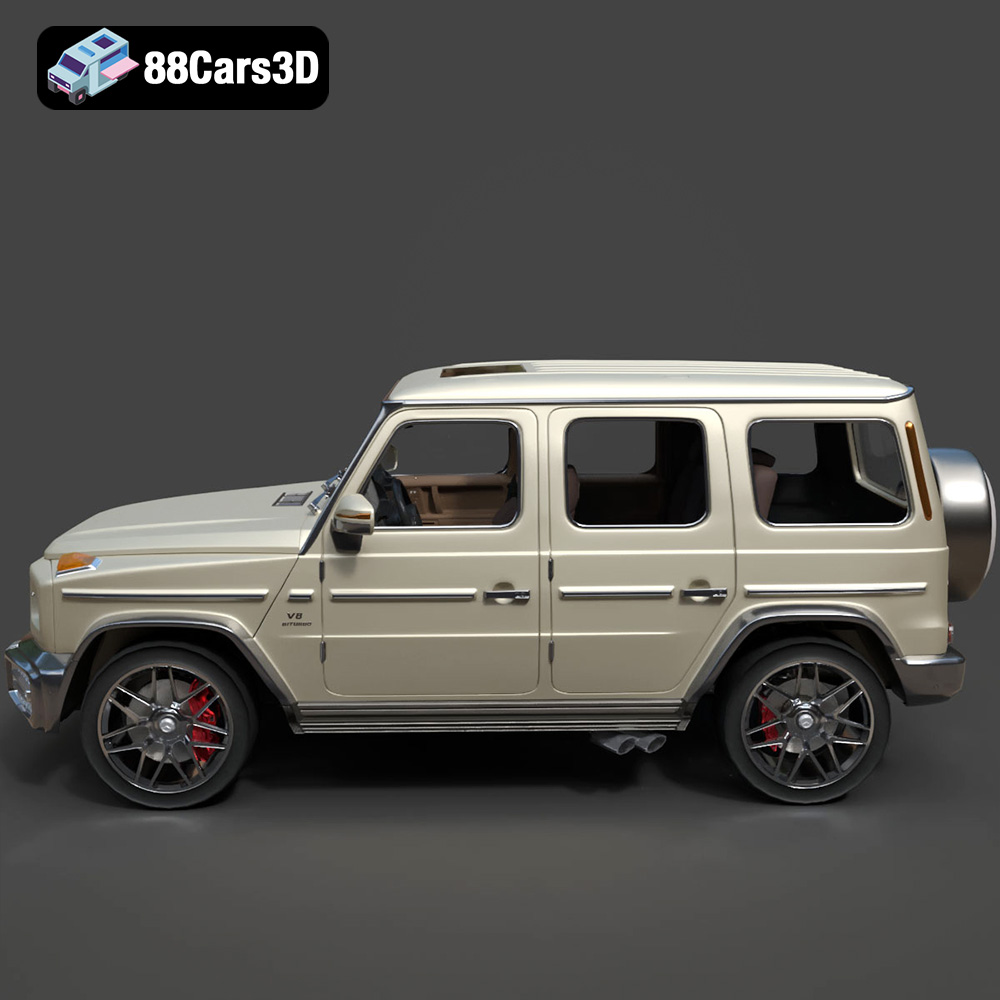
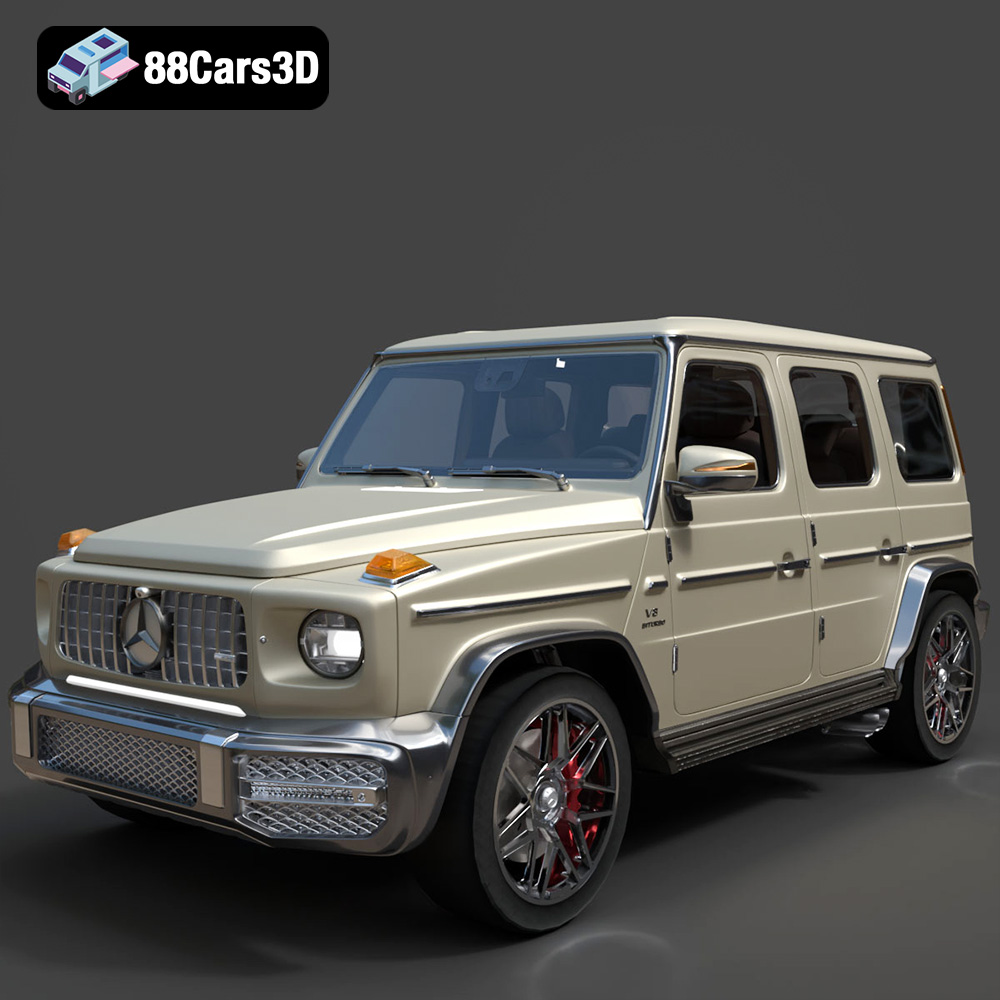
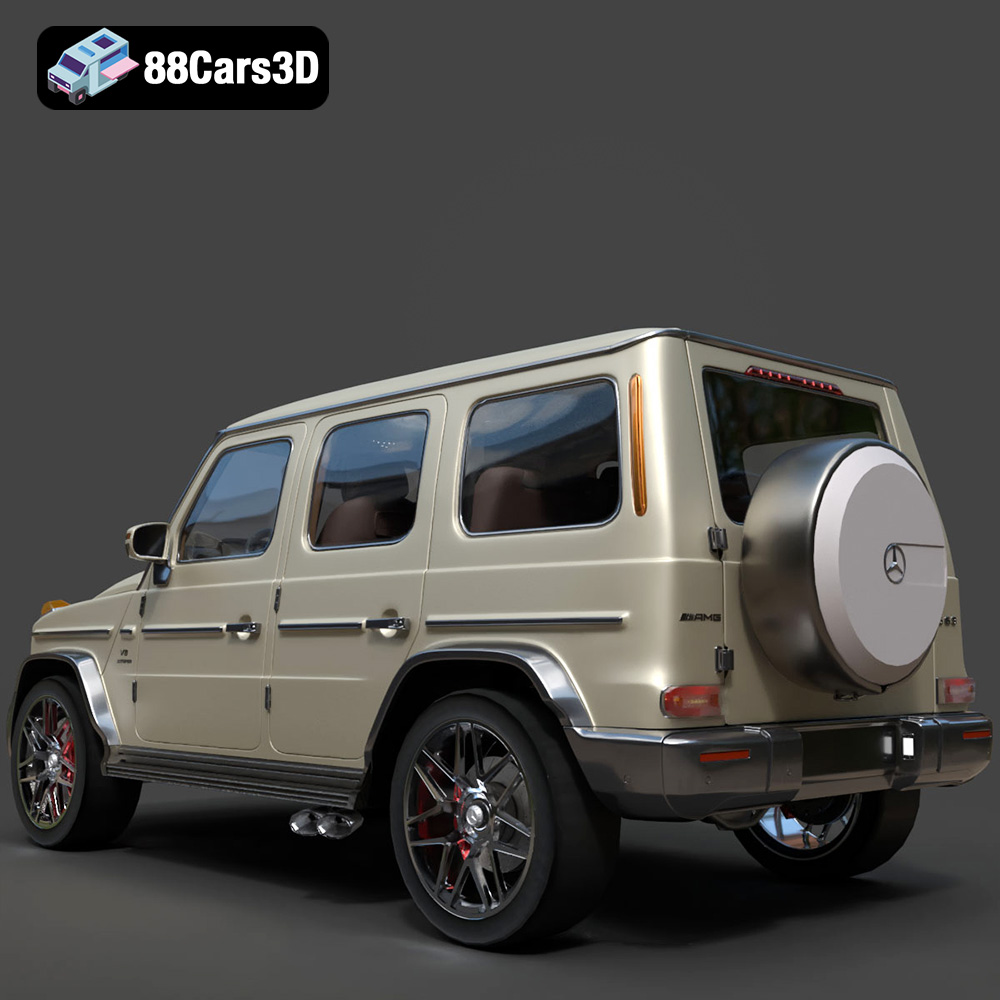
In ArchViz, the goal is to sell a vision – a lifestyle. A photorealistic rendering of a luxury villa feels incomplete without the presence of an equally luxurious vehicle. The Ultimate German Luxury Cars 3D Models Bundle is an “ultimate cheat code” for ArchViz artists. Imagine the Mercedes-Benz G63 AMG gracing the entrance of a contemporary mansion, instantly elevating the perceived value and sophistication of the property. Or a sleek Porsche 911 GT3 parked in a minimalist glass garage, adding a focal point that speaks volumes about the imagined owner’s taste. These models provide the necessary realism, reflections, and context to transform a good rendering into an exceptional one, making property listings more attractive and design proposals more persuasive.
For game developers, 3D car models are central to creating believable and engaging open worlds. The models from 88cars3d.com are “game-ready,” meaning they are optimized for real-time engines like Unreal Engine 5 and Unity. Their clean topology and separated parts with proper pivots are crucial for implementing vehicle physics controllers, allowing them to function as drivable hero cars, VIP NPC vehicles, or high-quality background traffic. The balance between visual fidelity and polygon efficiency ensures that these luxury cars enhance the game’s aesthetics without compromising performance, a critical factor for immersive gameplay experiences.
The entertainment industry, particularly virtual production and VFX, relies on high-fidelity assets for commercials, film sequences, and interactive experiences. The Ultimate German Luxury Cars bundle fits perfectly into these demanding pipelines. Their detailed exteriors and clean meshes make them excellent candidates for high-end commercials requiring photorealistic vehicle shots or for complex VFX composites. Furthermore, for interactive VR car configurators, where users can explore vehicles in detail, the separated components and real-world scale are indispensable for creating a truly engaging and accurate experience. The compatibility with industry-standard renderers like V-Ray, Corona, and Arnold further solidifies their role in professional rendering environments.
Achieving photorealism in automotive rendering is a nuanced art form that combines technical mastery with an artistic eye. Premium 3D car models, such as those from the Ultimate German Luxury Cars bundle, provide the perfect foundation, but the final polish comes from expert material work, sophisticated lighting, and strategic post-production.
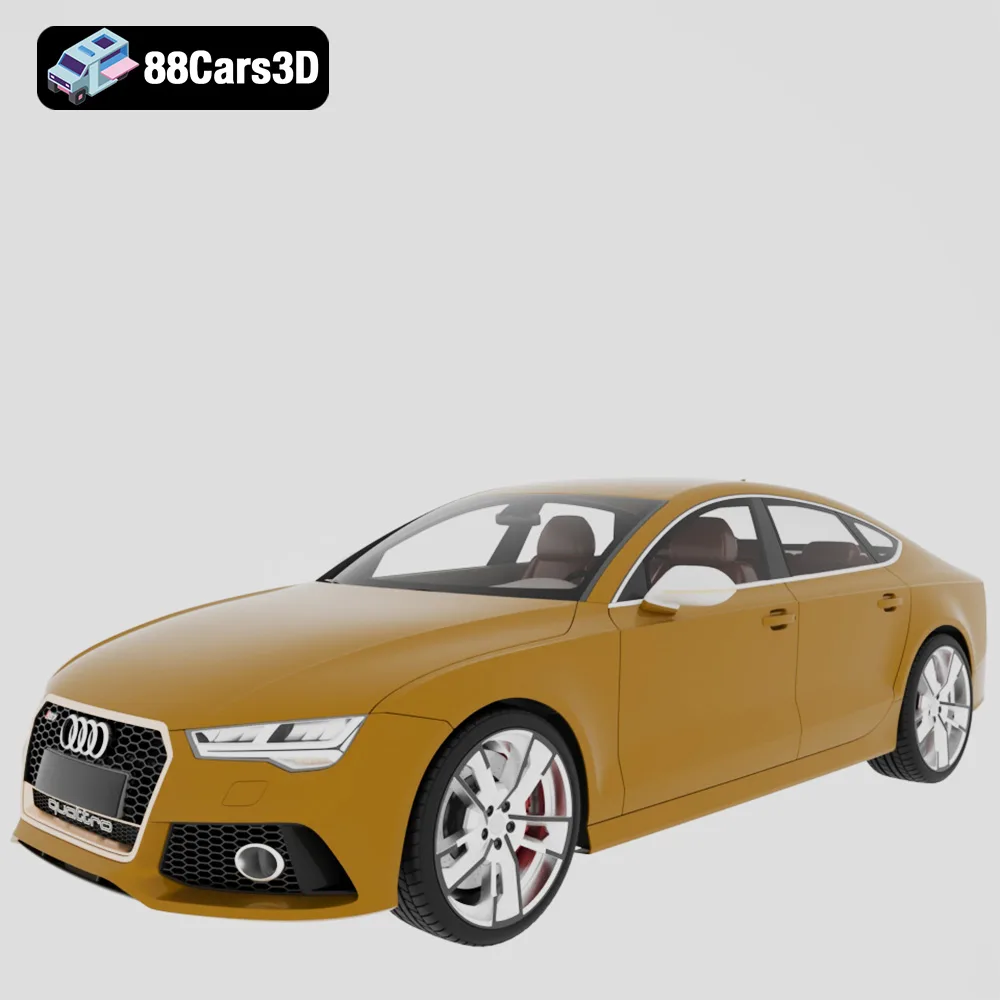
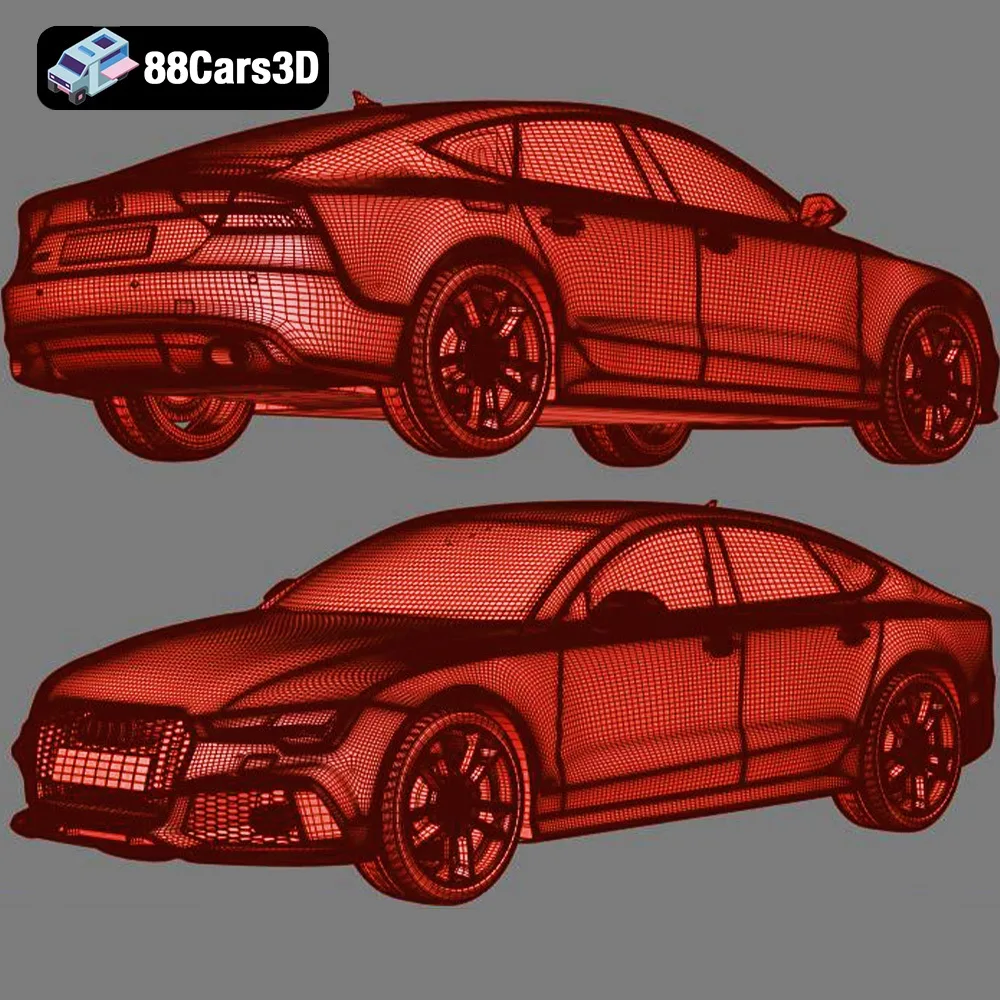
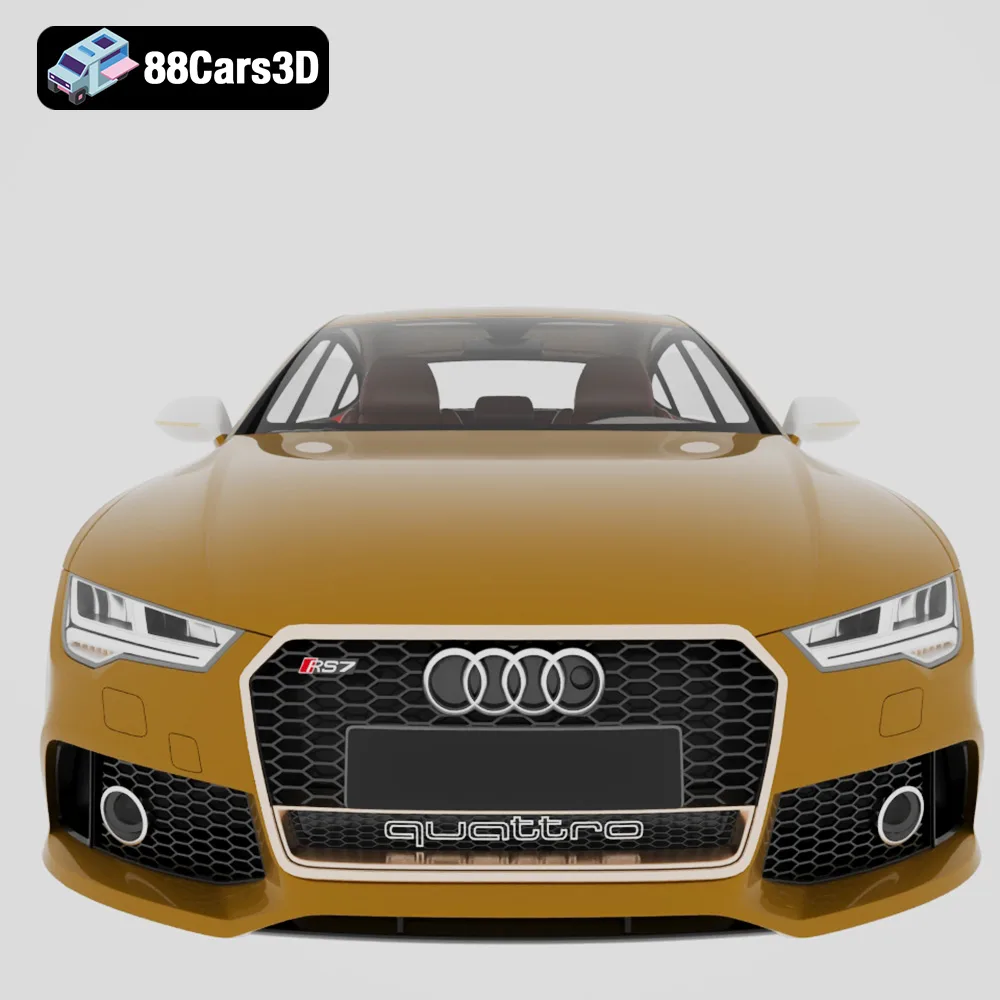
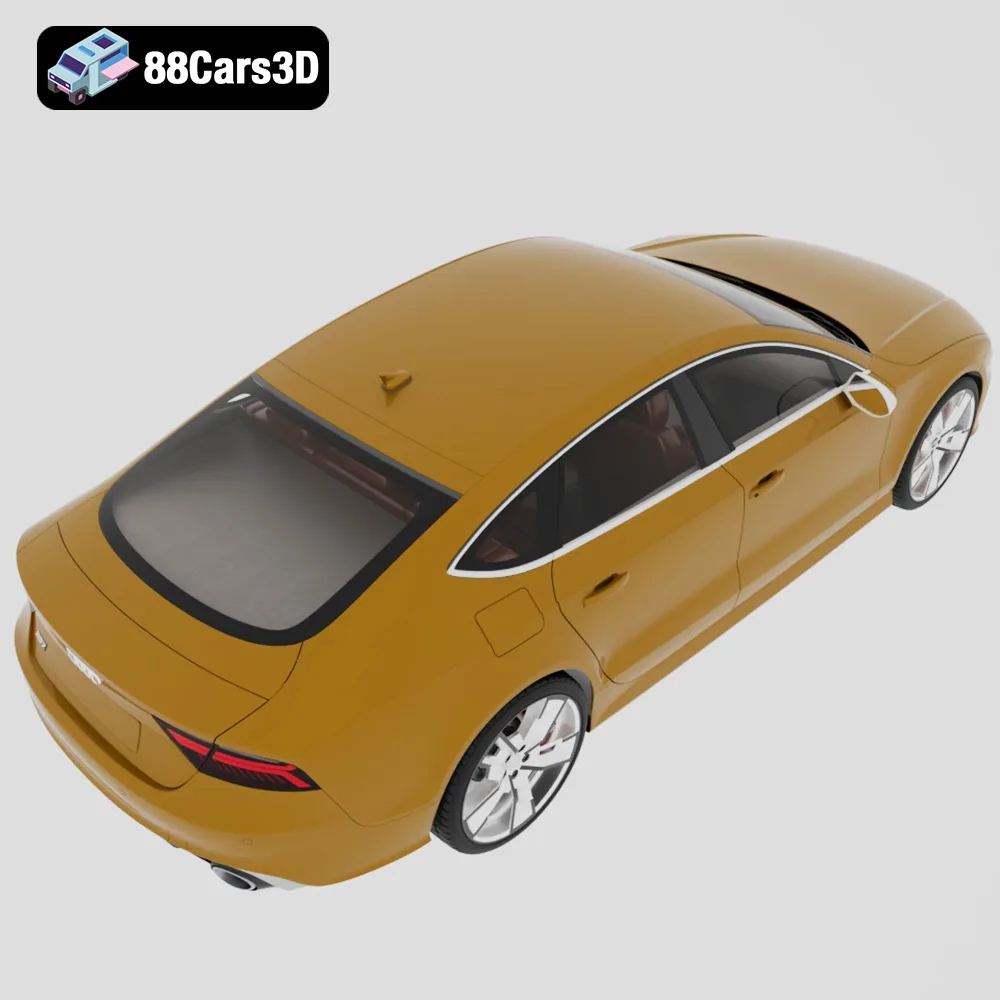
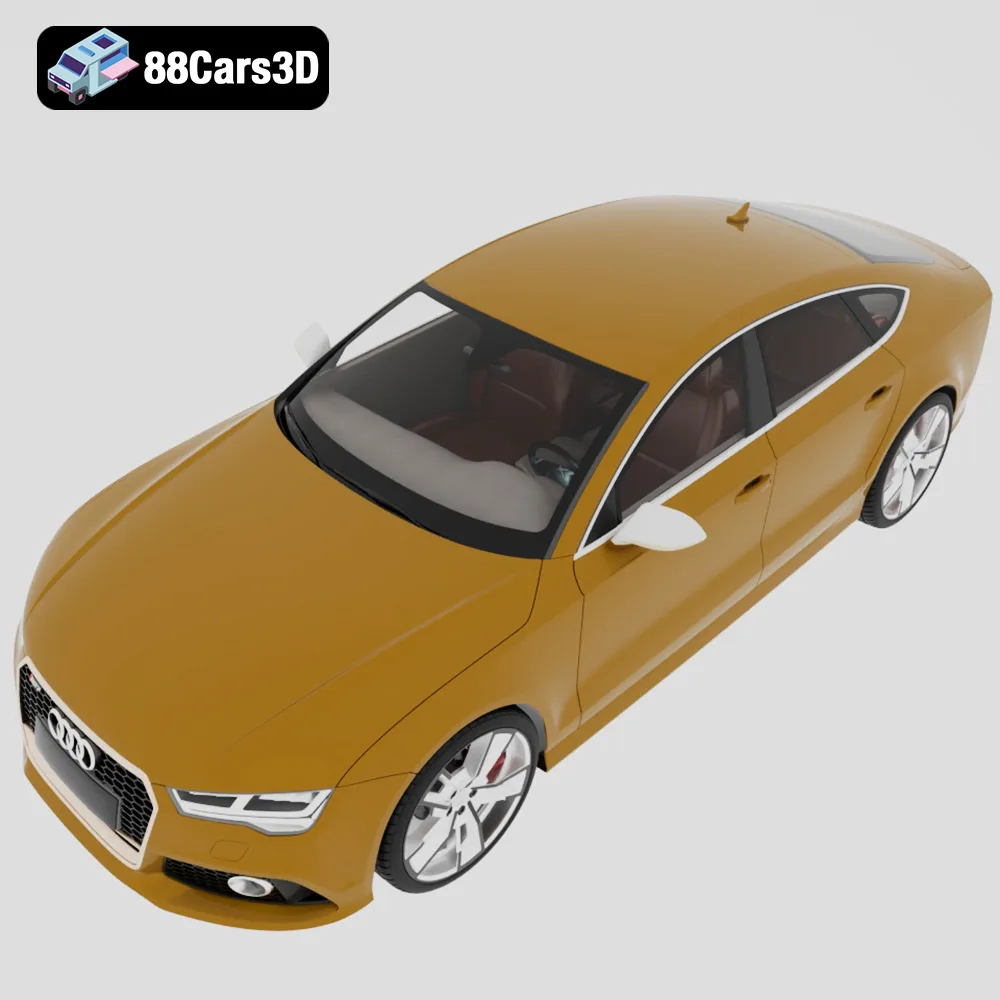
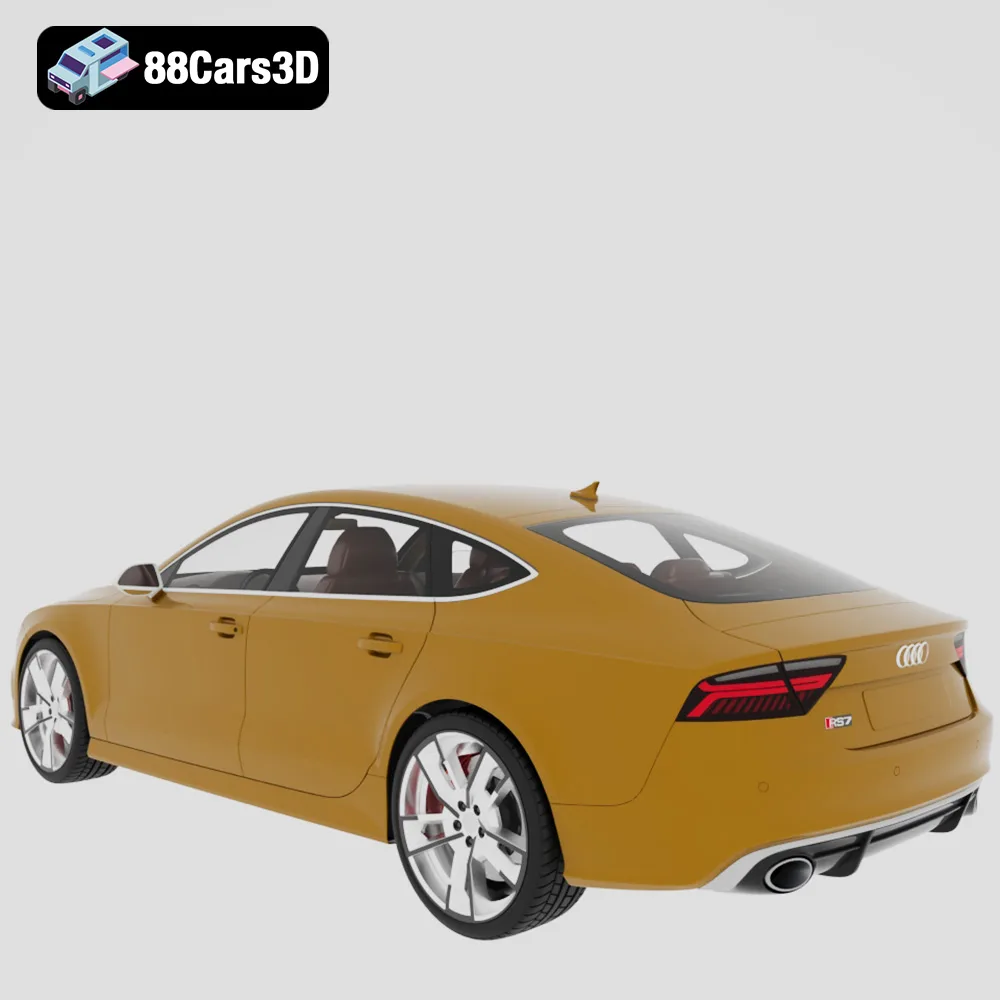
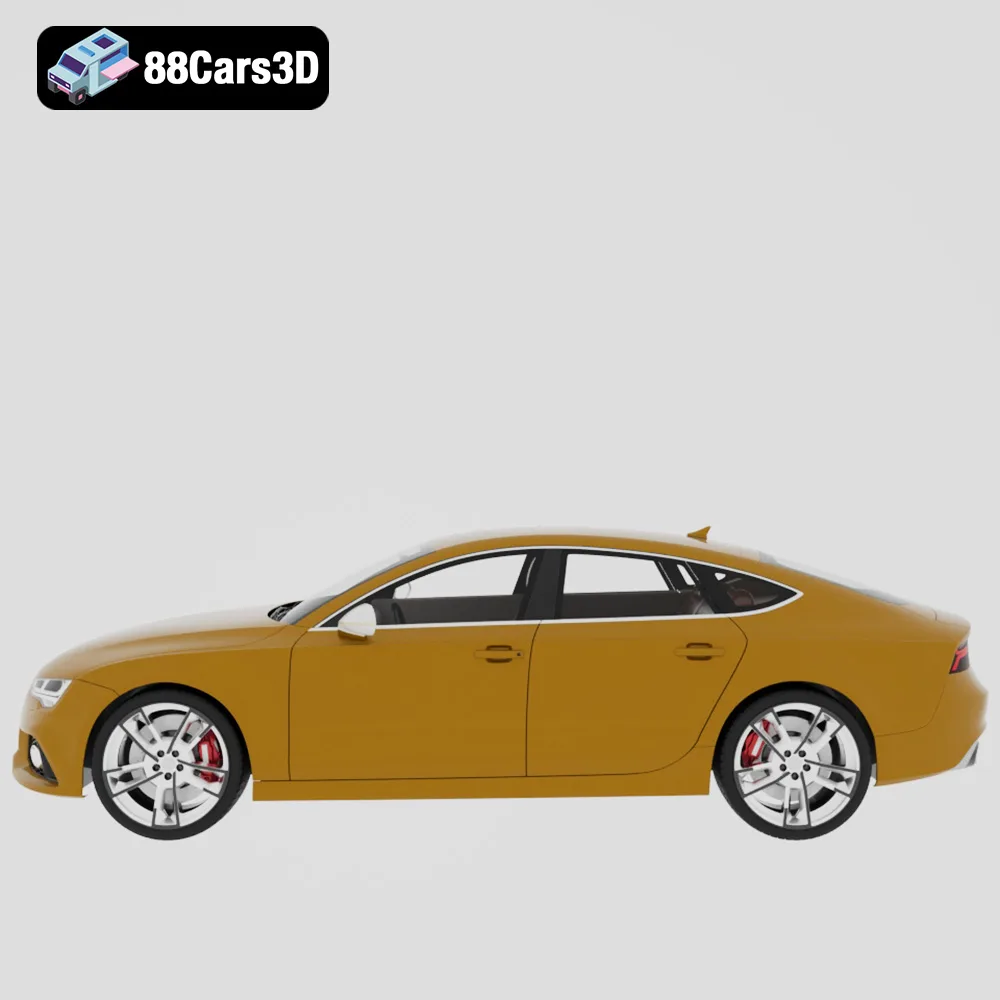
The “skin” of your 3D car model – its materials and textures – is where realism truly comes alive. For automotive surfaces, this means meticulous attention to PBR (Physically Based Rendering) workflows. Car paint, for instance, is not a simple color; it’s a complex interplay of base color, metallic flakes, clear coat reflections, and subtle imperfections. Using layered materials, roughness maps, normal maps for subtle surface variations, and even procedural textures can create convincing reflections and refractions. For chrome trim, glass, and tire rubber, accurate IOR (Index of Refraction) values and specific shader properties are essential. The high-quality UVs and clean topology of models like the Audi RS7 from 88cars3d.com simplify this process, ensuring textures wrap flawlessly without stretching or distortion.
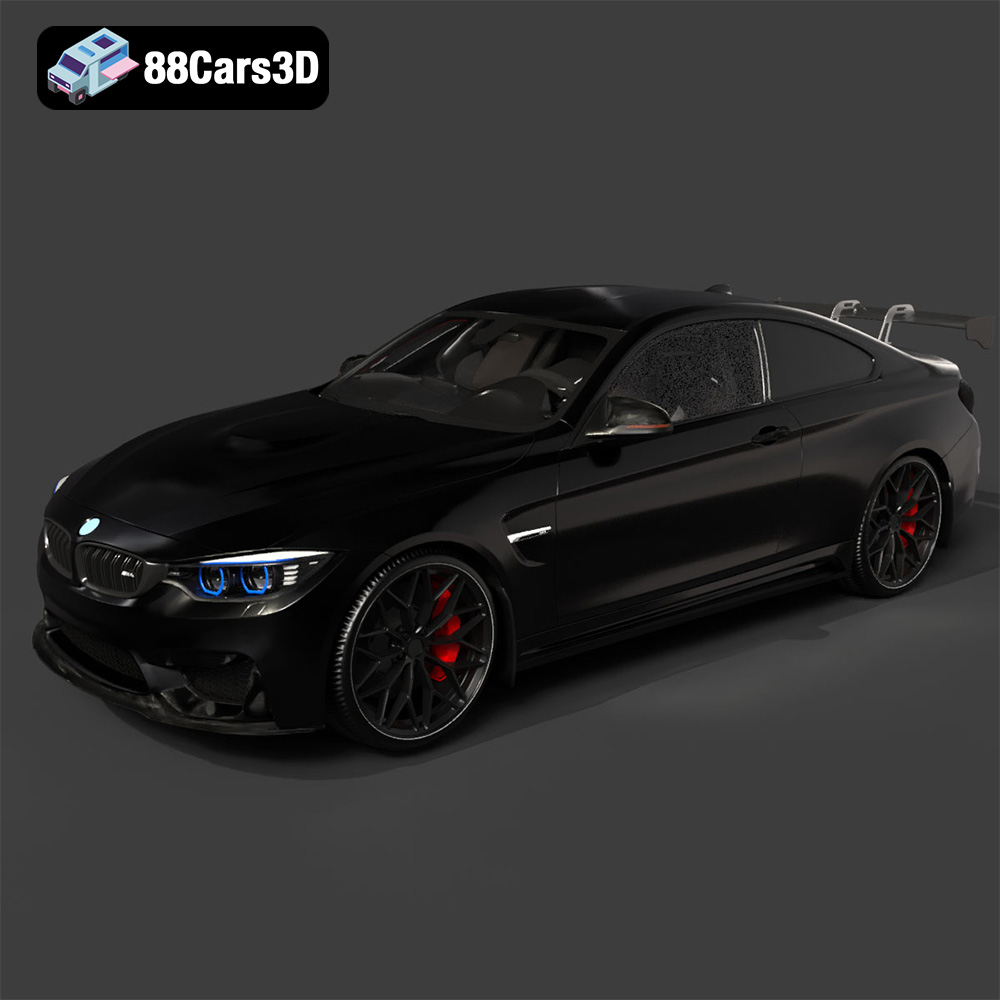
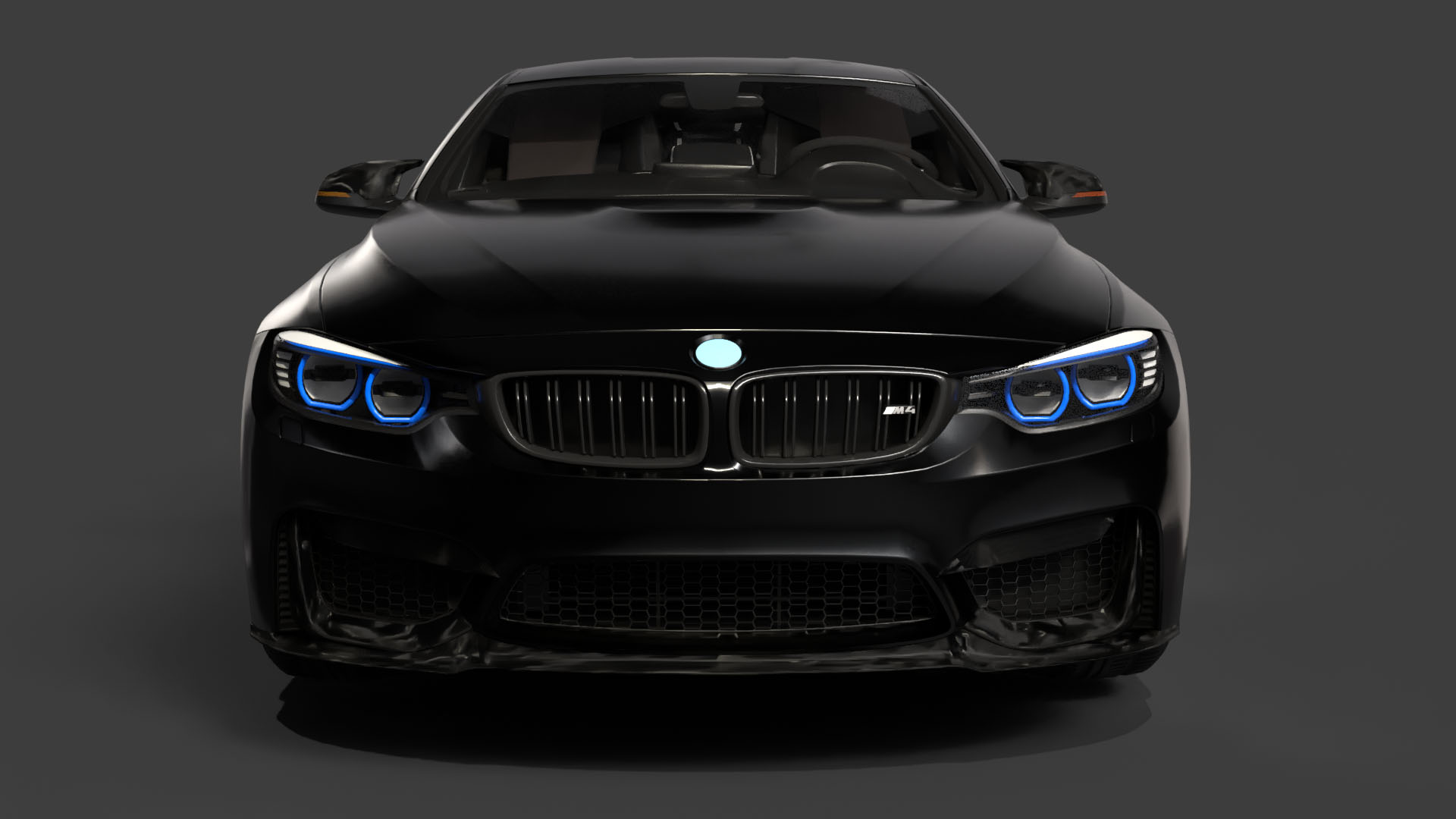
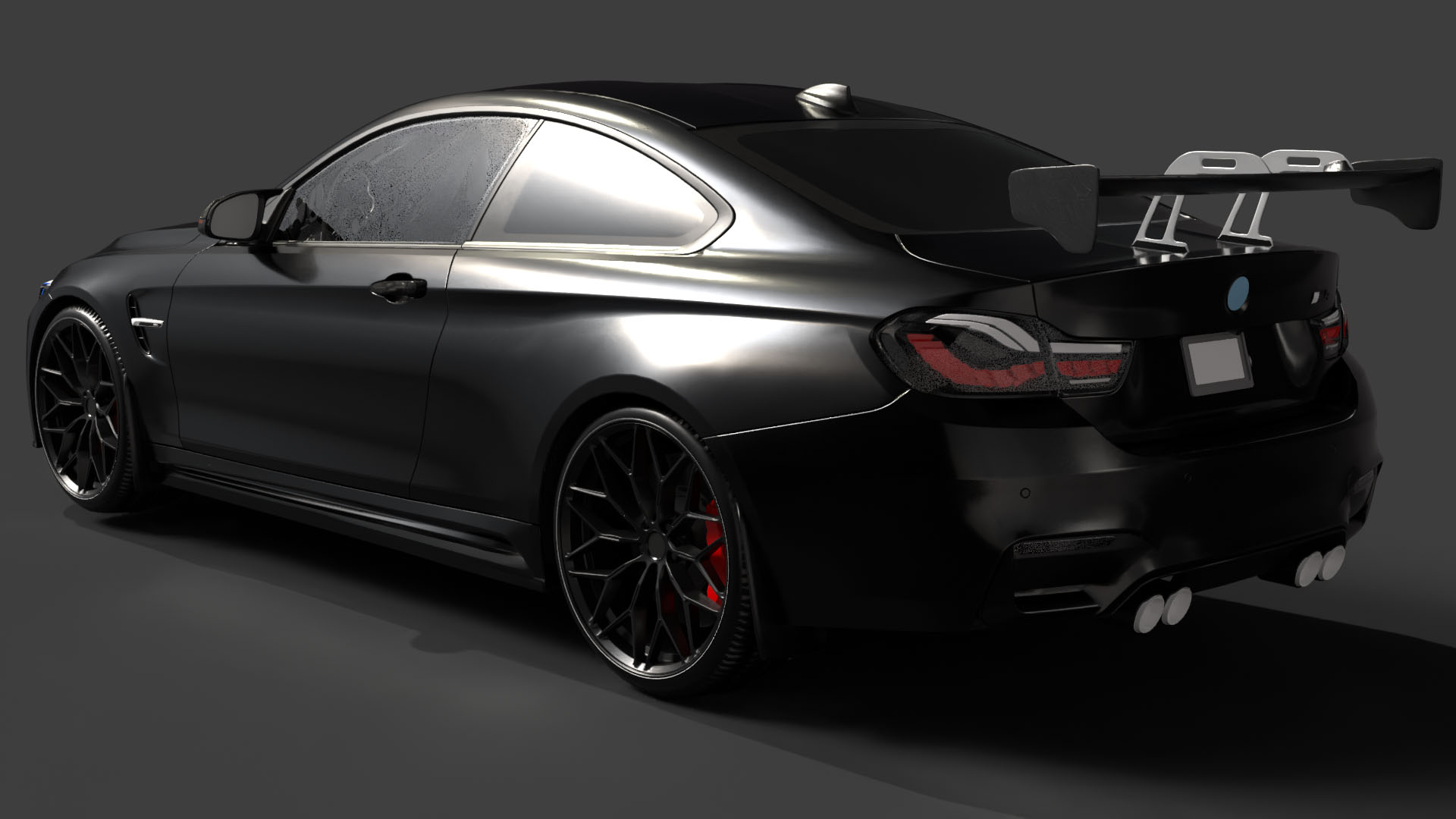
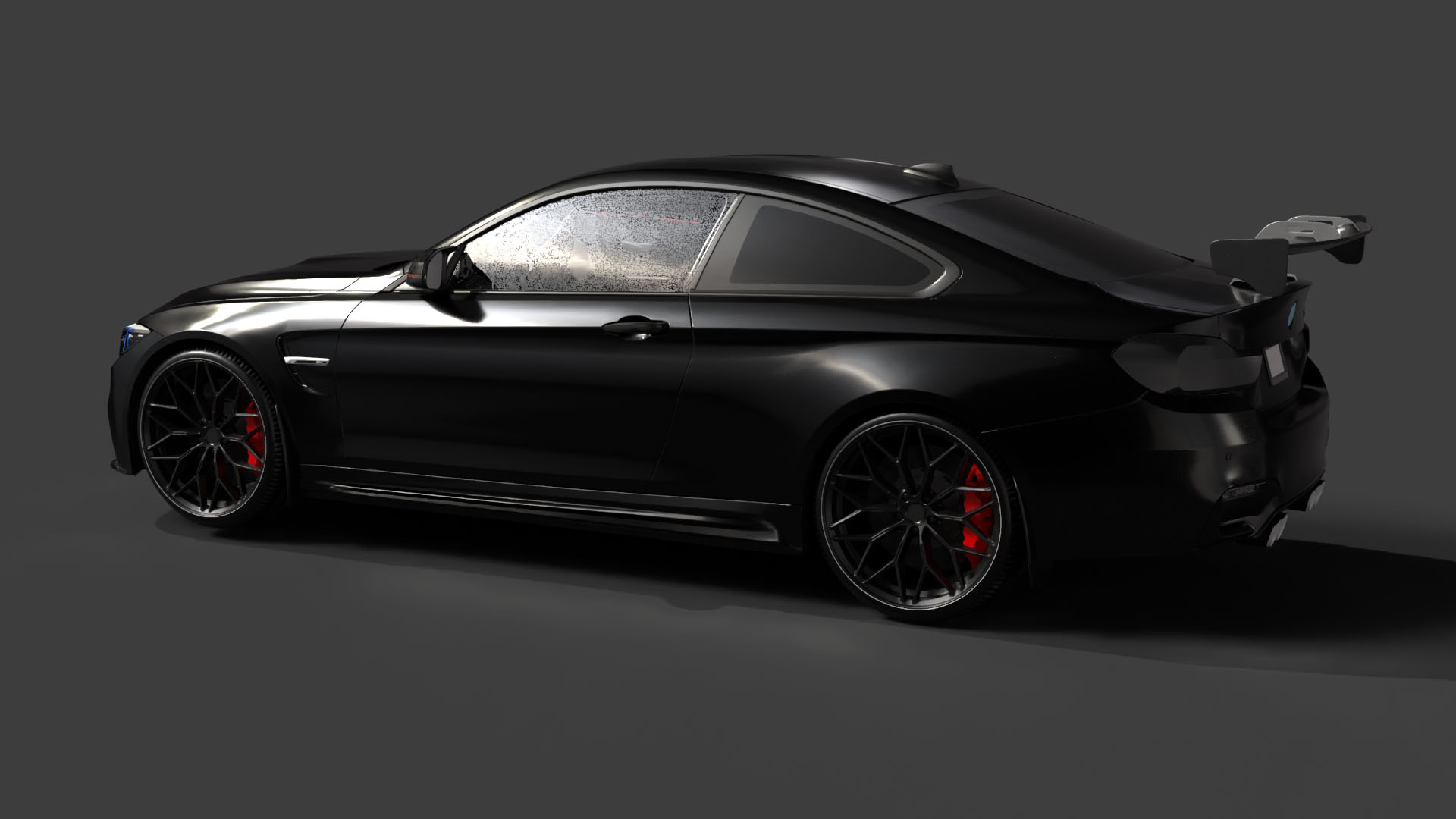
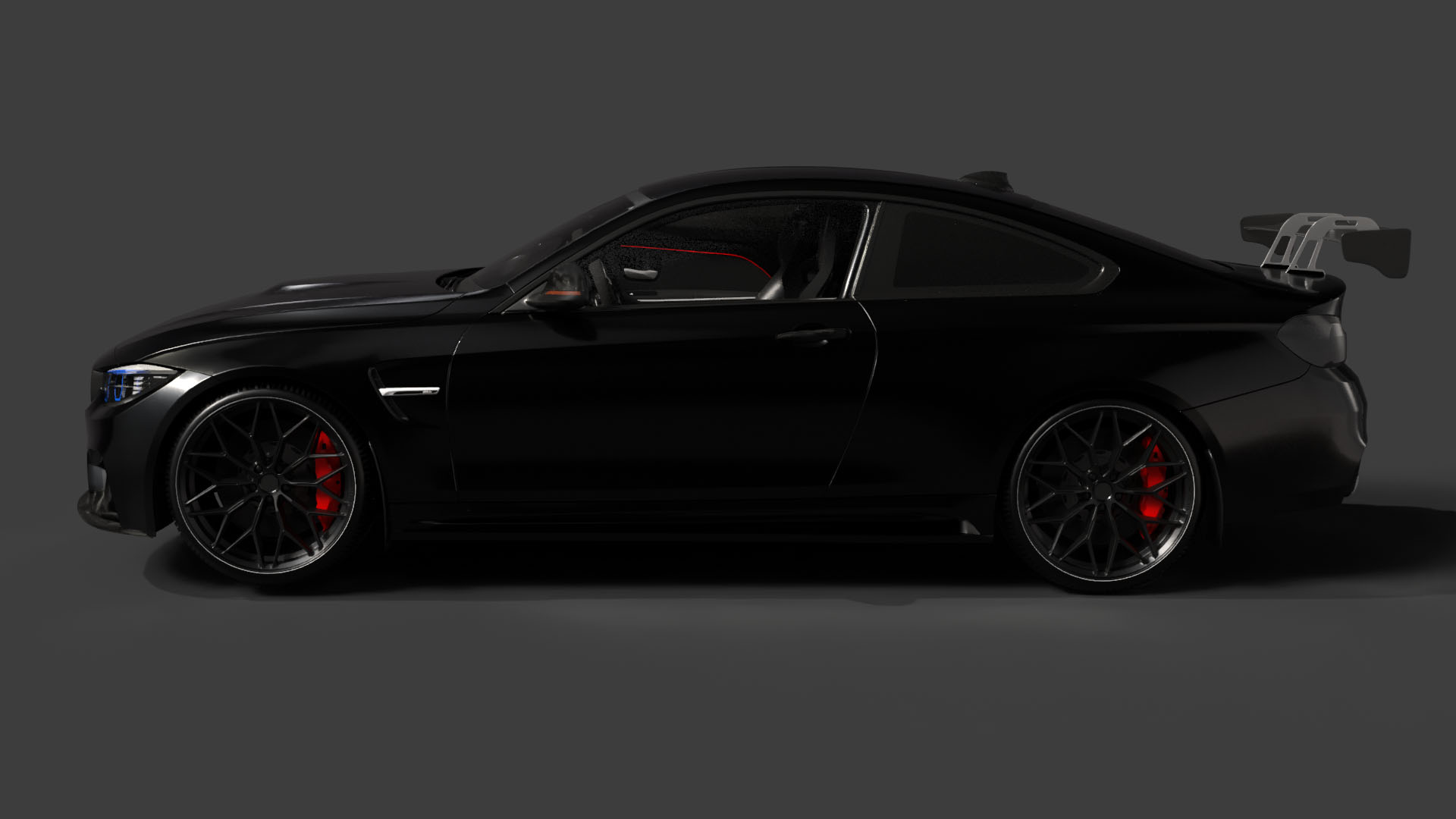
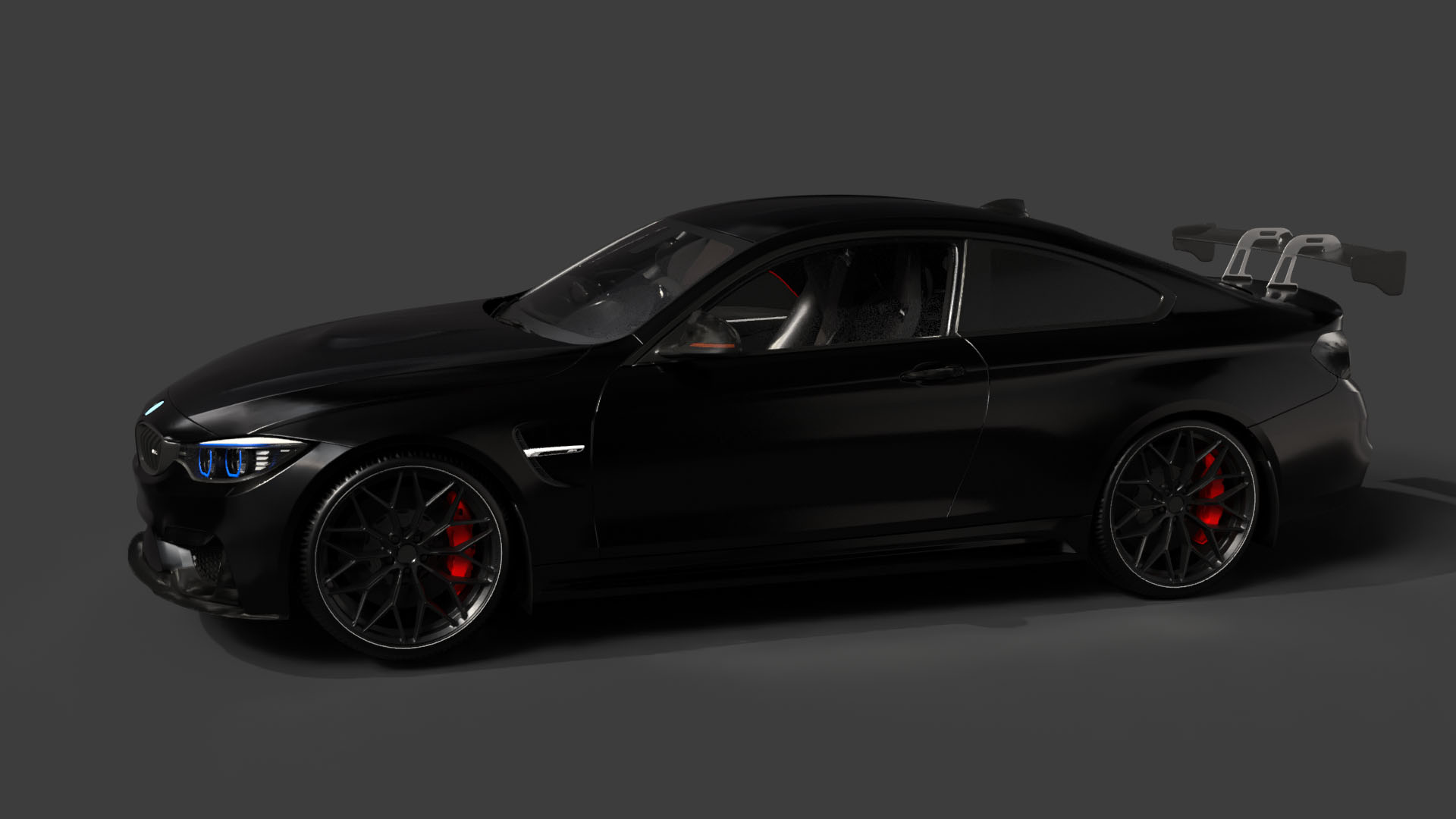
Just as in real-world photography, lighting is paramount in 3D rendering. Automotive renders often benefit from studio-style lighting setups using HDRIs (High Dynamic Range Images) to provide realistic environmental reflections and ambient illumination. Combining these with carefully placed area lights or spot lights can highlight specific design features, emphasize curves, and create dramatic shadows. Camera settings, such as depth of field, focal length, and aperture, play a crucial role in directing the viewer’s eye and adding cinematic quality. A wide aperture can create a shallow depth of field, drawing attention to the BMW M4’s sculpted hood, while a longer focal length can compress perspective, giving the car a more powerful presence.
The raw render is rarely the final product. Post-production in software like Photoshop or Affinity Photo adds the final layer of polish. This involves color grading to set the mood, adding subtle lens flares or bloom effects, enhancing reflections, and incorporating atmospheric elements like haze or dust. Vignettes can draw focus, and sharpening techniques can enhance fine details on components like the Porsche 911 GT3’s wheels. These techniques, when applied judiciously, can elevate an already excellent render into a breathtaking piece of digital art, maximizing the visual impact of your premium 3D car models.
The utility of high-quality 3D car models extends beyond digital screens, venturing into the tangible world through 3D printing. For automotive enthusiasts, designers, or collectors, transforming a digital asset into a physical miniature is a rewarding endeavor. The inclusion of STL files in the Ultimate German Luxury Cars 3D Models Bundle directly caters to this growing demand.
For a 3D model to be successfully printed, its geometry must be “manifold.” This means the mesh must be completely watertight – no open edges, no inverted normals, and no intersecting faces that could confuse the printer. While many render-ready models are designed with visual appeal in mind, they sometimes require minor adjustments for 3D printing, such as thickening thin walls or merging overlapping parts. However, models specifically prepared for 3D printing, like those included in this bundle, aim to minimize these preparation steps, providing clean, manifold geometry right out of the box. This saves considerable time and ensures a higher success rate for printing.
The product description for the Ultimate German Luxury Cars bundle provides excellent guidance for 3D printing. For intricate details like grilles, rims, and emblems – a hallmark of luxury vehicles – **SLA/Resin printing is strictly recommended**. This technology uses liquid resin cured by UV light, allowing for significantly finer details and smoother surface finishes compared to FDM (Fused Deposition Modeling). Recommended layer heights of 0.04-0.05 mm for resin printing ensure that even the smallest features of the Porsche 911 GT3 or the Audi RS7 are captured faithfully. Printing bodies at a 45-degree angle often helps achieve flawless, smooth roofs and hoods by minimizing visible layer lines, while printing wheels separately allows for optimal support placement and cleaner results.
For diecast enthusiasts, printing these models at scales like 1:18, 1:24, or 1:43 offers a tangible connection to their favorite luxury cars. The ability to customize paint jobs and finishes after printing further enhances the experience, transforming a digital file into a unique collectible. The foresight to include 3D printable STL files makes the Ultimate German Luxury Cars 3D Models Bundle an even more versatile investment, catering to both digital artists and physical model makers.
The digital realm thrives on detail, realism, and efficiency, and nowhere is this more apparent than in the demand for high-quality 3D car models. These assets are no longer mere props; they are integral components that drive visual storytelling, enhance immersive experiences, and streamline production pipelines across architectural visualization, game development, virtual production, and even 3D printing.
Investing in premium 3D assets, such as the Ultimate German Luxury Cars 3D Models Bundle from 88cars3d.com, is a strategic decision that empowers artists and studios. It provides meticulously crafted vehicles with clean topology, real-world scale, separated components, and multi-format compatibility, allowing you to focus on creativity rather than asset creation. From rendering a photorealistic ArchViz scene with a Mercedes G63 AMG to populating a game world with a drivable BMW M4, or even 3D printing a miniature Porsche 911 GT3, these models offer unparalleled versatility and quality.
The commitment to technical excellence, optimization, and broad compatibility demonstrated by products like this bundle ensures that your projects stand out in an increasingly competitive digital landscape. Explore the possibilities and elevate your digital creations by leveraging the power of professional-grade 3D car models.
The Ultimate German Luxury Cars 3D Models Bundle is an elite collection featuring the pinnacle of European automotive engineering. Designed for high-end architectural visualization (ArchViz), AAA game development, and photorealistic rendering, this 4-in-1 premium package provides everything a 3D artist needs to populate luxury driveways, urban streetscapes, and virtual showrooms. Instead of purchasing these highly detailed models individually (Total Value: €274.97), this bundle offers an irresistible opportunity to acquire four iconic, meticulously crafted German masterpieces at a massive discount.
$129.99
.corona
3d-assets
archviz-pack
audi-rs7
bmw-m4
car-collection
game-ready
german-cars-bundle
luxury-car-3d-model
mercedes-g63
porsche-911-gt3
vehicle-bundle
vray