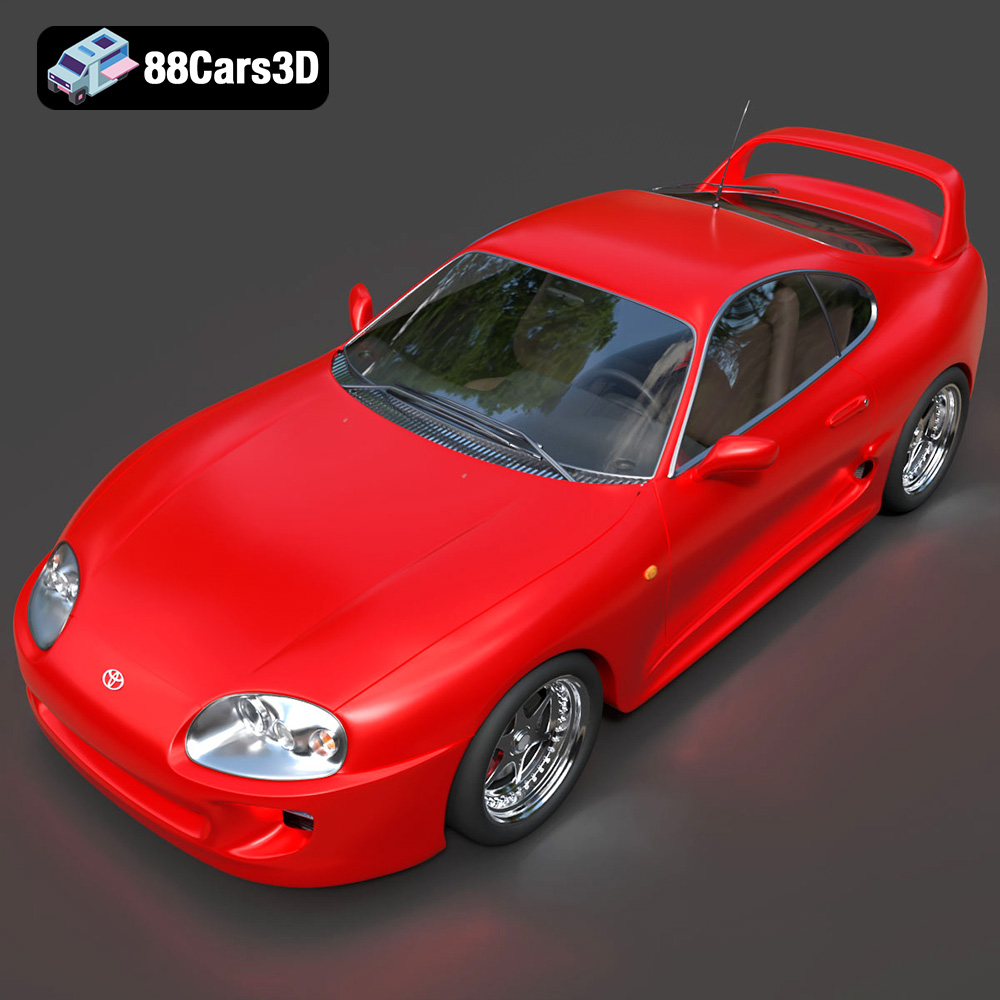
Mastering Automotive 3D Design with JDM Legends: A Deep Dive into the 88cars3d.com Bundle
The roar of a finely-tuned engine, the gleam of polished paint under neon lights, the adrenaline of a precision drift—these are the sensations that define the vibrant world of Japanese Domestic Market (JDM) street racing. This culture has captivated enthusiasts globally, inspiring everything from blockbuster films to dedicated gaming franchises. For 3D artists, game developers, animators, and even scale modelers, recreating the authentic spirit of JDM requires more than just passion; it demands high-quality, technically precise 3D car models that can stand up to the rigorous demands of professional production.
The challenge, however, often lies in sourcing assets that are both visually stunning and functionally optimized. Many generic 3D models lack the attention to detail required for photorealistic renders or the clean topology essential for seamless integration into real-time environments. This is where 88cars3d.com steps in, offering specialized, premium assets designed with professional workflows in mind. Their latest offering, the Japanese Legends: JDM Street Racing 3D Models Bundle (5-in-1 Pack), is a testament to this commitment, bringing together five of the most iconic JDM vehicles ever built into a single, comprehensive package. This bundle isn’t just a collection of models; it’s a gateway to creating immersive street racing games, breathtaking cinematic animations, and highly detailed automotive visualizations that truly capture the essence of JDM.
The Unrivaled Power of the Japanese Legends Bundle
Imagine having a meticulously curated digital garage featuring the titans of Japanese automotive engineering. The Japanese Legends bundle delivers just that, offering a selection of cars that have not only dominated race tracks but have also become cultural icons. Each model in this pack is crafted with an exceptional level of detail and technical precision, ensuring they are ready for immediate use in demanding projects.
A Deep Dive into Each Iconic Model
This 5-in-1 bundle from 88cars3d.com includes five absolute legends, each with its own distinct character and storied history:
- Nissan GT-R 2008: The Ultimate Supercar Killer
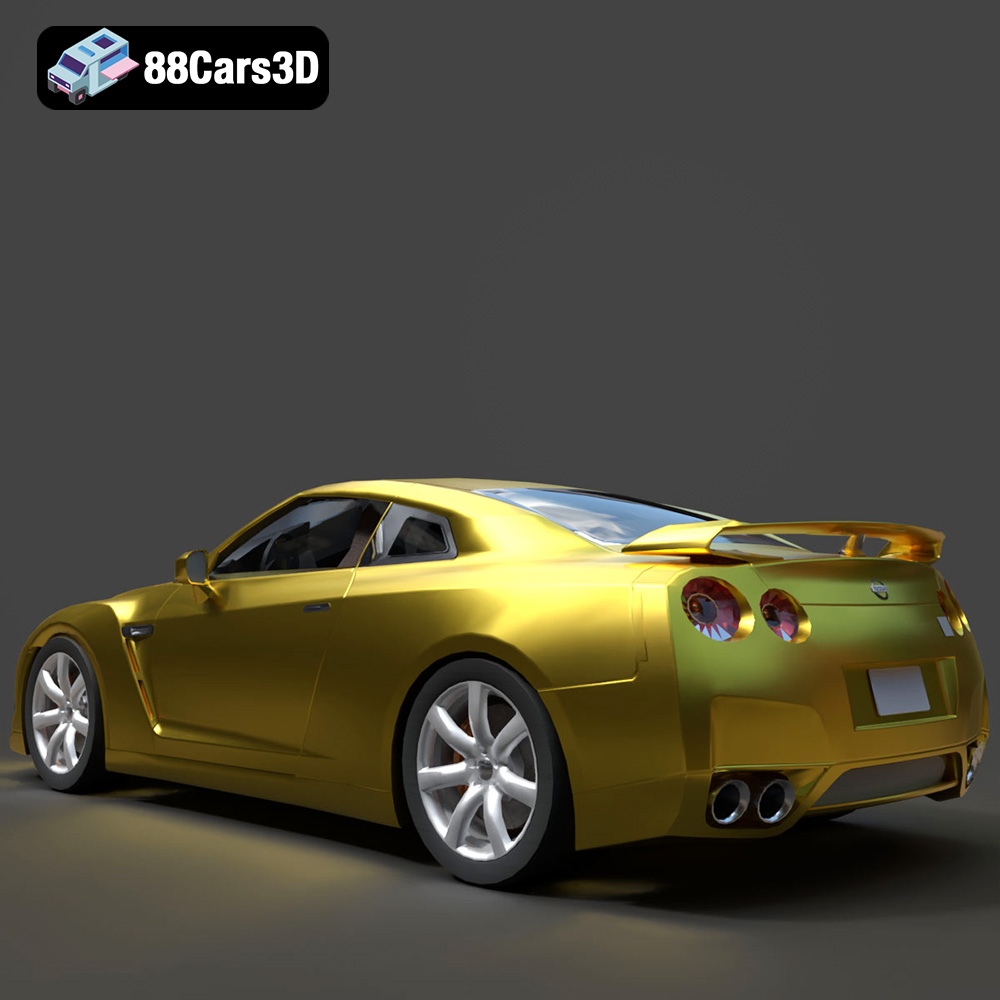
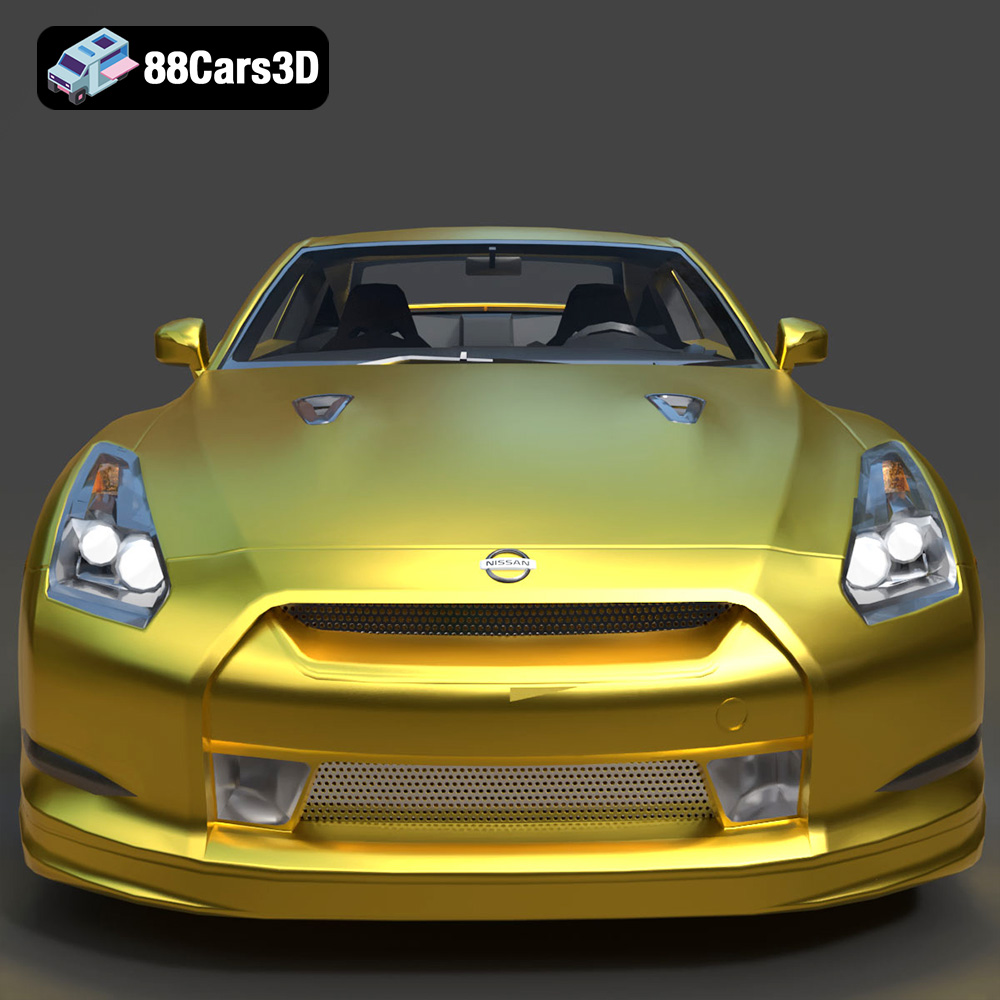
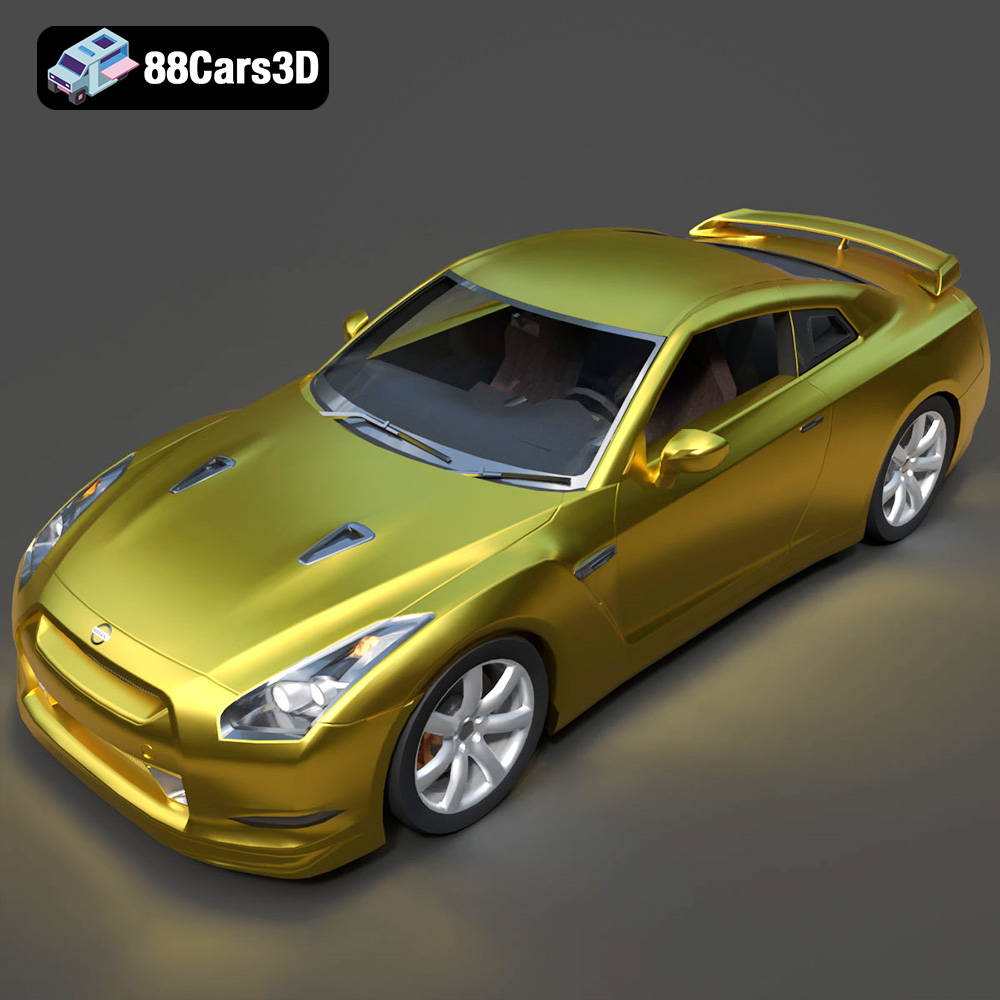
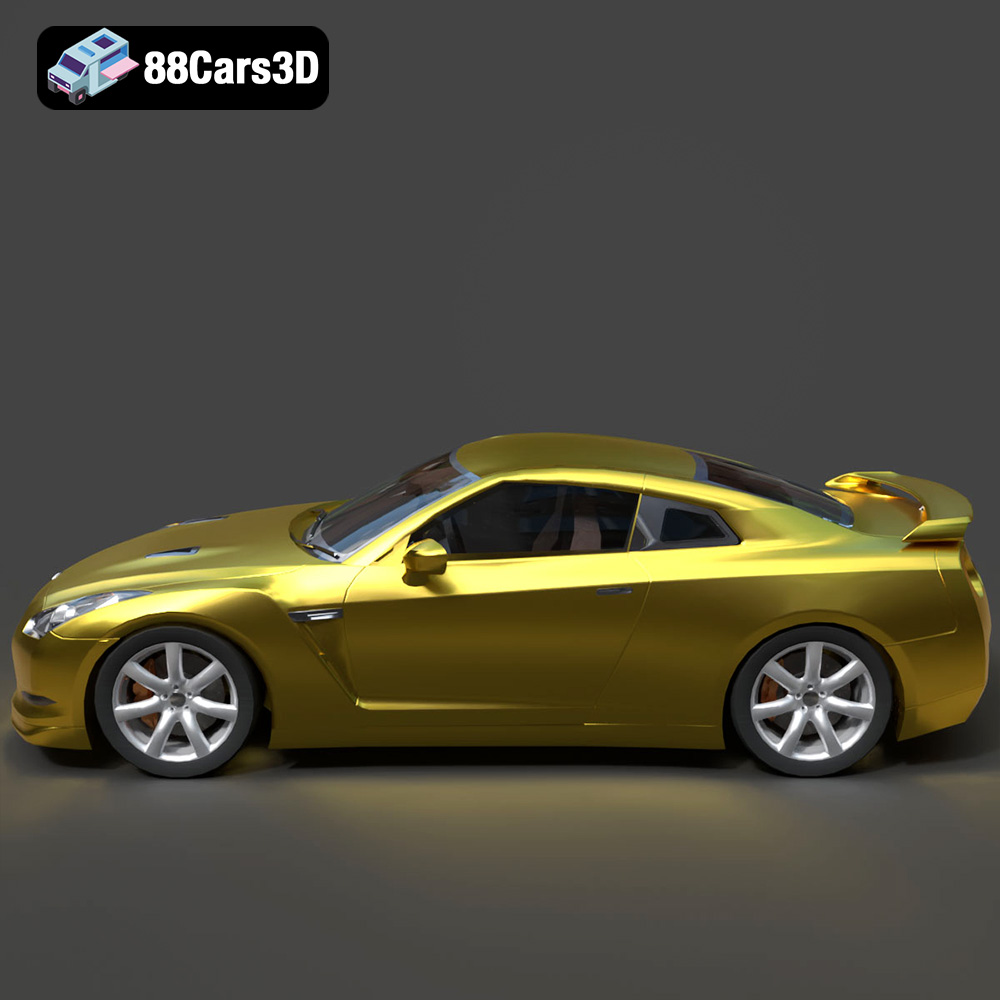
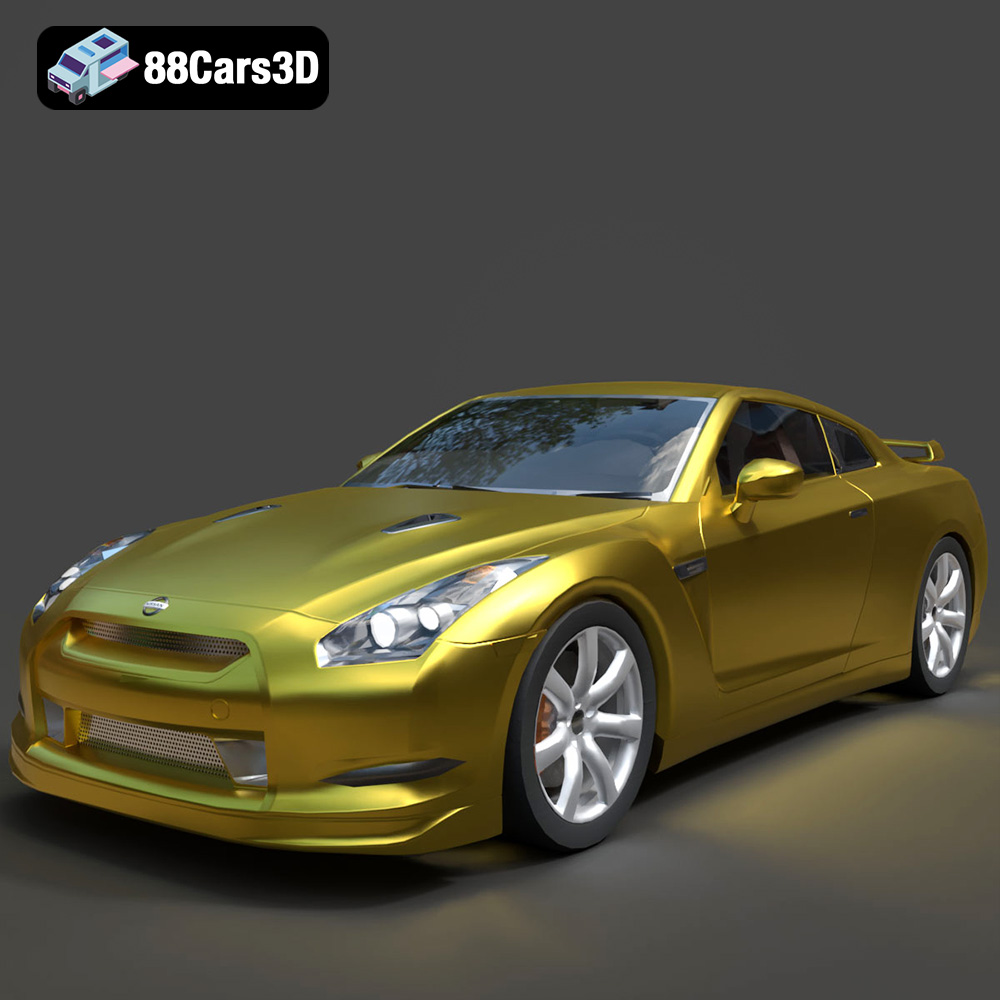
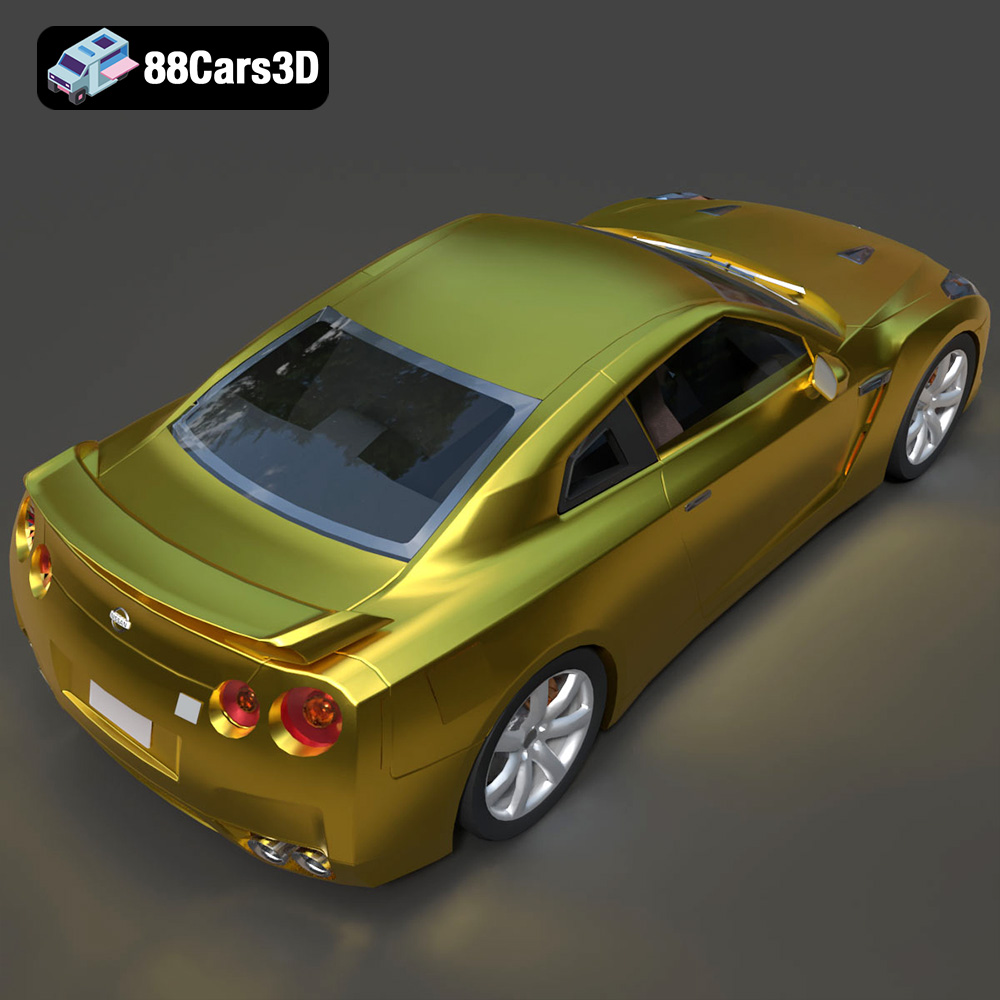
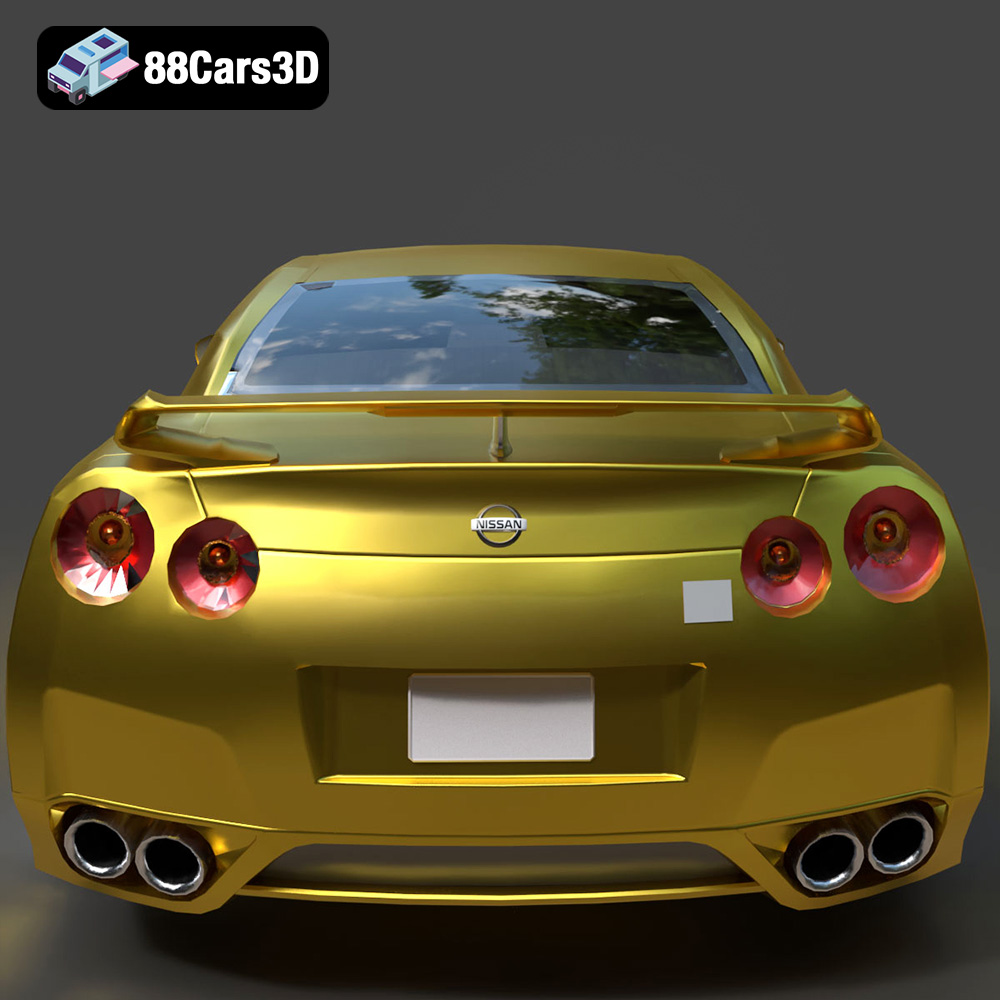
Known affectionately as “Godzilla,” the GT-R R35 redefined what a Japanese sports car could achieve. This model features a flawlessly aggressive front fascia, signature quad round taillights, and a high-poly topology perfect for photorealistic automotive studio renders. Its clean geometry ensures crisp reflections and allows for detailed material setups, making it a star in any rendering scene.
- Mitsubishi Lancer Evolution IX: The Rally-Bred Street Warrior
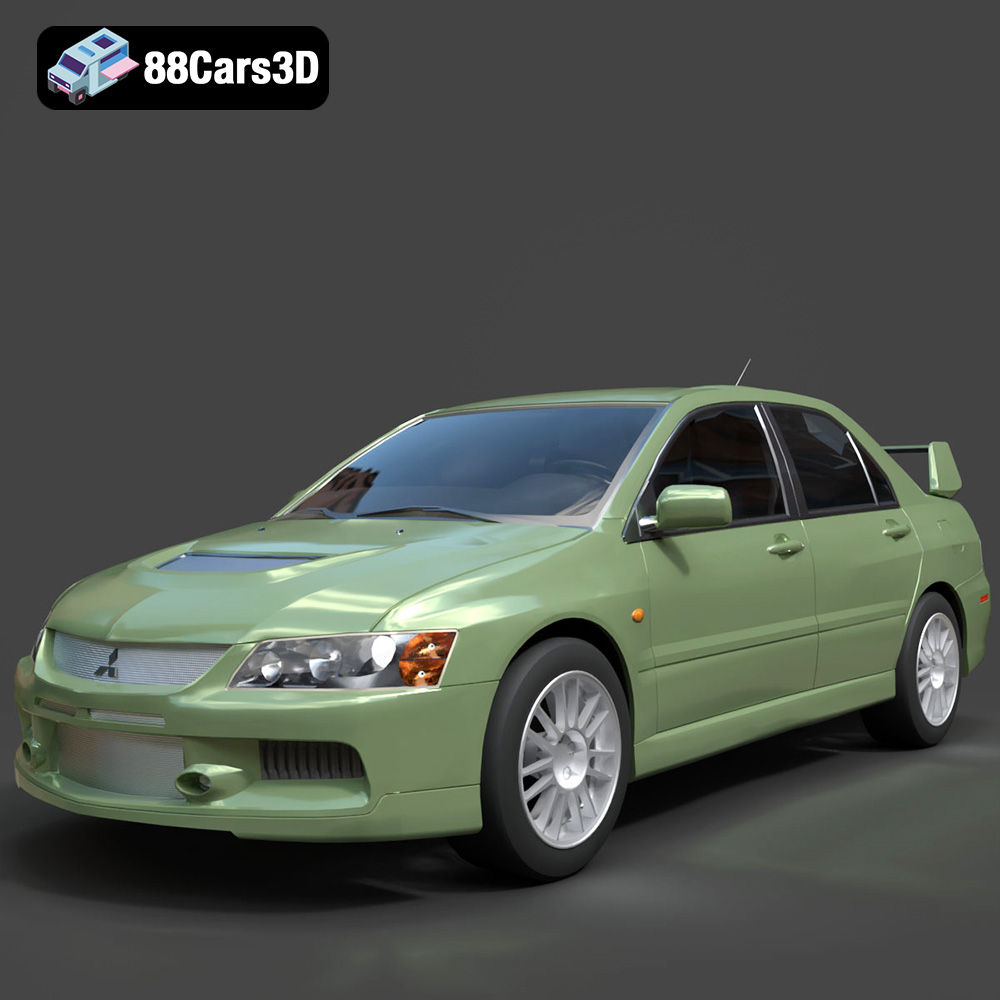
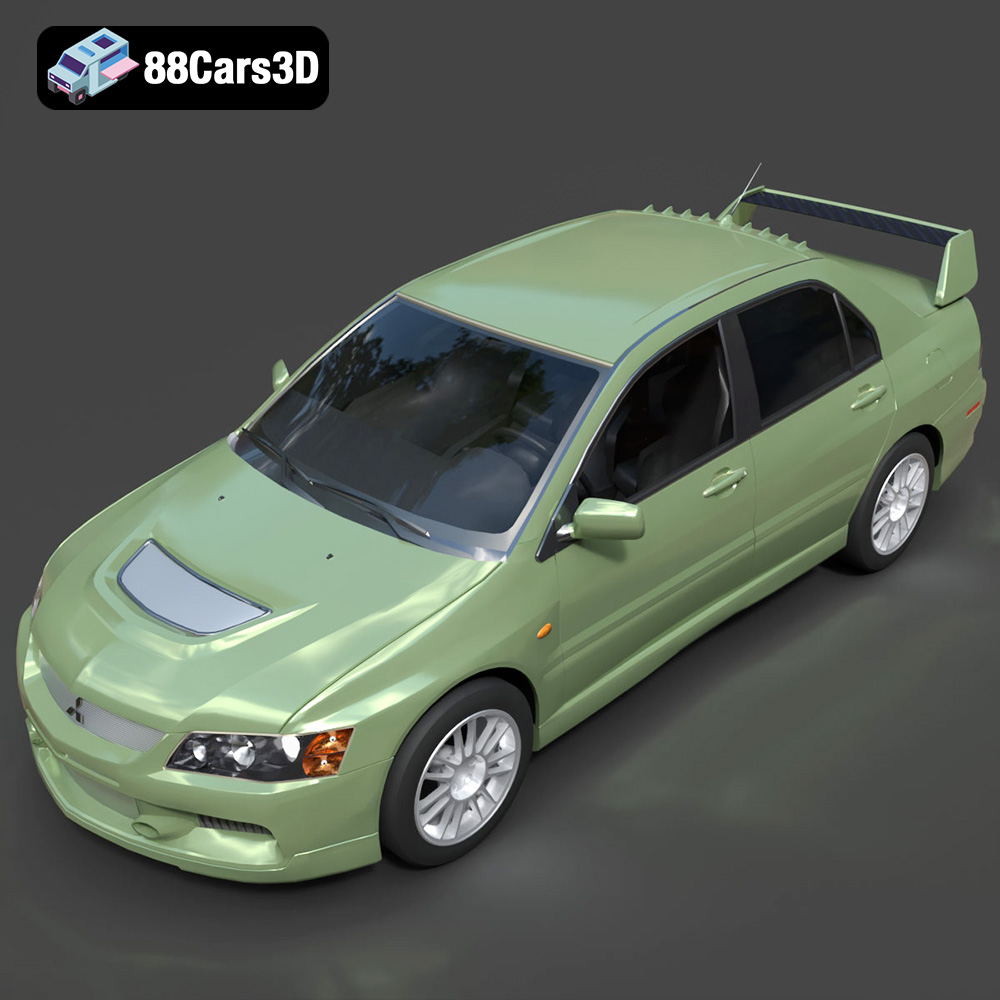
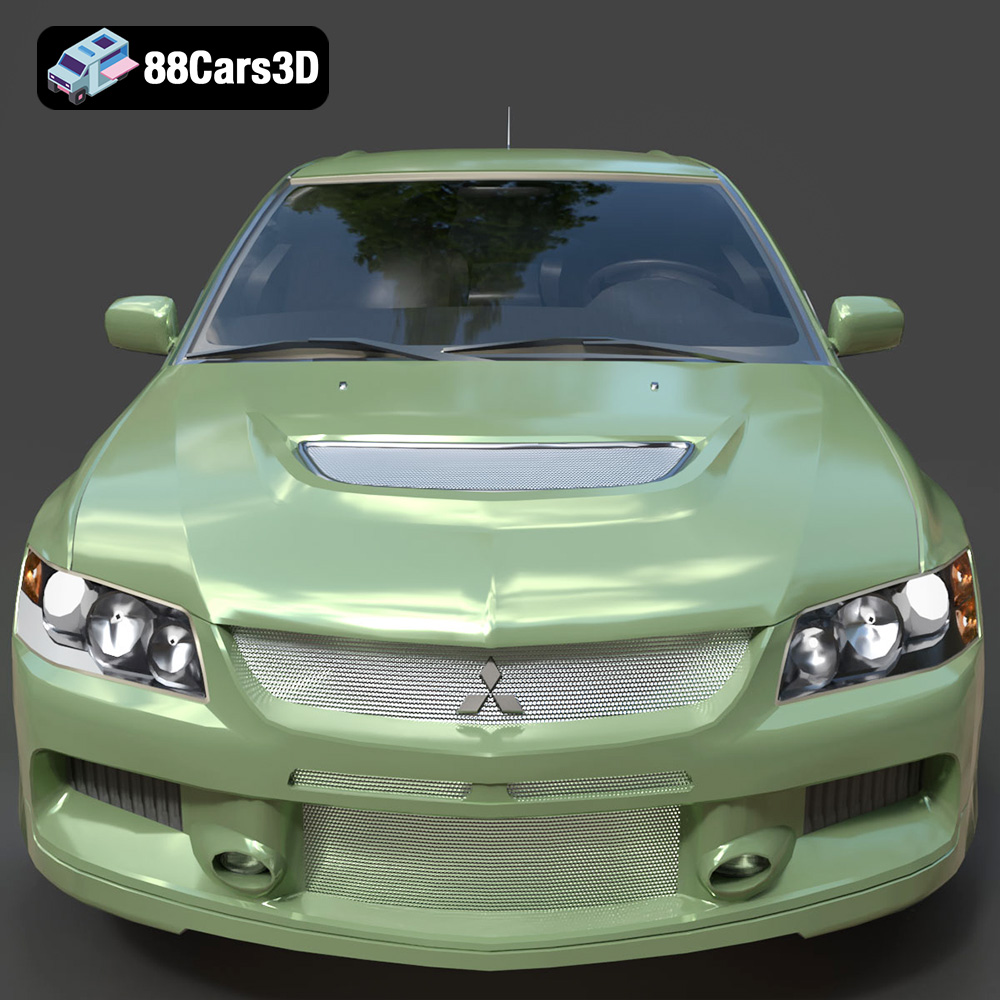
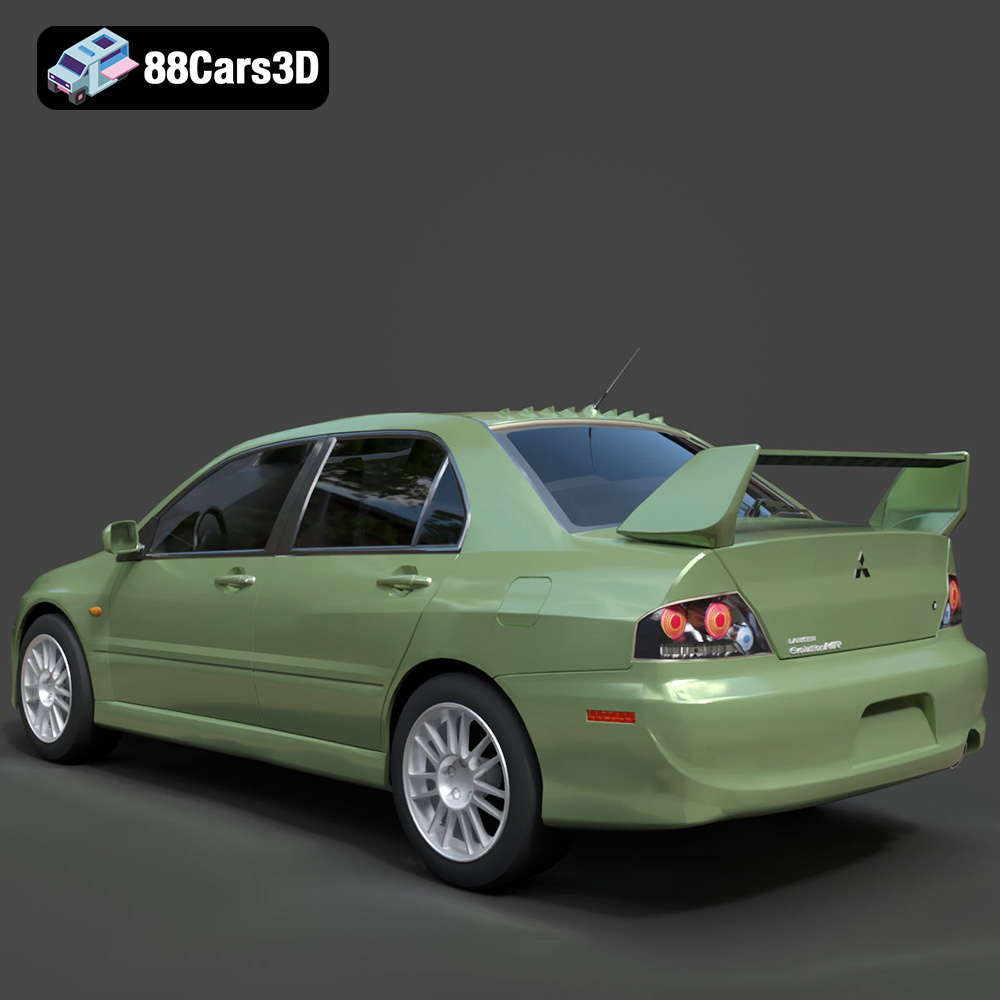
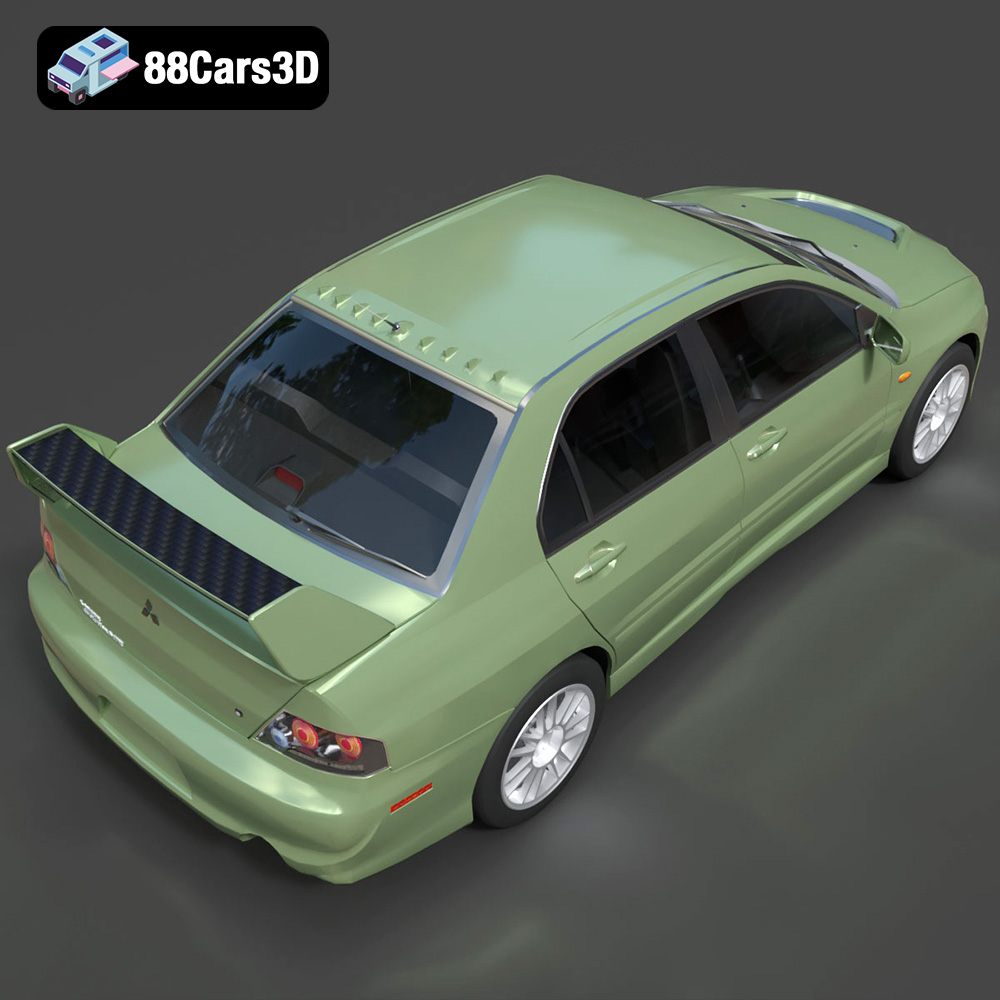
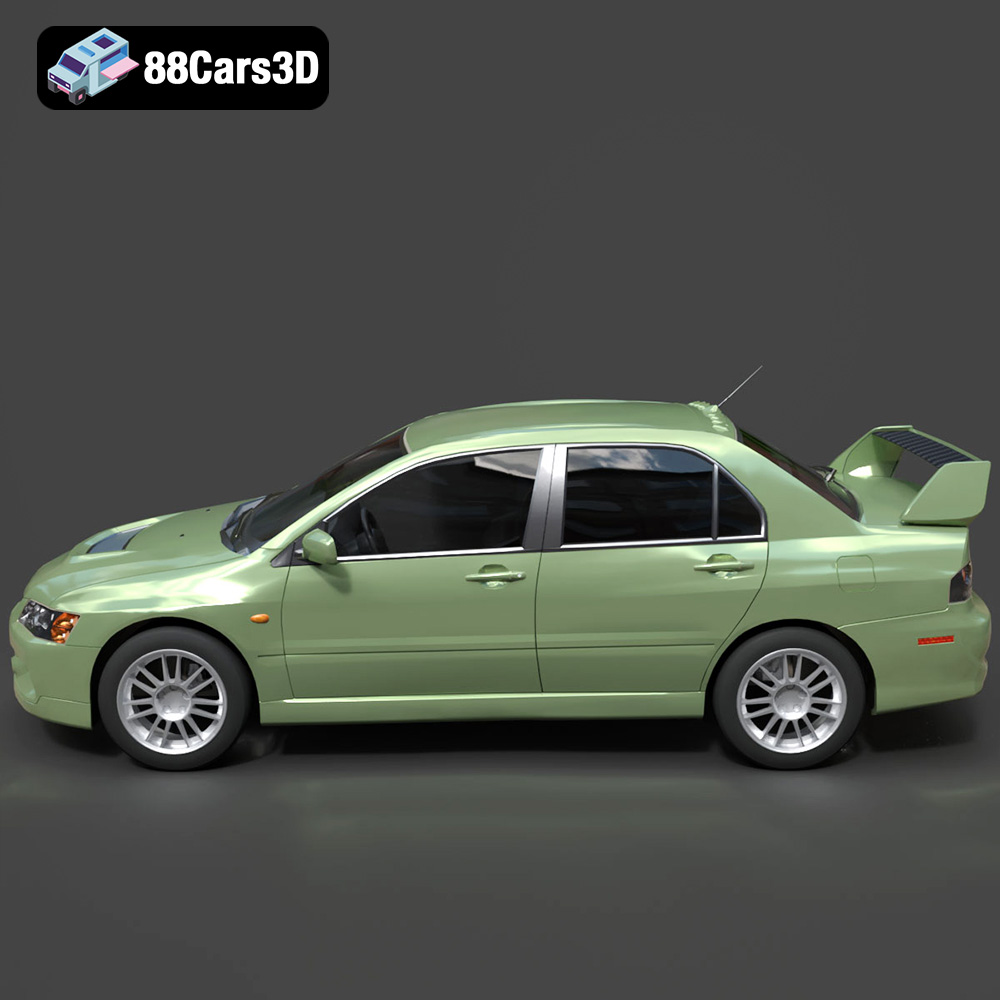
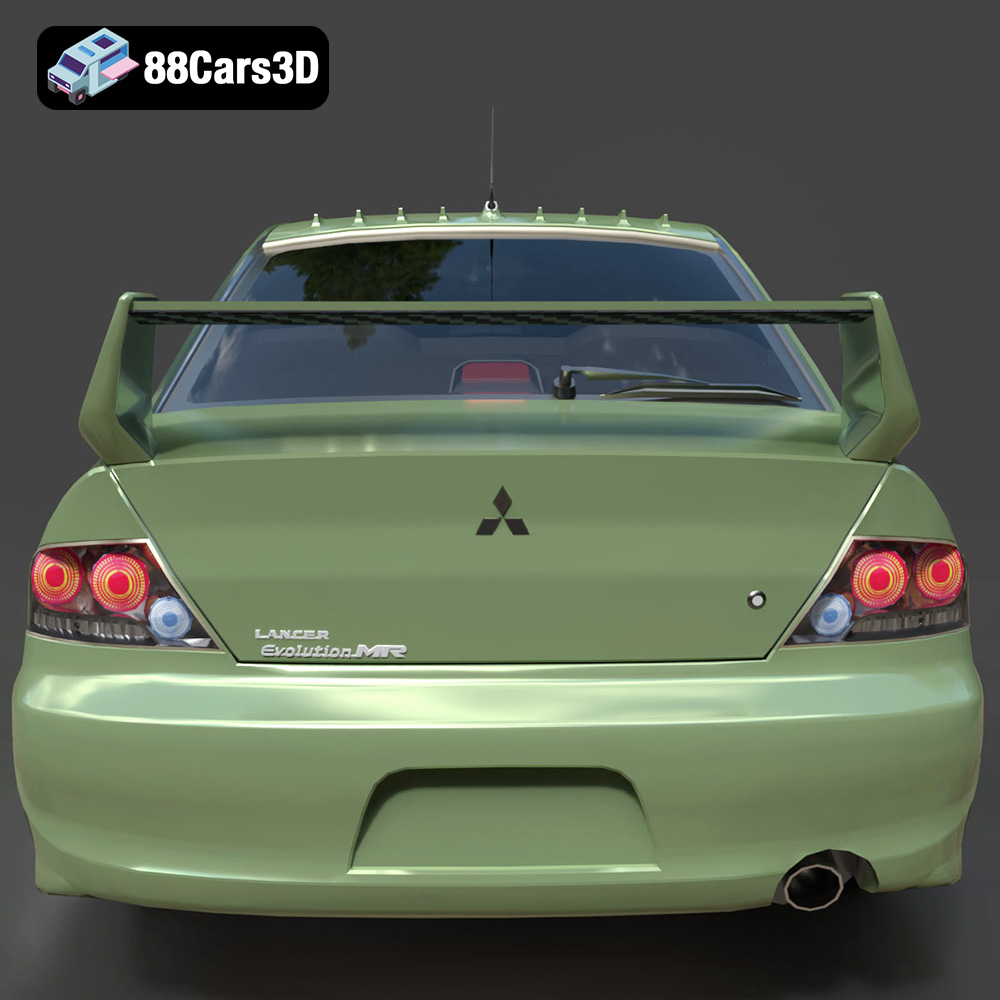
The Evo IX is a legend born from the brutal world of rally racing, perfected for the street. This model accurately captures its iconic aggressive hood vents, dynamic front bumper, and the large rear spoiler that signifies its performance pedigree. It’s an ideal asset for scenarios demanding high-octane action and dynamic visuals, ready to be dropped into a drifting game or an intense chase sequence.
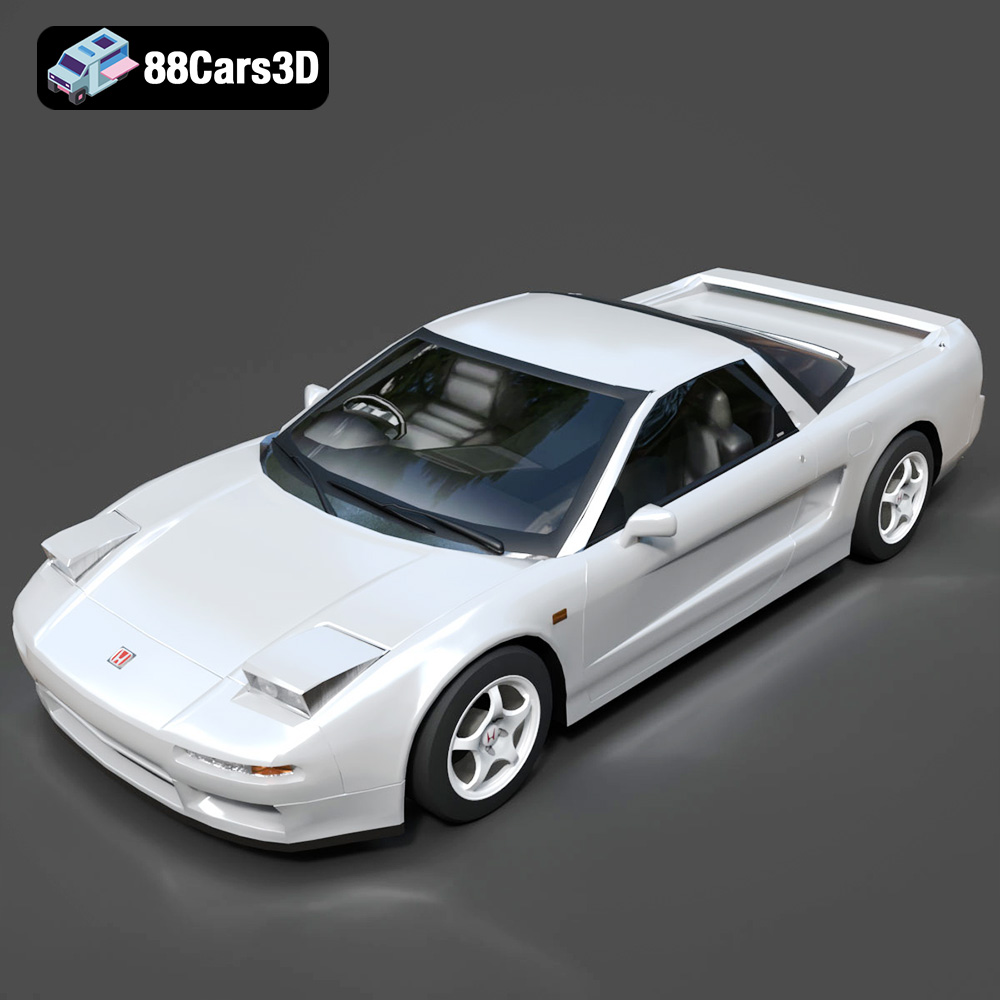
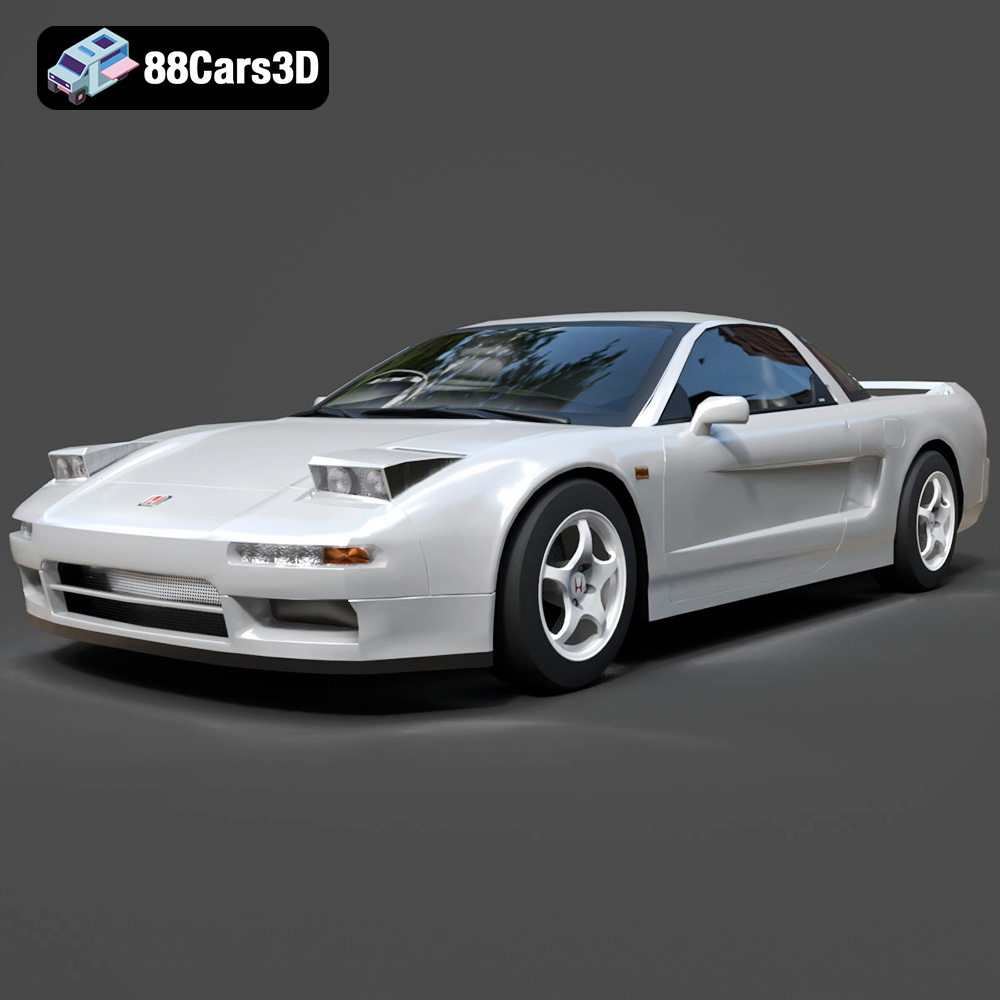
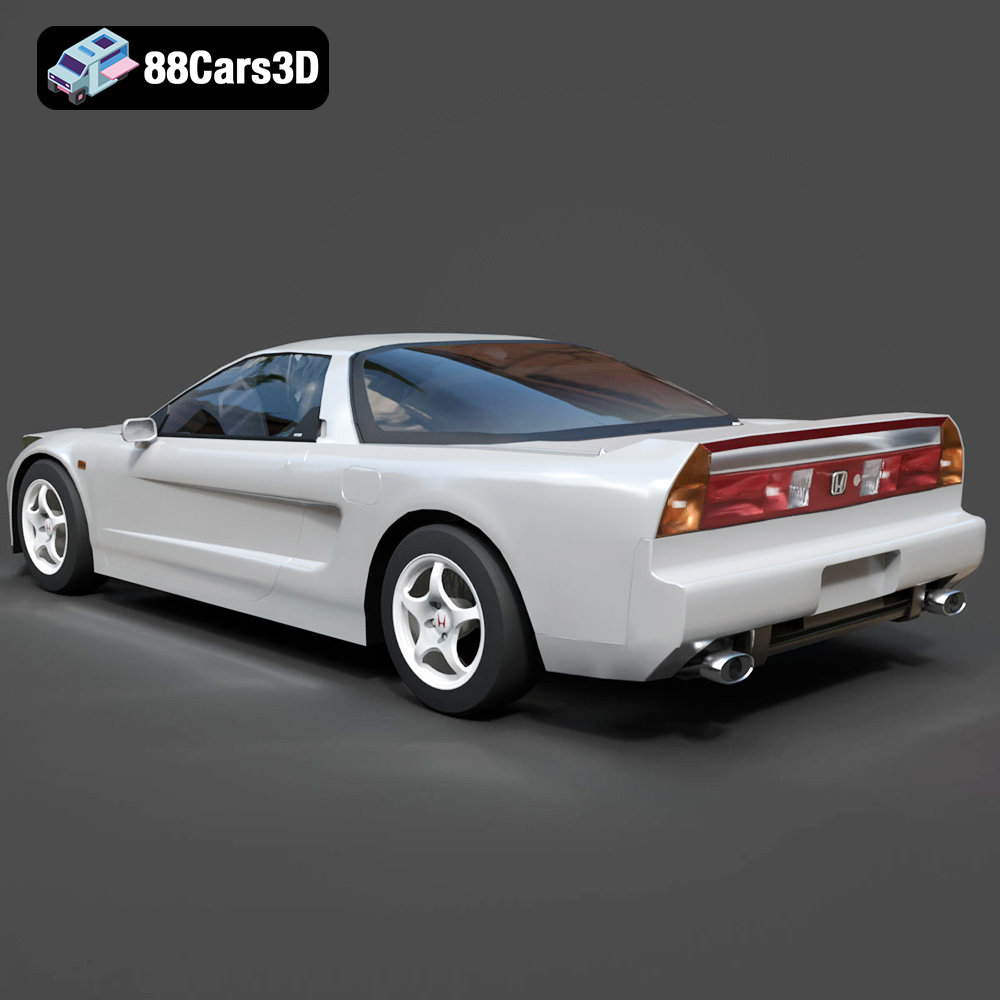
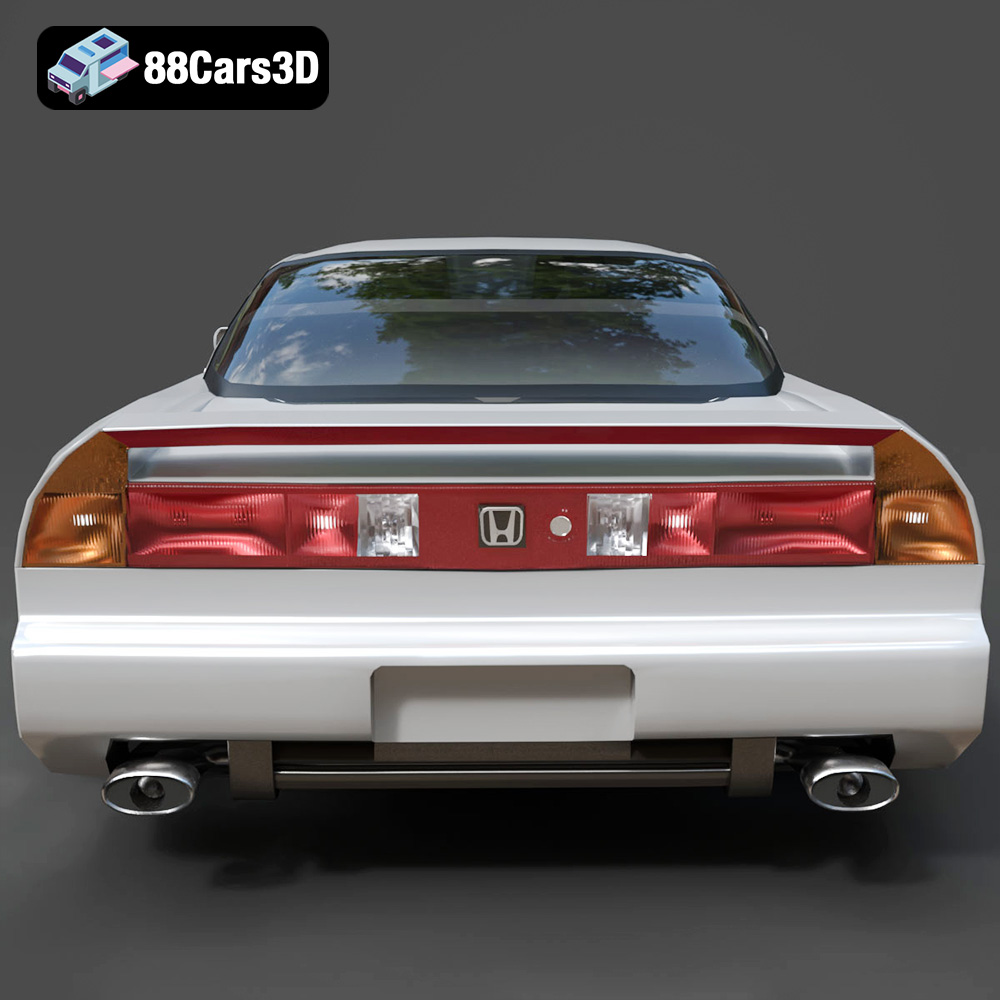
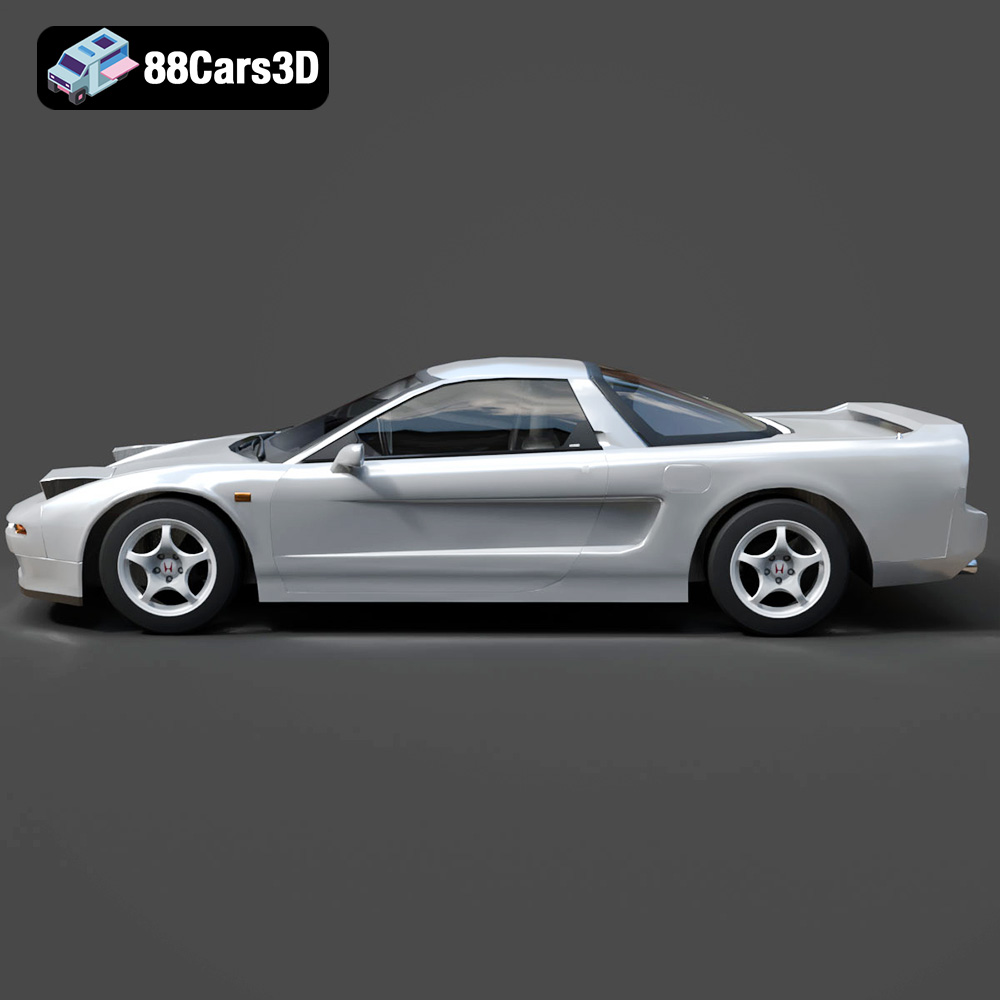
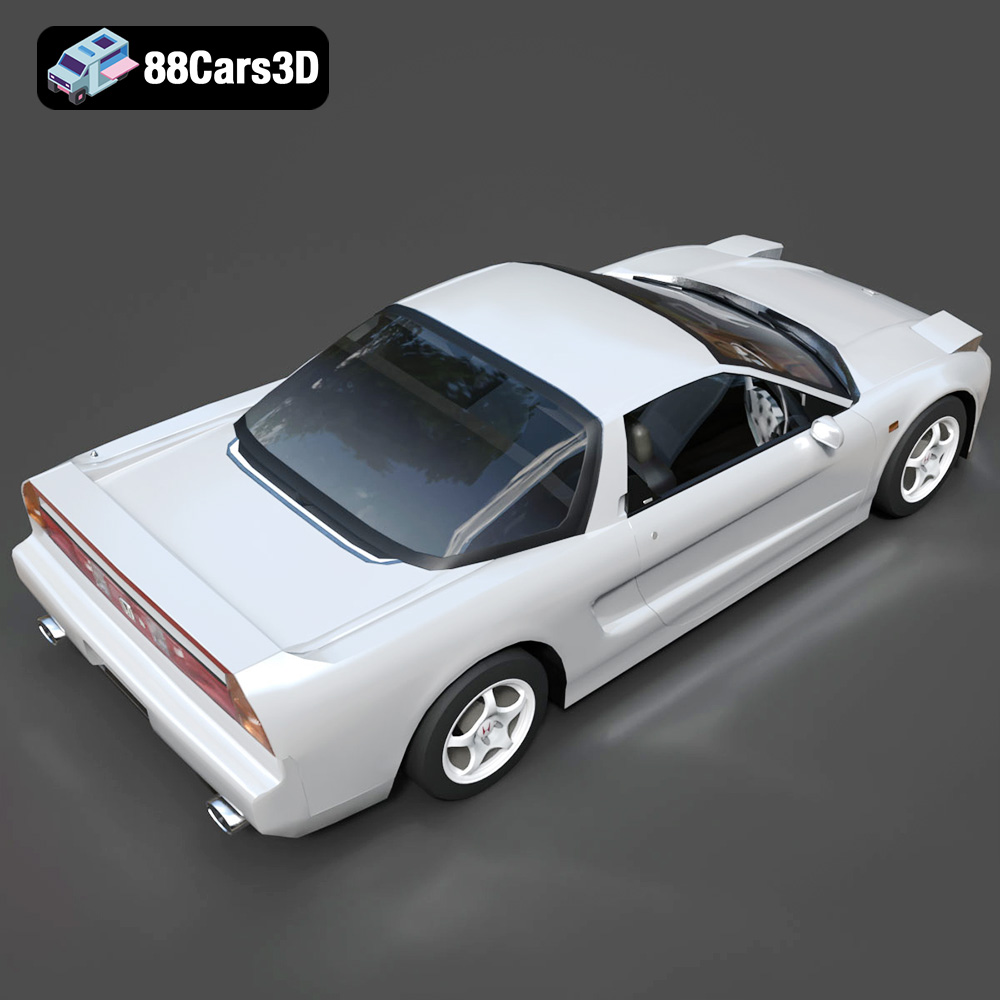
- Honda NSX-R 1992: The Pure Japanese Supercar
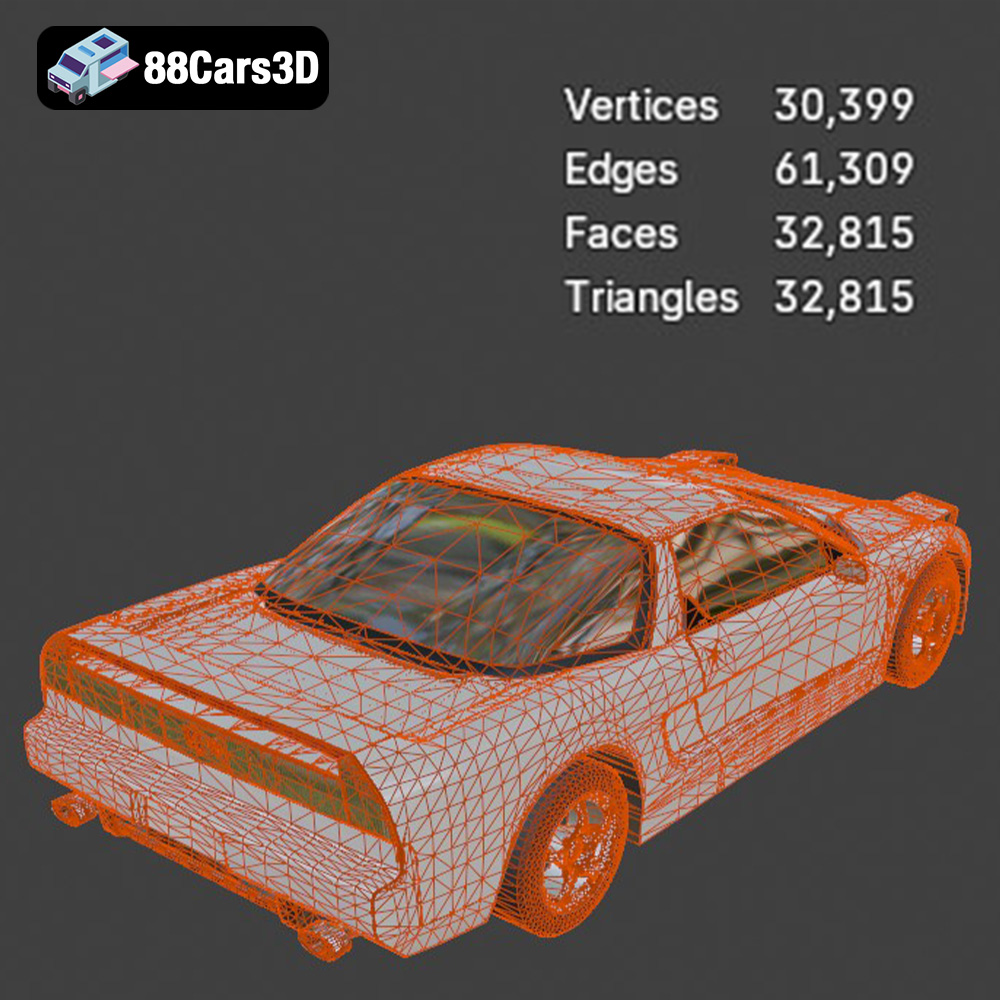
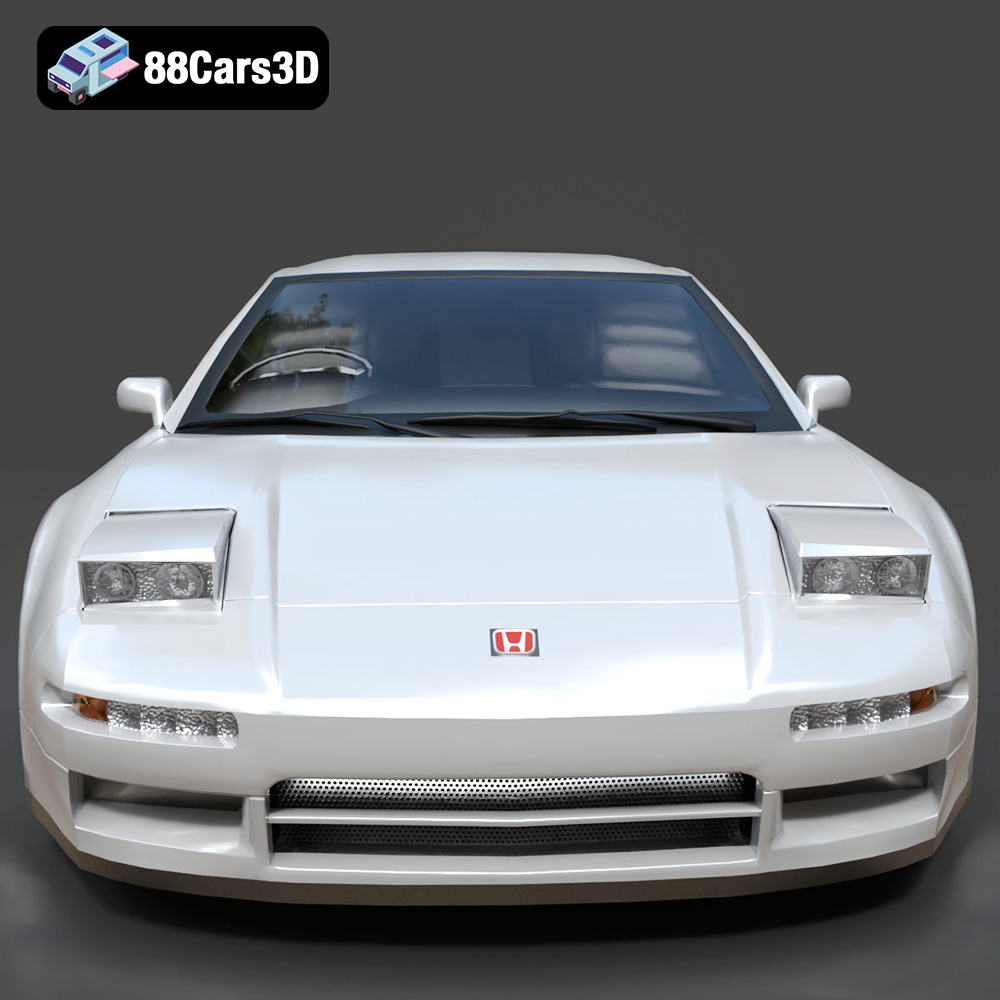
A true masterpiece, the original NSX-R was developed with input from Ayrton Senna, embodying precision and driving purity. This beautifully nostalgic model showcases its mid-engine proportions, iconic pop-up headlights, and timeless aerodynamic wedge design that defined 90s supercar aesthetics. Its classic lines are perfect for evoking a sense of automotive history or for modern interpretations in stylized renders.
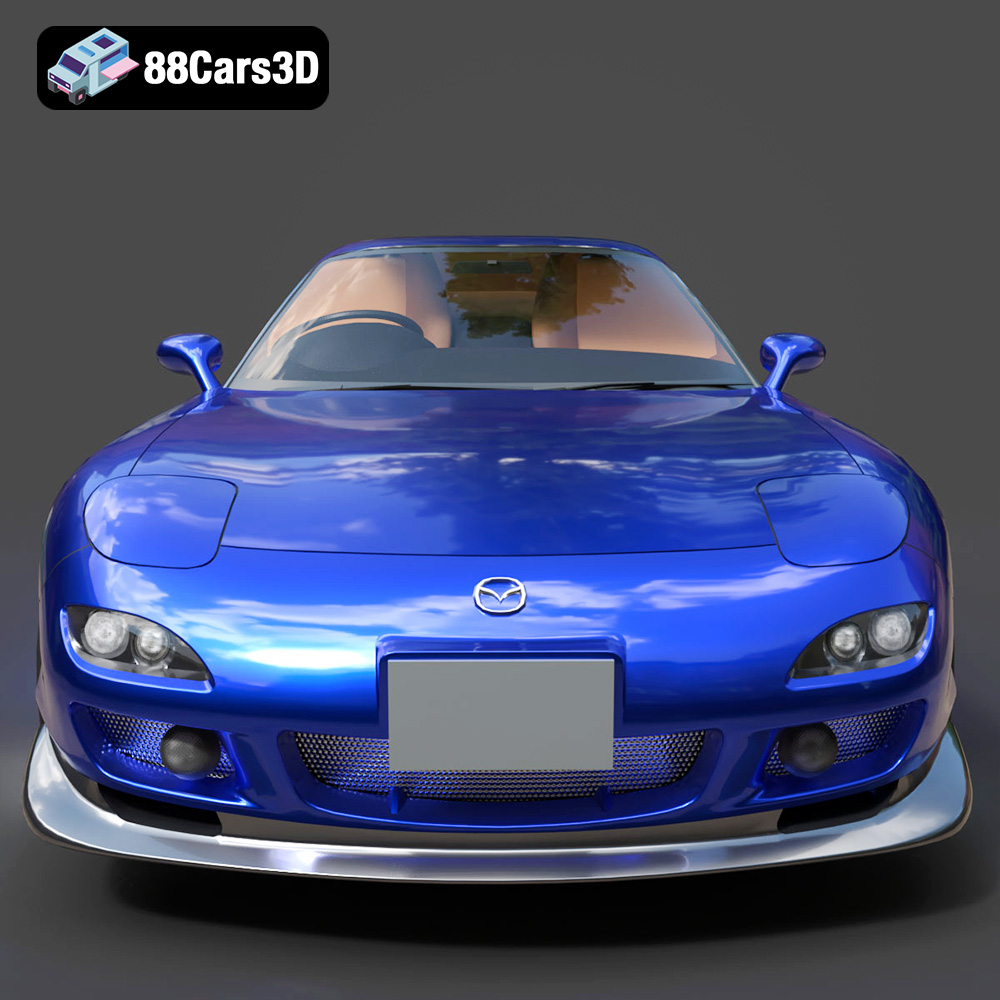
- Mazda RX-7 (FD Generation): The Rotary-Engine Masterpiece
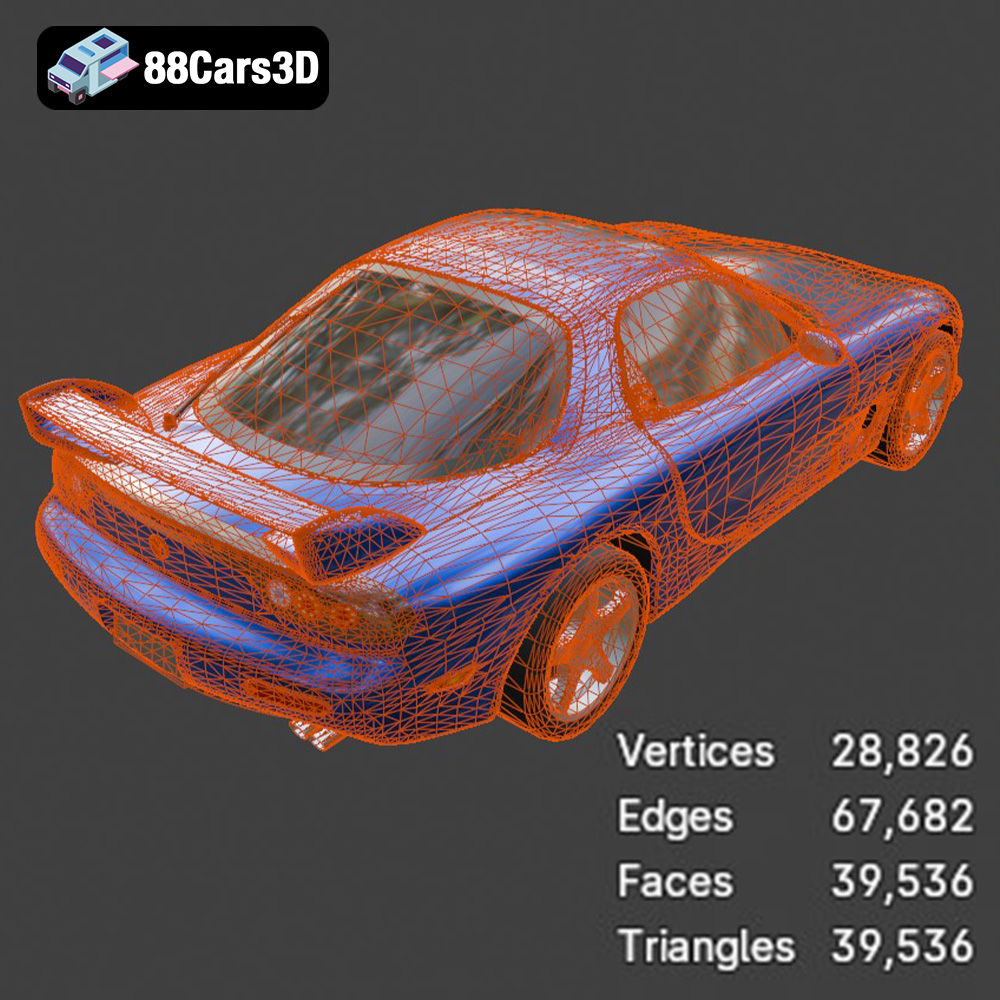
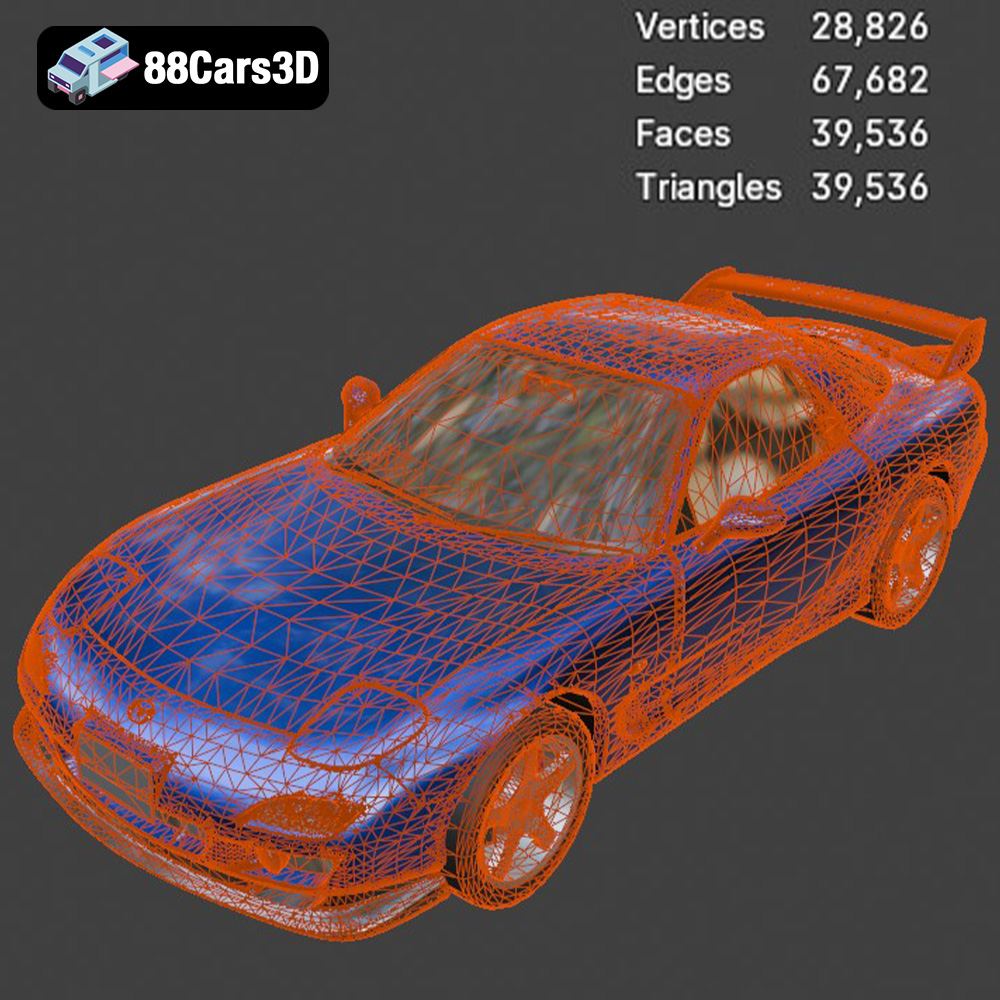
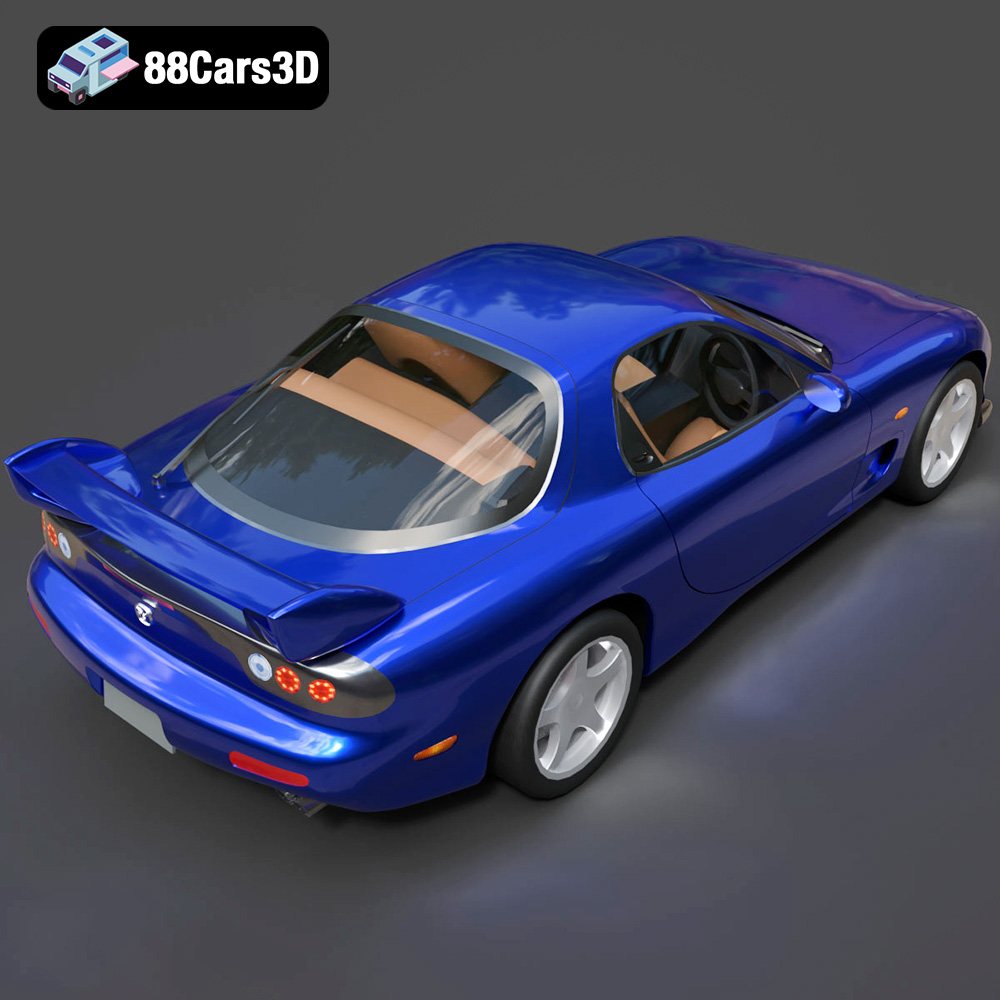
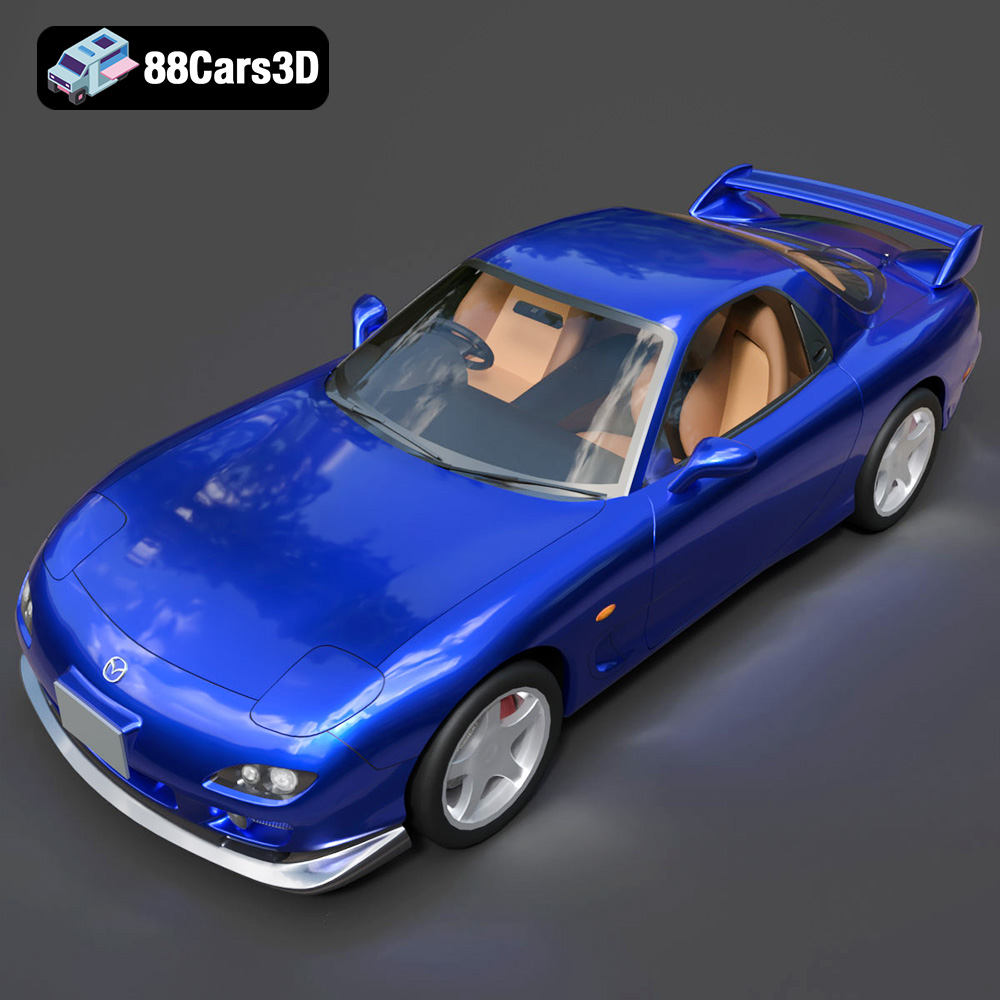
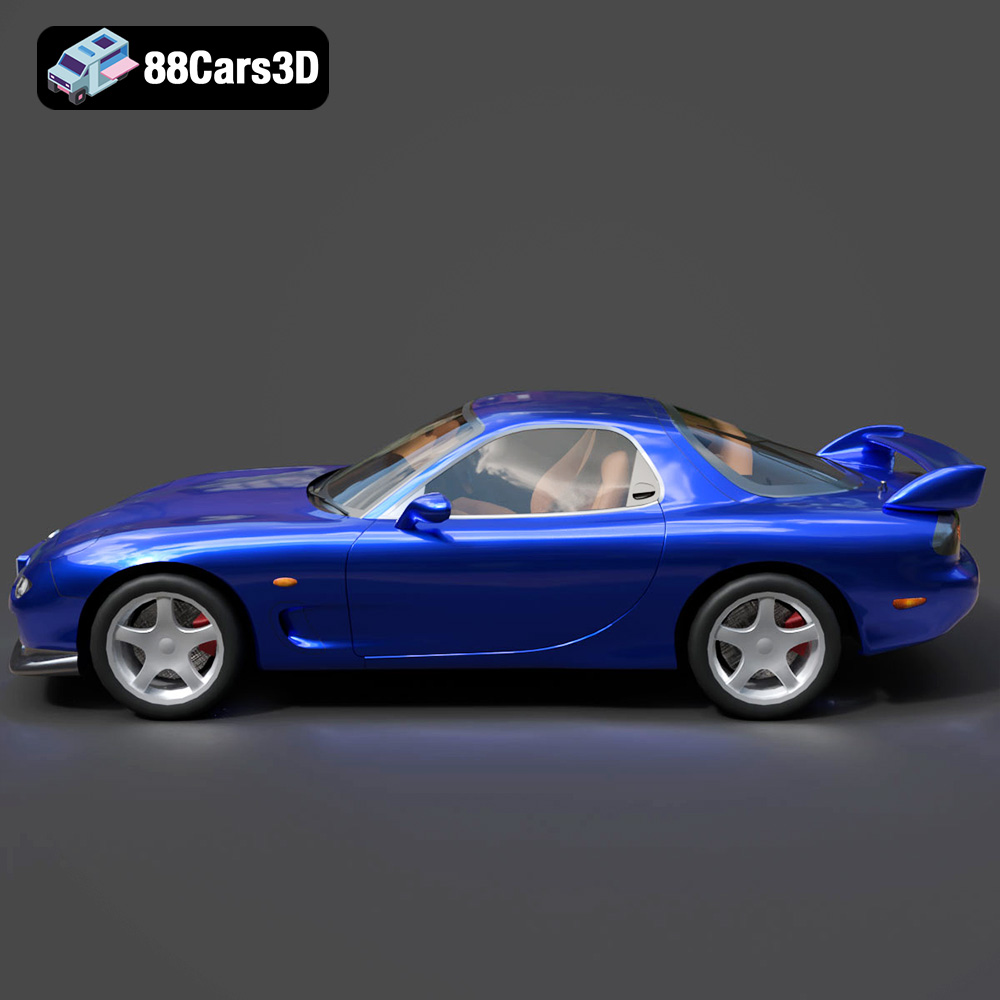
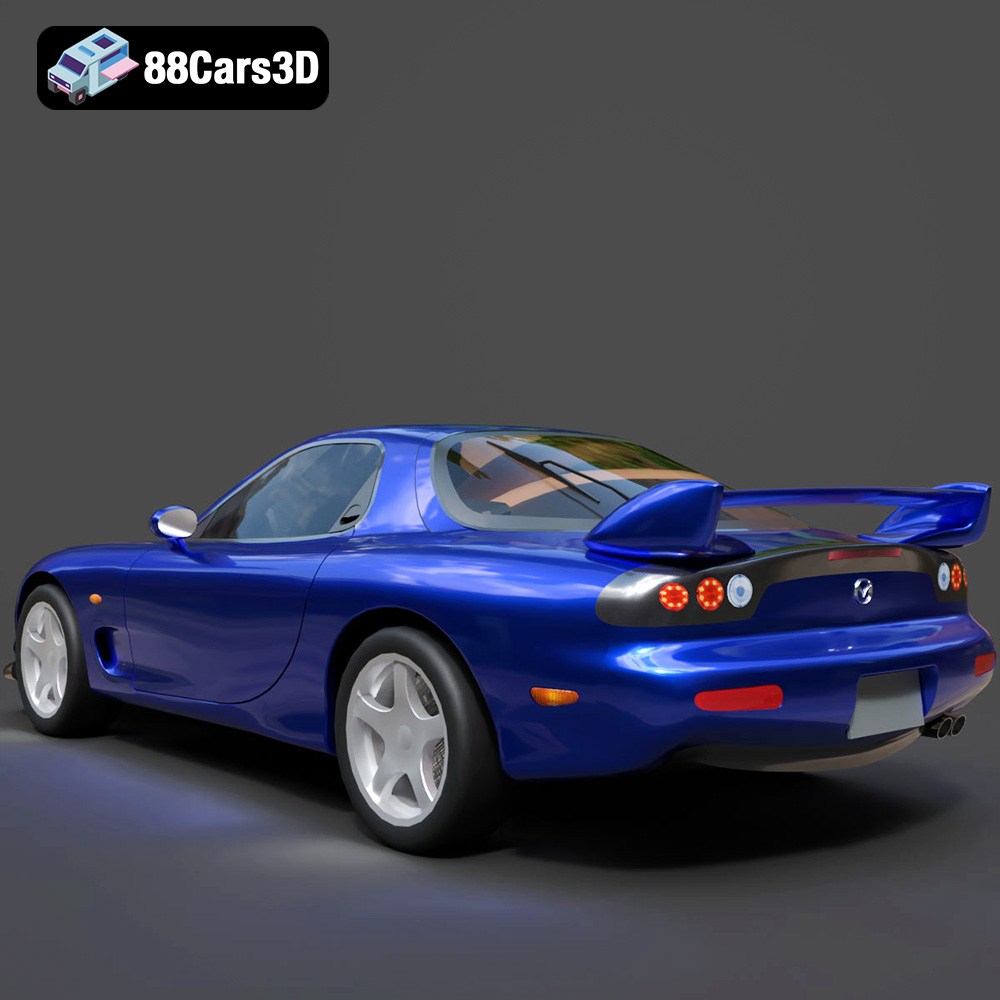
Few cars boast the unique character of the FD-generation RX-7, famed for its Wankel rotary engine and stunning design. This model features the famous smooth, flowing curves and pop-up headlights that make it one of the most beautiful Japanese cars ever designed. With its inherent balance and drift-friendly characteristics, it’s perfect for creating dynamic drifting scenes or sleek, low-rider renders.
- Toyota Supra 2020 (A90): The Modern Revival of a Legend
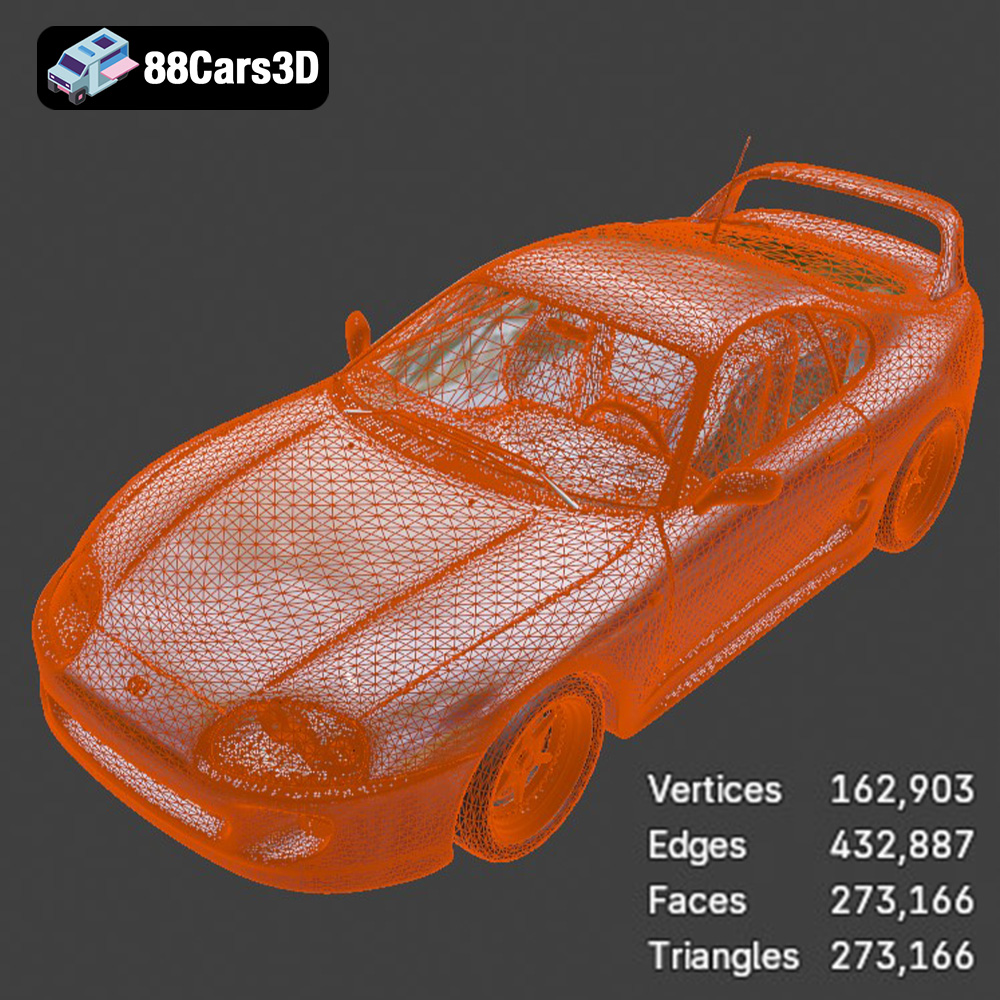
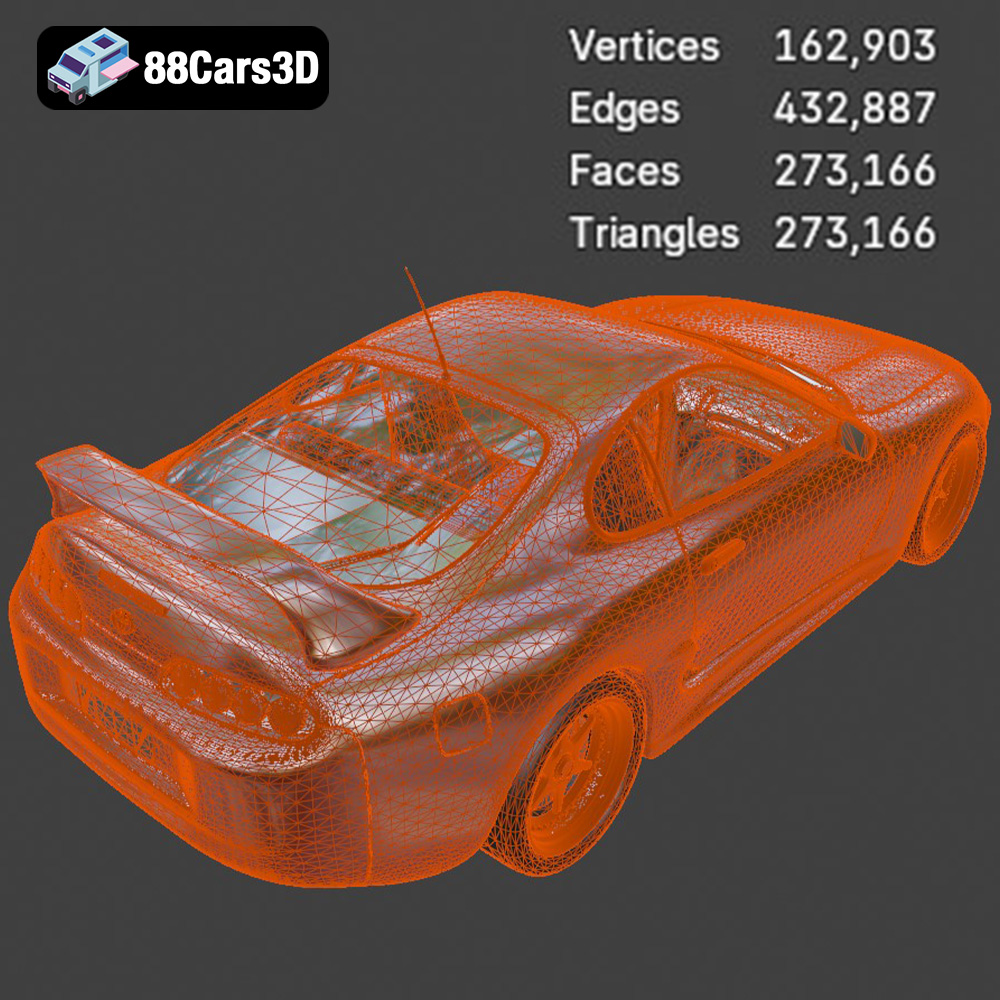
The A90 Supra marks a bold return for one of Toyota’s most celebrated nameplates. This model perfectly captures the aggressive modern aerodynamics, distinct double-bubble roof, and sharp LED headlight signature of the latest iteration. It brings a contemporary edge to the bundle, suitable for cutting-edge game titles, modern visualization projects, or comparing generations of JDM excellence.
Key Features for Professional Workflows
Beyond their visual fidelity, these 3D car models are built with functionality at their core, adhering to best practices for professional integration:
- Tuning Ready: The clean geometry and logical mesh segmentation make it exceptionally easy for 3D artists to modify these cars. Whether you’re adding custom widebody kits, massive aftermarket spoilers, or unique rim designs, the models provide a robust foundation for extensive customization.
- Separated Parts: Crucial for animation, simulation, and game development, components like wheels, doors, and steering are intelligently separated. This makes them instantly game-engine ready for driving physics, opening animations, or interactive elements.
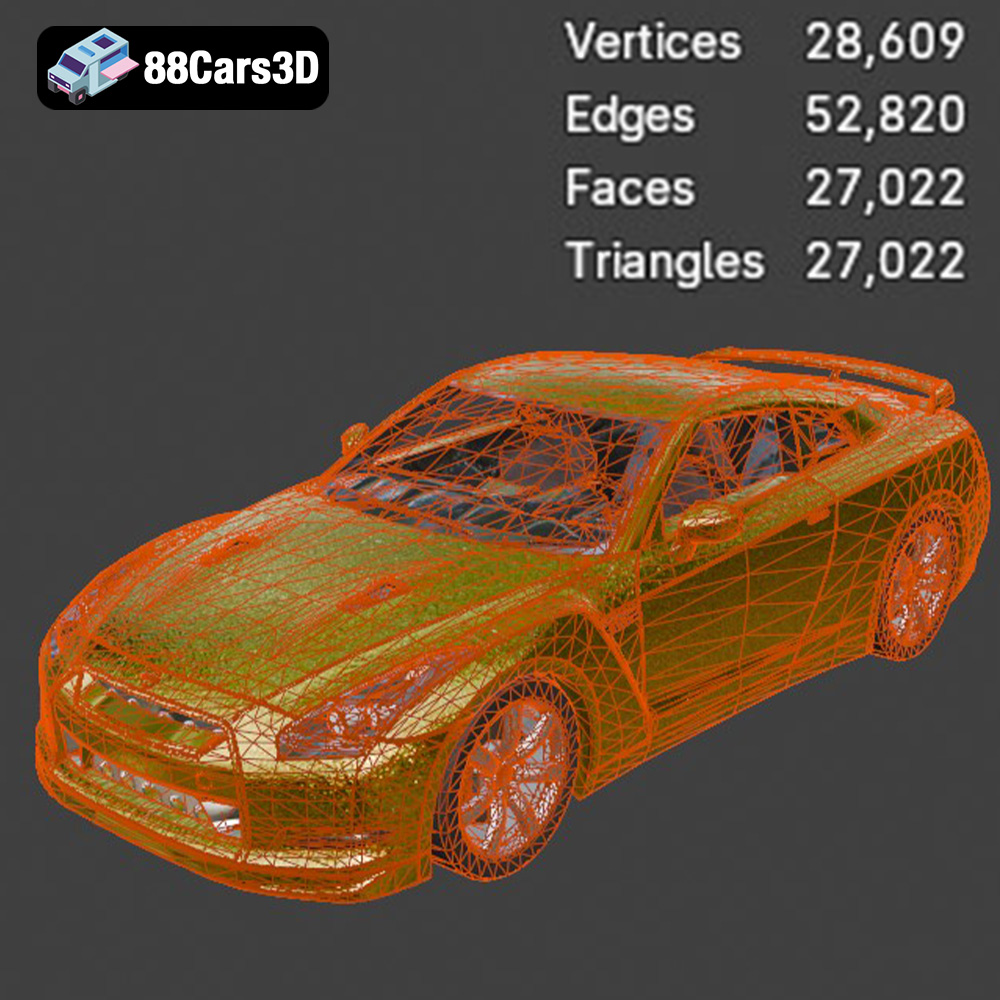
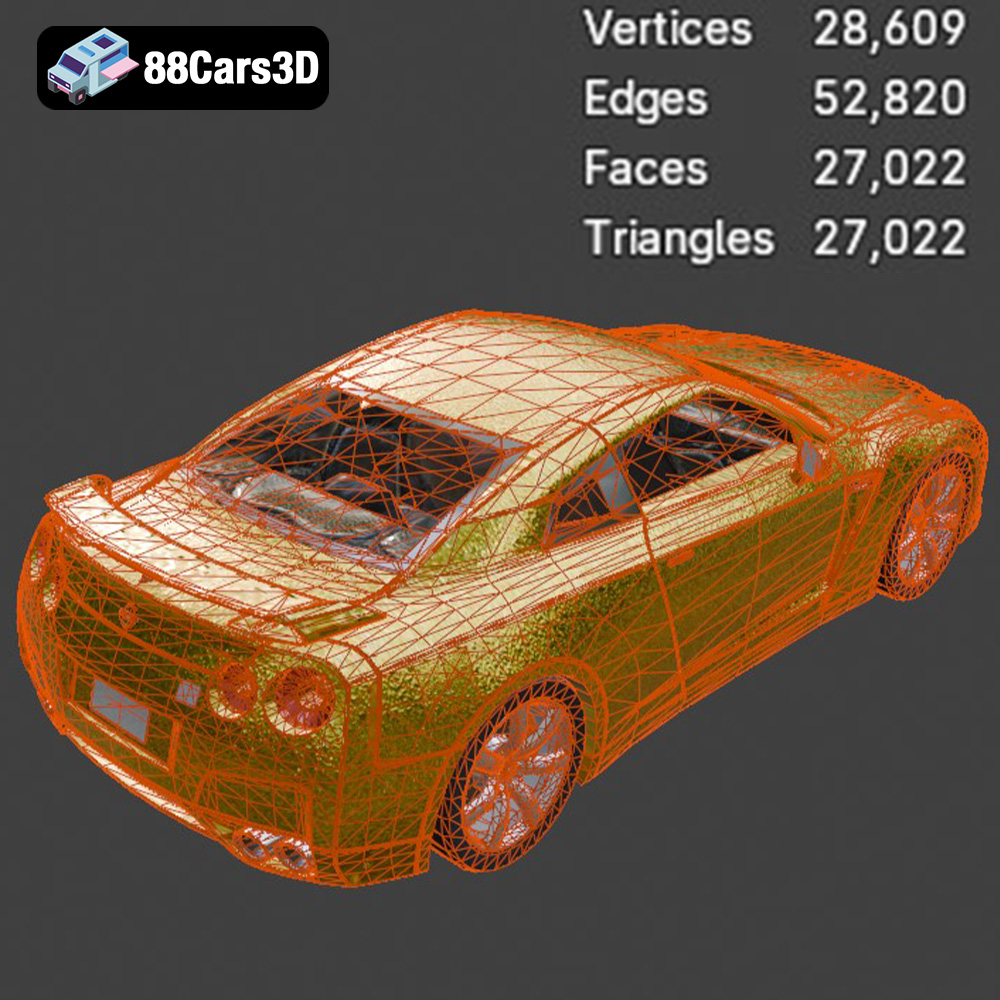
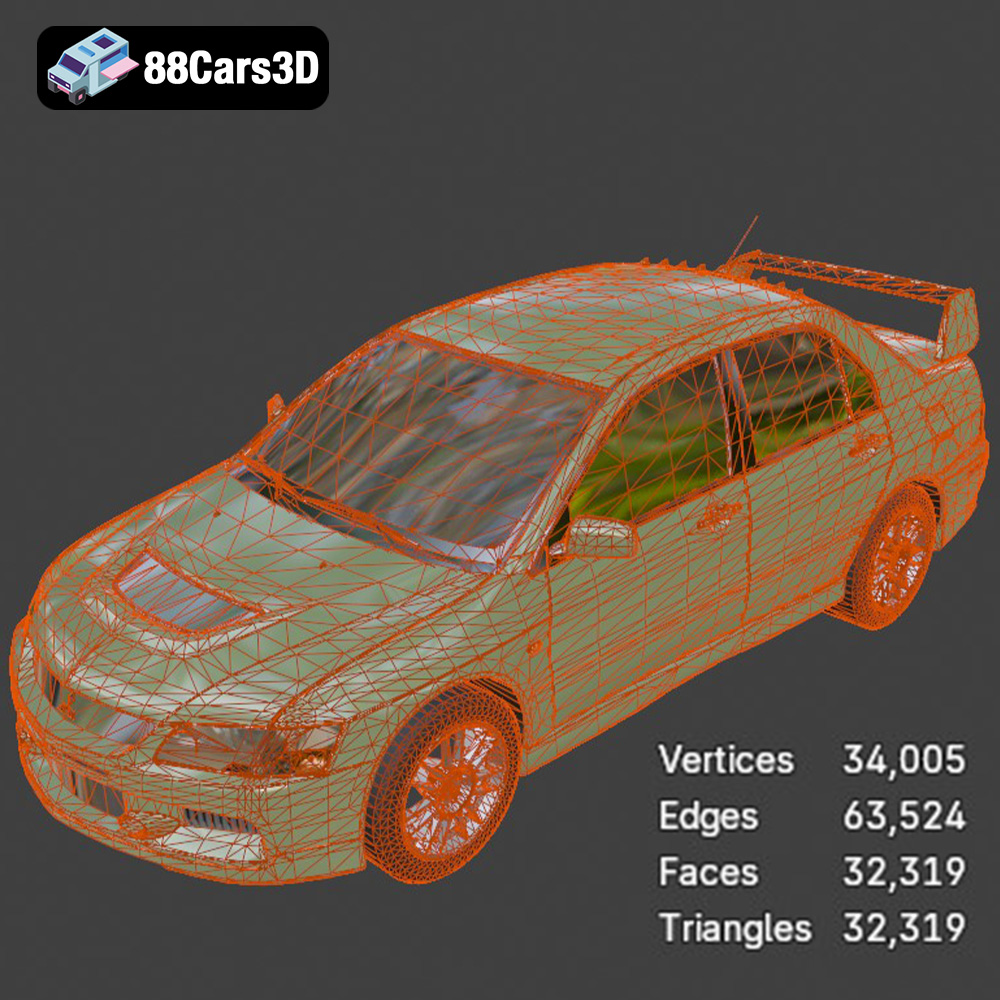
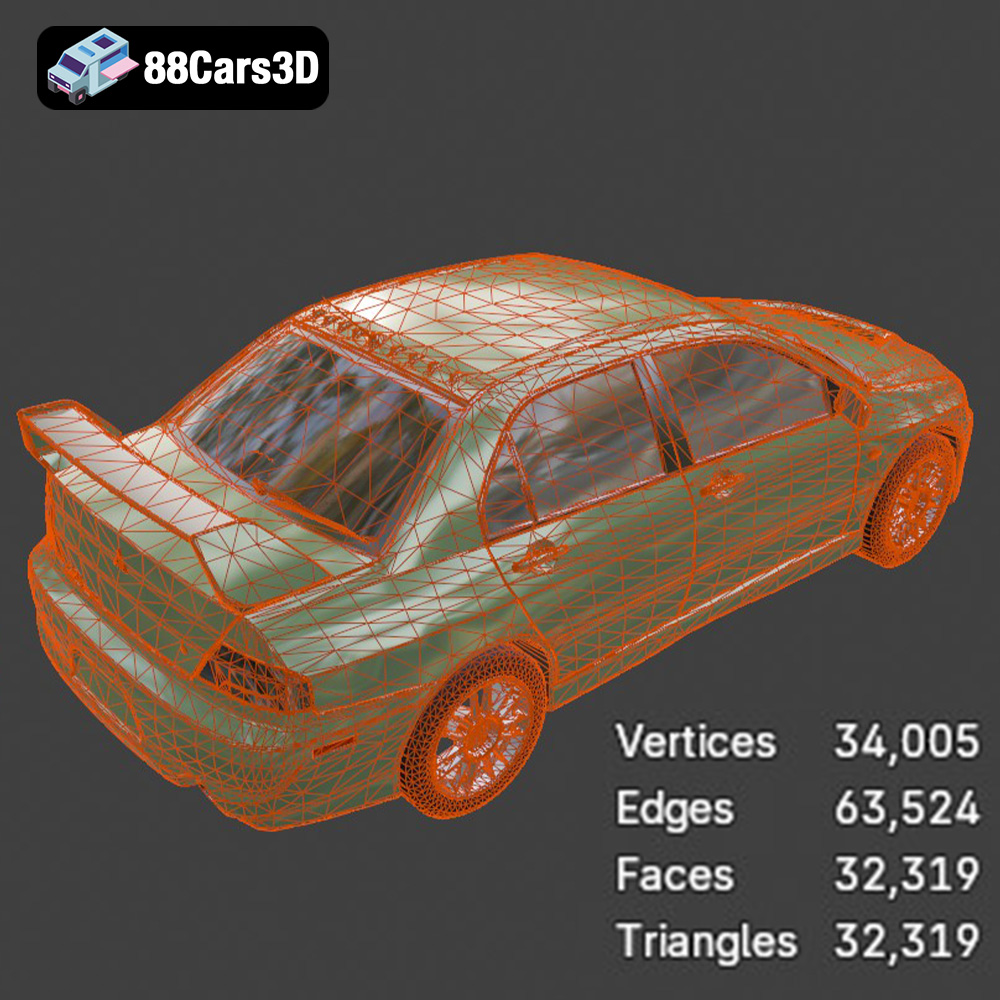
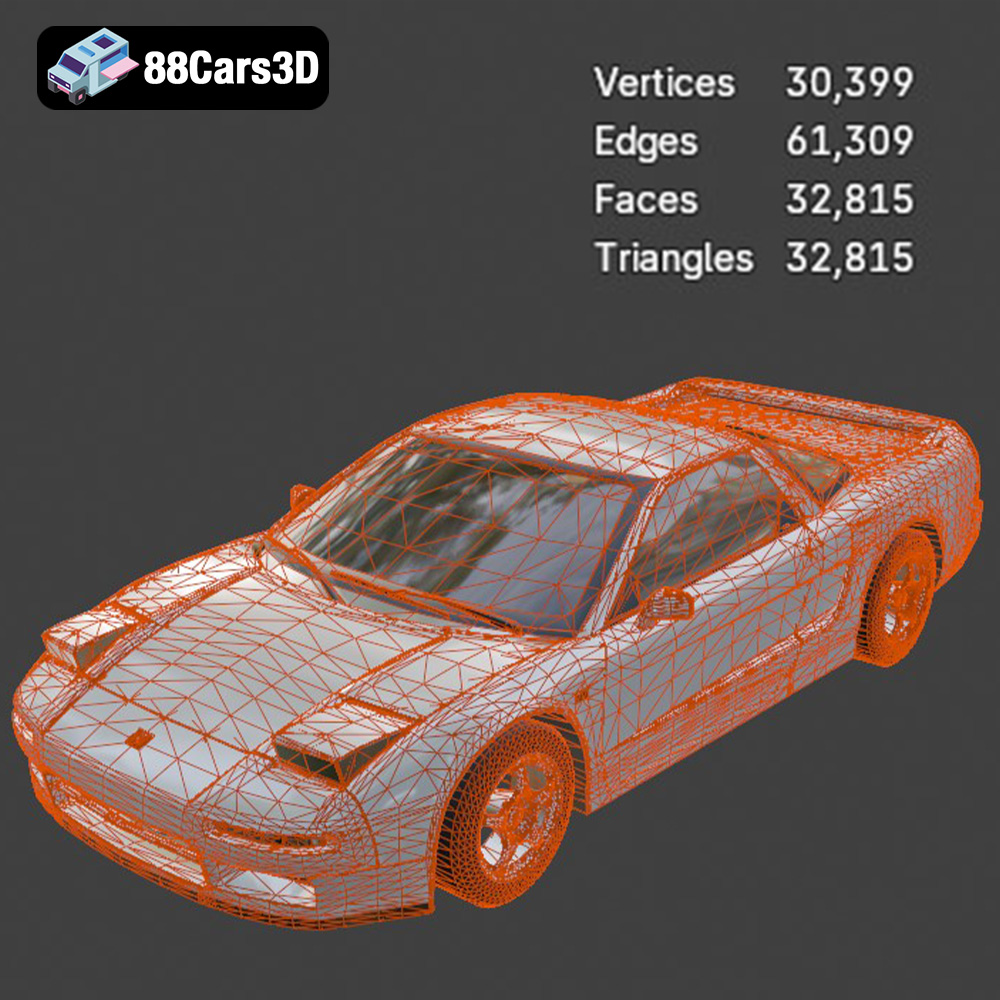
- Optimized Topology: Each model boasts beautifully balanced quad-heavy geometry. This is vital for ensuring crisp reflections in automotive paint materials without introducing shading artifacts, and it allows for smooth subdivisions without crashing your render engine. The focus on clean topology also aids in UV mapping and texturing, leading to superior final results.
- Real-world Scale Accuracy: All models adhere to 100% real-world scale, which is paramount for architectural visualization, consistent game environments, and accurate cinematic compositions.
- Proper Pivot Points: Essential for real-time engines and animation, all wheels are set up with correct pivot points. This means they are ready for direct integration into systems like Unreal Engine’s Chaos Vehicles or Unity’s vehicle physics, saving significant setup time.
- Broad Compatibility: The bundle ensures full compatibility with industry-standard renderers like V-Ray, Corona, and Arnold, as well as real-time engines, guaranteeing fast and smooth integration into virtually any professional 3D pipeline.
Understanding 3D Model File Formats
When working with 3D assets, particularly high-quality 3D car models like those in the Japanese Legends bundle, understanding the various file formats is crucial. Each format serves a specific purpose, offering different levels of compatibility, editability, and optimization for various applications, from rendering and animation to game development and 3D printing. Selecting the correct format ensures smooth integration into your workflow and preserves the integrity of the model’s data.
Universal Exchange Formats for Seamless Integration
- .obj (Wavefront OBJ): This is arguably the most universal 3D file format, widely supported across almost all 3D software applications. It’s a simple, text-based format that stores mesh geometry (vertices, normals, UVs, and faces), and can reference external material (.mtl) files. Its strength lies in its excellent cross-software compatibility, making it a reliable choice for transferring models between different platforms. However, .obj files typically do not store advanced scene data like rigging, animation, or complex material networks, making it primarily useful for static mesh exchange. When you need to bring a raw, clean mesh into a new program for texturing or rigging, .obj is often the workhorse.
- .fbx (Filmbox): Developed by Autodesk, .fbx has become the industry standard for exchanging 3D data, especially between DCC (Digital Content Creation) applications and game engines like Unreal Engine and Unity. Unlike .obj, .fbx can store a vast array of information, including geometry, materials, textures, rigging, animation, camera data, and lights. This makes it ideal for complex assets that need to retain animation or skeleton data. For game development, .fbx is indispensable due to its robust support for real-time pipelines, ensuring that the 3D car models are imported with all necessary components for driving and physics simulations.
- .glb (GL Transmission Format Binary): This is a relatively newer format, optimized for web-based 3D applications, augmented reality (AR), virtual reality (VR), and efficient transmission of 3D scenes. .glb is the binary version of glTF, packaging all assets—geometry, materials, textures, animations—into a single file. This “all-in-one” characteristic makes it incredibly efficient for streaming and displaying 3D models in browsers or mobile AR/VR experiences without complex external dependencies. For showcasing JDM 3D car models interactively on a website or integrating them into a mobile AR app, .glb is the format of choice.
Native and Specialized Formats for Advanced Production
- .blend (Blender): This is Blender’s native project file format. It stores everything within a Blender scene, including geometry, materials, textures (packed within the file or externally linked), rigging, animation, lighting, cameras, and even custom scripts. Using the .blend format offers full editability and control over the asset within Blender, making it perfect for artists who want to delve deep into customizing the JDM models, creating unique animations, or leveraging Blender’s powerful rendering capabilities with Cycles or Eevee.
- .max (3ds Max): Similar to .blend, .max is the proprietary file format for Autodesk 3ds Max. It encompasses all data related to a 3ds Max scene, including geometry, modifiers, materials, textures, lighting, camera setups, and animation curves. For artists working primarily in 3ds Max, the .max files provide the most complete and editable version of the JDM models, allowing for intricate adjustments, rigging, and rendering with powerful engines like V-Ray or Corona.
- .unreal (Unreal Engine Asset): While not a direct import format like .fbx, .unreal refers to assets that have been specifically prepared and packaged for use within Unreal Engine. This might involve optimizing meshes for real-time performance, setting up collision meshes, LODs (Levels of Detail), and configuring materials using Unreal’s physically-based rendering (PBR) system. Assets provided in this “engine-ready” state can significantly accelerate development, allowing creators to drop high-quality JDM car models directly into their real-time environments with minimal additional setup.
- .stl (Stereolithography): This format is the de facto standard for 3D printing. An .stl file describes only the surface geometry of a 3D object using a collection of triangular facets. It’s a simple yet effective format for transmitting information to 3D printers, allowing them to accurately reproduce the digital model physically. For JDM scale modelers or anyone looking to 3D print the Japanese Legends cars, the .stl format is indispensable. While it doesn’t carry color or material information, its efficiency and widespread support in slicer software make it ideal for manufacturing physical prototypes or collectibles.
- .ply (Polygon File Format): Also known as the Stanford Triangle Format, .ply is a versatile format for storing 3D data from 3D scanners, CAD programs, or other mesh generation tools. It can store a variety of properties including color, transparency, surface normals, texture coordinates, and even confidence values. While less common for general 3D asset exchange compared to .fbx or .obj, .ply is often favored in scientific, engineering, and architectural fields for its precision and ability to carry detailed mesh data. For specific analytical or high-precision manufacturing applications, .ply offers a robust solution for the JDM car models.
The inclusion of these diverse formats in the Japanese Legends bundle ensures that no matter your preferred software or end-application, you have the right version of these exquisite 3D car models at your fingertips.
Elevating Your Projects: Applications Across Industries
The versatility of the Japanese Legends: JDM Street Racing 3D Models Bundle extends far beyond simple aesthetics. These 3D car models are engineered to integrate seamlessly into a multitude of professional applications, empowering creators across various digital industries.
Revolutionizing Game Development
For game developers, finding high-quality, game-ready assets is a constant challenge. The JDM bundle is an absolute game-changer, providing an ideal starter pack for street racing, drifting, or car-tuning simulators. The models’ optimized topology ensures excellent performance in real-time environments, while separated parts and properly configured pivots dramatically reduce setup time for vehicle physics.
- Seamless Integration: With .fbx files optimized for Unreal Engine and Unity, developers can quickly import and configure these JDM legends. The proper pivot point setup for wheels means less time spent tweaking axis alignments and more time fine-tuning driving mechanics.
- Performance & Detail: The balanced quad-heavy geometry ensures a great visual fidelity even with minimal LODs (Levels of Detail), which can be further optimized for different game performance targets. This means stunning visuals without excessive computational overhead, crucial for smooth gameplay.
- Interactive Customization: The “tuning ready” aspect of these models allows developers to implement deep customization systems, letting players personalize their virtual JDM machines with widebody kits, spoilers, and rims, just like in real life.
Achieving Photorealistic Automotive Rendering
Automotive rendering is an art form, and achieving photorealism demands models with impeccable detail, clean topology, and robust material capabilities. The Japanese Legends bundle shines in this arena, perfect for creating highly stylized, neon-lit cyberpunk scenes, underground parking garage renders, or pristine studio showcases.
- Stunning Visual Fidelity: The high-poly topology of models like the Nissan GT-R 2008 ensures every curve and panel line is rendered with exquisite precision, allowing for incredibly sharp reflections and intricate shadow details.
- Advanced Material Setup: Fully compatible with V-Ray, Corona, and Arnold, these models provide a solid foundation for physically based rendering (PBR) materials. Artists can apply realistic car paint shaders, metallic flakes, clear coat effects, and intricate details to tires and interior components, producing renders indistinguishable from reality.
- Cinematic Quality: Whether for advertisements, architectural visualizations, or product showcases, these automotive rendering assets allow studios to produce cinematic-quality imagery that highlights the design and allure of each JDM icon.
The Realm of VFX, Animation, and Virtual Experiences
Beyond games and static renders, the JDM bundle is perfectly suited for dynamic VFX sequences, engaging animations, and immersive AR/VR experiences. The separated parts and clean geometry make these models highly adaptable for complex rigging and animation tasks.
- Action-Packed Cinematics: High-quality assets are crucial for action-packed cinematic chase sequences. The included .max and .blend files allow animators to rig doors, wheels, and steering components, bringing these cars to life with realistic movement and destruction effects if needed.
- Interactive AR/VR: Optimized formats like .glb enable seamless integration into augmented and virtual reality applications. Imagine presenting a virtual showroom where customers can explore these JDM legends in real-time, customize them, and even place them in their own driveways via AR.
- Dynamic VFX: For film and television, these models can serve as hero assets for digital doubles, crashes, or intricate driving sequences, offering the detail and flexibility required for convincing visual effects.
The Art and Science of 3D Printing JDM Icons
The Japanese Legends bundle isn’t just for digital artists; it also caters to a growing community of enthusiasts who appreciate the tangible beauty of 3D printing. The inclusion of .stl files makes these models perfect for creating physical scale models, bringing these JDM legends from the screen into the real world.
Preparing Your Model for Physical Manifestation
Translating a complex 3D car model into a physical object requires careful consideration, especially for delicate details. The bundle provides manifold geometry, ensuring the models are watertight and ready for slicing, which is fundamental for successful 3D printing.
- Scale Considerations: The recommended scales of 1:24, 1:32, and 1:43 are standard for Japanese model car kits, providing flexibility for collectors and hobbyists. Printing at these scales allows for compatibility with existing model car parts and display environments.
- Detail Preservation: While the base models are high-poly, the .stl format simplifies the mesh for printing. However, features like the Nissan GT-R’s “Thor’s Hammer” headlights or the intricate grilles require resin printing (SLA/DLP) at finer layer heights to truly capture their subtle details.
Recommended Settings for Flawless Prints
Achieving a high-quality 3D print, especially for intricate automotive models, depends heavily on optimized print settings. The bundle’s recommendations are tailored to produce the best results:
- Resin Printing is Key: For the finest details and smoothest surfaces, resin-based 3D printers (SLA or DLP) are strictly recommended. They offer precision that FDM printers simply cannot match for scale models.
- Layer Height: A layer height of 0.04–0.12 mm is ideal. Finer layers (0.04-0.05mm) for the smaller scales will yield smoother curves and better-defined edges, minimizing visible layer lines.
- Wall Thickness & Infill: Recommended wall thicknesses of 1.2–2.0 mm ensure structural integrity, especially for larger sections of the car body. An infill of 15–25% provides sufficient internal support without adding excessive weight or material usage.
- Strategic Supports: Supports are required for overhangs such as side mirrors, wheel arches, and the subtle rear roof spoiler to prevent warping and ensure clean features. Carefully placed supports are crucial for minimizing post-processing work.
- Optimal Orientation: Printing car bodies at a 45-degree angle often results in a smoother surface finish, as it minimizes the visibility of layer lines on critical aesthetic surfaces. Wheels should be printed separately, often flat, to preserve circularity and tread detail.
Post-Processing for Showroom Finish
The journey from a raw 3D print to a display-worthy JDM replica involves meticulous post-processing:
- Sanding & Priming: Careful sanding (starting with coarser grits and moving to finer ones) removes support marks and smooths layer lines. A good automotive primer creates a uniform base for paint and helps reveal any remaining imperfections.
- Painting Techniques: Applying modern factory colors—such as Sage Green, Glacier Silver, or Crystal White—paired with a gloss black roof can replicate authentic finishes. Using airbrushing for smooth, even coats and then clear coating for a protective, high-gloss shine will elevate the model to a showroom standard.
Advanced Workflows: Integrating JDM Models into Your Pipeline
The Japanese Legends bundle is designed for professionals, and its assets are structured to fit seamlessly into diverse advanced 3D production pipelines. Whether your primary tool is 3ds Max, Blender, or Unreal Engine, these 3D car models provide an excellent starting point for complex projects.
From 3ds Max to a Final Render
For many automotive visualization artists, 3ds Max remains the backbone of their workflow. The inclusion of .max files in the bundle offers maximum flexibility and direct control over every aspect of the scene.
- Direct Import and Setup: Importing the .max file means the model arrives with its original hierarchy, pivots, and often basic material IDs, making it easy to apply your chosen render engine’s materials (e.g., V-Ray or Corona shaders).
- Detailed Material Assignment: Leverage 3ds Max’s robust material editor to create hyper-realistic car paint, glass, rubber, and metallic finishes. The optimized quad topology of the JDM models ensures smooth shading and flawless reflections even with advanced material shaders.
- Lighting and Camera Work: Set up studio lighting, HDRI environments, or cinematic street lighting to bring out the best in the JDM models. 3ds Max offers powerful camera controls to compose stunning automotive renders, and the real-world scale of the models ensures accurate depth of field and perspective.
- Animation Potential: With separated parts, you can easily rig doors, steering wheels, and suspensions for intricate animations, from car configurators to full-blown cinematic sequences.
Blender for Customization and Animation
Blender has emerged as a powerhouse in the 3D industry, offering a comprehensive suite of tools for modeling, sculpting, animation, and rendering. The .blend files in the Japanese Legends bundle provide a fully editable scene for Blender users.
- Unleash Customization: Utilize Blender’s modeling tools to sculpt custom widebody kits, add unique aerodynamics, or even design entirely new interior components. The clean mesh of the JDM cars makes subdivision and modification straightforward.
- Rigging and Dynamics: Rig the separated car parts with Blender’s armature system for realistic vehicle dynamics. You can simulate suspension travel, steering, and wheel rotations for complex animation shots or integrate them with physics simulations.
- Rendering with Cycles/Eevee: Harness Blender’s powerful Cycles renderer for photorealistic results or Eevee for real-time visualization. The PBR-ready materials (which can be easily adapted to Blender’s nodes) will shine under Blender’s advanced lighting and shading systems.
- Community and Ecosystem: Being a .blend file, you can leverage Blender’s vast add-on ecosystem and community tutorials to further enhance and optimize your JDM car models.
Unleashing Power in Unreal Engine
Unreal Engine is at the forefront of real-time rendering, offering unparalleled visual fidelity for games, virtual production, and architectural visualization. The JDM bundle, particularly with its .fbx and engine-ready considerations, is a perfect fit for Unreal.
- Effortless Import: Import the optimized .fbx files directly into Unreal Engine. The clean mesh and separated parts facilitate easy setup of skeletal meshes for vehicle rigging and animation.
- Chaos Vehicles Integration: The proper pivot point setup is specifically designed for systems like Unreal’s Chaos Vehicles physics, allowing for quick and accurate implementation of driving mechanics, drifting, and collisions. This drastically reduces the time spent on vehicle setup.
- Real-time PBR Materials: Create stunning real-time materials using Unreal’s robust material editor. The optimized topology of the game assets ensures that complex PBR shaders, including advanced car paint and clear coat effects, render flawlessly and efficiently.
- Virtual Production & Environments: Place these JDM models into realistic or stylized environments created within Unreal Engine. Use Lumen and Nanite for real-time global illumination and high-detail geometry streaming, pushing the boundaries of real-time automotive visualization.
Conclusion
In the dynamic world of 3D content creation, access to high-quality, versatile assets is paramount. The Japanese Legends: JDM Street Racing 3D Models Bundle (5-in-1 Pack) from 88cars3d.com is more than just a collection of cars; it’s a meticulously crafted toolkit designed to ignite creativity and streamline production for professionals across various industries. From the aggressive lines of the Nissan GT-R to the timeless elegance of the Honda NSX-R, each model embodies the spirit of JDM street racing with technical precision.
Whether you’re developing the next big racing game, aiming for photorealistic automotive rendering in a cinematic project, embarking on a complex VFX sequence, or meticulously 3D printing miniature masterpieces, this bundle provides the foundation you need. Its optimized topology, separated parts, real-world scale, and comprehensive file format support ensure compatibility and flexibility across all major 3D software and engines. This level of detail and professional readiness transforms complex production tasks into creative opportunities, allowing you to focus on storytelling and artistic vision rather than wrestling with subpar assets. Elevate your projects and capture the enduring thrill of JDM culture with these iconic 3D car models, ready to drive innovation in your digital garage.
Featured 3D Model
Japanese Legends: JDM Street Racing 3D Models Bundle (5-in-1 Pack) Nissan Mitsubishi Honda Mazda Toyota 3D Printable STL
The Japanese Legends: JDM Street Racing 3D Models Bundle is the ultimate digital garage for automotive artists, game developers, and drifting enthusiasts. Japanese Domestic Market (JDM) cars have created a massive, devoted culture worldwide. Whether you are creating an underground street racing game, a neon-lit Tokyo cinematic animation, or custom tuning renders, this pack gives you the most iconic Japanese sports cars ever built. Instead of acquiring these highly sought-after tuner cars individually (Total Value: €282.95), this 5-in-1 bundle gives you an irresistible opportunity to own five absolute legends of the street racing scene at a massive discount.
$129.99
View This Model
Related Tags
car-bundle
game-ready-cars
honda-nsx
jdm-3d-model
lancer-evo
mazda-rx7
nissan-gtr-3d
street-racing-cars
tokyo-drift
toyota-supra-3d
tuning-cars