Get 50% OFF All Premium 3D & STL Models!

In the dynamic world of 3D artistry, where realism meets boundless creativity, few niches captivate audiences quite like the automotive sphere. From high-octane racing games to breathtaking cinematic visualizations, the demand for meticulously crafted 3D car models remains consistently high. Among enthusiasts and professionals alike, the allure of Japanese Domestic Market (JDM) vehicles holds a special place. These cars aren’t just machines; they are cultural icons, symbols of engineering prowess, and canvases for personalization.
For designers, game developers, animators, and even 3D printing hobbyists looking to tap into this vibrant culture, the challenge often lies in acquiring truly high-quality, production-ready assets. That’s where a resource like the Japanese Legends: JDM Street Racing 3D Models Bundle steps in, offering a curated collection designed to accelerate your creative projects. This 5-in-1 pack isn’t just a set of cars; it’s an entry point into a world of photorealistic renders, immersive game environments, and tangible scale models, all rooted in the legendary JDM street racing scene.
Navigating the landscape of 3D modeling requires a fundamental understanding of various file formats, each tailored for specific workflows and applications. The Japanese Legends: JDM Street Racing 3D Models Bundle, like any professional-grade asset package, provides a range of these formats to ensure maximum compatibility and flexibility across different software and pipelines. Choosing the correct format is crucial for maintaining model integrity, material fidelity, and animation readiness.
The .blend format represents a fully editable Blender scene. For artists deeply integrated into the Blender ecosystem, this is often the most convenient format. It preserves all scene data, including meshes, materials, textures, lighting, cameras, and even animations. This means you can open the JDM models directly within Blender and have immediate access to all their components, ready for modification, custom material tweaks, or further scene integration. It offers the highest degree of editability and is perfect for those who want to leverage Blender’s powerful modeling, sculpting, and rendering capabilities with Cycles or Eevee.
.fbx (Filmbox) is arguably the most widely adopted proprietary file format for 3D data exchange, especially prevalent in game development and animation. Its strength lies in its ability to carry comprehensive scene information, including geometry, materials, textures, animations, and skeletal data, across different 3D software packages like 3ds Max, Maya, and Blender, as well as game engines like Unreal Engine and Unity. For the JDM bundle, the .fbx files are ideal for developers looking to integrate these 3D car models into real-time pipelines, ensuring proper pivot points for wheels and separated parts are maintained for physics and interactivity.
The .obj (Wavefront OBJ) format is a universal standard, prized for its simplicity and broad compatibility. While it primarily stores geometry (vertices, normals, texture coordinates) and references external material (MTL) files for basic shading, it doesn’t typically carry animation or complex rigging. Its strength lies in being a robust, widely supported format for exchanging mesh data between virtually any 3D software. When maximum cross-software compatibility is the priority, the .obj version of the JDM models provides a clean, reliable mesh that can be imported and re-textured in almost any program.
.glb (GLB, the binary variant of glTF – GL Transmission Format) is an increasingly important format optimized for efficient transmission and loading of 3D scenes and models, particularly in web, augmented reality (AR), and virtual reality (VR) applications. It bundles all necessary data (geometry, textures, animations, materials) into a single, compact file, making it perfect for browser-based viewers, mobile AR experiences, or light VR integrations. The JDM bundle’s .glb files are ready for quick deployment in these modern interactive environments, allowing for rapid showcasing and lightweight real-time applications.
The .stl (STereoLithography) format is the de facto standard for 3D printing. It represents a 3D model as a collection of unconnected triangular facets, defining the surface geometry of an object without color, texture, or other CAD attributes. Its simplicity makes it universally compatible with 3D printers and slicing software. For enthusiasts looking to bring the Japanese Legends bundle from screen to desk, the .stl files are engineered for manufacturing, allowing for detailed physical reproductions of these iconic cars, as detailed in the product’s 3D print settings recommendations.
.ply (Polygon File Format, or Stanford Triangle Format) is a flexible format primarily used for storing 3D data from 3D scanners, CAD systems, and other precision modeling applications. It can store a wide range of properties, including color, transparency, normals, texture coordinates, and confidence values, making it useful for high-fidelity meshes or scientific data. While less common for general animation, its inclusion signifies a dedication to mesh accuracy, suitable for more analytical or CAD-centric workflows where mesh integrity is paramount.
While not a universal file extension in the traditional sense, the term .unreal often refers to assets specifically configured and optimized for direct import and use within Unreal Engine. This typically means an .fbx file that has been thoroughly prepped with correct scales, pivot points, material slots, and collision meshes, ready to be ingested by Unreal Engine’s asset pipeline without extensive manual setup. The JDM bundle’s promise of “Proper pivot point setup for all wheels, ready for Unreal Engine (Chaos Vehicles)” indicates that these assets are designed for seamless integration into Unreal projects, saving valuable development time.
Finally, the .max format is the native file type for Autodesk 3ds Max, a powerhouse in architectural visualization, automotive rendering, and animation. Like .blend for Blender, a .max file preserves an entire 3ds Max scene, including all geometry, materials (V-Ray, Corona, Arnold compatible), lighting, cameras, and animation data. For professionals using 3ds Max as their primary DCC (Digital Content Creation) tool, having the JDM models in .max format means immediate access to a fully prepared scene, allowing for quick adjustments, custom setups, and integration into existing 3ds Max projects for high-end rendering and animation.
The global fascination with Japanese Domestic Market (JDM) vehicles transcends mere admiration for cars; it embodies a distinct subculture centered around performance, aesthetics, and a unique tuning philosophy. For 3D artists and game developers, these iconic vehicles offer an unparalleled palette for creativity, allowing them to tap into a rich vein of automotive history and enthusiast passion. The Japanese Legends: JDM Street Racing 3D Models Bundle perfectly encapsulates this appeal, providing digital renditions of some of the most revered JDM machines.
JDM cars are characterized by their clean lines, purposeful design, and a performance-first approach that often translated into understated elegance or aggressive street presence. Models like the Mazda RX-7’s flowing curves or the Nissan GT-R’s brutal efficiency offer diverse aesthetic starting points. Beyond their looks, these vehicles carry significant cultural weight, frequently appearing in films, video games, and real-world racing events, cementing their status as legends. Incorporating these 3D car models into a project instantly resonates with a vast audience of automotive enthusiasts, adding depth and authenticity.
One of the bundle’s core strengths lies in the versatility of its offerings. Whether crafting a cinematic animation depicting a neon-lit Tokyo street race, developing an open-world driving game, or producing high-fidelity automotive renders for advertising, these JDM models are perfectly suited. Their optimized topology and clean geometry, a hallmark of quality assets found on 88cars3d.com, ensure they perform excellently across different render engines and real-time environments. The ability to modify these cars with custom widebody kits or aftermarket rims, thanks to their “Tuning Ready” design, further enhances their adaptability for personalized projects.
For automotive visualization specialists, the ultimate goal is to create renders that blur the line between digital and reality. The Japanese Legends: JDM Street Racing 3D Models Bundle provides a robust foundation for achieving this, offering models built with high-fidelity rendering in mind. These 3D car models are designed not just to look good, but to perform flawlessly under demanding rendering conditions.
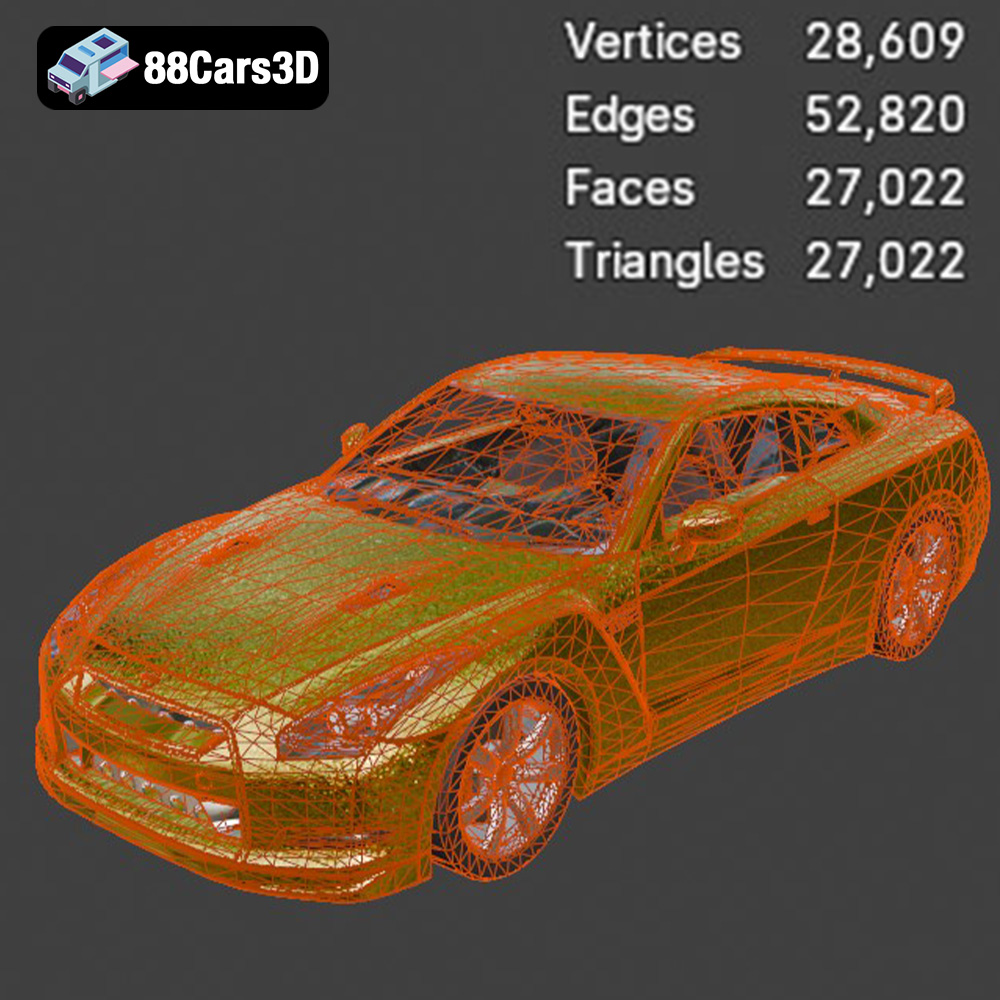
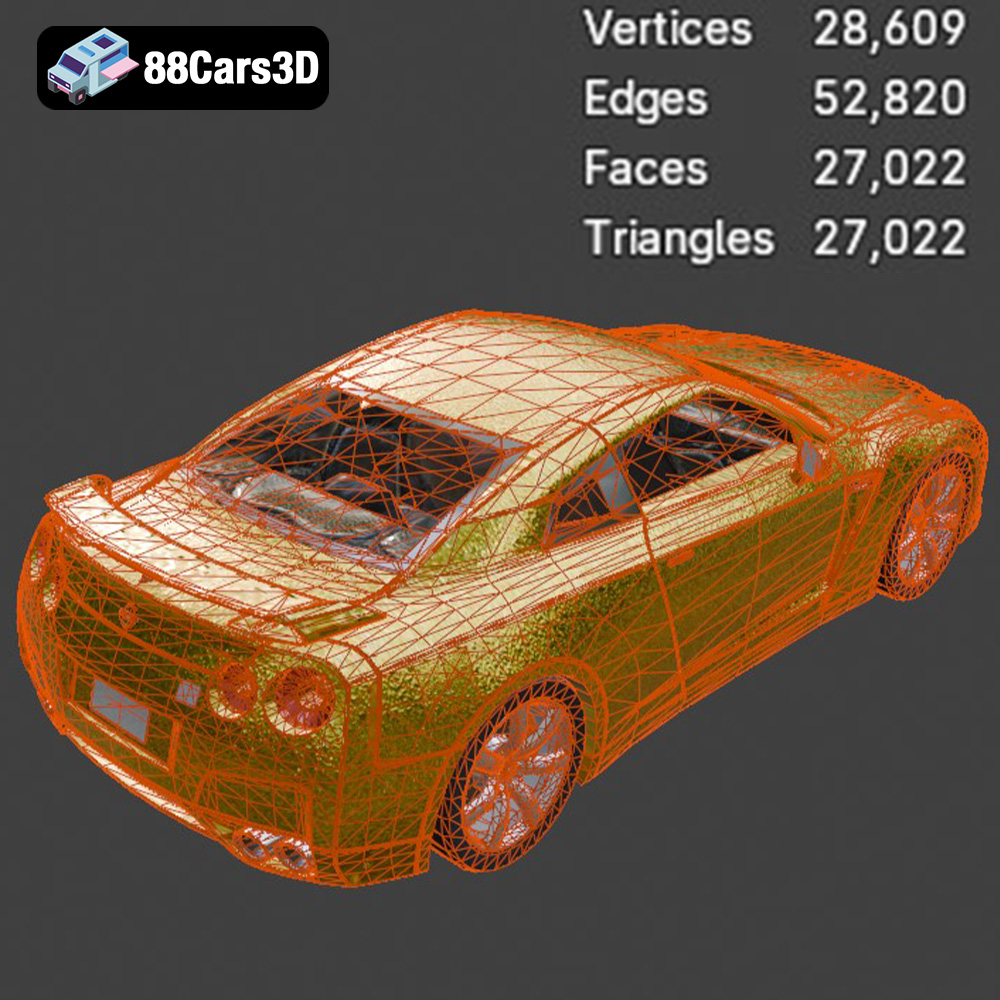
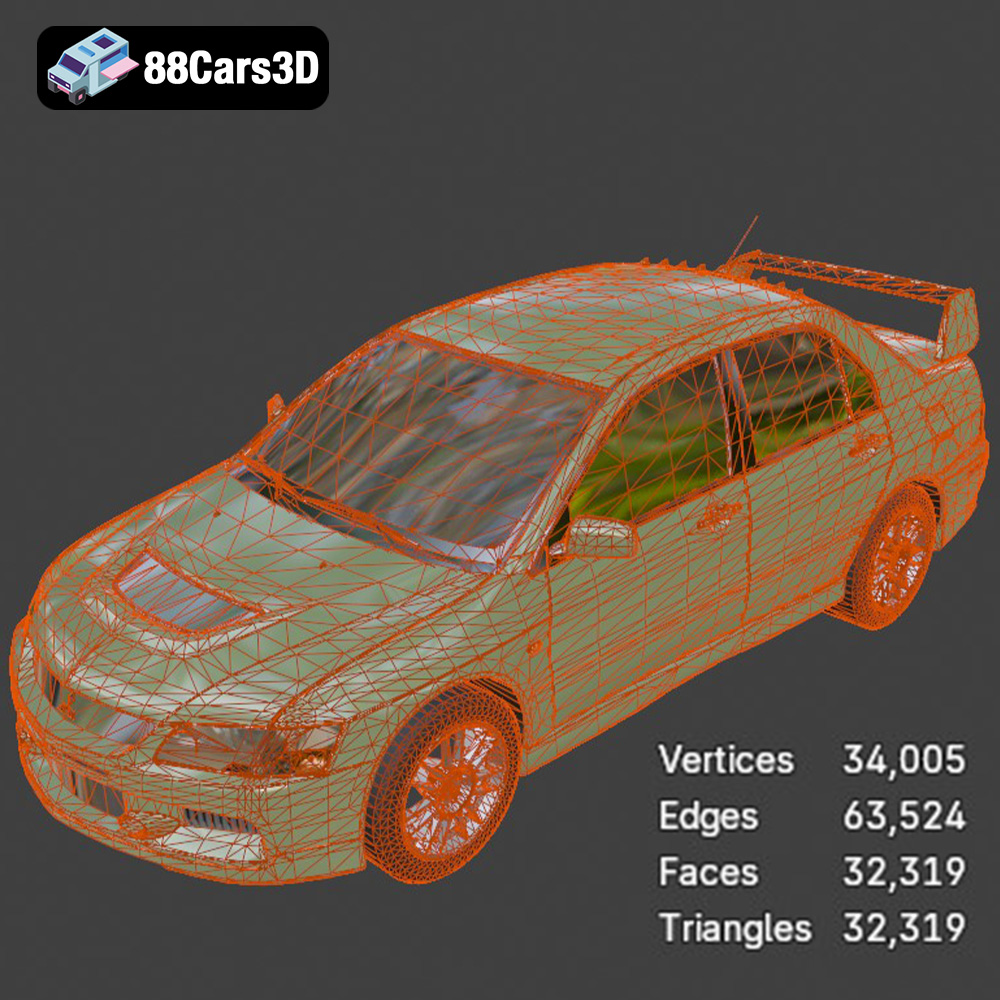
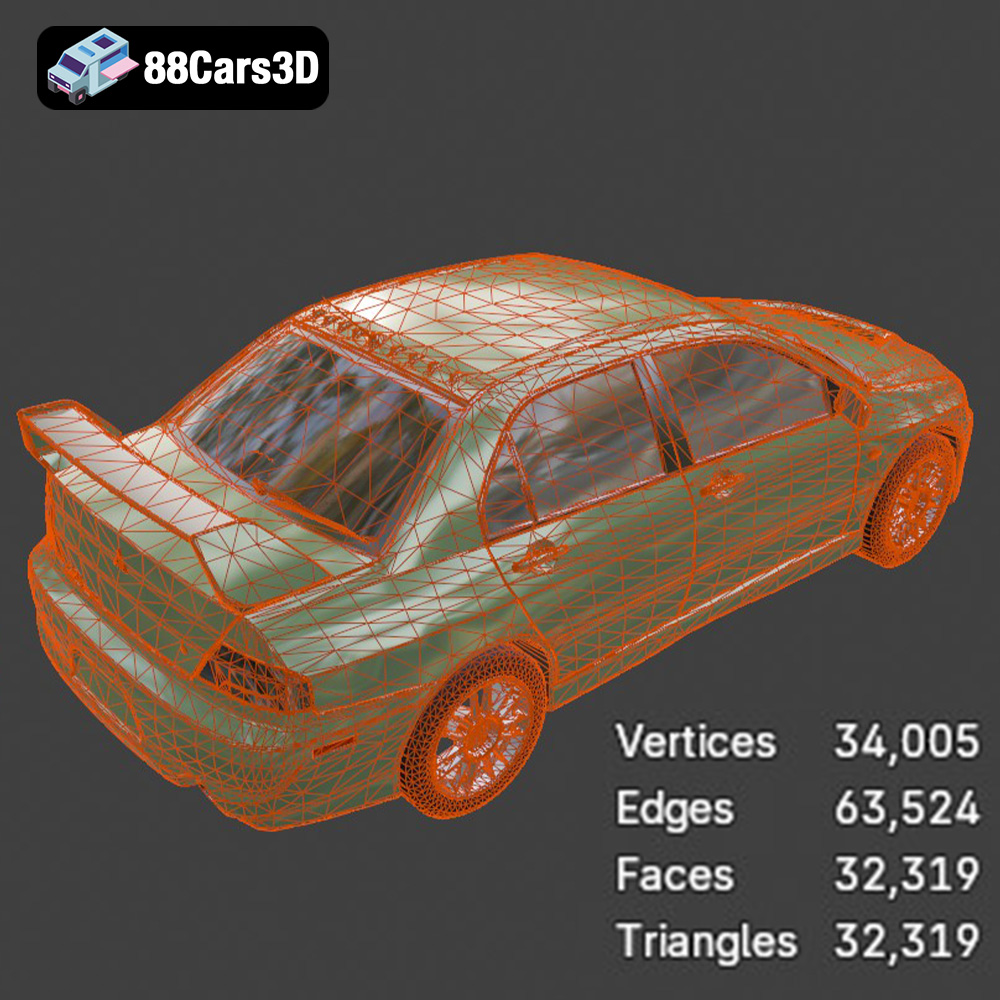
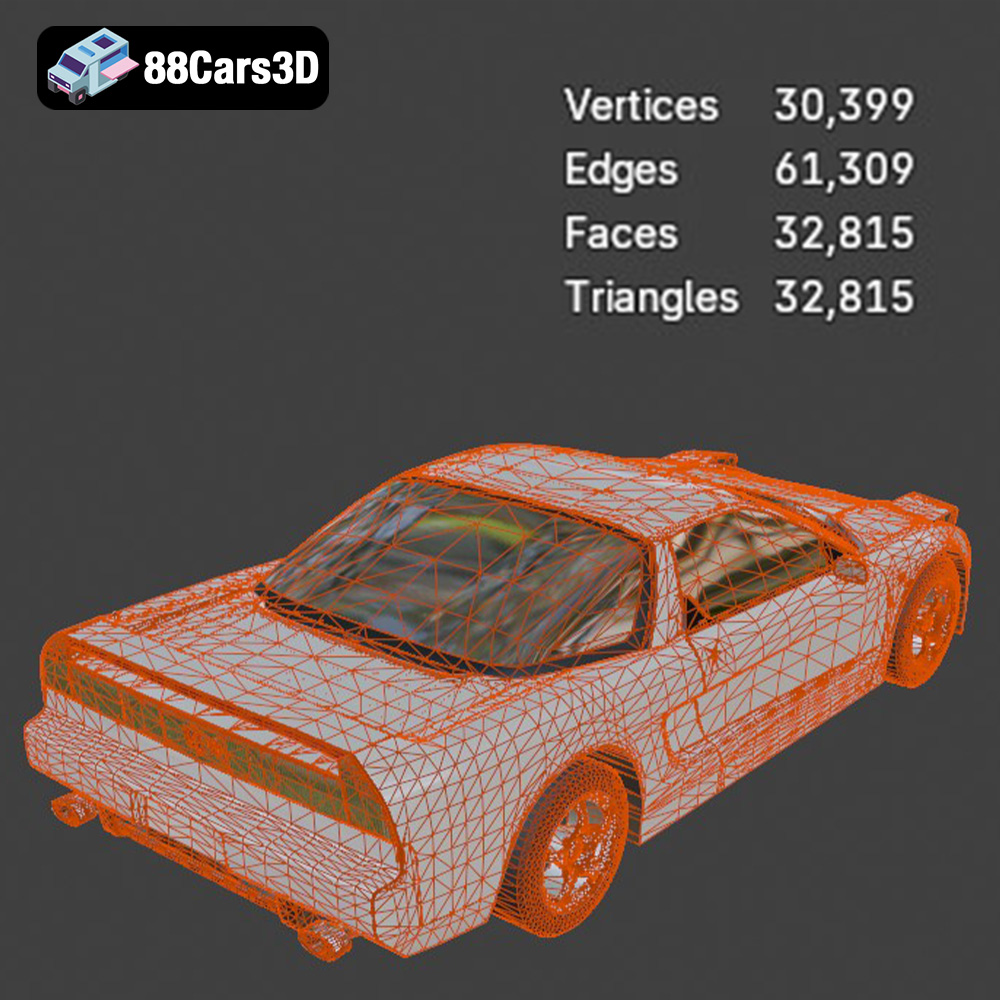
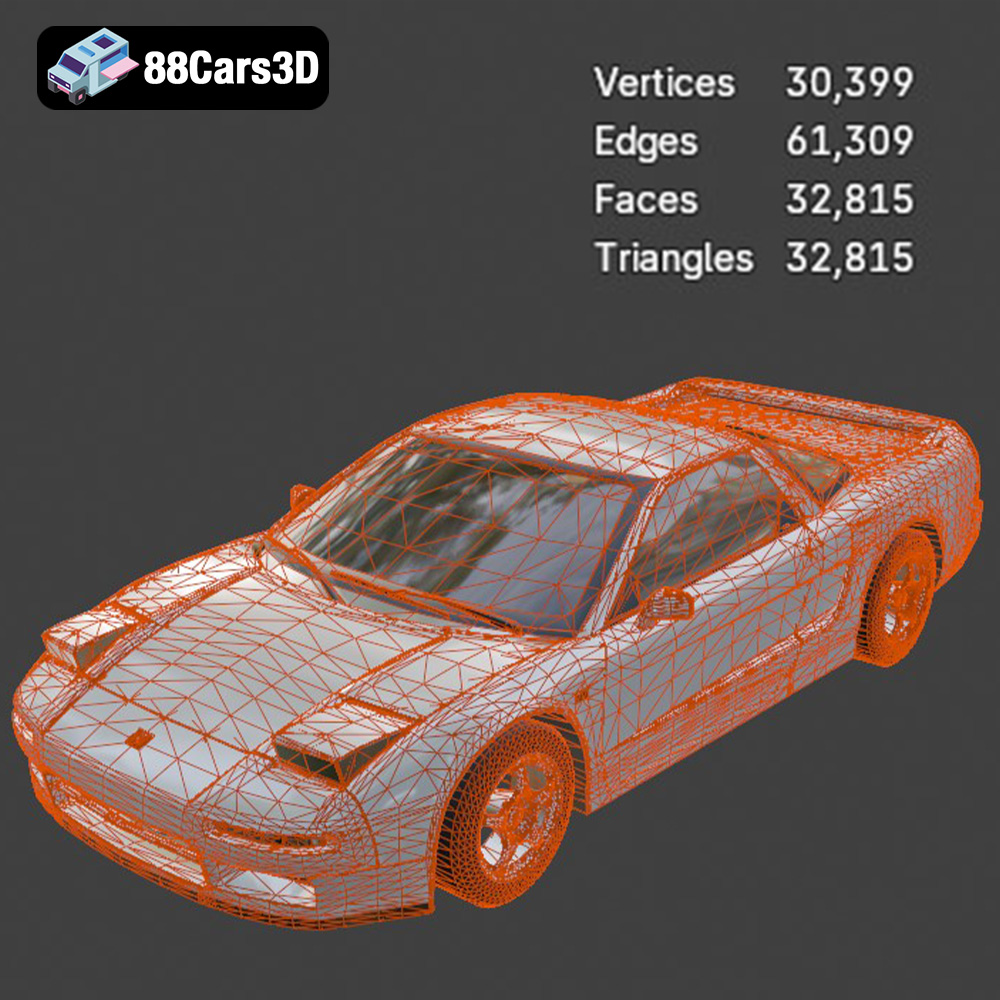
A critical technical advantage of this bundle is its “Optimized Topology,” featuring “beautifully balanced quad-heavy geometry.” This isn’t just jargon; it’s a fundamental aspect that ensures “crisp reflections in automotive paint materials without crashing your render engine.” Quads (four-sided polygons) are preferred in professional 3D modeling for their predictable deformation during animation and their smooth subdivision, which is crucial for high-quality renders. When light interacts with the surface of a car, especially in areas with complex curves, well-managed topology prevents artifacts and ensures reflections appear natural and fluid. Furthermore, the models’ “Compatibility: Fully compatible with V-Ray, Corona, Arnold” means that artists can seamlessly integrate them into industry-standard rendering workflows, leveraging their powerful physically-based rendering capabilities for unparalleled realism.
Creating stunning automotive renders involves more than just a great model; it requires careful scene composition, lighting, and material setup. In 3ds Max, artists can import the .max files directly, finding a ready-to-render asset that can be quickly placed into a virtual studio. Imagine a high-contrast environment with softbox lighting to highlight the aggressive lines of the Nissan GT-R, or a dynamic shot using an HDRI (High Dynamic Range Image) of a city street to reflect the ambient urban glow on the metallic paint of the Honda NSX-R. Similarly, Blender users can utilize the .blend files, taking advantage of Cycles’ robust ray tracing for realistic reflections and refractions. Whether it’s a sleek showroom presentation or a dramatic, neon-lit cyberpunk garage, these models provide the perfect canvas for creative lighting and material experimentation.
The demands of real-time game engines are distinct from those of offline rendering. Assets must be optimized for performance, interactivity, and dynamic physics. The Japanese Legends: JDM Street Racing 3D Models Bundle is explicitly designed with game developers in mind, offering features that streamline integration and enhance gameplay experiences.
For developers working in Unreal Engine or Unity, the bundle’s features are a significant time-saver. The promise of “Proper pivot point setup for all wheels, ready for Unreal Engine (Chaos Vehicles) or Unity” is invaluable. Correct pivot points are essential for accurate wheel rotation, steering, and suspension kinematics, directly impacting the realism and feel of a driving experience. Additionally, “Separated Parts” like wheels, doors, and steering components mean these 3D car models are “instantly game-engine ready for driving and drifting physics.” This allows developers to assign unique physics properties to each component, enabling realistic damage, custom animations for opening doors, or dynamic steering feedback, all without extensive re-modeling or rigging.
The bundle serves as an “absolute perfect starter pack for street racing, drifting, or car-tuning simulators.” Imagine the Mitsubishi Lancer Evolution IX tearing through a virtual mountain pass, its separate wheels reacting independently to terrain variations, or the Mazda RX-7 gracefully drifting around corners, its optimized mesh ensuring smooth deformation and crisp reflections even at high speeds. These assets empower developers to build truly immersive worlds. With the inclusion of the Toyota Supra 2020, modern racing scenarios can be explored, while the classic Honda NSX-R brings a touch of 90s supercar elegance. The “Tuning Ready” aspect also allows for in-game customization systems, where players can modify widebody kits, spoilers, and rims, further deepening engagement and replayability, a crucial element for modern racing titles.
Beyond digital screens, the allure of JDM vehicles extends into the realm of physical collectibles and scale models. The Japanese Legends: JDM Street Racing 3D Models Bundle bridges this gap, providing high-quality .stl files specifically optimized for 3D printing. This allows enthusiasts to hold a tangible piece of automotive legend in their hands, perfect for display or custom projects.
The bundle provides detailed 3D print settings, recommending scales like 1:24, 1:32, and 1:43, with 1:24 being the standard for many Japanese model car kits. Achieving fine details, such as the aggressive hood vents of the Evo IX or the iconic pop-up headlights of the NSX-R, necessitates precision. The recommendation for “Resin printing is strictly recommended” for a layer height of 0.04–0.05 mm (or 0.04-0.12mm for smaller details) highlights the importance of using SLA/DLP resin printers. These printers offer superior resolution compared to FDM (Fused Deposition Modeling) printers, which is crucial for capturing the smooth surfaces and intricate details of a car body without visible layer lines. Proper “Wall thickness: 1.2–2.0 mm” and “Infill: 15–25%” ensure structural integrity while optimizing material usage.
Successfully 3D printing these JDM models is only half the journey; post-processing transforms a raw print into a collector-quality item. “Supports: Required for side mirrors, wheel arches, and the subtle rear roof spoiler” are essential during printing to prevent overhangs from deforming. Once printed, careful removal of supports and subsequent sanding is necessary to achieve a smooth surface, ready for primer. The product description even suggests specific modern Volvo factory colors like Sage Green or Glacier Silver, paired with a gloss black roof, indicating a meticulous approach to finishing. This attention to detail, from initial digital model to final painted scale replica, underscores the versatility and value of high-quality 3D car models like those found in the Japanese Legends bundle at 88cars3d.com.
The true heart of the Japanese Legends: JDM Street Racing 3D Models Bundle lies in its selection of five truly iconic vehicles. Each car is a legend in its own right, and together they form an irresistible collection for any digital automotive enthusiast. This careful curation not only offers variety but also covers different eras and facets of JDM performance.
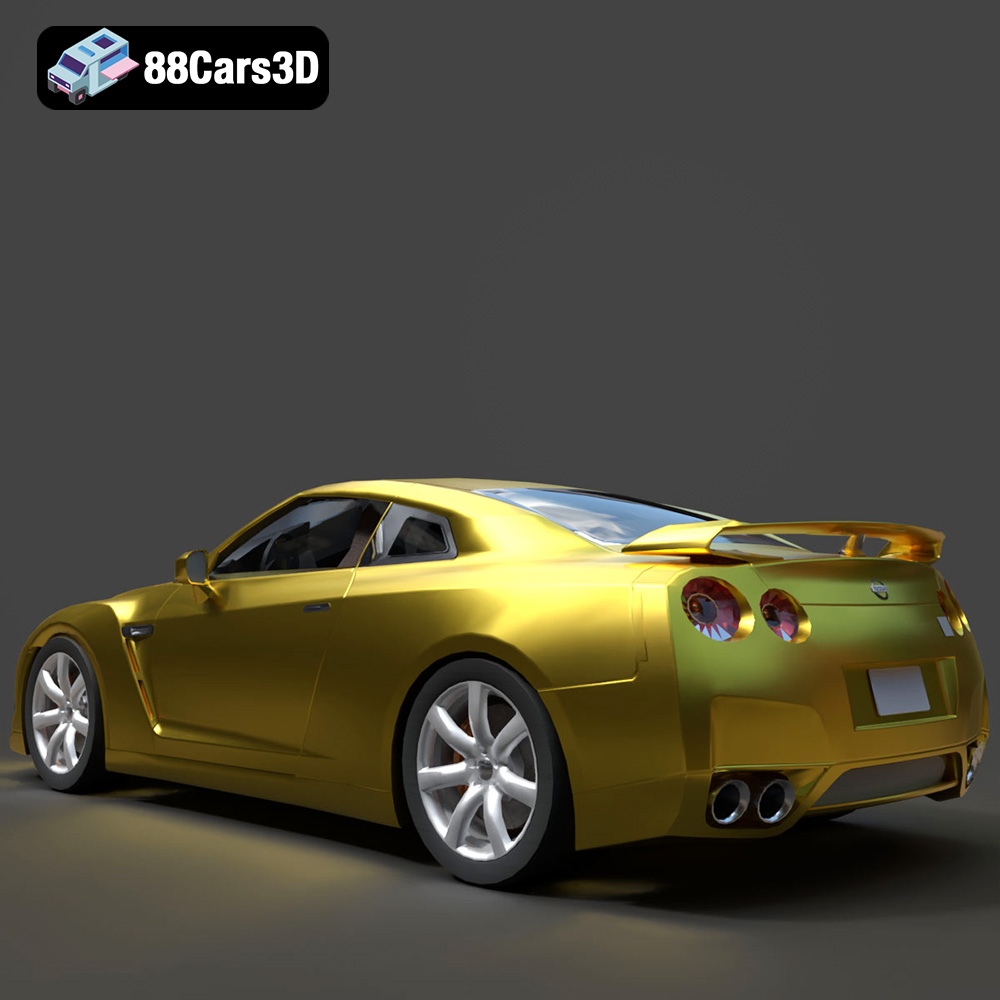
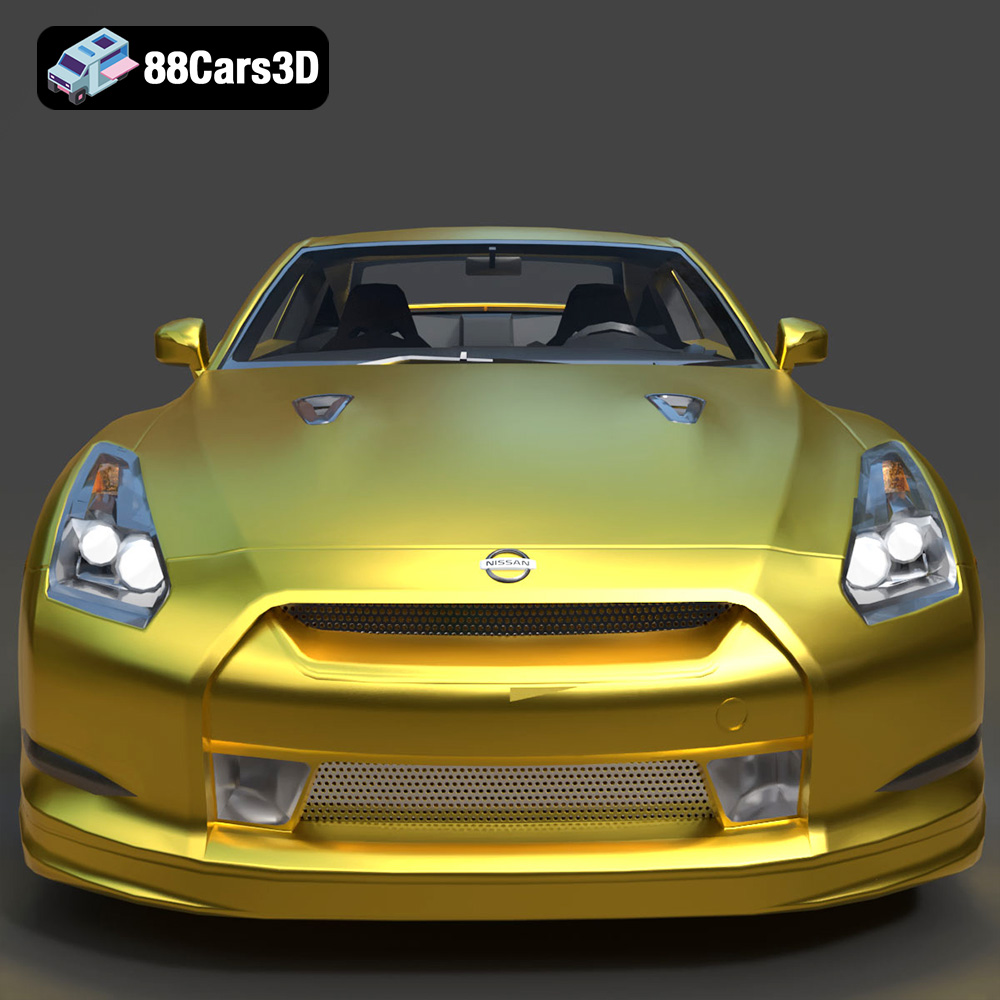
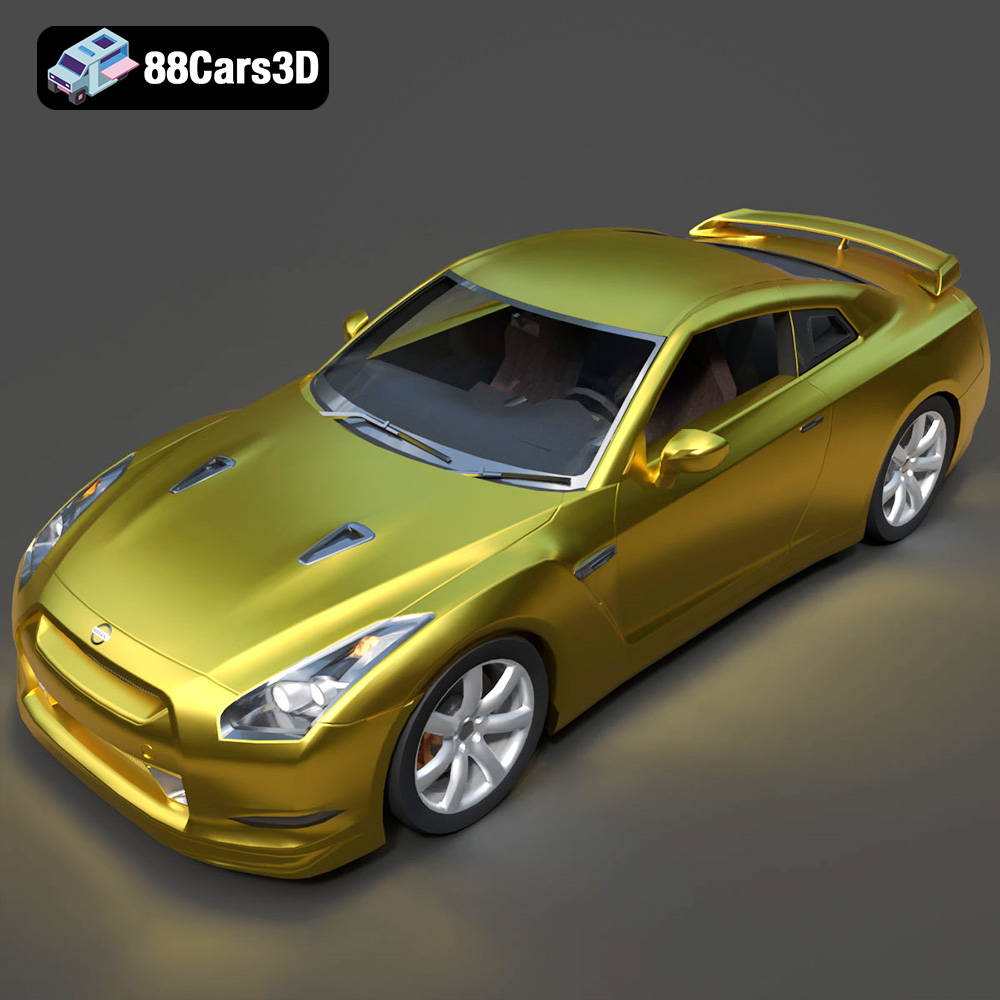
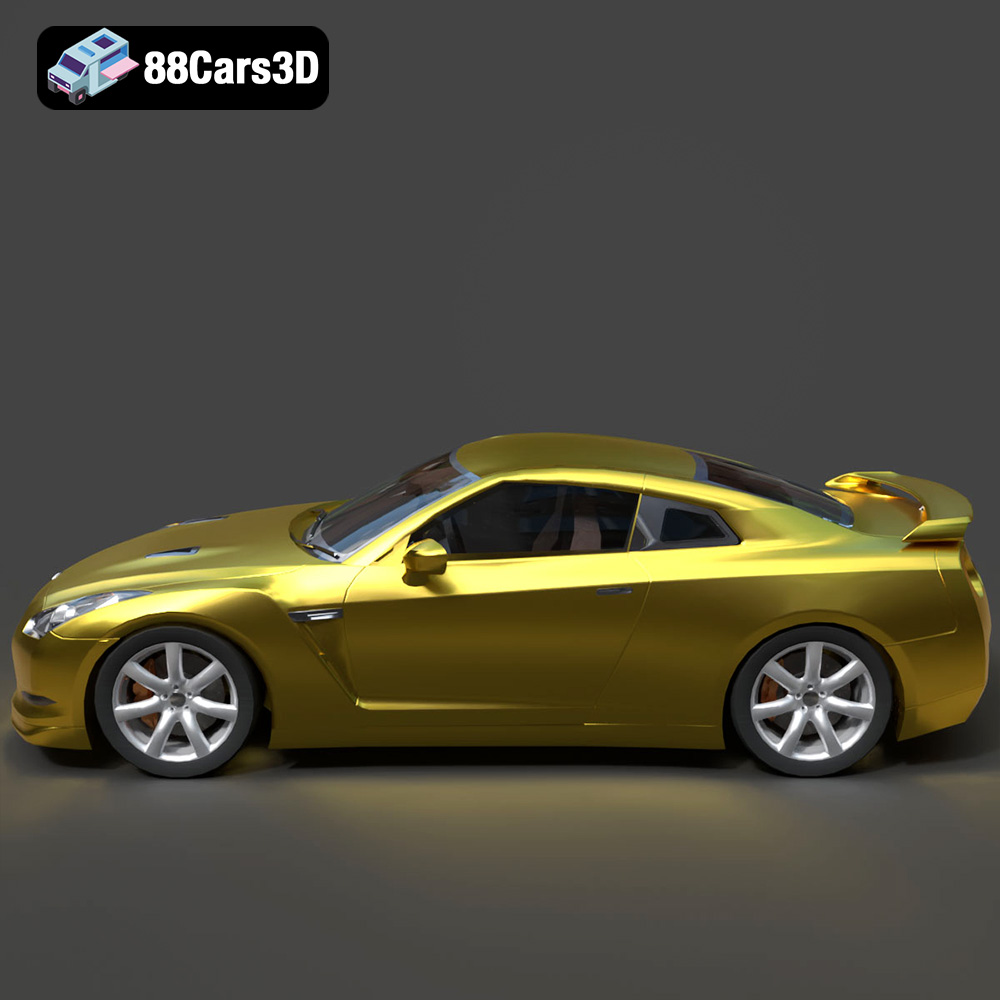
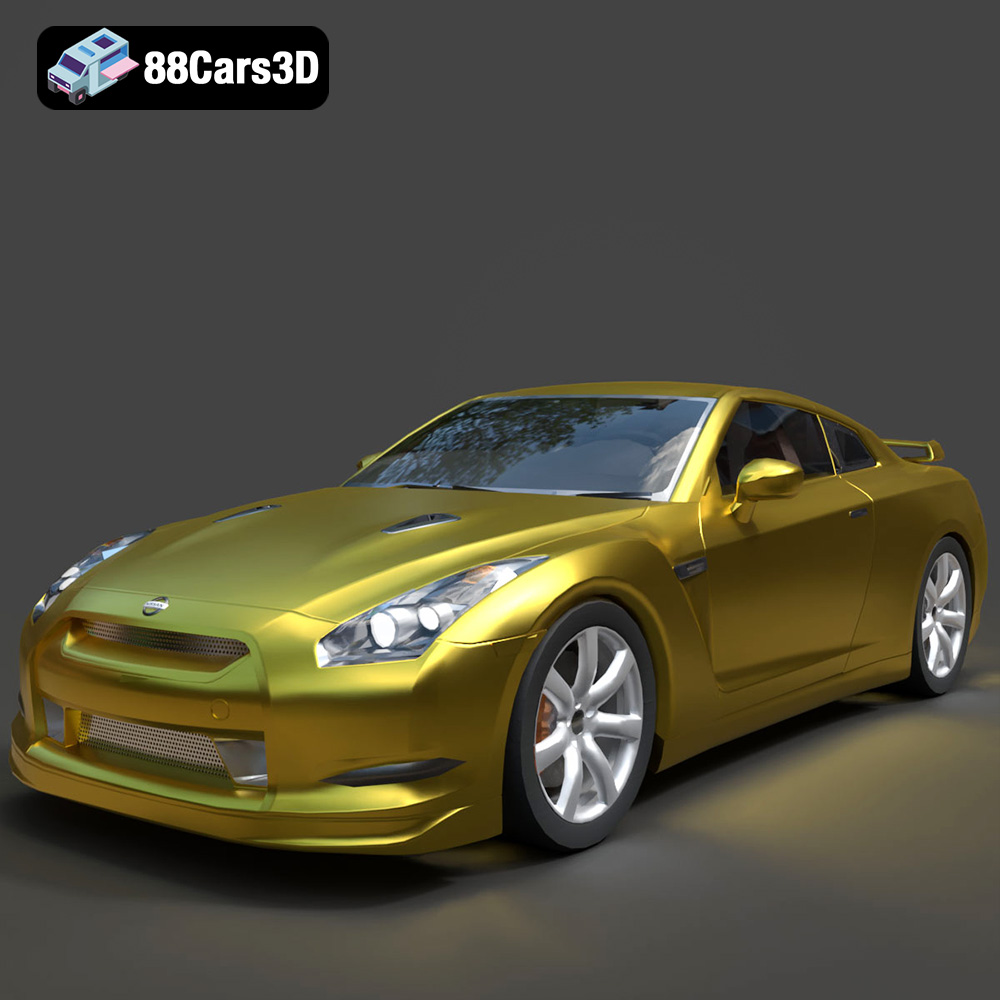
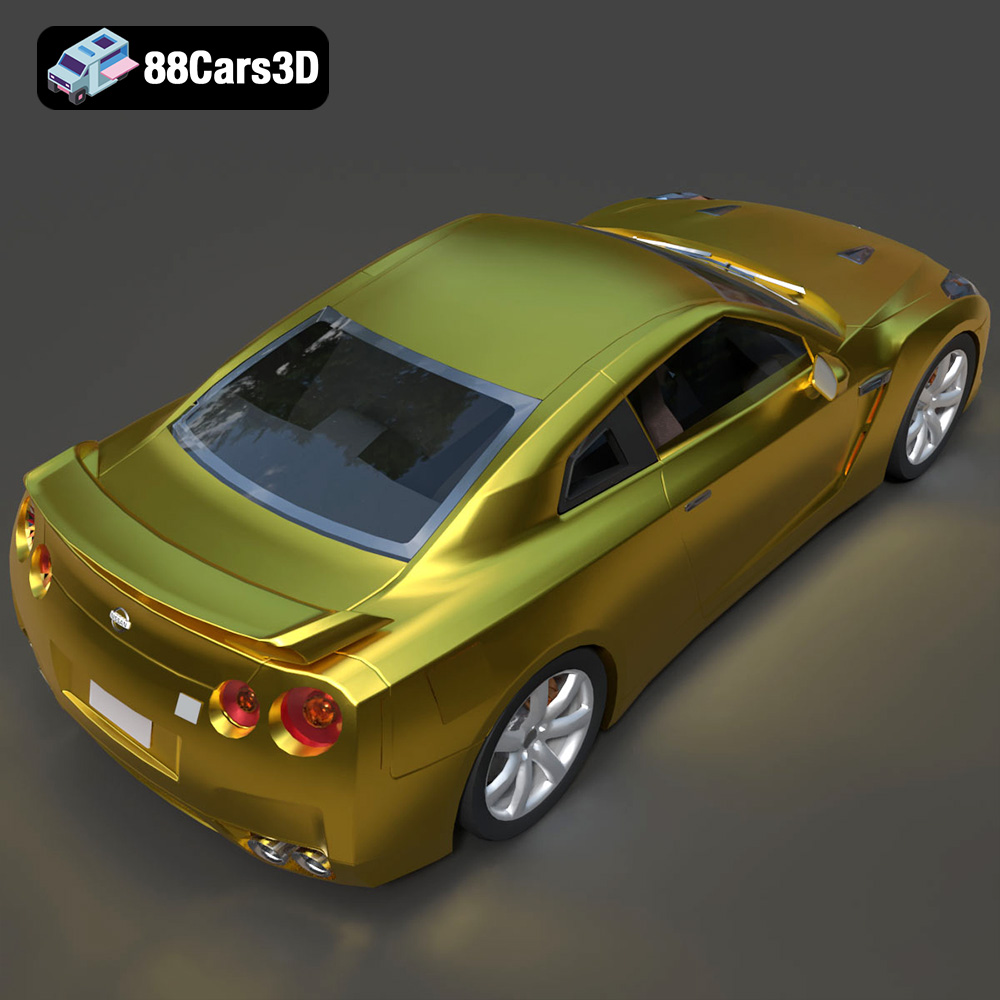
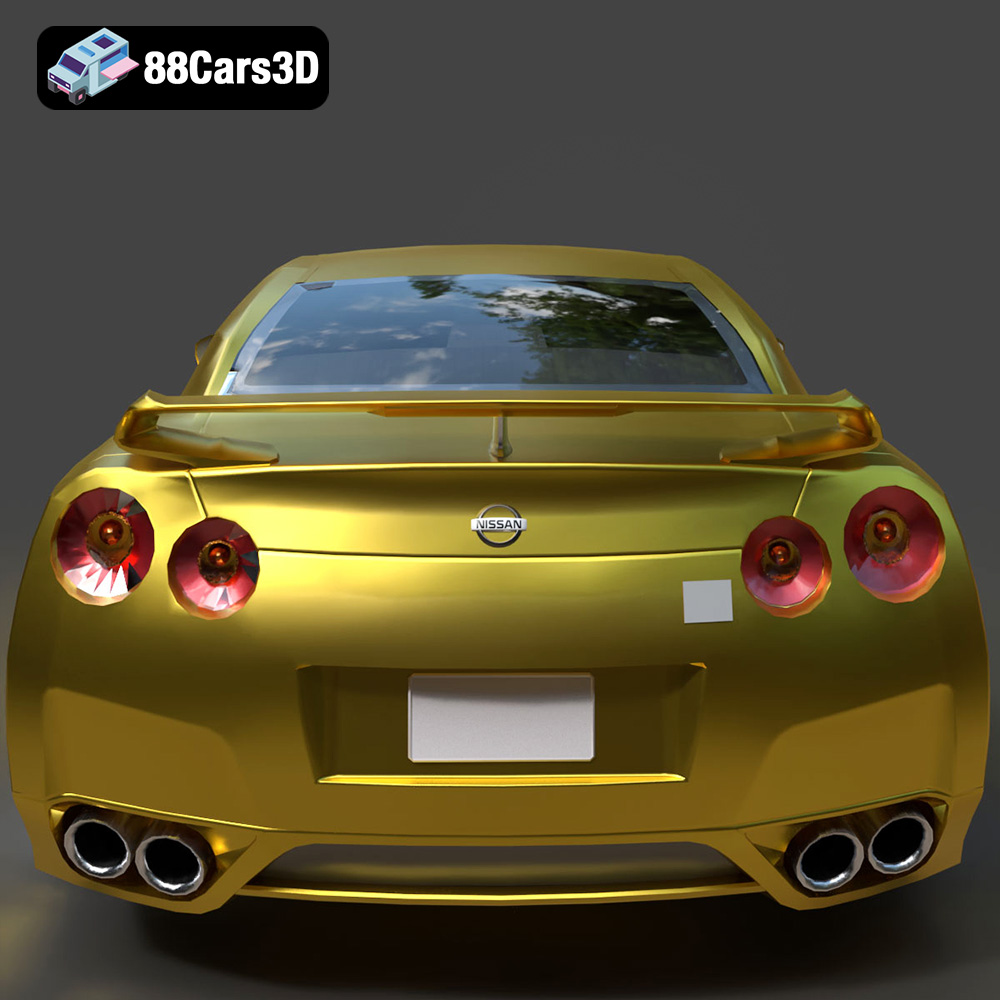
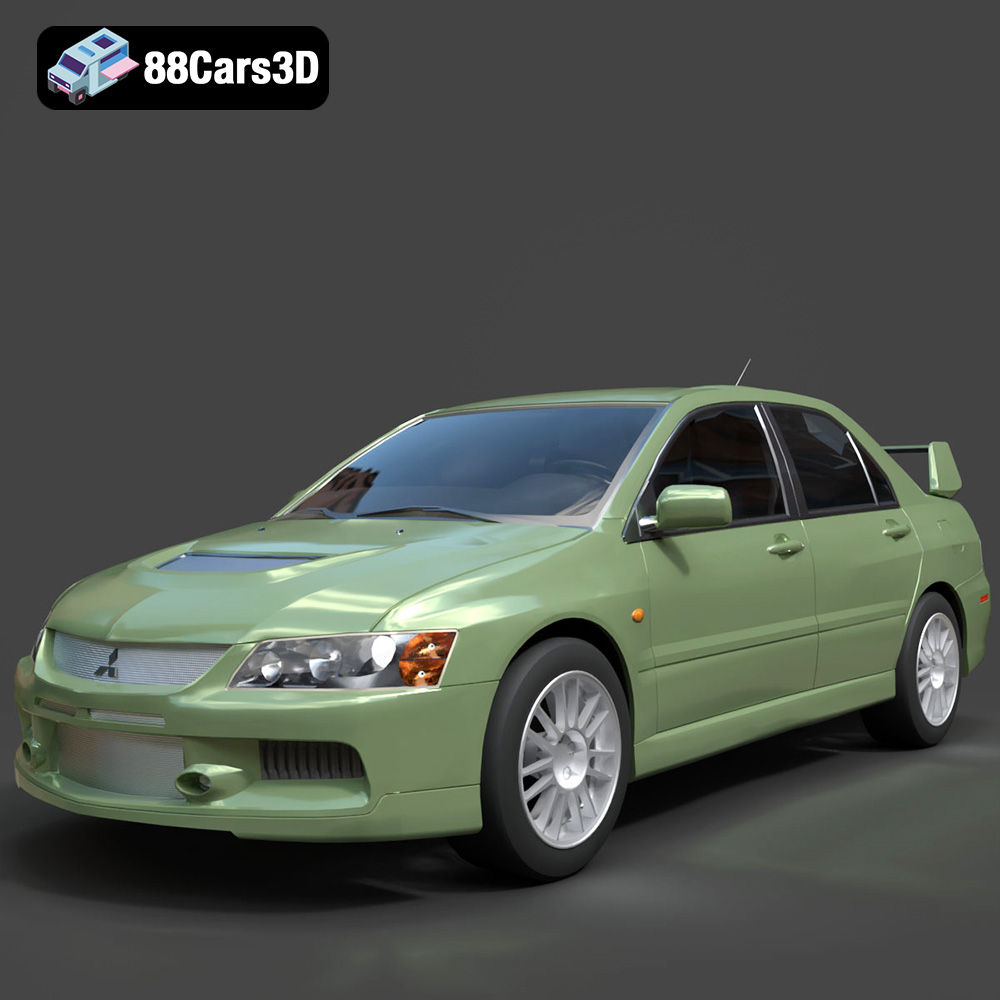
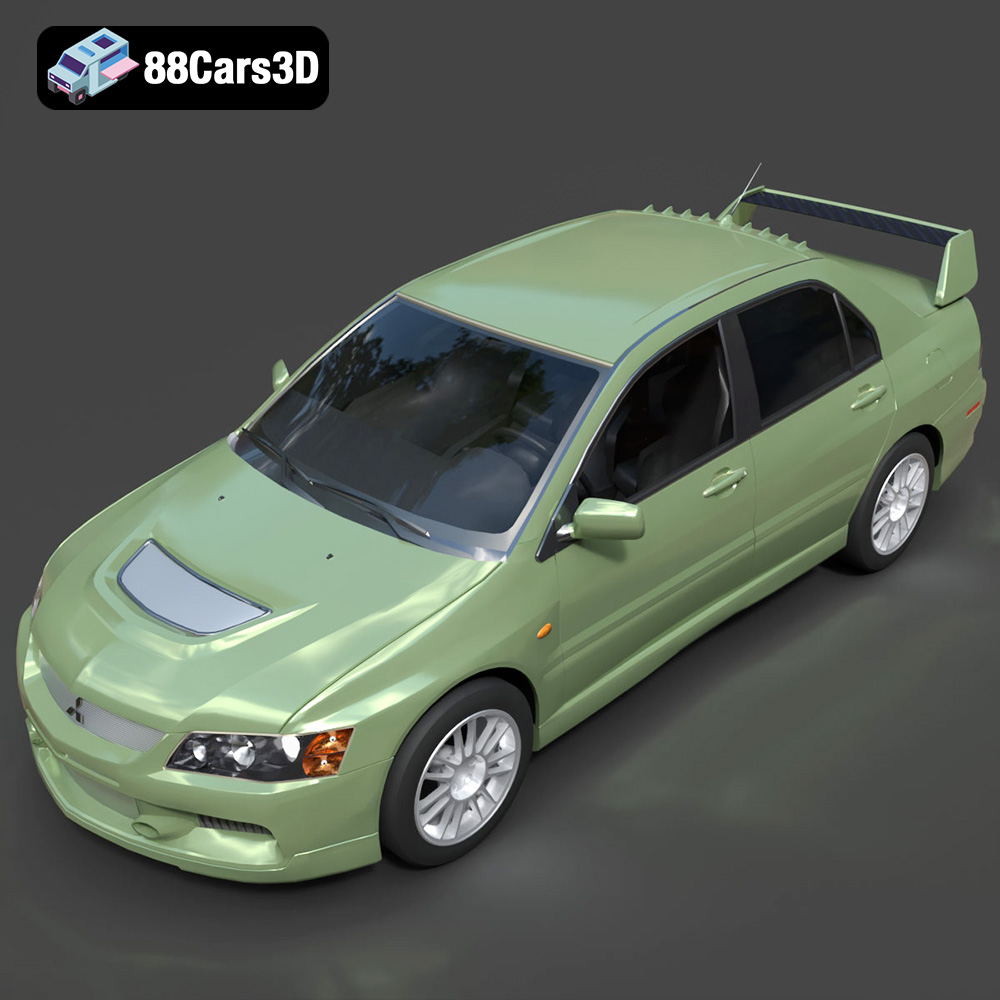
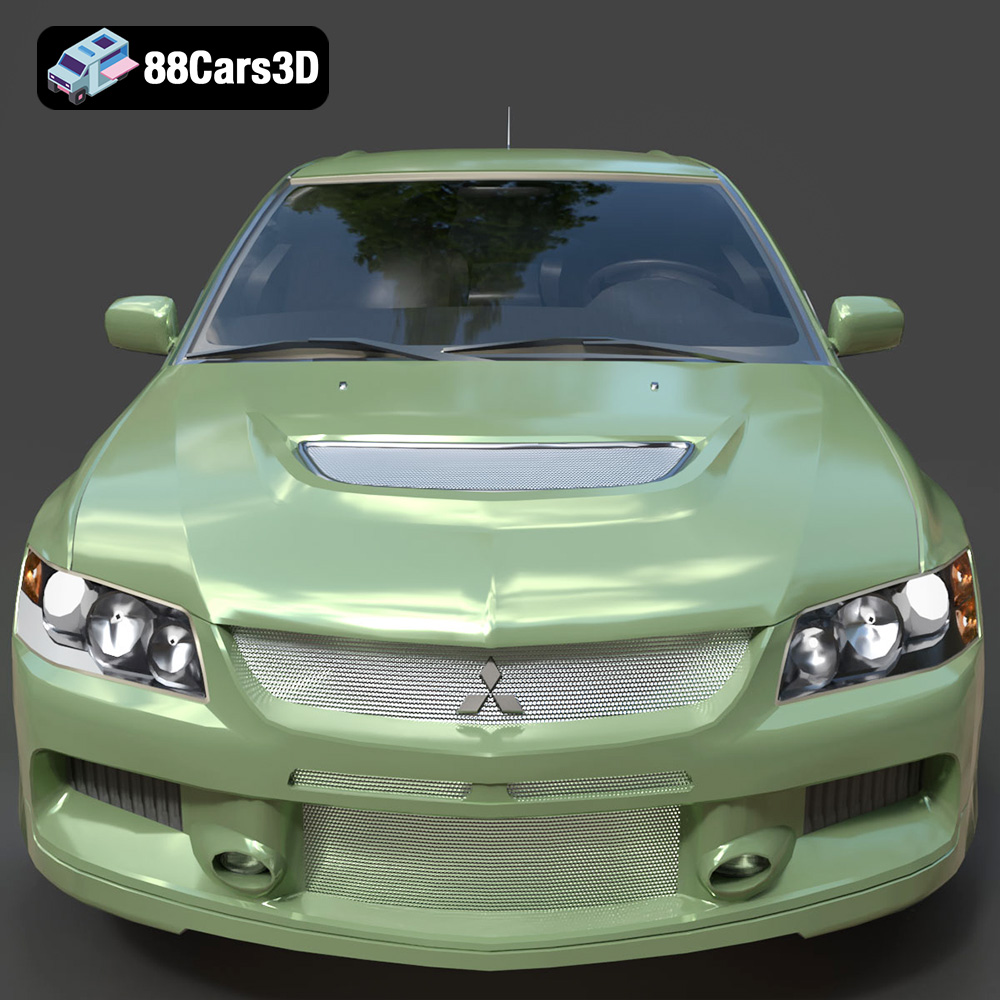
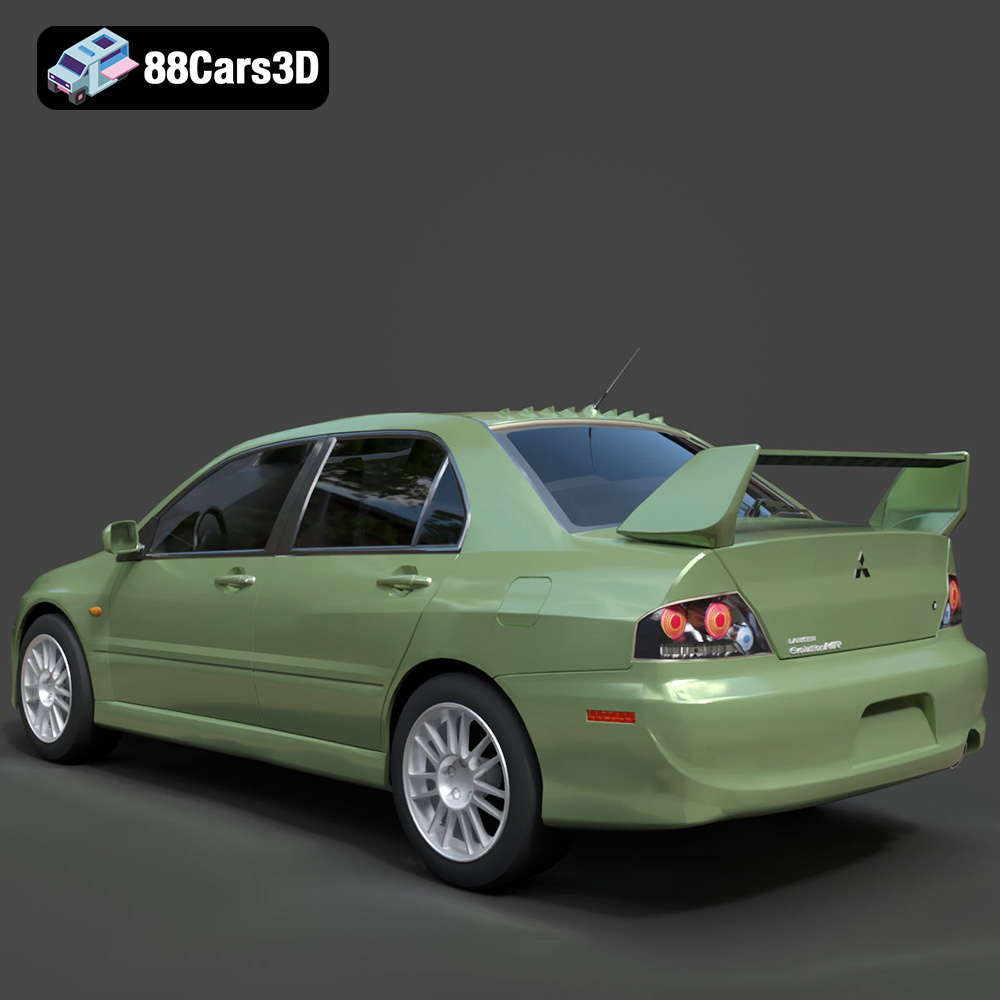
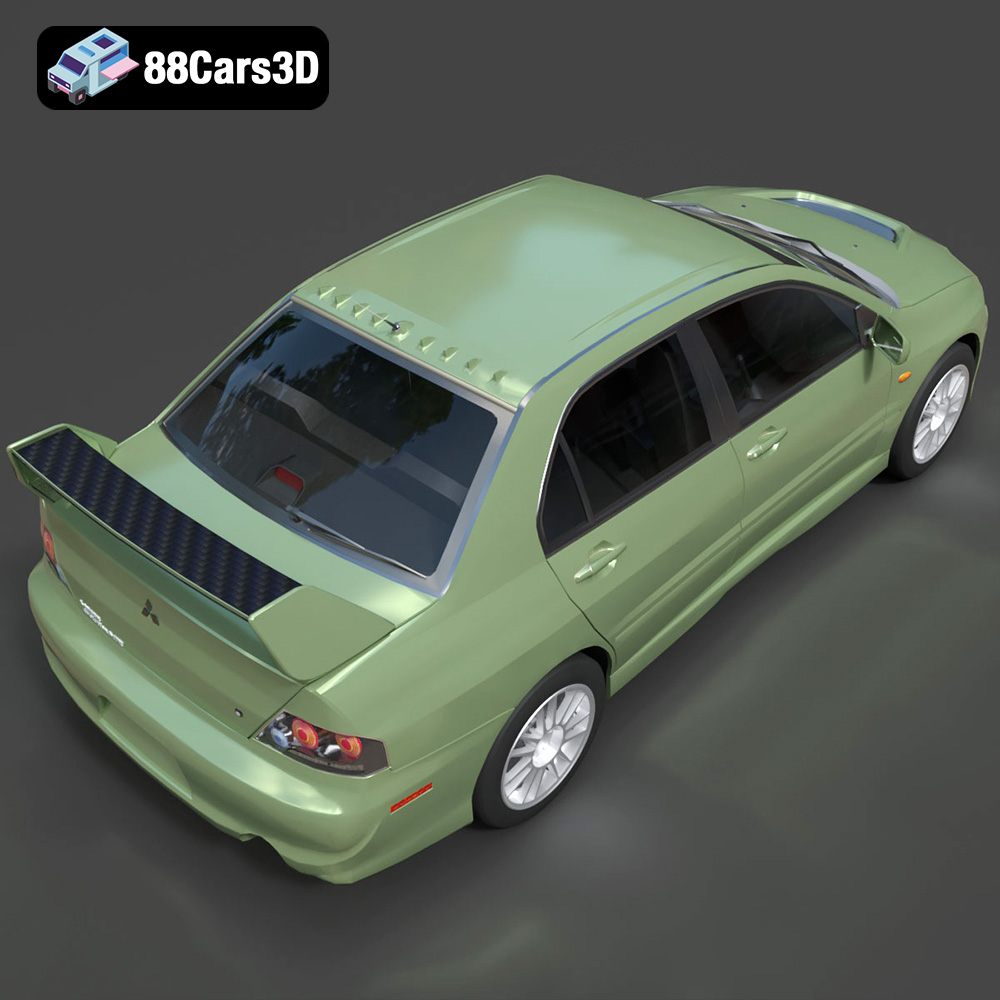
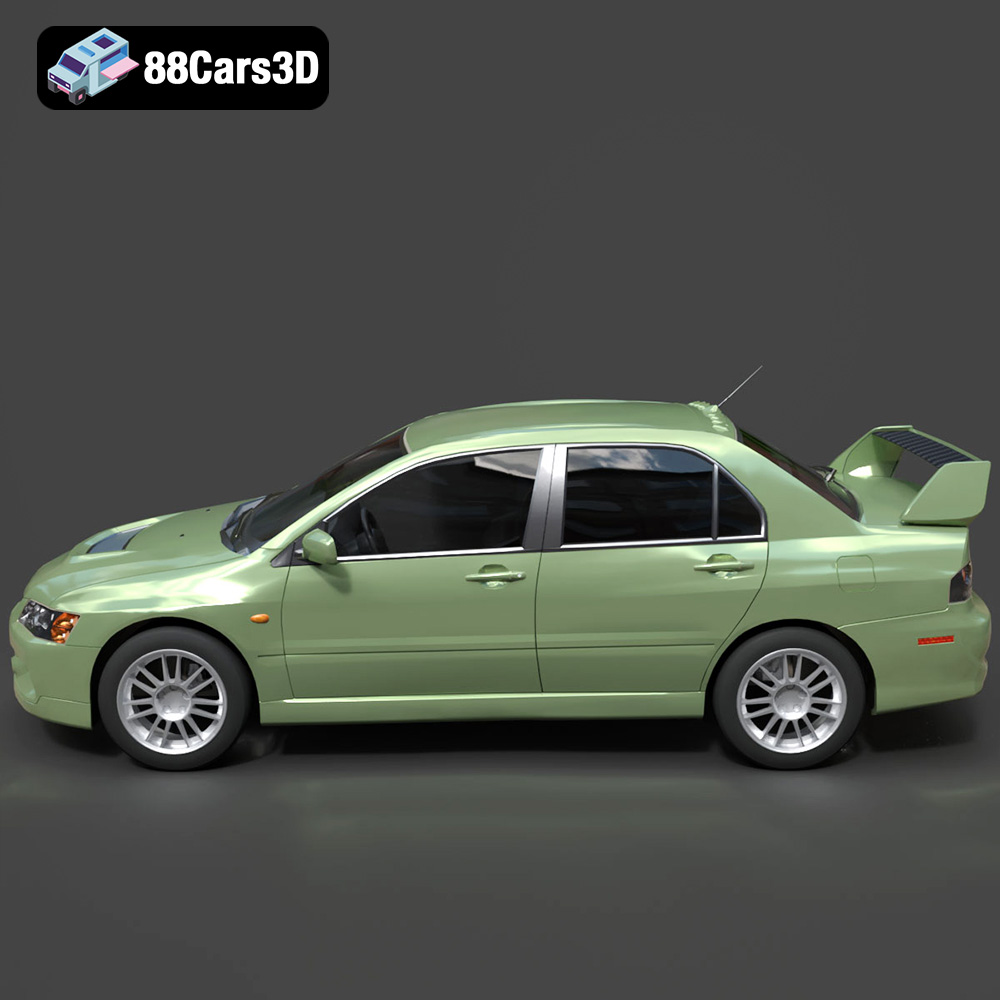
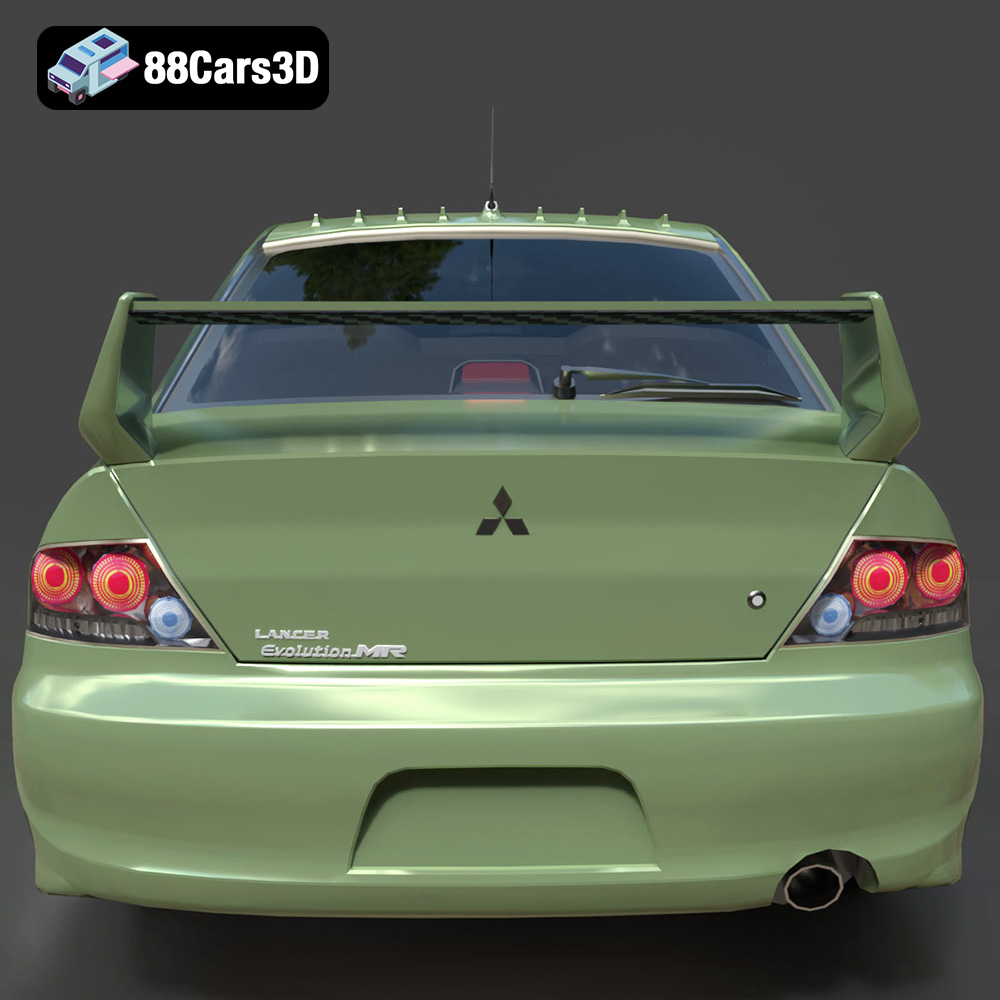
The Nissan GT-R 2008, famously dubbed “Godzilla,” redefined supercar performance with its advanced all-wheel-drive system and twin-turbo V6. The bundle’s model features its “flawlessly modeled aggressive front fascia, signature quad round taillights,” perfect for those photorealistic studio renders where every detail counts. Alongside it is the Mitsubishi Lancer Evolution IX, a rally-bred street warrior known for its raw power and agility. This model “accurately captures the iconic aggressive hood vents, dynamic front bumper, and large rear spoiler,” making it an essential asset for recreating high-speed chase scenes or detailed tuning garage environments. Both cars represent the pinnacle of Japanese performance engineering from the 2000s, designed to dominate both track and street.
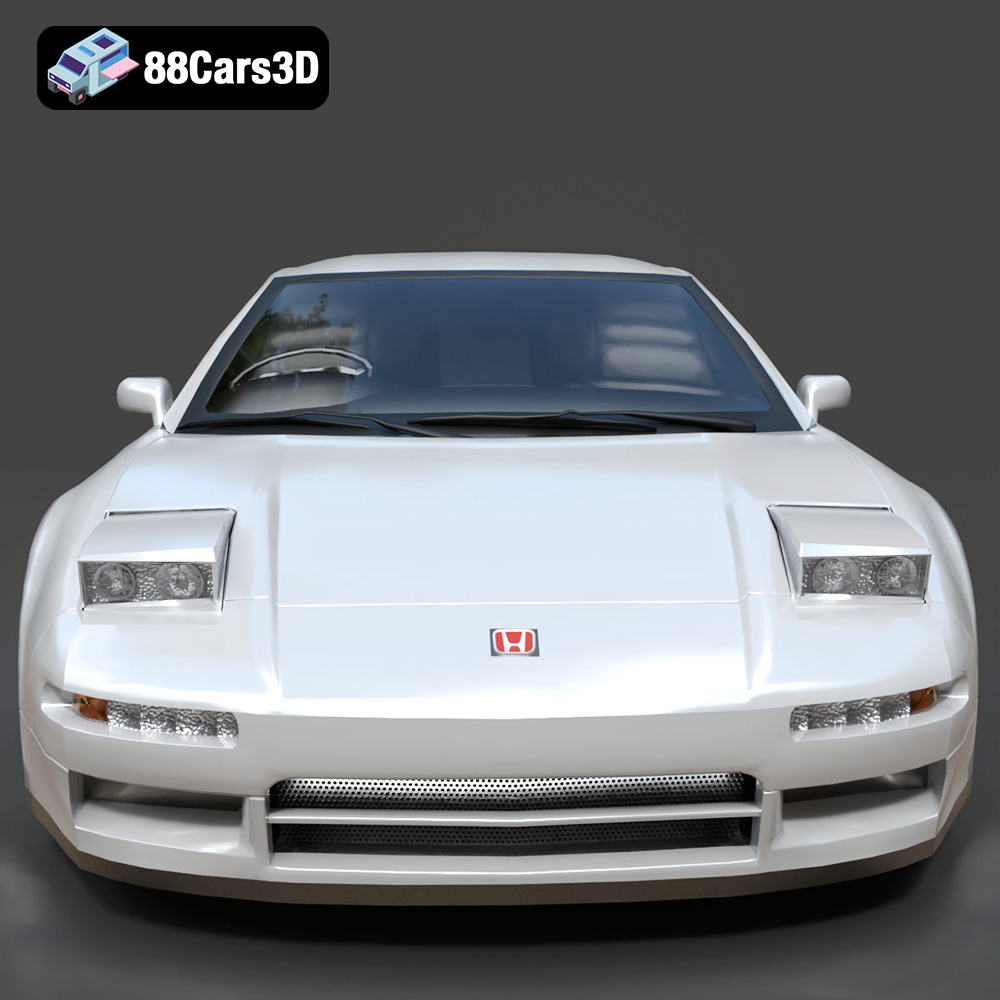
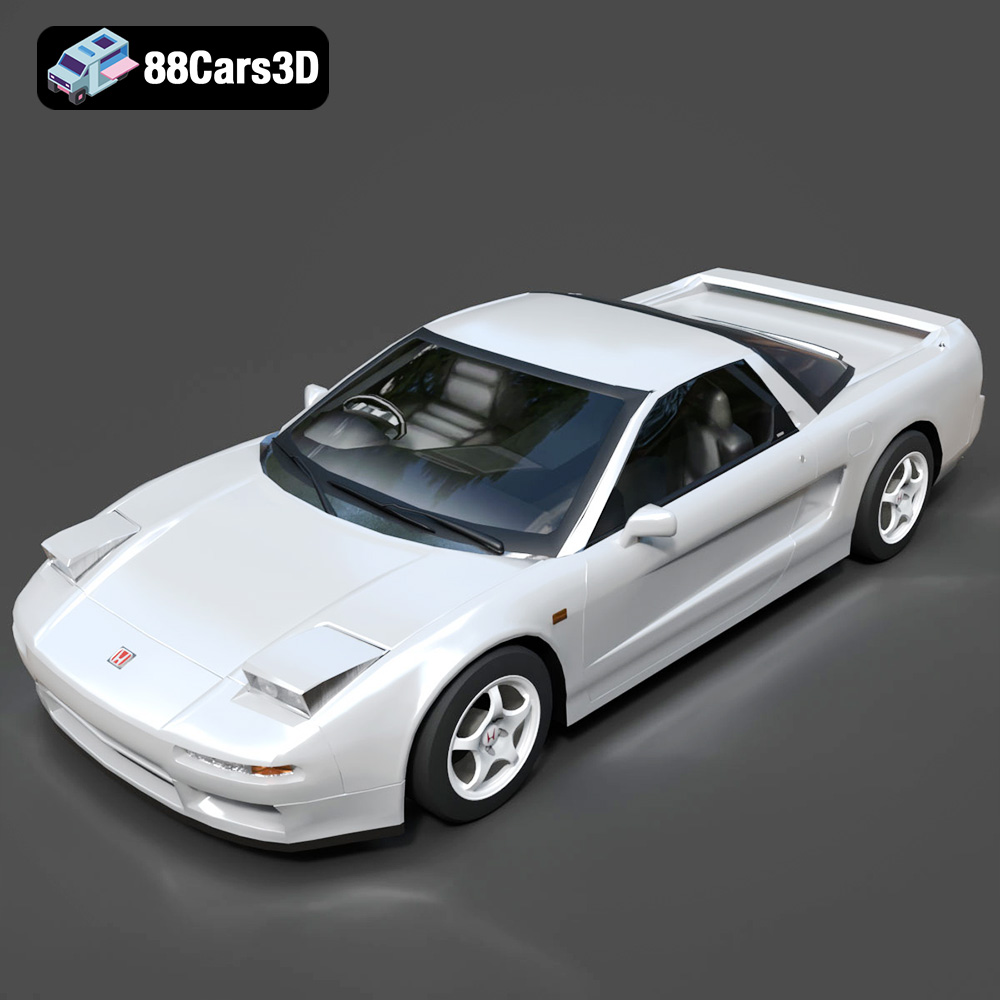
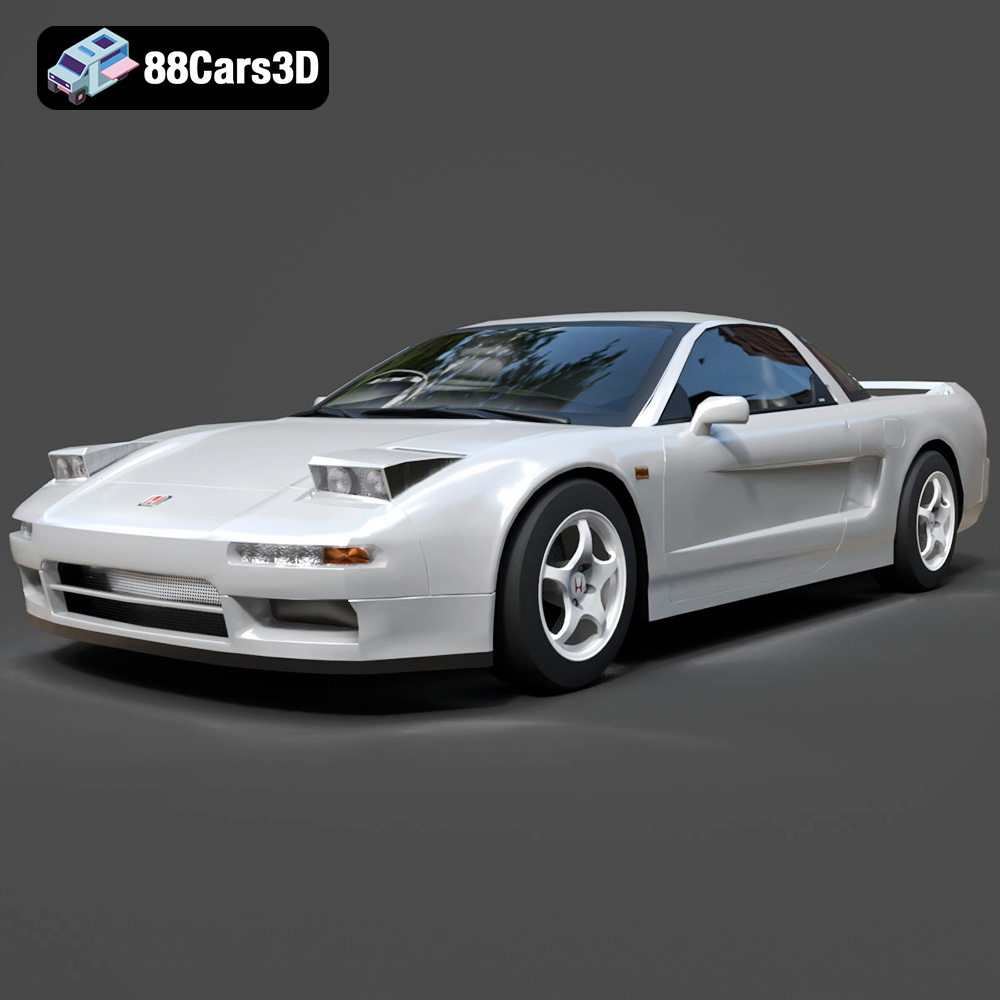
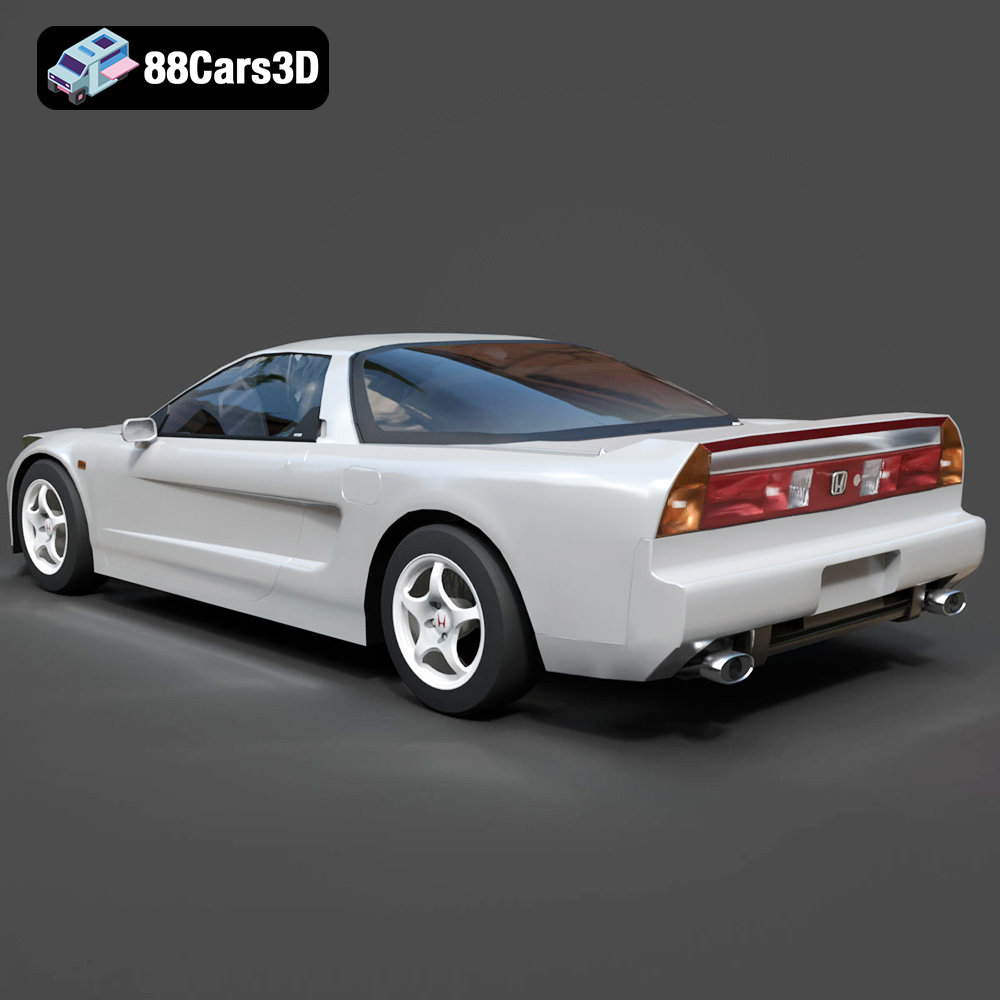
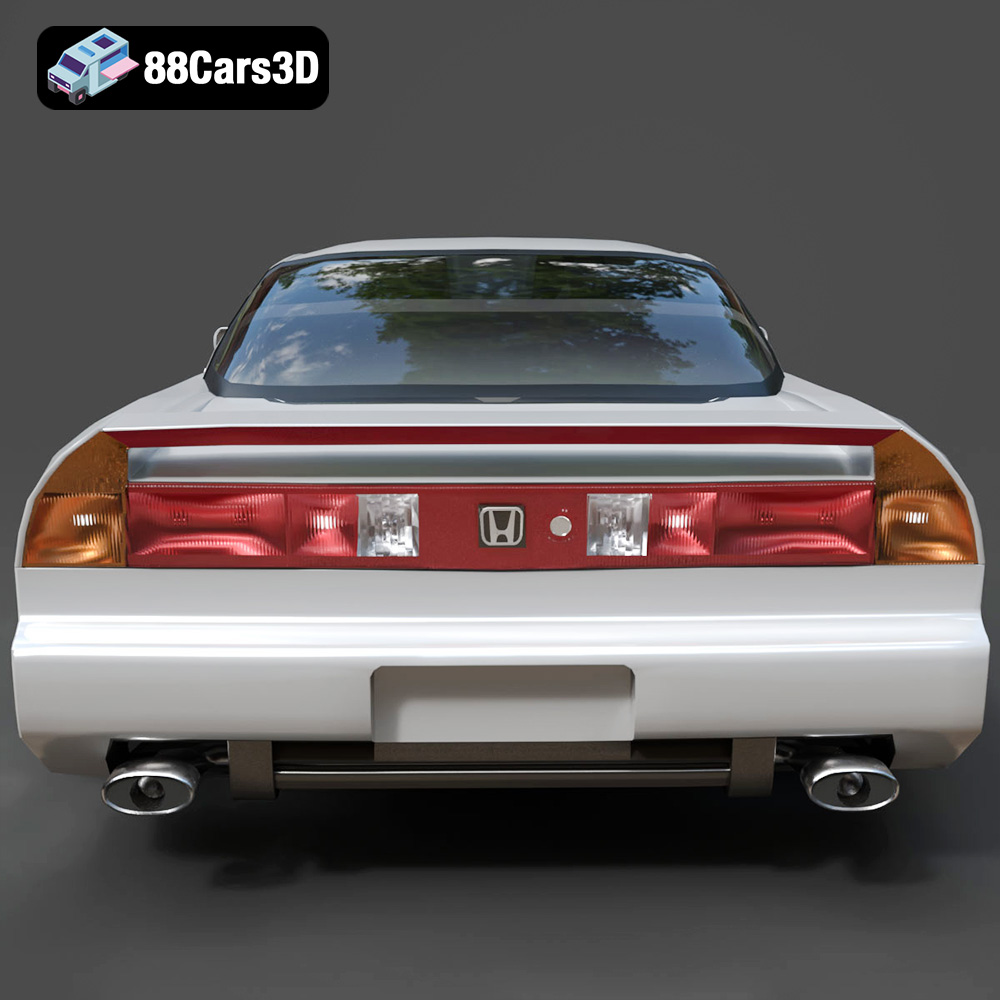
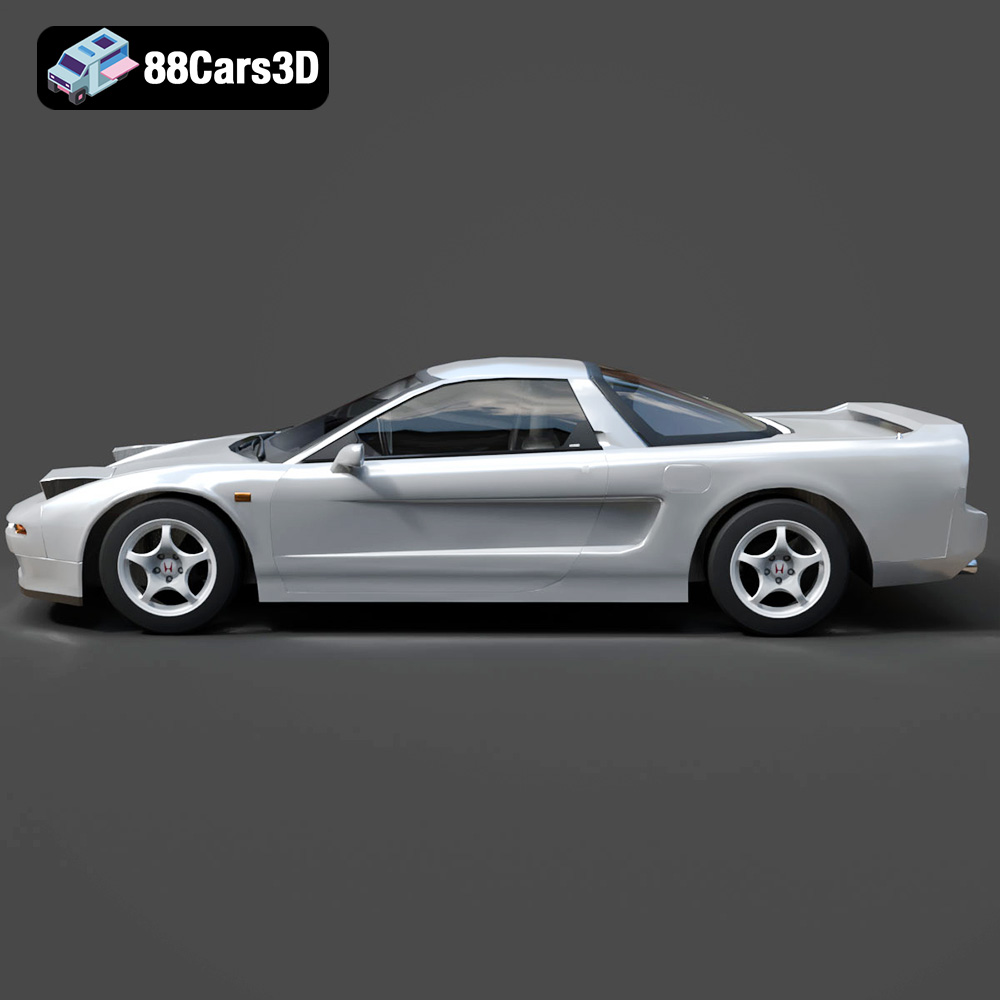
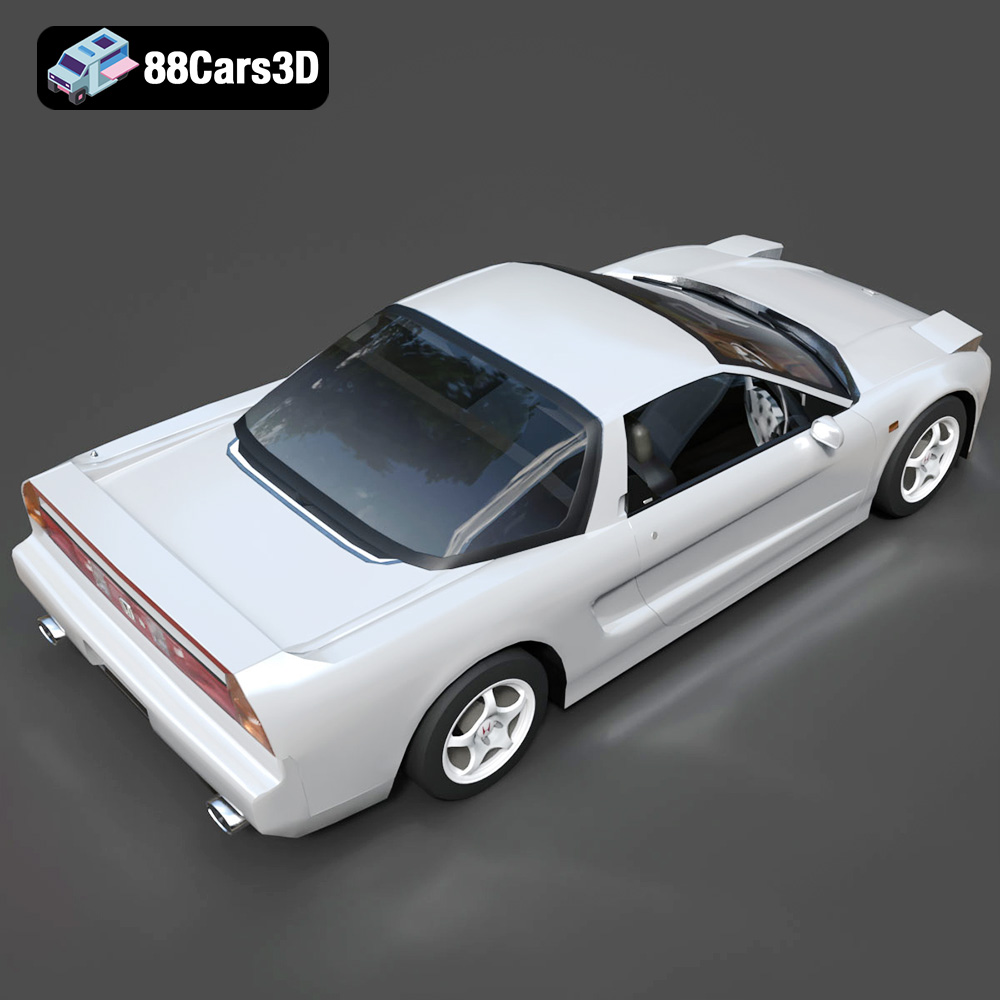
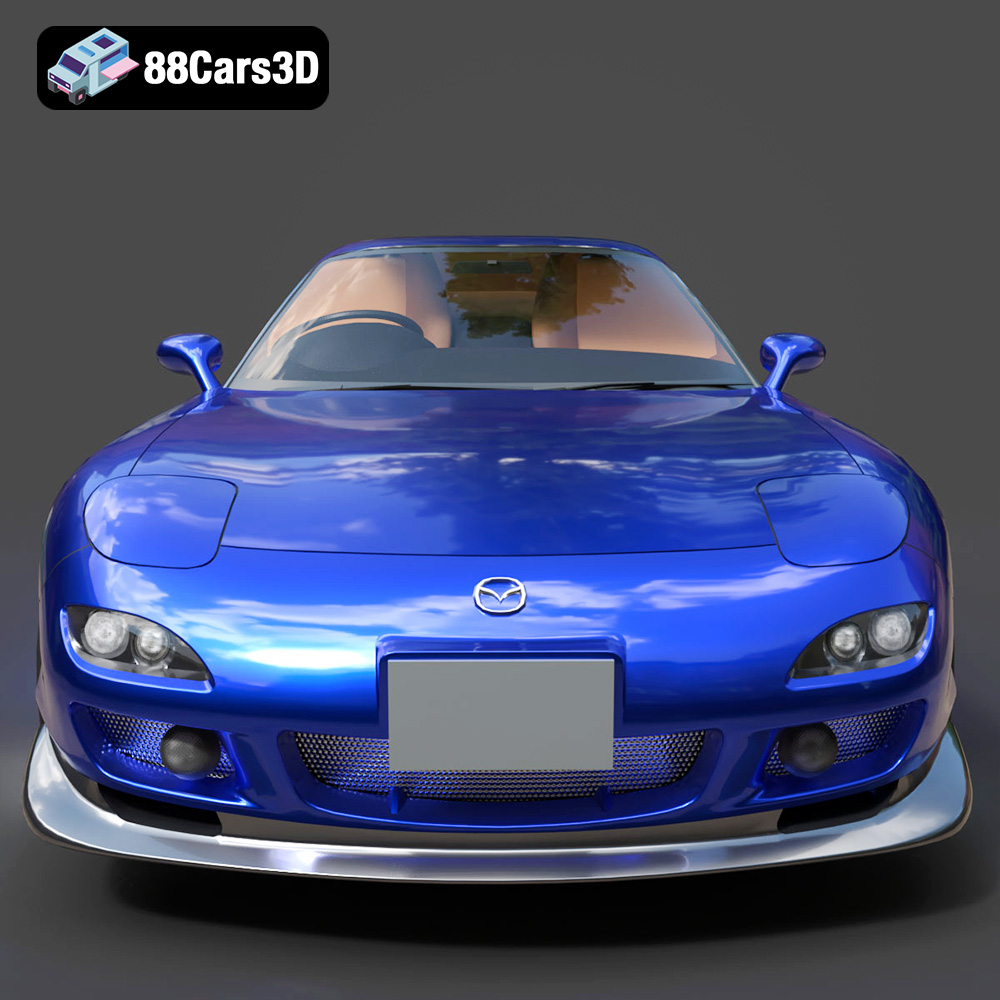
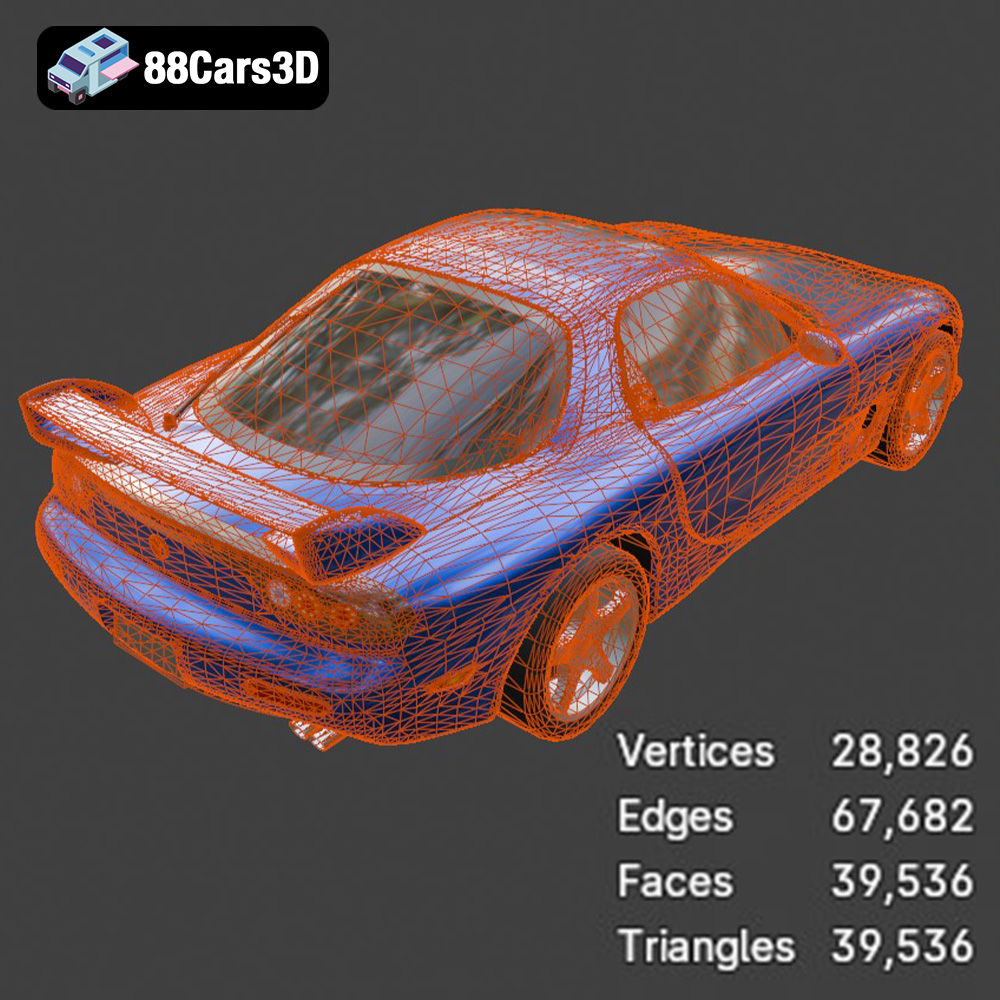
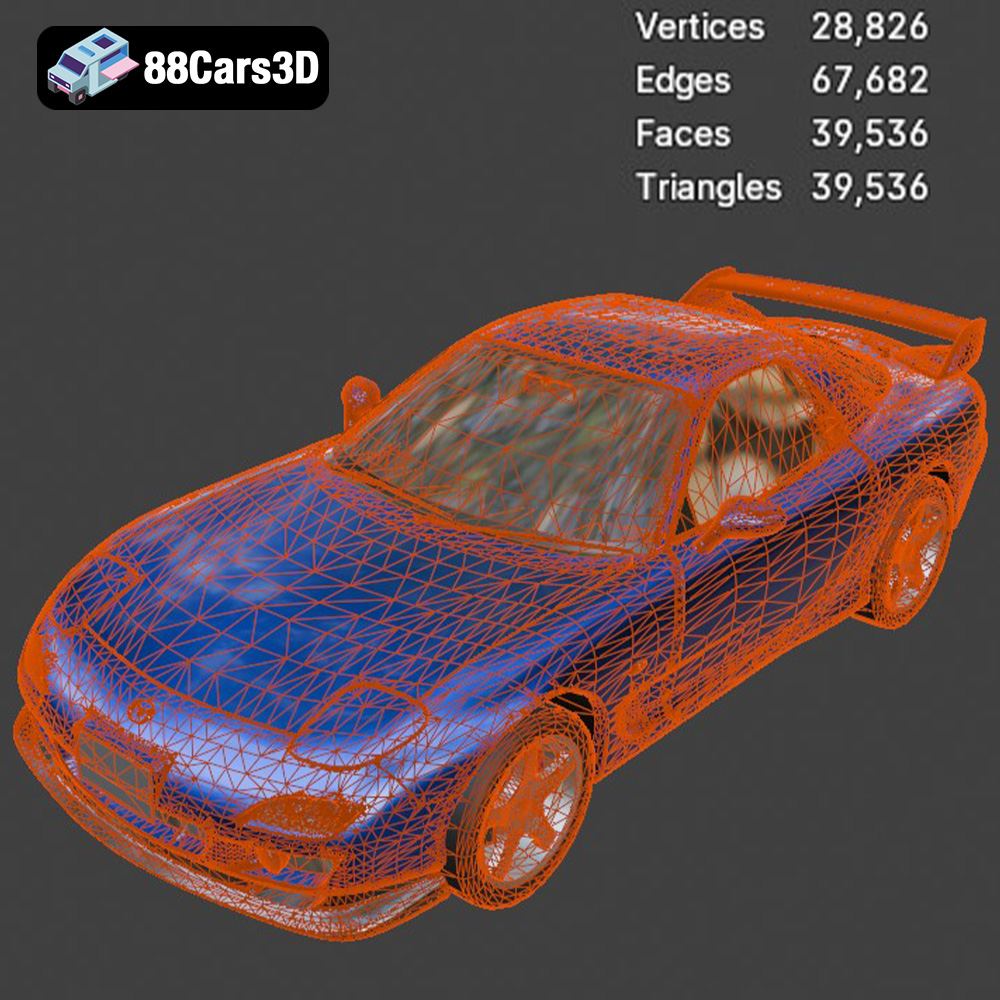
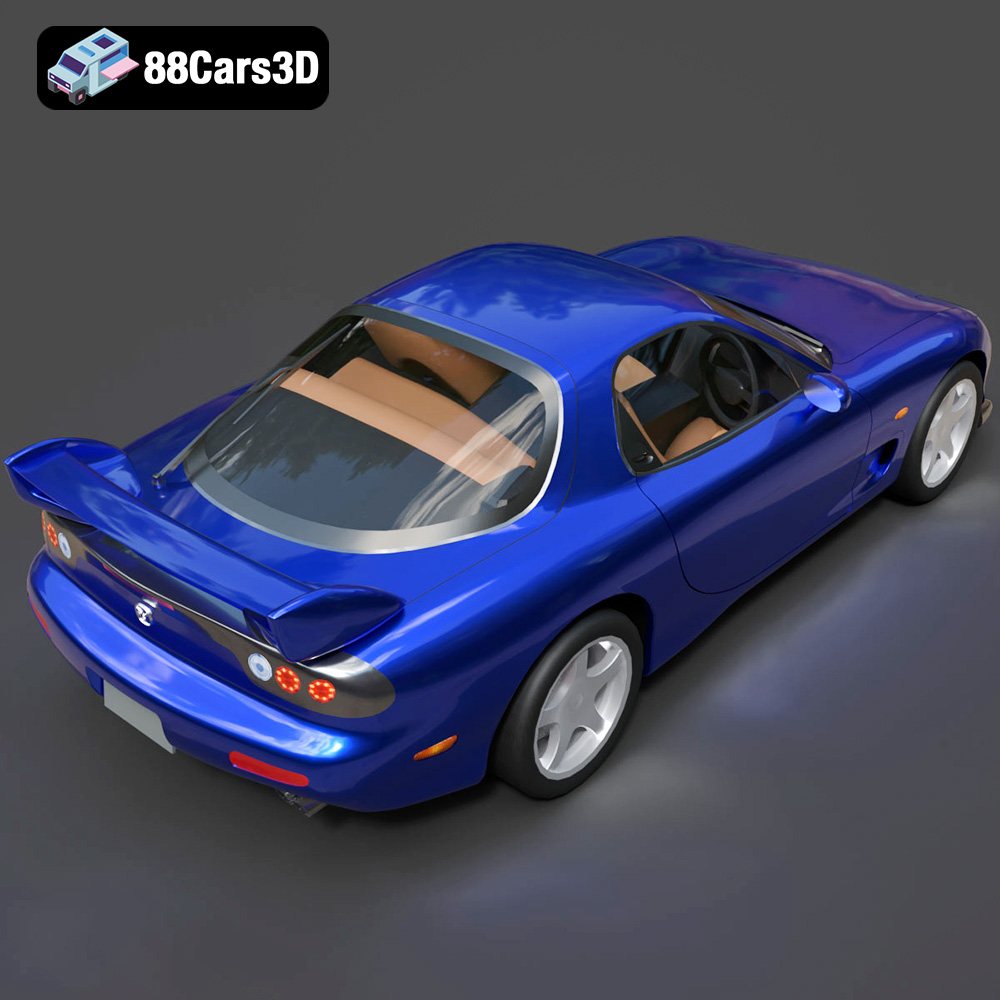
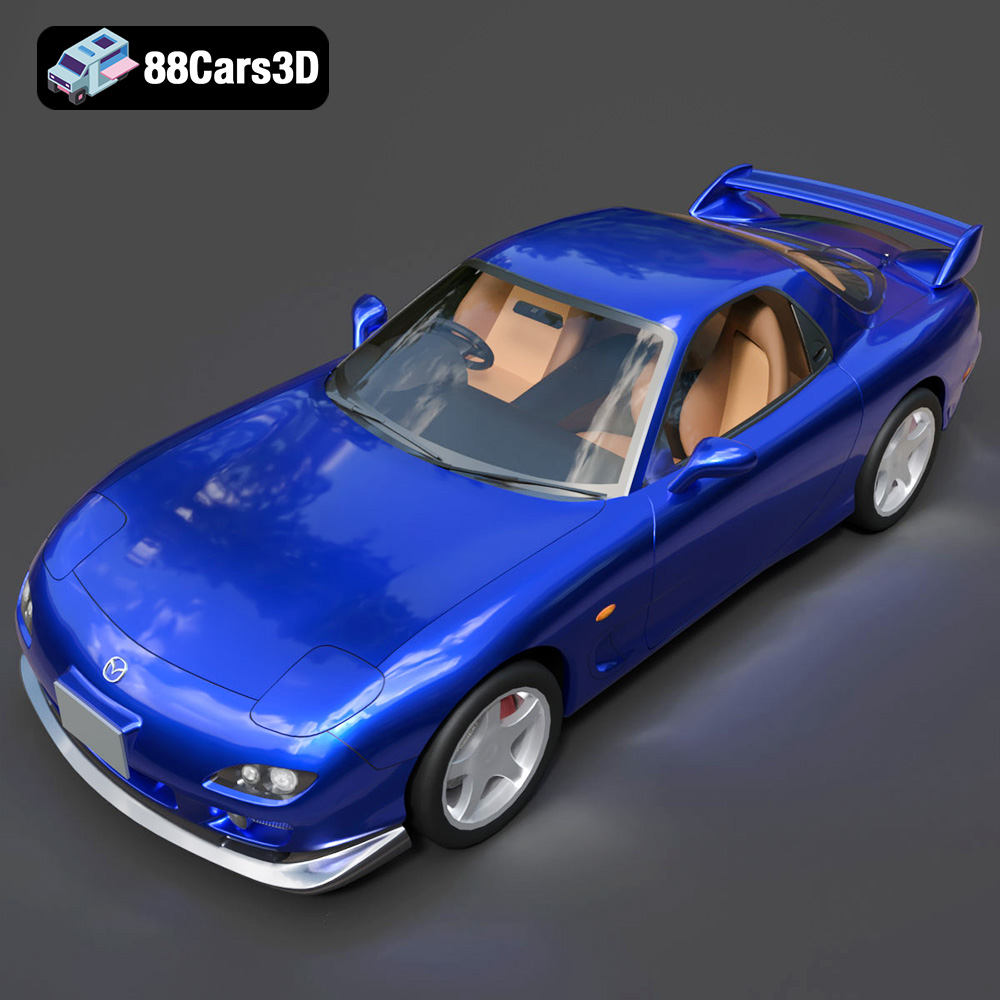
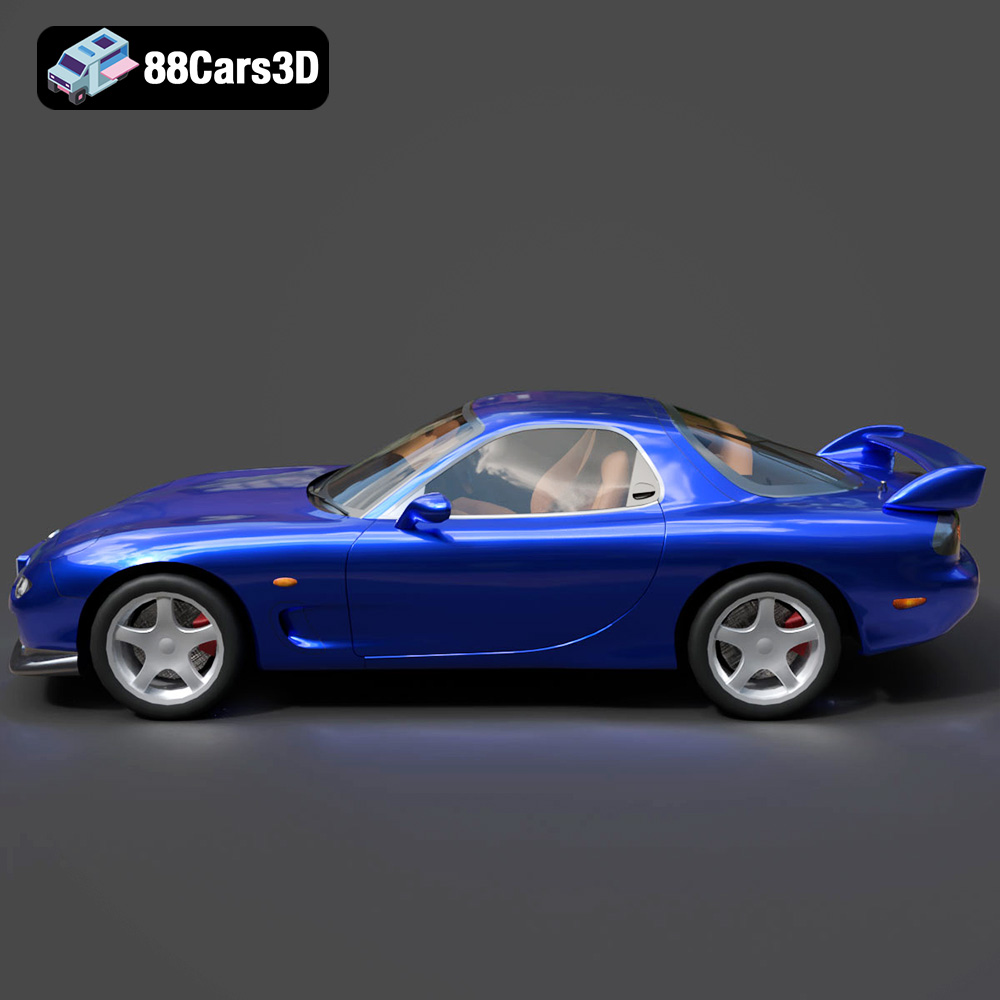
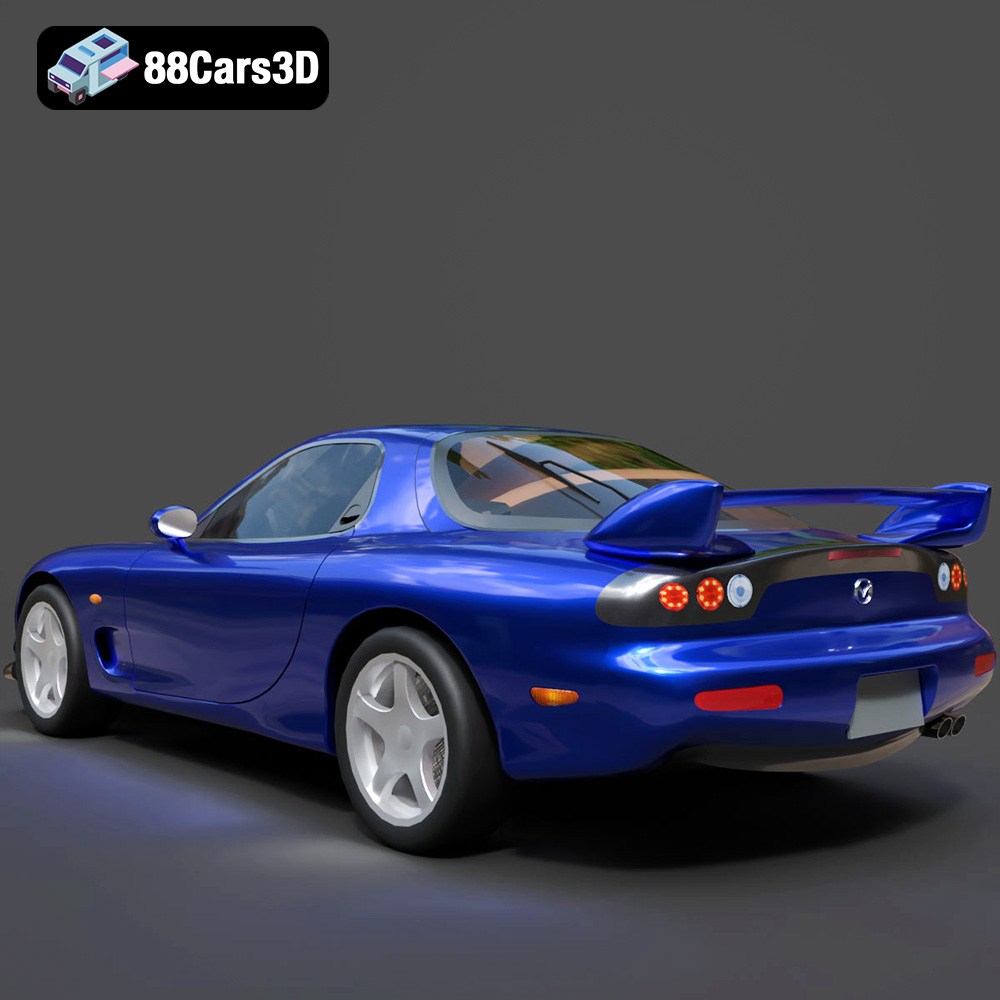
Stepping back in time, the Honda NSX-R 1992 is a pure Japanese supercar, a masterpiece of balance and handling developed with input from Ayrton Senna. Its “beautifully nostalgic model showcasing the mid-engine proportions, iconic pop-up headlights, and timeless aerodynamic wedge design of the 90s” offers a different aesthetic. It’s a testament to minimalist, functional design that still turns heads. The Mazda RX-7, specifically the FD-generation, is a rotary-engine masterpiece renowned for its unique engine and stunning, “smooth, flowing curves and pop-up headlights.” This model is “perfect for drifting scenes,” its elegant yet aggressive silhouette lending itself beautifully to dynamic action shots and stylized renders. These two cars embody the elegance and innovation of 90s Japanese sports cars.
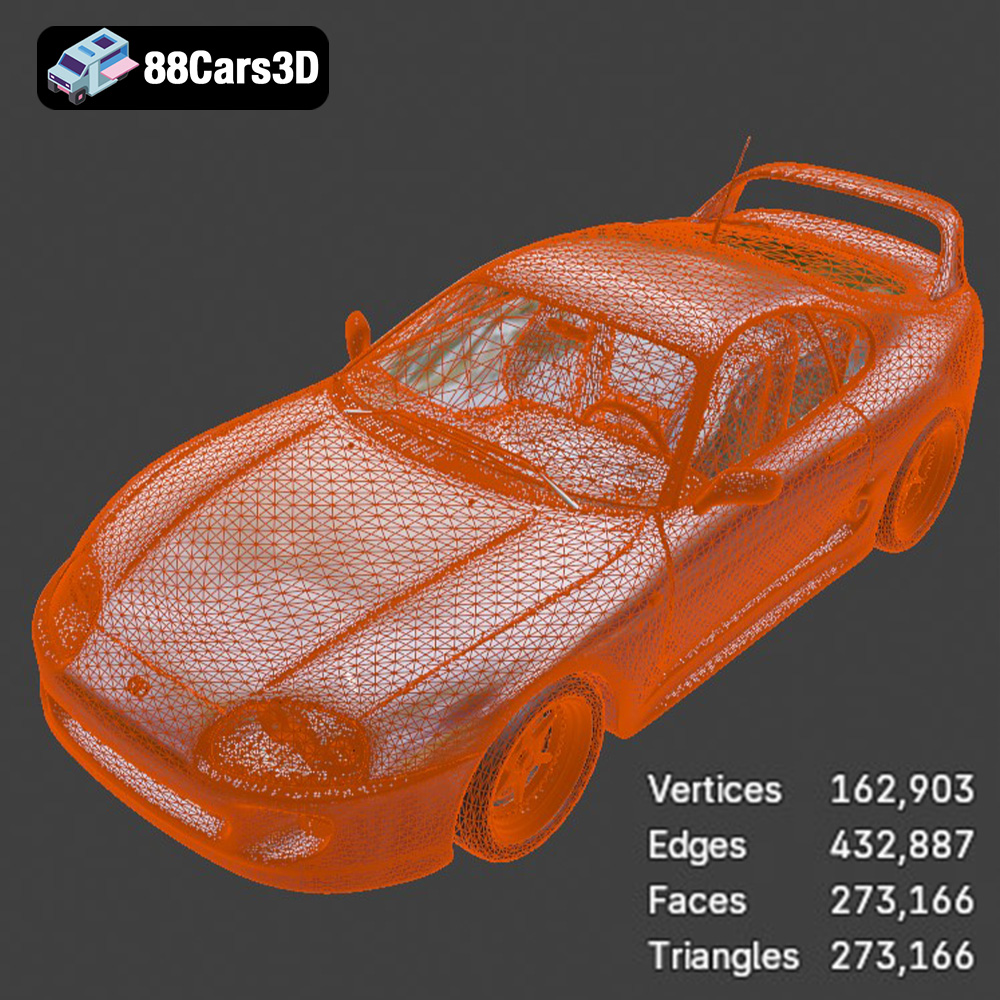
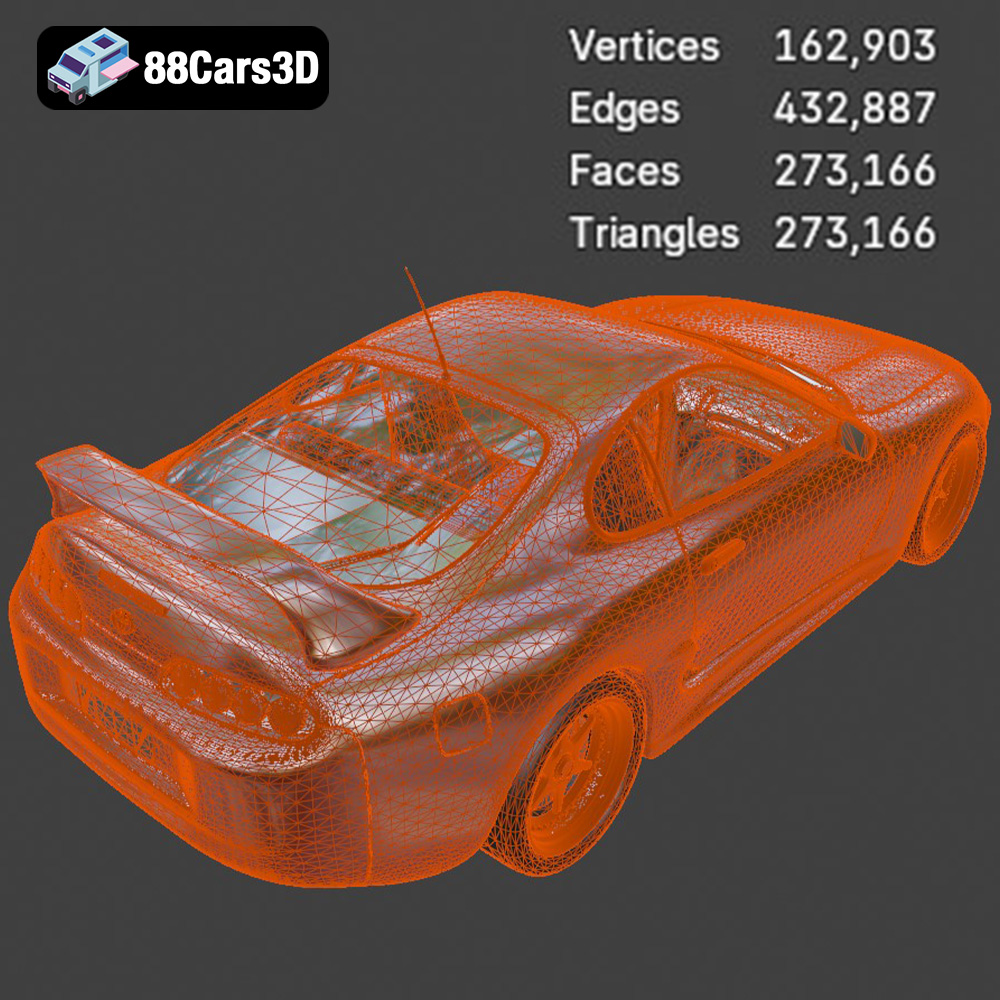
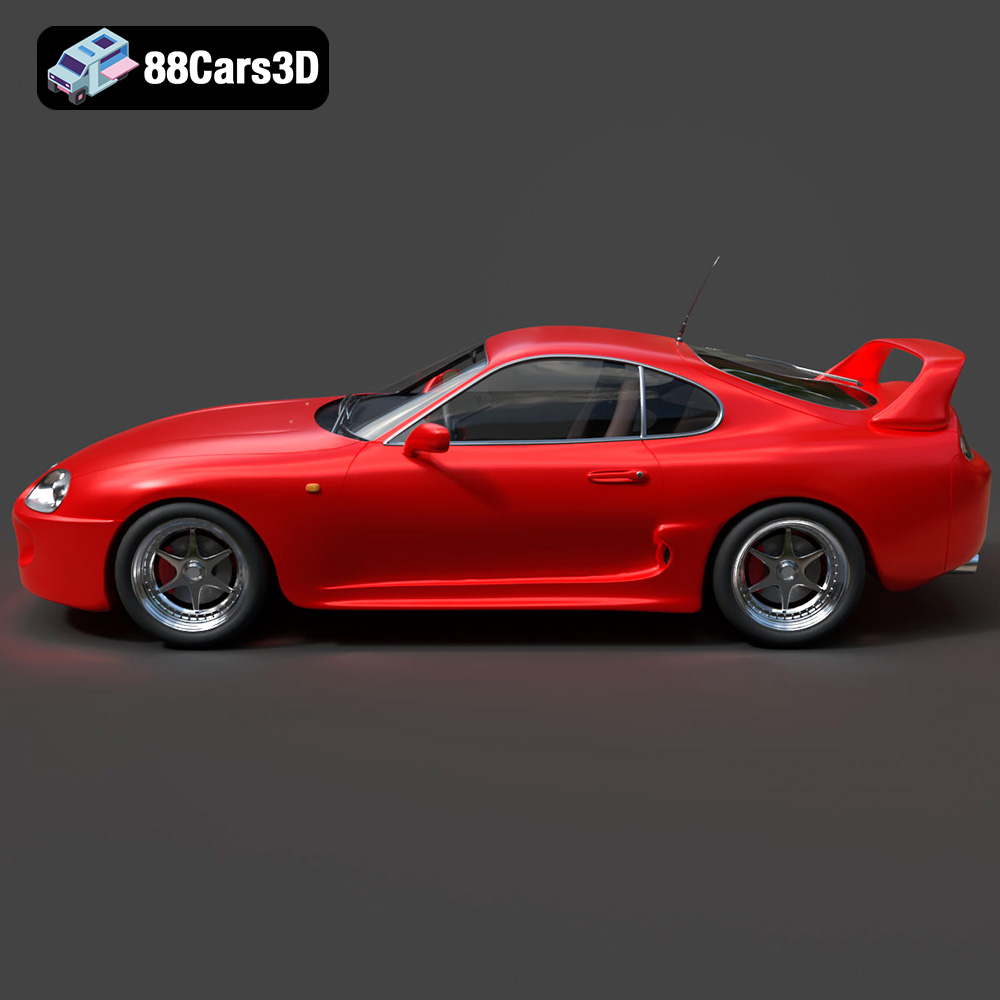
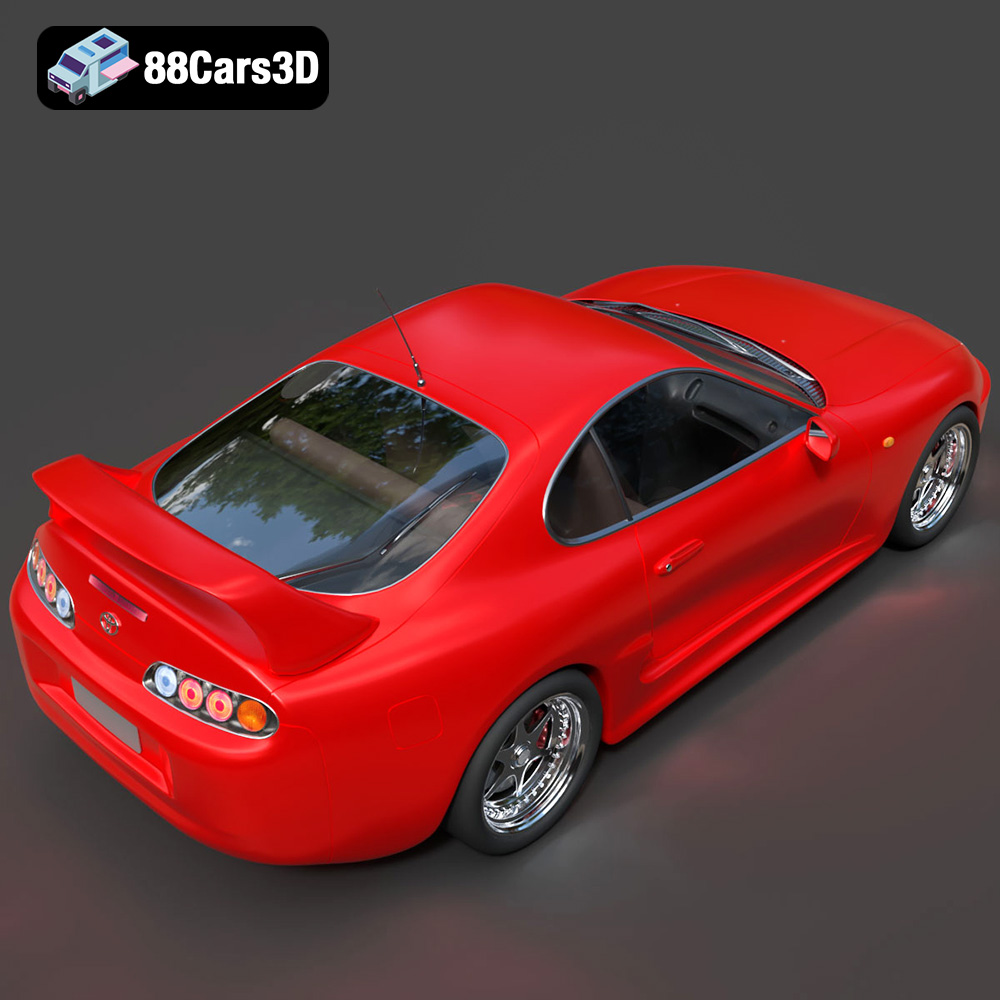
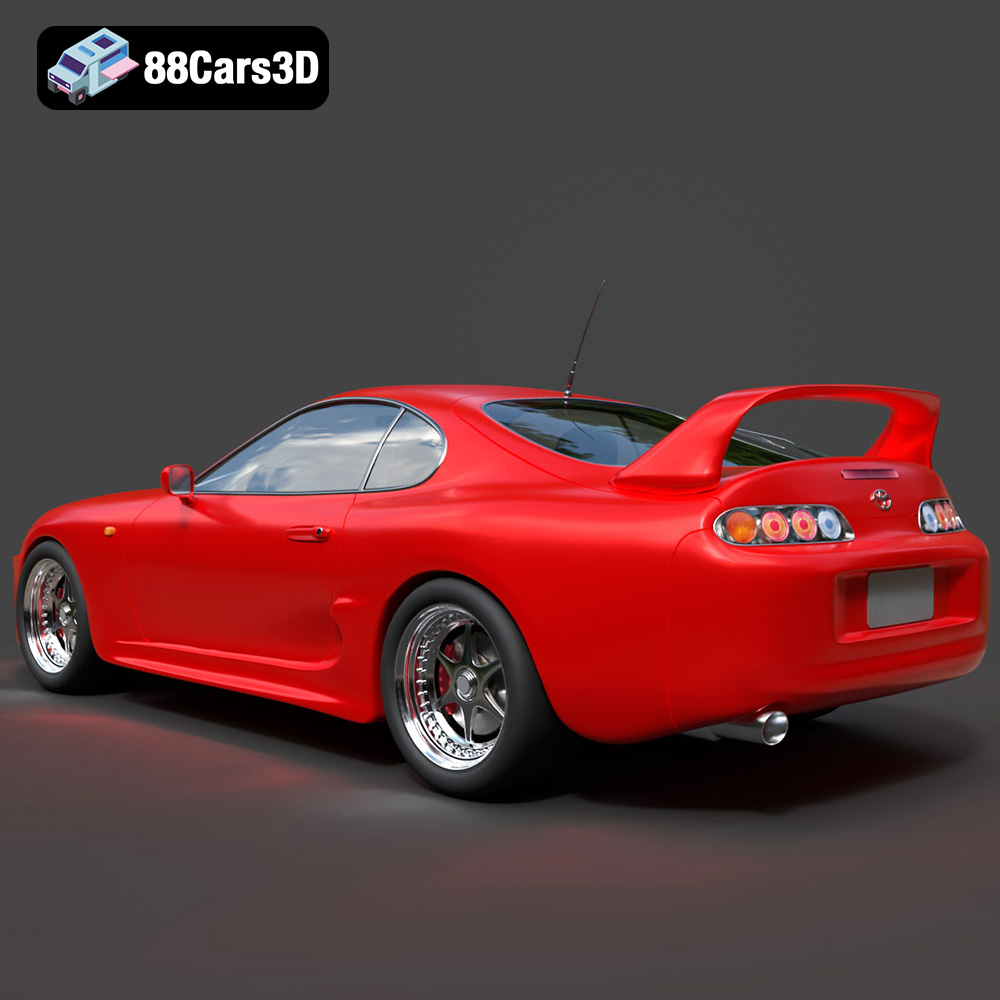
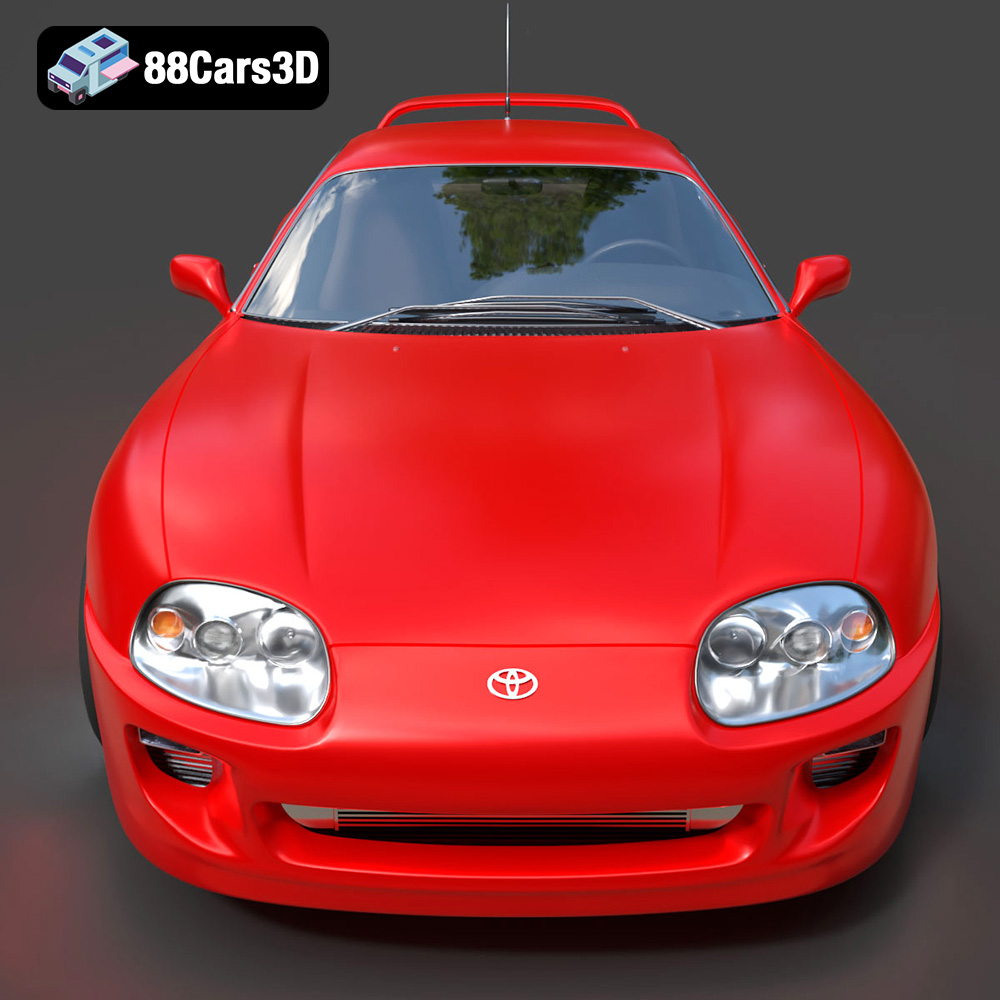
Bringing the bundle firmly into the present day is the Toyota Supra 2020 (A90), the modern revival of a true legend. This model “perfectly captures the aggressive modern aerodynamics, distinct double-bubble roof, and sharp LED headlight signature.” It represents the contemporary face of JDM performance, blending heritage with modern design language and technology. Its inclusion provides a bridge between classic JDM aesthetics and current automotive trends, making the bundle relevant for projects spanning different eras of street racing culture. Whether you’re building a retro racing game or a cutting-edge simulator, this collection provides the diversity and quality needed to create truly compelling experiences.
The world of 3D modeling demands precision, versatility, and an understanding of diverse technical requirements. For anyone immersed in automotive visualization, game development, animation, or even physical product design through 3D printing, having access to a library of high-quality 3D car models is paramount. The Japanese Legends: JDM Street Racing 3D Models Bundle stands out as an exceptional offering, providing not just five iconic vehicles, but a comprehensive package designed for professional workflows.
From the meticulously optimized quad-heavy geometry ensuring crisp reflections in rendering engines like V-Ray and Arnold, to the game-engine ready separated parts and properly set up pivot points for Unreal Engine’s Chaos Vehicles, every aspect of this bundle has been crafted with the end-user in mind. The inclusion of multiple file formats—from .blend and .max for native DCC software integration, to .fbx for cross-platform compatibility, .glb for web and AR, and .stl for precision 3D printing—underscores its adaptability across virtually any project pipeline. Whether you’re aiming for a photorealistic cinematic, an engaging racing simulator, or a tangible scale model of your favorite JDM legend, this bundle delivers the technical foundation you need.
Investing in such high-quality assets not only saves significant development time but also elevates the production value of your projects. The Japanese Legends: JDM Street Racing 3D Models Bundle from 88cars3d.com is more than just a collection of cars; it’s a gateway to bringing the thrilling world of JDM street racing to life in stunning detail, making it an indispensable resource for any serious digital artist or developer.
The Japanese Legends: JDM Street Racing 3D Models Bundle is the ultimate digital garage for automotive artists, game developers, and drifting enthusiasts. Japanese Domestic Market (JDM) cars have created a massive, devoted culture worldwide. Whether you are creating an underground street racing game, a neon-lit Tokyo cinematic animation, or custom tuning renders, this pack gives you the most iconic Japanese sports cars ever built. Instead of acquiring these highly sought-after tuner cars individually (Total Value: €282.95), this 5-in-1 bundle gives you an irresistible opportunity to own five absolute legends of the street racing scene at a massive discount. What’s Included in the Bundle? 1. Nissan GT-R 2008 (Individual Value: €89.99) The ultimate supercar killer. Known as “Godzilla,” this model features a flawlessly modeled aggressive front fascia, signature quad round taillights, and a high-poly topology perfect for photorealistic automotive studio renders. 2. Mitsubishi Lancer Evolution IX (Individual Value: €89.99) The rally-bred street warrior. Accurately captures the iconic aggressive hood vents, dynamic front bumper, and large rear spoiler that make the Evo IX a tuning legend. 3. Honda NSX-R 1992 (Individual Value: €39.99) The pure Japanese supercar. A beautifully nostalgic model showcasing the mid-engine proportions, iconic pop-up headlights, and timeless aerodynamic wedge design of the 90s. 4. Mazda RX-7 (Individual Value: €49.99) The rotary-engine masterpiece. Features the famous smooth, flowing curves and pop-up headlights that make the FD-generation RX-7 one of the most beautiful Japanese cars ever designed. Perfect for drifting scenes. 5. Toyota Supra 2020 (Individual Value: €12.99) The modern revival of a legend. This model perfectly captures the aggressive modern aerodynamics, distinct double-bubble roof, and sharp LED headlight signature of the A90 Supra. Key Features Across All Models: • Tuning Ready: Clean geometry makes it easy for 3D artists to modify these cars by adding custom widebody kits, massive spoilers, or aftermarket rims. • Separated Parts: Wheels, doors, and steering components are intelligently separated, making them instantly game-engine ready for driving and drifting physics. • Optimized Topology: Beautifully balanced quad-heavy geometry ensuring crisp reflections in automotive paint materials without crashing your render engine. Technical Specifications & Advantages: • Scale: 100% Real-world scale accuracy. • Pivots: Proper pivot point setup for all wheels, ready for Unreal Engine (Chaos Vehicles) or Unity. • Compatibility: Fully compatible with V-Ray, Corona, Arnold, and real-time engines for fast integration into your projects. Applications: • Game Development: The absolute perfect starter pack for street racing, drifting, or car-tuning simulators. • Automotive Rendering: Ideal for creating highly stylized, neon-lit cyberpunk or underground parking garage renders. • VFX & Animation: High-quality assets suitable for action-packed cinematic chase sequences. 3D Print Setting (For JDM Scale Modelers): • Recommended scale: 1:24 (The standard scale for Japanese model car kits like Tamiya). • Layer height: 0.04–0.05 mm (Resin printing is strictly recommended). • Orientation: Print bodies at a 45-degree angle to ensure a smooth finish for painting. Included File Formats: .blend, .fbx, .obj, .glb, .stl, .max (universal exchange formats guaranteed for smooth importing).
$129.99
car-bundle
game-ready-cars
honda-nsx
jdm-3d-model
lancer-evo
mazda-rx7
nissan-gtr-3d
street-racing-cars
tokyo-drift
toyota-supra-3d
tuning-cars