Mastering Digital Realism: The Indispensable Role of High-Quality 3D Models in Professional Workflows
In the rapidly evolving landscape of 3D visualization, game development, and cinematic production, the demand for exceptionally realistic and technically sound 3D assets has never been higher. Professionals across industries, from architectural visualization to cutting-edge virtual reality experiences, understand that the foundation of any compelling digital project lies in the quality of its core assets. Crafting these models from scratch demands immense time, specialized skill, and a deep understanding of optimization, often becoming a bottleneck in tight production schedules.
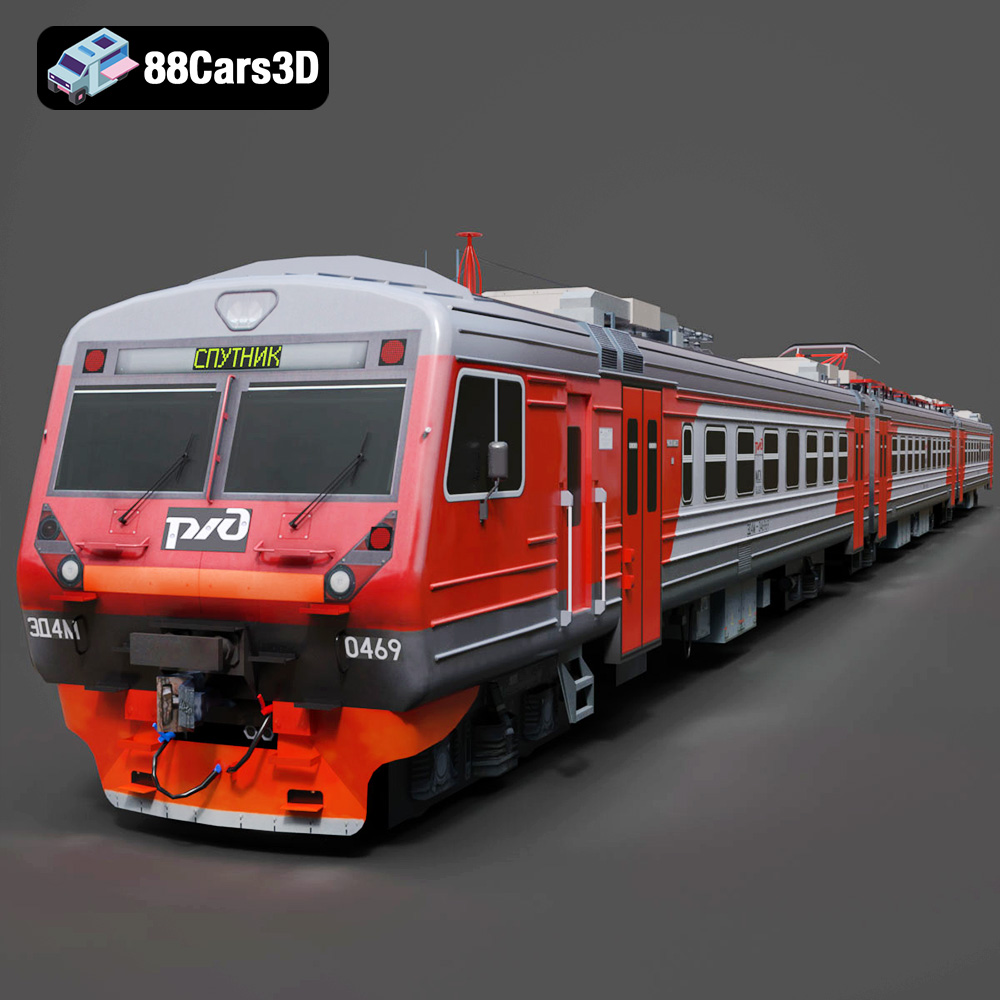
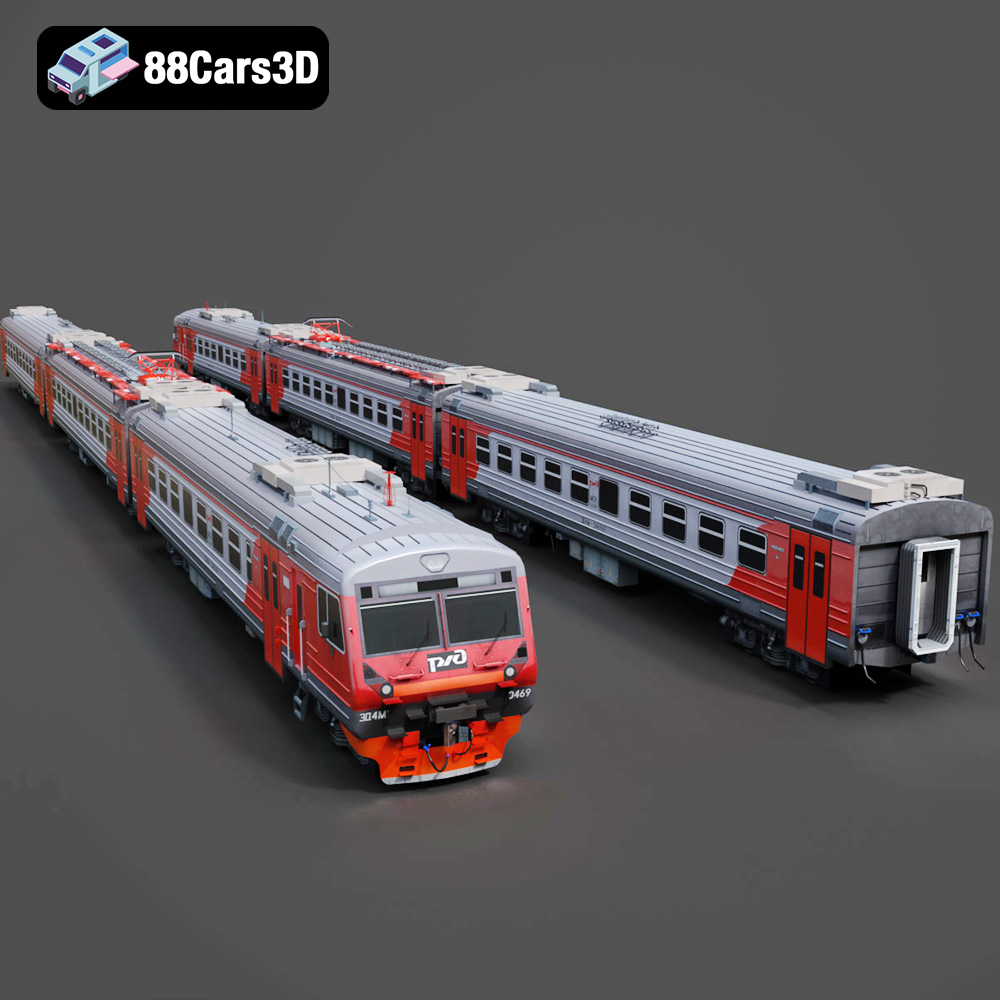
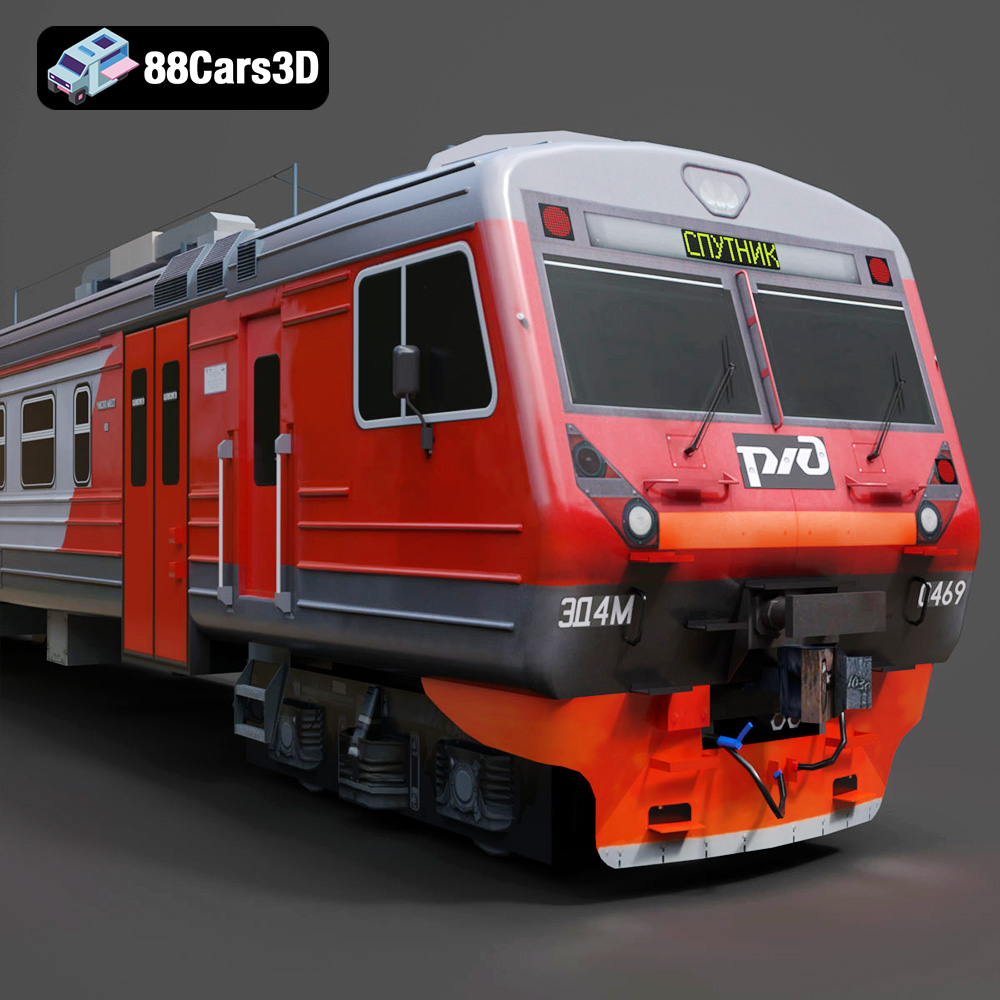
This is precisely where expertly pre-engineered 3D models become invaluable. They offer a shortcut to excellence, providing artists and developers with production-ready assets that integrate seamlessly into diverse pipelines. Today, we delve into the critical factors that define a truly professional 3D model, exploring its technical underpinnings, versatile applications, and how it empowers creators to push the boundaries of digital realism. As a prime example of such an asset, we’ll frequently reference the Railways ED4M 2012-001 3D Model, a meticulously crafted piece available at 88cars3d.com, designed to meet the rigorous demands of modern 3D workflows and bring unparalleled authenticity to any scene it inhabits.
Understanding 3D Model File Formats: The Gateway to Versatility
The choice of a 3D model’s file format is far more than a simple preference; it dictates compatibility, functionality, and how efficiently an asset can be integrated into various professional pipelines. A truly versatile 3D model, like the Railways ED4M 2012-001, is offered in multiple formats, ensuring maximum utility across different software and applications. Understanding the strengths and typical use cases of each format is crucial for any 3D professional.
Blender’s Native .blend and 3ds Max’s .max: Full Scene Control
- .blend (Blender): This is Blender’s native file format, a powerhouse for any user entrenched in the Blender ecosystem. A .blend file typically encapsulates the entire scene, including not just the mesh data of the Railways ED4M model, but also its materials, textures, lighting setups, animation data, camera positions, and even modifier stacks. This means a designer can open the .blend version of the ED4M and have immediate access to all the parameters, allowing for deep customization, tweaking materials, adjusting geometry, or modifying the scene’s lighting to fit a specific render without losing any fidelity. It’s ideal for artists who want to delve into the model’s construction and leverage Blender’s comprehensive toolset.
- .max (3ds Max): Similar to .blend for Blender, .max is the proprietary format for Autodesk 3ds Max. For professionals working within a 3ds Max pipeline, this format provides the most robust and complete representation of the Railways ED4M 3D Model. It retains all scene information, including complex material hierarchies, modifiers, animation data, and rendering settings specific to 3ds Max’s powerful rendering engines like V-Ray or Corona. This offers unparalleled flexibility for further refinement, complex scene integration, and high-end architectural visualization or product rendering where 3ds Max is a dominant tool.
Universal Compatibility with .fbx and .obj: Industry Workhorses
- .fbx (Filmbox): Developed by Autodesk, FBX has become an industry-standard format, especially crucial for game development, animation, and real-time engines like Unreal Engine and Unity. The .fbx version of the ED4M model is excellent because it supports not only geometry and UVs but also materials, skeletal animations, and cameras, making it a highly efficient container for transferring complex assets between different software. Its optimized structure makes it ideal for game assets, ensuring that a high-quality model can be imported with minimal fuss into a real-time environment.
- .obj (Wavefront OBJ): One of the most widely adopted and oldest universal 3D file formats, .obj is celebrated for its simplicity and broad compatibility. It primarily stores geometric data (vertices, faces, normals, UV coordinates) and often references an accompanying .mtl (material template library) file for material properties. While it doesn’t support animation or complex scene data like FBX, its universality means that virtually any 3D software can open and work with an .obj file of the Railways ED4M. It’s an excellent choice for basic model transfer, 3D printing preparation, or when a clean mesh is needed for retopology or detailed sculpting.
Specialized Formats for Modern Applications: .glb, .stl, .ply, and .unreal
- .glb (GLB/glTF): An increasingly popular format, especially for web-based 3D, AR (Augmented Reality), and VR (Virtual Reality) applications. GLB (GL Transmission Format Binary) is a self-contained, compact format that bundles model data, textures, and animations into a single file. Its efficiency and optimization for real-time rendering make it perfect for showcasing the Railways ED4M in interactive web viewers, AR experiences on mobile devices, or in lightweight VR environments where performance is paramount.
- .stl (Stereolithography): This format is synonymous with 3D printing. An .stl file represents a 3D model as a collection of unconnected triangles. While it lacks color or texture information, its focus on geometric surface data makes it the go-to choice for prototyping and manufacturing. If the Railways ED4M were to be physically realized as a miniature model, the .stl version would be the starting point for a 3D printer.
- .ply (Polygon File Format): Often used for storing 3D data from 3D scanners, .ply is a versatile format that can store various properties beyond just geometry, such as color, transparency, and even confidence values. It’s commonly found in scientific, engineering, and CAD applications where precise mesh data and vertex-level information are critical for analysis or reconstruction. The .ply version of the ED4M ensures that highly detailed, accurate geometric data is preserved for specialized applications.
- .unreal (Unreal Engine Asset): This isn’t a universal format but rather a pre-configured asset package specifically tailored for Unreal Engine. Importing an .unreal asset means the Railways ED4M model is likely already set up with proper materials, collision meshes, LODs (Levels of Detail), and possibly even Blueprints, streamlining its integration into an Unreal project. This eliminates significant setup time for game developers and real-time visualizers, allowing for immediate deployment and iteration within the engine.
The provision of such a comprehensive array of formats for the Railways ED4M 2012-001 3D Model highlights its professional-grade versatility, making it a truly future-proof asset for any digital endeavor.
The Railways ED4M 2012-001 3D Model in Professional Workflows
The true value of a high-quality 3D asset like the Railways ED4M 2012-001 lies in its seamless integration into diverse professional workflows. This model, available at 88cars3d.com, is not just a static object; it’s a dynamic tool that empowers creators across various sectors.
Game Development and Real-Time Environments: Unreal Engine and Unity Integration
For game developers, performance and visual fidelity must always strike a delicate balance. The Railways ED4M model is explicitly designed with this in mind, featuring clean geometry and optimized textures that make it an ideal game asset. Its .fbx and .unreal formats are game-engine ready, ensuring quick and efficient import into popular engines like Unreal Engine and Unity.
- Optimized Mesh for Performance: The model’s clean topology minimizes polygon count while retaining crucial detail, preventing performance bottlenecks in real-time scenes. This is critical for maintaining high frame rates, especially in open-world games or simulations featuring numerous vehicles.
- PBR Textures for Realism: Realistic PBR (Physically Based Rendering) texture maps (Albedo, Normal, Roughness, Metallic, AO) ensure that the ED4M locomotive reacts accurately to light, providing authentic metallic sheens, weathered paint, and detailed surfaces, enhancing immersion for players.
- Seamless Integration: The pre-configured .unreal package means less time spent on material setup, collision geometry, and LODs (Levels of Detail), allowing developers to drop the train directly into their virtual environments, whether for a detailed driving simulator or as a background element in a sprawling urban landscape.
Cinematic Rendering and High-Fidelity Visualizations: From 3ds Max to Blender
When the goal is photorealism for animations, commercials, or architectural visualizations, the ED4M model truly shines. Its “meticulously engineered” details and “precise proportions” are critical for close-up shots and high-resolution renders.
- Exceptional Detail for Close-ups: The model’s high level of detail, both exterior and interior, allows for cinematic camera angles that zoom in on specific components without loss of quality. Every rivet, window frame, and interior panel is crafted to deliver stunning realism.
- Material Richness: With fully developed realistic materials, artists can achieve stunning renders. Imagine a scene with the ED4M train arriving at a station, reflecting the ambient light off its windows and metallic components, or showcasing the subtle wear and tear on its body through realistic textures. The .blend and .max files provide the full scene context, allowing artists to leverage their preferred renderer (Cycles, Eevee, V-Ray, Corona) to produce breathtaking visuals.
- Animation Ready: Its clean structure is suitable for animation, whether it’s the train moving along tracks, doors opening, or internal components being highlighted for a technical presentation. This makes it an excellent asset for creating dynamic narratives or detailed product visualizations.
AR/VR Experiences and Interactive Simulations: Bridging the Digital Divide
For immersive AR/VR applications and interactive simulations, the ED4M model provides a robust and optimized solution.
- Optimized for Real-time Immersions: The .glb format, specifically designed for AR/VR and web-based display, ensures that the model loads quickly and performs smoothly in interactive environments. This is crucial for maintaining user immersion and preventing motion sickness in virtual reality.
- High Accuracy for Simulation: In transit visualization or educational simulations, accuracy is paramount. The ED4M’s precise proportions and authentic design elements make it an ideal candidate for training scenarios, virtual tours of railway systems, or demonstrating the mechanics of a modern locomotive in an interactive setting. This extends beyond individual train models; using high-quality 3D car models and other vehicle assets allows for building comprehensive and believable simulated environments.
- Versatility for Diverse Platforms: Whether deploying on mobile AR platforms, high-end VR headsets, or web browsers, the multi-format availability ensures that creators can reach their target audience with ease, providing consistent visual quality across experiences.
Achieving Photorealism: Texturing, Materials, and Lighting
Photorealism is the holy grail for many 3D artists, and it’s a multi-faceted endeavor where the quality of the model’s textures and materials plays a pivotal role. The Railways ED4M 2012-001 3D Model is built with this goal in mind, providing a solid foundation for stunning visual fidelity.
PBR Workflow and Texture Maps: Albedo, Normal, Roughness, Metallic, AO
The bedrock of modern photorealism is the Physically Based Rendering (PBR) workflow. This system simulates how light interacts with surfaces in the real world, producing incredibly convincing results. The ED4M model incorporates PBR textures, which typically include:
- Albedo (Base Color): This map defines the base color of the surface without any lighting information, reflecting the true color of the material.
- Normal Map: This map fakes surface detail by manipulating the direction of surface normals, giving the illusion of bumps, scratches, and intricate panel lines without adding actual geometry. For the ED4M, this means realistic rivets and panel gaps, making it look incredibly detailed even at a moderate polygon count.
- Roughness Map: This controls how rough or smooth a surface appears, directly affecting how light scatters and reflects. From the polished windows to the slightly weathered body, the roughness map ensures these subtle variations are visible.
- Metallic Map: This map distinguishes between metallic and non-metallic surfaces, dictating how a material reflects light (specular reflection) and absorbs color (diffuse reflection). This is crucial for the ED4M’s metallic components, ensuring they gleam authentically.
- Ambient Occlusion (AO) Map: This map simulates soft shadows where ambient light is occluded, such as in crevices or corners, adding depth and realism to the model’s details without additional lighting calculations.
When these maps are correctly applied and combined within a PBR shader, the Railways ED4M model responds to light in a highly believable manner, achieving professional-grade realism.
Material Setup for Real-World Accuracy: Glass, Metal, Paint
Beyond the texture maps, the material setup itself is critical. For a complex model like the ED4M train, various material types are necessary:
- Glass: The windows require specific shader properties for transparency, refraction, and subtle reflections. A well-configured glass material will accurately bend light and reflect the environment, making the windows look like real glass rather than flat textures.
- Metal: Different metallic surfaces (e.g., polished chrome, brushed aluminum, painted steel) will have distinct PBR values for metallic, roughness, and albedo. The ED4M’s expert material setup ensures that all metallic parts, from handrails to bogies, exhibit realistic reflective qualities.
- Paint: The main body of the train will likely have a complex paint shader, possibly incorporating a clear coat layer for gloss, and subtle variations in roughness or even dirt maps to convey age and use. The ED4M’s realistic materials ensure these nuanced details are present, contributing to its “unparalleled realism.”
Lighting Techniques for Dramatic Impact: From Studio Renders to Environment HDRI
Even the most perfectly textured model can look flat without proper lighting. The .blend and .max files of the ED4M model, often including lighting setups, provide a great starting point:
- Studio Lighting: For product shots or detailed close-ups of the ED4M, a controlled studio lighting setup (e.g., three-point lighting) can highlight its form, materials, and intricate details.
- Environment HDRIs (High Dynamic Range Images): For integrating the train into realistic outdoor scenes, an HDRI environment map provides realistic ambient lighting and reflections, making the ED4M appear as if it truly belongs in that setting. This is crucial for “automotive rendering” and vehicle visualization, regardless of whether it’s a car or a train model.
- Volumetric Effects: Adding atmospheric elements like fog or dust can enhance depth and mood, especially for a large vehicle like a train, making it appear more imposing and real.
Case Studies: Impact of the Railways ED4M Model in Action
The versatility and quality of the Railways ED4M 2012-001 3D Model translate directly into tangible benefits across multiple professional applications. Let’s explore some hypothetical but highly plausible scenarios where such an asset from 88cars3d.com would be indispensable.
Urban Planning and Transit Simulation: Visualizing Future Infrastructure
Imagine a team of urban planners and civil engineers tasked with designing a new railway line through a bustling city. Traditionally, this involves complex CAD drawings and abstract maps. With the ED4M 3D model, this process can be revolutionized.
- Project Visualization: The ED4M can be integrated into a large-scale 3D city model to visualize how a new train line and stations would look in reality. Stakeholders can see the train traversing the proposed route, understanding its scale, how it interacts with existing infrastructure, and its visual impact on the environment.
- Traffic Flow and Scheduling Simulations: Beyond aesthetics, the model can be used in dynamic simulations to analyze passenger flow, train scheduling, and potential bottlenecks. The accurate proportions and realistic movement potential of the ED4M allow for precise data generation and informed decision-making.
- Public Engagement: Presenting a photorealistic rendering or an interactive AR/VR experience featuring the ED4M model can significantly enhance public understanding and engagement with large-scale infrastructure projects, fostering greater acceptance and support.
Game Development: Populating Virtual Worlds with Authentic Detail
Consider a new open-world game set in a sprawling modern city. The developers want to create a living, breathing environment, and public transport plays a vital role in immersion.
- Authentic Game Assets: Instead of dedicating precious development time to model a train from scratch, the studio can acquire the Railways ED4M. Its optimized geometry and PBR textures ensure it fits perfectly within the game’s performance budget while delivering stunning visuals. Players encountering the ED4M locomotive, whether in a cutscene or as an interactive element, will immediately recognize its realism.
- Environmental Storytelling: A detailed train model like the ED4M can become a central element in quests, chase sequences, or simply as part of the background realism that grounds players in the virtual world. The fully developed interior even allows for interior exploration or passenger interaction, adding layers of depth to gameplay.
- Time and Cost Efficiency: By leveraging a pre-made, high-quality asset, the development team saves hundreds of hours of modeling, texturing, and rigging work, allowing them to focus on unique gameplay mechanics and narrative elements, ultimately accelerating the game’s production schedule. This principle applies equally to all types of 3D car models and vehicle assets needed for a game.
Educational and Training Applications: Interactive Learning
A railway company wishes to develop a new training module for its engineers and maintenance staff, focusing on the specific model of train, the ED4M.
- Virtual Walkthroughs: Using the ED4M model, an interactive VR experience can be created, allowing trainees to perform virtual walk-arounds, explore the cabin, and identify key components without needing physical access to a real train. This is particularly useful for safety inductions and initial familiarization.
- Maintenance Simulations: Specific parts of the train, modeled in detail, can be isolated for interactive simulations of maintenance procedures. Trainees can practice diagnostics, component replacement, and system checks in a safe, controlled virtual environment, reducing risks and costs associated with real-world training.
- Accessibility: The digital nature of the ED4M model allows for scalable and repeatable training modules that can be accessed globally, democratizing access to specialized knowledge and improving the overall proficiency of staff.
Optimizing for Performance: Balancing Detail and Efficiency
In the world of 3D, detail often comes at the cost of performance. A truly professional 3D model, like the Railways ED4M 2012-001, strikes a meticulous balance, offering stunning visual fidelity without overburdening rendering engines or real-time applications. This optimization is crucial for widespread adoption and seamless integration into various projects.
Polygon Budgeting and Level of Detail (LOD) Strategies
Every vertex and polygon adds to the computational load. For the ED4M, its “clean geometry” signifies a mindful approach to polygon budgeting:
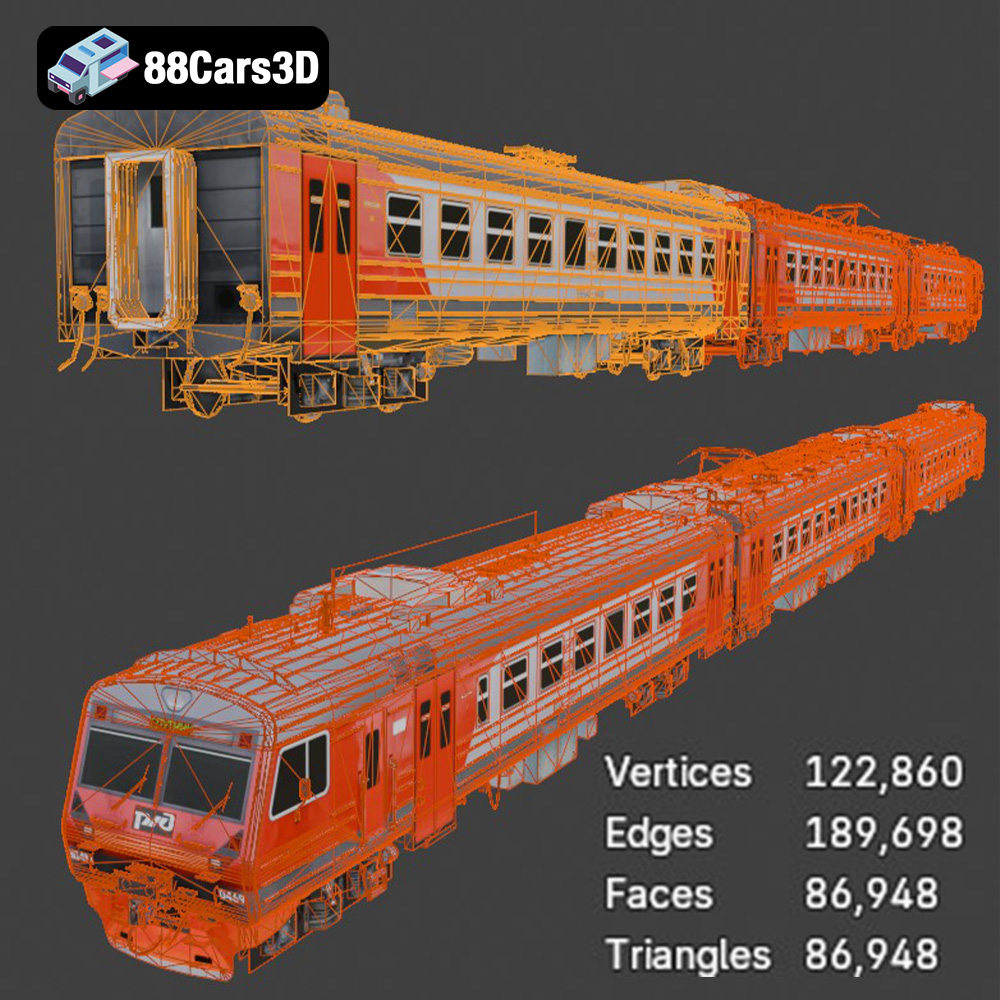
- Efficient Topology: The mesh is constructed efficiently, using polygons only where necessary to define form and detail, avoiding unnecessary subdivision or overlapping geometry. This ensures the model is lightweight enough for real-time applications but detailed enough for close-up renders.
- Strategic Detail Allocation: Critical areas like the cabin, doors, and visible mechanical parts receive more polygonal detail, while less prominent areas are optimized.
- Levels of Detail (LODs): For game development and real-time visualization, LODs are indispensable. A professional model often includes multiple versions of itself, each with a progressively lower polygon count. When the ED4M is far from the camera, a low-poly version is rendered; as the camera approaches, a more detailed version automatically swaps in. This ensures consistent performance across various distances, a feature often pre-configured in the .unreal or .fbx versions.
UV Unwrapping and Texture Atlas Creation
Efficient texturing is as vital as geometry optimization. The ED4M model’s “professional quality of the mesh and texture mapping” implies meticulous UV work:
- Clean UV Layouts: UV (U-V coordinate) unwrapping is the process of flattening a 3D model’s surface into a 2D map, onto which textures are painted. A clean UV layout minimizes stretching and distortion, maximizes texture resolution, and ensures efficient use of texture space.
- Texture Atlases: Instead of having multiple small texture files for different parts of the train, a texture atlas combines several textures into one larger image. This reduces draw calls in game engines, significantly improving rendering performance. For the ED4M, this means efficient loading and rendering of its numerous surfaces, from the bodywork to the windows and interior elements.
- Consistent Texel Density: Maintaining a consistent texel density across the model ensures that textures appear equally sharp and detailed regardless of the surface, avoiding blurry or overly sharp areas.
Asset Pipeline Best Practices for Scalability
A well-optimized asset doesn’t just perform well; it integrates smoothly into larger pipelines and scales with project needs:
- Layered Materials: The use of layered materials allows for easy customization and adaptation. For instance, the base paint material of the ED4M can be easily swapped or modified to represent different liveries or levels of wear without needing to re-texture the entire model.
- Proper Naming Conventions: Clearly named objects, materials, and textures within the model’s native files (.blend, .max) make it easy for other artists to navigate, understand, and modify the asset, fostering collaborative workflows.
- Modularity: While the ED4M is a complete model, its internal structure might be modular, allowing for easy disassembly for technical visualizations or even potential future customization. This thoughtful construction ensures long-term utility.
By adhering to these optimization principles, the Railways ED4M 2012-001 3D Model exemplifies how a highly detailed asset can still be incredibly efficient, making it a valuable addition to any professional’s toolkit, and a testament to the quality available at 88cars3d.com.
Conclusion
The journey through the intricacies of high-quality 3D models underscores a fundamental truth in digital content creation: the caliber of your assets directly dictates the success and realism of your final output. From the foundational importance of precise geometry and PBR texturing to the strategic deployment of various file formats for specific applications, every technical detail contributes to an asset’s professional utility.
The Railways ED4M 2012-001 3D Model stands as a prime example of an asset engineered to excel in diverse environments. Its meticulous design, optimized structure, and comprehensive file format support (from .blend and .max for full creative control, to .fbx and .unreal for game development, and .glb for AR/VR) ensure it can seamlessly integrate into cinematic renders, game engines, immersive simulations, and even 3D printing workflows. This versatility not only saves invaluable production time but also elevates the visual fidelity and immersive quality of any project it becomes a part of.
For professionals seeking to enrich their projects with exceptional 3D car models, vehicle assets, or specialized items like this highly detailed train, sourcing from reliable marketplaces is key. Platforms like 88cars3d.com specialize in providing high-quality, production-ready 3D models that meet the rigorous demands of modern industries, empowering creators to achieve unparalleled digital realism and focus on the artistry and innovation that truly differentiate their work. Invest in quality assets, and unlock new possibilities for your digital creations.
Featured 3D Model
Railways ED4M 2012-001 3D Model
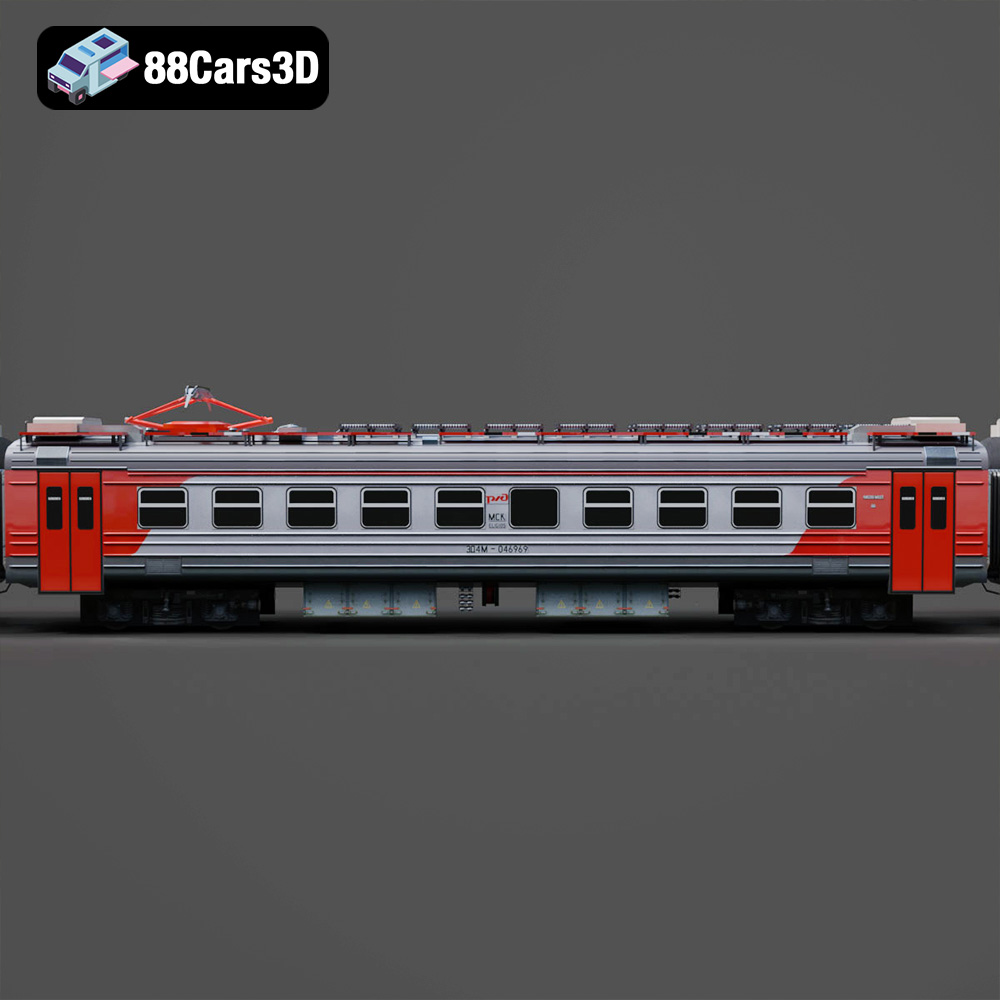
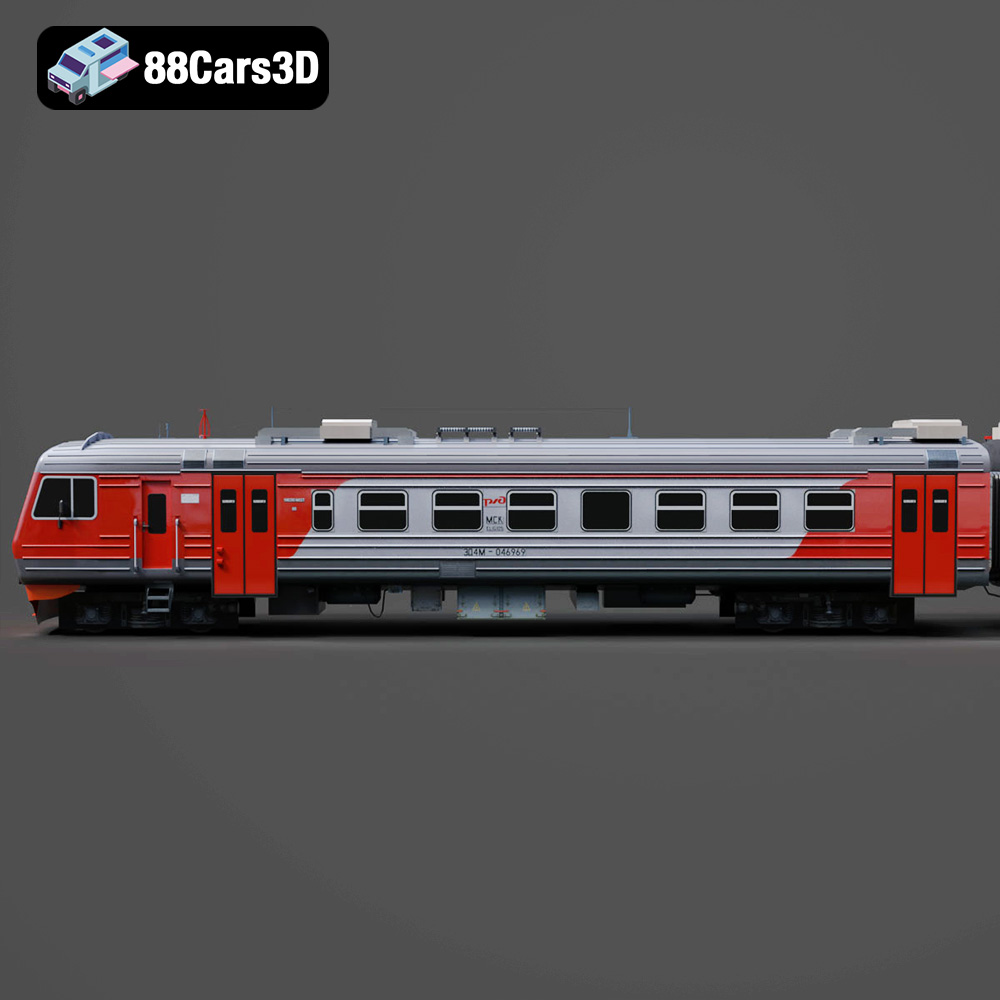
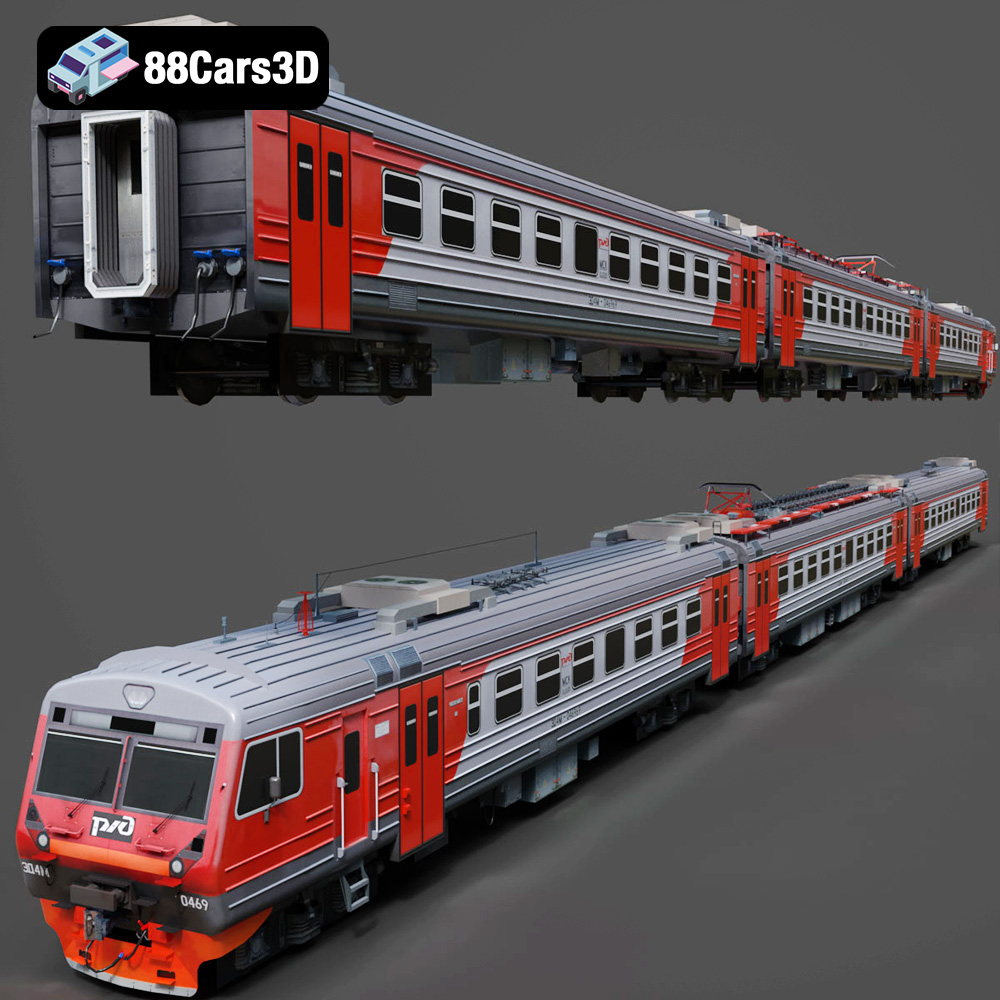
Experience unparalleled realism with the Railways ED4M 2012-001 3D Model, meticulously engineered to deliver exceptional accuracy for professional visualizations and digital environments. This expertly crafted model captures the authentic design elements of the iconic railway vehicle, presenting precise proportions, lifelike textures, and a fully optimized structure for seamless integration into your projects. Built with clean geometry and realistic materials, this model ensures outstanding performance without compromising on visual fidelity. Whether you are creating detailed close-up shots, dynamic animations, or interactive digital experiences, the professional quality of the mesh and texture mapping provides a flawless foundation. Both the exterior and interior have been developed to meet the rigorous demands of modern 3D workflows. Ideal for a wide range of applications, this 3D asset is perfectly suited for game development, cinematic rendering, AR/VR experiences, and transit visualization. Its versatility makes it a valuable addition to any digital library, allowing creators to deploy the model across different platforms with absolute ease. The package includes multiple industry-standard file formats to guarantee compatibility with your preferred software: .blend – Editable Blender file with materials and lighting setup; .fbx – Game-engine ready format for Unreal Engine and Unity; .obj – Standard 3D model format compatible with all major software; .glb – Optimized for AR/VR and web-based visualization; .stl – Suitable for 3D printing and prototyping; .ply – Detailed polygon mesh for analysis and visualization; .unreal – Pre-configured for Unreal Engine use; .max – Editable 3ds Max file for rendering and animation. Tags: .railways, .ed4m, .2012001, .train, .locomotive, .railwaycar, .car3dmodel, .rendering, .simulation, .gameasset, .arvr, .blend, .fbx, .obj, .glb, .stl, .ply, .unreal, .max
$19.99
View This Model
Related Tags
.2012001
.arvr
.blend
.car3dmodel
.ed4m
.fbx
.gameasset
.glb
.max
.obj
.ply
.railwaycar
.railways
.rendering
.simulation
.stl
.train
.unreal
locomotive