Get 50% OFF All Premium 3D & STL Models!

In the dynamic landscape of digital content creation, the demand for highly detailed, accurate, and versatile 3D models is greater than ever. From cinematic automotive advertisements to immersive virtual reality experiences and hyper-realistic video games, a high-quality 3D car model serves as the foundational element. It’s not merely a visual asset; it’s a technical blueprint, a performance indicator, and a critical component that can elevate or hinder an entire project.
The journey from concept to final render or real-time application is complex, requiring precision at every stage. Artists, developers, and designers rely on assets that are not only visually stunning but also technically robust. This is where models like the Volkswagen Tiguan 2021 3D Model truly shine. Representing a modern SUV with meticulous detail, it embodies the professional standards required across various industries, from automotive rendering to game asset development. Understanding the nuances of such assets and how they integrate into professional pipelines is key to unlocking their full potential.
The choice of file format is a critical decision in any 3D workflow, directly impacting compatibility, functionality, and performance across different software and platforms. Each format serves a specific purpose, optimized for particular stages of development, from initial modeling to final deployment. For a comprehensive 3D car model like the Volkswagen Tiguan 2021, understanding these distinctions is paramount for seamless integration.
The .blend format is Blender’s native file type, offering a complete, editable scene. When you acquire a .blend file, you’re getting more than just a mesh; you’re receiving the entire project as envisioned by the artist. This includes all geometry, materials, textures, lighting setups, cameras, animations, and even modifiers. It’s ideal for those working within Blender or for users who need to fully dissect and customize the model. Its strength lies in its completeness and the non-destructive nature of Blender’s workflow, allowing for extensive modifications without starting from scratch. For intricate adjustments to the Volkswagen Tiguan 2021 3D Model’s materials or topology, a .blend file provides maximum flexibility.
.fbx (Filmbox) is arguably the most widely adopted interchange format in the 3D industry, especially prevalent in game development. Developed by Autodesk, it excels at transferring entire scenes, including meshes, materials, textures, animations, and skeletal data, between different 3D applications like 3ds Max, Maya, and Blender, and crucially, game engines like Unreal Engine and Unity. Its strength is its robust support for animation and rigging, making it the go-to choice for dynamic assets. For models like the Volkswagen Tiguan 2021 3D Model destined for real-time applications or cinematic sequences requiring movement, .fbx ensures that all critical data translates accurately.
The .obj (Wavefront Object) format is a venerable and highly compatible format for static 3D geometry. While it doesn’t typically store animation or rigging data, it’s excellent for transferring mesh data, UV coordinates, and material references (via an accompanying .mtl file). Its universal support means virtually every 3D software can import and export .obj files, making it a reliable choice for cross-software compatibility. If you need a clean mesh of the Volkswagen Tiguan 2021 for sculpting, retopology, or simply as a static prop in an architectural visualization, .obj is a solid, no-frills option.
.glb is the binary version of glTF (GL Transmission Format), a modern, open-standard format designed for efficient transmission and loading of 3D scenes and models by engines and applications. It packages all necessary data (geometry, materials, textures, animation) into a single file, making it incredibly convenient for web-based 3D viewers, augmented reality (AR), and virtual reality (VR) experiences. Its optimization for runtime delivery ensures fast loading and smooth performance, critical for interactive applications. For deploying the Volkswagen Tiguan 2021 3D Model in a web configurator or an AR app, .glb is the ideal choice due to its compact nature and performance-oriented design.
The .stl (Stereolithography) format is the ubiquitous standard for 3D printing. It represents 3D surfaces as a collection of unconnected triangular facets, defining only the geometry of an object without color, texture, or material information. While simplistic, this clarity is precisely what 3D printers need to interpret and build physical objects layer by layer. For turning the digital Volkswagen Tiguan 2021 into a physical prototype or collectible model, an .stl file is essential, provided the original 3D model’s topology is manifold and watertight.
.ply (Polygon File Format or Stanford Triangle Format) is another format for storing 3D data, particularly useful for scanned data, CAD applications, and scientific visualization. It can store various properties beyond just geometry, such as color, transparency, surface normals, and even confidence values for each vertex or face. While less common in typical art pipelines than .fbx or .obj, its ability to store detailed mesh attributes makes it valuable for applications requiring high precision or complex data analysis of the model, such as reverse engineering the Volkswagen Tiguan 2021’s form.
The .unreal designation often implies an asset specifically prepared and potentially pre-configured for direct import and use within Unreal Engine. This might include optimized mesh resolutions (LODs – Levels of Detail), collision meshes, material instances setup, and possibly even Blueprint scripting for interactive elements. This format streamlines the development process for game assets and real-time simulations, minimizing the need for extensive setup once imported. For developers looking to integrate the Volkswagen Tiguan 2021 into an Unreal Engine project with minimal fuss, this pre-configured package offers significant time savings and ensures adherence to engine-specific best practices.
Similar to .blend for Blender, .max is the native file format for Autodesk 3ds Max. It encompasses the complete scene data, including geometry, materials, textures, lighting, cameras, animation, and scene organization. 3ds Max is a powerful tool renowned for its robust modeling, rendering, and animation capabilities, especially in architectural visualization and product design. Having the Volkswagen Tiguan 2021 3D Model in .max format provides 3ds Max users with direct access to all editable components, allowing for advanced rendering setups, complex animations, or integration into existing Max projects with ease.
Choosing the correct file format for the Volkswagen Tiguan 2021 3D Model, or any 3D car models, depends entirely on the intended application and the software pipeline. Resources like those found on 88cars3d.com often provide models in multiple formats to cater to this diverse range of professional needs.
Achieving photorealism and optimal performance in 3D car models is a multifaceted challenge that hinges on several core technical principles. It’s not enough for a model to “look good” from a distance; it must stand up to intense scrutiny, from extreme close-ups in cinematic sequences to rapid movement in interactive games. This demands a deep understanding of topology, UV mapping, and Physically Based Rendering (PBR) materials.
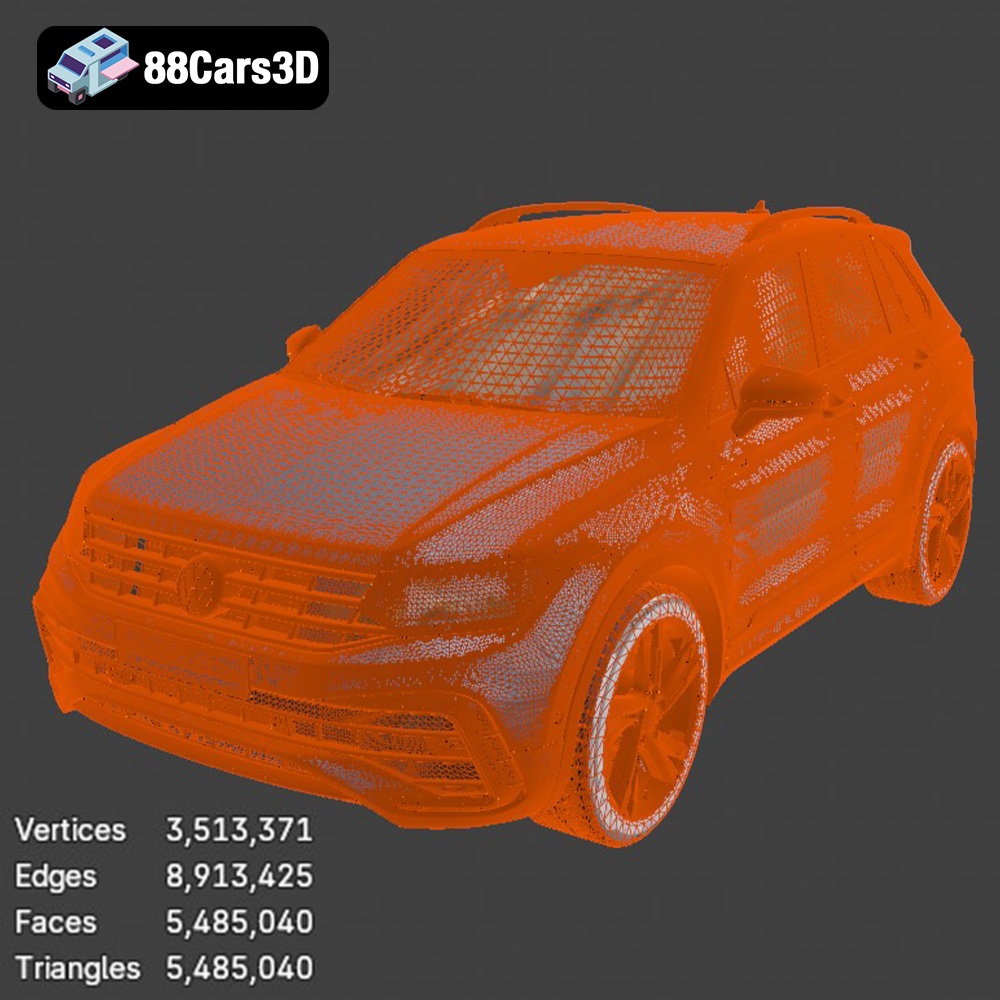
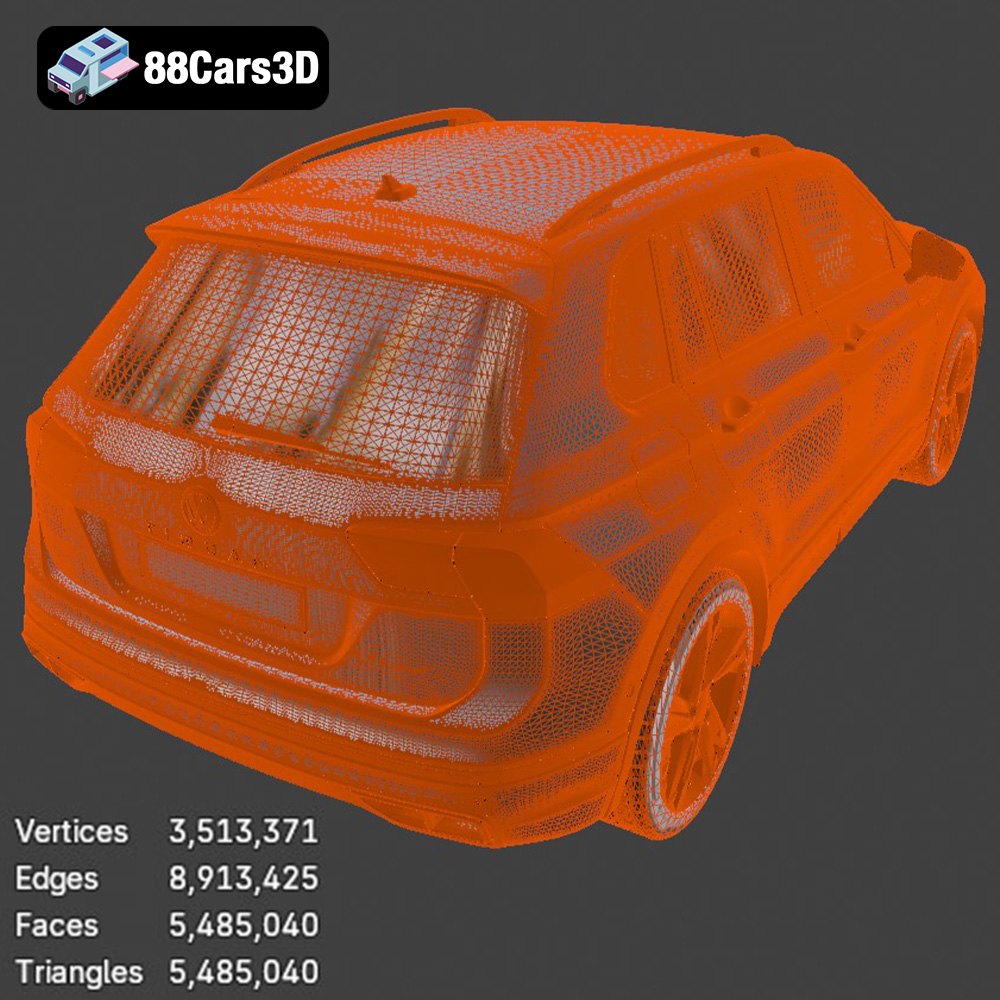
Topology refers to the arrangement of vertices, edges, and faces that form the surface of a 3D model. For a complex asset like the Volkswagen Tiguan 2021 3D Model, optimized topology is paramount. It dictates how the model deforms during animation, how light interacts with its surfaces, and crucially, its performance overhead. Clean topology typically means:
A well-modeled asset ensures that even under close inspection, the geometry holds up, contributing significantly to the overall believability of the automotive rendering. This meticulous approach is what differentiates professional 3D car models.
While topology defines the shape, PBR materials define how light interacts with that shape, delivering the photorealistic surface qualities we expect from modern 3D graphics. PBR is a rendering paradigm that aims to simulate the physical properties of materials accurately, regardless of lighting conditions. Key components of a PBR material for the Volkswagen Tiguan 2021 would include:
The combination of these elements, applied with high-resolution texture maps, allows a 3D car model to react realistically to dynamic lighting, creating stunning visuals whether it’s parked under a studio light or speeding through a virtual landscape. The Volkswagen Tiguan 2021 3D Model, with its “realistic materials” and “well-structured topology,” exemplifies these best practices.
The true value of a professional 3D car model, such as the Volkswagen Tiguan 2021, lies in its adaptability across diverse creative and technical pipelines. Different projects demand different approaches, from the uncompromising fidelity of offline rendering to the tight performance budgets of real-time game development.
For projects requiring the highest level of visual fidelity, such as automotive advertising, product visualization, or architectural visualization, 3ds Max and Blender are dominant forces. These applications, combined with powerful renderers like V-Ray, Corona Renderer (for 3ds Max), and Cycles or Eevee (for Blender), allow artists to create photorealistic images and animations that are often indistinguishable from real photography.
In both environments, the emphasis is on maximizing visual quality, often at the expense of rendering time, to achieve that pristine, magazine-quality automotive rendering.
The demands of game development and interactive experiences (AR/VR) are different: performance is king. Assets must be highly optimized to maintain smooth frame rates while still looking visually appealing. Unreal Engine and Unity are the leading platforms for this.
Both game engines require careful optimization of draw calls, material complexity, and polygon counts to ensure a smooth user experience, making assets from 88cars3d.com invaluable for their adherence to these performance criteria.
The utility of professional 3D car models extends far beyond traditional rendering and game development. As technology evolves, so do the applications for these high-fidelity digital replicas. The Volkswagen Tiguan 2021 3D Model, with its diverse file formats, illustrates this remarkable versatility.
Augmented Reality (AR) and Virtual Reality (VR) are transforming how we interact with products, especially in the automotive sector. Imagine potential buyers exploring the Volkswagen Tiguan 2021 in their driveway via an AR app, changing colors, opening doors, and examining interior details as if it were physically there. Or, in VR, a designer could walk around a full-scale digital model, assessing ergonomics and aesthetics in a completely immersive environment before a physical prototype is even built.
While a digital model is invaluable, sometimes a physical representation is necessary. 3D printing allows for the rapid creation of prototypes, scale models, or even functional components. The .stl and .ply formats of the Volkswagen Tiguan 2021 3D Model are critical for this application.
The versatility to move seamlessly between digital visualization and physical prototyping underscores the strategic value of comprehensive 3D car models in the modern automotive and design industries.
In today’s fast-paced digital world, time is a precious commodity. Creating a truly professional 3D car model from scratch is a monumental undertaking, often requiring hundreds of hours of work from skilled artists. This is where investing in pre-made, high-quality 3D assets offers a significant strategic advantage, directly impacting project timelines, budgets, and overall output quality.
The primary benefit of acquiring a meticulously crafted 3D model like the Volkswagen Tiguan 2021 is the immense time savings. Instead of dedicating weeks or months to modeling, texturing, and optimizing a vehicle, artists and developers can immediately integrate a production-ready asset into their projects. This acceleration is crucial for meeting tight deadlines, rapidly prototyping ideas, or quickly responding to client demands.
When you source 3D car models from reputable marketplaces like 88cars3d.com, you’re not just buying a file; you’re investing in quality assurance. These platforms curate models that adhere to industry best practices in terms of topology, UV mapping, PBR material setup, and overall accuracy. This consistency in quality is vital for professional projects.
Ultimately, the strategic advantage lies in empowering creative professionals to focus on their core competencies, delivering exceptional results more efficiently and reliably. The ready availability of such precise and versatile 3D car models on platforms like 88cars3d.com is a testament to the evolving demands and solutions within the digital content creation industry.
From the intricate details of automotive design to the sprawling realism of open-world games and the immersive potential of AR/VR, high-quality 3D car models are an indispensable component of modern digital workflows. We’ve explored the critical importance of selecting the right file format for specific applications, the foundational technical aspects of topology, UVs, and PBR materials that underpin photorealism, and the diverse integration pathways into leading software like 3ds Max, Blender, Unreal Engine, and Unity.
The Volkswagen Tiguan 2021 3D Model stands as an excellent example of a professional-grade asset, offering clean geometry, accurate proportions, and realistic materials across a spectrum of industry-standard file formats. Whether your project demands breathtaking automotive rendering, optimized game assets, or cutting-edge AR/VR experiences, models like this provide the precision and versatility needed to achieve exceptional results.
By leveraging expertly crafted 3D car models, artists, developers, and designers can dramatically reduce development time, optimize budgets, and elevate the overall quality of their output. Investing in ready-made, high-fidelity assets from trusted sources like 88cars3d.com allows creative teams to focus on innovation and storytelling, rather than the painstaking process of asset creation from scratch. In a world increasingly driven by visual fidelity and immersive experiences, the strategic value of a meticulously built 3D car model cannot be overstated.
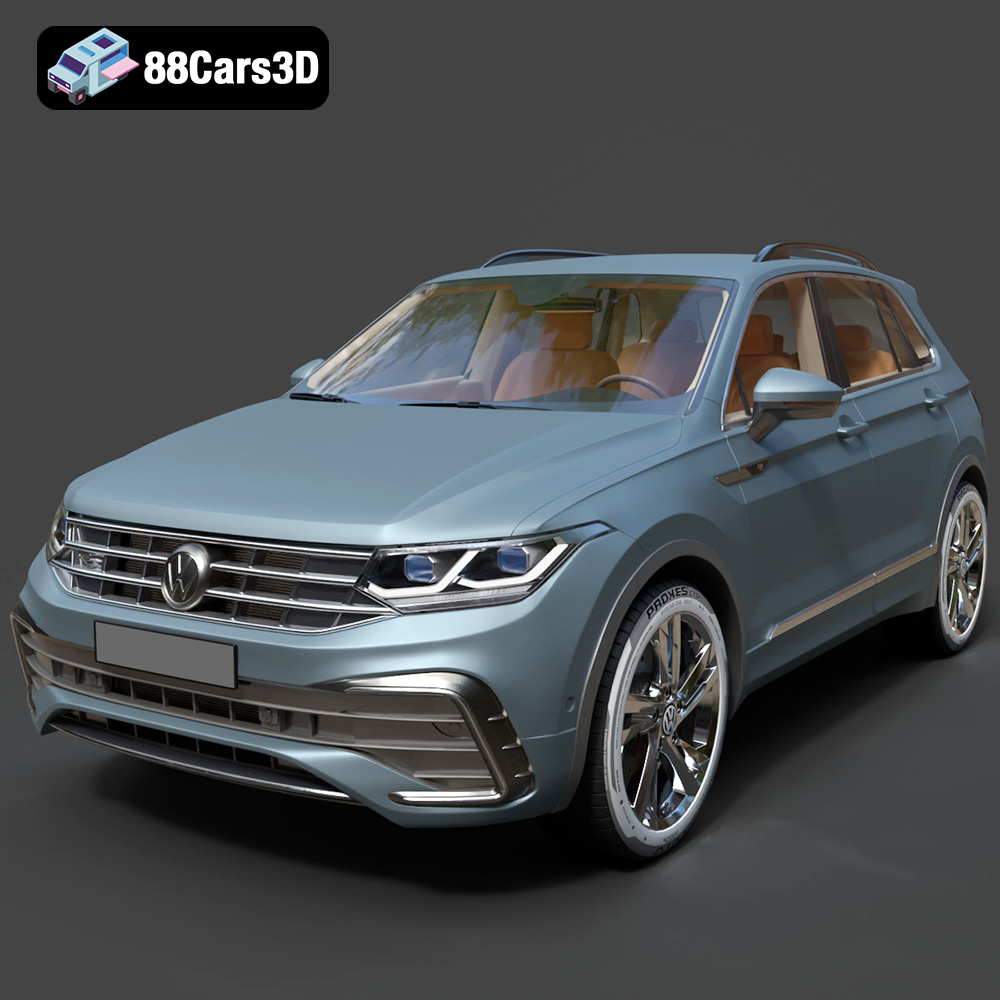
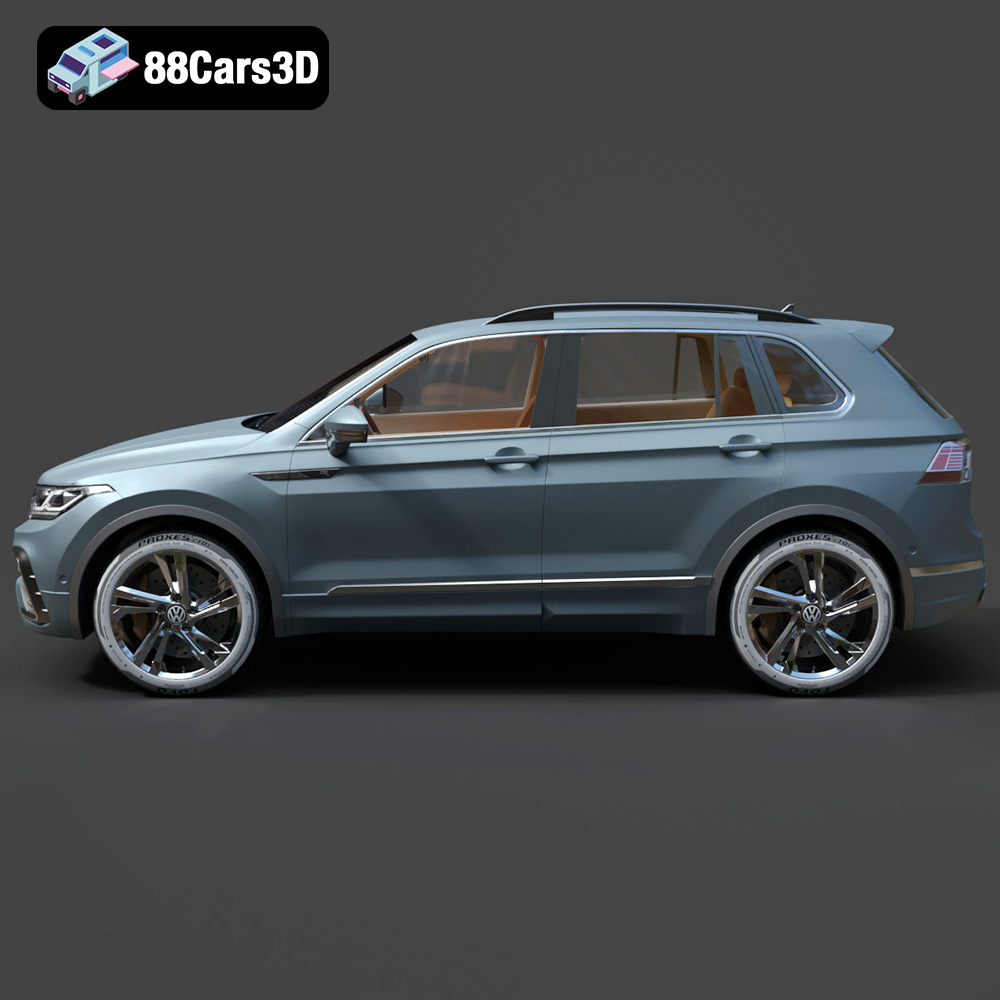
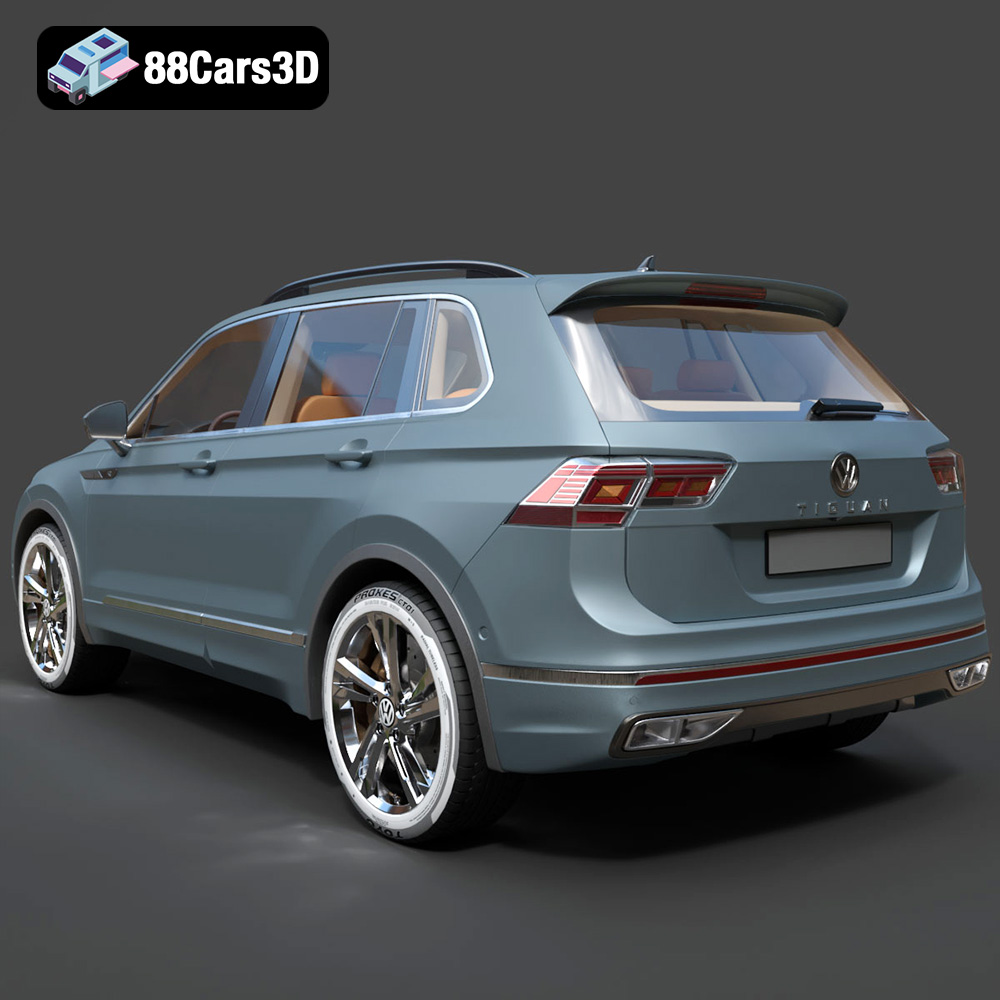
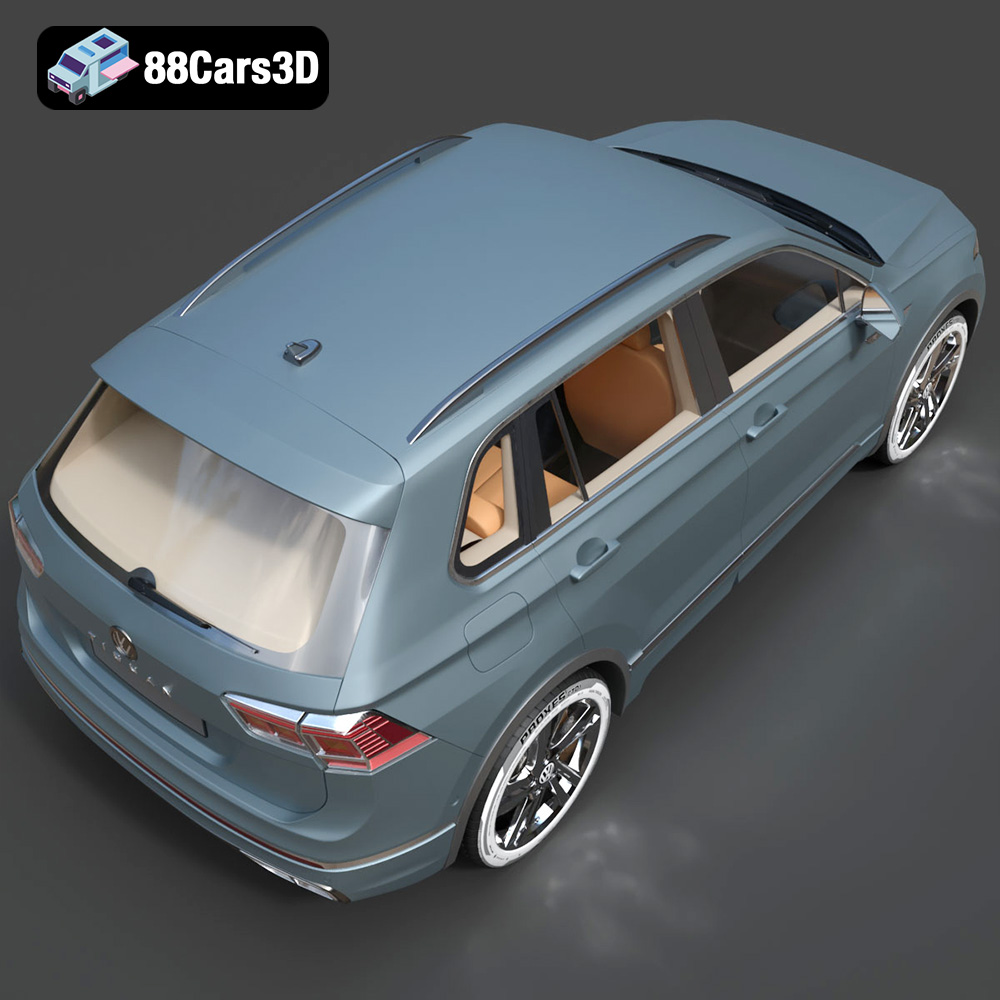
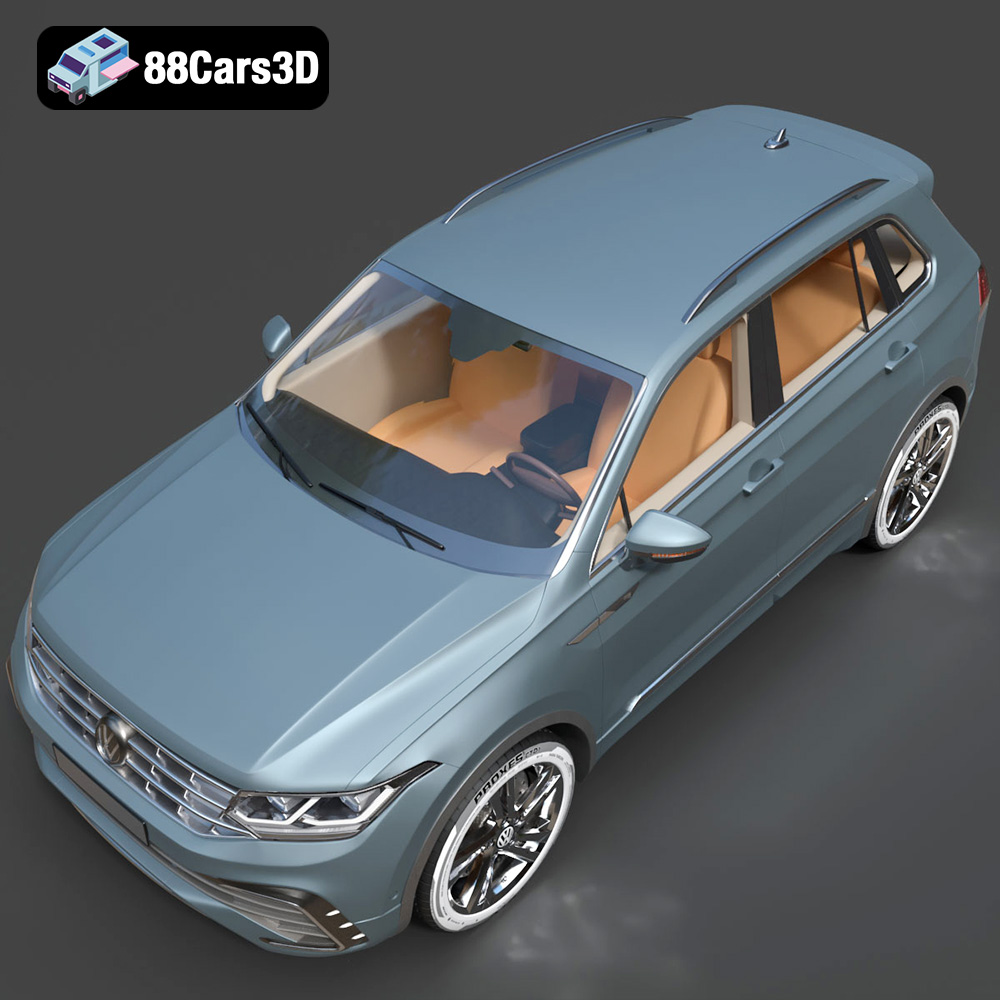
Experience the precision of the Volkswagen Tiguan 2021 3D Model, a realistic digital replica designed to meet professional standards. This model perfectly captures the modern styling, dynamic stance, and sophisticated details of the popular SUV, providing an exceptional asset for a diverse array of digital projects. Engineered with an emphasis on performance and visual fidelity, this 3D vehicle features clean geometry, accurate proportions, and realistic materials. The well-structured topology allows for seamless workflow integration, ensuring outstanding results in both tight studio close-ups and expansive dynamic environments. This versatile model is optimized for demanding applications, making it an excellent choice for game development, cinematic rendering, augmented and virtual reality (AR/VR) experiences, and architectural visualization. The comprehensive package is structured to integrate flawlessly into your preferred professional pipeline. Available file formats include: .blend – Editable Blender file with materials and lighting setup .fbx – Game-engine ready format for Unreal Engine and Unity .obj – Standard 3D model format compatible with all major software .glb – Optimized for AR/VR and web-based visualization .stl – Suitable for 3D printing and prototyping .ply – Detailed polygon mesh for analysis and visualization .unreal – Pre-configured for Unreal Engine use .max – Editable 3ds Max file for rendering and animation Tags: .volkswagen, .tiguan, .suv, .crossover, .car3dmodel, .rendering, .simulation, .gameasset, .arvr, .blend, .fbx, .obj, .glb, .stl, .ply, .unreal, .max Tags: .volkswagen, .tiguan, .suv, .crossover, .car3dmodel, .rendering, .simulation, .gameasset, .arvr, .blend, .fbx, .obj, .glb, .stl, .ply, .unreal, .max
$19.99
.arvr
.blend
.car3dmodel
.crossover
.fbx
.gameasset
.glb
.max
.obj
.ply
.rendering
.simulation
.stl
.tiguan
.unreal
.volkswagen
SUV