Get 50% OFF All Premium 3D & STL Models!

In the demanding world of 3D visualization, the difference between good and exceptional often lies in the fidelity of your assets. For automotive designers, game developers, architectural visualizers, and even hobbyists, access to meticulously crafted 3D car models is paramount. These digital masterpieces are the foundation for everything from photorealistic marketing campaigns to immersive virtual experiences. Today, we’re diving deep into an exemplary asset that embodies this pursuit of perfection: the Harley-Davidson XR1200X 3D Model, a stunning recreation available on 88cars3d.com.
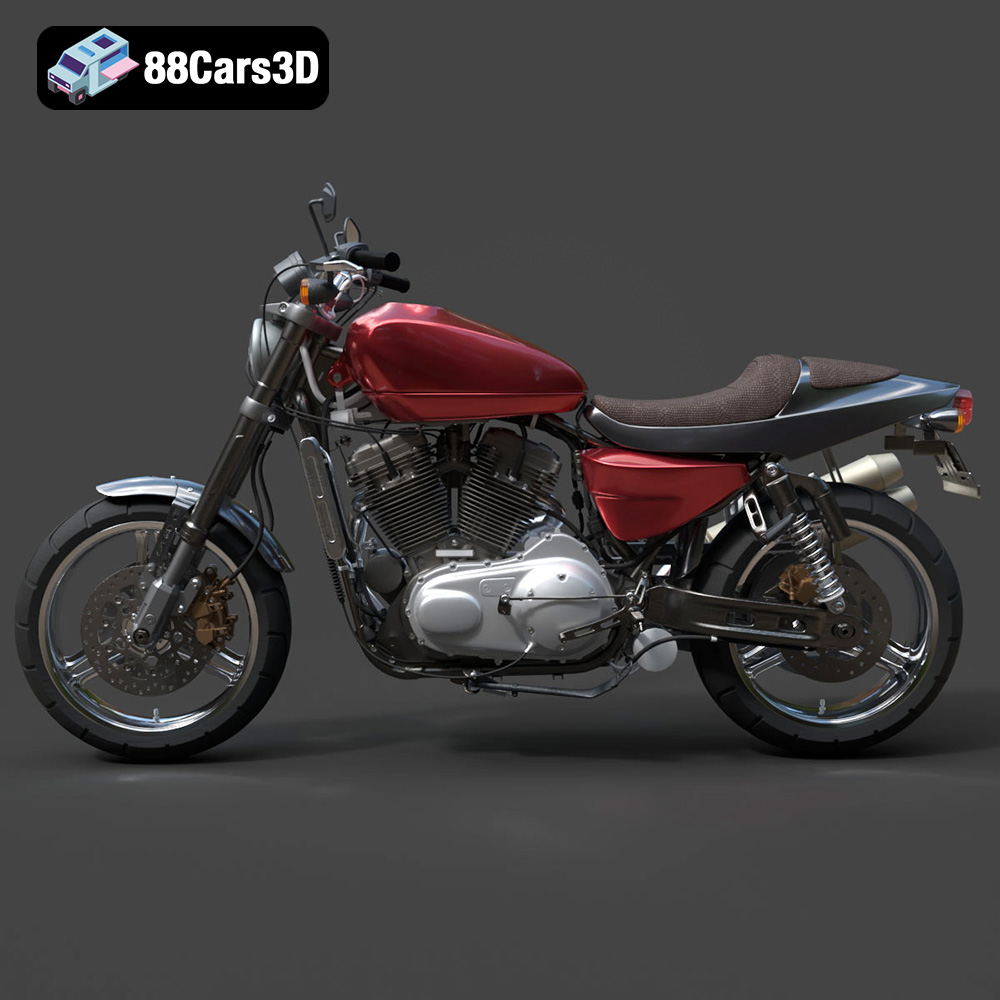
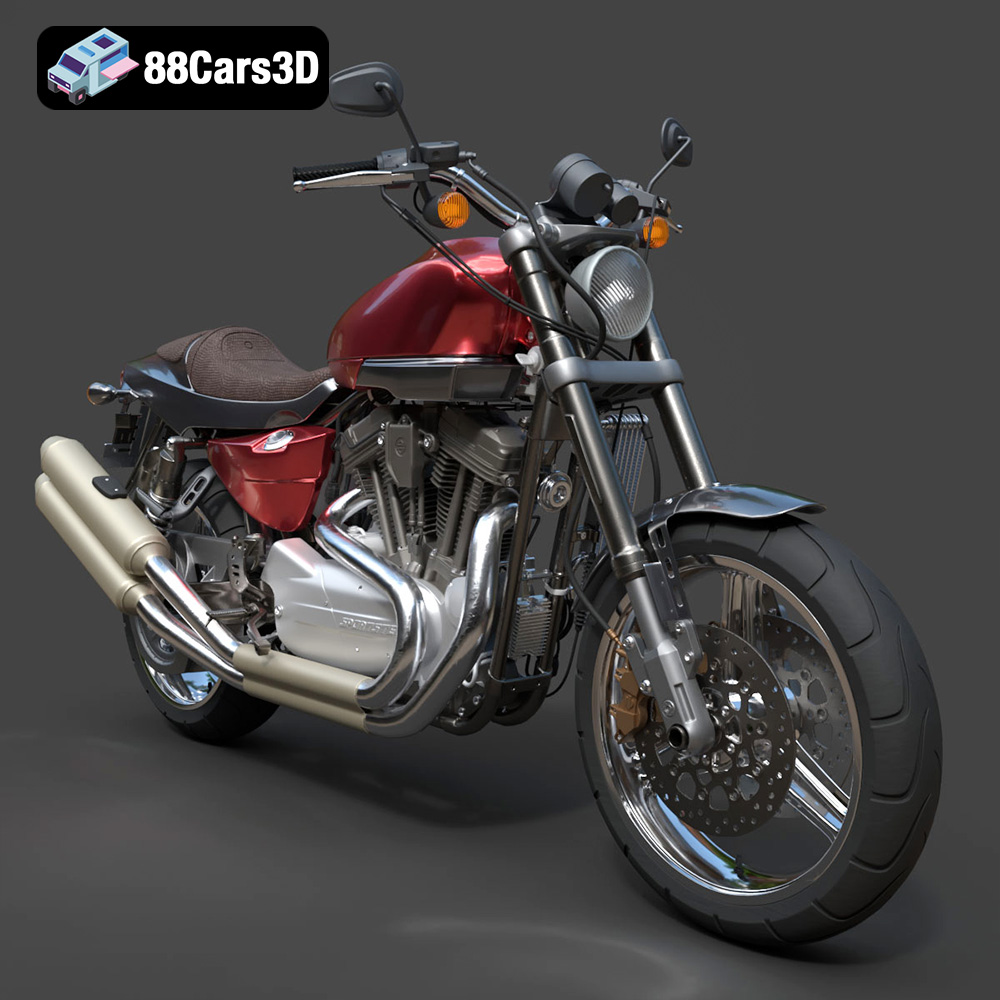
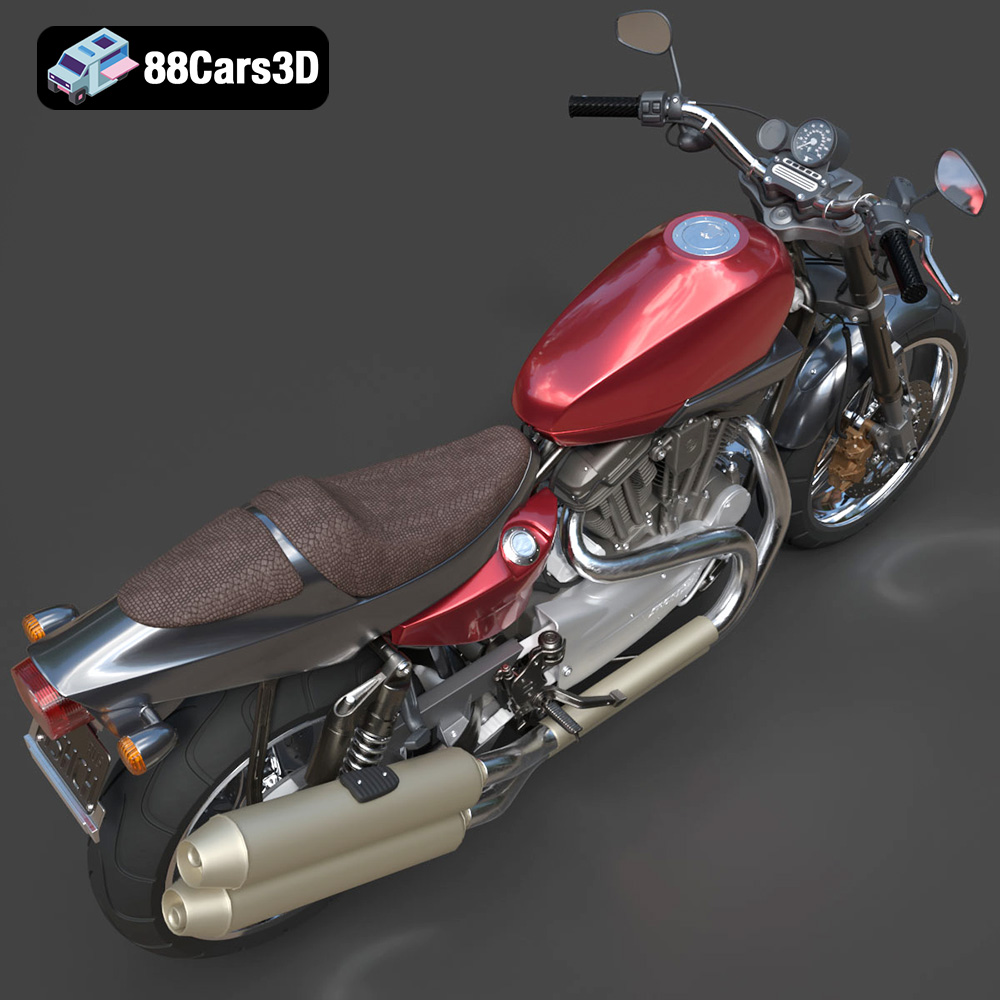
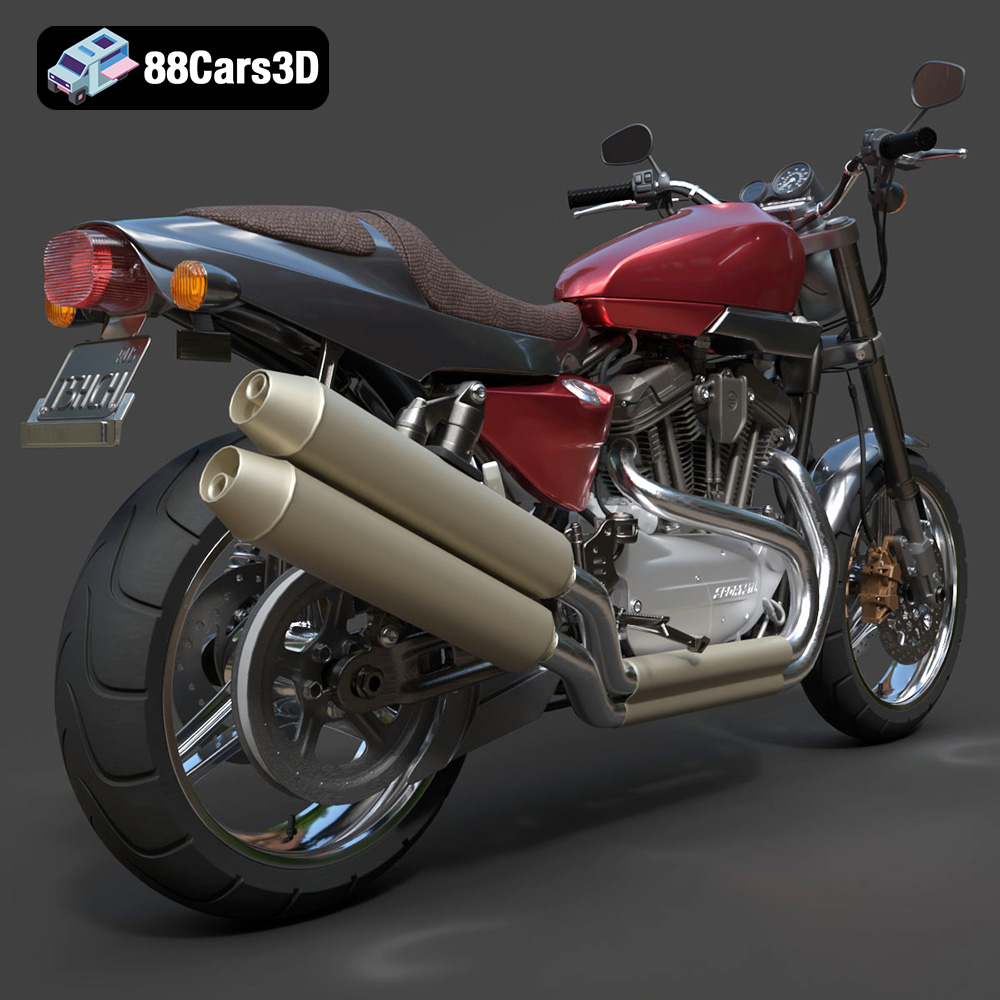
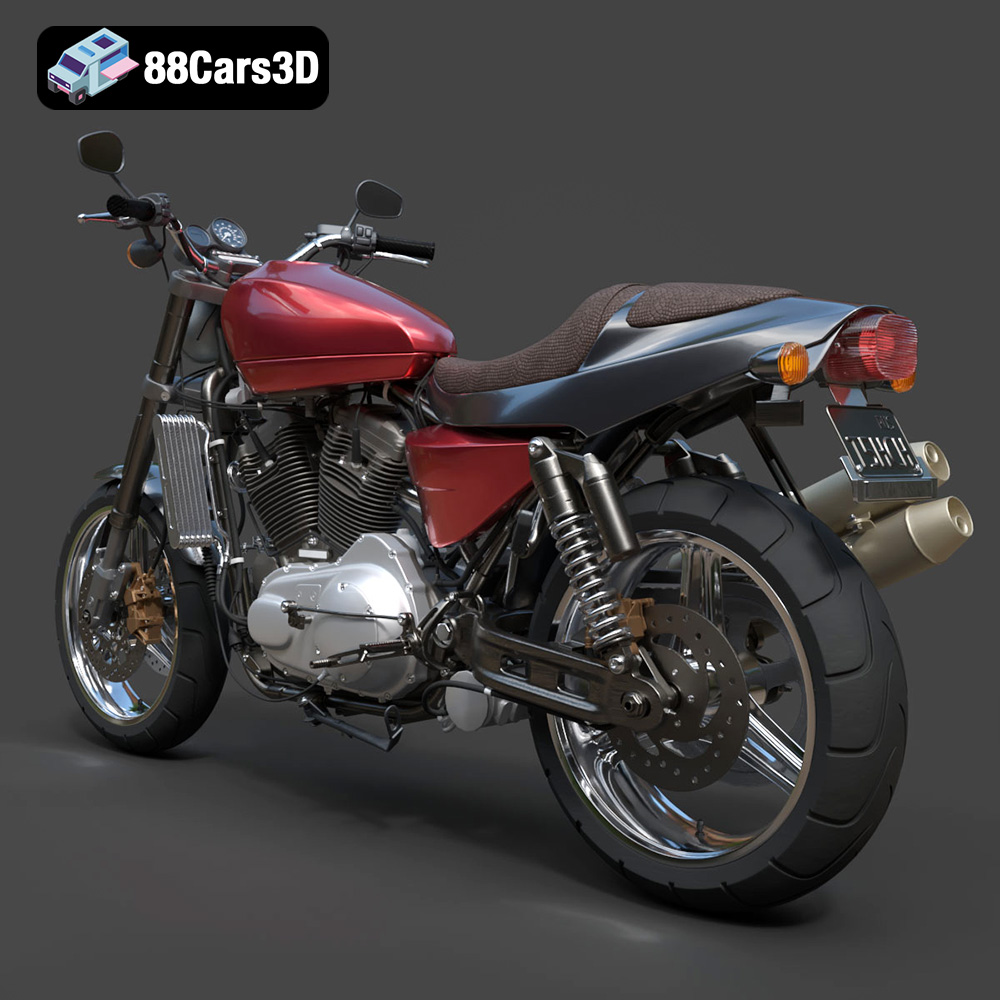
This isn’t just any motorcycle model; it’s a testament to digital craftsmanship, designed to meet the rigorous demands of professional pipelines. Inspired by Harley-Davidson’s legendary XR750 flat-track racing heritage, the XR1200X itself is a performance-focused Sportster, known for its aggressive styling, blacked-out Evolution V-Twin engine, and upgraded Showa suspension. The corresponding 3D model captures every curve, bolt, and texture with an uncompromising approach, making it an invaluable asset for anyone aiming for the pinnacle of automotive rendering, cinematic visualization, or even highly detailed 3D printing.
Creating a truly high-fidelity 3D model of an automotive icon requires more than just artistic flair; it demands a profound understanding of engineering, proportion, and surface detail. Every component, from the engine block’s cooling fins to the intricacies of the suspension system, must be accurately represented to achieve photorealism. The Harley-Davidson XR1200X 3D Model stands out precisely because it embraces this philosophy, delivering a digital twin that mirrors its real-world counterpart with stunning precision.
The XR1200X is a bike with a story, deeply rooted in flat-track racing. Translating this heritage into a 3D model means not just replicating its physical form, but also its character. This model meticulously captures the sport-tuned geometry, the distinctive flat-track style tail section, wide handlebars, and the signature upswept exhaust system. These details aren’t merely decorative; they are integral to the bike’s identity and visual appeal, and their accurate digital representation is crucial for any project that aims to evoke its spirit. From the dual front disc brakes with detailed Nissin calipers to the fully adjustable piggyback rear shocks, every feature tells a story of performance and design.
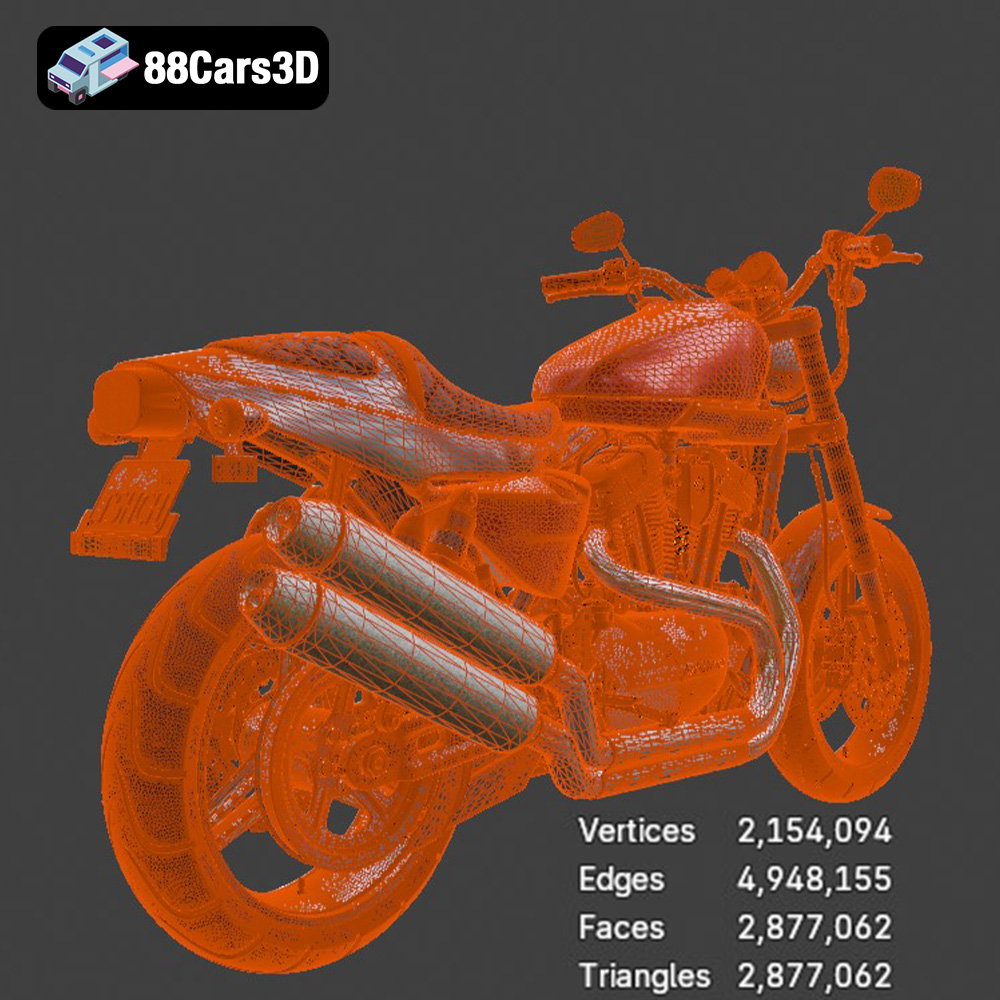
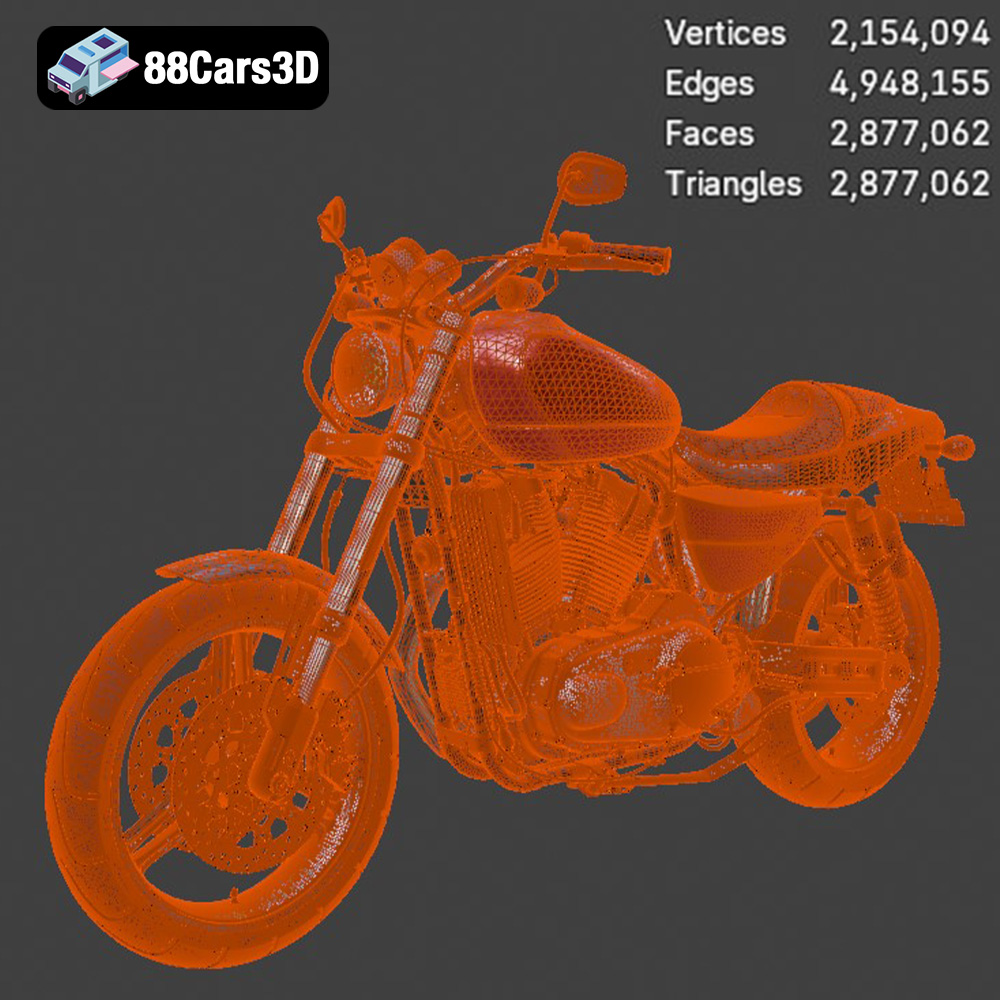
The technical specifications of the Harley-Davidson XR1200X 3D Model reveal its dedication to detail: nearly 2.9 million triangles. This ultra-high-polygon topology is a deliberate choice, ensuring absolute photorealism even in extreme close-up studio rendering and cinematic visualization. While such a poly count might necessitate optimization for real-time game assets, it provides an unparalleled foundation for high-end pre-rendered content. This level of detail allows for intricate light interactions, crisp reflections, and the ability to showcase every subtle imperfection or manufacturing texture, elevating any automotive rendering project to an art form.
When acquiring 3D car models, understanding the various file formats is crucial for seamless integration into your workflow. The Harley-Davidson XR1200X 3D Model from 88cars3d.com comes with a comprehensive suite of formats, each serving distinct purposes and catering to different software environments and project requirements. Knowing which format to use can save immense time and ensure optimal performance and fidelity for your specific application.
The included formats cover a broad spectrum of industry-standard software and use cases:
The inclusion of multiple formats with the Harley-Davidson XR1200X 3D Model underscores its versatility. For purely artistic rendering and animation, .blend or .max provide the most control. For broader compatibility and static display, .obj is a reliable choice. When it comes to interactive experiences and web integration, .glb is the clear winner. And, crucially, for physical manifestation, the .stl format makes this model an incredible base for highly detailed 3D printing projects. This diverse offering ensures that professionals can integrate this high-quality asset into virtually any pipeline with minimal friction.
A high-quality 3D model is only as good as its integration into existing professional workflows. The Harley-Davidson XR1200X 3D Model, with its ultra-high fidelity and diverse file format support, is designed to be a cornerstone asset across various creative industries. Understanding how to leverage its strengths within standard production pipelines is key to maximizing its value.
For artists working on high-end cinematic productions or marketing visualizations, software like 3ds Max and Blender are industry staples. The .max and .blend files included with the Harley-Davidson XR1200X 3D Model provide a ready-to-render foundation. In 3ds Max, artists can easily load the model, which often comes with pre-assigned materials and proper pivot points for animation (e.g., wheel rotation, steering). They can then integrate it into complex scenes, apply advanced V-Ray or Corona Renderer materials, set up sophisticated studio lighting, and render breathtaking photorealistic images or animation sequences. Similarly, Blender users can leverage the native .blend file to explore different camera angles, lighting scenarios, and apply custom Cycles or Eevee shaders to bring the XR1200X to life, showcasing its intricate cooling fins and braided lines with stunning clarity.
While the XR1200X 3D Model is an ultra-high-poly hero asset (nearly 2.9 million triangles), its use in real-time game engines like Unreal Engine and Unity is entirely possible with proper preparation. This typically involves a crucial optimization process. For game development, the raw, high-poly model serves as an excellent source for baking. Artists would perform retopology, creating a much lower-polygon mesh that approximates the original’s shape. Then, normal maps, ambient occlusion maps, and other detail maps would be baked from the high-poly XR1200X onto the low-poly version, preserving the visual fidelity while drastically reducing polygon count. The included .fbx and “unreal” formats are ideal starting points for this process, providing a robust base to build optimized game assets. Proper pivot setups and separate components (wheels, steering) also facilitate easy rigging for drivable vehicles in a game environment, once the necessary optimizations are complete.
Modern automotive rendering relies heavily on Physically Based Rendering (PBR) workflows. The Harley-Davidson XR1200X 3D Model is built to excel in this environment. With its detailed geometry, artists can apply PBR materials that accurately simulate real-world surfaces – from the matte black of the Evolution V-Twin engine to the chrome gleam of the exhaust and the subtle sheen of the paintwork. Using software like Substance Painter or directly within their chosen 3D application, artists can create diffuse, roughness, metallic, normal, and height maps that bring an incredible level of realism. The model’s intricate details, such as the saddle stitching or the texture of the tire tread, become canvases for these advanced materials, ensuring that every render is a visual feast.
Automotive rendering goes beyond mere representation; it’s about storytelling, creating desire, and showcasing design intent. A high-quality asset like the Harley-Davidson XR1200X 3D Model empowers artists to achieve these goals with unparalleled visual impact. Whether it’s for advertising, design reviews, or pure artistic expression, the possibilities are vast.
One of the most common applications for detailed 3D car models is creating premium studio-style renders. Imagine the XR1200X, its blacked-out engine gleaming under carefully controlled studio lights, highlighting the intricate cooling fins and the aggressive lines of its flat-track chassis. With this model, artists can precisely control every aspect of the scene – camera angles, lighting setups, reflections, and even subtle dust or fingerprint layers – to produce marketing-quality imagery that is indistinguishable from real photography. The ultra-high-poly count means there are no shortcuts needed for extreme close-ups on details like the Nissin brake calipers or the Showa suspension components.
Beyond static images, the Harley-Davidson XR1200X 3D Model is built for motion. With separate wheels, steering components, and suspension, it’s primed for animation. Picture the XR1200X leaning into a turn on a dusty flat track, or carving through a scenic canyon road. Animators can rig the model, simulate suspension compression, articulate the steering, and add realistic wheel spin to create dynamic, high-octane sequences. This capability makes it perfect for cinematic productions, product reveal videos, or virtual test drives where every frame demands uncompromising mechanical detail and realistic movement.
Consider a hypothetical project for a motorcycle enthusiast magazine: a virtual recreation of a classic flat-track race. The Harley-Davidson XR1200X 3D Model would be the hero asset. Using a 3ds Max or Blender workflow, artists could place multiple instances of the bike, apply custom liveries (e.g., classic XR Racing Orange), and animate them navigating a dirt oval. The extreme detail would allow for slow-motion replays, showcasing the suspension working, the engine vibrating, and the tires kicking up virtual dust. This kind of project demands an asset that can withstand intense scrutiny and animation, a challenge the XR1200X model is perfectly equipped to meet.
The digital realm often blurs with the physical, and the Harley-Davidson XR1200X 3D Model exemplifies this convergence through its suitability for 3D printing. Transforming a complex digital mesh into a tangible object requires careful consideration, and this model provides an exceptional foundation for creating stunning physical replicas.
For motorcycle hobbyists and collectors, the ability to 3D print a highly detailed scale model of the XR1200X is a game-changer. The .stl format provided is specifically designed for this purpose, representing the model’s geometry in a watertight, print-ready manner. This means you can take the digital blueprint and, with the right printer and settings, produce a physical miniature that captures the essence of the original bike. The model’s ultra-high-poly count translates directly into incredibly fine detail in the print, ensuring that even minute features like the engine cooling fins and suspension springs are preserved, assuming high-resolution resin printing is employed.
To achieve the best results when 3D printing the Harley-Davidson XR1200X 3D Model, specific settings are recommended. For scales like 1:12, 1:10, or 1:8, a layer height of 0.04–0.08 mm is advised, with resin printing strongly recommended to capture the dense engine details. Support structures will be necessary for complex overhangs like the upswept exhaust, handlebars, footpegs, and brake calipers. Post-processing is where the model truly comes to life: careful sanding, priming, and then applying classic Harley-Davidson finishes like Black Denim or White Hot Denim for the bodywork, complemented by matte/satin black for engine components, will yield a museum-quality collectible. The model’s separate components (wheels, exhaust) allow for individual printing and easier assembly and painting.
The beauty of 3D printing from a digital model is the inherent potential for customization. Before printing, you could digitally modify the fuel tank and tail cowl colors, experimenting with classic XR Racing Orange. You could even add custom racing numbers to the flat-track style tail section directly in your 3D software. Post-printing, the possibilities expand further with various paint techniques, weathering effects, or even adding miniature decals, allowing each print to be a unique expression of the builder’s vision. This makes the Harley-Davidson XR1200X 3D Model an incredible base for personalized projects and bespoke collectibles.
In any 3D production pipeline, time is money, and quality is reputation. Investing in high-quality 3D car models like the Harley-Davidson XR1200X 3D Model from 88cars3d.com isn’t just about aesthetics; it’s a strategic decision that impacts efficiency, consistency, and the overall success of your project.
Creating an ultra-high-detail automotive model from scratch is an incredibly time-consuming and specialized task, often requiring hundreds of hours of work by expert modelers. By acquiring a production-ready asset like the XR1200X model, you immediately bypass this intensive phase. The model’s accurate scale, proper pivot setups, and well-organized geometry mean less time spent on foundational setup and more time dedicated to creative aspects like lighting, animation, and scene composition. This translates directly into faster project turnaround times and reduced production costs, making it an economically smart choice for studios and freelancers alike.
A high-fidelity asset is a versatile asset. While the Harley-Davidson XR1200X 3D Model is optimized for rendering and 3D printing, its robust geometric detail ensures it can be adapted for future applications. Should real-time rendering technologies advance, or new optimization techniques emerge, the pristine high-poly base will always provide the necessary detail for retopology and baking, allowing it to be repurposed for cutting-edge game engines or interactive experiences. Investing in such a comprehensive and detailed model ensures its longevity and utility within your digital asset library for years to come.
The world of 3D automotive modeling demands precision, detail, and versatility. The Harley-Davidson XR1200X 3D Model delivers on all fronts, providing an ultra-high-detail digital recreation of an iconic performance motorcycle. Whether your project calls for breathtaking cinematic renders, dynamic animation sequences, or a tangible, highly detailed 3D print, this asset stands ready to elevate your work. Its comprehensive technical specifications, combined with support for various industry-standard file formats (.blend, .fbx, .obj, .glb, .stl, .ply, .unreal, .max), ensure seamless integration into virtually any professional pipeline.
For artists and developers seeking 3D car models that truly push the boundaries of realism and detail, the Harley-Davidson XR1200X 3D Model is an exceptional choice. Explore this model and many other high-quality automotive rendering and game assets by visiting 88cars3d.com today. Unlock the potential for unparalleled visual fidelity in your next project.
The Harley-Davidson XR1200X 3D Model is an ultra-high-detail digital recreation of the American brand’s legendary performance-focused Sportster. Deeply inspired by Harley-Davidson’s dominant XR750 flat-track racing heritage, the XR1200X was built for handling and speed, featuring a blacked-out Evolution V-Twin engine, upgraded Showa suspension, and aggressive dirt-tracker styling. This 3D model meticulously captures the sport-tuned geometry of the original bike, featuring the distinctive flat-track style tail section, wide handlebars, dual front disc brakes, fully adjustable piggyback rear shocks, and the signature upswept exhaust system. Built with an uncompromising, ultra-high-polygon topology (nearly 2.9 million triangles), it delivers absolute photorealism and maximum visual fidelity for extreme close-up studio rendering, cinematic automotive visualization, and high-end 3D printing.
$9.99
.blend
.fbx
.obj
.rendering
.stl
.xr1200x
2m-polygons
3d printing
evolution-engine
flat-tracker
harley-davidson
hero-asset
high poly
motorcycle-3d-model
sportster
xr1200