Get 50% OFF All Premium 3D & STL Models!

In the dynamic worlds of automotive design, architectural visualization (ArchViz), and interactive media, the quality and optimization of 3D models are paramount. A meticulously crafted 3D vehicle model isn’t just a static representation; it’s a versatile asset capable of breathing life into a sprawling urban scene, enhancing the realism of a game environment, or serving as the foundation for an immersive AR/VR experience. The demand for highly detailed yet efficiently structured 3D car models continues to grow, as professionals seek to balance visual fidelity with performance across diverse platforms.
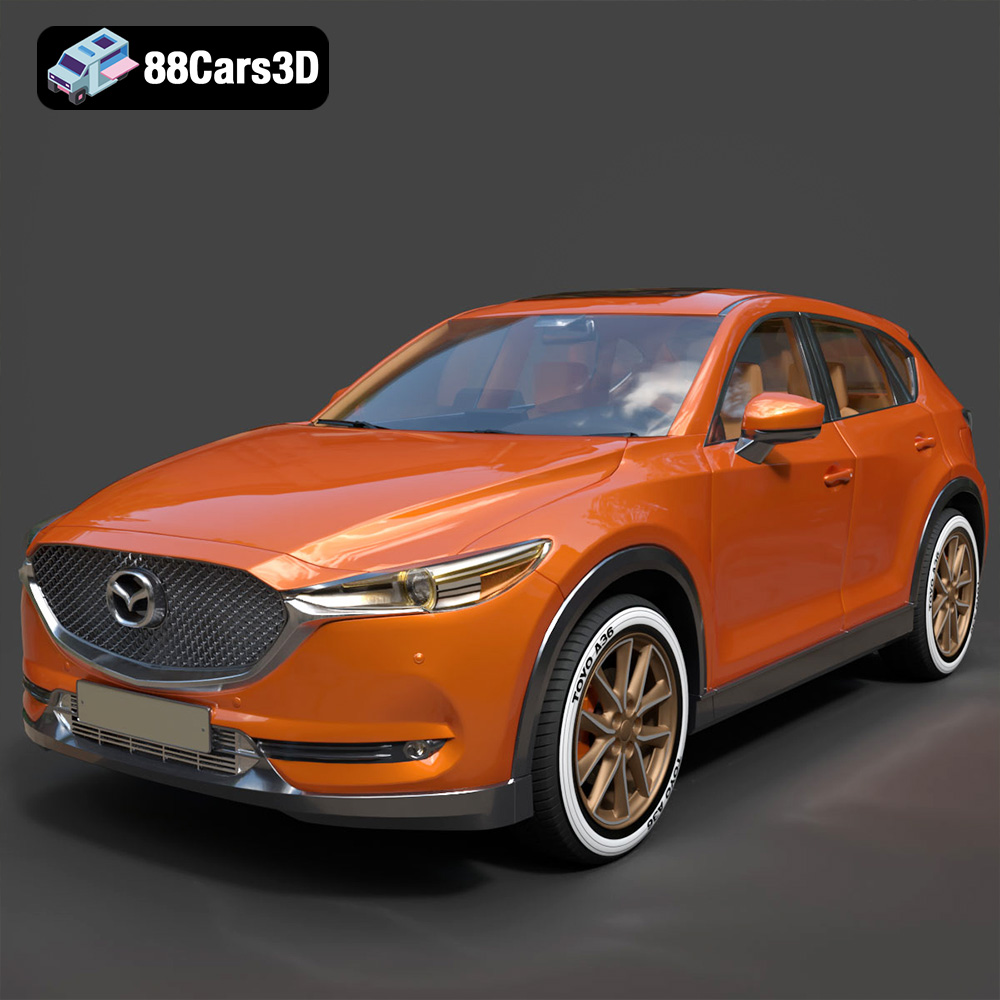
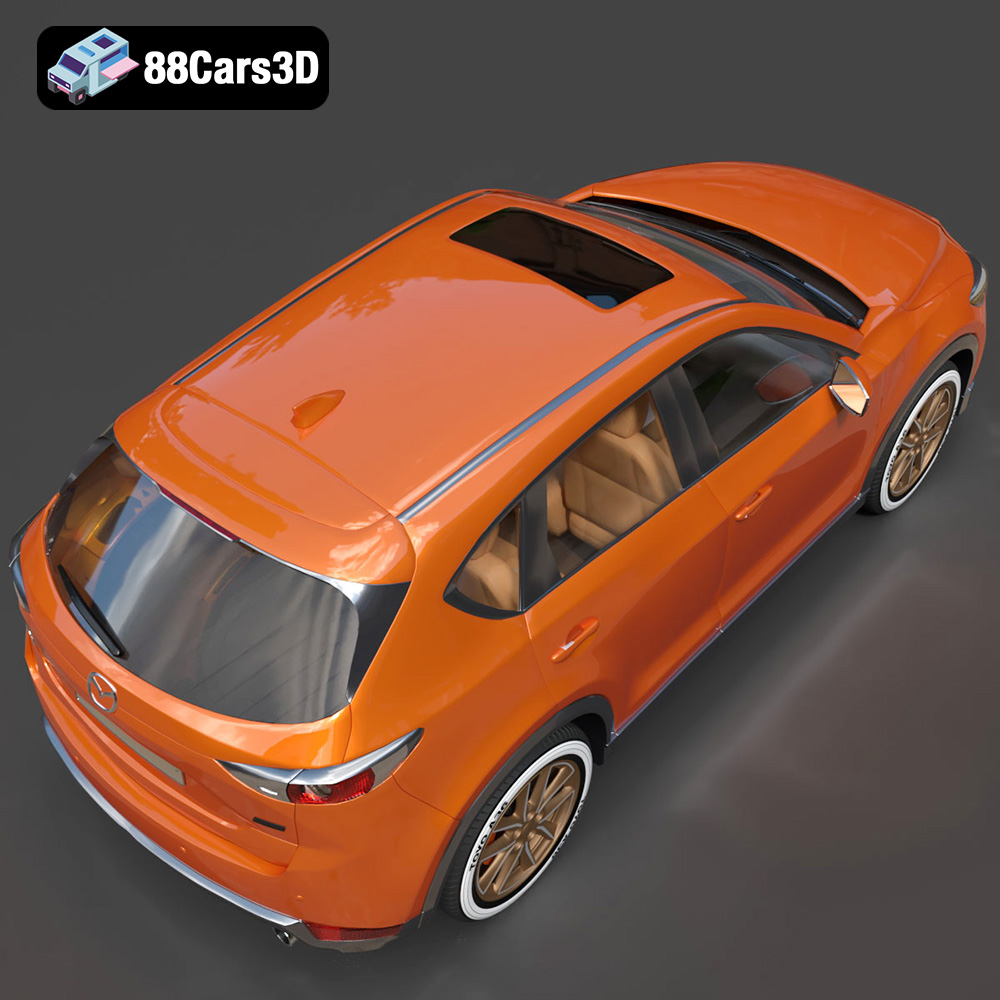
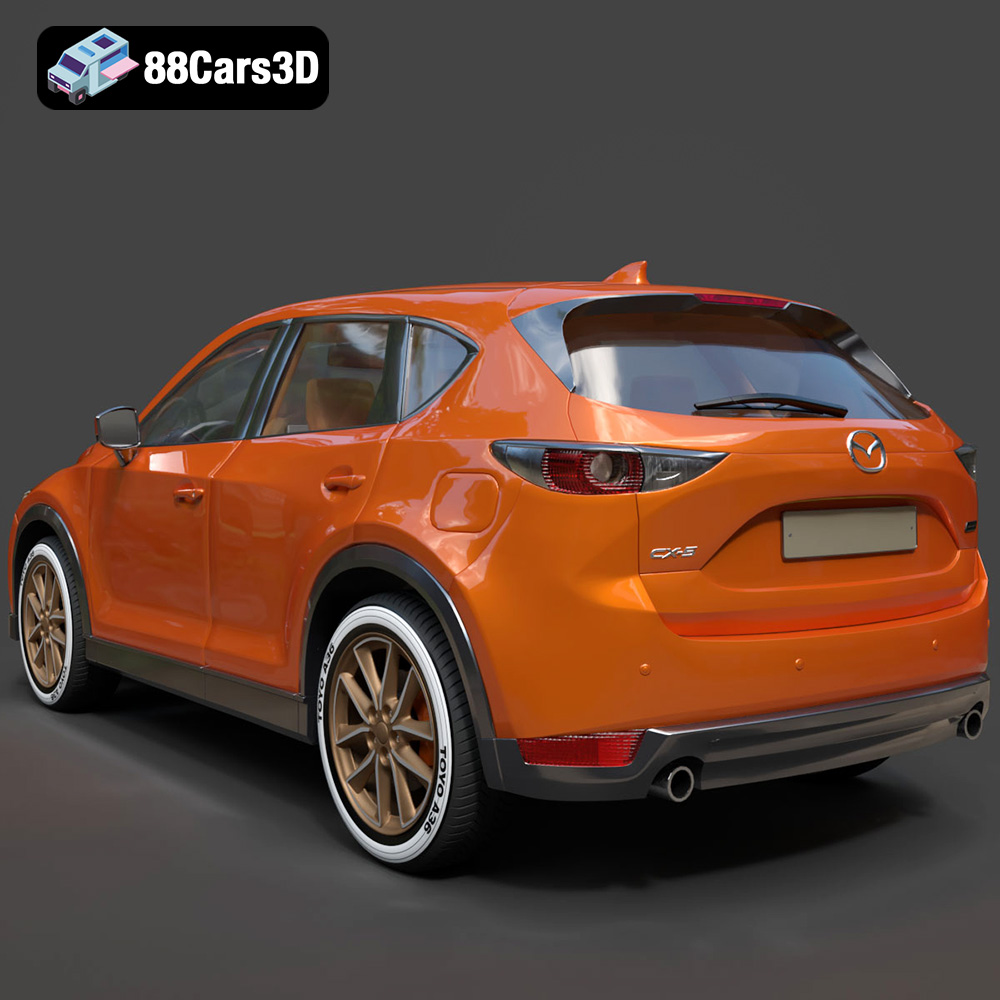
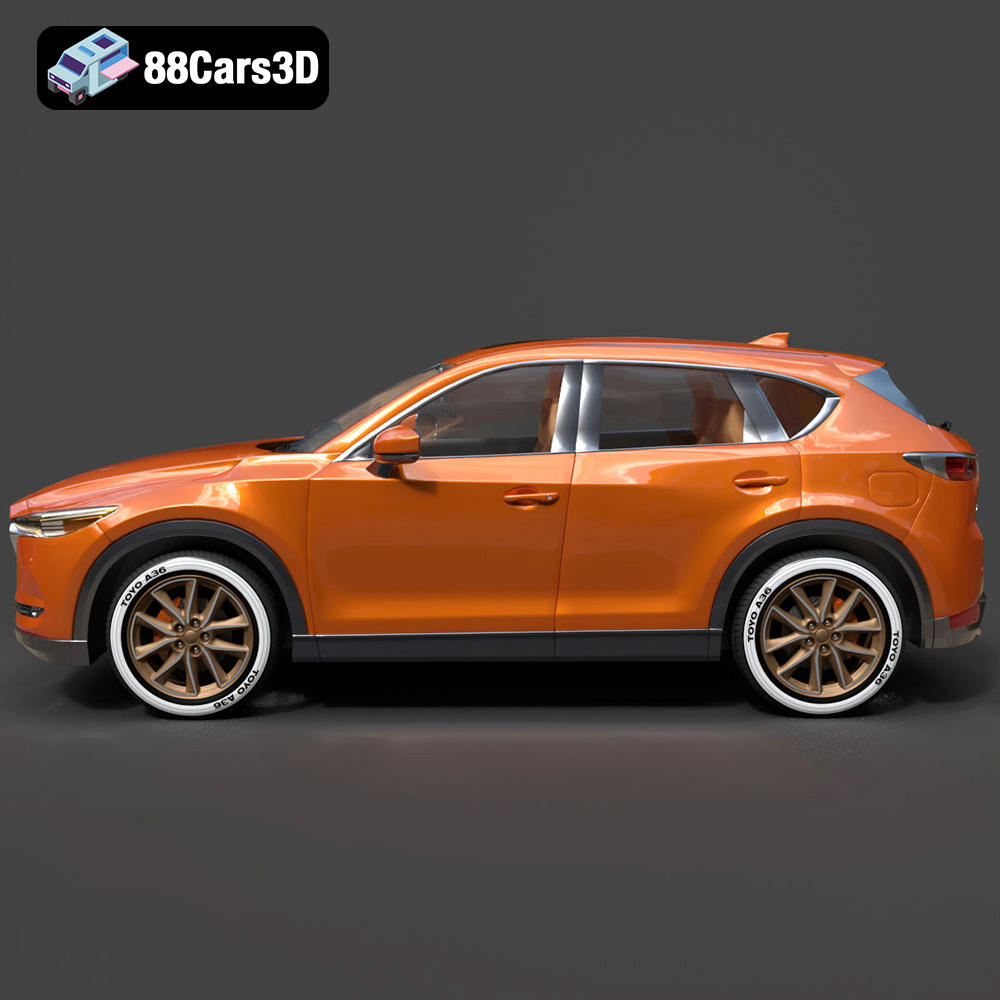
Today, we’re delving into how such models are engineered and utilized, focusing on an exemplary asset that truly embodies this balance: the Mazda CX5_2014 3D Model. This digital recreation of Mazda’s first-generation compact crossover, renowned for its “Kodo: Soul of Motion” design language, offers a perfect case study for understanding the technical intricacies and broad applications of professional-grade automotive 3D assets. From its clean topology to its comprehensive file format support, this model from 88cars3d.com demonstrates the meticulous attention to detail required to meet the rigorous demands of various creative and technical industries.
When working with 3D models, especially complex automotive assets, selecting the correct file format is a critical decision that impacts workflow efficiency, compatibility, and the ultimate quality of your output. Each format is designed with specific use cases and technical considerations in mind, making an understanding of their strengths and weaknesses essential for any 3D professional. The Mazda CX5_2014 model, for instance, comes equipped with a comprehensive suite of file formats, ensuring maximum flexibility across virtually any project or software.
The .blend format is native to Blender, the powerful open-source 3D creation suite. When you download a .blend file, you’re getting a complete Blender scene, often including not just the model geometry, but also materials, textures, lighting setups, cameras, and even animations. This makes it incredibly convenient for Blender users, as everything is ready to go out of the box. For the Mazda CX5_2014, the .blend file would provide a fully editable scene where artists can easily tweak materials, modify lighting, or even adjust the model’s structure using Blender’s robust toolset.
.fbx (Filmbox) is arguably the most widely adopted interchange format in the 3D industry. Developed by Autodesk, it excels at transferring complex scenes, including geometry, UVs, textures, skeletal animation, and PBR (Physically Based Rendering) materials, between different software packages. It is the go-to format for game development, making it ideal for integration into real-time engines like Unreal Engine and Unity. Its ability to carry animation data reliably is a key reason for its dominance. For game assets like the Mazda CX5_2014, an .fbx file ensures that separate components like wheels and doors, along with their pivot points, are properly recognized for rigging and animation.
The .obj (Wavefront OBJ) format is a foundational, universal format primarily used for exchanging 3D geometry data. While it can store vertex positions, UV coordinates, and normals, it’s generally less robust with materials and animation compared to .fbx. However, its simplicity and wide support make it an excellent choice for cross-software compatibility, especially when you primarily need the mesh data. The Mazda CX5_2014’s .obj version provides a clean, raw mesh that can be imported into almost any 3D application for further processing.
.glb (GL Transmission Format Binary) is a relatively newer format designed for efficient transmission and loading of 3D scenes and models in web, augmented reality (AR), and virtual reality (VR) environments. It’s a “single-file” format that embeds all necessary data – geometry, materials, textures, and even animations – making it incredibly lightweight and easy to deploy. For interactive digital showrooms or AR applications featuring the Mazda CX5_2014, the .glb format offers optimal performance and ease of use.
.stl (Stereolithography) is synonymous with 3D printing. This format represents a 3D model as a series of connected triangles, defining only the surface geometry. It does not carry color, texture, or material information. When preparing the Mazda CX5_2014 for physical production, such as creating a display-scale model, converting it to .stl is the necessary step. It enables specialized slicing software to prepare the model for additive manufacturing, detailing parameters like layer height and support structures.
The .ply (Polygon File Format) is often associated with 3D scanning and precise mesh data. It supports properties like color per vertex, transparency, and sometimes even normal information. While less common for manually created 3D car models, its inclusion ensures that the Mazda CX5_2014 can be utilized in workflows that demand high-fidelity mesh information, such as CAD analysis or certain simulation environments, where geometric precision is paramount.
The inclusion of an .unreal file (or specific Unreal Engine-ready asset package) signifies that the model has been optimized and pre-configured for direct use within Unreal Engine. This often means that materials are set up, textures are linked, and the asset is structured to take advantage of Unreal’s rendering capabilities. For the Mazda CX5_2014, this means game developers can drop the model directly into their projects, saving significant time on asset preparation and integration.
Finally, the .max format is the native file type for Autodesk 3ds Max. Similar to .blend for Blender, it contains the complete 3ds Max scene, including all modifiers, lights, cameras, and animation data. Professionals working within the 3ds Max ecosystem will find this invaluable for deep customization, complex scene assembly, and leveraging renderers like V-Ray or Corona to achieve photorealistic results with the Mazda CX5_2014.
The availability of the Mazda CX5_2014 in such a diverse range of formats on 88cars3d.com underscores its adaptability, allowing users to select the optimal format for their specific software and project requirements.
Automotive rendering is a specialized field where the interplay of light, materials, and form creates stunningly lifelike images. A high-quality 3D car model, such as the Mazda CX5_2014, provides the perfect canvas for artists to craft photorealistic scenes, from glossy studio shots to dynamic streetscapes.
For architectural visualization, adding realistic vehicles is crucial for grounding a scene in reality and conveying scale and context. The Mazda CX5_2014’s “everyday premium” appeal makes it an ideal choice for populating suburban street scenes or commercial parking lots within an ArchViz project. Achieving photorealism relies heavily on Physically Based Rendering (PBR) materials, which accurately simulate how light interacts with surfaces. The CX5_2014’s clean, quad-based topology and real-world scale are fundamental to this process. Artists can apply realistic shaders, like a deep “Soul Red Metallic” paint, to showcase the vehicle’s dynamic “Kodo” design lines under various lighting conditions. High Dynamic Range Images (HDRIs) are often used to provide natural environmental lighting and reflections, making the car appear seamlessly integrated into its virtual surroundings.
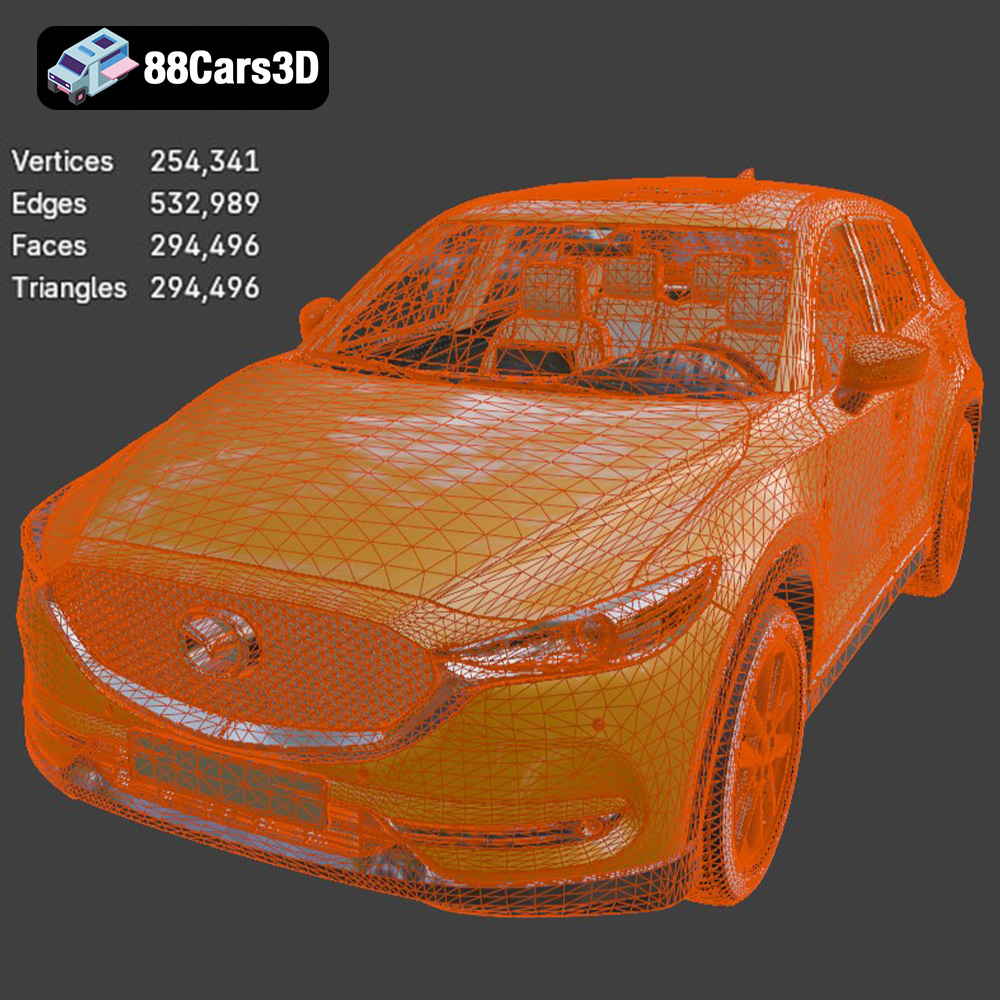
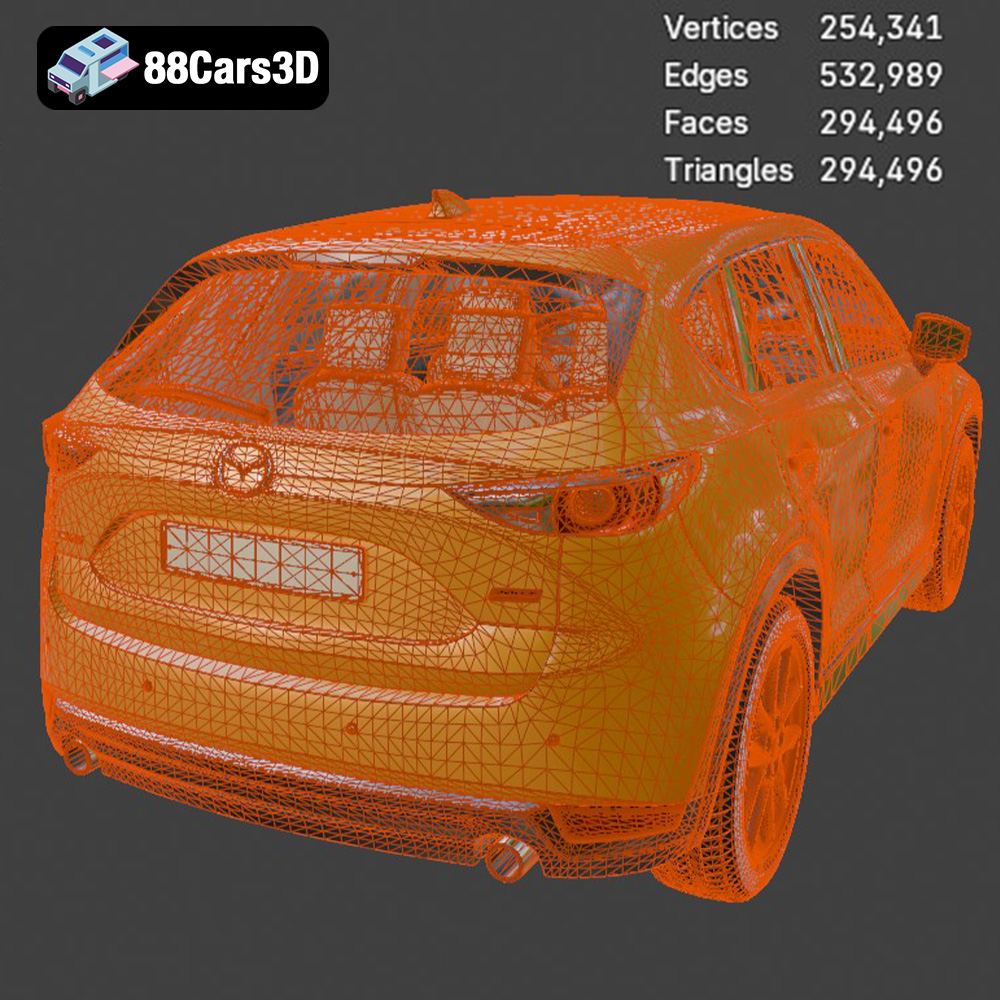
Professionals utilizing 3ds Max or Blender can integrate the Mazda CX5_2014 model into their pipelines with ease. For 3ds Max users, the native .max file provides a complete scene, ready for rendering with engines like V-Ray or Corona. This allows for immediate manipulation of materials, camera angles, and lighting setups to achieve desired aesthetic outcomes. The model’s optimized topology, with just under 295k triangles, means that rendering complex scenes with multiple vehicles or intricate environments remains efficient, avoiding excessive memory usage and lengthy render times. Similarly, Blender users can leverage the .blend file, tapping into Cycles or Eevee renderers. The clean mesh facilitates the creation of complex materials, such as car paint with clear coat effects, realistic glass, and intricate tire textures. The model’s separate components (wheels, doors, steering) also mean artists can quickly set up simple animations or modify the car’s state within the scene, such as an open door in an ArchViz walkthrough.
In the world of game development, performance is just as critical as visual quality. Game assets must be meticulously optimized to ensure smooth frame rates, especially in open-world environments and simulations. The Mazda CX5_2014 model is built with these stringent requirements in mind, making it a stellar asset for real-time applications.
The “mid-polygon” nature of the Mazda CX5_2014 model, boasting approximately 294,496 triangles, strikes an excellent balance for game development. This poly count is high enough to maintain crisp visual fidelity, capturing the nuanced curves of the “Kodo” design, while being efficient enough to avoid overburdening game engines like Unreal Engine and Unity. When developing open-world games or traffic simulations, models like the CX5_2014 are ideal for populating dense scenes without causing performance bottlenecks from excessive draw calls. The inclusion of .fbx and .unreal formats further streamlines integration. The .fbx format ensures that the model’s clean mesh, UVs, and potential material slots transfer seamlessly, while the .unreal asset provides an engine-ready package, potentially including pre-configured materials and collision meshes, accelerating development significantly. This optimization is crucial for maintaining smooth gameplay, whether the CX5_2014 is a drivable hero vehicle or a background traffic asset.
For any interactive vehicle in a game, proper rigging and animation are essential. The Mazda CX5_2014 model is thoughtfully designed with separate components such as wheels, steering parts, and doors. This modularity is a massive advantage for game developers. With distinct parts, artists can easily rig the vehicle for realistic suspension, steering, and door open/close animations. The proper pivot setup for wheel rotation and steering ensures that the vehicle behaves authentically within the game engine’s physics system. This attention to detail allows for the creation of engaging driving mechanics, realistic vehicle damage systems, or dynamic cutscenes. Whether it’s a casual driving simulator, a detailed delivery game, or a bustling urban environment, the CX5_2014 provides a robust foundation for interactive automotive experiences.
The utility of a high-quality 3D car model extends far beyond traditional rendering and game development. The Mazda CX5_2014 demonstrates its versatility in emerging technologies and niche applications, proving the value of well-constructed digital assets.
Augmented Reality (AR) and Virtual Reality (VR) platforms are increasingly popular for interactive showrooms, virtual tours, and experiential marketing. The Mazda CX5_2014, with its optimized geometry and support for formats like .glb, is perfectly suited for these immersive applications. Its lightweight nature ensures that it loads quickly and performs smoothly even on mobile AR devices or less powerful VR headsets. Imagine an interactive digital showroom where potential buyers can explore the CX-5 from every angle, customize its paint color, or even “sit inside” the authentic, driver-focused cabin in a VR experience. For urban planners, the model can be integrated into VR city simulations to visualize traffic flow or contextualize new developments. The clean interior geometry, optimized to look great from the exterior or in VR without bloating the poly count, is a testament to its AR/VR readiness.
For hobbyists, designers, or educators, 3D printing offers a tangible connection to digital models. The Mazda CX5_2014 is convertible to the .stl format, making it suitable for 3D printing. This allows enthusiasts to create physical display-scale models, akin to modern diecast collectibles. The product description provides specific 3D print settings, which are crucial for a successful print. For instance, recommending resin printing for smaller scales and intricate details like the grille mesh and wipers ensures higher fidelity. Details like recommended layer height (0.04–0.12 mm) and wall thickness (1.2–2.0 mm) guide users to achieve robust and detailed prints. Furthermore, suggestions for supports (side mirrors, wheel arches, rear roof spoiler) and print orientation (body angled, wheels separately) are invaluable for minimizing print failures and maximizing surface quality. Post-processing steps, such as sanding, priming, and applying Mazda’s iconic “Soul Red Metallic” or “Crystal White Pearl” paint, are also outlined, guiding users toward a professional-looking finished product.
A great 3D model provides a solid foundation, but its true potential often lies in the ability to customize and enhance it to fit specific project needs. The Mazda CX5_2014 offers numerous avenues for creative modifications and scene integration.
One of the most immediate ways to customize the Mazda CX5_2014 is through its aesthetic. Applying the signature deep, candy-apple “Soul Red” paint shader is an excellent way to make the dynamic “Kodo” design lines pop in a render. Alternatively, a classic Crystal White Pearl can give the vehicle a different character. Beyond paint, the model provides a canvas for personalization. Artists can add aftermarket roof racks, a cargo box, or a bike mount to give the CX-5 a lifestyle or adventure-oriented feel, perfect for a render depicting an outdoor scene. Modifying the wheel setup, swapping the standard factory alloy wheels for rugged all-terrain wheels, can dramatically alter the vehicle’s personality and suitability for different environments. Furthermore, adapting the lighting for sunny suburban driveways or moody, rain-slicked nighttime city streets allows the model to convey a wide range of narratives and atmospheres, making it incredibly versatile for any visualization project.
To truly push the realism of the Mazda CX5_2014, artists can employ advanced techniques beyond basic material application. Leveraging the clean, optimized topology, one could add subtle imperfections like dust, dirt, or water droplets using texture overlays or procedural shaders, enhancing its integration into a real-world environment. Post-processing in image editing software like Photoshop can further refine renders, adding depth of field, color grading, and subtle atmospheric effects. For those working in Unreal Engine or Unity, creating dynamic weather systems or interactive elements around the vehicle can elevate the scene. The model’s excellent structure also means that if a project demands even higher polygon detail for extreme close-ups, subdivision surface modifiers can be applied effectively without introducing artifacts, thanks to its quad-based mesh. This combination of robust base model and flexible customization options makes the CX5_2014 an invaluable asset for any professional aiming for unparalleled realism and creative control.
The journey through the capabilities and applications of a professional 3D car model like the Mazda CX5_2014 underscores its critical role in modern digital design and visualization. From its meticulously recreated “Kodo” design to its highly optimized mid-polygon topology, this asset serves as a benchmark for versatility and technical excellence. Whether you are an ArchViz artist striving for photorealistic renders of suburban street scenes, a game developer crafting immersive open worlds with dynamic traffic, an AR/VR innovator building interactive experiences, or a hobbyist seeking to bring digital designs to life through 3D printing, the Mazda CX5_2014 delivers.
Its comprehensive file format support ensures seamless integration across a multitude of software and platforms, while its thoughtful construction allows for easy customization and robust performance. This model is a testament to the fact that high-quality 3D car models are not just static objects, but dynamic tools that empower creators to realize their visions with efficiency and stunning realism. Explore this exceptional model and many others at 88cars3d.com, your destination for premium 3D car models engineered to elevate your projects.
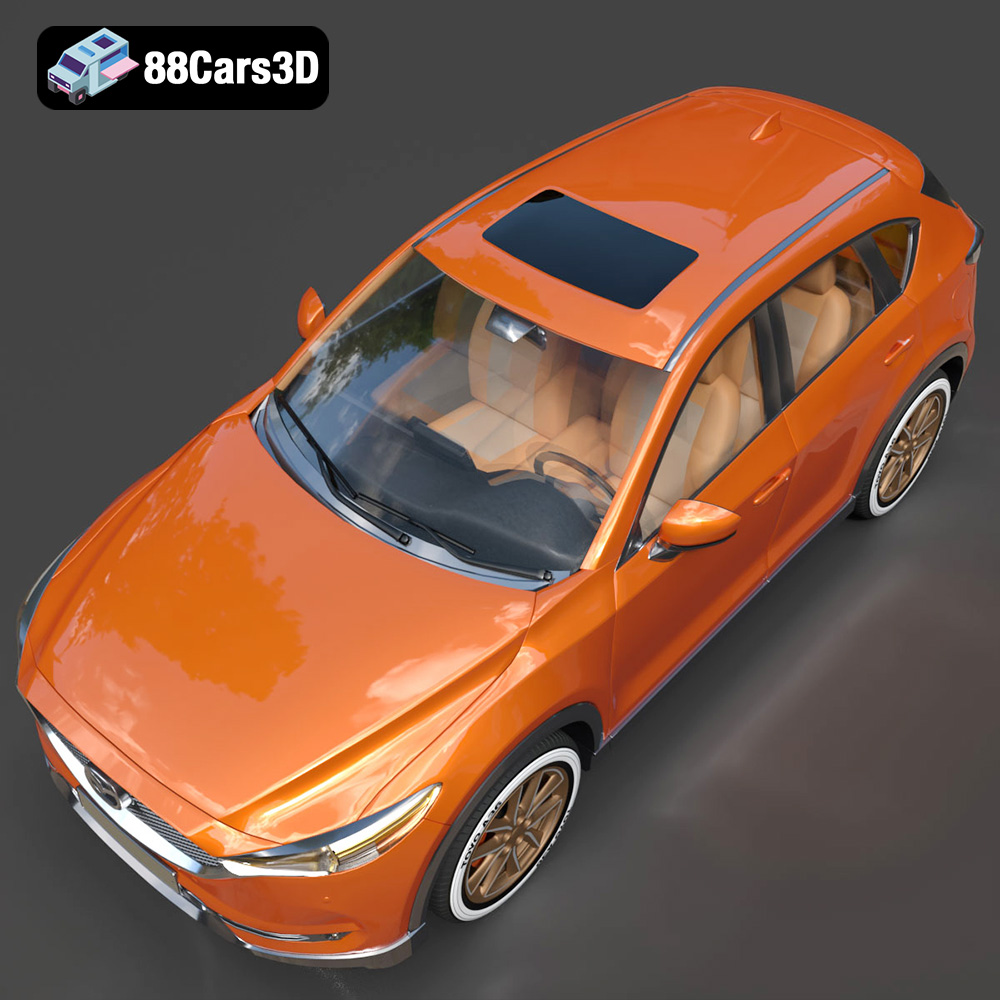
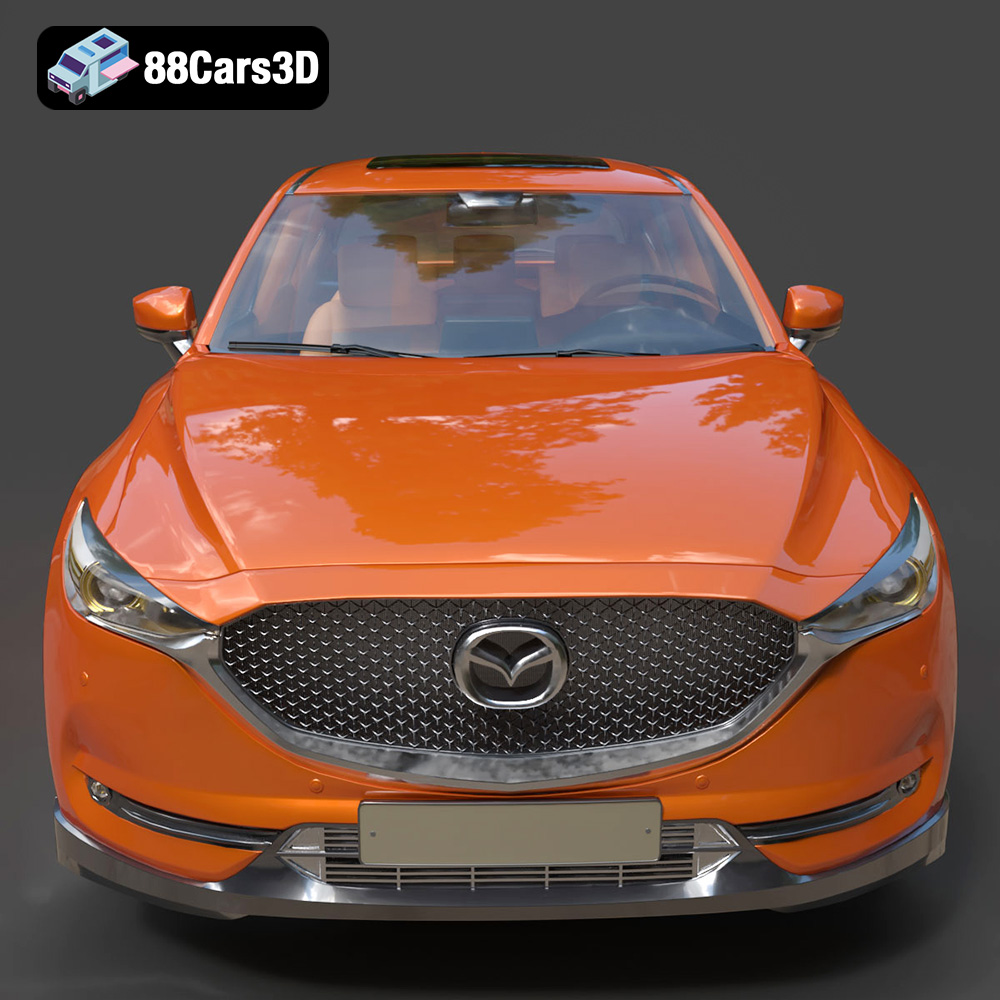
The Mazda CX-5 (2014) 3D Model is a highly accurate, beautifully optimized digital recreation of the acclaimed compact crossover SUV. As the first Mazda vehicle to fully embody the striking “Kodo: Soul of Motion” design language and feature the full suite of Skyactiv technologies, the 2014 CX-5 boasts a dynamic, athletic stance that stands out from standard commuter SUVs. This 3D model perfectly captures the sweeping, muscular lines of the first-generation CX-5. It features the signature five-point front grille, sleek swept-back headlight housings, sporty dual exhausts, and an aerodynamic profile. Built with an incredibly clean and highly efficient mid-polygon topology (just under 295k triangles), it strikes the ultimate balance between crisp visual fidelity for ArchViz renders and lightweight performance for real-time game engines. Perfect for populating modern suburban street scenes, architectural visualizations, urban traffic simulations, and mobile or PC game development.
$19.99
.archviz
.blend
.crossover
.cx5
.fbx
.mazda
.obj
.rendering
2014-mazda
car-3d-model
cx-5
game-ready
kodo-design
mazda-cx5
mid-poly
SUV
traffic-car