Get 50% OFF All Premium 3D & STL Models!

In the dynamic world of digital content creation, the demand for high-fidelity 3D assets continues to surge across diverse industries. From hyper-realistic automotive rendering and immersive game development to cutting-edge AR/VR experiences and precise industrial simulations, the quality of a 3D model can significantly impact the final output. Creating these complex models from scratch, especially intricate vehicles, is a monumental task requiring hundreds of hours of expert craftsmanship.
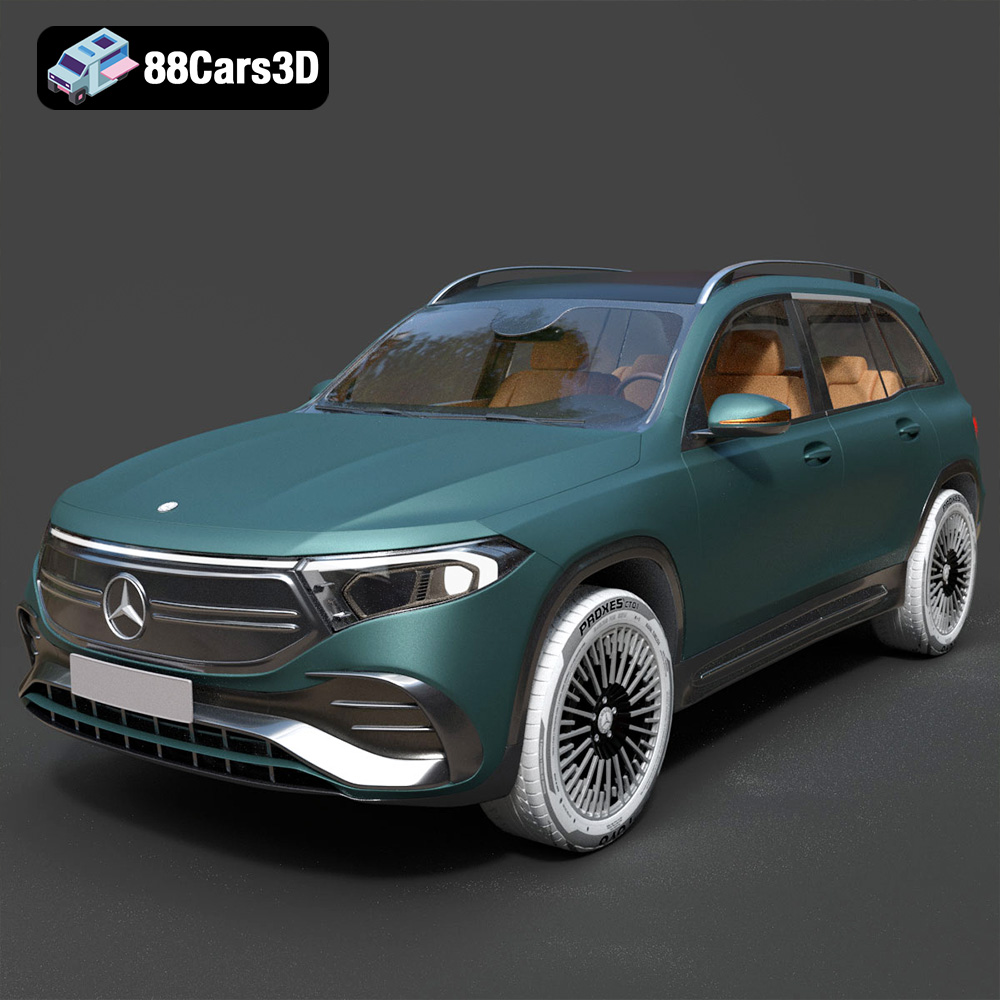
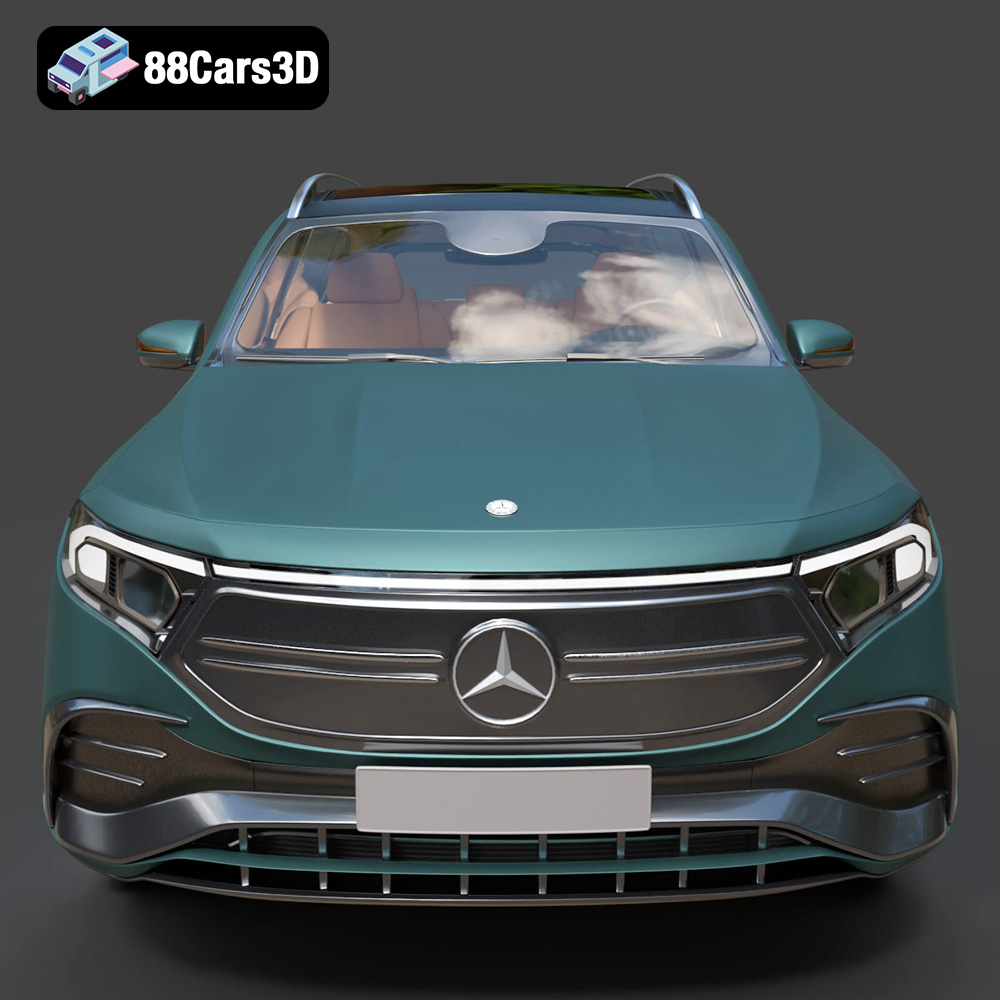
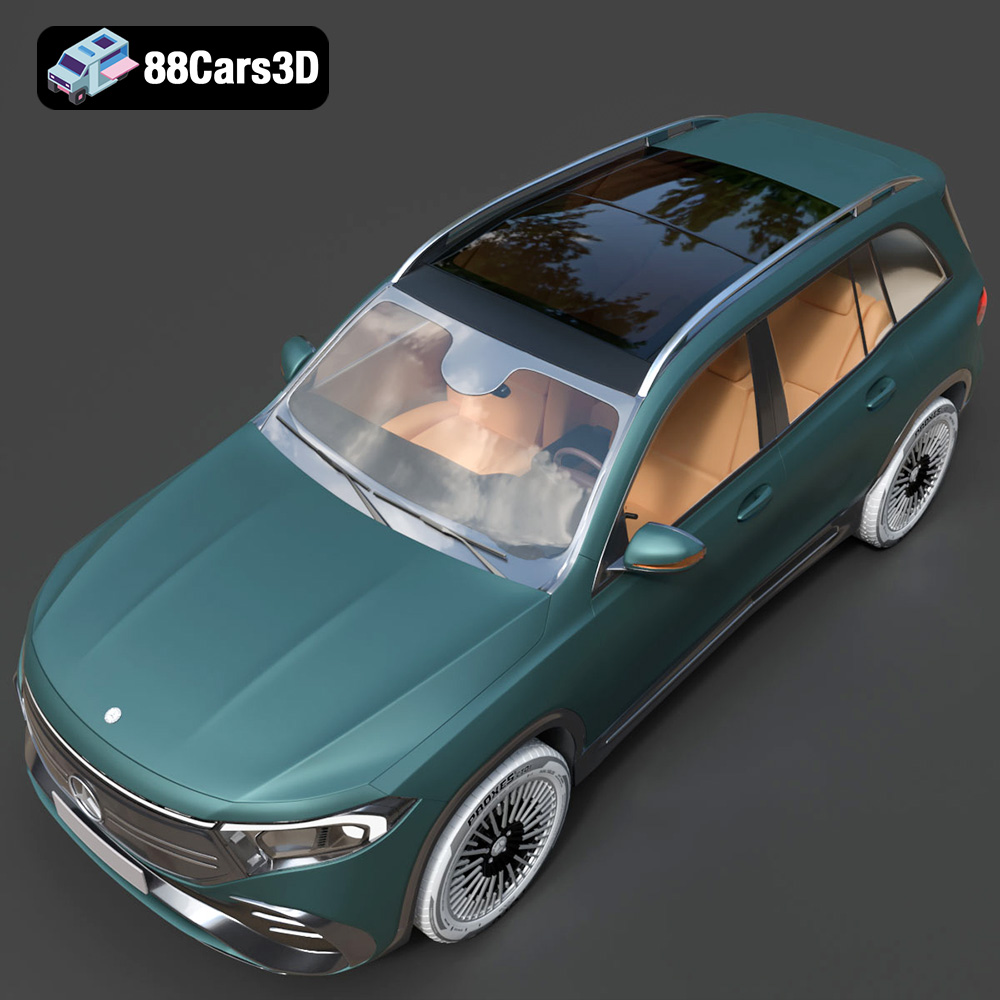
This is where professional-grade, pre-built 3D car models become indispensable tools for artists, developers, and designers. They represent not just a shortcut, but a foundation of quality and consistency that can elevate any project. Today, we’re diving deep into the technical intricacies and versatile applications of such assets, using the Mercedes-Benz EQB-001 3D Model as a prime example. This meticulously crafted asset offers an unparalleled blend of detail, realism, and compatibility, designed to integrate seamlessly into virtually any professional pipeline.
The journey of a 3D model from its creation to its final application involves navigating a landscape of various file formats. Each format serves a specific purpose, optimized for different software, engines, or end-use cases. Understanding these nuances is critical for selecting the right asset and ensuring a smooth workflow. The Mercedes-Benz EQB-001 3D Model from 88cars3d.com, for instance, is offered in a comprehensive suite of formats, providing maximum flexibility for professionals.
The .blend format is the native file type for Blender, a powerful and increasingly popular open-source 3D creation suite. When you acquire a .blend file, you’re getting a fully editable Blender scene. This typically includes the model’s geometry, materials with their node setups (PBR textures, shaders), lighting configurations (HDRI, area lights, sun lamps), camera setups, and often, animation data. For users deeply integrated into the Blender ecosystem, this format offers the most control, allowing for direct modifications, re-texturing, animation, and rendering within Blender’s Cycles or Eevee render engines. It’s ideal for artists who want to customize every aspect of the asset to fit their specific project requirements without losing any original data fidelity.
Autodesk’s .fbx (Filmbox) format is arguably the most widely adopted interchange format in the 3D industry. Its strength lies in its ability to encapsulate a broad range of 3D data, including geometry (meshes), materials, textures, animations, skinning, and even camera and light data, all within a single file. This makes .fbx an ideal choice for transferring assets between different 3D software packages (like 3ds Max, Maya, Blender, Cinema 4D) and, critically, into game engines such as Unreal Engine and Unity. For the Mercedes-Benz EQB-001, the .fbx version would be “game-engine ready,” meaning it’s often pre-optimized for real-time performance, with proper UV unwrapping and often, level of detail (LOD) groups.
The .obj (Wavefront Object) format is a simpler, yet highly compatible, standard for exchanging 3D geometry data. It stores vertex positions, UV coordinates, normals, and face information, often accompanied by a separate .mtl (material) file for basic material properties and texture references. While it doesn’t support advanced features like animation or complex rigging, its universality makes it compatible with virtually all 3D software packages. When you need to import a model into a niche application or ensure maximum compatibility without worrying about advanced features, .obj is a reliable choice. It provides a clean mesh that can be re-textured and configured in almost any environment.
.glb (GL Transmission Format Binary) is an increasingly important format, especially for the burgeoning fields of Augmented Reality (AR), Virtual Reality (VR), and web-based 3D experiences. It’s a binary version of glTF, designed for efficient transmission and loading of 3D scenes and models. A key advantage of .glb is that it bundles all necessary data – geometry, materials, textures, animations – into a single, self-contained file. This makes it incredibly efficient for web browsers, mobile AR apps, and VR platforms, minimizing load times and simplifying asset management. For showcasing the Mercedes-Benz EQB-001 in an interactive web viewer or an AR application, .glb is the go-to format.
The .stl (STereoLithography) format is synonymous with 3D printing. It represents a 3D model as a collection of unconnected triangular facets, defining the surface geometry without any color, texture, or material information. While simplistic, this format is the universal standard for communicating mesh data to 3D printers. For prototyping, creating physical models, or even fabricating collectible figurines of the Mercedes-Benz EQB-001, the .stl file provides the necessary raw geometry for additive manufacturing processes.
The .ply (Polygon File Format) is a versatile format capable of storing a wide range of properties, including color, transparency, normals, texture coordinates, and scalar values. It’s often used for scanned 3D data or models generated from CAD software, offering a more precise representation of mesh data than .stl in some cases, and can store vertex and face properties. While less common for general-purpose asset exchange, .ply is valuable for applications requiring high precision mesh data for analysis, scientific visualization, or specific engineering workflows where the integrity of surface properties is paramount.
The .unreal format, often referring to a pre-configured asset package or import setting tailored specifically for Unreal Engine, signifies an asset that has been prepared with Unreal’s specific requirements in mind. This means the model might come with optimized materials, collision meshes, LODs, and potentially even blueprint setups. For game developers or anyone working within Unreal Engine, an “.unreal” package like that provided for the Mercedes-Benz EQB-001 can drastically reduce setup time and ensure optimal performance and visual fidelity within the engine’s environment. It streamlines the pipeline from asset acquisition to in-engine implementation.
Similar to .blend for Blender, the .max format is the native file type for Autodesk 3ds Max, a leading software for 3D modeling, animation, and rendering, especially prevalent in architectural visualization and product design. A .max file contains the complete 3ds Max scene, including geometry, modifiers, materials (V-Ray, Corona, Arnold), lighting, cameras, and animation data. Professionals relying on 3ds Max for high-quality renders or complex animations will find this format invaluable, allowing them to leverage all the robust tools and renderers available within the software for the Mercedes-Benz EQB-001 3D Model.
Achieving photorealistic automotive rendering is an art form that blends technical mastery with an artistic eye. It’s about more than just a good model; it’s about how light interacts with materials, the subtleties of reflections, and the atmospheric mood. High-quality 3D car models, such as the Mercedes-Benz EQB-001 3D Model, provide the essential foundation, allowing artists to focus on these critical rendering aspects.
At the heart of photorealism are Physically Based Rendering (PBR) materials. PBR workflows accurately simulate how light behaves in the real world, based on physical properties of surfaces. For an automotive model, this means meticulously crafted shaders for paint (clear coat, metallic flakes), glass (refraction, reflection), tires (roughness, displacement for tread), chrome, and interior fabrics. The Mercedes-Benz EQB-001 comes with highly realistic materials, meaning much of the groundwork for convincing surfaces is already laid. Artists can then fine-tune these materials in their preferred renderer – V-Ray or Corona for 3ds Max users, Cycles for Blender users – ensuring that every glint and gleam accurately portrays the luxury and engineering of the vehicle.
Lighting is paramount in automotive rendering. It can dramatically alter the perception of a vehicle’s form and finish. Professional setups often involve High Dynamic Range Image (HDRI) environments to provide realistic global illumination and reflections, complemented by targeted area lights or spotlights to accentuate specific curves or details. Studio lighting setups, mimicking car showrooms or professional photography studios, are common for marketing visuals, emphasizing the vehicle’s design under controlled conditions. The flexibility of a premium 3D model allows artists to experiment with diverse lighting scenarios, from sun-drenched outdoor scenes to dramatic, moody night shots, all while maintaining the integrity of the Mercedes-Benz EQB-001’s appearance.
The applications for high-quality automotive renders are vast. In marketing and advertising, photorealistic images and animations of vehicles like the EQB-001 are crucial for product launches, brochures, and online campaigns. Architectural visualization (ArchViz) frequently integrates 3D car models to bring life and context to static building renders, showing scale and adding a sense of realism to urban or suburban scenes. For a large-scale project, having access to an impeccably detailed model like this saves countless hours, allowing ArchViz artists to populate their scenes with convincing vehicles without sacrificing quality or performance.
The journey from a high-poly render model to a game-engine-ready asset involves a meticulous optimization process. Game assets require a delicate balance between visual fidelity and real-time performance. For a complex vehicle like the Mercedes-Benz EQB-001, this optimization is critical, and a well-prepared 3D model facilitates this transition.
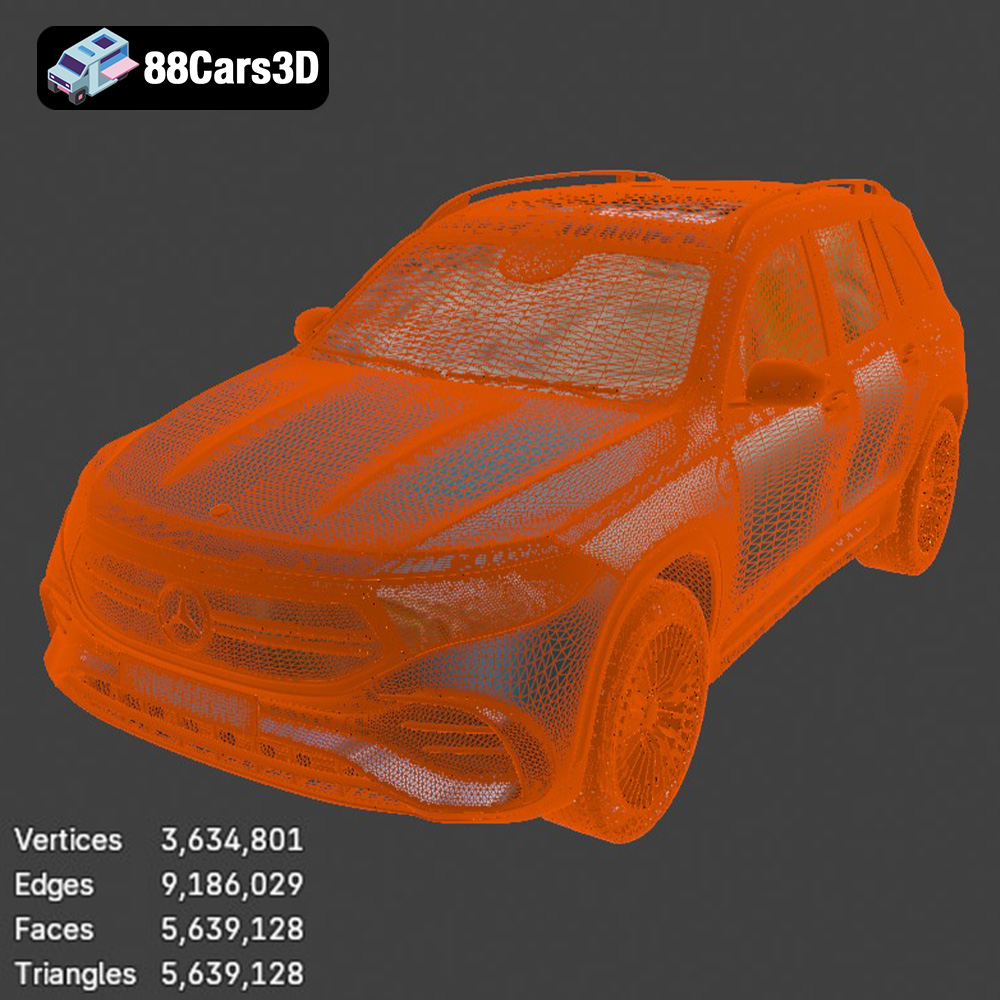
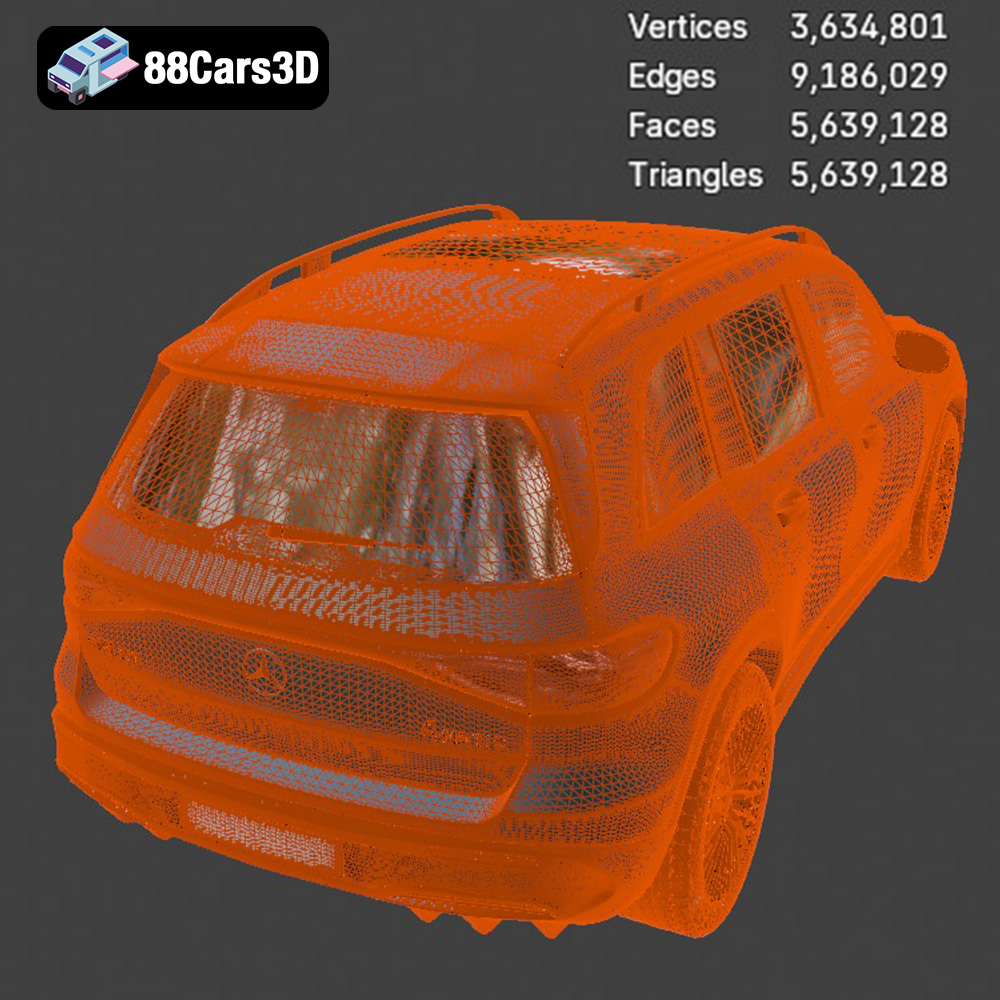
Game developers constantly grapple with polygon budgets. While a render model might have millions of polygons, a game asset needs to be significantly optimized, often using techniques like polygon reduction, normal mapping (baking high-poly detail onto low-poly meshes), and Level of Detail (LOD) systems. The .fbx and .unreal formats of the Mercedes-Benz EQB-001 3D Model suggest it is already engineered with these considerations in mind, providing clean topology suitable for further optimization. This means artists can spend less time cleaning meshes and more time integrating the asset into their game world.
Beyond static appearance, game assets often require functionality. For vehicles, this includes rigging for wheels, doors, and suspension to allow for realistic animation. Collision meshes, typically simpler geometric shapes, define the vehicle’s physical boundaries for interactions within the game engine. Properly prepared UV maps are essential for efficient texture mapping and light baking. A high-quality base model ensures that these subsequent steps are straightforward and yield accurate results, making the Mercedes-Benz EQB-001 an excellent candidate for driving simulations or racing games.
Modern game engines like Unreal Engine and Unity offer robust pipelines for importing and managing 3D assets. The provision of .fbx and specific .unreal formats for the Mercedes-Benz EQB-001 3D Model is a massive advantage. These formats are often pre-configured with materials, textures, and even basic LODs, significantly accelerating the integration process. Developers can drag and drop the model, assign their PBR textures (Albedo/Base Color, Normal, Metallic, Roughness, Ambient Occlusion maps), and quickly have a visually stunning and performant vehicle in their game environment. This direct compatibility saves valuable development time and resources.
The rise of Augmented Reality (AR) and Virtual Reality (VR) has opened new frontiers for 3D content. In these immersive environments, the quality and optimization of 3D car models are paramount, dictating both the visual fidelity and the fluidity of the user experience.
AR/VR applications, especially on mobile devices, have stringent performance requirements. Models must be incredibly lightweight yet retain sufficient detail. This often involves aggressive poly reduction, careful use of normal maps, and efficient texture atlasing. The .glb format, offered for the Mercedes-Benz EQB-001 3D Model, is specifically designed for these environments. Its compact, single-file nature and efficient loading make it ideal for AR apps where instantaneous display is crucial, or for VR experiences where smooth frame rates are non-negotiable for comfort and immersion. Imagine showcasing the EQB-001 in an AR app, allowing potential buyers to visualize it in their driveway before it’s even manufactured.
Beyond visual exploration, high-quality 3D car models are fundamental for real-time simulations. This can range from driving simulators for training and research to virtual product configurators that allow customers to customize a vehicle in real-time. The accurate geometry and realistic materials of the Mercedes-Benz EQB-001 3D Model ensure that these simulations are not only visually convincing but also provide accurate physical representations for interaction. This level of detail allows engineers and designers to test concepts, refine ergonomics, and explore various design iterations in a cost-effective virtual environment, long before physical prototypes are built.
The automotive industry is rapidly adopting AR/VR for design reviews, marketing, and sales. Showcasing new models, custom features, or even interior layouts in a fully interactive, immersive space is becoming standard. Premium 3D car models like those found on 88cars3d.com, particularly the Mercedes-Benz EQB-001 3D Model, are crucial enablers of this future. They allow automotive brands to create compelling digital twins that engage customers and streamline design processes, offering an experience that transcends traditional brochures and static images.
While much of the 3D world focuses on digital displays, the ability to translate virtual models into physical objects remains a vital application. 3D printing has revolutionized prototyping, rapid manufacturing, and even the creation of bespoke items, and 3D car models play a significant role here.
The transition from a screen-based 3D model to a physical print requires specific considerations. The .stl format, provided for the Mercedes-Benz EQB-001 3D Model, is the universal standard for 3D printing. However, merely having an .stl file isn’t always enough. The model needs to be “manifold,” meaning it has no holes, self-intersecting geometry, or inverted normals that would confuse the printer. Professional models are typically clean and watertight, simplifying the preparation process in slicing software. This allows designers to quickly generate physical prototypes or scale models of the EQB-001 for various purposes.
Automotive designers frequently use 3D printing for rapid prototyping. Early design concepts, aerodynamic elements, interior components, or even entire vehicle scale models can be quickly iterated and tested in physical form. The availability of a precise .stl or .ply file for the Mercedes-Benz EQB-001 means designers can immediately produce a tangible representation of the vehicle, allowing for tactile evaluation of forms, proportions, and surface finishes before committing to expensive tooling. This accelerates the design cycle and reduces development costs significantly.
Beyond professional design, 3D printable car models cater to a thriving community of hobbyists, educators, and model makers. An accurately rendered EQB-001 3D Model, once printed, can serve as a detailed display piece, a teaching aid for automotive engineering, or a base for custom modifications. The detail captured in these digital assets translates directly into the quality of the physical output, making them invaluable resources for anyone interested in the tangible aspects of 3D modeling.
The true value of investing in high-quality 3D car models like the Mercedes-Benz EQB-001 3D Model lies in their ability to streamline professional workflows, save precious time, and consistently deliver superior results. For studios, freelancers, and large enterprises alike, these assets are not just commodities; they are strategic investments.
Building a photorealistic 3D car model from scratch requires immense skill and hundreds of hours. For a typical project, the cost of an in-house artist or a freelance professional to create such an asset can be prohibitive. By leveraging a meticulously crafted, ready-to-use model like the EQB-001, studios can dramatically cut down on production time and associated labor costs. This efficiency allows teams to allocate resources to other critical aspects of a project, such as lighting, animation, or scene composition, without compromising on the quality of the core assets. 88cars3d.com understands this need and offers solutions that balance quality and accessibility.
Professional projects demand consistency in asset quality. Using pre-vetted, high-fidelity 3D car models guarantees a baseline of excellence. The Mercedes-Benz EQB-001 3D Model, with its clean geometry, seamless mesh flow, and realistic materials, ensures that the vehicle component of any scene will meet stringent visual standards. This consistency is vital for brand representation, client satisfaction, and maintaining a high standard across multiple projects or within a collaborative pipeline.
With the foundational asset taken care of, artists and designers are freed to explore more creative avenues. Instead of being bogged down by the technical complexities of modeling, they can focus on innovative camera angles, compelling narratives, dynamic animations, or bespoke customizations. A premium 3D model doesn’t limit creativity; it enables it by removing common barriers to entry and allowing for more ambitious project scopes. Whether it’s for a high-stakes commercial or an intricate simulation, the Mercedes-Benz EQB-001 3D Model empowers creators to push boundaries.
The digital landscape is increasingly defined by the quality and versatility of its 3D assets. For industries ranging from automotive design and game development to architectural visualization and advanced simulations, high-fidelity 3D car models are no longer a luxury but a fundamental necessity. The Mercedes-Benz EQB-001 3D Model exemplifies the pinnacle of this asset class, offering unparalleled detail, robust file format compatibility, and seamless integration into diverse professional workflows.
By understanding the nuances of various file formats and the specific requirements of different platforms, artists and developers can make informed decisions that optimize their creative process. Investing in such meticulously crafted assets, like those available on 88cars3d.com, is a strategic move that saves time, ensures consistent quality, and ultimately expands the realm of creative possibilities. As digital experiences become ever more immersive and realistic, the demand for premium 3D models will only continue to grow, solidifying their role as indispensable tools in the modern creative toolkit.
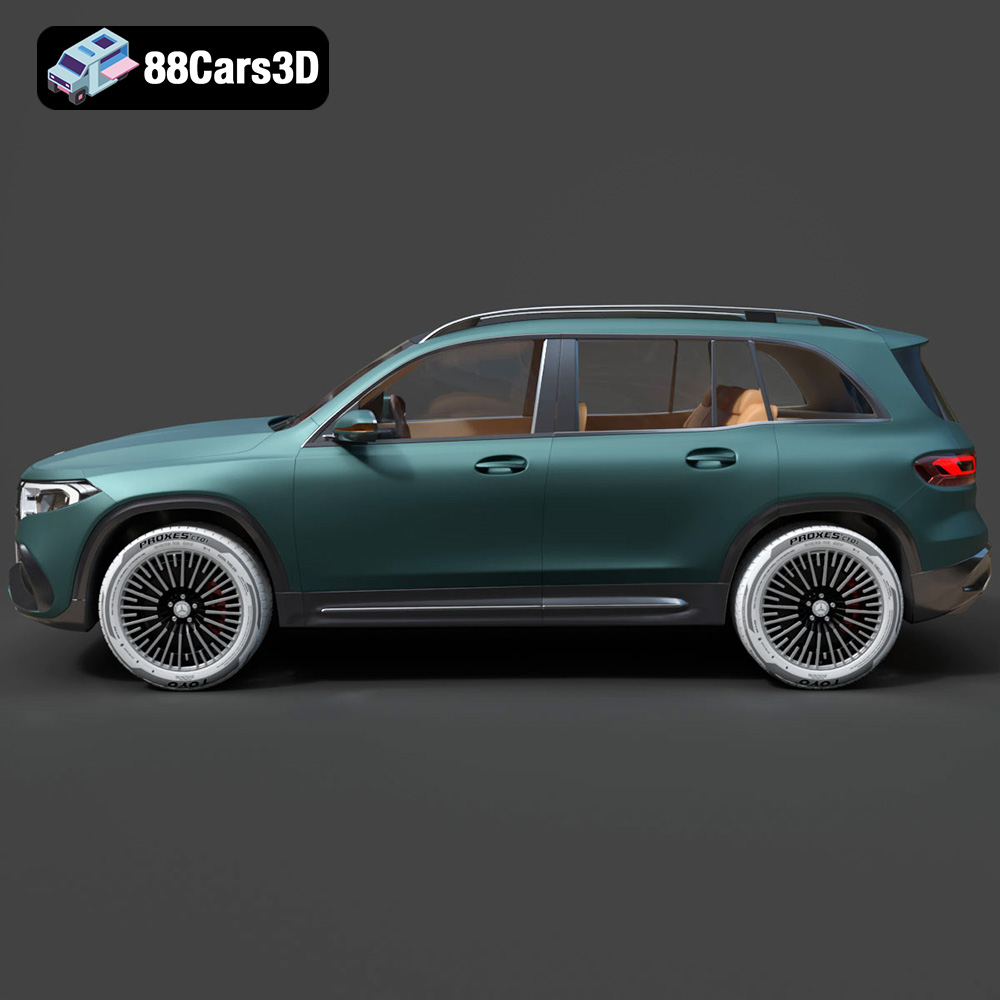
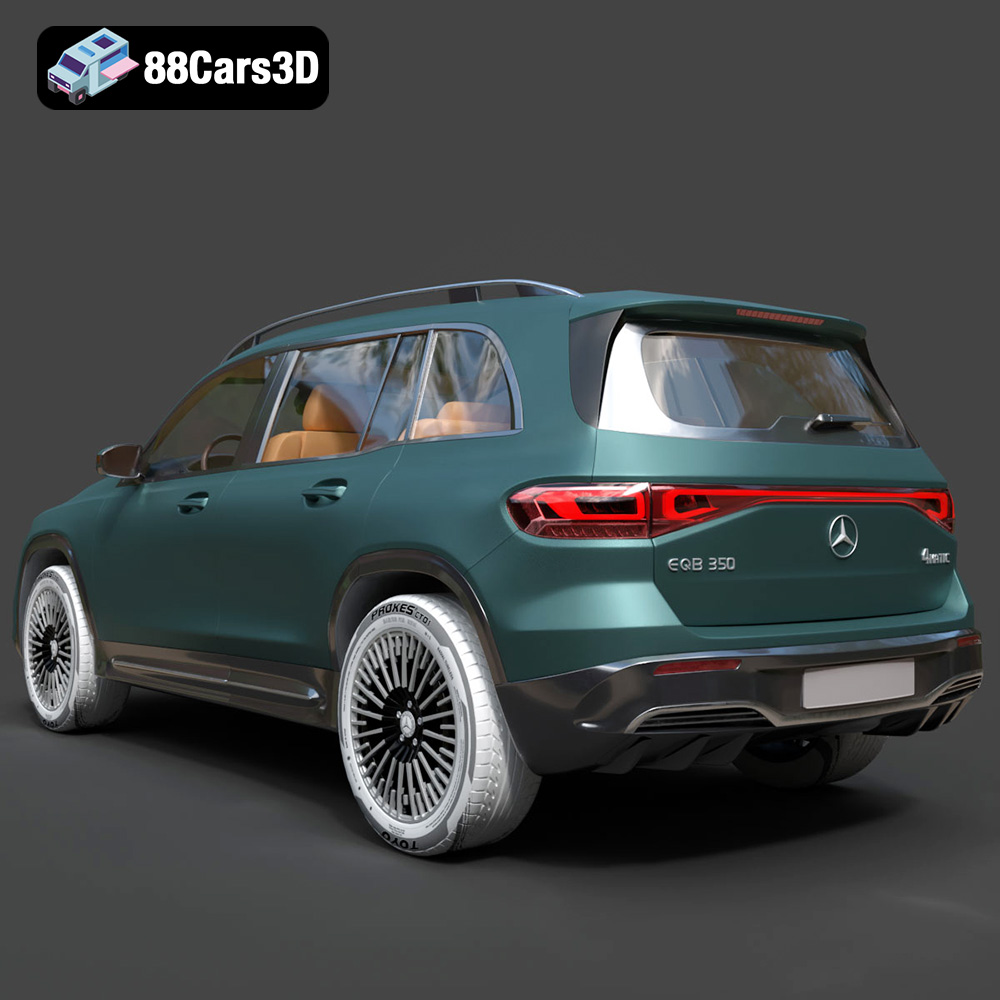
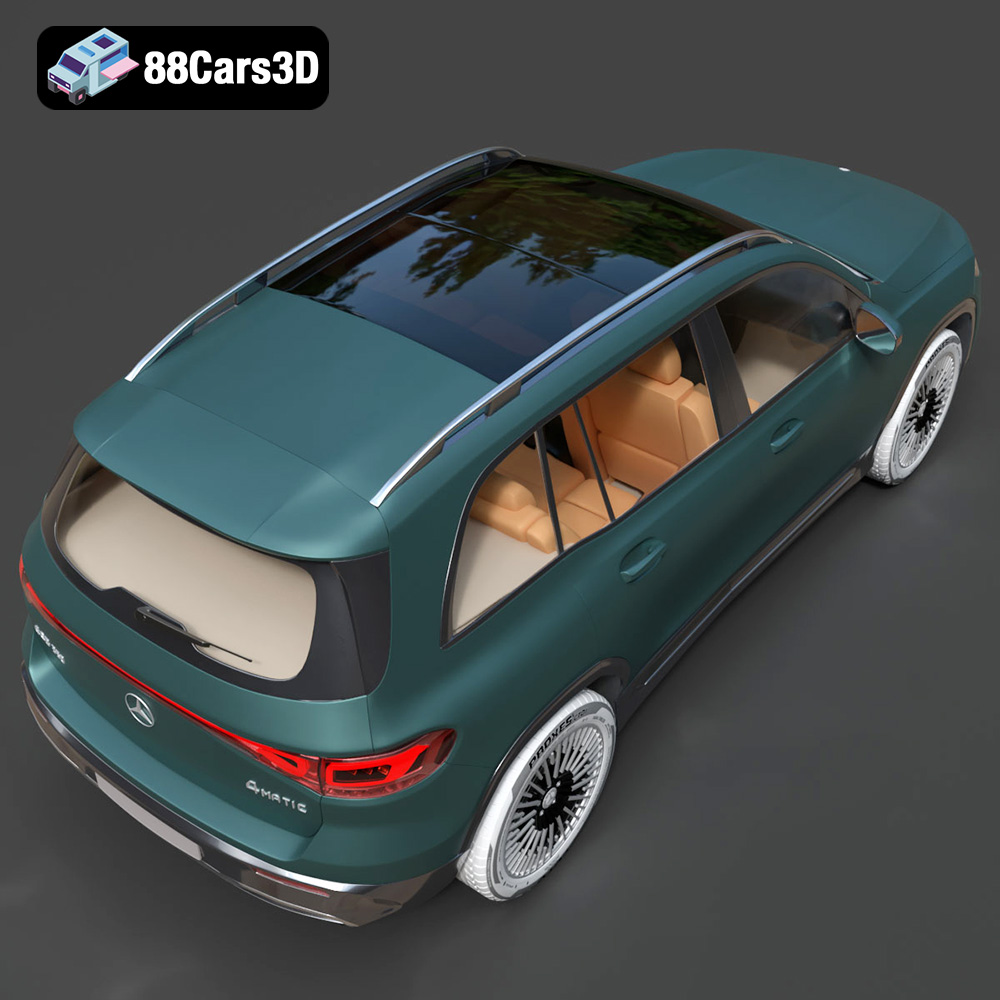
Discover the ultimate level of detail and realism with the Mercedes-Benz EQB-001 3D Model. Carefully crafted to replicate the true design of this modern vehicle, this model ensures precision and authenticity for any digital project.Engineered with professional quality in mind, the 3D model features impeccably clean geometry, seamless mesh flow, and highly realistic materials. Every exterior contour and interior element is precisely detailed to provide an exceptionally immersive visual experience.Perfect for a wide range of applications, this vehicle is an excellent choice for video game development, cinematic rendering, architectural visualization, and AR/VR experiences. Whether you are building an interactive simulation or generating photorealistic marketing materials, this 3D model seamlessly integrates into your workflow.Available file formats include:
Tags: .mercedesbenz, .mercedes, .eqb, .eqb001, .suv, .electriccar, .ev, .car3dmodel, .rendering, .simulation, .gameasset, .arvr, .blend, .fbx, .obj, .glb, .stl, .ply, .unreal, .max
$19.99
.arvr
.blend
.car3dmodel
.electriccar
.eqb
.eqb001
.ev
.fbx
.gameasset
.glb
.max
.mercedes
.mercedesbenz
.obj
.ply
.rendering
.simulation
.stl
.unreal
SUV