Get 50% OFF All Premium 3D & STL Models!

In the dynamic world of 3D visualization, the quality of your assets can make or break a project. From breathtaking architectural renders to immersive game environments and captivating virtual reality experiences, photorealistic and well-optimized 3D car models are indispensable. They don’t just fill space; they breathe life into a scene, convey status, and enhance narrative. The quest for perfection often leads artists down a rabbit hole of modeling, texturing, and optimization – a time-consuming endeavor that can significantly extend project timelines.
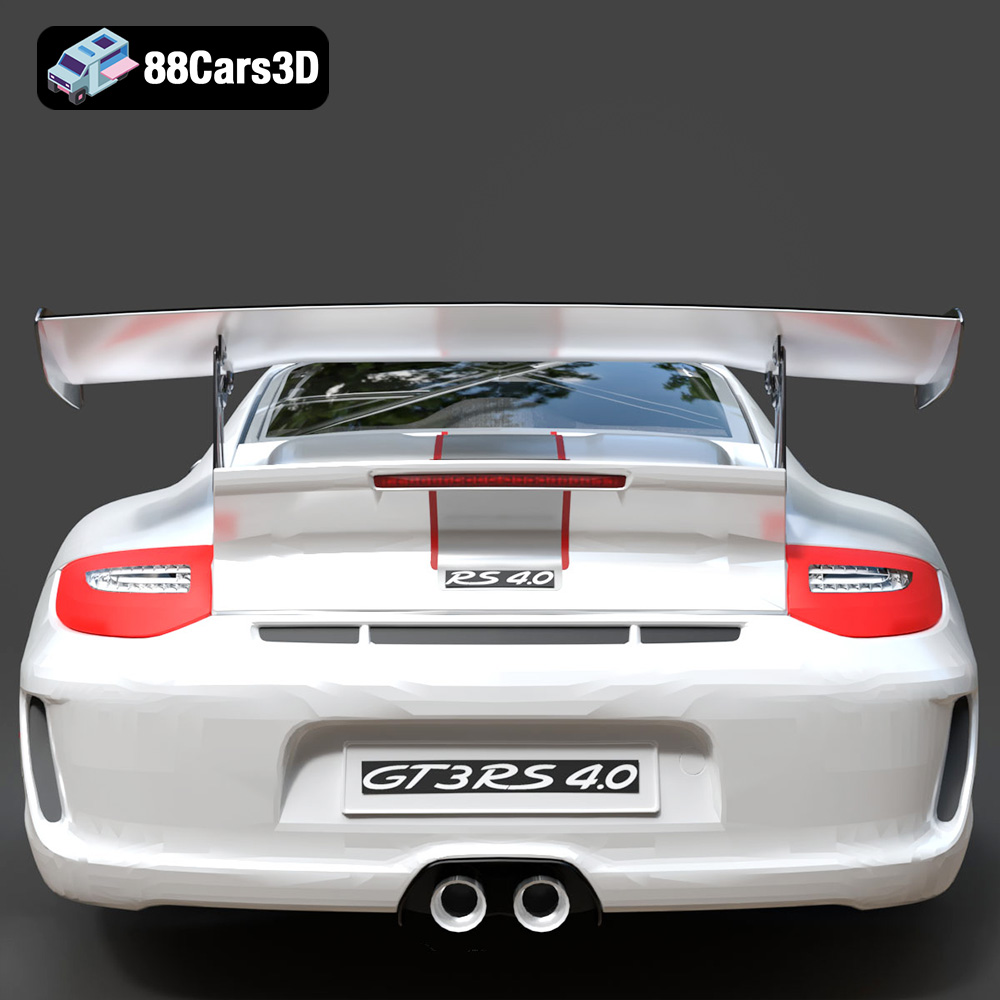
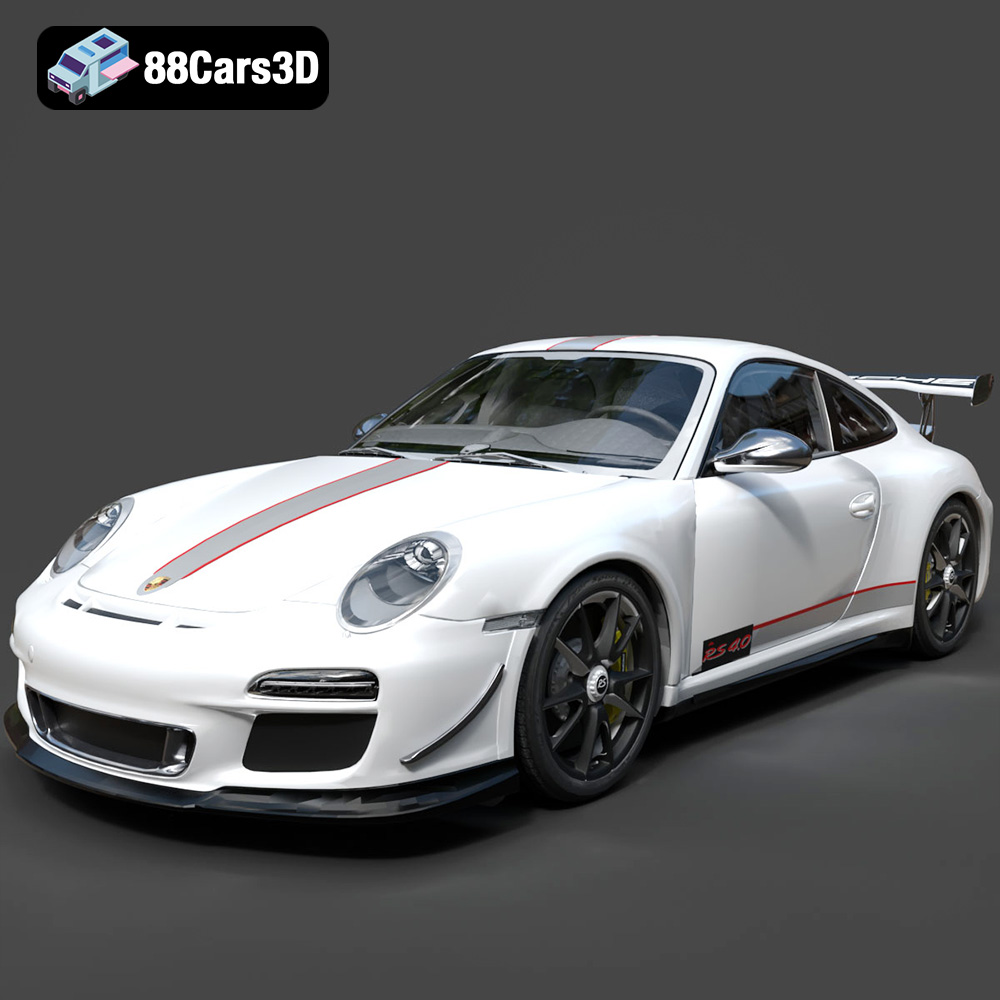
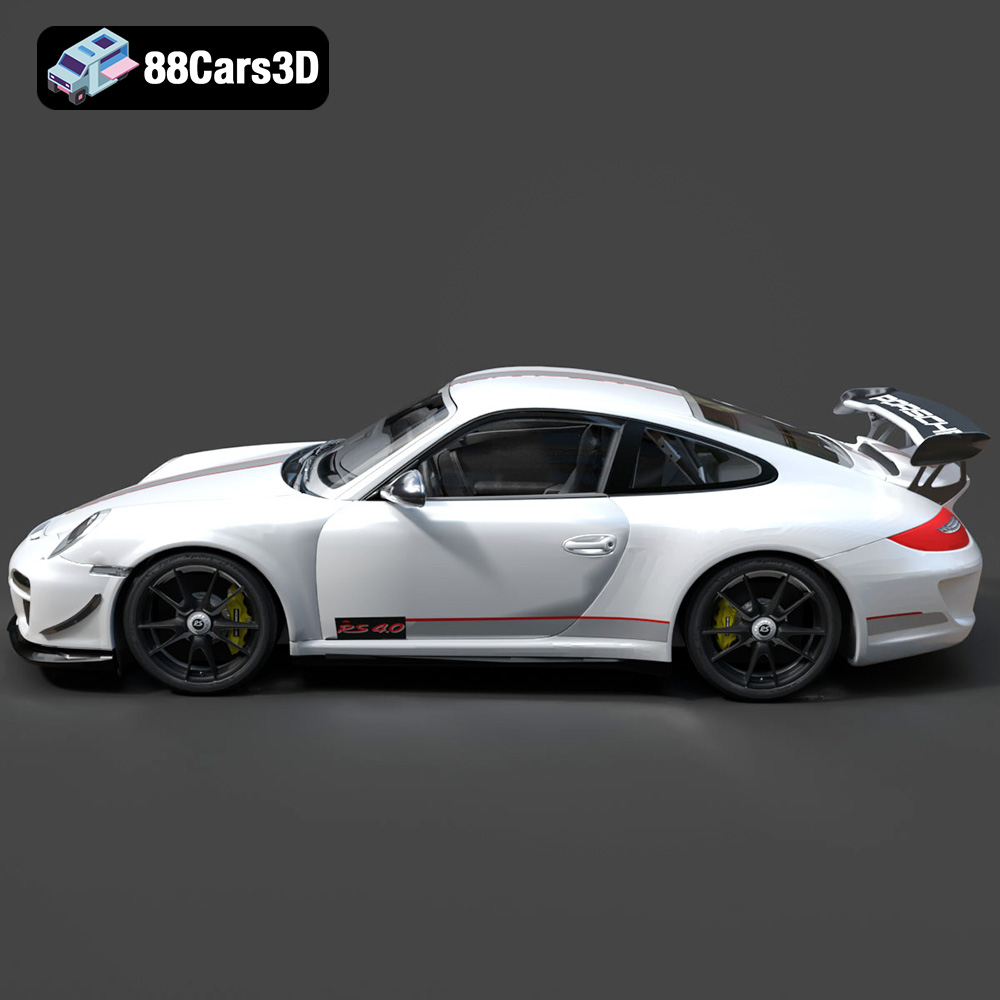
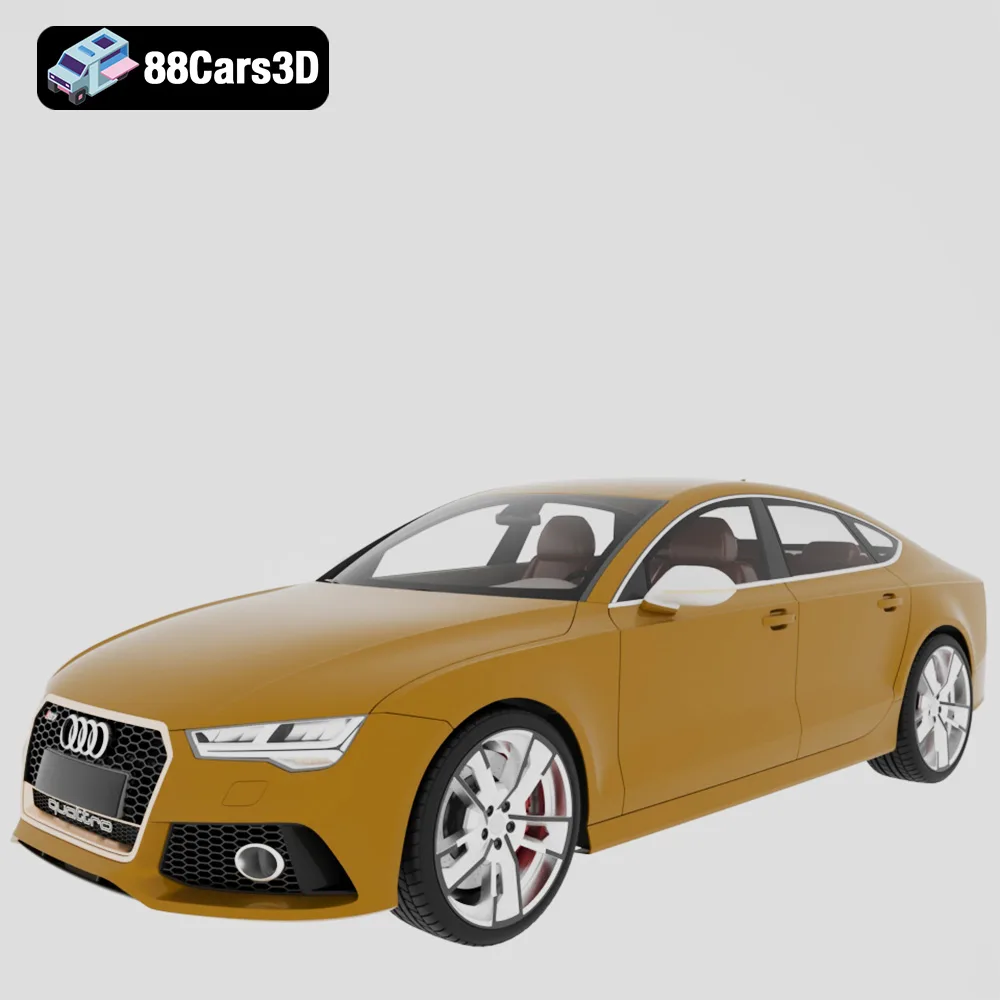
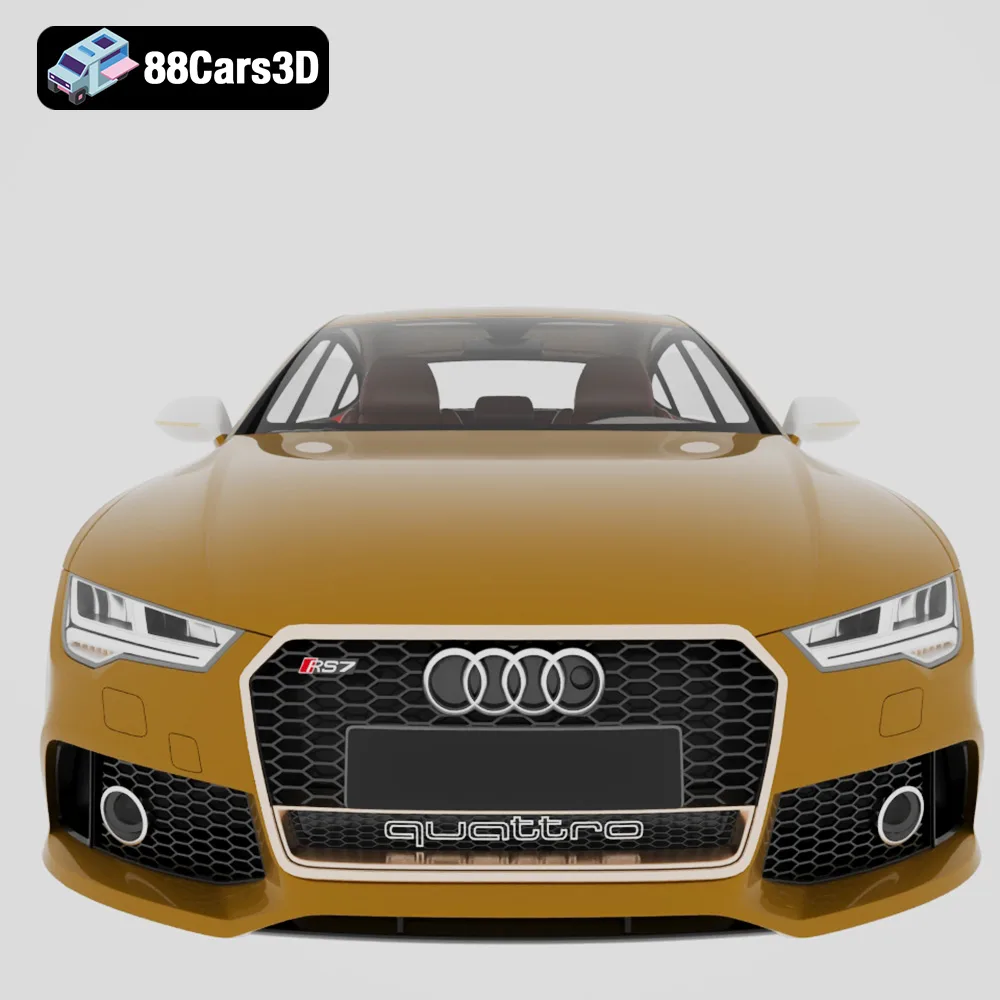
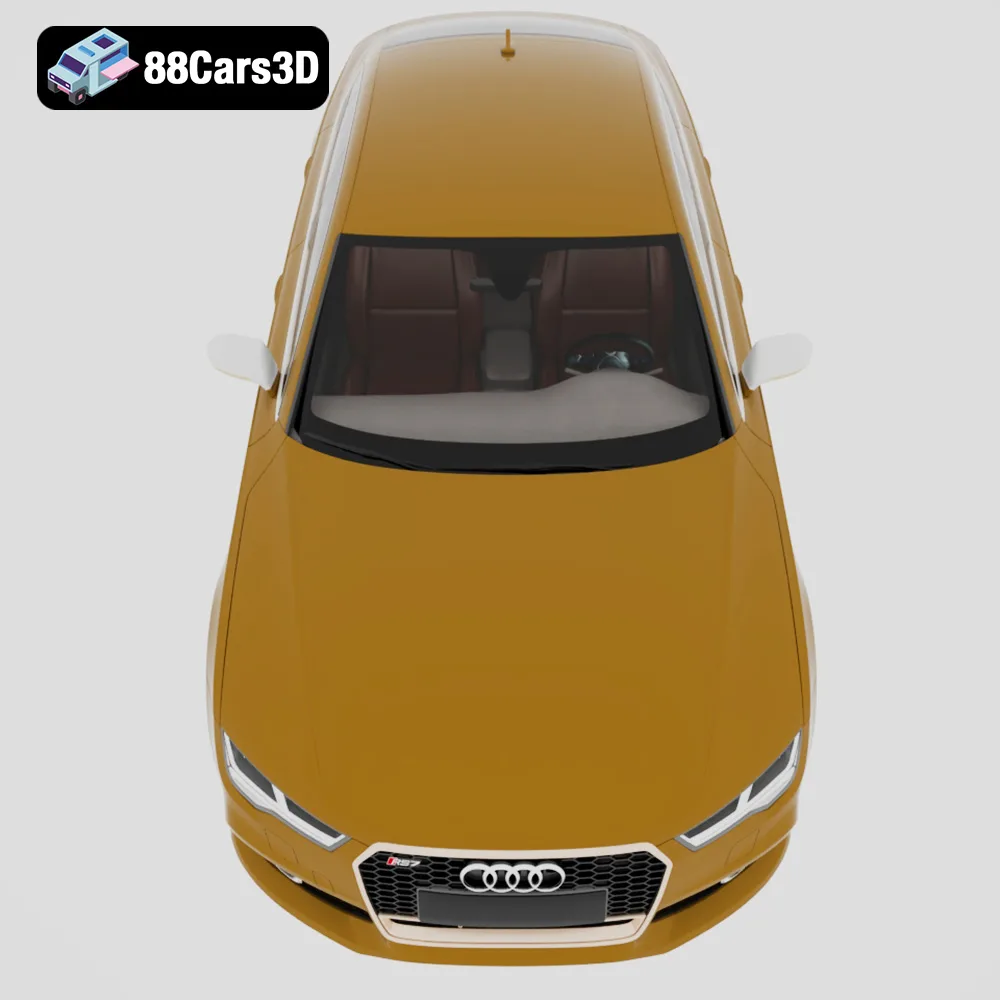
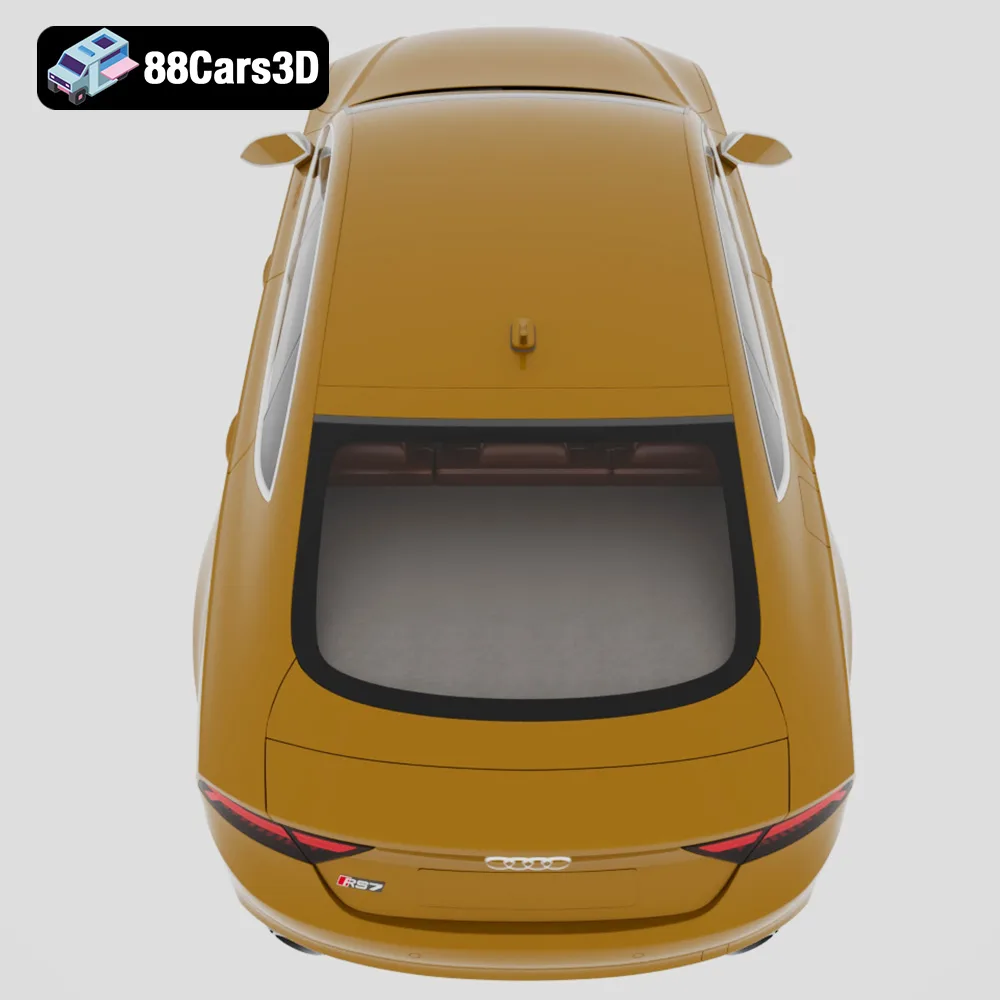
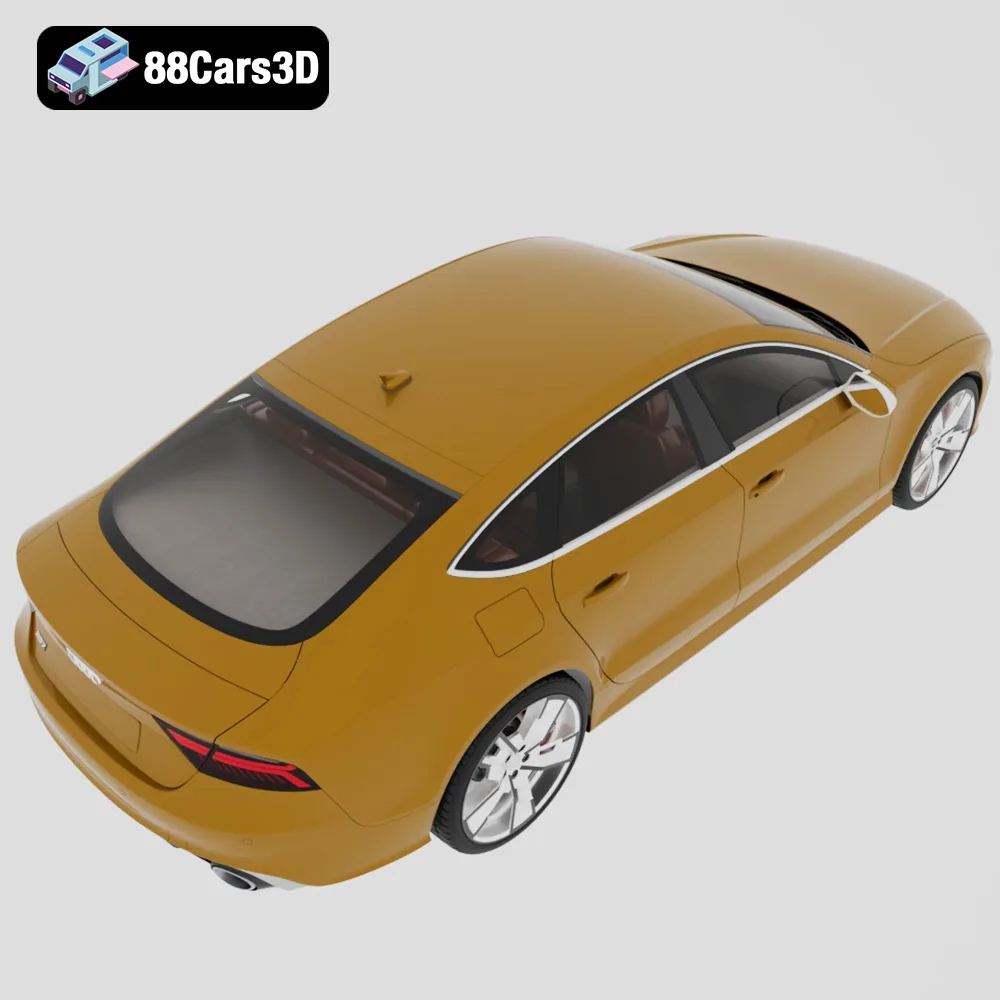
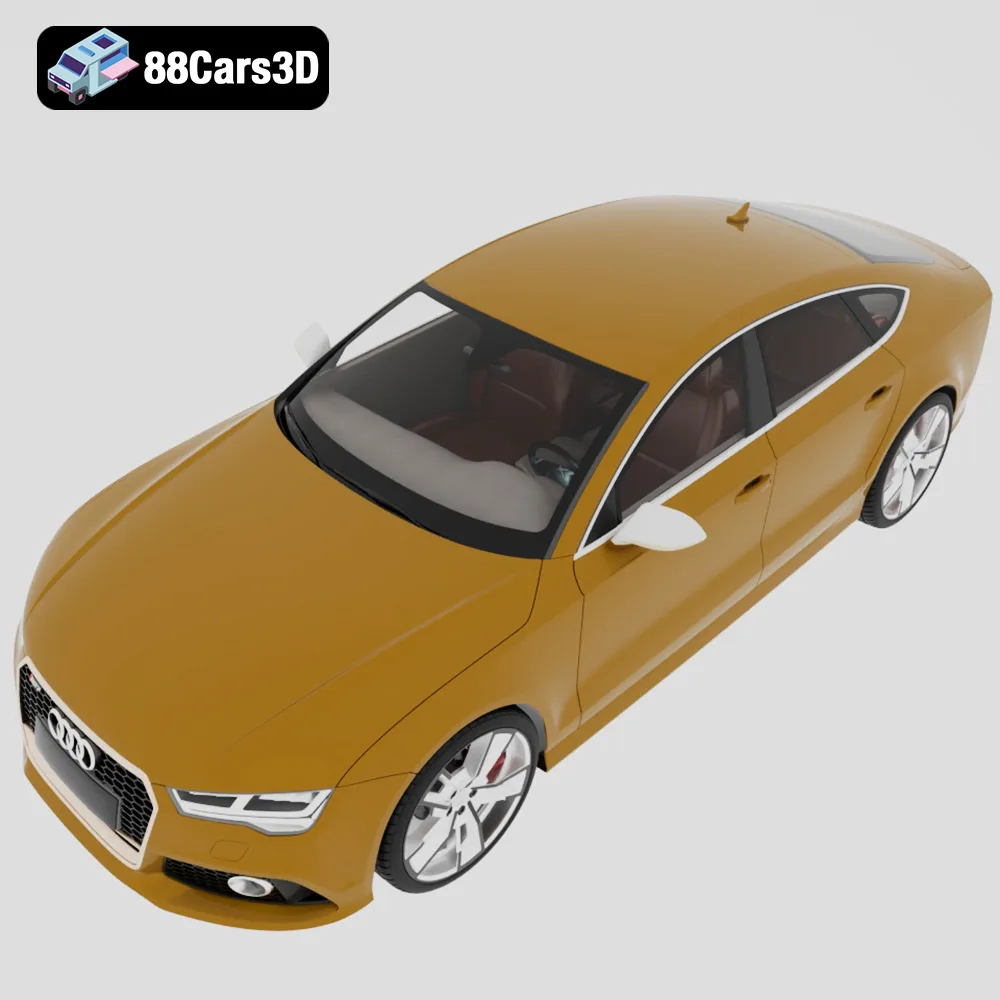
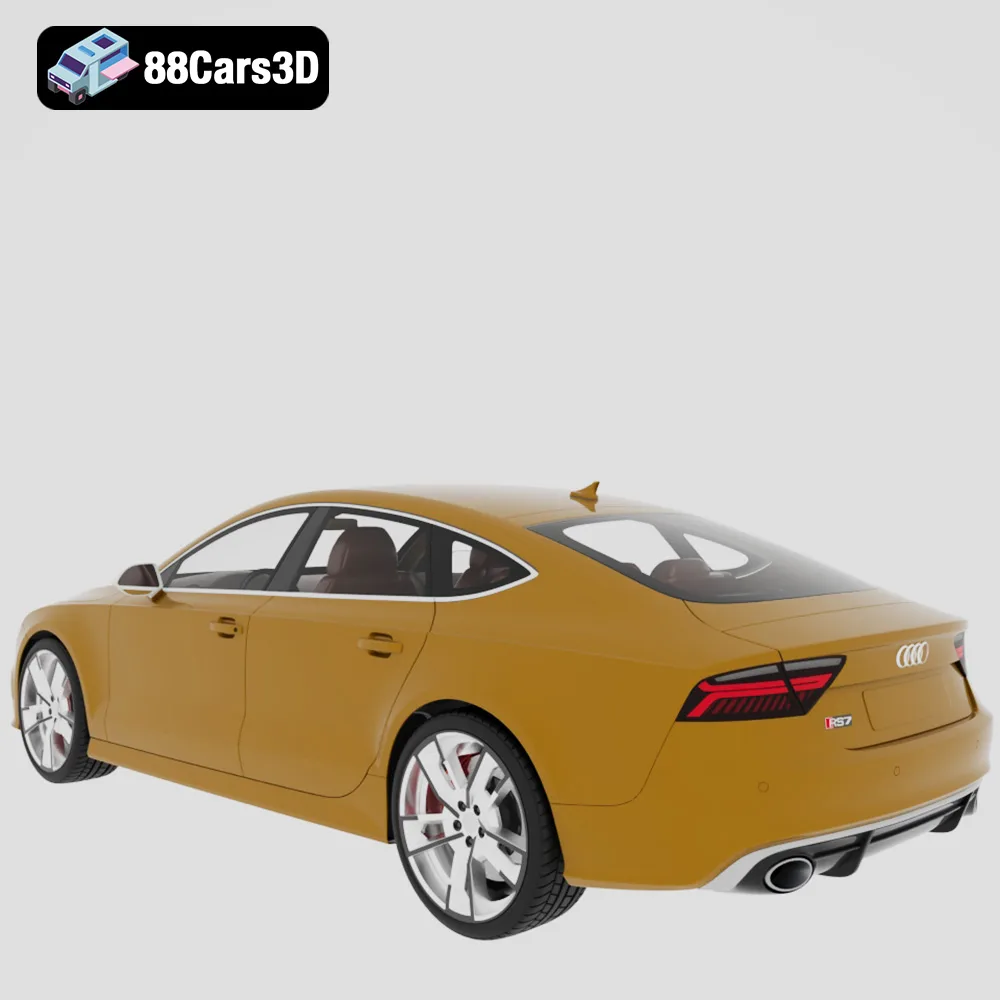
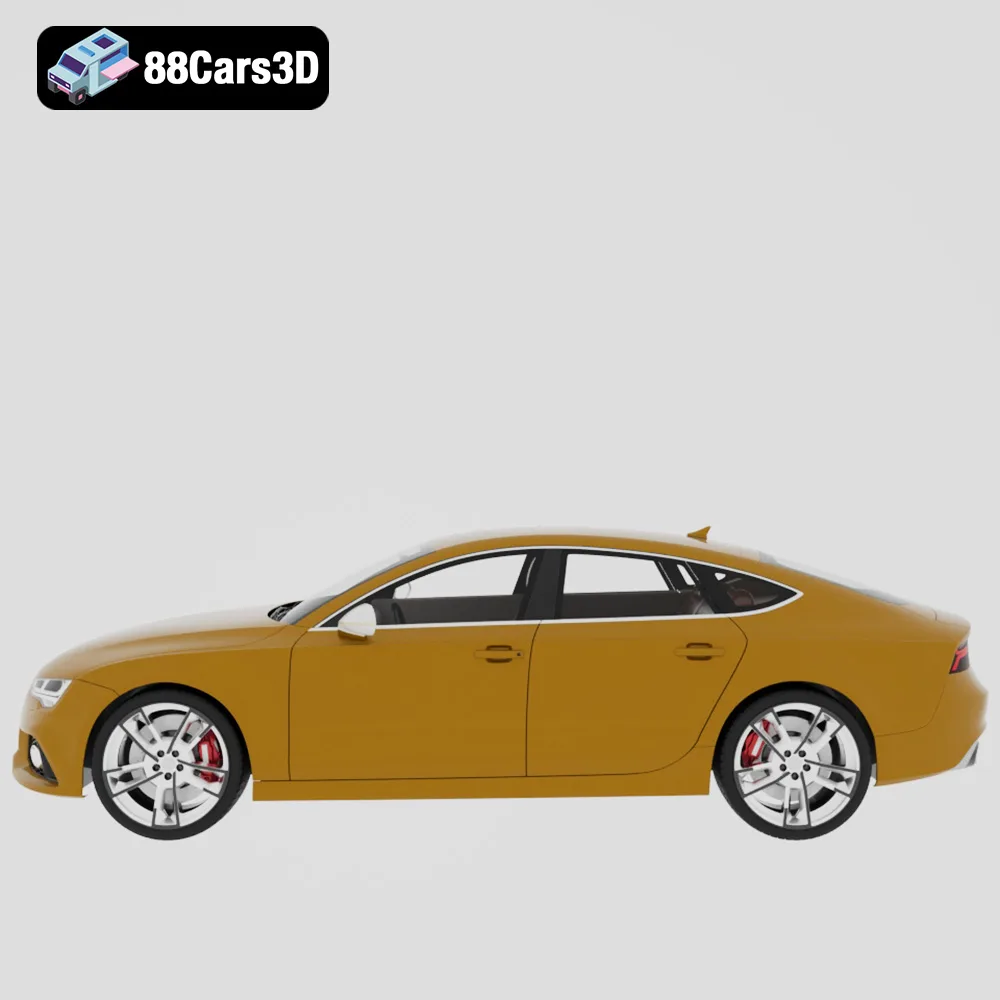
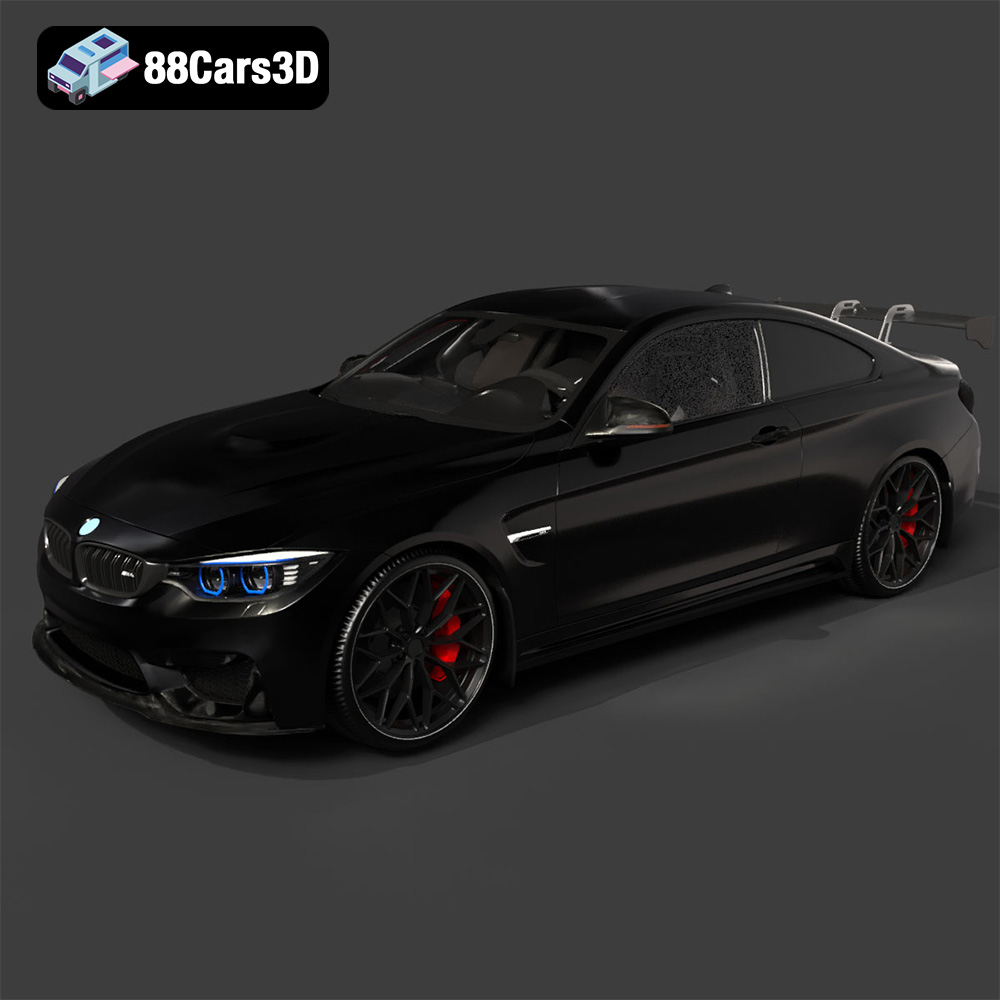
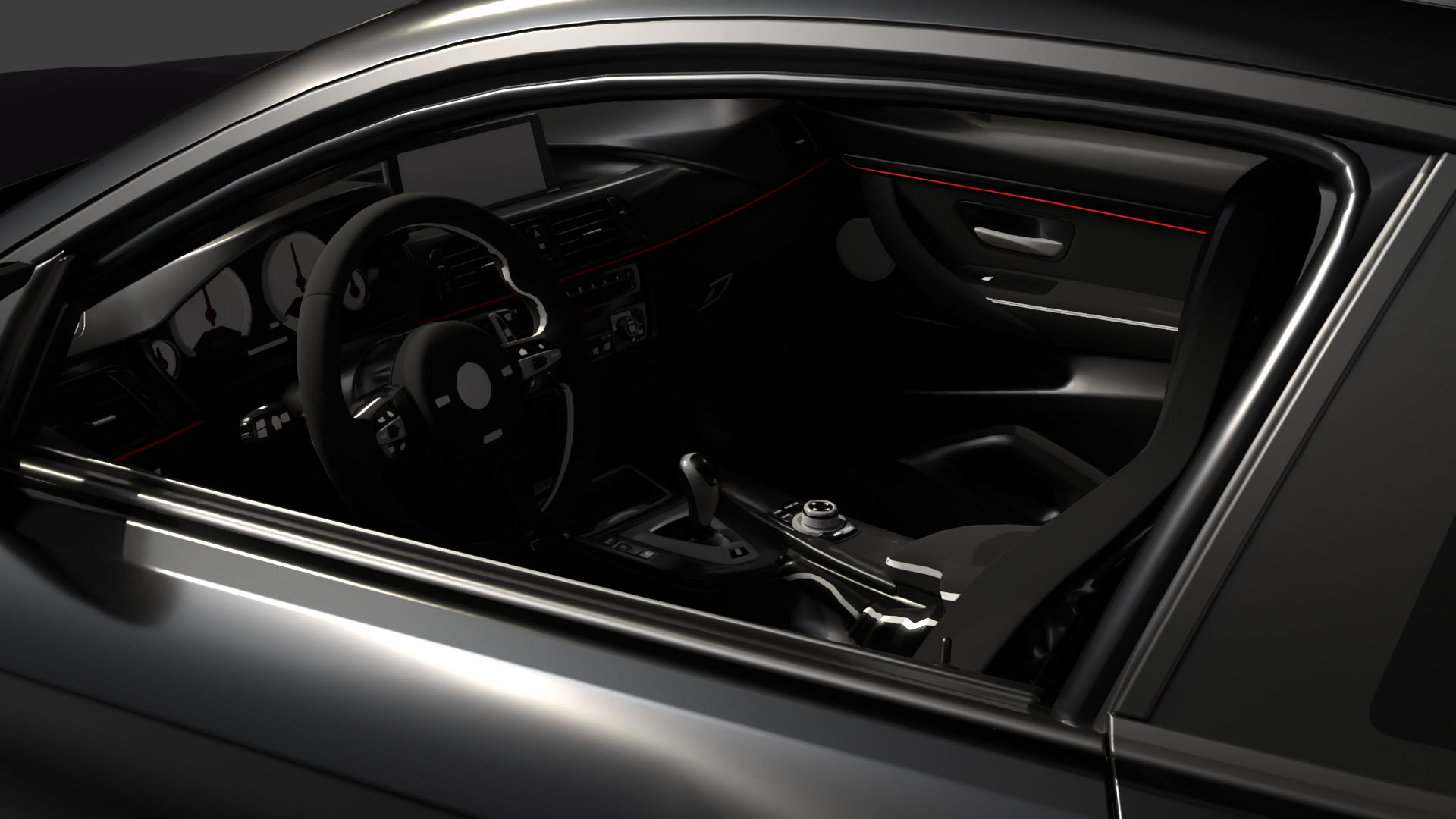
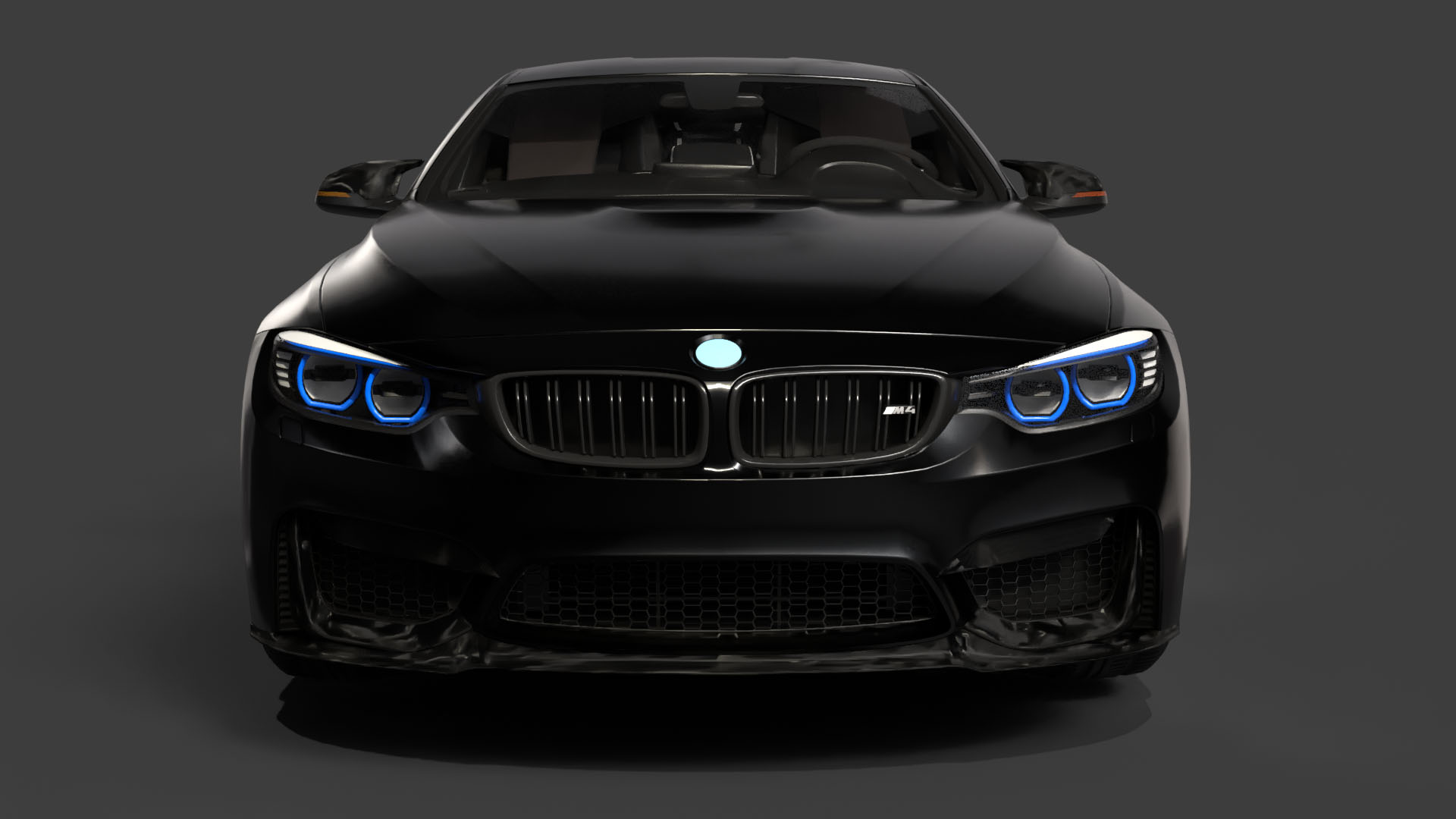
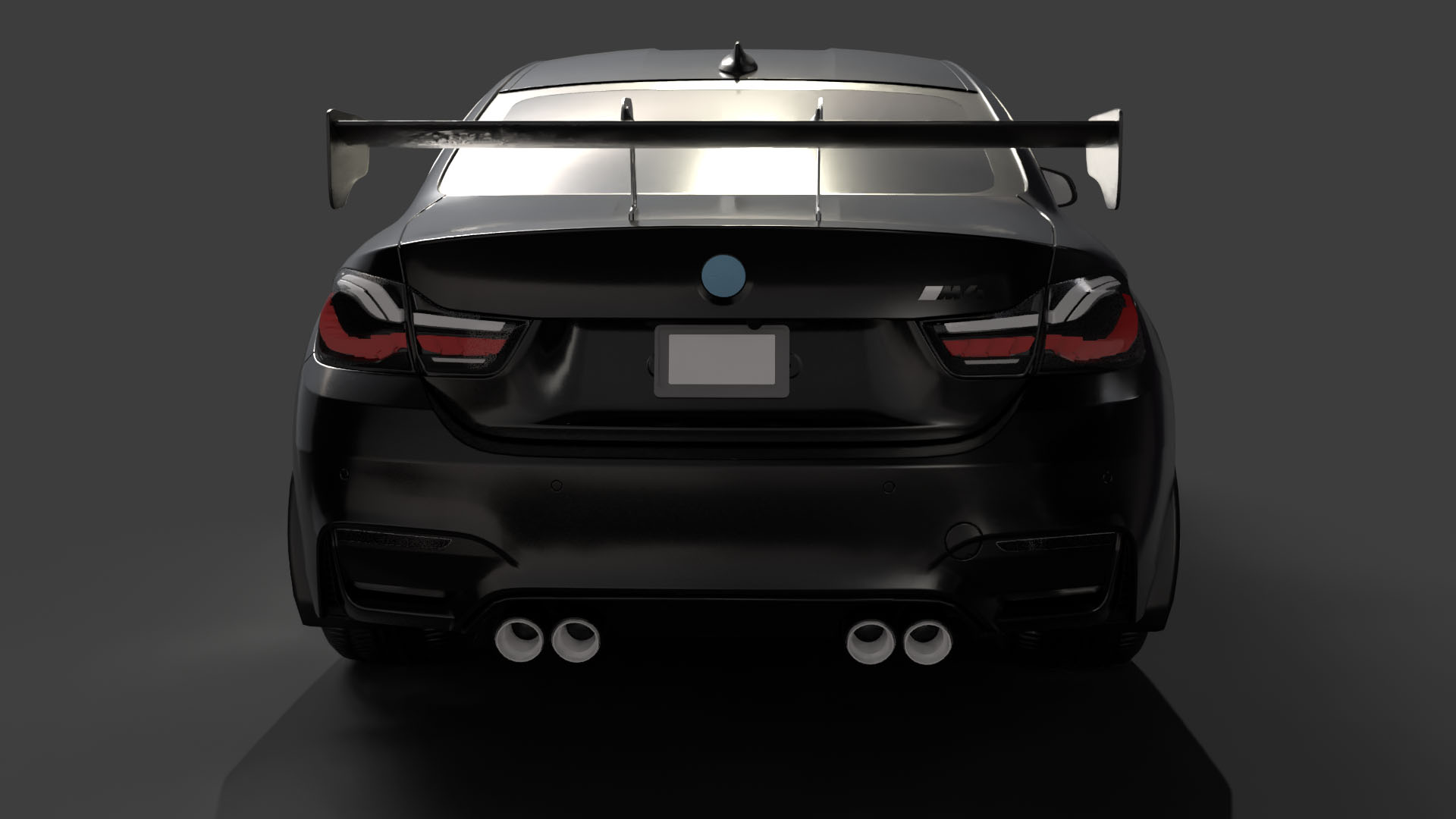
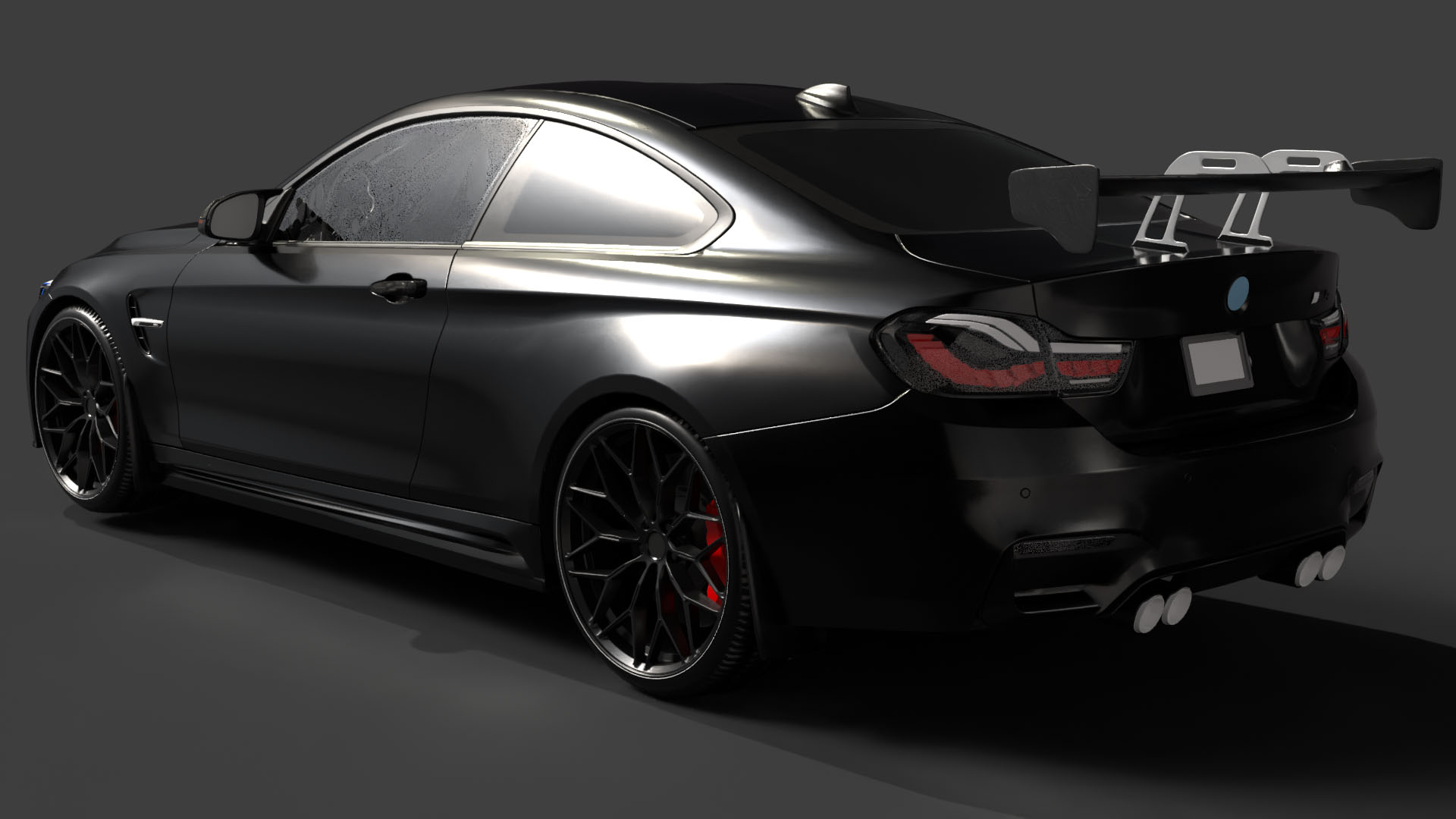
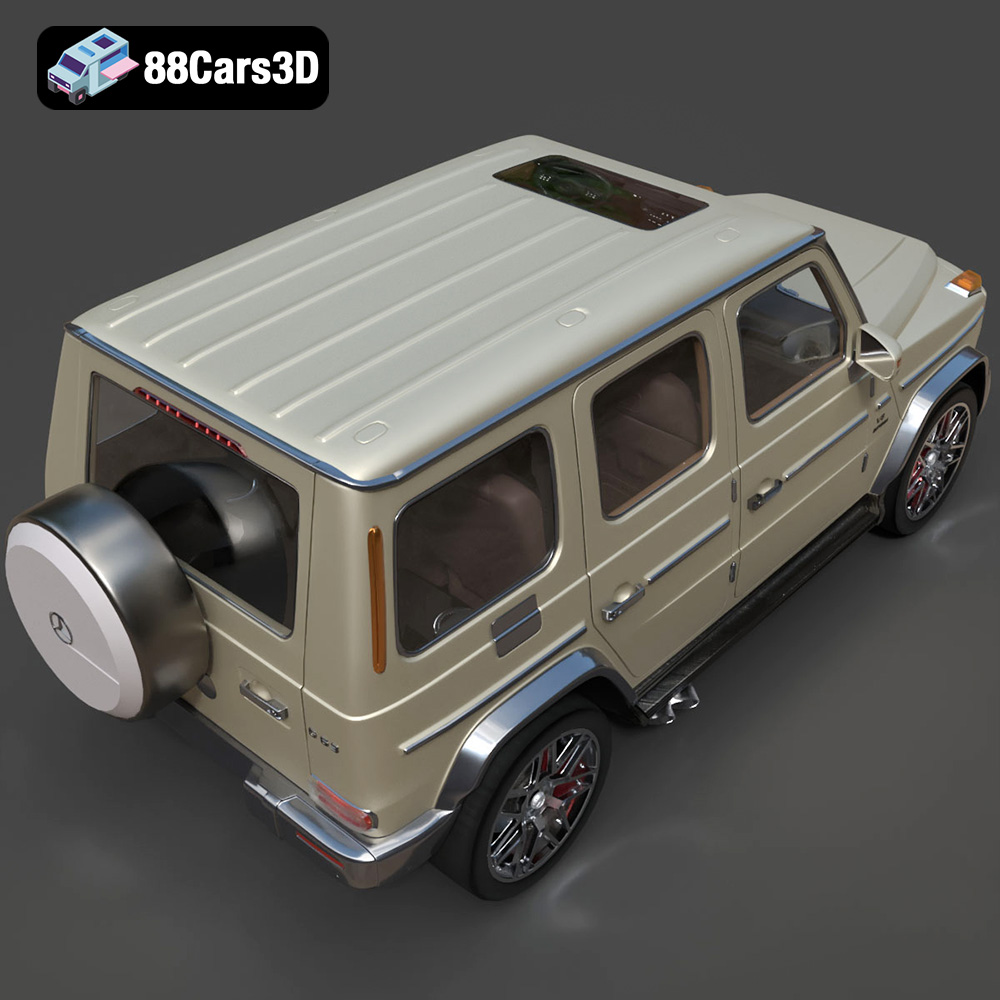
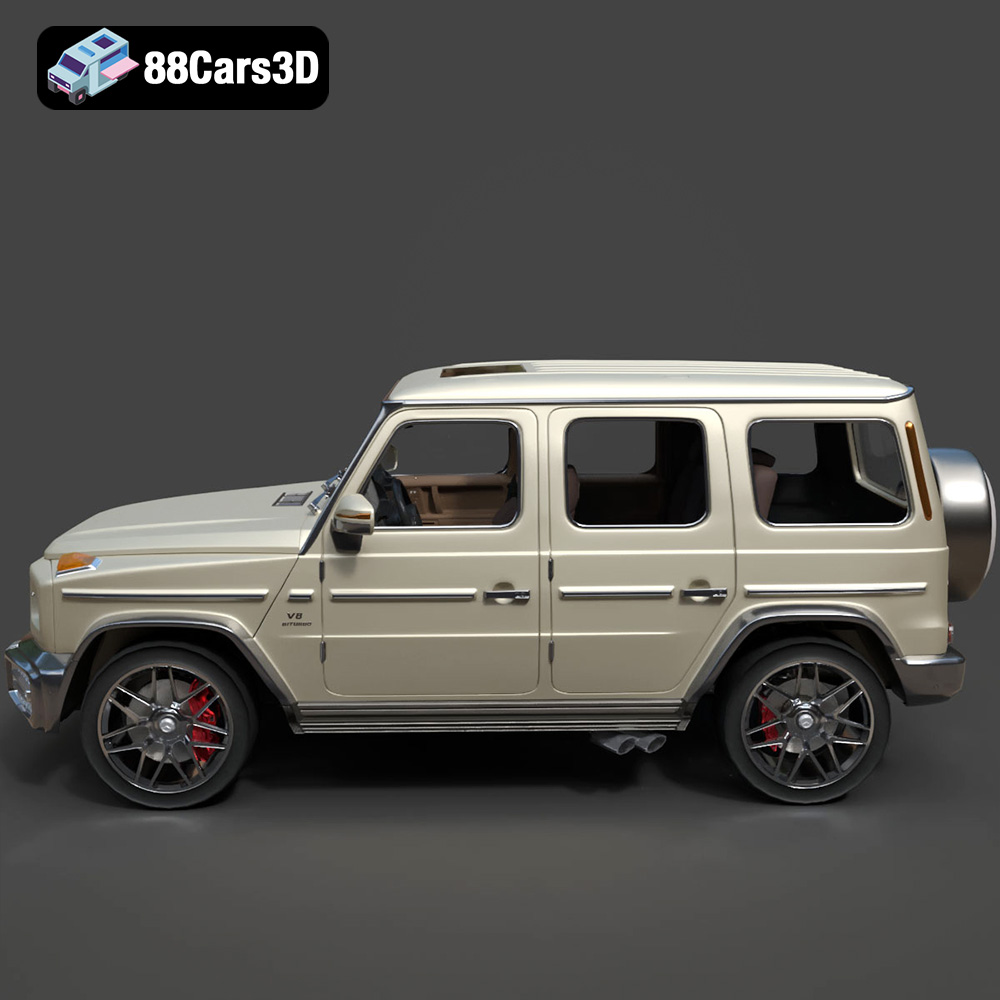
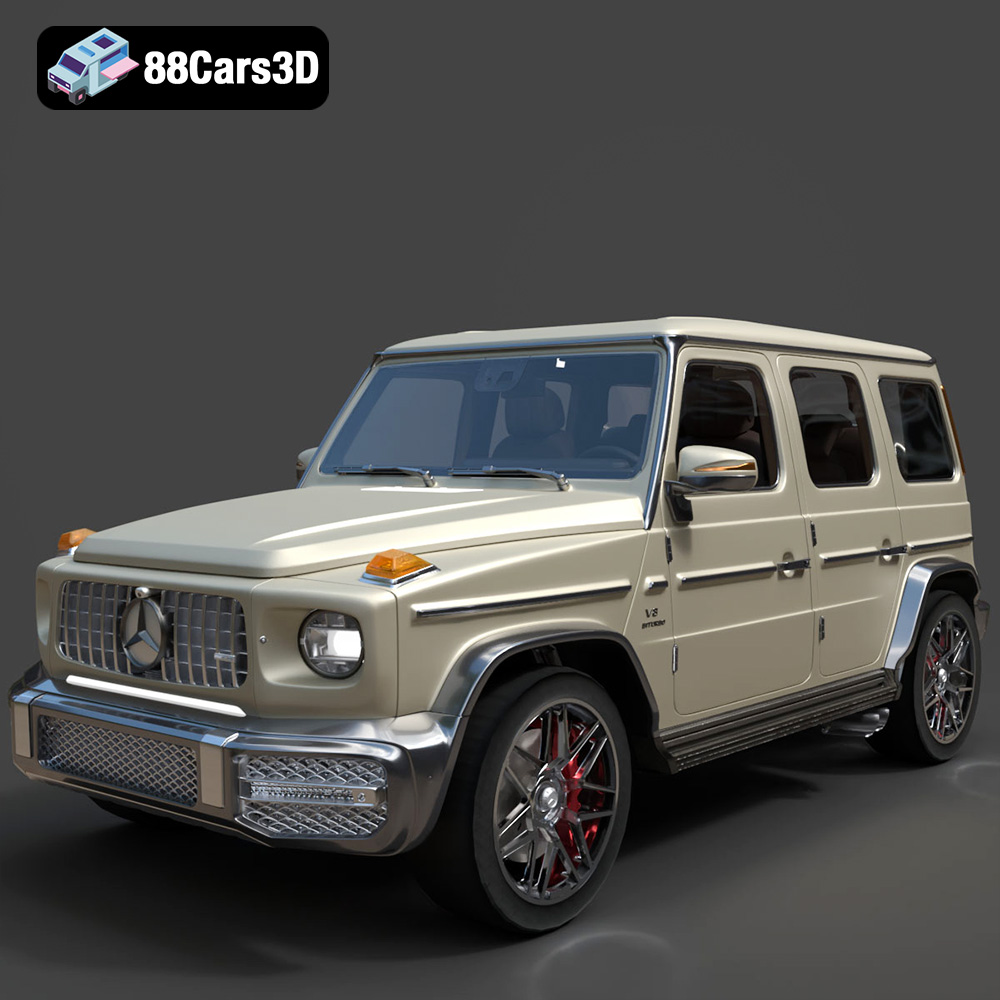
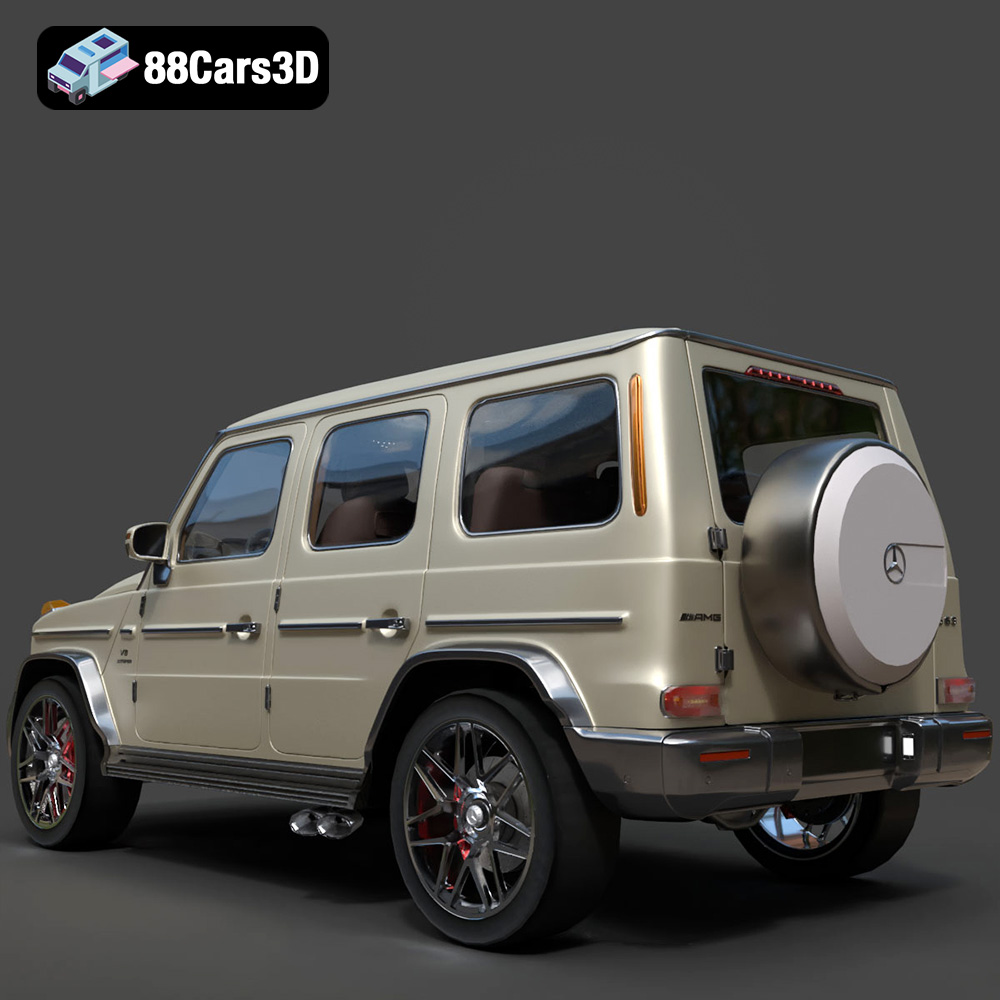
Imagine, however, having access to a curated collection of meticulously crafted, production-ready 3D car models that blend unparalleled detail with intelligent optimization. This is where specialized marketplaces like 88cars3d.com excel, offering solutions that empower artists to elevate their work with minimal effort. Today, we’re taking a closer look at a particularly compelling offering: the Ultimate German Luxury Cars 3D Models Bundle. This 4-in-1 pack features iconic vehicles like the Porsche 911 997 GT3, Audi RS7 Sportback Performance 2016, BMW M4 F82, and Mercedes-Benz G63 AMG – a powerhouse collection designed to meet the rigorous demands of professional 3D pipelines, from architectural visualization to AAA game development and even high-fidelity 3D printing.
This comprehensive guide will explore the technical nuances of working with high-quality 3D automotive assets, delve into essential file formats, dissect professional workflows in popular software like 3ds Max, Blender, and Unreal Engine, and demonstrate how premium 3D car models can be the ultimate accelerator for your creative projects.
Before diving into specific applications, it’s crucial to understand the various file formats that dictate how 3D models are stored, transferred, and utilized across different software and platforms. Each format serves a unique purpose, optimized for specific workflows, compatibility, or end uses. Choosing the right format is paramount for a smooth production pipeline.
The .blend file is Blender’s native format, encompassing an entire scene with all its data: meshes, materials, textures, lighting, cameras, animation, and even physics simulations. Its primary advantage is its comprehensive nature, allowing for seamless workflow within Blender, a powerful and increasingly popular open-source 3D creation suite. When you acquire a .blend file for a 3D car model, such as the Porsche 911 GT3 from the Ultimate German Luxury Cars bundle, you gain full editable access to all components, making it ideal for artists who wish to customize materials, modify geometry, or extend animations directly within Blender.
Developed by Autodesk, the .fbx format is arguably the most widely used proprietary format for exchanging 3D data between different applications, especially within game development and animation pipelines. It supports geometry, materials (with PBR maps often baked or referenced), animations, skeletons, and blend shapes. Its robust support for animation and scene hierarchy makes it the go-to choice for real-time engines like Unreal Engine and Unity. When integrating the Audi RS7 or BMW M4 into a game, an .fbx file ensures that the model’s separated parts (like wheels and doors) and pivot points are preserved, ready for rigging and physics implementation.
The .obj (Wavefront Object) format is a universal, open-standard text-based format renowned for its simplicity and wide compatibility. It primarily stores geometric data (vertices, normals, UV coordinates, faces) and references external material definition files (.mtl). While it doesn’t support animation or scene hierarchy as robustly as .fbx, its widespread adoption ensures that virtually any 3D software can import and export .obj files. It’s an excellent choice for static mesh transfer and cross-software compatibility, especially when the primary focus is on the raw geometry of a model like the Mercedes-Benz G63 AMG for pure rendering or modification.
.glb (GL Transmission Format Binary) is a relatively newer format, gaining rapid traction due to its optimization for real-time web-based 3D applications, augmented reality (AR), and virtual reality (VR). It’s essentially a binary version of glTF, bundling all necessary assets (geometry, materials, textures, animations) into a single, compact file. This “asset delivery format” is highly efficient for streaming and display in browsers or mobile AR/VR viewers, making it perfect for interactive product configurators or online showrooms showcasing premium 3D car models.
The .stl (Stereolithography) format is almost exclusively used for 3D printing. It represents a 3D model as a series of connected triangles (a triangular mesh) without color, texture, or other CAD attributes. Its simplicity makes it universally compatible with 3D printers and slicing software. For enthusiasts looking to 3D print a physical scale model of the Porsche 911 GT3 from the bundle, an .stl file is the essential starting point, allowing precise manufacturing of the intricate exterior details.
.ply (Polygon File Format or Stanford Triangle Format) is another format used to store 3D data, particularly popular in scan data, CAD, and scientific applications. It supports various properties like color, transparency, normals, texture coordinates, and even specific data for each vertex and face, offering more flexibility than .obj in some respects. While less common for general asset exchange in ArchViz or gaming, it’s valuable for precise geometric analysis or when working with high-fidelity scan data that needs to be converted into a usable 3D model.
While not a direct external file format for general exchange, “.unreal” refers to assets specifically configured and optimized for use within Unreal Engine. Often, these are .fbx files imported and then processed into Unreal’s native asset format (e.g., Static Meshes, Skeletal Meshes, Material Instances). The process involves setting up materials with PBR textures, creating LODs (Levels of Detail), and ensuring proper collision geometry. For the Ultimate German Luxury Cars bundle, assets optimized as “.unreal” are pre-configured to drop directly into an Unreal Engine project, saving countless hours of import and setup time, making them truly “game-ready.”
Similar to .blend for Blender, .max is the native file format for Autodesk 3ds Max. It stores a complete scene with all its objects, materials, lights, cameras, and animation data. 3ds Max is a powerhouse for modeling, animation, and rendering, especially prevalent in architectural visualization and high-end commercial production. Having a .max file of the Mercedes-Benz G63 AMG allows ArchViz artists full control to modify every aspect, from customizing the finish to creating intricate animation sequences for virtual walkthroughs.
Understanding these formats is fundamental for any 3D artist. The Ultimate German Luxury Cars bundle wisely offers a variety of these, ensuring maximum flexibility and compatibility across different professional workflows, allowing users to pick the format best suited for their specific project needs.
Automotive rendering is a specialized field within 3D visualization, demanding an exceptional eye for detail, mastery of lighting, and profound understanding of material properties. The goal is always photorealism – making a digital car indistinguishable from its real-world counterpart. This is where high-quality 3D car models from sources like 88cars3d.com become indispensable.
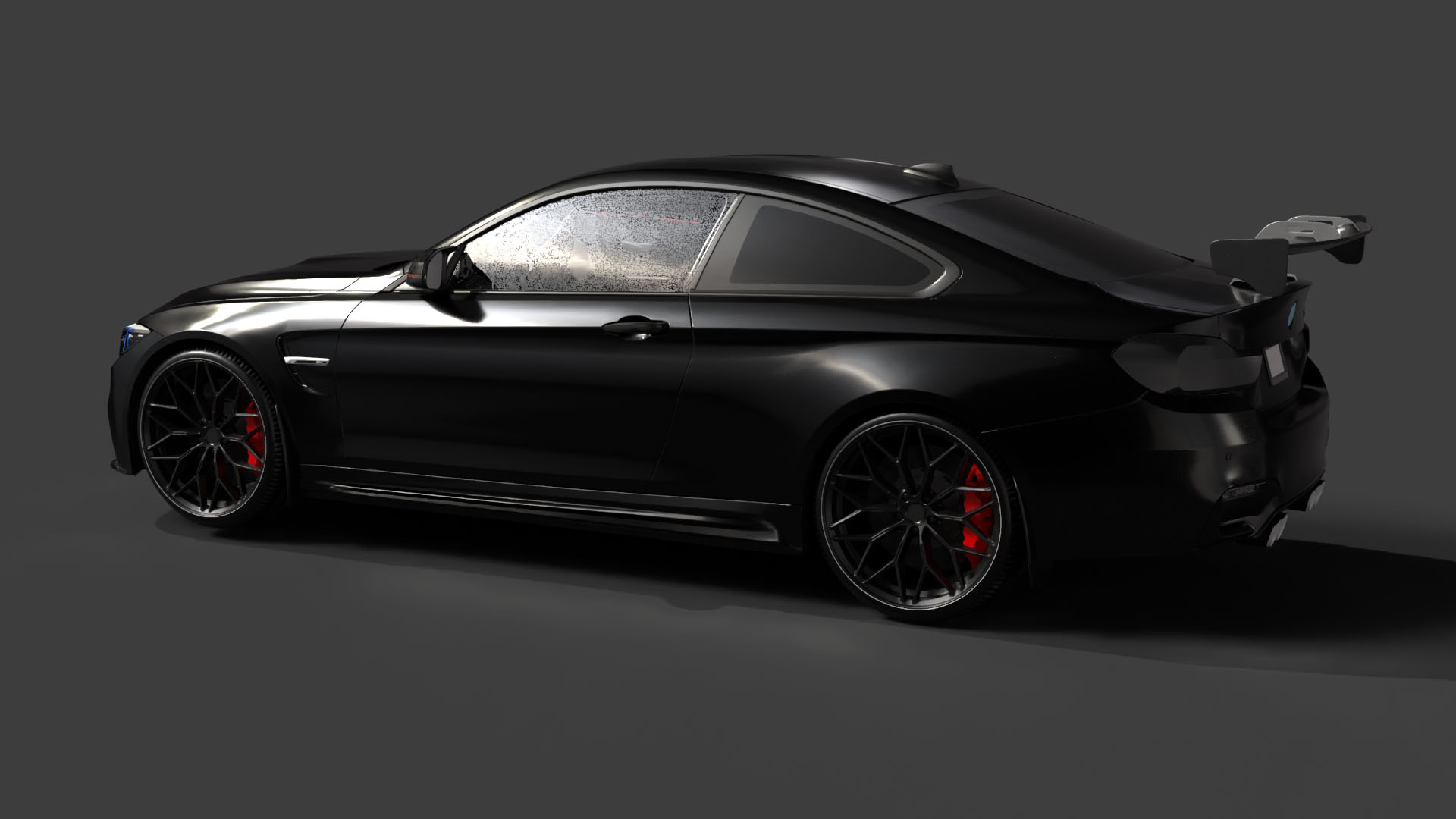
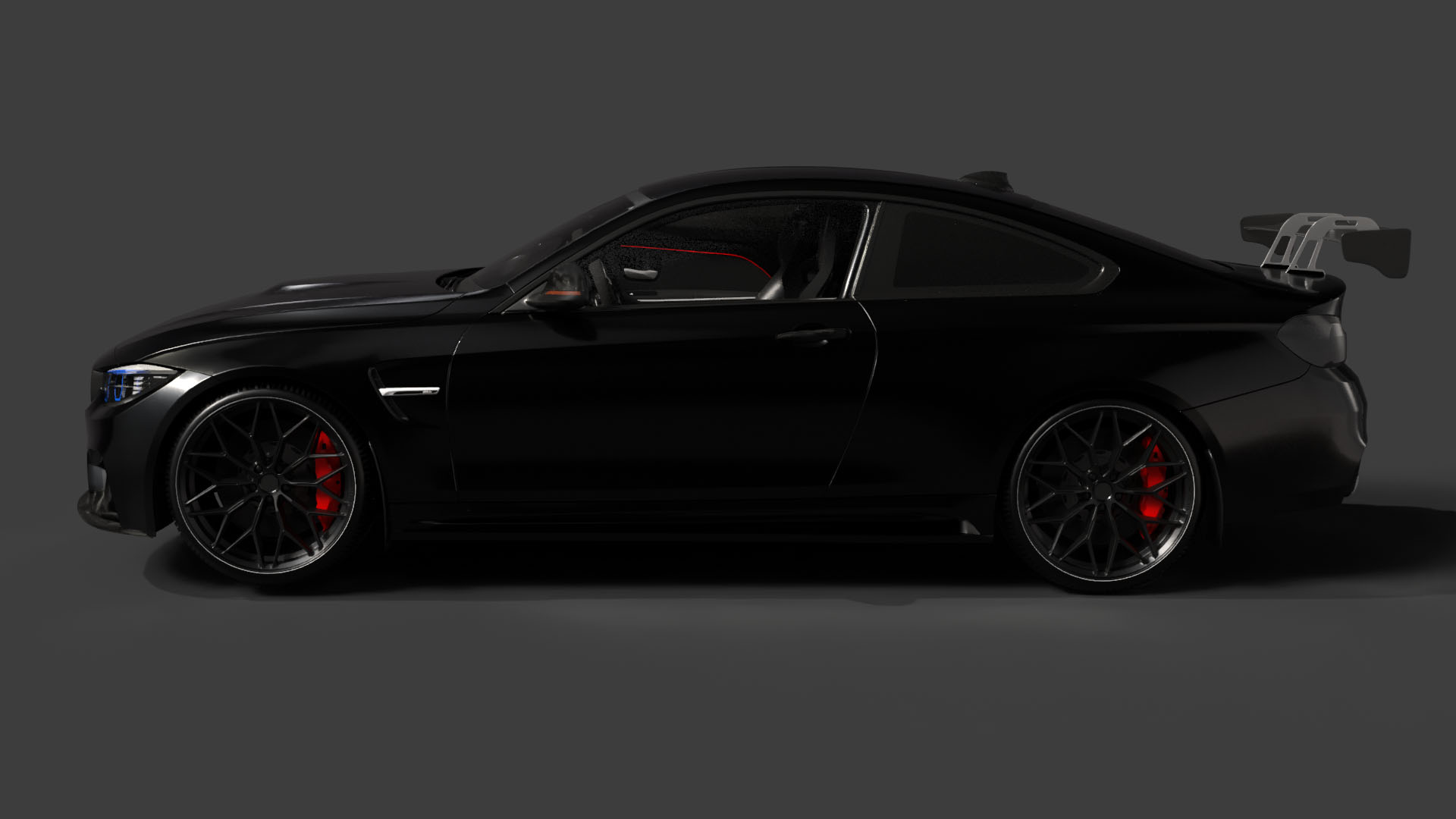
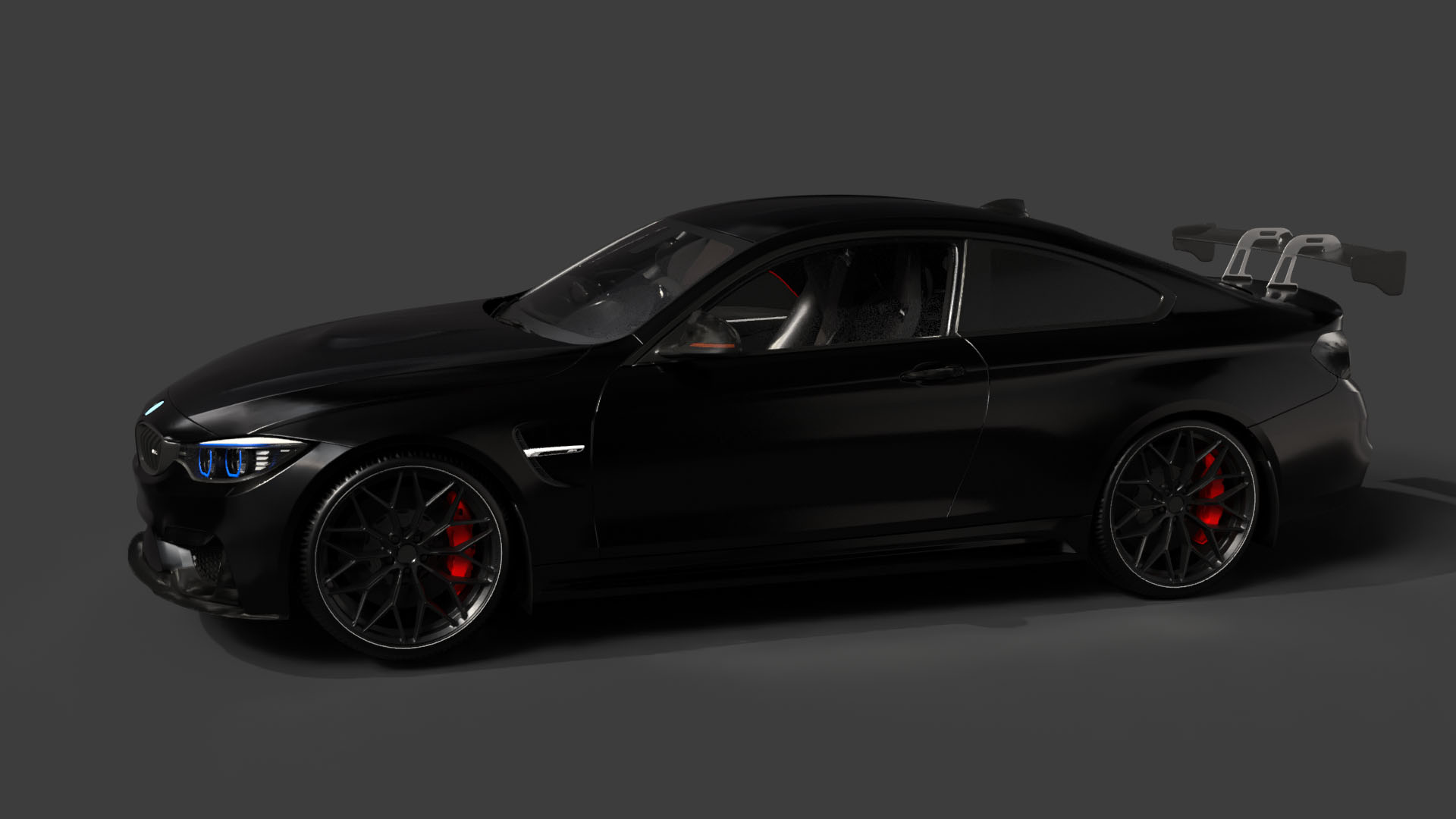
The foundation of photorealistic rendering lies in physically based rendering (PBR) materials. PBR workflows simulate how light interacts with surfaces in the real world, accounting for properties like albedo (base color), roughness, metallicness, normal maps, and ambient occlusion. For a luxury car model like the BMW M4 F82, this means meticulously crafted paint shaders that reflect light realistically, tire rubber with subtle micro-detail, and chrome accents that gleam with precision. The Ultimate German Luxury Cars bundle provides models with highly detailed exteriors, including factory-accurate alloy wheels and realistic street tires, ready for PBR texturing.
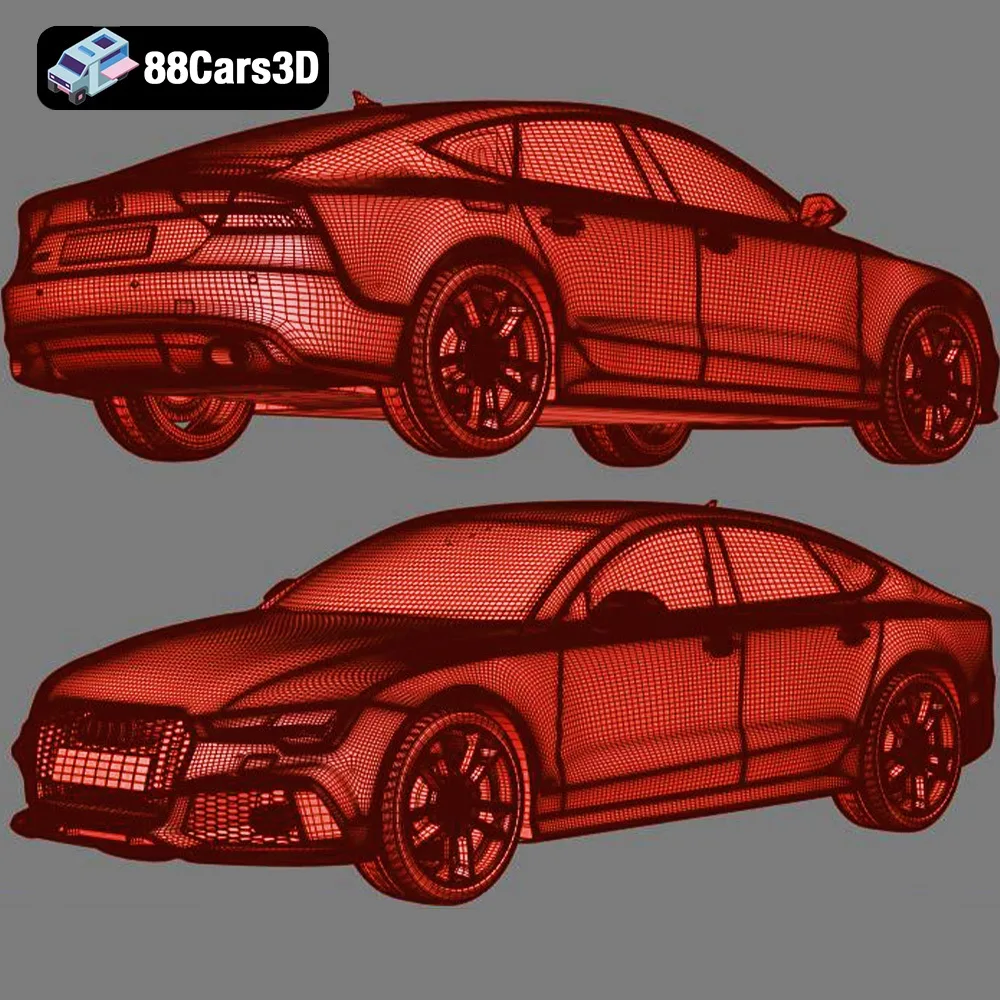
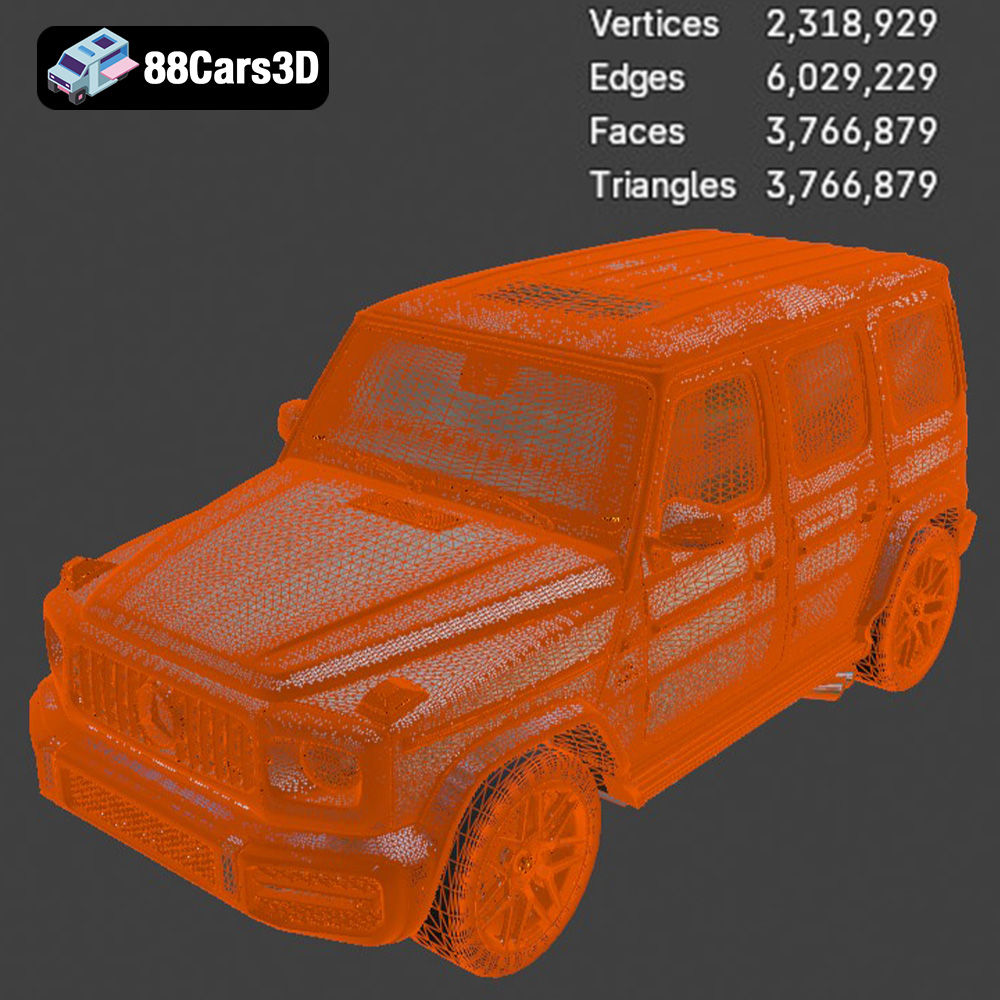
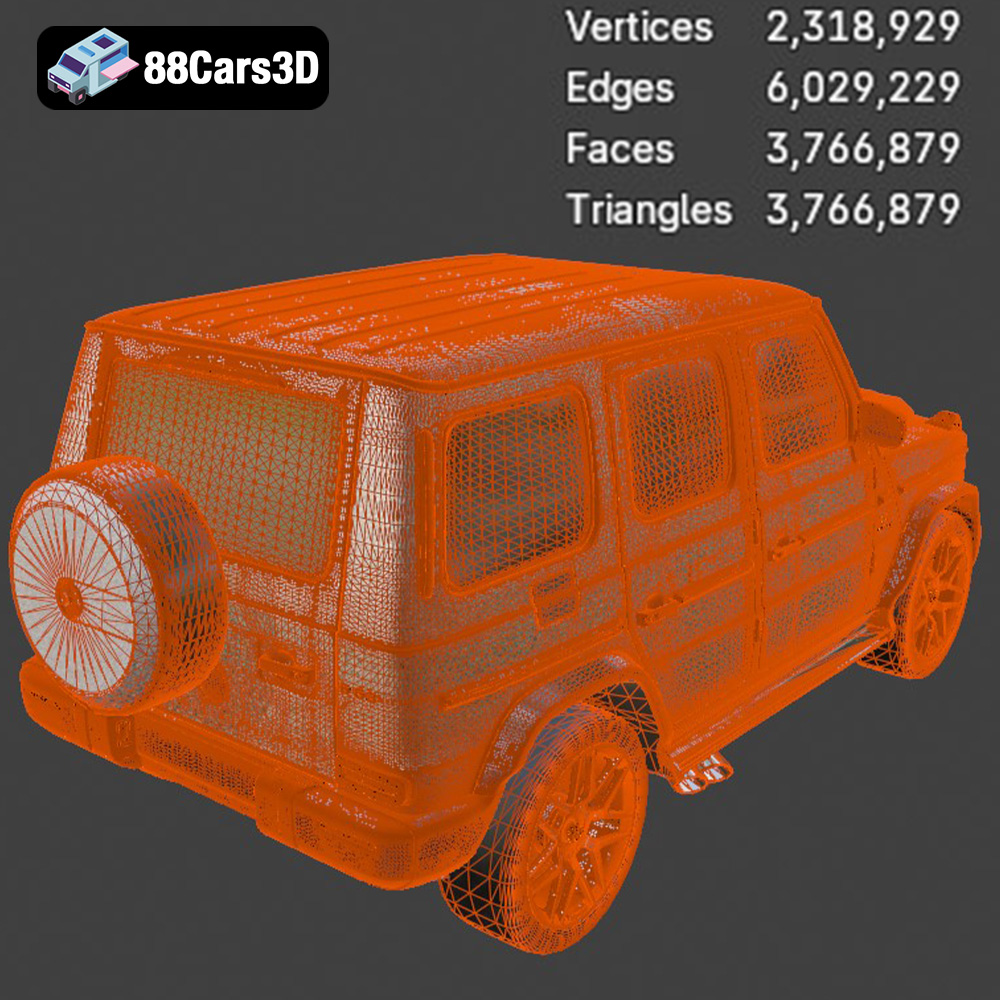
Equally critical is clean topology. The models in this bundle boast optimized, quad-based geometry, ensuring smooth subdivisions and zero shading artifacts. This is vital for close-up automotive renders, where every curve and panel gap must be perfect. Bad topology leads to unsightly pinching or stretching, immediately breaking the illusion of realism. A clean mesh not only renders flawlessly but also facilitates easier UV unwrapping and texture application, as well as future modifications or detail additions.
Lighting is the sculptor of form in rendering. Achieving a compelling automotive render involves a sophisticated lighting setup that mimics real-world scenarios. This often includes High Dynamic Range Image (HDRI) environments for global illumination, combined with targeted area lights or spotlights to accentuate specific features, highlight reflections, and create dramatic shadows. Imagine the Mercedes-Benz G63 AMG bathed in the warm glow of a sunset HDRI, with strategic lights emphasizing its commanding boxy silhouette and signature LED headlights. Software like 3ds Max, coupled with renderers like V-Ray, Corona, or Arnold, provides the tools to fine-tune every aspect of light interaction, from subtle reflections on the body paint to the intricate refractions through glass.
An ArchViz artist, for example, might place the Porsche 911 GT3 in a minimalist glass garage. The environment’s lighting—perhaps soft, diffused daylight—would be carefully balanced to showcase the car’s aggressive aerodynamic profile and iconic round headlights, reflecting off its polished surfaces and enhancing its aesthetic appeal. The models’ real-world scale accuracy ensures they fit seamlessly into any architectural scene without requiring manual adjustments.
Game development places a unique set of demands on 3D assets: they must be visually stunning yet incredibly optimized for real-time performance. High-quality 3D car models are essential for creating believable virtual worlds, whether for drivable hero cars, realistic traffic, or static scene elements. The Ultimate German Luxury Cars bundle offers an excellent example of assets designed with game development in mind.
One of the primary challenges in game development is balancing visual fidelity with performance. While the Porsche 911 GT3 needs to look incredible as a drivable hero car, it also needs to run smoothly at high frame rates. This is achieved through intelligent optimization, including clean topology with a controlled polygon count, efficient UV layouts, and PBR texture sets that minimize draw calls. The bundle’s description highlights this balance: “heavy enough on details for 4K ray-traced rendering, yet optimized enough so they won’t crash your scene when populating a dense city environment.” This suggests careful poly budget management and potentially multiple Levels of Detail (LODs) for different distances, although not explicitly stated, it’s a common practice for such optimized assets.
For vehicles like the Audi RS7, used as VIP NPC vehicles or high-quality background traffic, this optimization is crucial. The separated parts – wheels, doors, and steering components – are key for game engines. They allow for easy rigging, animation (e.g., spinning wheels, opening doors), and interaction with vehicle physics controllers. The models come with proper pivot point setup for all four wheels, making them truly “game-ready” for integration into Unreal Engine 5 or Unity.
Once imported into a game engine, these highly detailed 3D car models undergo further integration. Rigging involves creating a skeletal structure that allows the vehicle’s components to move realistically. For a car, this typically means a bone for each wheel, allowing them to spin and turn independently, and possibly bones for opening doors or steering wheels. The “separated parts” feature of the bundle’s models significantly simplifies this rigging process.
Following rigging, animation data is applied. This could range from simple wheel rotations based on speed to complex suspension dynamics or damage states. Finally, physics integration brings the car to life, allowing it to interact realistically with the game world. This involves setting up collision meshes (simplified representations of the car’s shape for physics calculations) and defining parameters like mass, friction, and engine power. For a driving simulator, the accuracy of the 3D model, combined with meticulous engine setup, determines the realism of the player’s experience. A detailed BMW M4 F82 can become a visceral, high-performance machine in a virtual world, driving its realistic aesthetic and physical presence.
The utility of high-quality 3D car models extends beyond digital screens into the physical realm through 3D printing. For diecast enthusiasts, automotive designers prototyping concepts, or hobbyists creating custom scale models, 3D printable STL files offer an unparalleled opportunity to bring digital designs to life. The Ultimate German Luxury Cars bundle embraces this trend by providing 3D printable STL files alongside its rendering and game-ready formats.
Transforming a complex 3D car model, designed for visual fidelity, into a printable object requires careful consideration. While the bundle’s models boast clean topology for rendering, specific adjustments might be needed for 3D printing. The .stl format, which represents the model as a collection of triangles, is the standard for 3D printers. For models like the Porsche 911 GT3 or Mercedes-Benz G63 AMG, capturing intricate grilles, thin mirrors, and delicate rim details is paramount.
The product’s recommended 3D print settings emphasize this, suggesting “SLA/Resin printing is strictly recommended to capture the intricate grilles and rims of these models.” Resin printers (SLA/DLP) offer much higher resolution and finer detail compared to FDM (Fused Deposition Modeling) printers, which extrude plastic filament. Recommended layer heights of 0.04–0.05 mm are extremely fine, ensuring smooth surfaces and sharp edges, critical for luxury car models.
Beyond the choice of printer technology, print settings and post-processing play a crucial role in the final quality of a 3D printed car model. The bundle recommends specific orientations: “Print bodies at a 45-degree angle to ensure flawless, smooth roofs and hoods; print wheels separately.” Printing at an angle helps minimize visible layer lines and often reduces the need for supports on critical aesthetic surfaces. Printing wheels separately allows for greater detail, better tolerance for assembly, and easier painting of different components.
Supports are almost always required for complex geometries like side mirrors, wheel arches, and undercuts. Post-processing for resin prints typically involves washing to remove uncured resin and a final UV cure to harden the model completely. For FDM prints, sanding and priming are essential to achieve a smooth finish that hides layer lines. Once printed, these physical scale models, ranging from 1:18 to 1:43, can be sanded, primed, and painted with factory-accurate colors, turning a digital asset into a stunning physical collectible. The Ultimate German Luxury Cars bundle truly makes these luxury vehicles accessible across both digital and tangible realms.
The versatility of high-quality 3D car models means they are central to various professional industries, pushing the boundaries of visualization and interaction. The Ultimate German Luxury Cars bundle is purpose-built to serve these diverse applications, offering a tangible advantage to professionals.
In architectural visualization, context is everything. A beautifully rendered building can feel static and lifeless without elements that suggest human activity and lifestyle. High-fidelity 3D car models are the ultimate “cheat code” for ArchViz artists, instantly elevating the perceived value and realism of a scene. Placing a Mercedes-Benz G63 AMG in the driveway of a modern mansion doesn’t just fill space; it tells a story of luxury, status, and aspiration, directly impacting a client’s emotional response to a property render. Similarly, parking an Audi RS7 Sportback Performance 2016 in a sleek urban streetscape grounds the architectural design in a believable, high-end environment.
The real-world scale accuracy and highly detailed exteriors of the models in the bundle ensure they integrate seamlessly into any architectural scene. Their clean topology means they render flawlessly even in extreme close-ups within a photorealistic rendering engine like V-Ray or Corona. This capability allows ArchViz studios to quickly populate scenes with vehicles that match the prestige of the architecture they are showcasing, saving hundreds of hours that would otherwise be spent modeling bespoke cars for each project.
Virtual production, a rapidly growing field, leverages real-time game engine technology to create film, television, and commercial content. High-quality 3D car models are central to this. For automotive commercials, instead of costly physical shoots, a Porsche 911 GT3 can be rendered in a custom virtual environment, allowing for impossible camera moves and dynamic lighting setups. The separated parts and clean topology of the bundle’s models are invaluable here, enabling easy rigging for complex animations and real-time interaction.
Beyond traditional media, these assets are perfect for interactive virtual reality (VR) car configurators. Imagine a customer in a dealership using a VR headset to explore a BMW M4 F82, changing colors, rims, and interior options in real-time. The optimized geometry and PBR materials ensure a smooth, immersive experience. Furthermore, for AR applications, a .glb file format from the bundle allows users to project a highly realistic 3D model of the Mercedes-Benz G63 AMG into their driveway using a smartphone, offering an innovative marketing tool that brings the product directly to the consumer’s environment.
In the competitive world of 3D production, time is money. Leveraging pre-made, high-quality 3D assets is not just about convenience; it’s a strategic decision that dramatically optimizes workflows, boosts productivity, and ensures consistent quality across projects. The Ultimate German Luxury Cars bundle exemplifies this workflow enhancement.
Modeling a single high-fidelity car from scratch can take weeks, if not months, for an experienced artist. This includes meticulous blueprint matching, complex surface modeling, detailed interior and exterior components, UV unwrapping, and material creation. When you need multiple vehicles for a project, this becomes an unsustainable bottleneck. By investing in a premium 3D car models bundle, artists gain immediate access to production-ready assets. The models in this German Luxury pack are already at real-world scale, have separated parts for easy rigging, boast clean topology, and are compatible with industry-standard renderers and real-time engines. This means artists can bypass the most time-consuming initial steps and dive straight into scene composition, lighting, and animation.
This efficiency is particularly beneficial for studios working on tight deadlines for ArchViz presentations or game development milestones. Instead of dedicating resources to basic asset creation, teams can focus on creative direction, innovative storytelling, and optimizing the overall experience. The ability to “drop the G63 AMG in the driveway of a modern mansion” as an “ultimate cheat code” is a testament to the significant time savings offered by such bundles.
Maintaining a consistent level of quality across all assets within a project is crucial for a polished final product. When different artists model vehicles from scratch, variations in detail, poly count, and topological standards can lead to visual inconsistencies. A curated bundle, like the one offered at 88cars3d.com, ensures a uniform standard of excellence. Each car – from the track-ready Porsche 911 GT3 to the luxurious Audi RS7 Sportback Performance – is crafted with the same attention to detail and adherence to professional standards.
This consistency is invaluable for large-scale projects, such as open-world games or extensive architectural developments, where many vehicles might be present. It guarantees that whether a car is a foreground hero asset or background traffic, it will meet the project’s visual requirements without jarring differences. Furthermore, the provided technical specifications, such as proper pivot points and optimized geometry, ensure that these models will behave predictably and efficiently within any pipeline, from 3ds Max and Blender for rendering to Unreal Engine and Unity for real-time applications.
The journey through the intricate world of 3D automotive assets reveals that high-quality 3D car models are far more than just decorative elements. They are foundational components that empower artists and studios to create stunning visualizations, immersive virtual experiences, and even tangible collectibles. From the critical understanding of diverse file formats like .fbx, .obj, and .blend, to the sophisticated techniques of photorealistic rendering and the stringent demands of game development, every aspect hinges on the underlying quality of the 3D model.
The Ultimate German Luxury Cars 3D Models Bundle stands out as a prime example of such excellence. Featuring the Porsche 911 GT3, Audi RS7, BMW M4 F82, and Mercedes-Benz G63 AMG, this collection delivers meticulously crafted exteriors, clean topology, separated parts for animation, and real-world scale accuracy. It’s a versatile package, ready for anything from high-end architectural visualization and cinematic virtual production to demanding game environments and detailed 3D prints. By providing such a comprehensive and optimized solution, 88cars3d.com significantly reduces production burdens, allowing creative professionals to focus their energy on innovation and artistry, ensuring their projects not only meet but exceed expectations.
Whether you’re an ArchViz artist seeking to populate luxury driveways, a game developer crafting the next open-world masterpiece, or an enthusiast bringing digital designs to life through 3D printing, investing in premium 3D car models is a strategic move that pays dividends in quality, efficiency, and creative freedom. Elevate your projects and drive innovation with assets designed for the pinnacle of 3D performance.
The Ultimate German Luxury Cars 3D Models Bundle is an elite collection featuring the pinnacle of European automotive engineering. Designed for high-end architectural visualization (ArchViz), AAA game development, and photorealistic rendering, this 4-in-1 premium package provides everything a 3D artist needs to populate luxury driveways, urban streetscapes, and virtual showrooms. Instead of purchasing these highly detailed models individually (Total Value: €274.97), this bundle offers an irresistible opportunity to acquire four iconic, meticulously crafted German masterpieces at a massive discount.
$129.99
.corona
3d-assets
archviz-pack
audi-rs7
bmw-m4
car-collection
game-ready
german-cars-bundle
luxury-car-3d-model
mercedes-g63
porsche-911-gt3
vehicle-bundle
vray