Get 50% OFF All Premium 3D & STL Models!

“`html
3D printing has revolutionized the automotive world, from prototyping components to creating detailed scale models. However, the success of your automotive 3D print hinges on choosing the right material. Selecting the best resin or filament requires careful consideration of the project’s requirements, desired finish, and functionality. This guide will explore the properties of various 3D printing materials, helping you make informed decisions for your next automotive project. We’ll delve into both resin and filament options, outlining their strengths, weaknesses, and ideal applications. Whether you’re printing a dashboard component, a scale model of a classic car from platforms like 88cars3d.com, or a custom car accessory, understanding material properties is paramount.
In this article, you will learn about:
Choosing the right material goes beyond simply picking the most popular option. Several key properties dictate a material’s suitability for automotive 3D printing. These include strength, heat resistance, chemical resistance, impact resistance, and surface finish. Let’s explore these in detail:
Automotive parts, especially functional ones, must withstand stress and strain. Tensile strength, flexural strength, and impact resistance are crucial metrics. For example, a dashboard mount needs high tensile strength to avoid breaking under the weight of a device, while a bumper component requires high impact resistance to absorb shocks. Higher infill percentages and stronger materials like ABS or Nylon are beneficial in such cases. Consider also the long-term durability of the material under UV exposure and varying temperatures. For example, Nylon is very strong but can be hydroscopic and therefore requires careful storage.
The interior of a car can reach extreme temperatures, especially under direct sunlight. Materials with low glass transition temperatures (Tg) can deform or soften, leading to part failure. ABS and PC (Polycarbonate) are known for their higher heat resistance compared to PLA. High-temp resins are also available for resin printers, formulated to withstand higher temperatures. You can check the material specifications on the manufacturers websites to confirm the heat deflection temperature of your chosen material.
Automotive parts are often exposed to various chemicals, including fuel, oil, cleaning agents, and solvents. The chosen material must resist degradation from these substances. Polypropylene (PP) offers excellent chemical resistance, making it suitable for fluid containers. Before choosing a material, research its compatibility with the chemicals it will encounter in its intended application.
Fused Deposition Modeling (FDM) is a popular 3D printing method that uses filaments. Several filaments are suitable for automotive applications, each with its unique properties:
PLA is a biodegradable thermoplastic known for its ease of printing and excellent surface finish. It’s a good choice for aesthetic parts and prototypes. For printable car models downloaded from marketplaces such as 88cars3d.com, PLA is often an excellent choice due to its ease of use and ability to capture fine details. However, PLA has low heat resistance and is not suitable for functional parts exposed to high temperatures.
ABS offers better heat resistance and impact resistance than PLA, making it suitable for functional parts. It is commonly used for interior components and housings. However, ABS requires a heated bed and an enclosure to prevent warping due to its high shrinkage rate. Proper ventilation is also crucial as ABS emits fumes during printing.
PETG combines the ease of printing of PLA with the strength and heat resistance of ABS. It offers good impact resistance, chemical resistance, and is less prone to warping than ABS. PETG is a versatile material suitable for a wide range of automotive applications.
Nylon is a strong, durable, and flexible filament with excellent chemical resistance. It is suitable for functional parts requiring high strength and wear resistance, such as gears and bushings. However, Nylon is hygroscopic, meaning it absorbs moisture from the air, which can affect print quality. It needs to be stored in a dry environment and dried before printing.
Carbon fiber-reinforced filaments offer increased stiffness, strength, and dimensional stability compared to their base materials (e.g., Carbon Fiber PLA, Carbon Fiber PETG). These filaments are suitable for parts requiring high rigidity and low weight. However, they are abrasive and require a hardened steel nozzle to prevent wear.
Stereolithography (SLA) and Digital Light Processing (DLP) 3D printers use liquid resins cured by UV light. Resins offer high resolution and excellent surface finish, making them ideal for detailed parts and aesthetic models. Different resin types offer varying properties:
Standard resin is a general-purpose resin suitable for prototypes and aesthetic models. It offers high detail and smooth surface finish but lacks high strength and heat resistance. Standard resin models from 88cars3d.com will show exceptional details and are perfect for display.
Tough resin is formulated to offer increased strength and impact resistance compared to standard resin. It is suitable for functional parts requiring moderate durability. It is a good choice for parts that will be handled frequently or subjected to minor stress.
High-temp resin is designed to withstand high temperatures without deforming. It is suitable for parts exposed to heat, such as engine components (prototypes) or interior parts in hot climates.
Flexible resin offers elasticity and flexibility, making it suitable for parts requiring shock absorption or bending. It is used for seals, gaskets, and other flexible components.
Achieving high-quality automotive 3D prints requires fine-tuning printer settings based on the chosen material. Key settings include layer height, print speed, temperature, infill, and support structures.
Lower layer heights result in smoother surfaces and finer details, but increase print time. Higher layer heights print faster but sacrifice surface quality. Find the balance between speed and quality that suits your project needs. For detailed aesthetic models, a layer height of 0.1mm or less is recommended. For functional parts, 0.2mm might be sufficient. Print speed should be adjusted based on the material and printer capabilities. Slower speeds generally improve print quality, especially for materials prone to warping or stringing. For example, printing ABS slowly helps reduce warping.
Proper temperature settings are crucial for material adhesion and preventing warping. Each material has an optimal temperature range for both the nozzle and the bed. Ensure the bed is properly leveled and use adhesion aids like glue stick or painter’s tape to improve bed adhesion, especially for ABS and Nylon. For resin printing, ambient temperature can affect the viscosity of the resin and therefore the print quality. In cold environments, you may need to preheat the resin vat.
Infill density affects the strength and weight of the part. Higher infill densities increase strength but also increase material consumption and print time. Choose an infill pattern and density that balances strength and efficiency. For functional parts, a higher infill density (e.g., 50-75%) is recommended. Support structures are necessary for overhangs and complex geometries. Proper support placement and removal are crucial for achieving a clean finish. Consider using soluble support materials for intricate designs. For resin prints, experiment with different support densities and tip diameters to balance support strength and ease of removal.
Post-processing is often necessary to improve the appearance, strength, and functionality of 3D printed automotive parts. Common techniques include sanding, painting, coating, and assembly.
Sanding removes layer lines and imperfections, creating a smooth surface for painting or coating. Start with coarse grit sandpaper and gradually move to finer grits. Wet sanding can help reduce dust and improve the finish. For resin prints, sanding is often necessary to remove support marks. For FDM prints, consider using a filler primer to fill in layer lines before sanding.
Painting enhances the aesthetic appeal and protects the part from UV exposure and environmental factors. Use automotive-grade paints and primers for best results. Apply multiple thin coats and allow each coat to dry completely before applying the next. Clear coats add shine and protect the paint from scratches. For resin prints, ensure the part is fully cured before painting. For FDM prints, consider using a heat-resistant paint if the part will be exposed to high temperatures.
Many automotive parts consist of multiple components that need to be assembled. Use appropriate adhesives or fasteners to join the parts securely. Consider using epoxy or cyanoacrylate (super glue) for bonding plastic parts. For functional parts, ensure the adhesive is strong and resistant to the chemicals it will encounter. For parts that need to be disassembled, use threaded inserts and screws. Proper assembly and bonding ensure the part functions as intended and lasts long.
Even with optimal settings and materials, 3D printing can encounter issues. Understanding common problems and their solutions can save time and material.
Warping occurs when the bottom layers of the print lift off the bed due to uneven cooling. Delamination is the separation of layers during printing. Both issues are often caused by insufficient bed adhesion or improper temperature settings. Solutions include increasing bed temperature, using adhesion aids, enclosing the printer, and adjusting fan speed. For resin prints, warping can be caused by excessive suction forces during printing. Orienting the part at an angle and using more supports can help reduce these forces.
Stringing is the formation of thin strands of plastic between different parts of the print. Blobs are small accumulations of plastic on the surface. Both issues are often caused by improper retraction settings or excessive nozzle temperature. Solutions include adjusting retraction distance and speed, lowering nozzle temperature, and ensuring the filament is dry. For resin prints, blobs can be caused by over-exposure. Reducing exposure time can help prevent this.
Insufficient support structures can lead to sagging overhangs and failed prints. Overly dense supports can be difficult to remove and leave behind blemishes. Solutions include optimizing support placement, increasing support density in critical areas, and using soluble support materials. For resin prints, experiment with different support tip diameters and densities to balance support strength and ease of removal.
Selecting the right resin or filament for your automotive 3D prints is essential for achieving the desired results. By understanding the properties of different materials and optimizing your 3D printer settings, you can create high-quality, durable, and aesthetically pleasing parts. Whether you are printing scale models or functional components, careful material selection and meticulous preparation will ensure your project’s success. From the ease of use of PLA for models available on 88cars3d.com to the high strength of Nylon for functional parts, each material offers unique advantages. Remember to experiment with different materials and settings to find the best combination for your specific needs.
Next Steps:
“`

Texture: Yes
Material: Yes
Download the BMW 8-Series M850i G15 Coupe 2019 3D Model featuring clean geometry, realistic detailing, and a fully modeled interior. Includes .blend, .fbx, .obj, .glb, .stl, .ply, .unreal, and .max formats for rendering, simulation, and game development.
Price: $19.99

Texture: Yes
Material: Yes
Download the BMW Z4 Mk3 G29 Roadster M40i 2019 3D Model featuring clean geometry, realistic detailing, and a fully modeled interior. Includes .blend, .fbx, .obj, .glb, .stl, .ply, .unreal, and .max formats for rendering, simulation, and game development.
Price: $19.99

Texture: Yes
Material: Yes
Download the BMW X6 (Mk3) (G06) M Sport 2020 3D Model featuring clean geometry, realistic detailing, and a fully modeled interior. Includes .blend, .fbx, .obj, .glb, .stl, .ply, .unreal, and .max formats for rendering, simulation, and game development.
Price: $19.99

Texture: Yes
Material: Yes
Download the BMW 8-Series G14 Convertible M850i 2019 3D Model featuring clean geometry, realistic detailing, and a fully modeled interior. Includes .blend, .fbx, .obj, .glb, .stl, .ply, .unreal, and .max formats for rendering, simulation, and game development.
Price: $19.99

Texture: Yes
Material: Yes
Download the BMW 8 Series M850i Coupe 2019 3D Model featuring clean geometry, realistic detailing, and a fully modeled interior. Includes .blend, .fbx, .obj, .glb, .stl, .ply, .unreal, and .max formats for rendering, simulation, and game development.
Price: $19.99

Texture: Yes
Material: Yes
Download the BMW 3 Series M-Sport Sedan 2019 3D Model featuring clean geometry, realistic detailing, and a fully modeled interior. Includes .blend, .fbx, .obj, .glb, .stl, .ply, .unreal, and .max formats for rendering, simulation, and game development.
Price: $19.99
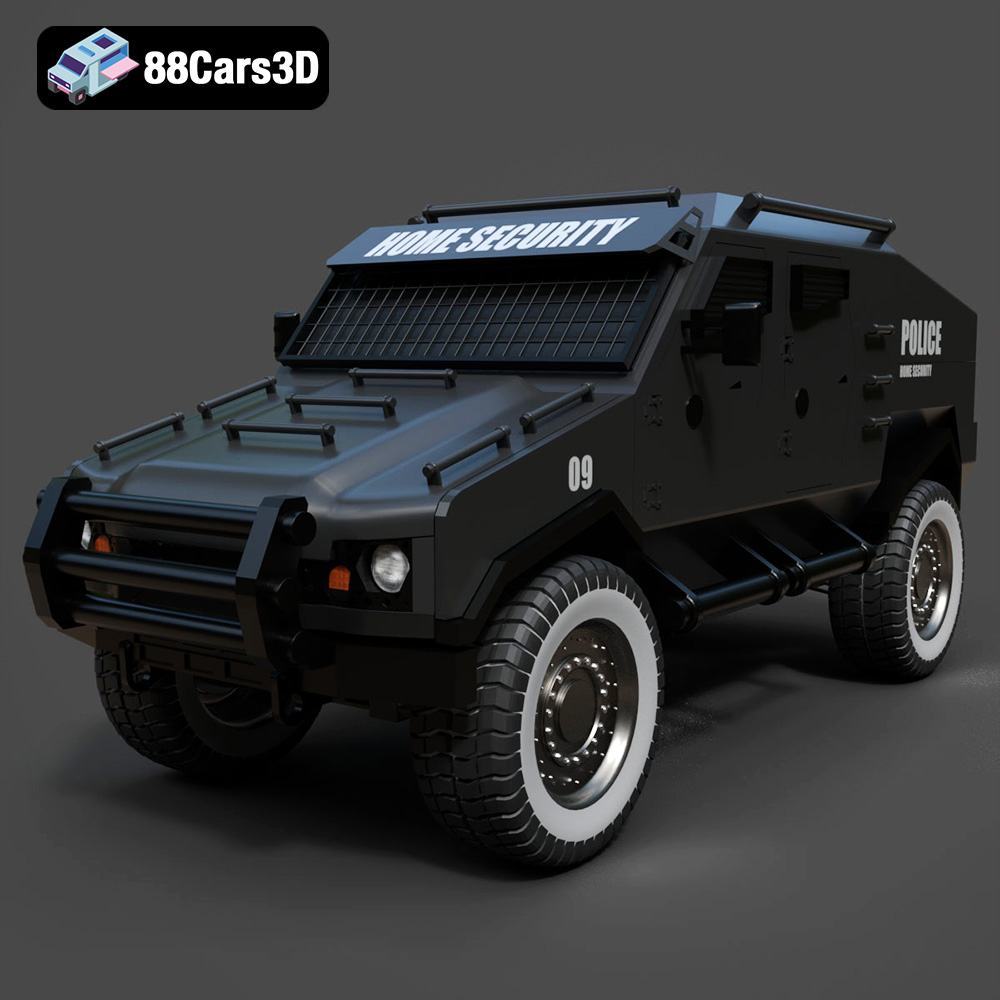
Texture: Yes
Material: Yes
Download the Armoured Vehicle 001 3D Model featuring clean geometry, realistic detailing, and a fully modeled interior. Includes .blend, .fbx, .obj, .glb, .stl, .ply, .unreal, and .max formats for rendering, simulation, and game development.
Price: $19.99
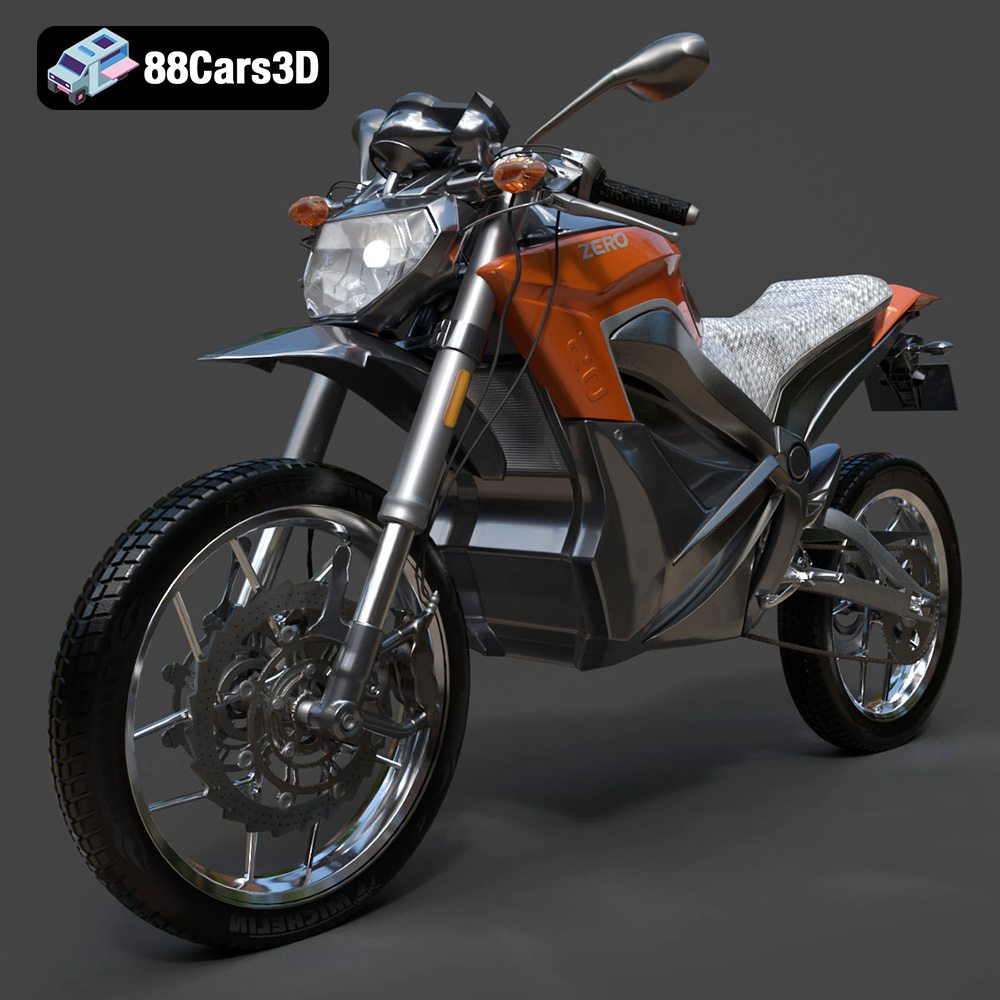
Texture: Yes
Material: Yes
Download the Zero Motorcycles S ZF8.5 3D Model featuring clean geometry, realistic detailing, and a fully modeled interior. Includes .blend, .fbx, .obj, .glb, .stl, .ply, .unreal, and .max formats for rendering, simulation, and game development.
Price: $19.99

Texture: Yes
Material: Yes
Download the Zeekr 001 3D Model featuring clean geometry, realistic detailing, and a fully modeled interior. Includes .blend, .fbx, .obj, .glb, .stl, .ply, .unreal, and .max formats for rendering, simulation, and game development.
Price: $19.99

Texture: Yes
Material: Yes
Download the Volvo Trucks Benz GT-001 3D Model featuring clean geometry, realistic detailing, and a fully modeled interior. Includes .blend, .fbx, .obj, .glb, .stl, .ply, .unreal, and .max formats for rendering, simulation, and game development.
Price: $29.99

