Get 50% OFF All Premium 3D & STL Models!

In the dynamic world of 3D visualization, game development, and automotive design, the quality of your digital assets can be the deciding factor between a mediocre project and a masterpiece. From photorealistic renders that captivate an audience to seamlessly integrated game assets that define immersive experiences, the foundation of excellence lies in meticulously crafted 3D models. These digital representations are more than just polygons and textures; they are the heart of virtual worlds, design showcases, and interactive applications.
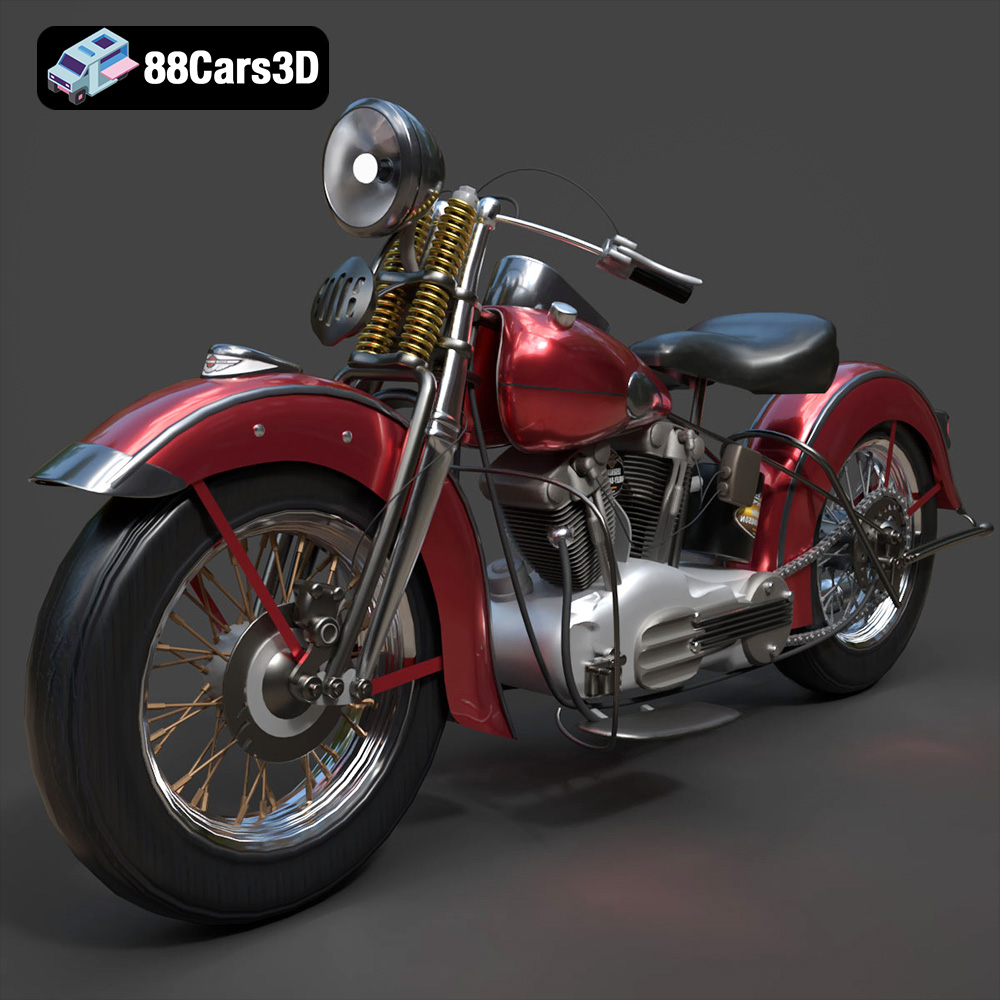
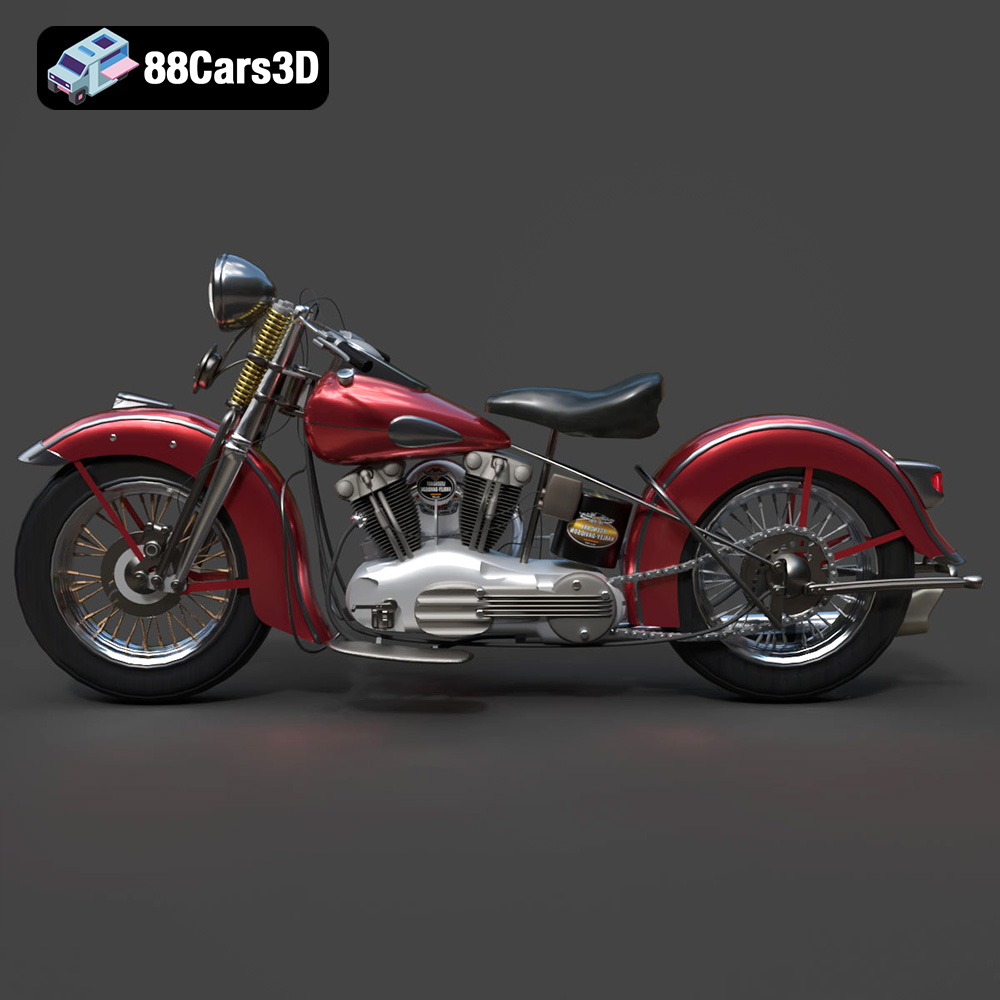
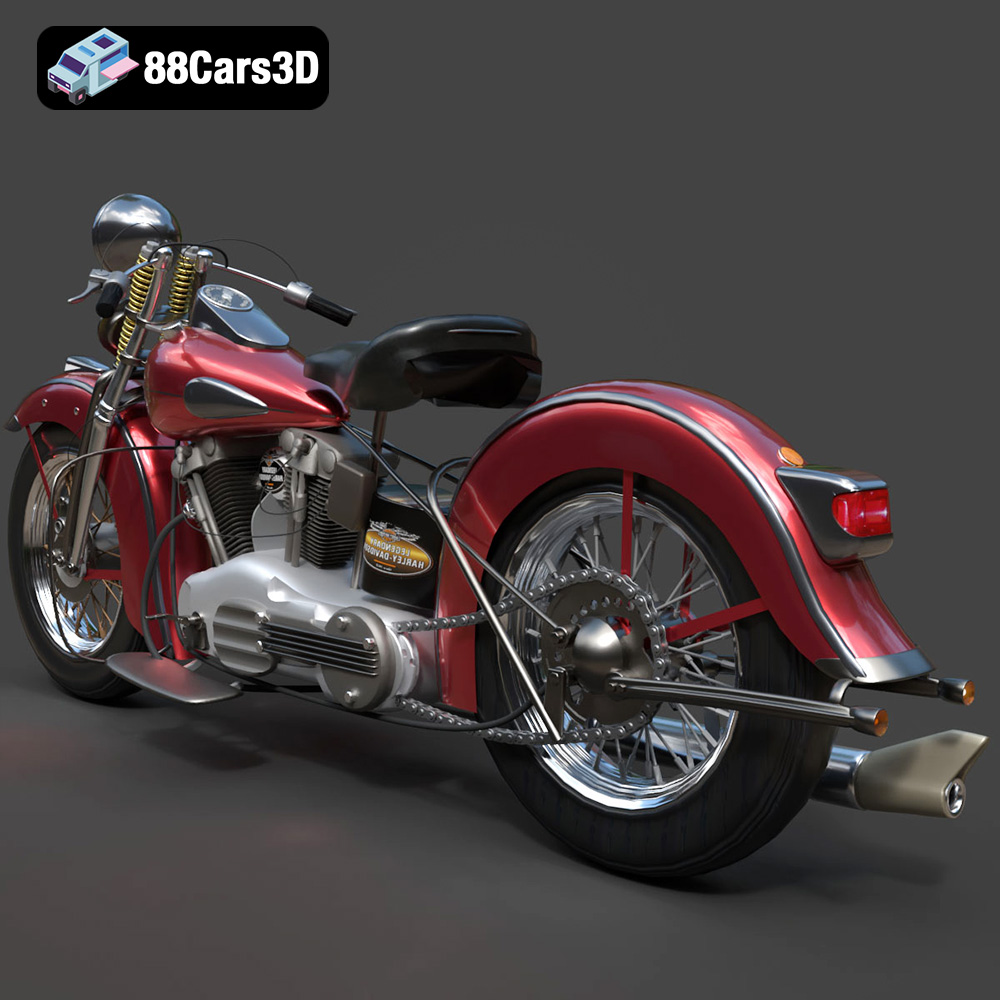
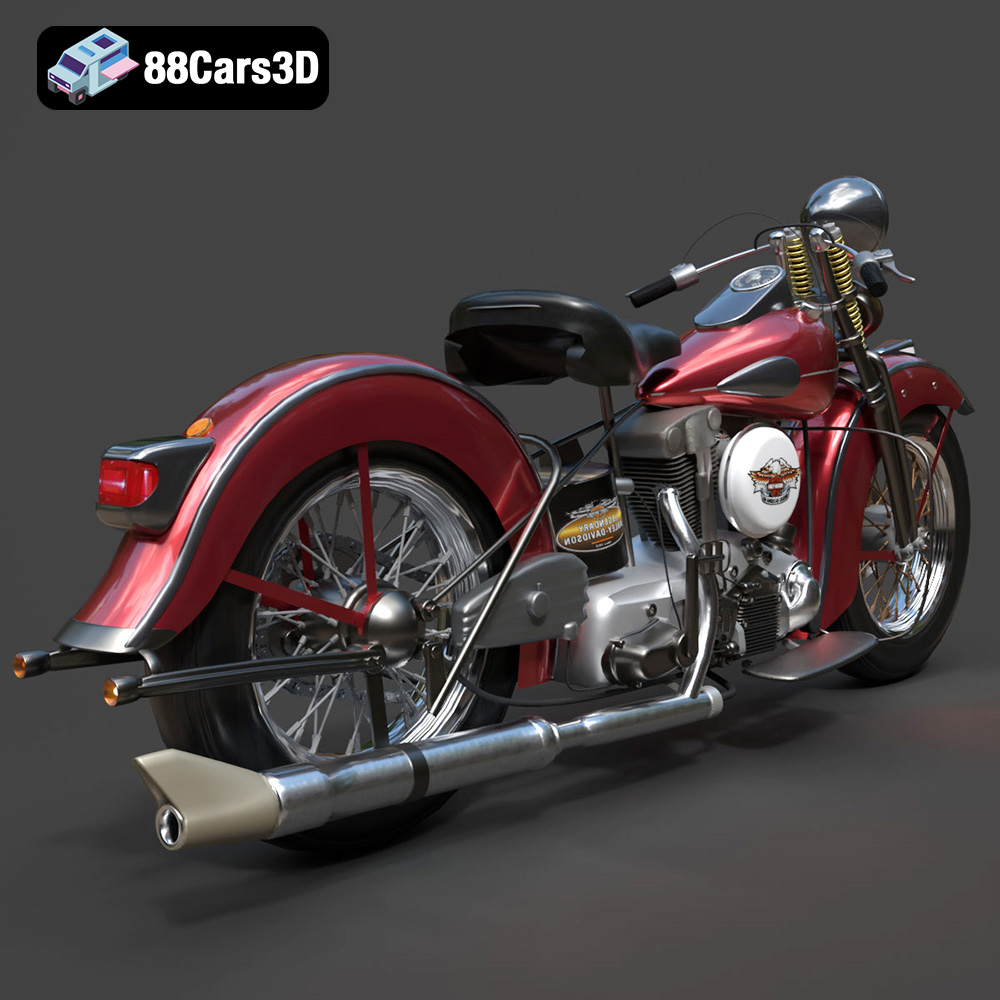
Imagine bringing a piece of history, an iconic design, into your modern workflow with absolute fidelity. Consider, for instance, the legendary Harley Davidson F 1946. This classic motorcycle represents an era of unparalleled craftsmanship and design prowess. When translated into a 3D model, such an icon demands an equivalent level of detail and technical precision. A high-quality 3D asset like the Harley Davidson F 1946 3D Model not only preserves the aesthetic integrity of the original but also provides a versatile foundation for a multitude of professional applications. Whether you’re a seasoned visualiser, a game developer, or an AR/VR innovator, understanding the intricacies of these models and their diverse file formats is crucial for unlocking their full potential.
The landscape of 3D modeling is rich with various file formats, each designed with specific purposes, compatibility, and technical advantages. Choosing the correct format is paramount for a smooth workflow, efficient project execution, and achieving optimal results across different software and platforms. When acquiring a high-quality asset like the Harley Davidson F 1946 3D Model, understanding the provided formats empowers you to leverage it effectively in any professional pipeline.
The .blend file is Blender’s native format. It’s a comprehensive package containing the entire scene, including geometry, materials, textures, lighting setups, cameras, animations, physics simulations, and even custom scripts. This format is ideal for Blender users as it preserves all aspects of the original project, allowing for full editability and customization. For projects where Blender is the primary DCC (Digital Content Creation) tool, or for collaborative efforts within a Blender-centric team, the .blend format provides the most flexibility and control over the Harley Davidson F 1946 3D Model.
Autodesk’s .fbx (Filmbox) format is an industry-standard for 3D data interchange, especially prevalent in game development and animation. It efficiently stores not only geometry and UV maps but also supports advanced features like skeletal animation, blend shapes, cameras, lights, and PBR (Physically Based Rendering) materials. Its binary nature makes it efficient for parsing and loading. The .fbx format is the go-to choice for importing assets into game engines like Unreal Engine and Unity, where the Harley Davidson F 1946 3D Model can be readily integrated with its textures and potentially even basic animation hooks, ensuring it performs optimally in a real-time environment.
The .obj (Wavefront OBJ) format is one of the oldest and most universally compatible 3D formats. It’s a text-based format that primarily stores geometric data: vertices, normals, UV coordinates, and faces. Material information is typically stored in a separate .mtl (material template library) file, which references texture maps. While .obj does not support animation, rigging, or complex scene data, its simplicity and widespread support make it an excellent choice for static mesh exchange between virtually any 3D software package. For basic rendering or static visualization of the Harley Davidson F 1946 3D Model, .obj offers robust cross-platform compatibility.
The .glb (GL Transmission Format Binary) is a relatively newer format that has quickly gained traction, particularly for web-based 3D, Augmented Reality (AR), and Virtual Reality (VR) applications. It’s a self-contained, binary version of glTF, embedding all necessary data (geometry, materials, textures, animations) into a single file. This makes .glb highly efficient for fast loading and rendering in browsers and mobile AR/VR viewers. The Harley Davidson F 1946 3D Model provided in .glb format is perfectly optimized for interactive online showcases or immersive AR/VR experiences, delivering high visual quality with minimal overhead.
The .stl (Stereolithography) format is the de facto standard for 3D printing. It represents a 3D model as a collection of unconnected triangular facets, defining only the surface geometry of an object. Crucially, .stl files do not contain color, texture, or material information. Their primary function is to define the shape of a physical object for rapid prototyping and manufacturing. If your goal is to physically manifest the Harley Davidson F 1946, perhaps as a miniature collectible or a design prototype, the .stl format is precisely what you need to send to your 3D printer.
The .ply (Polygon File Format) is another format that stores geometric data, often including properties beyond just vertices and faces, such as color per vertex, normal vectors, and transparency. It can represent both triangular and polygonal meshes. .ply is frequently used in scientific applications, CAD, and for storing data from 3D scanners, where precise surface information and additional attributes are critical. While less common for general animation, it offers a robust solution for detailed analysis or specific visualization tasks involving the Harley Davidson F 1946 3D Model where vertex-level data is important.
The .unreal designation, in this context, refers to a pre-configured asset package specifically tailored for Unreal Engine. This isn’t a single file format in the traditional sense, but rather a collection of files and settings within an Unreal Engine project structure. It implies that the Harley Davidson F 1946 3D Model has been imported into Unreal Engine, had its materials and textures set up using Unreal’s PBR workflow, potentially had its Level of Detail (LODs) configured, collision meshes generated, and even basic blueprints or animations integrated. This “engine-ready” asset significantly accelerates development time for Unreal Engine users, as it bypasses the initial setup and optimization phases typically required for raw 3D models.
The .max file is the native format for Autodesk 3ds Max. Similar to .blend for Blender, a .max file contains all the scene information from a 3ds Max project, including geometry, modifiers, materials, textures, lighting, cameras, animation tracks, and render settings. It offers the most comprehensive control for users working in 3ds Max. For high-fidelity rendering, complex scene authoring, or integrating the Harley Davidson F 1946 3D Model into detailed architectural visualizations or automotive commercials, the .max format provides the ultimate flexibility for professional animators and render artists.
Each of these formats serves a distinct purpose, and a high-quality asset like the Harley Davidson F 1946 3D Model offered by 88cars3d.com, delivered in a variety of these, ensures maximum compatibility and utility across diverse professional pipelines.
Automotive rendering stands at the intersection of artistic vision and technical precision. It’s about more than just showcasing a vehicle; it’s about evoking emotion, highlighting design nuances, and presenting a compelling narrative. Utilizing a premium 3D car model, such as the Harley Davidson F 1946, provides an unparalleled foundation for achieving breathtaking results.
The pursuit of photorealism in still renders requires a meticulous approach to materials, lighting, and camera work. With a clean geometry model like the Harley Davidson F 1946, artists can focus on these crucial elements. In software like 3ds Max or Blender, PBR materials are essential. This involves carefully setting up albedo (color), roughness, metallic, normal, and displacement maps. The Harley’s chrome accents, leather seat, and painted metal surfaces each demand specific material properties to react realistically to light. Studio lighting setups, employing HDRI (High Dynamic Range Imaging) maps and area lights, are used to mimic real-world environments, bouncing light off surfaces and creating subtle reflections that define form and texture. Attention to detail in aspects like tire tread displacement and subtle surface imperfections can elevate a render from good to indistinguishable from a photograph.
Beyond static images, 3D car models like the Harley Davidson F 1946 come alive in animated sequences. Whether it’s a dynamic showroom tour, a historical reenactment, or integrating the classic motorcycle into a modern scene, animation adds depth and engagement. This involves setting up camera paths, animating wheels, suspensions, or even small details like engine pistons if the model includes internal components. For a cinematic feel, motion blur, depth of field, and nuanced camera movements are vital. The clean geometry of the Harley Davidson F 1946 3D Model ensures that it deforms correctly during animation, preventing visual glitches and maintaining realism throughout the sequence. Post-production in tools like After Effects further refines the visuals, adding color grading, lens flares, and other atmospheric effects to enhance the narrative.
For game developers, 3D car models are the backbone of immersive driving experiences, open-world environments, and interactive vehicle showcases. The seamless integration and optimization of these assets are critical for maintaining high frame rates and a smooth user experience. The Harley Davidson F 1946 3D Model, with its game-engine-ready formats, is a prime example of an asset built for this purpose.
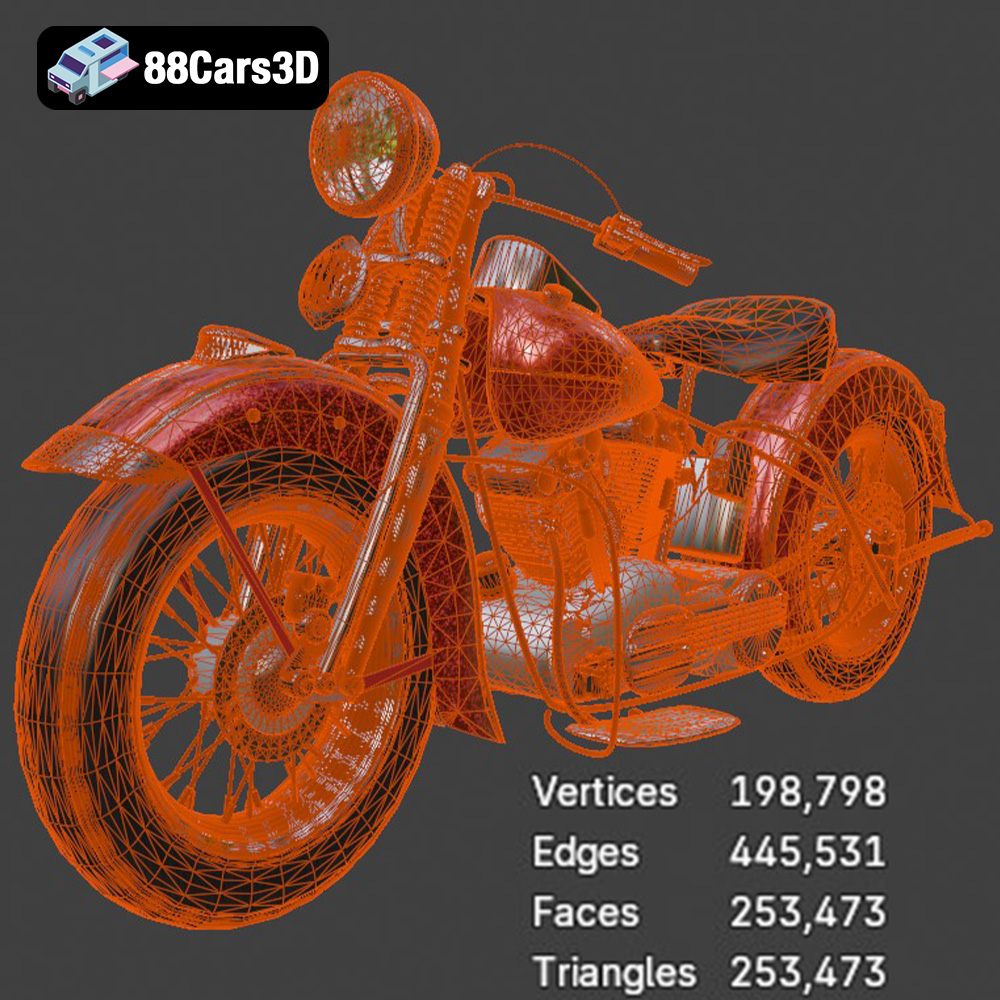
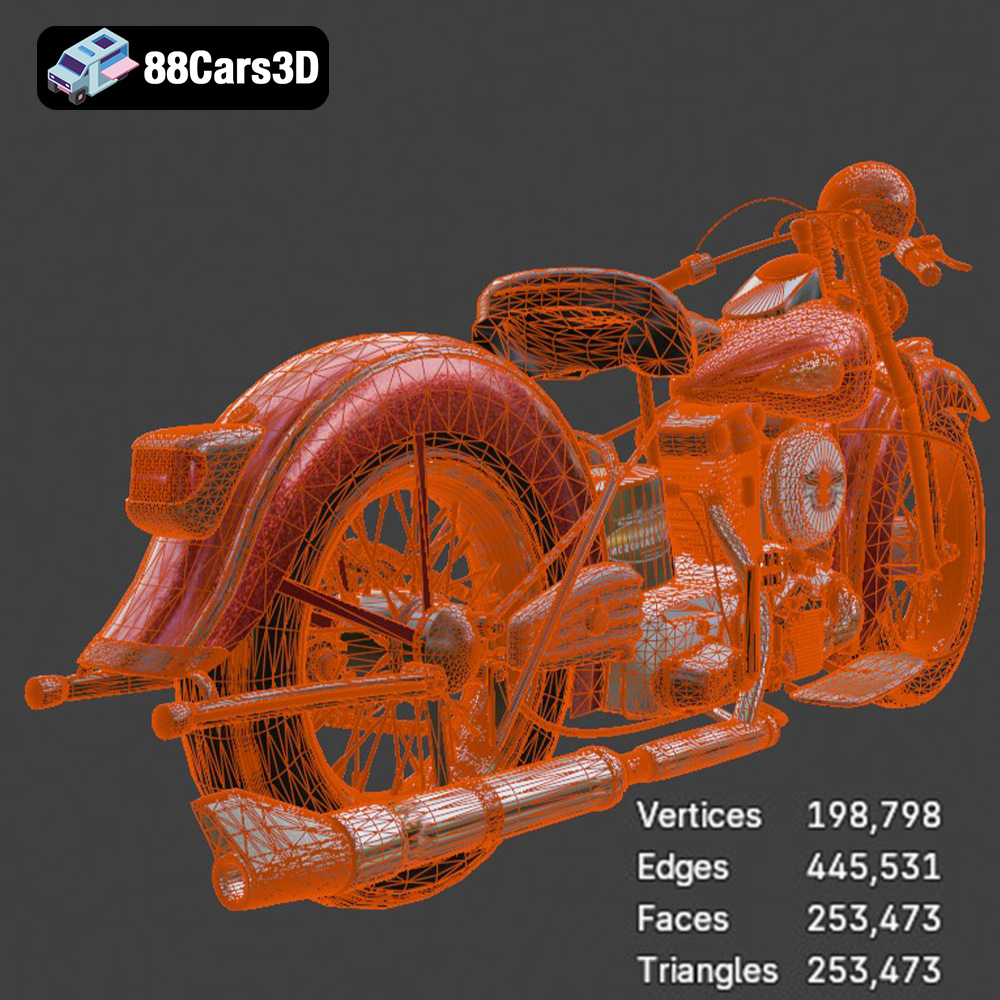
A key consideration in game development is balancing visual fidelity with performance. High-poly models, rich in detail, are perfect for cinematics and close-up shots, but can cripple real-time performance if not managed properly. For gameplay, developers often utilize low-poly versions of assets, sometimes generated from the high-poly mesh. The Harley Davidson F 1946, designed with clean geometry, provides an excellent base for creating multiple Levels of Detail (LODs). This means that a highly detailed version is used when the player is close to the motorcycle, while progressively lower-polygon versions are swapped in as the player moves further away, drastically reducing the computational load without a noticeable drop in visual quality. Normal maps baked from the high-poly model are then applied to the low-poly version to restore surface detail.
The integration of 3D car models into game engines like Unreal Engine and Unity is a streamlined process with properly prepared assets. Formats like .fbx are essential here, bringing in the geometry, UVs, and sometimes even basic animation and material references. For the Harley Davidson F 1946 3D Model, the provided .unreal format is particularly advantageous. This signifies that the model is already pre-configured for Unreal Engine, potentially including PBR material setups, collision meshes, and optimized textures. Developers can simply drag and drop the asset into their scene, knowing that the initial setup and optimization work has largely been handled. In both Unreal and Unity, materials are then refined using the engine’s node-based editors, shaders are applied, and physics properties are configured to ensure the motorcycle behaves realistically within the game world.
Augmented Reality (AR), Virtual Reality (VR), and web-based 3D visualization are transforming how we interact with digital content. These platforms demand highly optimized, efficient 3D models to deliver seamless, real-time experiences. A model like the Harley Davidson F 1946, with its optimized .glb format, is perfectly positioned for these emerging technologies.
In AR and VR, immersion is everything. Users expect models to appear realistic, load quickly, and respond smoothly to interaction. This requires not only excellent geometry but also highly optimized textures and materials. The Harley Davidson F 1946 3D Model’s clean geometry and efficient materials make it an ideal candidate for AR/VR applications. When integrated into platforms like Unity (for SteamVR, Oculus) or custom AR frameworks (ARCore, ARKit), the model can be placed into real-world environments via AR or explored in fully virtual spaces. Developers need to consider polycount targets for mobile AR devices and ensure textures are appropriately sized to prevent performance bottlenecks, all while maintaining the iconic look of the classic motorcycle.
The rise of web-based 3D technologies, powered by WebGL and WebGPU, allows for interactive 3D models directly within a browser. This is invaluable for product showcases, online configurators, and virtual museums. The .glb format of the Harley Davidson F 1946 3D Model is specifically designed for this purpose. Its self-contained nature and optimization enable rapid loading and rendering in frameworks like Three.js, Babylon.js, or Google’s Model Viewer. Businesses can leverage this to allow potential customers to interact with the Harley Davidson F 1946 in a browser, rotating it, zooming in on details, or even changing color options without needing to download a separate application. This vastly improves accessibility and engagement for digital content.
While often associated with screens and pixels, 3D models also bridge the gap into the physical world through 3D printing. This application is particularly valuable for product design, historical preservation, and creating tangible collectibles. The inclusion of .stl and .ply formats for the Harley Davidson F 1946 3D Model unlocks this powerful capability.
The .stl format is the bedrock of 3D printing. It translates the digital mesh of the Harley Davidson F 1946 into a series of triangles that a 3D printer can understand and build layer by layer. When preparing a model for 3D printing, several technical considerations come into play. Wall thickness must be sufficient, overhangs might require support structures, and the model’s scale needs to be accurately defined. For a complex object like a motorcycle, breaking it into printable parts or ensuring all components are manifold (watertight) is crucial. The clean geometry of the Harley Davidson F 1946 3D Model simplifies this preparation process, allowing hobbyists and professionals alike to easily produce a physical replica, whether for display or as a component in a larger project.
The .ply format extends the utility of 3D models beyond simple printing. It’s often used in applications requiring high precision, such as reverse engineering, quality control, or scientific analysis. For instance, a detailed .ply mesh of the Harley Davidson F 1946 could be used to compare scanned data from an original physical model to the digital rendition, ensuring dimensional accuracy. Engineers might use it for finite element analysis (FEA) to simulate stress points or aerodynamic properties on a virtual prototype. This level of detail and data richness provided by the .ply format demonstrates the model’s versatility for tasks that go beyond purely aesthetic visualization, proving its value in technical and research-oriented workflows.
In any professional creative or technical endeavor, time is money, and efficiency is paramount. Relying on high-quality 3D assets, like those found on 88cars3d.com, is not merely a convenience but a strategic investment that significantly impacts project timelines, visual fidelity, and overall success.
Creating a detailed 3D model from scratch, especially a complex vehicle like the Harley Davidson F 1946, can take hundreds of hours of a skilled artist’s time. This includes meticulous modeling, UV unwrapping, texturing, and material setup. By purchasing a professionally crafted, ready-to-use 3D model, studios and individual artists can bypass these initial, labor-intensive stages. The immediate availability of a clean, optimized model in multiple formats allows teams to jump straight into rendering, animation, or game integration. This acceleration of the production pipeline means projects can be completed faster, and resources can be allocated to other critical tasks, ultimately leading to greater productivity and quicker project delivery.
Consider a scenario where an advertising agency needs to create a cinematic commercial featuring a classic motorcycle. Without a ready-made asset, the team would face weeks of modeling work. However, with the Harley Davidson F 1946 3D Model, available on 88cars3d.com, the creative director can immediately integrate it into a 3ds Max or Blender scene. The model’s realistic materials and textures mean less time spent on shader creation, allowing artists to focus on lighting, camera animation, and environmental storytelling. For a game studio developing a historical racing game, the pre-configured .unreal asset streamlines integration, saving valuable developer hours on optimization and material setup within the game engine. The versatility across formats means that the same foundational asset can be used for high-resolution marketing renders, real-time game assets, and even a 3D-printed collector’s item, demonstrating unparalleled value and adaptability.
The world of 3D modeling continues to evolve, pushing the boundaries of realism and interactivity. At the core of this evolution are high-quality 3D assets that serve as the building blocks for incredible visualizations, immersive games, and groundbreaking AR/VR experiences. Understanding the technical nuances of file formats, optimization techniques, and integration workflows is essential for any professional navigating this complex landscape.
The Harley Davidson F 1946 3D Model exemplifies the ideal asset: meticulously crafted, versatile across multiple applications, and provided in a comprehensive range of formats to suit diverse professional needs. Whether your project demands photorealistic renders, seamless game integration, interactive web visualization, or even a physical 3D print, such a model empowers creators to achieve their vision with efficiency and unparalleled quality. Investing in premium 3D car models from trusted sources like 88cars3d.com is not just about acquiring a digital file; it’s about acquiring a foundation for success in your creative and technical endeavors, allowing you to focus on the art of creation without being bogged down by the intricacies of asset production.
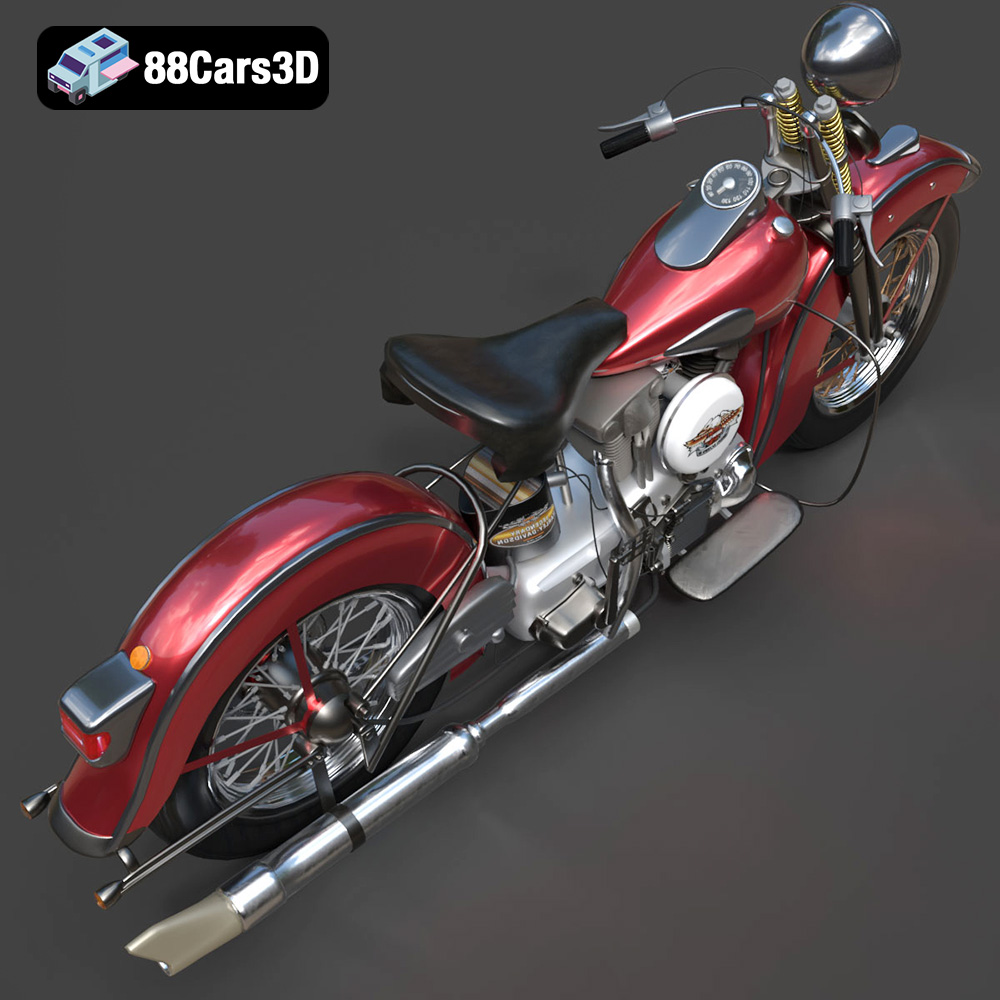
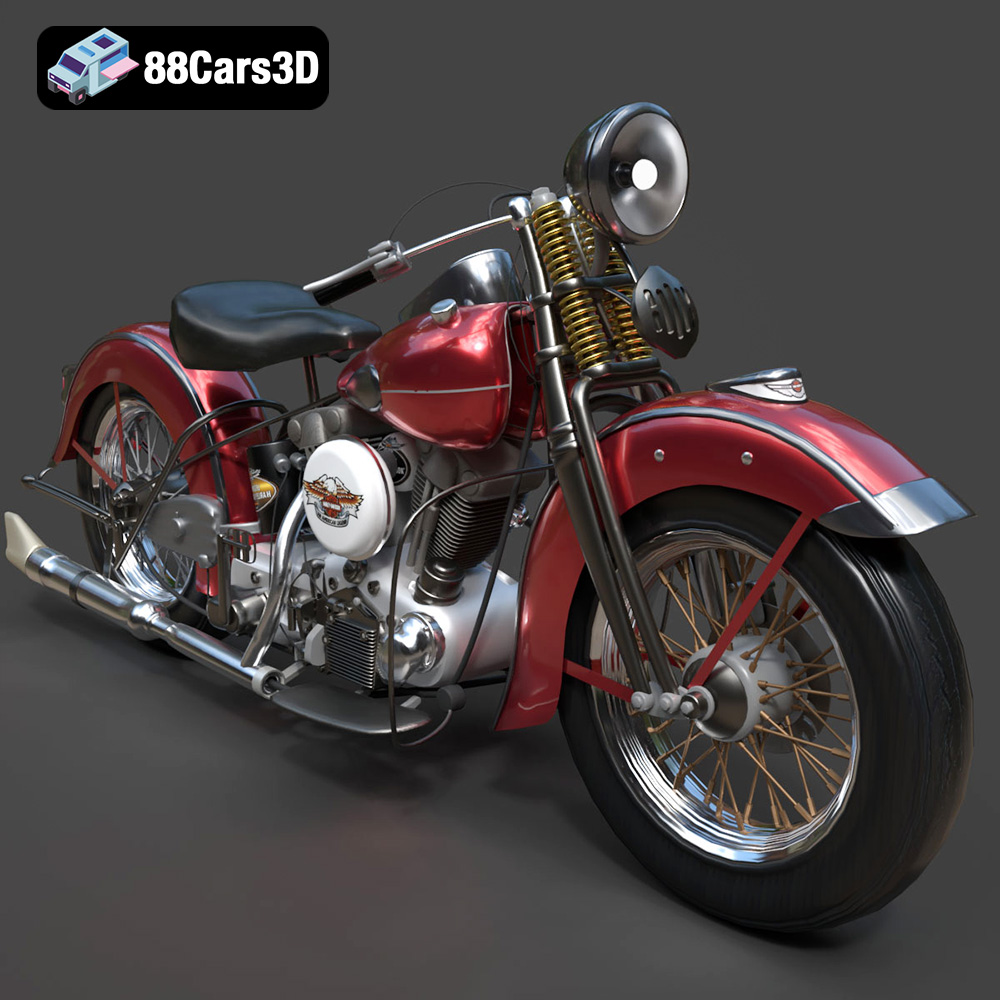
Immerse yourself in the detailed world of the Harley Davidson F 1946 3D Model. This meticulously crafted model replicates the iconic motorcycle with stunning realism, capturing every curve and detail.
$19.99
.arvr
.blend
.car3dmodel
.classicmotorcycle
.f
.fbx
.gameasset
.glb
.harleydavidson
.harleydavidsonf
.max
.motorcycle
.obj
.ply
.rendering
.simulation
.stl
.unreal