Get 50% OFF All Premium 3D & STL Models!

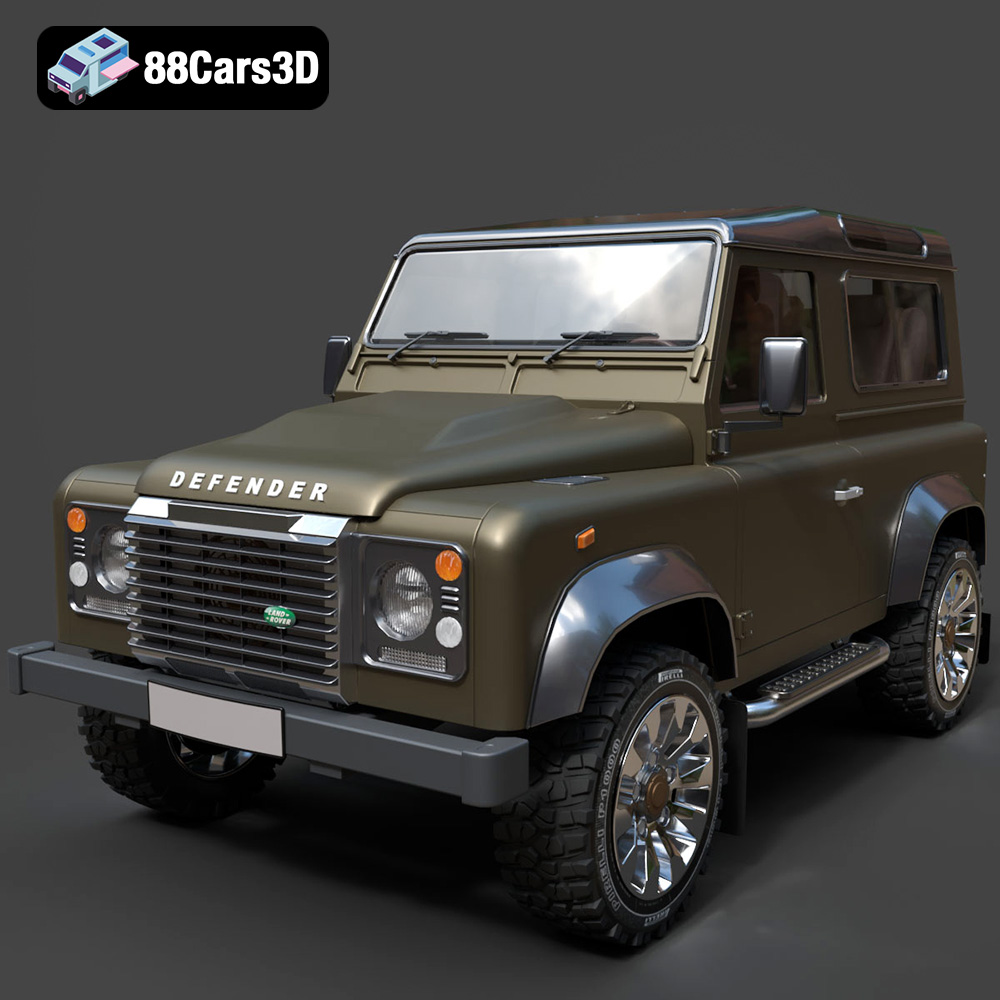
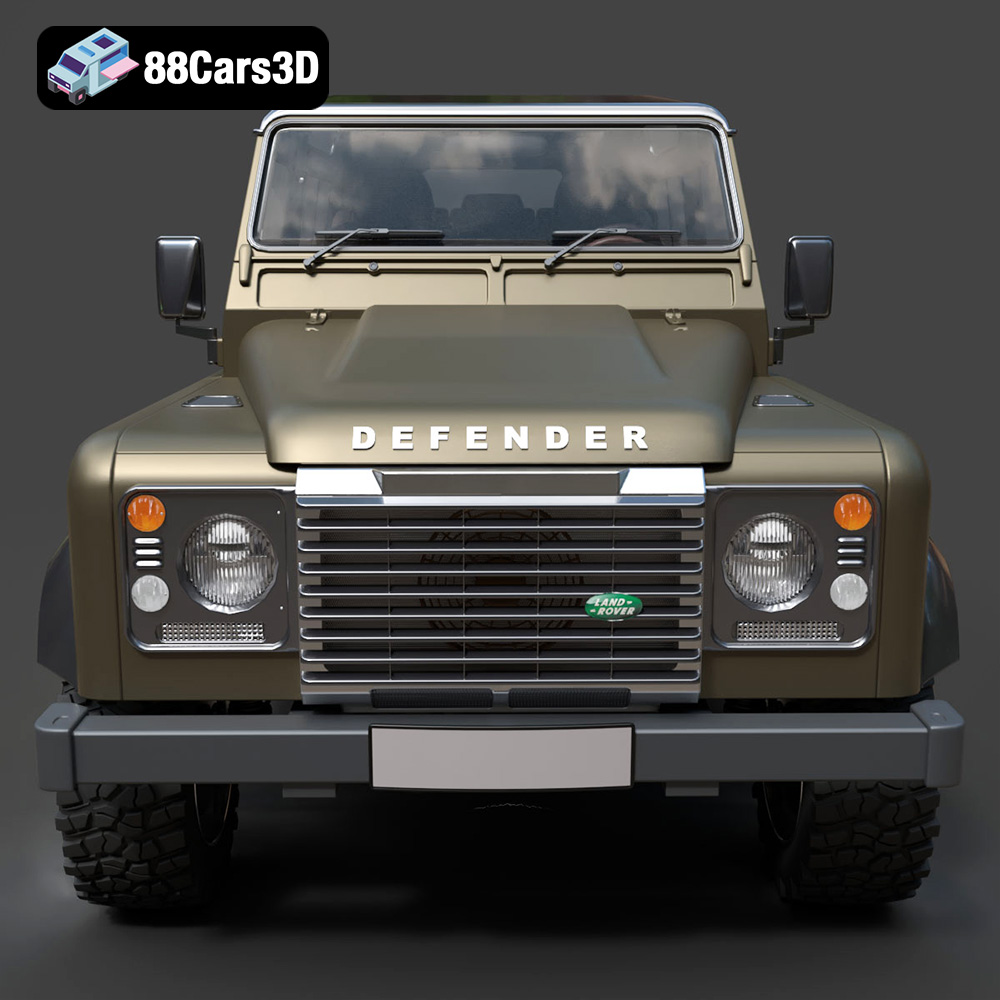
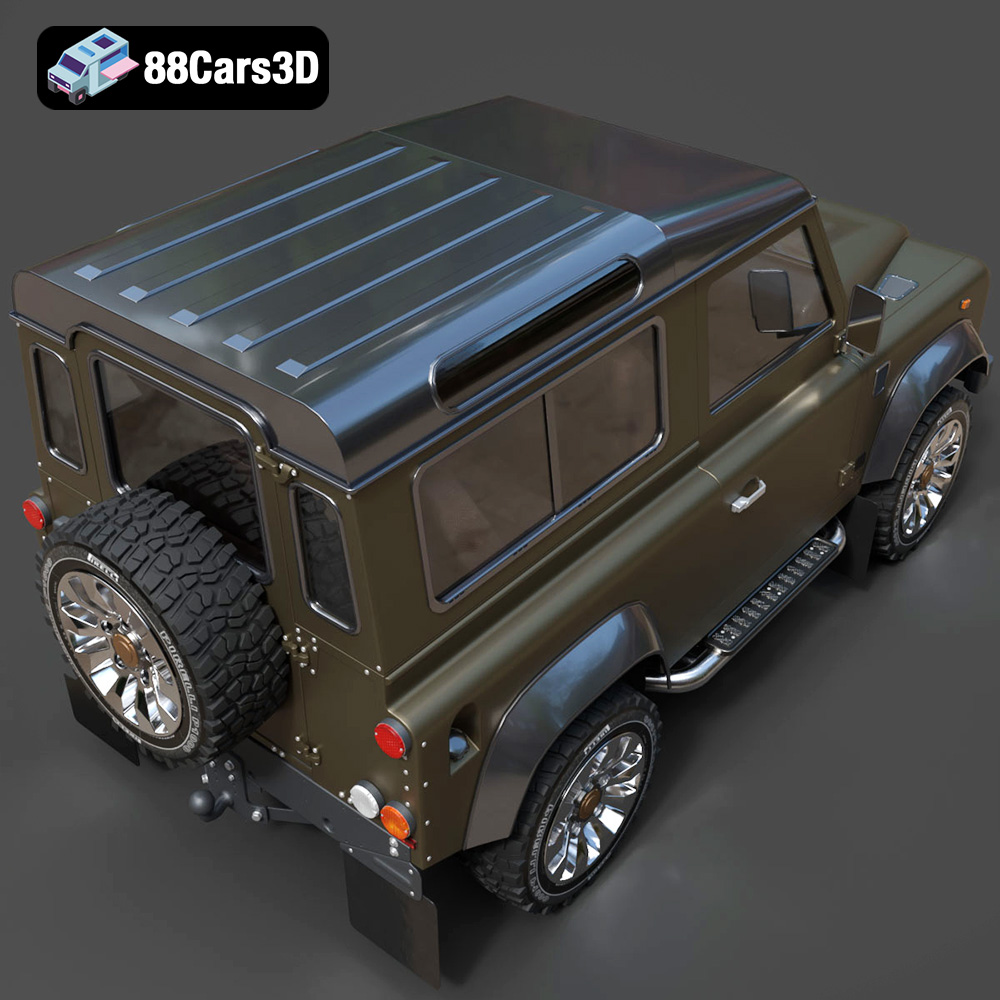
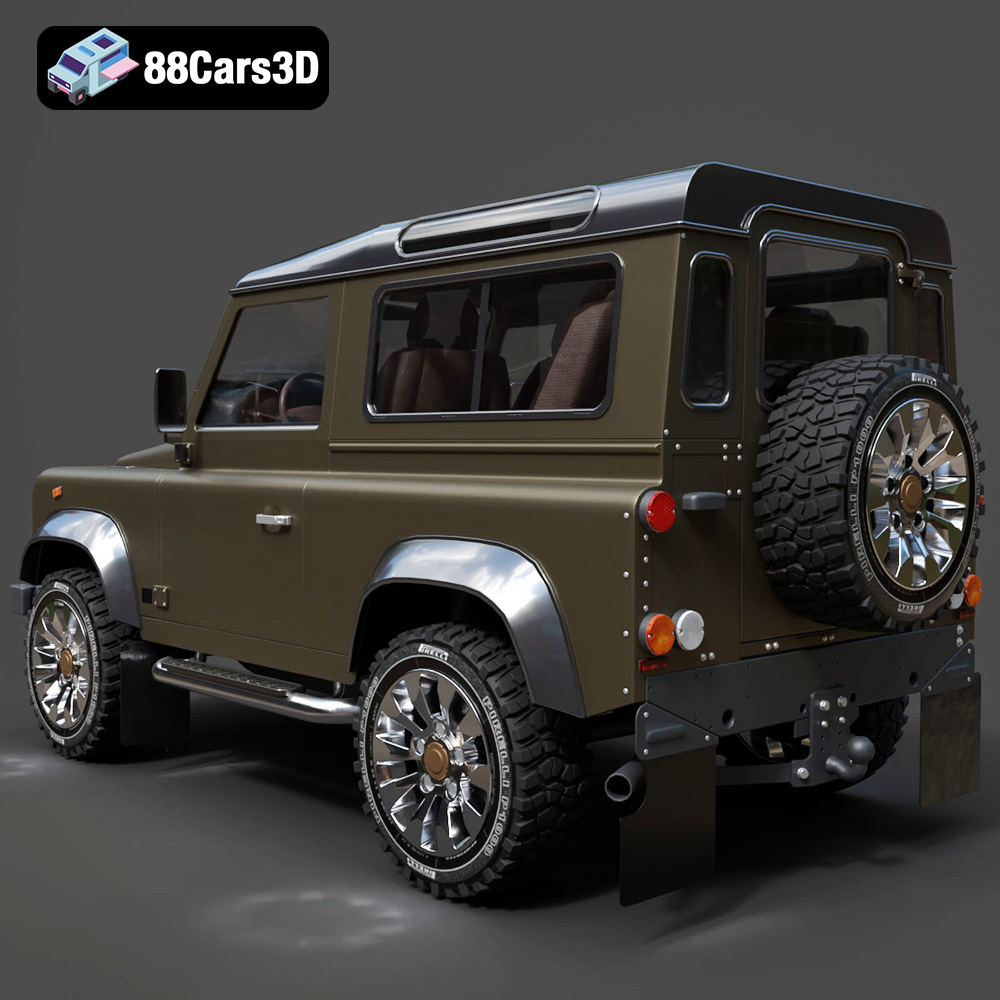
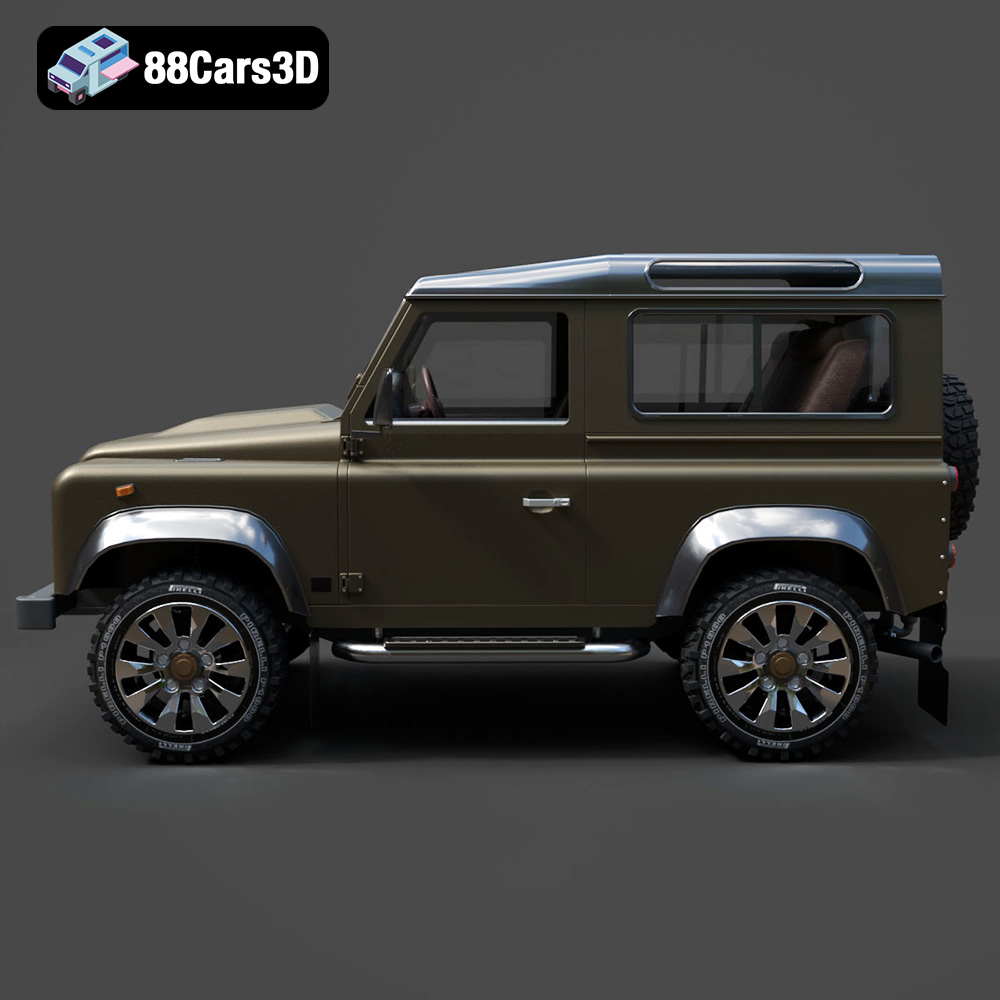
In the dynamic world of digital design, the quest for realism and efficiency drives innovation. From breathtaking cinematic sequences to immersive virtual experiences and cutting-edge product visualizations, the demand for exceptionally detailed and versatile 3D assets has never been higher. At the heart of this revolution are high-quality 3D car models, meticulously crafted to meet the rigorous demands of professional workflows. These digital masterpieces serve as the cornerstone for automotive rendering, game development, AR/VR applications, and even advanced prototyping, transforming abstract concepts into tangible, explorable realities. A prime example of such professional-grade artistry is the Land Rover Defender Works V8 3D Model, a faithful recreation available on 88cars3d.com, offering unparalleled detail and flexibility for any creative endeavor.
The journey from a designer’s sketch to a fully realized digital vehicle is intricate, requiring a blend of artistic vision and technical precision. High-quality 3D car models are not merely aesthetic assets; they are complex data structures optimized for performance, realism, and cross-platform compatibility. The inherent value of a premium model, like the Land Rover Defender Works V8 3D Model, lies in its ability to streamline production pipelines and elevate the final output across diverse applications.
For automotive designers, 3D models are indispensable tools for visualizing concepts. Before a single physical prototype is built, designers rely on digital iterations to explore aesthetics, ergonomics, and engineering feasibility. High-fidelity models allow for precise adjustments to body lines, surface curvatures, and interior layouts, facilitating iterative design cycles that save both time and resources. The clean geometry of a well-made 3D car model ensures that these digital explorations are accurate reflections of the intended design, critical for decision-making.
Photorealistic rendering is where high-quality 3D car models truly shine. Utilizing advanced rendering engines like V-Ray, Corona, or Cycles, artists can transform a raw 3D mesh into an image indistinguishable from a photograph. This requires more than just accurate geometry; it demands realistic materials, meticulously unwrapped UVs, and high-resolution textures that capture every nuance of paint, metal, glass, and interior fabric. A model like the Land Rover Defender Works V8, with its “realistic materials and textures,” empowers artists to create stunning visuals for advertising, product showcases, and cinematic productions, pushing the boundaries of automotive rendering.
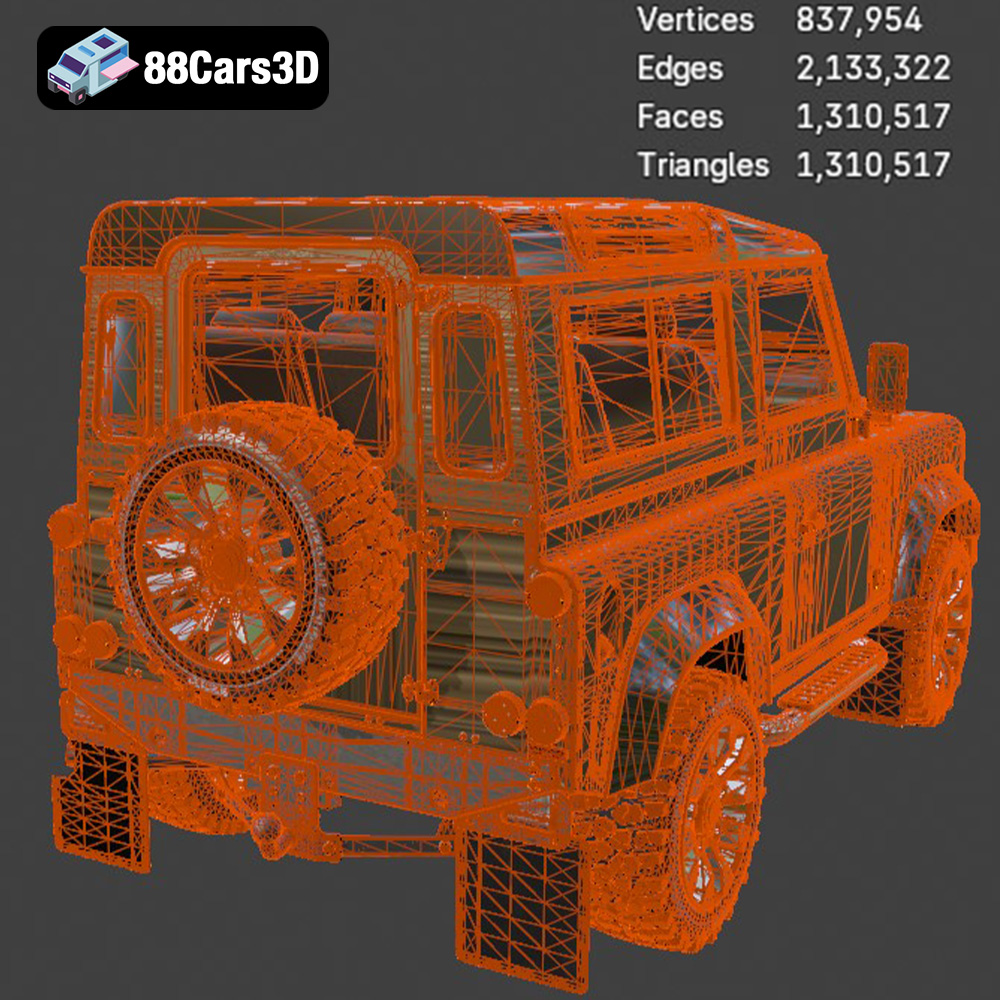
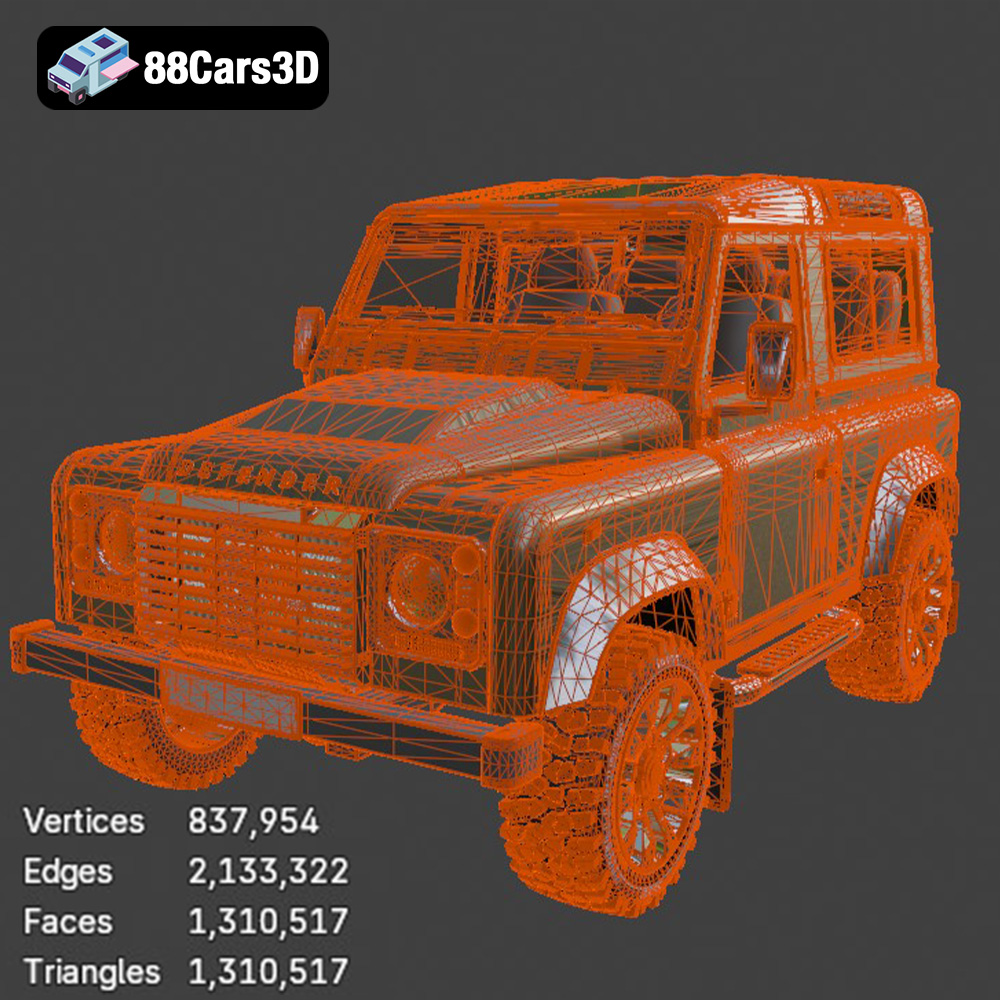
In game development, AR/VR, and real-time simulations, performance is paramount. High-quality 3D car models are engineered with optimization in mind, featuring carefully managed poly counts, efficient topology, and support for Level of Detail (LOD) systems. This ensures that even complex vehicles can be rendered smoothly at high frame rates, delivering an immersive experience without compromising visual fidelity. The “game development” and “AR/VR experiences” applications of models from 88cars3d.com highlight this crucial balance between detail and efficiency, making them ideal game assets.
The versatility of a professional 3D car model is significantly enhanced by its compatibility across various software and platforms. This compatibility is primarily governed by the file formats in which the model is provided. Each format serves a specific purpose, catering to different stages of a project lifecycle or particular application requirements. The Land Rover Defender Works V8 3D Model, for instance, is offered in an extensive range of formats, making it incredibly adaptable.
The .blend format is native to Blender, the powerful open-source 3D creation suite. When a model is provided in .blend, it typically includes not just the raw mesh data, but also the entire scene setup: materials, textures, lighting, camera angles, and even animation rigs if present. This format offers maximum editability, allowing users to delve deep into the model’s construction, modify its materials using Blender’s node-based shader editor, adjust lighting, or integrate it seamlessly into existing Blender projects. It’s the ideal starting point for artists who prefer Blender as their primary DCC (Digital Content Creation) tool and require full control over every aspect of the asset.
.fbx (Filmbox) is an industry-standard 3D file format developed by Autodesk, widely recognized for its excellent support of interoperability between various 3D applications, especially in game development. It can store not only geometry but also materials, textures, animations, skinning, and camera data. For game engines like Unreal Engine and Unity, .fbx is often the go-to format for importing complex animated characters and vehicles. Its robustness and widespread adoption make it critical for real-time pipelines, ensuring that the Land Rover Defender Works V8 3D Model can be easily integrated into interactive environments with all its associated data intact.
The .obj (Wavefront Object) format is one of the oldest and most universally supported 3D file formats. It primarily stores geometric data, including vertices, normals, UV coordinates, and faces. Material definitions are typically referenced in an accompanying .mtl file. While it lacks support for advanced features like animation or rigging, its simplicity and ubiquitous compatibility make it an excellent choice for static mesh exchange between virtually any 3D software. For foundational asset transfer or when a pure geometry export is needed, .obj is a reliable and highly compatible option.
.glb (GL Transmission Format Binary) is the binary version of glTF, a modern, royalty-free specification for 3D scenes and models. Designed for efficient transmission and loading of 3D content, .glb packages all necessary data (geometry, materials, textures, animations) into a single file, making it incredibly compact and easy to share. It’s rapidly becoming the standard for AR, VR, and web-based 3D applications, offering optimal performance for real-time rendering in browsers and mobile devices. Providing the Defender in .glb ensures it’s ready for the next generation of interactive web and augmented reality experiences.
.stl (Stereolithography) is the de facto standard file format for 3D printing. Unlike other formats that store polygonal meshes, .stl represents 3D surfaces using tessellated triangles, lacking color or texture information. Its primary purpose is to define the surface geometry of a 3D object for additive manufacturing processes. When preparing the Land Rover Defender Works V8 3D Model for physical prototyping or display, the .stl format ensures it’s ready for slicing software to generate print instructions, focusing purely on manifold geometry and structural integrity.
The .ply (Polygon File Format) is another format for storing 3D data, particularly common in applications involving 3D scanning, point clouds, and mesh data generated from real-world objects. It can store a variety of properties including color, transparency, surface normals, and texture coordinates. While .obj is simpler, .ply can handle more complex data associated with vertices and faces, making it suitable for scientific computing, CAD, and precise geometric analysis. It offers a robust alternative for intricate meshes or data-rich visualization.
The .unreal format signifies an asset specifically optimized and potentially pre-configured for use within Unreal Engine. While .fbx is the common import method, an .unreal asset might mean the model has already undergone engine-specific optimizations, material setups (using Unreal’s PBR workflow), collision meshes, LODs, and potentially even blueprint integrations. This provides a significant head start for game developers and real-time visualization artists, minimizing setup time and ensuring peak performance and visual quality directly within the engine environment, making the Land Rover Defender Works V8 3D Model truly game-ready.
The .max format is the native file format for Autodesk 3ds Max, a leading software for 3D modeling, animation, and rendering in architectural visualization, film, and game development. Similar to .blend, a .max file contains the entire scene, including geometry, materials, textures, lighting, cameras, and animations specific to 3ds Max. It’s the preferred format for professionals working in a 3ds Max pipeline, offering complete editability and access to advanced features like modifiers, plugins (e.g., V-Ray, Corona Renderer setups), and complex rigging systems. For comprehensive control over the Land Rover Defender Works V8 for high-end rendering or animation within a 3ds Max environment, this format is indispensable.
Transforming a high-quality 3D car model into a photorealistic image requires a sophisticated understanding of rendering workflows. Artists leverage specialized software and techniques to craft visuals that captivate and inform. The Land Rover Defender Works V8 3D Model provides an excellent foundation for these advanced rendering tasks, thanks to its clean geometry and realistic materials.
Autodesk 3ds Max, often paired with industry-standard renderers like V-Ray or Corona Renderer, forms a formidable pipeline for automotive rendering. The workflow typically begins by importing the .max file of the Defender. Artists then focus on setting up a realistic studio environment or a natural outdoor scene with accurate lighting. Physical-based rendering (PBR) materials, often included with premium models, are crucial here. These materials faithfully simulate how light interacts with surfaces – the reflectivity of polished chrome, the subtle roughness of matte paint, or the transparency of glass. Careful attention is paid to camera angles, depth of field, and motion blur to create a sense of realism and dynamism, transforming a static model into a compelling visual narrative.
Blender, with its powerful Cycles and real-time Eevee renderers, offers an open-source alternative that doesn’t compromise on quality. Utilizing the .blend file of the Land Rover Defender Works V8 3D Model, artists can harness Blender’s node-based material system to create incredibly detailed and PBR-compliant shaders. Cycles excels at photorealistic ray-traced rendering, perfect for high-fidelity marketing images. Eevee, on the other hand, provides instant feedback and impressive real-time rendering capabilities, ideal for quick iterations or interactive presentations. The flexibility of Blender allows artists to experiment with diverse lighting scenarios and material variations with unprecedented agility.
The rendering process doesn’t end when the image is generated. Post-production, typically performed in software like Adobe Photoshop or After Effects, is vital for adding the final polish. This stage involves color grading, adjusting contrast, adding atmospheric effects, lens flares, and subtle reflections. Render passes, such as Z-depth, normal, and object ID passes, generated during the rendering phase, provide granular control over specific elements in post. This meticulous attention to detail can significantly enhance the impact of the final image, ensuring that every automotive rendering, regardless of its original source, truly stands out.
The demand for immersive, real-time 3D experiences is skyrocketing, spanning across video games, virtual reality (VR), augmented reality (AR), and sophisticated simulations. High-quality 3D car models are the backbone of these interactive worlds, providing the visual fidelity necessary to engage users. The Land Rover Defender Works V8 3D Model, designed as a robust game asset, demonstrates how professional assets integrate into these demanding environments.
Unreal Engine, a leading platform for real-time 3D, relies heavily on optimized assets. When importing a 3D car model, such as the Defender, the .fbx format is often the preferred choice, capable of carrying geometry, PBR materials, and basic animation. For more streamlined integration, models provided in the .unreal format offer an even greater advantage, potentially arriving pre-configured with collision meshes, multiple Levels of Detail (LODs), and optimized material instances. LODs are critical for performance, allowing the engine to swap lower-polygon versions of the model when it’s further from the camera, thereby saving precious computational resources. Advanced users can then create blueprints to add interactive elements like working doors, headlights, or realistic physics, making the car a fully functional element within a game or simulation.
Augmented and Virtual Reality environments, along with web-based 3D applications using WebGL, present unique challenges for asset optimization. Performance is paramount, as maintaining high frame rates is essential for preventing motion sickness and ensuring a smooth user experience. This often necessitates even more aggressive polygon reduction than traditional games, careful management of draw calls, and highly optimized PBR materials. The .glb format, specifically designed for efficient web and AR/VR display, is invaluable here. It allows for compact, single-file distribution of the Land Rover Defender Works V8 3D Model, ensuring fast loading times and smooth rendering on a wide range of devices, from high-end VR headsets to mobile phones.
In competitive game titles and highly detailed simulations, the visual fidelity of game assets directly impacts player immersion. A meticulously crafted 3D car model, with realistic materials and accurate proportions, elevates the entire experience. It’s not just about looking good; it’s about conveying the tactile feel of the vehicle, its weight, and its presence within the digital world. Game assets like the Land Rover Defender Works V8 3D Model contribute significantly to the perceived quality of a title, demonstrating a commitment to realism that resonates with players and enhances the overall interactive narrative.
The utility of high-quality 3D car models extends far beyond digital screens. In the realm of industrial design, engineering, and hobbyist projects, these models serve as blueprints for physical creation through 3D printing and rapid prototyping. The Land Rover Defender Works V8 3D Model, with its diverse file format offerings, is well-equipped for this transition from the virtual to the tangible.
Converting a visualization model into a 3D printable object requires specific considerations. File formats like .stl and .ply are specifically suited for additive manufacturing. The .stl format, while simplistic in its geometry representation, is universally accepted by 3D printing software. Key technical details for 3D printing include ensuring the mesh is “manifold” (water-tight, with no holes or self-intersecting geometry), checking for correct normal orientation, and verifying wall thickness to prevent structural weaknesses in the physical print. For the Land Rover Defender Works V8 3D Model, providing an .stl file means it has likely been pre-processed to meet these requirements, saving designers significant preparation time.
The ability to quickly materialize a digital design is revolutionary for product development. Automotive designers can print scale models of new concepts to evaluate proportions and aesthetics in a physical space. Engineers can create functional prototypes of specific components, testing fit and form before committing to expensive tooling. Even enthusiasts can print highly detailed replicas of their favorite vehicles. The Land Rover Defender Works V8 3D Model, available in a print-ready format, bridges this gap, allowing for tangible interaction with a design that might otherwise remain purely digital. This capability is invaluable for validation, presentation, and even creating physical merchandise or collectibles.
The versatility and quality of a professional 3D car model, such as the Land Rover Defender Works V8 3D Model from 88cars3d.com, are best illustrated through its application in various professional contexts. Its robust design and multiple export options make it a go-to asset for a wide array of industries.
Imagine creating a captivating commercial for a luxury SUV, but without the logistical complexities and costs of a physical vehicle photoshoot. This is where 3D car models excel. Marketing agencies can leverage the Land Rover Defender Works V8 3D Model to generate stunning, photorealistic images and animations for brochures, websites, and television advertisements. They can place the Defender in any imaginable environment – rugged off-road terrains, sleek urban landscapes, or even fantastical settings – all rendered with perfect lighting and cinematic flair. This approach offers unparalleled creative freedom and significant cost savings compared to traditional production methods, making automotive rendering an indispensable tool for brands.
High-fidelity 3D car models are fundamental to developing realistic driving simulations for training and research. Whether it’s for professional drivers honing their skills, engineers testing vehicle dynamics, or military personnel rehearsing complex maneuvers, the accuracy of the 3D model is paramount. The Land Rover Defender Works V8 3D Model, particularly in its game-engine-ready .fbx or .unreal formats, can be integrated into advanced simulators to provide a highly authentic visual and interactive experience. This allows for safe, repeatable training scenarios that accurately mimic real-world driving conditions and vehicle behavior.
Classic vehicles like the Land Rover Defender Works V8 represent significant milestones in automotive history. High-quality 3D models play a crucial role in preserving these iconic designs for future generations. Museums and automotive enthusiasts can use these models to create interactive exhibits, virtual tours, or even detailed digital archives. By capturing every detail and texture, the 3D model serves as a timeless digital twin, allowing researchers, students, and fans to explore the vehicle’s design and engineering long after physical counterparts may have deteriorated or become inaccessible. This ensures that the legacy of such revered automobiles endures in the digital realm.
The landscape of 3D visualization is constantly evolving, driven by an insatiable demand for realism, efficiency, and versatility. At the core of this evolution are meticulously crafted 3D car models, serving as indispensable assets across automotive rendering, game development, AR/VR, and even 3D printing. The Land Rover Defender Works V8 3D Model exemplifies this pinnacle of digital craftsmanship, offering clean geometry, realistic materials, and an extensive array of file formats including .blend, .fbx, .obj, .glb, .stl, .ply, .unreal, and .max. This comprehensive suite ensures seamless integration into virtually any professional workflow, empowering artists and developers to bring their visions to life with unparalleled fidelity.
Whether you’re an automotive designer seeking to visualize a concept, a game developer building an immersive world, or a marketing professional crafting a compelling campaign, the right 3D car model can elevate your project. The commitment to quality and flexibility seen in the Land Rover Defender Works V8 3D Model, available on 88cars3d.com, underscores the critical role that professional-grade assets play in achieving digital excellence. Investing in such high-quality resources not only streamlines production but also unlocks new creative possibilities, solidifying the future of digital automotive design.
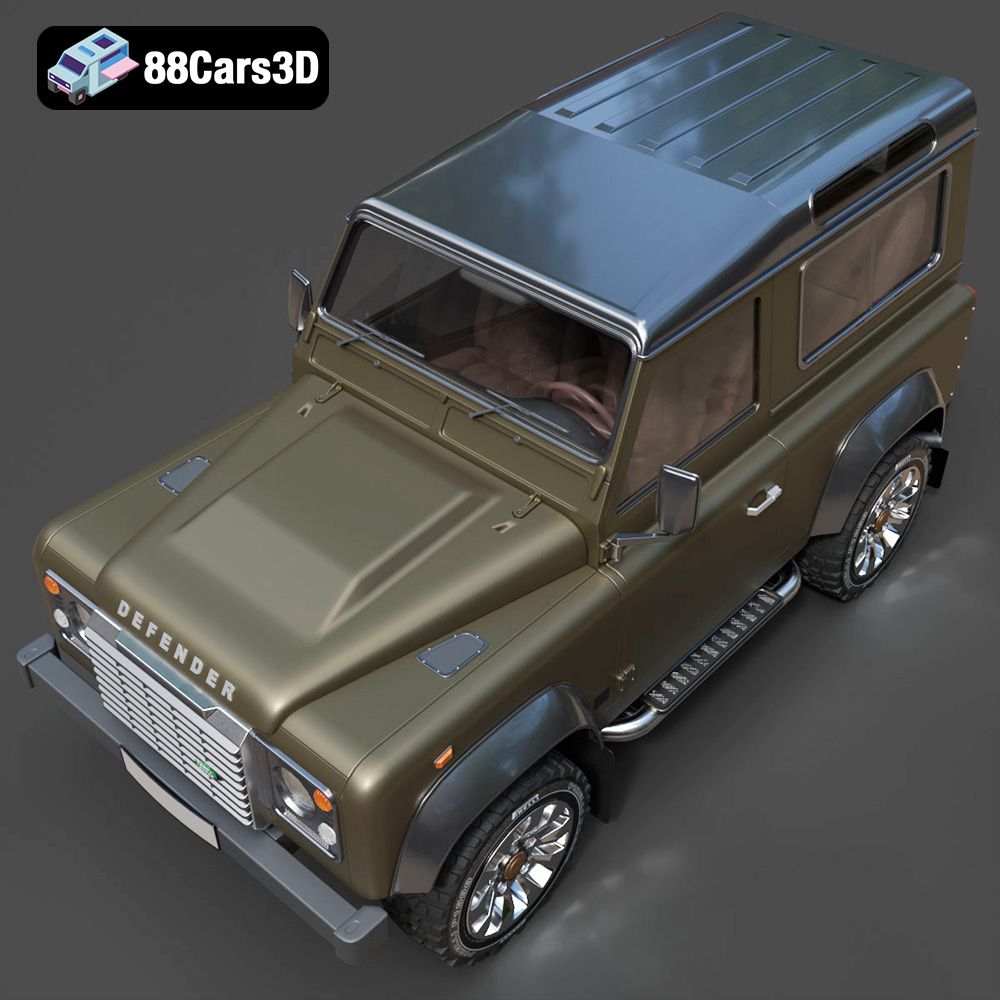
Experience the iconic Land Rover Defender Works V8 in stunning 3D detail. This model is a faithful recreation of the classic vehicle, designed to bring realism and accuracy to your projects. With its clean geometry and realistic materials, it stands as a testament to professional 3D artistry.Key Features:
Applications:
Provided File Formats:
$19.99
.arvr
.blend
.car3dmodel
.defender
.defenderworksv8
.fbx
.gameasset
.glb
.landrover
.max
.obj
.ply
.rendering
.simulation
.stl
.unreal
.worksv8
SUV