Get 50% OFF All Premium 3D & STL Models!

In the dynamic world of digital content creation, the demand for photorealistic and high-performance 3D assets continues to surge. From groundbreaking video games to stunning architectural visualizations and immersive AR/VR experiences, the quality of your 3D models dictates the overall impact of your project. Automotive design, in particular, requires an unparalleled level of precision and detail to capture the essence of a vehicle. This is where professional-grade 3D car models become indispensable, providing a foundation of authenticity and technical excellence that elevates any endeavor.
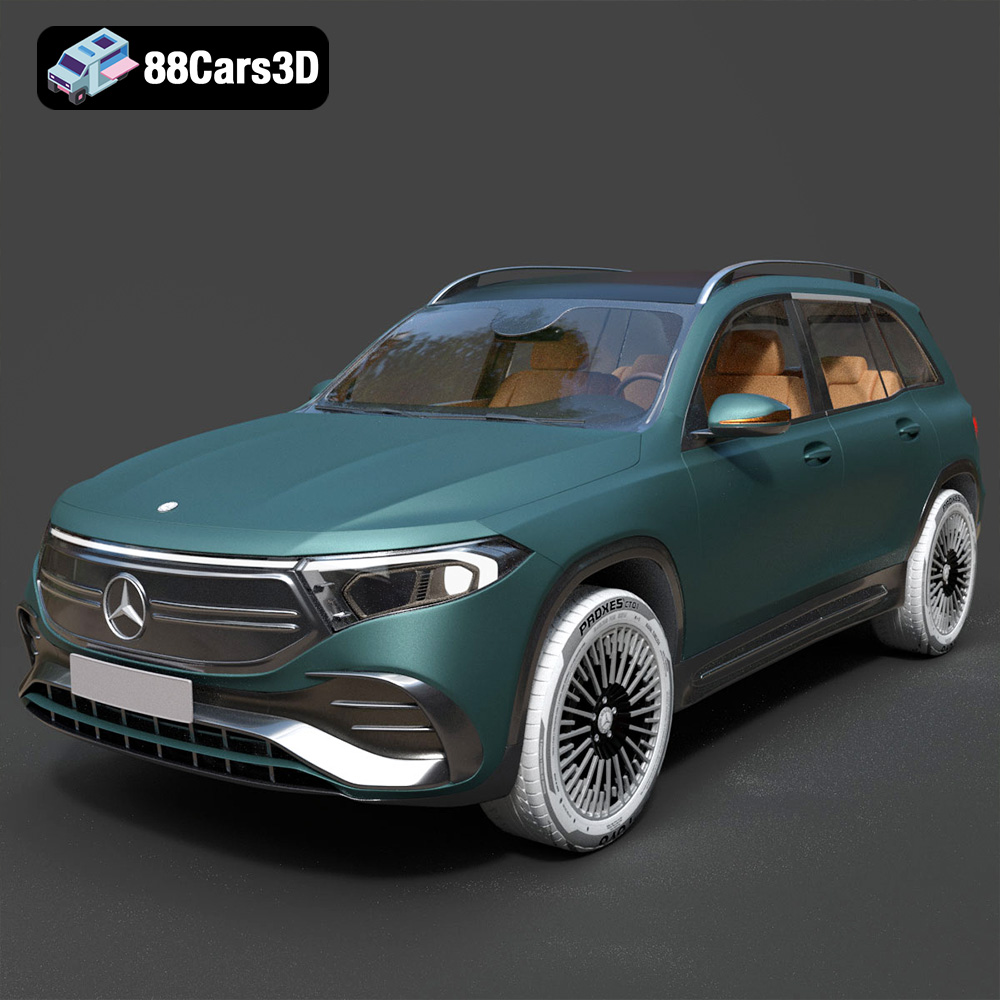
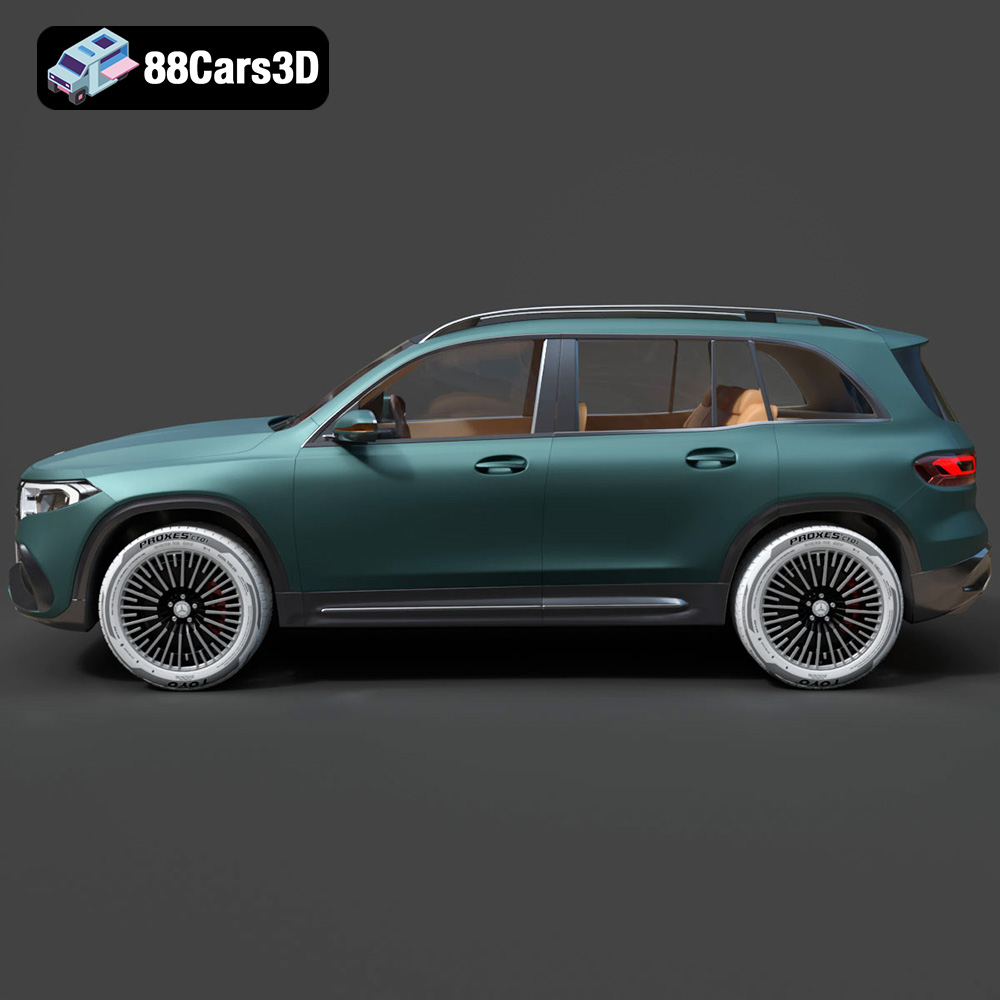
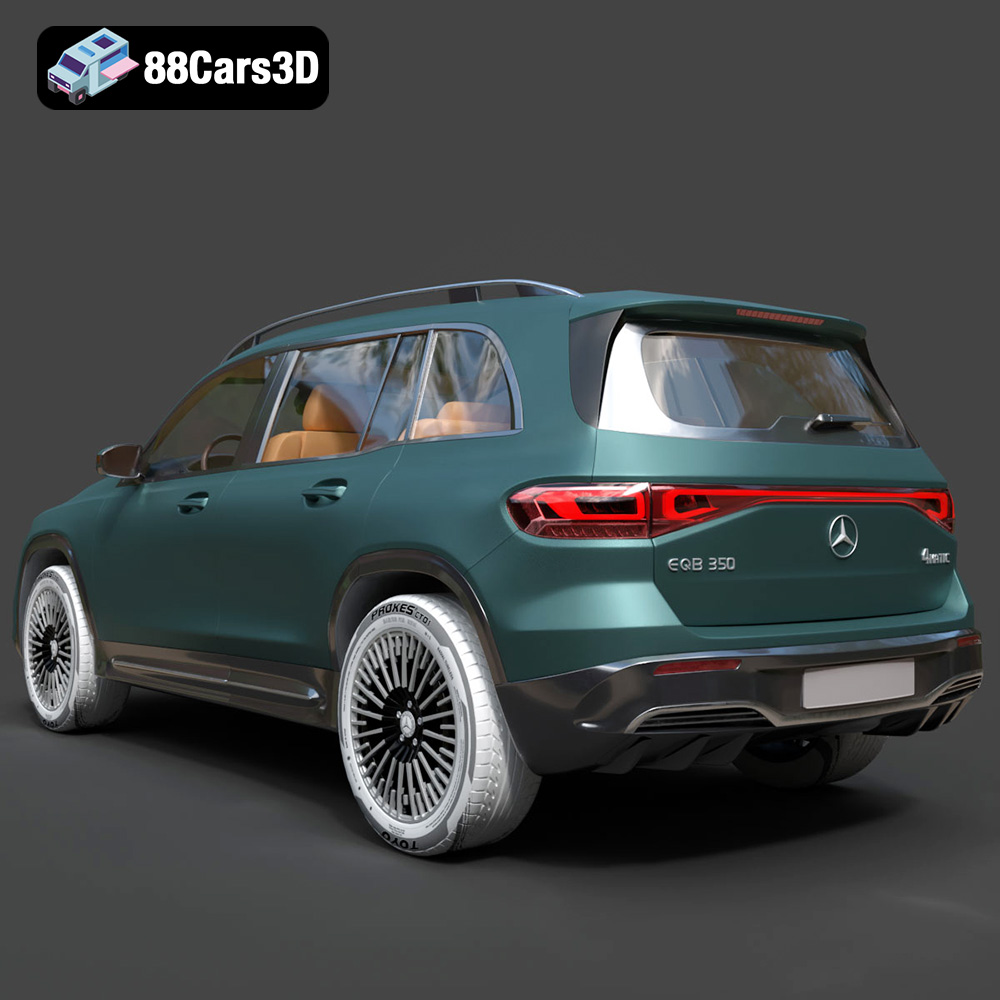
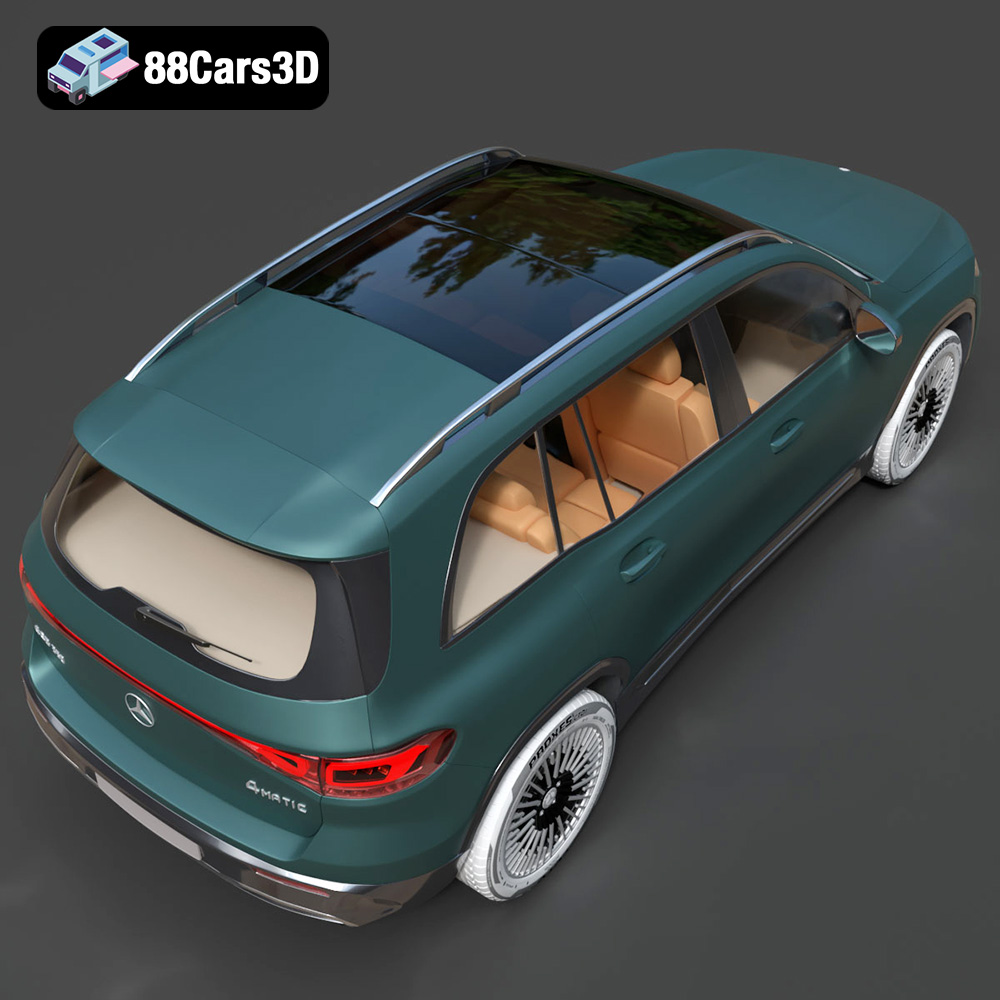
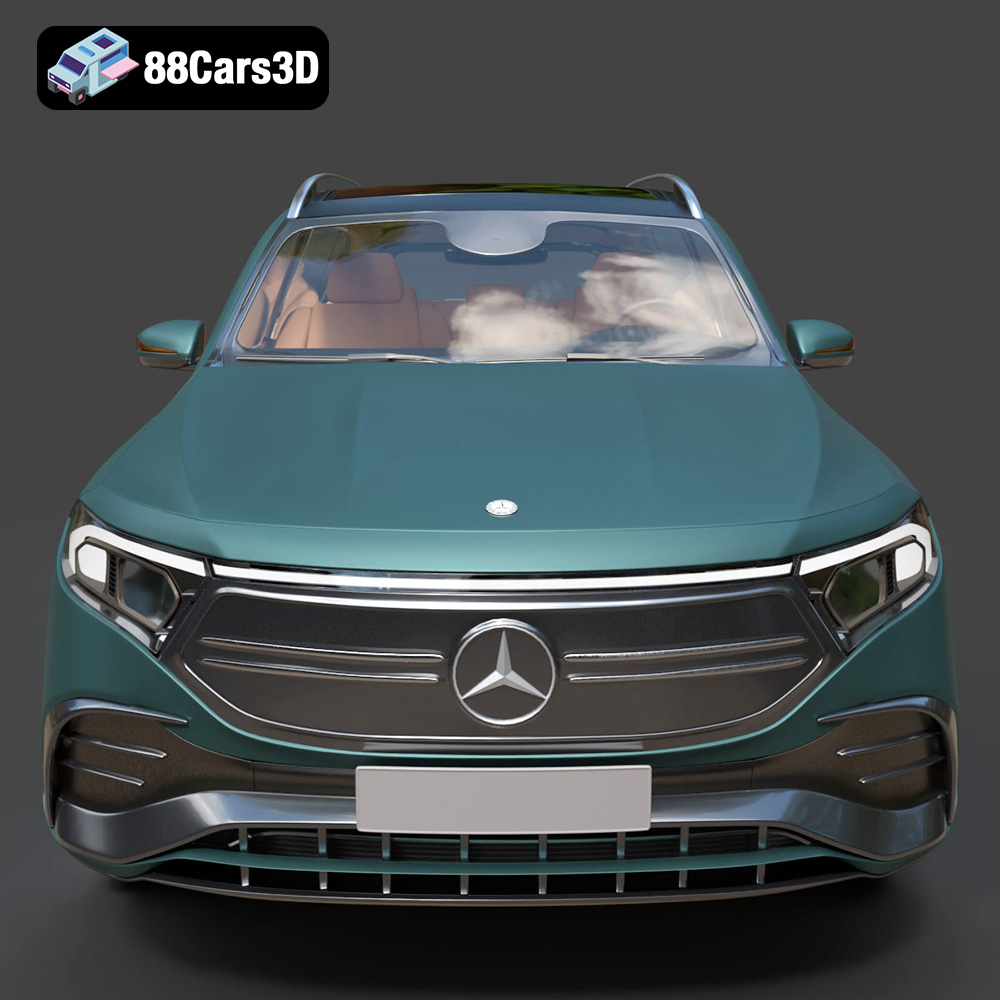
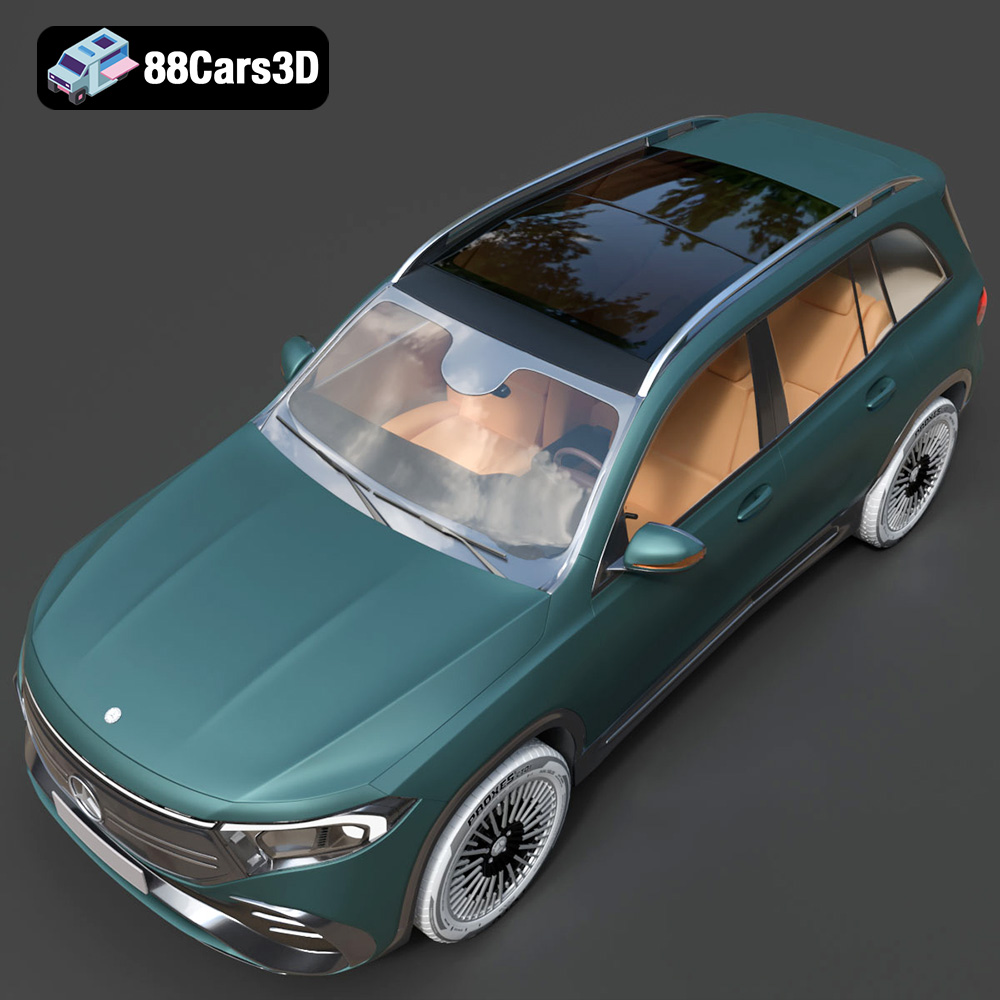
Consider the sleek lines and sophisticated engineering of a modern electric vehicle. Replicating such complexity from scratch is a monumental task, demanding hundreds of hours from skilled artists. This is precisely why assets like the Mercedes-Benz EQB-001 3D Model are so valuable. Crafted with meticulous attention to detail, this particular model offers an ultimate level of realism, perfectly replicating the true design of this contemporary electric SUV. Its clean geometry, seamless mesh flow, and highly realistic materials make it a prime example of how pre-built, professional 3D car models can streamline workflows and significantly enhance output quality across various digital domains.
This comprehensive guide delves into the technical intricacies, practical applications, and workflow advantages of utilizing premium 3D car models, spotlighting how assets like the Mercedes-Benz EQB-001 empower creators to achieve their vision with unparalleled efficiency and fidelity.
The versatility of a 3D model often hinges on the range and quality of its available file formats. Each format serves a specific purpose, optimized for different software, engines, or end-use applications. Understanding these distinctions is crucial for selecting the right asset for your project and ensuring seamless integration into your pipeline. The Mercedes-Benz EQB-001 3D Model, for example, offers a comprehensive suite of formats, catering to virtually every professional need.
The `.blend` format is Blender’s native file type, offering a complete, editable scene. This means not just the mesh data, but also materials, textures, lighting setups, camera positions, animations, and even modifiers are preserved. For Blender users, this is the most flexible format, allowing for deep customization, tweaking of PBR material nodes, adjusting light rigs, or even re-rigging the vehicle for specific animations. It provides a robust starting point for artists who wish to integrate the model into their existing Blender projects with minimal effort, leveraging Blender’s powerful rendering engines like Cycles and Eevee.
As a proprietary format developed by Autodesk, `.fbx` has become the de facto standard for exchanging 3D data between various software applications and game engines like Unreal Engine and Unity. It’s renowned for its ability to store a wide range of data, including geometry, UVs, normal maps, skeletal animations, and even basic material assignments. Its binary nature makes it efficient for real-time applications. When working with the Mercedes-Benz EQB-001 in `.fbx` format, you’re getting a robust, game-engine-ready asset that transfers cleanly, preserving hierarchies and ensuring animations, if present, are intact. This makes it ideal for pipelines requiring smooth transitions between modeling, animation, and engine integration phases.
The `.obj` format (Wavefront Object) is one of the oldest and most widely supported 3D file formats. It’s a universal standard, compatible with virtually all major 3D software packages. An `.obj` file primarily stores geometry data (vertices, normals, UV coordinates) and can reference an accompanying `.mtl` (material library) file for basic material properties and texture links. While it doesn’t support animations or complex scene data, its simplicity and widespread compatibility make it an excellent choice for straightforward mesh import, ensuring the core geometry of the Mercedes-Benz EQB-001 3D Model is accessible to any artist, regardless of their primary software.
GL Transmission Format (GLTF) and its binary variant, `.glb`, are rapidly becoming the preferred formats for web-based 3D, augmented reality (AR), and virtual reality (VR) applications. These self-contained files efficiently pack geometry, materials (PBR standard), textures, and animations into a single, optimized package. The Mercedes-Benz EQB-001 3D Model in `.glb` format is specifically designed for rapid loading and display in browsers, AR viewers, and VR environments, ensuring a smooth, high-fidelity experience without extensive processing.
The Stereolithography (`.stl`) format represents a 3D model as a collection of unconnected triangular facets, defining only the surface geometry. It’s the standard file type for 3D printing and rapid prototyping. While it contains no color, texture, or material information, an `.stl` version of the Mercedes-Benz EQB-001 allows designers to physically manifest the vehicle, creating scale models for concept validation, presentation, or simply as a tangible collectible. Ensure the model’s manifoldness (watertightness) for successful prints.
The Polygon File Format (`.ply`) is a versatile format often used for storing 3D data from scanners and other digital acquisition devices. It supports a wide range of properties beyond basic geometry, including color per vertex or face, normals, and even transparency. This makes it suitable for applications requiring precision mesh analysis, scientific visualization, or working with highly detailed point clouds and surface reconstructions. For the Mercedes-Benz EQB-001, a `.ply` file could be useful for specific engineering analysis or for integrating into a data-driven visualization.
While not a standard file format in the same vein as `.fbx` or `.obj`, `.unreal` often signifies an asset specifically configured for Unreal Engine. This typically means the model has been imported, optimized, and set up within an Unreal project. It implies correct material assignments (using Unreal’s PBR workflow), Level of Detail (LOD) meshes for performance optimization, collision setups, and potentially even blueprint scripts. The Mercedes-Benz EQB-001 supplied as an `.unreal` asset ensures a drag-and-drop experience for developers, drastically cutting down on setup time within the engine and accelerating game or real-time simulation development.
The `.max` format is the native file type for Autodesk 3ds Max, one of the leading software packages for 3D modeling, animation, and rendering. Like `.blend` for Blender, a `.max` file contains the entire scene, including complex hierarchies, sophisticated material setups (V-Ray, Corona, Arnold), advanced rigging, animation data, and lighting. For professionals entrenched in the 3ds Max ecosystem, the `.max` version of the Mercedes-Benz EQB-001 offers maximum flexibility for rendering photorealistic stills, developing complex animations, or integrating the model into elaborate architectural visualization scenes.
Automotive rendering is a highly specialized field demanding a blend of artistic vision and technical mastery. High-quality 3D car models are the bedrock of this process, enabling artists to produce visuals that are indistinguishable from real photographs. The Mercedes-Benz EQB-001 3D Model is an excellent example of an asset designed with rendering excellence in mind.
The quest for photorealism hinges on two critical elements: realistic materials and sophisticated lighting. Modern renderers like V-Ray, Corona, Redshift, and Blender’s Cycles utilize physically based rendering (PBR) workflows, which mimic how light interacts with real-world surfaces. A high-quality 3D car model, such as those found on 88cars3d.com, comes with meticulously crafted PBR materials – think perfectly calibrated paint shaders, nuanced rubber textures for tires, and reflective chrome accents. The Mercedes-Benz EQB-001’s “highly realistic materials” are key here. Artists can then complement these materials with carefully constructed lighting environments, often using HDRI (High Dynamic Range Image) maps for ambient light and strategically placed area lights for highlights and reflections, replicating a studio setup or an outdoor scene.
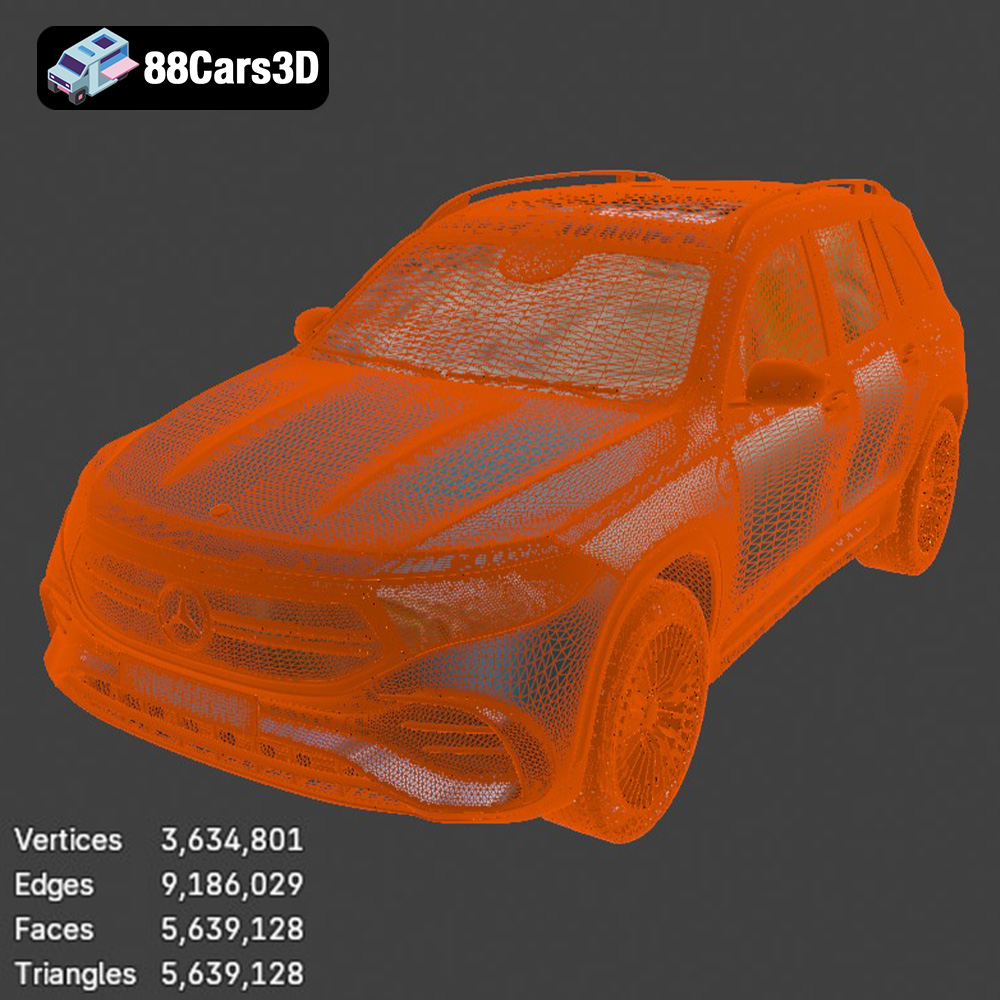
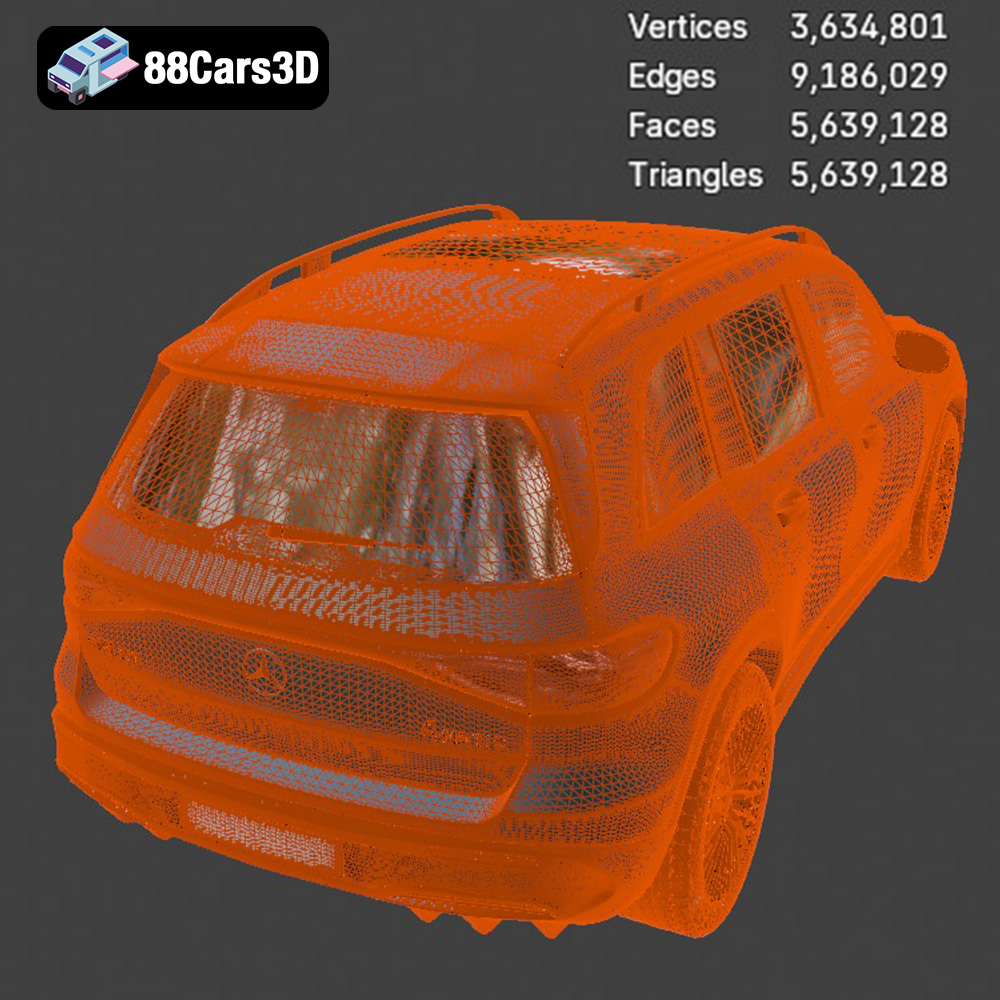
Beyond basic PBR, advanced rendering techniques push realism even further. Ray tracing accurately simulates the path of light, enabling precise reflections, refractions, and global illumination. Caustics, the patterns formed by light passing through or reflecting off curved surfaces (like car windows or shiny trim), add another layer of authenticity. Optimizing a 3D car model for these techniques involves clean geometry and proper UV unwrapping. The “impeccably clean geometry” and “seamless mesh flow” of the Mercedes-Benz EQB-001 3D Model ensure that these complex light interactions render correctly and efficiently, without visual artifacts, making it ideal for high-end cinematic or marketing renders.
While the raw render forms the core, post-production and compositing are crucial for achieving that final, polished look. Render passes (e.g., diffuse, specular, reflection, normal, depth) allow artists to manipulate specific elements of the image in software like Adobe Photoshop or Nuke without re-rendering the entire scene. This includes color grading, adding atmospheric effects (fog, depth of field), lens flares, and sharpening details. For automotive renders, subtle adjustments to reflections, highlights, and shadow density can dramatically enhance the perception of material quality and overall realism, transforming a great render into an outstanding one.
Game development demands a delicate balance between visual fidelity and performance optimization. 3D car models for games must be meticulously prepared to run smoothly in real-time environments while still looking impressive. The Mercedes-Benz EQB-001 3D Model, with its “game-engine ready format for Unreal Engine and Unity,” exemplifies an asset built for this demanding application.
One of the primary challenges in game development is maintaining a high frame rate. This is where Level of Detail (LOD) meshes become essential. Instead of rendering a single high-poly model at all distances, LODs consist of multiple versions of the model, each with progressively fewer polygons. The highest detail mesh is used when the car is close to the camera, while lower detail versions are swapped in as it moves further away. This optimization significantly reduces the computational load without a noticeable drop in visual quality. Similarly, accurate collision meshes (simplified geometric representations) are vital for realistic physics and player interaction, allowing the car to properly interact with the environment without demanding the full computational power of its visual mesh.
Game engines like Unreal Engine and Unity rely on optimized PBR workflows. This means textures like Albedo (color), Normal (surface detail), Roughness (specularity), Metallic (metalness), and Ambient Occlusion (soft shadows) must be correctly authored and configured. The clean UVs and well-organized texture sets of a professional 3D car model like the Mercedes-Benz EQB-001 facilitate this process. Developers can import these textures and easily set up the materials within the engine, ensuring consistent visual quality across different lighting conditions and platforms. The `.unreal` file format, when provided, often means these material setups are already configured, saving significant development time.
Beyond visual representation, game assets need to be functional. This involves integrating interactive elements such as opening doors, working headlights, and interior components that respond to player input. A well-structured 3D car model comes with a clean hierarchy and properly named parts, making it easier for developers to animate and script these interactions. Furthermore, integrating the model with a robust vehicle physics system is crucial for a realistic driving experience. The model’s geometry and center of mass directly influence how the vehicle behaves, making the “precision and authenticity” of the Mercedes-Benz EQB-001 3D Model critical for believable driving mechanics in any simulation or racing game.
The utility of high-quality 3D car models extends far beyond traditional rendering and game development, finding critical applications in emerging technologies like Augmented Reality (AR), Virtual Reality (VR), and 3D printing.
AR and VR experiences thrive on real-time rendering, interactivity, and immersion. For automotive applications, this can mean virtual showrooms where customers can explore a car’s features, interactive training simulations for mechanics, or design reviews in a collaborative virtual space. Models like the Mercedes-Benz EQB-001, optimized for AR/VR and web-based visualization (via `.glb` format), are perfect for these scenarios. They offer a balance of visual detail and polygon efficiency, ensuring smooth performance on various devices, from high-end VR headsets to mobile AR applications. The ability to interact with a highly detailed, virtually true-to-life model of a vehicle in an immersive environment provides unparalleled engagement and understanding.
Leveraging 3D car models in AR/VR allows for dynamic product configurators and digital showrooms. Customers can change paint colors, wheel designs, interior trims, and view the car from every angle, all in real-time. Imagine “placing” the Mercedes-Benz EQB-001 in your driveway via an AR app on your smartphone, or stepping into a VR showroom to explore its interior details. Such applications not only enhance the customer experience but also provide a powerful marketing tool, allowing manufacturers and dealerships to showcase their vehicles in innovative ways without the physical constraints of traditional showrooms.
While digital visualization is powerful, the ability to create physical prototypes remains invaluable, especially in the design and engineering phases. The `.stl` format of the Mercedes-Benz EQB-001 3D Model makes it directly compatible with 3D printing workflows. Designers can print scale models to assess ergonomics, validate aesthetic decisions, or even create functional parts for early-stage prototyping. This bridge between the digital and physical realms accelerates the design cycle, reduces costs, and allows for tactile feedback that purely digital representations cannot provide. The precision and authenticity of the original 3D model ensure that the printed output accurately reflects the vehicle’s design intent.
In today’s fast-paced production environments, efficiency is paramount. Utilizing professional-grade 3D car models like those available on 88cars3d.com can dramatically optimize project workflows, leading to faster turnaround times, higher quality output, and significant cost savings.
Building a high-detail 3D car model from scratch is an incredibly time-consuming and expensive undertaking. It requires specialized skills in modeling, UV mapping, texturing, and material setup. By purchasing a ready-made asset like the Mercedes-Benz EQB-001 3D Model, studios and individual artists can bypass hundreds of hours of initial development. This translates directly into substantial cost savings and allows teams to allocate resources to other critical aspects of their project, such as animation, scene composition, or advanced lighting. The value proposition is clear: accelerate your production without compromising on quality.
Professional 3D car models are typically created to rigorous industry standards, ensuring clean topology, optimized polygon counts, and accurate real-world scaling. This inherent quality provides a consistent foundation for all projects. When using an asset like the Mercedes-Benz EQB-001, artists can trust that the geometry is robust, the UVs are clean, and the materials are set up for realistic rendering. This consistency reduces potential errors, minimizes rework, and ensures that the final output maintains a high level of polish, whether it’s for a marketing campaign, a game, or an architectural visualization.
In larger studios, collaboration is key. A well-organized 3D asset, complete with multiple file formats and clear naming conventions, streamlines the collaborative pipeline. A model provided in `.max`, `.blend`, `.fbx`, and `.unreal` formats allows different departments or team members to work concurrently using their preferred software. For instance, a lighting artist might use the `.max` file, while a game developer integrates the `.unreal` asset, and a web developer uses the `.glb` version for an interactive configurator. This flexibility, exemplified by the Mercedes-Benz EQB-001 3D Model’s diverse format offerings, fosters efficient teamwork and ensures all components integrate seamlessly into the final product.
The digital landscape is continuously evolving, and the demand for high-fidelity 3D content has never been greater. For automotive projects, the intricate details and precise engineering of modern vehicles necessitate equally sophisticated 3D models. By embracing professional-grade 3D car models, creators can unlock new levels of realism, efficiency, and versatility across a myriad of applications.
From producing breathtaking cinematic renders and creating immersive game environments to developing interactive AR/VR experiences and physical prototypes through 3D printing, the right 3D asset serves as the cornerstone of success. The Mercedes-Benz EQB-001 3D Model stands as a testament to the power of such assets – meticulously crafted, technically robust, and available in a comprehensive array of formats to suit any professional workflow. It exemplifies how carefully curated assets from platforms like 88cars3d.com empower artists and developers to achieve their creative and technical objectives with unparalleled precision and speed. Invest in quality 3D car models, and drive your projects towards a future of visual excellence and innovation.
Discover the ultimate level of detail and realism with the Mercedes-Benz EQB-001 3D Model. Carefully crafted to replicate the true design of this modern vehicle, this model ensures precision and authenticity for any digital project. Engineered with professional quality in mind, the 3D model features impeccably clean geometry, seamless mesh flow, and highly realistic materials. Every exterior contour and interior element is precisely detailed to provide an exceptionally immersive visual experience. Perfect for a wide range of applications, this vehicle is an excellent choice for video game development, cinematic rendering, architectural visualization, and AR/VR experiences. Whether you are building an interactive simulation or generating photorealistic marketing materials, this 3D model seamlessly integrates into your workflow. Available file formats include: .blend – Editable Blender file with materials and lighting setup; .fbx – Game-engine ready format for Unreal Engine and Unity; .obj – Standard 3D model format compatible with all major software; .glb – Optimized for AR/VR and web-based visualization; .stl – Suitable for 3D printing and prototyping; .ply – Detailed polygon mesh for analysis and visualization; .unreal – Pre-configured for Unreal Engine use; .max – Editable 3ds Max file for rendering and animation.
$19.99
.arvr
.blend
.car3dmodel
.electriccar
.eqb
.eqb001
.ev
.fbx
.gameasset
.glb
.max
.mercedes
.mercedesbenz
.obj
.ply
.rendering
.simulation
.stl
.unreal
SUV