Get 50% OFF All Premium 3D & STL Models!

In the rapidly evolving landscape of digital visualization, staying current with real-world trends is not just an advantage—it’s a necessity. As cities worldwide embrace sustainable infrastructure and electric vehicles become the norm, the demand for high-quality, authentic 3D car models that reflect this shift has skyrocketed. Whether you’re crafting a cutting-edge architectural visualization, developing an immersive smart-city game, or producing a high-fidelity automotive commercial, the vehicles you populate your digital scenes with must be both visually stunning and culturally relevant.
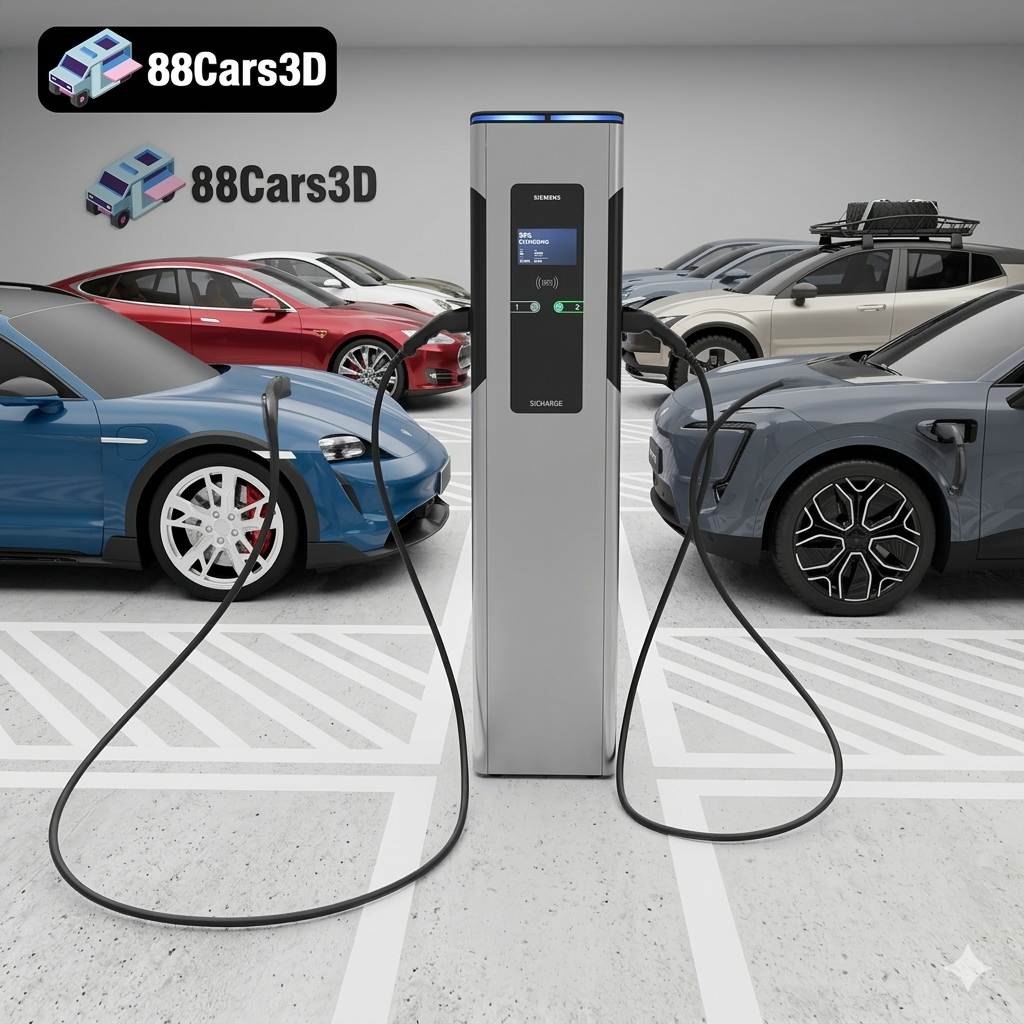
The transition to electric mobility isn’t just about reducing carbon footprints; it’s also about a distinct aesthetic, a new design language that speaks of efficiency, technology, and a cleaner future. Generic internal combustion engine models, no matter how detailed, can feel out of place in a modern eco-conscious setting. This is precisely where specialized collections like The Future of Mobility: Smart City EV 3D Models Bundle become indispensable. This comprehensive 5-in-1 pack from 88cars3d.com offers a curated selection of some of the most iconic and forward-thinking electric vehicles, complete with an essential EV charging station, empowering artists to build truly contemporary digital environments.
Before diving into the intricate details of vehicle modeling, it’s crucial for any 3D professional to grasp the various file formats available. Each format serves a specific purpose, offering different levels of compatibility, data preservation, and optimization for various workflows. Choosing the correct format is paramount for a smooth project pipeline, whether you’re working in game development, architectural visualization, or 3D printing.
The .blend format is the native file type for Blender, the powerful open-source 3D creation suite. A .blend file encapsulates an entire scene, including all mesh data, materials, textures, lighting, camera setups, animations, and even physics simulations. This format is ideal for users working primarily within Blender who require full editability and access to all modifiers, node-based materials, and scene configurations. It ensures that every aspect of the model, from its topology to its specific material properties, remains intact and fully adjustable, offering the highest degree of flexibility for customization and refinement.
Autodesk’s .fbx (Filmbox) format is arguably the most widely adopted 3D exchange format across the industry. Its strength lies in its ability to store not just geometry but also hierarchies, transformations, animation data, skinning information, and even some basic material properties. This makes it the go-to choice for transferring assets between different digital content creation (DCC) applications like 3ds Max, Maya, and Blender, and especially into game engines like Unreal Engine and Unity. When a model needs to be integrated into a real-time environment with movement or interactivity, .fbx provides a robust solution, preserving crucial data that .obj often cannot.
The .obj (Wavefront OBJ) format is a classic, universal standard for exchanging pure 3D geometry. It primarily stores vertex positions, UV coordinates, vertex normals, and polygon faces. While it’s excellent for cross-software compatibility, it’s generally limited to static mesh data. It typically does not store animation, rigging, or advanced material properties directly within the file, often relying on an accompanying .mtl (material) file for basic material definitions. .obj is highly reliable for simple mesh transfers and is supported by virtually every 3D application, making it a safe choice when only geometry is needed.
The .glb (GL Transmission Format Binary) is a modern, highly optimized format specifically designed for efficient transmission and loading of 3D scenes and models in web, augmented reality (AR), and virtual reality (VR) applications. It’s the binary equivalent of .gltf, embedding all textures, materials, and animations directly into a single file, which simplifies sharing and ensures consistent rendering across platforms. Its compact nature and runtime efficiency make it perfect for browser-based 3D viewers, mobile AR experiences, and light VR scenes where performance is critical.
.stl (Stereolithography) is the de facto standard file format for 3D printing. Unlike other formats that describe surfaces, .stl represents a 3D model as a series of connected triangles (a triangulated mesh). It contains no color, texture, or material information, only the raw geometry. For physical fabrication, .stl ensures that the model’s outer shell is watertight and manifold, crucial for successful printing. Models within the Smart City EV Bundle are specifically designed with manifold geometry, making them ideal for conversion to .stl for enthusiasts looking to 3D print their miniature EV fleet.
The .ply (Polygon File Format) is often used for storing 3D data from 3D scanners, CAD applications, and scientific simulations. It can store a variety of data beyond just geometry, including color per vertex, normal vectors, and other properties. While less common for general DCC exchange than .fbx or .obj, .ply offers a robust way to preserve high-fidelity mesh data, particularly when precision and detailed attribute information are critical.
While not a standalone file extension in the same way as .fbx or .obj, an “.unreal” asset typically refers to a model or collection of assets specifically prepared and optimized for seamless integration into Unreal Engine. This often means the assets are provided as part of an Unreal project file, or as .fbx files that have been meticulously structured, scaled, and textured to take full advantage of Unreal’s material system, lighting, and physics. Such assets often come with pre-configured materials, collision meshes, LODs (Levels of Detail), and even basic Blueprints for immediate use in real-time environments, ensuring engine compatibility and performance straight out of the box.
The .max format is the proprietary file type for Autodesk 3ds Max, one of the industry’s leading software for 3D modeling, animation, and rendering. Like .blend, it stores an entire scene with all its objects, modifiers, cameras, lights, animation keys, and render settings, including those for popular renderers like V-Ray and Corona. For studios and artists who build their pipelines around 3ds Max, the .max file offers complete control and editability over every aspect of the model, allowing for advanced rendering setups and complex scene management.
The shift towards electric vehicles (EVs) is a global phenomenon, rapidly transforming urban landscapes and consumer preferences. This transformation isn’t confined to the physical world; it profoundly impacts digital content creation. Integrating modern EVs into 3D scenes is no longer a niche requirement but a fundamental expectation for contemporary visualization.
In architectural visualization, the vehicles parked in driveways or cruising down city streets are as vital as the buildings themselves. They set the tone, define the era, and speak volumes about the lifestyle associated with a particular design. For modern residential complexes, smart city planning projects, or eco-conscious developments, populating scenes with traditional gasoline cars can create anachronisms. High-quality 3D car models of EVs, such as those found in The Future of Mobility bundle, signal innovation, sustainability, and a forward-thinking aesthetic, making architectural renders instantly more relevant and appealing to modern audiences. A sleek Tesla Model S or a rugged Volvo EX30 Cross Country parked outside a minimalist smart home completes the narrative of contemporary living.
The gaming industry thrives on immersion and realism. As open-world games become more expansive and detailed, the need for diverse and authentic vehicle traffic is paramount. A near-future or smart-city themed game would feel incomplete without a fleet of electric vehicles. The models in this bundle are designed with optimized topology, making them ideal game assets for both drivable player vehicles and background traffic. Their separated parts allow for easy rigging, enabling realistic physics and interaction within game engines like Unreal. Imagine a sprawling virtual metropolis where AVATR 11s and Porsche Taycans zip past, bringing the urban environment to life with cutting-edge mobility.
For virtual production, VFX shots, and automotive marketing, precision and visual fidelity are non-negotiable. Modern automotive commercials increasingly feature EVs, necessitating accurate digital twins for complex scenes, product configurators, or even full CG commercials. The Smart City EV 3D Models Bundle provides photorealistic models ready for ray-traced rendering, offering the detail required for close-up hero shots. These assets can be used in interactive VR experiences where potential buyers can explore an EV’s features or for high-stakes virtual photo shoots, pushing the boundaries of what’s possible in digital automotive design.
The Future of Mobility: Smart City EV 3D Models Bundle is more than just a collection; it’s a carefully curated selection of assets designed to bring contemporary realism to your digital projects. Each of the five components serves a unique purpose, offering a blend of iconic designs, futuristic aesthetics, and essential environmental elements.
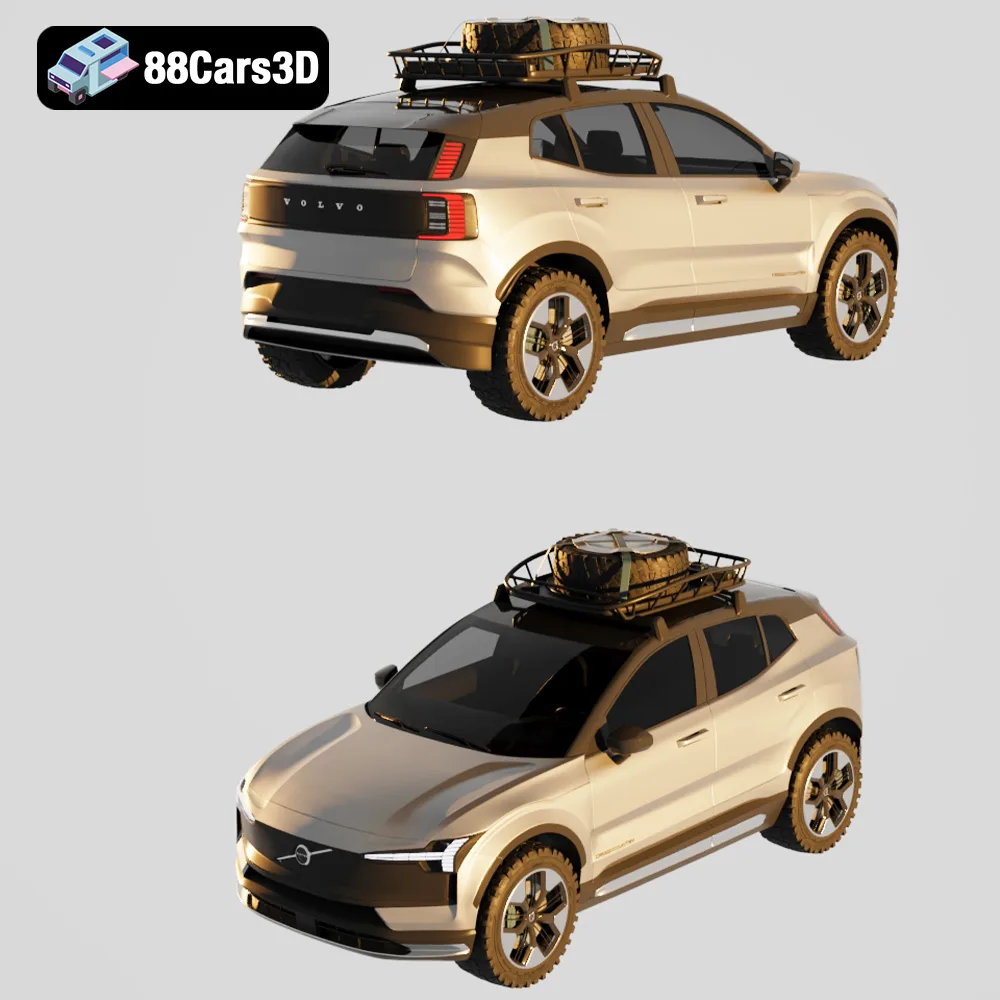
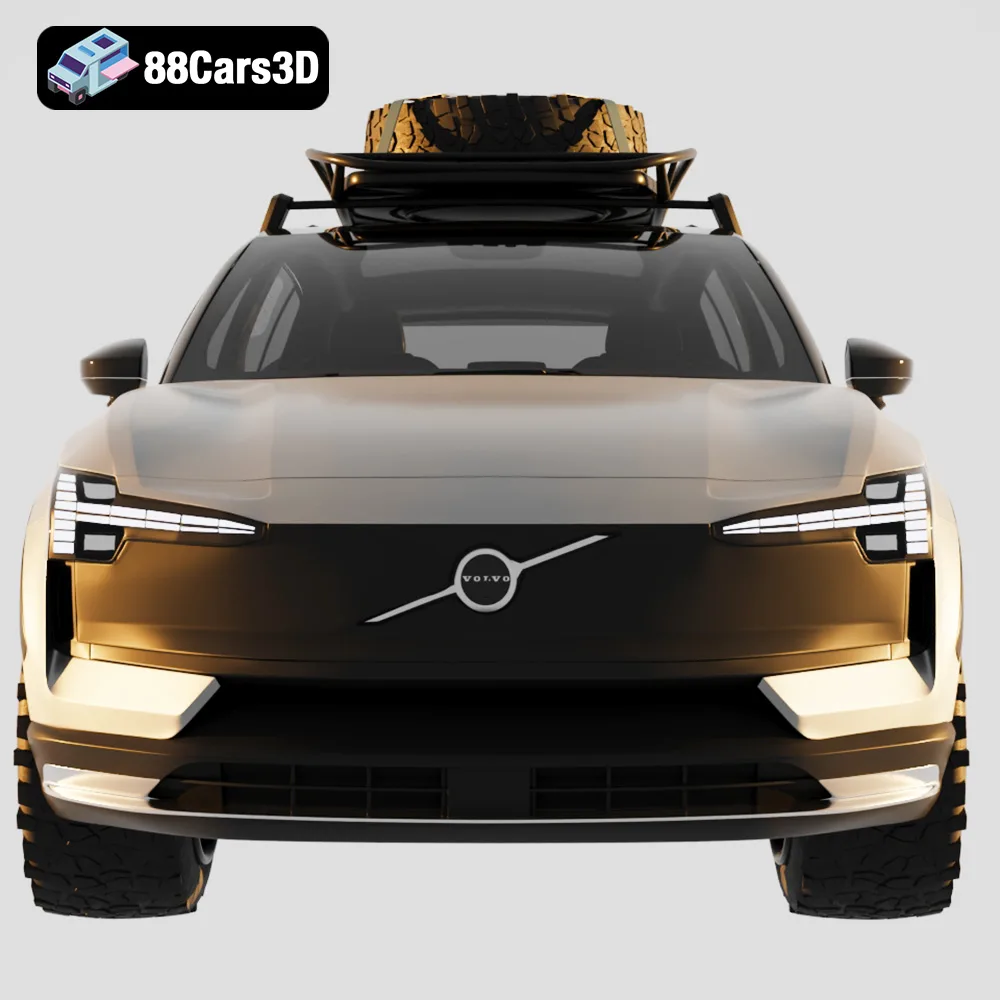
The Volvo EX30 Cross Country Electric Crossover epitomizes modern Scandinavian design fused with robust capability. This 3D model accurately captures Volvo’s distinct closed-off grille, the iconic ‘Thor’s Hammer’ LED headlights, and its rugged yet refined proportions. Its mid-poly geometry is perfectly balanced, making it ideal for architectural driveways where it needs to look pristine without excessively taxing rendering resources. It signifies both luxury and eco-consciousness, making it a perfect fit for high-end ArchViz projects.
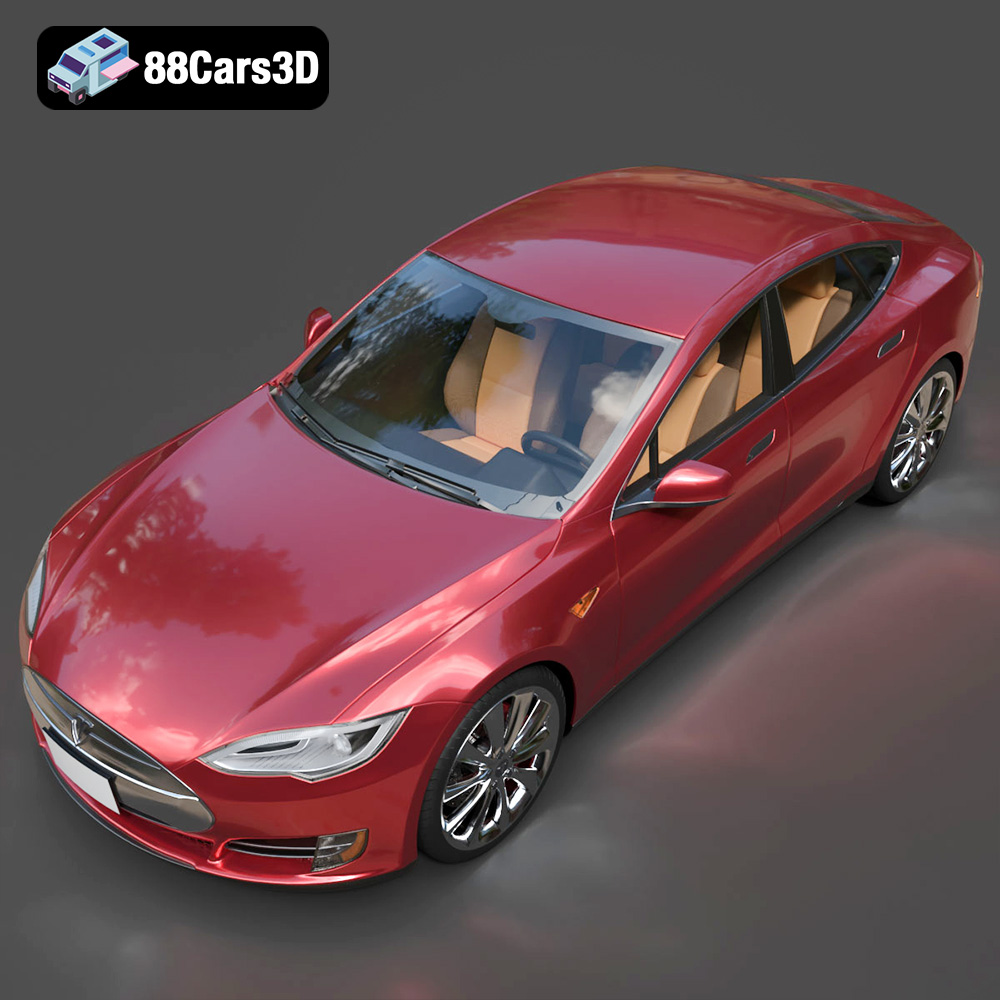
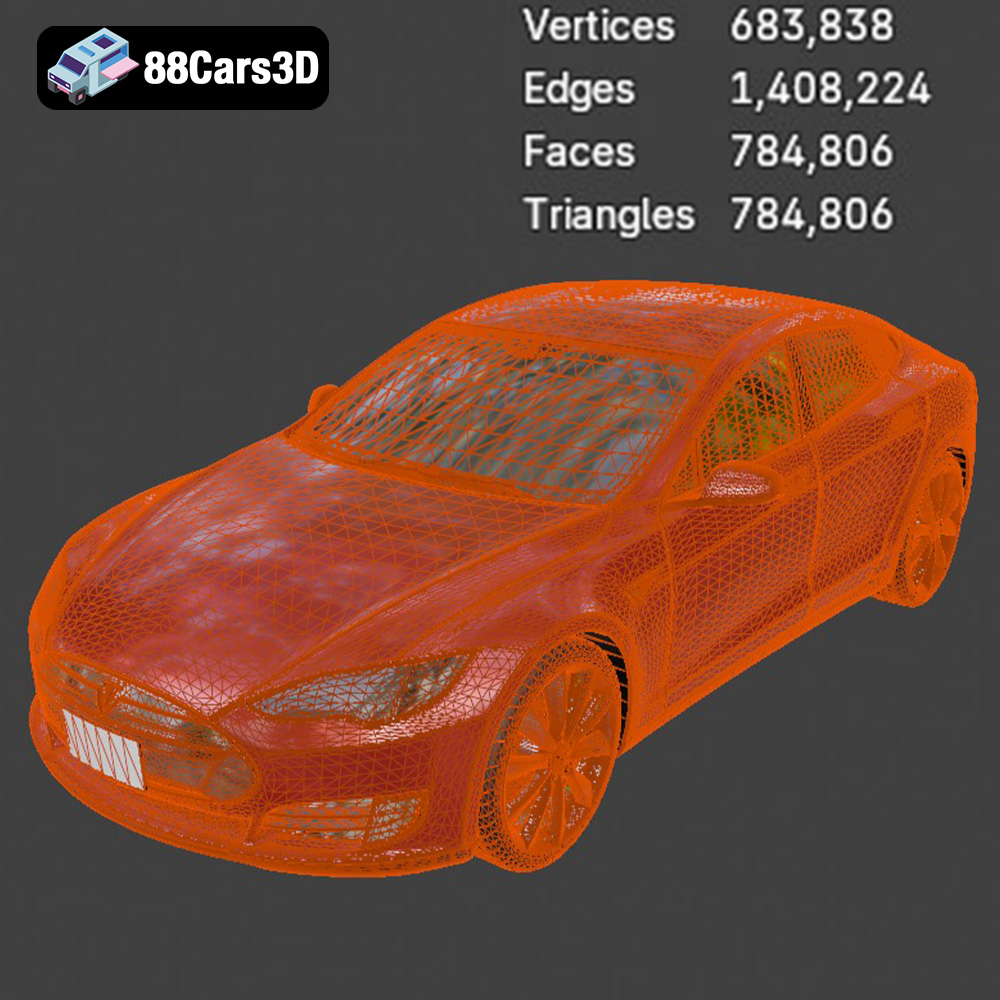
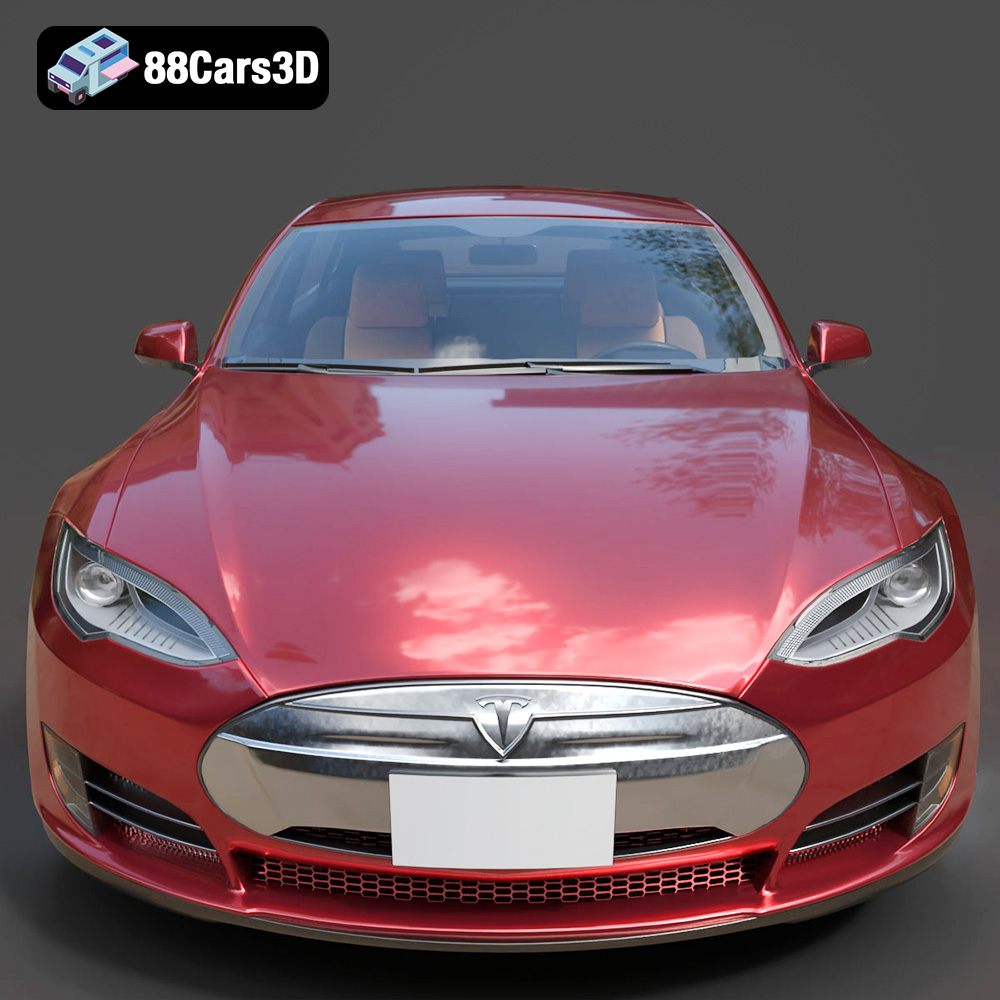
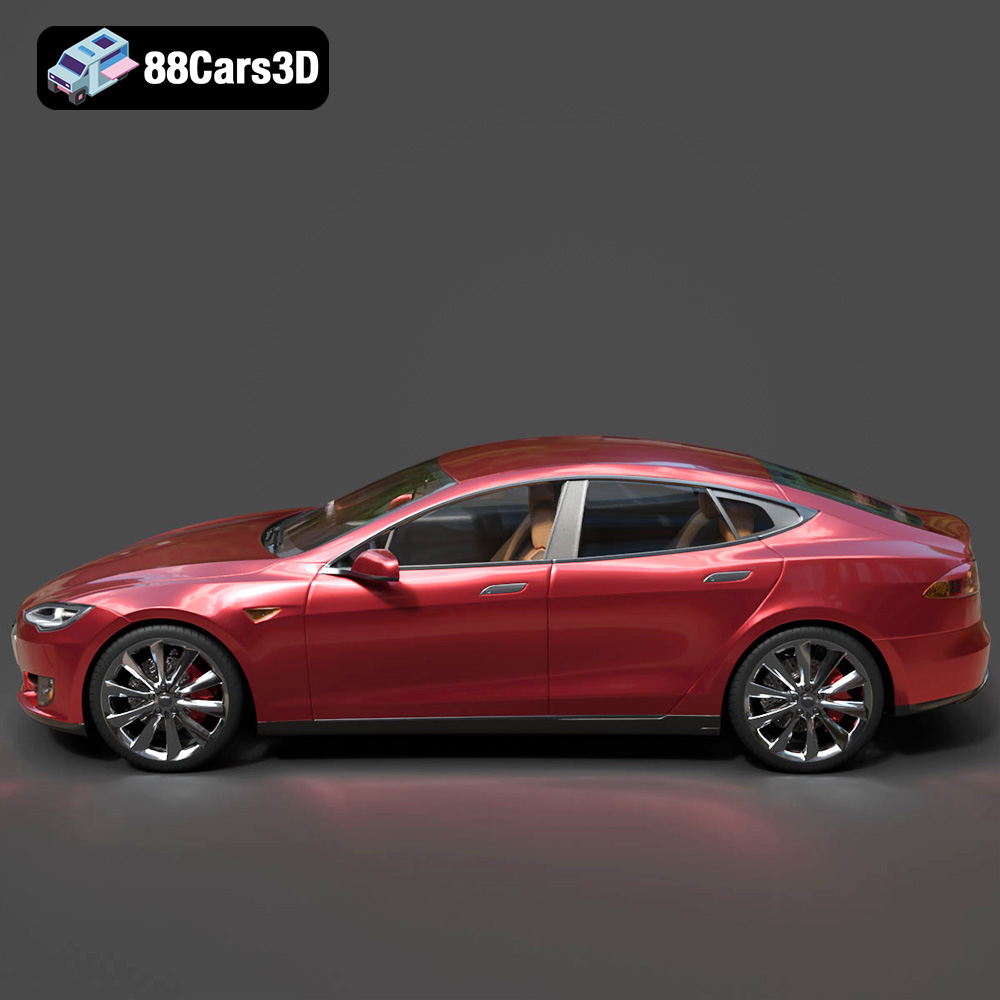
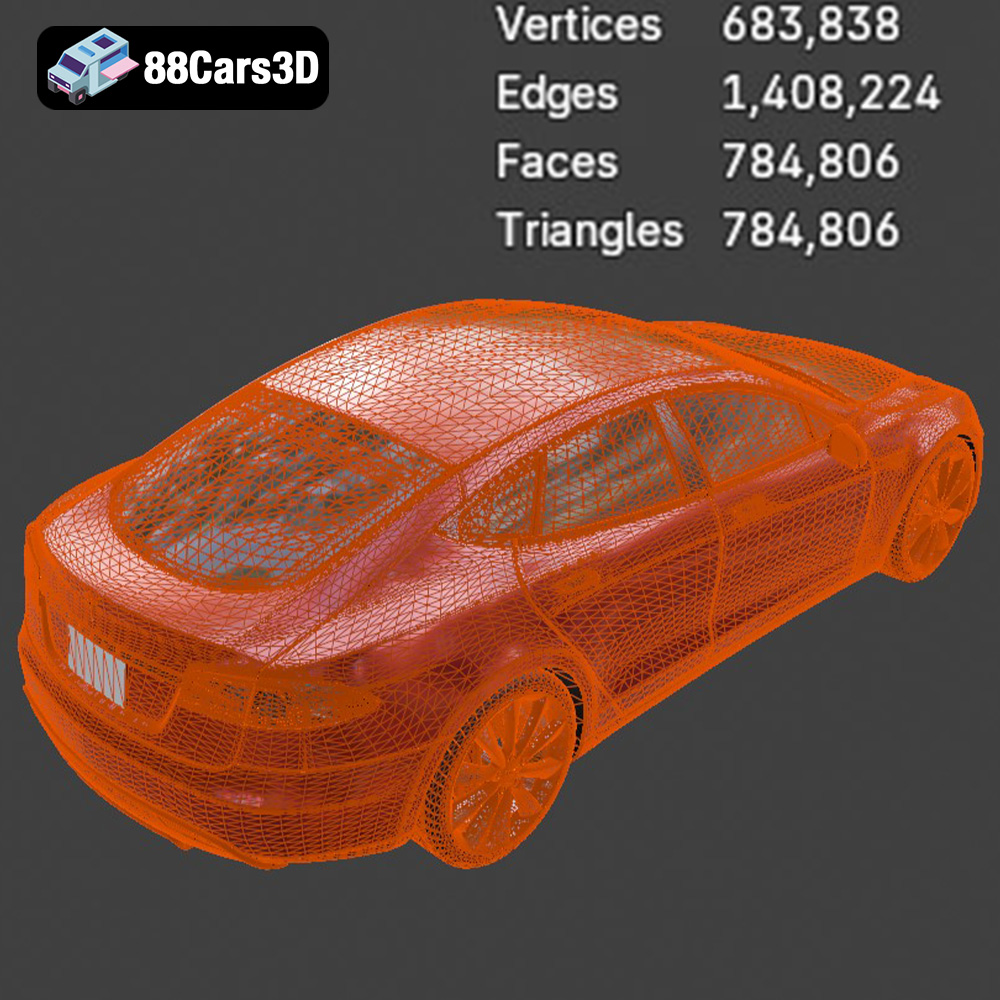
As a pioneer of the EV revolution, the Tesla Model S holds a special place in the automotive world. This 3D model faithfully reproduces its sleek, aerodynamic luxury sedan silhouette, complete with fluid lines and signature flush door handles. The flawless exterior topology is designed to reflect light beautifully in ray-traced rendering engines, ensuring it looks stunning in any scene. Including the Model S provides an instantly recognizable symbol of electric innovation, essential for any smart-city environment.
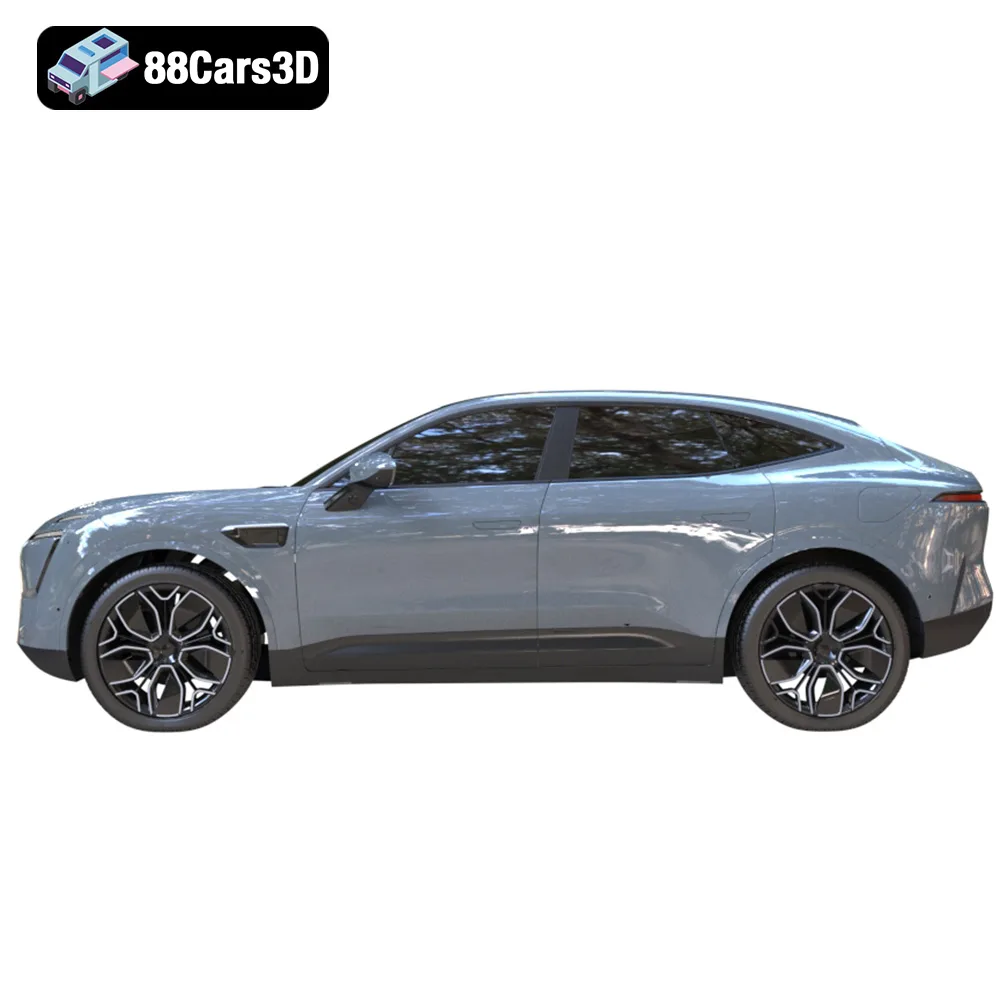
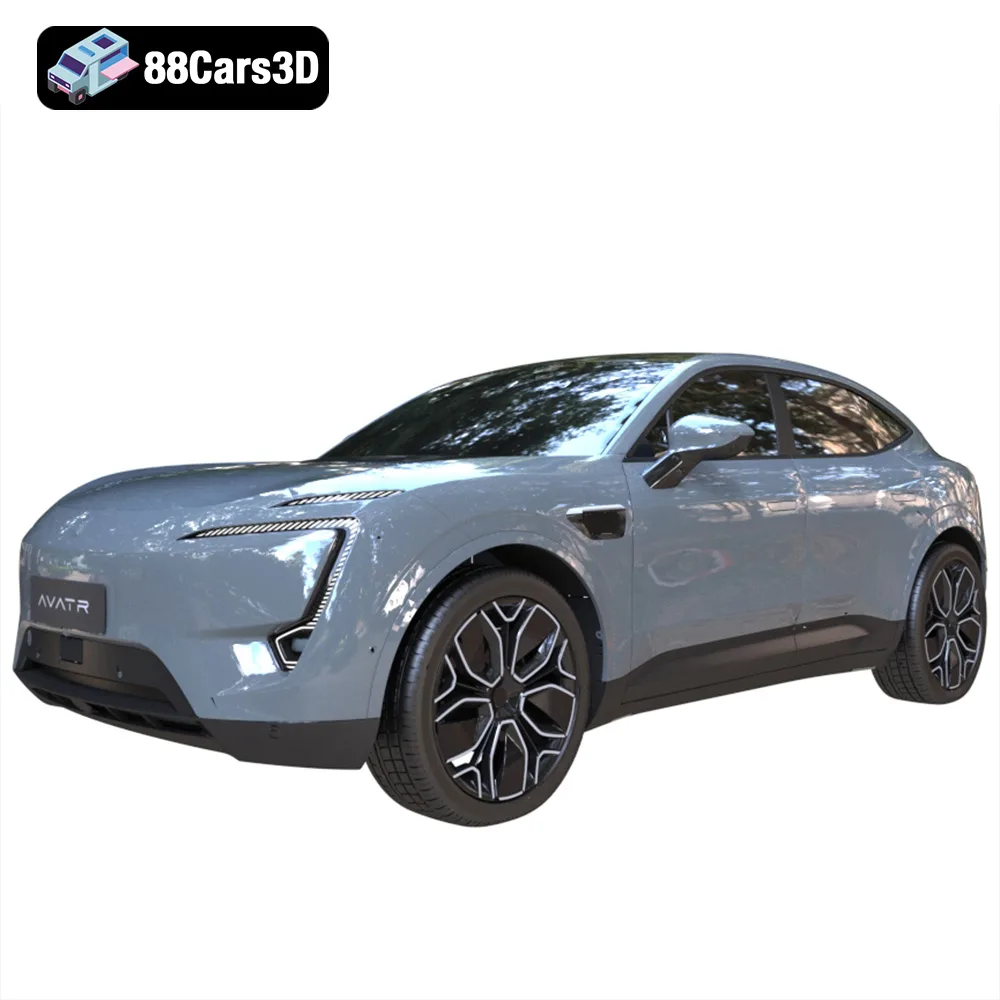
For those seeking to push the boundaries of futuristic aesthetics, the AVATR 11 Electric SUV is an unparalleled choice. This cutting-edge model boasts bold, sci-fi-inspired proportions, ultra-slim LED light bars, and an aggressive stance. It’s perfect for setting a truly modern, almost dystopian, or hyper-futuristic tone in any virtual city. Its distinct design ensures that it stands out, making it an excellent centerpiece for renders that aim to evoke a sense of advanced technology and forward-thinking design.
The Porsche Taycan Turbo S Cross Turismo 2021 represents the absolute pinnacle of electric performance and luxury. This 3D model captures the iconic Porsche silhouette, seamlessly blended with a practical, shooting-brake wagon design and aggressive aerodynamic wheels. It’s the ideal vehicle for high-performance luxury renders, conveying both speed and sophistication. Its inclusion elevates any scene requiring a touch of elite automotive engineering and electric prowess.
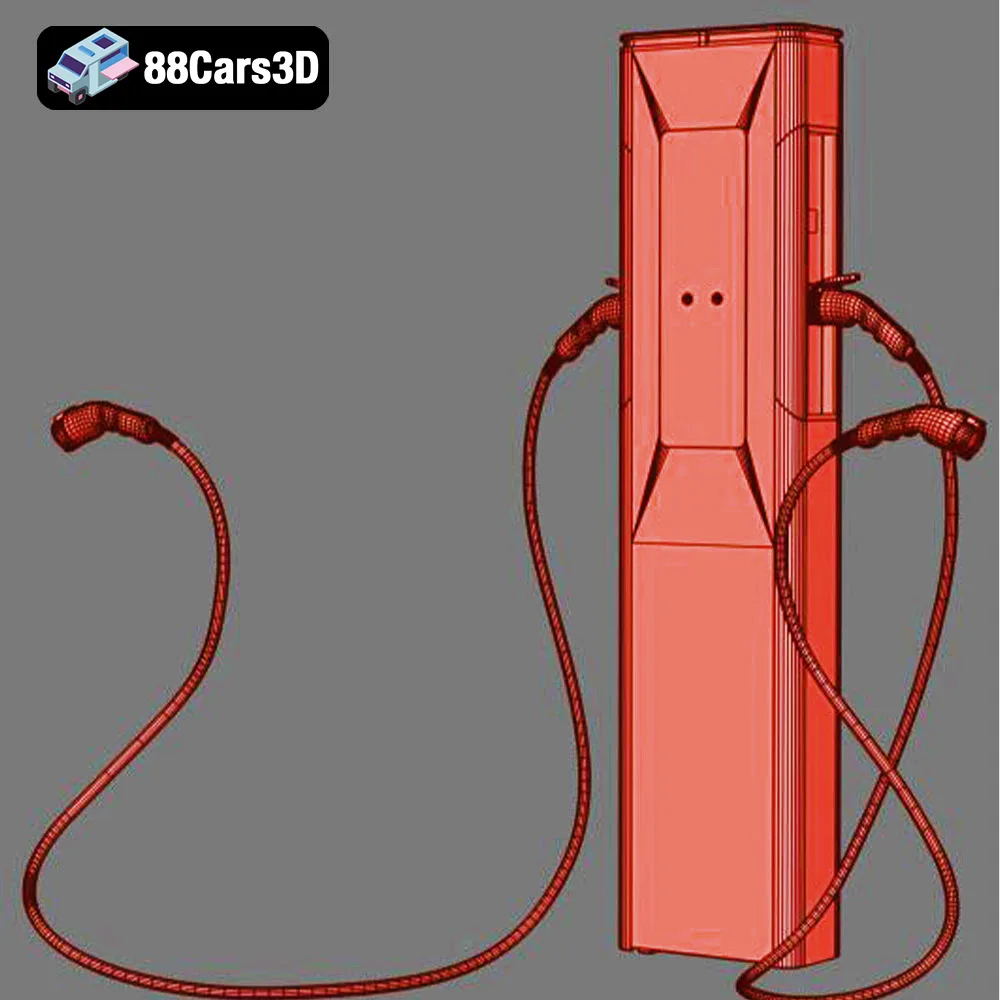
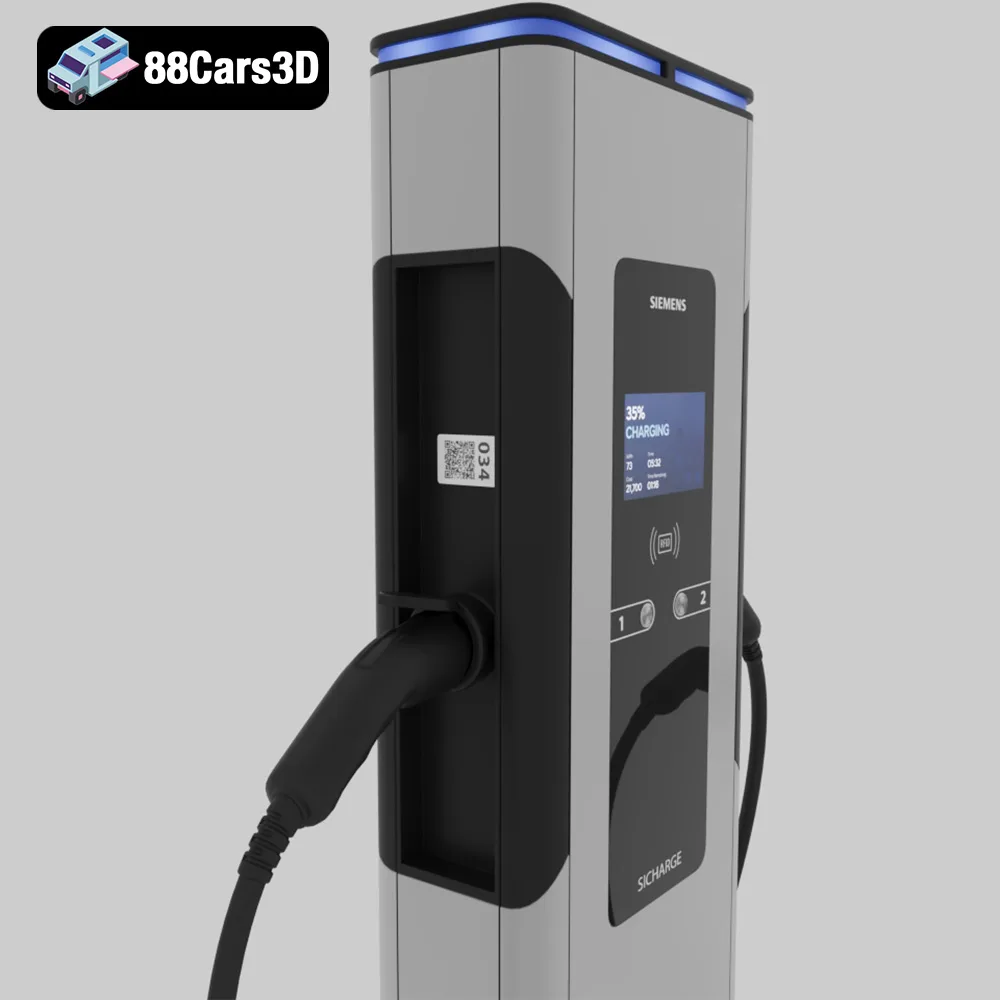
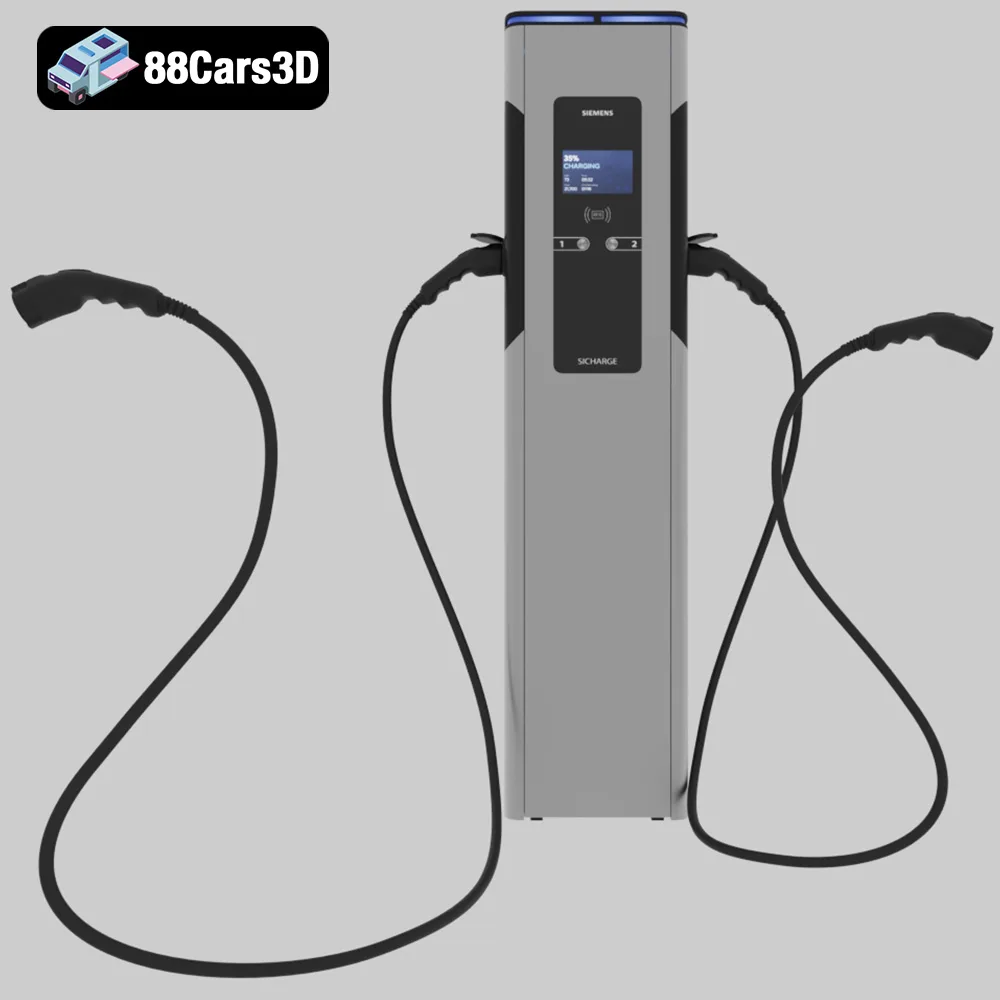
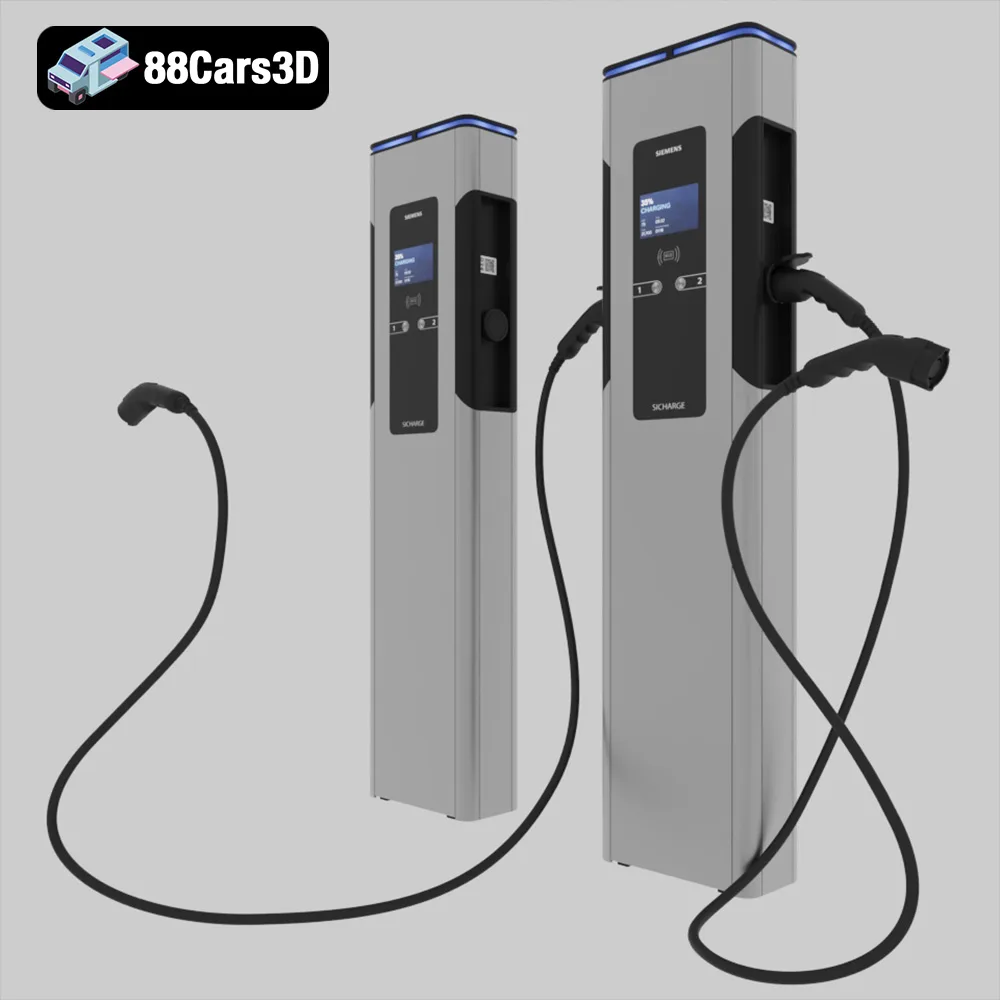
No smart-city scene is complete without the infrastructure that supports electric mobility. The Siemens SiCharge EV Charging Station is the missing piece that adds undeniable realism and authenticity. This ultra-detailed electric vehicle charger can be dropped into a garage, parking lot, or streetscape render to ground your project in reality. It’s a subtle yet critical element that reinforces the theme of modern, sustainable living, making your ArchViz and game environments truly believable.
The true value of any 3D asset lies in its technical foundation. The Smart City EV 3D Models Bundle isn’t just about good looks; it’s engineered for professional performance and ease of integration across diverse projects. From meticulous topology to real-world scale, every aspect has been considered to ensure these 3D car models are production-ready.
A hallmark of high-quality 3D models is clean, optimized topology. These models feature quad-heavy geometry, which is crucial for smooth subdivisions and preventing shading artifacts, especially when viewed up close in high-resolution renders. This clean mesh ensures that the surfaces are flawless, reflecting light accurately and enhancing realism. Furthermore, proper UV mapping is essential for applying textures without distortion. The optimized UV layouts ensure that materials and decals can be applied precisely, whether it’s a subtle metallic flake on the paint or a specific texture for the headlights. This balance makes the models suitable for both foreground hero shots that demand immaculate detail and dense background traffic where performance is key.
For interactive applications like game development or virtual production, models must be easy to rig and animate. The EV models in this bundle come with intelligently separated parts, including wheels, doors, and steering components. This thoughtful organization allows for straightforward rigging, enabling realistic vehicle physics controllers, opening doors in interactive scenes, or animating steering for cinematic sequences. The proper pivot point setup for wheels and steering further simplifies the rigging process, saving valuable development time and ensuring accurate movement straight out of the box.
Accuracy is paramount in professional visualization. All models in this bundle are built to 100% real-world scale accuracy, meticulously based on factory dimensions. This precision ensures that when dropped into an architectural scene, a game environment, or a virtual production stage, the vehicles appear correctly proportioned relative to buildings, characters, and other objects. This attention to detail eliminates guesswork and scaling issues, ensuring seamless integration and enhancing the overall realism of your projects. Furthermore, the manifold geometry of these models makes them excellent candidates for 3D printing, maintaining their accurate dimensions for physical replicas.
The versatility of these 3D car models is a significant advantage, allowing for seamless integration into various software and pipelines. Whether your primary tool is a real-time engine or a high-fidelity renderer, these assets are designed for immediate usability, enhancing efficiency and quality.
Unreal Engine has become a powerhouse for real-time visualization, from photorealistic games to virtual production. The Future of Mobility bundle is “environment ready,” meaning these assets are designed to drop into an Unreal Engine 5 metropolis with minimal fuss. Leveraging the .fbx format for geometry and respecting the .unreal asset preparation guidelines, artists can quickly import these models, apply UE-specific materials, and set up lighting. Their optimized poly count and clean topology ensure excellent performance within the engine, even when populating dense urban scenes. With separated parts and proper pivots, these EVs can be easily integrated with vehicle blueprints, offering interactive elements or autonomous traffic for dynamic gameplay and cinematic sequences.
For those focused on creating stunning, ray-traced images and animations, the inclusion of .max and .blend formats is invaluable. In 3ds Max, artists can utilize the full power of V-Ray or Corona Renderer to achieve hyper-realistic results, showcasing the intricate details of the Volvo EX30 or the reflective surfaces of the Tesla Model S. The .max files often come with materials pre-configured for these renderers, streamlining the setup process. Similarly, Blender users benefit from the native .blend files, allowing them to leverage Eevee for real-time feedback or Cycles for physically accurate renders. The clean topology and accurate UVs translate directly into beautiful shading and texture application, making these models perfect for high-resolution automotive rendering in advertising or architectural visualization.
Beyond digital screens, these 3D car models offer a unique opportunity for physical creation through 3D printing. With .stl and .ply formats commonly included, enthusiasts and professionals can bring these digital designs into the real world. The product description for the Smart City EV Bundle recommends specific print settings—such as SLA/Resin printing for intricate details like the Volvo’s Thor’s Hammer headlights, a layer height of 0.04-0.05 mm, and specific wall thickness and infill recommendations. Printing bodies at an angle and wheels separately ensures a smooth finish and prevents warping. This capability extends the utility of these assets, allowing for the creation of miniature scale models for tabletop displays, collectible prototypes, or even physical mock-ups for design reviews, blurring the lines between digital and physical artistry.
The digital world is a reflection of our physical reality, and as our cities evolve, so too must our 3D assets. The Future of Mobility: Smart City EV 3D Models Bundle provides an essential resource for artists and developers looking to create contemporary, sustainable, and visually striking digital environments. With a meticulously curated selection of five iconic electric vehicles and a crucial charging station, this bundle from 88cars3d.com ensures your projects remain culturally relevant and technically robust.
From architectural visualization to immersive game development and sophisticated virtual production, these 3D car models are engineered for excellence. Their optimized topology, real-world scale, and readiness for various workflows—be it in Unreal Engine, 3ds Max, Blender, or even for 3D printing—make them an invaluable addition to any professional library. By investing in this comprehensive pack, you’re not just acquiring models; you’re future-proofing your digital creations and embracing the aesthetic of tomorrow’s urban landscapes.
The Future of Mobility 3D Models Bundle is the ultimate, eco-conscious collection designed for modern architectural visualization (ArchViz), smart-city game environments, and forward-thinking digital showrooms. As the world transitions to electric vehicles, 3D artists need premium, realistic EV assets to make their renders culturally relevant and visually striking. This comprehensive 5-in-1 package provides exactly that. Instead of sourcing these high-quality models individually (Total Value: €184.95), this bundle gives you four of the most recognizable modern electric vehicles plus a highly detailed EV charging station at an unbeatable discount.
$89.99
archviz-pack
avatr-11
car-bundle
eco-friendly
electric-vehicle-3d-model
ev-bundle
ev-charger-3d
game-ready
porsche-taycan
smart-city
tesla-model-s
volvo-ex30