Get 50% OFF All Premium 3D & STL Models!

In the vast and intricate world of 3D visualization, from architectural marvels to sprawling game environments, realism is often the ultimate pursuit. Artists and developers dedicate countless hours to meticulously craft foreground elements, ensuring every detail from the texture of a brick to the shimmer of an advanced material is perfect. Yet, a common pitfall often undermines these efforts: the lack of authentic, everyday background elements. Imagine a stunning skyscraper bathed in golden hour light, but the streets below are either empty or filled with a mismatched collection of generic vehicles. The illusion instantly shatters.
This is precisely where the true power of realistic background assets comes into play. It’s not always about the flashy supercar, but about the believable sedan, the common hatchback, and the ubiquitous delivery van that populate our daily lives. These are the unsung heroes that ground your virtual worlds in reality, making them feel lived-in and genuine. For professionals striving for unparalleled verisimilitude in their renders and game scenes, an investment in high-quality, everyday 3D car models is paramount. This brings us to a remarkable offering from 88cars3d.com: the Everyday City Traffic Essentials pack 5in1. This meticulously curated bundle is designed to instantly inject a dose of genuine urban realism into any project, proving that sometimes, the ordinary is extraordinary when it comes to visual storytelling.
While the allure of exotic supercars in a hero shot is undeniable, their omnipresence in a large-scale urban scene can quickly lead to an uncanny valley effect. Real cities are a tapestry of diverse vehicles, reflecting a spectrum of socio-economic realities and practical needs. An automotive rendering or game environment populated solely by high-end luxury cars feels artificial and breaks immersion. The human eye is incredibly attuned to patterns and authenticity; a street filled with common sedans, compact crossovers, and working vans, like those found in the Everyday City Traffic Essentials pack 5in1, immediately signals a believable urban fabric.
For architectural visualization (ArchViz), the goal is to highlight a building or urban plan. By surrounding your primary subject with realistic background traffic, you not only provide context but also enhance the perceived value and functionality of the design itself. The building doesn’t exist in a vacuum; it’s part of a dynamic, bustling environment, and these everyday 3D car models are crucial to conveying that narrative.
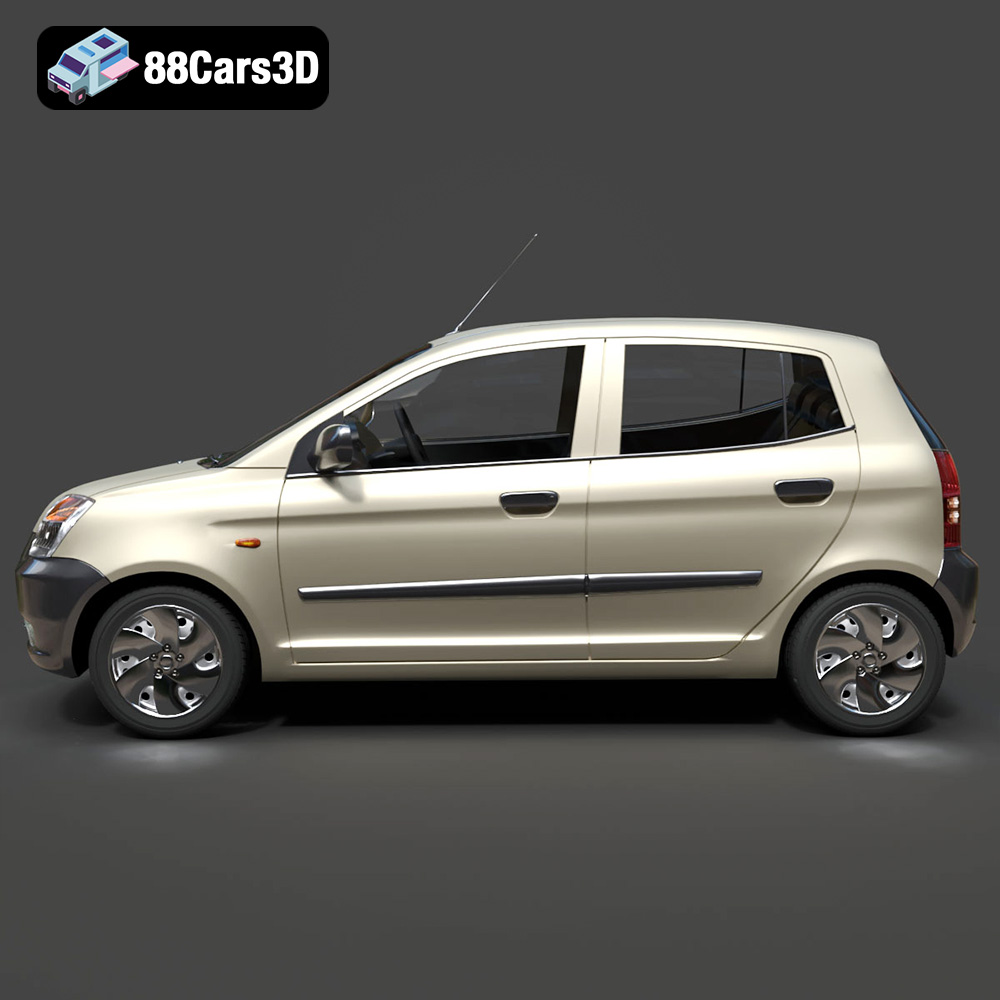
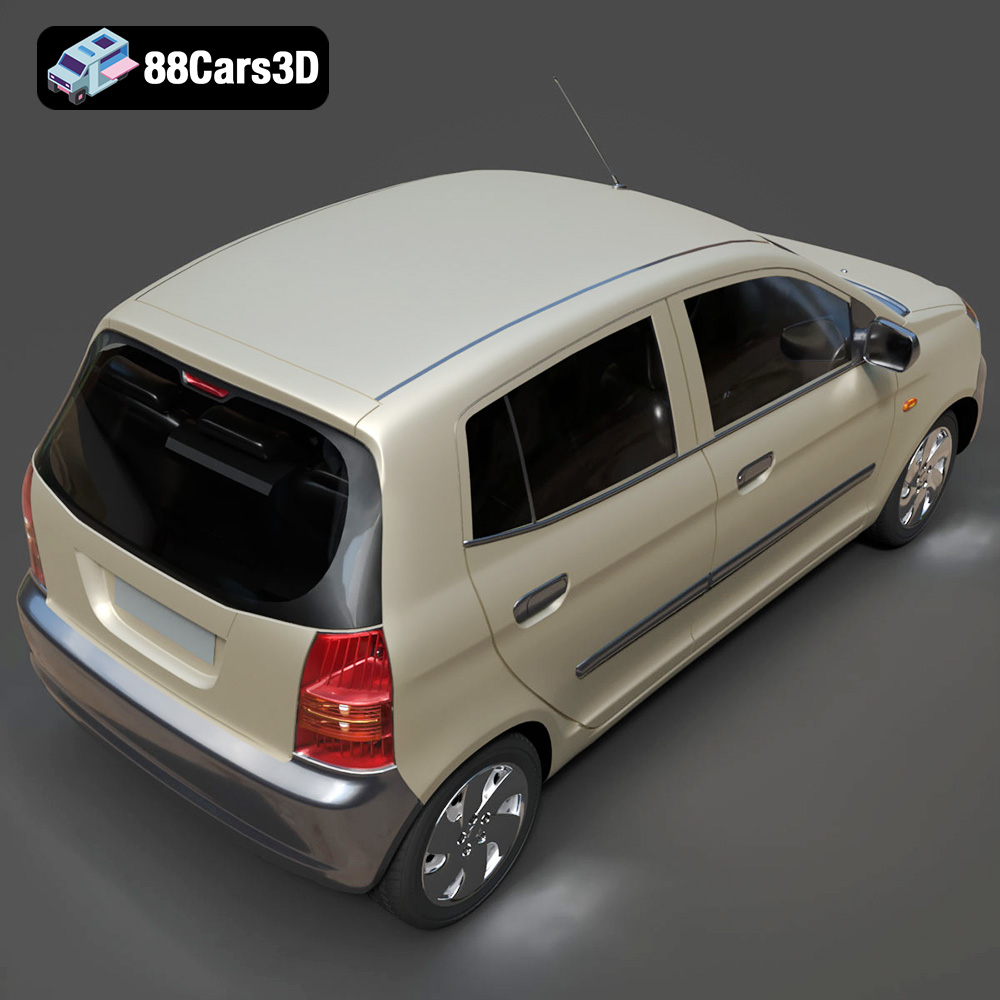
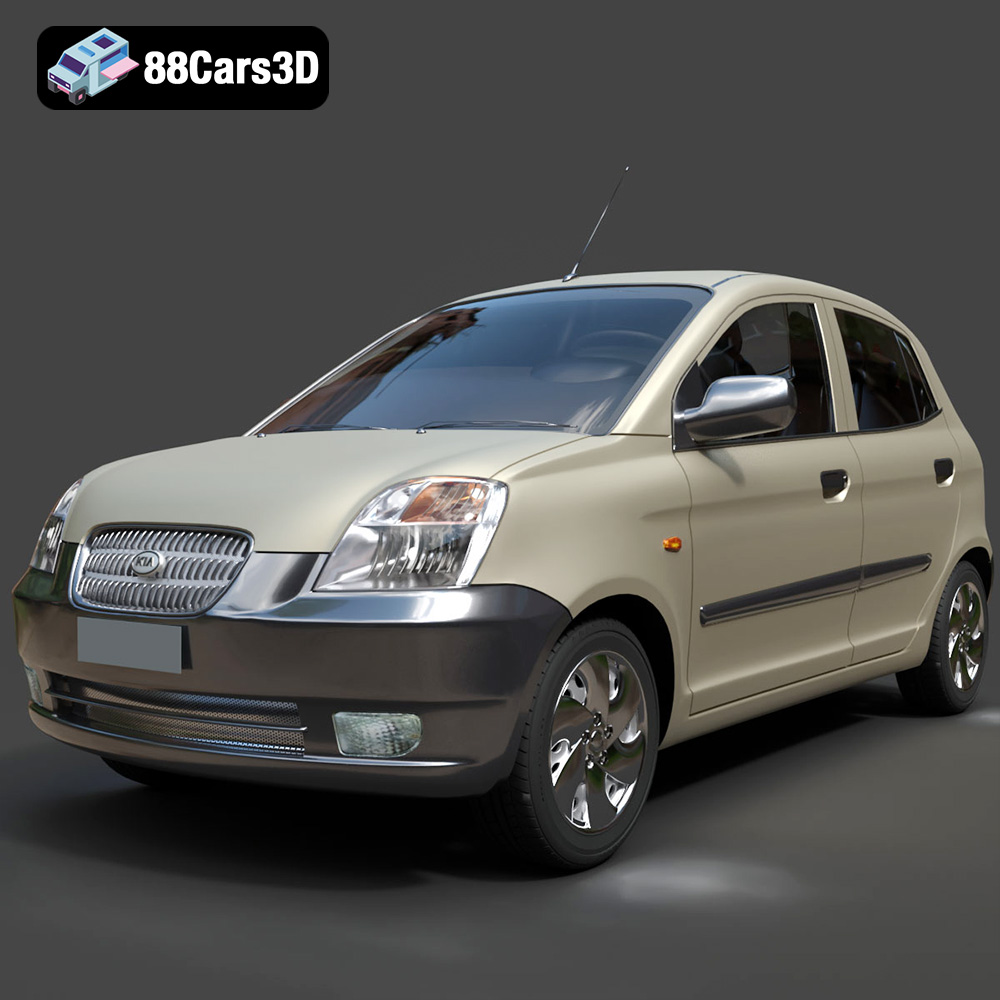
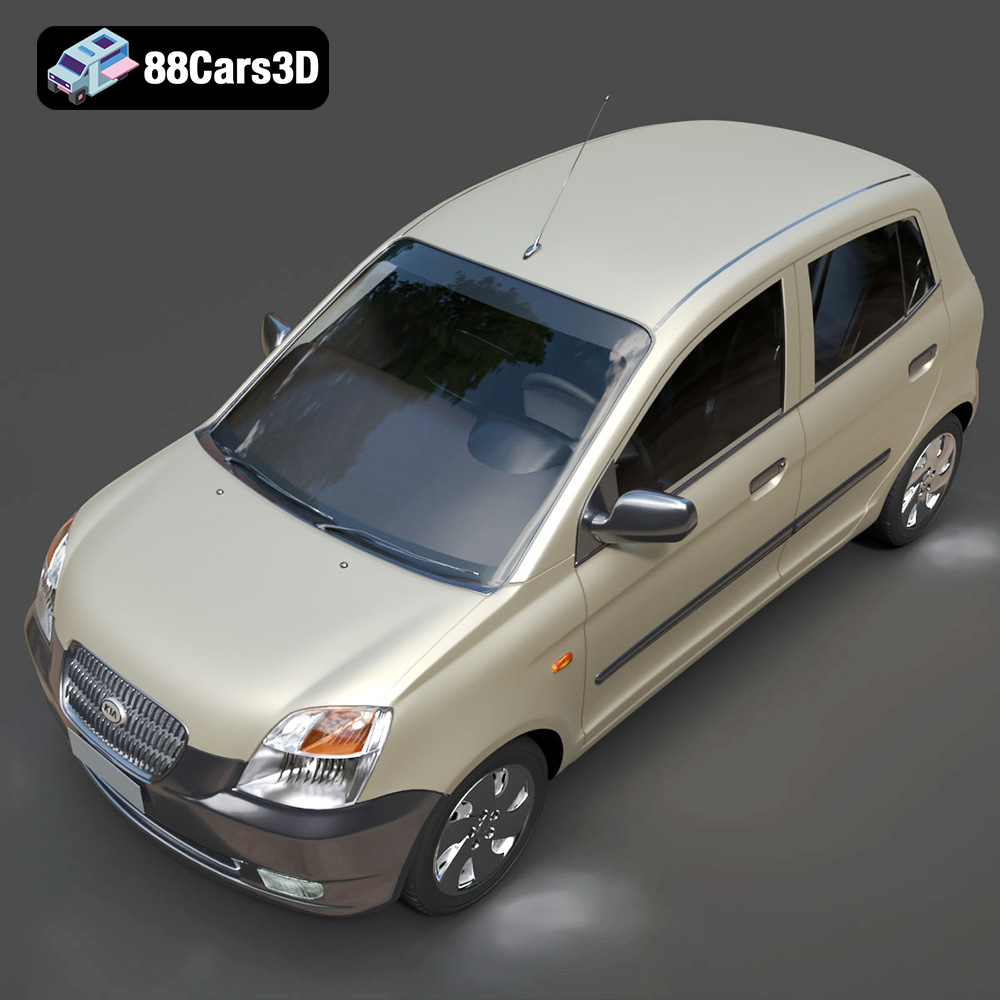
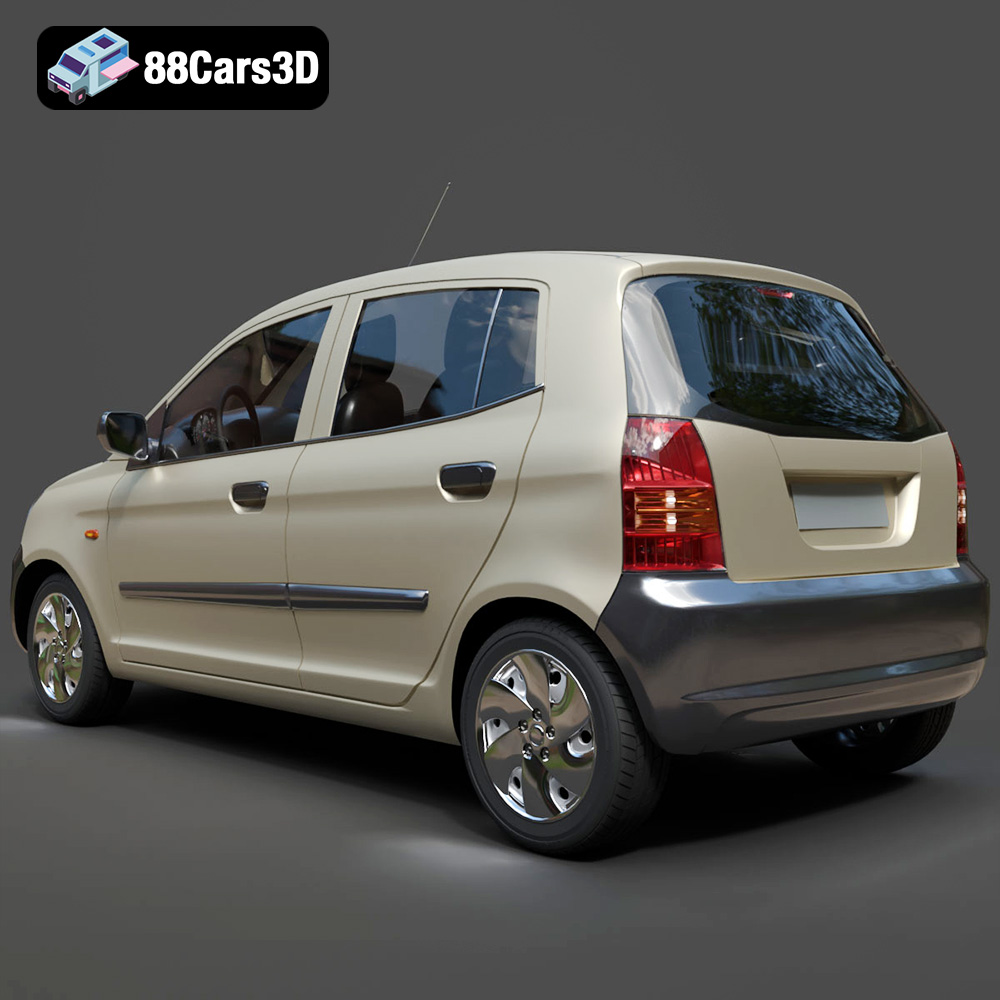
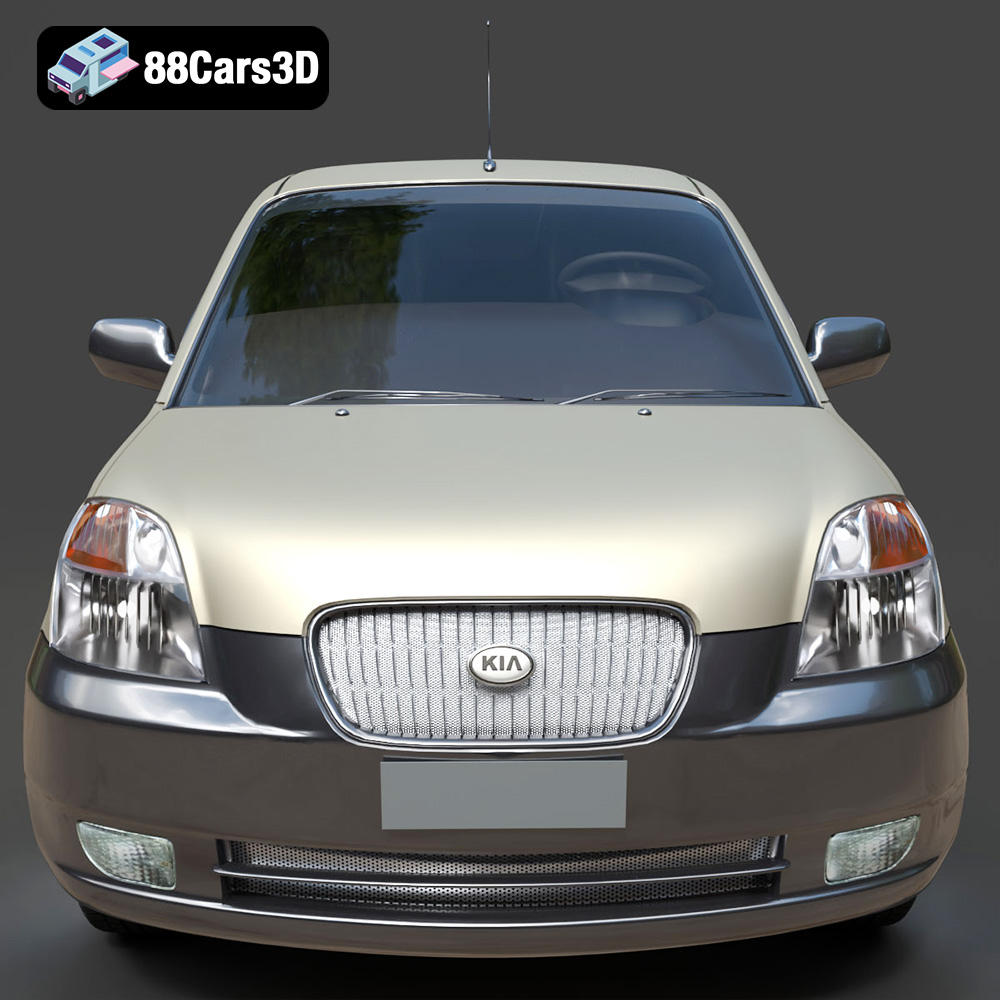
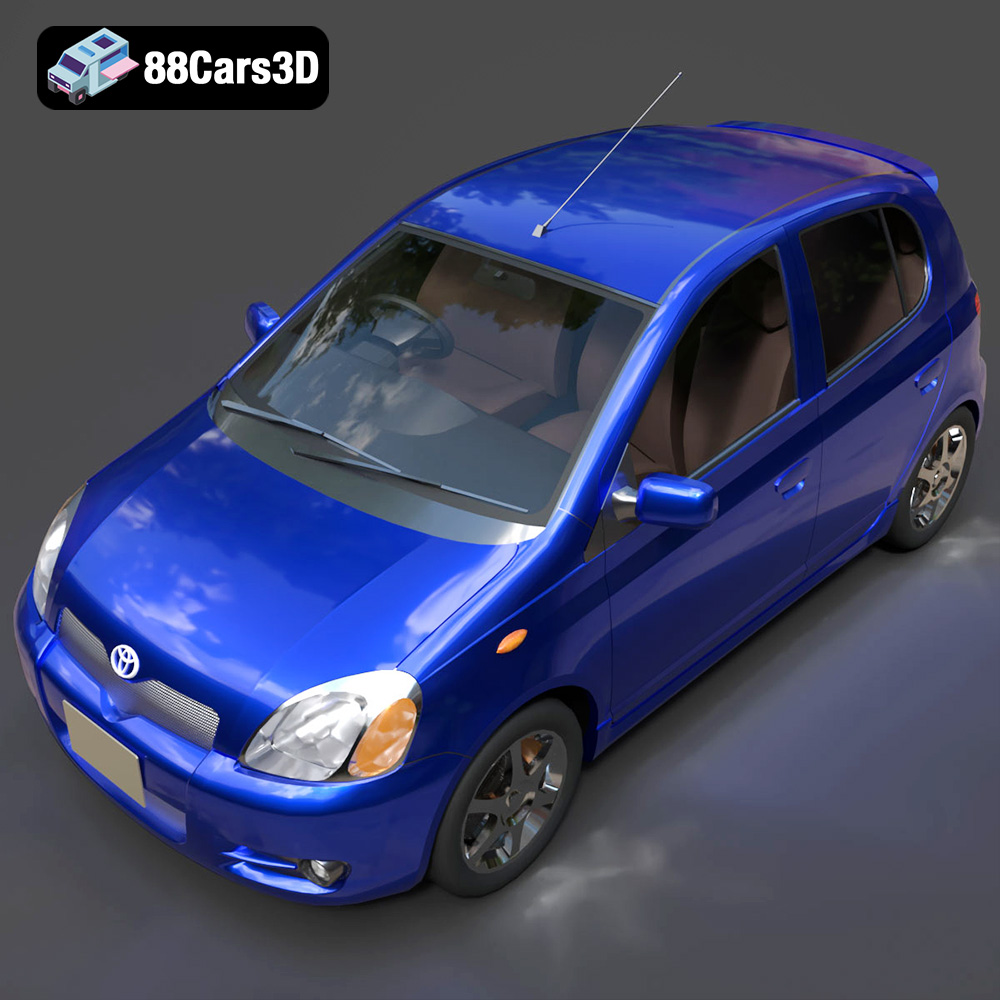
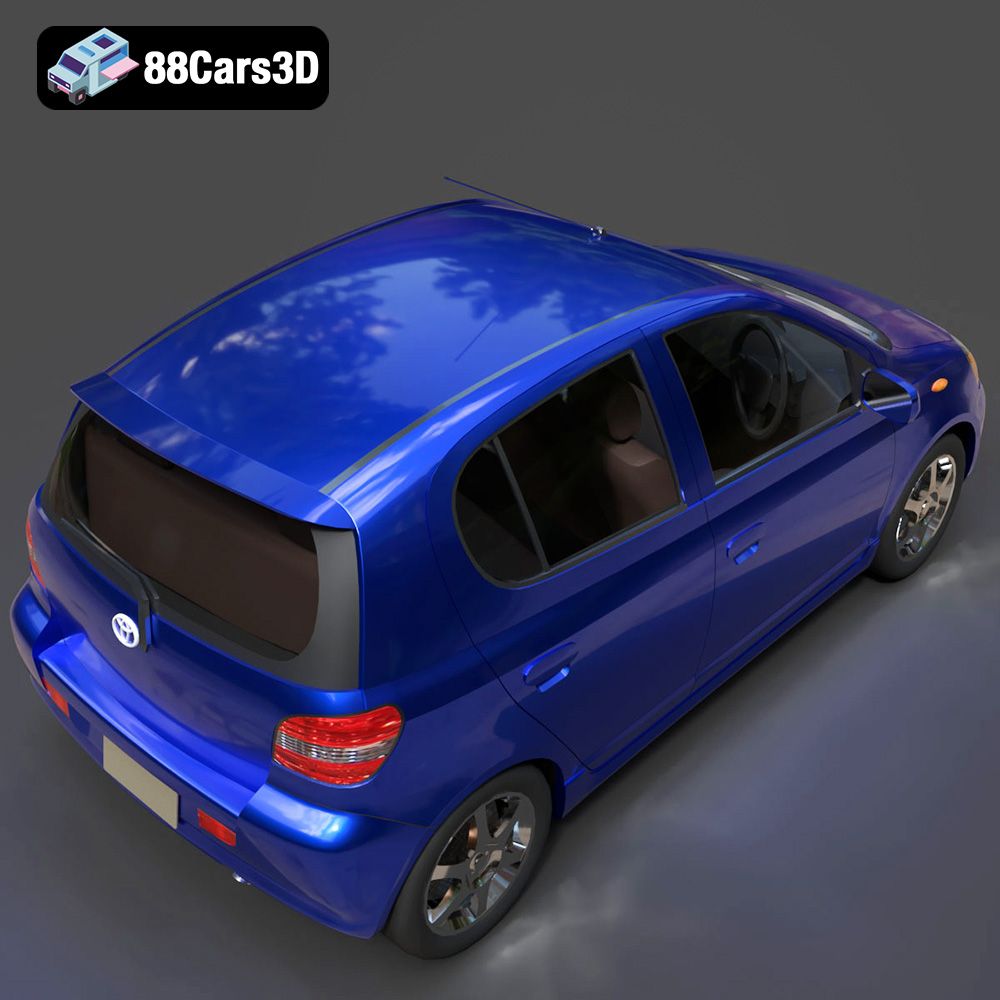
Professional studios understand that subtle details often make the biggest difference. The inclusion of a slightly older Toyota Yaris alongside a modern Kia Picanto, for instance, reflects the natural progression and diversity of vehicles on any given street. This mix of eras, captured expertly in the Everyday City Traffic Essentials pack 5in1, transforms a mere collection of digital objects into a convincing slice of life. It’s about creating a narrative, even for background elements, that supports the primary storytelling of your project.
Furthermore, these assets aren’t just for static renders. In game development, they become the backbone of open-world traffic systems, parking lot props, and the vehicles driven by non-player characters (NPCs). They contribute significantly to the atmosphere and immersion, allowing players to feel truly embedded in the game world rather than just moving through a stage.
Acquiring individual high-quality 3D car models can be a time-consuming and costly endeavor. Sourcing models that meet professional standards for topology, scale, and material readiness often means paying a premium for each asset. The Everyday City Traffic Essentials pack 5in1 brilliantly addresses this challenge by offering a carefully selected bundle of five essential vehicles at a significant discount. This approach provides immediate access to a diverse and production-ready library, saving valuable budget and development time. It’s a strategic investment for any artist or studio looking to enhance their automotive rendering and game assets without compromising on quality or efficiency.
Navigating the world of 3D modeling often involves choosing the right file format for your specific needs. The Everyday City Traffic Essentials pack 5in1 provides a versatile selection of formats, ensuring maximum compatibility and utility across various professional workflows. Understanding the nuances of each is crucial for seamless integration and optimal results.
The .blend format is the native file type for Blender, the widely popular open-source 3D creation suite. When you download a .blend file, you’re not just getting a model; you’re getting a complete Blender scene. This includes all mesh data, materials (often set up with Blender’s powerful node-based shader system), textures, lighting, cameras, and even animations or rigging if present. This format is ideal if Blender is your primary DCC (Digital Content Creation) application, offering full editability and access to the original project structure. It ensures that the model can be modified, re-textured, or integrated into a larger Blender scene with minimal effort, making it a fantastic starting point for custom projects or detailed automotive rendering within Blender’s ecosystem.
.fbx (Filmbox) is a proprietary file format owned by Autodesk and is arguably the most widely used format for 3D data exchange between different software applications, especially within game development pipelines. It’s celebrated for its robust support of not just geometry and UVs, but also materials, textures, animations, rigging, and even camera data. This makes .fbx incredibly versatile for transferring assets between applications like 3ds Max, Maya, Blender, and directly into game engines such as Unreal Engine and Unity. When a model is provided in .fbx, like those from 88cars3d.com, it signifies an asset ready for real-time applications, often optimized for performance while retaining visual fidelity.
The .obj (Wavefront OBJ) format is one of the oldest and most universally supported file types for 3D models. It primarily stores geometric data – vertices, faces, normals, and UV coordinates – and can reference external material definition files (.mtl) for basic color and texture information. While it doesn’t support rigging, animation, or advanced material properties, its simplicity is its strength. Almost every 3D software application can import and export .obj files, making it an excellent choice for basic mesh exchange and ensuring cross-software compatibility. It’s a reliable “lowest common denominator” for model transfer, particularly when you only need the raw geometry and basic mapping.
.glb (GL Transmission Format Binary) is the binary version of the glTF format, specifically designed for efficient transmission and loading of 3D scenes and models in web, augmented reality (AR), and virtual reality (VR) environments. It’s a compact, single-file format that embeds all necessary data – geometry, materials (PBR-ready), textures, animations, and skinning – directly within it. This makes .glb highly optimized for fast loading and rendering on various platforms, crucial for interactive experiences and browser-based 3D viewers. The models in the Everyday City Traffic Essentials pack 5in1, when provided in .glb, are perfectly poised for web integration or showcasing in AR/VR apps.
.stl (Stereolithography) is the de facto standard file format for 3D printing. Unlike other formats that describe surfaces, .stl represents a 3D object as a collection of interconnected triangles, forming a “tessellated” surface. It contains only geometric information (the topology of the object) without color, texture, or material data. For models intended for physical output, such as creating miniature cars for architectural dioramas, a clean, manifold .stl file is essential. The 3D printable aspects of the Everyday City Traffic Essentials pack 5in1 are directly supported by this format, allowing hobbyists and professionals to bring these virtual cars into the physical world.
The .ply (Polygon File Format) is a file format for storing graphical objects that are described as a collection of polygons. It is particularly useful for storing data from 3D scanners, CAD systems, and other applications that require precise geometric representation, often including color, normals, and texture coordinates. While less common for general 3D asset exchange than .fbx or .obj, .ply provides a robust structure for data integrity and is frequently used in scientific visualization, reverse engineering, and applications demanding high precision in mesh data. For specific analytical or detailed CAD workflows involving the models, .ply offers an excellent option.
When “.unreal” is listed as a format, it typically refers to an asset that has been specifically prepared or optimized for the Unreal Engine. While Unreal’s native asset format is .uasset, suppliers often use “.unreal” to denote models that are provided in a format (like .fbx) that is directly importable and pre-configured for Unreal Engine, potentially including properly set up materials, LODs (Levels of Detail), and collision meshes. This means less setup time for game developers, allowing for quicker integration of these high-quality 3D car models into their game worlds with minimal tweaking.
The .max format is the native file format for Autodesk 3ds Max, a leading software in architectural visualization and design. A .max file contains a complete 3ds Max scene, including geometry, materials (V-Ray, Corona, Arnold setups are common), lighting, cameras, animation, modifiers, and all scene settings. This format offers full editability within 3ds Max, making it ideal for ArchViz artists who use 3ds Max as their primary rendering tool. For models like those in the Everyday City Traffic Essentials pack 5in1, having a .max file ensures that all professional material setups and scene configurations are preserved, ready for immediate use with industry-standard renderers.
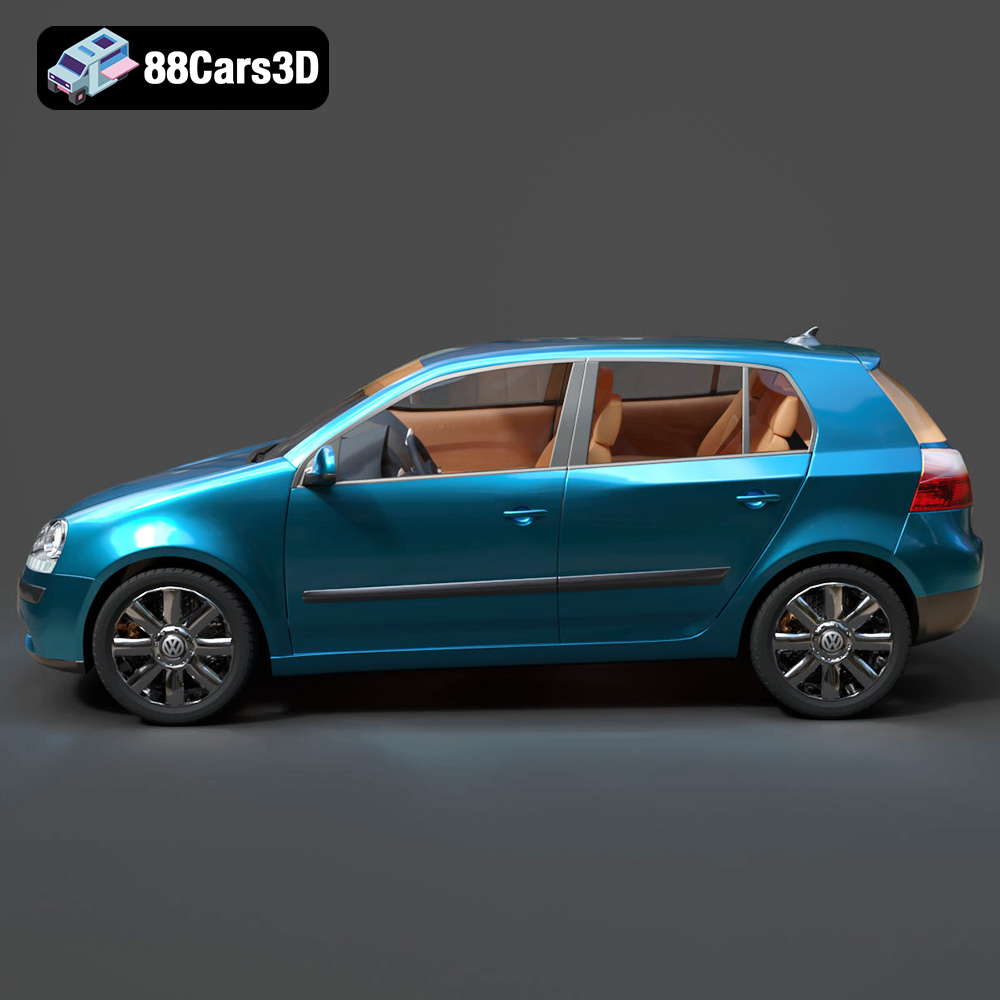
The brilliance of the Everyday City Traffic Essentials pack 5in1 lies in its thoughtful curation. Instead of a random assortment, 88cars3d.com has assembled a collection that genuinely reflects the diversity seen on urban streets. Each vehicle plays a crucial role in creating a believable backdrop:
This perfect balance of eras and vehicle types ensures your traffic doesn’t look like a cloned army, providing rich visual variety that supports any scene’s authenticity.
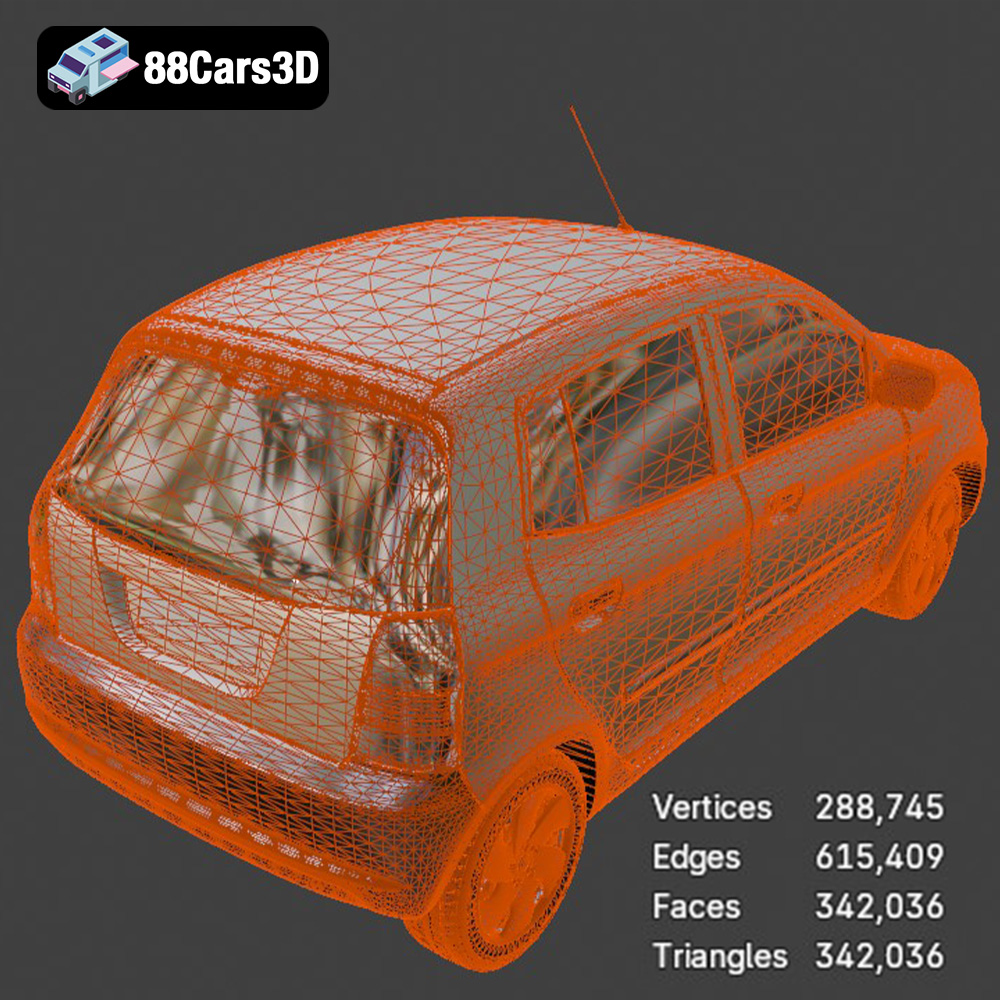
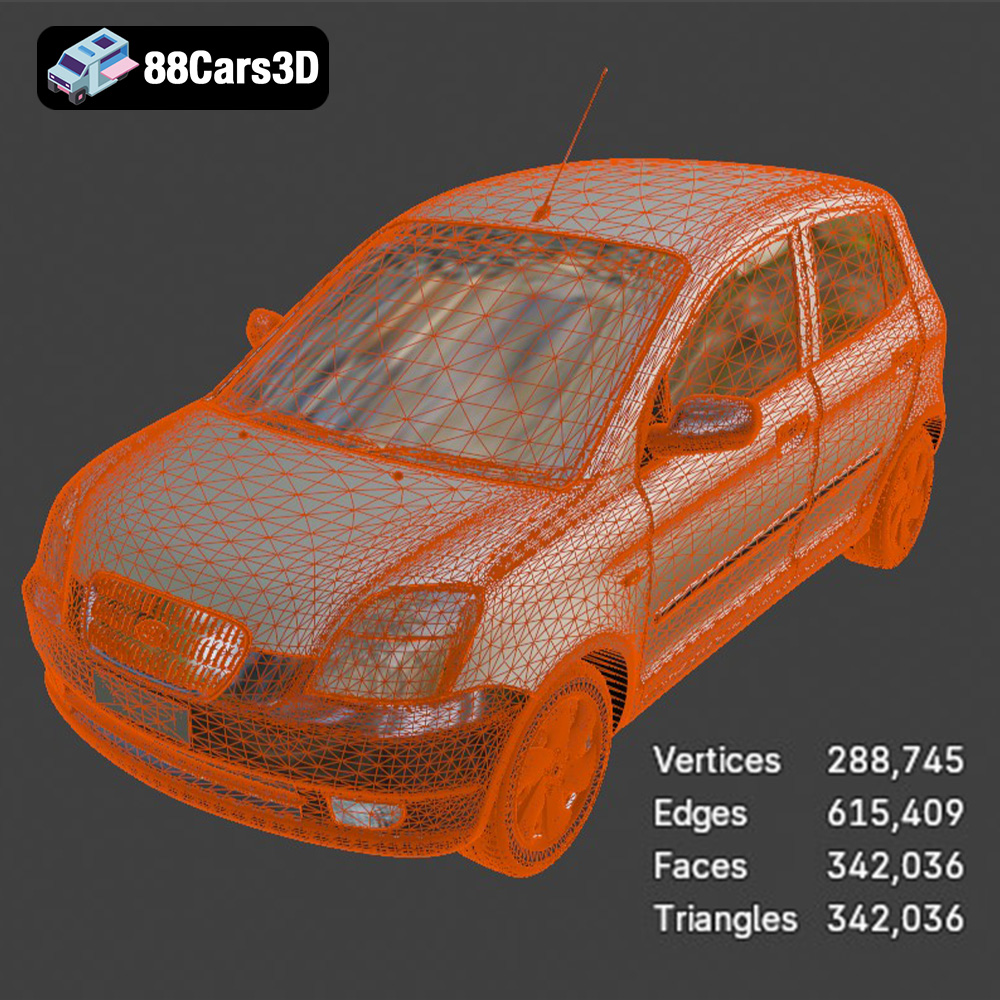
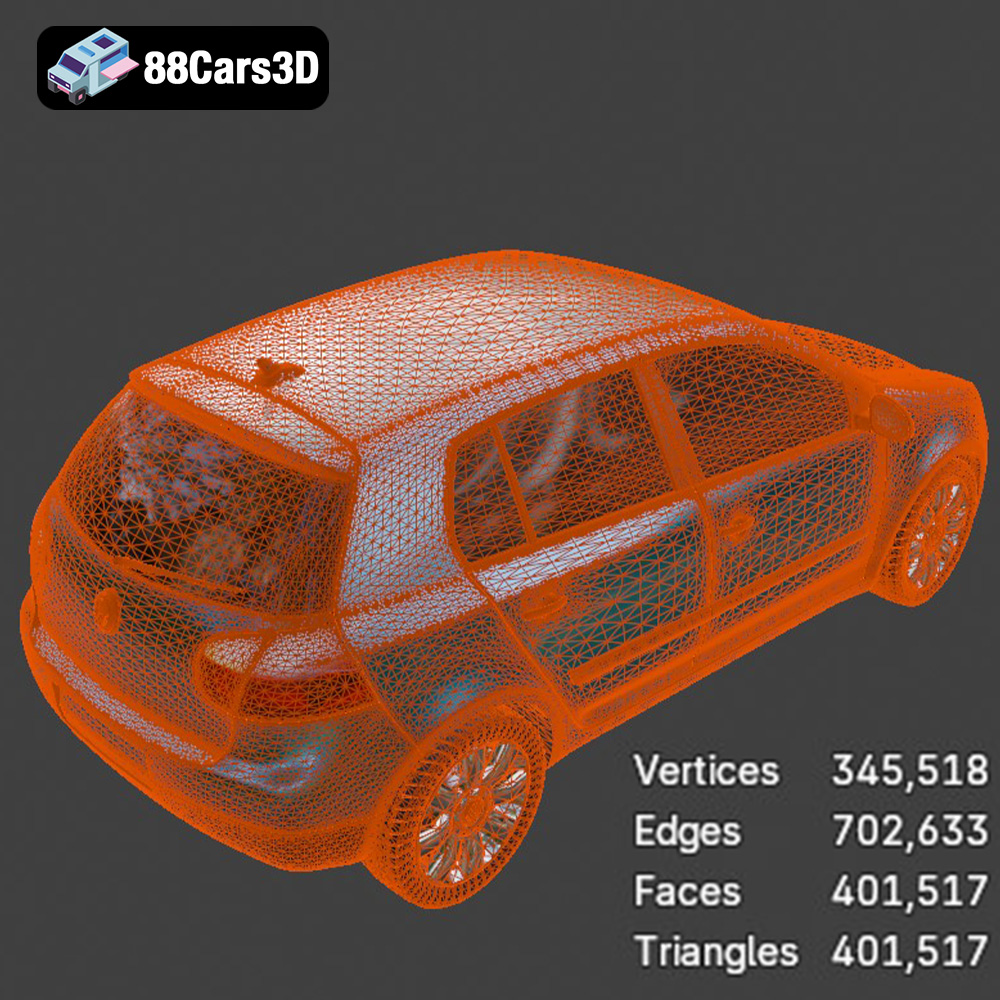
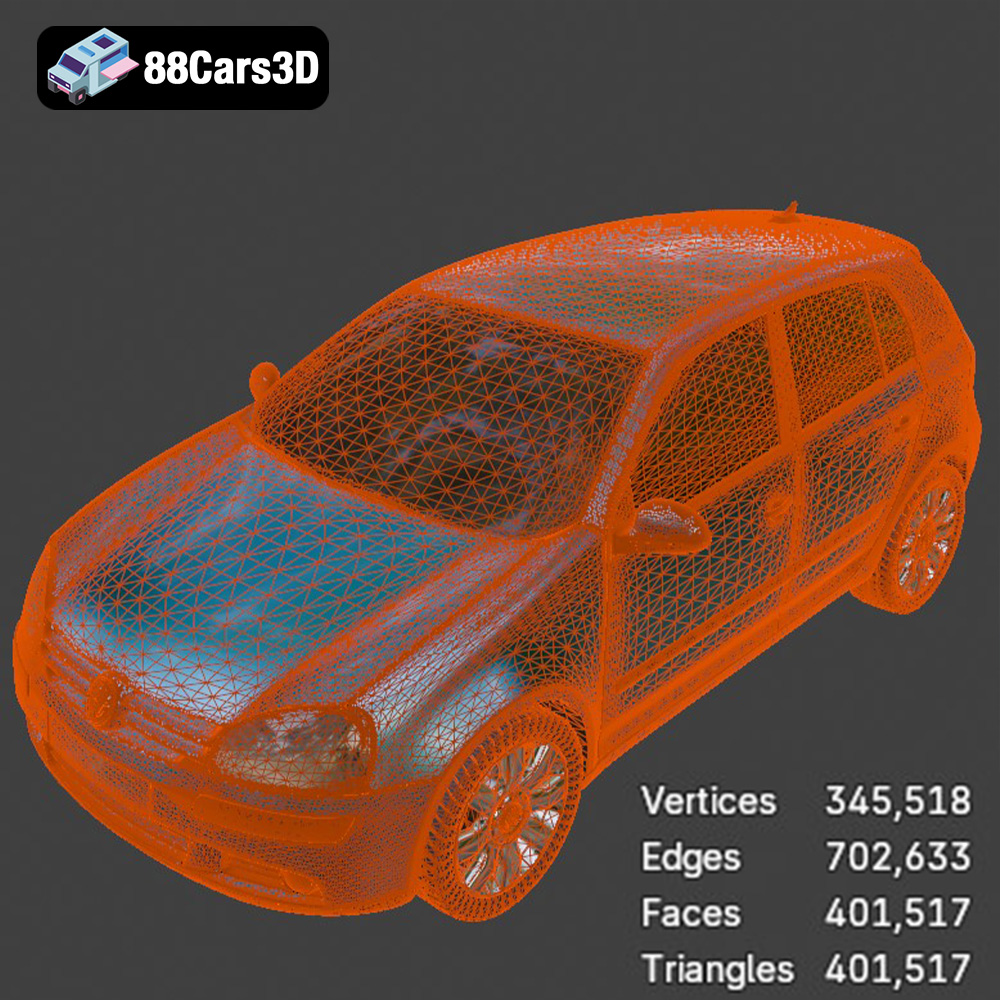
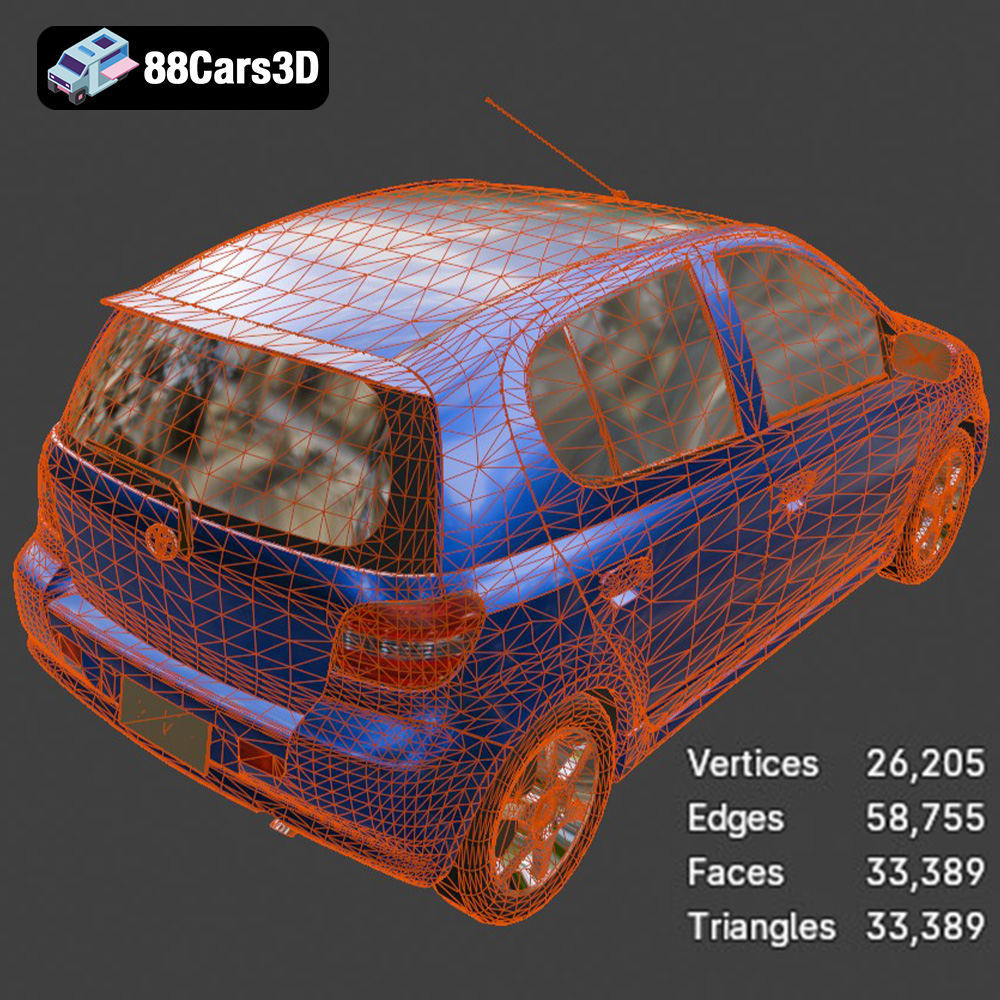
Beyond aesthetic diversity, the Everyday City Traffic Essentials pack 5in1 excels in its technical specifications, making it production-ready for demanding professional environments:
For architectural visualization, the quality of background elements can make or break a presentation. The Everyday City Traffic Essentials pack 5in1 transforms sterile street scenes into vibrant, living environments.
Workflow:
In game development, the performance and visual fidelity of 3D car models are equally critical. The pack’s game-ready attributes make it an excellent choice for creating immersive game worlds.
Workflow:
Beyond digital realms, the Everyday City Traffic Essentials pack 5in1 offers a unique advantage for physical model makers and diorama enthusiasts, thanks to its inclusion of 3D printable STL files.
Workflow:
Achieving photorealism in modern 3D rendering and game engines heavily relies on Physically Based Rendering (PBR) workflows. The quality of textures and materials directly impacts how convincing your 3D car models appear. Ensuring proper UV mapping allows for seamless application of PBR texture sets (Albedo/Base Color, Metallic, Roughness, Normal, Ambient Occlusion). While specific texture sets are often included or easily generated for high-quality models, understanding their role is crucial. The diverse range of vehicles in the Everyday City Traffic Essentials pack 5in1 benefits immensely from well-crafted PBR materials that accurately simulate paint, glass, rubber, and plastic, reflecting light realistically and contributing significantly to the overall aesthetic.
For large-scale projects like open-world games or expansive ArchViz renders with hundreds of vehicles, performance optimization is paramount. The clean, optimized topology of the 3D car models from 88cars3d.com is designed for efficiency. However, for maximum performance:
The interaction of light with your 3D car models is fundamental to achieving a believable scene.
Creating truly immersive and believable 3D environments, whether for architectural visualization, game development, or visual effects, hinges on a delicate balance between primary subjects and supporting details. The often-overlooked necessity of authentic background elements, particularly realistic 3D car models, is what truly elevates a scene from good to extraordinary. The sterile, empty streets of a digital city instantly come to life with the addition of vehicles that reflect the diversity and everyday rhythm of urban existence.
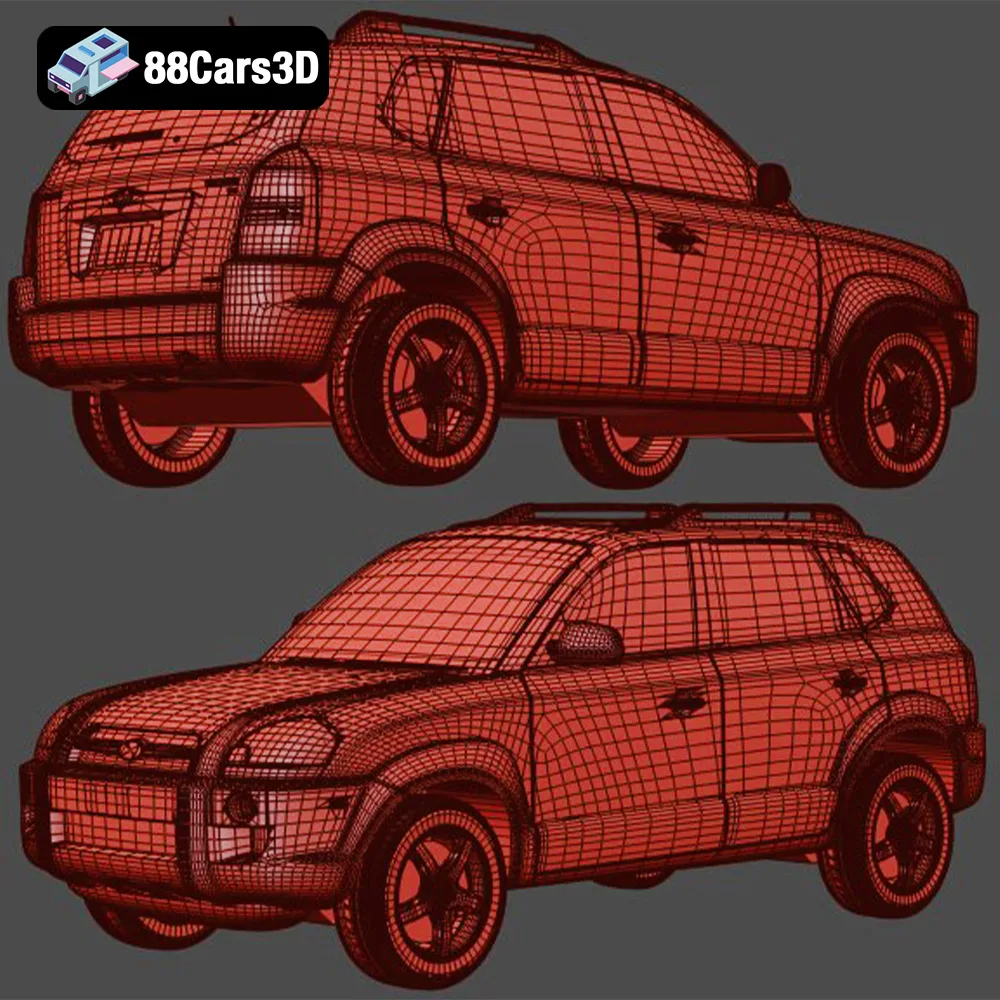
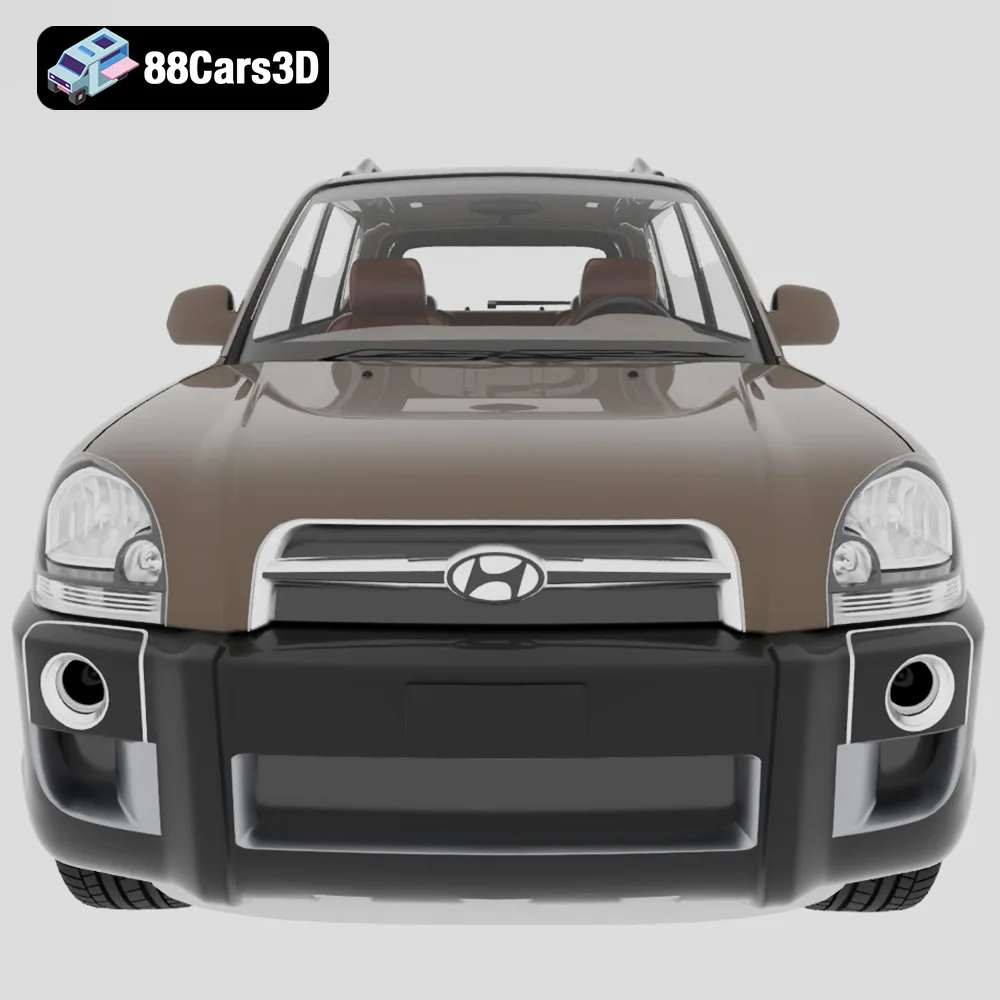
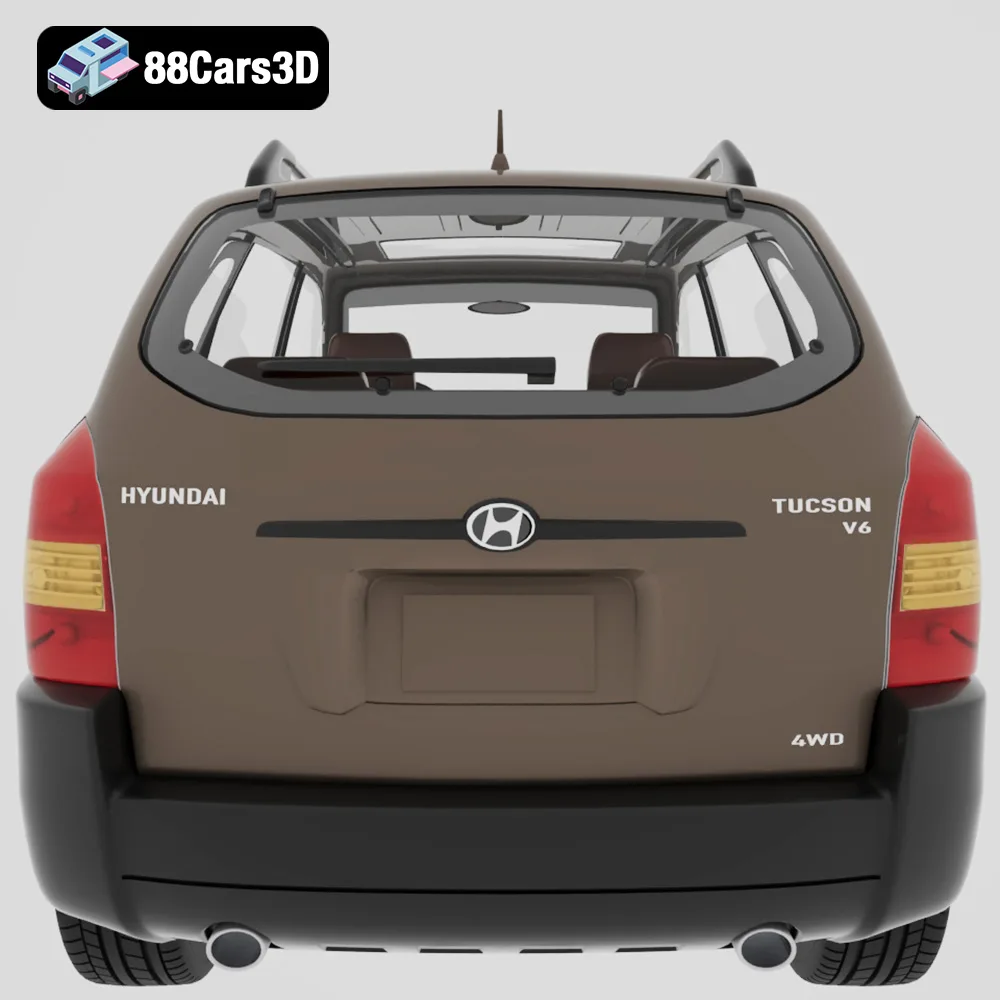
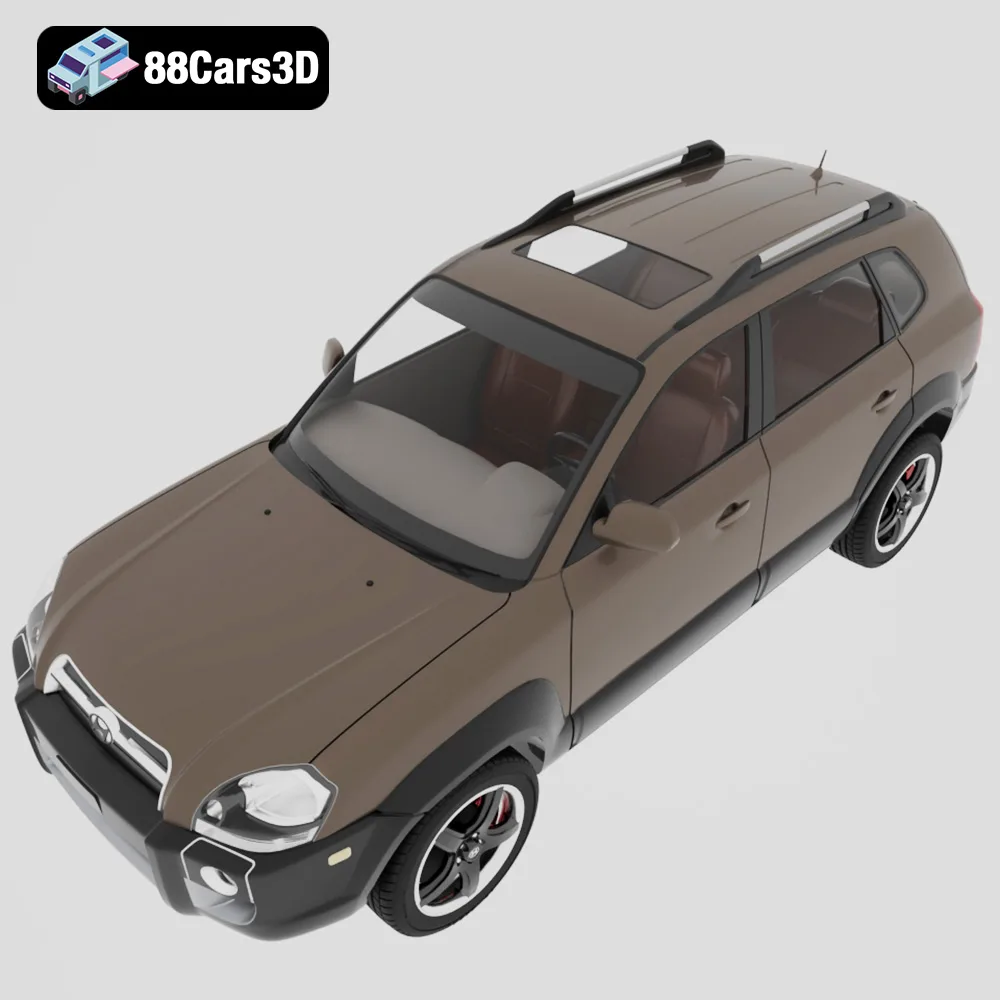
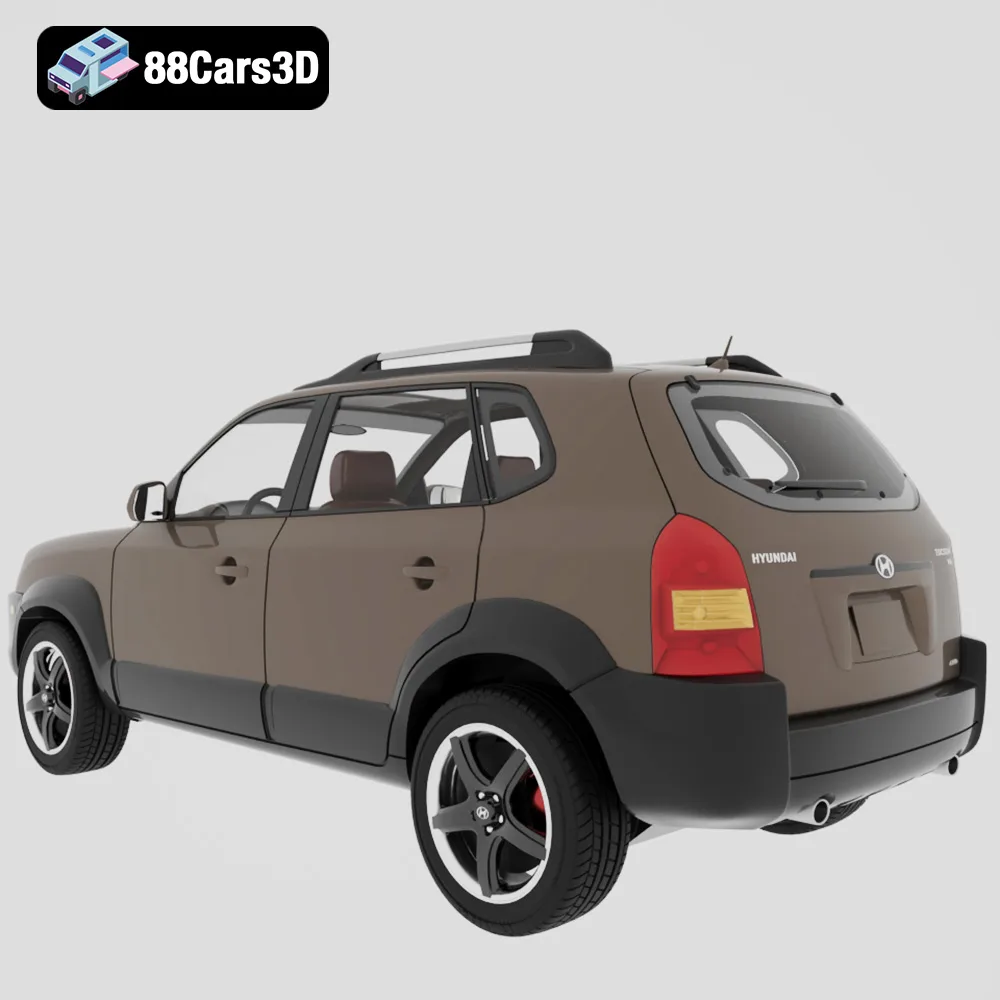
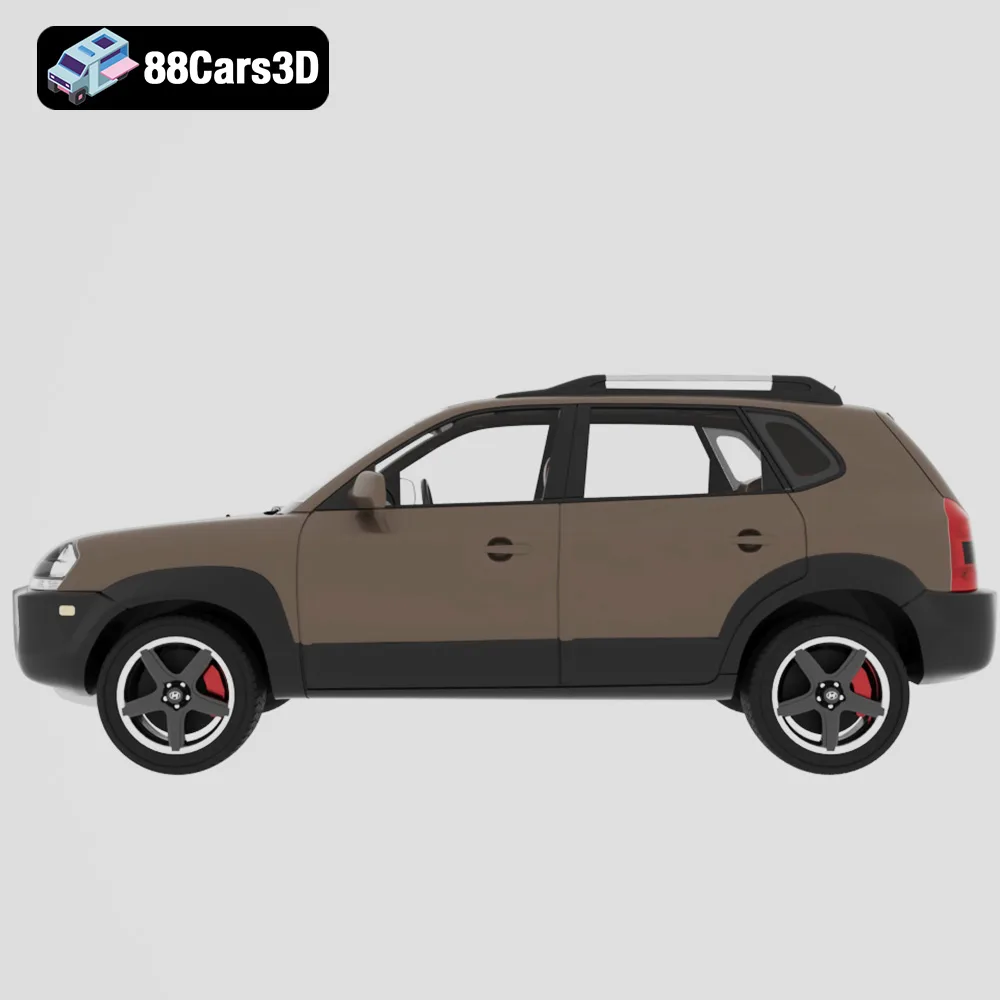
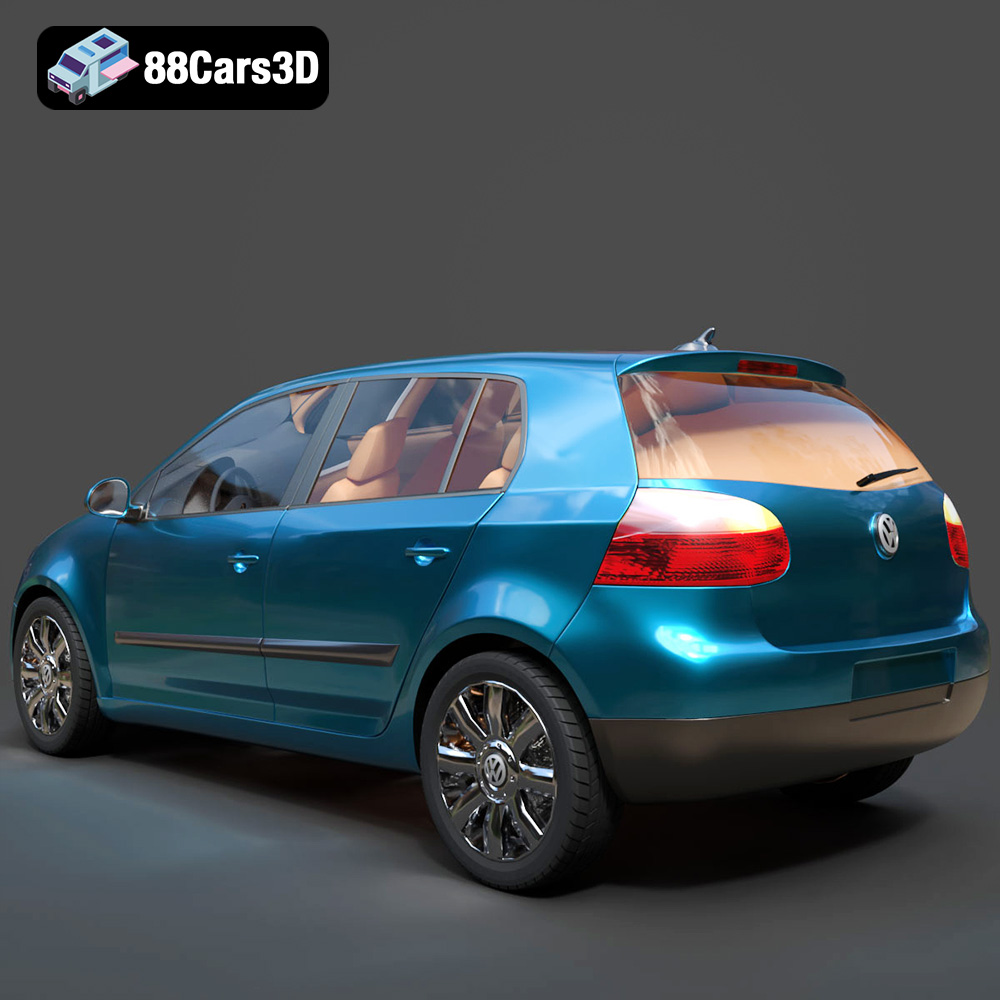
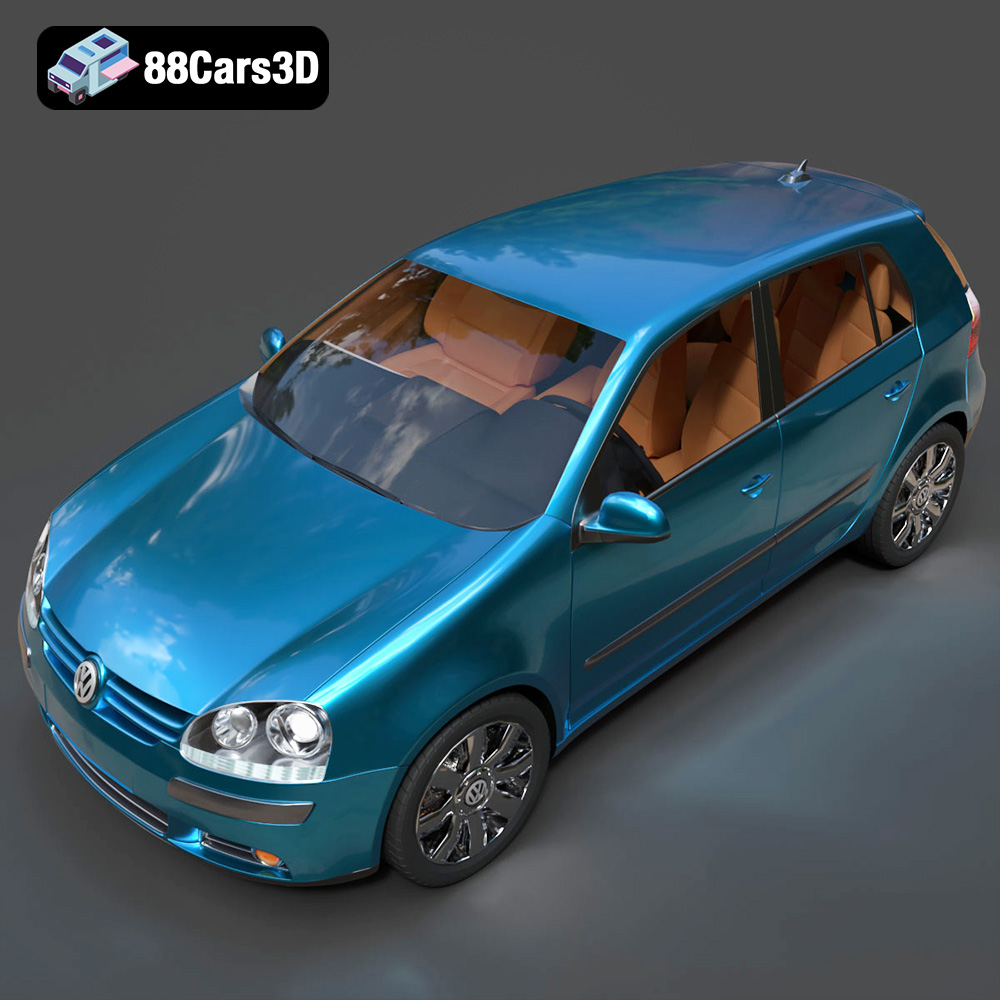
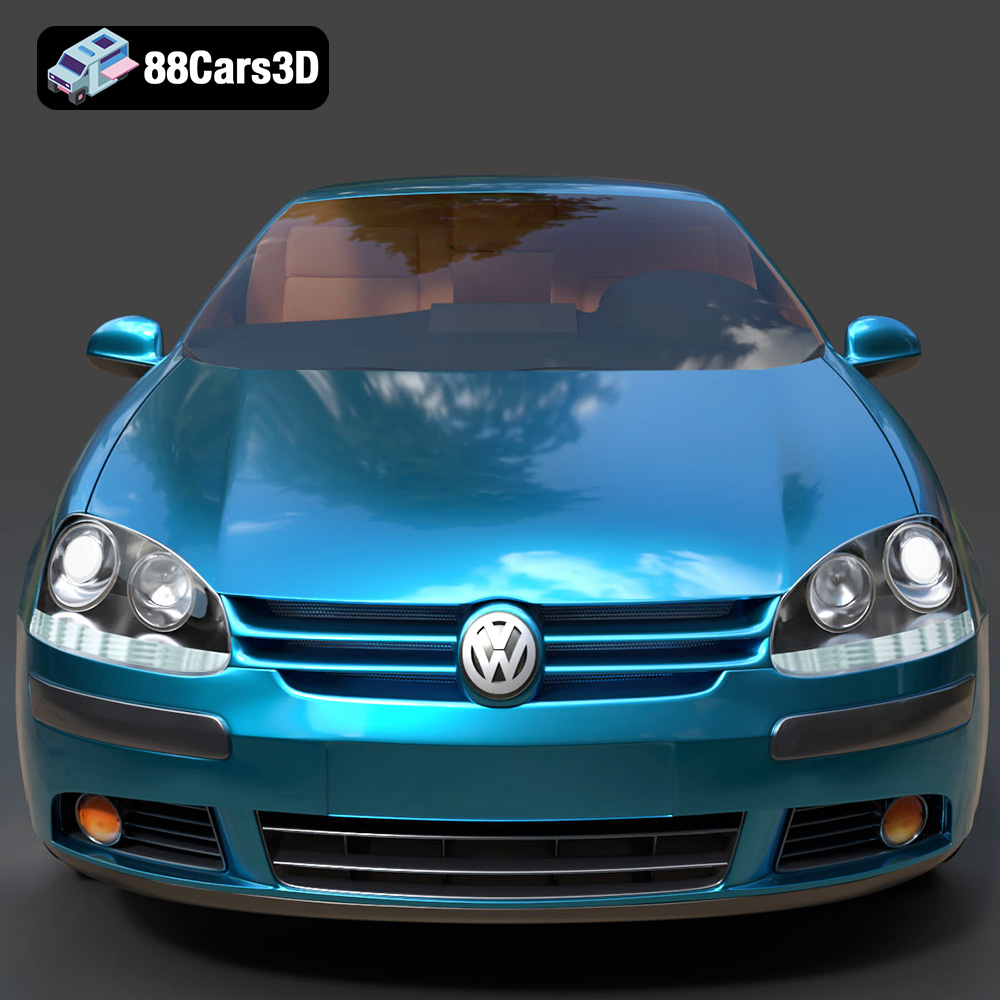
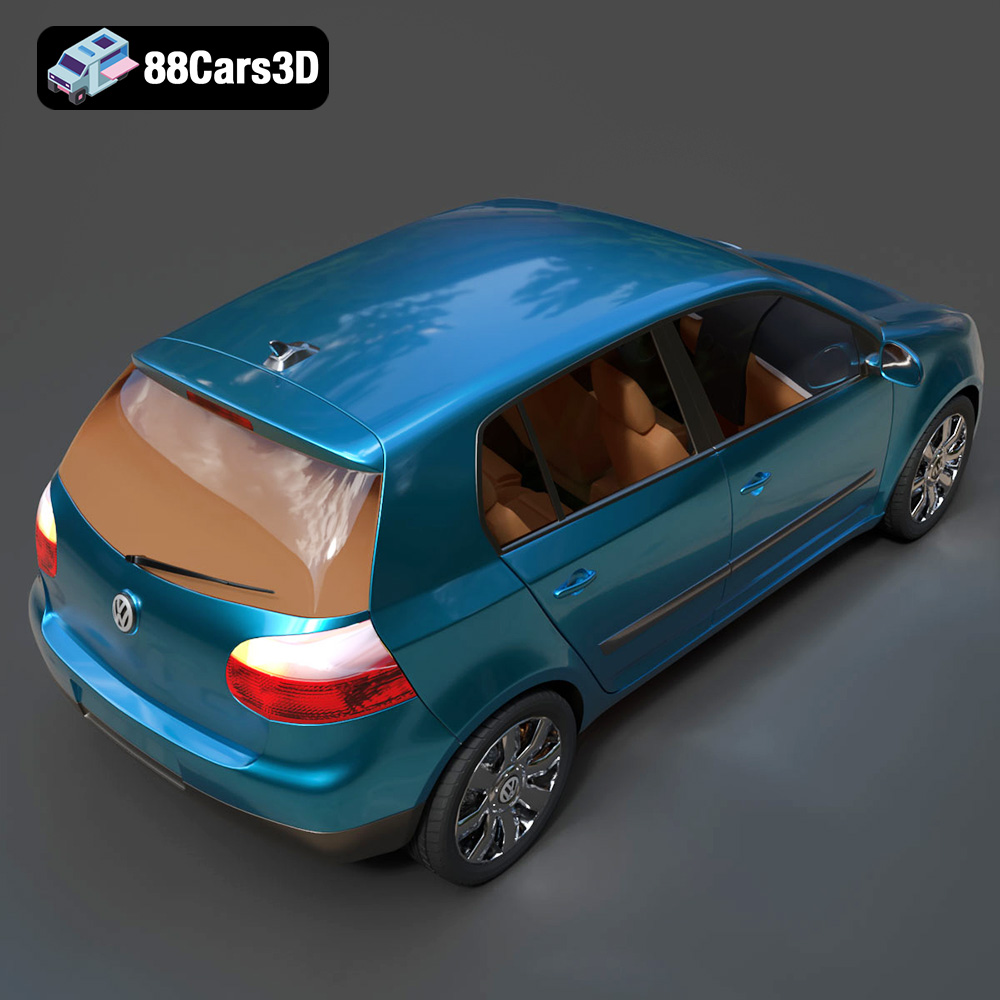
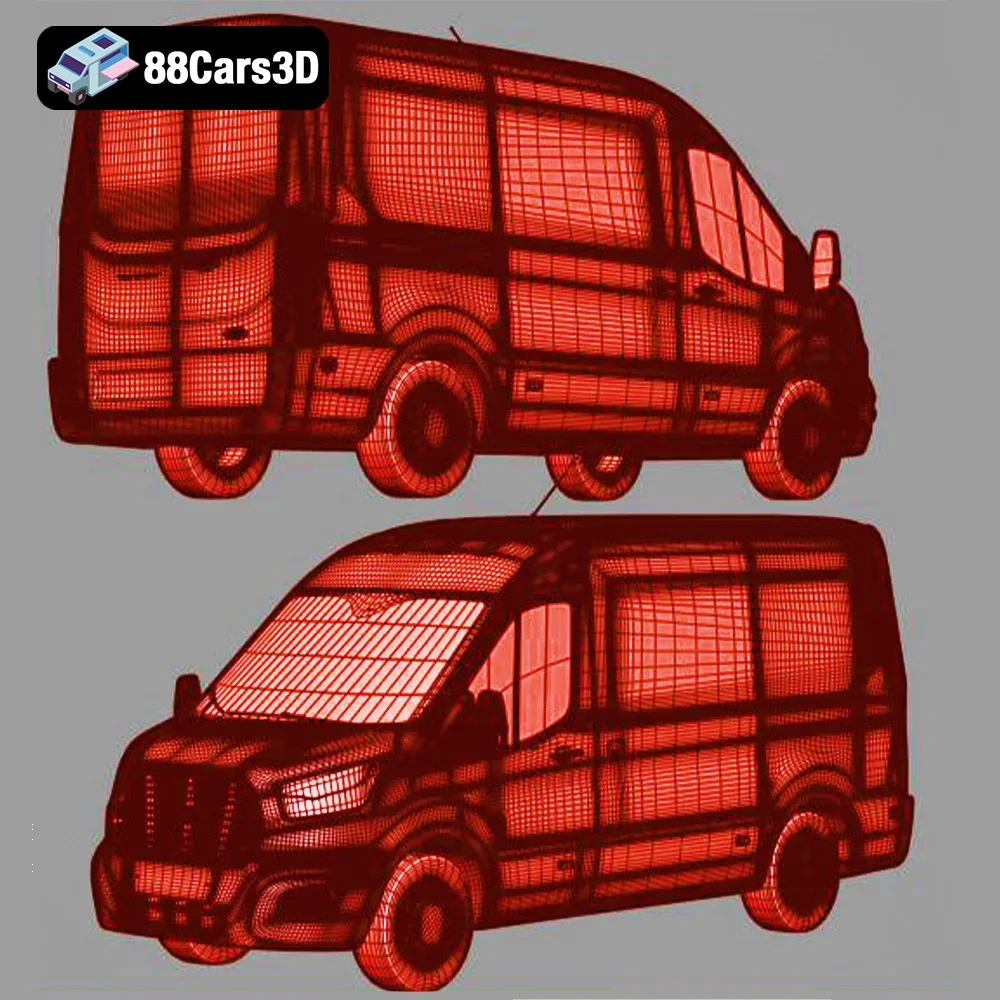
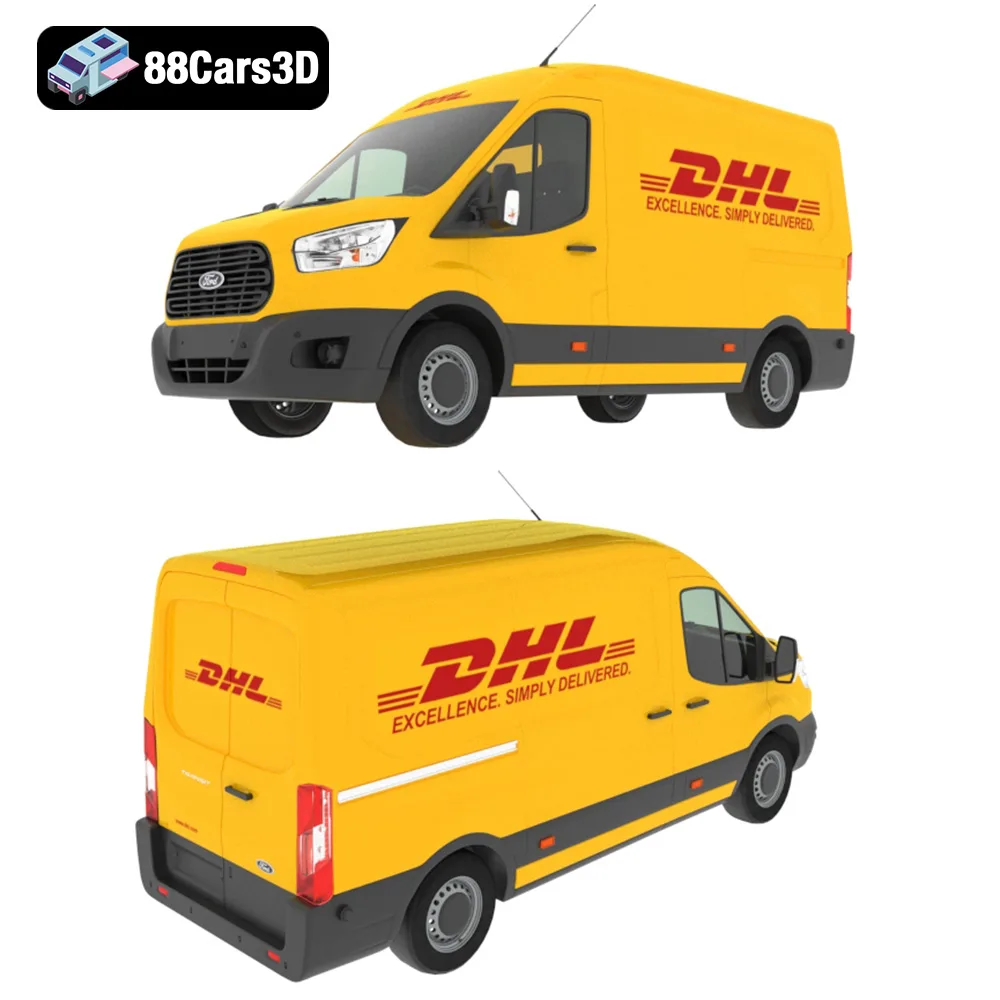
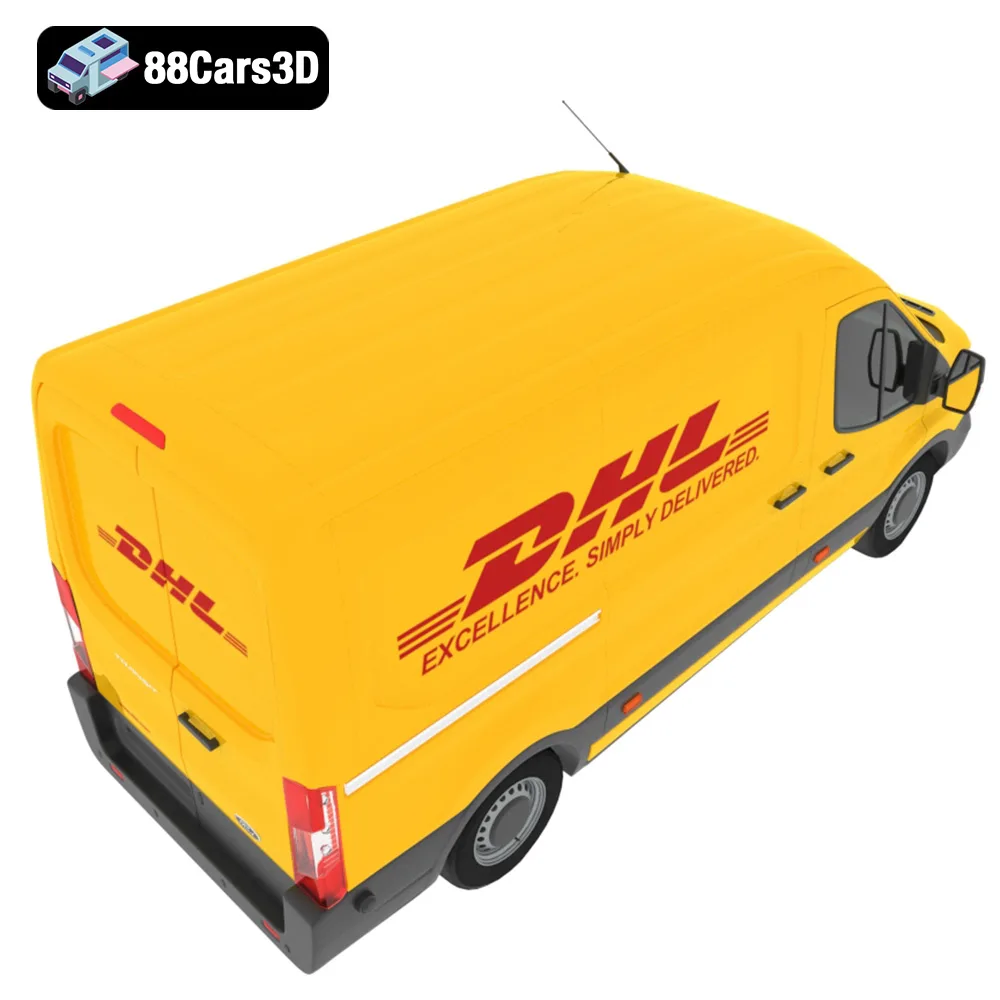
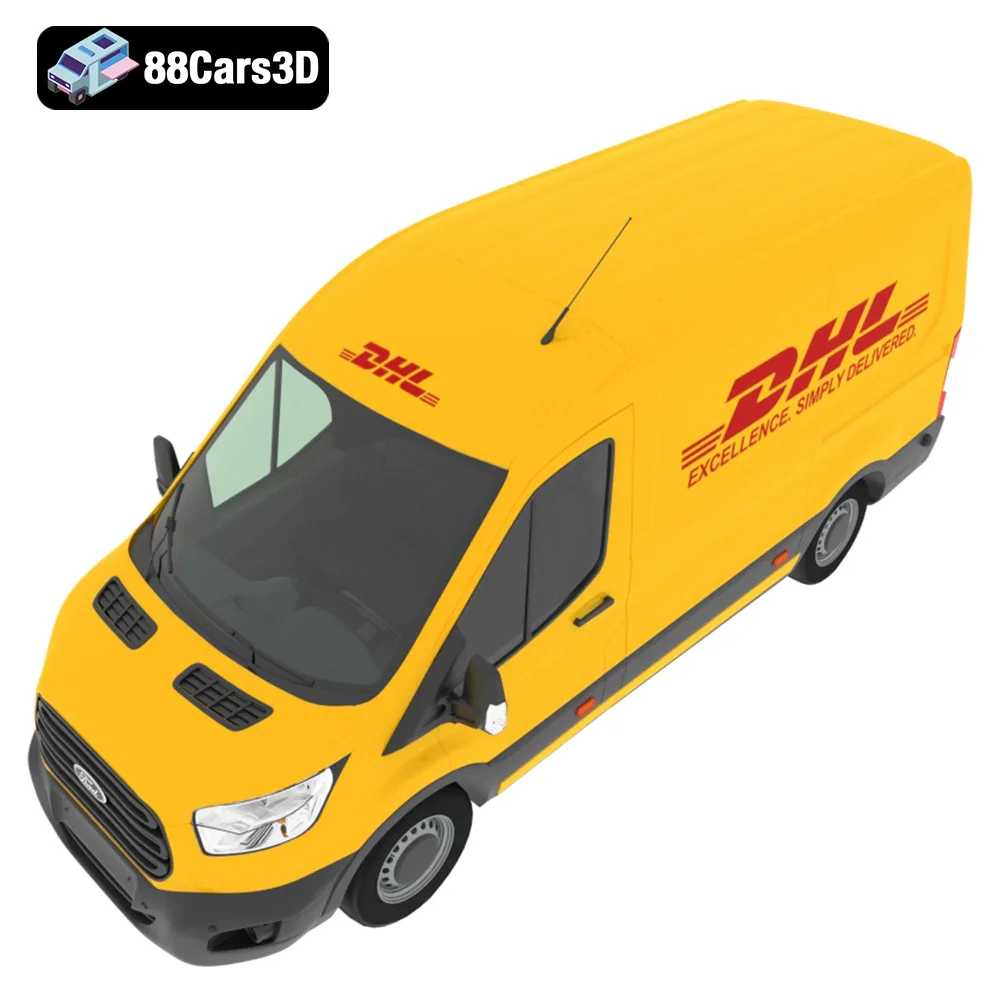
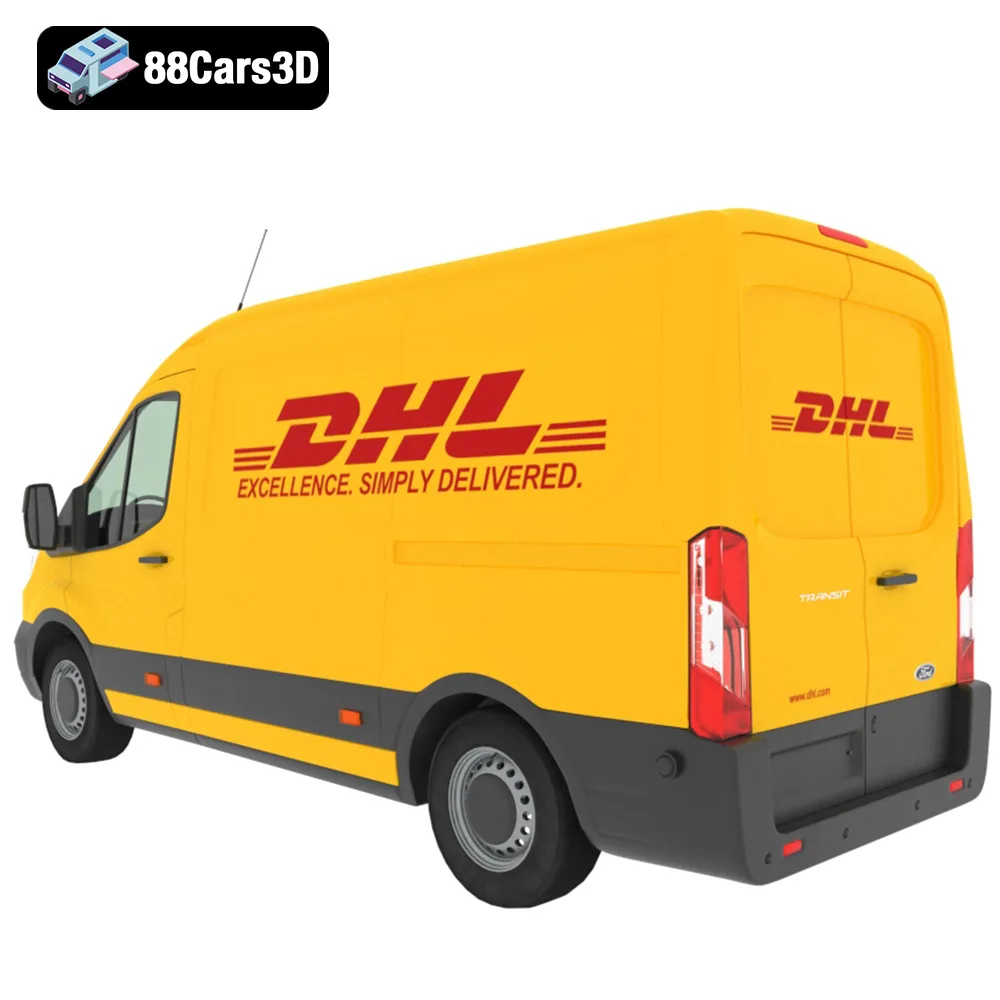
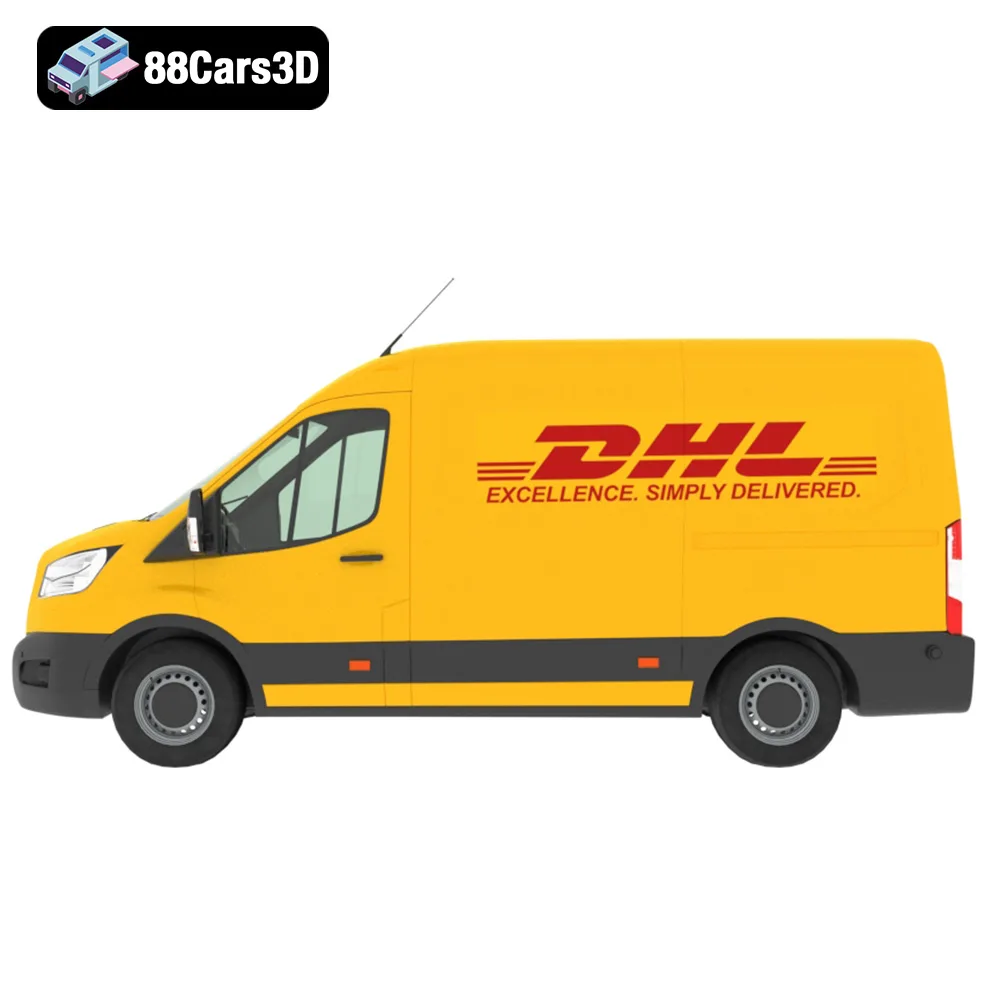
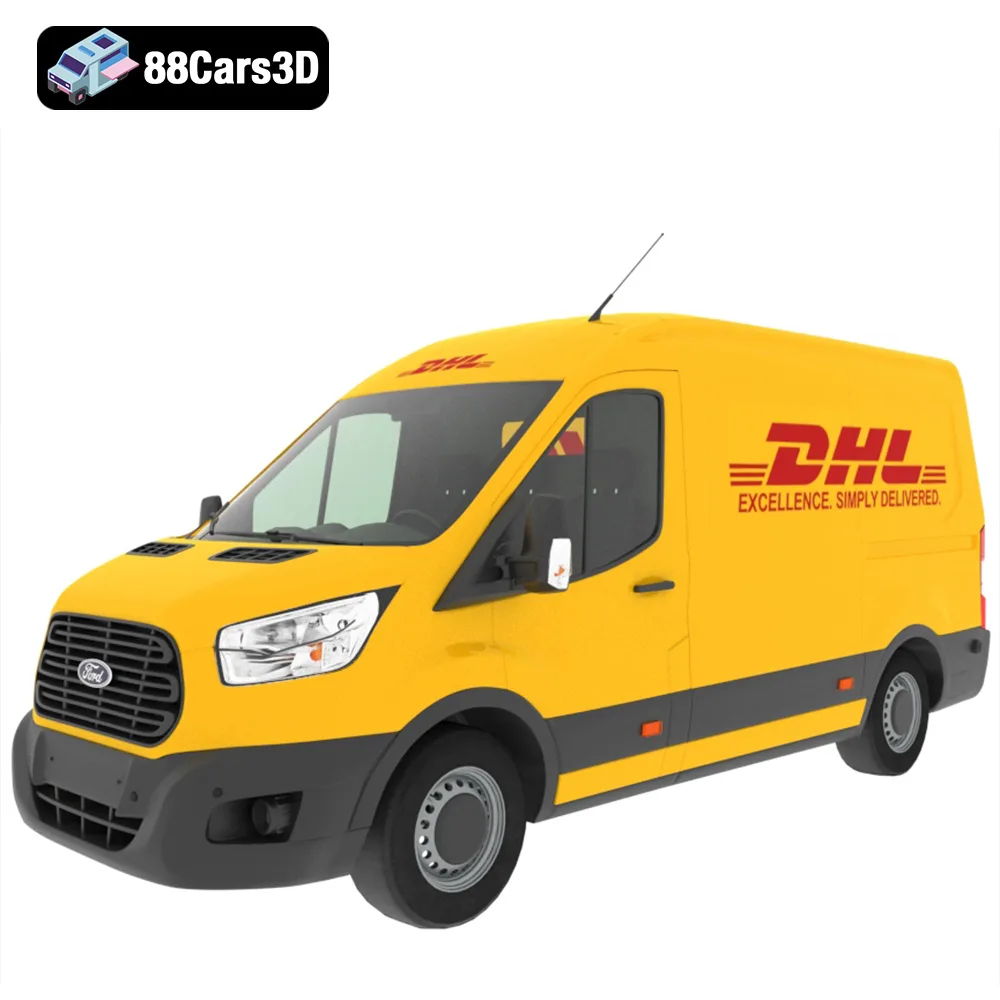
The Everyday City Traffic Essentials pack 5in1 from 88cars3d.com stands out as an indispensable toolkit for any professional seeking to infuse their projects with unparalleled realism. With its thoughtfully curated selection of common vehicles from different eras – including the essential Hyundai Tucson, Kia Picanto, Volkswagen Golf, Toyota Yaris, and the ubiquitous Ford Transit DHL van – this bundle provides the perfect blend of authenticity and versatility. Its robust technical specifications, including clean topology, separated parts for animation, real-world scale, and broad compatibility across leading software and renderers, ensure seamless integration into any demanding workflow. Coupled with its significant cost-saving value, this pack is not just an asset purchase; it’s an investment in the visual integrity and narrative depth of your future projects.
By leveraging these high-quality 3D car models, you empower your architectural renders to tell a more compelling story, you build game worlds that feel genuinely lived-in, and you unlock new possibilities for 3D printing tangible dioramas. Don’t let generic or missing background elements detract from your hard work. Explore the Everyday City Traffic Essentials pack 5in1 today and transform your virtual landscapes into truly photorealistic realms. Visit 88cars3d.com to discover this and many other professional-grade 3D car models designed to meet the highest industry standards.
The Everyday City Traffic 3D Models Bundle is the ultimate “realism toolkit” for architectural visualization (ArchViz) artists, game developers, and VFX studios. While supercars grab attention, nothing breaks the realism of a virtual city faster than a street filled only with luxury vehicles. To make an urban scene look truly photorealistic and believable, you need authentic, everyday traffic. This highly versatile 5-in-1 package provides the perfect mix of civilian cars spanning different decades, alongside a realistic commercial delivery van. Instead of buying these essential background and mid-ground assets individually (Total Value: €233.95), this bundle equips your library with everything you need at a massive discount.
$99.99
archviz-traffic
background-vehicles
city-traffic-bundle
everyday-cars-3d
ford-transit-dhl
game-ready
hyundai-tucson
kia-picanto
npc-cars
toyota-yaris
urban-environment
vw-golf