Get 50% OFF All Premium 3D & STL Models!

In the rapidly evolving landscape of 3D visualization, the demand for meticulously crafted digital assets has never been higher. From breathtaking cinematic sequences to immersive interactive experiences, the foundation of any compelling project lies in the quality of its 3D models. Professionals across industries—be it game development, architectural visualization, AR/VR, or product design—understand that time is a precious commodity, and the ability to leverage pre-existing, production-ready assets can be a game-changer.
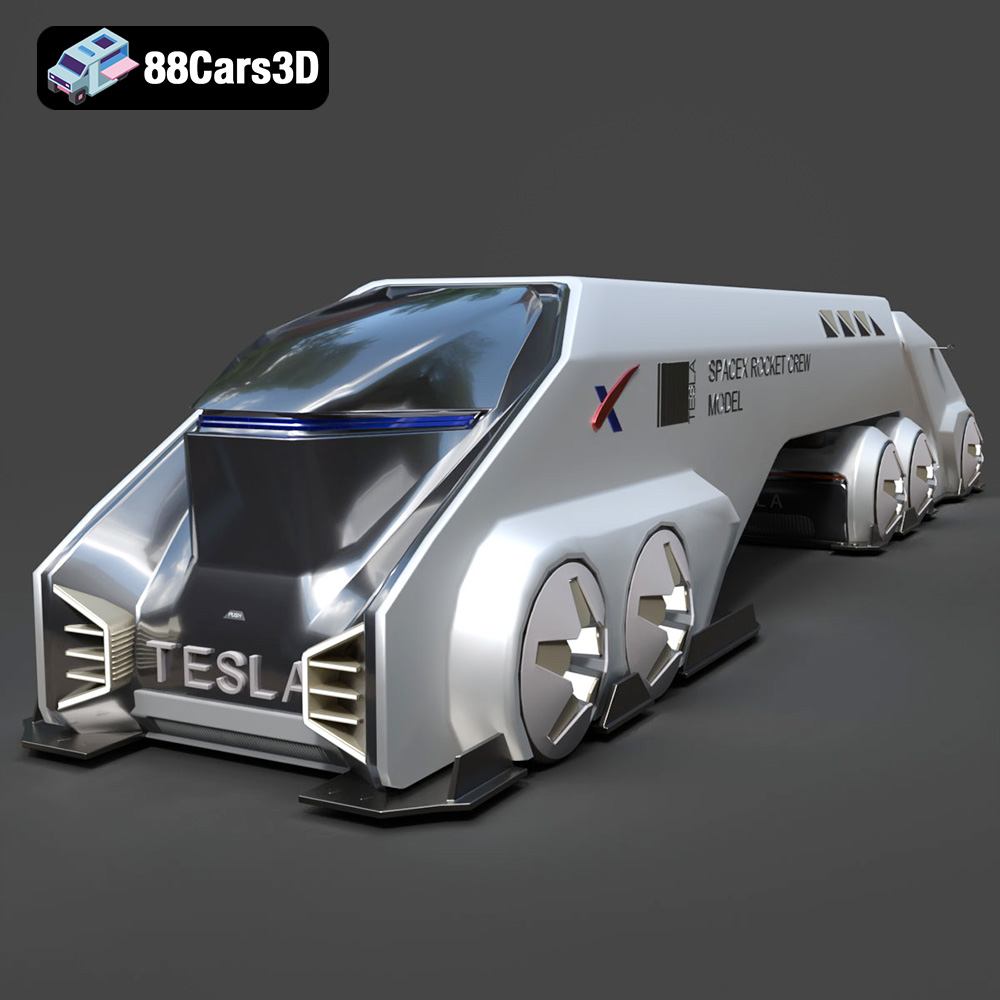
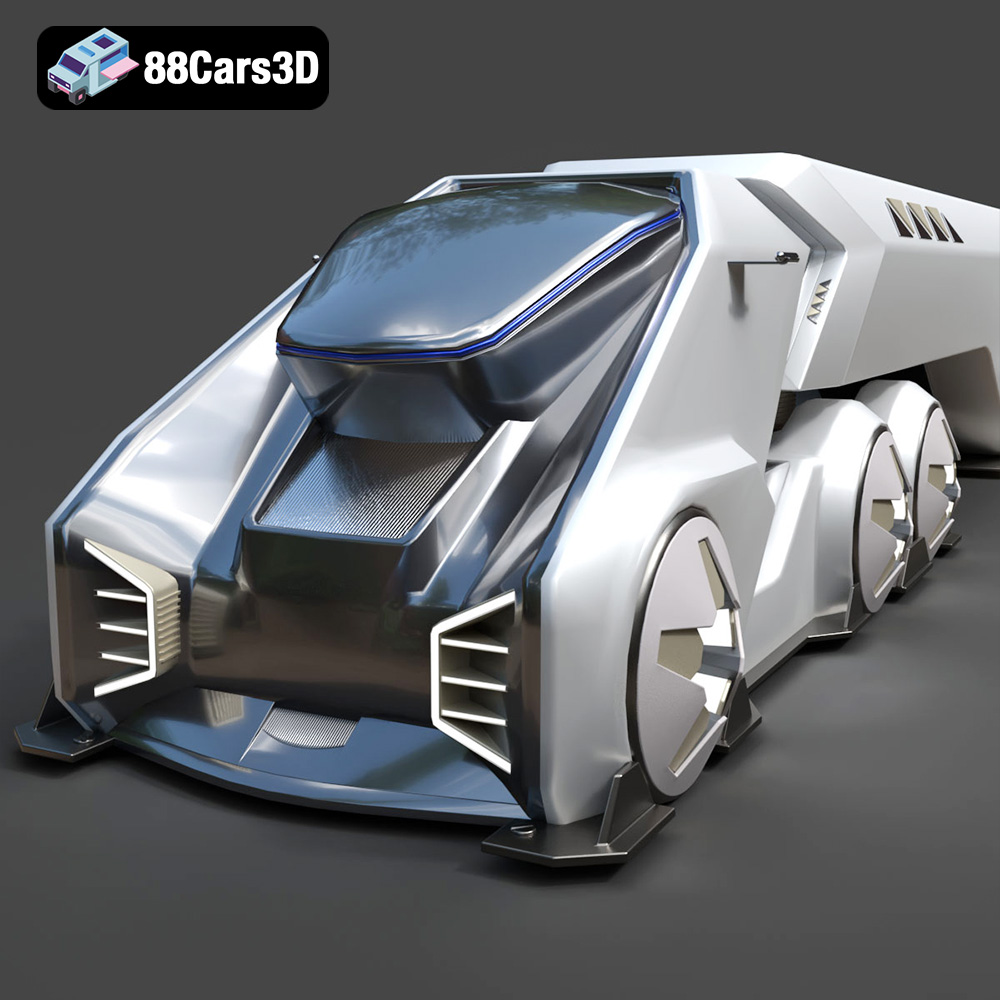
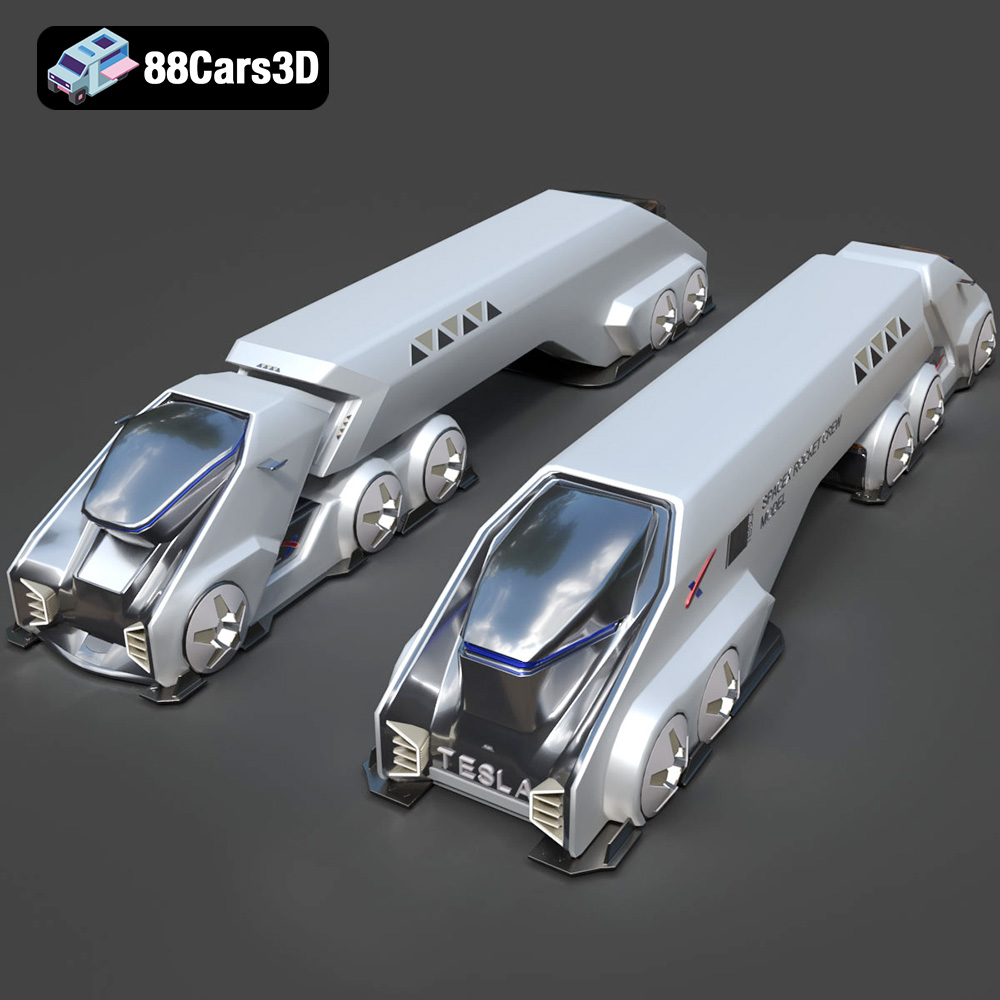
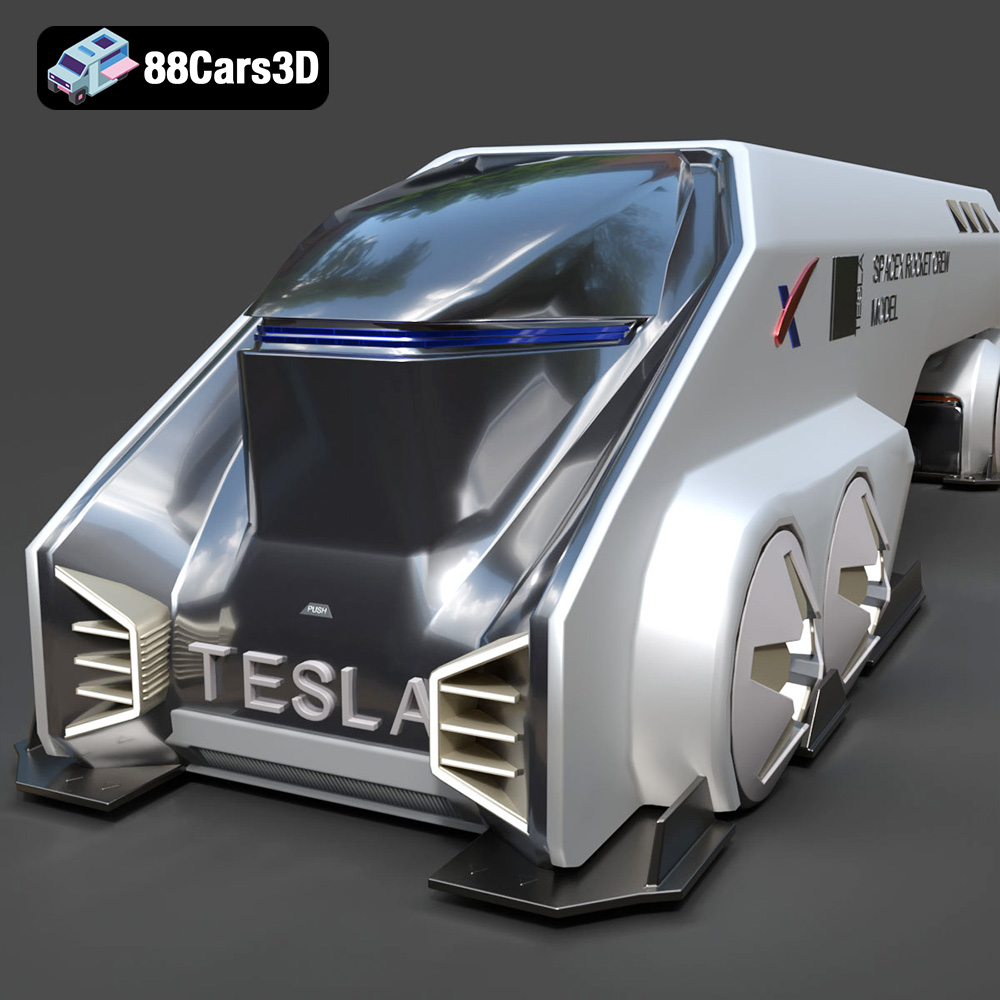
Today, we’re taking an in-depth look at a prime example of such an asset: the Tesla Space Rocket-001 3D Model, available on 88cars3d.com. This model isn’t just a static object; it’s a testament to precision engineering, designed to integrate seamlessly into diverse professional pipelines. It encapsulates the futuristic vision and detailed structural elements one would expect from a conceptual vehicle pushing the boundaries of space exploration. Whether your goal is to render a photorealistic launch, animate a detailed orbital sequence, or populate a vast sci-fi game environment, understanding the technical underpinnings and versatility of such a model is paramount.
This comprehensive guide will explore the intricacies of high-quality 3D models, using the Tesla Space Rocket-001 as our exemplary subject. We’ll delve into file formats, optimization techniques, professional workflows, and real-world applications, demonstrating how an expertly crafted asset can elevate your projects from concept to stunning reality.
The choice of a 3D model file format is far more than a mere technicality; it’s a strategic decision that dictates compatibility, functionality, and optimization across various software and platforms. The Tesla Space Rocket-001 3D Model provides a comprehensive suite of formats, ensuring maximum flexibility for any professional workflow. Understanding the nuances of each is crucial for maximizing efficiency and achieving desired project outcomes.
The .blend format is Blender’s native file type. When you acquire the Tesla Space Rocket-001 in .blend, you’re not just getting the model; you’re gaining access to a fully editable Blender scene. This typically includes the mesh data, materials, textures, lighting setup, and even animation data if present. For artists working within the Blender ecosystem, this format offers unparalleled flexibility. You can easily modify geometry, tweak PBR material nodes, adjust lighting for specific render passes (using Cycles or Eevee), and integrate the rocket into complex scenes without any loss of fidelity or conversion artifacts. It’s perfect for detailed customization and leveraging Blender’s powerful toolset.
.fbx (Filmbox) is arguably the most widely used proprietary 3D file format for interchange between various 3D applications and game engines. The Tesla Space Rocket-001, provided in .fbx, is ideal for Unreal Engine, Unity, and other real-time pipelines. It efficiently stores not only mesh data but also materials, textures, animations, and skeletal data. Its robust nature makes it excellent for transferring complex scenes with minimal data loss. For game developers or real-time visualization artists, the .fbx version ensures a streamlined import process, often preserving hierarchies and basic material assignments, making it game-engine ready straight out of the box.
The .obj (Object) format is a universal standard, known for its widespread compatibility. It’s a simple, human-readable text-based format that primarily stores geometry (vertices, normals, texture coordinates, and faces) and can reference external material files (.mtl). While it doesn’t support animation or rigging, its universality makes it excellent for cross-software compatibility. If you’re working with less common 3D applications or need a clean mesh for sculpting or re-topology, the .obj version of the Tesla Space Rocket-001 offers a reliable and broadly supported base. It’s a foundational format that nearly every 3D software can import and export.
.glb (GL Transmission Format Binary) is a relatively newer format that has quickly gained traction, especially for AR, VR, and browser-based 3D applications. It’s the binary version of glTF, designed for efficient transmission and loading of 3D scenes and models. A .glb file packages everything—model data, textures, animations, and materials—into a single file, making it highly optimized for performance-sensitive environments. For interactive web experiences, augmented reality apps, or even quick 3D model previews, the .glb version of the Tesla Space Rocket-001 is the go-to, ensuring fast loading times and broad platform support.
.stl (Stereolithography) is the most common file format for 3D printing. It represents a 3D model as a series of connected triangles, describing only the surface geometry of an object without color, texture, or other CAD attributes. When you download the Tesla Space Rocket-001 as an .stl, it’s specifically prepared for additive manufacturing. This makes it suitable for creating physical prototypes, collectibles, or miniature models. Users can directly import the .stl into slicing software for their 3D printer, bringing the digital design into the physical world.
The .ply (Polygon File Format) is another popular format for storing 3D data from 3D scanners, CAD software, and other applications. It can store not only polygonal mesh data (vertices, faces) but also additional properties like color, transparency, normals, texture coordinates, and even reliability information. For applications requiring a highly detailed and precise mesh for scientific visualization, reverse engineering, or advanced analysis, the .ply version of the Tesla Space Rocket-001 offers a robust and extensible format for engineers and data scientists.
While often associated with .fbx, some marketplaces or developers provide dedicated .unreal assets, which are pre-configured packages specifically designed for Unreal Engine. These might include optimized meshes, master materials, instances, blueprints, and even level layouts. If the Tesla Space Rocket-001 is provided as an explicit .unreal asset, it implies that it’s been rigorously prepared and possibly includes advanced features like LODs (Levels of Detail), collision meshes, and even basic interactive elements within the Unreal environment, saving significant setup time for developers.
Finally, the .max format is the native scene file for Autodesk 3ds Max. Similar to .blend, a .max file containing the Tesla Space Rocket-001 provides the complete 3ds Max scene, including all geometry, materials, textures, lighting, cameras, and any animation data. For professionals rooted in 3ds Max, this is the ultimate format for extensive customization, high-fidelity rendering with engines like V-Ray or Corona, and integrating the model into complex architectural or product visualization projects. It offers full creative control within a powerful industry-standard application.
By offering the Tesla Space Rocket-001 in such a diverse array of formats, 88cars3d.com ensures that artists and developers can integrate this exceptional model seamlessly into virtually any professional pipeline, maximizing its value and utility.
The term “high-quality” in 3D modeling isn’t just about how good something looks in a static render; it encompasses a complex interplay of technical specifications and artistic execution. The Tesla Space Rocket-001 3D Model exemplifies these characteristics, having been “engineered with precision” and featuring “clean geometry, realistic materials, and optimized topology.”
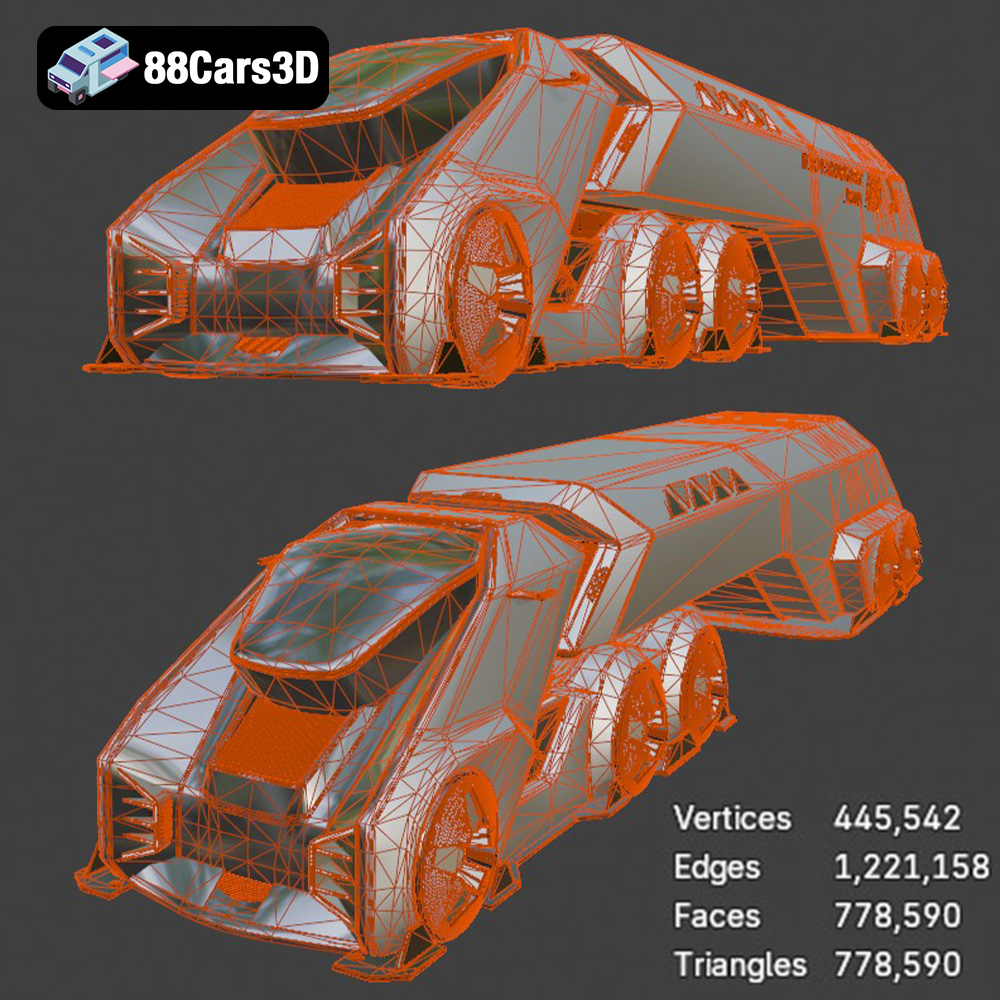
At the core of any professional-grade 3D model is its topology. For the Tesla Space Rocket-001, this means a clean, quad-based mesh where edges flow logically. This ensures smooth deformations during animation and consistent subdivision surfaces for close-up renders. Non-manifold geometry, ngons (polygons with more than four sides), and overlapping faces are typically avoided, as these can cause issues with shading, UV unwrapping, and game engine performance. The polygon count is a critical consideration; a “highly detailed” model for cinematic rendering might have millions of polygons, while an “optimized” model for game development would be carefully balanced, utilizing techniques like instancing and efficient poly distribution to maintain visual fidelity at lower counts. The Tesla Space Rocket-001 is designed to maintain optimal system performance, indicating a thoughtful approach to polygon density and LOD (Levels of Detail) potential.
The visual realism of the Tesla Space Rocket-001 stems from its “realistic materials and optimized topology.” This implies the use of Physically Based Rendering (PBR) workflows, which accurately simulate how light interacts with surfaces. PBR textures typically include:
The model’s “fully textured components” suggest high-resolution texture maps (e.g., 4K or 8K) and meticulous UV unwrapping. UVs must be non-overlapping to prevent texture artifacts and should have uniform texel density, ensuring consistent detail across the model’s surface. This attention to detail allows the rocket to “stand up to close-up renders and complex lighting setups.”
The versatility of the Tesla Space Rocket-001 3D Model shines when integrated into various professional workflows. Its availability in multiple formats directly addresses the needs of different software ecosystems and end-use applications.
For artists focused on stunning visuals, the .max and .blend formats of the Tesla Space Rocket-001 are invaluable.
Game developers and AR/VR creators will find the .fbx and .unreal formats of the Tesla Space Rocket-001 particularly useful for creating “interactive environments” and “video game development.”
The applications of the Tesla Space Rocket-001 3D Model extend far beyond traditional rendering, touching on cutting-edge technologies and specialized fields.
The inclusion of the .glb format directly caters to the burgeoning demand for “immersive AR/VR experiences” and web-based 3D.
The .stl format opens up a fascinating avenue for the Tesla Space Rocket-001: 3D printing and prototyping.
The .ply format positions the Tesla Space Rocket-001 for more analytical or data-driven applications.
The Tesla Space Rocket-001 3D Model’s versatility lends itself to a myriad of professional projects, demonstrating the immense value of high-quality digital assets.
Consider a large-scale science fiction adventure game. The Tesla Space Rocket-001 could serve as the player’s primary vessel, a key mission objective, or an iconic landmark in an orbital space station. The model’s optimized topology and game-engine-ready formats (.fbx, .unreal) ensure it integrates seamlessly without bogging down performance. Developers could create detailed interior cockpits, dynamic launch sequences, and spectacular interstellar travel scenes. The “fully textured components” allow for close-up views during cutscenes, maintaining visual fidelity and immersion, crucial for competitive game assets.
While not a traditional building, the principles of architectural visualization apply to any large-scale design. Imagine an architectural firm tasked with designing a futuristic spaceport. The Tesla Space Rocket-001 would be an indispensable asset, populating the scene and grounding the design in a plausible, advanced reality. Using 3ds Max (.max) or Blender (.blend), artists could create photorealistic renders of the rocket docked in a hangar or on a launchpad, interacting with the designed infrastructure. This provides critical context and visual impact, enhancing client presentations for complex conceptual projects. The design elements of high-end vehicles, whether on land or in space, share a common thread of meticulous detail in automotive rendering, and this rocket model exemplifies that standard.
For cinematic sequences, commercials, or documentaries, the Tesla Space Rocket-001 provides a high-fidelity asset that can be seamlessly composited into live-action footage or integrated into fully CG environments. A production studio could use the .max or .blend file to animate the rocket’s launch, orbital maneuvers, or even a dramatic emergency landing. The “clean geometry” and “realistic materials” ensure it holds up under the intense scrutiny of a large screen, allowing for stunning visual effects without the overhead of building the model from scratch. This significantly cuts down production time and costs, allowing artists to focus on storytelling and visual execution.
The success of any 3D project hinges on the quality of its foundational assets. Opting for a meticulously crafted model like the Tesla Space Rocket-001 from a reputable source like 88cars3d.com offers distinct advantages for professionals.
Creating a high-detail model from scratch, with optimized topology, realistic PBR materials, and multiple format exports, is an incredibly time-consuming and resource-intensive process. By purchasing a ready-to-use asset, studios and individual artists can drastically cut down on development cycles. This allows more time for creative iteration, lighting, animation, and overall scene composition, leading to higher quality final output within tighter deadlines.
High-quality assets like the Tesla Space Rocket-001 are built to professional standards. This means consistent UV mapping, clean quad topology, and adherence to PBR material conventions, all of which contribute to predictable and desirable results across different rendering engines and real-time environments. This consistency ensures that your projects maintain a high level of professionalism, reflecting positively on your brand and capabilities. While 88cars3d.com is well-known for its exceptional 3D car models, their commitment to quality extends to all assets, including this superb space rocket.
When you acquire an asset from a dedicated marketplace, you’re leveraging the expertise of experienced 3D artists. These models are often subjected to rigorous quality control, ensuring they meet the technical demands of various industries. This expertise translates into reliable assets that perform as expected, reducing troubleshooting time and increasing project stability.
The journey from concept to compelling visual reality is paved with high-quality digital assets. The Tesla Space Rocket-001 3D Model stands as a testament to precision engineering and versatile design, offering a robust solution for a wide array of professional applications. Its comprehensive suite of file formats—from the editable .blend and .max to the game-ready .fbx and .unreal, the AR/VR-optimized .glb, and the 3D print-ready .stl—ensures seamless integration into any workflow.
Whether you’re developing the next generation of video games, crafting breathtaking automotive rendering visualizations, designing futuristic architectural spaces, or venturing into the realm of augmented reality, this model provides the foundation for success. By investing in such a meticulously crafted asset, professionals can save valuable time, ensure technical consistency, and elevate the overall quality of their output. The Tesla Space Rocket-001 isn’t just a model; it’s a launchpad for your creative ambitions, demonstrating the immense value that premium 3D assets bring to modern production pipelines. Discover this and many other exceptional assets for your next project at 88cars3d.com.
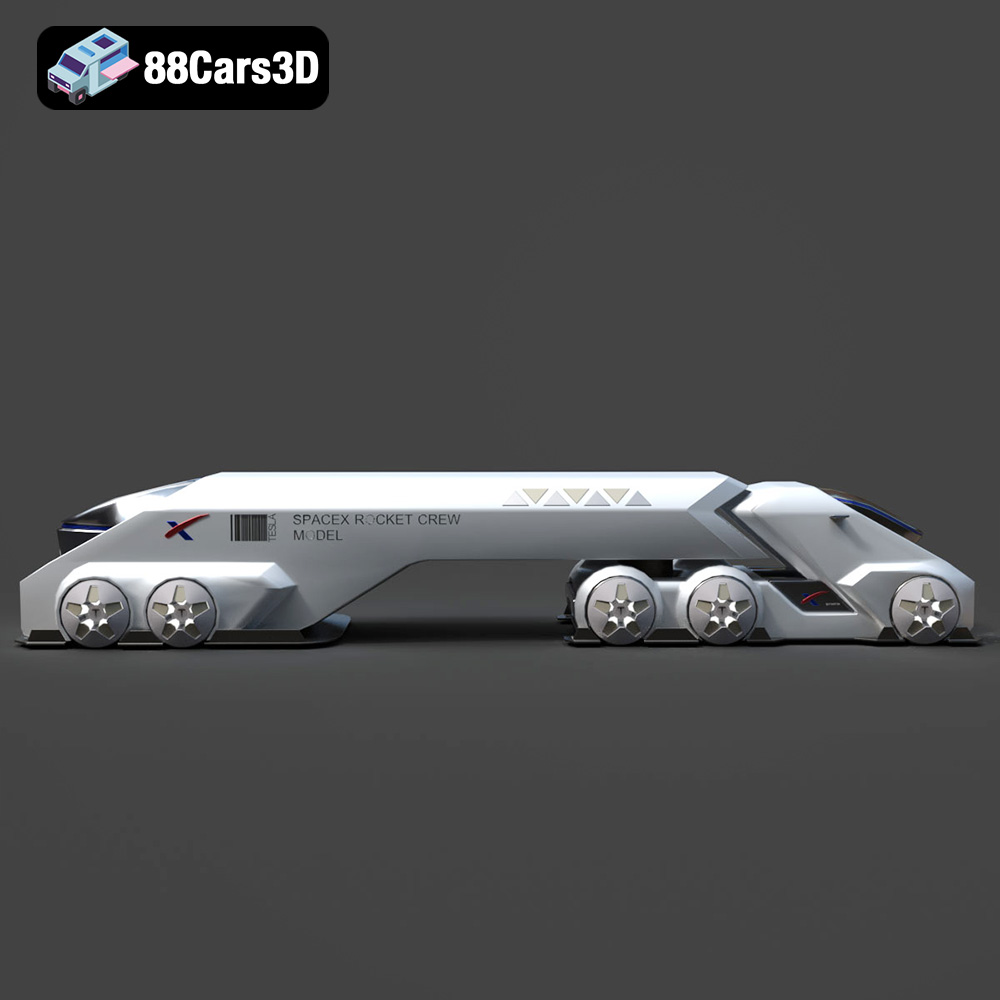
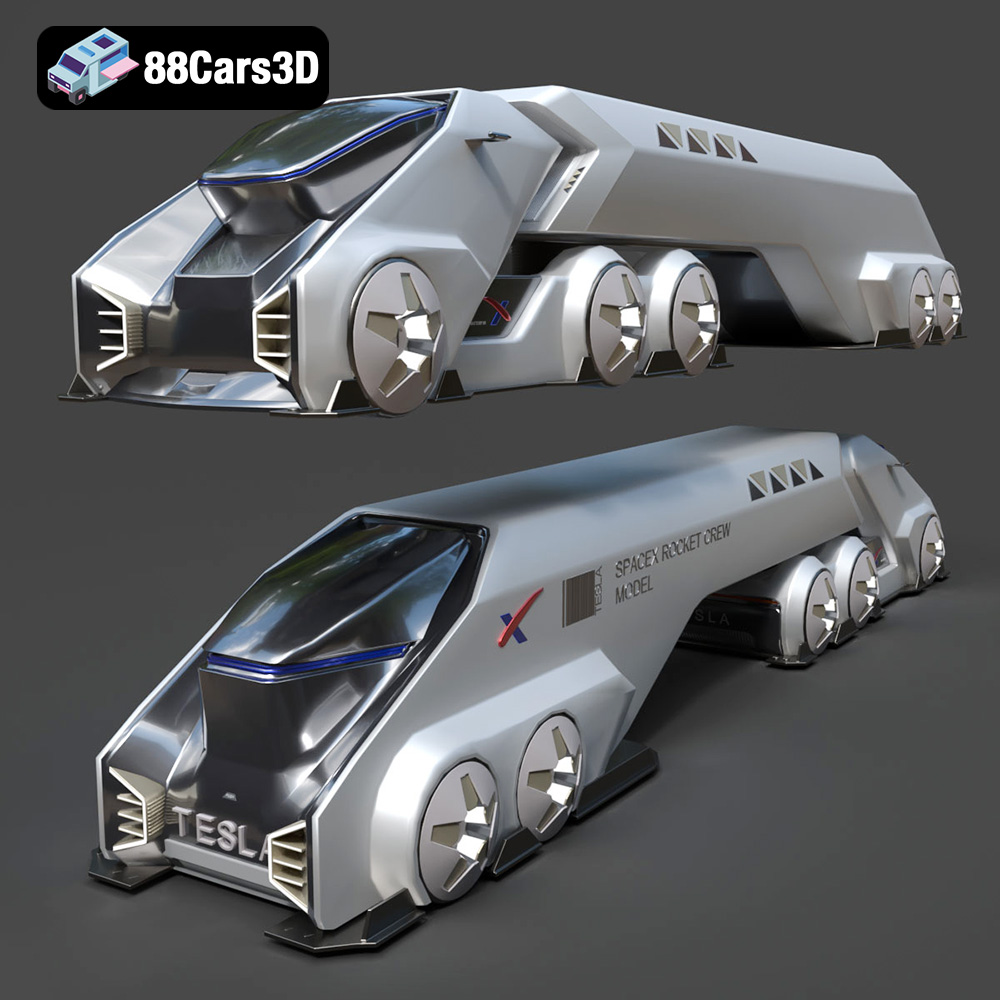
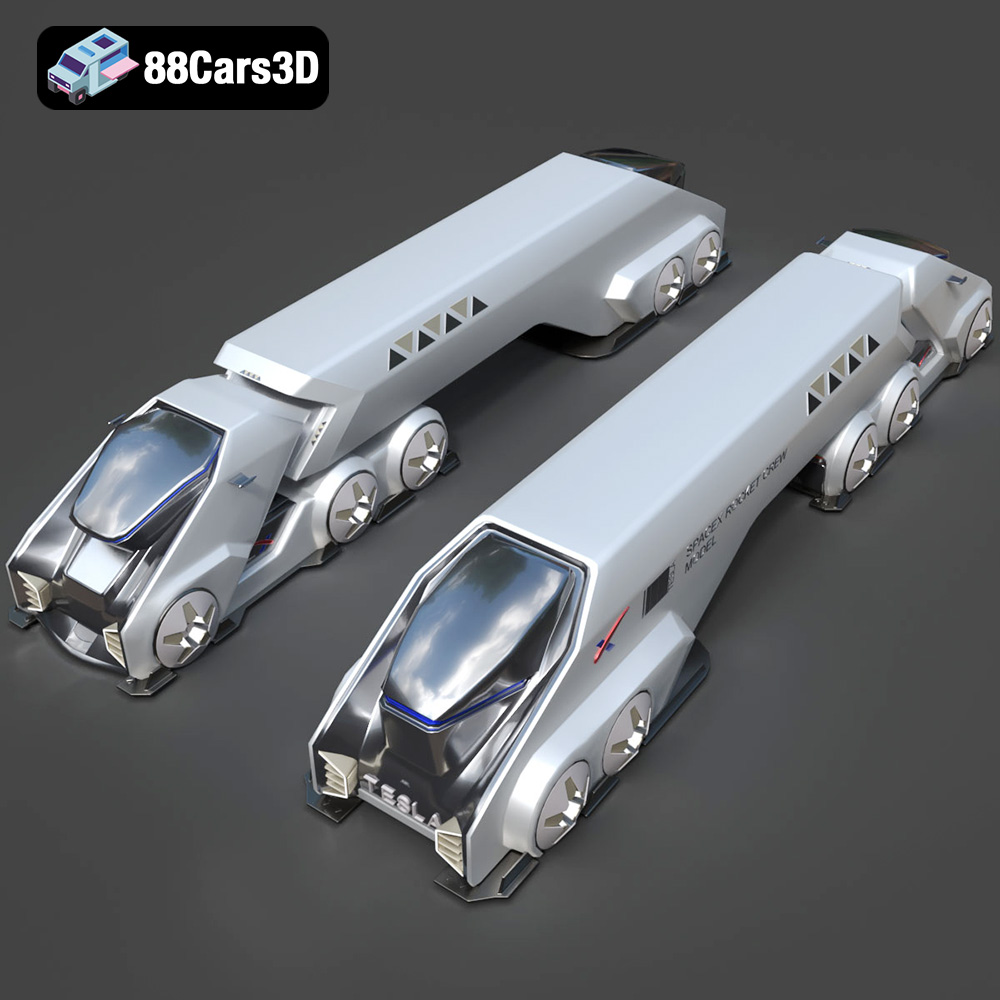
Discover the Tesla Space Rocket-001 3D Model, a highly detailed digital asset crafted for professional visual projects. This model accurately captures the futuristic design and structural elements of the Tesla Space Rocket-001, providing a robust foundation for dynamic rendering and interactive environments. Engineered with precision, this model features clean geometry, realistic materials, and optimized topology. The fully textured components ensure that it stands up to close-up renders and complex lighting setups while maintaining optimal system performance across different engines. Ideal for diverse applications, this model is perfectly suited for video game development, architectural rendering, immersive AR/VR experiences, and detailed technical visualization. Available in a comprehensive range of file formats to integrate seamlessly into your preferred workflow: .blend – Editable Blender file with materials and lighting setup; .fbx – Game-engine ready format for Unreal Engine and Unity; .obj – Standard 3D model format compatible with all major software; .glb – Optimized for AR/VR and web-based visualization; .stl – Suitable for 3D printing and prototyping; .ply – Detailed polygon mesh for analysis and visualization; .unreal – Pre-configured for Unreal Engine use; .max – Editable 3ds Max file for rendering and animation.
$19.99
.arvr
.blend
.car3dmodel
.concept
.fbx
.gameasset
.glb
.max
.obj
.ply
.rendering
.rocket
.simulation
.spacecraft
.spacerocket
.stl
.tesla
.unreal