Get 50% OFF All Premium 3D & STL Models!

“`html
The world of 3D printing has revolutionized automotive modeling, allowing enthusiasts, engineers, and designers to create intricate and accurate replicas. Whether you’re crafting a scale model of a classic car, prototyping a new component, or designing a custom accessory, the choice of material is paramount. This article delves into the best resins and filaments for 3D printing automotive parts and models, covering their properties, applications, and printing considerations. We’ll explore the nuances of FDM and resin printing, discussing optimal settings, support strategies, and post-processing techniques to help you achieve professional-quality results. Discover how to select the right material to bring your automotive vision to life, ensuring durability, accuracy, and stunning visual appeal. Platforms like 88cars3d.com offer print-ready STL files that are optimized for a wide variety of materials.
Before diving into specific materials, it’s crucial to understand the two primary 3D printing technologies: Fused Deposition Modeling (FDM) and Stereolithography (SLA)/Resin printing. FDM uses filaments, which are melted and extruded through a nozzle to build the part layer by layer. SLA/Resin printing uses liquid resins that are cured by a light source (laser or projector) to create solid layers. Each technology offers distinct advantages and disadvantages in terms of material options, print resolution, mechanical properties, and cost. Selecting the right material depends on the specific requirements of your automotive project.
FDM is a popular choice for 3D printing automotive models due to its versatility, relatively low cost, and wide range of available filaments. The following filaments are particularly well-suited for automotive applications, offering different combinations of strength, heat resistance, and printability.
PLA is a biodegradable thermoplastic derived from renewable resources. It’s known for its ease of printing, low warping, and smooth surface finish. However, PLA has limited heat resistance, making it unsuitable for parts exposed to high temperatures. For automotive models intended for display purposes only, PLA is an excellent choice. It is also a good starting point for beginners in 3D printing, especially when downloading models from marketplaces such as 88cars3d.com.
ABS is a strong and durable thermoplastic with excellent heat resistance. It’s commonly used in automotive manufacturing for interior components and housings. ABS is more challenging to print than PLA due to its tendency to warp, requiring a heated bed and enclosure to maintain a stable temperature. However, the resulting parts are significantly more robust and can withstand higher temperatures, making them suitable for functional prototypes and parts that might be exposed to engine heat, albeit indirectly.
PETG combines the ease of printing of PLA with the strength and heat resistance of ABS. It offers good impact resistance, chemical resistance, and layer adhesion. PETG is a versatile filament suitable for a wide range of automotive applications, including interior panels, brackets, and protective covers. Its lower warping tendency compared to ABS makes it a more user-friendly option for larger prints. It’s also less brittle than PLA, offering a good balance of properties for many automotive model requirements.
Nylon is a high-strength, flexible, and wear-resistant filament ideal for automotive parts that require durability and resilience. It has excellent chemical resistance and can withstand high temperatures. However, nylon is hygroscopic, meaning it absorbs moisture from the air, which can negatively impact print quality. Proper drying and storage are essential for successful nylon printing. Applications include gears, bushings, and other mechanical components.
These filaments combine a base material (typically PLA, ABS, or nylon) with carbon fiber strands. The addition of carbon fiber significantly increases the strength, stiffness, and dimensional stability of the printed parts. Carbon fiber reinforced filaments are ideal for automotive parts that require high performance, such as suspension components, aerodynamic elements, and structural supports. However, they are abrasive and require a hardened steel nozzle to prevent wear.
Resin printing, particularly SLA and DLP, offers significantly higher resolution and detail compared to FDM. This makes it ideal for intricate automotive models, small parts, and prototypes requiring exceptional surface finish. Resin materials offer a variety of properties, including high strength, flexibility, and temperature resistance.
Standard resin is a general-purpose material suitable for creating detailed automotive models with smooth surfaces. It offers good strength and rigidity but is not ideal for functional parts that require high impact resistance or temperature resistance. Standard resin is relatively inexpensive and easy to print, making it a good starting point for resin 3D printing.
Tough resin is formulated to provide higher impact resistance and durability compared to standard resin. It’s suitable for functional prototypes and parts that may be subjected to stress or strain. Tough resins often mimic the properties of ABS plastic, making them a viable alternative for certain automotive applications.
High-temperature resin is designed to withstand elevated temperatures without deforming or softening. It’s ideal for automotive parts that may be exposed to engine heat or other high-temperature environments. These resins typically require post-curing at specific temperatures to achieve their maximum heat resistance. When considering the download of STL files and printing them, it’s crucial to select the correct material type depending on the end use case.
Flexible resin allows you to create parts with rubber-like properties. It’s ideal for automotive applications such as gaskets, seals, and shock absorbers. Flexible resins offer varying degrees of flexibility, ranging from slightly flexible to highly elastic. They often require more support than rigid resins.
Ceramic-filled resins offer a unique combination of properties, including high stiffness, hardness, and heat resistance. They are ideal for automotive applications that require dimensional stability and resistance to wear and tear. These resins often require specialized printing parameters and post-processing techniques.
Regardless of the chosen material, proper slicing and print settings are crucial for achieving high-quality automotive 3D prints. The following parameters significantly impact the final result.
Layer height determines the resolution and smoothness of the printed part. Lower layer heights result in finer details and smoother surfaces but increase print time. For FDM printing, layer heights of 0.1-0.2 mm are generally recommended for automotive models. For resin printing, layer heights of 0.025-0.05 mm are common. Balancing detail and print time is essential. Consider a larger layer height for the interior infill to save time.
Infill density affects the strength and weight of the printed part. Higher infill densities provide greater strength but increase material consumption and print time. For automotive models, infill densities of 15-30% are generally sufficient for display models, while functional prototypes may require higher densities (30-50%). The infill pattern also influences strength and weight. Common patterns include rectilinear, honeycomb, and gyroid. Gyroid infill offers excellent strength-to-weight ratio.
Support structures are necessary to support overhanging features and prevent them from collapsing during printing. Proper support generation and placement are crucial for successful automotive 3D printing. For FDM printing, consider using tree supports, which are easier to remove than traditional linear supports. For resin printing, carefully position supports to minimize scarring on visible surfaces. Software like Meshmixer can assist in generating and customizing support structures. When downloading models from platforms like 88cars3d.com, check if they include pre-supported versions.
Print speed affects the quality and stability of the printed part. Slower print speeds generally result in better layer adhesion and reduced warping. For FDM printing, print speeds of 40-60 mm/s are typically recommended for automotive models. For resin printing, follow the resin manufacturer’s recommendations for exposure time and lift speed. Calibrating your printer and material is crucial to find optimal print speed.
Correct temperature settings are vital for successful FDM printing. Nozzle temperature and bed temperature must be optimized for the chosen filament. Refer to the filament manufacturer’s recommendations for optimal temperature ranges. Insufficient nozzle temperature can lead to poor layer adhesion, while excessive temperature can cause stringing and warping. A heated bed is essential for printing filaments like ABS and nylon. Similarly, environmental temperature within an enclosure can stabilize the printing process and improve quality.
Post-processing is an essential step in achieving a professional finish on 3D-printed automotive models. The following techniques can enhance the appearance and functionality of your prints.
Carefully remove support structures using tools such as pliers, knives, and sandpaper. For resin prints, soaking the part in warm water can soften the supports and make them easier to remove. Avoid damaging the part during support removal. Using specialized support removal tools can help minimize damage to the print surface.
Sanding is used to smooth the surface of 3D-printed parts and remove layer lines. Start with coarse sandpaper (e.g., 220 grit) and gradually move to finer grits (e.g., 400, 600, 800 grit) to achieve a smooth finish. For resin prints, wet sanding is recommended to prevent dust from clogging the sandpaper. Chemical smoothing techniques, such as vapor smoothing with acetone (for ABS) or ethyl acetate (for PLA), can also be used to achieve an ultra-smooth surface.
Painting can enhance the appearance of automotive models and protect them from the elements. Use automotive-grade primers and paints for optimal adhesion and durability. Apply multiple thin coats of paint, allowing each coat to dry completely before applying the next. Clear coats can provide additional protection and gloss. Consider using airbrushing techniques for finer details and smoother finishes.
Many automotive models consist of multiple parts that need to be assembled. Use adhesives such as super glue or epoxy to join the parts together. Pay attention to alignment and fitment during assembly. Detailing techniques, such as adding decals, chrome trim, and realistic lighting, can further enhance the realism of the model.
Even with careful planning and execution, 3D printing can sometimes present challenges. Here are some common issues and their solutions:
Selecting the right resin or filament is crucial for achieving high-quality automotive 3D prints. FDM printing offers a wide range of materials suitable for functional prototypes and durable parts, while resin printing provides exceptional detail and smooth surfaces for intricate models. By understanding the properties of different materials, optimizing print settings, and mastering post-processing techniques, you can create stunning automotive replicas and functional components. Remember to consider the specific requirements of your project, including strength, heat resistance, and aesthetic appeal, when choosing a material. By following the tips and guidelines outlined in this article, you’ll be well-equipped to bring your automotive visions to life through the power of 3D printing. Always refer to the manufacturer’s data sheet for specific material recommendations and safety guidelines.
“`
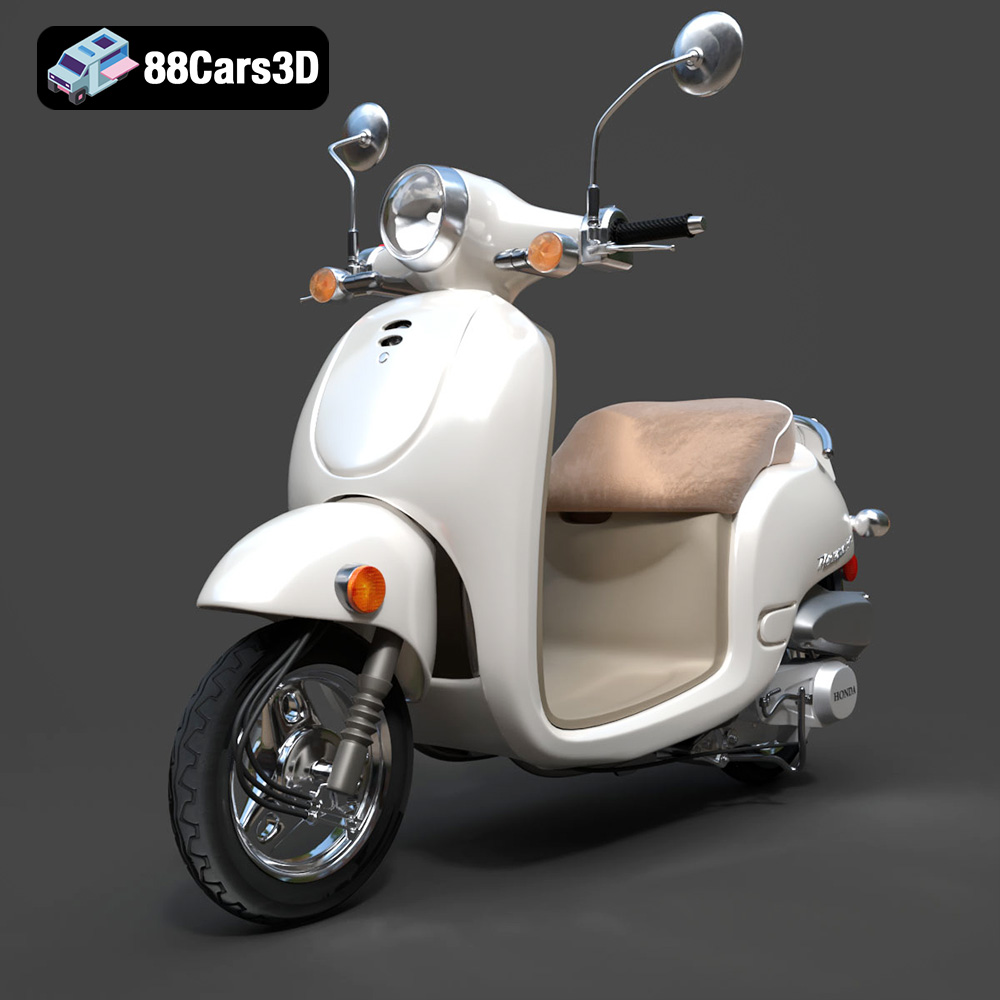
Texture: Yes
Material: Yes
Download the Honda Metropolitan 2013 3D Model featuring clean geometry, realistic detailing, and a fully modeled interior. Includes .blend, .fbx, .obj, .glb, .stl, .ply, .unreal, and .max formats for rendering, simulation, and game development.
Price: $19.99

Texture: Yes
Material: Yes
Download the Honda Civic Si Sedan 2017 3D Model featuring clean geometry, realistic detailing, and a fully modeled interior. Includes .blend, .fbx, .obj, .glb, .stl, .ply, .unreal, and .max formats for rendering, simulation, and game development.
Price: $19.99

Texture: Yes
Material: Yes
Download the Helicopter UH-40 3D Model featuring clean geometry, realistic detailing, and a fully modeled interior. Includes .blend, .fbx, .obj, .glb, .stl, .ply, .unreal, and .max formats for rendering, simulation, and game development.
Price: $19.99

Texture: Yes
Material: Yes
Download the BMW X7 G07 2019 3D Model featuring clean geometry, realistic detailing, and a fully modeled interior. Includes .blend, .fbx, .obj, .glb, .stl, .ply, .unreal, and .max formats for rendering, simulation, and game development.
Price: $19.99

Texture: Yes
Material: Yes
Download the BMW 8-Series M850i G15 Coupe 2019 3D Model featuring clean geometry, realistic detailing, and a fully modeled interior. Includes .blend, .fbx, .obj, .glb, .stl, .ply, .unreal, and .max formats for rendering, simulation, and game development.
Price: $19.99
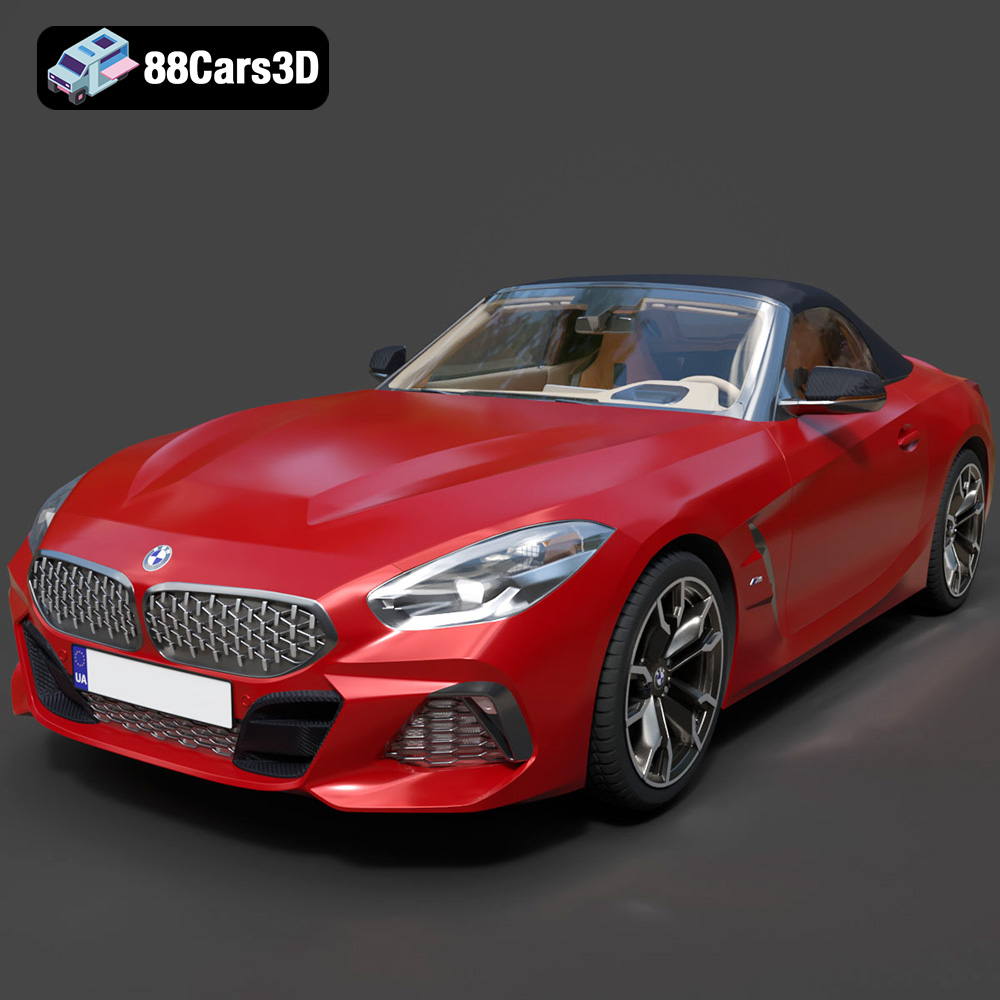
Texture: Yes
Material: Yes
Download the BMW Z4 Mk3 G29 Roadster M40i 2019 3D Model featuring clean geometry, realistic detailing, and a fully modeled interior. Includes .blend, .fbx, .obj, .glb, .stl, .ply, .unreal, and .max formats for rendering, simulation, and game development.
Price: $19.99

Texture: Yes
Material: Yes
Download the BMW X6 (Mk3) (G06) M Sport 2020 3D Model featuring clean geometry, realistic detailing, and a fully modeled interior. Includes .blend, .fbx, .obj, .glb, .stl, .ply, .unreal, and .max formats for rendering, simulation, and game development.
Price: $19.99

Texture: Yes
Material: Yes
Download the BMW 8-Series G14 Convertible M850i 2019 3D Model featuring clean geometry, realistic detailing, and a fully modeled interior. Includes .blend, .fbx, .obj, .glb, .stl, .ply, .unreal, and .max formats for rendering, simulation, and game development.
Price: $19.99

Texture: Yes
Material: Yes
Download the BMW 8 Series M850i Coupe 2019 3D Model featuring clean geometry, realistic detailing, and a fully modeled interior. Includes .blend, .fbx, .obj, .glb, .stl, .ply, .unreal, and .max formats for rendering, simulation, and game development.
Price: $19.99

Texture: Yes
Material: Yes
Download the BMW 3 Series M-Sport Sedan 2019 3D Model featuring clean geometry, realistic detailing, and a fully modeled interior. Includes .blend, .fbx, .obj, .glb, .stl, .ply, .unreal, and .max formats for rendering, simulation, and game development.
Price: $19.99

