Get 50% OFF All Premium 3D & STL Models!

In the rapidly evolving world of digital content creation, the demand for photorealistic and highly functional 3D assets is skyrocketing. From cinematic automotive advertisements to immersive virtual reality experiences and next-generation video games, the quality of your 3D models dictates the success of your project. Professionals understand that generic, low-quality assets simply won’t suffice when aiming for visual fidelity and seamless integration.
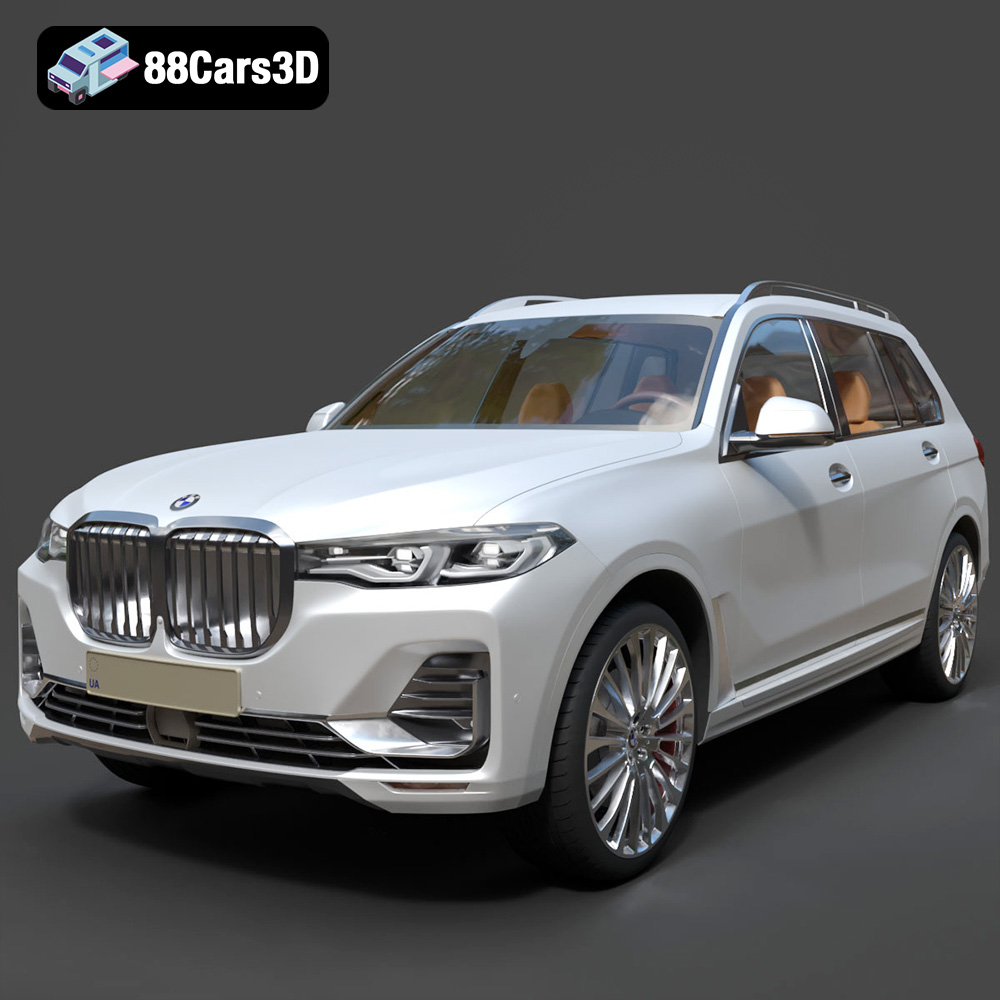
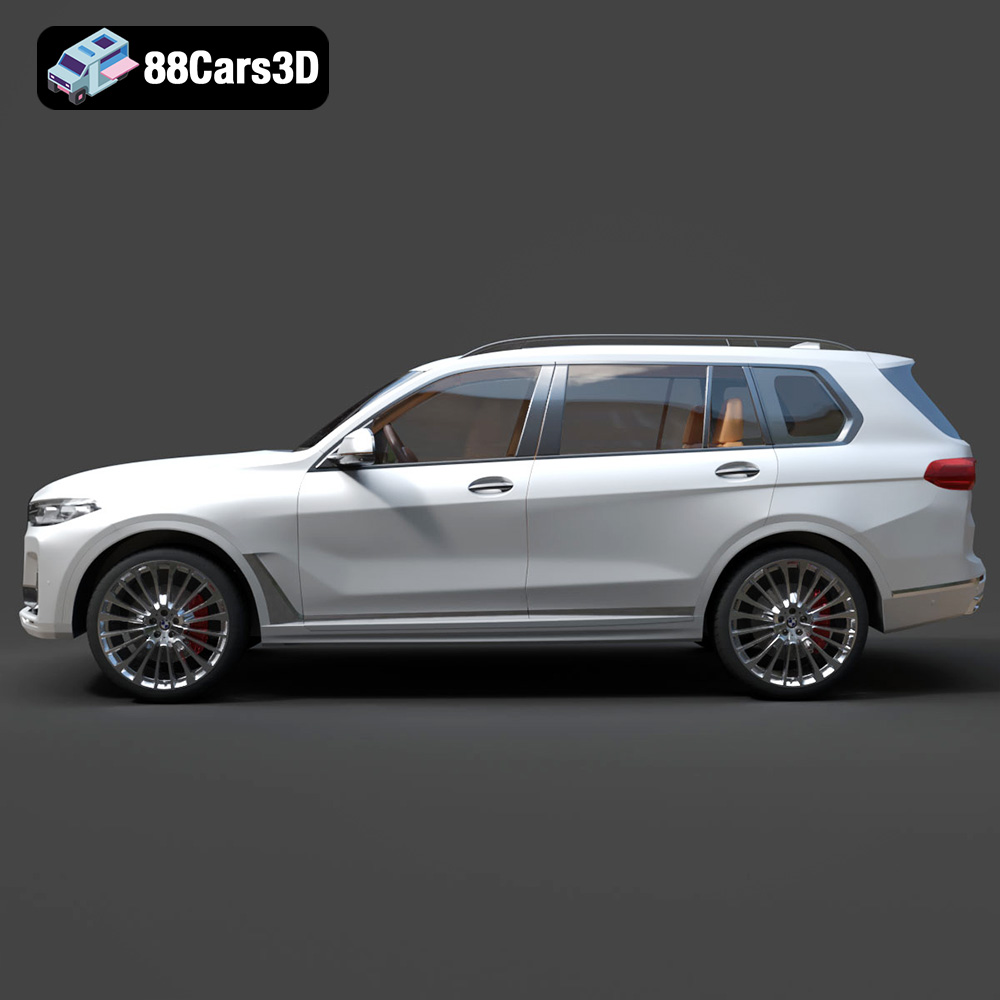
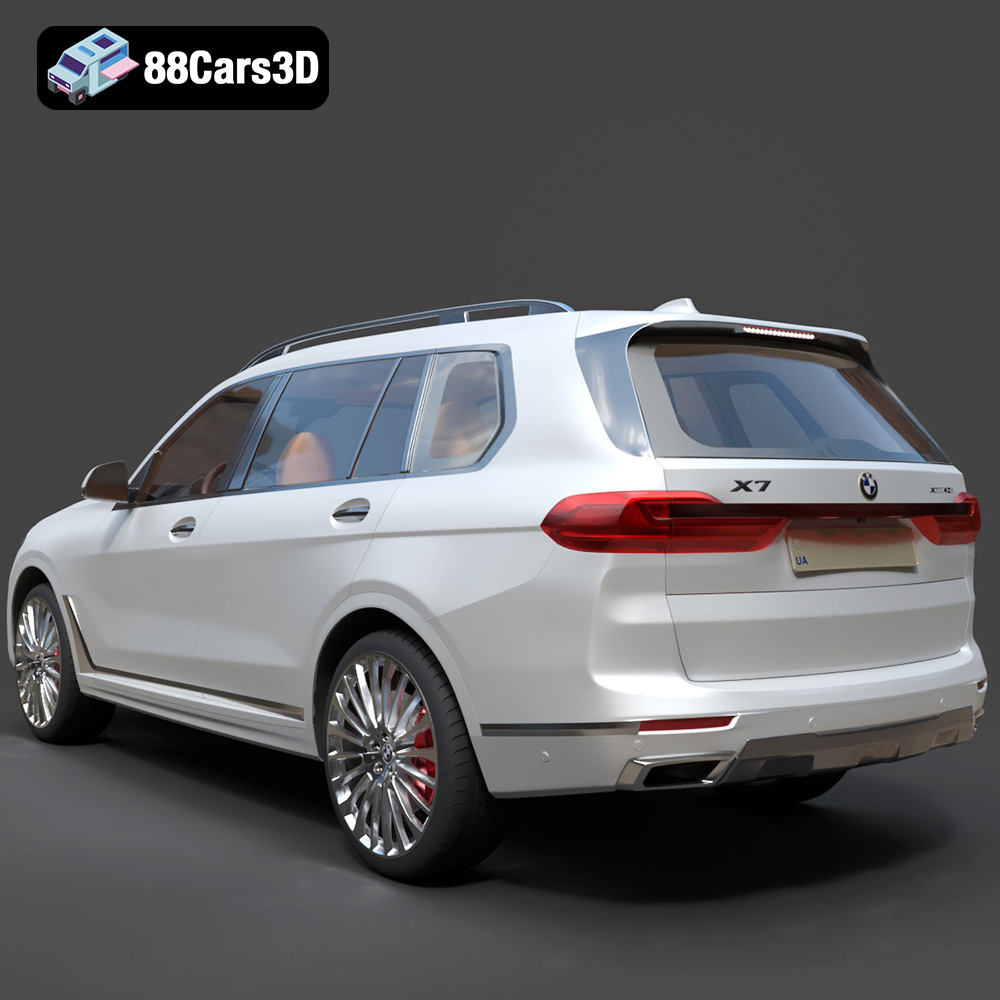
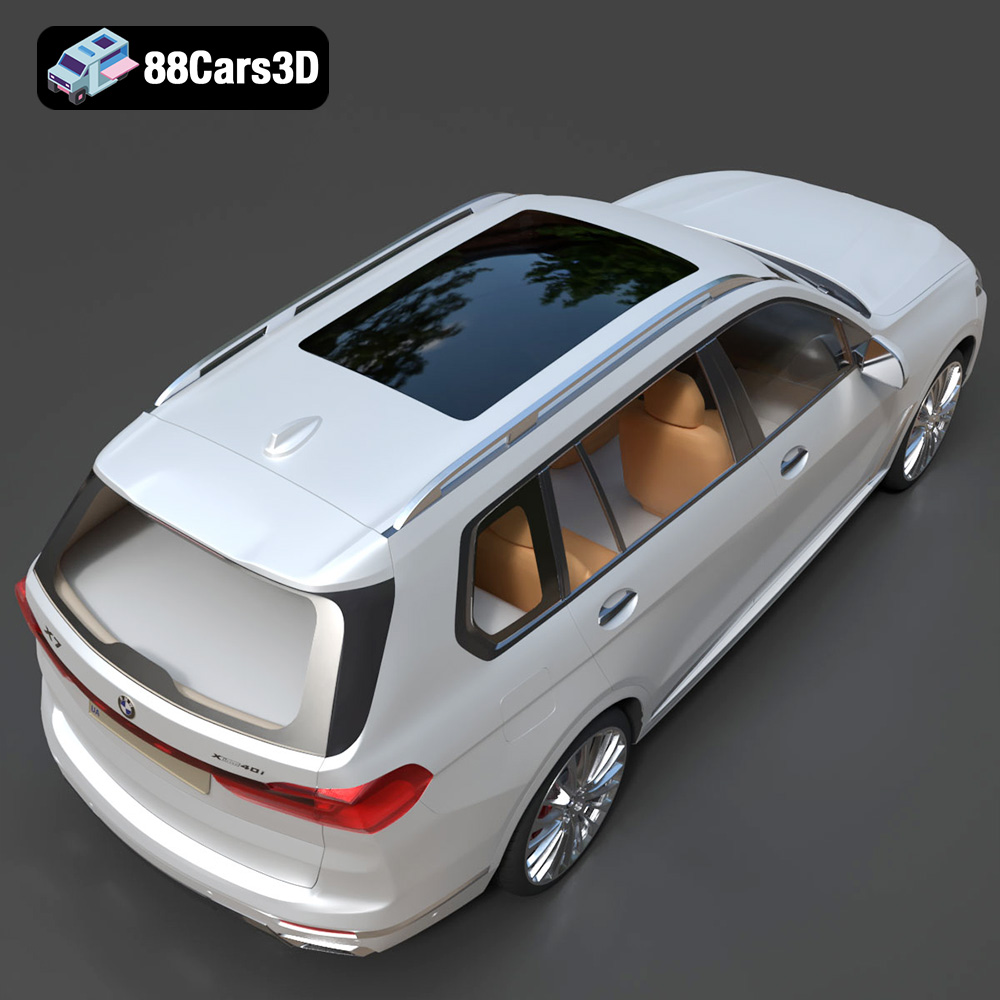
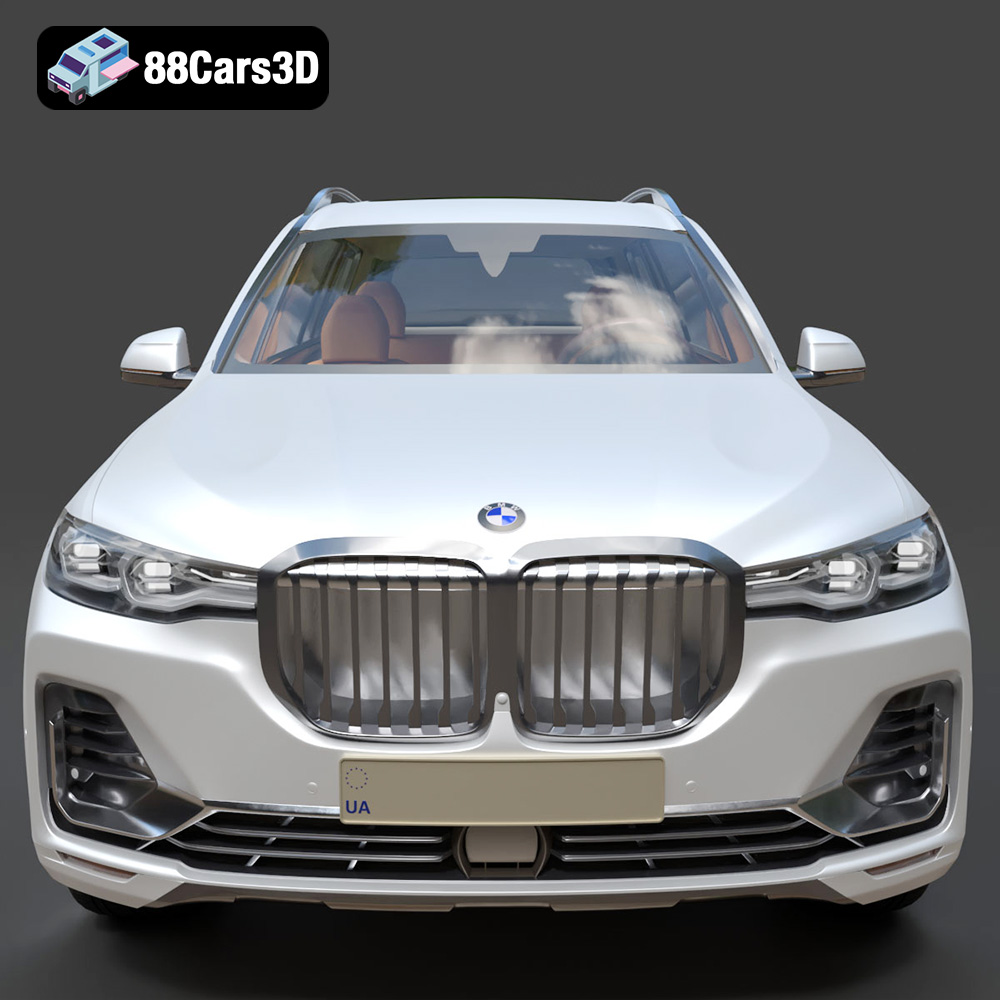
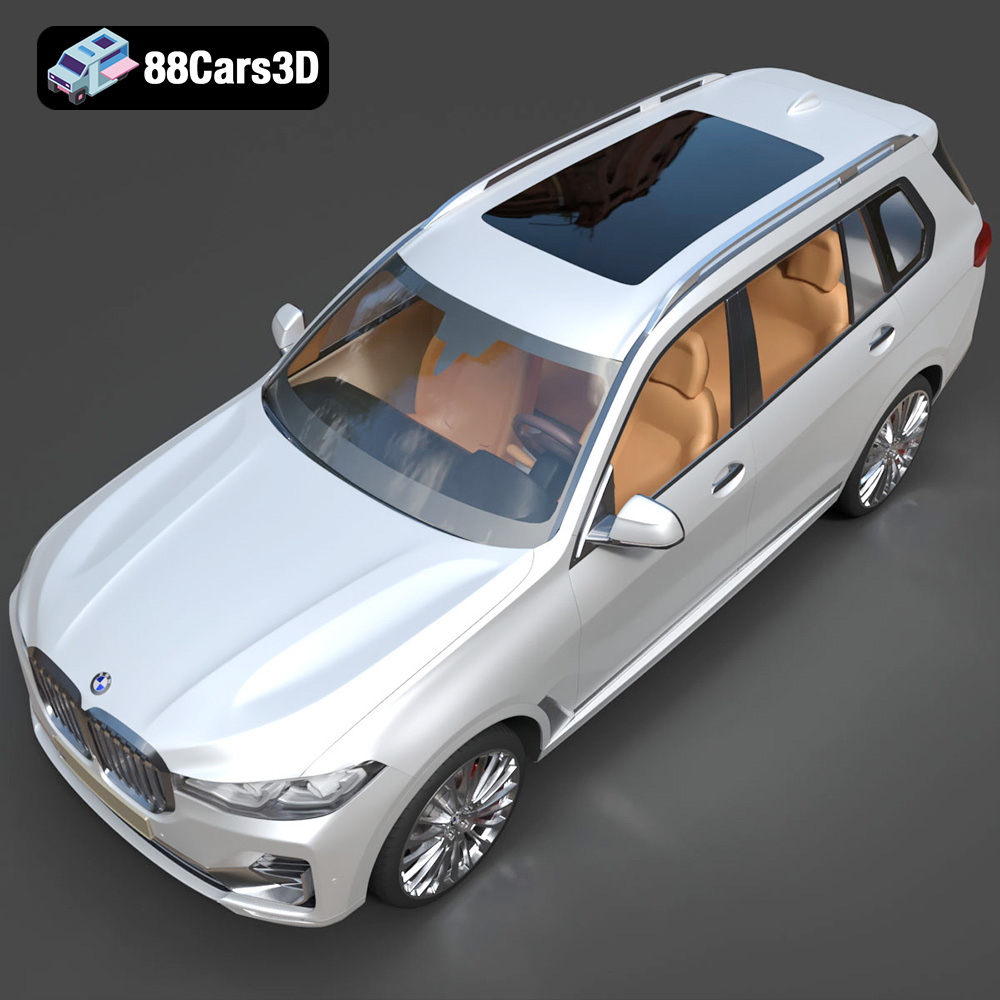
The core challenge lies in acquiring models that are not only visually stunning but also technically robust, offering clean geometry, optimized topology, and versatile file formats. This is where truly professional 3D car models differentiate themselves. Imagine bringing the luxury and commanding presence of a flagship SUV into your digital realm with absolute precision. This is precisely what the BMW X7 G07 2019 3D Model offers – a meticulously crafted digital replica designed for professionals seeking exceptional accuracy and visual fidelity. Such high-quality assets, like those found on 88cars3d.com, become indispensable tools, streamlining workflows and elevating the end product across a spectrum of applications from architectural visualization to dynamic simulations.
The versatility of a 3D model often hinges on the range of file formats it supports. Each format is engineered for specific purposes, software compatibility, and optimization goals. Choosing the correct format is paramount for an efficient workflow and successful project execution. The BMW X7 G07 2019 3D Model, for instance, provides a comprehensive suite of formats, ensuring its utility across virtually any professional pipeline.
The .blend format is Blender’s native file type. It encapsulates an entire Blender scene, including mesh data, materials, textures, lighting setups, animation data, cameras, and even custom scripts. When a model is provided in .blend format, it means you’re receiving a fully editable project file within the Blender environment. This is invaluable for artists who want to delve deep into the model’s construction, modify its materials, adjust lighting for a specific render, or integrate it seamlessly into an existing Blender scene without any conversion issues. For the BMW X7 G07 2019 3D Model, the .blend file would include its realistic materials and potentially a studio lighting setup, ready for immediate rendering or further customization.
.fbx (Filmbox) is a proprietary file format owned by Autodesk, widely adopted as an interchange format between 3D software applications. It excels at transferring geometry, materials, animations, cameras, and light data. Its strength lies in its widespread support across major 3D packages like 3ds Max, Maya, Cinema 4D, and critically, game engines like Unreal Engine and Unity. When a model is designated “game-engine ready” in .fbx, it often implies optimized mesh, properly set up UVs, and PBR (Physically Based Rendering) material channels. This makes the .fbx version of the BMW X7 ideal for immediate deployment in real-time environments where performance and visual quality are both crucial.
The .obj (Wavefront Object) format is one of the oldest and most widely supported 3D formats. It primarily stores geometric data – vertices, normals, UV coordinates, and faces. While it doesn’t embed animations or complex scene information, it’s a remarkably robust and universal format for transferring mesh data between virtually any 3D software. Materials are typically defined in an accompanying .mtl file. The .obj version of the BMW X7 is perfect for foundational use across different platforms where raw mesh integrity is the priority, ensuring cross-software compatibility for modeling, texturing, or even 3D scanning workflows.
.glb (GL Transmission Format Binary) is the binary version of glTF, a royalty-free specification for the efficient transmission and loading of 3D scenes and models by applications. It’s quickly becoming the “JPEG of 3D” due to its optimization for web-based applications, augmented reality (AR), and virtual reality (VR). A single .glb file can contain models, animations, materials, and textures, making it incredibly portable and efficient for interactive web experiences or mobile AR applications. For the BMW X7, the .glb format offers a streamlined way to showcase the vehicle in a web viewer or integrate it into a mobile AR app, providing a lightweight yet visually rich experience.
.stl (Stereolithography) is the standard file format for 3D printing. It represents a 3D model as a series of connected triangles, describing only the surface geometry of an object without color, texture, or other CAD attributes. While not suitable for rendering or animation, its simplicity makes it universally compatible with 3D printers and slicing software. If you’re looking to create a physical prototype or a scale model of the BMW X7, the .stl file is what you’ll use, ensuring the geometry is watertight and ready for additive manufacturing.
.ply (Polygon File Format or Stanford Triangle Format) is another format that describes a 3D object as a list of polygons. Unlike .stl, .ply can store more comprehensive information, including color, transparency, surface normals, texture coordinates, and data confidence values. It’s often used in 3D scanning, scientific visualization, and CAD (Computer-Aided Design) for applications requiring precise mesh data and attribute storage. For intricate analysis or specific visualization tasks of the BMW X7’s detailed surfaces, the .ply format offers a robust solution.
While not a universal file format in the same vein as .fbx or .obj, “.unreal” typically refers to assets specifically configured and sometimes exported directly for Unreal Engine. This implies that the model has been optimized, has proper material setups (often using Unreal’s own material editor), correct UVs for lightmapping and texturing, and potentially collision meshes. An Unreal-ready BMW X7 G07 model means minimal setup time within the engine, allowing developers to drop it directly into their scenes with confidence in its performance and visual fidelity.
Similar to .blend for Blender, .max is the native file format for Autodesk 3ds Max. It stores all scene information, including geometry, materials, lighting, cameras, animations, modifiers, and plugin data. For professionals deeply embedded in the 3ds Max ecosystem, having the BMW X7 G07 in .max format provides the ultimate flexibility for high-end rendering, complex animation sequences, or integration into existing architectural visualization projects, leveraging the full power of 3ds Max’s robust toolset.
Achieving photorealism in automotive rendering is a complex art form that demands a deep understanding of light physics, material properties, and meticulous attention to detail. A high-quality 3D car model, such as the BMW X7 G07 2019 3D Model, serves as the perfect foundation, providing the accurate geometry and material definitions required for stunning visuals.
Modern rendering relies heavily on PBR principles, which simulate how light interacts with surfaces in the real world. This involves defining materials using properties like albedo (base color), roughness, metallic, normal maps, and ambient occlusion. A premium 3D car model comes with PBR-ready materials, ensuring that when rendered in environments like V-Ray, Corona Renderer (for 3ds Max), Cycles, Eevee (for Blender), or Arnold, it reacts realistically to varying light conditions. The clean geometry of the BMW X7 G07 ensures that reflections and refractions on its sleek surfaces behave authentically, capturing every subtle curve and detail.
Beyond the model itself, sophisticated lighting setups are crucial. High Dynamic Range Images (HDRIs) are frequently used to provide realistic environmental lighting and reflections. Combining HDRIs with targeted area lights, spot lights, and volumetric effects allows artists to highlight the car’s contours, emphasize its luxury features, and create a specific mood. Experimenting with cinematic camera angles, depth of field, and motion blur further enhances the visual storytelling. With a model like the BMW X7 G07, which features realistic materials and optimized UVs, artists can achieve breathtaking renders that rival real-world photography, perfect for marketing campaigns or design reviews.
The performance demands of real-time applications like video games and interactive simulations require 3D models to be optimized without sacrificing visual quality. A professional-grade 3D car model is built with these considerations in mind, making it an invaluable game asset.
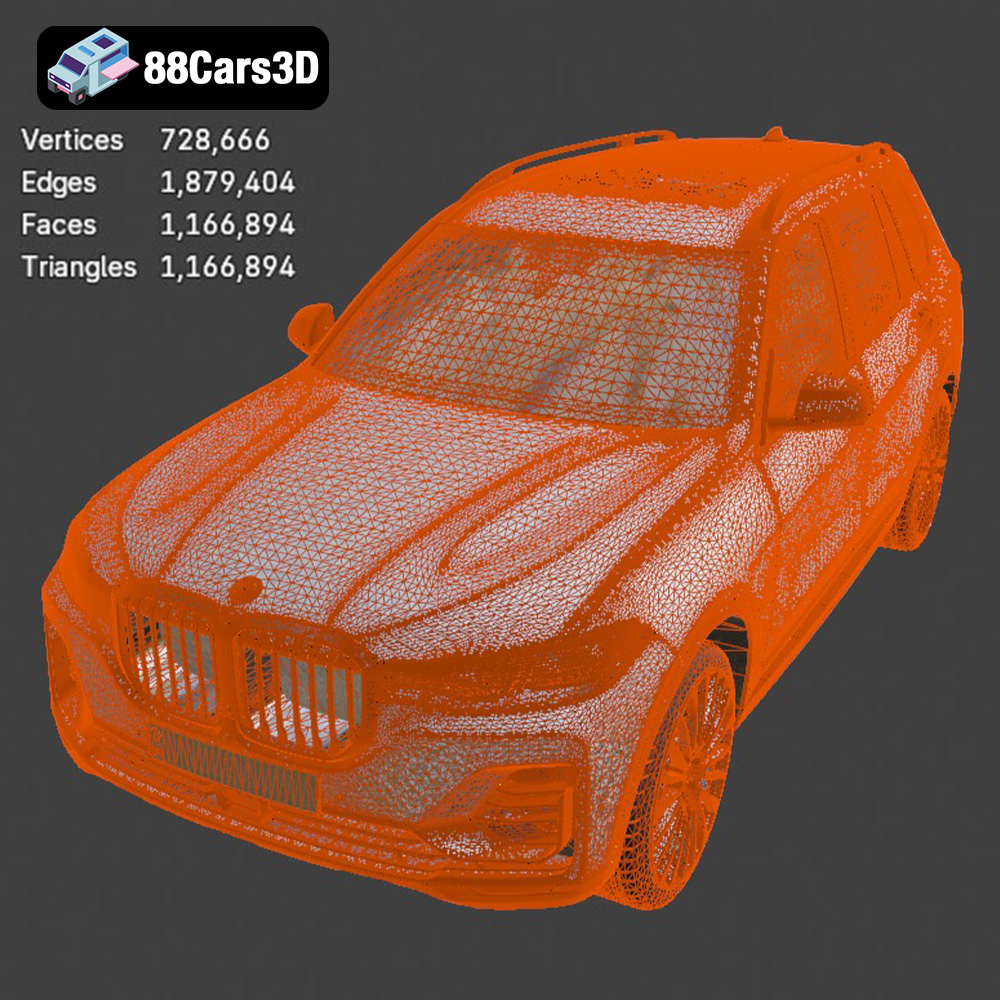
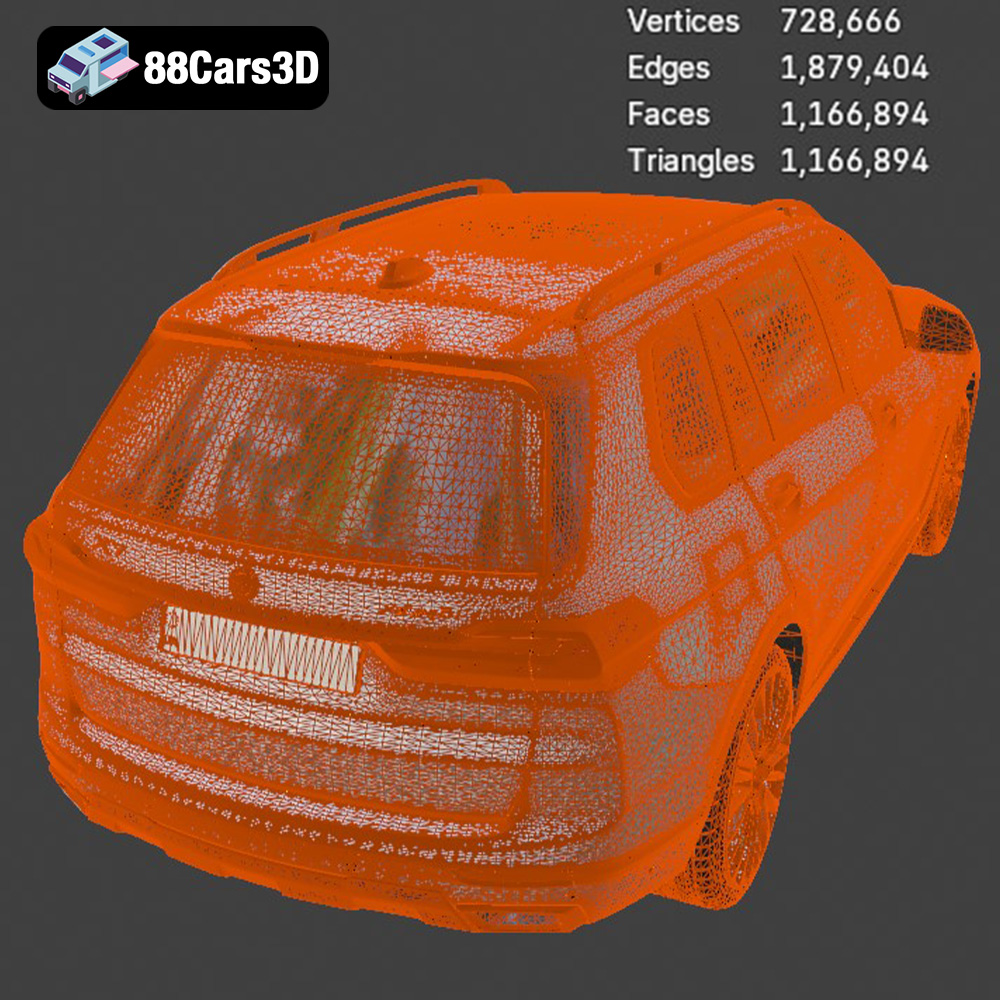
For game development, poly count is critical. While high-resolution models are excellent for pre-rendered cinematics, real-time engines need optimized meshes to maintain frame rates. A well-constructed 3D car model will feature clean, efficient topology and often comes with multiple Levels of Detail (LODs). These are simplified versions of the model that automatically switch based on the camera’s distance, ensuring performance without a noticeable drop in quality for the player. The BMW X7 G07 2019 3D Model, with its optimized mesh, is designed for seamless integration, minimizing performance bottlenecks even in demanding game scenarios.
Game engines like Unreal Engine and Unity are at the forefront of real-time visualization. Models provided in .fbx or specifically “.unreal” formats are designed for direct import and immediate use. This involves correctly set up PBR materials within the engine’s shader graph, proper collision meshes for realistic physics interactions, and sometimes even pre-configured blueprints or prefabs. For instance, importing the BMW X7 G07 into Unreal Engine means artists can quickly apply vehicle physics, set up interactive elements like opening doors, or integrate it into a racing simulation, leveraging its detailed design and optimized structure.
The utility of high-quality 3D car models extends far beyond traditional rendering and game development, opening doors to cutting-edge applications.
Augmented Reality (AR) and Virtual Reality (VR) thrive on realistic 3D content. Car manufacturers use AR/VR to allow customers to explore vehicles virtually, customize options, and even “place” a car in their driveway before purchase. The .glb format, included with the BMW X7 G07 2019 3D Model, is specifically optimized for these applications, offering a lightweight yet visually rich experience. Imagine a prospective buyer viewing the luxurious interior of the BMW X7 in VR or rotating it in AR on their tablet, experiencing every detail with stunning fidelity.
In fields like automotive engineering, urban planning, and autonomous vehicle development, accurate 3D models are essential for simulations. They provide the visual and geometric data needed to test sensor arrays, analyze traffic flow, or train AI systems. A detailed model like the BMW X7 can be incorporated into driving simulators for training purposes, or used to populate virtual cities for traffic simulations, providing realistic visual context and accurate physical properties. The clean geometry and precise scale of professional 3D car models are vital for the integrity of these complex simulations.
For designers and enthusiasts who wish to bring their digital creations into the physical world, 3D printing offers an incredible avenue. The .stl format, included with the BMW X7 G07, makes it ready for additive manufacturing. This allows for the creation of physical prototypes, scale models for presentations, or even custom parts. While 3D printing requires specific considerations (like wall thickness and support structures), starting with a clean, watertight mesh ensures the best possible print outcome, turning a digital luxury car into a tangible object.
Time is a valuable commodity in any professional production environment. Investing in pre-built, high-quality 3D car models significantly accelerates project timelines and elevates the final product’s quality.
For automotive studios and marketing agencies, the ability to quickly visualize new designs or showcase existing models in various scenarios is paramount. Instead of spending hundreds of hours modeling a vehicle from scratch, a ready-to-use asset like the BMW X7 G07 2019 3D Model allows designers to jump straight into creative tasks: setting up scenes, experimenting with lighting, or animating sequences. This translates to faster iterations, more compelling presentations, and a substantial reduction in development costs. The consistency and accuracy provided by such models also ensure brand fidelity in all visual communications.
Architectural visualization often benefits from populating scenes with realistic vehicles to add scale, context, and a sense of life to renders. Placing a meticulously detailed BMW X7 G07 outside a luxurious villa or an office complex immediately elevates the scene’s realism and perceived value. Furthermore, in virtual tours of properties, having high-quality 3D car models available allows viewers to experience a fully immersive and believable environment, whether the car is parked in a driveway or cruising down a virtual street. The professional quality ensures these elements blend seamlessly, rather than detracting from the overall presentation.
When selecting 3D car models, the adage “you get what you pay for” holds true. The investment in high-quality assets like those available on 88cars3d.com is an investment in your project’s success and your professional reputation.
A professional 3D model, such as the BMW X7 G07 2019 3D Model, is characterized by its obsessive attention to detail. This isn’t just about surface aesthetics; it encompasses accurate scaling, precise panel gaps, faithfully recreated interior elements, and realistic tire treads. These subtle details collectively contribute to an undeniable sense of realism that is unattainable with hastily made, lower-quality assets. Whether it’s for a close-up render or a wide shot, the fidelity holds up under scrutiny.
Beyond visual appeal, premium 3D car models offer technical robustness. This means clean geometry without non-manifold edges or overlapping faces, optimized mesh topology for smooth deformations and efficient rendering, and correctly unwrapped UVs for texture application. Such technical integrity ensures that the model performs predictably in any software or engine, minimizing headaches associated with mesh errors, rendering artifacts, or texturing problems. This reliability is crucial for meeting tight deadlines and delivering polished results.
A high-quality 3D car model is a versatile asset that can be reused across multiple projects and platforms. Its wide array of included file formats – from .blend and .max for comprehensive editing to .fbx for game engines and .glb for web/AR/VR – makes it adaptable to almost any professional requirement. This long-term utility makes a quality model a cost-effective choice, saving countless hours of rework and ensuring consistent, top-tier visuals across your entire portfolio.
The digital landscape demands uncompromising quality, especially in specialized fields like automotive visualization and interactive content. From breathtaking renders to immersive game environments, the foundation of any successful project lies in the integrity and fidelity of its 3D assets. The BMW X7 G07 2019 3D Model exemplifies this professional standard, offering a meticulously crafted digital replica that transcends mere aesthetics through its technical robustness and multi-format versatility.
Whether your workflow centers on detailed automotive rendering in 3ds Max or Blender, integrating game assets into Unreal Engine, developing cutting-edge AR/VR experiences, or even prototyping with 3D printing, this model provides the essential tools. Its clean geometry, realistic materials, and comprehensive file format support streamline production, empower creativity, and ultimately elevate the final product. Investing in such premium 3D car models from trusted sources like 88cars3d.com isn’t just about acquiring an asset; it’s about acquiring a reliable, high-performance solution that accelerates your workflow and ensures your digital vision is realized with unparalleled precision and realism.
The BMW X7 G07 2019 3D model is a meticulously crafted digital replica capturing the luxurious and commanding presence of the flagship SUV. This highly realistic model is designed for professionals seeking exceptional accuracy and visual fidelity in their digital projects. Built with clean geometry and realistic materials, this professional-grade asset ensures exceptional detailing across all surfaces. Its optimized mesh topology allows for seamless integration into various digital environments without compromising performance. This versatile 3D vehicle is designed for a wide range of applications, including game development, automotive rendering, AR/VR experiences, architectural visualization, and dynamic simulations.
$19.99
.arvr
.blend
.bmw
.car3dmodel
.fbx
.g07
.gameasset
.glb
.luxurycar
.max
.obj
.ply
.rendering
.simulation
.stl
.unreal
.x7
SUV