Get 50% OFF All Premium 3D & STL Models!

The digital landscape is constantly evolving, with industries from entertainment to engineering increasingly relying on stunning visual content. At the heart of this revolution lies the demand for high-fidelity 3D assets, particularly in the automotive sector. Whether it’s showcasing a new vehicle concept, populating a virtual world, or creating immersive training simulations, the quality of a 3D car model can make or break a project. These aren’t just pretty pictures; they are complex data structures designed to meet rigorous technical specifications and creative demands.
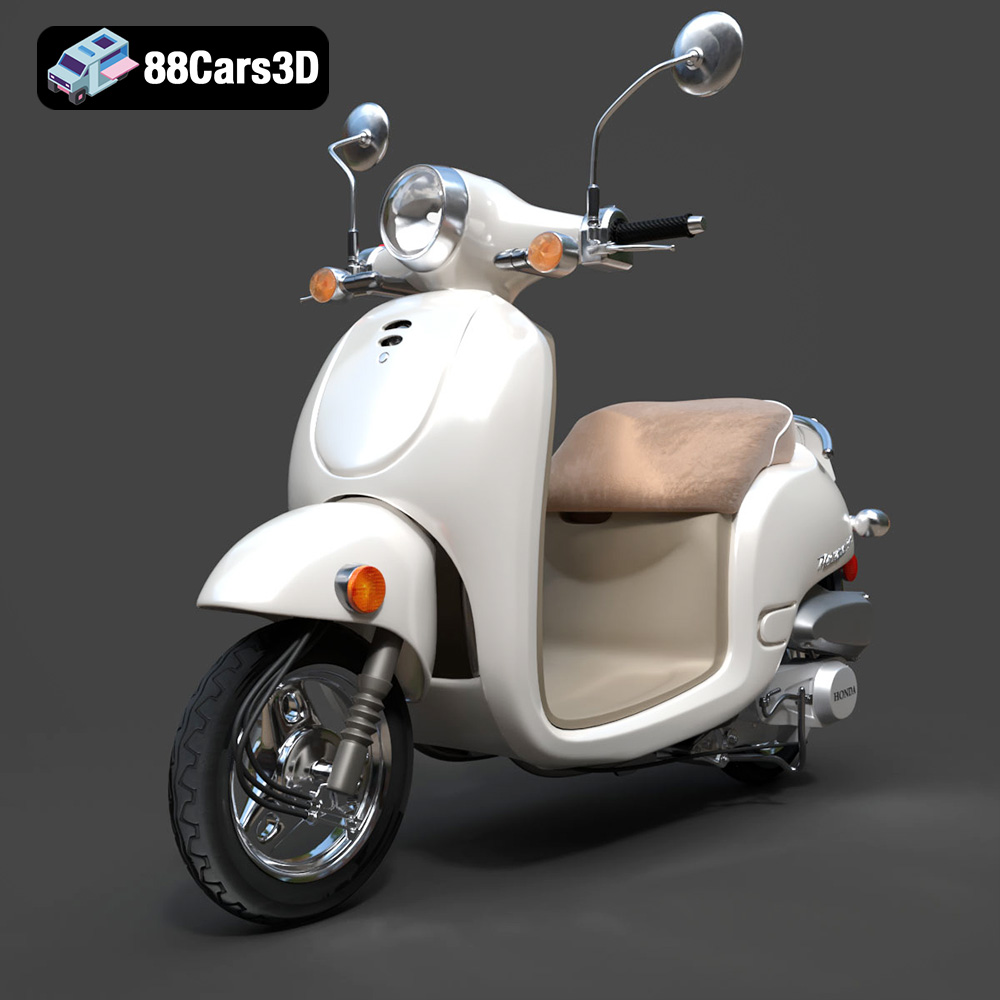
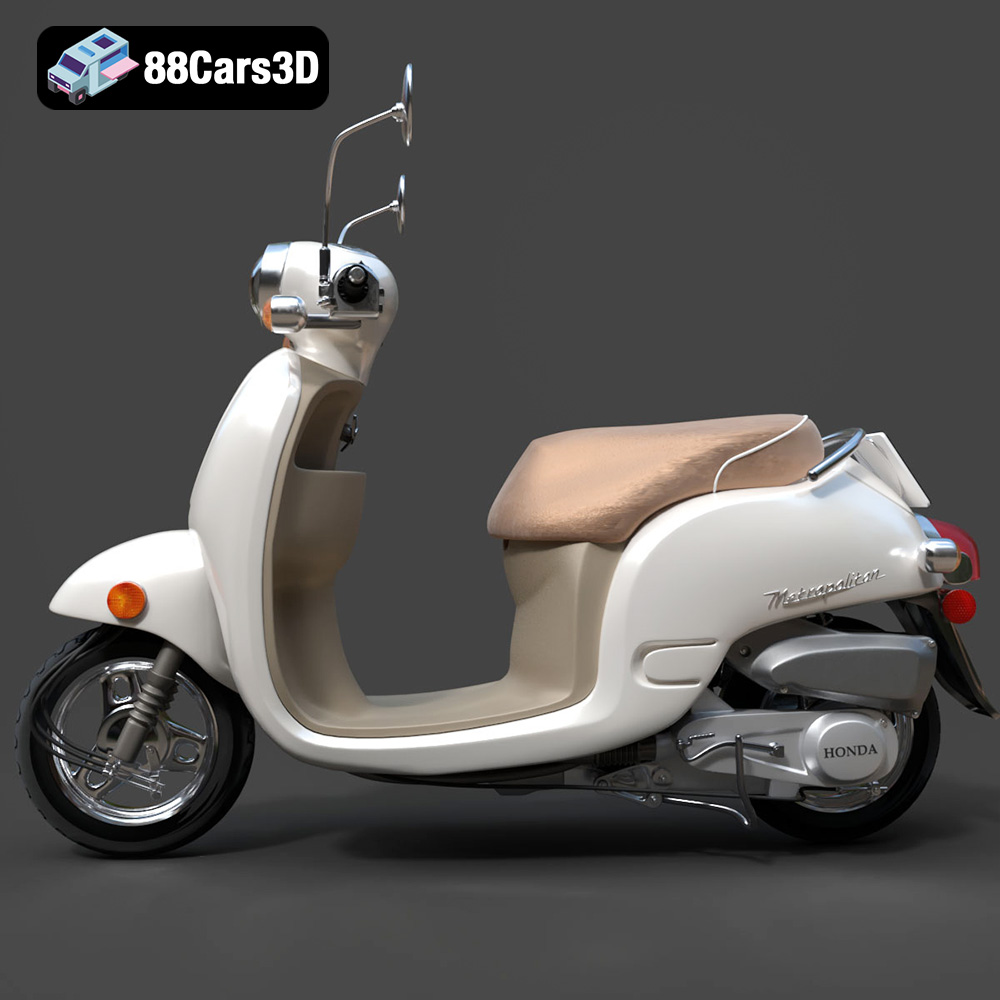
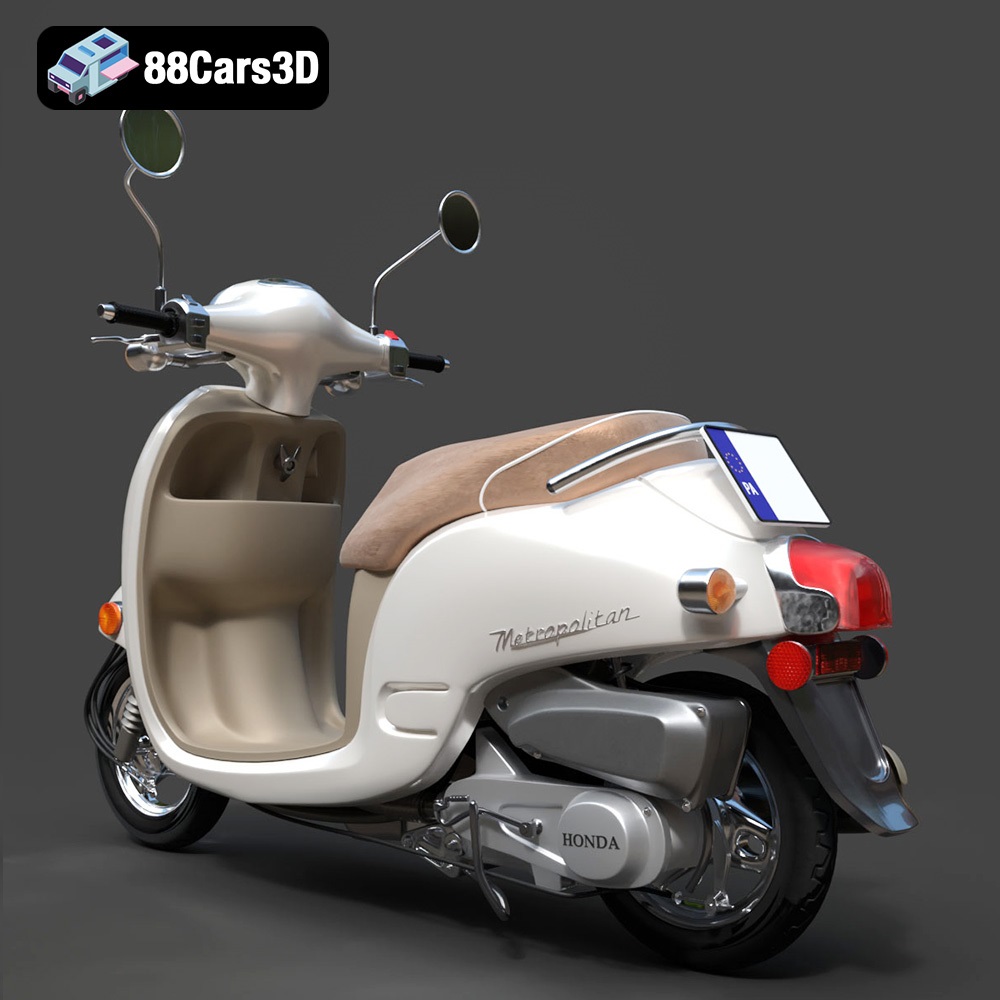
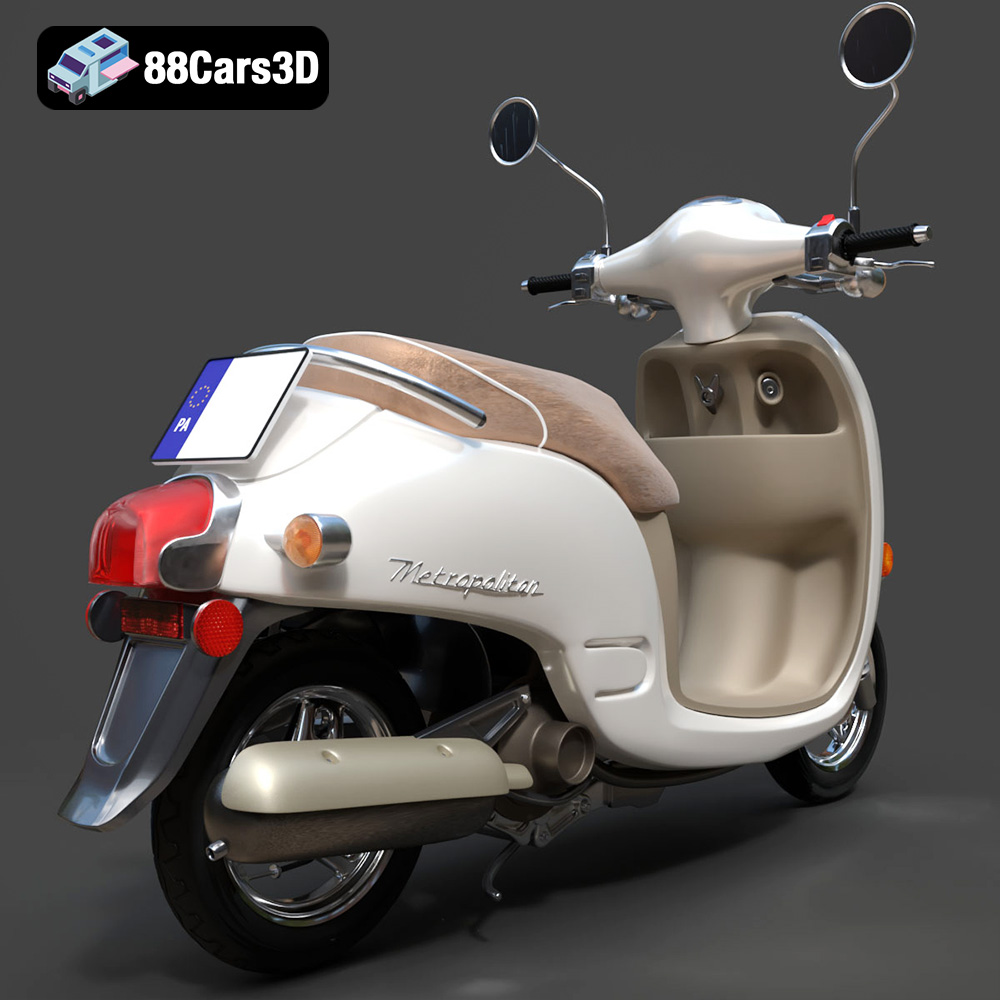
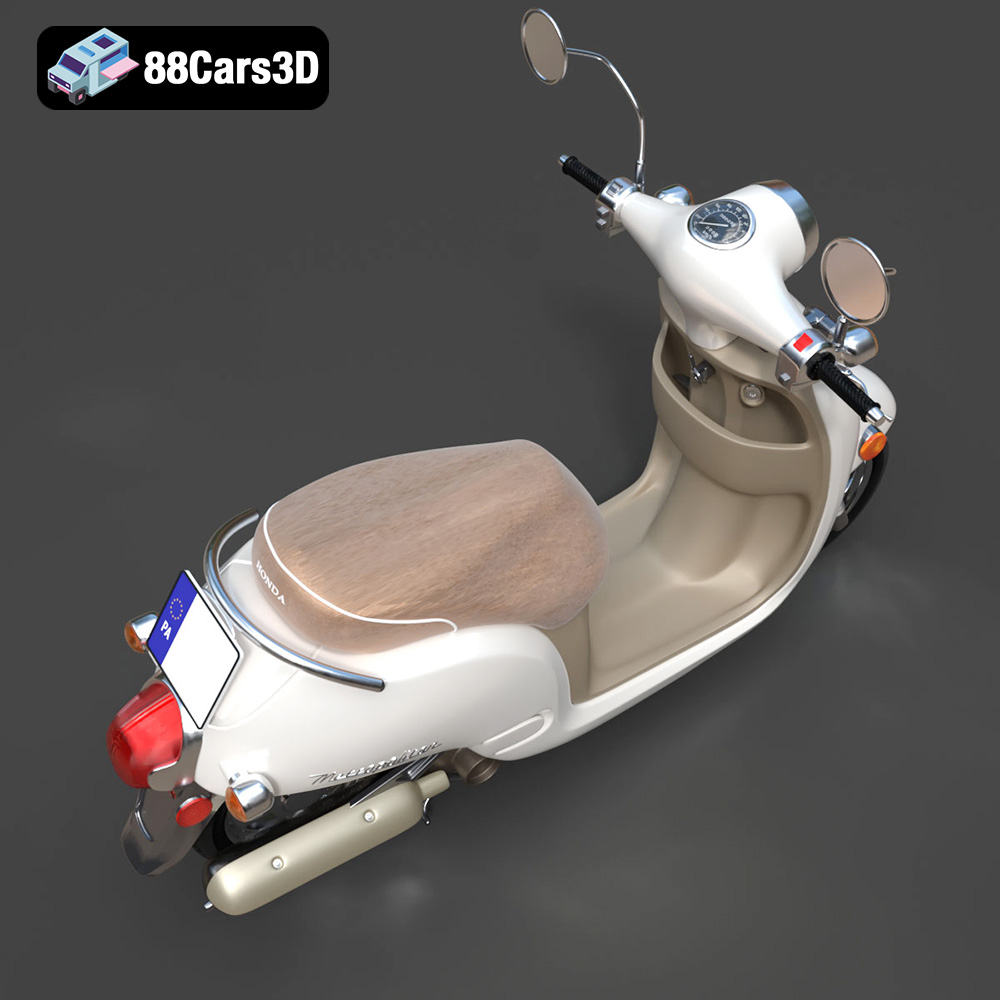
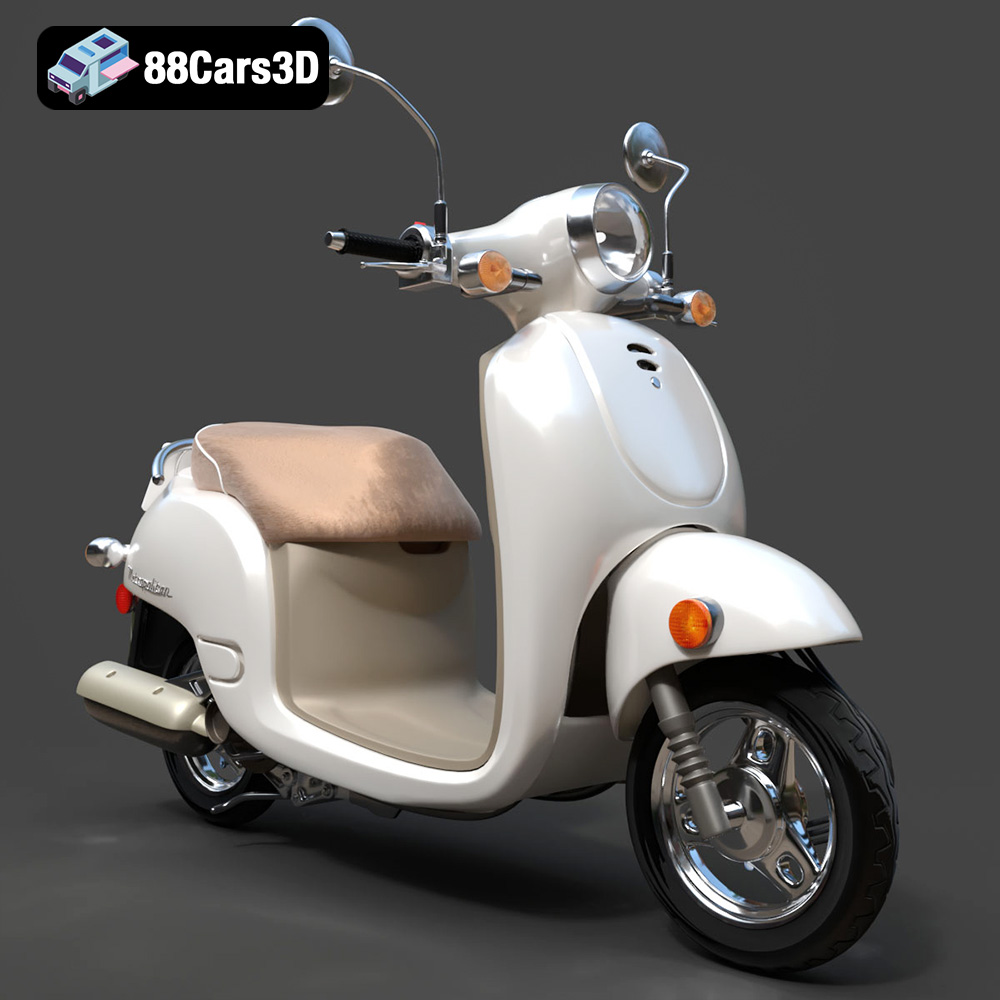
Professional 3D artists, game developers, architects, and product designers understand that time is money. Building a photorealistic vehicle from scratch can be an incredibly time-consuming and resource-intensive endeavor. This is where pre-made, professionally crafted 3D car models become invaluable. They offer a shortcut to excellence, providing a solid foundation of clean geometry, optimized textures, and industry-standard file formats. Consider a model like the Honda Metropolitan 2013 3D Model, a prime example of an asset built with meticulous attention to detail, ready to be dropped into diverse projects and pipelines. Its accurate proportions, refined curves, and clean geometry exemplify the kind of quality that elevates any visualization or interactive experience.
The need for realistic 3D vehicle assets spans numerous industries. In film and animation, they are crucial for believable environments and dynamic sequences. Automotive manufacturers use them for pre-visualization, marketing materials, and virtual showrooms long before a physical prototype exists. Game developers rely on optimized versions for immersive open-world experiences. Even architectural visualization benefits, using detailed vehicles to add scale, context, and life to static building renders. The versatility of a well-made 3D model, such as the Honda Metropolitan 2013, means it can adapt to these varied needs, from static renders to real-time simulations.
Developing a single, high-quality 3D vehicle asset can take hundreds of hours of a skilled artist’s time. This includes modeling, UV mapping, texturing, rigging, and optimization. For studios and freelancers operating under tight deadlines and budgets, purchasing a ready-made asset from a reputable marketplace like 88cars3d.com is a strategic advantage. It frees up artists to focus on more complex, bespoke elements of a project, ensuring deadlines are met without compromising on visual fidelity. The Honda Metropolitan 2013 3D Model, for instance, arrives with realistic materials and expert construction, ready to shine in any scene.
Navigating the world of 3D modeling requires a solid understanding of the various file formats available. Each format serves a specific purpose, catering to different software, workflows, and output requirements. Choosing the correct format is paramount for seamless integration, optimal performance, and preserving the integrity of your 3D assets. High-quality 3D car models, like the Honda Metropolitan 2013 3D Model, are often provided in multiple formats to maximize their utility across different professional pipelines. Let’s delve into the specifics of these essential formats.
The .blend format is the native file type for Blender, the powerful open-source 3D creation suite. A .blend file typically encapsulates an entire Blender scene, including the 3D model geometry, materials, textures, lighting setups, cameras, animations, and even physics simulations. This format is ideal when your primary workflow is within Blender, offering full editability and access to all the original scene data. For artists who want to tweak materials, adjust topology, or use Blender’s advanced rendering engines like Cycles or Eevee, the .blend file provides the most comprehensive starting point. The Honda Metropolitan 2013 3D Model, provided as an editable .blend file, allows for deep customization within Blender.
.fbx (Filmbox) is a proprietary file format owned by Autodesk and is widely considered the industry standard for 3D data interchange between various software applications, especially for game development. It efficiently stores 3D models, animation, cameras, and lights, making it incredibly versatile. For real-time engines like Unreal Engine and Unity, .fbx is often the go-to format due to its robust support for mesh data, materials (though sometimes requiring re-setup in the engine), skinning, and animation. It’s designed for efficiency and broad compatibility, making it a critical component for game-engine ready assets like the Honda Metropolitan 2013.
.obj (Wavefront OBJ) is a simple, universal 3D data format that is supported by nearly all 3D software. It primarily stores geometry (vertices, normals, texture coordinates, and faces) and can reference external .mtl (material) files for basic material properties like color and texture maps. While it doesn’t support animation or rigging, its simplicity and widespread compatibility make it excellent for transferring static mesh data between disparate applications where advanced features aren’t required. It’s a reliable fallback for cross-software compatibility, ensuring your Honda Metropolitan 2013 3D Model can be opened and worked with anywhere.
.glb (GL Transmission Format Binary) is the binary version of the glTF (GL Transmission Format) spec, designed for efficient transmission and loading of 3D scenes and models by applications. It’s highly optimized for web-based 3D, augmented reality (AR), and virtual reality (VR) experiences due to its compact size and comprehensive data encapsulation (geometry, materials, animations). .glb files include all texture maps embedded within the single file, simplifying asset management for real-time environments. The Honda Metropolitan 2013 3D Model as a .glb is perfect for interactive web viewers or AR apps showcasing the scooter.
.stl (Stereolithography) is almost exclusively used for 3D printing and rapid prototyping. It describes only the surface geometry of a 3D object using a collection of interconnected triangles, without any color, texture, or material information. The accuracy of the print depends heavily on the mesh density and quality in the .stl file. When preparing a 3D car model for physical output, converting it to a watertight .stl is a crucial step. While the Honda Metropolitan 2013 3D Model’s primary use isn’t printing, providing an .stl offers a valuable option for physical prototyping or model making.
.ply (Polygon File Format or Stanford Triangle Format) is another popular format for storing 3D data, particularly useful for scanned data, CAD applications, and scientific analysis. It can store a wider range of properties than .obj, including color per vertex, normal vectors, and transparency, making it suitable for more precise mesh data representation. While less common for general rendering, it serves a niche for detailed polygon mesh transfer, especially when precision is key, such as for the Honda Metropolitan 2013 in engineering or simulation contexts.
The term .unreal often refers to an asset or package specifically configured and optimized for direct use within Unreal Engine, rather than a single file format. This typically means the model, materials, textures, and possibly blueprints are packaged into an Unreal Engine content asset (.uasset files within the engine’s folder structure) or an entire project ready for deployment. These assets have undergone specific optimization passes for real-time performance, correct material setup using Unreal’s PBR system, and potentially LODs (Levels of Detail). For the Honda Metropolitan 2013, the “.unreal” offering implies an asset that’s been rigorously prepared to drop into an Unreal Engine project with minimal setup, ensuring optimal visual quality and performance.
The .max format is the native file type for Autodesk 3ds Max, a powerful 3D modeling, animation, and rendering software. Similar to .blend, a .max file contains the complete scene data – geometry, materials, textures, lighting, cameras, animations, and modifiers. It offers full editability within 3ds Max, allowing artists to leverage its robust modeling tools, V-Ray or Corona render engines, and animation capabilities. For those whose workflow is centered around 3ds Max, the .max file of the Honda Metropolitan 2013 3D Model provides the ultimate flexibility for advanced rendering and animation projects.
Integrating a meticulously crafted 3D car model like the Honda Metropolitan 2013 into professional pipelines requires an understanding of diverse software environments and optimization strategies. The multi-format delivery of this model makes it incredibly versatile, supporting a range of industry-standard tools for rendering, game development, and visualization.
For Blender artists, the Honda Metropolitan 2013 3D Model’s dedicated .blend file is a significant advantage. Upon opening, users will find the model complete with its geometry, PBR (Physically Based Rendering) materials, and potentially a basic lighting setup. The workflow typically involves:
Autodesk 3ds Max users benefit from the .max file, providing a fully editable scene ready for high-end rendering and complex animations. The integration process is streamlined:
For game developers and real-time visualization specialists, the .fbx and .unreal formats of the Honda Metropolitan 2013 3D Model are critical. Unreal Engine integration focuses on performance and interactive experiences:
Achieving true-to-life precision in 3D car models goes beyond mere aesthetics; it hinges on a deep understanding of technical specifications and artistic discipline. A premium asset like the Honda Metropolitan 2013 3D Model embodies these principles, offering a foundation of quality that professional artists demand.
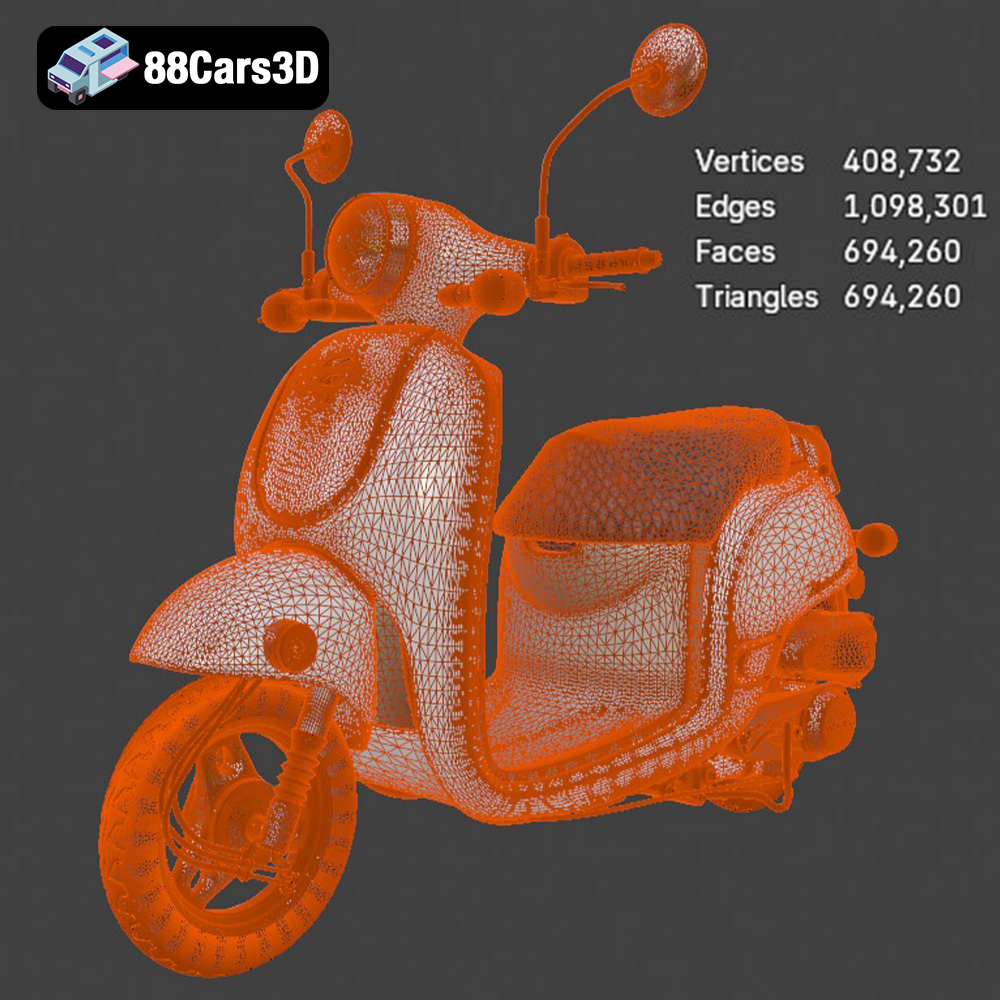
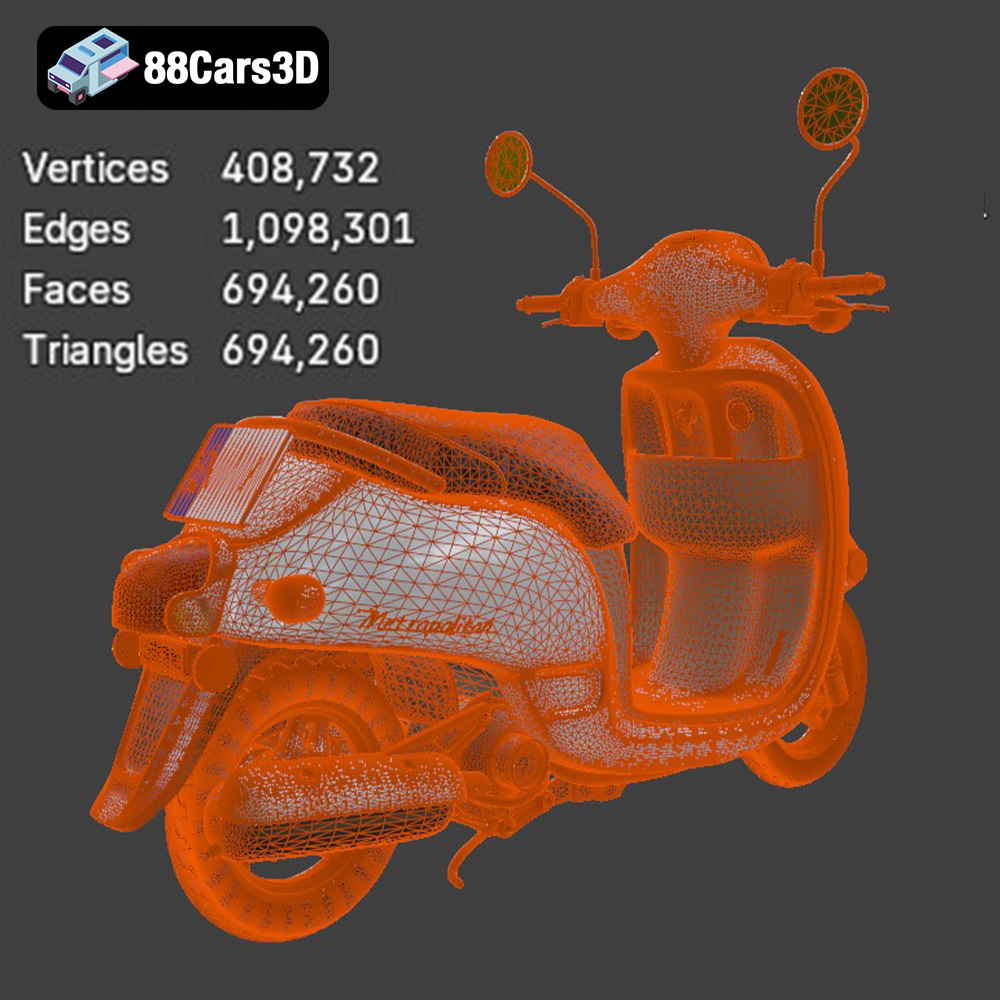
The backbone of any high-quality 3D model is its geometry. “Clean geometry” refers to a mesh that is well-structured, primarily using quads (four-sided polygons) rather than triangles (tris) or n-gons (polygons with more than four sides), especially in areas that deform or require smooth subdivision. This ensures predictable deformation during animation and smooth shading. For the Honda Metropolitan 2013, this means curves are smooth and surfaces transition naturally without pinching or artifacts.
Poly count (polygon count) is another critical factor. While a high poly count can deliver incredible detail, it must be balanced with performance considerations. For offline rendering and cinematic work, higher poly counts are acceptable. However, for real-time applications like games or AR/VR, models need to be optimized. Professional models often come with a range of poly counts or are designed for easy LOD (Level of Detail) generation. The Honda Metropolitan 2013 3D Model strikes this balance, offering “top-tier realism without compromising performance” – a testament to its optimized construction.
Photorealism today is largely driven by Physically Based Rendering (PBR) materials. PBR materials simulate how light interacts with surfaces in a physically accurate way, resulting in consistent and believable visuals across different lighting environments. A PBR material typically includes several texture maps:
The Honda Metropolitan 2013 features “realistic materials,” implying a professional PBR setup with expertly crafted texture maps. This ensures that the scooter’s paint, chrome, rubber, and plastic components react authentically to light, making it look genuinely integrated into any scene.
UV mapping is the process of unwrapping the 3D surface of a model into a 2D space, allowing 2D texture images to be applied accurately. Precise UV mapping is essential for:
A high-quality 3D car model will have non-overlapping UVs, particularly for unique texture detail, and potentially overlapping UVs for repeating details like tire treads, where texture reuse is efficient. The “meticulously modeled” nature of the Honda Metropolitan 2013 suggests a professional UV setup, vital for its “striking results under diverse lighting conditions.”
The utility of a high-quality 3D car model, such as the Honda Metropolitan 2013, extends far beyond static images or cinematic sequences. Its versatile construction and multiple file formats open doors to a broad spectrum of professional applications, empowering creators across various industries.
In game development, the Honda Metropolitan 2013 3D Model excels as a game asset. Its clean geometry, optimized topology, and multiple LOD options are paramount for maintaining high frame rates in real-time environments. Developers can integrate it into various game genres, from open-world exploration titles where the scooter serves as background dressing or a rideable vehicle, to racing games needing detailed props. The model’s “game-engine ready format for Unreal Engine and Unity” (via .fbx and .unreal) significantly reduces development time, allowing artists to focus on gameplay mechanics and environmental storytelling rather than asset creation from scratch. It provides a highly detailed yet performant asset to enrich virtual landscapes and scenarios.
Architectural visualization (arch-viz) relies heavily on context. Buildings rarely exist in a vacuum; they are part of bustling urban or serene suburban environments. Adding realistic 3D car models and vehicles is crucial for grounding architectural renders in reality. The Honda Metropolitan 2013 can populate street scenes, parking lots, or driveways, instantly adding a sense of scale, movement, and life to static building renders. Its accurate proportions and realistic materials ensure that it complements, rather than detracts from, the primary architectural focus, making the overall visualization more believable and engaging for clients.
Augmented Reality (AR) and Virtual Reality (VR) are frontiers of immersive computing, and they demand optimized 3D assets. The .glb format of the Honda Metropolitan 2013 is specifically designed for these applications, offering a compact and efficient file that loads quickly and performs smoothly in real-time AR/VR environments. Imagine a prospective buyer viewing a virtual showroom where they can walk around the Honda Metropolitan in VR, or an AR app that projects the scooter onto a real-world surface, allowing for interactive inspection. The model’s “outstanding visual fidelity” ensures that these immersive experiences are not only functional but also visually compelling.
While often overlooked, the ability to convert a high-quality 3D model into a physical object via 3D printing offers tangible benefits. The .stl format of the Honda Metropolitan 2013 3D Model caters to this. Designers can create physical prototypes for scale models, marketing giveaways, or even functional components for custom projects. This bridges the gap between the digital design and physical manifestation, allowing for tactile interaction and real-world evaluation of the scooter’s form factor and design elements.
Optimizing 3D assets is a critical skill for any professional, ensuring projects run smoothly, render quickly, and deliver a superior user experience. High-quality 3D car models like the Honda Metropolitan 2013 are designed with optimization in mind, providing a solid foundation, but knowing how to leverage and further refine them is key.
Levels of Detail (LODs) are essential for managing performance in real-time applications like games or VR. An LOD system generates multiple versions of a 3D model, each with a progressively lower polygon count. The highest detail model (LOD0) is used when the object is close to the camera, while lower detail versions (LOD1, LOD2, etc.) are swapped in as the object moves further away. This dramatically reduces the computational load without a noticeable drop in visual quality for the end-user. For the Honda Metropolitan 2013 3D Model, a professional asset would either come with pre-generated LODs or be structured in a way that allows for easy, automated generation within engines like Unreal or Unity. This ensures the scooter looks great up close but doesn’t bog down performance when seen from a distance.
Texture maps can consume significant GPU memory. Optimizing texture resolution involves selecting the appropriate size (e.g., 2048×2048, 4096×4096 pixels) for each map, ensuring visual fidelity without overspending memory. For smaller, less prominent details, lower resolutions suffice. Texture atlasing is another powerful optimization technique where multiple smaller textures are combined into a single, larger texture map. This reduces draw calls (requests to the GPU to render an object), leading to better performance. A well-optimized Honda Metropolitan 2013 asset would utilize efficient texture resolutions and potentially employ atlasing for certain components to deliver “top-tier realism without compromising performance.”
In game engines like Unreal, material instances are crucial for efficiency. Instead of creating a unique material for every slight variation (e.g., different paint colors), a single master material is created, and instances are derived from it. These instances can then have their parameters (like color, roughness values) adjusted without compiling entirely new shaders. This saves both memory and computation time. Furthermore, keeping shader complexity (the number of calculations a material performs) to a minimum is vital. While the Honda Metropolitan 2013 comes with “realistic materials,” an artist might simplify certain aspects of the shader for extreme performance needs, striking a balance between visual quality and computational cost for their specific project.
In the dynamic world of 3D visualization and real-time experiences, the bedrock of any successful project is the quality of its assets. We’ve explored the intricate technical demands, diverse file formats, and varied professional workflows that underscore the importance of precision in 3D car models. From the meticulous geometry and PBR materials to the tailored file formats for specific applications, every detail contributes to a model’s versatility and value.
The Honda Metropolitan 2013 3D Model stands as a testament to this commitment to quality. Its accurate proportions, refined curves, and clean, professional-grade construction make it an exemplary asset for anyone seeking true-to-life precision. Whether you are an architectural visualizer adding context to a scene, a game developer populating a virtual city, a cinematic artist crafting dynamic animations, or an AR/VR designer building immersive experiences, this model provides an outstanding foundation. Its availability in industry-standard formats—including .blend, .fbx, .obj, .glb, .stl, .ply, .unreal, and .max—ensures seamless integration into virtually any pipeline, offering both flexibility and high-end performance.
Investing in professionally created 3D car models like the Honda Metropolitan 2013 from a trusted source like 88cars3d.com is a strategic choice. It not only saves invaluable time and resources but also elevates the visual fidelity and overall impact of your projects, allowing you to focus on creativity and innovation rather than grappling with asset creation. Embrace the power of expertly crafted 3D models and drive your projects towards unparalleled realism and success.
Experience realistic visualization with the Honda Metropolitan 2013 3D Model. This exceptionally detailed asset brings true-to-life precision to your projects, featuring accurate proportions and refined curves that capture the essence of the original vehicle. Built with clean geometry and professional-grade construction, this model is designed for seamless integration into various pipelines. It features realistic materials and expertly crafted surfaces, ensuring striking results under diverse lighting conditions. Every component has been meticulously modeled to provide top-tier realism without compromising performance. Perfect for a wide range of applications, this 3D model excels in game development, architectural visualization, cinematic rendering, and AR/VR experiences. Whether you are building an interactive simulation or producing dynamic promotional animations, this versatile vehicle asset delivers outstanding visual fidelity. The model is delivered in multiple industry-standard file formats to suit any workflow: .blend – Editable Blender file with materials and lighting setup; .fbx – Game-engine ready format for Unreal Engine and Unity; .obj – Standard 3D model format compatible with all major software; .glb – Optimized for AR/VR and web-based visualization; .stl – Suitable for 3D printing and prototyping; .ply – Detailed polygon mesh for analysis and visualization; .unreal – Pre-configured for Unreal Engine use; .max – Editable 3ds Max file for rendering and animation.
$19.99
.arvr
.blend
.car3dmodel
.fbx
.gameasset
.glb
.honda
.max
.metropolitan
.moped
.obj
.ply
.rendering
.scooter
.simulation
.stl
.unreal