Get 50% OFF All Premium 3D & STL Models!

In the vast and rapidly evolving landscape of 3D visualization, game development, and immersive experiences, the quality of your foundational assets can make or break a project. From architectural walkthroughs to cinematic sequences and interactive simulations, high-fidelity 3D models are the bedrock upon which stunning digital realities are built. Professionals understand that saving time without compromising on detail requires access to meticulously crafted assets that seamlessly integrate into diverse workflows.
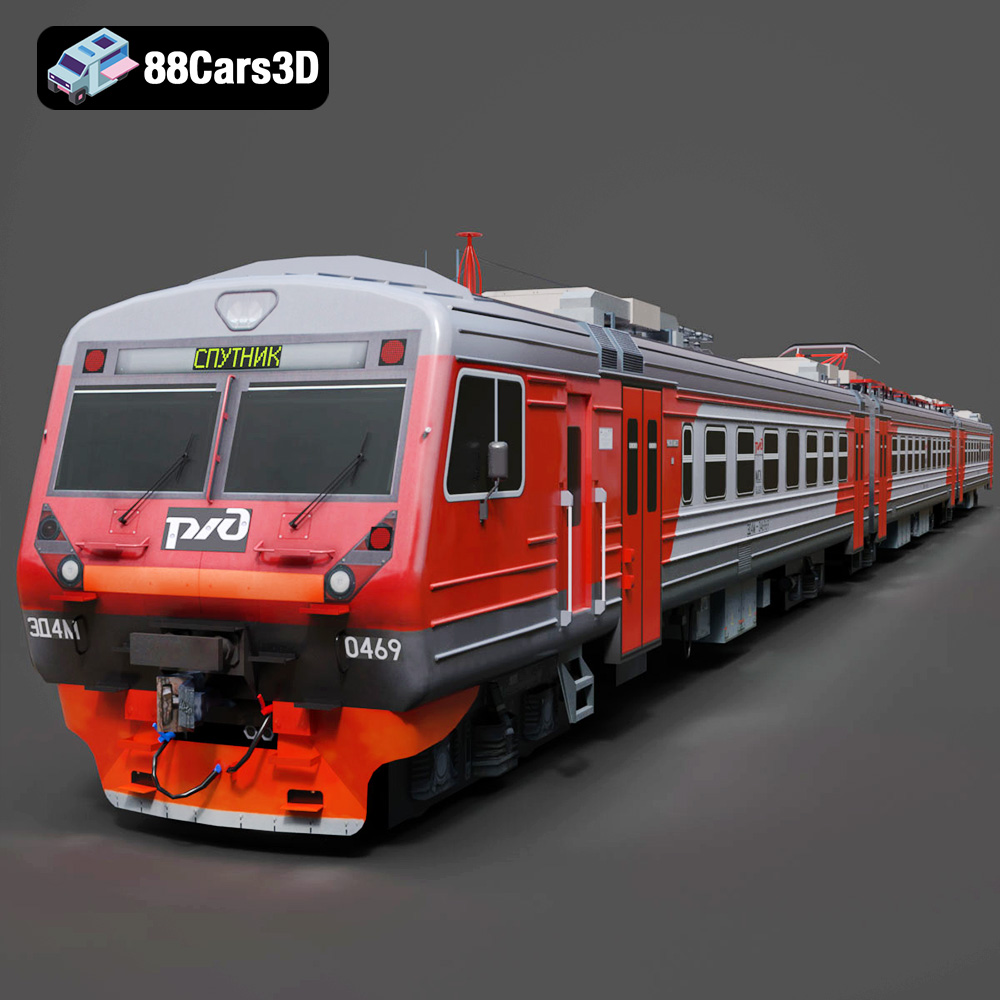
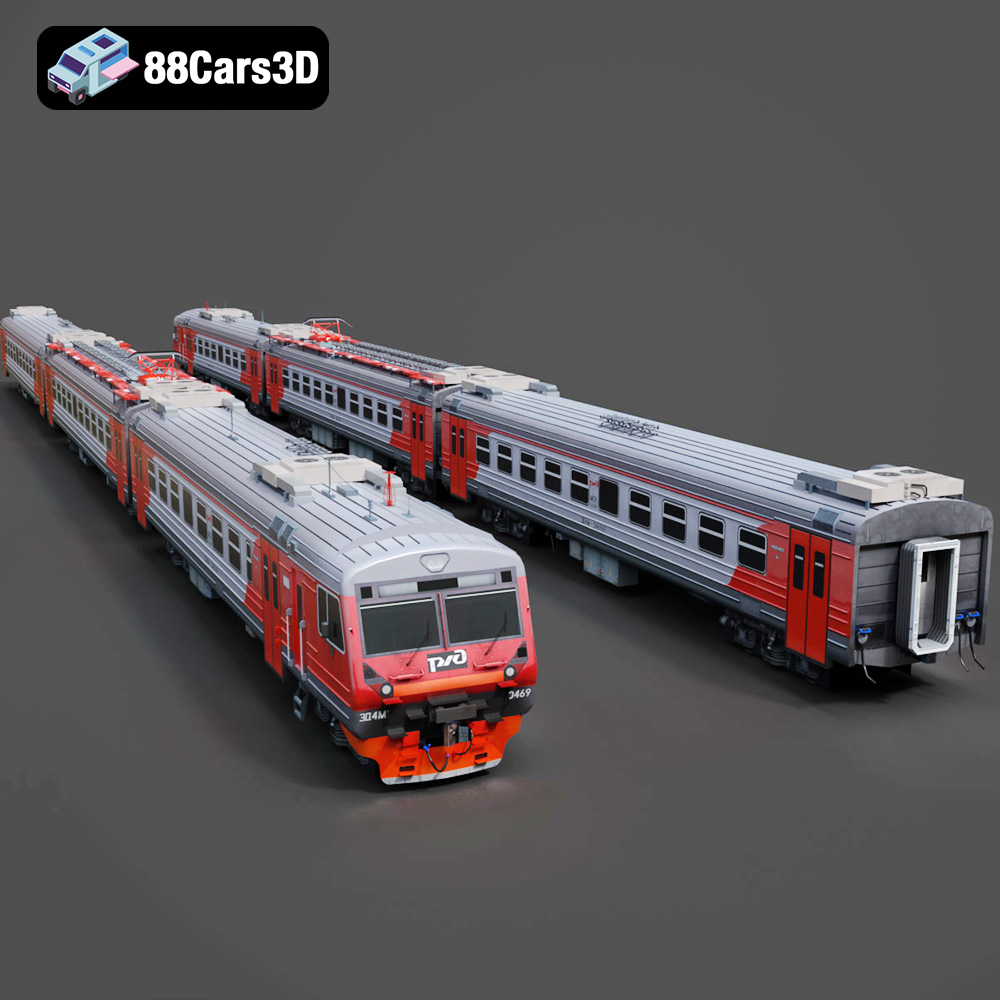
Today, we delve into the world of premium 3D models, exploring the technical intricacies and practical applications that elevate projects from good to exceptional. We’ll specifically examine how a product like the Railways ED4M 2012-001 3D Model exemplifies the gold standard for detailed transportation assets, offering unparalleled realism and versatility. This model, available at 88cars3d.com, is a prime example of how expert craftsmanship in 3D modeling streamlines complex production pipelines, whether you’re working on a grand automotive rendering project or building an expansive virtual city.
When acquiring a professional 3D asset, understanding the various file formats included is paramount. Each format serves a specific purpose, optimized for different software, engines, or applications. The Railways ED4M 2012-001 3D Model comes with a comprehensive suite of formats, ensuring maximum compatibility and utility across diverse professional pipelines. Let’s break down each one:
The .blend format is native to Blender, an increasingly popular open-source 3D creation suite. A .blend file typically encapsulates the entire scene, including the mesh geometry, materials (often set up for Cycles or Eevee renderers), textures, lighting, cameras, animation data, and even modifiers. For a model like the ED4M, having a .blend file means artists can dive directly into a pre-configured scene, allowing for quick modifications, material tweaks, or integration into larger Blender projects without any import hurdles. It offers the highest degree of editability within the Blender ecosystem, making it invaluable for artists who prefer this powerful software for rendering, animation, or asset customization.
.fbx (Filmbox) is an industry-standard 3D file format developed by Autodesk, renowned for its excellent support for animation, rigs, and material data transfer between different applications. It’s the go-to format for exporting assets to game engines like Unreal Engine and Unity, and for transferring models between DCC (Digital Content Creation) software like 3ds Max, Maya, and Blender. For the Railways ED4M 2012-001, the .fbx version is optimized for real-time performance, often including baked normal maps, efficiently packed UVs, and PBR (Physically Based Rendering) material setups. Its robust nature makes it crucial for game development, where performance and fidelity are balanced.
The .obj (Wavefront Object) format is one of the oldest and most universally supported 3D file formats. It’s an excellent choice for basic mesh geometry and UV data, making it compatible with virtually every 3D application. While it doesn’t typically carry animation, rigging, or complex material node setups, it’s incredibly reliable for transferring clean polygonal meshes. For a detailed model like the ED4M, the .obj file ensures that even if an artist uses niche software, they can still access the core geometric data and apply their own materials. It’s often accompanied by a separate .mtl (material template library) file that defines basic material properties and texture maps.
.glb (GL Transmission Format Binary) is the binary version of glTF (GL Transmission Format), designed for efficient transmission and loading of 3D scenes and models by engines and applications. It’s a relatively modern format that’s quickly becoming the standard for web-based 3D, augmented reality (AR), and virtual reality (VR) experiences due to its compact size and comprehensive data encapsulation (geometry, materials, textures, animations, skinning). The .glb version of the ED4M is perfect for interactive web viewers, AR applications on mobile devices, or lightweight VR simulations, offering a balance of visual quality and rapid deployment.
.stl (STereoLithography) is the de facto standard format for 3D printing. It represents 3D surfaces as a collection of unconnected triangular facets. The primary technical characteristic of .stl is its simplicity, focusing solely on surface geometry without color, texture, or material information. For prototyping, creating physical models, or even large-scale exhibition pieces of the Railways ED4M 2012-001, the .stl file ensures a clean, manifold mesh ready for slicing and printing. Its use case is strictly for physical output, demanding a watertight mesh for successful fabrication.
.ply (Polygon File Format, or Stanford Triangle Format) is a versatile format capable of storing a wide range of properties beyond just geometry, including color, transparency, surface normals, and even confidence values for scanned data. While less common for general DCC workflows than .fbx or .obj, it’s highly valued in fields like 3D scanning, scientific visualization, and CAD (Computer-Aided Design) for its ability to store detailed polygon meshes with precision. For advanced analysis or specific engineering simulations of the ED4M, the .ply format can offer richer data beyond simple geometry.
The .unreal format, or more accurately, assets that are “pre-configured for Unreal Engine use,” typically refers to an asset package specifically prepared for direct import or even existing within an Unreal Engine project structure. This might involve a custom Unreal Engine package (.uasset) or a highly optimized .fbx with specific naming conventions, material setups using Unreal’s PBR system, LODs (Levels of Detail), and potentially even collision meshes. For the Railways ED4M 2012-001, this means minimal setup time within Unreal, allowing developers to immediately integrate and interact with the model in their real-time environments, leveraging Unreal’s advanced rendering capabilities without extensive manual configuration.
The .max format is the native file type for Autodesk 3ds Max, one of the leading professional 3D modeling, animation, and rendering software packages. Similar to .blend, a .max file contains the complete scene, including geometry, modifiers, materials (often tailored for V-Ray, Corona Renderer, or Arnold), lighting, cameras, and animation data. For professionals relying on 3ds Max for high-end automotive rendering, architectural visualization, or cinematic production, the .max file for the ED4M provides full editability and control. This allows artists to fully customize the model, apply complex shaders, set up intricate lighting scenarios, and integrate it seamlessly into existing 3ds Max projects for photorealistic output.
What truly sets a professional 3D model apart from generic alternatives? It’s the meticulous attention to detail, technical precision, and understanding of diverse production requirements. The Railways ED4M 2012-001 3D Model embodies these principles, offering a benchmark for quality in transportation visualization and simulation.
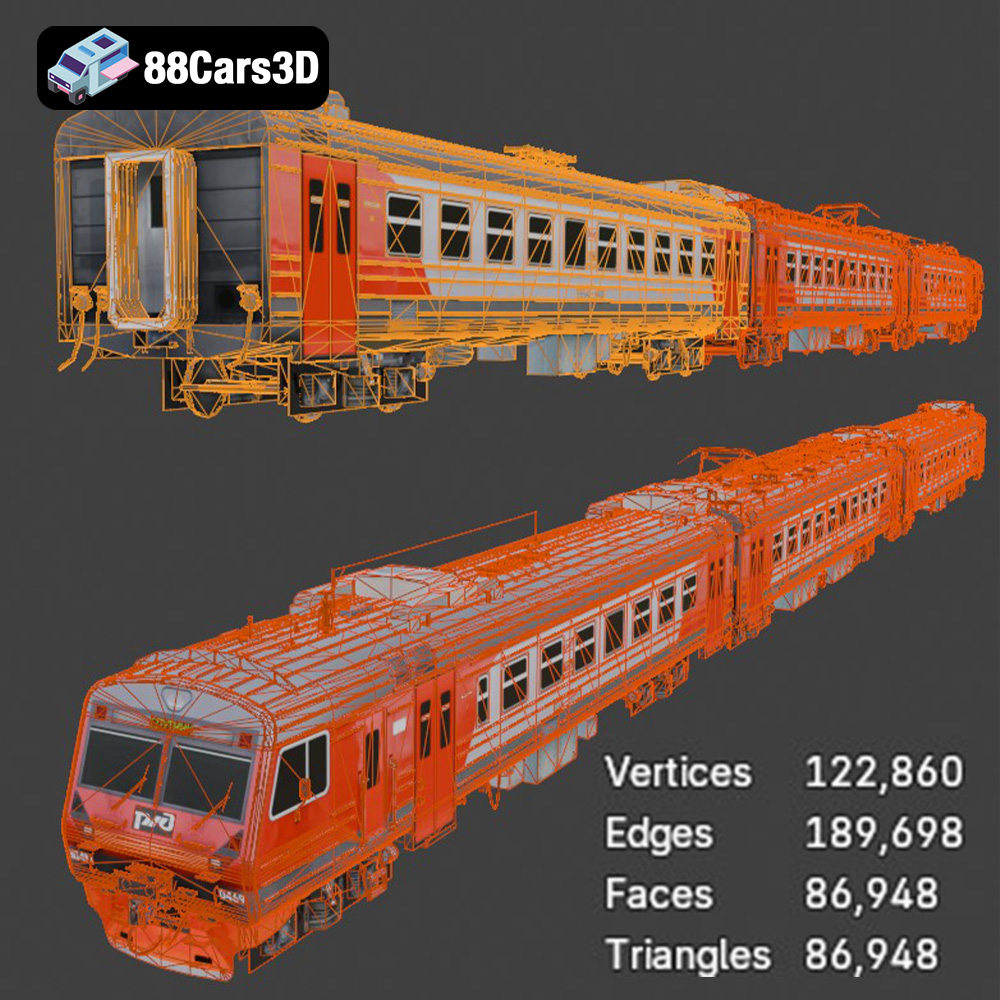
The product description highlights “precise proportions,” “lifelike textures,” and “clean geometry.” These aren’t just marketing buzzwords; they represent fundamental aspects of expert 3D craftsmanship. Precision modeling means the asset accurately reflects the real-world dimensions and intricate design elements of the ED4M train, making it suitable for engineering visualizations, simulations, or accurate historical recreations. Clean geometry refers to optimized mesh topology – primarily quad-based polygons, minimal Ngons, and efficient edge loops – which ensures smooth deformations for animation, predictable subdivision, and clean renders without artifacts. Lifelike textures are achieved through PBR workflows, utilizing maps like Albedo (Base Color), Normal, Roughness, Metallic, and Ambient Occlusion. These textures are typically high-resolution (e.g., 4K or 8K) and UV-unwrapped without stretching or overlapping, allowing for photorealistic surface details that react correctly to light in any rendering environment.
A professional model like the ED4M doesn’t just look good; it performs efficiently. The phrase “fully optimized structure for seamless integration” points to several technical considerations. This includes an appropriate polygon count that balances visual fidelity with real-time performance, potentially incorporating Levels of Detail (LODs) for different distances. Efficient UV mapping ensures texture memory is utilized effectively. The clean geometry also contributes to faster rendering times and easier manipulation within 3D software. Furthermore, “realistic materials” indicate that the shaders are set up using modern PBR principles, ensuring consistency and photorealism across various renderers and game engines, making it ideal for high-end automotive rendering projects or complex game environments.
The flexibility offered by including native .max and .blend files with the Railways ED4M 2012-001 3D Model is a significant advantage for artists using these popular Digital Content Creation (DCC) tools. It ensures that the model is immediately usable, maintaining its original material setups and scene configurations.
For artists working in 3ds Max, the .max file provides an exhaustive starting point. This is particularly beneficial for architectural visualization (Arch-Viz) projects where a detailed train needs to be integrated into an urban scene or for cinematic animations. Users can take advantage of 3ds Max’s robust animation tools to create dynamic sequences, such as the train moving through a station or across a landscape. The model’s clean geometry allows for easy modification or rigging, if needed. Furthermore, 3ds Max users can leverage powerful renderers like V-Ray or Corona to achieve hyper-realistic lighting and material interactions, showcasing the ED4M in breathtaking detail. This makes it a perfect asset for designers who specialize in creating compelling 3D car models and other vehicle-related content.
The .blend file caters to Blender users, providing a ready-to-render setup with materials configured for either Cycles or Eevee. This allows for immediate visualization and iteration. Blender’s powerful modeling toolset means artists can easily customize the ED4M model, adding specific weathering details, decals, or even modifying parts of the interior or exterior to suit a particular creative vision. Its integrated sculpting and texture painting capabilities also offer avenues for further refinement. For independent artists and studios prioritizing open-source solutions, the native .blend file makes the ED4M an invaluable asset for anything from personal projects to professional commissions, including scenarios that might eventually branch into automotive rendering or other vehicle types.
The inclusion of game-engine-ready formats like .fbx and specifically optimized .unreal assets makes the Railways ED4M 2012-001 an indispensable resource for interactive media. Real-time applications demand strict optimization, and this model delivers on that front.
When integrating the ED4M into Unreal Engine or Unity, the .fbx and .unreal files significantly speed up the workflow. These versions are typically designed with game development best practices in mind: optimized polygon counts (often with baked normal maps from a higher-poly version for detail), efficient UV layouts, and PBR-ready materials. Developers can quickly import the model, create material instances to allow for easy texture variations, set up collision meshes, and implement Levels of Detail (LODs) to ensure smooth performance across various hardware configurations. The asset can then be utilized in interactive scenarios, such as a player character exploring a train interior, or as part of a dynamic train system in a larger open-world game, contributing to a rich library of game assets.
The .glb format is a game-changer for AR, VR, and web-based 3D experiences. Its highly optimized nature allows for rapid loading and display of complex models like the ED4M on less powerful hardware, such as mobile phones or standalone VR headsets. Imagine an educational AR app that lets users explore the detailed interior of the ED4M train virtually, or a webGL configurator allowing potential passengers to preview different train layouts. The .glb file ensures that these immersive and interactive applications are visually rich yet performant, pushing the boundaries of what’s possible in digital interaction, particularly for demonstrating advanced vehicle models in a lightweight format.
The utility of a high-quality 3D model extends far beyond rendering on a screen. With formats like .stl and .ply, the Railways ED4M 2012-001 bridges the gap between digital design and physical reality or technical scrutiny.
The .stl file for the ED4M is specifically prepared for 3D printing. This means the mesh is “watertight” or manifold, with no gaps or inversed normals, which are critical requirements for successful physical fabrication. Engineers, hobbyists, or museum curators could use this file to print a scaled-down model of the ED4M for prototyping, educational displays, or as a collectible. This allows for tangible interaction with the design, offering a unique perspective that digital renders cannot provide. The precision inherent in the original 3D model translates directly into the accuracy of the physical print, making it valuable for even highly detailed projects like miniature 3D car models.
While .ply is less common for artistic endeavors, its strength lies in data precision and the ability to store a richer array of information beyond simple geometry. For engineers or researchers, the .ply version of the ED4M could be used for specific analytical tasks, such as stress analysis, fluid dynamics simulations (CFD), or volumetric calculations. The detailed polygonal mesh allows for accurate representation of surfaces for these computational processes, providing valuable insights into the vehicle’s performance characteristics or structural integrity within a simulated environment. This level of detail is crucial in sectors where precise data is as important as visual fidelity.
The professional quality and comprehensive format support of the Railways ED4M 2012-001 3D Model make it exceptionally versatile across numerous industries. Its potential applications span from entertainment to highly technical fields.
In film, television, and advertising, the demand for realistic visual effects (VFX) is constant. A detailed model like the ED4M can be integrated into live-action footage or fully CG scenes to depict realistic train sequences. Its high-resolution textures and clean geometry are perfect for close-up shots and dramatic camera movements, allowing VFX artists to create breathtaking cinematic moments. Imagine a historical drama requiring an authentic train, or a commercial showcasing the efficiency of modern rail transport – the ED4M provides that crucial layer of photorealism that captivates audiences. This is where the skills honed in automotive rendering truly shine, adapting to other complex vehicle types.
For training applications, such as railway operator simulators, the ED4M model offers the necessary visual fidelity and accuracy for realistic scenario training. Combined with robust physics engines, it can provide an immersive and effective learning environment. In urban planning, detailed 3D models of infrastructure, including public transport like trains, are vital. The ED4M can be placed within large-scale city models to visualize the impact of new rail lines, assess pedestrian flow around stations, or simulate traffic interactions, aiding planners in making informed decisions for sustainable urban development.
Architectural visualization often requires contextual elements to bring proposed designs to life. Integrating the Railways ED4M 2012-001 into renders of train stations, platforms, or surrounding urban environments provides a sense of scale, realism, and operational context. For large-scale infrastructure projects, such as new railway lines or bridge constructions, having an accurate 3D representation of the rolling stock allows for better planning, conflict detection, and presentation to stakeholders. This high-quality asset ensures that the final visualization is both aesthetically pleasing and technically sound, providing a powerful tool for communication and decision-making across the board.
The journey through the technical nuances and versatile applications of the Railways ED4M 2012-001 3D Model underscores a critical truth in digital content creation: investing in high-quality, professionally crafted 3D assets is an investment in efficiency, fidelity, and limitless creative potential. From the exacting demands of automotive rendering to the dynamic needs of game assets, the ED4M stands as a testament to meticulous engineering and comprehensive compatibility.
Whether your project requires photorealistic renders in 3ds Max, interactive experiences in Unreal Engine, or physical prototypes via 3D printing, this model provides an uncompromised foundation. Its inclusion of various industry-standard formats ensures that artists and developers can integrate it seamlessly into virtually any pipeline, saving invaluable production time and resources while achieving outstanding results. Discover this exceptional model and a wide range of other premium 3D vehicle models at 88cars3d.com, where quality meets convenience for all your digital creation needs.
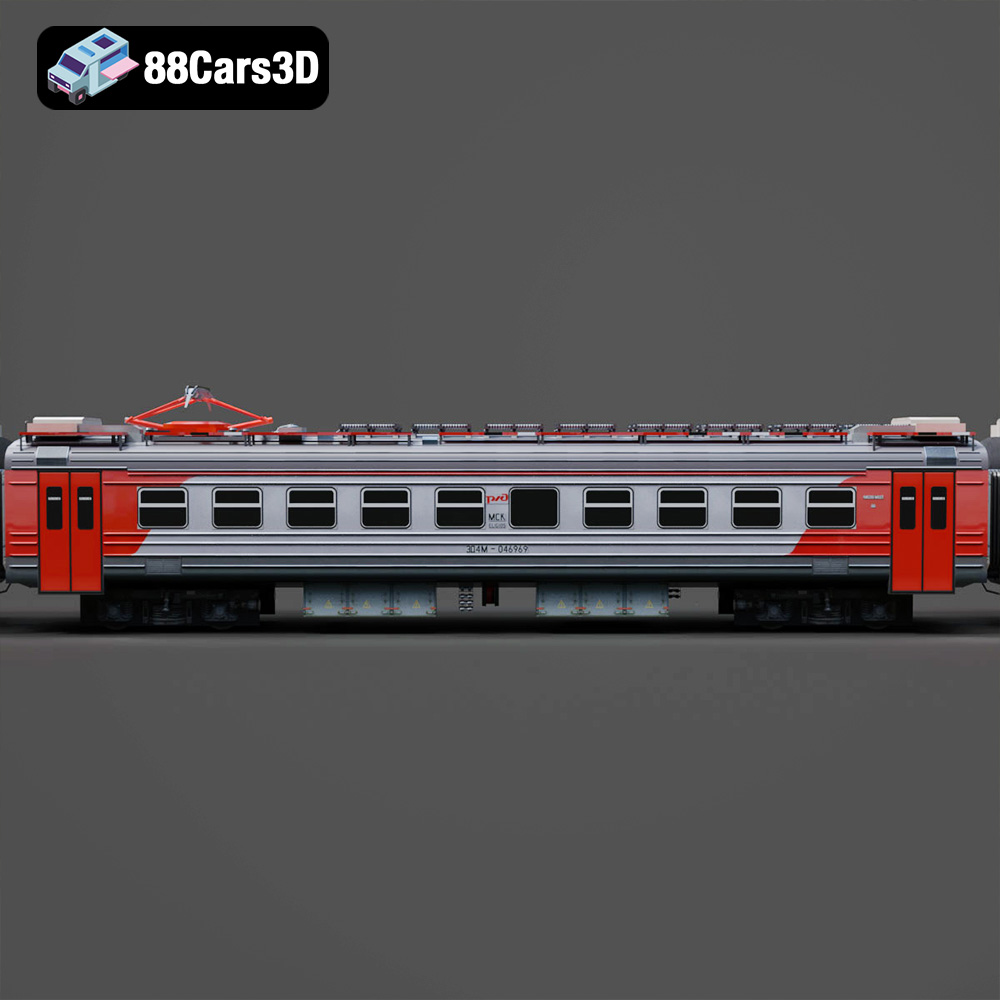
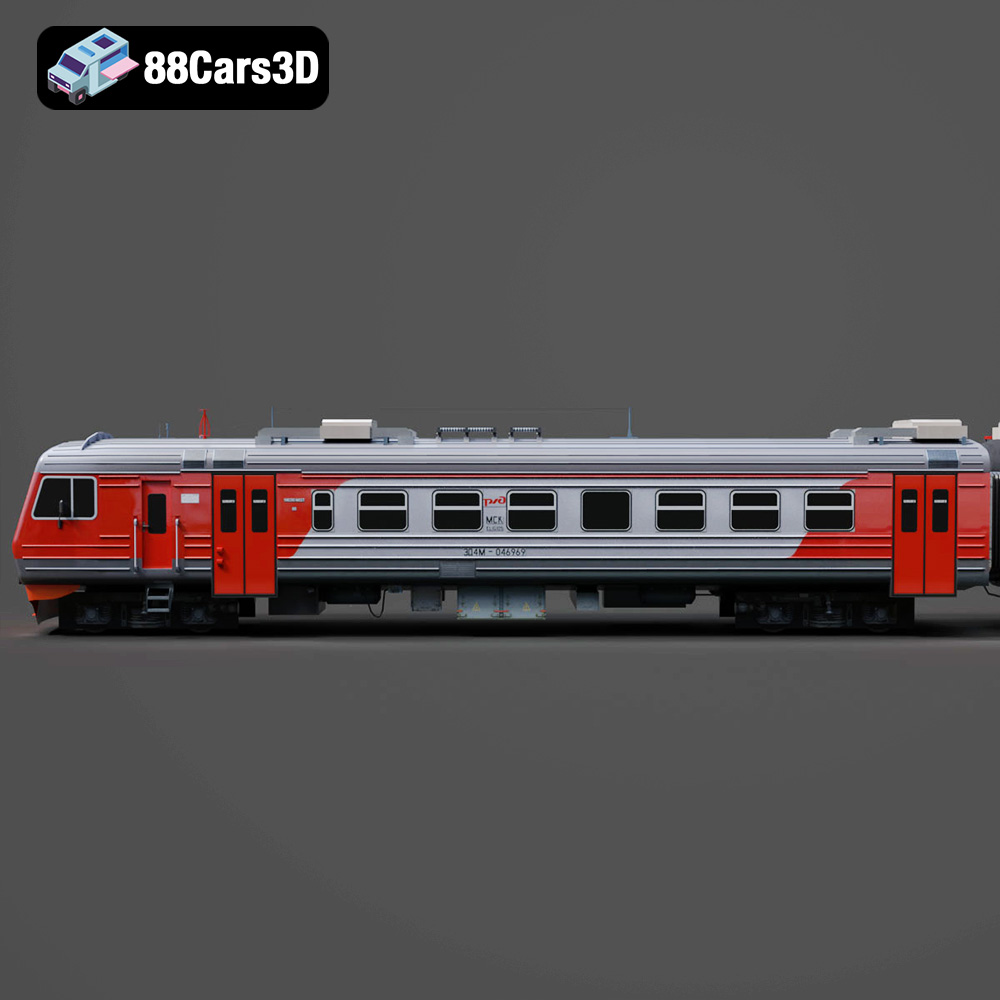
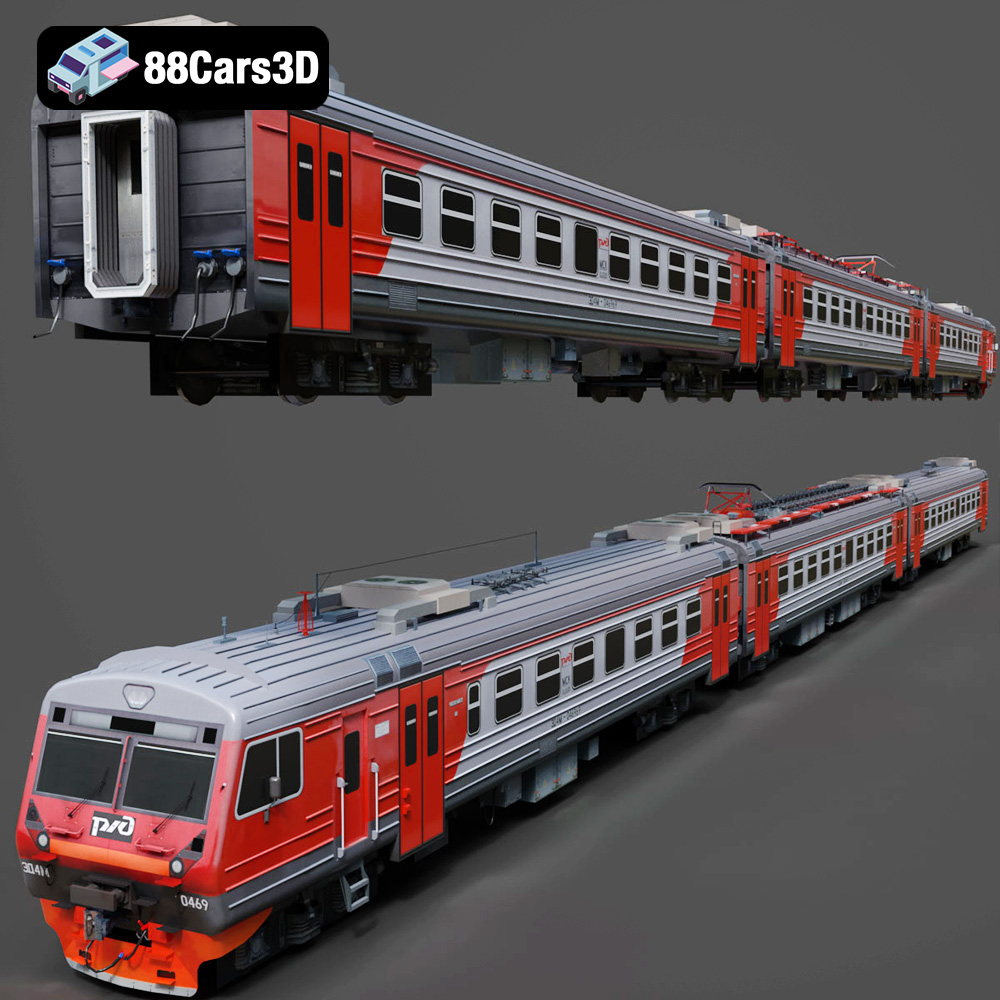
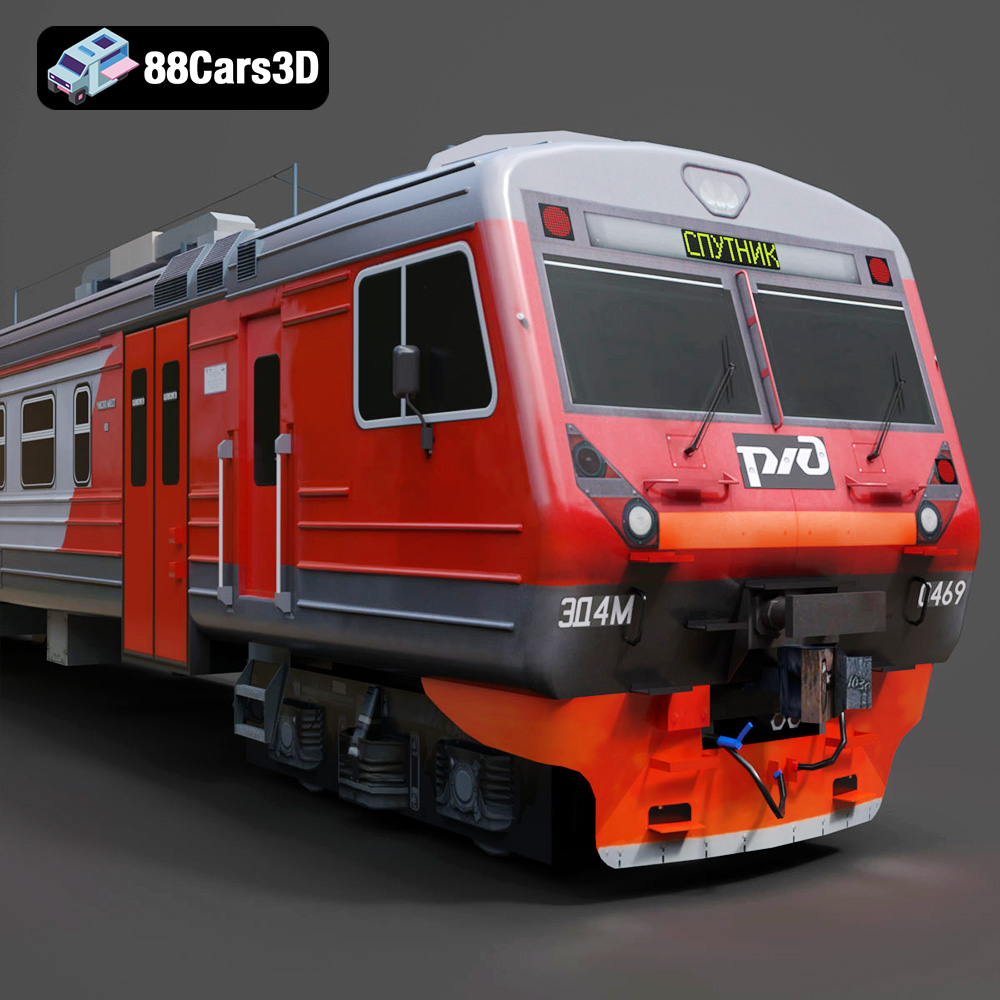
Experience unparalleled realism with the Railways ED4M 2012-001 3D Model, meticulously engineered to deliver exceptional accuracy for professional visualizations and digital environments. This expertly crafted model captures the authentic design elements of the iconic railway vehicle, presenting precise proportions, lifelike textures, and a fully optimized structure for seamless integration into your projects. Built with clean geometry and realistic materials, this model ensures outstanding performance without compromising on visual fidelity. Whether you are creating detailed close-up shots, dynamic animations, or interactive digital experiences, the professional quality of the mesh and texture mapping provides a flawless foundation. Both the exterior and interior have been developed to meet the rigorous demands of modern 3D workflows. Ideal for a wide range of applications, this 3D asset is perfectly suited for game development, cinematic rendering, AR/VR experiences, and transit visualization. Its versatility makes it a valuable addition to any digital library, allowing creators to deploy the model across different platforms with absolute ease. The package includes multiple industry-standard file formats to guarantee compatibility with your preferred software: .blend – Editable Blender file with materials and lighting setup; .fbx – Game-engine ready format for Unreal Engine and Unity; .obj – Standard 3D model format compatible with all major software; .glb – Optimized for AR/VR and web-based visualization; .stl – Suitable for 3D printing and prototyping; .ply – Detailed polygon mesh for analysis and visualization; .unreal – Pre-configured for Unreal Engine use; .max – Editable 3ds Max file for rendering and animation.
$19.99
.2012001
.arvr
.blend
.car3dmodel
.ed4m
.fbx
.gameasset
.glb
.max
.obj
.ply
.railwaycar
.railways
.rendering
.simulation
.stl
.train
.unreal
locomotive