Get 50% OFF All Premium 3D & STL Models!

In the dynamic world of digital content creation, the demand for high-quality, authentic 3D assets has never been greater. From cinematic blockbusters to immersive game environments and breathtaking architectural visualizations, a project’s success often hinges on the realism and fidelity of its virtual components. For designers, developers, and artists, sourcing models that seamlessly integrate into diverse pipelines while maintaining visual integrity is paramount.
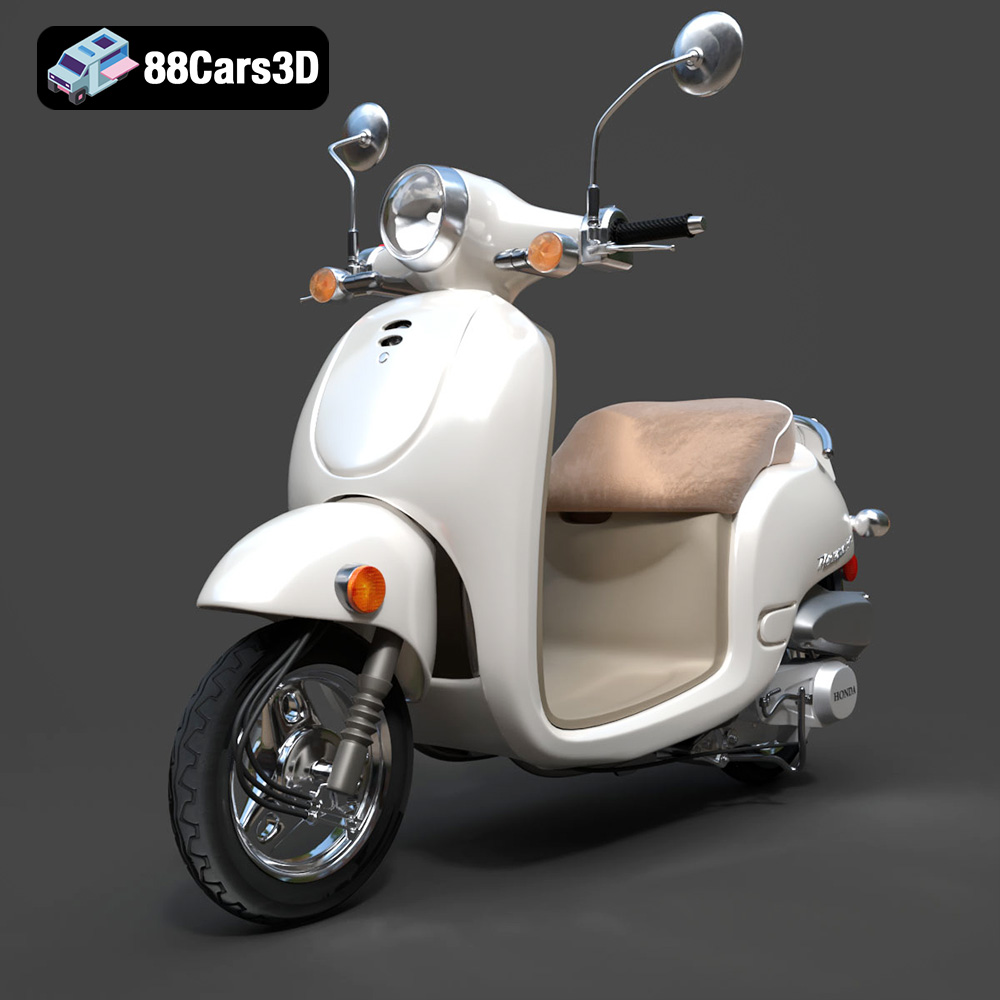
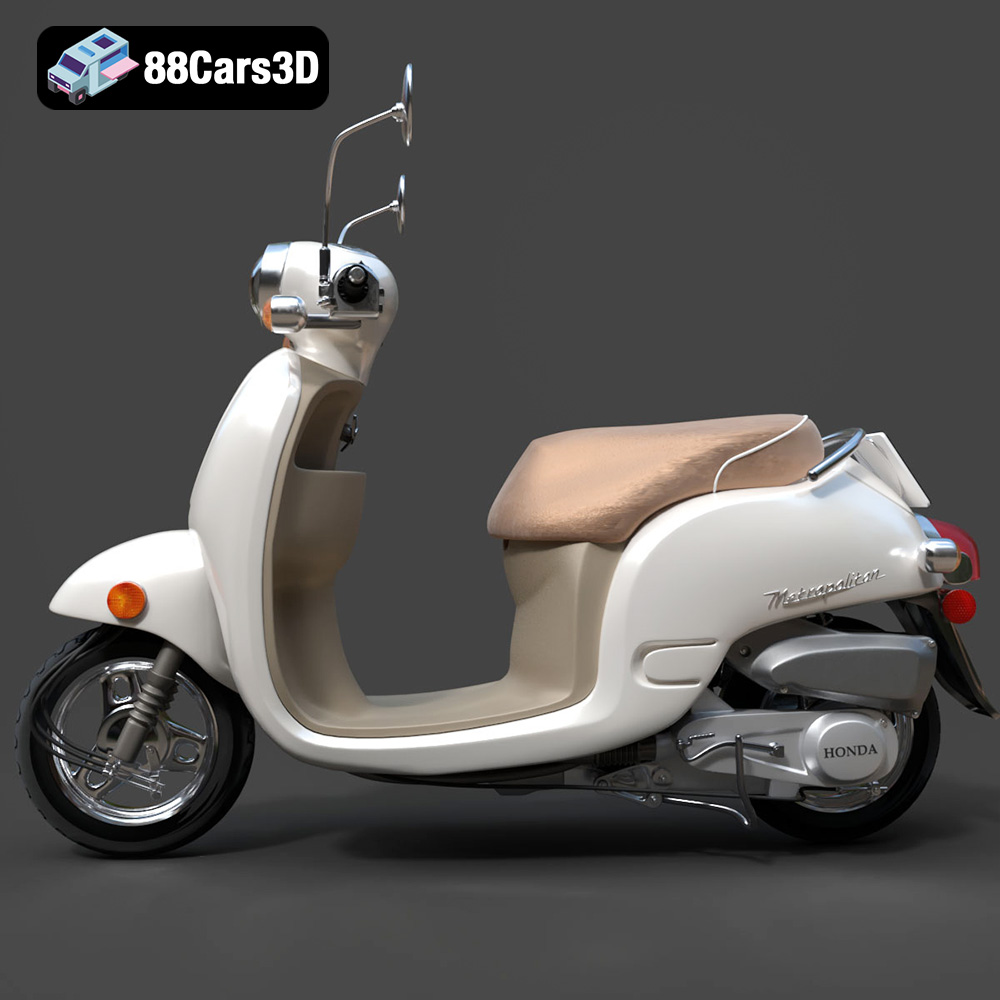
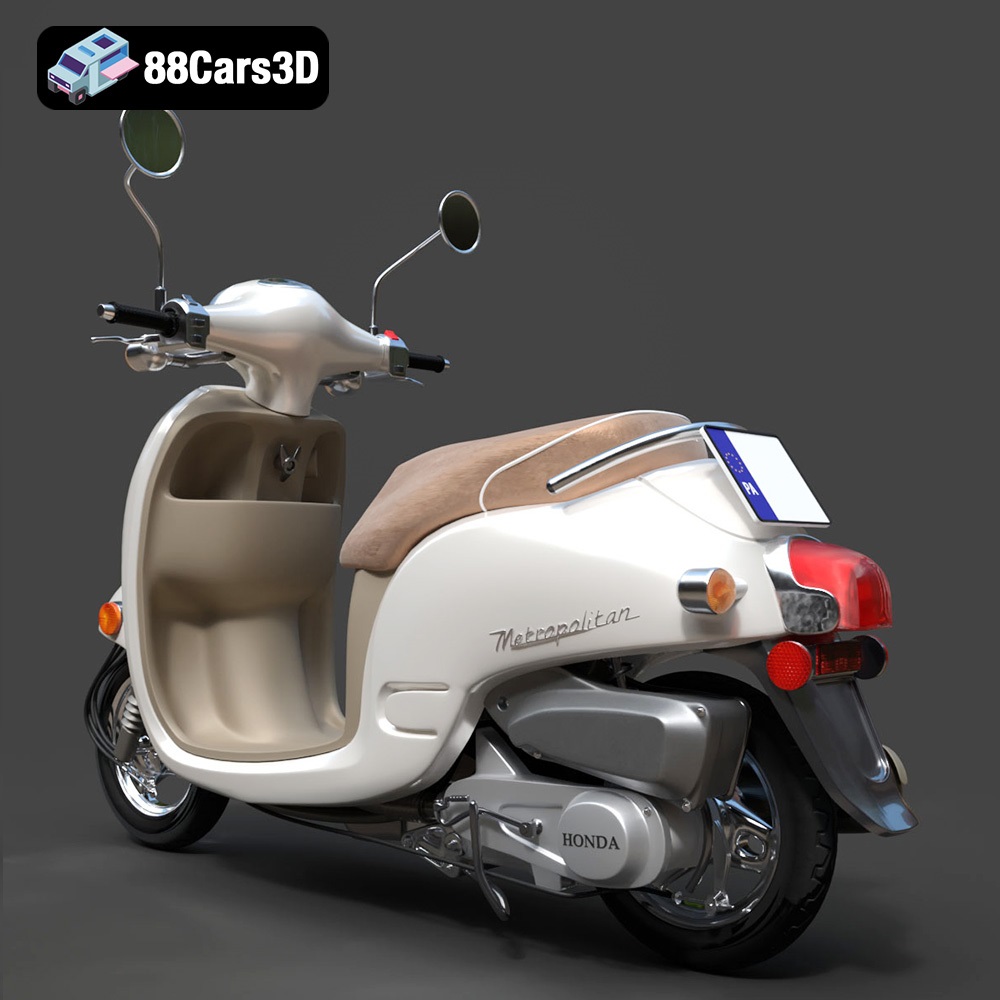
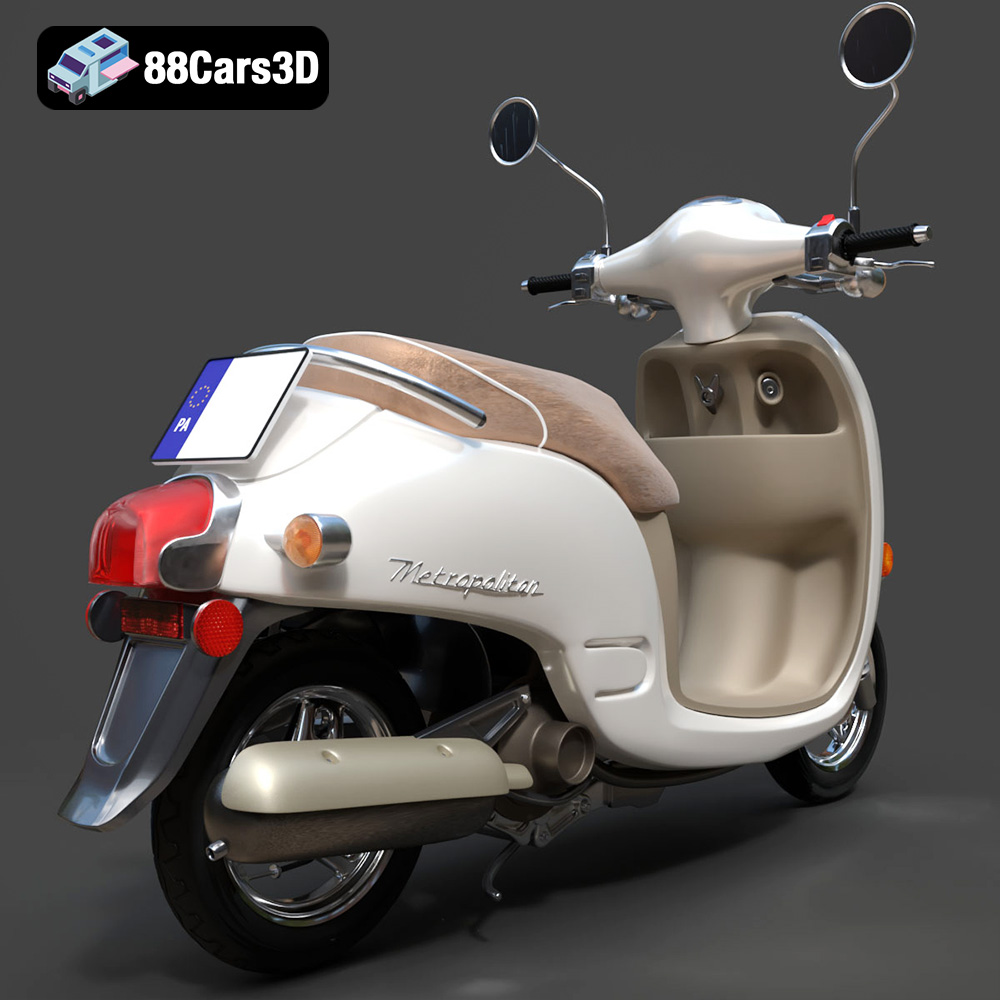
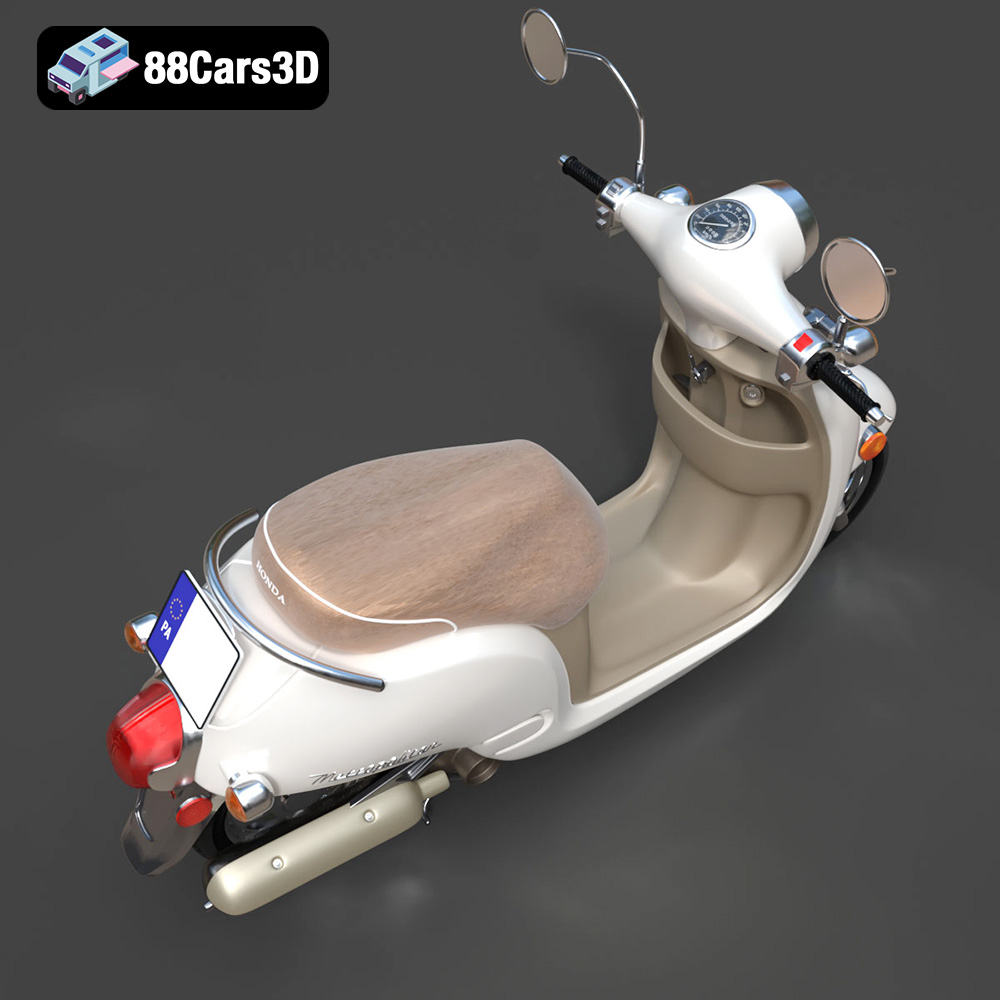
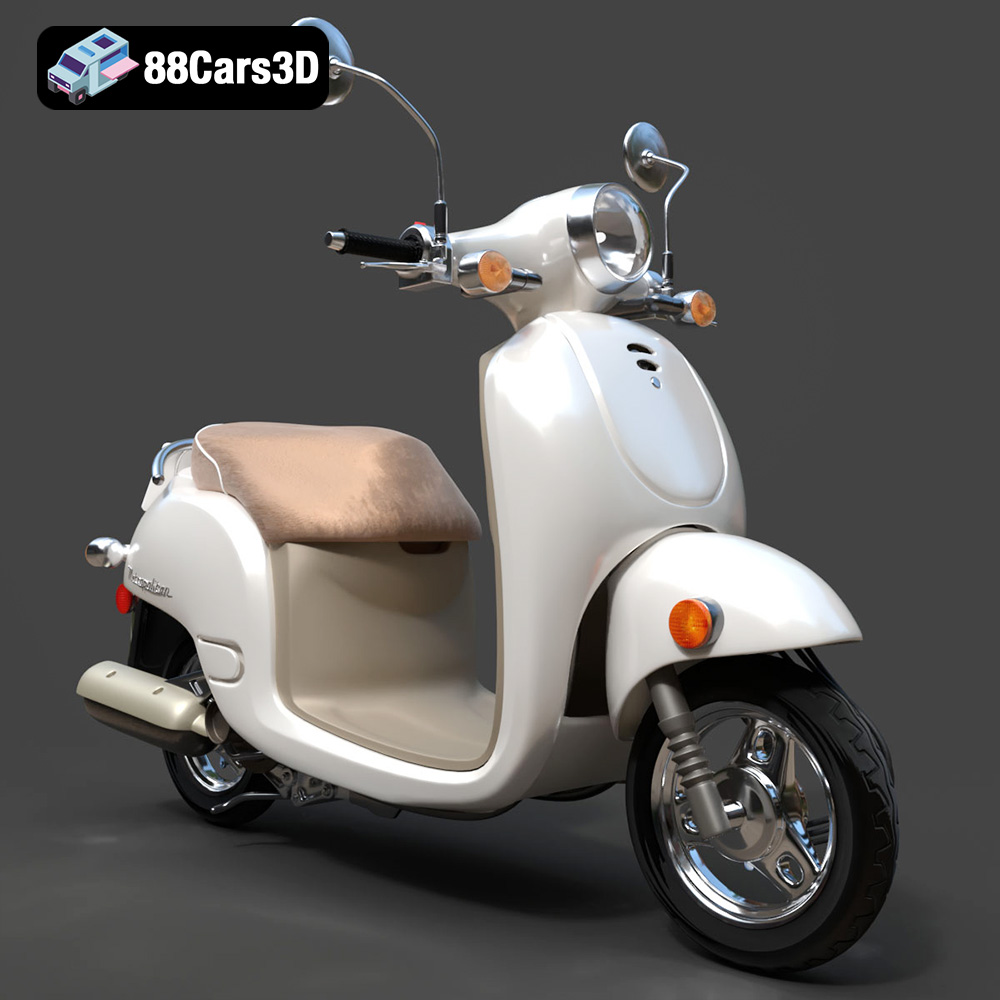
Today, we delve into the intricate details of what makes a truly exceptional 3D vehicle model, exploring the technical considerations, workflow implications, and the sheer creative potential such assets unlock. We’ll specifically highlight the Honda Metropolitan 2013 3D Model, an outstanding example of precision engineering and artistic craftsmanship available on 88cars3d.com. This model embodies the blend of accurate proportions, refined curves, and clean geometry that professionals seek, making it a versatile cornerstone for any project demanding realistic automotive integration.
The choice of a 3D model file format is not merely a technicality; it’s a foundational decision that impacts compatibility, performance, and the scope of a project. A high-quality asset, like the Honda Metropolitan 2013 3D Model, is often delivered in a variety of formats, ensuring its utility across an extensive range of software and applications. Understanding the nuances of each is crucial for optimizing your workflow and achieving desired outcomes.
The .blend format is Blender’s native file type, offering a comprehensive and fully editable scene. When you acquire a .blend file, you’re not just getting the mesh; you’re often receiving a complete package including materials, textures, lighting setups, cameras, and even animations. This makes it ideal for Blender users who require full creative control, allowing for intricate modifications, re-texturing, animation, and seamless rendering within the Blender environment. For artists familiar with Blender’s powerful Cycles or Eevee render engines, a .blend file offers an immediate, ready-to-render asset that can be easily customized.
Autodesk’s .fbx (Filmbox) format stands as a ubiquitous interchange format, particularly favored in game development and real-time visualization. Its strength lies in its ability to encapsulate complex scene data, including geometry, materials, textures, animations, and rigging, into a single file. This makes .fbx incredibly efficient for transferring assets between different 3D applications and game engines like Unreal Engine and Unity. Its robust support for skeletal animation and PBR (Physically Based Rendering) materials ensures that assets, such as a highly detailed vehicle like the Honda Metropolitan, maintain their visual fidelity and functional integrity when imported into interactive environments.
The .obj (Wavefront Object) format is a classic and highly compatible 3D file type. Known for its simplicity, it primarily stores geometry data (vertices, normals, texture coordinates) and references external .mtl (material) files for surface properties. While it doesn’t support advanced features like animation or rigging, its universal adoption means almost every 3D software can import and export .obj files. This makes it an excellent choice for cross-software compatibility, serving as a reliable backbone for initial model transfer before more specialized formats are utilized.
.glb (GL Transmission Format Binary) is the binary version of glTF, specifically designed for efficient transmission and loading of 3D scenes and models in web and AR/VR applications. It bundles textures, materials, and animations directly into a single file, reducing HTTP requests and improving loading times. For interactive 3D experiences on the web, mobile AR, or virtual reality headsets, a .glb version of the Honda Metropolitan 2013 3D Model would provide an optimized, lightweight asset perfectly suited for real-time, browser-based, or mobile display without compromising visual quality.
The .stl (STereoLithography) format is synonymous with 3D printing. It represents a 3D model as a collection of unconnected triangular facets, defining the surface geometry without color or texture information. While simple, this format is universally accepted by 3D printers and slicing software, making it the standard for turning digital designs into physical objects. If your project involves prototyping the Honda Metropolitan or creating a physical miniature, the .stl file is essential.
The .ply (Polygon File Format or Stanford Triangle Format) is another popular format for storing 3D data, particularly from 3D scanners or for CAD applications and scientific analysis. Unlike .stl, .ply can store a wider range of properties, including color, transparency, surface normals, and even texture coordinates for each vertex or face. This makes it a more versatile format for precision mesh data, useful in applications where detailed geometric analysis or higher fidelity surface representation beyond basic triangles is required.
The .unreal format, or more accurately, assets packaged specifically for Unreal Engine, represents models that have been pre-configured and optimized for direct integration into the Unreal Engine pipeline. This often means the model comes with proper material setups, potentially LODs (Levels of Detail), collision meshes, and even basic Blueprints or physics assets. For game developers and real-time visualization artists using Unreal Engine, an .unreal asset significantly reduces setup time, allowing for immediate placement and interaction within their virtual worlds.
Autodesk’s .max is the native file format for 3ds Max, a powerful 3D modeling, animation, and rendering software widely used in architectural visualization, product design, and cinematic production. A .max file contains the complete scene, including complex object hierarchies, modifiers, animation keyframes, lighting rigs, and V-Ray or Corona Renderer materials. For users heavily invested in the 3ds Max ecosystem, the .max format provides the highest level of editable control and compatibility within their preferred rendering and animation environment, offering limitless possibilities for customization and high-fidelity output.
The provision of such a comprehensive array of formats for the Honda Metropolitan 2013 3D Model underscores its professional-grade construction and versatility, ensuring it fits seamlessly into virtually any creative pipeline.
Achieving true-to-life precision in 3D vehicle models requires meticulous attention to detail across multiple technical aspects. It’s a blend of artistic skill and technical understanding, culminating in an asset that not only looks great but also performs efficiently.
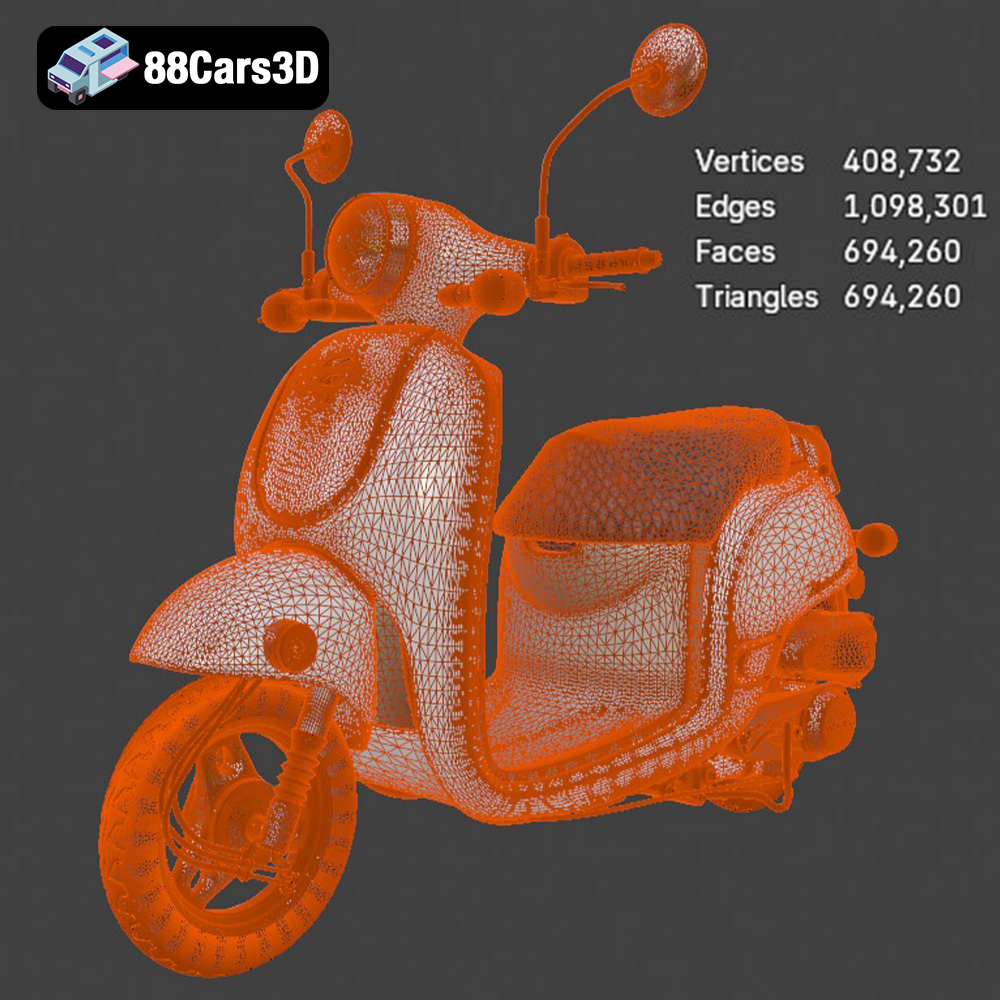
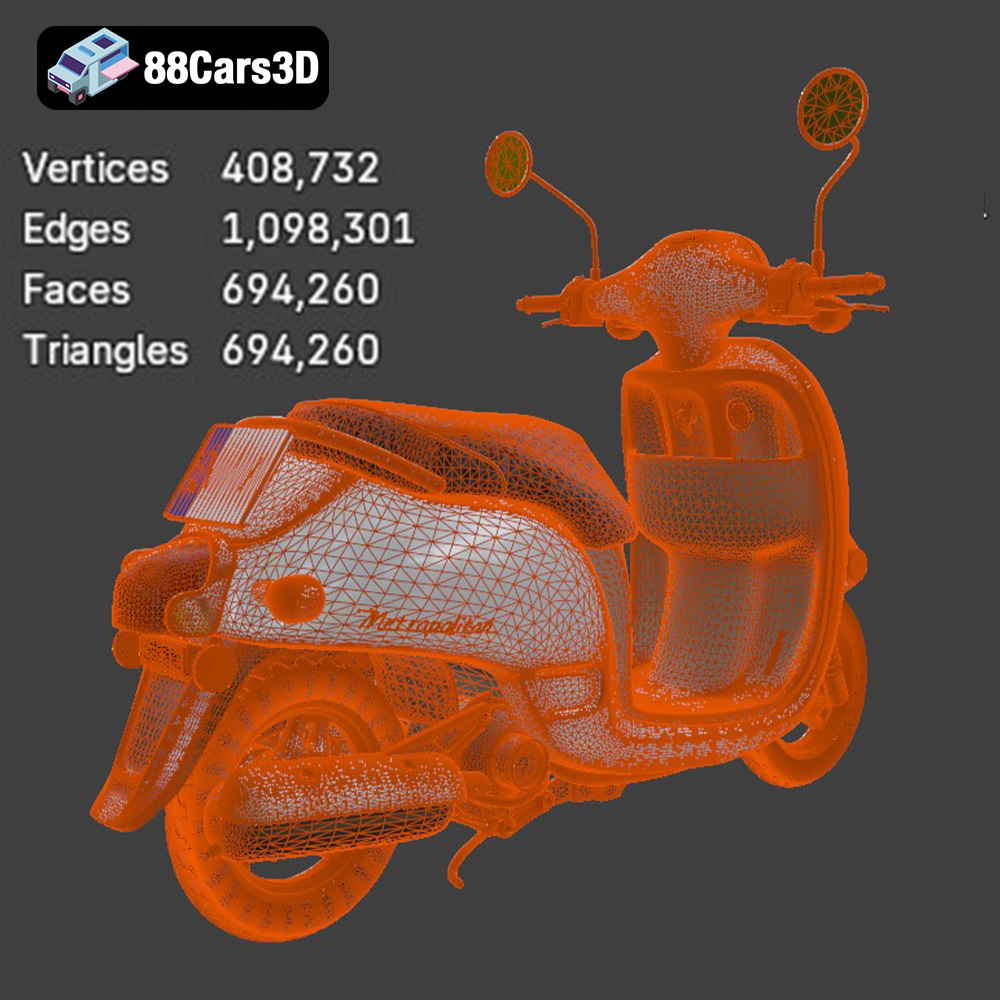
At the core of any realistic 3D model is its geometry. For an asset like the Honda Metropolitan 2013 3D Model, “accurate proportions and refined curves” are not just marketing phrases; they signify a commitment to real-world accuracy. This involves careful poly modeling to capture every subtle nuance of the vehicle’s design, from the curvature of the body panels to the intricate details of the engine components and dashboard. Professional-grade construction means clean, optimized topology – typically all-quad or intelligently triangulated meshes – which ensures smooth subdivision, artifact-free deformation, and efficient rendering.
Poly counts are a critical consideration. For a highly detailed vehicle intended for both high-resolution rendering and real-time applications, a professional model might range from 50,000 to 150,000 polygons for a game-ready version, providing excellent detail without sacrificing performance. For cinematic or architectural visualization purposes, higher polygon counts, potentially reaching 300,000 to 500,000 or more with subdivision, are acceptable to capture every minute detail and ensure impeccable close-up renders.
Beyond geometry, materials and textures are what breathe life into a 3D model. The Honda Metropolitan 2013 3D Model features “realistic materials and expertly crafted surfaces,” implying the use of Physically Based Rendering (PBR) workflows. This means materials are defined by properties like Albedo (color), Roughness (surface smoothness), Metallic (reflectivity), Normal (fine surface detail), and potentially Ambient Occlusion or Displacement maps. These textures are typically unwrapped with efficient UV layouts, maximizing texture resolution while minimizing distortion.
Expertly crafted surfaces also refer to the nuanced application of these materials – from the glossy, reflective paintwork that reacts dynamically to diverse lighting conditions, to the matte textures of rubber tires, and the subtle imperfections that add a layer of authenticity. This detailed material work ensures the model “ensures striking results under diverse lighting conditions,” a crucial aspect for any project aiming for visual fidelity.
The product description highlights “top-tier realism without compromising performance,” a testament to thoughtful optimization. For game assets and real-time applications, this involves several techniques: creating multiple Levels of Detail (LODs) that automatically swap out higher-polygon meshes for simpler ones as the camera moves away; optimizing collision meshes for accurate physics without excessive computation; and ensuring efficient material setups that leverage instancing where possible to reduce draw calls. For rendering, efficient polygon flow and streamlined material nodes contribute to faster render times, especially in complex scenes. These optimizations ensure the Honda Metropolitan 2013 3D Model is not just beautiful, but also practical for demanding interactive environments and heavy rendering loads.
The versatility of a well-constructed 3D asset is measured by its adaptability across various professional disciplines. The Honda Metropolitan 2013 3D Model excels in this regard, offering seamless integration into diverse production pipelines.
For studios specializing in automotive rendering, the Honda Metropolitan 2013 3D Model is an invaluable asset. Utilizing software like 3ds Max, Blender, or Cinema 4D, artists can import the model (via .max, .blend, or .fbx formats respectively) and integrate it into high-fidelity scenes. Paired with powerful render engines like V-Ray, Corona Renderer, Octane, or Cycles, the model’s realistic materials and precise geometry shine. Imagine a promotional video showcasing the scooter against a stunning urban backdrop, or a detailed product configurator allowing customers to explore every angle. Its clean construction ensures predictable lighting interaction and flawless reflections, crucial for photorealistic output in advertising, product showcases, or design reviews.
In the realm of game development, assets must strike a balance between visual quality and performance. The Honda Metropolitan 2013 3D Model, with its “game-engine ready format for Unreal Engine and Unity” (like .fbx and .unreal), is perfectly suited. Game artists can import the model, set up collision meshes, integrate it into physics systems, and populate virtual cities or open-world environments. Its optimized topology and PBR materials translate beautifully into real-time renderers, providing authentic urban vehicles for racing games, open-world adventures, or realistic simulations. The ability to use pre-configured .unreal assets further streamlines the pipeline, allowing developers to focus on gameplay and environment design.
Augmented Reality (AR) and Virtual Reality (VR) demand highly optimized models to maintain high frame rates and a smooth user experience. The Honda Metropolitan 2013’s provision of a .glb format is a clear advantage here. Developers can rapidly deploy this model into AR apps (e.g., for product viewing) or VR environments, offering users an immersive, interactive experience with a true-to-life vehicle. Whether it’s a virtual showroom, an interactive training module, or simply adding realistic context to a digital twin project, this model provides the necessary visual fidelity and performance efficiency for cutting-edge interactive applications.
Beyond digital displays, the world of physical fabrication often benefits from high-quality 3D assets. With the inclusion of .stl and .ply formats, the Honda Metropolitan 2013 3D Model can serve as a foundation for 3D printing and prototyping. Designers can create physical scale models for concept evaluation, educational purposes, or even collectible miniatures. The detailed polygon mesh of the .ply format also makes it suitable for reverse engineering or integrating into CAD workflows for further analysis or physical modifications, demonstrating the model’s utility beyond purely visual applications.
The practical utility of premium 3D vehicle models extends across numerous industries, serving as critical components in various professional endeavors. The Honda Metropolitan 2013 3D Model exemplifies how such assets can drive innovation and enhance visual communication.
Imagine a global advertising campaign for a new line of urban apparel. Instead of expensive photoshoots with physical vehicles, marketers can leverage 3D car models, such as the Honda Metropolitan, to create stunning, photorealistic visuals. These assets can be placed in any virtual environment, posed dynamically, and lit perfectly without the logistical challenges of real-world photography. This allows for unparalleled creative freedom and cost-efficiency in producing commercials, print ads, and online promotional content, delivering consistent brand messaging with exceptional visual quality.
Urban planners and architects frequently use 3D models to visualize proposed developments and assess their impact. Integrating realistic 3D vehicle assets like the Honda Metropolitan into virtual cityscapes provides context, scale, and a sense of realism to these simulations. Traffic flow analyses, pedestrian movement studies, and environmental impact assessments become more tangible when populated with authentic vehicles. This helps stakeholders visualize future infrastructure more effectively, facilitating better decision-making and public engagement.
From driver training simulations to automotive maintenance instruction, 3D vehicle models are revolutionizing educational approaches. Interactive simulations built around a precise model like the Honda Metropolitan can offer safe, repeatable, and highly engaging learning experiences. Students can explore vehicle mechanics, practice driving scenarios, or learn specific maintenance procedures in a virtual environment, minimizing risk and maximizing comprehension. This application spans across various fields, including emergency services, logistics, and even military training.
Architectural visualization (ArchViz) thrives on realism and attention to detail. Placing the Honda Metropolitan 2013 3D Model within a rendered street scene or a building’s entrance adds an immediate layer of authenticity and human scale. Whether it’s parked outside a contemporary cafe, or ridden down a bustling street, a well-placed vehicle provides vital visual cues, telling a story about the environment and its inhabitants. It transforms a sterile architectural rendering into a vibrant, believable space, making the design more appealing and relatable to clients. The natural presence of such a detailed 3D car model elevates the overall impression of the visualization.
To truly appreciate the utility of a versatile 3D asset like the Honda Metropolitan 2013, understanding its practical application in industry-standard software is key. Let’s explore common workflows in Blender and Unreal Engine.
When working with the .blend file of the Honda Metropolitan 2013 3D Model, the process is incredibly streamlined. Upon opening the file, the model is typically already present with its sophisticated material network and potentially even an optimized lighting setup. For rendering, artists can switch to Blender’s Cycles engine for photorealistic ray-traced results or Eevee for fast, real-time rendering. Customization is straightforward: paint colors can be changed via shader nodes, decals added using UV mapping, and the environment modified to suit the project. For instance, you might place the scooter in a stylized urban alley or a minimalistic studio setting, adjusting HDRI lighting to bring out the details of its metallic flake paint and chrome accents. Blender’s comprehensive toolset allows for advanced animation, rigging, and even physics simulations, making it a powerful platform for leveraging the Honda Metropolitan 2013 3D Model’s full potential.
For Unreal Engine, the .fbx or dedicated .unreal asset format for the Honda Metropolitan 2013 is the preferred route. Importing an .fbx involves dragging the file into the Content Browser, ensuring proper settings for normals, tangents, and material imports. Unreal will automatically create corresponding static mesh assets and base materials. To optimize, artists would then convert these base materials into instanced materials, allowing for easy color changes (e.g., custom paint jobs) and material tweaks without recompiling shaders. The model can then be dragged into a level, where collision meshes (either auto-generated or custom ones from the .fbx) enable realistic physics interactions. LODs are crucial here; Unreal’s built-in LOD generation or pre-supplied LODs from the .fbx help maintain performance across various distances. For a racing game, you might set up a basic vehicle blueprint, attaching the Honda Metropolitan 3D model to a chassis, adding wheels, and configuring suspension and engine parameters for a playable asset.
Leveraging the .max file for the Honda Metropolitan 2013 provides 3ds Max users with direct access to the original project. This allows for advanced rigging, creating complex vehicle animations like suspension compression, wheel rotation, or even full ride cycles. Utilizing robust renderers like V-Ray or Corona, artists can achieve unparalleled photorealism, fine-tuning global illumination, depth of field, and motion blur for cinematic quality. The comprehensive modifier stack in 3ds Max also allows for non-destructive edits, enabling precise customization for specific client requirements, such as adding custom accessories or modifying body panels, ensuring the asset is perfectly tailored for any demanding visualization or animation project.
The journey through the intricacies of 3D vehicle models reveals a landscape where technical precision meets artistic vision. The importance of high-fidelity, versatile assets cannot be overstated in today’s demanding digital production environments. From the careful crafting of clean geometry and PBR materials to the strategic provision of multiple industry-standard file formats, every detail contributes to a model’s professional utility.
The Honda Metropolitan 2013 3D Model stands as a prime example of such a meticulously engineered asset. Its readiness for diverse applications – from stunning automotive rendering and immersive game development to engaging AR/VR experiences and even physical 3D printing – underscores its value. By providing such a comprehensive package, this model empowers artists and developers to integrate true-to-life precision into their projects, saving invaluable time and resources while elevating visual quality.
For professionals seeking to enhance their creative outputs with exceptional 3D car models and vehicle assets, exploring platforms like 88cars3d.com is a crucial step. Investing in quality assets is an investment in the success and visual impact of your projects. Embrace the power of meticulously crafted 3D models and transform your digital visions into striking realities.
Experience realistic visualization with the Honda Metropolitan 2013 3D Model. This exceptionally detailed asset brings true-to-life precision to your projects, featuring accurate proportions and refined curves that capture the essence of the original vehicle. Built with clean geometry and professional-grade construction, this model is designed for seamless integration into various pipelines. It features realistic materials and expertly crafted surfaces, ensuring striking results under diverse lighting conditions. Every component has been meticulously modeled to provide top-tier realism without compromising performance. Perfect for a wide range of applications, this 3D model excels in game development, architectural visualization, cinematic rendering, and AR/VR experiences. Whether you are building an interactive simulation or producing dynamic promotional animations, this versatile vehicle asset delivers outstanding visual fidelity.
$19.99
.arvr
.blend
.car3dmodel
.fbx
.gameasset
.glb
.honda
.max
.metropolitan
.moped
.obj
.ply
.rendering
.scooter
.simulation
.stl
.unreal