Get 50% OFF All Premium 3D & STL Models!

In the dynamic world of 3D visualization, the demand for highly realistic and versatile digital assets is ever-increasing. From blockbuster game titles to breathtaking architectural walkthroughs and cutting-edge automotive design showcases, the fidelity of 3D models directly impacts the immersive quality of the final output. Among these, 3D car models stand as a testament to intricate design, demanding precision, and artistic skill. They are not merely static objects but complex assemblies of surfaces, materials, and textures, engineered to perform across a myriad of digital environments.
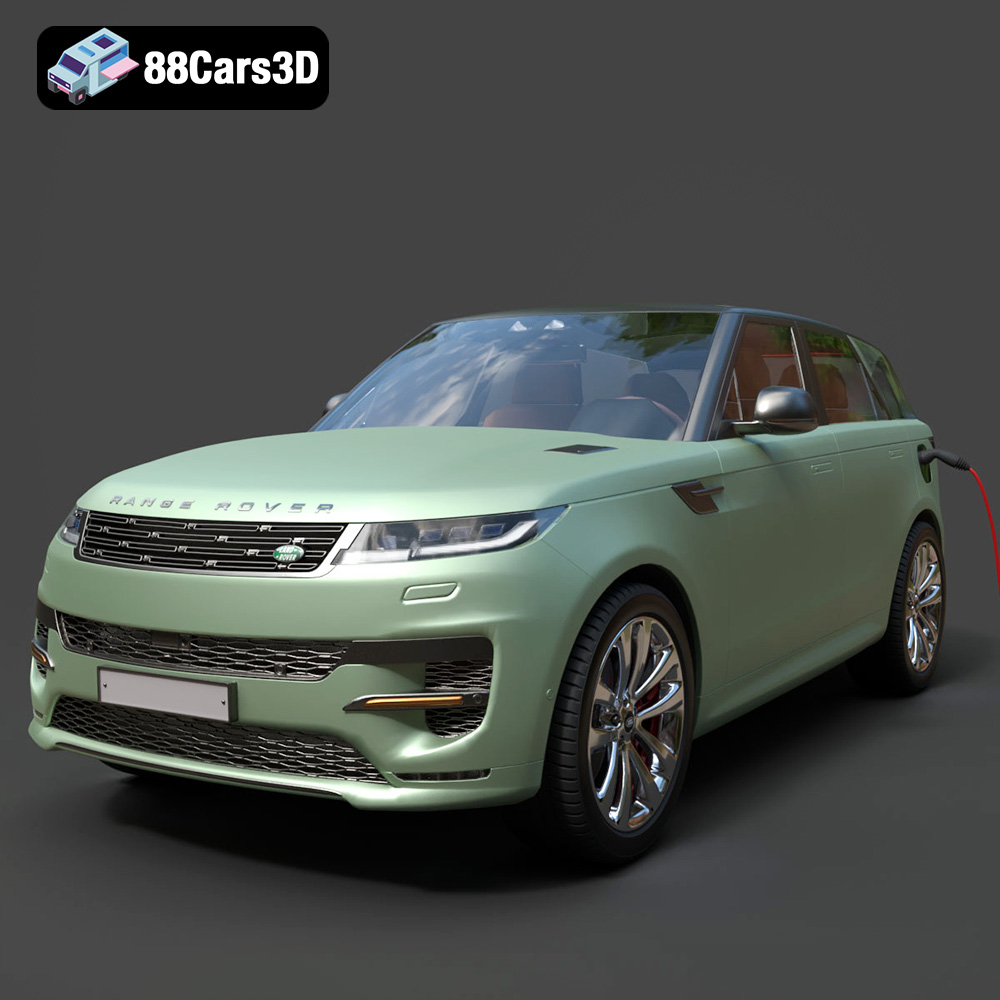
For professionals seeking to elevate their projects, the quest for a perfectly balanced asset – one that combines stunning visual accuracy with optimal performance – is paramount. This is where models like the Range Rover Sport Hybrid PHEV 2023 3D Model truly shine. This exceptional asset, available on 88cars3d.com, is a prime example of how meticulous attention to detail and a commitment to professional-grade topology can deliver an unparalleled resource for automotive rendering, game development, and more. Let’s delve into the technical intricacies and creative potential that such a sophisticated 3D model offers, and how it can transform your digital workflows.
The pursuit of photorealism in 3D modeling begins with the foundational quality of the asset itself. A high-quality 3D car model is much more than a pretty face; it’s a meticulously crafted digital twin designed to withstand intense scrutiny from all angles and under various lighting conditions. For automotive rendering and game assets, this means clean geometry, logical polygon flow, and accurate material definitions that mimic real-world properties.
In automotive design and engineering, 3D models serve as critical tools for iteration, analysis, and presentation. Before a single physical prototype is built, designers and engineers rely on digital models to visualize concepts, test aerodynamics, and ensure ergonomic comfort. A model like the Range Rover Sport Hybrid PHEV 2023 3D Model, with its accurately modeled exterior and fully detailed interior, allows for precise examination of every curve, panel gap, and component. This level of detail is crucial for reviews, marketing materials, and even simulating manufacturing processes, ensuring that design intent translates flawlessly from screen to production line. Its clean geometry facilitates easy modification and integration into CAD pipelines if needed, making it an invaluable asset for design validation.
Beyond engineering, high-fidelity 3D car models are indispensable for cinematic rendering, commercials, and visual effects. The ability to place a vehicle like the Range Rover Sport Hybrid PHEV 2023 into any virtual environment – be it a bustling city street or a desolate alien landscape – opens up boundless creative possibilities. Realistic materials and detailed textures mean that the car will react credibly to light, reflections, and atmospheric effects, enhancing the overall believability of a scene. This isn’t just about aesthetics; it’s about conveying emotion, lifestyle, and brand identity through compelling visual narratives. The model’s dynamic stance and sophisticated design, faithfully replicated, become a powerful storytelling element.
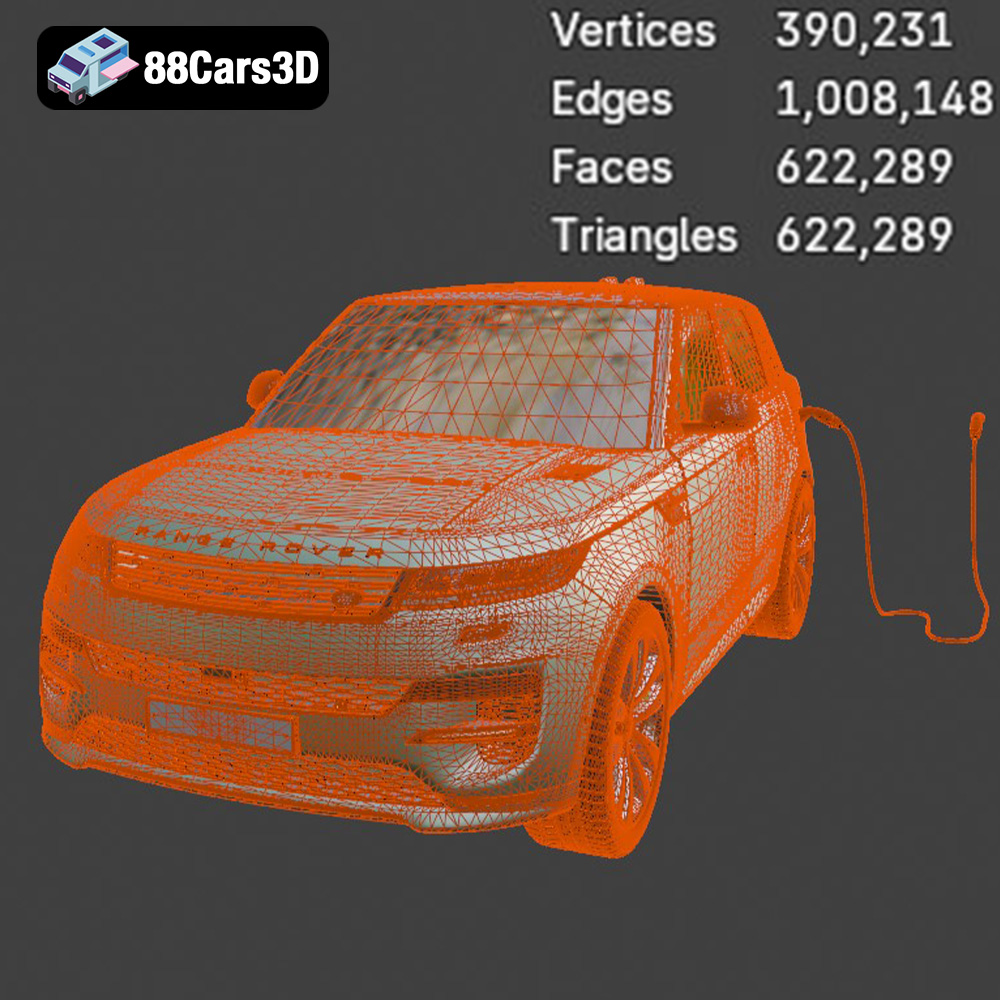
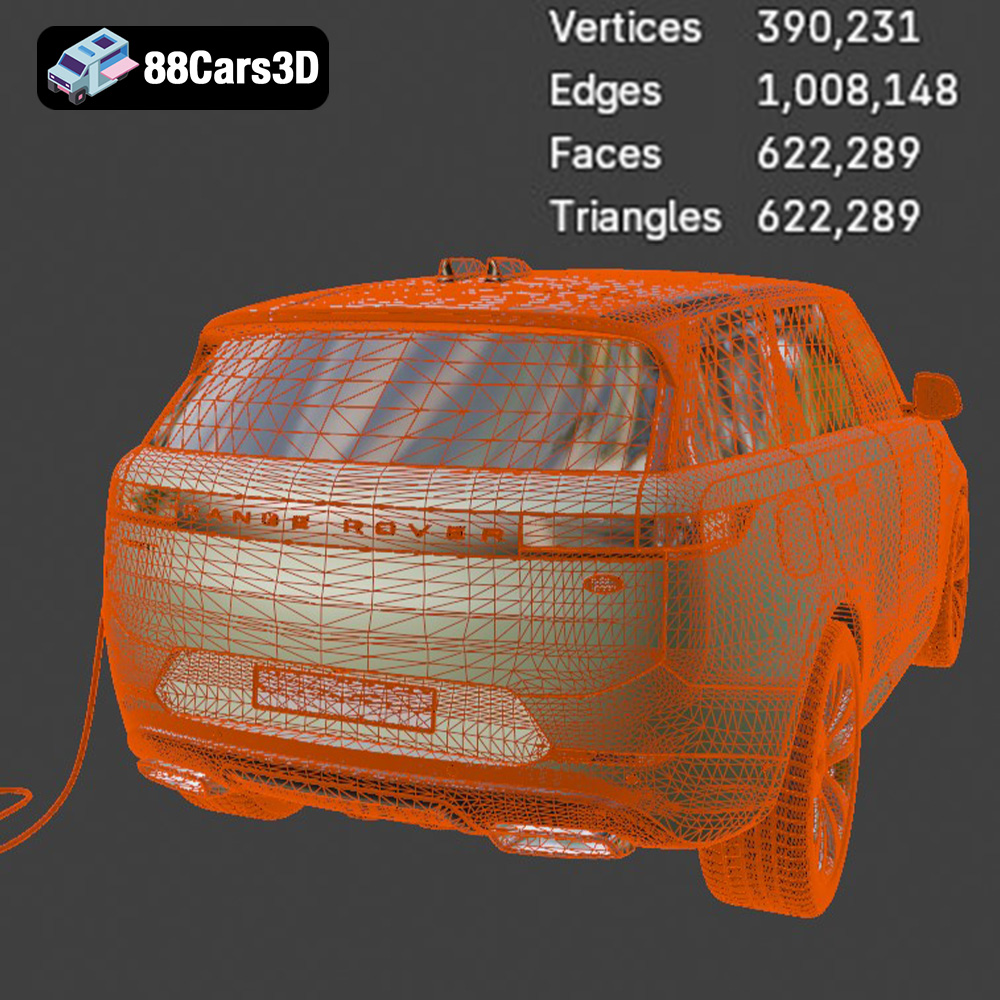
Underpinning all visual fidelity is the model’s topology and UV mapping. Clean geometry, characterized by quad-based polygons and optimal edge flow, ensures smooth deformation during animation and prevents rendering artifacts. Professional-grade polygon topology means the model is efficient, reducing computational overhead while maintaining visual integrity. Equally important is meticulous UV mapping, which dictates how textures are applied to the model’s surface. A well-laid-out UV map minimizes stretching, allows for precise texture painting, and supports a wide range of material types, from metallic paints to intricate leather stitching. The Range Rover Sport Hybrid PHEV 2023 3D Model specifically highlights its clean geometry and professional-grade polygon topology, indicating it’s built to these demanding standards.
Navigating the world of 3D car models requires a solid understanding of the various file formats available. Each format serves specific purposes, catering to different software, pipelines, and end-use applications. Selecting the correct format is crucial for workflow efficiency, compatibility, and achieving the desired final output. The Range Rover Sport Hybrid PHEV 2023 3D Model, for instance, offers a comprehensive suite of formats, ensuring its utility across virtually any professional scenario.
.blend, is incredibly powerful. It encapsulates an entire Blender scene, including the 3D model, materials, textures, lighting setups, cameras, animations, and even physics simulations. For artists working primarily within Blender, this format offers maximum editability and preservation of all scene data. It’s ideal for those who need to fine-tune geometry, adjust materials, or reconfigure lighting. The Range Rover Sport Hybrid PHEV 2023 3D Model’s .blend file provides a ready-to-render scene, saving significant setup time..blend, the .max format is Autodesk 3ds Max’s native file type. It preserves all project data, including complex scene hierarchies, modifiers, animation keyframes, and advanced material setups specific to 3ds Max renderers like V-Ray or Corona. For studios and artists entrenched in the 3ds Max ecosystem, the .max file offers complete control for intricate animation sequences and high-end architectural or automotive rendering. It ensures that all the nuanced details and render-specific optimizations of the Range Rover model are retained..fbx, is the industry standard for interoperability between 3D software and game engines. It’s renowned for its ability to transfer not just geometry but also animation, cameras, lights, and basic material properties with relative ease. For developing game assets for Unreal Engine or Unity, .fbx is the go-to choice due to its robust support for bone rigging, skinning, and animation data. Its binary nature also makes it relatively compact. The .fbx version of the Range Rover Sport Hybrid PHEV 2023 3D Model is optimized for direct import into these real-time environments, maintaining its high visual quality..obj, is arguably the most universal 3D file format. It’s a text-based format that primarily stores geometry (vertices, normals, UV coordinates, faces) and references external material files (.mtl) for color and texture information. While it doesn’t support animation or complex scene data, its widespread compatibility across virtually every 3D application makes it an excellent choice for basic model exchange. If you need to import the Range Rover model into software that might not support more advanced formats, .obj is a safe and reliable option, ensuring the core geometry and textures are preserved..glb) is a relatively new but rapidly adopted format, especially for AR, VR, and web-based 3D applications. It’s a binary version of .gltf, bundling all assets (geometry, textures, animations) into a single, self-contained file. This optimization makes it incredibly efficient for streaming and display on low-power devices and in web browsers, making the Range Rover Sport Hybrid PHEV 2023 3D Model readily deployable for interactive experiences without complex setups..stl) is the de facto standard for 3D printing. It represents a 3D model as a collection of unconnected triangular facets, defining only the surface geometry. While it lacks color or texture information, its simplicity makes it ideal for rapid prototyping and manufacturing. The .stl version of the Range Rover model could be used for scale models or physical design studies..ply), also known as the Stanford Triangle Format, is primarily used for storing 3D data from 3D scanners. It can store a wide range of properties, including color, transparency, and surface normals, alongside the geometry. It’s particularly useful for high-precision meshes in scientific visualization, CAD, or situations where detailed point cloud or polygonal data is crucial for analysis..unreal file typically refers to a pre-configured asset package specifically prepared for direct import into Unreal Engine. This often means the model has already been imported, optimized, and had its materials set up within Unreal, saving developers significant time. The inclusion of an .unreal package for the Range Rover Sport Hybrid PHEV 2023 3D Model signifies that it’s truly “game-engine ready” and optimized for the engine’s rendering pipeline, offering instant integration for stunning real-time visuals.The true value of a premium 3D car model lies in its seamless integration into diverse professional workflows. Whether you’re a seasoned architect, a game developer, or a cinematic artist, the ability to quickly and effectively deploy a high-quality asset can significantly accelerate your project timelines and elevate your final output. The Range Rover Sport Hybrid PHEV 2023 3D Model exemplifies this versatility, offering features that cater to a wide range of creative and technical demands.
In architectural visualization (ArchViz), realism is paramount. Adding a high-fidelity car model to a scene breathes life into a digital environment, providing scale, context, and a sense of habitation. Imagine showcasing a luxury residence with the Range Rover Sport Hybrid PHEV 2023 parked in its driveway or driving past. The model’s detailed exterior and interior ensure it holds up under close scrutiny, from distant establishing shots to intimate garage renders. Its realistic materials will interact correctly with the scene’s lighting, casting accurate reflections on its polished surfaces and contributing to the overall photorealism. Artists often use 3ds Max or Blender for ArchViz, where the included .max and .blend files allow for deep customization of materials and lighting to match the architectural scene perfectly.
Developing realistic game assets for modern titles requires models that are not only visually impressive but also highly optimized for real-time performance. Polygon count, efficient UVs, and PBR-ready materials are critical. The Range Rover Sport Hybrid PHEV 2023 3D Model is described with “clean geometry and professional-grade polygon topology,” indicating it’s built with performance in mind. For game developers using Unreal Engine or Unity, the provided .fbx and particularly the .unreal file format mean minimal setup time. The model can be quickly imported, materials assigned, and collision meshes generated, allowing it to function as a drivable vehicle, an environmental prop, or part of a cinematic in-engine sequence. Its robust construction ensures smooth performance even in demanding open-world environments, a key factor for any high-quality game asset.
For cinematic productions, advertising, and high-end product visualizations, no detail can be overlooked. The demand for absolute realism dictates the use of highly detailed models and advanced rendering techniques. The Range Rover Sport Hybrid PHEV 2023 3D Model, with its “meticulously detailed exterior and a fully modeled interior,” is ideal for such applications. Its included realistic materials and detailed textures mean that it can be rendered with stunning clarity using advanced renderers like V-Ray, Corona, or Cycles. Animators can rig the car for complex driving sequences, door openings, or interior shots, confident that the underlying geometry will deform cleanly. The comprehensive material setup also allows for dynamic changes, such as showing dirt accumulation or water droplets, pushing the boundaries of realism in any animated sequence or still render.
To truly understand the impact of a professional-grade 3D car model, let’s consider a practical application using the Range Rover Sport Hybrid PHEV 2023 3D Model. This specific model from 88cars3d.com offers a robust foundation for a myriad of projects, showcasing how a single, well-crafted asset can serve diverse creative needs.
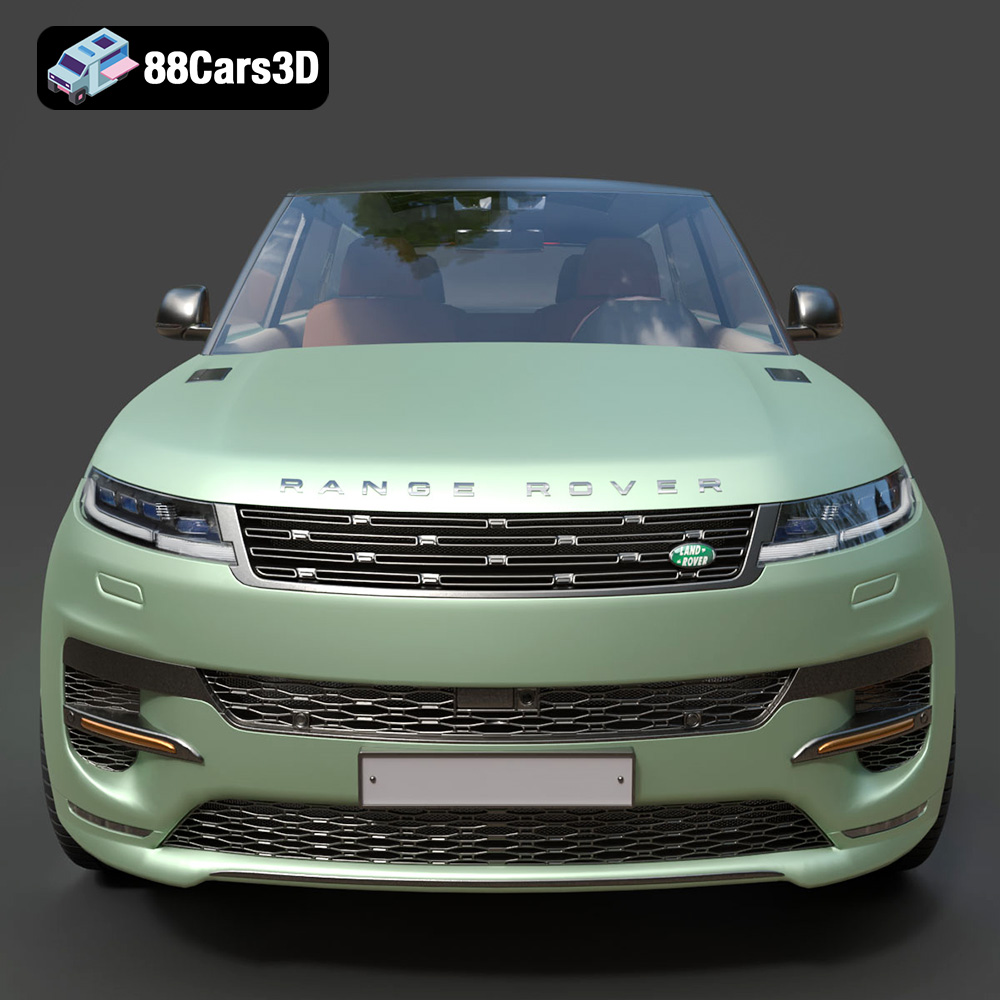
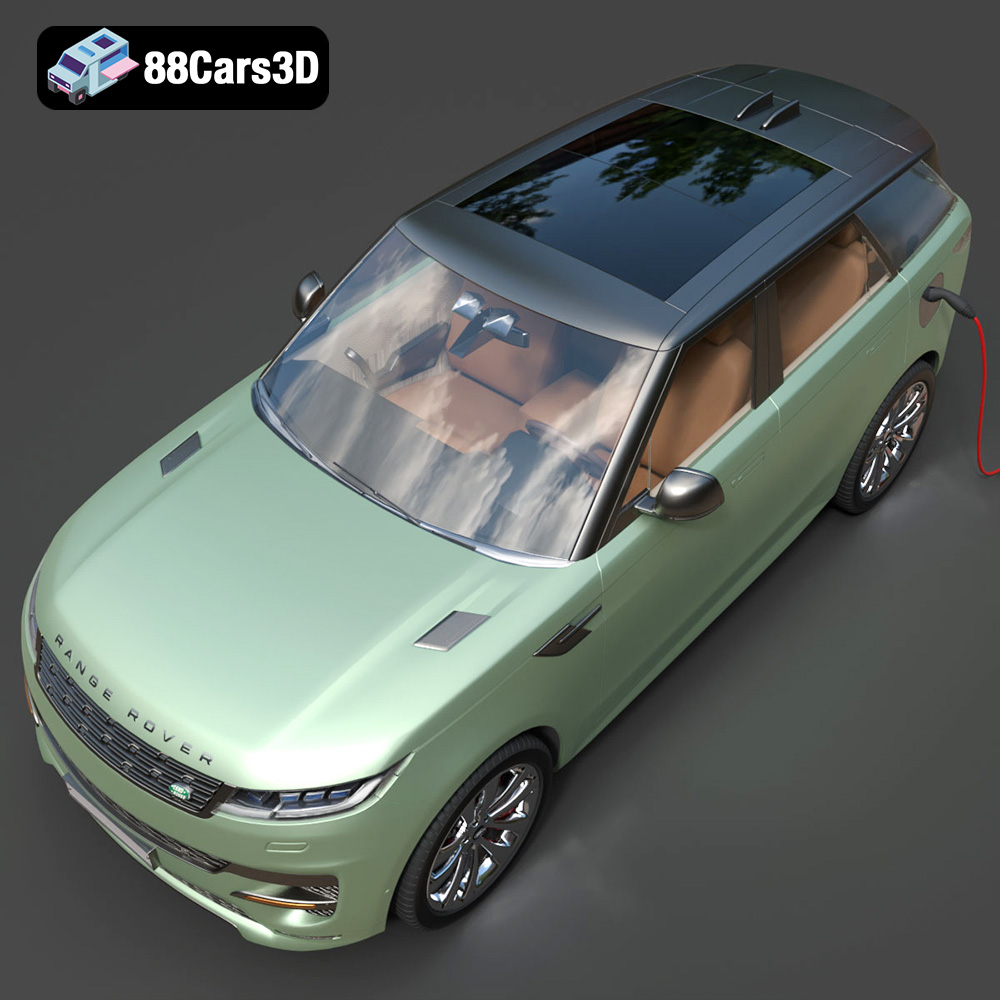
Imagine a high-stakes automotive marketing campaign. The client wants to showcase the new Range Rover Sport Hybrid PHEV 2023 in a series of breathtaking visuals – both static renders and an animated commercial. The model’s “meticulously detailed exterior” means the iconic silhouette, distinctive grille, intricate headlight design, and precisely replicated body lines are all accurate. This allows for stunning close-up shots that highlight the vehicle’s sophisticated design and premium finishes. Furthermore, the “fully modeled interior” is a game-changer. For a luxury SUV, the interior experience is paramount. With this 3D model, producers can create immersive virtual tours, showing off the dashboard layout, infotainment system, seating upholstery, and even subtle ambient lighting. This level of internal detail is crucial for communicating the luxury and technological prowess of the actual vehicle, whether for a product configurator or a virtual showroom experience.
The description notes the model “comes fully equipped with realistic materials and detailed textures.” This is where photorealism is truly born. For our marketing campaign, the artists can leverage these pre-configured materials, perhaps tweaking them slightly for specific lighting scenarios. The car paint materials would simulate metallic flakes and clear coat reflections, responding dynamically to environmental lighting. Chrome accents would gleam, tire rubber would have appropriate displacement and roughness, and glass would accurately refract light. Inside, leather textures would display subtle imperfections and stitching details, while dashboard screens would emit soft glows. These materials, when combined with physically based rendering (PBR) workflows common in modern renderers and game engines, ensure that the Range Rover Sport Hybrid PHEV 2023 3D Model looks indistinguishable from its real-world counterpart, regardless of the scene or context.
The versatility of this model is further demonstrated by its suitability for multiple output formats from a single source. For the marketing campaign, the same core model could be used:
.max or .blend files could be used for high-fidelity offline rendering, with complex camera animations and dynamic environments..glb version could power a 360-degree interactive viewer, allowing potential customers to explore the car’s exterior and interior directly in their browser..glb format again, or an optimized .fbx, would allow users to place a virtual Range Rover Sport Hybrid PHEV 2023 in their driveway using their smartphone, an incredible sales tool..unreal or optimized .fbx file would be perfect for a virtual reality experience, where users can sit inside the car, change colors, and interact with features in a truly immersive way.This adaptability underscores the value proposition of purchasing a comprehensive 3D car model like this from 88cars3d.com – it’s a single investment that pays dividends across countless applications.
Achieving a balance between visual fidelity and performance is a constant challenge in 3D production. Whether you’re creating game assets or high-end visualizations, effective optimization techniques are crucial. A well-designed model like the Range Rover Sport Hybrid PHEV 2023 3D Model provides an excellent starting point, but understanding how to further fine-tune it for specific scenarios is key.
High polygon counts, while great for detail, can quickly bog down real-time engines and increase rendering times. Effective polygon management involves ensuring that polygons are only used where detail is genuinely needed. For game development, implementing Level of Detail (LOD) systems is essential. This means creating multiple versions of the Range Rover Sport Hybrid PHEV 2023 3D Model, each with a progressively lower polygon count. The highest detail model is rendered when the car is close to the camera, and as it moves further away, lower poly versions automatically swap in. This maintains visual quality without wasting computational resources on unseen details. Even in offline rendering, judicious use of subdivision surfaces and proxy objects can help manage scene complexity.
Textures are often the largest memory footprint in a 3D scene. Optimizing texture packing involves combining multiple textures (like albedo, roughness, metallic, normal maps) into a single, channel-packed texture where each color channel represents a different map. This reduces the number of texture lookups and improves performance, especially in real-time engines. For the Range Rover Sport Hybrid PHEV 2023 3D Model, ensuring its detailed textures are efficiently packed, and its materials are set up using modern physically based rendering (PBR) principles, guarantees consistent and realistic results. PBR workflows, which define how light interacts with surfaces based on real-world physics, provide a robust and predictable method for achieving photorealism across different rendering engines and lighting conditions.
Successfully integrating a 3D car model into a scene goes beyond just dropping it in. Proper scaling, positioning, and interaction with the scene’s lighting are vital. For realistic shadows and reflections, it’s crucial to ensure the car’s environment accurately reflects or occludes light. Using HDRI (High Dynamic Range Image) lighting provides a rich, realistic light source that inherently includes reflections. For interior scenes, careful placement of area lights and emissive materials (e.g., for dashboard screens) helps create a believable atmosphere. Post-processing effects like ambient occlusion, global illumination, and depth of field further enhance the realism of the Range Rover Sport Hybrid PHEV 2023 in its digital environment, making it feel truly part of the scene, not just an addition.
The frontier of 3D visualization is rapidly expanding into immersive technologies like Augmented Reality (AR) and Virtual Reality (VR), alongside increasingly complex simulations. These applications demand 3D car models that are not only visually exquisite but also engineered for real-time interaction and fidelity. The capabilities demonstrated by assets like the Range Rover Sport Hybrid PHEV 2023 3D Model are perfectly aligned with these emerging trends, showcasing the potential for next-generation digital experiences.
AR and VR offer unprecedented ways to interact with 3D content. Imagine a potential buyer exploring the Range Rover Sport Hybrid PHEV 2023 in their own driveway via an AR app, or stepping inside a virtual showroom in VR to customize its interior. Such experiences require models with impeccable detail and optimized performance. The “meticulously detailed exterior and fully modeled interior” of the Range Rover model are precisely what’s needed for these applications. Users can walk around it, open doors, examine stitching, and even interact with the infotainment system as if they were physically present. The .glb and optimized .fbx formats are particularly crucial here, enabling efficient loading and rendering on devices ranging from smartphones to high-end VR headsets, delivering truly immersive and convincing automotive experiences.
Beyond entertainment and marketing, high-fidelity 3D car models are fundamental to advanced simulations. From driver training simulators that replicate real-world physics to urban planning scenarios assessing traffic flow, realistic vehicle models are indispensable. The Range Rover Sport Hybrid PHEV 2023 3D Model, with its accurate dimensions and clean topology, can be integrated into simulation platforms to provide highly convincing visual feedback. Developers can attach complex physics systems to its chassis, simulate tire grip, suspension dynamics, and even engine performance, allowing for accurate predictive modeling. This level of realism in simulation is critical for applications like autonomous vehicle testing, emergency response training, and even competitive esports, where subtle visual cues contribute significantly to player immersion and skill development.
The accessibility of high-quality 3D car models is being revolutionized by specialized online marketplaces. Platforms like 88cars3d.com serve as crucial hubs, connecting creators with premium, pre-built assets, significantly reducing development time and costs. Instead of building every vehicle from scratch, which can be an incredibly time-consuming and resource-intensive process, designers, developers, and artists can acquire ready-to-use models, complete with multiple file formats, optimized geometry, and realistic materials. This democratizes access to professional-grade assets, enabling smaller studios and individual creators to produce work that rivals larger productions. The availability of a diverse catalog, including detailed assets like the Range Rover Sport Hybrid PHEV 2023 3D Model, empowers the entire 3D community to innovate faster and achieve higher levels of visual excellence across all emerging technologies.
The digital landscape is continuously evolving, and the demand for exceptional 3D car models has never been greater. Whether for captivating automotive rendering, dynamic game assets, immersive AR/VR experiences, or precision engineering visualization, the quality of your foundational assets dictates the success of your project. As we’ve explored, models like the Range Rover Sport Hybrid PHEV 2023 3D Model are not just static representations; they are meticulously crafted tools designed to integrate seamlessly into complex professional workflows, delivering unparalleled realism and performance.
From understanding the nuances of various file formats like .blend, .fbx, and .unreal, to leveraging clean topology and advanced PBR materials, every aspect of a premium 3D model contributes to its versatility and value. The ability to deploy such an asset across different platforms and applications, from cinematic productions to real-time simulations, streamlines production and unlocks new creative possibilities. By investing in high-quality assets, designers and developers can focus on innovation, knowing that their core visuals are robust and aesthetically superior.
For those looking to elevate their projects with industry-leading 3D car models, explore the extensive collection at 88cars3d.com. The Range Rover Sport Hybrid PHEV 2023 3D Model is just one example of the quality and detail available, ready to power your next masterpiece and help you push the boundaries of digital realism.
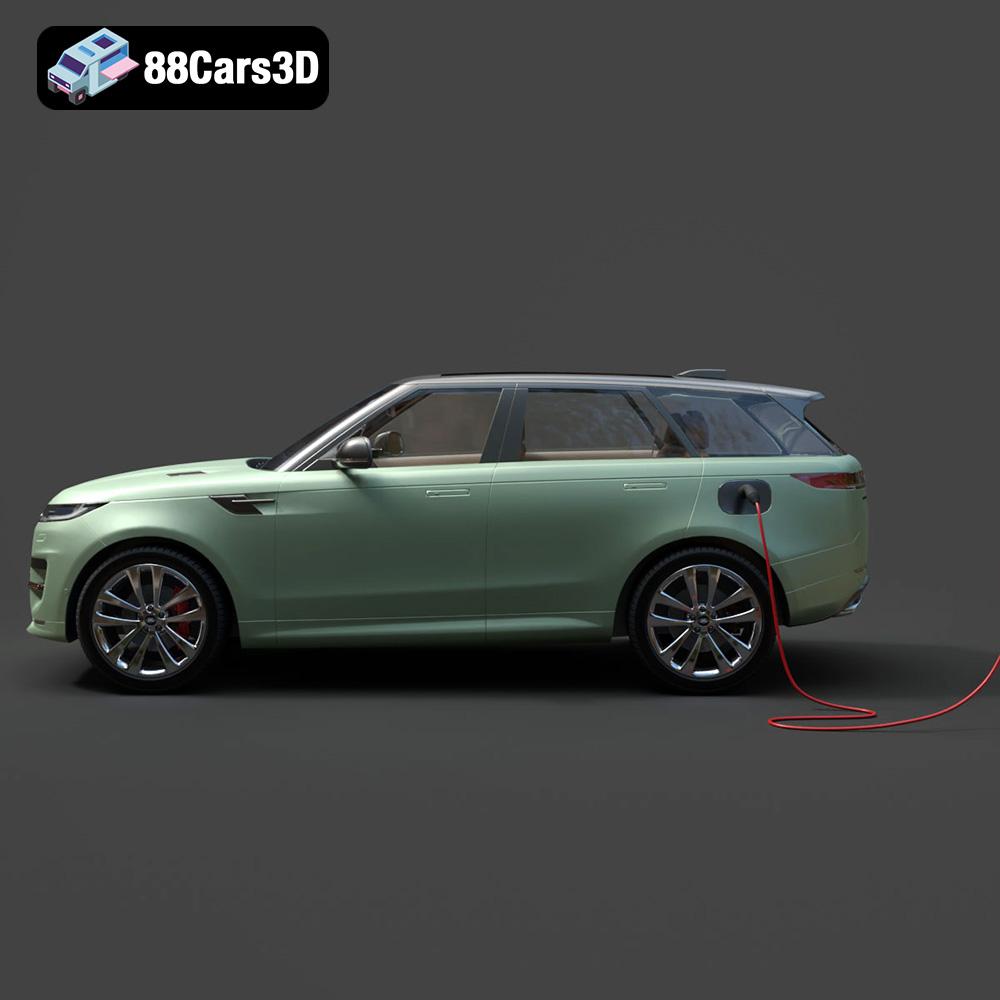
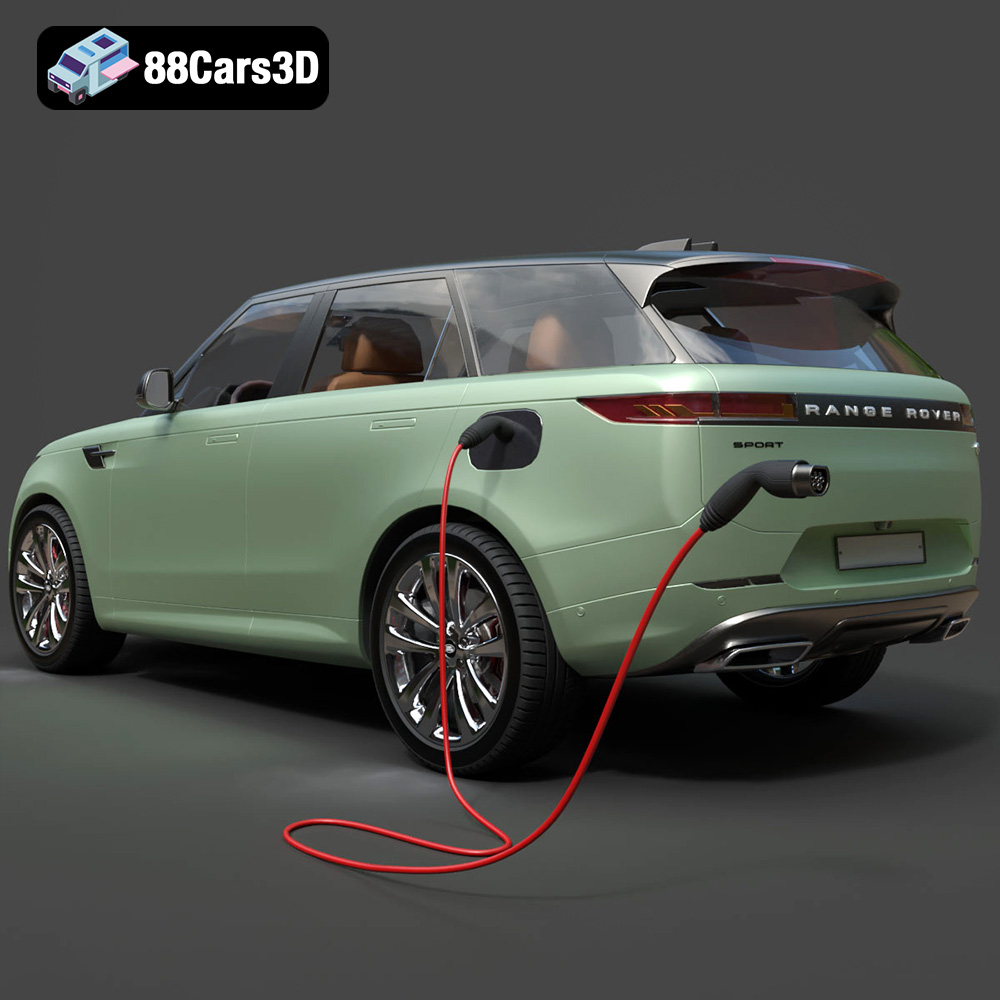
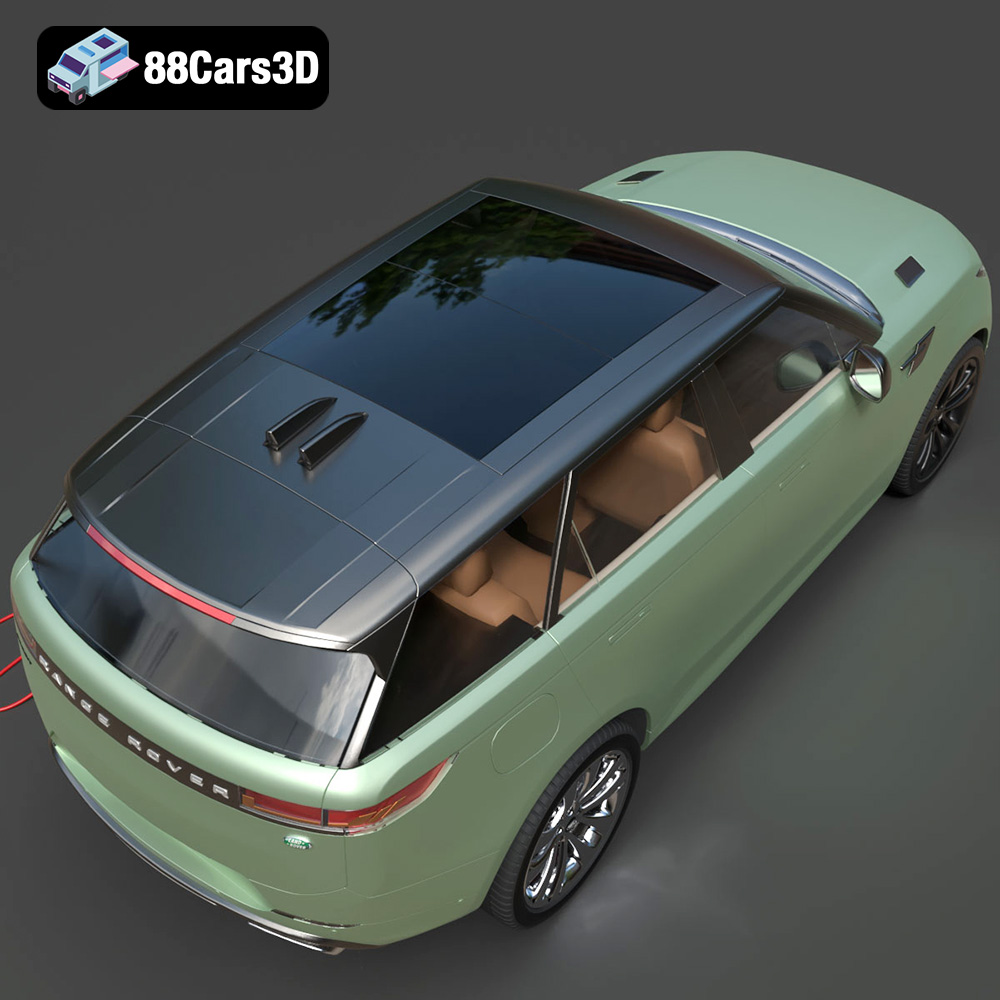
The Range Rover Sport Hybrid PHEV 2023 3D Model brings an incredible level of realism to your digital projects. Accurately modeled to reflect the sophisticated design and dynamic stance of the real vehicle, this asset features a meticulously detailed exterior and a fully modeled interior. Designed with clean geometry and professional-grade polygon topology, this model ensures optimal performance across various platforms. It comes fully equipped with realistic materials and detailed textures, allowing for seamless integration into complex scenes without the need for extensive adjustments. This versatile 3D asset is perfectly suited for a wide array of applications, including game development, architectural visualization, cinematic rendering, AR/VR experiences, and automotive simulations. The following file formats are included: .blend, .fbx, .obj, .glb, .stl, .ply, .unreal, .max
$19.99
.arvr
.blend
.car3dmodel
.fbx
.gameasset
.glb
.hybrid
.landrover
.luxurycar
.max
.obj
.phev
.ply
.rangerover
.rendering
.simulation
.sport
.sporthybrid
.stl
.unreal
SUV