Get 50% OFF All Premium 3D & STL Models!

In the rapidly evolving landscape of digital visualization, automotive design stands at the forefront of innovation. From captivating advertisements and immersive game worlds to advanced simulations and interactive AR/VR experiences, the demand for exceptionally realistic and technically robust 3D car models has never been higher. These aren’t just pretty pictures; they are complex digital assets that form the backbone of entire industries.
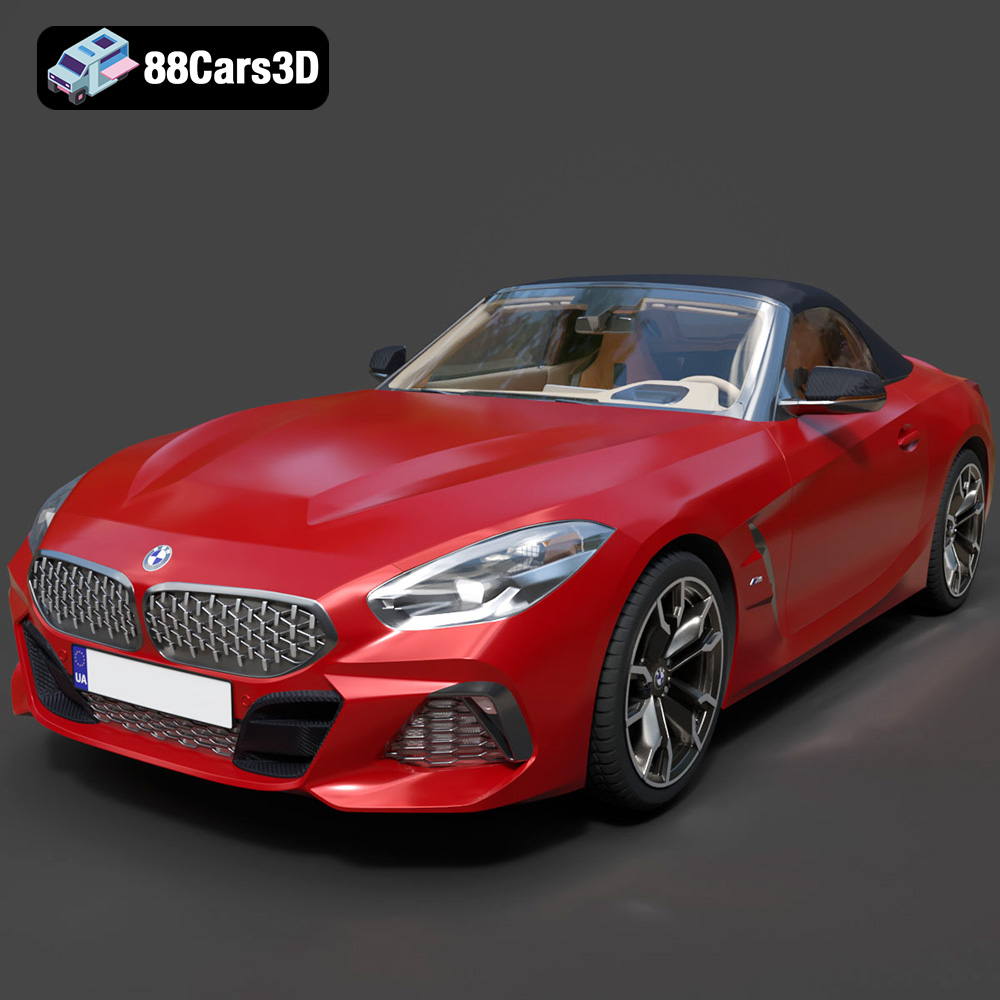
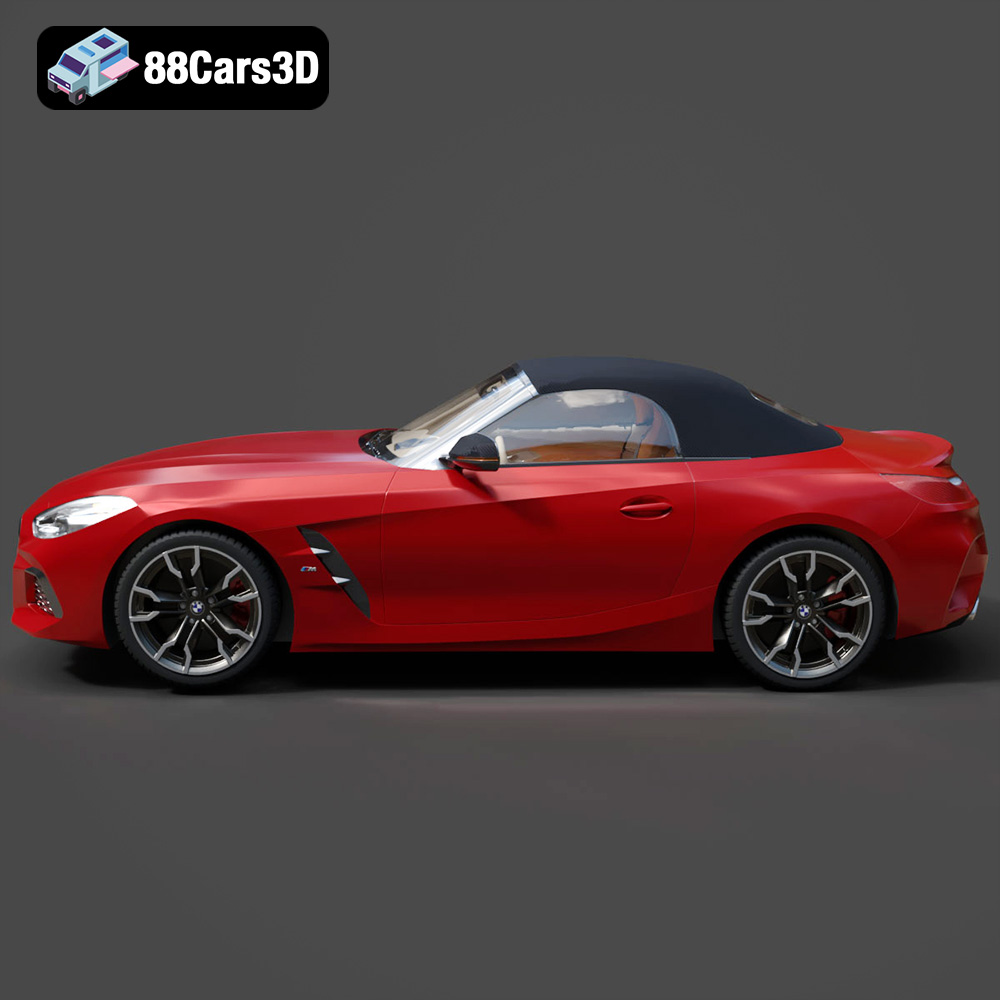
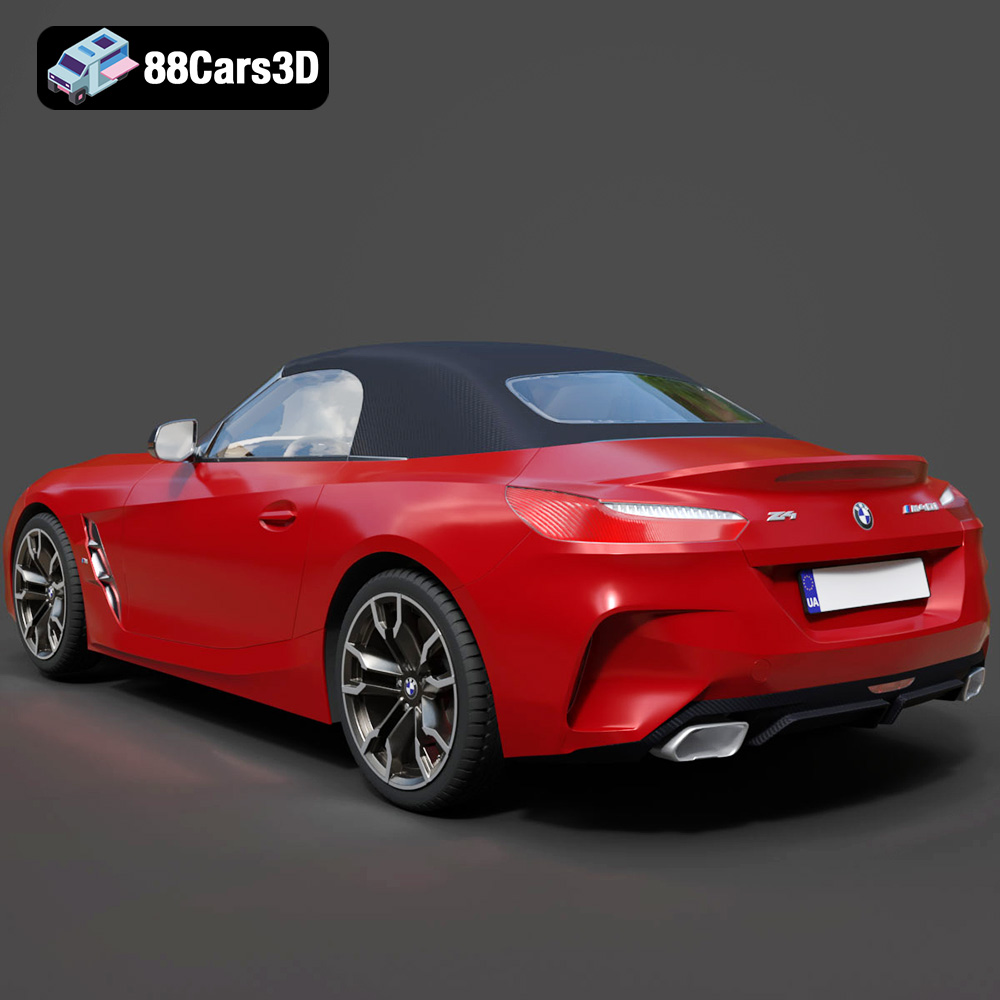
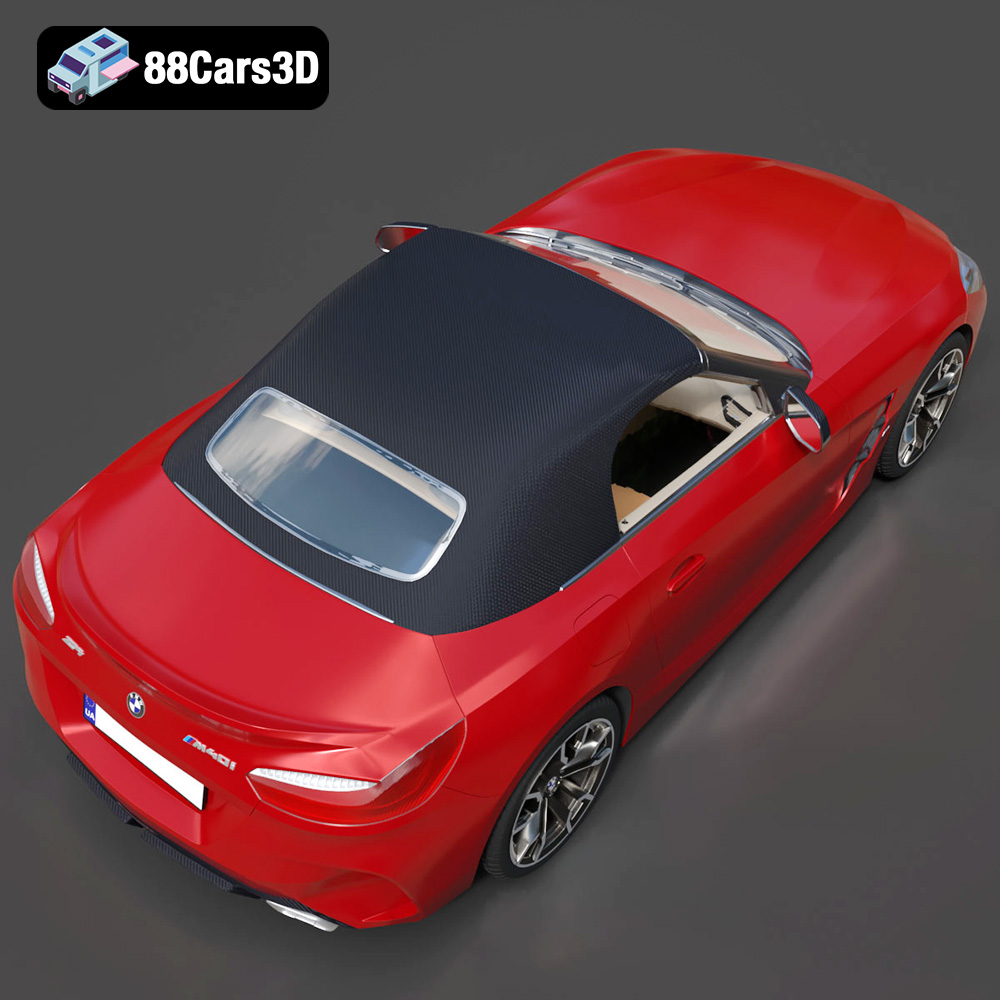
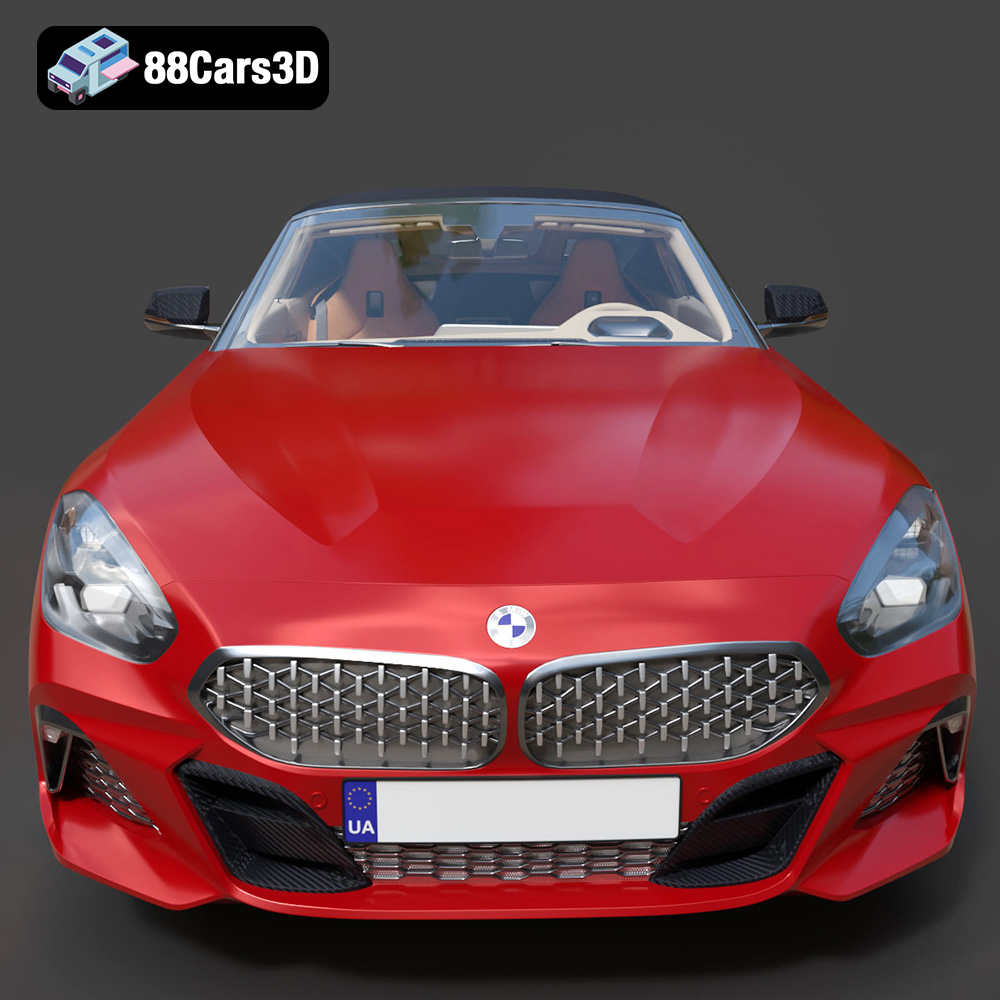
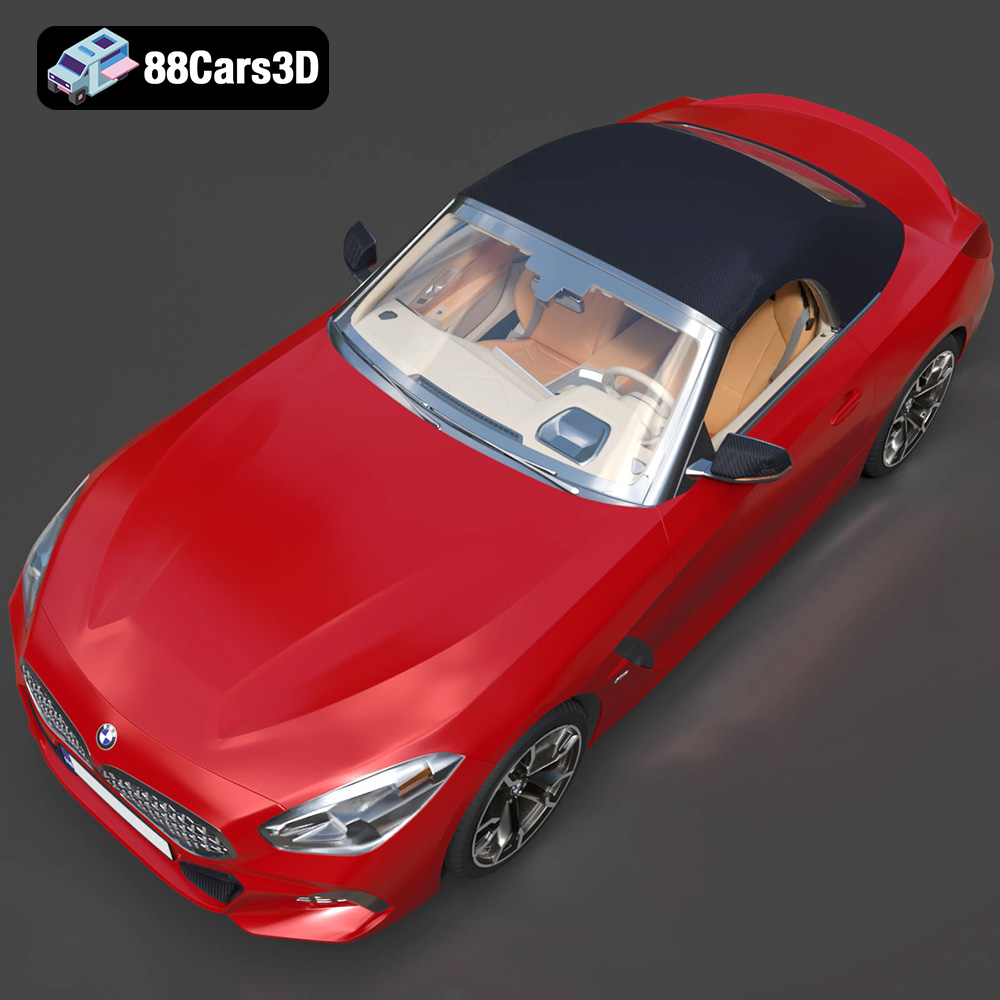
At the heart of this digital transformation lies the pursuit of realism and performance. Professionals require models that not only look authentic but are also meticulously crafted to integrate seamlessly into diverse workflows. This level of precision is exemplified by premium assets such as the BMW Z4 Mk3 G29 Roadster M40i 2019 3D Model, a testament to what’s possible when technical artistry meets engineering detail. This model, available on 88cars3d.com, offers a versatile foundation for any project demanding top-tier automotive representation, providing an authentic reproduction of the iconic roadster’s dynamic lines, aggressive stance, and elegant curves.
This article will delve into the technical intricacies of high-quality 3D car models, exploring their applications, the crucial role of file formats, and how meticulously designed assets like the BMW Z4 Mk3 G29 Roadster M40i 2019 3D Model empower artists, developers, and engineers to push the boundaries of digital creation. We’ll examine workflows in industry-standard software, discuss the importance of clean geometry and realistic materials, and illustrate why investing in professional-grade 3D assets is paramount for success.
The choice of a 3D model file format is far from trivial; it dictates compatibility, performance, and the scope of manipulation within a project. A truly versatile 3D car model, such as the BMW Z4 Mk3 G29 Roadster M40i 2019, comes packaged with a variety of formats, ensuring its adaptability across virtually any digital pipeline. Understanding these formats is crucial for optimizing your workflow, whether for high-fidelity rendering or real-time game environments.
The .blend format is Blender’s native file type, offering a comprehensive and fully editable scene. When you acquire a .blend file for the BMW Z4 Mk3 G29, you’re not just getting the mesh; you’re getting the entire Blender project. This typically includes pre-configured materials, lighting setups, cameras, and even animation data if present. For users deeply embedded in the Blender ecosystem, this is the most convenient format, allowing for immediate modifications, adjustments to PBR shaders, or integrating the model into an existing Blender scene with minimal effort. It ensures that all object hierarchies, modifiers, and custom properties are preserved exactly as the artist intended, making it ideal for those who wish to dissect and learn from the model’s construction or adapt it extensively for their specific rendering or animation needs.
Autodesk’s .fbx (Filmbox) format has become an unofficial industry standard for exchanging 3D data between different software applications. Its strength lies in its ability to store a wide array of information beyond just geometry, including materials (though often simplified, PBR textures usually need re-linking), animations, cameras, lights, and skeleton data. For game developers, .fbx is often the go-to format for importing assets into game engines like Unreal Engine and Unity. The BMW Z4 Mk3 G29 .fbx file would be optimized for this purpose, with carefully balanced poly counts and UV maps suitable for real-time rendering. It ensures a relatively smooth transfer of the model’s structure and basic visual properties, acting as a robust bridge between content creation software and interactive environments.
The .obj (Wavefront OBJ) format is one of the oldest and most universally supported 3D file formats. It’s a straightforward, text-based format primarily designed for storing geometric data (vertices, normals, UVs, and faces). While it supports basic material definitions (via an accompanying .mtl file), it’s less comprehensive than .fbx regarding complex scene data or animations. However, its simplicity makes it incredibly robust for cross-software compatibility. If you need to import the BMW Z4 Mk3 G29 into a less common 3D application or require a clean mesh without any extraneous data, .obj is an excellent choice. It’s often used as a fallback or for simple mesh exchange, guaranteeing that the core geometry of the vehicle will transfer correctly.
.glb (GL Transmission Format Binary) is an increasingly vital format, particularly for augmented reality (AR), virtual reality (VR), and web-based 3D applications. It’s a single-file, self-contained asset that includes model data, textures, and animations. Being an open standard, .glb files are highly optimized for fast loading and efficient rendering in real-time contexts like web browsers and mobile AR/VR viewers. The BMW Z4 Mk3 G29 .glb file would be a streamlined version, carefully packed to deliver visual fidelity within performance constraints, making it perfect for interactive product showcases on a website or an immersive virtual showroom experience.
The .stl (Stereolithography) format is almost exclusively used for 3D printing. It represents a 3D model as a collection of unconnected triangular facets, defining only the surface geometry of an object without color, texture, or other material properties. For physical prototyping or scale models of the BMW Z4 Mk3 G29 Roadster, the .stl file would be the definitive output, requiring careful consideration of mesh integrity and manifold geometry to ensure a successful print. Artists often generate a specific, watertight version of their model for .stl export, making sure there are no gaps or intersecting faces that could cause issues during the slicing process for 3D printing.
The .ply (Polygon File Format) is another popular format for storing 3D data, particularly useful for scanned data, CAD applications, and scientific visualization. It can store various properties beyond just geometry, including color per vertex, normal information, and sometimes even transparency. Unlike .stl, .ply can handle both triangular and quadrilateral faces. For highly detailed analysis or specific engineering visualization tasks involving the BMW Z4 Mk3 G29, a .ply export offers a precise, often unsimplified, representation of the mesh, enabling deeper scrutiny or integration into specific analytical pipelines.
The .unreal format, or more accurately, assets imported and configured within an Unreal Engine project, signifies a deeply integrated, engine-ready asset. While not a standalone file format in the same way as .fbx or .obj, the inclusion of “unreal” implies that the BMW Z4 Mk3 G29 has been specifically prepared for the Unreal Engine environment. This means it likely comes with optimized textures, properly configured materials (often using Unreal’s PBR workflow), collision meshes, and potentially even LOD (Level of Detail) settings already applied. This pre-configuration significantly accelerates development time for Unreal Engine users, as the model is ready to be dropped into a scene and rendered with minimal additional setup, leveraging the engine’s powerful real-time capabilities.
Similar to .blend for Blender, the .max format is the native file type for Autodesk 3ds Max. It encompasses the entirety of a 3ds Max scene, including all geometric data, materials, textures, lighting, cameras, animation, and any modifiers or scene objects. For professional studios and individual artists primarily working with 3ds Max for architectural visualization, product rendering, or animation, the .max file for the BMW Z4 Mk3 G29 Roadster M40i 2019 is invaluable. It provides maximum flexibility for scene setup, advanced rendering with engines like V-Ray or Corona, and complex animation sequences, ensuring that every detail and every setting is preserved from the original creation.
Automotive rendering is where technical precision meets artistic vision. A high-quality 3D car model, such as the BMW Z4 Mk3 G29 Roadster M40i 2019, serves as the perfect canvas for showcasing breathtaking visuals. Whether for marketing campaigns, product configurators, or film-quality cinematics, the goal is to create images so realistic they are indistinguishable from photographs.
Achieving photorealism hinges critically on the quality and setup of materials and textures. The BMW Z4 model, with its meticulously crafted exterior and interior, comes with professional-grade detailing that includes physically based rendering (PBR) materials. This means textures like albedo (color), roughness, metallic, normal maps, and ambient occlusion are accurately calibrated. In software like 3ds Max (using V-Ray or Corona Renderer) or Blender (with Cycles), these PBR textures interact with light in a physically accurate manner, simulating real-world reflectivity, absorption, and subsurface scattering. For the Z4, this translates to the nuanced gleam of the metallic paint, the subtle texture of leather upholstery, and the precise reflections in the chrome accents, all contributing to an authentic visual experience.
Even the most detailed 3D car models require expert lighting to truly shine. Automotive rendering often employs High Dynamic Range Images (HDRIs) to simulate real-world lighting conditions, from a bright sunny day on a scenic road to a dramatic studio environment. For the BMW Z4, integrating the model into a studio setup with strategic three-point lighting can highlight its sleek body lines and aggressive features. Alternatively, placing it in an outdoor HDRI environment allows the car’s paintwork to reflect the surrounding world, grounding it in reality. Mastering light bounces, shadow subtleties, and reflections is paramount. The Z4’s precisely modeled surfaces are designed to react accurately to these complex lighting scenarios, yielding truly stunning results.
Once the raw renders are complete, post-production in software like Adobe Photoshop or Affinity Photo adds the final layer of polish. Techniques such as color grading, depth of field adjustments, lens flares, and subtle atmospheric effects can significantly enhance the impact of the rendered image. For a BMW Z4 M40i 2019 render, this might involve tweaking the color saturation to emphasize the car’s vibrant paint, adding a subtle motion blur to wheels for a sense of speed, or applying a vignette to draw the viewer’s eye to the vehicle. These steps transform a technically accurate render into an emotionally resonant piece of art, crucial for high-impact marketing and visualization projects.
The gaming industry thrives on immersive realism, and high-quality 3D car models are essential game assets. Integrating a detailed vehicle like the BMW Z4 Mk3 G29 Roadster M40i 2019 into a game engine like Unreal Engine or Unity requires a delicate balance between visual fidelity and real-time performance. Game developers constantly optimize assets to ensure smooth framerates without compromising too much on graphical quality.
For game development, optimization begins with poly count management. While the BMW Z4 model features high-quality clean geometry, game engines often require multiple Levels of Detail (LODs) – simplified versions of the model that swap in as the camera moves further away. This dramatically reduces the processing load. Another crucial aspect is efficient UV mapping and texture packing. Textures are often combined into “atlases” to minimize draw calls, and normal maps are heavily utilized to simulate high-detail geometry without adding polygons. The .fbx and especially the .unreal formats of the Z4 model are prepared with these considerations in mind, allowing for efficient import and immediate use in game development pipelines.
Once imported, the 3D car model needs its materials correctly set up within the game engine’s PBR shader system. For the BMW Z4 in Unreal Engine, this involves linking the albedo, metallic, roughness, and normal maps to create a physically accurate representation of the car’s surfaces. Beyond visuals, a critical step is configuring collision meshes, which define how the car interacts with the environment and other objects. For a driving game, precise collision models are crucial for realistic physics. Additionally, setting up wheel colliders, suspension parameters, and engine sound cues transforms a static 3D model into a fully drivable game asset, enhancing player immersion and interaction.
Working with premium 3D car models like those from 88cars3d.com significantly streamlines the game development process. For Unreal Engine, the native .unreal file type or a well-prepared .fbx file allows for direct import. Developers can then quickly apply PBR materials, set up physics assets, and even implement blueprints for interactive features like opening doors or animated dashboards. In Unity, a similar process is followed, with .fbx being the primary import format. The pre-optimized nature of such models means less time spent on manual clean-up and more time focused on gameplay mechanics and environmental design, allowing teams to deliver high-quality automotive experiences efficiently.
The utility of high-quality 3D car models extends far beyond traditional rendering and game development. Fields like augmented reality (AR), virtual reality (VR), advanced simulations, and even 3D printing leverage these assets to create interactive, immersive, and tangible experiences.
AR and VR are transforming how we interact with digital content, offering unparalleled immersion. A 3D car model like the BMW Z4 Mk3 G29 Roadster M40i 2019 becomes a powerful tool in these environments. In AR, users can place a life-sized virtual Z4 in their driveway using a smartphone, exploring its features as if it were physically present. In VR, they can sit inside the virtual cockpit, examine the interior detailing, and even “drive” the car in a simulated environment. The .glb format is particularly crucial here, optimized for efficient loading and rendering in real-time AR/VR applications, ensuring smooth performance on various devices. This opens up new avenues for automotive showrooms, educational tools, and interactive product demonstrations.
High-fidelity 3D car models are indispensable for advanced simulation and training. From engineering simulations that test aerodynamic performance and crashworthiness to driver training simulators that replicate real-world driving conditions, precision is key. The detailed geometry and accurate dimensions of the BMW Z4 model make it suitable for these rigorous applications. Engineers can integrate the model into finite element analysis (FEA) software to study structural integrity, or use it in virtual test tracks to evaluate vehicle dynamics. For professional driving schools, a high-fidelity Z4 simulation offers a safe and controlled environment for students to practice complex maneuvers, react to hazards, and understand vehicle behavior without risk.
The bridge between the digital and physical world is 3D printing, and accurate 3D models are its foundation. The inclusion of an .stl file for the BMW Z4 Mk3 G29 Roadster M40i 2019 means that this digital asset can be transformed into a tangible object. While the detail may vary based on the printer’s capabilities, designers can create physical prototypes, scale models, or even custom accessories based on the exact specifications of the digital model. The .stl format, being a tessellated representation of the model’s surface, ensures that the geometry is watertight and ready for slicing software, enabling accurate physical reproduction and rapid prototyping in automotive design studios or hobbyist workshops.
The “premium” label for a 3D car model isn’t just about good looks; it’s about the underlying technical craftsmanship. Clean geometry, efficient UV mapping, and properly configured Physically Based Rendering (PBR) materials are the unsung heroes that ensure versatility, performance, and long-term utility for assets like the BMW Z4 Mk3 G29 Roadster M40i 2019 3D Model.
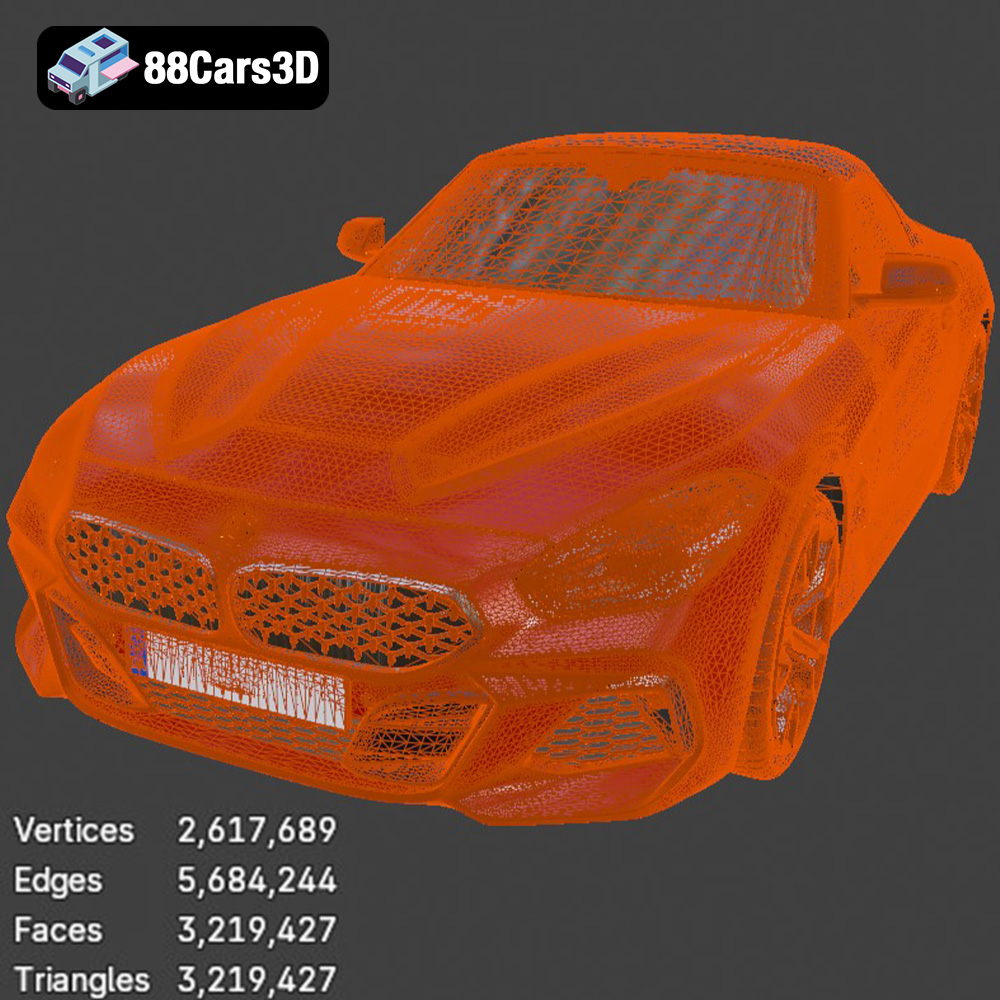
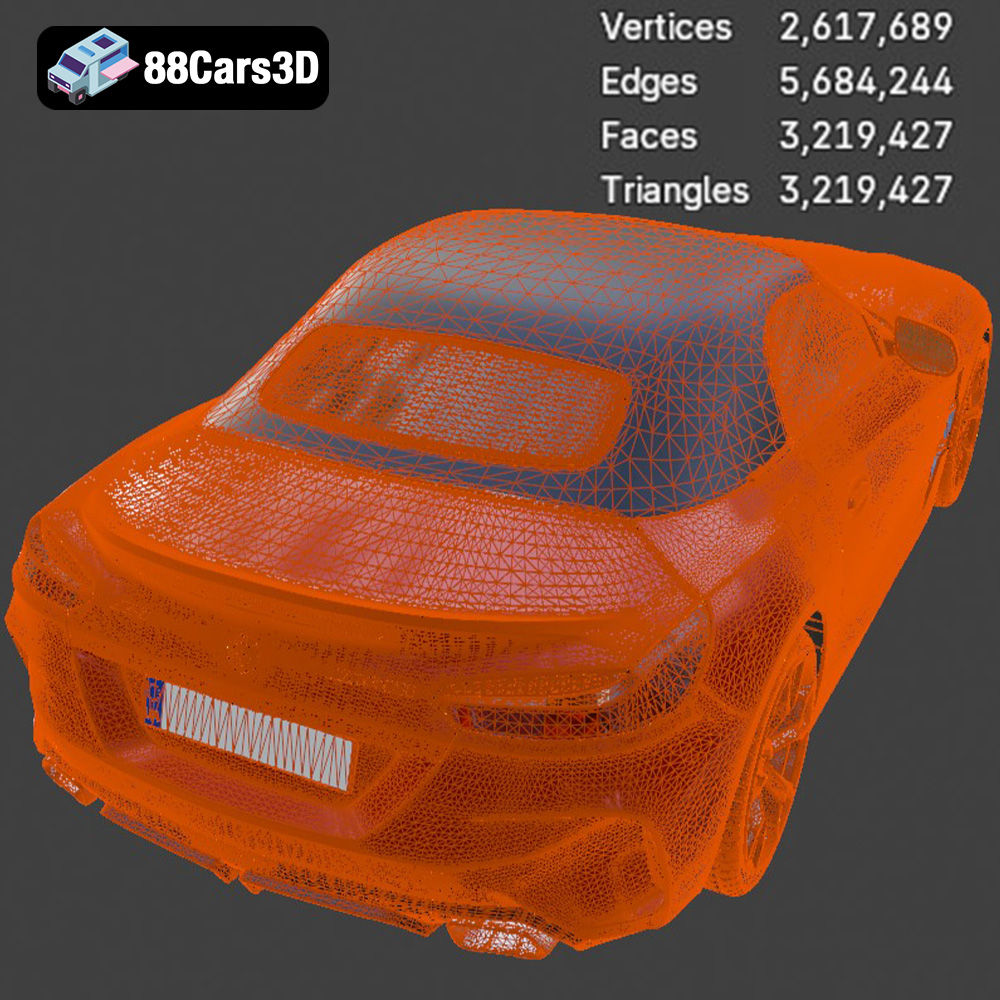
Clean geometry, often characterized by all-quad mesh topology (meaning faces are made of four vertices rather than three), is fundamental. This ensures smooth subdivision, artifact-free deformation for animation, and predictable behavior during rendering. The BMW Z4 model’s description of “clean geometry” signifies that its mesh is optimized, free from n-gons (faces with more than four vertices), non-manifold edges, or flipped normals, which can cause rendering errors and complicate further editing. This meticulous approach to topology makes the model robust for any professional workflow, whether you’re performing subtle adjustments in Blender or setting up complex simulations in 3ds Max. It’s the difference between a model that performs flawlessly and one that causes endless headaches.
UV mapping is the process of flattening a 3D model’s surface into a 2D space, allowing textures to be applied accurately. “Meticulously built” models like the BMW Z4 feature efficient and organized UV layouts, minimizing distortion and maximizing texture resolution. Good UVs are critical for applying realistic details like paint imperfections, panel gaps, and interior stitching without stretching or blurring. For PBR workflows, clean UVs ensure that metallic, roughness, and normal maps align perfectly, contributing to accurate light interaction and photorealistic results. Poor UVs can render even the highest resolution textures useless, leading to a flat or unnatural appearance, especially on complex surfaces like car body panels or intricate dashboards.
Physically Based Rendering (PBR) has become the gold standard for achieving realism in 3D. It’s a shading and rendering approach that more accurately represents how light interacts with surfaces based on real-world physics. The BMW Z4 model’s “realistic materials” are PBR-ready, meaning they come with a set of texture maps (albedo/base color, metallic, roughness, normal, ambient occlusion) that define the material’s properties. These maps dictate how light reflects, absorbs, and scatters off the surface. Properly configured PBR materials ensure that the car’s metallic paint has the correct sheen, the glass accurately refracts light, and the interior leather displays its characteristic texture and subtle reflections, regardless of the lighting environment or rendering engine used. This consistency is vital for maintaining visual integrity across diverse applications.
Selecting the appropriate 3D car model is a critical decision that can significantly impact the success and efficiency of your project. With a multitude of options available, understanding what to look for and where to source reliable assets is paramount. This is where platforms like 88cars3d.com prove invaluable, offering curated collections of high-quality assets.
When evaluating a 3D car model, several factors indicate its quality and suitability for your specific needs. Firstly, examine the geometry: is it clean, predominantly quad-based, and optimized for performance or detail as required? For the BMW Z4 Mk3 G29 Roadster M40i 2019 3D Model, its description highlights “clean geometry” and “professional-grade detailing,” which are excellent indicators. Secondly, assess the materials and textures. Are they PBR-ready? Are the textures high-resolution and well-mapped? Thirdly, consider the level of detail – does it extend to the interior, undercarriage, or engine bay if your project requires it? The BMW Z4 model boasts “meticulously built” exterior and interior, ensuring comprehensive detail from every angle. Finally, consider the included file formats. A versatile set, like those provided with the Z4 (e.g., .blend, .fbx, .obj, .glb, .stl, .ply, .unreal, .max), indicates a model designed for broad applicability across various software and platforms.
Investing in professional-grade 3D car models like the BMW Z4 Mk3 G29 Roadster M40i 2019 is an investment in efficiency and quality. While free or low-cost models might seem appealing, they often come with hidden costs in terms of cleanup time, re-texturing, or performance issues due to poor optimization. A professional asset is usually delivered “production-ready,” meaning it requires minimal setup and can be immediately integrated into complex pipelines. This saves countless hours for artists and developers, allowing them to focus on creative tasks rather than fixing underlying technical problems. Furthermore, well-documented and supported assets from reputable sources like 88cars3d.com ensure reliability and peace of mind for commercial projects.
Your project’s specific requirements should guide your selection. For high-end cinematic rendering, you’ll prioritize extreme geometric detail and rich PBR materials, making a .max or .blend version of the BMW Z4 ideal. For real-time game development, optimized poly counts, efficient UVs, and engine-ready formats like .fbx or .unreal are paramount. If your focus is AR/VR or web visualization, a .glb optimized model is essential for smooth interaction. For 3D printing, a clean, watertight .stl file is a non-negotiable. The comprehensive file format support for the BMW Z4 Mk3 G29 Roadster M40i 2019 3D Model ensures that it can be tailored to virtually any of these applications, making it an exceptionally versatile choice for professionals across the digital spectrum.
The world of 3D modeling continues to redefine what’s possible in automotive visualization, gaming, and interactive experiences. From the initial conceptualization to the final polished render or interactive application, the quality of your 3D assets dictates the overall success and immersion of your project. High-fidelity 3D car models are no longer just an advantage; they are a necessity for anyone aiming to produce professional-grade content.
The BMW Z4 Mk3 G29 Roadster M40i 2019 3D Model stands as a prime example of what a truly versatile and meticulously crafted asset can offer. Its clean geometry, realistic materials, and wide array of included file formats – from .blend and .max for comprehensive studio work to .fbx and .unreal for game engines, and .glb for cutting-edge AR/VR – empower creators across the entire digital ecosystem. This level of detail and adaptability ensures that whether you’re an automotive designer, a game developer, an architect, or a VR experience creator, you have a reliable, high-performance asset at your fingertips.
As the digital frontier expands, the demand for such precise and production-ready 3D car models will only grow. By choosing expertly crafted assets from trusted sources like 88cars3d.com, you equip yourself with the tools to innovate, captivate, and realize your most ambitious digital visions. The roadster’s dynamic spirit, captured flawlessly in this 3D model, is ready to accelerate your next project into the realm of extraordinary realism.
Experience true realism with the BMW Z4 Mk3 G29 Roadster M40i 2019 3D Model. Crafted with precision, this model perfectly captures the dynamic lines, aggressive stance, and elegant curves of the iconic roadster. This premium 3D model features clean geometry, realistic materials, and professional-grade detailing. The exterior and interior are meticulously built to ensure an accurate representation from every angle, providing a reliable asset for any professional digital workspace. Ideal for a wide range of applications, this vehicle is perfectly suited for game development, detailed rendering, AR/VR experiences, simulation environments, and commercial visualizations.
$19.99
.arvr
.blend
.bmw
.car3dmodel
.convertible
.fbx
.g29
.gameasset
.glb
.m40i
.max
.mk3
.obj
.ply
.rendering
.roadster
.simulation
.sportsCar
.stl
.unreal
.z4