Get 50% OFF All Premium 3D & STL Models!

In the rapidly evolving landscape of digital content creation, the demand for realistic, high-fidelity 3D assets has never been greater. From blockbuster video games to cutting-edge architectural visualizations and immersive AR/VR experiences, accurately modeled vehicles are often the linchpin that brings a scene to life. They provide context, scale, and a sense of dynamic realism that static environments simply cannot achieve. This necessity drives professionals to seek out meticulously crafted 3D car models that not only look authentic but are also technically robust and optimized for various pipelines.
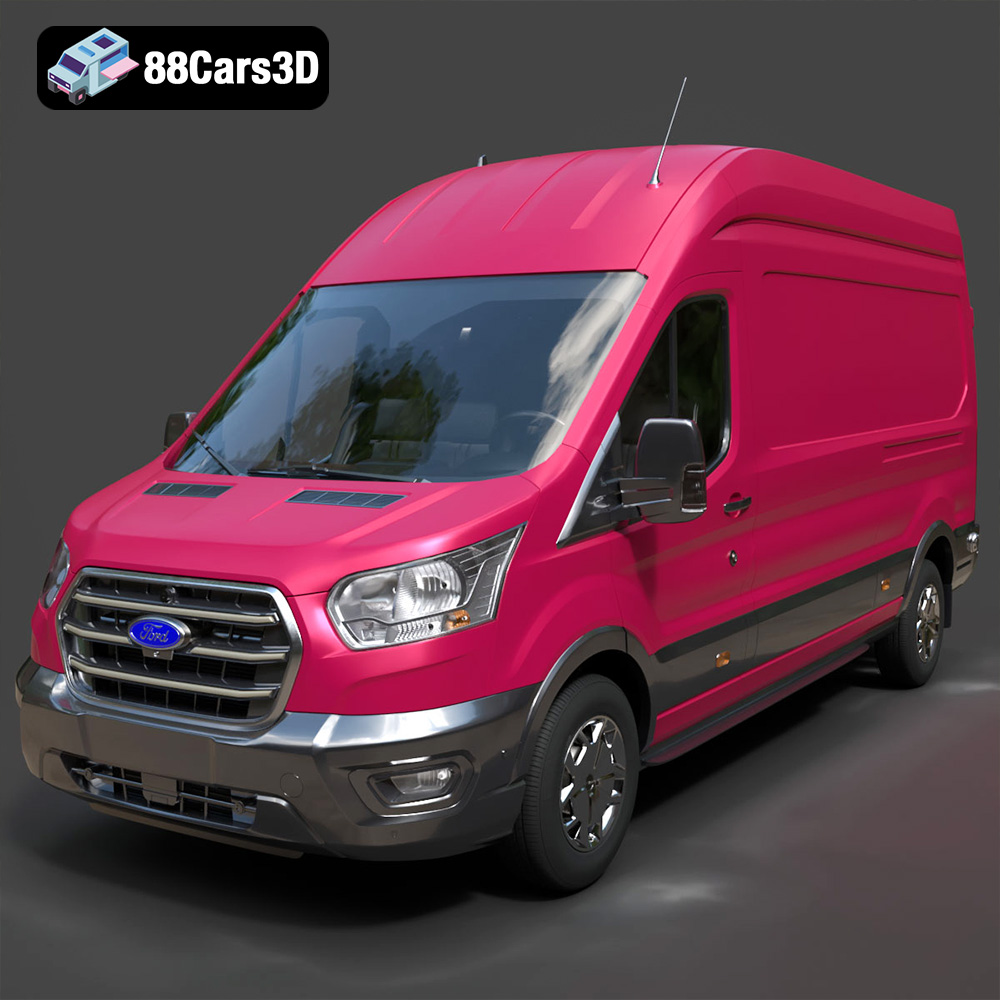
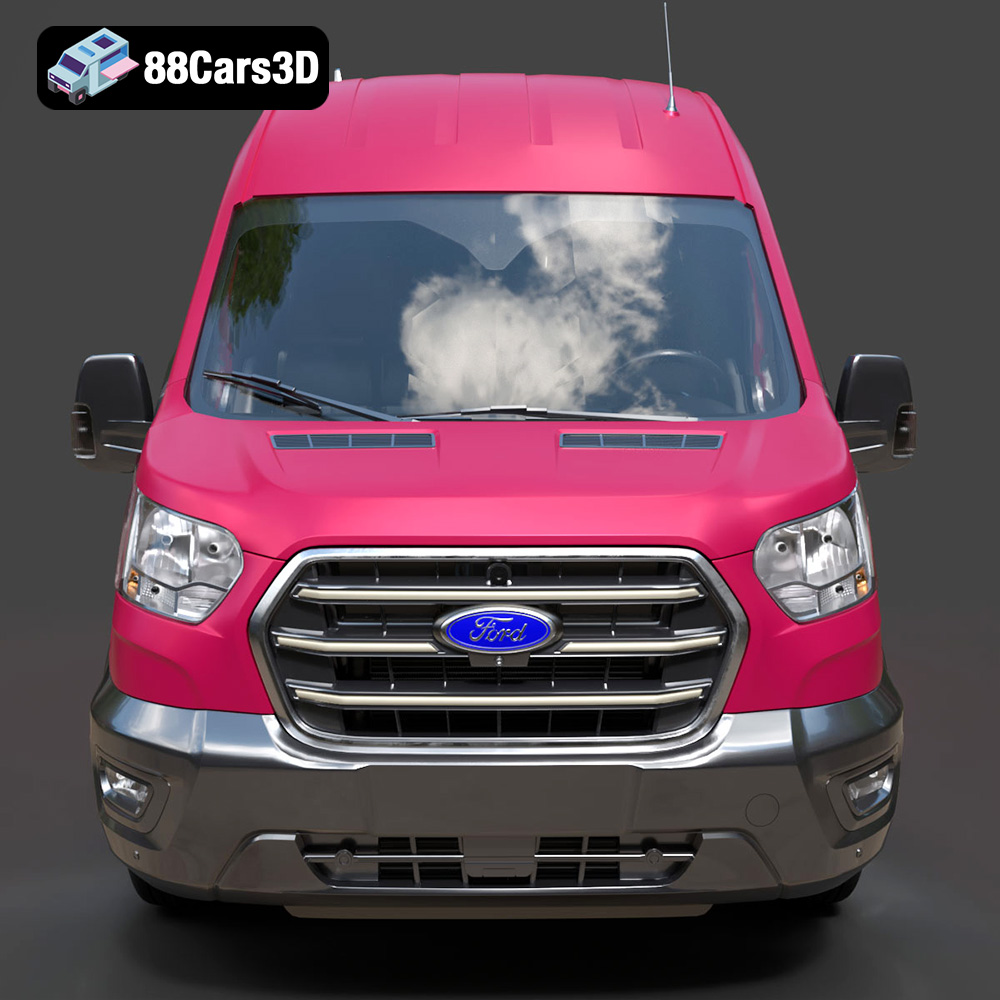
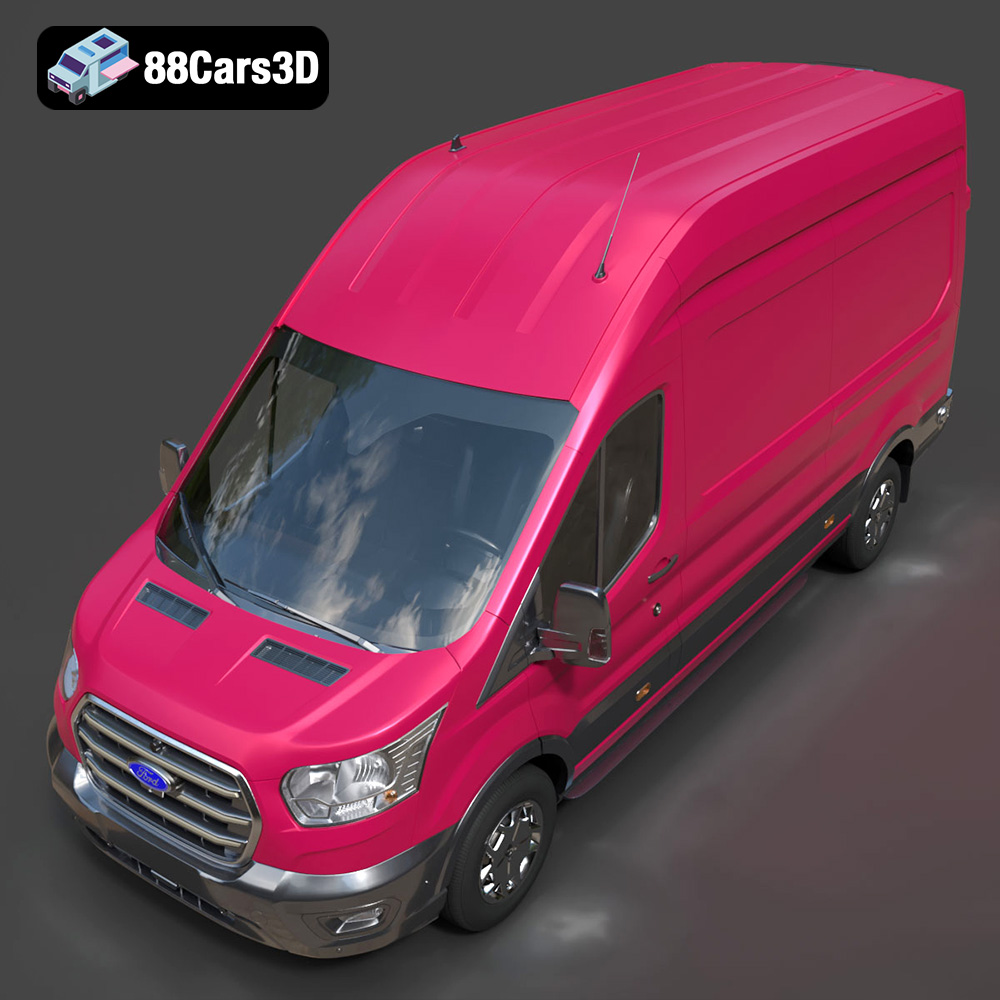
One prime example of such a critical asset is the Ford Transit Van L3H3 Trend 2021 3D Model. This particular model stands out for its intricate detail and professional-grade quality, capturing the essence of a highly versatile real-world vehicle. Whether you’re simulating complex logistics operations, populating a virtual city, or creating stunning marketing renders, a model of this caliber provides the foundation for exceptional results. Its clean geometry, realistic materials, and comprehensive file format support make it an indispensable tool for designers, artists, and developers alike. Let’s delve deeper into what makes such assets crucial and how they integrate into various professional workflows.
The choice of a 3D model file format is far more than a preference; it’s a critical technical decision that impacts workflow efficiency, compatibility, and the ultimate output quality. Each format is designed with specific use cases and technical considerations in mind. Understanding these nuances is essential for any professional working with 3D car models or other complex assets, especially when sourcing from platforms like 88cars3d.com.
The .blend format is the native file type for Blender, an open-source 3D creation suite. A .blend file typically includes not just the mesh data, but also materials, textures, lighting setups, cameras, animations, and even scripts. This makes it a fully editable scene file, ideal for artists who primarily work within Blender. For the Ford Transit Van L3H3 Trend 2021 3D Model, having a .blend file ensures that all aspects of the original setup – from PBR materials to potential studio lighting – are preserved and readily accessible for modification or direct rendering within Blender.
.fbx (Filmbox) is a proprietary file format owned by Autodesk, but it has become an unofficial industry standard for 3D data interchange. It’s incredibly versatile, supporting geometry, materials, animations, cameras, and even skeletal data. Its primary strength lies in its widespread adoption across different 3D software applications and, crucially, game engines like Unreal Engine and Unity. When integrating the Ford Transit van into a real-time environment, .fbx is often the go-to choice due to its robust support for mesh data, UVs, and hierarchical object structures, ensuring a smooth transition from a modeling package to an interactive experience.
.obj (Wavefront OBJ) is one of the oldest and most widely supported 3D file formats. It primarily stores geometric data – vertices, normals, UV coordinates, and faces – along with references to external material files (.mtl). While it doesn’t support animation or complex scene data, its simplicity and universality make it excellent for cross-software compatibility. If you need a clean mesh of the Ford Transit for sculpting, retopology, or simply as a fallback for software that might not support newer formats, .obj is a reliable choice.
.glb (GL Transmission Format Binary) is the binary version of glTF, an open standard designed for the efficient transmission and loading of 3D scenes and models by applications. It’s particularly optimized for augmented reality (AR), virtual reality (VR), and web-based displays due to its compact size and efficiency. A .glb file contains all necessary data – mesh, materials, textures, animations – in a single, self-contained file. For displaying the Ford Transit van in an interactive web viewer or an AR app on a mobile device, .glb offers superior performance and ease of deployment.
.stl (Stereolithography) is almost exclusively used for 3D printing and rapid prototyping. It describes only the surface geometry of a 3D object using a collection of triangular facets. It contains no color, texture, or material information. If the goal is to physically manifest the Ford Transit Van L3H3 Trend 2021 3D Model, perhaps for scale models or functional prototypes, the .stl format is the one you’ll send to your 3D printer. Precision in mesh data is crucial here to avoid artifacts in the physical print.
.ply (Polygon File Format) is a file format for storing graphical objects as a collection of polygons. It supports a wider range of properties than .obj or .stl, including color, transparency, and even normal vectors per face or vertex. It’s often used in scientific or engineering applications where precision mesh data is needed, such as 3D scanning, CAD, or finite element analysis. For highly detailed inspection or specific analytical tasks of the Ford Transit’s geometry, the .ply format can be invaluable.
The inclusion of an .unreal file (often referring to a pre-packaged asset or project file within the Unreal Engine ecosystem, typically an exported asset or content package) signifies that the model is specifically configured for direct use within Unreal Engine. This often means optimized meshes, correctly set up materials (e.g., Unreal’s physically based rendering materials), collision meshes, and potentially even LOD (Level of Detail) setups. This greatly accelerates workflow for game developers and real-time visualization artists, minimizing the need for manual setup and ensuring the Ford Transit Van L3H3 Trend 2021 3D Model looks and performs optimally within the engine.
Finally, the .max format is the native scene file for Autodesk 3ds Max, a leading software for 3D modeling, animation, rendering, and compositing. Like .blend, a .max file contains the complete scene, including geometry, materials, textures, lighting, cameras, and animations. For professionals deeply integrated into the 3ds Max ecosystem, this file provides the most flexibility for high-end rendering projects, animation sequences, or detailed modifications to the Ford Transit van, leveraging 3ds Max’s powerful toolset and renderers like V-Ray or Corona.
Having access to this diverse array of formats for a single asset, such as the Ford Transit Van L3H3 Trend 2021 3D Model from 88cars3d.com, empowers users to seamlessly integrate the model into virtually any professional pipeline, saving countless hours of conversion and optimization.
The true value of a versatile 3D asset like the Ford Transit Van L3H3 Trend 2021 3D Model becomes apparent in its seamless integration into diverse professional workflows. Its multi-format availability ensures that artists and developers, regardless of their preferred software, can leverage its detail and quality.
For architectural visualization (arch-viz) artists, populating scenes with realistic vehicles is crucial for conveying scale, context, and a lived-in feel. The .max file for the Ford Transit van is invaluable here. An arch-viz specialist can directly import the model into 3ds Max, position it within a street scene or a logistics hub rendering, and then utilize powerful render engines like V-Ray or Corona. The pre-configured materials, optimized for rendering, mean less time spent on shader setup and more on artistic composition. Imagine showcasing a new warehouse design with several Ford Transit vans realistically parked at loading docks, indicating its operational potential and capacity.
Game developers constantly require optimized game assets that balance visual fidelity with real-time performance. The inclusion of .fbx and .unreal formats for the Ford Transit van is a game-changer. For Unreal Engine users, the .unreal file or an optimized .fbx can be imported directly. This often means the model comes with proper UV mapping for textures, collision meshes for physics interactions, and potentially LODs to ensure smooth performance across different distances and platforms. Similarly, Unity developers can leverage the .fbx file, importing it with materials and textures ready for their PBR (Physically Based Rendering) pipeline.
Blender’s open-source nature and powerful toolset make it a favorite for many, including those in product design and simulation. The .blend file for the Ford Transit Van L3H3 Trend 2021 3D Model offers maximum flexibility for these users. A designer might use it to create product placement visualizations, showing how their new cargo system fits perfectly inside the van. Simulation engineers could leverage the clean geometry for physics simulations, studying load distribution or aerodynamic properties. The complete scene setup in the .blend file allows for immediate experimentation and iteration.
The applications for a high-quality 3D car model extend far beyond traditional rendering. The Ford Transit Van L3H3 Trend 2021 3D Model, with its accuracy and diverse file formats, unlocks a myriad of possibilities across various industries.
Consider a logistics company planning optimal routes or designing a new warehouse layout. Having an accurate 3D model of their fleet vehicles, like the Ford Transit L3H3, is critical for realistic simulations. Engineers can use the model to analyze turning radii in tight spaces, visualize loading and unloading procedures, or even simulate parking configurations to maximize efficiency. The .ply format could be used for precise volumetric analysis, while the .max or .blend files could drive animations for training videos on best practices in cargo handling.
Automotive manufacturers and dealerships are increasingly using 3D models for interactive marketing. A detailed model of the Ford Transit can be integrated into online configurators, allowing potential buyers to explore different paint colors, interior options, and accessory packages in real-time 3D. The .glb format is particularly well-suited for web-based configurators, offering smooth, interactive experiences directly in a browser without requiring plugins.
Augmented Reality (AR) and Virtual Reality (VR) are transforming how we interact with digital content. Imagine maintenance technicians using an AR application on their tablet to overlay digital instructions onto a real Ford Transit van, guiding them through a complex repair. Or, a VR experience where a prospective buyer can virtually sit inside the van, explore its spacious interior, and even “drive” it in a simulated environment. The optimized .glb format, along with game-engine-ready .fbx and .unreal files, are perfect for creating these lightweight, high-performance immersive experiences.
The mark of a truly professional 3D model lies not just in its visual appeal but in its underlying technical craftsmanship. The Ford Transit Van L3H3 Trend 2021 3D Model exemplifies these qualities through its clean geometry, realistic materials, and inherent optimization for various pipelines.
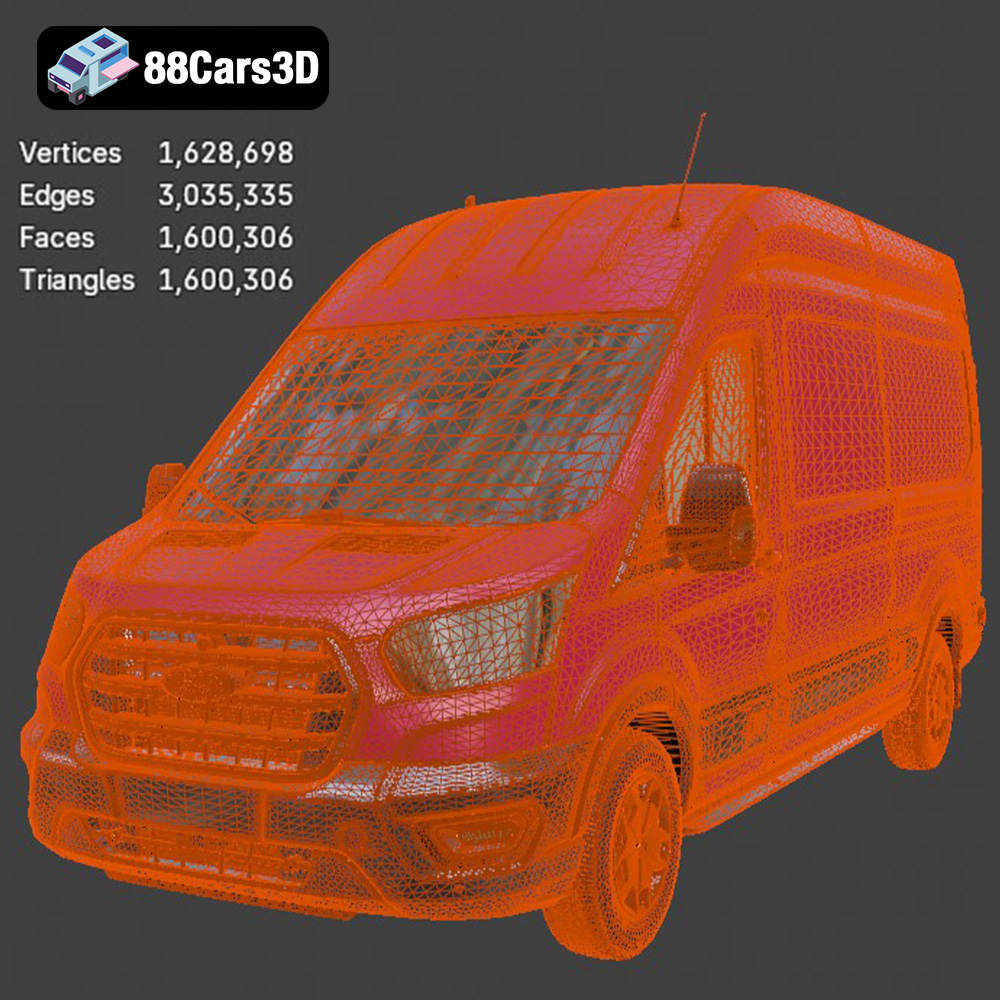
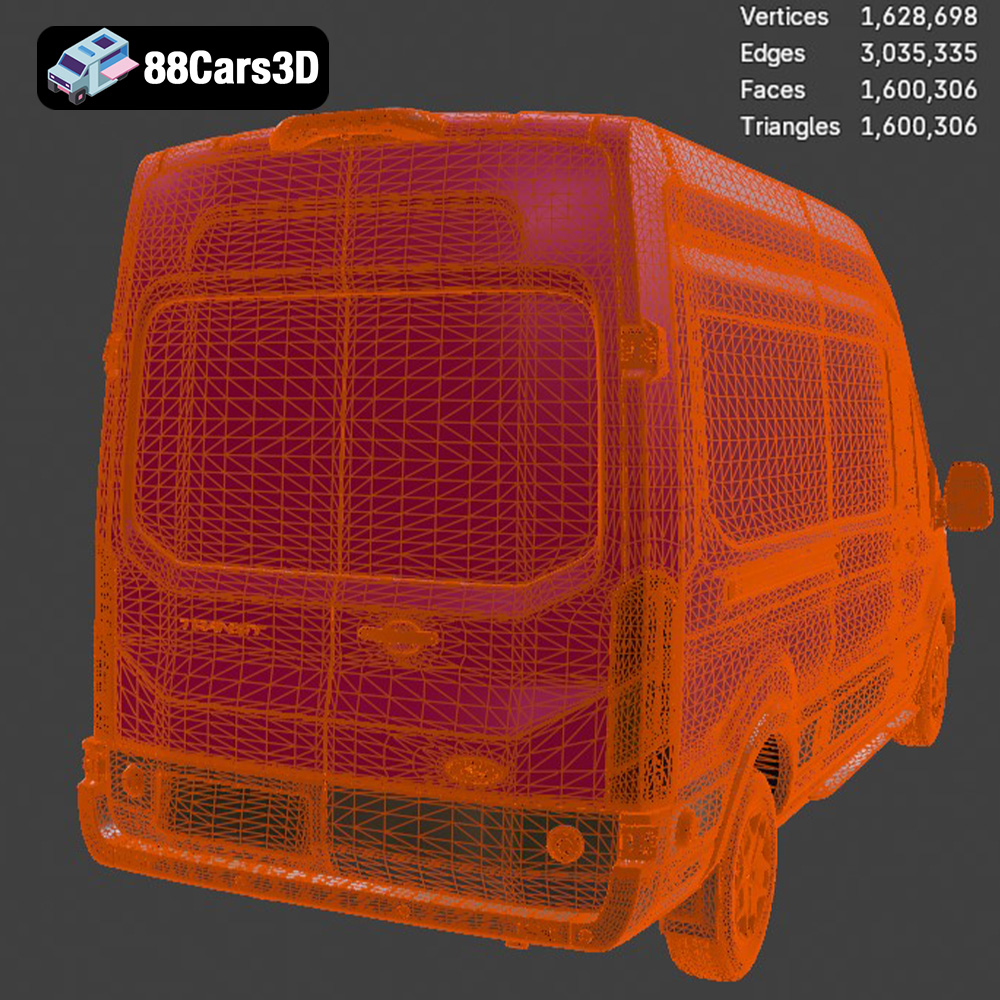
A “clean geometry” means the mesh is well-constructed with quad-based polygons (four-sided faces) where possible, minimal N-gons (polygons with more than four sides), and no overlapping or inverted faces. This is crucial for several reasons: it ensures smooth subdivision (if required), makes the model easier to edit and UV unwrap, and performs better in real-time rendering engines. A clean mesh also contributes to efficient rendering by reducing unnecessary calculations. The Ford Transit model’s commitment to clean geometry means artists can confidently modify, rig, or animate the vehicle without encountering topological issues.
Modern rendering relies heavily on Physically Based Rendering (PBR) workflows. This means materials are designed to simulate how light interacts with surfaces in the real world, producing highly realistic results. The Ford Transit Van L3H3 Trend 2021 3D Model features realistic materials, implying PBR textures (Albedo/Base Color, Metallic, Roughness, Normal, Ambient Occlusion, etc.). These texture maps ensure that the van’s paint, glass, rubber, and plastic components react to light accurately, whether in a high-end offline renderer or a real-time game engine. This attention to material fidelity significantly enhances visual realism and consistency across different lighting conditions.
Effective UV mapping is the invisible backbone of textured 3D models. It’s the process of unfolding the 3D mesh into a 2D space, allowing 2D textures to be accurately applied to the surface. A professional model like the Ford Transit will feature clean, non-overlapping UVs, maximizing texture space and preventing visual artifacts. This is essential for applying decals, liveries, or grime effects. Efficient UVs also allow for texture atlasing, where multiple smaller textures are combined into one larger map, reducing draw calls and improving performance in real-time applications.
Investing in high-quality 3D assets is a strategic decision for any professional in the visualization or interactive media industries. Platforms like 88cars3d.com specialize in providing these critical resources, ensuring that artists and developers have access to top-tier models that meet stringent technical and aesthetic requirements.
Creating a detailed 3D car model from scratch is an incredibly time-consuming and skill-intensive process. From meticulous blueprint matching to intricate topology, UV unwrapping, and PBR material creation, it can take hundreds of hours for a single vehicle. By purchasing a professional-grade model like the Ford Transit Van L3H3 Trend 2021 3D Model from 88cars3d.com, you are essentially acquiring the cumulative expertise of experienced 3D artists at a fraction of the cost and time. This allows you to focus on your core project goals – be it rendering an architectural scene, developing a game, or creating an AR experience – rather than getting bogged down in asset creation.
88cars3d.com prides itself on offering high-quality 3D car models. This implies a rigorous standard for geometry, materials, and overall model integrity. When you download an asset, you can be confident that it will have clean topology, optimized UVs, and PBR-ready materials, ensuring consistency across your projects. This quality assurance minimizes the need for extensive post-purchase cleanup or optimization, allowing for immediate integration into your workflow. The inclusion of multiple file formats further streamlines this process, catering to various software environments.
Beyond individual models, a specialized marketplace like 88cars3d.com acts as a valuable hub for a wide range of automotive 3D assets. Whether you need classic cars, modern vehicles, commercial vans like the Ford Transit, or futuristic concepts, such platforms offer a curated selection. This centralized resource ensures that you can find the perfect vehicle to complement any project, maintaining visual consistency and streamlining your asset acquisition process.
The demand for high-quality 3D car models is a testament to their indispensable role in modern digital content creation. From lending realism to architectural visualizations to providing critical assets for game development and immersive AR/VR experiences, meticulously crafted vehicles are fundamental. The Ford Transit Van L3H3 Trend 2021 3D Model stands as an excellent example of such an asset, offering unparalleled detail, clean geometry, and realistic PBR materials across a spectrum of industry-standard file formats.
Its comprehensive format support – from editable .blend and .max files to game-engine-ready .fbx and .unreal, and web-optimized .glb – ensures that professionals across various disciplines can seamlessly integrate this model into their workflows. Whether you’re an arch-viz artist needing to populate a scene, a game developer crafting an open world, or an engineer running simulations, this model provides the technical foundation for exceptional results. By choosing high-quality, pre-made 3D assets from trusted sources like 88cars3d.com, you not only save valuable time and resources but also elevate the overall quality and realism of your projects. Investing in such robust assets is a smart move for any professional aiming to stay at the forefront of digital visualization.
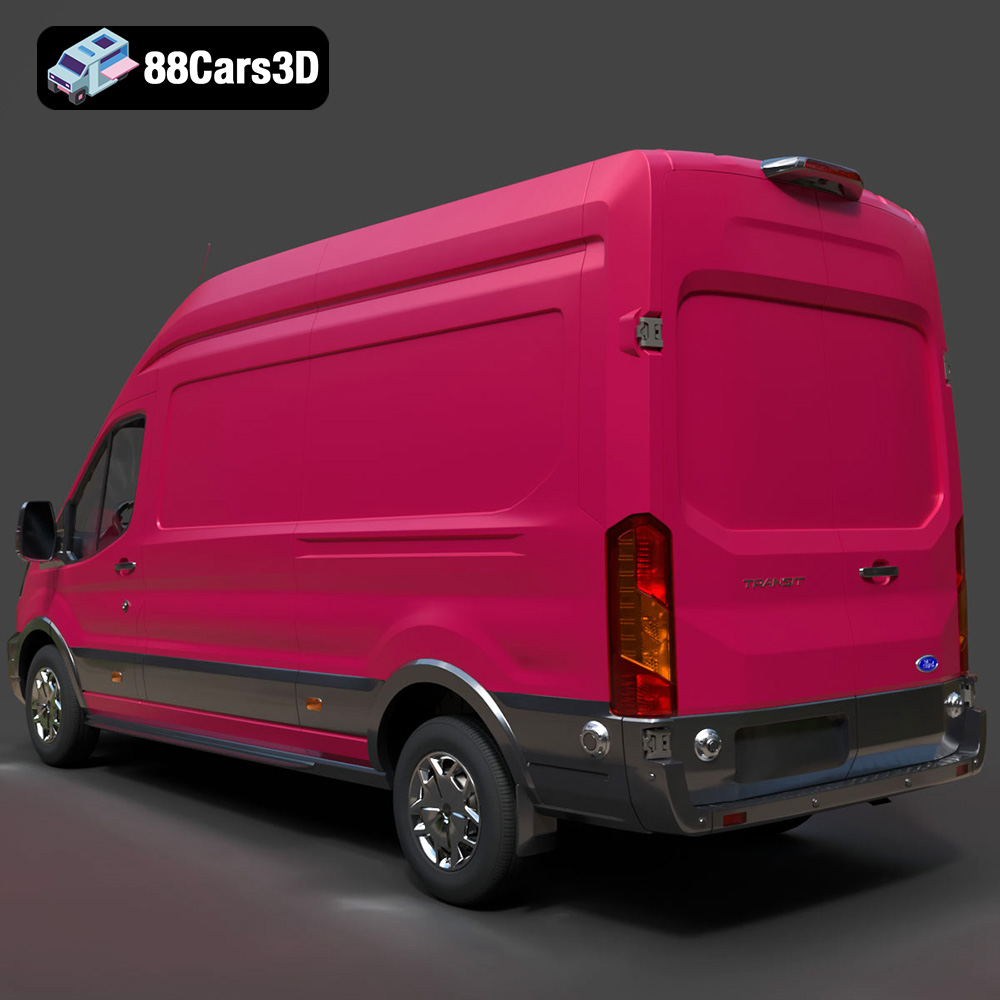
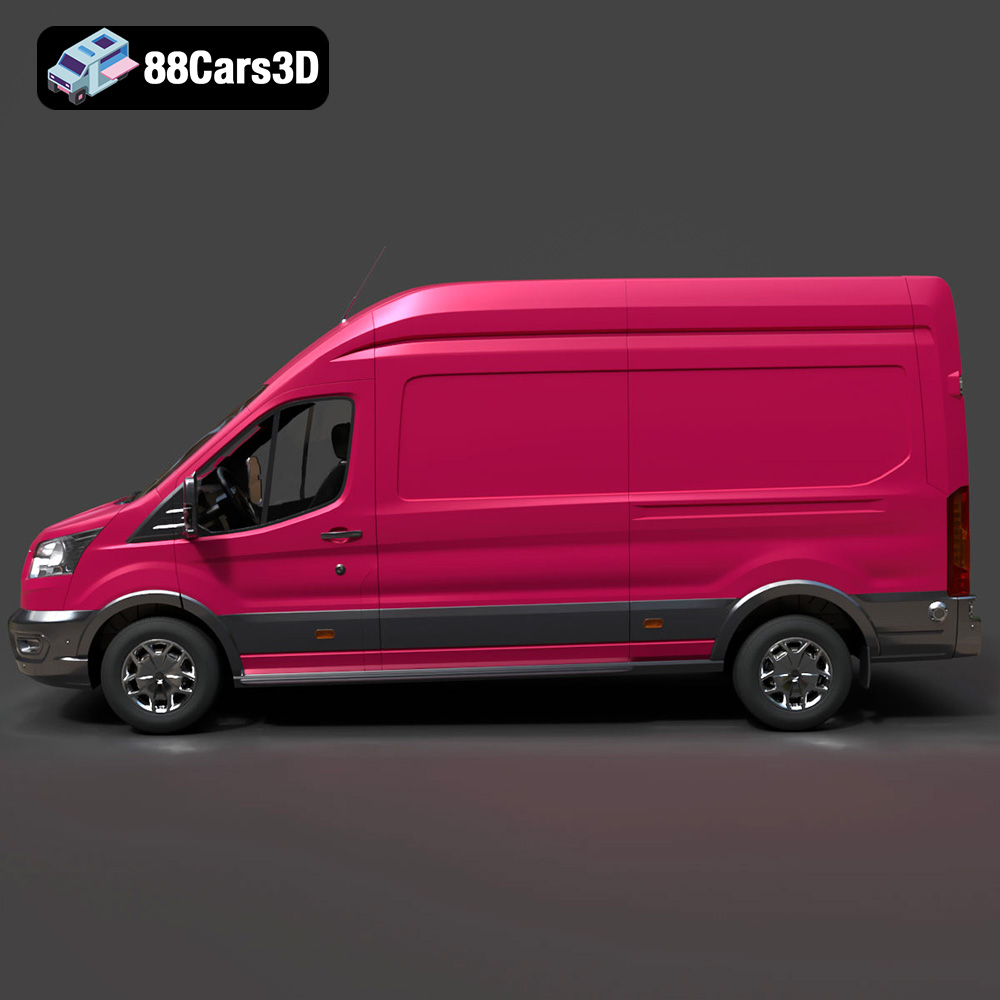
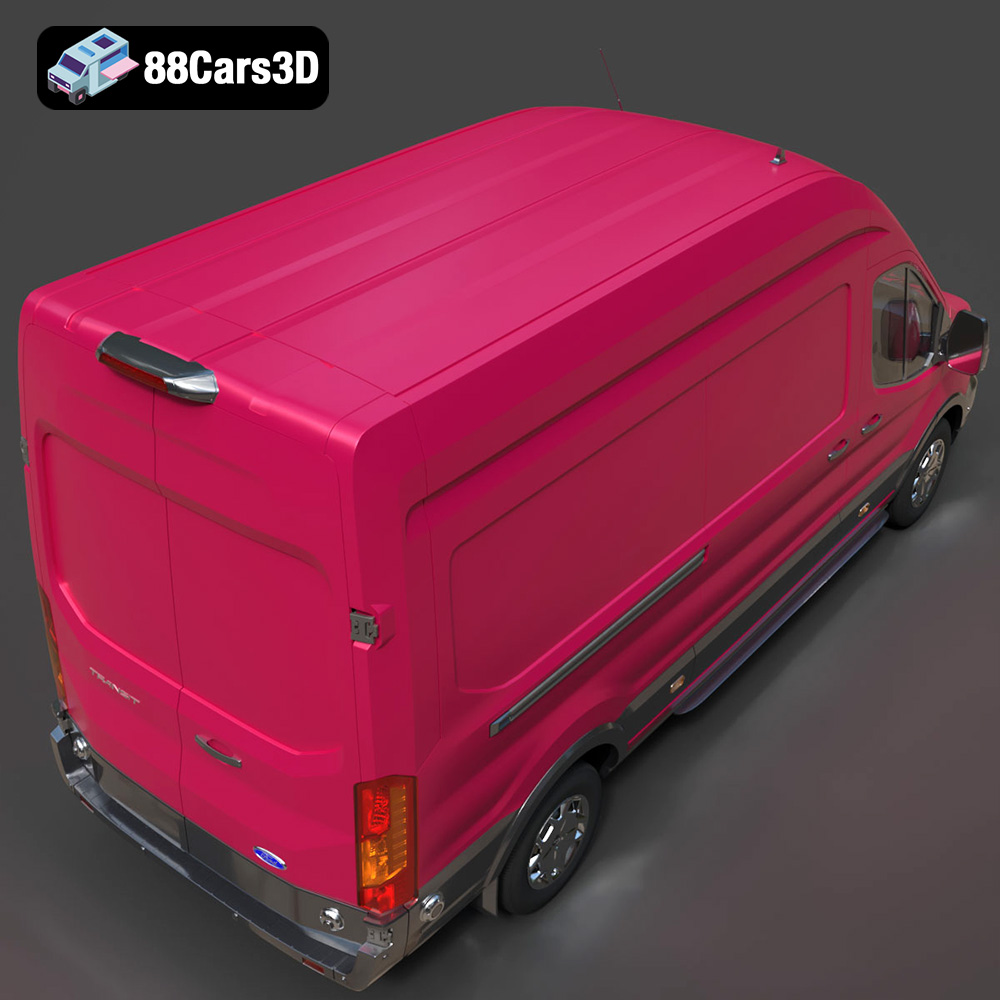
Immerse yourself in the intricate detail of the Ford Transit Van L3H3 Trend 2021 3D Model. This model captures the essence of the versatile van with a high level of accuracy, mirroring the real-world vehicle’s design and functionality. From its spacious cargo area to its distinctive exterior features, every aspect has been carefully replicated to provide a true-to-life representation.
Key features of this 3D model include clean geometry for efficient rendering, realistic materials that enhance visual fidelity, and professional-grade quality suitable for a variety of applications. Whether you’re creating visualizations, simulations, or interactive experiences, this model is designed to meet your needs.
This 3D model is ideal for game development, architectural visualization, rendering projects, AR/VR applications, and other forms of visual media where accuracy and detail are paramount.
The following file formats are included:
$19.99
.arvr
.blend
.car3dmodel
.fbx
.ford
.gameasset
.glb
.max
.obj
.ply
.rendering
.simulation
.stl
.transit
.transitvanl3h3trend
.unreal
.van
.vanl3h3trend