Get 50% OFF All Premium 3D & STL Models!

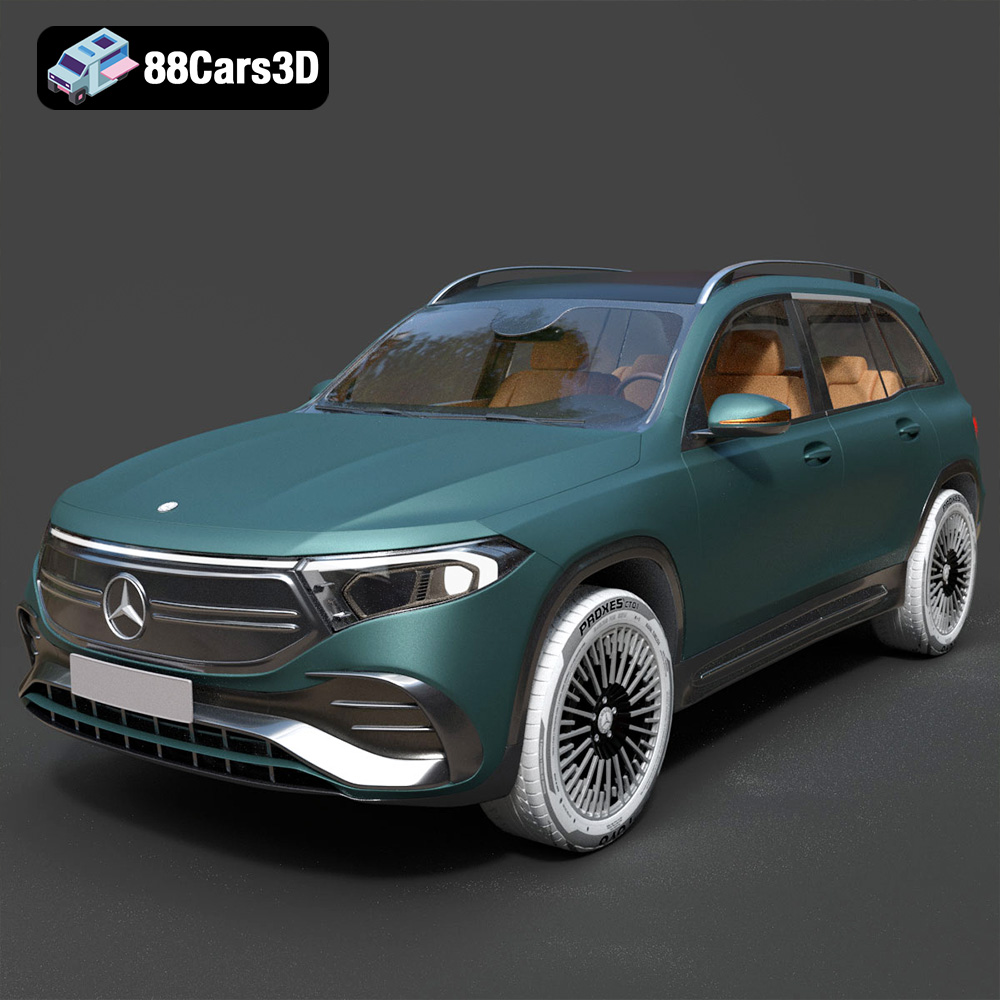
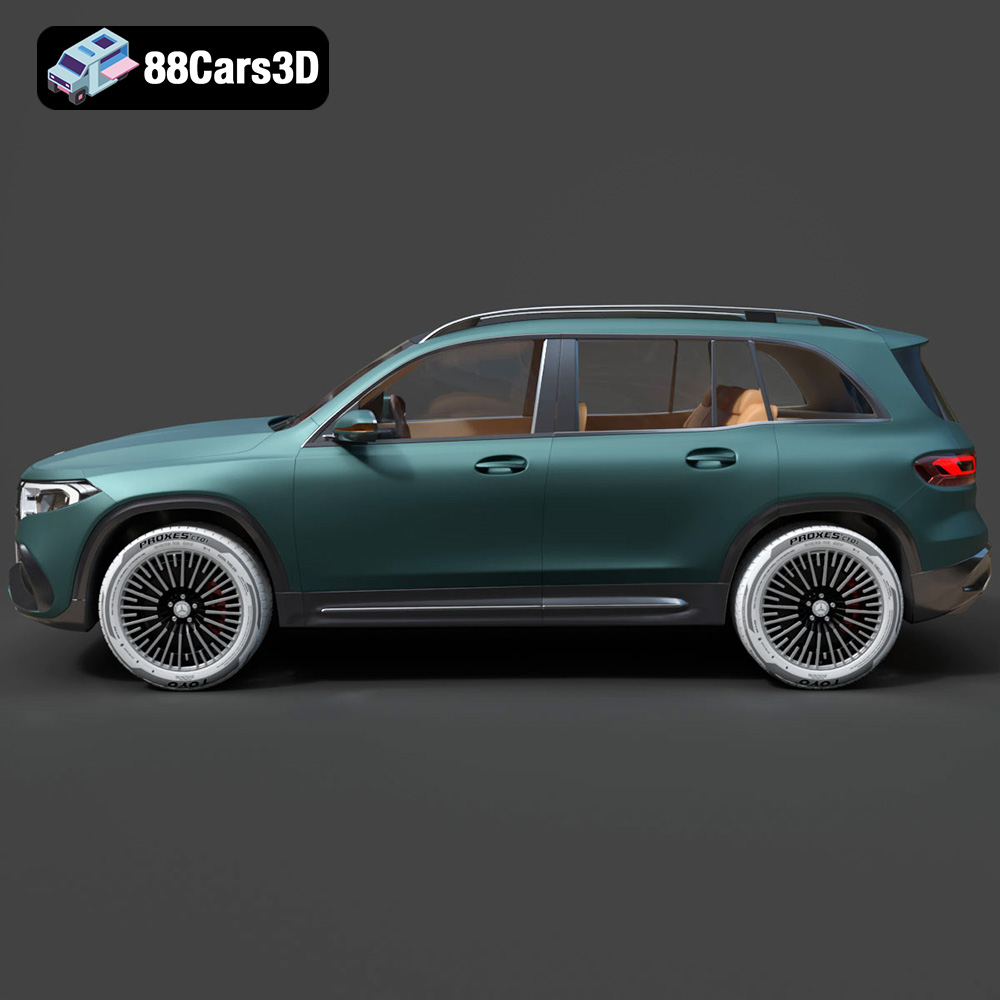
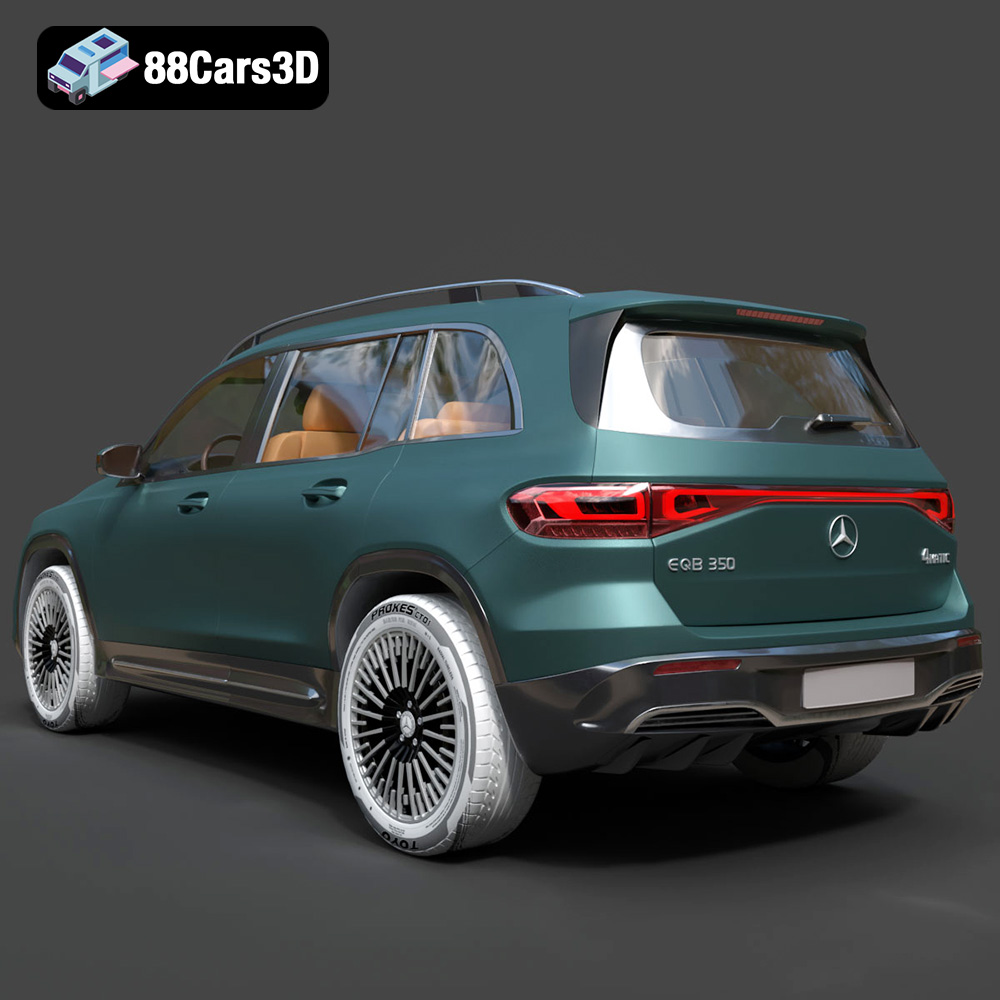
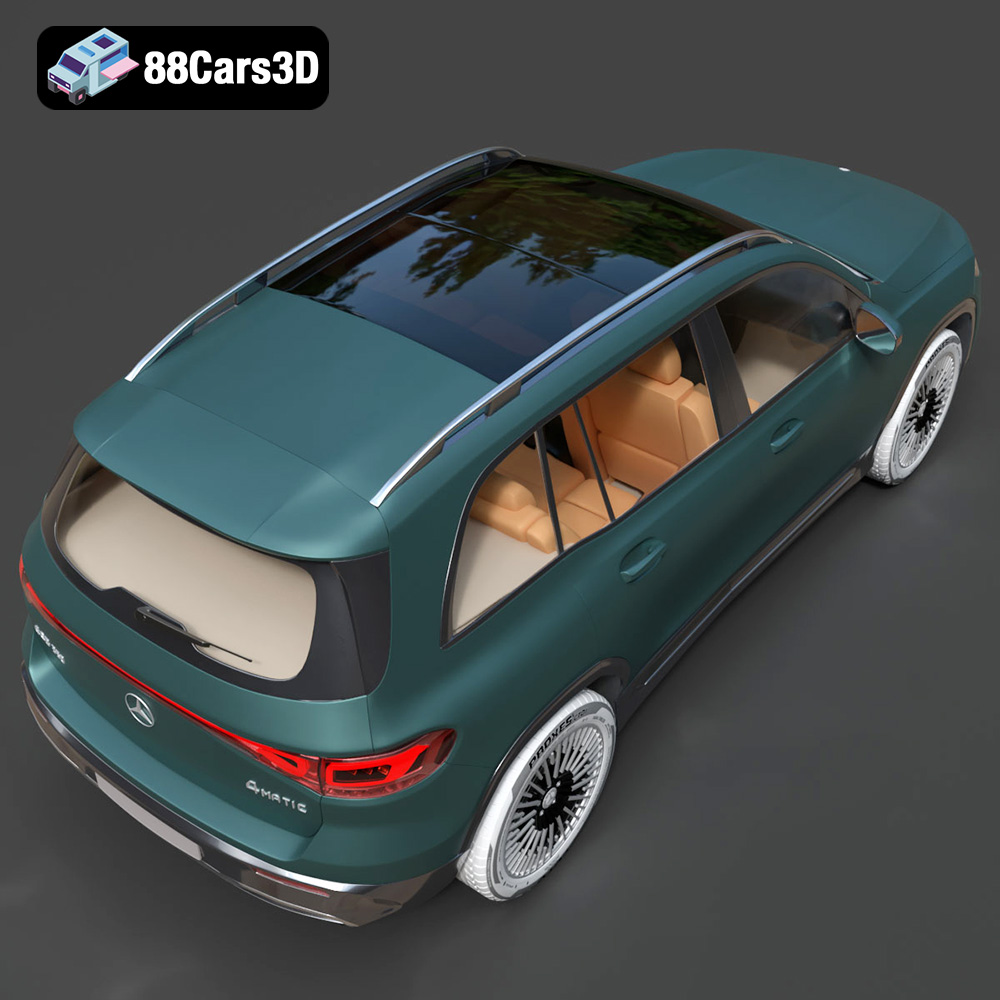
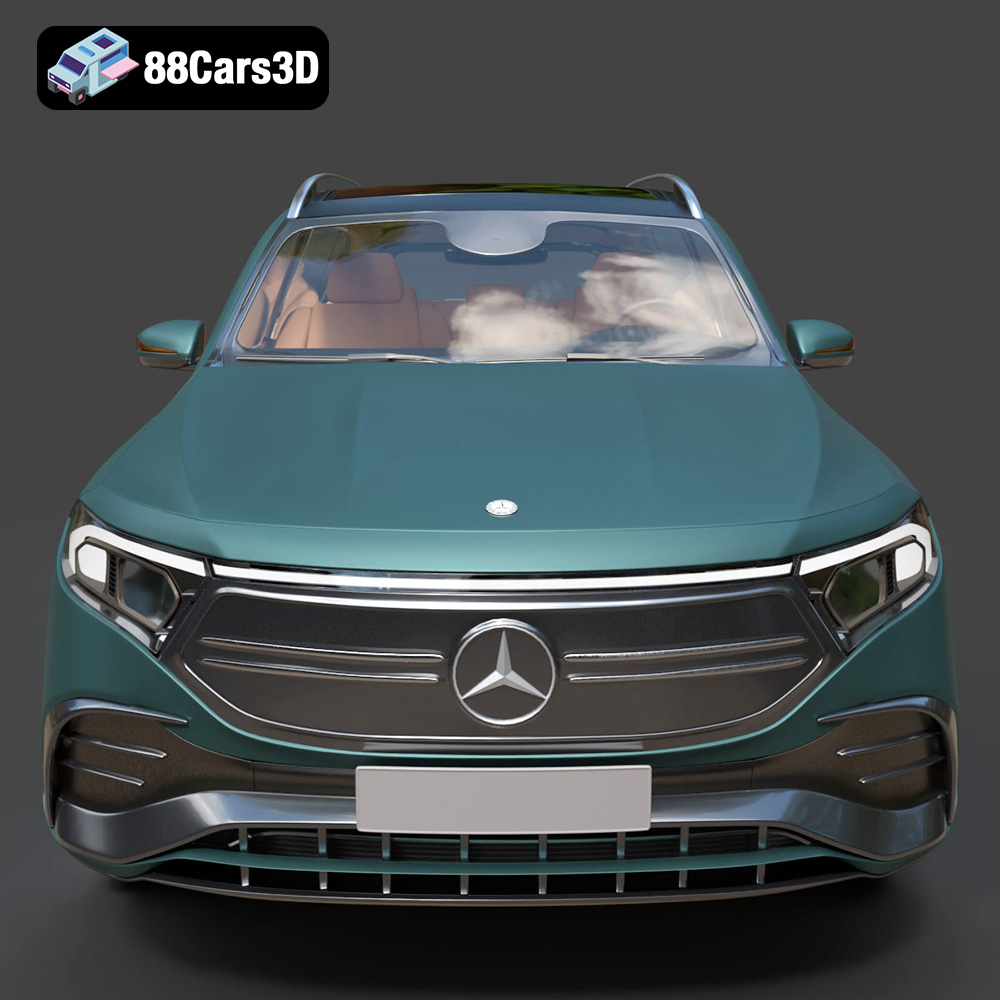
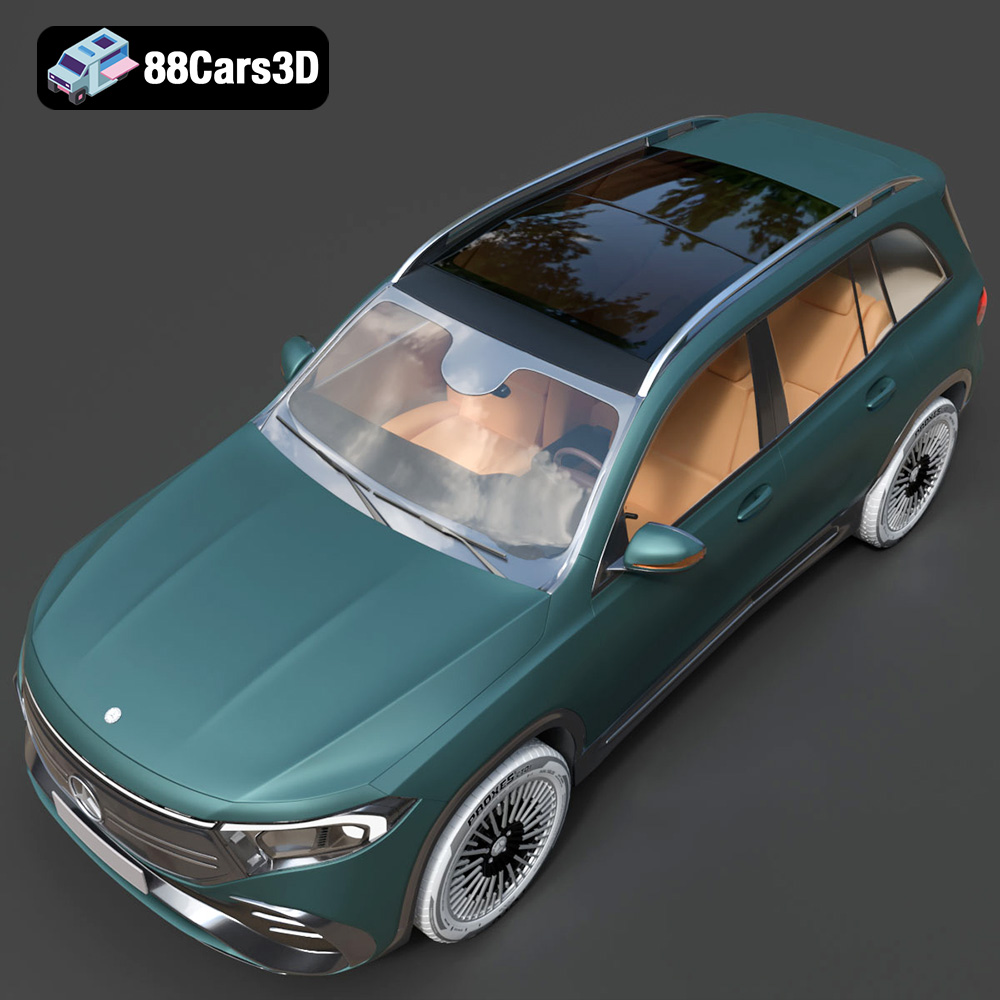
The Mercedes-Benz EQB-001 represents the cutting edge of electric SUVs, and now you can bring this icon of modern automotive design to life with 3D printing. This isn’t just about creating a static model; it’s about experiencing the intersection of digital design and physical creation. Whether you’re a seasoned 3D printing enthusiast or a newcomer eager to explore the possibilities of additive manufacturing, this guide will walk you through the process of successfully 3D printing the Mercedes-Benz EQB-001 model available at 88cars3d.com. We’ll cover everything from selecting the right materials and preparing the STL files to optimizing printer settings and applying post-processing techniques to achieve a stunning, realistic replica. Let’s dive in and transform digital blueprints into a tangible masterpiece.
Before embarking on the 3D printing journey of your Mercedes-Benz EQB-001 model, it’s crucial to understand the various file formats in which the model might be available and their implications for the printing process. While 88cars3d.com offers a variety of formats for different applications, some are better suited for 3D printing than others.
The .stl (Stereolithography) file format is the industry standard for 3D printing. It represents the 3D model’s surface geometry as a collection of triangles. This format is universally compatible with almost all 3D printing software and hardware. However, it’s important to note that .stl files only contain information about the shape of the object and do not include color or texture data. When downloading your Mercedes-Benz EQB-001 model from 88cars3d.com, prioritize the .stl file for printing.
The .obj (Wavefront Object) format is a more versatile format that can store color and texture information, in addition to geometry. This is beneficial if you’re aiming for a multi-colored 3D print or plan to apply textures in post-processing. Some advanced 3D printers can utilize .obj files directly to print in multiple colors. However, .obj files can be more complex and require more processing power, potentially leading to longer slicing times.
The .ply (Polygon File Format) is designed for storing high-detail 3D data, often captured from 3D scanners. It can represent complex shapes with great accuracy, making it suitable for intricate models like the Mercedes-Benz EQB-001. While .ply files can offer superior mesh quality, they may also be larger and more demanding on your slicing software and printer’s processing capabilities.
Formats like .blend (Blender), .fbx (Autodesk Filmbox), .glb (GL Transmission Format), and .max (3ds Max) are primarily used for editing, animation, and visualization purposes. These formats contain additional information such as materials, lighting, and animation rigs that are not directly relevant to 3D printing. While you can’t directly print these files, you can open them in their respective software, make modifications, and then export them as .stl files for 3D printing. The .fbx and .glb formats are excellent for previewing the model with materials before committing to a print, allowing you to visualize the final result.
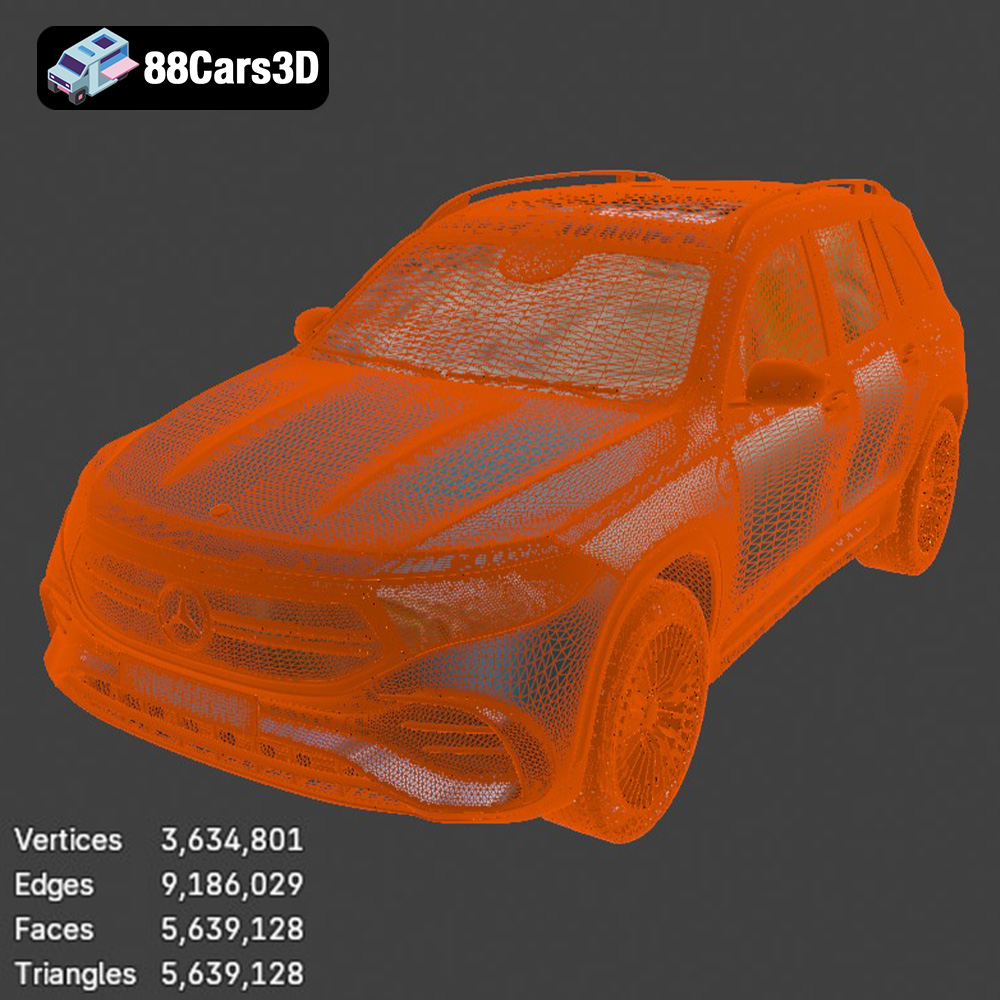
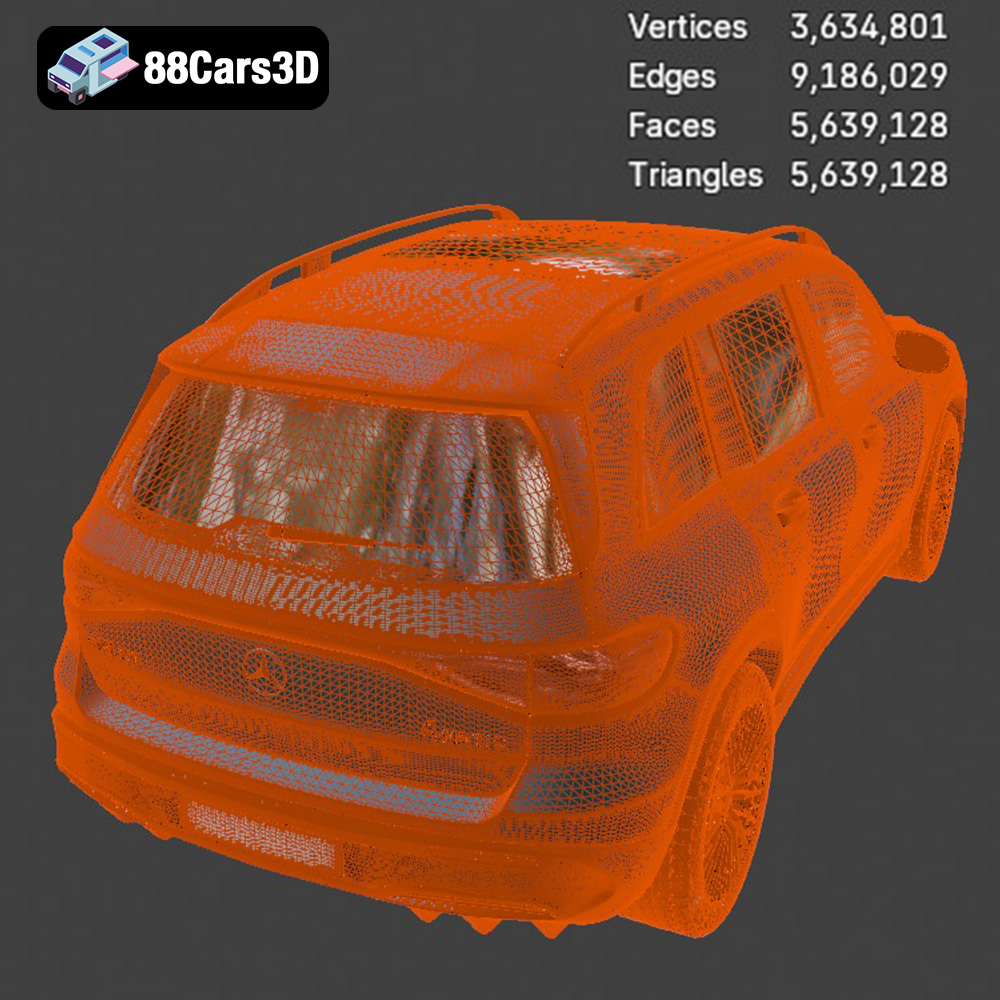
Regardless of the initial file format, the most crucial aspect for 3D printing is the quality of the mesh. Ensure that the .stl file (or the .stl file you export from another format) is watertight, meaning it has no holes or gaps in the surface. Slicing software like Cura, PrusaSlicer, and Simplify3D are essential tools for converting the 3D model into a series of layers that the printer can understand. These programs also allow you to repair minor mesh errors, adjust print settings, and generate support structures. A high-quality, well-prepared .stl file will significantly improve the success rate and final appearance of your 3D printed Mercedes-Benz EQB-001.
Before sending the Mercedes-Benz EQB-001 model to your 3D printer, careful preparation is essential to ensure a successful and high-quality print. This involves inspecting the model, repairing any potential issues, choosing the right orientation, and generating appropriate support structures within your slicing software.
* Mesh Analysis: Open the .stl file in your chosen slicing software and examine it for any errors. Common issues include non-manifold edges, holes, and intersecting faces. These imperfections can lead to print failures or a compromised surface finish.
* Repair Tools: Most slicing programs have built-in repair tools that can automatically fix common mesh problems. For more complex issues, consider using dedicated mesh editing software like MeshLab or Blender. Ensure the model is “watertight” with no open edges or gaps.
* Scaling: Determine the desired size of your 3D printed Mercedes-Benz EQB-001. While the original model from 88cars3d.com is likely designed to be proportionally accurate, you may want to scale it up for better detail or down for faster printing. Be mindful of the printer’s build volume and the potential for increased printing time and material usage with larger scales.
* Optimal Orientation: The orientation of the model on the print bed significantly impacts print quality, support requirements, and overall print time. Consider orienting the Mercedes-Benz EQB-001 with the flattest side down to minimize the need for supports. However, this might not be ideal if it compromises the appearance of important details on the top surface. Experiment with different orientations to find the best balance.
* Support Generation: Overhanging features require support structures to prevent them from collapsing during printing. Slicing software can automatically generate supports, but it’s crucial to customize them for optimal performance. Consider using tree supports or light supports for easier removal and minimal surface scarring. Pay special attention to areas like the wheel arches, side mirrors, and roofline.
* Rafts and Brims: For models with small footprints or a tendency to warp, adding a raft or brim can improve adhesion to the print bed. A raft is a thick layer of plastic printed underneath the model, while a brim is a thin outline that extends outwards from the base. These features provide a larger surface area for adhesion and help prevent warping, especially when printing with materials like ABS.
The choice of material is critical for achieving the desired aesthetic and functional properties of your 3D printed Mercedes-Benz EQB-001. Different filaments offer varying levels of strength, flexibility, temperature resistance, and surface finish. Here are some popular options:
* Pros: PLA is a biodegradable thermoplastic known for its ease of use, low printing temperature, and minimal warping. It’s a great choice for beginners and produces prints with good detail. It’s also available in a wide range of colors and finishes.
* Cons: PLA is not very heat resistant and can soften or deform at temperatures above 60°C. It’s also relatively brittle compared to other materials.
* Recommendation: PLA is a good option for creating a display model of the Mercedes-Benz EQB-001 that won’t be exposed to high temperatures or stress.
* Pros: PETG combines the ease of printing of PLA with improved strength, flexibility, and temperature resistance. It’s a more durable option than PLA and offers better resistance to impact and wear.
* Cons: PETG can be more prone to stringing than PLA, requiring careful adjustment of retraction settings. It also requires a slightly higher printing temperature.
* Recommendation: PETG is an excellent all-around choice for 3D printing the Mercedes-Benz EQB-001, offering a good balance of printability, strength, and durability.
* Pros: ABS is a strong, heat-resistant thermoplastic commonly used in automotive applications. It can withstand higher temperatures than PLA and PETG and is more resistant to impact.
* Cons: ABS is more challenging to print than PLA and PETG due to its tendency to warp and crack. It requires a heated bed and an enclosed printer to maintain a stable printing environment. It also emits fumes during printing that can be unpleasant and potentially harmful.
* Recommendation: ABS is suitable for creating a more durable and heat-resistant Mercedes-Benz EQB-001, but it’s recommended for experienced 3D printer users who are comfortable with managing warping and fumes.
* Pros: Resin printing offers exceptional detail and smooth surface finishes, making it ideal for creating highly accurate and aesthetically pleasing models.
* Cons: Resin printers are more expensive than FDM printers, and the resins themselves can be costly. Resin printing also requires more post-processing, including washing and curing the printed parts. The resins can also be toxic and require careful handling.
* Recommendation: Resin printing is a great option if you prioritize detail and surface finish above all else for your Mercedes-Benz EQB-001 model. This may be a good option if the model is scaled down for smaller, detailed prints.
Achieving a high-quality 3D printed Mercedes-Benz EQB-001 requires fine-tuning your printer settings to match the chosen material and desired level of detail. Here are some key settings to consider:
* Lower Layer Height: A smaller layer height (e.g., 0.1mm or 0.15mm) results in smoother surfaces and finer details, but it also increases print time.
* Higher Layer Height: A larger layer height (e.g., 0.2mm or 0.3mm) reduces print time but can compromise surface quality.
* Recommendation: For the Mercedes-Benz EQB-001, a layer height of 0.15mm to 0.2mm is a good balance between detail and print time.
* Lower Infill Density: A lower infill density (e.g., 10% to 20%) reduces material usage and print time, but it also makes the model weaker.
* Higher Infill Density: A higher infill density (e.g., 50% to 100%) increases strength but also adds weight and printing time.
* Recommendation: For a display model, an infill density of 20% to 30% is sufficient. If you need a more durable model, increase the infill density to 50% or higher. Consider using gyroid or honeycomb infill patterns for optimal strength-to-weight ratio.
* Slower Printing Speed: A slower printing speed (e.g., 40mm/s to 60mm/s) improves accuracy and surface quality, especially for intricate details.
* Faster Printing Speed: A faster printing speed (e.g., 80mm/s to 100mm/s) reduces print time but can lead to decreased quality and potential warping.
* Recommendation: Start with a printing speed of 50mm/s to 60mm/s and adjust as needed based on your printer and material.
* Nozzle Temperature: Set the nozzle temperature according to the filament manufacturer’s recommendations. PLA typically prints between 190°C and 220°C, PETG between 220°C and 250°C, and ABS between 230°C and 260°C.
* Bed Temperature: A heated bed is essential for preventing warping, especially when printing with ABS. PLA typically requires a bed temperature of 50°C to 60°C, PETG between 70°C and 80°C, and ABS between 100°C and 110°C.
* Support Density: Adjust the support density to provide adequate support without being too difficult to remove.
* Support Interface: Enable support interface layers to improve the surface quality of overhanging features.
* Support Placement: Manually adjust support placement to minimize scarring on visible surfaces.
Once the 3D printing process is complete, post-processing is crucial for achieving a polished and professional-looking Mercedes-Benz EQB-001 model. This involves removing support structures, sanding the surface, and applying paint or other finishes.
* Careful Removal: Use pliers, cutters, or a sharp knife to carefully remove support structures. Be patient and avoid applying excessive force to prevent damaging the model.
* Soluble Supports: If you used soluble support material (e.g., PVA or HIPS), dissolve the supports in water or a chemical solvent according to the manufacturer’s instructions.
* Progressive Sanding: Start with coarse-grit sandpaper (e.g., 220 grit) to remove larger imperfections and then gradually move to finer grits (e.g., 400 grit, 600 grit, 800 grit) to smooth the surface.
* Wet Sanding: Wet sanding can help to reduce dust and improve the smoothness of the surface.
* Filler Primer: Apply a few coats of filler primer to fill in small imperfections and create a smooth base for painting. Sand the primer between coats.
* Priming: Apply a primer coat to the model to improve paint adhesion and provide a uniform base color.
* Painting: Use acrylic or enamel paints to achieve the desired color scheme. Apply thin, even coats and allow each coat to dry completely before applying the next.
* Clear Coat: Apply a clear coat to protect the paint and add a glossy or matte finish.
* Detailing: Use fine-tipped brushes or paint markers to add details such as window trim, headlights, and emblems.
Even with careful preparation and optimized settings, 3D printing can sometimes present challenges. Here are some common issues and their solutions:
* Warping: Warping occurs when the corners of the model lift off the print bed. To prevent warping, use a heated bed, apply an adhesive like glue stick or hairspray to the bed, and ensure the bed is properly leveled.
* Stringing: Stringing occurs when thin strands of filament are left between different parts of the model. To reduce stringing, decrease the printing temperature, increase retraction distance and speed, and ensure the filament is dry.
* Layer Separation: Layer separation occurs when the layers of the model don’t adhere properly. To prevent layer separation, increase the printing temperature, decrease the printing speed, and ensure the bed is properly leveled.
* Elephant’s Foot: Elephant’s foot occurs when the bottom layers of the model are wider than the upper layers. To correct elephant’s foot, reduce the bed temperature, adjust the initial layer height, and ensure the bed is properly leveled.
By following these guidelines, you’ll be well-equipped to successfully 3D print the Mercedes-Benz EQB-001 model from 88cars3d.com. Remember to experiment with different settings and techniques to find what works best for your printer and material.
Discover the ultimate level of detail and realism with the Mercedes-Benz EQB-001 3D Model. Carefully crafted to replicate the true design of this modern vehicle, this model ensures precision and authenticity for any digital project. Engineered with professional quality in mind, the 3D model features impeccably clean geometry, seamless mesh flow, and highly realistic materials. Every exterior contour and interior element is precisely detailed to provide an exceptionally immersive visual experience. Perfect for a wide range of applications, this vehicle is an excellent choice for video game development, cinematic rendering, architectural visualization, and AR/VR experiences. Whether you are building an interactive simulation or generating photorealistic marketing materials, this 3D model seamlessly integrates into your workflow.
$19.99
.arvr
.blend
.car3dmodel
.electriccar
.eqb
.eqb001
.ev
.fbx
.gameasset
.glb
.max
.mercedes
.mercedesbenz
.obj
.ply
.rendering
.simulation
.stl
.unreal
SUV