Get 50% OFF All Premium 3D & STL Models!

The automotive world continually pushes the boundaries of design, engineering, and luxury. For enthusiasts and professionals alike, capturing the essence of a modern masterpiece like the BMW 8-Series M850i G15 Coupe 2019 is a thrilling endeavor. In the digital realm, this passion translates into the meticulous creation of 3D car models – assets that are not just beautiful representations, but powerful tools for a myriad of applications. From cinematic advertisements that showcase every gleaming curve to immersive virtual reality experiences that put you in the driver’s seat, high-quality 3D car models are the bedrock of modern digital visualization.
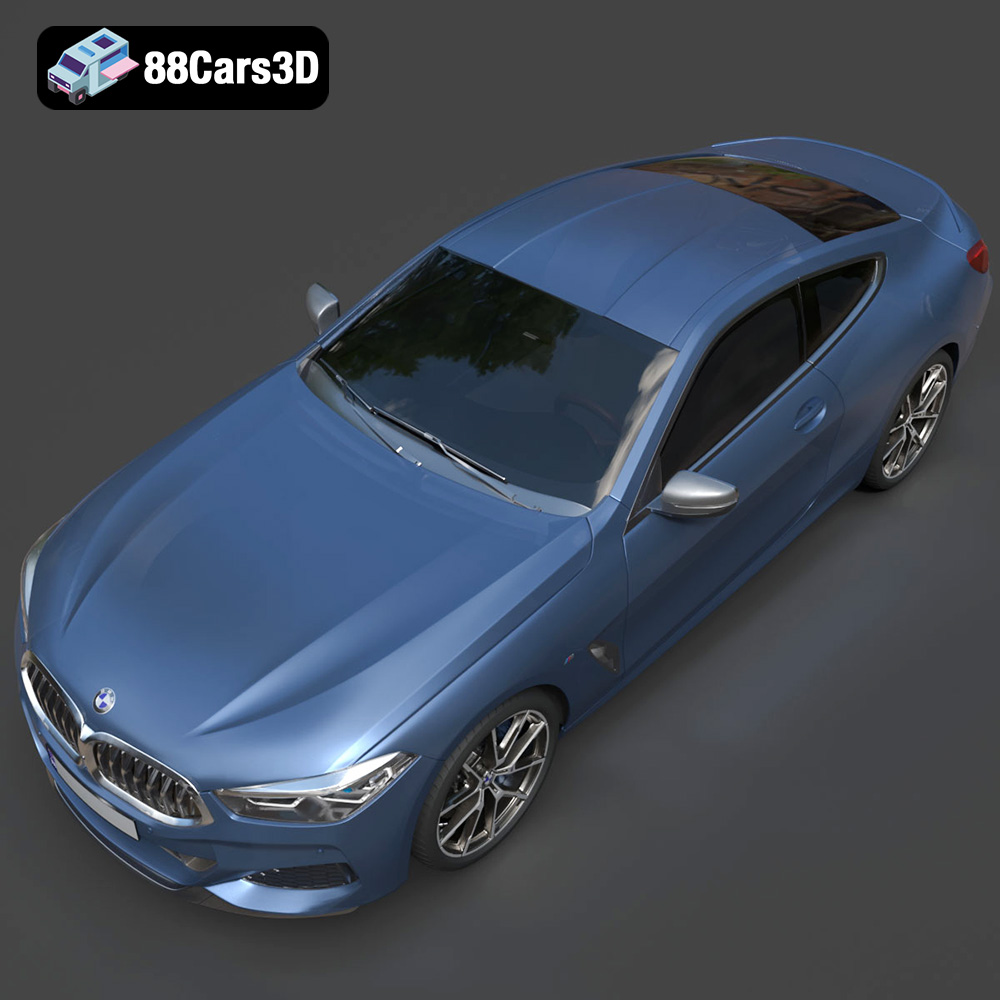
The demand for unparalleled realism and technical precision in 3D car models has never been higher. Whether you’re a game developer striving for photorealism, an architect integrating vehicles into a scene, a marketing professional crafting a compelling visual story, or an engineer performing simulations, the underlying 3D asset must be robust, versatile, and expertly crafted. This is where specialized marketplaces like 88cars3d.com excel, providing professionals with access to exceptional digital assets such as the stunning BMW 8-Series M850i G15 Coupe 2019 3D Model. This model stands as a testament to the blend of artistic vision and technical prowess required to translate a physical marvel into a pixel-perfect digital twin.
Why does quality matter so much in 3D car models? Imagine a high-stakes automotive commercial where a poorly modeled car appears. The illusion shatters instantly. A low-polygon model with stretched textures in a cutting-edge game detracts from the immersive experience. In virtual reality, where every detail is magnified, flaws become glaring errors. The BMW 8-Series M850i G15 Coupe 2019 3D Model addresses these concerns head-on, offering clean geometry, optimized polygon distribution, and realistic materials that ensure exceptional visual fidelity across all applications. It’s built to meet professional standards, guaranteeing smooth subdivisions and outstanding performance, which is critical for demanding close-up shots and real-time environments.
When working with 3D models, especially those as complex and versatile as a high-fidelity car model, understanding the various file formats is paramount. Each format serves a specific purpose, offering unique advantages in terms of compatibility, functionality, and optimization for different workflows. The BMW 8-Series M850i G15 Coupe 2019 3D Model, like many professional assets available on 88cars3d.com, is offered in a comprehensive range of formats to cater to virtually any industry standard or specialized application.
The .blend format is the native file type for Blender, the popular open-source 3D creation suite. A .blend file typically contains a complete scene, including the 3D mesh, materials, textures, lighting setups, cameras, animation data, and even physics simulations. Its primary advantage is retaining full editability within Blender, allowing artists to modify every aspect of the model, from tweaking material properties to adjusting topology or animating specific components. This makes it ideal for users who wish to customize the BMW M850i 3D model extensively, integrate it into a larger Blender project, or leverage Blender’s powerful rendering engines like Cycles or Eevee.
.fbx (Filmbox) is arguably one of the most widely used 3D interchange formats, developed by Autodesk. It’s renowned for its robust support for mesh data, materials, textures, animations, and skeletal systems. This format is a cornerstone in game development pipelines, being the ideal choice for importing assets into game engines like Unreal Engine and Unity. Its strength lies in its ability to efficiently transfer complex data between different 3D software applications while maintaining a high degree of fidelity. For the BMW M850i, the .fbx version is “game-engine ready,” meaning it’s often pre-optimized for real-time performance, potentially including simplified materials and LODs (Levels of Detail).
The .obj (Object) format is a fundamental, widely supported 3D model format that stores geometry data (vertices, normals, texture coordinates, and faces) and references to external material files (.mtl). While it doesn’t support animation or rigging, its simplicity and near-universal compatibility make it a reliable choice for transferring basic mesh data between virtually any 3D software. If you need a straightforward mesh of the BMW M850i to import into a legacy application or a renderer that might not support more complex formats, .obj is a solid, dependable option.
.glb (GL Transmission Format Binary) is the binary version of glTF, a royalty-free specification for the efficient transmission and loading of 3D scenes and models by applications. It’s specifically designed for web-based 3D, AR (Augmented Reality), and VR (Virtual Reality) experiences. A .glb file packages all necessary data (geometry, materials, textures, animations) into a single, compact file, making it incredibly efficient for streaming and display on browsers or mobile devices. This format is perfect for showcasing the BMW M850i in a virtual showroom on a website or integrating it into an AR application where users can place the car in their real-world environment.
The .stl (Stereolithography) format is the standard for 3D printing. It represents a 3D model as a collection of unconnected triangular facets, defining only the surface geometry of a 3D object without color, texture, or other CAD attributes. While primarily used for physical fabrication, the .stl version of the BMW M850i is useful for prototyping, creating scaled physical models, or even for certain engineering analysis applications where a mesh-only representation is needed. It’s crucial that the underlying mesh for an .stl conversion is watertight (no holes) for successful 3D printing.
.ply (Polygon File Format or Stanford Triangle Format) is a file format for storing three-dimensional data from 3D scanners. It supports properties such as color, transparency, surface normals, texture coordinates, and data confidence values, in addition to standard geometric data. While not as universally used as .obj or .fbx, .ply offers a robust way to store precise mesh information and is often favored in scientific computing, CAD environments, or for advanced visualization where exact point cloud or mesh data is critical. The .ply version of the BMW M850i would be suitable for detailed analysis or specific rendering pipelines requiring this precise data.
The .unreal format, or more accurately, assets provided with an Unreal Engine project structure, signifies a 3D model that has been specifically configured and optimized for direct import and use within Unreal Engine. This often means the model comes with pre-set materials (often PBR-ready), collision meshes, LODs, and potentially even blueprint setups. This dramatically accelerates the workflow for Unreal Engine developers, as much of the tedious setup work for rendering and interactivity is already done. The BMW M850i’s .unreal version offers significant time savings for game and visualization projects using this powerful engine.
The .max format is the native file type for Autodesk 3ds Max, a leading software for 3D modeling, animation, rendering, and compositing. Similar to .blend, a .max file contains a complete scene with all model data, materials, textures, lighting, cameras, and animations. The .max version of the BMW M850i G15 Coupe 2019 3D Model offers full editability within 3ds Max, making it perfect for high-end architectural visualization, product rendering, or creating complex animations where 3ds Max’s robust toolset is preferred. Users can modify the model, apply V-Ray or Corona renders, or integrate it into complex scenes with ease.
The availability of the BMW 8-Series M850i G15 Coupe 2019 3D Model in such a comprehensive suite of formats underscores its professional-grade nature and the commitment of providers like 88cars3d.com to supporting diverse creative and technical pipelines.
Creating a truly high-fidelity 3D car model is an intricate process that demands both artistic skill and technical precision. It goes far beyond simply replicating the shape of a vehicle; it involves understanding automotive design language, material science, and optimization techniques. The BMW 8-Series M850i G15 Coupe 2019 3D Model exemplifies these principles, showcasing a level of detail that elevates it from a mere digital object to a digital work of art.
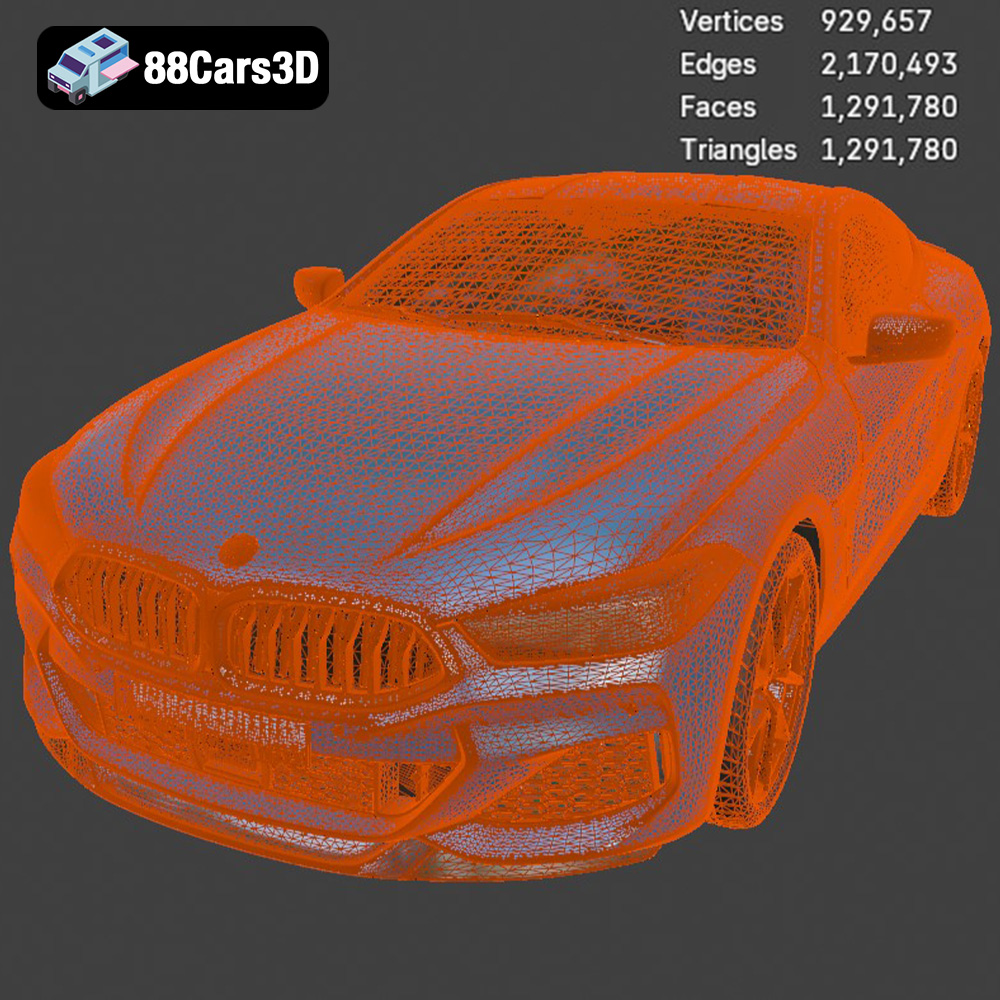
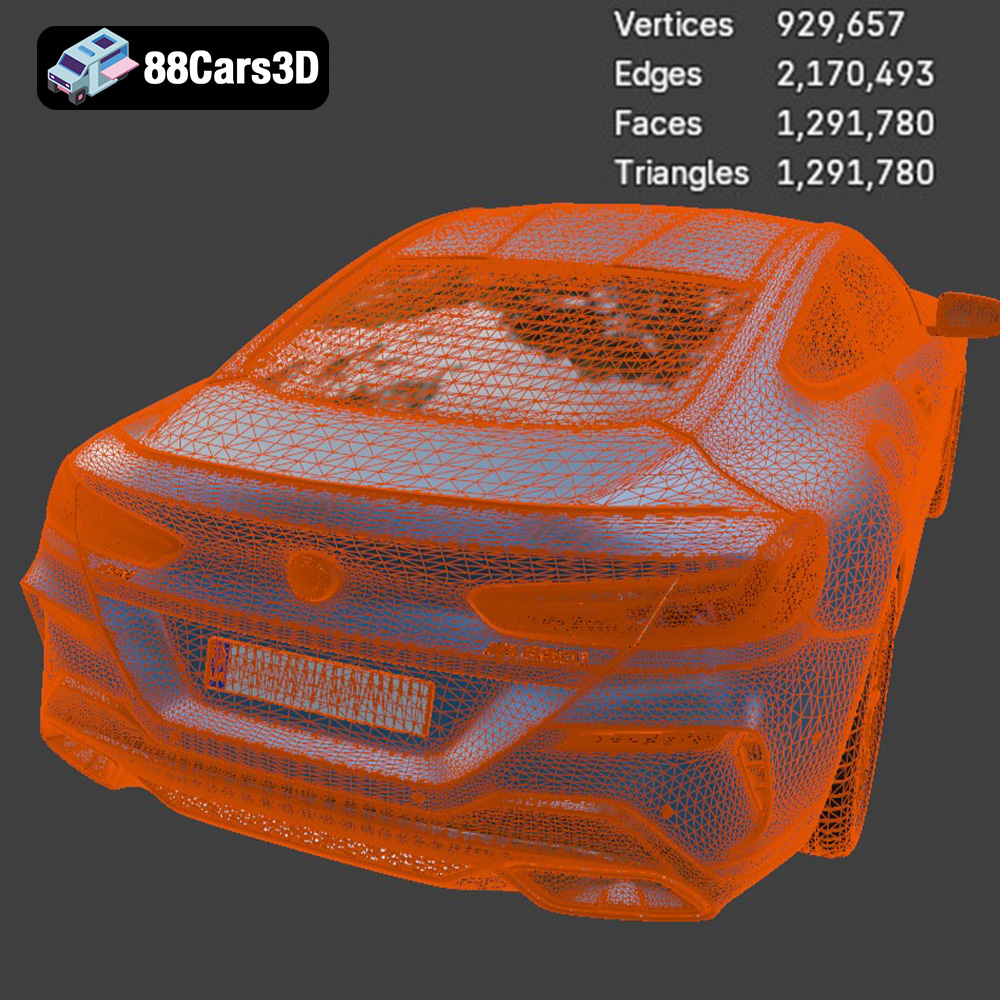
The foundation of any good 3D model is its topology – how the polygons are arranged. For automotive models, this is especially critical due to the complex curves and reflective surfaces. A professional model like the BMW M850i features “clean geometry and optimized polygon distribution.” This means the mesh primarily consists of quad polygons, which deform smoothly during subdivision and animation. Edge flow is carefully managed to define sharp creases and gradual curves accurately. This meticulous attention to detail ensures that when light hits the surface, it reflects realistically, free from unsightly pinches or distortions, a common flaw in lower-quality models.
Modern 3D rendering relies heavily on Physically Based Rendering (PBR) workflows. This approach simulates how light interacts with real-world materials, yielding incredibly realistic results. For an automotive model, this means accurately recreating the metallic flakes in car paint, the subtle texture of leather seats, the reflections in glass, and the emissive qualities of headlights and taillights. The BMW 8-Series M850i G15 Coupe 2019 3D Model is built with “realistic materials,” implying a PBR setup that includes albedo/base color, metallic, roughness, normal, and ambient occlusion maps. These textures are not just visually accurate but also technically correct, ensuring consistent results across different rendering engines and lighting conditions.
The versatility of a high-quality 3D asset like the BMW 8-Series M850i G15 Coupe 2019 3D Model makes it indispensable across various professional domains. Its comprehensive file format support ensures seamless integration into established pipelines, whether for high-end cinematic rendering, interactive game development, or immersive AR/VR experiences.
For advertising agencies, automotive design studios, and visualization specialists, photorealistic rendering is paramount. Using the .max or .blend files, artists can leverage powerful renderers like V-Ray, Corona Renderer, Octane, or Cycles. The model’s clean geometry and PBR materials are primed for these environments. Imagine the BMW M850i cruising through a bustling city street, its metallic paint gleaming under the neon lights, or parked elegantly in a luxurious showroom. Such scenes require models that hold up to extreme close-ups, showcasing intricate details like brake calipers, headlight internals, and interior stitching without breaking the illusion. This model’s high level of detail allows for such demanding scenarios, providing a powerful asset for automotive rendering.
The demands of real-time rendering in game development are stringent: models must be visually appealing yet incredibly efficient. The .fbx and .unreal formats of the BMW M850i G15 Coupe 2019 3D Model are specifically tailored for this purpose. These versions are often optimized with appropriate polygon counts, LODs (Levels of Detail), and streamlined material setups to ensure smooth frame rates in Unreal Engine or Unity. Developers can quickly integrate the car into racing simulations, open-world environments, or even driving school applications. The “game-engine ready” designation means less setup time and more focus on gameplay and interaction.
AR/VR is rapidly changing how we interact with digital content. For automotive companies, this means virtual test drives, interactive configurators, and immersive brand experiences. The .glb format of the BMW M850i G15 Coupe 2019 3D Model is perfectly suited for these applications due to its optimized nature for web and mobile platforms. Users can place a virtual BMW M850i in their driveway using AR on a smartphone or explore its interior in full 3D within a VR headset. The quality of the model directly impacts the sense of presence and realism, making a high-fidelity asset crucial for impactful AR/VR content.
Achieving both stunning visual realism and optimal performance in 3D car models requires a deep understanding of technical optimization strategies. The BMW 8-Series M850i G15 Coupe 2019 3D Model provided by 88cars3d.com incorporates these best practices, making it a robust asset for any project.
While high-end rendering often benefits from a dense mesh, real-time applications like games and AR/VR demand careful polygon budgeting. A single high-resolution model can be too demanding for a game engine to render efficiently, especially if many instances of the model are present. This is where Levels of Detail (LODs) come into play. A professional 3D car model will often include multiple versions of the mesh, each with a progressively lower polygon count. The highest LOD is used when the camera is close to the object, and as the camera moves away, lower LODs are swapped in, saving rendering resources without a noticeable drop in visual quality to the viewer. This ensures that the BMW M850i model performs optimally in various distance settings.
UV unwrapping is the process of flattening the 3D surface of a model into a 2D space, allowing a 2D image (texture) to be mapped onto it. Proper UVs are essential for applying textures accurately, preventing stretching, and maximizing texture resolution. For complex objects like cars, meticulous UV unwrapping is crucial for parts like the body panels, interior trim, and wheel hubs. Furthermore, consolidating multiple small textures into a larger “texture atlas” can improve rendering performance by reducing the number of draw calls. The BMW M850i model likely features professionally unwrapped UVs, allowing artists to easily apply or modify textures without visual distortion.
While the primary use cases for the BMW 8-Series M850i G15 Coupe 2019 3D Model often revolve around digital rendering and real-time experiences, the inclusion of .stl and .ply formats opens up avenues for physical production and analysis. This demonstrates the model’s comprehensive utility, extending its value beyond pixels to tangible applications.
The .stl format is the industry standard for additive manufacturing, commonly known as 3D printing. Having an .stl version of the BMW M850i means you can literally bring the digital model into the physical world. This is invaluable for rapid prototyping, creating scaled physical models for presentations, or even producing custom parts. Automotive designers might use this for early concept validation, enthusiasts could print a model for their desk, or engineers might use it for fit-and-finish checks. A robust .stl file ensures a watertight mesh, which is critical for successful printing without errors or missing geometry.
The .ply format, while less common for direct rendering, is highly valuable in contexts requiring precise mesh data, often originating from 3D scanning or used in scientific and engineering analysis. For the BMW M850i, the .ply version could be used in reverse engineering workflows, for comparing scanned physical data against the digital model, or for specific simulation software that prefers this format. It provides a detailed polygon mesh that can be valuable for niche applications where geometric accuracy and data integrity are paramount, offering a different dimension of utility compared to formats focused solely on visual fidelity.
In the fast-evolving landscape of digital content creation, the foundation of any successful project lies in the quality of its assets. The BMW 8-Series M850i G15 Coupe 2019 3D Model exemplifies the pinnacle of professional 3D car models, offering an unparalleled blend of aesthetic fidelity, technical precision, and format versatility. Whether your project demands cinematic rendering, real-time game integration, immersive AR/VR experiences, or even physical prototyping, this model is engineered to meet and exceed expectations.
From its meticulously crafted clean geometry and optimized polygon distribution to its realistic PBR materials and comprehensive file format support (including .blend, .fbx, .obj, .glb, .stl, .ply, .unreal, and .max), this asset streamlines complex workflows and empowers creators to focus on their artistic vision. Investing in high-quality 3D car models from reputable sources like 88cars3d.com is not just about acquiring a digital file; it’s about gaining a robust tool that saves development time, enhances visual impact, and ensures your projects stand out in a competitive digital world. Experience the difference that professional-grade assets make and elevate your automotive visualization projects today.
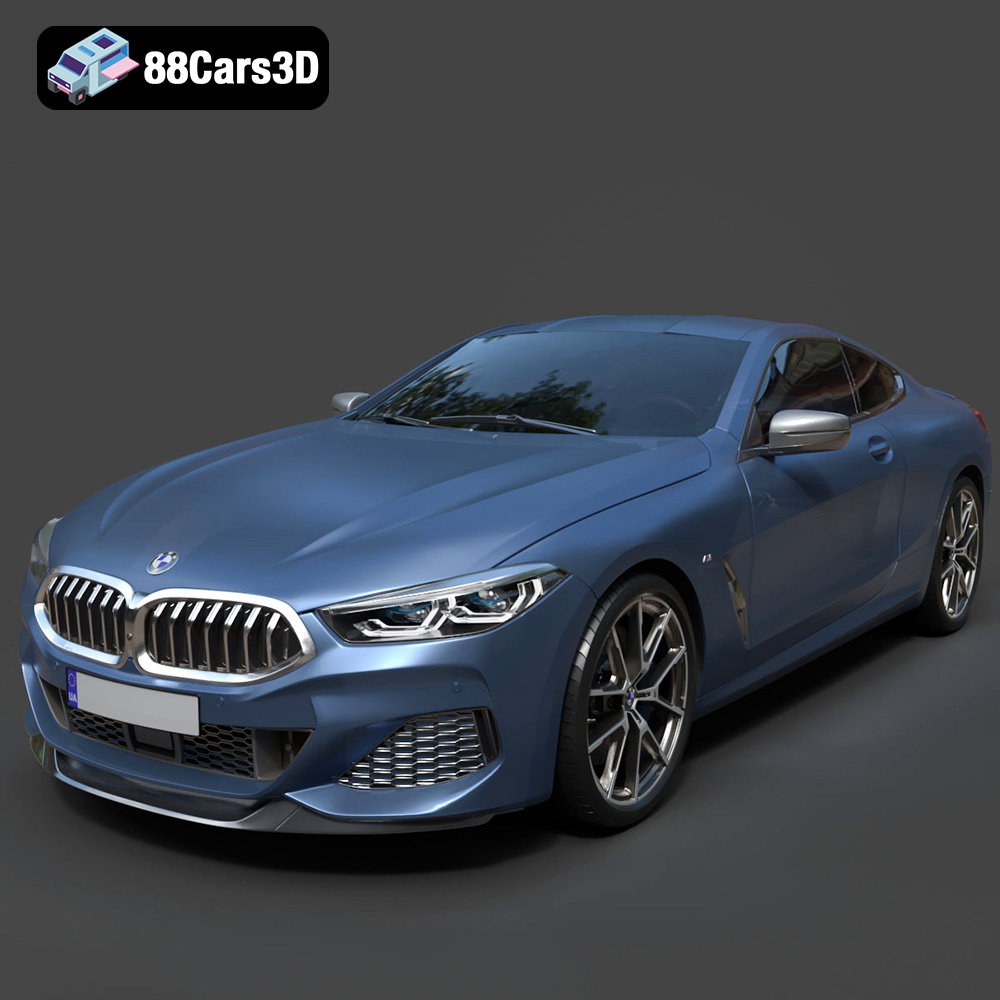
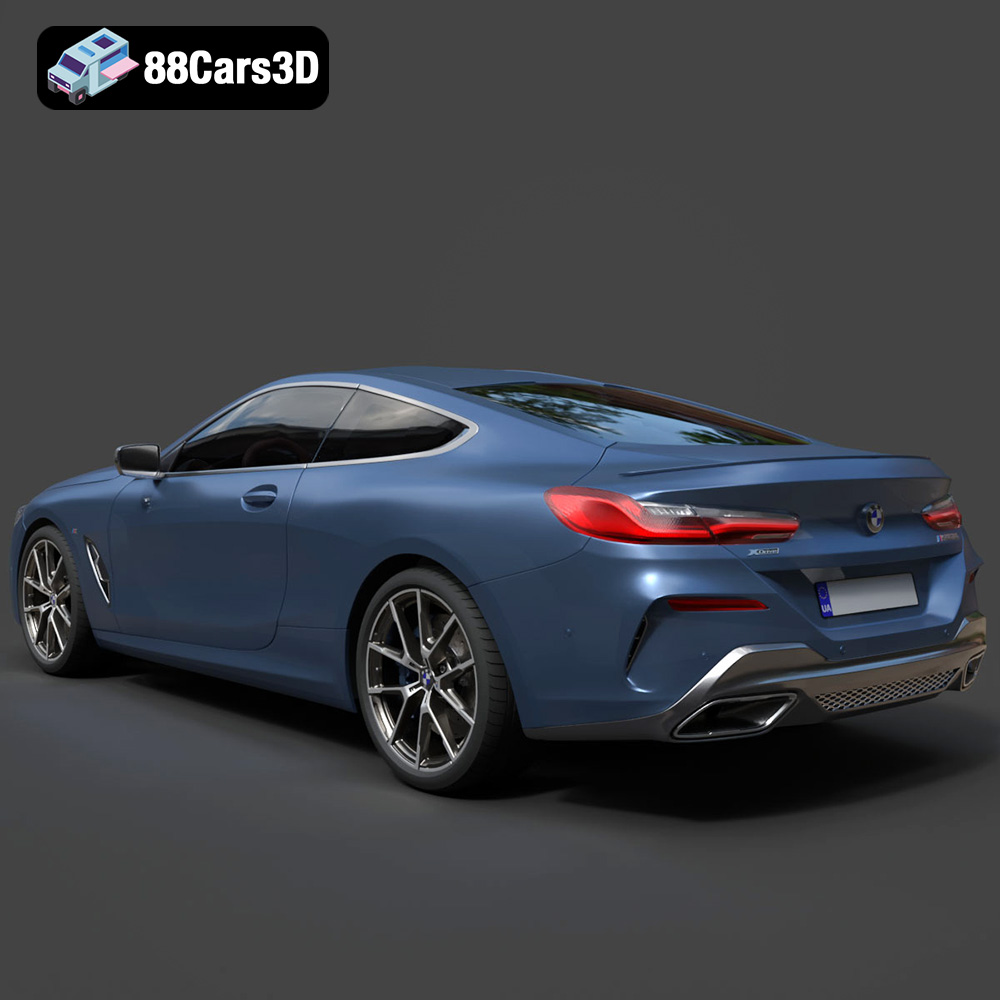
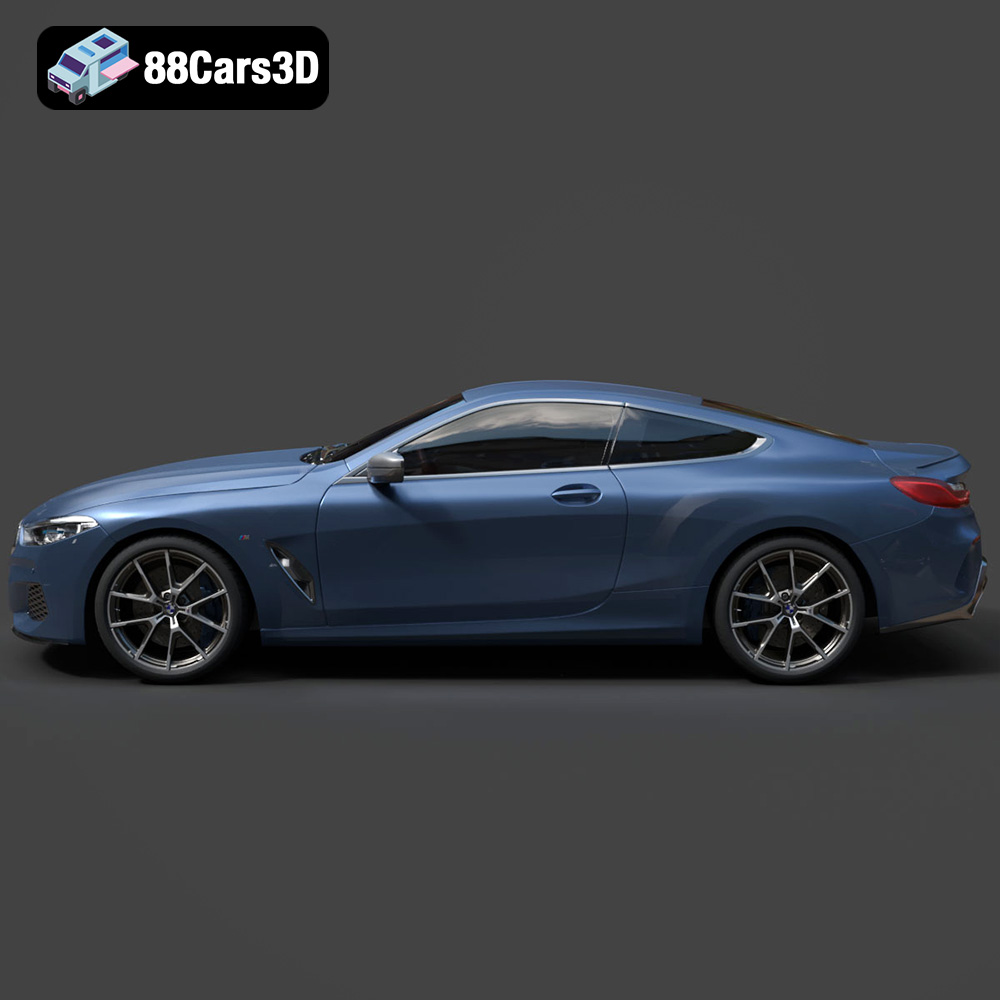
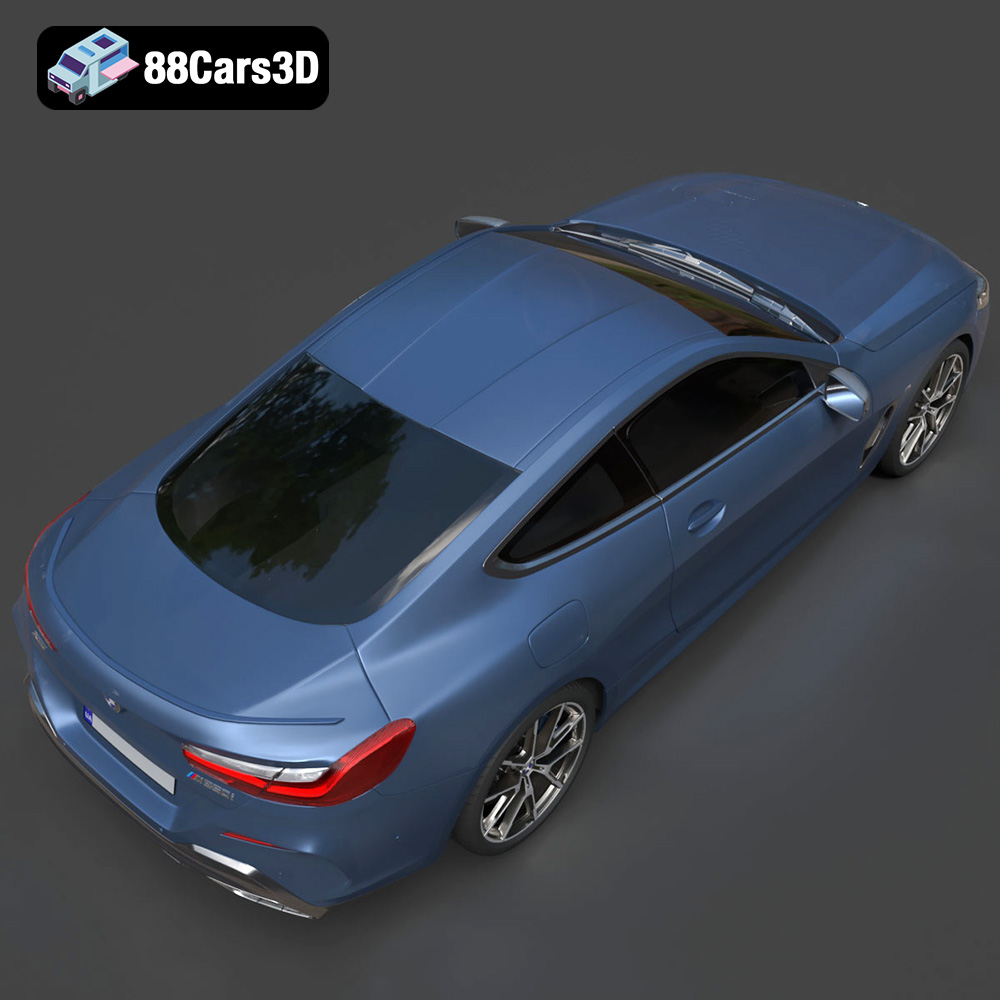
Experience unparalleled realism with the BMW 8-Series M850i G15 Coupe 2019 3D Model. Designed to meet professional standards, this model captures the sleek proportions and aggressive styling of the iconic luxury sports coupe, ensuring exceptional visual fidelity for any digital project.
Built with clean geometry and optimized polygon distribution, the model guarantees smooth subdivisions and excellent performance. It features realistic materials and intricate detailing, making it ideal for close-up shots and demanding environments.
This versatile 3D asset is perfectly suited for a wide range of applications, including game development, cinematic rendering, AR/VR experiences, and automotive visualization.
Tags: .bmw, .8series, .m850i, .g15, .coupe, .sportscar, .luxurycar, .car3dmodel, .rendering, .simulation, .gameasset, .arvr, .blend, .fbx, .obj, .glb, .stl, .ply, .unreal, .max
$19.99
.8series
.arvr
.blend
.bmw
.car3dmodel
.coupe
.fbx
.g15
.gameasset
.glb
.luxurycar
.m850i
.max
.obj
.ply
.rendering
.simulation
.sportsCar
.stl
.unreal