Get 50% OFF All Premium 3D & STL Models!

The landscape of automotive design and urban mobility is undergoing an unprecedented transformation. Electric vehicles (EVs) are no longer a niche market; they are mainstream. Autonomous technologies are rapidly moving from speculative concepts to practical prototypes and limited deployments. Visualizing this future, understanding its implications, and developing the tools to build it relies heavily on one crucial element: high-fidelity 3D models.
For professionals in architectural visualization (ArchViz), smart city simulations, game development, and cinematic CGI, access to cutting-edge 3D car models is not just an advantage—it’s a necessity. These digital assets serve as the backbone for creating immersive environments, testing urban planning concepts, bringing virtual worlds to life, and crafting compelling narratives. It’s about more than just a car; it’s about depicting an entire ecosystem of future mobility.
This is where specialized collections like the Elite Future Mobility: EV & Autonomous SUV Bundle shine. Available on 88cars3d.com, this bundle offers a meticulously curated selection of four groundbreaking vehicles that define the next era of transportation. It’s an essential toolkit designed to empower designers, artists, and developers in populating modern, eco-conscious, and tech-driven virtual environments with unparalleled realism and technical precision.
When working with 3D car models, understanding the various file formats is paramount. Each format serves a specific purpose, offering different levels of data preservation, compatibility, and optimization for particular workflows. The Elite Future Mobility Bundle from 88cars3d.com thoughtfully provides a comprehensive array of formats, ensuring maximum flexibility for any professional pipeline.
.blend: This is the native file format for Blender, the powerful open-source 3D creation suite. A .blend file typically contains an entire scene, including mesh data, materials (Blender’s node-based shaders), textures, lighting, cameras, animations, and even physics simulations. Its primary advantage is retaining all Blender-specific data, making it fully editable within the software. For users of Blender, this format provides the most comprehensive and flexible starting point for customization and rendering with Cycles or Eevee.
.max: As the native format for Autodesk 3ds Max, .max files are comprehensive project files. Like .blend, they store all scene data, including geometry, materials (V-Ray, Corona, or standard Max materials), lighting, cameras, modifiers, and animation data specific to 3ds Max. This format is ideal for professionals deeply integrated into the Autodesk ecosystem, offering full editability and compatibility with 3ds Max’s extensive toolset for high-end rendering and animation projects, particularly in ArchViz and product visualization.
.fbx: Developed by Autodesk, FBX (Filmbox) has become the de facto industry standard for 3D data interchange. It’s highly versatile, supporting geometry, UV maps, materials (often with PBR metadata), skeletal animation, and rigging. Its strength lies in its ability to transfer complex 3D scenes between different software packages like Maya, 3ds Max, Blender, Unity, and Unreal Engine, all while maintaining crucial animation and rigging data. For real-time applications like games or interactive experiences, .fbx is often the preferred format due to its robust support for game engine features.
.obj: OBJ (Wavefront Object) is one of the oldest and most universally supported 3D file formats. It primarily stores geometric data (vertices, normals, texture coordinates, faces) and references to external material files (.mtl). While it doesn’t support animation, rigging, or advanced shader networks, its simplicity ensures near-universal compatibility across almost all 3D software. It’s excellent for static models and is often used as a fallback format when more complex formats encounter compatibility issues.
.glb: GLB (GL Transmission Format Binary) is a binary version of the glTF format, specifically designed for efficient transmission and loading of 3D scenes and models in web and AR/VR applications. It’s compact, contains all necessary data (geometry, materials, textures, animations) within a single file, and is optimized for quick rendering on various devices. If you’re developing for the web, augmented reality experiences, or seeking highly optimized assets for mobile VR, .glb is an invaluable choice.
.unreal: While not a single file format in the conventional sense, “unreal” typically refers to assets specifically prepared and optimized for direct import or integration into Unreal Engine projects. This often means .fbx files that have been meticulously structured, scaled, and have their materials set up to leverage Unreal Engine’s PBR rendering system, collision meshes, and Level of Detail (LOD) groups. Assets provided in an “unreal” format often come pre-configured, saving significant time and effort for game developers and real-time visualization specialists by ensuring they are engine-ready with minimal adjustments.
.stl: STL (Stereolithography) is the standard file format for 3D printing. It represents a 3D model as a series of connected triangles (a triangulated mesh) without any color, texture, or material information. Its simplicity makes it universally compatible with 3D printers and slicing software. The Elite Future Mobility Bundle includes .stl files, allowing users to bring these futuristic vehicles into the physical world as scale models, ideal for prototypes, collectibles, or educational displays.
.ply: PLY (Polygon File Format) is primarily used to store 3D data from 3D scanners, often including not just geometry but also color information per vertex, surface normals, and other properties. It’s commonly found in scientific applications, medical imaging, and reverse engineering. While less common for general design assets, its inclusion ensures precision mesh data for specific CAD or analysis workflows, showcasing the bundle’s versatility.
For architectural visualization studios and cinematic artists, the quality of integrated assets can make or break a project. A photorealistic rendering of a future city or a dramatic automotive commercial demands more than just good lighting; it requires truly exceptional 3D car models that stand up to close-up scrutiny.
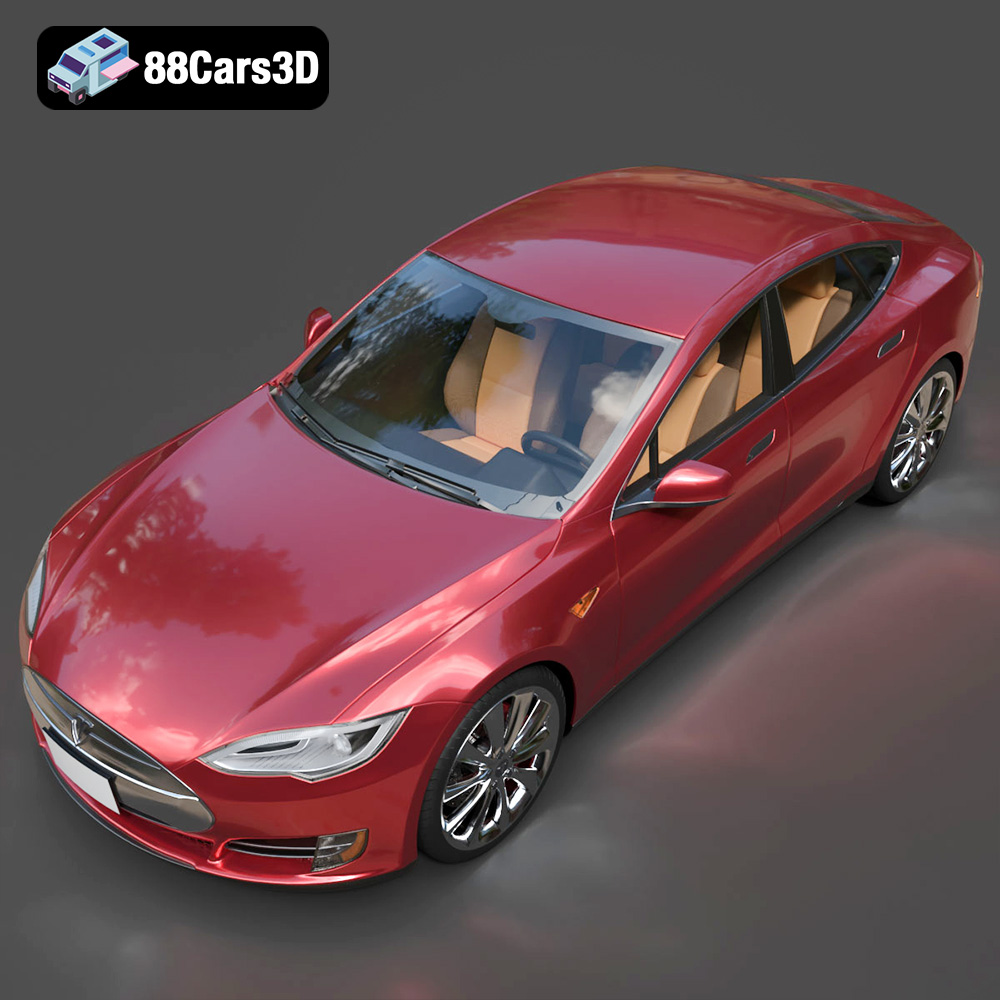
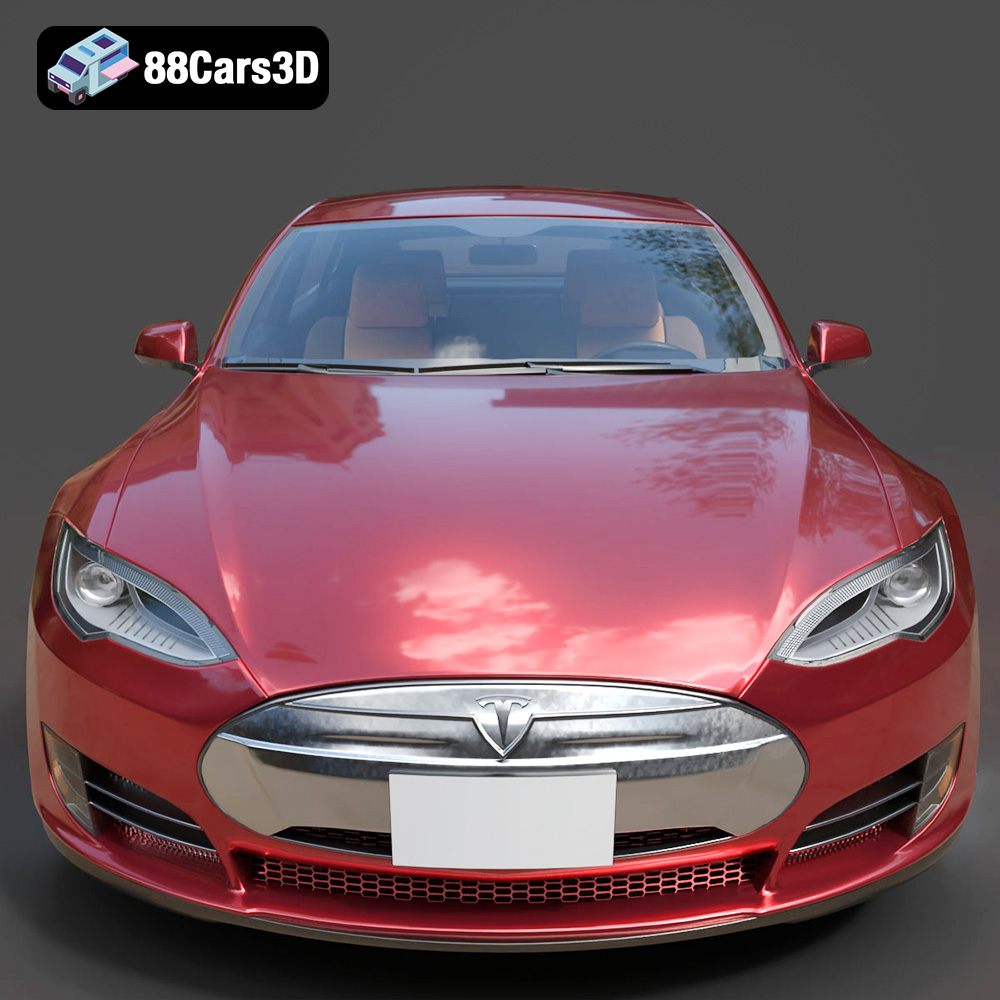
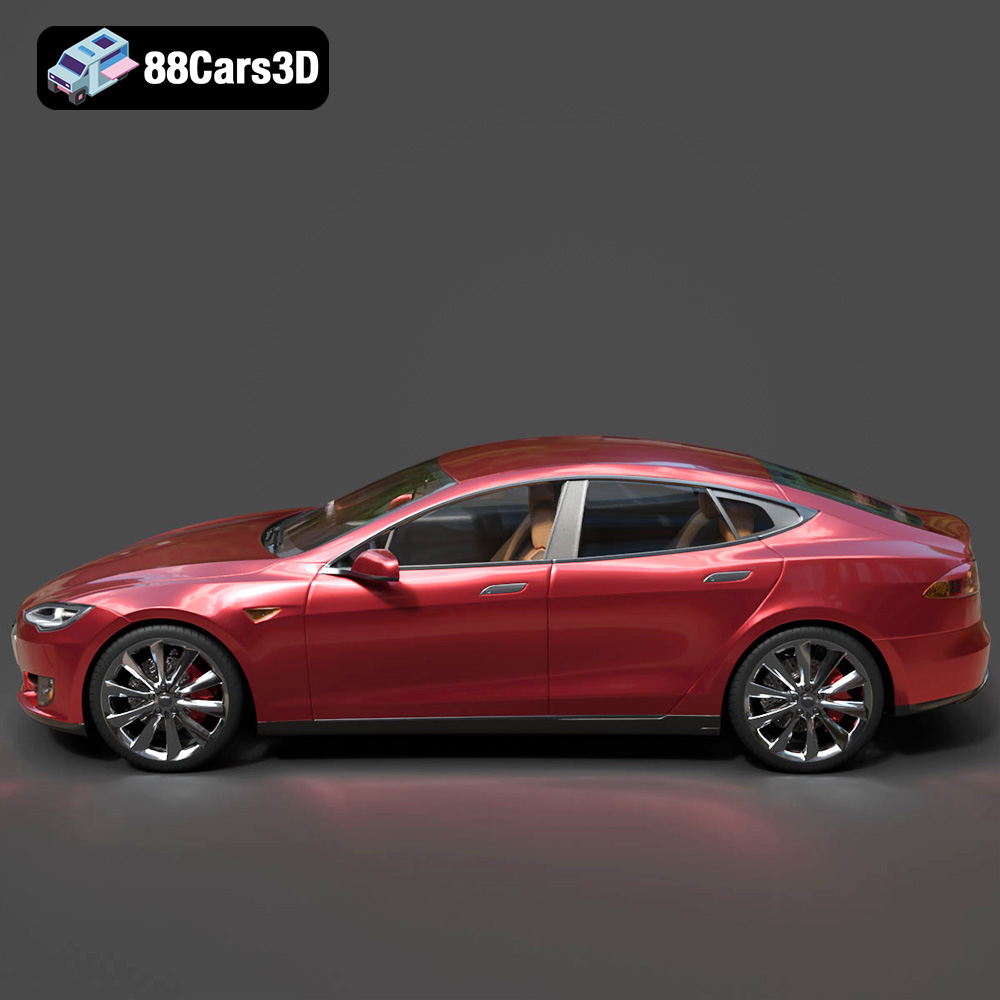
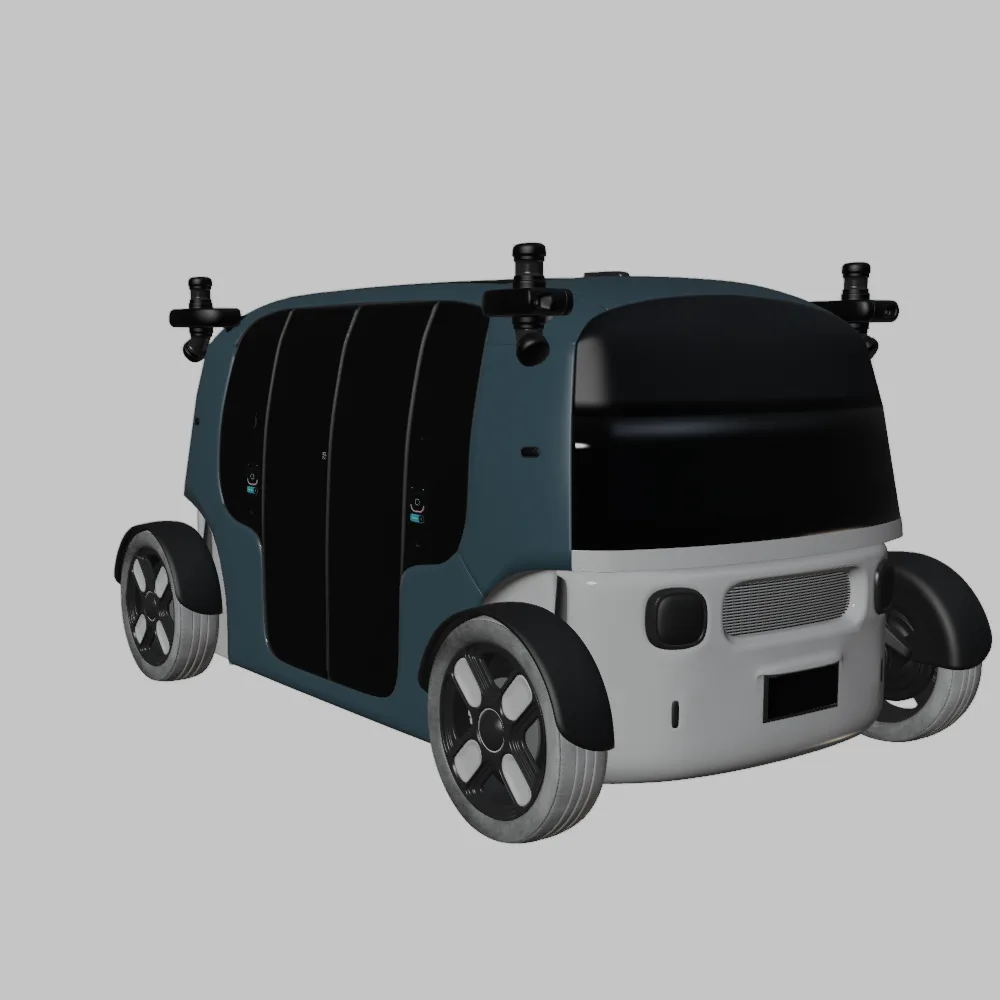
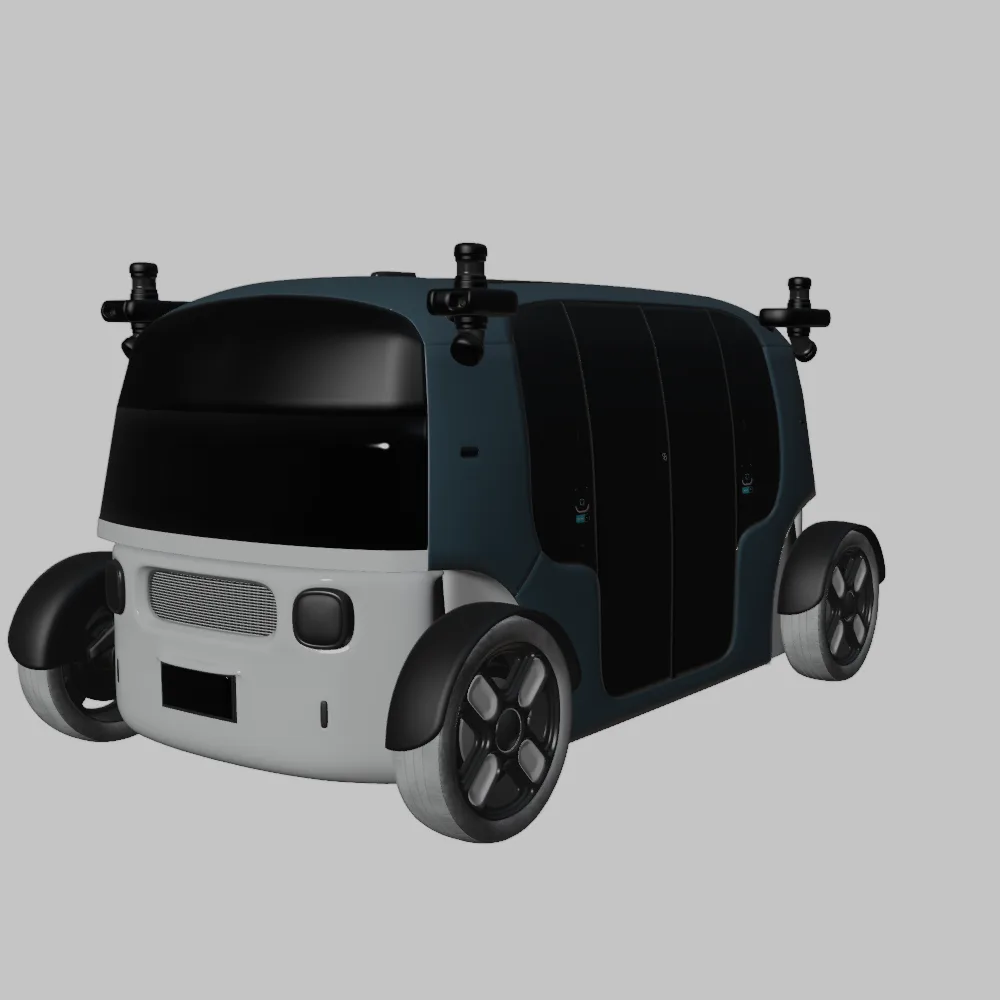
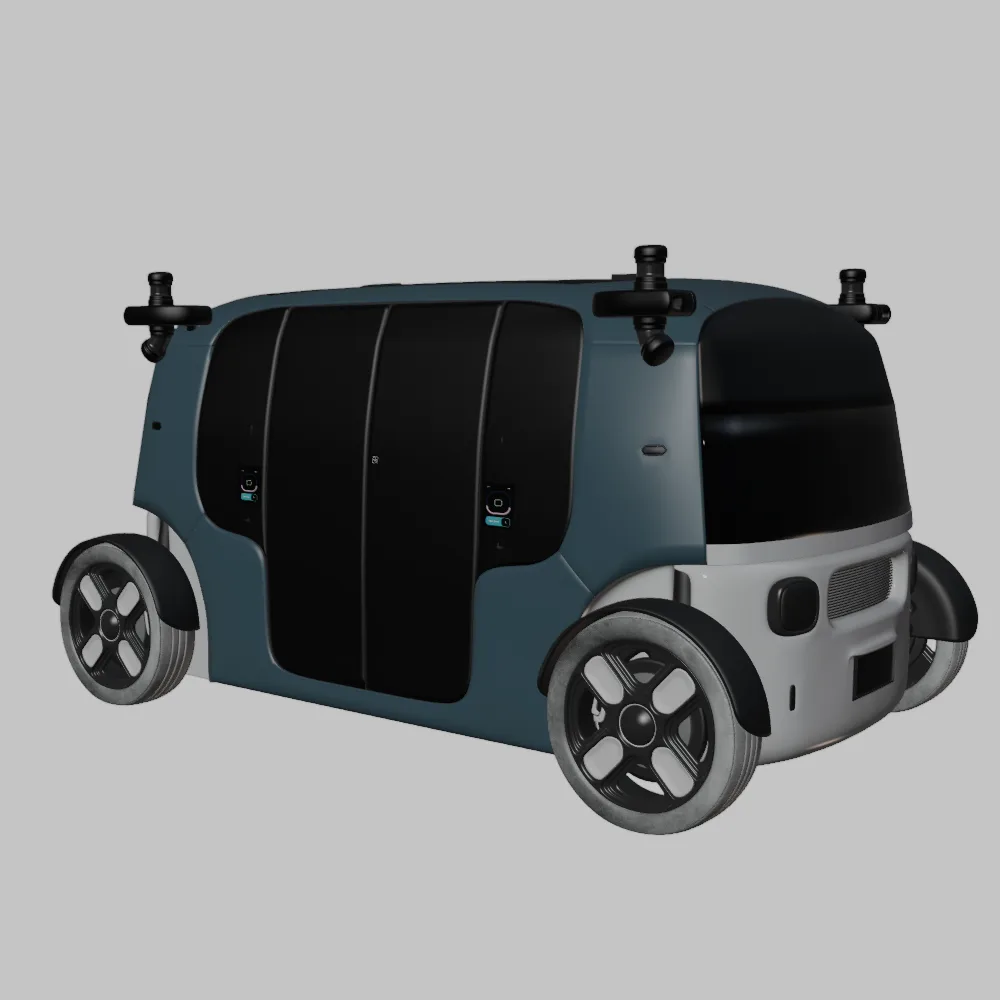
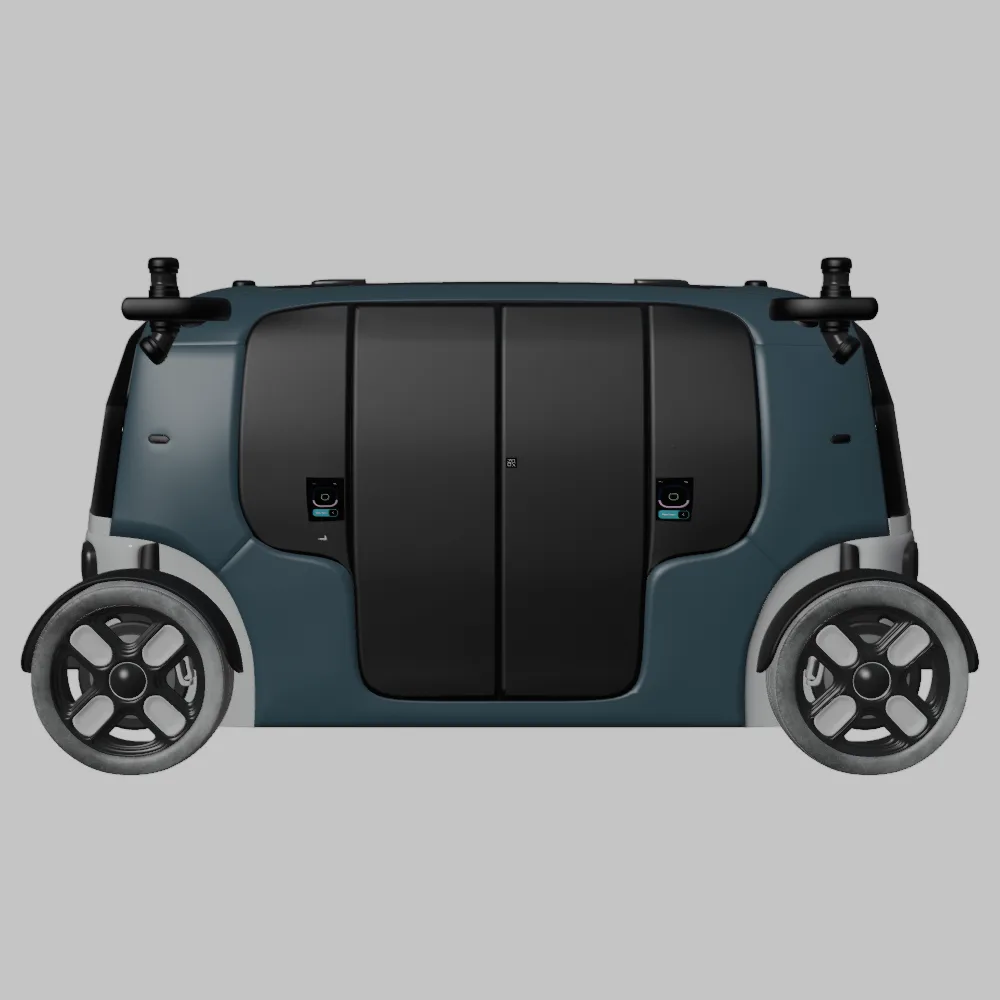
In ArchViz, vehicles are critical contextual elements that bring life and scale to a scene. A modern EV parked outside a minimalist smart home, or an autonomous pod navigating a futuristic urban plaza, grounds the architectural design in a believable narrative. For cinematic CGI, whether for film, advertising, or virtual production, the vehicles are often central characters. The Elite Future Mobility Bundle provides a diverse fleet, from the sleek Tesla Model S to the groundbreaking Zoox Robotaxi, enabling artists to create compelling, future-forward visuals that resonate with contemporary trends and technological advancements. These aren’t just props; they are integral storytelling devices.
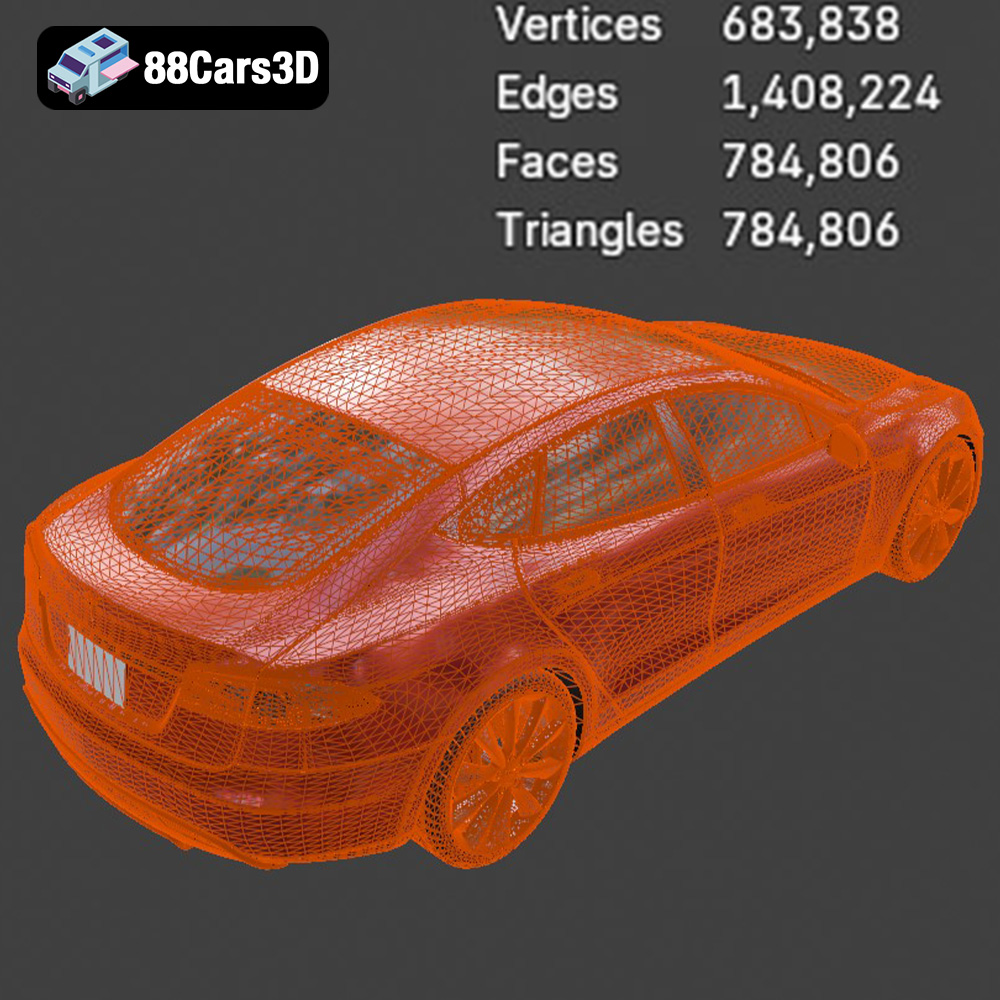
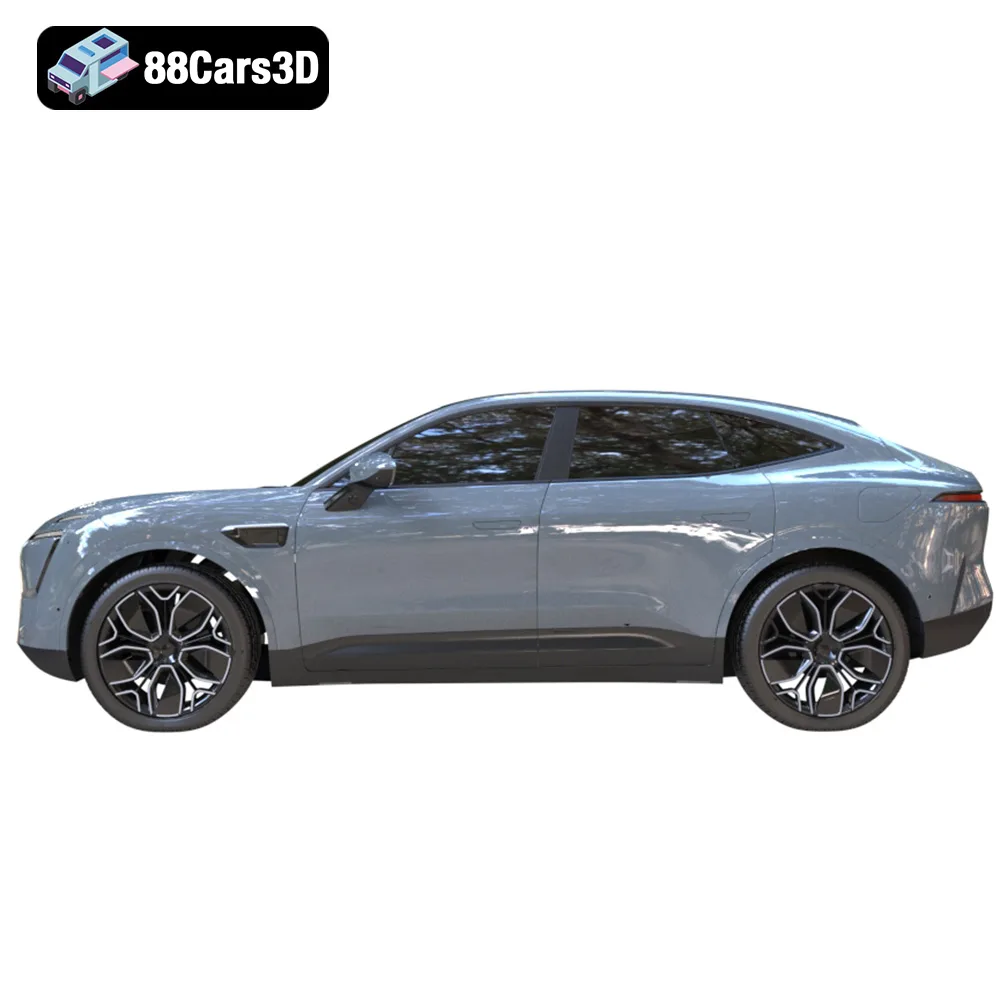
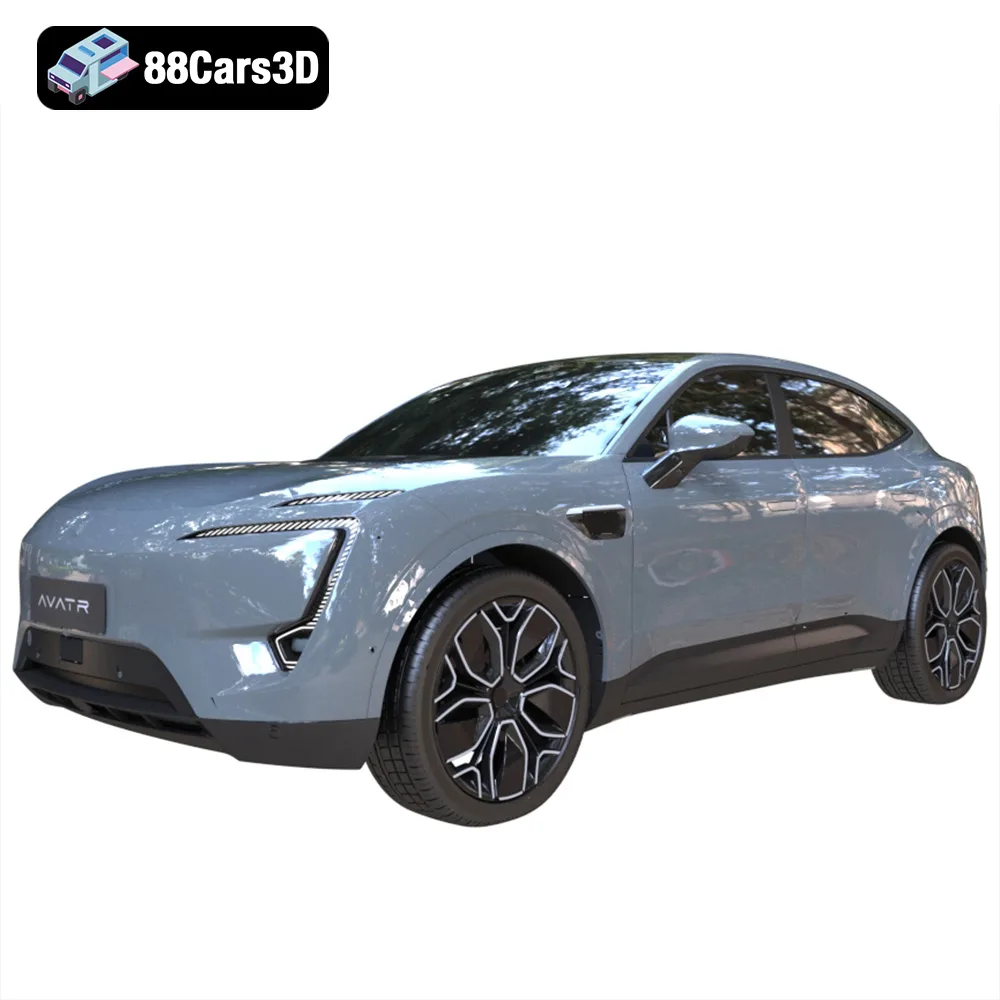
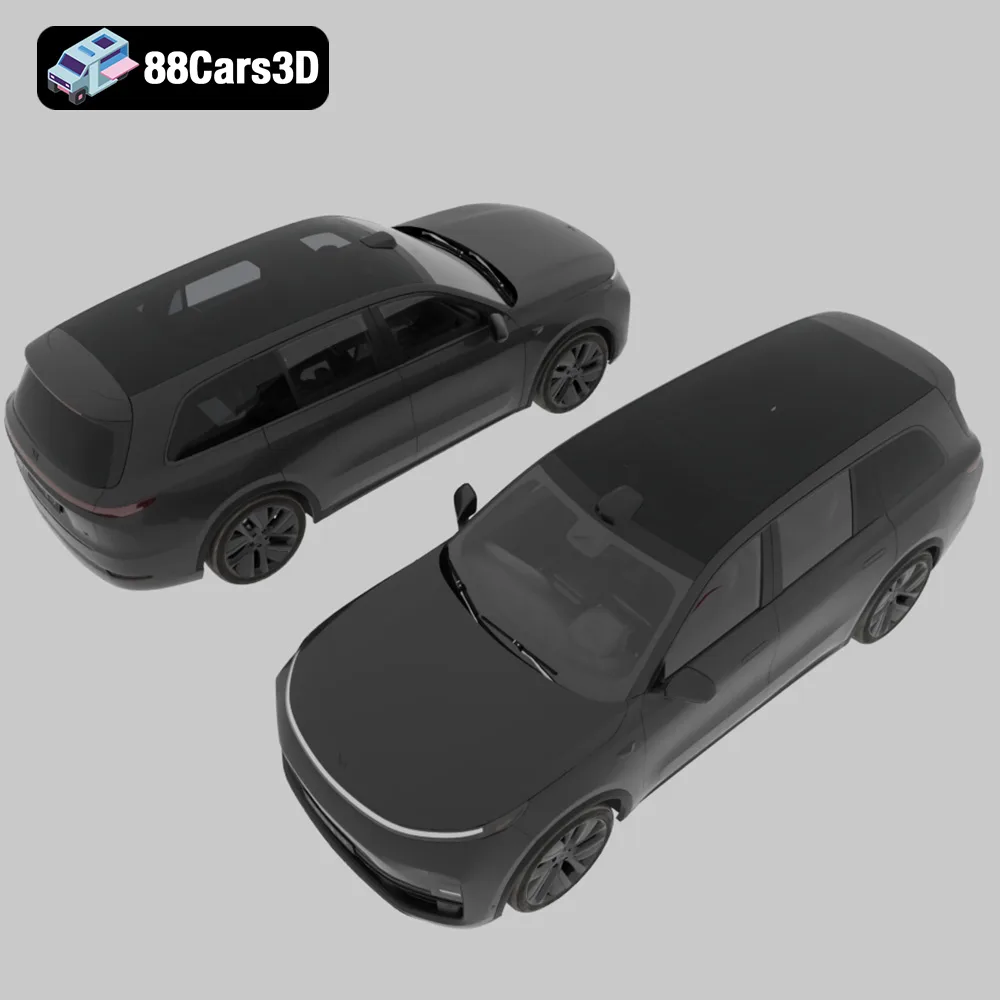
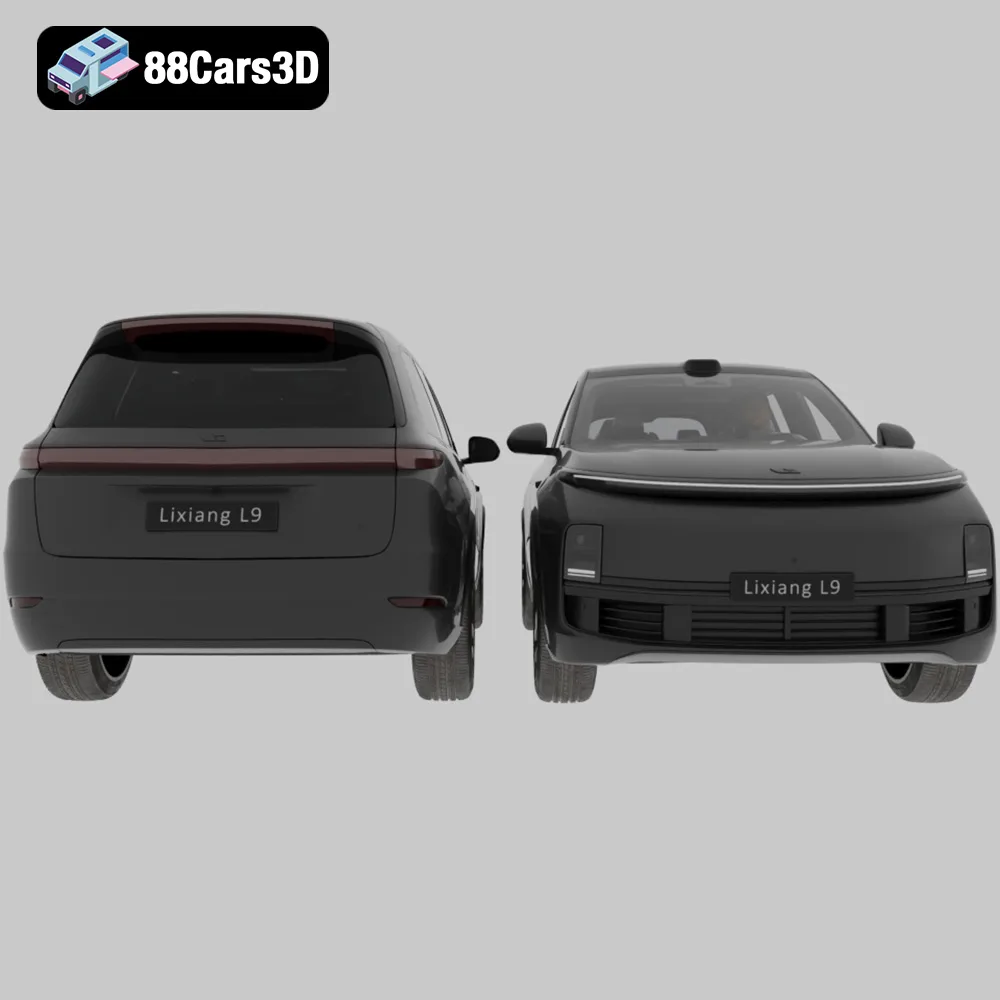
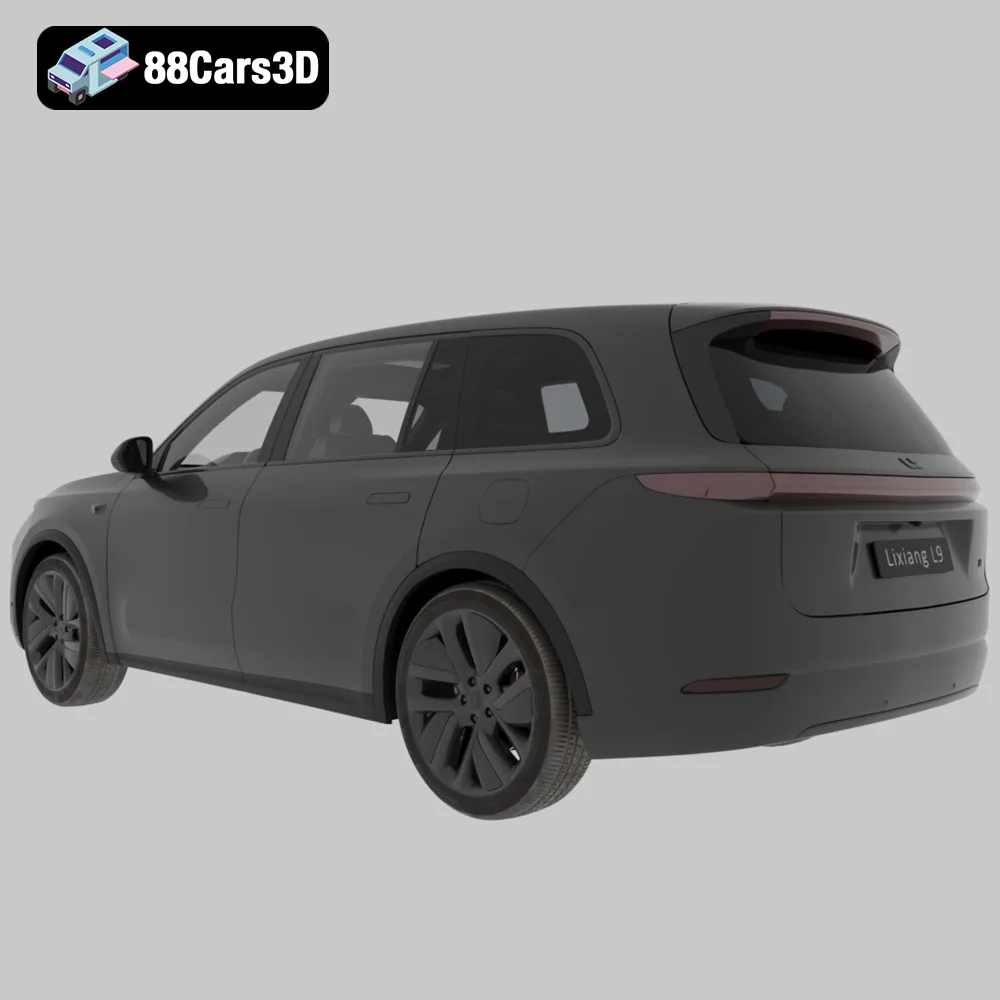
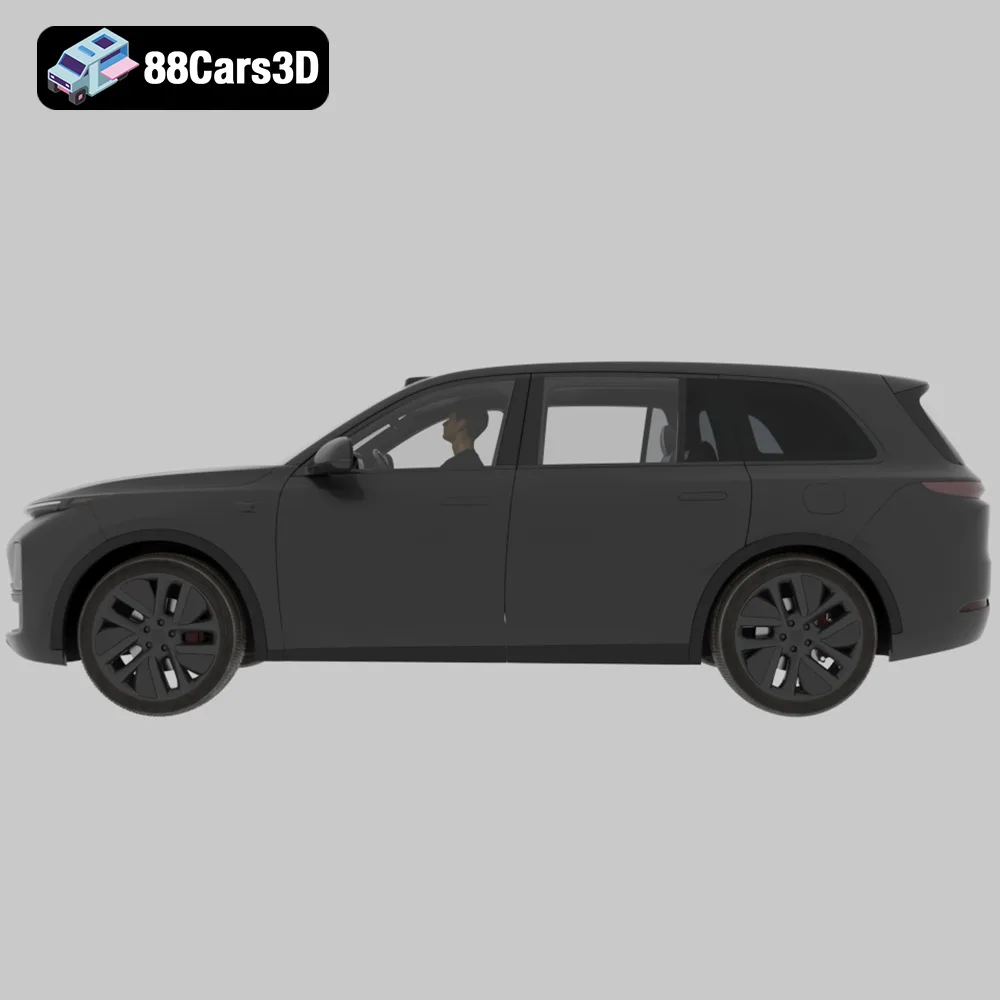
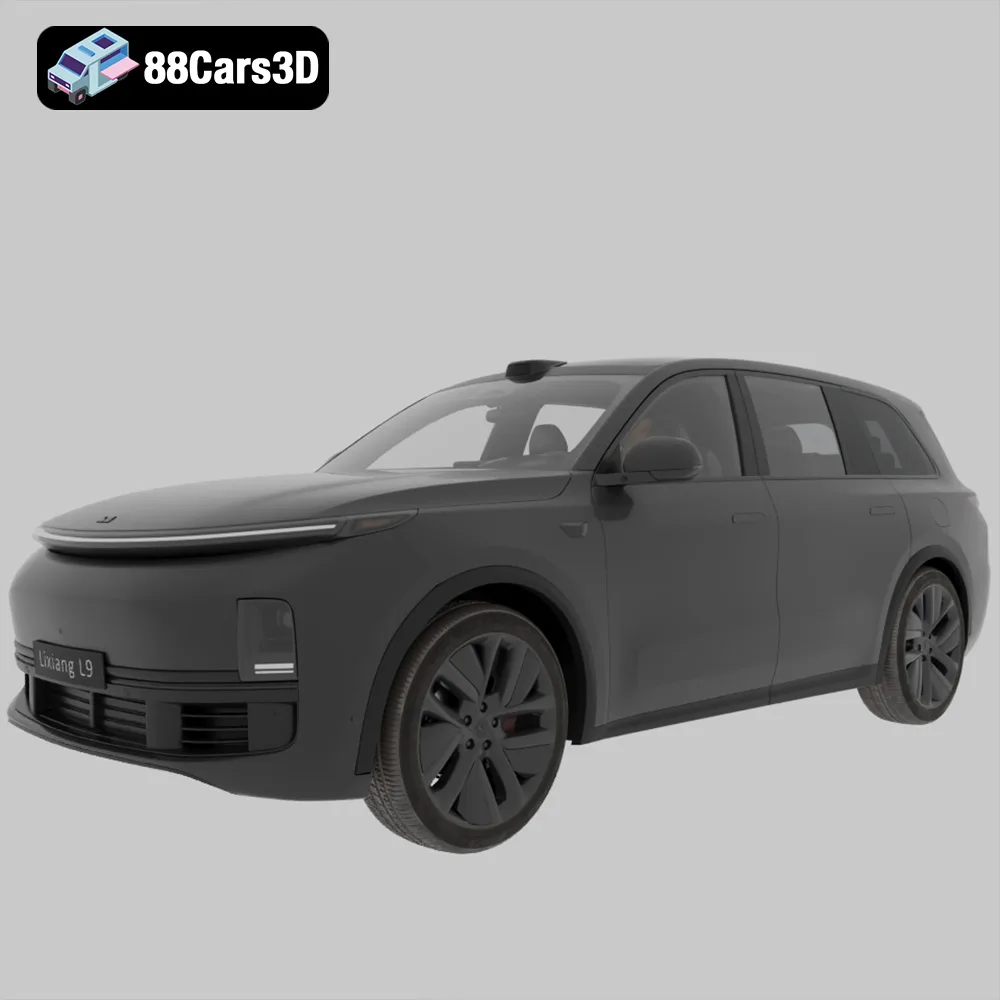
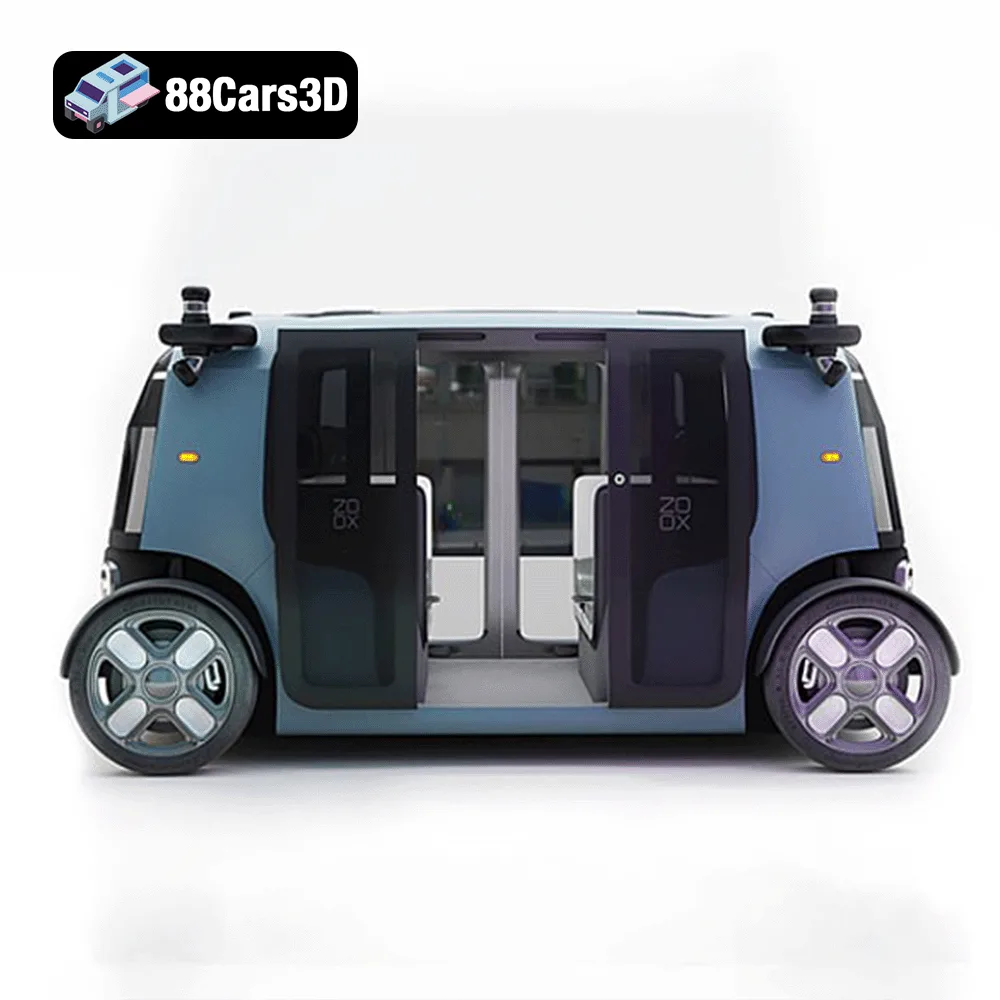
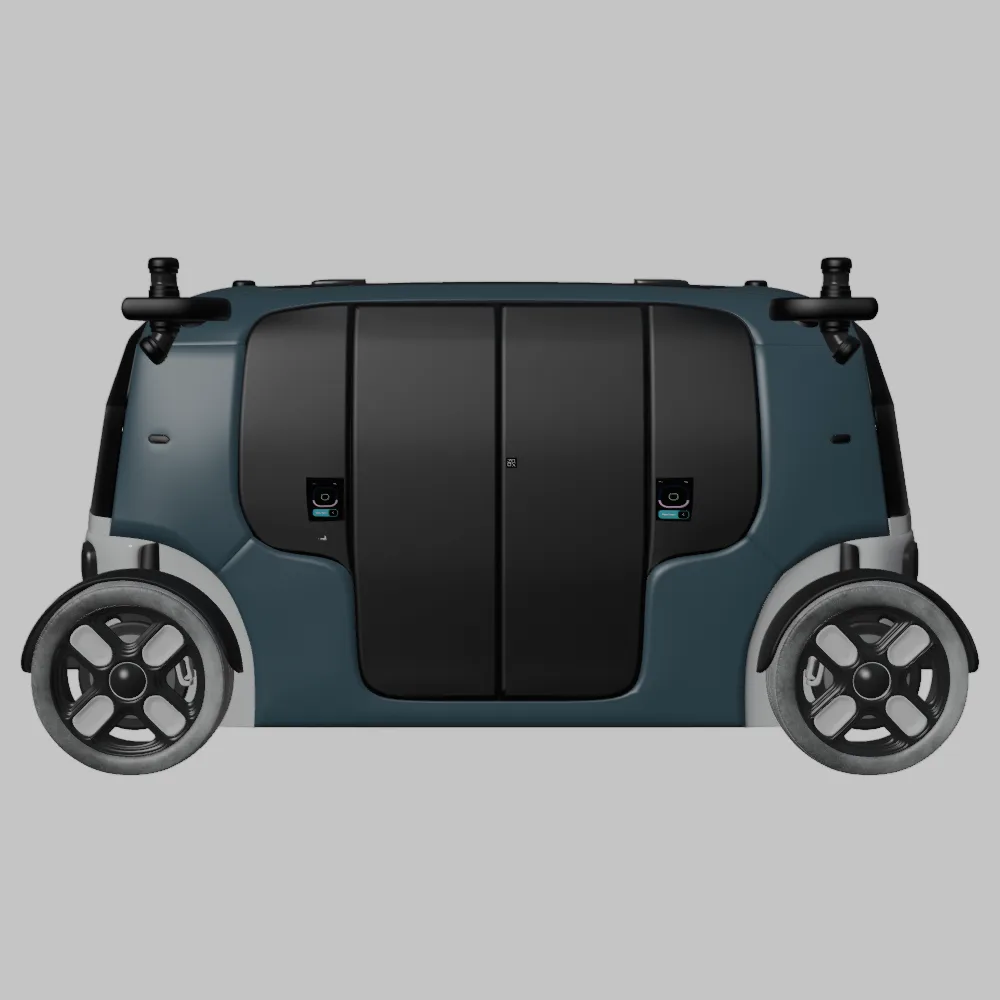
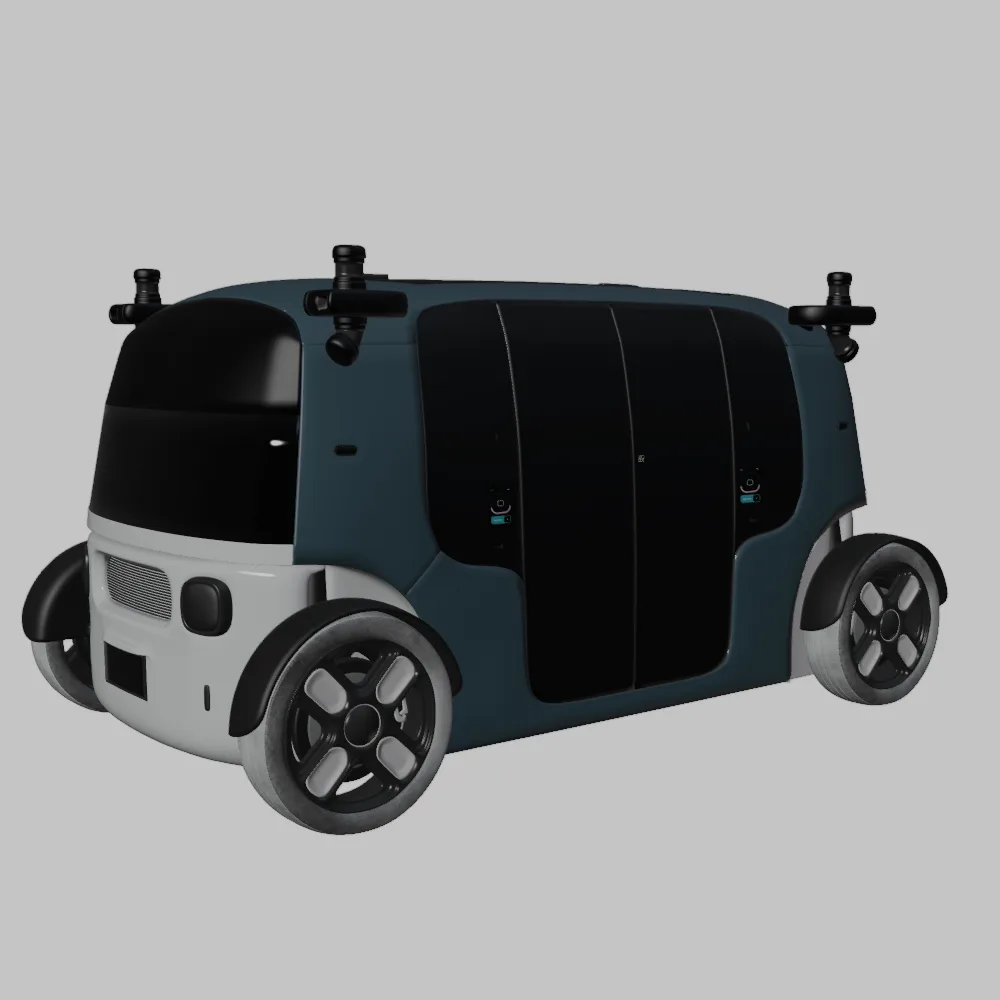
The hallmark of a high-quality 3D car model lies in its attention to detail. The models in this bundle are meticulously crafted based on real-world factory dimensions, ensuring accurate proportions that are immediately recognizable. Beyond general accuracy, the bundle excels in capturing EV-specific nuances: Tesla’s signature flush door handles, Avatr’s distinctive rear window-less design, and Zoox’s integrated 4-wheel steering sensors are all faithfully reproduced. Furthermore, highly detailed LED arrays, such as the Li L9’s “Halo” light bar, and specialized aero-wheels, contribute significantly to the models’ visual fidelity, making them suitable for extreme close-ups and high-resolution renders.
Integrating these sophisticated 3D car models into existing workflows is seamless thanks to the inclusion of .max and .blend formats. In 3ds Max, artists can leverage advanced rendering engines like V-Ray or Corona to achieve breathtaking photorealism. The clean, quad-heavy topology of the bundle’s models ensures smooth subdivision, crucial for mitigating any artifacts during rendering. Pivot points are properly centered, allowing for easy manipulation, animation of wheels, doors, and steering. For Blender users, the native .blend files allow for direct access to PBR materials (if pre-configured) and seamless integration into Cycles or Eevee rendering pipelines. Node-based materials can be quickly adjusted, and the models’ real-world scale makes them drop-in ready for existing scene compositions, speeding up production time significantly.
In the rapidly evolving world of interactive entertainment and real-time visualization, high-performance 3D game assets are non-negotiable. Game developers require models that look stunning but are also optimized to run smoothly within game engines without sacrificing frame rates.
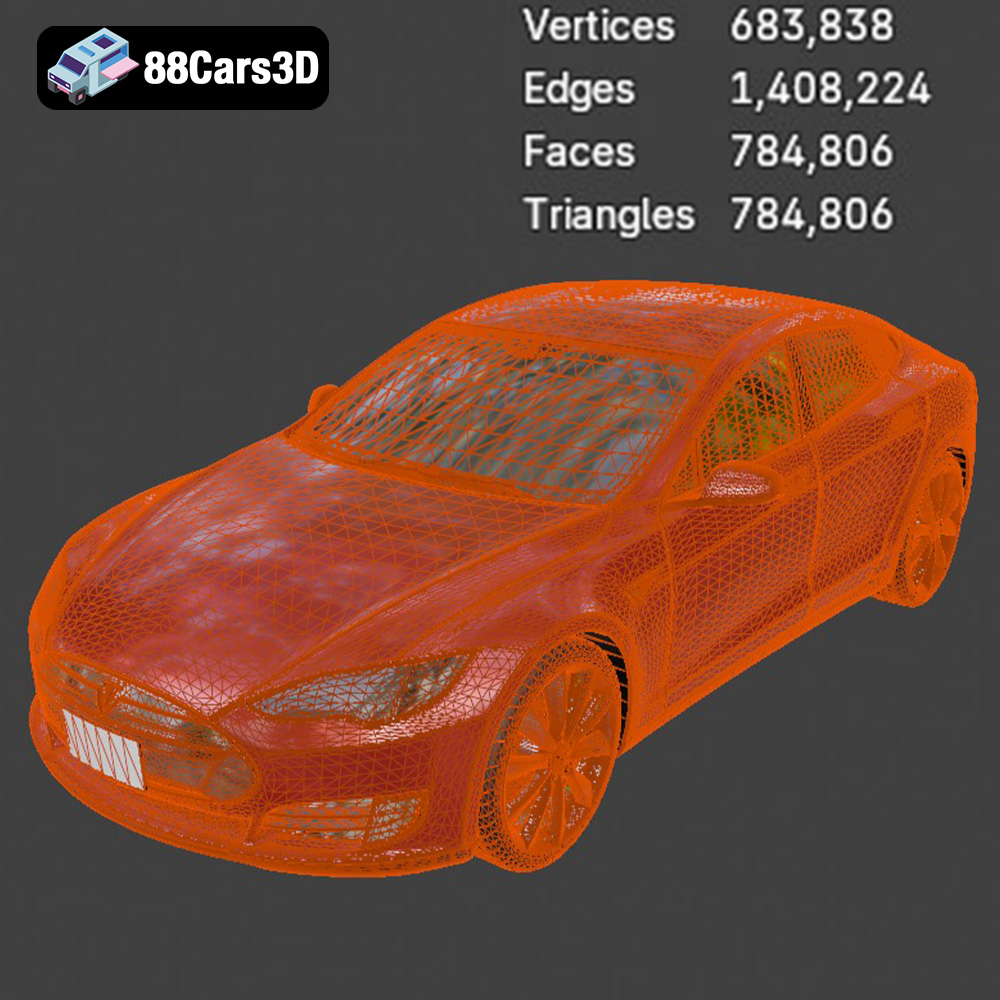
The Elite Future Mobility Bundle is engineered with game development in mind. Each model boasts optimized mid-poly topology, typically ranging from 300k–500k triangles. This strikes an excellent balance, providing sufficient detail for ‘hero’ vehicles—those seen up close—while maintaining performance efficiency. For engines like Unreal Engine, the provided .fbx and .unreal formats are invaluable. Artists can import these models, set up PBR materials, add collision meshes, and configure Level of Detail (LOD) groups to ensure scalability across different platforms and graphical settings. Similarly, in Unity, the .fbx files allow for straightforward import, material assignment, and integration into interactive environments, perfect for vehicle simulators or open-world games. The clean mesh structure and real-world scale simplify the process of setting up physics and handling.
A static car model has limited use in an interactive environment. The models in this bundle are “rigging-ready,” meaning components like wheels, steering, and doors are separated. This modularity is crucial for game developers who need to implement dynamic elements. In Unreal Engine or Unity, developers can easily attach pivot points, create simple rigs, and set up blueprints or scripts for animating steering, suspension, or opening doors. This capability transforms static visual elements into interactive components, allowing players to drive, modify, or even enter these futuristic vehicles within the game world. The Zoox Robotaxi, with its symmetrical, bi-directional design, presents unique opportunities for dynamic movement and autonomous pathfinding simulations.
In many open-world games, a few select vehicles often serve as “hero” assets—prominently featured cars that players interact with most closely. These demand the highest visual fidelity. The Elite Future Mobility Bundle provides models that fit this description perfectly. Imagine a high-definition Tesla Model S as the player’s primary vehicle in a futuristic racing game, or a detailed Li L9 navigating a sprawling open-world metropolis. Beyond hero vehicles, these models can also function as premium background traffic, lending an unparalleled level of realism and immersion to high-fidelity simulators and urban environments. The inclusion of diverse vehicles like the Avatr 11 ensures that game worlds can be populated with a varied and credible fleet of future cars.
Beyond digital rendering and real-time simulations, the world of 3D modeling extends into the tangible realm of physical creation. 3D printing offers a unique opportunity to bridge the gap between virtual designs and physical objects, allowing enthusiasts and professionals alike to hold and display these futuristic vehicles.
3D printing these elaborate 3D car models offers several compelling advantages. For product designers, it’s invaluable for creating rapid prototypes, allowing for physical evaluation of scale, form, and aesthetic. Collectors and automotive enthusiasts can own miniature, highly detailed replicas of their favorite future vehicles, even before they hit the real-world roads. For educational purposes, printed models can serve as excellent teaching aids for design, engineering, and urban planning concepts. The inclusion of .stl files in the Elite Future Mobility Bundle directly supports this exciting application, making these sophisticated designs accessible for physical manifestation.
The .stl format, while universal for 3D printing, requires careful consideration. It’s a triangulated mesh, and the quality of the print often depends on the mesh density and manifold geometry (ensuring no holes or self-intersecting surfaces). The models from 88cars3d.com, with their clean topology, are well-suited for this. For optimal results with the Elite Future Mobility Bundle, the recommended print settings are crucial:
Achieving a professional, collector-quality finish on 3D printed models requires diligent post-processing. This typically involves sanding away support marks and layer lines, applying a high-quality primer, and then painting. For these futuristic vehicles, adopting modern automotive finishes is key. Suggestive colors like Sage Green, Glacier Silver, or Crystal White, often paired with a gloss black roof, can emulate real-world luxury car aesthetics. This attention to detail in both the digital modeling and physical finishing stages ensures that the printed models are not merely toys but genuine automotive collectibles, worthy of display on any tabletop or within a curated collection.
The true value of the Elite Future Mobility: EV & Autonomous SUV Bundle lies in its thoughtful selection and the technical excellence of each included 3D car model. It’s designed to provide comprehensive utility for professionals across diverse industries.
This bundle isn’t just a random assortment; it’s a strategic collection of vehicles representing the pinnacle of current and near-future automotive design and technology:
This diversity ensures that whether you’re modeling a suburban driveway, a bustling metropolis, or a sci-fi action scene, you have the ideal vehicles at your fingertips.
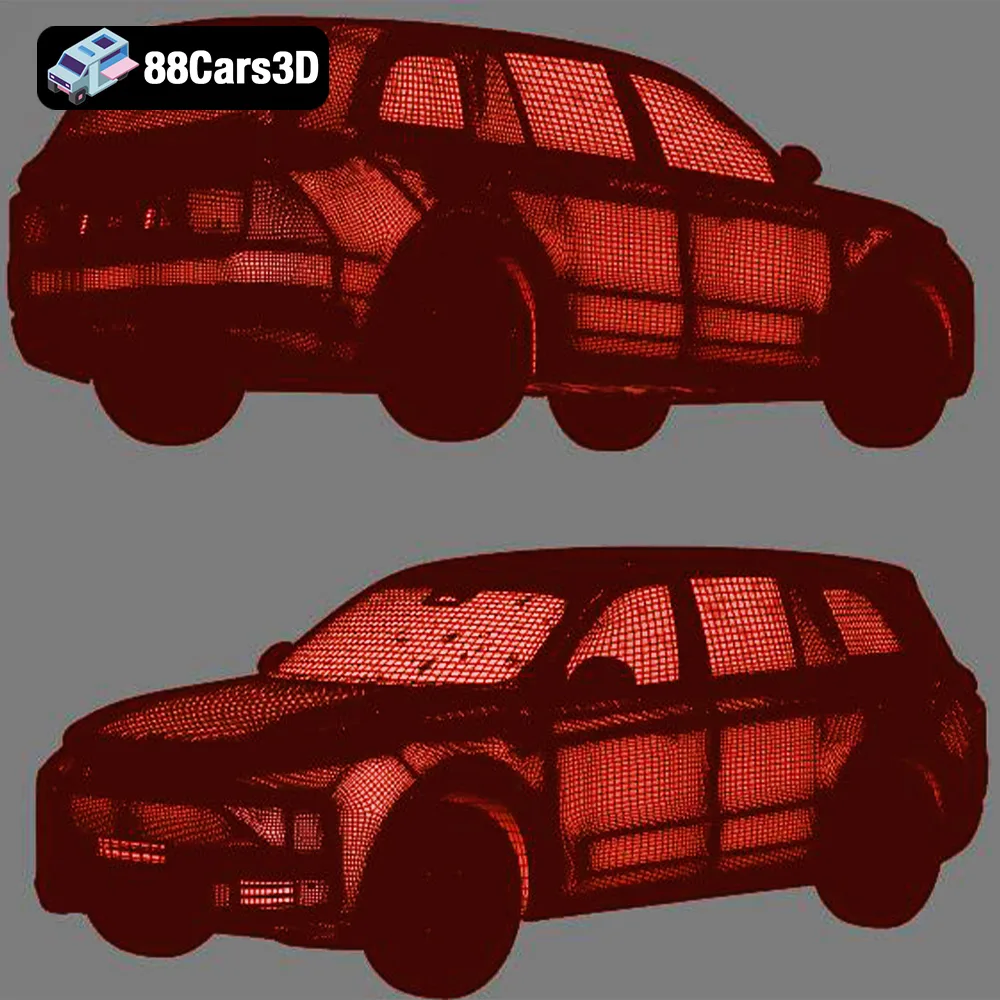
Every model in the bundle adheres to a high standard of technical craftsmanship. They follow a high-efficiency, clean topology philosophy, striking an optimal balance between visual fidelity and performance. With an average of 300k–500k triangles per model, they offer enough detail for close-up renders without being overly burdensome on system resources for real-time applications. The use of clean, quad-heavy topology is a testament to meticulous modeling, facilitating smooth subdivision and lightweight rendering. All models are built to real-world scale (metric system), ensuring accurate integration into existing scenes, and their properly centered pivot points streamline animation and manipulation.
The versatility of the Elite Future Mobility Bundle makes it indispensable across multiple professional fields:
This comprehensive utility underscores why professionals consistently turn to high-quality 3D car models from trusted sources like 88cars3d.com.
The future of mobility is here, and visualizing it effectively demands tools that match its sophistication. High-quality 3D car models are no longer just props; they are essential components for architects, game developers, filmmakers, and industrial designers shaping the world to come. They empower us to design, simulate, and render our visions with unparalleled realism and technical precision.
The Elite Future Mobility: EV & Autonomous SUV Bundle is a prime example of such an indispensable resource. With its meticulously crafted models—the iconic Tesla Model S, the futuristic Avatr 11, the luxurious Li L9, and the revolutionary Zoox Robotaxi—it offers a versatile collection for a multitude of applications. From enhancing architectural renders and creating immersive game environments to generating cinematic sequences and even producing tangible 3D prints, these models are designed to integrate seamlessly into diverse professional workflows.
By providing a wide array of file formats and adhering to stringent technical specifications, this bundle ensures that artists and developers have the flexibility and quality they need to bring their future-forward projects to life. For professionals seeking to populate their digital worlds with the vehicles of tomorrow, exploring this collection at 88cars3d.com is a clear step towards innovation and visual excellence.
The Elite Future Mobility Bundle is a curated collection of four groundbreaking vehicles that define the next era of transportation. This pack combines the elegance of high-performance electric sedans, the rugged luxury of next-gen SUVs, and the visionary design of autonomous urban pods. This bundle is specifically engineered for professionals in Architectural Visualization (ArchViz), Smart City Simulations, and Cinematic CGI. Featuring icons like the Tesla Model S, the futuristic Avatr 11, the luxurious Li L9, and the revolutionary Zoox Robotaxi, this collection provides a complete toolkit for populating modern, eco-conscious, and tech-driven virtual environments. Every model in this bundle follows a high-efficiency, clean topology philosophy, striking the perfect balance between visual fidelity for close-up renders and optimized performance for real-time engines.
$99
3d-vehicle-pack
archviz-assets
autonomous-driving
avatr-11
electric-vehicles
ev-bundle
future-cars
futuristic-suv
game-ready-cars
li-l9
luxury-ev
smart-city
tesla-3d-model
zoox-robotaxi