Get 50% OFF All Premium 3D & STL Models!

The landscape of automotive design and urban planning is undergoing a profound transformation. As electric vehicles (EVs) become increasingly prevalent and smart city initiatives gain momentum, the demand for sophisticated digital assets that accurately reflect this shift is skyrocketing. For 3D artists, architects, game developers, and visualization specialists, access to high-quality, technically precise 3D car models is no longer a luxury but a necessity. These assets are crucial for creating photorealistic renderings, immersive game environments, compelling virtual showrooms, and detailed urban simulations.
In this dynamic environment, the ability to rapidly integrate modern, culturally relevant vehicles can significantly elevate a project’s impact and authenticity. This is precisely where specialized collections like The Future of Mobility: Smart City EV 3D Models Bundle (5-in-1 Pack) truly shine. This comprehensive package provides an invaluable resource for professionals looking to equip their digital worlds with the very best of contemporary electric transport, from luxury sedans to rugged crossovers and essential charging infrastructure. It’s about more than just cars; it’s about building believable, forward-thinking ecosystems that resonate with today’s audience and anticipate tomorrow’s realities.
The global pivot towards electric vehicles isn’t just an industry trend; it’s a fundamental societal shift. This movement profoundly impacts how we design cities, conceive architecture, and even experience digital entertainment. Consequently, 3D artists and content creators must adapt their asset libraries to reflect this new reality. Generic, outdated car models simply won’t suffice for projects aiming for realism and contemporary relevance.
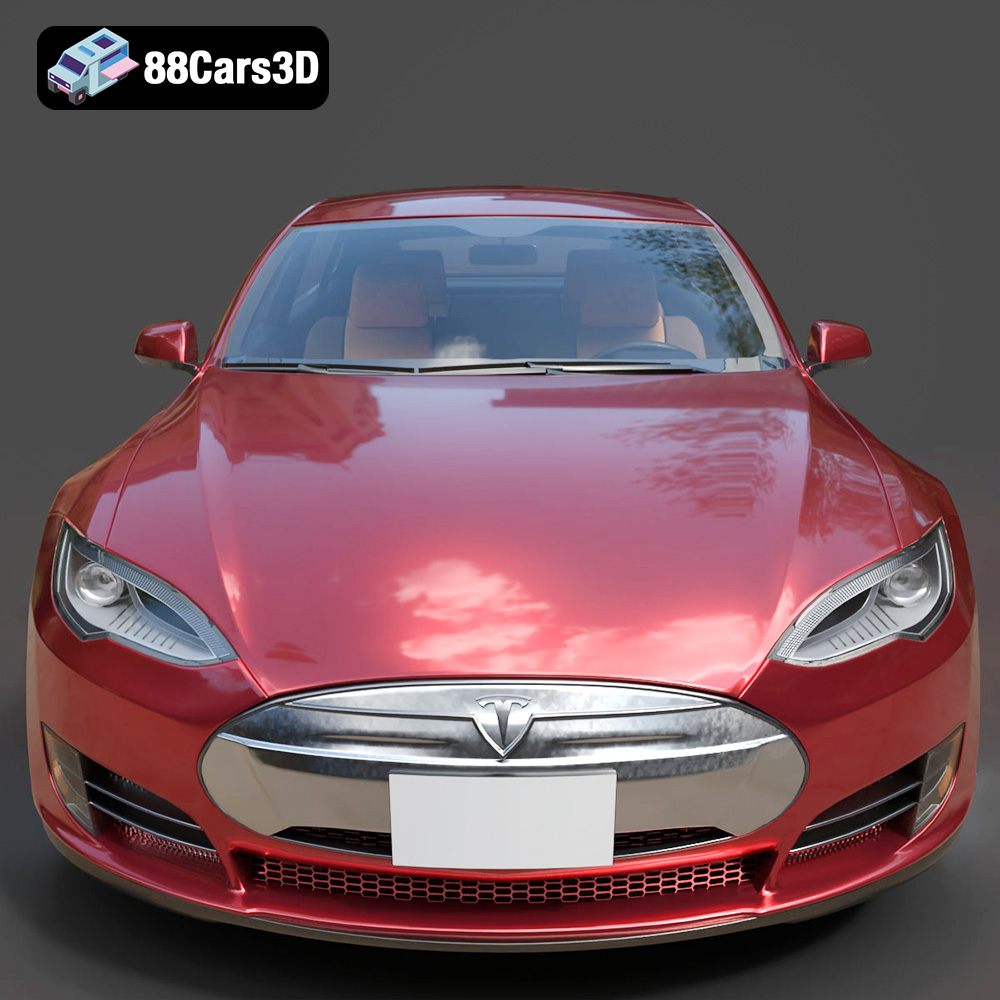
Architectural visualization (ArchViz) thrives on capturing the essence of future living. Modern architectural renders showcasing residential properties, commercial complexes, or urban developments must integrate electric vehicles to project an image of sustainability, innovation, and modernity. Parking a sleek Tesla Model S or a robust Volvo EX30 in a virtual driveway, complete with a Siemens SiCharge EV charging station, instantly communicates a future-ready vision. These 3D car models are not merely background elements; they are integral narrative components that enhance the perceived value and relevance of an architectural design. The clean lines, distinctive charging ports, and advanced aesthetic of EVs lend themselves perfectly to conveying a sophisticated, eco-conscious lifestyle.
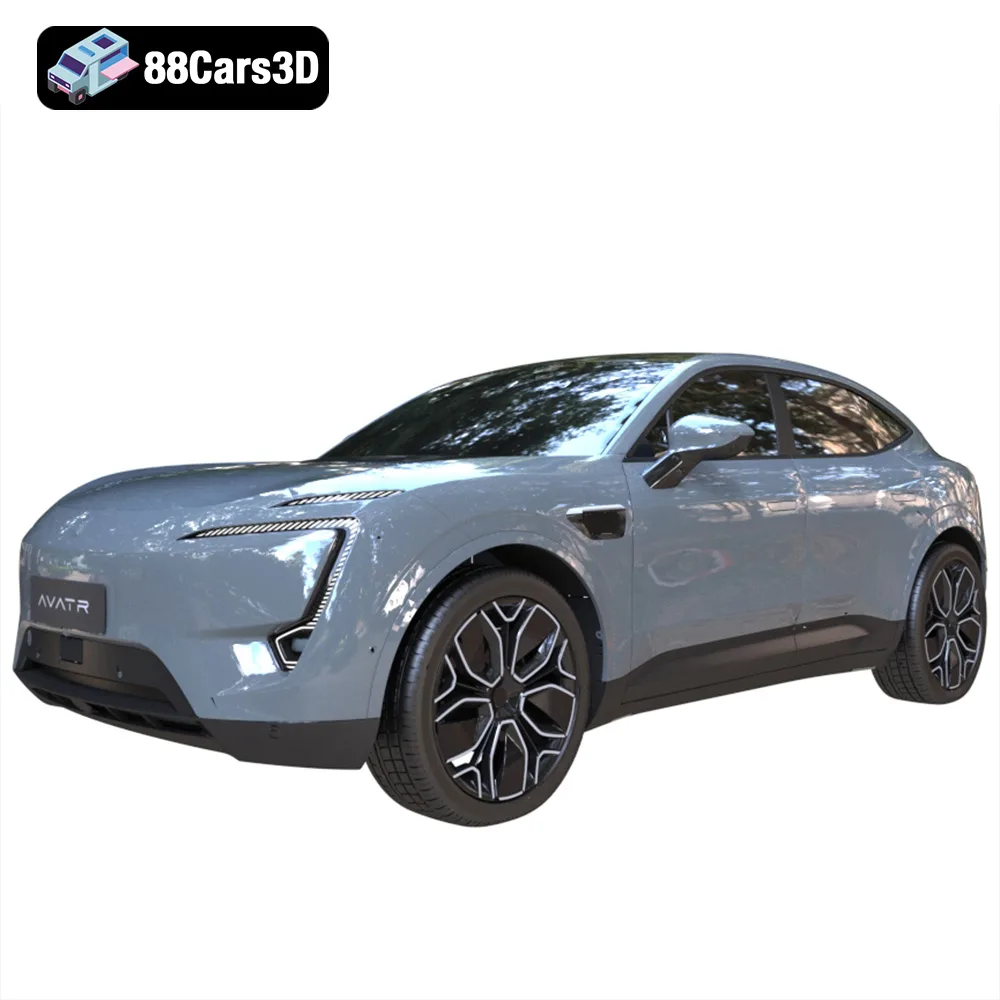
For game developers, particularly those crafting open-world simulations or near-future cityscapes, authentic game assets are paramount. Players expect a level of realism that extends to the vehicles populating their virtual worlds. Including modern EVs like the AVATR 11 Electric SUV or the Porsche Taycan Turbo S Cross Turismo adds significant depth and credibility to a game environment. These vehicles can serve as drivable assets, realistic traffic, or static elements that enrich the scene. The “Future of Mobility” bundle ensures that these assets are optimized for real-time engines, featuring clean topology and separated parts for easy rigging and interaction, crucial for delivering a smooth, immersive gaming experience without compromising performance.
Beyond architecture and gaming, the broader field of automotive rendering demands unparalleled accuracy. Whether for virtual production, marketing materials, or interactive configurators, precision in geometry, materials, and detail is non-negotiable. The distinct features of electric vehicles – such as closed grilles, futuristic LED light clusters, and unique aerodynamic wheel designs – require careful modeling. Generic car models often miss these nuances. Collections built specifically around EVs, like those found on 88cars3d.com, provide the necessary fidelity. They ensure that reflections catch accurately on fluid body lines and that the overall aesthetic aligns perfectly with the brand identity and technological advancements of contemporary electric cars.
The versatility of a 3D model often hinges on the file formats it supports. Different formats are optimized for specific workflows, software compatibility, and end-use applications. Understanding these distinctions is crucial for any professional working with 3D car models, ensuring seamless integration into diverse projects, from high-fidelity automotive rendering to real-time game assets and 3D printing. The “Future of Mobility” bundle thoughtfully includes a variety of these formats, maximizing its utility.
.blend – Fully editable Blender scene with materials: The native file format for Blender, a powerful open-source 3D creation suite. A .blend file typically contains not just the 3D mesh but also materials, textures, lighting, cameras, animations, and even scene settings. This makes it an ideal format for artists primarily working in Blender, offering full editability and the ability to dissect and modify every aspect of the model. It’s excellent for those who want to integrate the model deeply into their Blender projects, perhaps adding custom animations or advanced material nodes before exporting to another platform.
.fbx – Ideal for Unreal, Unity, and real-time pipelines: FBX (Filmbox) is a proprietary file format owned by Autodesk and is one of the most widely used exchange formats in the 3D industry, especially for animation and game development. It can store 3D models, animation data, cameras, and lights. Its robust support for skeletal animations, blend shapes, and PBR (Physically Based Rendering) materials makes it a cornerstone for exporting assets to game engines like Unreal Engine and Unity. For the EV models in this bundle, the .fbx format ensures that separated parts (wheels, doors) and proper pivot points are maintained, making them game-ready for immediate rigging and physics integration.
.obj – Universal format for cross-software compatibility: OBJ (or .obj) is a simple, universal 3D geometry definition file format that represents only the geometry (vertices, normals, texture coordinates, and faces) and can also include material information via an accompanying .mtl (material template library) file. Its simplicity makes it highly compatible across almost all 3D software applications, ensuring that the core mesh data can be imported and worked with, regardless of your preferred 3D package. While it doesn’t support animation or advanced scene data, it’s a reliable choice for transferring static 3D car models between different programs.
.glb – Optimized for AR, VR, and browser-based display: GLB (GL Transmission Format Binary) is the binary version of glTF (GL Transmission Format), a royalty-free specification for the efficient transmission and loading of 3D scenes and models by applications. .glb files are self-contained, including textures and animations embedded within a single file. This format is specifically designed for real-time applications on the web, augmented reality (AR), and virtual reality (VR) platforms due to its efficiency and small file size. It’s perfect for showcasing 3D car models in interactive web viewers or AR experiences, allowing users to view them on their phones or in a browser without heavy load times.
.stl – Suitable for 3D printing output: STL (Stereolithography) is a standard file format for 3D printing. It represents a 3D object as a collection of triangular facets, defining only the surface geometry of a 3D model without any color, texture, or material information. While less versatile for rendering or animation, it is indispensable for additive manufacturing. The inclusion of .stl files in the “Future of Mobility” bundle means that enthusiasts and designers can physically produce miniature versions of these advanced EVs, such as the Volvo EX30 or the Porsche Taycan, making them ideal for diecast collectors or prototyping.
.ply – Precision mesh format for CAD or analysis: PLY (Polygon File Format or Stanford Triangle Format) is another format for storing 3D data, particularly scan data and objects with properties like color, transparency, and surface normals per vertex or face. While not as universally common as .obj, it’s often used in scientific, engineering, and CAD applications where precise mesh information and additional data attributes are critical. For highly detailed vehicle scans or specific analytical workflows, .ply can be a robust choice for certain projects.
.unreal – Engine-ready asset for real-time environments: While not a standalone file extension in the same vein as .fbx or .obj, “unreal” typically refers to assets specifically prepared and packaged for the Unreal Engine, often as .uasset files within the engine’s content browser. This indicates that the 3D car models have undergone optimization for Unreal’s rendering pipeline, including proper material setup using Unreal’s PBR system, LODs (Levels of Detail), collision meshes, and potentially even blueprint configurations. An engine-ready asset like this significantly reduces setup time for game developers and virtual production artists using Unreal, offering a true plug-and-play experience for these high-quality EV models.
.max – Editable 3ds Max project for animation and rendering: The native file format for Autodesk 3ds Max, a leading software in architectural visualization and design. Similar to .blend, a .max file stores the complete scene, including geometry, materials, textures, lights, cameras, and animation data. This format is essential for professionals who primarily use 3ds Max, allowing for full control over the models, materials (e.g., V-Ray or Corona setups), and scene composition. It ensures that artists can easily integrate and modify these premium 3D car models into their high-fidelity ArchViz and automotive rendering projects without loss of data or needing complex re-import procedures.
The “Future of Mobility” bundle isn’t just a collection of cars; it’s a curated selection designed with technical excellence in mind. Each model contributes to a holistic representation of modern urban mobility, providing versatility for various professional applications.
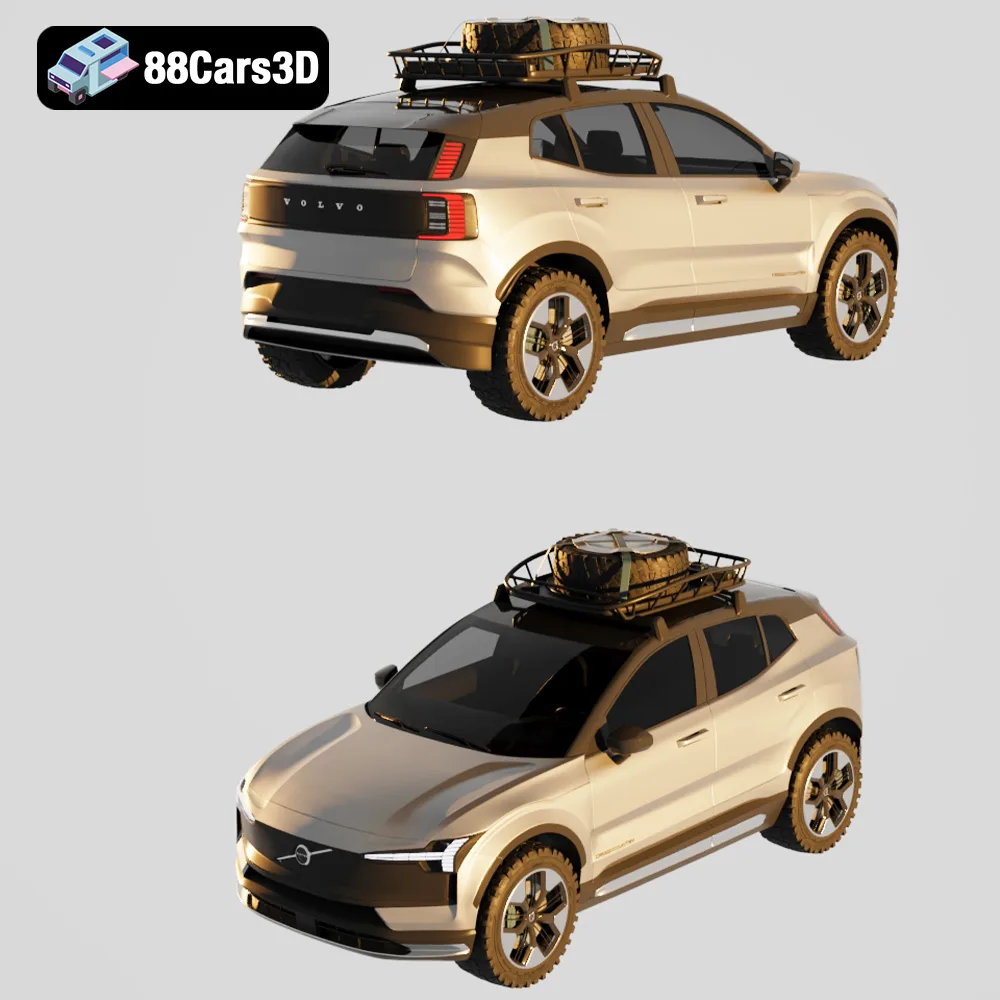
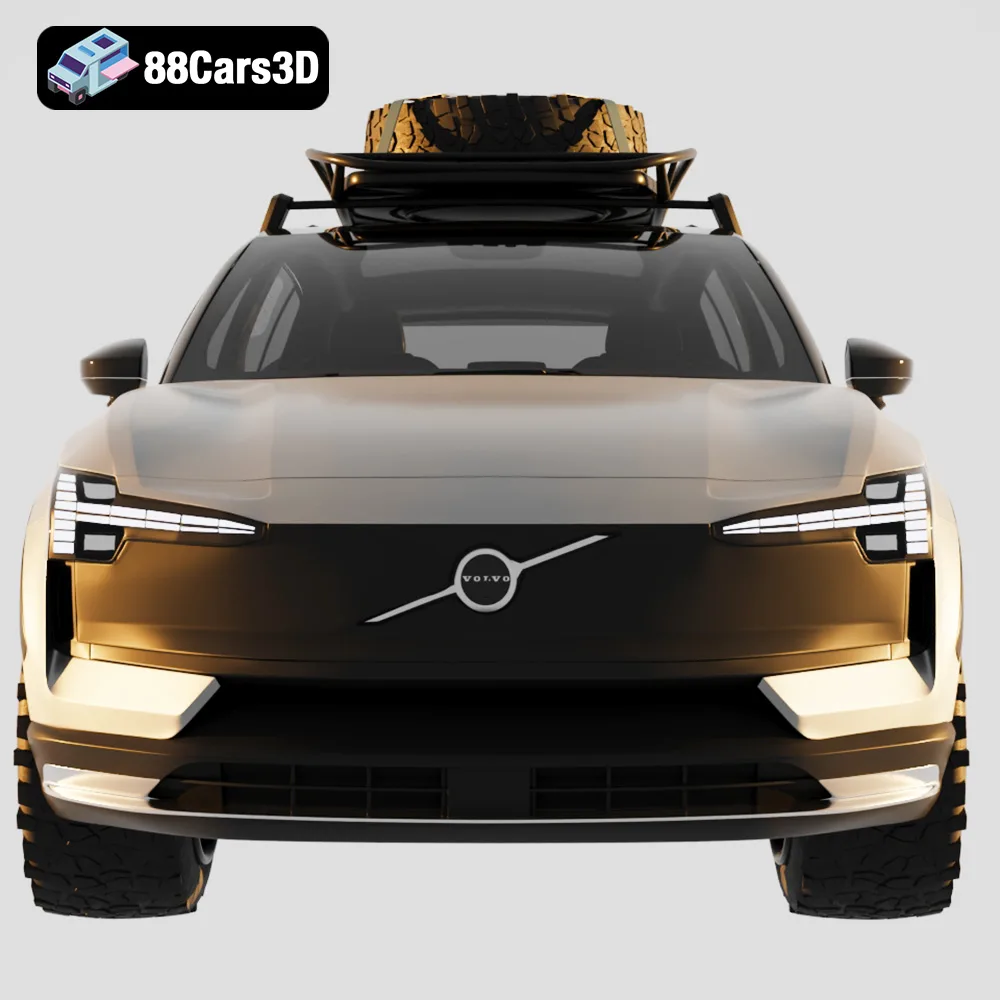
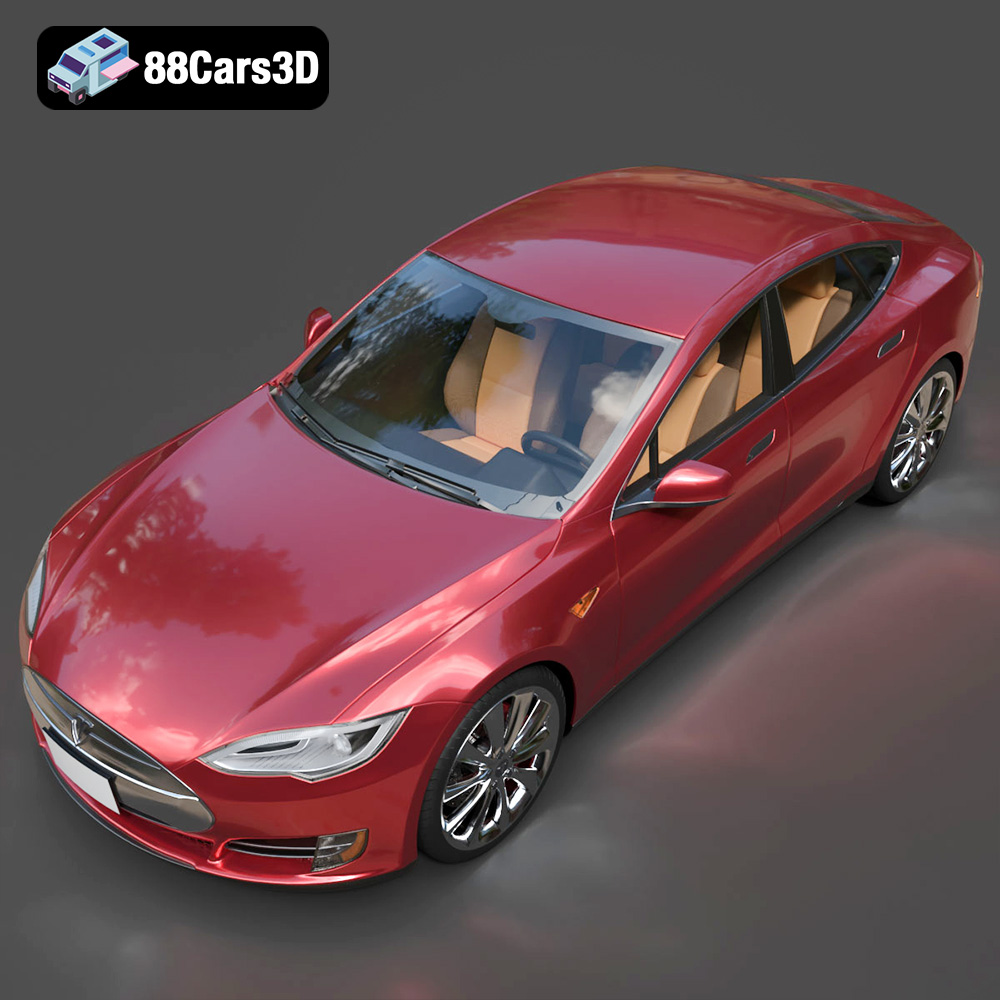
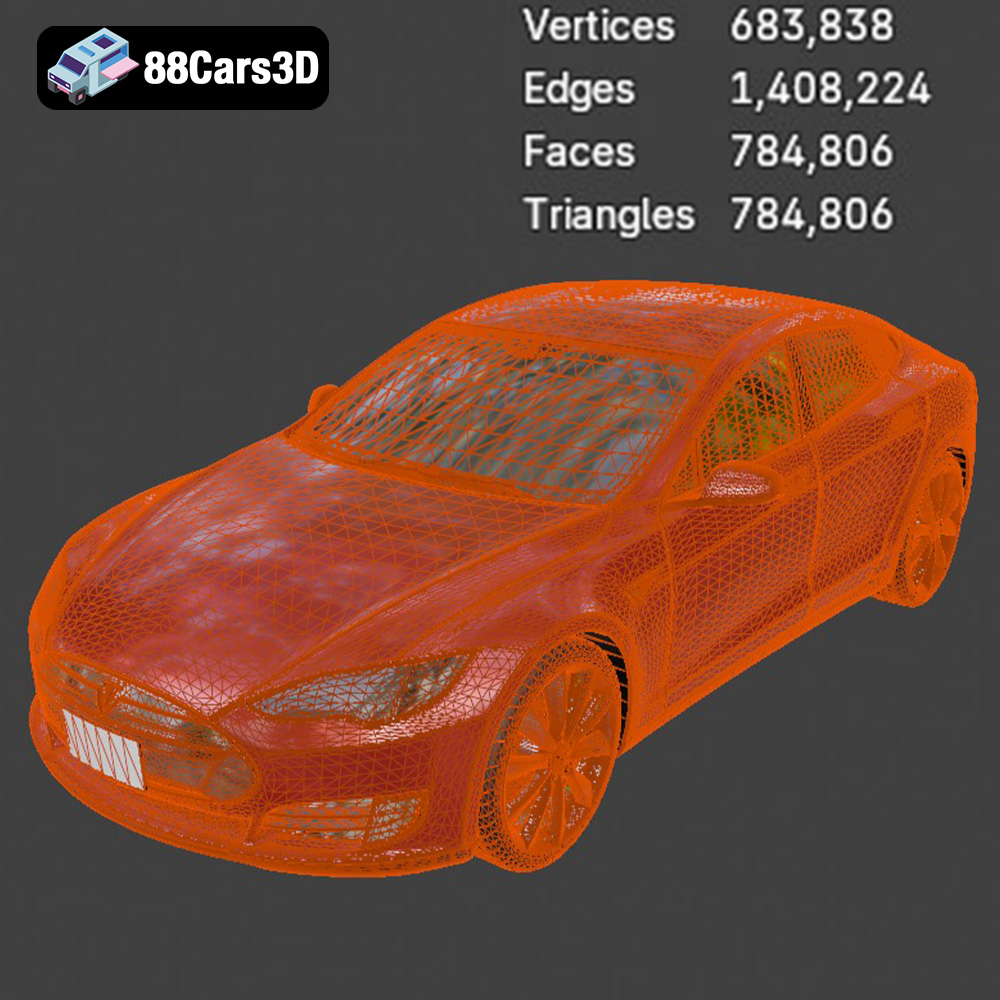
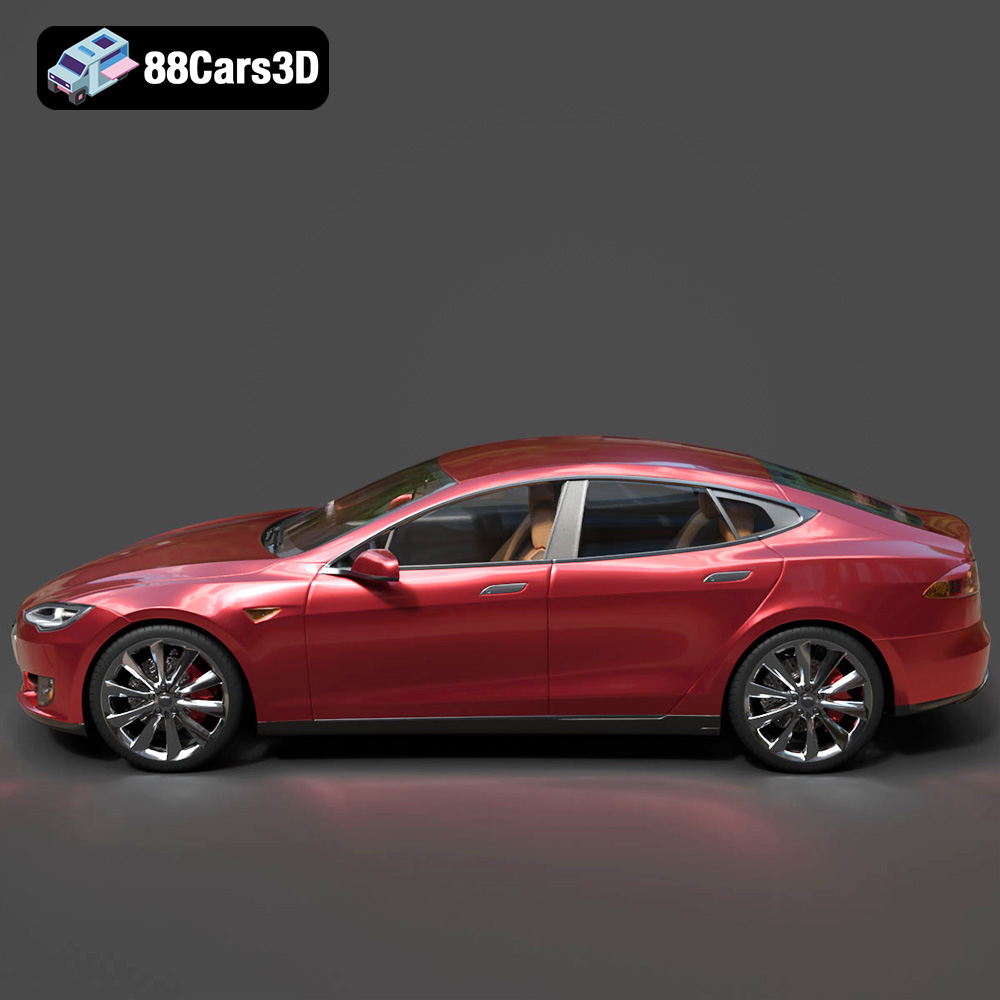
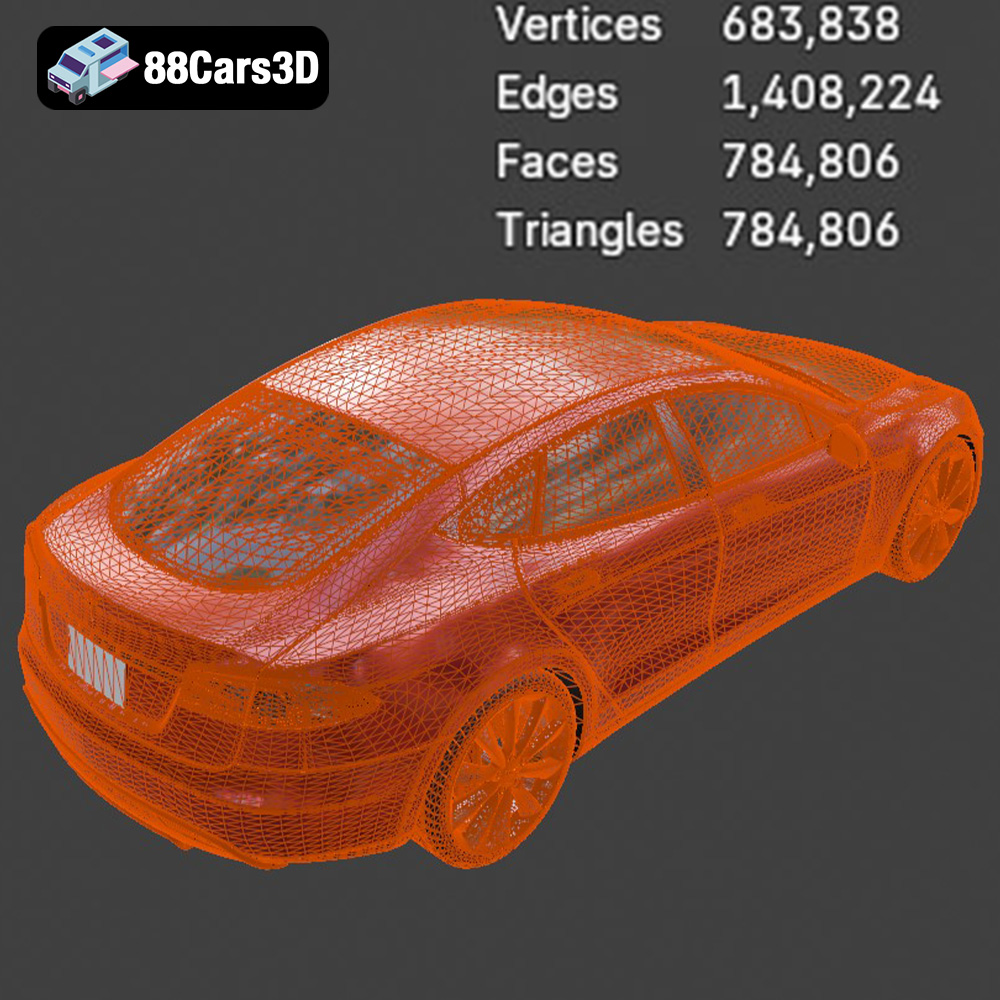
The inclusion of the Volvo EX30 Cross Country Electric Crossover and the Tesla Model S highlights the bundle’s commitment to visual fidelity and contemporary relevance. The Volvo EX30, with its “Thor’s Hammer” LED headlights and optimized mid-poly geometry, is perfectly suited for architectural driveways where it needs to look stunning without excessively burdening scene poly counts. Its clean topology ensures smooth subdivisions for close-up hero shots, while its efficiency prevents slowdowns in dense scenes. The Tesla Model S, a pioneer in the EV space, boasts a flawless exterior topology that excels in ray-traced rendering engines. The fluid lines and flush door handles are accurately modeled to catch light beautifully, an absolute critical detail for high-end automotive rendering and visualization where surface quality defines realism. Both models feature accurate real-world scale and proper pivot point setups for wheels, making them ready for precise integration into any scene or animation rig.
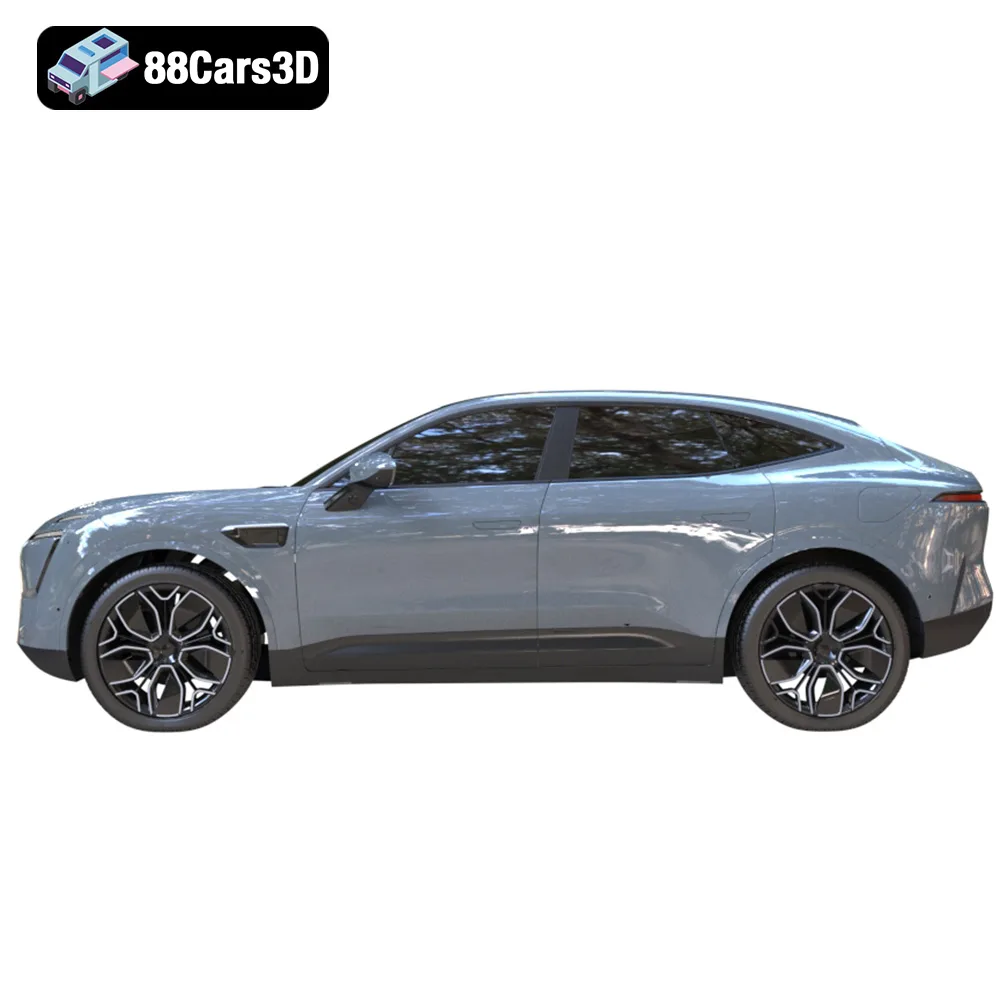
The AVATR 11 Electric SUV and the Porsche Taycan Turbo S Cross Turismo 2021 bring a distinct flavor of futuristic and high-performance design to the bundle. The AVATR 11, with its bold, sci-fi-inspired proportions and ultra-slim LED light bars, is a powerful asset for projects aiming for a truly cutting-edge aesthetic. Its aggressive stance is ideal for setting a futuristic tone in virtual cityscapes or innovative game environments. The Porsche Taycan, on the other hand, represents the pinnacle of electric performance luxury. Its iconic silhouette blended with a practical shooting-brake design and aggressive aerodynamic wheels showcases meticulous attention to detail. These models are not just static objects; their separated parts (wheels, doors, steering) allow for easy rigging, enabling dynamic scenes and interactive experiences, particularly valuable for advanced game assets and virtual production.
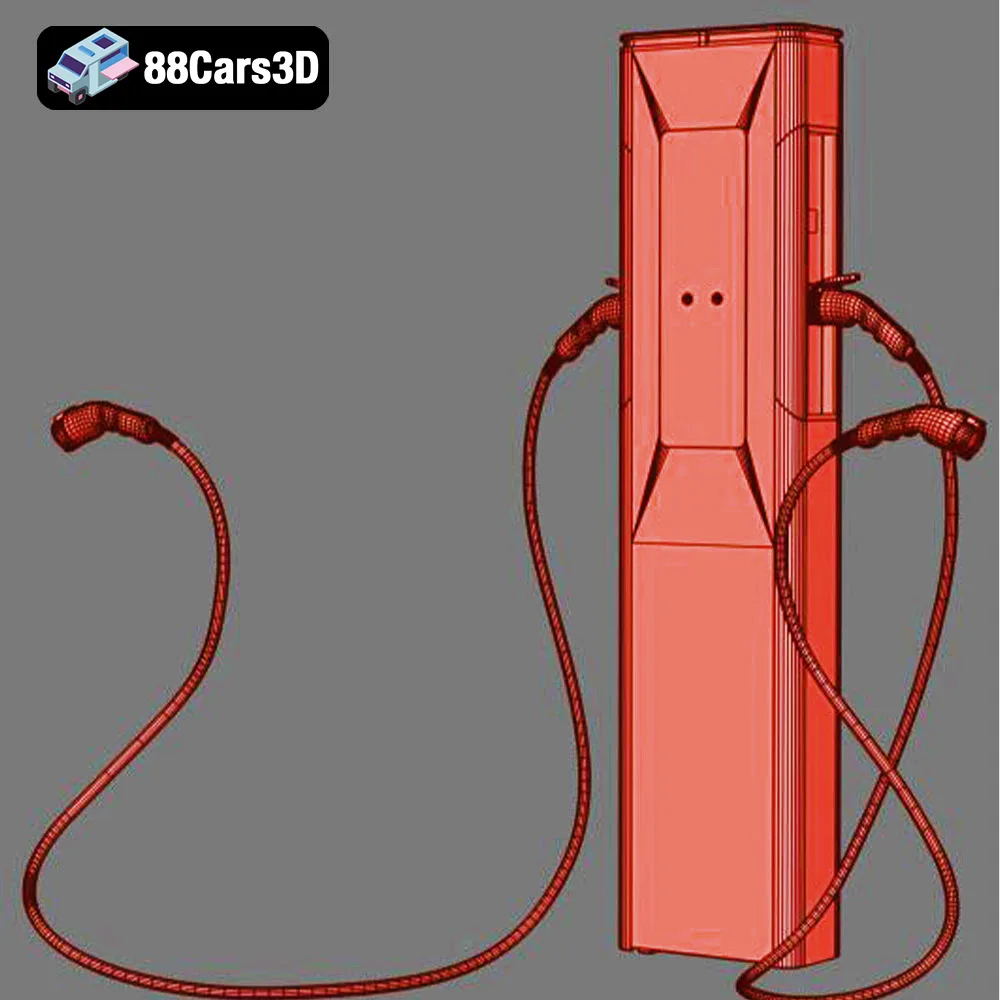
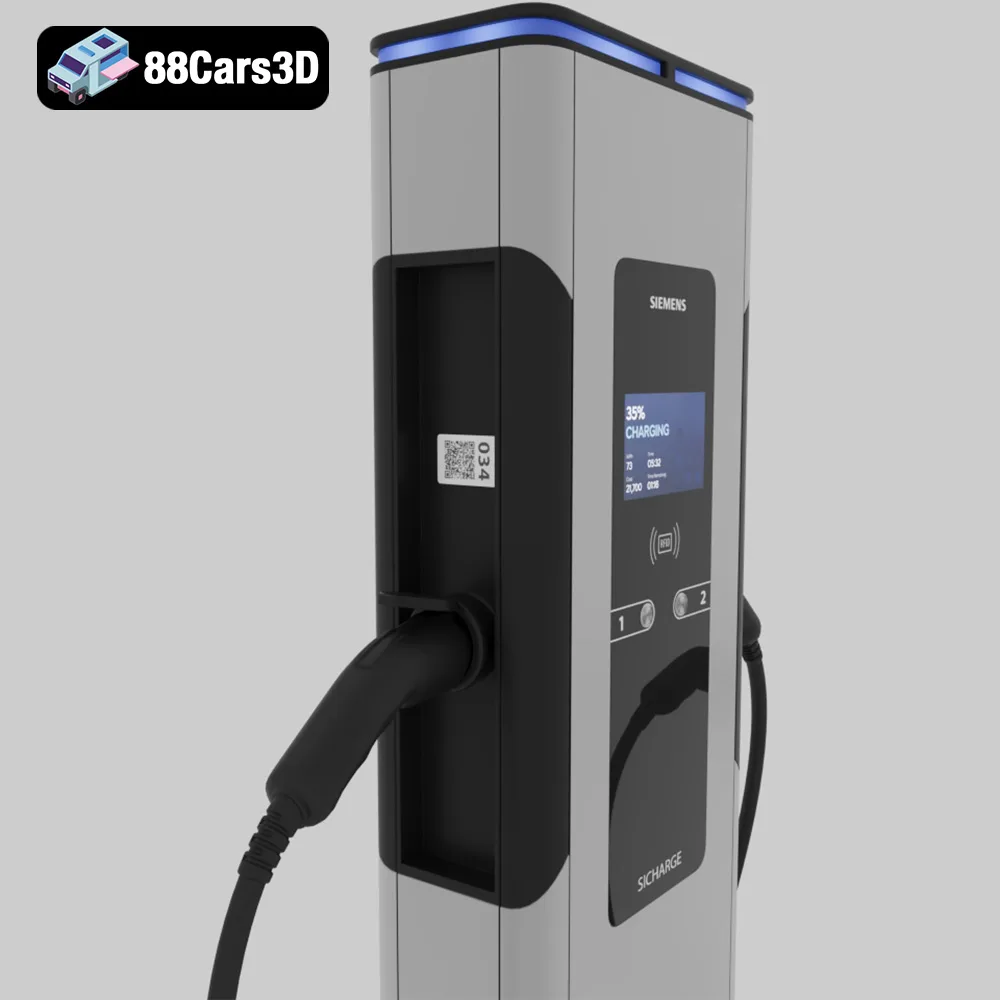
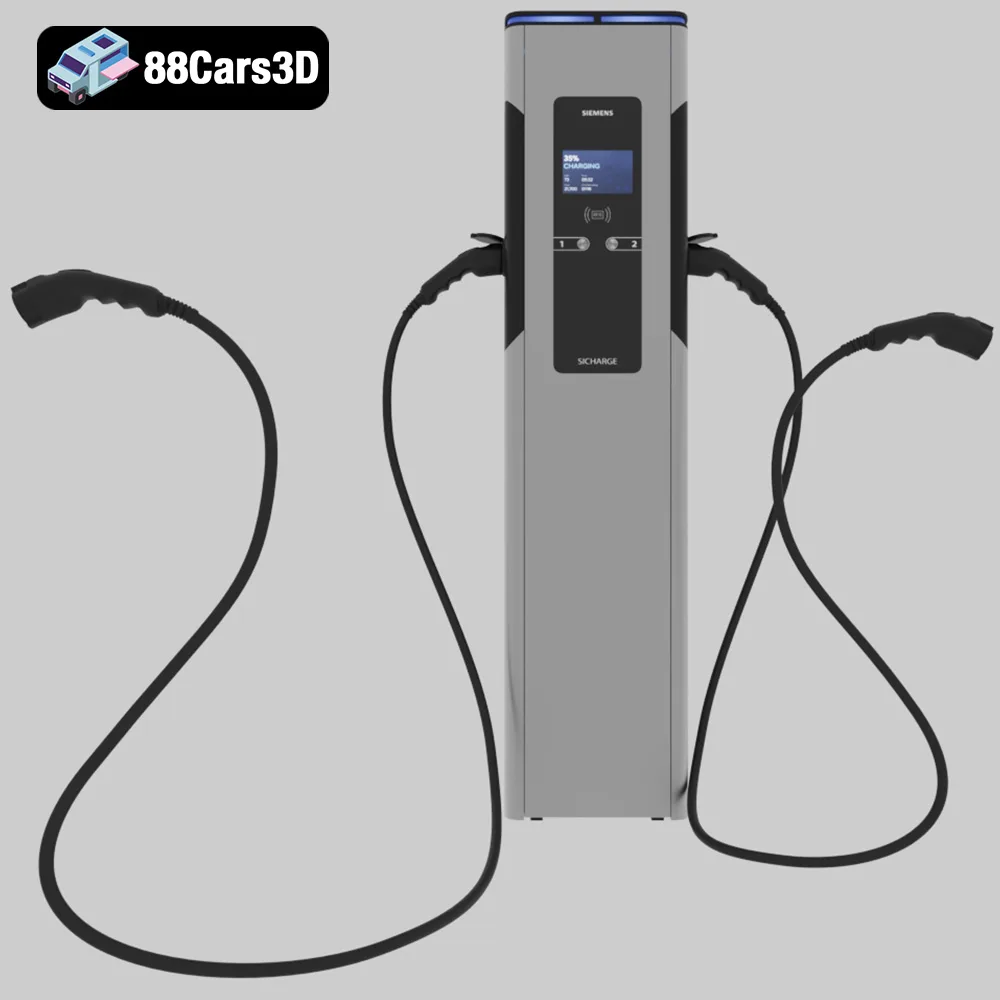
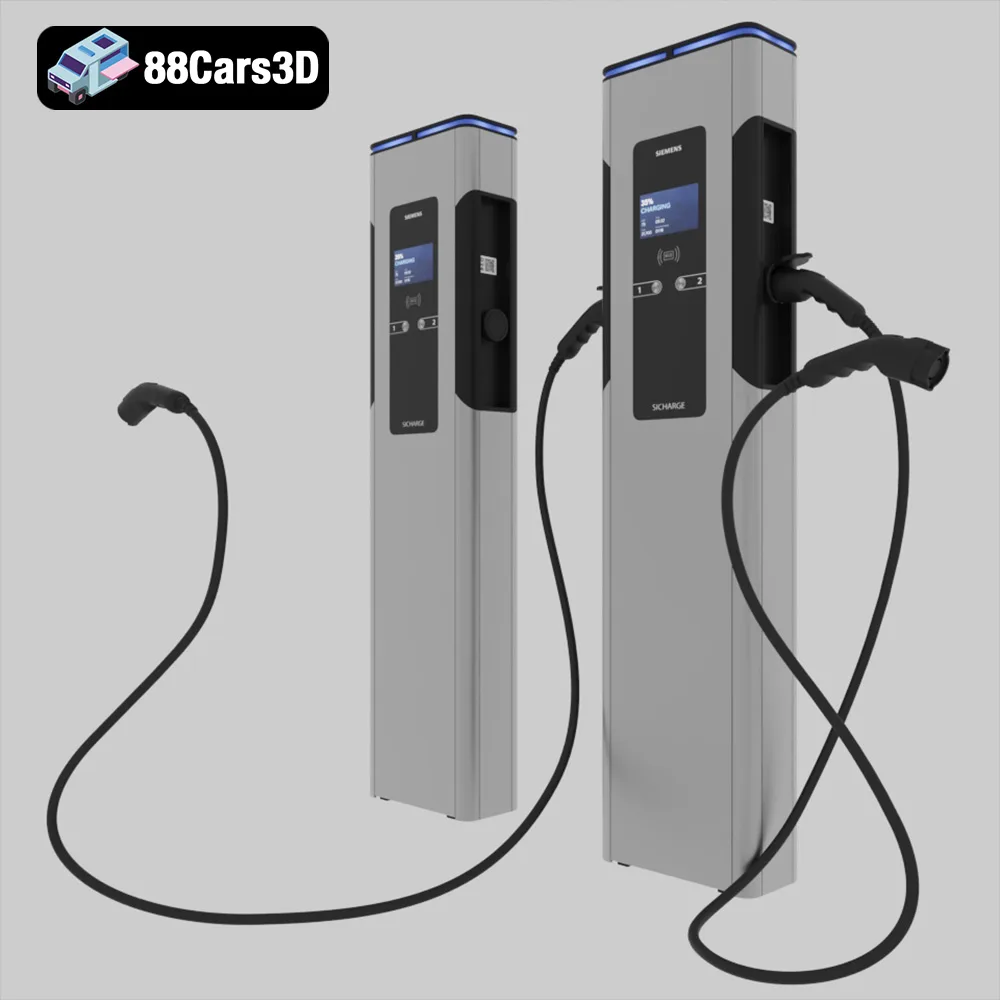
No smart city scene is complete without its infrastructure. The inclusion of the Siemens SiCharge EV Charging Station is a testament to the bundle’s practical utility. This ultra-detailed model is the missing piece for truly realistic renders, allowing artists to create authentic smart-city environments. Dropping this charger into a garage, parking lot, or streetscape instantly grounds the scene in reality and enhances the narrative of sustainable urban living. Its presence not only adds realism but also serves as a functional and visual anchor, complementing the modern EV 3D car models and reinforcing the theme of future mobility. This attention to contextual detail elevates the entire bundle, making it an indispensable tool for comprehensive environmental design.
The true value of high-quality 3D car models lies in their ease of integration into established professional workflows. The “Future of Mobility” bundle is designed with this in mind, offering assets that are ready for immediate use across various industry-standard applications.
For architectural visualization artists, Autodesk 3ds Max remains a cornerstone, often paired with powerful renderers like V-Ray or Corona. The .max files included in the bundle mean seamless drag-and-drop integration. Artists can easily import the Volvo EX30 or the Porsche Taycan, knowing that the models are at 100% real-world scale. The clean topology ensures that subdivision modifiers work flawlessly, providing high-resolution detail for close-up shots without introducing shading artifacts. Materials can be quickly adapted to V-Ray or Corona, utilizing PBR textures that react accurately to advanced lighting setups. This allows ArchViz specialists to instantly upgrade their renders, creating sophisticated scenes where modern EVs complement the aesthetic of contemporary buildings and urban designs, reinforcing themes of luxury and sustainability.
Game developers demand optimized assets for real-time performance. The .fbx and “unreal” engine-ready formats in the bundle are specifically tailored for integration into Unreal Engine 5 and Unity. The optimized geometry and separated parts (wheels, doors, steering components) are crucial. This allows developers to easily rig the vehicles for physics-based movement, implement advanced car controllers, and animate elements like doors for interactive experiences. The accurate pivot points for wheels and steering significantly reduce setup time, allowing developers to focus on gameplay and environment design rather than tedious asset preparation. Whether creating drivable vehicles or populating a bustling smart city with high-quality traffic, these game assets are built to perform efficiently within demanding real-time environments.
Blender’s open-source nature and powerful capabilities make it a popular choice for artists. The .blend files in the bundle provide a complete, editable scene. Blender artists can take full advantage of the optimized geometry and clean topology to create stunning animations. The separated parts enable intricate rigging for complex vehicle movements, cinematics, or even interactive VR experiences. Artists can easily customize materials using Blender’s node-based shader editor, apply modifiers, or integrate these EV models into larger urban scenes. The flexibility offered by the native Blender format ensures that the “Future of Mobility” bundle is a highly adaptable resource for both individual artists and larger studios utilizing Blender in their production pipelines.
The utility of 3D car models extends far beyond the digital screen. With the advent of accessible 3D printing technology, these digital assets can be transformed into tangible objects, opening up new avenues for creative expression, prototyping, and collectible creation.
The inclusion of .stl files in the “Future of Mobility” bundle caters directly to the growing community of 3D printing enthusiasts and professionals. This allows designers to move from a purely digital visualization to a physical manifestation of these cutting-edge electric vehicles. For automotive designers, 3D printing offers an invaluable tool for rapid prototyping, allowing them to test forms, proportions, and aesthetic details of the Volvo EX30 or Porsche Taycan in a physical medium. For collectors, hobbyists, and diecast enthusiasts, it means creating personalized, highly detailed scale models. Imagine a custom-painted Tesla Model S or an AVATR 11 miniature, meticulously printed and displayed – a unique blend of digital artistry and physical craftsmanship. This capability transforms the 3D car models from mere pixels into something that can be held and admired.
Achieving a high-quality 3D print from complex 3D car models requires careful attention to technical settings. The bundle provides specific recommendations to ensure optimal results:
These guidelines are crucial for transitioning the high-fidelity digital models into physical objects that faithfully represent their virtual counterparts, making the “Future of Mobility” bundle suitable for both digital and physical production pipelines.
The ability to 3D print these 3D car models unlocks immense creative potential. Artists can experiment with different materials, finishes, and paint schemes, bringing their unique vision to life. Beyond personal collections, these physical models can be used for presentations, educational tools, or even as components in mixed-media art installations. The Siemens SiCharge EV Charging Station, for example, can be printed to create a diorama element, adding a touch of realism to architectural scale models or miniature cityscapes. This synergy between digital and physical assets amplifies the value of the bundle, offering a tangible output that complements its extensive digital applications.
The versatility of The Future of Mobility: Smart City EV 3D Models Bundle extends across numerous real-world professional applications, demonstrating its profound utility for forward-thinking projects.
In the realm of urban development, the concept of a “digital twin” – a virtual replica of a physical city – is gaining traction. These sophisticated models allow planners to simulate various scenarios, from traffic flow and energy consumption to urban growth. Integrating high-fidelity EV 3D car models like the Tesla Model S or AVATR 11, alongside the Siemens SiCharge EV Charging Station, is crucial for creating accurate digital twins of smart cities. Planners can visualize the impact of EV infrastructure, analyze parking demands, and even simulate the rollout of autonomous vehicle fleets. This bundle provides the essential assets to populate these digital environments with realistic, modern vehicles, enabling more informed decision-making and sustainable urban planning strategies.
The automotive industry has embraced digital marketing and virtual experiences. Virtual showrooms and interactive configurators allow potential buyers to explore vehicles in unprecedented detail from the comfort of their homes. High-quality automotive rendering is at the heart of these experiences. The precise geometry and material fidelity of the Porsche Taycan or Volvo EX30 in this bundle make them ideal for creating stunning marketing visuals, immersive VR configurators, and engaging online experiences. Brands can showcase vehicle features, interior options, and performance aspects in a dynamic, photorealistic virtual environment, significantly enhancing customer engagement and sales potential. The ability to manipulate and present these models with such clarity offers a competitive edge in a highly visual market.
Augmented Reality (AR) and Virtual Reality (VR) are transforming how we interact with digital content. For architects presenting new designs, game developers creating immersive worlds, or educators illustrating future technologies, these platforms offer unparalleled engagement. The .glb and optimized formats in the bundle are perfectly suited for AR/VR applications. Imagine walking through a proposed architectural development in VR, with a fully interactive Volvo EX30 parked in the driveway, or using AR to place a life-sized Porsche Taycan in your actual garage. These 3D car models bring a layer of realism and interactivity that elevates the user experience, making virtual worlds feel more tangible and digital concepts more accessible. For companies leveraging these cutting-edge technologies, having a robust library of modern EV assets is indispensable.
As the world accelerates towards an electric future, the demand for sophisticated, high-quality 3D car models reflecting this paradigm shift will only continue to grow. For professionals in architectural visualization, game development, automotive rendering, and immersive technologies, equipping their asset libraries with contemporary electric vehicles is not merely about keeping up; it’s about leading the charge.
The Future of Mobility: Smart City EV 3D Models Bundle (5-in-1 Pack) offers an unparalleled solution. By providing meticulously crafted models of iconic EVs like the Tesla Model S, Volvo EX30, AVATR 11, Porsche Taycan, and an essential Siemens SiCharge EV Charging Station, it addresses a critical need for realism, versatility, and technical precision. Whether you’re aiming for stunning photorealistic renders, optimized game assets, or even tangible 3D-printed collectibles, this bundle delivers across the board.
Its comprehensive file format support, clean topology, and real-world scale ensure seamless integration into a myriad of professional workflows, from 3ds Max and Blender to Unreal Engine. Investing in such a resource not only streamlines production but also elevates the overall quality and relevance of any digital project focusing on smart cities and sustainable transport. Explore this future-ready collection and more premium 3D car models at 88cars3d.com, where innovation meets digital artistry.
The Future of Mobility 3D Models Bundle is the ultimate, eco-conscious collection designed for modern architectural visualization (ArchViz), smart-city game environments, and forward-thinking digital showrooms. As the world transitions to electric vehicles, 3D artists need premium, realistic EV assets to make their renders culturally relevant and visually striking. This comprehensive 5-in-1 package provides exactly that. Instead of sourcing these high-quality models individually (Total Value: €184.95), this bundle gives you four of the most recognizable modern electric vehicles plus a highly detailed EV charging station at an unbeatable discount.
$89.99
archviz-pack
avatr-11
car-bundle
eco-friendly
electric-vehicle-3d-model
ev-bundle
ev-charger-3d
game-ready
porsche-taycan
smart-city
tesla-model-s
volvo-ex30