Get 50% OFF All Premium 3D & STL Models!

In the rapidly evolving landscape of digital creation, high-quality 3D models serve as the fundamental building blocks for everything from blockbuster video games to cinematic visual effects, and groundbreaking AR/VR experiences. The demand for meticulously crafted assets that combine aesthetic appeal with technical precision has never been greater. Whether you’re an independent developer striving for realism, a studio pushing the boundaries of interactive entertainment, or a designer visualizing future concepts, the right 3D model can be the difference between a good project and an outstanding one.
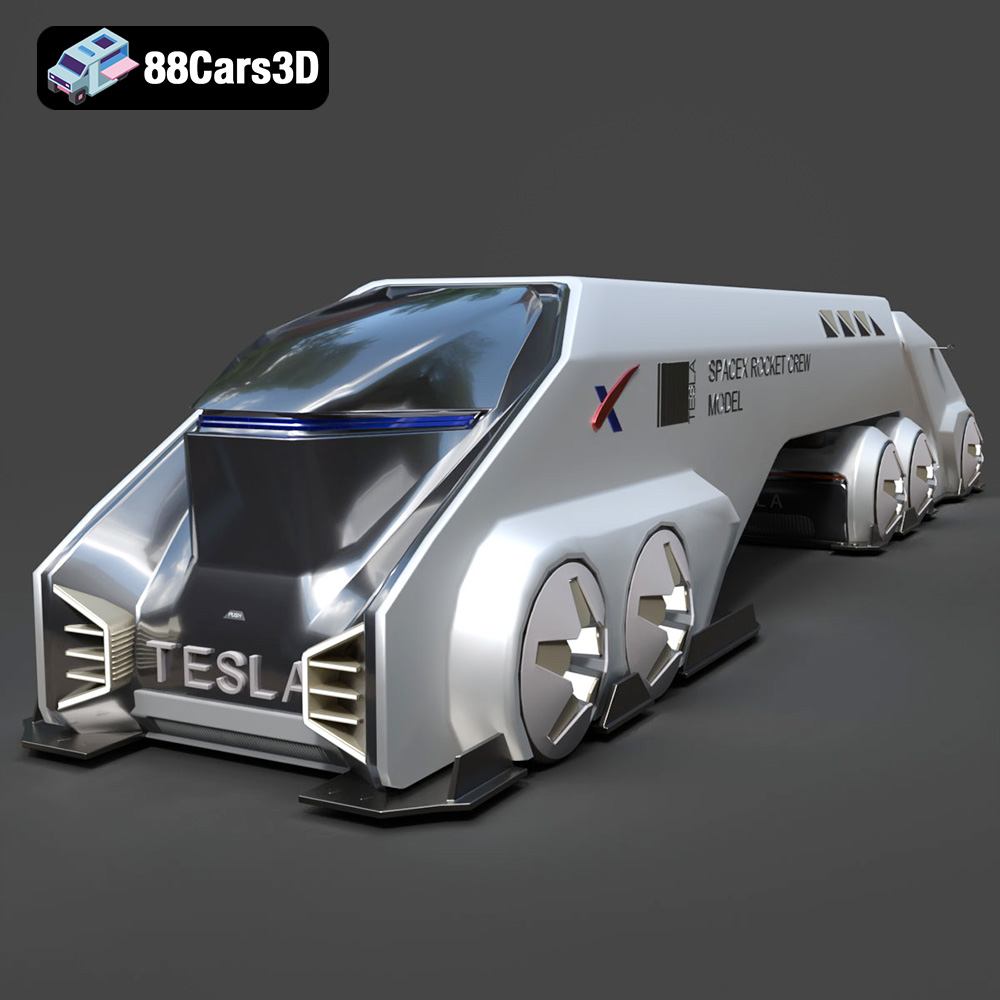
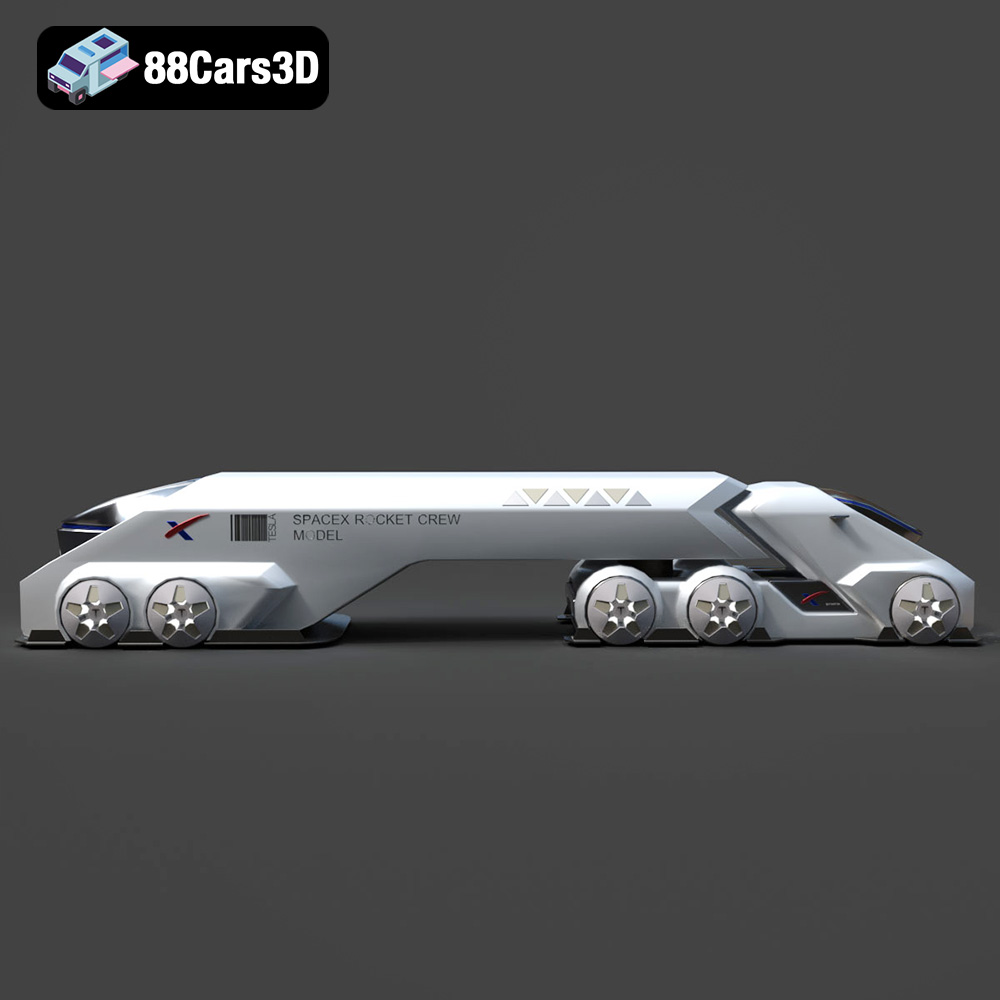
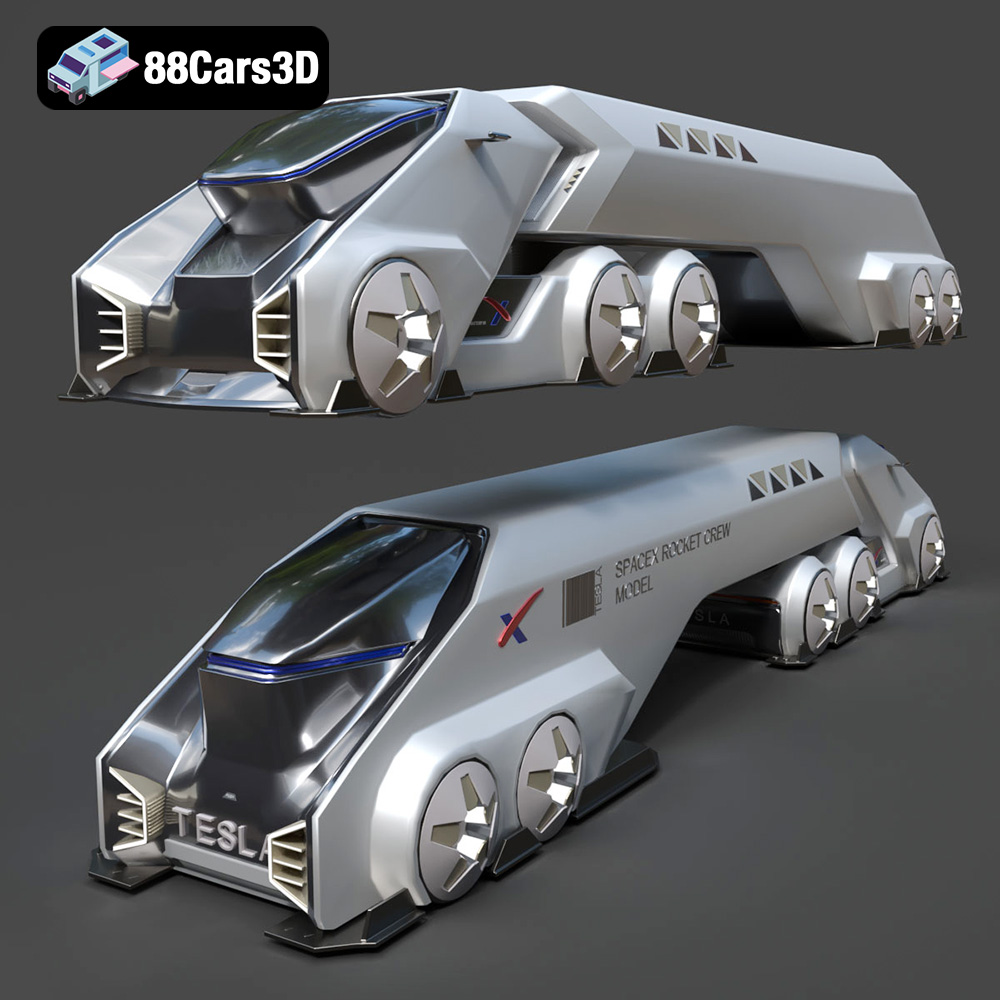
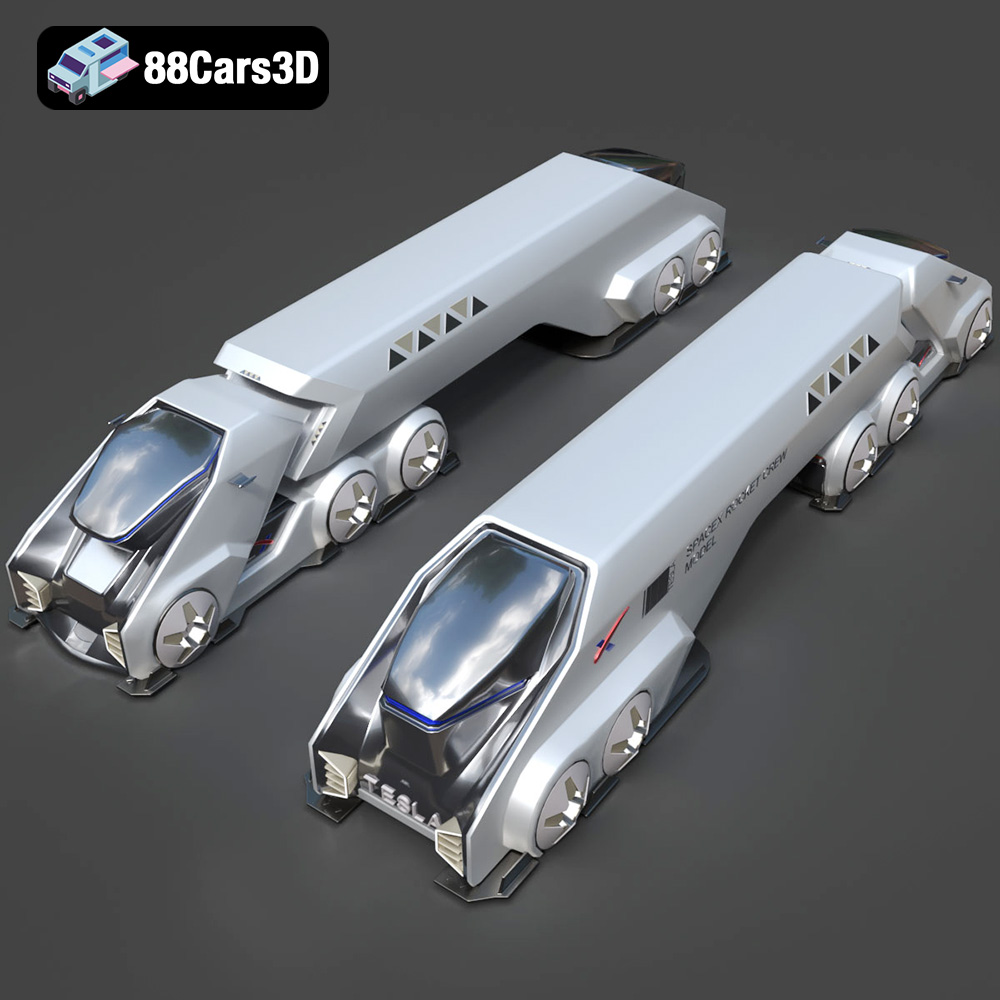
At the heart of this digital revolution lies the ability to acquire and integrate superior assets seamlessly. This is where offerings like the Tesla Space Rocket-001 3D Model from 88cars3d.com shine. It’s not merely a static object; it’s a comprehensive digital asset designed to be a robust foundation for dynamic rendering, interactive environments, and detailed technical visualization. Its accurate capture of futuristic design and structural elements makes it an invaluable addition to any professional visual project, demonstrating the pinnacle of modern 3D asset creation.
The selection of the correct file format for your 3D model is a critical decision that impacts compatibility, performance, and workflow efficiency across different software and platforms. The Tesla Space Rocket-001 3D Model provides a comprehensive range of formats, ensuring seamless integration into virtually any professional pipeline. Understanding the nuances of each is essential for maximizing their potential.
The .blend format is native to Blender, the powerful open-source 3D creation suite. When you acquire a .blend file, you’re not just getting the mesh; you’re often receiving the complete scene setup, including materials, textures, lighting rigs, and even animation data. For the Tesla Space Rocket-001, the .blend file is fully editable, offering artists complete control over every aspect of the model. This allows for unparalleled customization, from tweaking PBR material properties to adjusting the subdivision surfaces, making it perfect for those who want to integrate the model deeply into a Blender-centric workflow or modify it extensively for specific project requirements.
Autodesk’s .fbx (Filmbox) format has become the de facto standard for transferring 3D data between various applications, especially within game development. It’s renowned for its robust support of geometry, materials (often baking down PBR textures), animations, skeletal data, and more. For the Tesla Space Rocket-001, the .fbx version is explicitly game-engine ready, optimized for platforms like Unreal Engine and Unity. This means the model’s topology is typically clean and efficient, UV maps are properly laid out, and materials are configured for real-time rendering, ensuring optimal performance and visual fidelity in interactive experiences without extensive re-preparation.
The .obj (Wavefront Object) format is one of the oldest and most universally compatible 3D file formats. It primarily stores geometric data (vertices, normals, texture coordinates, and faces) and references external material files (.mtl) for basic material properties. While it doesn’t support advanced features like animation or rigging, its simplicity ensures it can be opened and manipulated in virtually every 3D software package. The .obj version of the Tesla Space Rocket-001 serves as a reliable fallback, guaranteeing cross-software compatibility for artists and studios utilizing diverse toolsets.
.glb (GL Transmission Format Binary) is a relatively newer format specifically designed for efficient transmission and loading of 3D scenes and models on the web and in AR/VR applications. It bundles all assets—geometry, materials, textures, and animations—into a single, self-contained binary file, making it incredibly streamlined for browser-based viewers, augmented reality experiences, and virtual reality platforms. The .glb version of the Tesla Space Rocket-001 is optimized for these immersive applications, providing a lightweight yet visually rich representation for interactive product showcases or metaverse projects.
The .stl (Stereolithography) format represents a 3D model as a collection of unconnected triangles, defining only the surface geometry without color, texture, or other properties. It is the dominant file format for 3D printing and rapid prototyping. The Tesla Space Rocket-001 provided in .stl format allows designers to translate the digital concept into a physical object. This is invaluable for creating scale models, prototypes for engineering review, or even custom collectible figures, bridging the gap between digital design and tangible reality.
The .ply (Polygon File Format, or Stanford Triangle Format) is another format that stores geometric data, similar to .obj but often used in scientific and engineering fields due to its ability to store additional properties like color, transparency, surface normals, and even confidence values for each vertex or face. It’s particularly useful for scan data and precise mesh analysis. For the Tesla Space Rocket-001, the .ply format offers a detailed polygon mesh, making it suitable for applications requiring high geometric fidelity or specific analytical visualization.
While .fbx is a general game engine format, the .unreal file format (often referring to a .uasset or a project ready for direct import/drag-and-drop) signifies an asset pre-configured specifically for Unreal Engine. This means materials are likely set up using Unreal’s physically based rendering (PBR) pipeline, collision meshes might be generated, and LODs (Levels of Detail) could be optimized. The Tesla Space Rocket-001 available in this format dramatically accelerates development for Unreal Engine projects, bypassing much of the tedious import and setup process, allowing designers to focus immediately on scene composition and interaction.
The .max format is native to Autodesk 3ds Max, a leading software for 3D modeling, animation, and rendering. Similar to .blend, a .max file contains the complete scene, including the model’s geometry, modifiers, materials, textures, lighting, cameras, and animation keyframes. The Tesla Space Rocket-001 in .max format provides maximum flexibility for artists using 3ds Max, enabling them to leverage the software’s powerful rendering engines (like V-Ray or Corona), animation tools, and extensive plugin ecosystem for high-fidelity visualizations and complex animations.
Creating a high-quality 3D model like the Tesla Space Rocket-001 is a blend of artistic vision and rigorous technical execution. It goes beyond simple geometry, encompassing meticulous attention to detail in topology, material definition, and overall optimization. These elements are crucial for ensuring the model performs well across diverse applications, from real-time game engines to photorealistic cinematic renders.
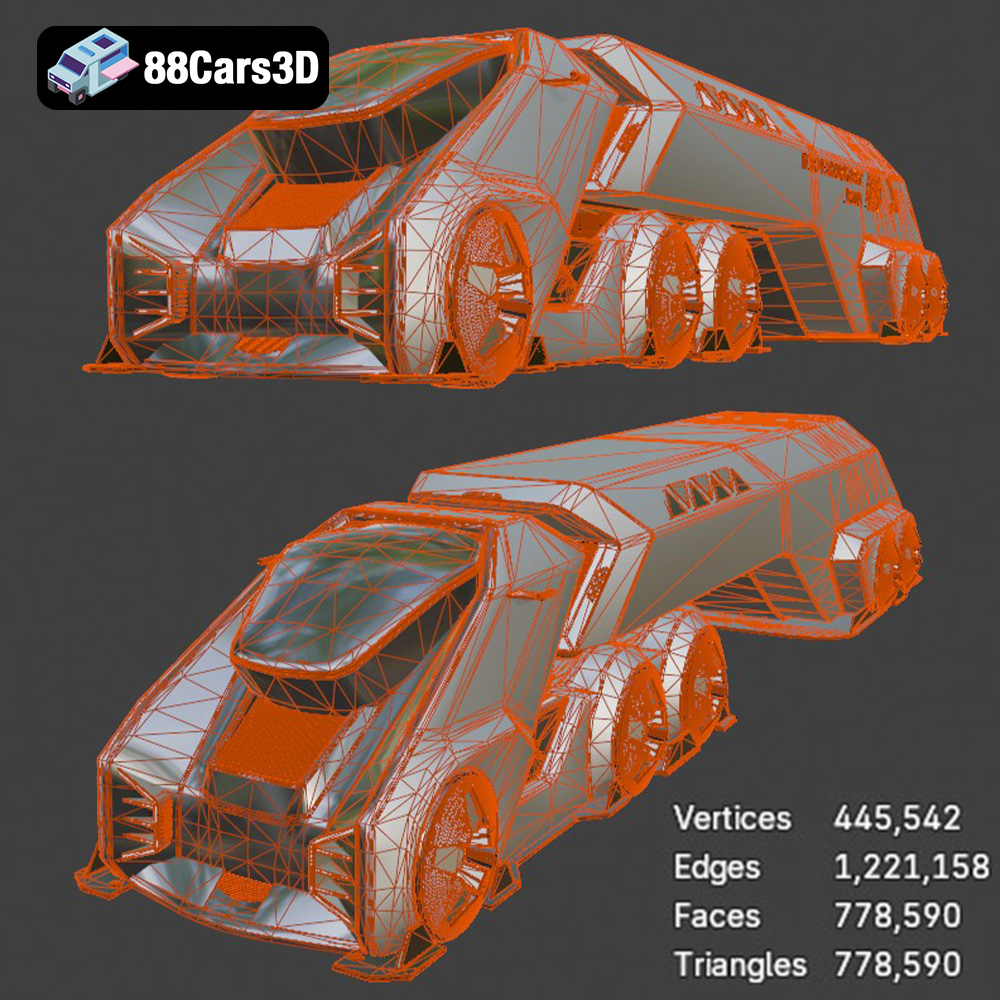
Clean geometry and optimized topology are the backbone of any professional 3D model. “Clean geometry” means that the mesh is free from artifacts such as non-manifold edges, inverted normals, or overlapping faces, which can cause rendering issues and hinder deformation. “Optimized topology” refers to the efficient arrangement of polygons (quads, primarily) to define the model’s form. For the Tesla Space Rocket-001, this implies a mesh structured to allow for smooth subdivision if needed, efficient UV mapping, and graceful deformation during animation. A well-constructed mesh ensures that the futuristic curves and structural elements of the rocket are accurately represented, whether viewed up close or from a distance, without excessive polygon counts that would bog down performance.
Realistic materials are paramount for achieving visual fidelity. The Tesla Space Rocket-001 features “realistic materials,” which typically means it utilizes a Physically Based Rendering (PBR) workflow. PBR systems simulate how light interacts with surfaces in the real world, producing highly convincing results. This involves maps like Albedo (base color), Normal (surface detail), Roughness (micro-surface imperfections), Metallic (metallic properties), and Ambient Occlusion (soft shadowing). When integrated into engines like Unreal or renderers like V-Ray, these PBR textures ensure that the rocket’s metallic sheen, panel lines, and any painted surfaces react authentically to various lighting conditions, making it feel tangible and grounded, despite its futuristic nature.
Beyond aesthetics, a professional 3D model must be optimized for its intended use. For game development and AR/VR, this involves balancing poly count with visual detail, creating efficient UV maps to minimize texture memory, and often generating Levels of Detail (LODs) that swap in lower-polygon versions of the model as it moves further from the camera. The Tesla Space Rocket-001 is designed with “optimized topology” and “fully textured components” that “maintain optimal system performance across different engines.” This forethought in design ensures that the model can be dropped into a real-time environment without significant performance bottlenecks, while still offering the high-resolution textures and material detail necessary for close-up renders.
The true value of a high-quality 3D asset like the Tesla Space Rocket-001 3D Model lies in its seamless integration into diverse professional pipelines. Its multi-format availability and optimized structure cater to various industries, accelerating production and enhancing visual output.
In game development, speed and performance are critical. For a model like the Tesla Space Rocket-001, the availability of .fbx and .unreal formats is a game-changer. Developers working with Unreal Engine can import the .unreal asset directly, often with pre-configured PBR materials, collision meshes, and potentially even basic LODs. This eliminates hours of manual setup. For instance, in a sci-fi action game, the rocket could serve as a key player vehicle, an environmental prop, or even a cinematic asset. Its optimized topology and clean UVs ensure that it can be textured efficiently within Substance Painter or Quixel Mixer, and then rendered in real-time with stunning fidelity. The robust nature of assets from 88cars3d.com means less time fixing technical issues and more time on creative iteration and gameplay refinement.
For cinematics, advertising, and architectural visualization (think of a futuristic spaceport concept), photorealism is paramount. The .max and .blend versions of the Tesla Space Rocket-001 provide artists with fully editable scenes within industry-standard software. In 3ds Max, artists can leverage advanced rendering engines like V-Ray or Corona Renderer, applying complex lighting setups, volumetric effects for engine exhaust, and intricate material variations to achieve breathtaking photorealistic images or animations. Similarly, Blender users can utilize Cycles or Eevee, customizing the model, adding advanced procedural shaders, and integrating it into complex visual effects shots for film or high-end marketing campaigns. The clean geometry and realistic materials mean less time spent on surfacing and more on art direction and storytelling.
Augmented Reality (AR) and Virtual Reality (VR) platforms demand efficient, lightweight, yet visually compelling assets. The .glb format of the Tesla Space Rocket-001 is specifically optimized for this. Imagine using the model in an AR application on a smartphone, allowing users to virtually place the rocket in their living room, examine its details, and even trigger simple animations. In VR, it could be a central object in an immersive experience, perhaps a simulation of space travel or a virtual museum exhibit of future technology. The streamlined nature of .glb ensures fast loading times and smooth interactive performance, crucial for maintaining user immersion and preventing motion sickness in VR environments. This also extends to interactive web-based product configurators or online virtual showrooms, providing rich, engaging experiences without heavy computational overhead.
To truly understand the versatility and impact of a high-quality 3D asset, it’s helpful to consider its practical applications across different industries. The Tesla Space Rocket-001 3D Model, with its detailed design and multi-format support, offers a multitude of possibilities.
Consider a hypothetical AAA sci-fi game in development, “Galactic Frontiers.” The design team is creating a diverse fleet of spacecraft, and they need a hero vehicle that embodies cutting-edge technology and sleek design. Instead of spending weeks on concepting and modeling a primary rocket from scratch, the team acquires the Tesla Space Rocket-001 from 88cars3d.com. They import the .fbx version directly into Unreal Engine. The optimized mesh and PBR materials allow them to quickly integrate it as a player’s customizable starship. With minimal adjustments, they add glowing engine thrusters, attach modular weapon systems, and even implement a cockpit interior. The clean topology means animators can easily rig the landing gear and control surfaces for dynamic gameplay sequences, accelerating the development timeline by weeks or even months and allowing them to focus on unique game mechanics rather than foundational asset creation.
Imagine an architectural firm specializing in futuristic urban planning, tasked with designing a next-generation spaceport. They need compelling visuals to pitch their vision to investors. Using 3ds Max, a lead visualization artist imports the .max file of the Tesla Space Rocket-001. They then integrate it into a sprawling scene of docking bays, launchpads, and support structures. The rocket serves as a focal point, grounding the futuristic environment with a recognizable, high-detail element. The artist can then manipulate lighting, add atmospheric effects, and render photorealistic stills and animated fly-throughs using V-Ray. The quality of the rocket model elevates the entire presentation, making the conceptual spaceport feel more real and aspirational, demonstrating the power of integrating pre-made, professional-grade 3D car models (or in this case, a space rocket) into broader visualization projects.
A university’s aerospace engineering department wants to create an interactive learning module about advanced propulsion systems. They decide to build an AR application where students can examine a detailed rocket up close, manipulate its components, and visualize its flight path. The Tesla Space Rocket-001, provided in .glb format, is ideal for this. The development team integrates the .glb model into an AR toolkit. Students can then point their smartphones at a marker, and the detailed rocket appears in their classroom. They can walk around it, zoom in on specific parts like the engine nozzles or fuel tanks, and trigger animations explaining the different stages of launch. The model’s optimized nature ensures smooth performance on mobile devices, providing an engaging and technically accurate educational experience that transcends traditional textbooks.
In today’s fast-paced digital production environment, the strategic use of pre-made, professional-grade 3D assets is more than a convenience; it’s a competitive advantage. It impacts project timelines, quality standards, and overall creative output.
Creating complex 3D models from scratch is a time-consuming and costly endeavor, requiring specialized skills in modeling, sculpting, texturing, and optimization. By leveraging assets like the Tesla Space Rocket-001 from 88cars3d.com, studios and individual artists can drastically cut down on production time. This allows teams to allocate resources to more bespoke elements of a project, refine gameplay mechanics, or iterate on environmental design. The initial investment in a high-quality asset is often significantly less than the cumulative cost of hours spent by an in-house artist, leading to substantial budget savings without compromising on visual fidelity.
When you purchase a professional 3D model, you’re not just buying geometry; you’re investing in the expertise of experienced 3D artists. Assets like the Tesla Space Rocket-001 come with assurances of clean topology, properly unwrapped UVs, and realistic PBR textures. This guarantees a consistent level of quality across your project, avoiding the pitfalls of disparate art styles or technical inconsistencies that can arise from merging assets created by different artists with varying skill levels. This is especially true for models from reputable marketplaces like 88cars3d.com, which prioritize quality control and artist standards. For projects that require a high degree of visual polish, such as cinematic productions or next-gen game titles, this consistent quality is indispensable.
Access to a diverse library of professional 3D models opens up new creative avenues. Artists are no longer limited by their immediate skill set or the time constraints of creating every single asset. They can experiment with different themes, rapid-prototype concepts, and integrate complex objects like detailed vehicles (or futuristic rockets!) into their scenes with ease. This freedom to explore and quickly implement high-fidelity assets accelerates the creative process, allowing designers to focus on storytelling, composition, and interaction. Whether you’re looking for detailed 3D car models or specialized sci-fi assets, a resource like 88cars3d.com empowers creators to realize their grandest visions more efficiently and effectively.
The landscape of 3D visualization and interactive media is constantly evolving, demanding higher fidelity, greater efficiency, and seamless integration of assets. Professional-grade 3D models are no longer a luxury but a necessity for projects aiming to stand out. The Tesla Space Rocket-001 3D Model exemplifies this commitment to excellence, offering a meticulously crafted, technically optimized, and versatile asset ready to be deployed across a multitude of applications.
From the precise geometry for photorealistic rendering in 3ds Max and Blender to the game-engine readiness for Unreal Engine, and the AR/VR optimization of its .glb format, this model is built to empower creators. Its comprehensive file format support ensures that designers, developers, and artists can integrate it into their preferred workflows without friction, accelerating timelines and elevating the final output. Investing in such quality assets allows creative teams to focus their efforts on innovation and artistic expression, rather than the painstaking process of asset creation from scratch.
For those seeking to push the boundaries of their digital projects and require assets that meet the highest professional standards, exploring the curated selection at 88cars3d.com is an essential step. Whether you’re in the market for sophisticated 3D car models or unique conceptual designs like the Tesla Space Rocket-001, you’ll find assets designed to transform your visions into stunning realities.
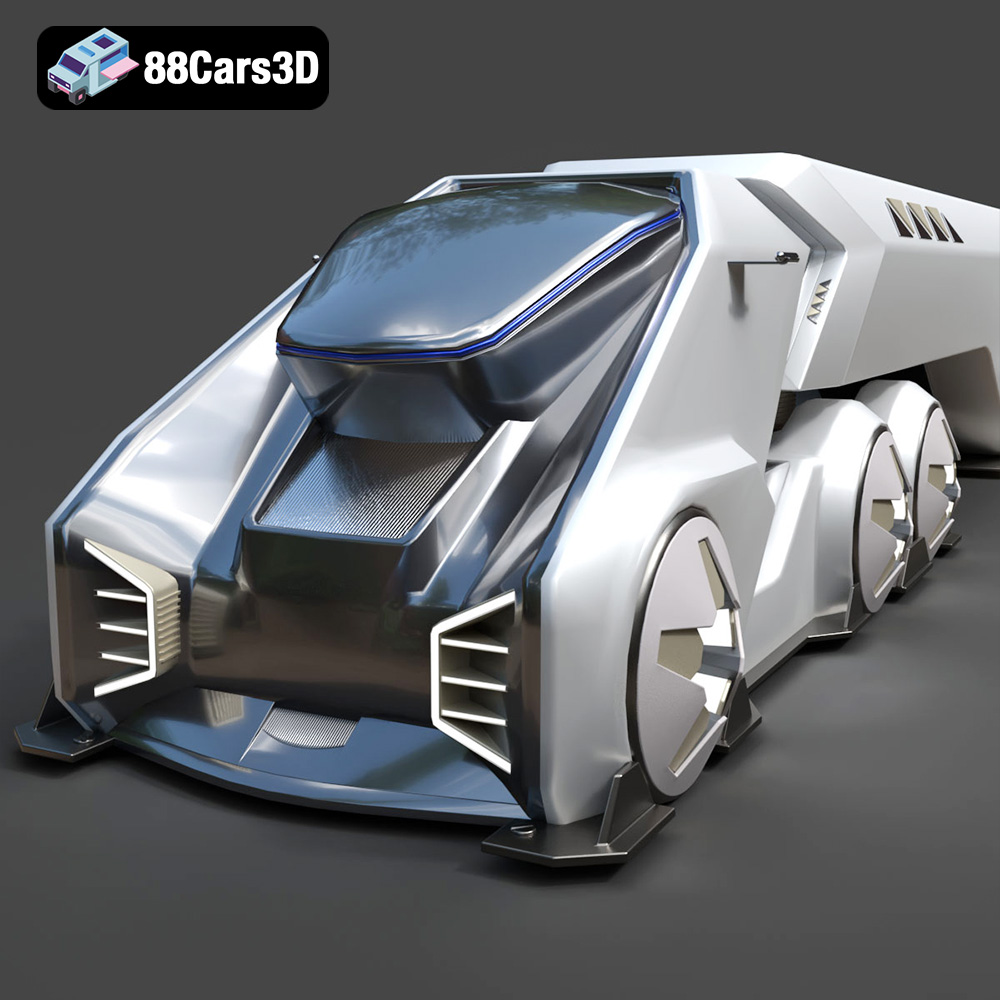
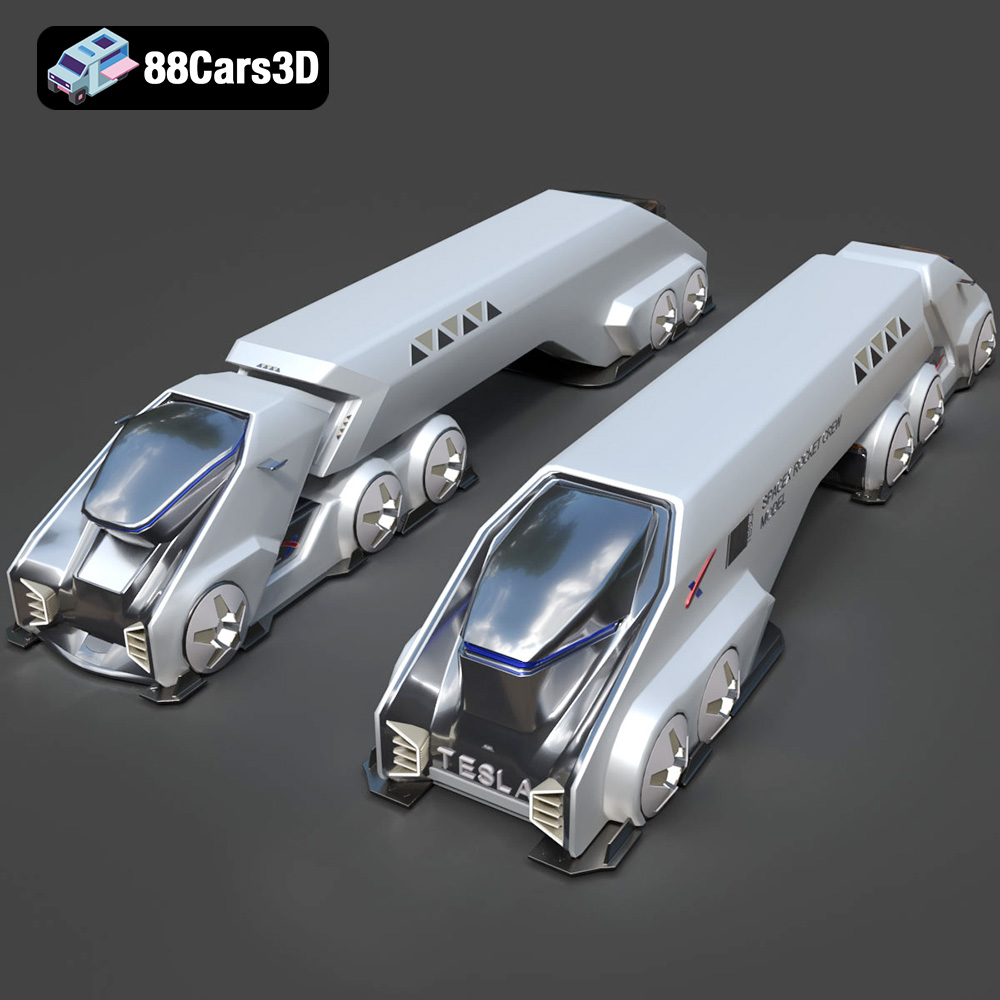
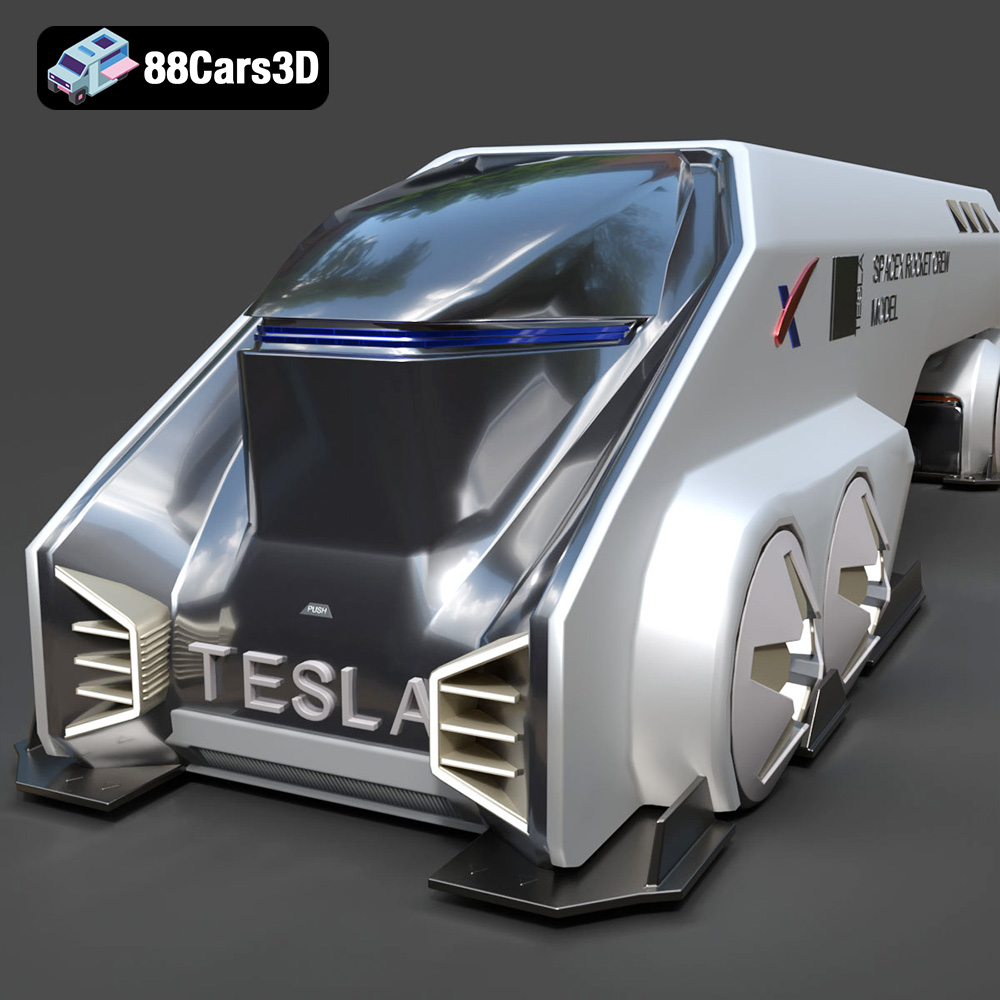
Discover the Tesla Space Rocket-001 3D Model, a highly detailed digital asset crafted for professional visual projects. This model accurately captures the futuristic design and structural elements of the Tesla Space Rocket-001, providing a robust foundation for dynamic rendering and interactive environments. Engineered with precision, this model features clean geometry, realistic materials, and optimized topology. The fully textured components ensure that it stands up to close-up renders and complex lighting setups while maintaining optimal system performance across different engines. Ideal for diverse applications, this model is perfectly suited for video game development, architectural rendering, immersive AR/VR experiences, and detailed technical visualization. Available in a comprehensive range of file formats to integrate seamlessly into your preferred workflow: .blend – Editable Blender file with materials and lighting setup; .fbx – Game-engine ready format for Unreal Engine and Unity; .obj – Standard 3D model format compatible with all major software; .glb – Optimized for AR/VR and web-based visualization; .stl – Suitable for 3D printing and prototyping; .ply – Detailed polygon mesh for analysis and visualization; .unreal – Pre-configured for Unreal Engine use; .max – Editable 3ds Max file for rendering and animation.
$19.99
.arvr
.blend
.car3dmodel
.concept
.fbx
.gameasset
.glb
.max
.obj
.ply
.rendering
.rocket
.simulation
.spacecraft
.spacerocket
.stl
.tesla
.unreal