Get 20% OFF All Premium 3D & STL Models!

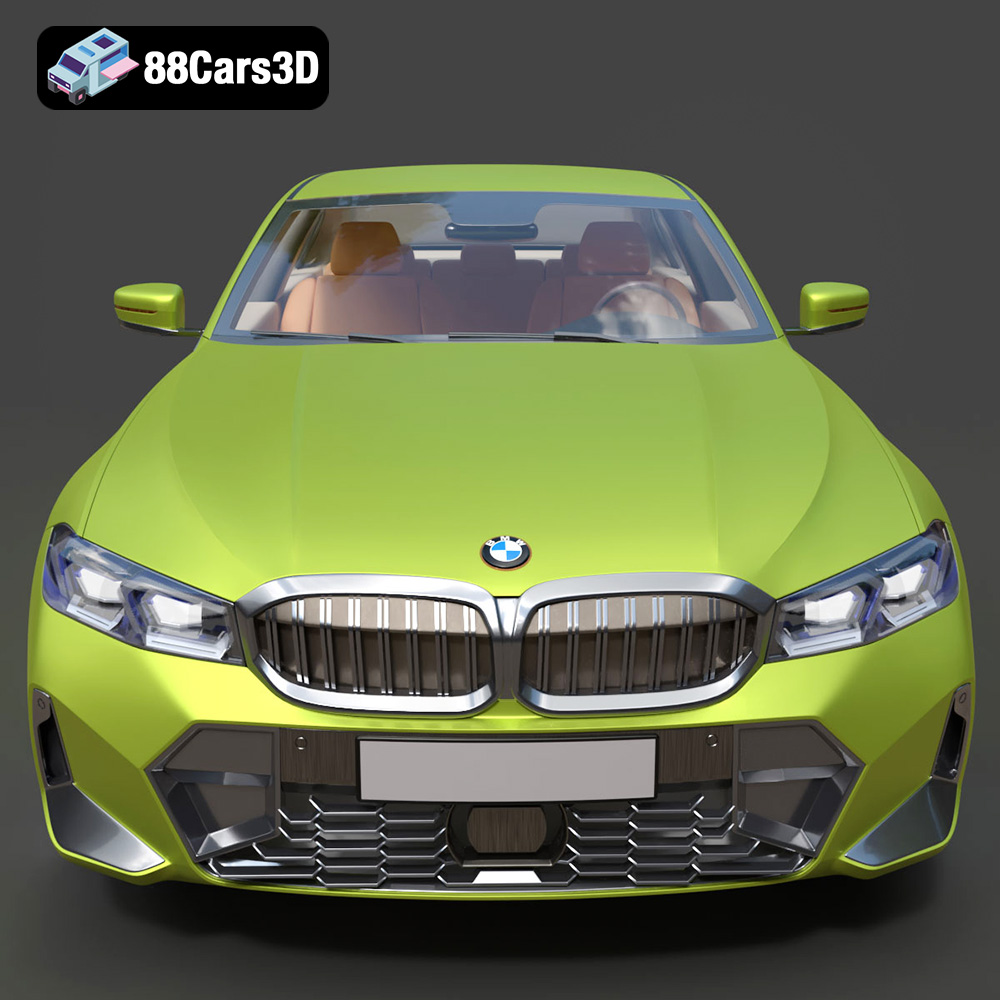
The BMW 3 Series Limousine is a timeless icon, and the 2022 G20 LCI (Life Cycle Impulse) model takes its design to a new level of sophistication. Now, thanks to advancements in 3D printing, you can bring this automotive masterpiece to life in your own home. This comprehensive guide will walk you through the process of 3D printing the ultra-high-poly BMW 3 Series Limousine 2022 model available on 88cars3d.com, ensuring a successful and rewarding additive manufacturing experience.
The first step in your 3D printing journey is selecting the right printer. While both Fused Deposition Modeling (FDM) and resin printers can be used, the complexity and detail of the BMW 3 Series Limousine 2022 model from 88cars3d.com makes resin printing the preferred choice. Here’s why:
FDM printers, which use filaments like PLA or PETG, are more affordable and easier to use. However, their layer-by-layer construction can struggle to reproduce the fine details of the BMW’s body lines, especially at smaller scales. You can still achieve a decent result by printing larger (1:18 or larger scale), using a smaller nozzle (0.25mm or less), and carefully optimizing print settings. Consider using a high-resolution filament and enabling features like adaptive layer height to capture more details in complex areas like the front grille and headlights. Supports will be essential for overhangs, and significant post-processing will be required to smooth out layer lines.
Resin printers, which use light to cure liquid resin, offer significantly higher resolution and can capture the intricate details of the 3D model with ease. The recommended scale of 1:24 / 1:18 / 1:12 is ideally suited for resin printing. The smoother surface finish and greater accuracy will minimize the need for extensive post-processing. The ability to print layer heights of 0.04mm-0.08mm is essential for capturing the sharp LCI headlight details and interior displays of the BMW 3 Series Limousine 2022 model. Resin printing also allows for finer support structures, which are crucial for delicate parts like the side mirrors and exhaust tips.
Selecting the correct file format is crucial for a successful 3D printing experience. The BMW 3 Series Limousine 2022 model from 88cars3d.com is provided in multiple formats, each with its own strengths and weaknesses. Let’s explore these formats in detail:
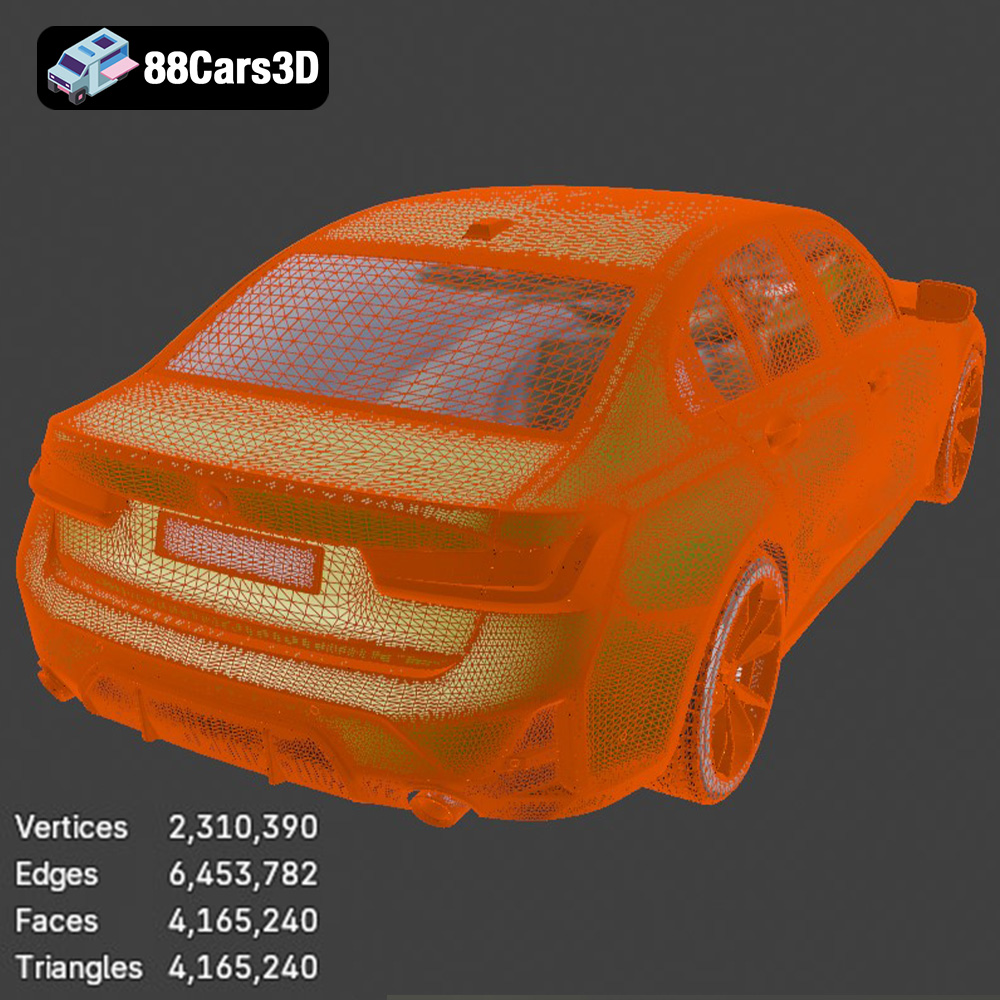
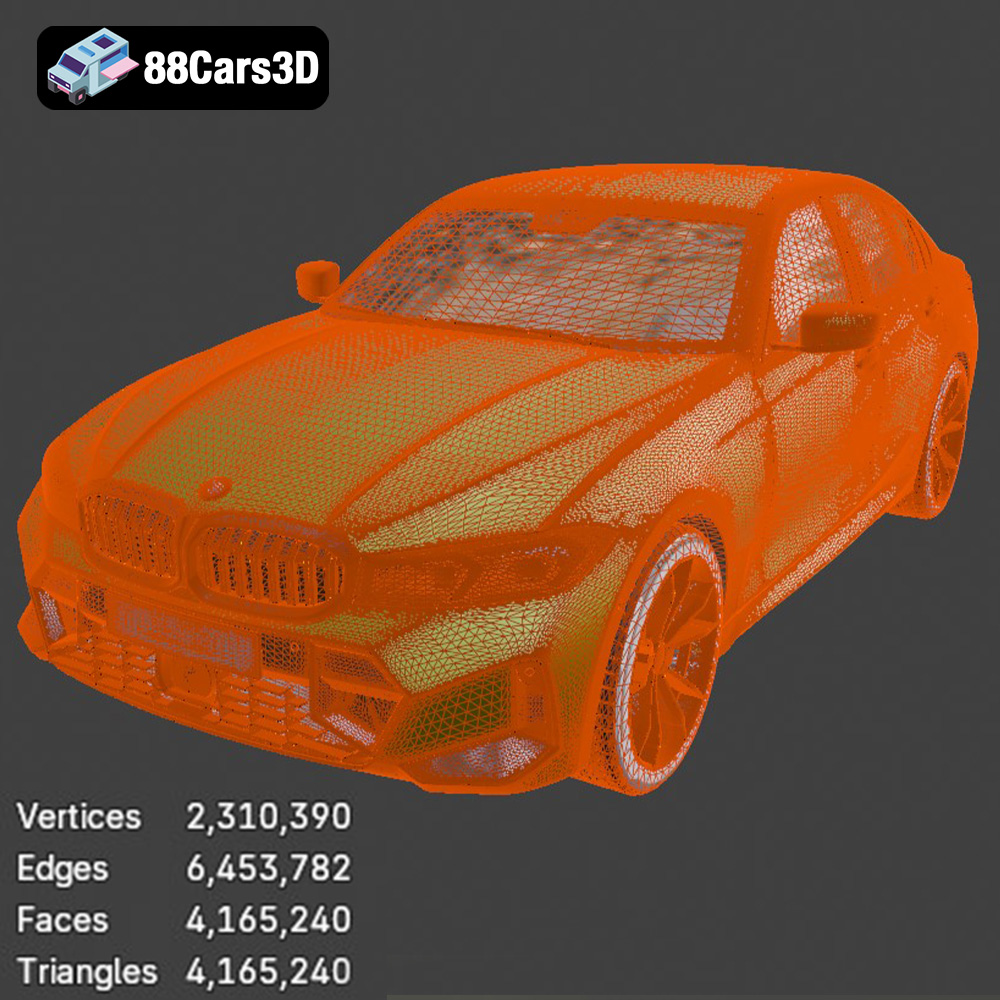
The STL (Stereolithography) file format is the workhorse of 3D printing. It represents the 3D model as a collection of triangles, forming a mesh. It’s universally compatible with slicing software and 3D printers. When using STL files, pay close attention to the mesh quality. A higher triangle count results in a smoother surface but also a larger file size and potentially longer slicing times. The ultra-high-poly nature of the BMW 3 Series Limousine 2022 model (over 4.16 million triangles) ensures exceptional detail but may require a powerful computer for slicing. Most slicing software allows you to adjust the mesh resolution during import, balancing detail and processing speed. For the BMW model, strive to maintain as much detail as possible, especially in areas like the headlights, grille, and interior.
OBJ files are another common 3D model format. Unlike STL, OBJ supports color and texture information. While less critical for standard 3D printing with single-color materials, OBJ files become valuable if you plan on creating multi-material prints or incorporating textures through techniques like waterslide decals. Slicing software generally supports OBJ files, but ensure that the software correctly interprets the material and texture data. For the BMW model, the texture support could be useful for replicating interior details or applying specific paint finishes.
PLY (Polygon File Format) is designed for storing 3D data acquired from scanning technologies. It excels at preserving fine details and is often used in applications like reverse engineering and cultural heritage preservation. While not as widely used as STL or OBJ, PLY is supported by many advanced slicing software packages. The BMW 3 Series Limousine 2022 model’s high-poly nature makes PLY a suitable option for those seeking maximum precision. The file size can be substantial, so ensure your slicing software and computer can handle the data volume.
Blender is a popular open-source 3D modeling software. The .blend file format contains the entire Blender scene, including the model, materials, textures, and lighting. This format is invaluable if you want to customize the BMW 3 Series Limousine 2022 model before printing. You can modify the design, add details, or optimize the model for 3D printing within Blender. After making your changes, export the model as an STL file for slicing. Note that using Blender requires familiarity with the software. For users comfortable with 3D modeling, the .blend file unlocks a world of customization possibilities.
FBX (Filmbox) is a proprietary file format developed by Autodesk. It’s commonly used for exchanging 3D data between different software applications. FBX supports a wide range of data, including geometry, materials, textures, animations, and skeletal rigs. While not directly used for 3D printing, the FBX file can be imported into some advanced slicing software packages that support material information. This can be helpful for visualizing the model with its intended colors and textures before printing, even if the printer itself only uses a single material. For the BMW model, the FBX file could retain information about the interior color scheme or the finish of the wheels.
GLB (GL Transmission Format Binary) is a file format designed for efficient transmission and loading of 3D scenes on the web. It’s commonly used for Augmented Reality (AR) and Virtual Reality (VR) applications. GLB files are compact and self-contained, including all the necessary data for rendering the 3D model. While not directly used for 3D printing, the GLB file allows you to preview the BMW 3 Series Limousine 2022 model in AR on your smartphone or tablet. This can be useful for visualizing the model in real-world scale and assessing its size and proportions before committing to printing. Seeing the model in AR can also help you identify potential printing challenges or areas that may require additional support structures.
.max files are the native project files for Autodesk 3ds Max, a professional 3D modeling and animation software. Similar to Blender’s .blend files, .max files contain the complete scene data, including the model’s geometry, textures, materials, lighting, and animation rigs. Having access to the .max file allows experienced 3ds Max users to make extensive modifications to the BMW 3 Series Limousine 2022 model before 3D printing. This can involve refining the mesh, adding custom details, or optimizing the model for specific printing processes. After making the desired changes, the model can be exported as an STL file for slicing and printing.
Once you’ve chosen your printer and file format (ideally STL for 3D printing), the next step is to prepare the model for printing using slicing software. Popular options include Cura, PrusaSlicer, Simplify3D, and Chitubox (for resin printers). This software converts the 3D model into a series of instructions that the printer can understand.
Proper orientation is crucial for a successful print. For the BMW 3 Series Limousine 2022 model, printing the body at an angle (approximately 45 degrees) will minimize the need for supports on the main surfaces, resulting in a smoother finish. The wheels, however, should be printed separately, oriented vertically to maximize detail on the rims. Support structures are essential for overhangs, such as the side mirrors, exhaust tips, and the underside of the car body. In your slicing software, carefully place supports to provide adequate stability without compromising the surface finish. Consider using tree supports or light supports to minimize the impact on the printed surface.
For resin printing, hollowing the model is crucial to reduce material consumption and prevent cracking due to resin shrinkage. Leave a wall thickness of 1.5-2.5mm. Add drainage holes in inconspicuous areas (e.g., the underside of the chassis) to allow resin to escape during printing. Even with FDM printing, consider using a lower infill percentage (15-25%) to save material and reduce print time. The external walls provide the necessary strength and rigidity, while the infill provides internal support.
The choice of material significantly impacts the final appearance and properties of your 3D printed BMW 3 Series Limousine 2022.
For resin printing, standard grey or white resin is a good starting point. These resins offer excellent detail and are easy to paint. If you’re aiming for a specific color, consider using a colored resin or mixing pigments into clear resin. ABS-like resins offer increased durability and impact resistance, which can be beneficial for handling and displaying the finished model. Flexible resins can be used for the tires to add a touch of realism. Always follow the manufacturer’s recommendations for exposure times and cleaning procedures.
If you opt for FDM printing, PLA is a common and affordable choice. It’s easy to print and comes in a wide range of colors. PETG offers greater strength and temperature resistance, making it a suitable option for parts that may be exposed to heat or stress. ABS provides the highest strength and heat resistance but requires a heated bed and enclosure to prevent warping. Consider using a high-quality filament with a smooth surface finish to minimize the need for post-processing.
Achieving a high-quality print requires careful tuning of your printer settings. Here are some specific recommendations for the BMW 3 Series Limousine 2022 model:
For resin printing, use a layer height of 0.04-0.08mm to capture the fine details. For FDM printing, aim for a layer height of 0.1-0.2mm, depending on your nozzle size. Smaller layer heights result in smoother surfaces but increase print time.
Reduce the print speed to enhance detail and minimize imperfections. For resin printing, a slow lifting speed is crucial to prevent layer separation. For FDM printing, a print speed of 40-60mm/s is generally recommended.
Follow the filament manufacturer’s recommended temperature settings for FDM printing. Resin printing does not involve temperature control.
Post-processing is essential to refine the appearance of your 3D printed BMW 3 Series Limousine 2022. This includes removing supports, sanding, priming, painting, and assembling the various components.
Carefully remove the support structures using cutters or pliers. Use fine-grit sandpaper (e.g., 400-grit, 600-grit, and 800-grit) to smooth out any imperfections and layer lines. For resin prints, wet sanding is recommended to prevent dust from becoming airborne. Start with coarser grits to remove larger imperfections and gradually move to finer grits for a polished finish.
Apply a primer coat to prepare the surface for painting. This will help the paint adhere better and create a more uniform finish. Use spray paint or an airbrush to apply the desired color. Multiple thin coats are better than one thick coat to prevent drips and runs. Consider using automotive-grade paints for a realistic finish. BMW offers a wide range of striking modern colors, such as Brooklyn Grey, Portimao Blue, and Alpine White.
Once the individual components are painted, assemble them using glue or screws. Pay attention to the alignment and fit of the parts. The separate wheels, steering components, and doors of the BMW 3 Series Limousine 2022 model from 88cars3d.com are designed for easy assembly and potential articulation. You can use small magnets to allow the doors to open and close.
Even with careful preparation, you may encounter issues during the 3D printing process. Here are some common problems and their solutions:
Warping occurs when the corners of the print lift off the build plate. This can be caused by poor bed adhesion or uneven temperature distribution. Ensure your build plate is clean and level. Use a heated bed and an enclosure to maintain a consistent temperature. Apply a bed adhesive, such as glue stick or hairspray, to improve adhesion.
Layer separation occurs when the layers of the print do not adhere properly. This can be caused by insufficient exposure time (resin printing) or low temperature (FDM printing). Increase the exposure time or temperature and reduce the print speed.
Stringing occurs when thin strands of material are left between different parts of the print. This is more common with FDM printing and can be caused by excessive retraction distance or high temperature. Increase the retraction distance and lower the temperature.
The print time and material costs will vary depending on the size, complexity, and settings used. A 1:24 scale model of the BMW 3 Series Limousine 2022 can take anywhere from 10 to 30 hours to print, depending on the printer and settings. The material cost can range from $10 to $30, depending on the type of resin or filament used.
By following this comprehensive guide, you can successfully 3D print the stunning BMW 3 Series Limousine 2022 model available on 88cars3d.com. Remember to take your time, experiment with different settings, and enjoy the rewarding process of bringing this iconic vehicle to life through additive manufacturing.
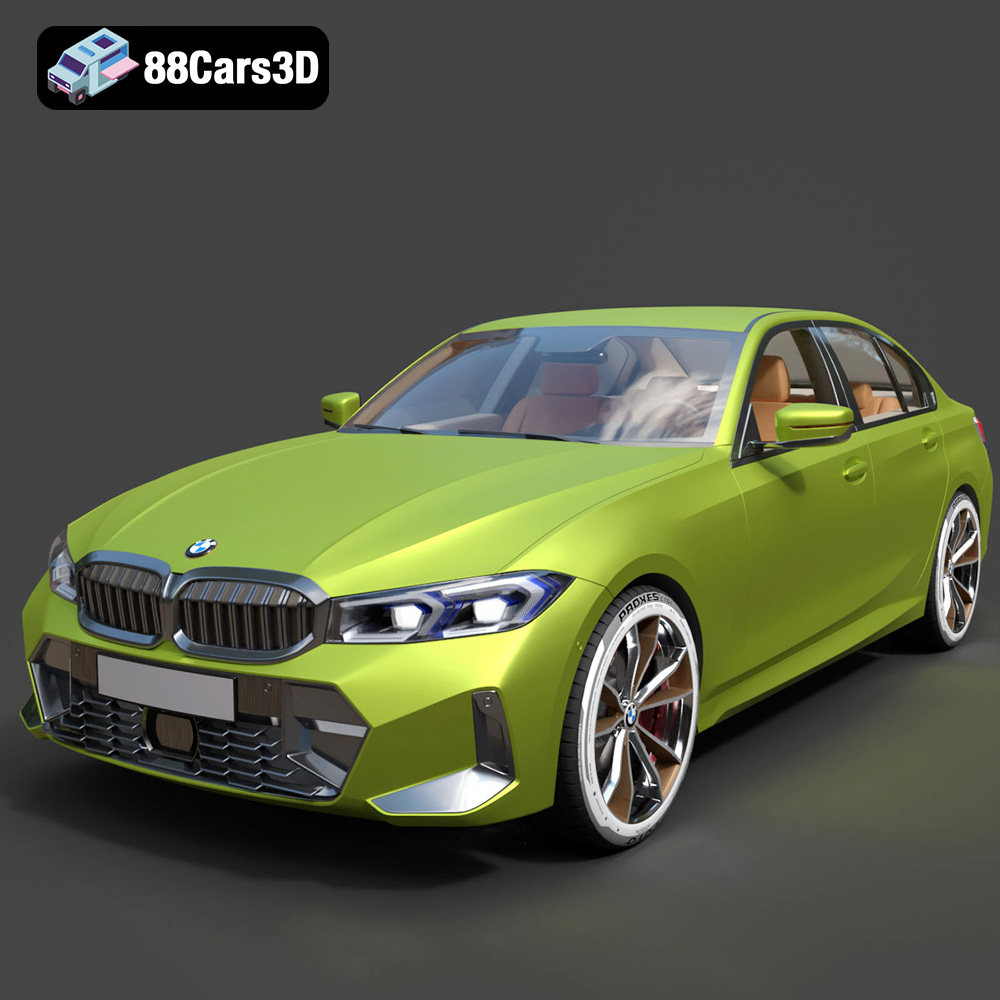
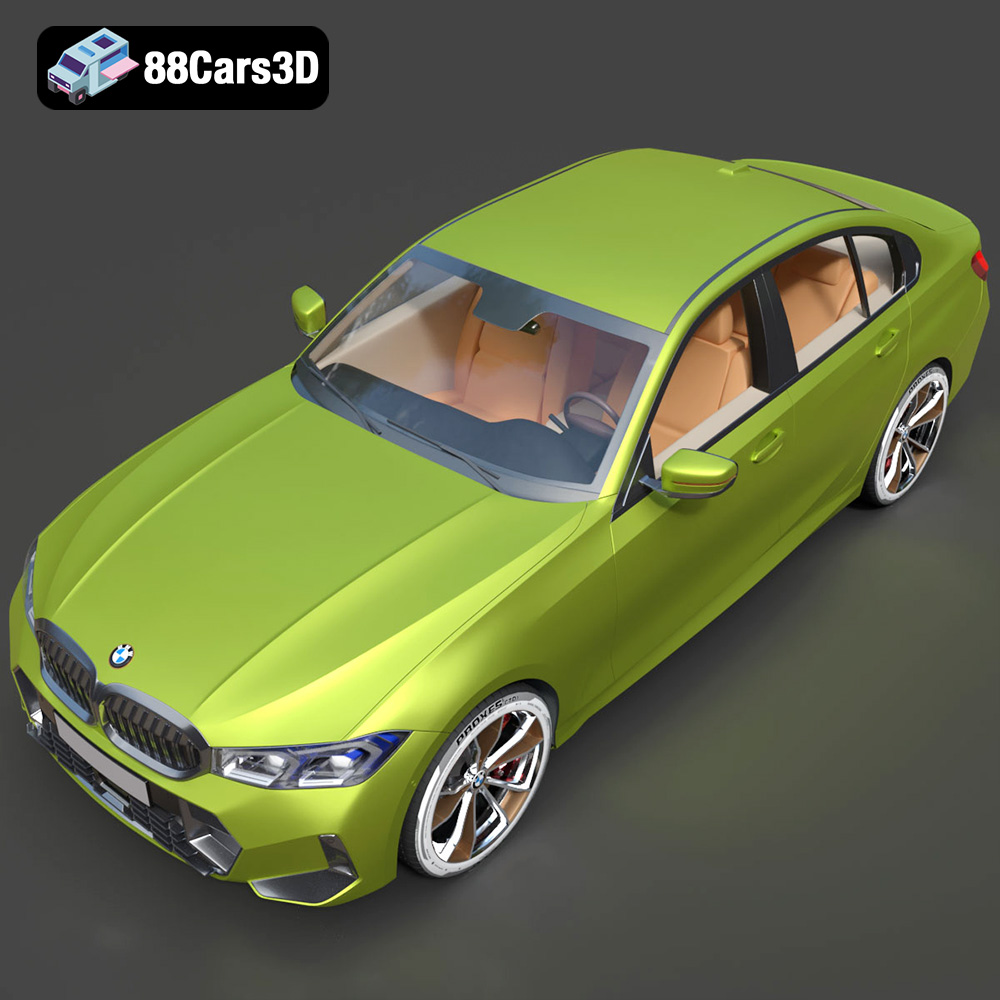
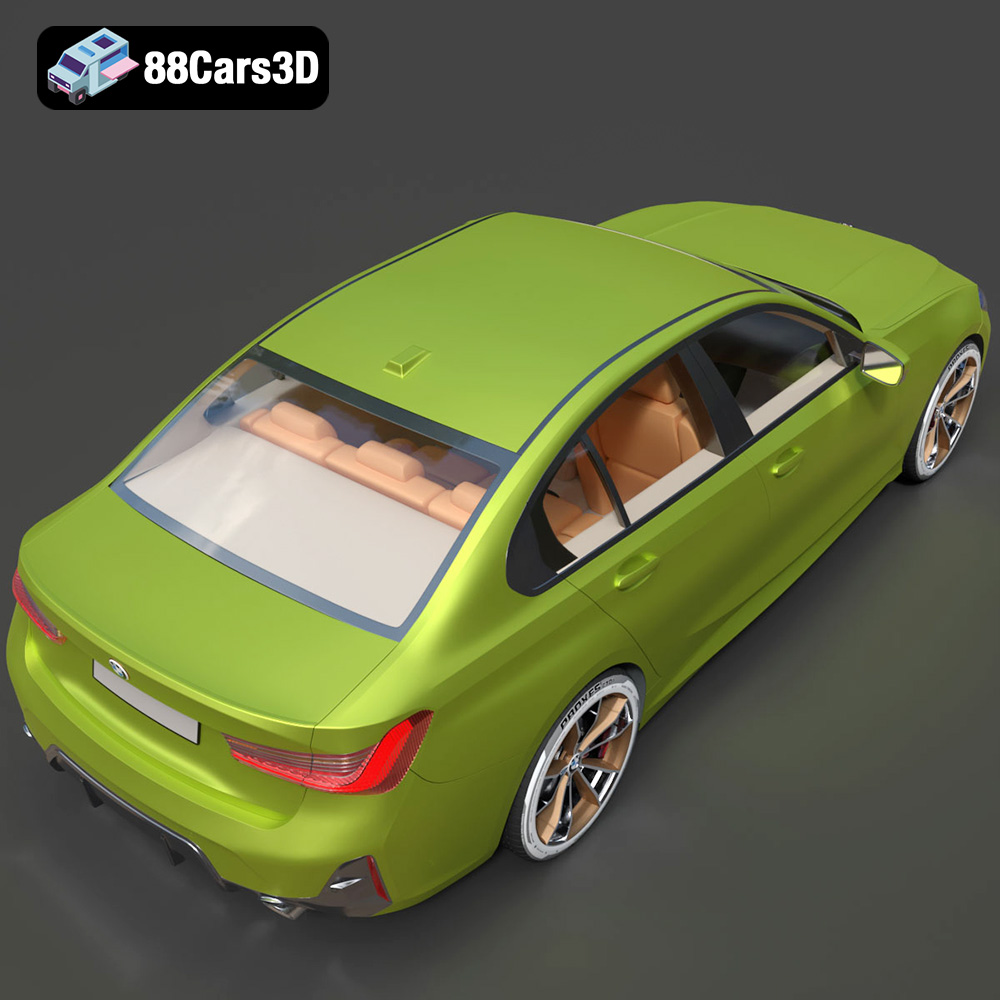
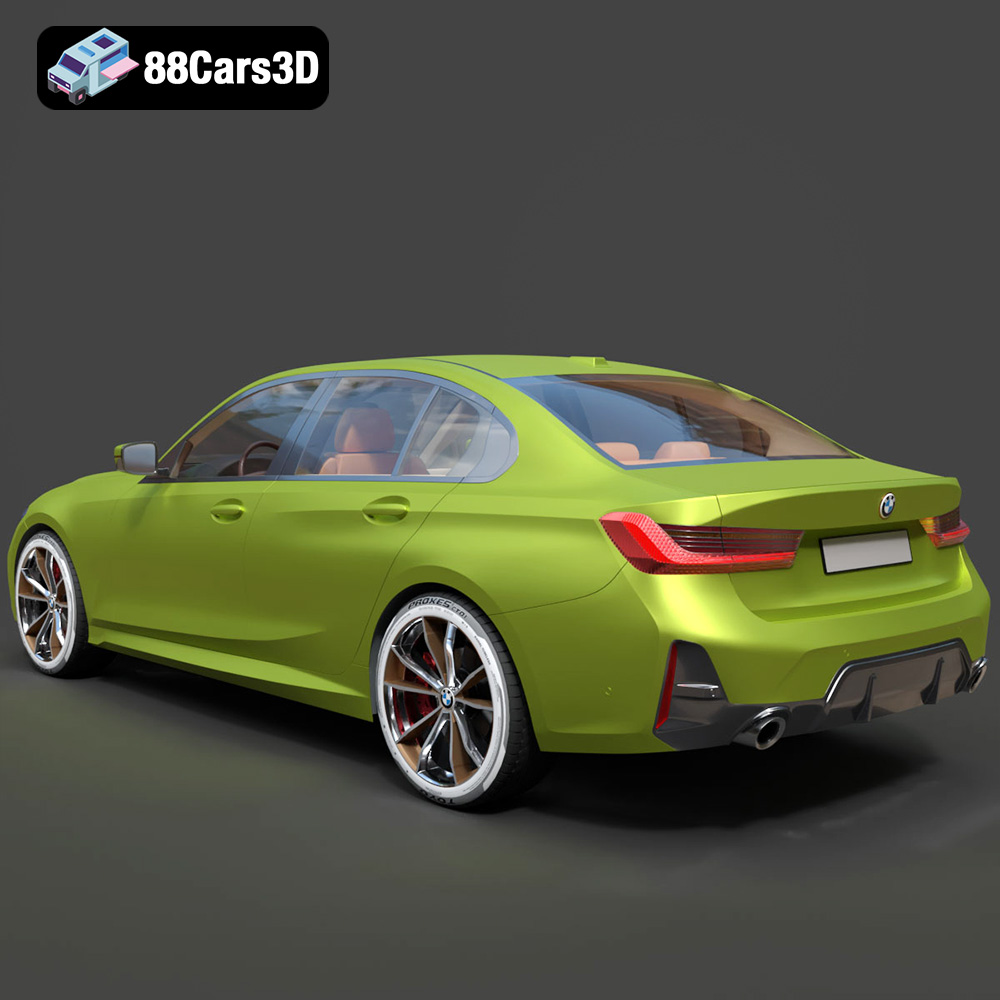
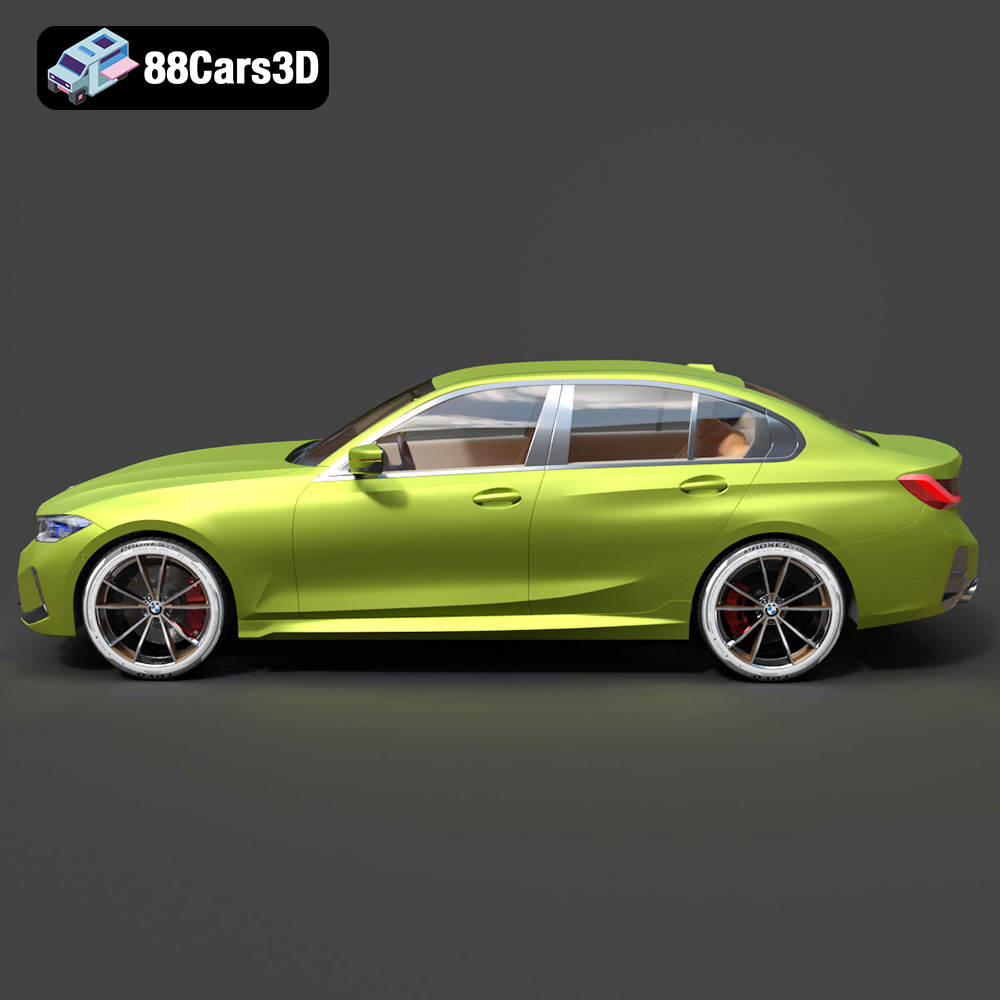
The BMW 3 Series Limousine (2022) 3D Model is an uncompromising, ultra-high-detail digital recreation of the quintessential luxury sports sedan. Representing the highly acclaimed G20 LCI (Life Cycle Impulse / facelift) generation introduced in 2022, this model captures the sharper, more dynamic evolution of the iconic 3 Series. Perfect for upscale ArchViz streetscapes, cinematic automotive showcases, high-end commercial VFX, and luxury lifestyle renders.
$19.99
.archviz
.automotive
.blend
.bmw
.fbx
.obj
.rendering
2022-bmw
3-series
3er
car-3d-model
g20
g20-lci
hero-car
high poly
luxury-sedan
sports-sedan
vfx