Get 20% OFF All Premium 3D & STL Models!

In today’s visually driven world, the demand for stunning, hyper-realistic 3D content is at an all-time high. From blockbuster films and immersive video games to cutting-edge automotive design visualization and augmented reality experiences, 3D car models stand as a cornerstone of digital creation. They are more than just virtual representations; they are intricate digital assets that power innovation, accelerate development, and captivate audiences.
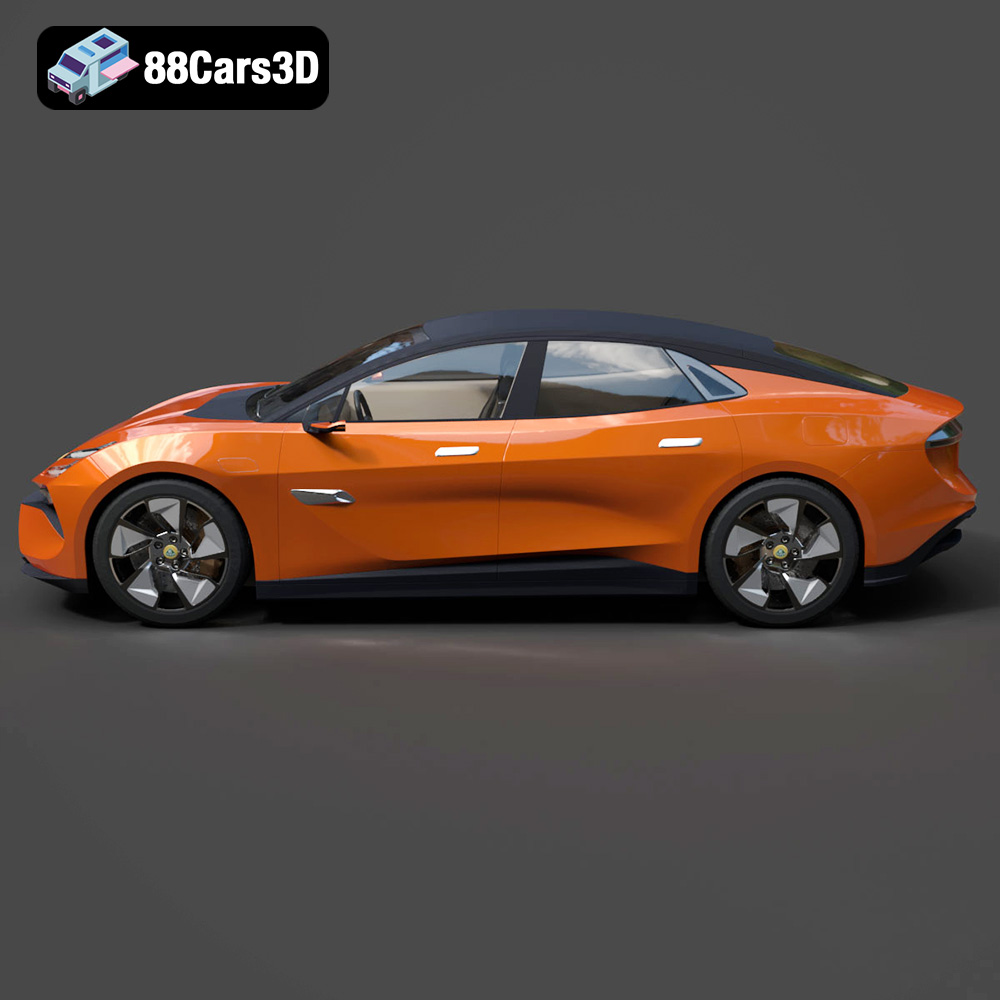
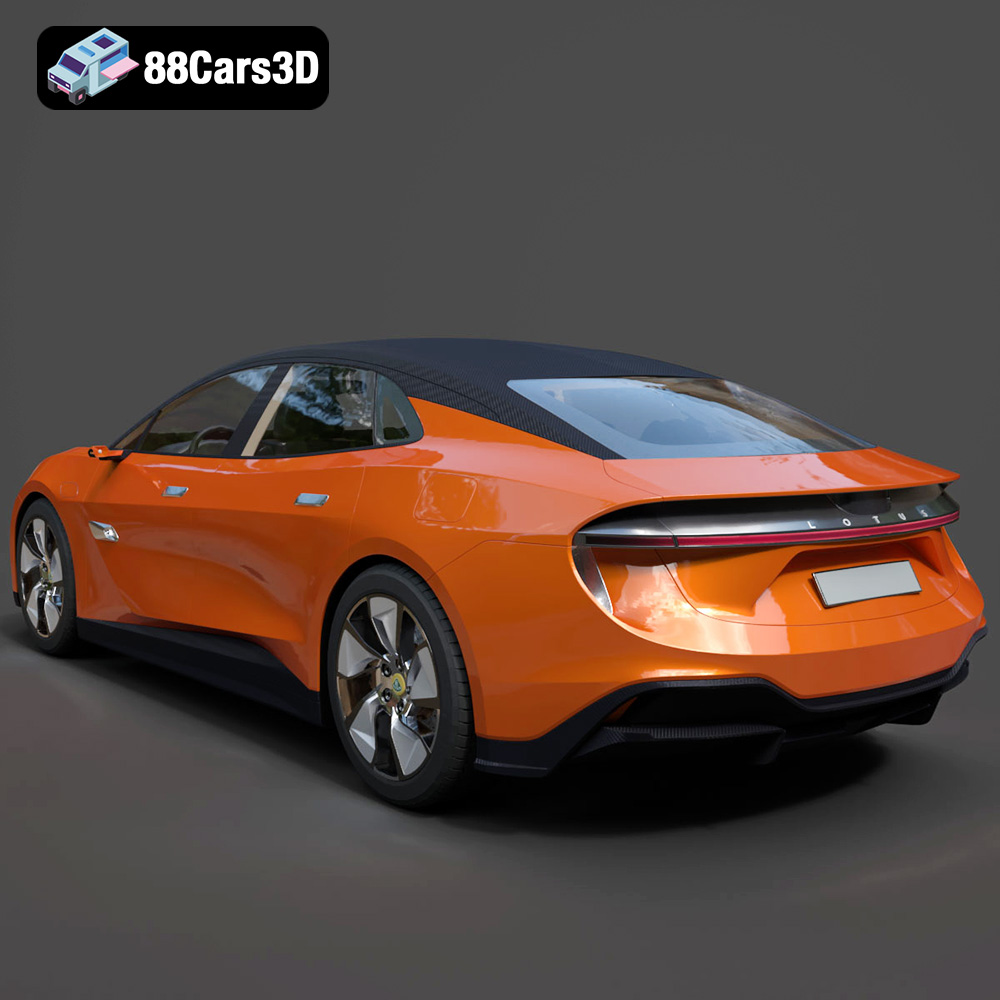
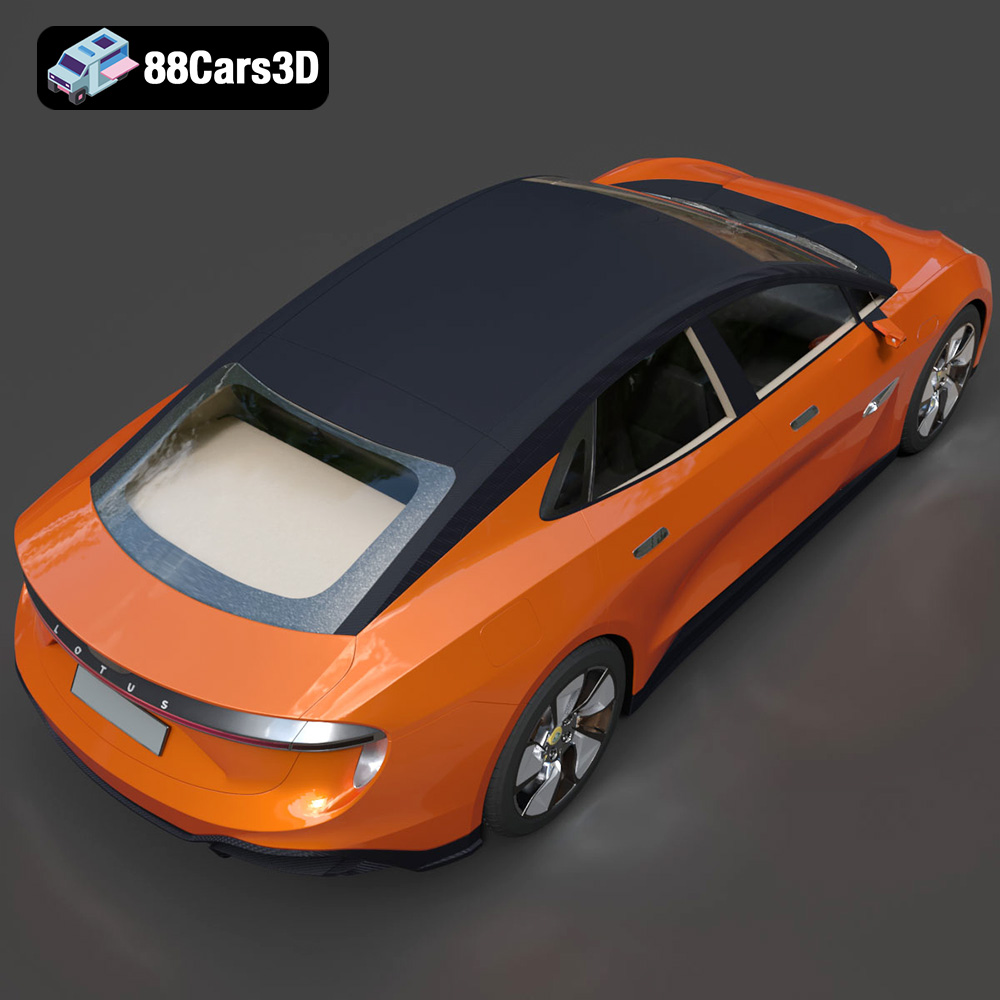
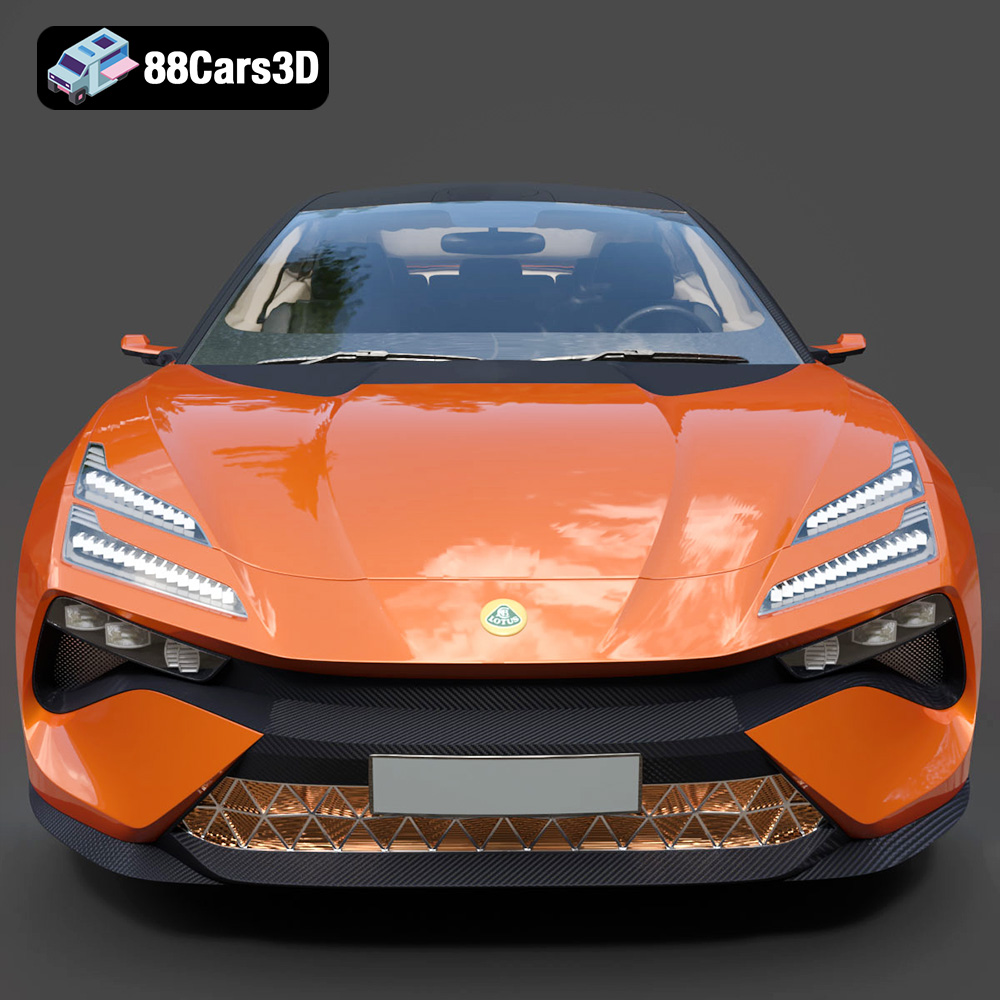
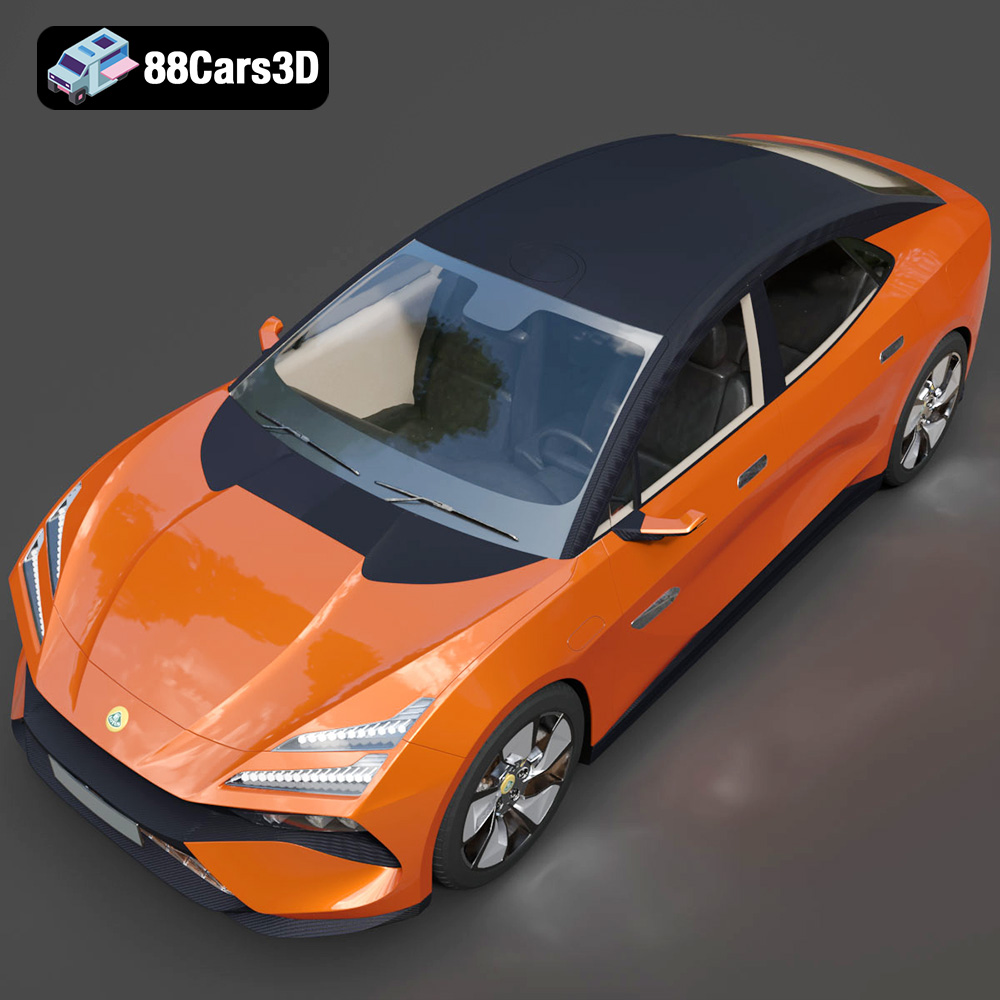
The journey of bringing an automotive design from concept to screen or even a physical prototype relies heavily on precision and versatility in 3D modeling. This is where a meticulously crafted asset, such as the Lotus Emeya-001 2024 3D Model, truly shines. This particular model captures the innovative design and aerodynamic features of the electric hyper-SUV, ensuring a realistic representation suitable for a wide array of professional applications. Its clean geometry, realistic materials, and diverse file formats make it an exemplary case study for understanding the multi-faceted role of high-quality 3D car models in various industries. Whether for high-end rendering, real-time game environments, or even future AR/VR projects, the ability to leverage such a detailed digital twin is invaluable.
The automotive industry has embraced 3D technology like no other. From initial sketches and CAD designs to marketing campaigns and virtual showrooms, 3D models are integrated at every stage. Designers use them to iterate rapidly, engineers to simulate performance, and marketers to create compelling visuals long before a physical prototype exists. The push towards electric vehicles (EVs) and autonomous driving further amplifies the need for accurate digital representations that can be tested, visualized, and communicated effectively.
The Lotus Emeya-001, a groundbreaking electric hyper-SUV, represents the pinnacle of modern automotive engineering and design. To bring such a futuristic vehicle into the digital realm requires an equally advanced 3D model that preserves its aesthetic integrity and technical specifications. A high-quality 3D car model becomes a foundational element, allowing professionals to explore, modify, and present the vehicle in ways that transcend traditional physical limitations.
The versatility of a 3D car model is often defined by the array of file formats it supports. Each format is designed with specific use cases in mind, offering different levels of compatibility, data retention, and optimization. Understanding these distinctions is crucial for anyone working with 3D assets, ensuring smooth integration into diverse workflows. The Lotus Emeya-001 2024 3D Model, for instance, provides a comprehensive suite of formats, catering to virtually any professional need.
The .blend format is the native file type for Blender, a powerful open-source 3D creation suite. A .blend file typically encapsulates an entire Blender scene, including the 3D model geometry, materials, textures, lighting setups, camera positions, animations, and even physics simulations. This makes it an incredibly robust format for artists who primarily work within Blender, allowing for full editability and an immediate, ready-to-render scene. For models like the Lotus Emeya-001, a .blend file means users get a fully configured scene, often with professional material nodes and lighting, which can be a massive time-saver for rendering and further customization.
FBX (Filmbox) is an Autodesk-owned proprietary file format that has become an industry standard for 3D data exchange, particularly between different software applications and into real-time game engines like Unreal Engine and Unity. It supports geometry, materials (with some limitations in cross-software fidelity), textures, rigging, animation, and even camera data. Its strength lies in its ability to carry a wide range of 3D information, making it ideal for pipelines where assets need to move seamlessly between modeling software, animation tools, and game development environments. For the Lotus Emeya-001, the .fbx file ensures that the model is game-engine ready, providing a reliable export for various interactive applications.
The .obj (Wavefront OBJ) format is one of the oldest and most universally supported 3D file formats. It’s a simple, text-based format primarily used to store 3D geometry (vertices, faces, normals, UV coordinates) and references to external material files (.mtl). While it doesn’t support advanced features like animation or rigging, its simplicity and widespread compatibility make it an excellent choice for basic mesh transfer between virtually any 3D software. When you need a foundational mesh that can be imported and worked on in almost any program, .obj is a dependable option, providing a solid base for the Lotus Emeya-001 in any major software.
GLB (GL Transmission Format Binary) is the binary version of glTF (GL Transmission Format), designed for efficient transmission and loading of 3D scenes and models by applications. It packages all assets (geometry, materials, textures, animations) into a single, compact file, making it perfect for web-based 3D viewers, augmented reality (AR), and virtual reality (VR) applications. Its small file size and optimized structure ensure quick loading times and smooth performance on devices with limited processing power. The .glb format for the Lotus Emeya-001 is crucial for developers building interactive web experiences or AR/VR showcases of the vehicle.
STL (Stereolithography) is almost exclusively used for 3D printing and rapid prototyping. It describes only the surface geometry of a 3D object using a mesh of triangular facets. It contains no color, texture, or material information, focusing purely on the physical shape required for manufacturing. For designers looking to 3D print a scaled model of the Lotus Emeya-001, the .stl file provides the precise geometric data needed for additive manufacturing processes.
PLY (Polygon File Format) is another format for storing 3D data, particularly from 3D scanners or for CAD applications requiring precise mesh data. It can store a wider range of properties than .obj, including color per vertex, normal information, transparency, and even texture coordinates, along with the standard polygonal faces. While less universally adopted than .obj, it’s valued in scientific, engineering, and cultural heritage applications for its ability to represent complex and detailed mesh structures accurately. The .ply file for the Lotus Emeya-001 would be valuable for analysis or visualization requiring granular polygon data.
The .unreal format, or more accurately, assets imported and structured within an Unreal Engine project, signifies an asset that has been specifically configured and optimized for the Unreal Engine environment. This often means textures are correctly imported, materials are set up using Unreal’s physically based rendering (PBR) system, collision meshes are present, and LODs (Levels of Detail) might be configured. It represents an asset that is truly “engine-ready,” minimizing the setup time for developers. The Lotus Emeya-001 3D Model specifically provides this pre-configured asset, drastically streamlining its integration into Unreal Engine projects.
The .max format is the native file type for Autodesk 3ds Max, a long-standing industry leader in 3D modeling, animation, and rendering. Like .blend, a .max file stores a complete scene with all geometry, materials, textures, lighting, cameras, and animation data specific to 3ds Max. This format is crucial for professionals who use 3ds Max for high-fidelity architectural visualization, product rendering, or complex animations. The inclusion of a .max file for the Lotus Emeya-001 allows for full parametric control and leveraging of 3ds Max’s powerful rendering capabilities like V-Ray or Corona.
The availability of these diverse formats ensures that a high-quality model like the Lotus Emeya-001 2024 3D Model can serve an incredibly broad range of professional applications, making it a highly valuable asset from a marketplace like 88cars3d.com.
Creating photorealistic automotive renders is an art form that combines technical mastery with an artistic eye. The quality of the final image is heavily dependent on the foundational 3D model, but equally important are the rendering techniques employed. Professionals strive to emulate the intricate interplay of light, reflections, and materials that define a real vehicle’s aesthetic.
PBR has revolutionized rendering by providing a standardized, physically accurate approach to material definition. Instead of relying on subjective values, PBR materials define how light interacts with a surface based on real-world physics, using maps like Albedo (color), Metallic (specular reflection), Roughness (micro-surface detail), Normal (surface bumps), and Ambient Occlusion (contact shadows). For the Lotus Emeya-001 2024 3D Model, “realistic materials and textures” imply a robust PBR setup. This allows the model to look consistent and accurate under various lighting conditions, whether rendered in 3ds Max with V-Ray or in Blender with Cycles. Artists can achieve stunning reflections on the vehicle’s paint, intricate detail on its tires, and realistic depth in its glass components simply by plugging in the provided PBR texture maps into their renderer of choice.
Beyond individual materials, realistic lighting is paramount. Global Illumination (GI) simulates how light bounces around a scene, illuminating indirect areas and creating soft shadows, mimicking real-world light behavior. Techniques like HDRI (High Dynamic Range Image) lighting are often employed, using panoramic images of real environments to provide realistic and complex lighting and reflections that perfectly match an outdoor scene or studio setup. Coupled with targeted virtual lights to emphasize specific features or create dramatic effects, these setups can transform a static 3D car model into a dynamic visual masterpiece. The clean geometry of the Lotus Emeya-001 ensures that these advanced lighting solutions will interact correctly with its surfaces, producing accurate reflections and shadow casting.
Even with technically perfect renders, the final image often benefits from post-processing. This stage, typically done in image editing software, involves color grading, adding atmospheric effects, lens flares, depth of field, and subtle imperfections to enhance realism and evoke a specific mood. Compositing involves layering multiple render passes (e.g., beauty, reflections, shadows, ambient occlusion) to gain granular control over the final look, allowing for non-destructive adjustments and artistic refinements. This entire pipeline, from a high-quality 3D car model like the Lotus Emeya-001 to final post-processing, is essential for “professionally crafted for use in high-end renderings and simulations.”
The interactive nature of video games places unique demands on 3D assets. While visual fidelity is crucial, performance and optimization are equally critical to ensure smooth gameplay. High-quality 3D car models are the bedrock of realistic driving simulators, open-world adventures, and competitive racing titles.
For game development, a raw, high-polygon model from a rendering pipeline is often too heavy. Optimization involves several key strategies:
The “clean and efficient geometry” of the Lotus Emeya-001 2024 3D Model makes it an ideal starting point for game development, as it simplifies the optimization process and ensures a solid base for creating LODs and efficient collision meshes.
Modern game engines like Unreal Engine and Unity employ PBR workflows similar to offline renderers, but with specific considerations for real-time performance. Materials are built using nodes or graph editors, linking texture maps (Albedo, Normal, Metallic, Roughness, Ambient Occlusion) to define the surface properties. For a model like the Lotus Emeya-001, the provided “realistic materials and textures” are typically PBR-ready, simplifying the setup in the game engine. The .fbx and .unreal formats are specifically designed to ease this integration, often coming with pre-assigned material slots and sometimes even basic material instances ready for tweaking.
Beyond visual representation, game vehicles need to interact physically with their environment. This requires a simplified “collision mesh” that the physics engine uses for calculations, as using the high-detail visual mesh would be too computationally expensive. This collision mesh is typically a low-polygon, non-visible representation of the vehicle’s bounding box or simplified shape. Furthermore, physics assets for wheels, suspension, and other moving parts are configured to simulate realistic driving dynamics. For an asset like the Lotus Emeya-001, developers will build these interactive elements around its core geometry, using its precise dimensions to define accurate physical behaviors in a game environment.
The utility of a high-quality 3D car model extends far beyond static renders and traditional games. Augmented Reality (AR), Virtual Reality (VR), and various visualization applications are leveraging these digital assets to create immersive, interactive experiences that redefine how we interact with products and designs.
AR and VR platforms offer unparalleled opportunities for product showcases and interactive training. Imagine walking around the Lotus Emeya-001 in your living room via AR, examining its intricate details, or sitting inside it in VR, exploring its luxurious interior. These experiences demand optimized 3D models that can load quickly and perform smoothly on mobile devices or VR headsets. The .glb format, explicitly “optimized for AR/VR and web-based visualization,” is perfectly suited for this purpose, providing a compact, single-file solution that maintains visual fidelity while ensuring performance. Automotive manufacturers are increasingly using these technologies for virtual showrooms, enabling potential buyers to customize vehicles and experience them before they are even built.
Before a physical prototype is made, designers and engineers rely heavily on 3D visualization to refine aesthetics, test ergonomics, and present concepts to stakeholders. Interactive configurators allow users to change paint colors, wheel designs, and interior trims in real-time, providing immediate visual feedback. High-quality 3D car models, such as the Lotus Emeya-001 2024 3D Model, are fundamental to these systems, offering the fidelity needed for critical design decisions. Using formats like .max or .blend, designers can iterate on details, produce photorealistic animations, and ensure every curve and surface is perfected.
In engineering and manufacturing, 3D models serve as “digital twins” for physical products. These models can be used in advanced simulations to test aerodynamics, crash safety, and thermal performance long before any physical components are manufactured. The precise geometry of a model like the Lotus Emeya-001 is critical for these engineering simulations, where even minor inaccuracies can lead to flawed results. The .ply format, with its detailed polygon mesh, can be particularly useful for certain types of engineering analysis requiring high precision data, or for re-importing scanned data for comparison. Such detailed models are pivotal in accelerating the design cycle and reducing development costs.
Not all 3D car models are created equal. The difference between a mediocre model and a professional-grade asset lies in several key technical attributes that ensure its usability, flexibility, and longevity across various projects. When acquiring 3D models, especially from a platform like 88cars3d.com, it’s vital to understand these indicators of quality.
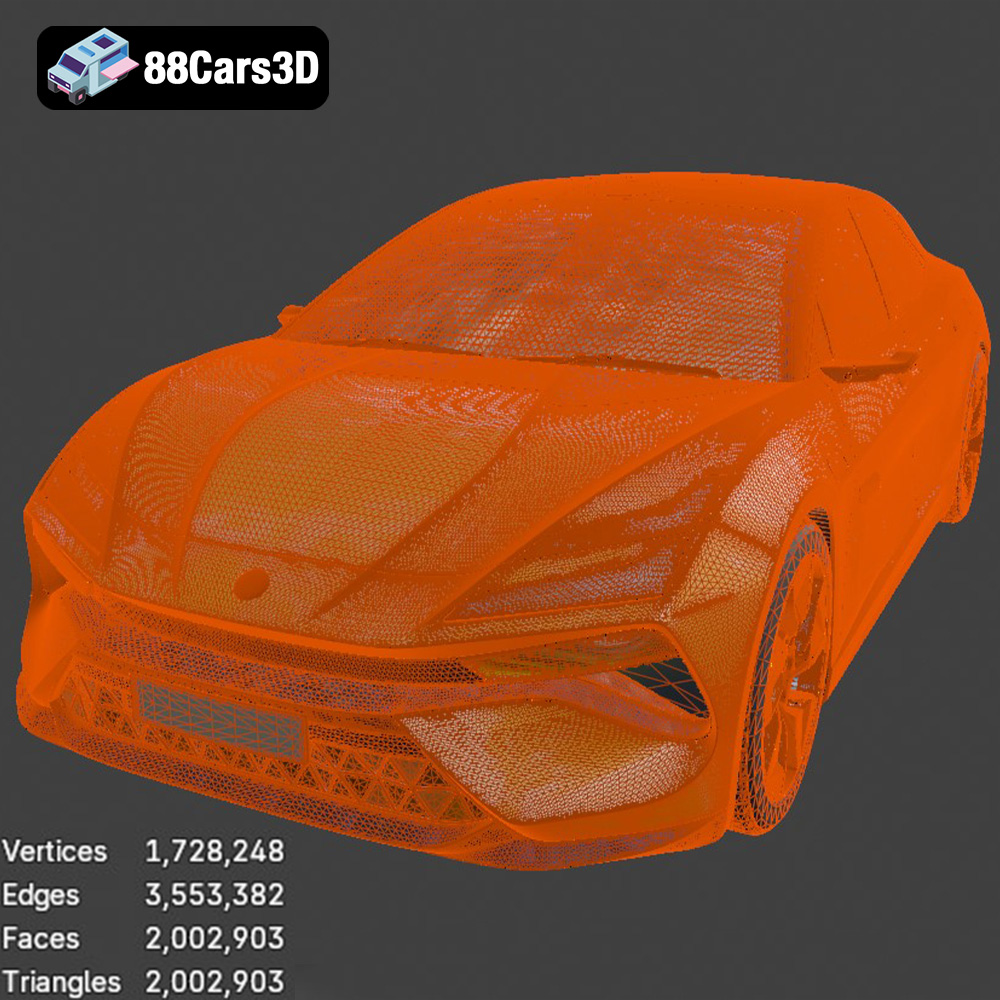
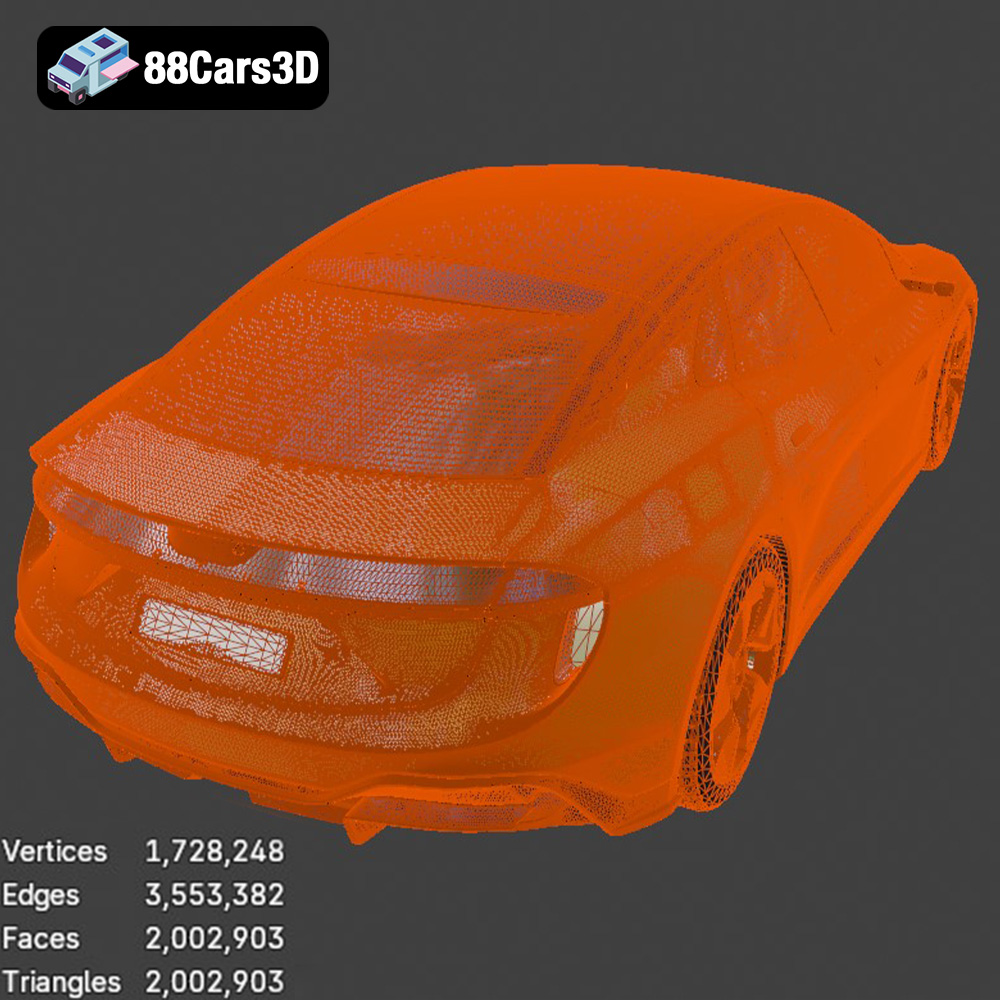
“Clean and efficient geometry” is paramount. This refers to the underlying mesh structure of the model. A high-quality model will have:
These characteristics ensure that the Lotus Emeya-001 3D Model will render beautifully, deform predictably for animation, and be easy to modify for specific project requirements.
The visual appeal of a 3D model heavily relies on its materials and textures. “Realistic materials and textures that bring the vehicle to life” means:
A professionally crafted model provides these elements, allowing artists to achieve stunning realism right out of the box, as exemplified by the Lotus Emeya-001.
A professional 3D car model must be dimensionally accurate. This means the digital model precisely matches the real-world vehicle’s dimensions, proportions, and intricate details. This accuracy is crucial for architectural visualization (where the car must fit a scene proportionally), simulations, and design reviews. Furthermore, the model should be scalable, meaning it can be easily adjusted or integrated into larger scenes without breaking. The meticulous crafting of the Lotus Emeya-001 2024 3D Model addresses these points, making it a reliable asset for any professional task.
In the dynamic world of 3D content creation, sourcing high-quality assets can be as critical as the creation process itself. Time is a precious commodity, and often, starting with a professionally made 3D model can drastically accelerate project timelines and ensure a high standard of visual fidelity.
Building a complex 3D car model like the Lotus Emeya-001 from scratch can take hundreds, if not thousands, of hours for even an experienced artist. This includes modeling the intricate exterior and interior, creating UV maps, developing PBR materials, and optimizing for various platforms. By acquiring a pre-made, high-quality asset from a trusted source, studios and individual artists can significantly reduce development costs and allocate their valuable time to other aspects of their projects, such as scene composition, animation, or interactive programming. This efficiency is a core benefit offered by platforms like 88cars3d.com.
When purchasing a 3D model, consistency in quality is key. Marketplaces like 88cars3d.com specialize in providing “professionally crafted” assets that adhere to industry standards. This means users can expect:
The availability of such a comprehensive package for the Lotus Emeya-001 2024 3D Model makes it an exceptionally versatile asset for game developers, visualization artists, and AR/VR creators alike.
Whether your project involves creating cinematic automotive advertising, building an immersive racing game, or developing a futuristic AR showroom experience, the right 3D car model is foundational. The Lotus Emeya-001 2024 3D Model, with its detailed representation of a cutting-edge electric hyper-SUV, is an excellent example of an asset that caters to this broad spectrum of applications. Its meticulous design details, from sleek lines to distinctive lighting, are preserved across all provided formats, guaranteeing its suitability for “game development,” “architectural and product rendering,” “Augmented Reality (AR) and Virtual Reality (VR) experiences,” and “design visualization.”
The journey through the intricate world of 3D car models reveals their indispensable role in modern digital content creation. From the initial stages of automotive design to the final touches of a blockbuster game or a groundbreaking AR experience, high-fidelity 3D assets are the backbone of visual storytelling and technological innovation. We’ve explored the critical importance of diverse file formats, advanced rendering techniques, game optimization strategies, and the burgeoning applications in AR/VR and simulation.
At the heart of these diverse professional workflows lies the need for models that embody technical excellence, versatility, and accuracy. The Lotus Emeya-001 2024 3D Model stands as a prime example of such an asset. Its “clean and efficient geometry,” “realistic materials and textures,” and comprehensive suite of “provided file formats” – from fully editable .blend and .max files to game-engine-ready .fbx and .unreal assets, and AR/VR-optimized .glb – make it an exceptionally powerful tool for any creative professional.
By choosing meticulously crafted 3D car models from trusted marketplaces like 88cars3d.com, artists and developers can streamline their pipelines, achieve unparalleled visual quality, and unlock new possibilities for their projects. The future of digital visualization is here, driven by the power of exceptional 3D models like the Lotus Emeya-001.
Experience the future of electric hyper-SUVs with our meticulously crafted 3D model of the Lotus Emeya-001. This model captures the innovative design and aerodynamic features of the Emeya, ensuring a realistic representation suitable for a variety of applications. From its sleek lines to its distinctive lighting, every detail has been carefully recreated.
$19.99
.arvr
.blend
.car3dmodel
.electricvehicle
.emeya
.emeya001
.fbx
.gameasset
.glb
.max
.obj
.ply
.rendering
.simulation
.stl
.unreal
lotus
SUV