Get 20% OFF All Premium 3D & STL Models!

In the dynamic landscape of digital content creation, the demand for high-fidelity 3D assets continues to escalate. From blockbuster video games to cinematic visualizations and cutting-edge AR/VR experiences, meticulously crafted 3D car models form the backbone of immersive digital worlds. These aren’t just static representations; they are intricate digital sculptures, engineered for performance and visual grandeur across a myriad of platforms and applications.
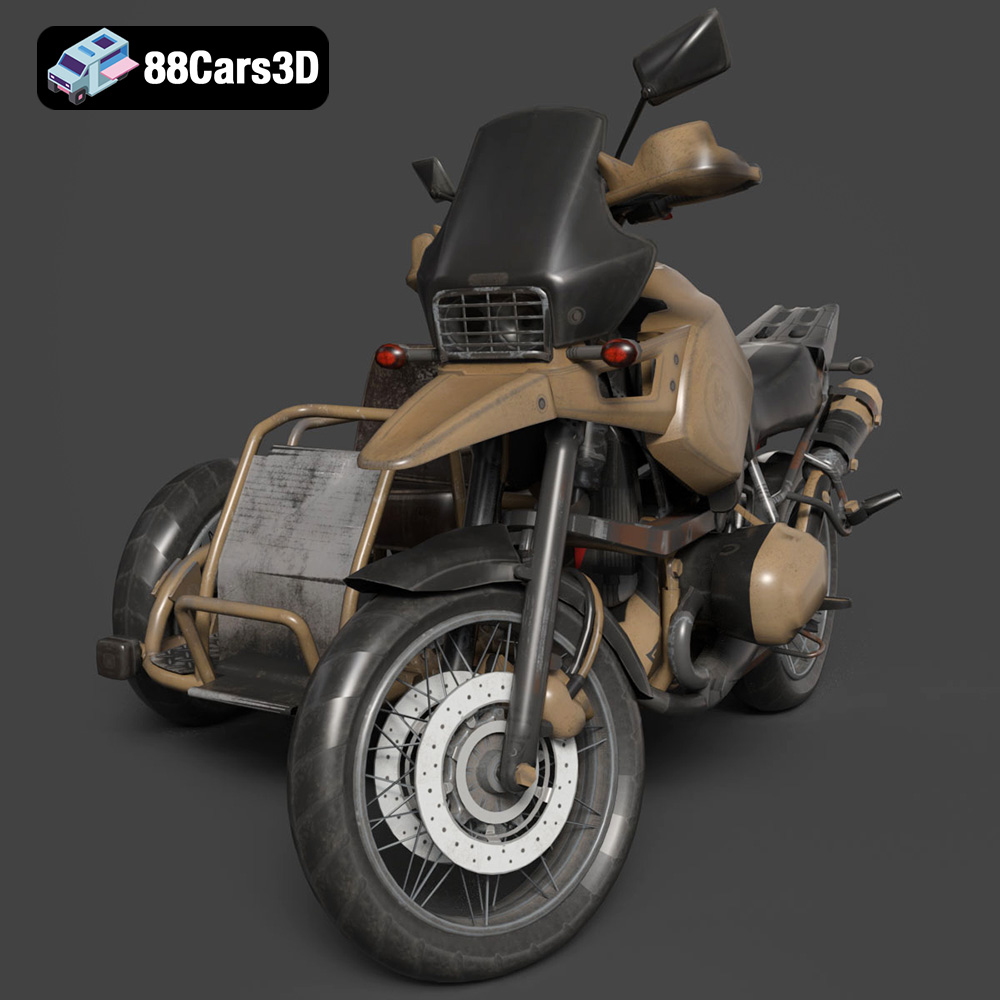
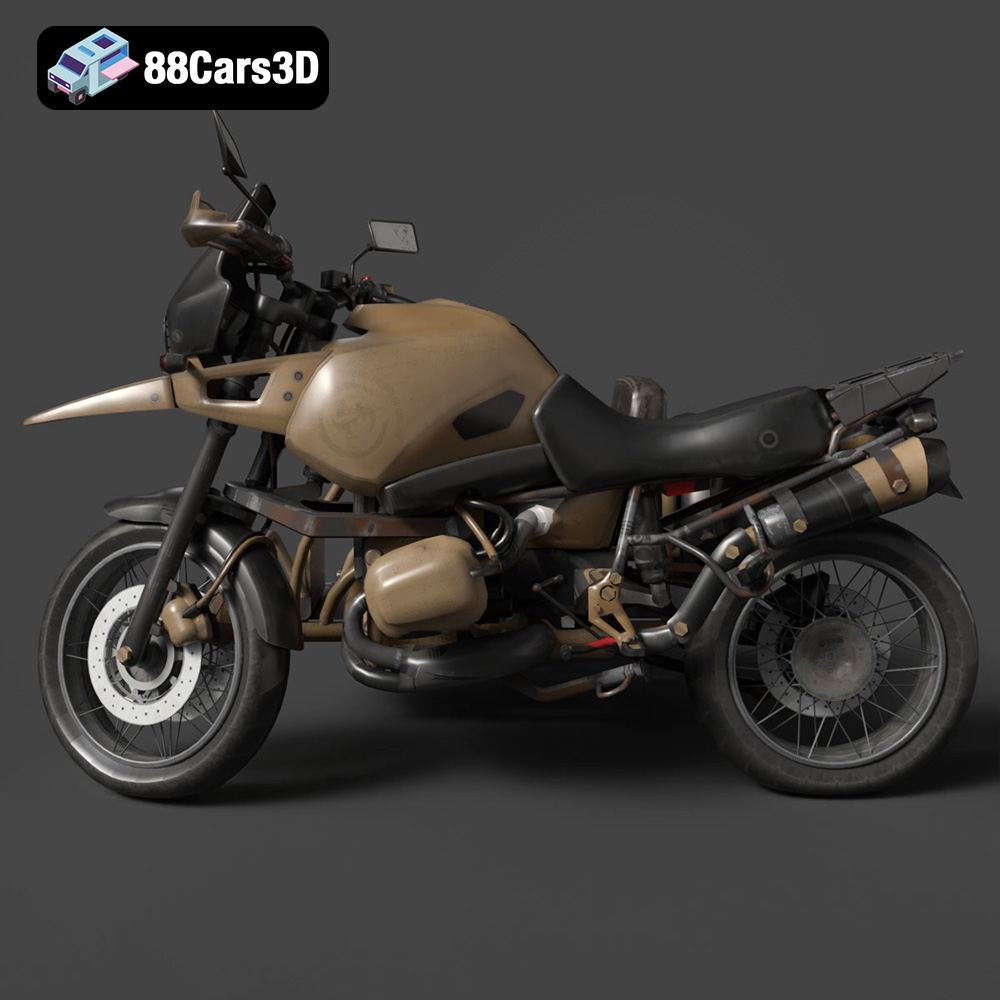
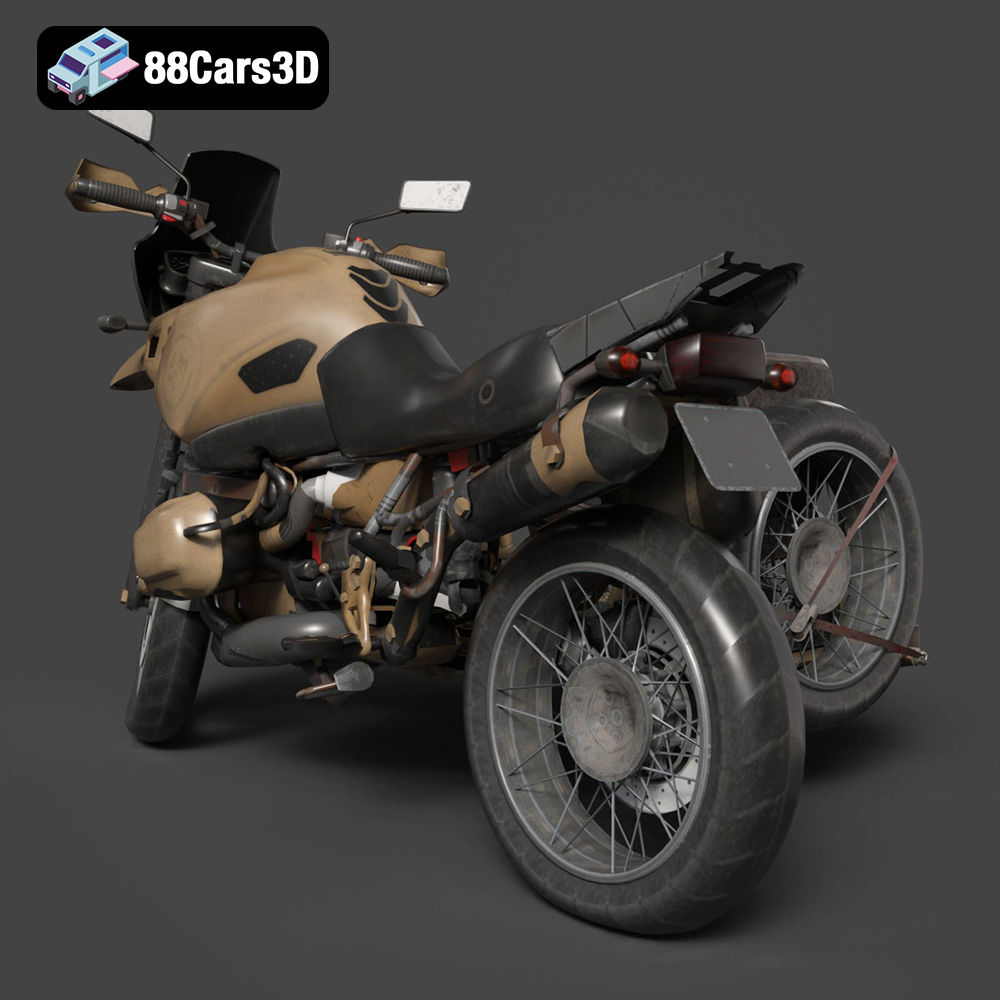
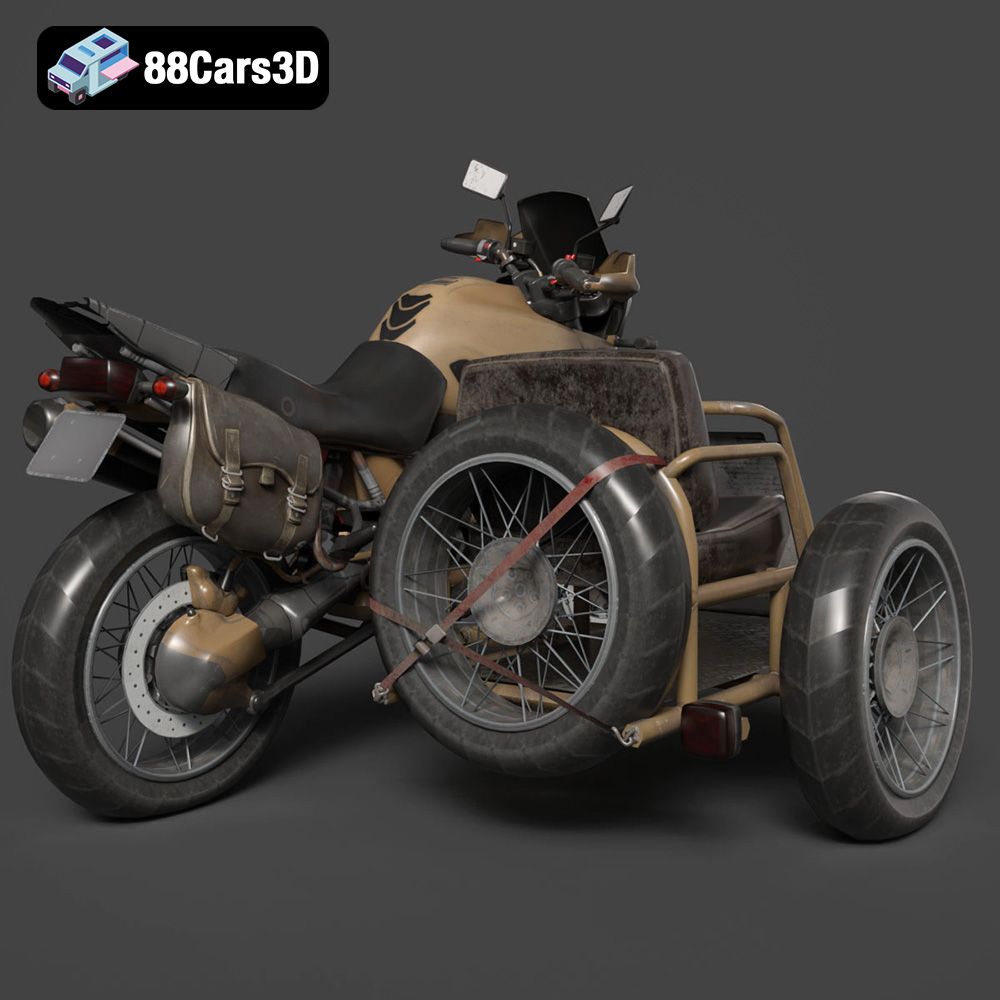
The journey from concept to a fully realized digital vehicle requires a blend of artistic vision and technical precision. Every curve, every material, and every mechanical component must be faithfully reproduced to achieve photorealistic results or to integrate seamlessly into a real-time environment. Today, we’re going to explore the critical aspects of working with premium 3D models, exemplified by a truly unique asset: the Custom Off-Road BMW R1150GS Adventure Sidecar 3D Model. This isn’t just a motorcycle; it’s a testament to digital craftsmanship, designed for the most demanding production pipelines, and available for download from resources like 88cars3d.com.
High-quality 3D automotive models are more than just virtual objects; they are foundational elements that drive innovation across various industries. Their importance extends far beyond aesthetics, influencing performance, interactivity, and the overall user experience in ways that static imagery cannot.
In game development, a vehicle like the Custom Off-Road BMW R1150GS Adventure Sidecar transforms into an interactive protagonist, requiring optimized topology, precise collision meshes, and articulate rigging for real-time physics and player control. For architectural visualization, the same model might serve as an eye-catching foreground element, bringing a scene to life with realistic reflections and subtle imperfections. In marketing and advertising, it can be the centerpiece of a brand campaign, rendered with exquisite detail to showcase design philosophy and engineering prowess. The ability of a single 3D model to adapt to such diverse requirements speaks volumes about its underlying technical quality and the foresight in its creation.
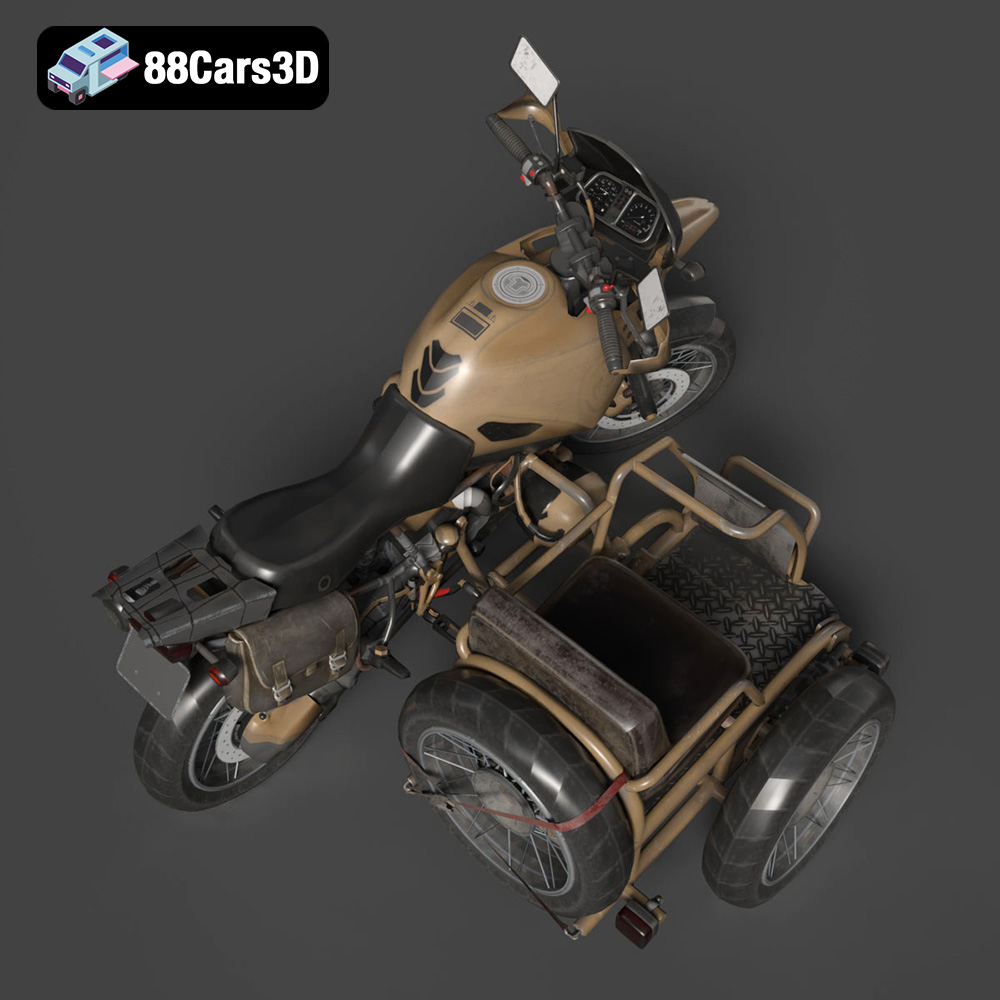
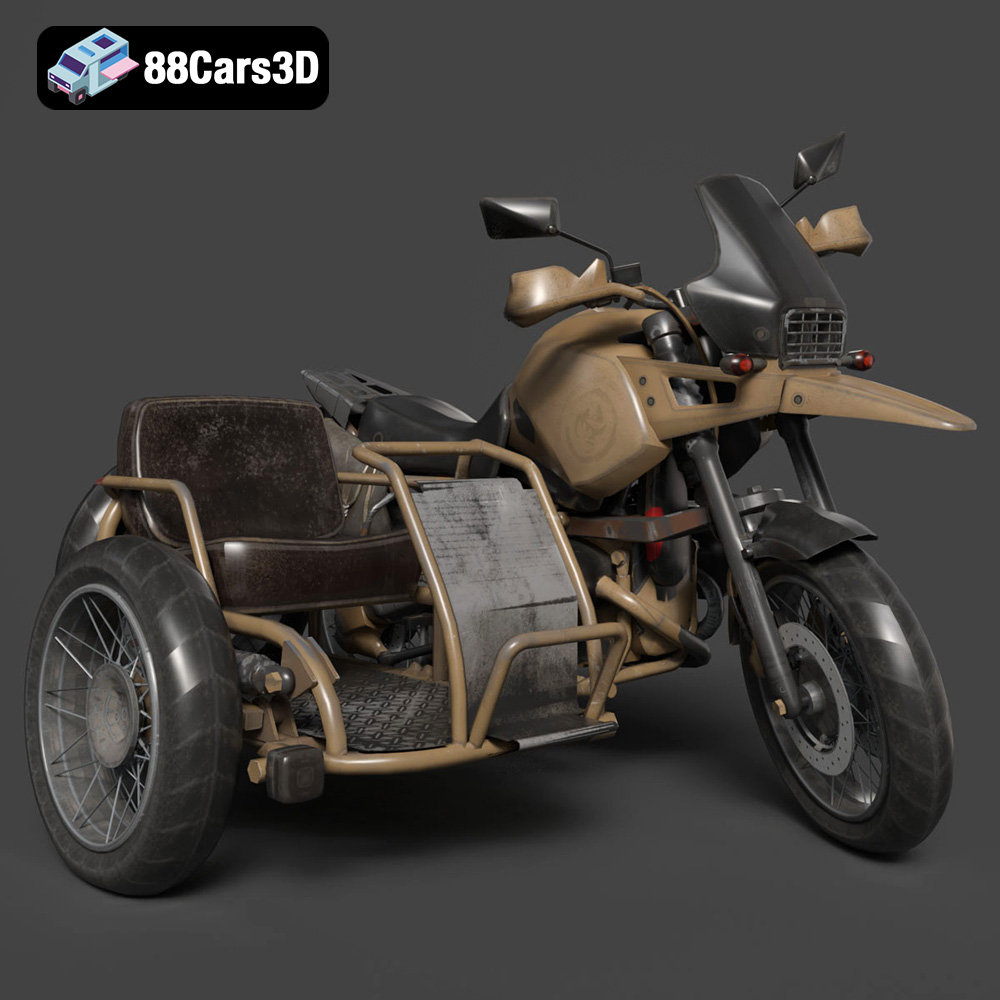
The Custom Off-Road BMW R1150GS Adventure Sidecar 3D Model epitomizes this versatility. It captures the rugged spirit of overland exploration, featuring the iconic boxer twin engine, massive dual-sport fuel tank, aggressive knobby tires, and robust crash bars. What makes this particular model stand out is its meticulous craftsmanship: well-balanced topology, game-ready optimization, realistic material finishes, and accurately modeled mechanical components. Whether you’re building a post-apocalyptic survival game, an immersive VR garage environment, or a detailed visualization of an overland expedition, this model is engineered to perform. Its detailed features, from the ergonomic dual-stepped adventure saddle to the telelever front suspension, are all faithfully recreated, ensuring an authentic digital experience.
One of the most crucial aspects of working with 3D models, especially complex automotive rendering assets, is understanding the various file formats. Each format serves a specific purpose, offering unique advantages in terms of compatibility, data preservation, and workflow efficiency. Choosing the correct format can significantly impact your project’s success, rendering quality, and integration speed. The Custom Off-Road BMW R1150GS Adventure Sidecar 3D Model, for instance, comes in a comprehensive suite of formats, ensuring maximum utility for any professional.
The .blend file format is native to Blender, a powerful open-source 3D creation suite. It’s a complete scene file, storing not just the mesh data but also materials, textures, animations, rigging, lighting, cameras, and even custom scripts. For artists working primarily in Blender, this format offers the most flexibility for editing and iteration. It preserves all the intricate details of the Custom Off-Road BMW R1150GS Adventure Sidecar, including its carefully structured scene and material setups, allowing for direct manipulation and customization within Blender’s comprehensive environment.
.fbx (Filmbox) is arguably the most widely adopted interchange format in the 3D industry, especially prevalent in game development. Developed by Autodesk, it efficiently stores 3D model data, animation, and even skeletal deformation, making it ideal for transferring assets between different software packages like Maya, 3ds Max, Unity, and Unreal Engine. When integrating the BMW R1150GS Adventure Sidecar into a real-time pipeline, .fbx is the go-to choice due to its robust support for mesh, material assignments, and animation data, ensuring a smooth transition into your game engine or animation software.
The .obj (Wavefront OBJ) format is a simple, universally compatible format that primarily stores geometry data (vertices, normals, UV coordinates) and references to material files (.mtl). It’s a fundamental format for cross-software compatibility, often used when transferring static meshes where complex animation or rigging data isn’t required. While it lacks advanced features like animation, its simplicity and widespread support make it an excellent choice for basic mesh exchange, serving as a reliable fallback for importing the BMW R1150GS Adventure Sidecar model into virtually any 3D application.
.glb (GL Transmission Format Binary) is the binary version of .gltf, an increasingly popular format optimized for efficient transmission and loading of 3D scenes and models in web and AR/VR applications. It’s self-contained, embedding textures and other data directly within the single file, which streamlines delivery. For showcasing the Custom Off-Road BMW R1150GS Adventure Sidecar in a web-based configurator or an augmented reality experience, the .glb format provides excellent performance and ease of use, making it perfect for rapid deployment across different devices and platforms.
.stl (Stereolithography) is the standard file format for 3D printing. It represents a 3D model as a series of connected triangles, defining only the surface geometry without color or texture information. While not suitable for rendering, it is indispensable for converting digital models into physical objects. The BMW R1150GS Adventure Sidecar, provided in .stl, allows hobbyists and professionals to 3D print a tangible replica, bringing the digital asset into the physical world. This requires careful consideration of scale, wall thickness, and support structures, as detailed in the product specifications.
.ply (Polygon File Format), also known as the Stanford Triangle Format, is primarily used for storing 3D data from 3D scanners. It’s capable of storing not just geometry but also color, transparency, normals, and other properties at each vertex or face. While less common for general 3D asset exchange, it’s valuable for applications requiring high precision mesh data, such as scientific visualization, CAD, or reverse engineering tasks where the exact representation of the BMW R1150GS Adventure Sidecar’s complex geometry might be critical.
While not a traditional file extension, the inclusion of “.unreal” often signifies an asset specifically prepped and optimized for Unreal Engine. This could mean a .fbx file that has undergone specific import settings, material setup, and perhaps even Blueprint scripting or collision generation within Unreal itself. Assets designated “.unreal” are designed for seamless integration, minimizing the setup time and maximizing performance within the engine, making the BMW R1150GS Adventure Sidecar an engine-ready asset for immediate deployment in real-time environments.
The .max file format is native to Autodesk 3ds Max, a leading software for 3D modeling, animation, and rendering. Similar to .blend, it stores a complete scene with all associated data—geometry, materials, textures, lighting, cameras, animation, and scene setup. For professionals working within the 3ds Max ecosystem, this format offers full editability and access to all the original scene configurations, ensuring that the Custom Off-Road BMW R1150GS Adventure Sidecar can be fully leveraged for high-end rendering and complex animation projects within 3ds Max.
The difference between a generic 3D model and a premium, production-ready asset lies in its technical underpinnings. The Custom Off-Road BMW R1150GS Adventure Sidecar 3D Model is a prime example of an asset built with both visual fidelity and performance in mind, showcasing careful attention to detail in its construction.
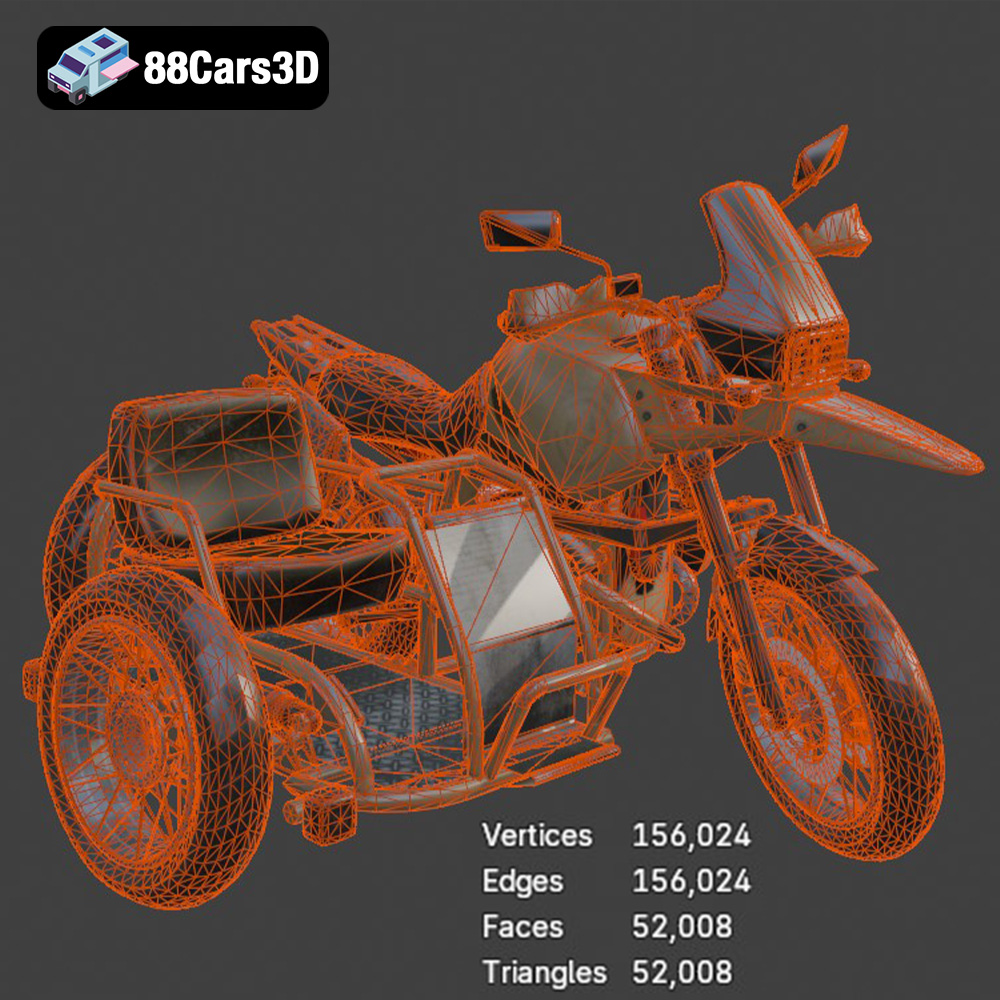
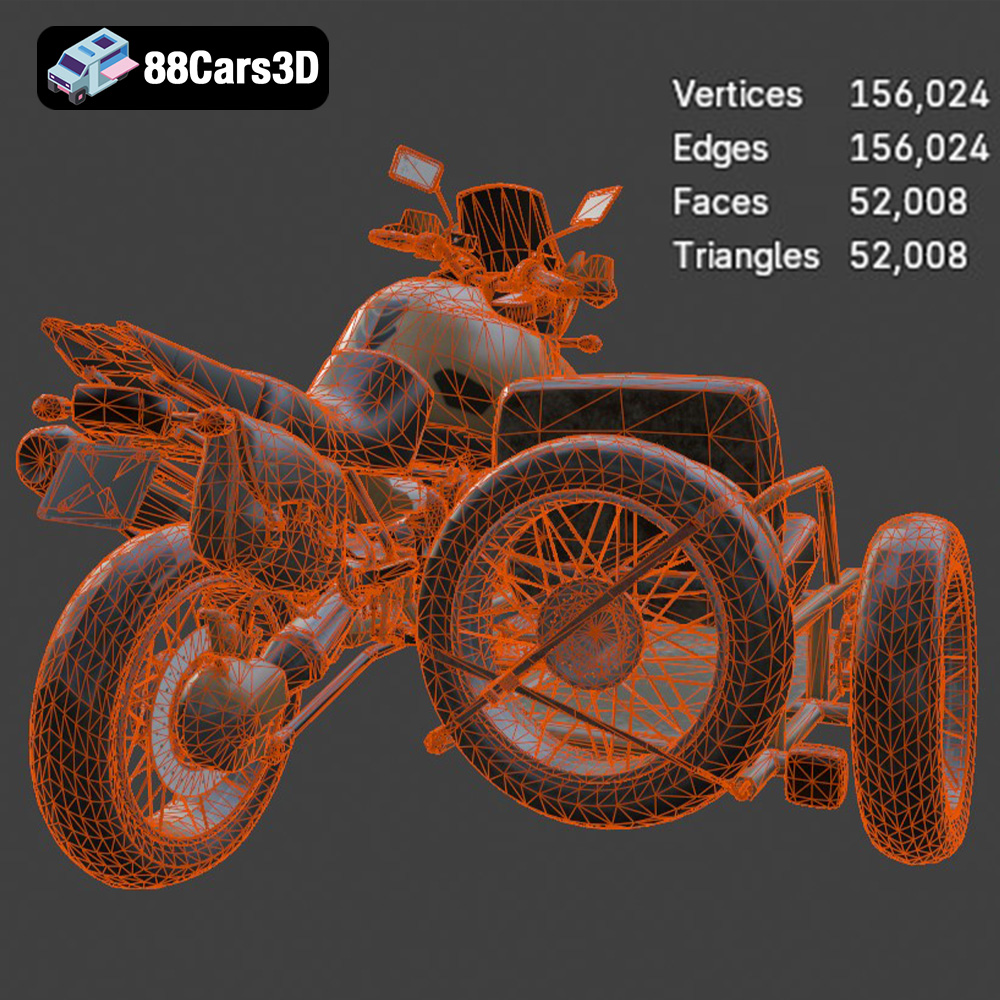
At approximately 180,000 triangles, this model strikes a remarkable balance between high-end visual realism and game-ready optimization. This polycount is crucial for real-time engines like Unreal and Unity, ensuring that the model renders beautifully without causing significant frame rate drops. The “well-balanced topology” means that the polygons are distributed efficiently, with more detail where it’s needed (e.g., engine block, cockpit controls) and less in less critical areas. This clean mesh allows for smooth deformations during animation and prevents rendering artifacts, which is essential for components like the separate wheels, suspension, and steering.
Realistic material finishes and carefully mapped textures are paramount for achieving photorealism. The model incorporates PBR (Physically Based Rendering) materials, which accurately simulate how light interacts with surfaces in the real world. This includes properties like metallicness, roughness, normal maps for surface detail, and base color. The aggressive knobby tires, the metallic sheen of the engine, the rugged texture of the crash bars, and the distinctive asymmetric headlights all contribute to an authentic appearance, reflecting the vehicle’s purpose and wear. Each material is crafted to respond realistically to various lighting conditions, making it suitable for diverse rendering environments.
A static model can be impressive, but an animatable one unlocks a new realm of possibilities. The Custom Off-Road BMW R1150GS Adventure Sidecar 3D Model is designed with proper pivot setups for crucial components: steering, wheel rotation, and suspension travel. This means animators can easily articulate the vehicle, simulating turns, bumps, and dynamic movement without complex rigging setups from scratch. This feature is invaluable for game development where interactive vehicle physics are essential, or for cinematic sequences depicting the sidecar in action across challenging terrains.
Leveraging high-quality 3D car models effectively requires an understanding of how they fit into specific professional workflows. The Custom Off-Road BMW R1150GS Adventure Sidecar, being a versatile asset from 88cars3d.com, demonstrates its value across multiple pipelines.
For game developers, the model’s “game-ready & optimized” nature is a significant advantage. After importing the .fbx or .unreal format into engines like Unreal or Unity, the workflow typically involves:
This asset is perfect for creating compelling off-road racing simulators or adding authentic vehicles to open-world survival games, where its rugged appearance and optimized performance are crucial.
For rendering and visualization professionals, the .max or .blend files offer the highest degree of control. The workflow typically includes:
This model is excellent for brand campaigns, lifestyle scenes, or product showcases where visual fidelity is the ultimate goal.
The .glb format, combined with the model’s optimization, makes it an excellent choice for AR/VR applications. The workflow here focuses on:
Imagine exploring the intricacies of the BMW R1150GS Adventure Sidecar in a virtual garage, or seeing it appear life-sized in your driveway through an AR app – the possibilities are vast.
The utility of a high-quality 3D model extends even into the physical realm. The inclusion of the .stl format for the Custom Off-Road BMW R1150GS Adventure Sidecar 3D Model offers a unique opportunity to transition from digital visualization to a tangible, display-scale hobbyist model.
3D printing allows enthusiasts to hold a physical representation of their favorite digital assets. The .stl format provides the necessary geometric data for a 3D printer to build the model layer by layer. For a detailed vehicle like the BMW R1150GS Adventure Sidecar, resin printing (SLA/DLP) is often recommended due to its ability to capture fine details, such as the engine block fins, wire-spoke wheels, and instrument cluster, with exceptional precision. The recommended scales (1:12, 1:18, 1:24) ensure that even at a smaller size, the intricate features remain discernible, making it a compelling project for model builders.
Once printed, the physical model requires post-processing to achieve its final look. This typically involves cleaning, curing (for resin prints), sanding to smooth out layer lines, and then priming the surface for painting. For an authentic finish, hobbyists often use model-specific paints to replicate factory colors, add metallic accents, and weather the model to reflect its off-road character. Detailed parts like the exhaust, mirrors, and handlebars, which require supports during printing, can be carefully attached and painted to complete the assembly. This hands-on process brings a new dimension to interacting with 3D car models, making them not just digital assets but physical works of art.
One of the significant advantages of working with a professionally developed 3D model like the Custom Off-Road BMW R1150GS Adventure Sidecar from 88cars3d.com is its inherent adaptability. While the model is stunning as-is, its structure and material setup allow for extensive customization, enabling artists to perfectly tailor it to specific project needs.
The ability to easily change body and tank colors is fundamental for any vehicle model. Imagine the BMW R1150GS Adventure Sidecar in a classic factory paint scheme, a weathered camouflage for a post-apocalyptic scene, or a vibrant custom finish for a promotional render. Beyond color, the model allows for modification of tire textures – swapping out aggressive knobbies for street-oriented treads to change its character, or adjusting material finishes between matte, gloss, and metallic to dramatically alter its perceived age and condition. These subtle yet impactful changes ensure the model can fit a wide array of visual narratives without requiring a complete re-texture.
A 3D model never exists in a vacuum; its perceived realism is heavily influenced by its environment. The BMW R1150GS Adventure Sidecar’s well-structured materials and PBR workflow mean it responds realistically to varied lighting conditions. Whether it’s bathed in the harsh sunlight of a desert, illuminated by a moody streetlamp, or showcased under soft studio lights, its appearance can be adapted. This flexibility is crucial for animators and render artists who need to seamlessly integrate the model into diverse scenes, adjusting reflections, shadows, and overall mood to match the specific artistic direction of their project. This adaptability ensures that the model remains a valuable asset across multiple productions, always looking its best.
The world of 3D modeling is an intricate blend of artistry and technical mastery, where every polygon and every material choice contributes to the final immersive experience. High-quality 3D car models are indispensable tools for game developers, automotive rendering specialists, AR/VR creators, and even hobbyists looking to bridge the gap between digital and physical realms. The Custom Off-Road BMW R1150GS Adventure Sidecar 3D Model stands as a testament to what’s achievable with meticulous craftsmanship, offering unparalleled fidelity, optimization, and versatility across a comprehensive range of file formats.
From its game-ready topology and PBR materials to its readiness for animation and 3D printing, this model provides a robust foundation for countless creative projects. Understanding the nuances of file formats, the intricacies of professional workflows, and the power of customization empowers artists to push the boundaries of digital realism. Whether you’re embarking on a new game project, crafting a stunning visualization, or bringing a digital design to life through 3D printing, premium assets like this BMW R1150GS Adventure Sidecar are critical to achieving exceptional results. Explore this and many other top-tier 3D car models at 88cars3d.com, and elevate your next digital creation.
The Custom Off-Road BMW R1150GS Adventure Sidecar represents the pinnacle of overland exploration and rugged dual-sport capability. Renowned for its iconic boxer twin engine and indestructible shaft drive, this customized adventure rig integrates a heavy-duty passenger sidecar, transforming it into an ultimate all-terrain expedition vehicle. Key visual elements include the massive dual-sport fuel tank, aggressive knobby tires, robust crash bars, and the distinctive asymmetric headlights that define the GS lineage. This premium 3D model is meticulously crafted to deliver exceptional visual fidelity while maintaining optimal performance. With a well-balanced topology and game-ready optimization, it ensures high-quality real-time rendering without sacrificing frame rates. The model boasts carefully mapped textures, realistic material finishes, and accurately modeled mechanical components, making it an outstanding asset for game development, AR/VR applications, animation, and digital visualization. Perfect for post-apocalyptic survival games, off-road racing simulators, overland expedition visualizations, and immersive VR garage environments.
$19.99
.adventure
.blend
.bmw
.custom
.fbx
.glb
.max
.obj
.ply
.rendering
.sidecar
.stl
.unreal
game asset
game-ready
low-poly
motorcycle-3d-model
off-road
optimized
r1150gs
VR/AR