Get 20% OFF All Premium 3D & STL Models!

In the rapidly evolving landscape of digital visualization, the demand for high-fidelity 3D assets is paramount. From breathtaking cinematic sequences to immersive virtual reality experiences and hyper-realistic automotive configurators, the quality of a 3D model directly impacts the success of a project. Automotive design, in particular, thrives on precision and aesthetic accuracy, requiring assets that capture every curve and reflection with utmost fidelity.
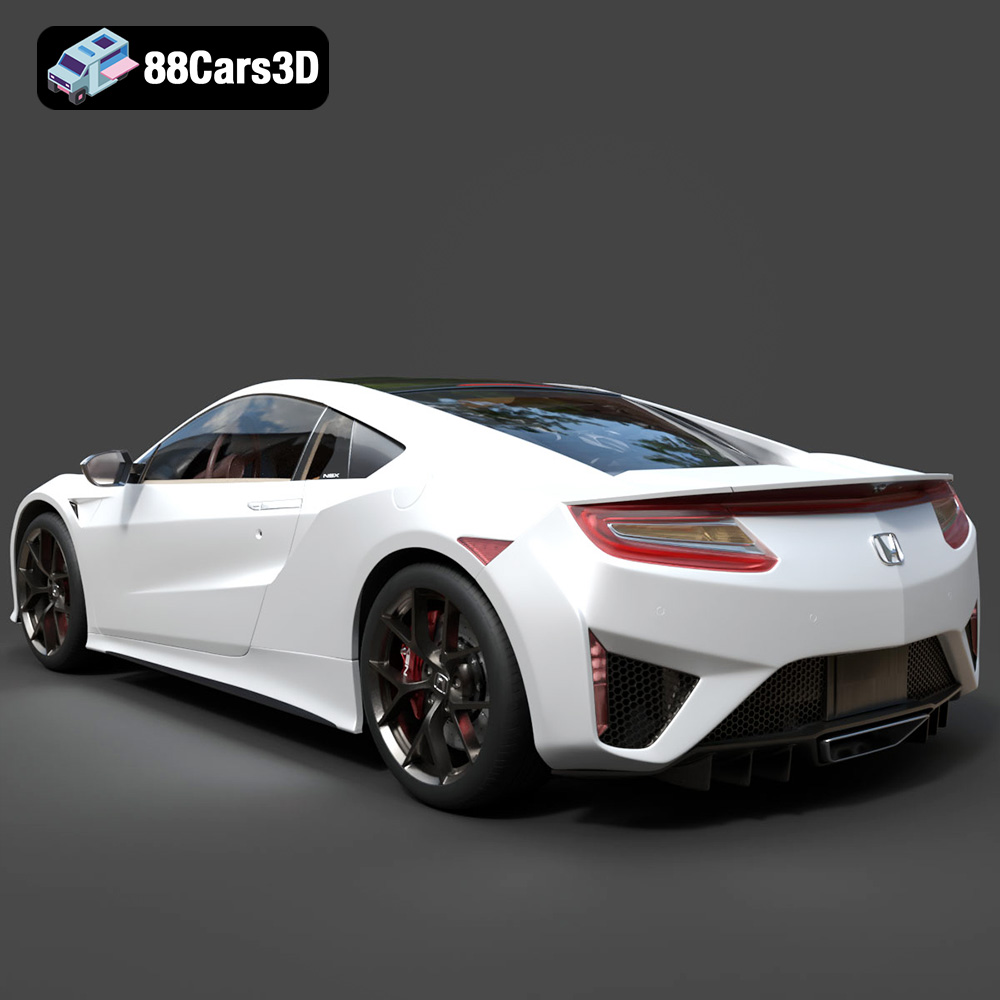
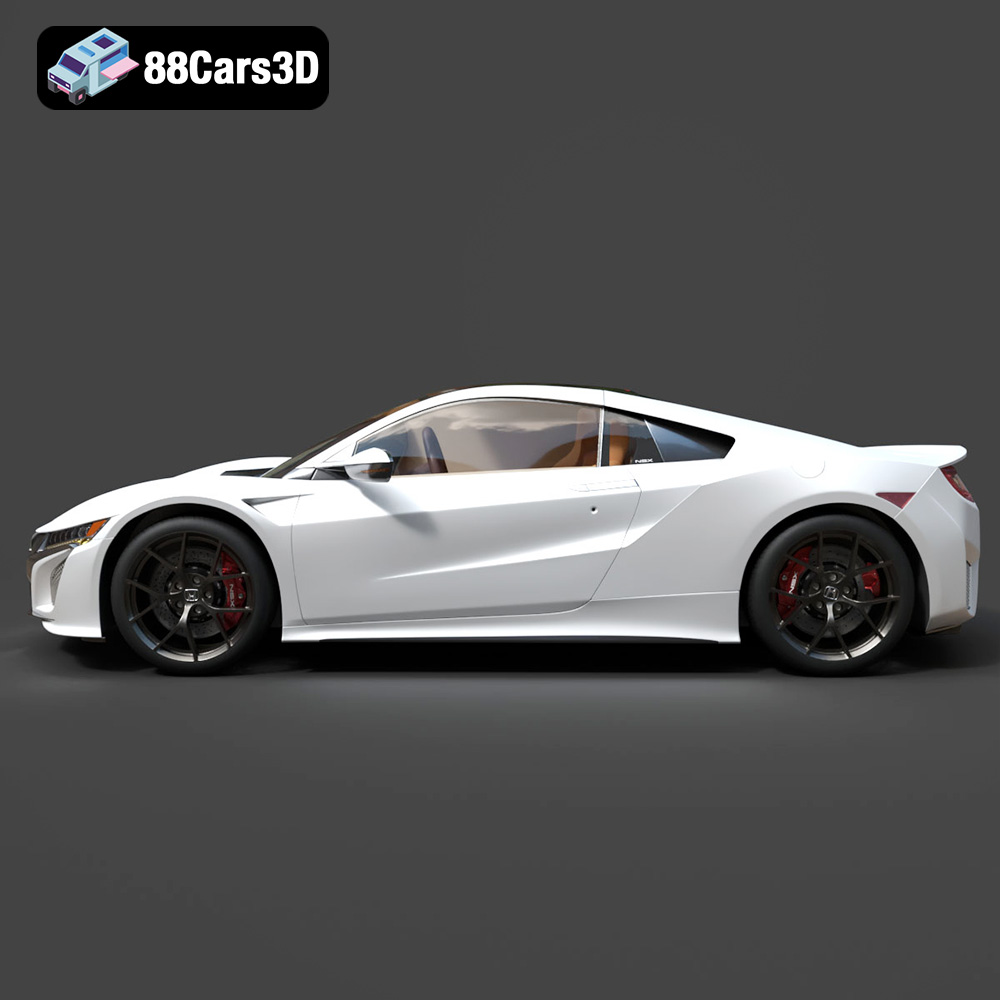
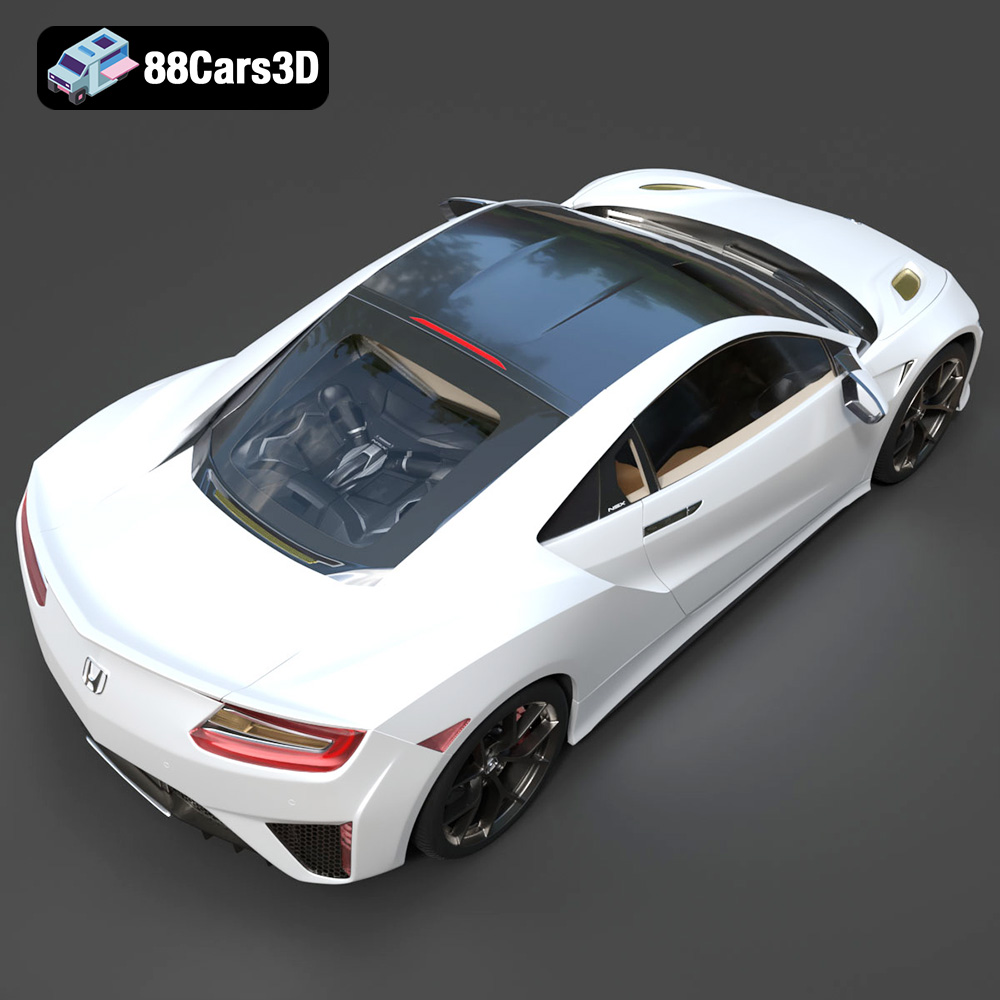
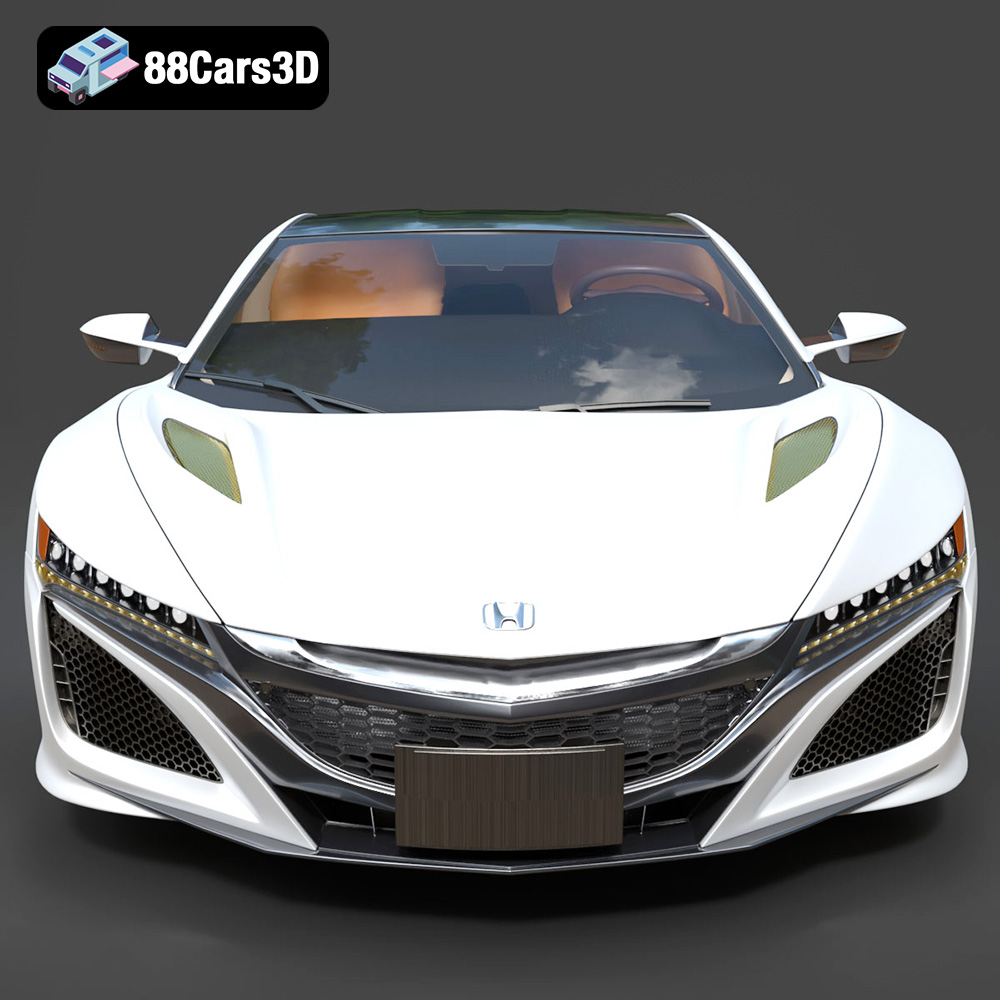
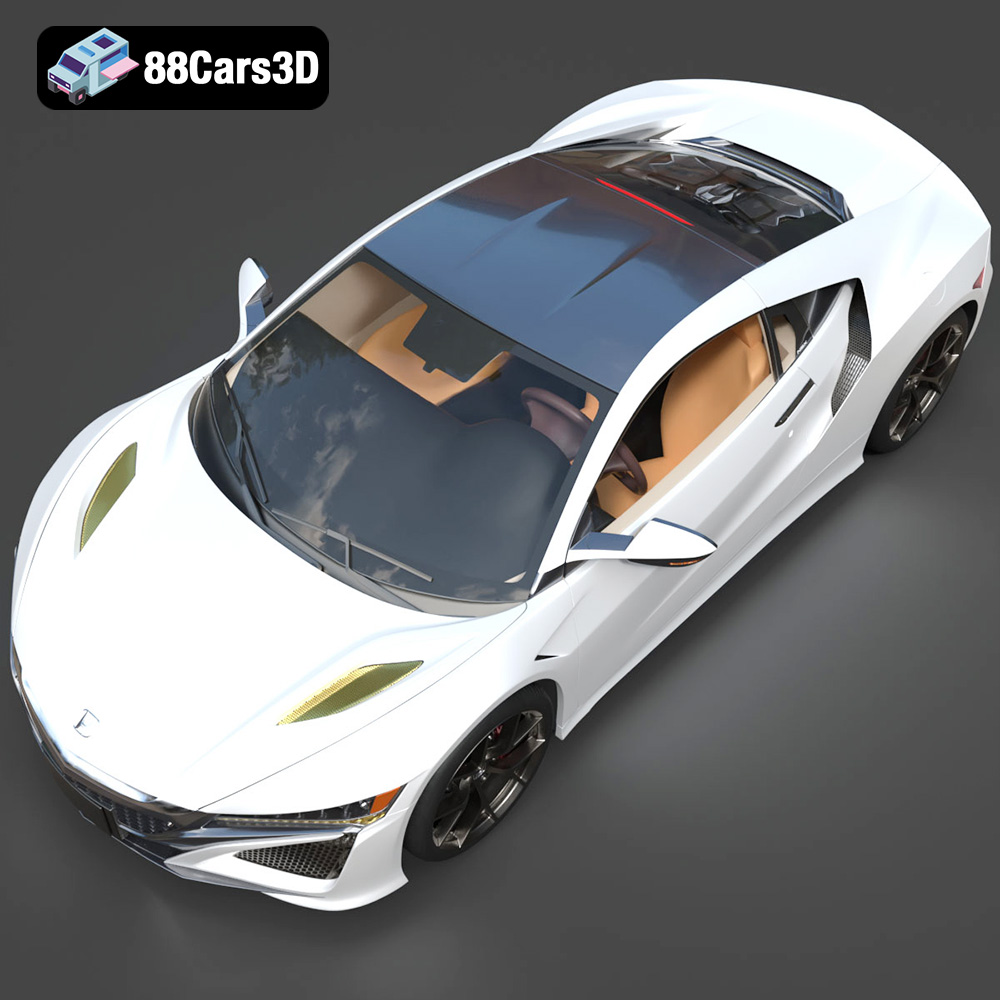
Today, we delve into the world of professional 3D car models, exploring their technical intricacies, diverse applications, and the profound impact they have on various industries. We’ll specifically highlight how meticulously crafted assets, such as the Honda NSX 2017 3D Model, available at 88cars3d.com, serve as indispensable tools for artists, developers, and designers seeking unparalleled realism and seamless integration into their most ambitious projects. This particular model stands out for its clean geometry, realistic materials, and professional-grade polygon structures, all crucial elements for any serious professional.
Choosing the correct file format is a critical decision in any 3D workflow, impacting compatibility, feature retention, and overall efficiency. Different formats are optimized for distinct purposes, from real-time rendering in game engines to precise manufacturing in 3D printing. Understanding these nuances is essential for any professional working with 3D car models.
The .blend format is native to Blender, the increasingly popular open-source 3D creation suite. A .blend file typically encapsulates an entire scene, including not just the mesh data but also materials, textures, lighting setups, animations, cameras, and even custom scripts. This makes it an incredibly powerful format for Blender users, offering full editability and a complete production environment. When you acquire a .blend file like that offered for the Honda NSX 2017 3D Model, you’re getting a ready-to-render scene, allowing for immediate customization, re-lighting, or integration into existing Blender projects without losing any intricate details or material definitions.
.fbx (Filmbox) is a proprietary file format owned by Autodesk and is widely considered the industry standard for exchanging 3D data between various applications, particularly for game development and real-time engines. It excels at storing hierarchical models, animations, rigging, skinning, and material assignments. Its robust support for geometry and animation makes it the go-to format for bringing complex 3D car models into engines like Unreal Engine and Unity. The .fbx variant included with the Honda NSX 2017 3D Model is typically optimized for performance, ensuring efficient loading and rendering in interactive environments while retaining visual fidelity.
The .obj (Wavefront Object) format is one of the oldest and most widely supported 3D formats. It’s a simple, text-based format that primarily stores geometric data (vertices, normals, texture coordinates, and faces) and can reference external .mtl (Material Template Library) files for basic material properties. While it doesn’t support animation or rigging, its universal compatibility makes it an excellent choice for basic mesh exchange between virtually any 3D software. For the Honda NSX 2017 3D Model, the .obj file serves as a highly reliable fallback or a starting point for users whose primary software might not fully support more complex formats, offering a clean mesh for sculpting, retopology, or re-texturing.
.glb (GLB format, derived from glTF, Graphics Language Transmission Format) is an increasingly important format for the future of 3D. It’s designed to be a highly efficient, compact, and single-file container for 3D scenes and models, specifically optimized for web-based applications, AR/VR experiences, and interactive 3D viewers. A .glb file embeds all necessary textures and data directly within itself, eliminating external dependencies and streamlining loading times. This makes it perfect for displaying the Honda NSX 2017 3D Model on a website, in an AR app, or within a metaverse environment, ensuring quick delivery and consistent visual representation across different platforms.
.stl (STereoLithography) is the de facto standard file format for 3D printing and computer-aided manufacturing (CAM). It represents a 3D model as a series of connected triangles (a tessellation) without any color, texture, or material information. The simplicity of .stl makes it efficient for conveying geometric shape to 3D printers. While not suitable for rendering, the .stl version of the Honda NSX 2017 3D Model would be an invaluable asset for creating physical prototypes, scale models, or custom parts, allowing designers to bridge the gap between digital design and tangible reality.
.ply (Polygon File Format or Stanford Triangle Format) is another versatile format for storing 3D data, particularly known for handling scanned data and point clouds. It can store a variety of properties beyond just geometry, including color, transparency, normals, texture coordinates, and even custom properties per vertex or face. While less common for general 3D exchange than .fbx or .obj, its ability to store detailed mesh information makes it valuable for scientific visualization, 3D scanning workflows, and precise analysis in CAD or metrology applications. The inclusion of a .ply file for the Honda NSX 2017 3D Model suggests a focus on providing maximum data integrity and flexibility for advanced users.
The .unreal format, or more accurately, assets pre-configured for Unreal Engine, signifies a level of optimization beyond a generic .fbx. This often means the model has already been imported into an Unreal project, had its materials set up using Unreal’s PBR (Physically Based Rendering) system, optimized collision meshes generated, and potentially even LODs (Levels of Detail) configured. For a model like the Honda NSX 2017, having an .unreal version drastically cuts down development time, allowing game developers and virtual production artists to drop the asset directly into their scene with minimal additional work, ensuring consistent visual quality and performance.
.max is the native file format for Autodesk 3ds Max, a powerful 3D modeling, animation, rendering, and compositing software. Similar to .blend, a .max file contains the entire scene data, including geometry, materials, lighting, cameras, animations, and modifier stacks. This offers 3ds Max users complete control over the Honda NSX 2017 3D Model, allowing them to dissect its construction, modify components, re-animate elements, or integrate it seamlessly into complex V-Ray or Corona Renderer scenes for high-end visualization and cinematic rendering. It provides the ultimate flexibility for those deeply entrenched in the 3ds Max ecosystem.
Automotive rendering is a specialized discipline that demands an exquisite blend of artistic vision and technical prowess. Recreating the nuanced reflections of a car’s paint, the intricate details of its interior, and the interplay of light and shadow requires a premium 3D model as a foundation. The Honda NSX 2017 3D Model, with its “unparalleled realism” and “meticulously crafted” details, provides exactly this foundation.
A truly realistic automotive render hinges on the quality of its materials and textures. PBR (Physically Based Rendering) workflows are standard, utilizing maps like Albedo (color), Roughness (surface smoothness), Metallic (reflectivity), Normal (surface detail), and Ambient Occlusion (contact shadows). For the Honda NSX 2017, this means accurately recreating the deep gloss of its paintwork, the subtle texture of its leather interior, the metallic sheen of its wheels, and the transparency of its glass. The “realistic materials” promised by this model are critical for achieving photorealism, reacting authentically to environmental lighting and producing believable reflections and refractions.
Lighting is the soul of any render, especially for showcasing vehicles. Professional workflows often leverage HDRI (High Dynamic Range Image) lighting for realistic environmental illumination, combined with targeted area lights, spot lights, and volumetric effects to highlight specific features or create dramatic mood. The clean geometry of the Honda NSX 2017 3D Model ensures that these complex lighting setups interact flawlessly with the vehicle’s surfaces, producing accurate caustics, soft shadows, and captivating reflections that enhance its sleek design. Understanding how to use key lights, fill lights, and rim lights to define form and surface is crucial for making the model truly shine.
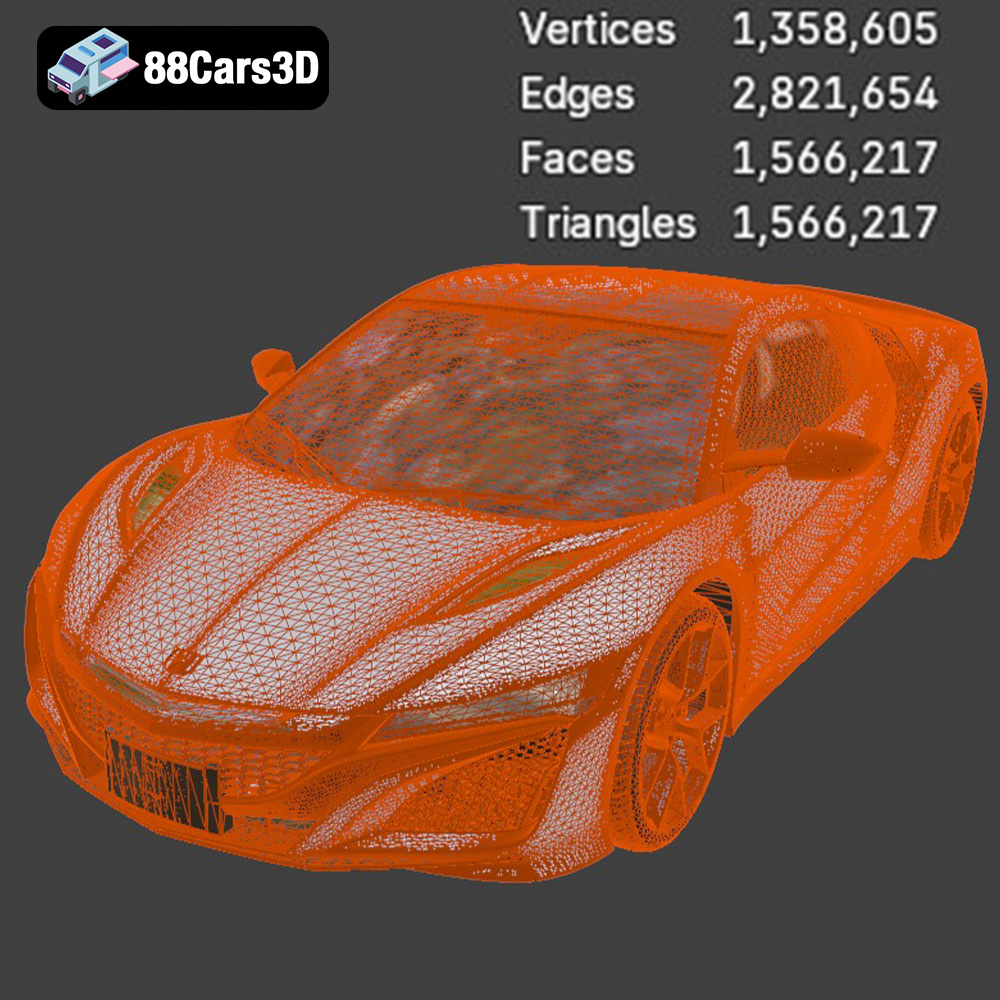
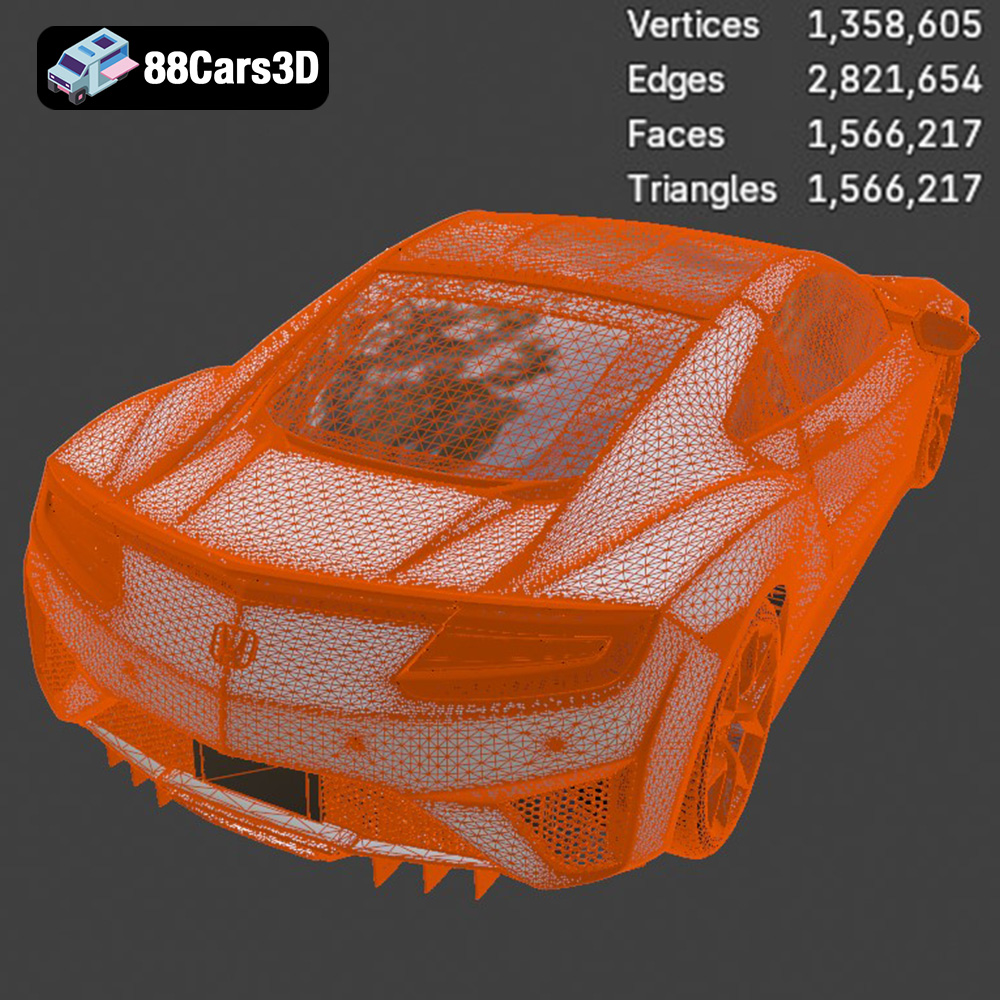
Whether for print advertisements, high-definition video, or large-format displays, renders often need to be delivered at extremely high resolutions. This demands 3D models with sufficient polygon density in critical areas, well-optimized UV mapping to avoid texture stretching, and efficient scene organization to manage render times. The “professional-grade polygon structures” of the Honda NSX 2017 3D Model ensure it can withstand intense scrutiny, allowing artists to zoom in on intricate details like headlight assemblies or exhaust tips without visible pixelation or loss of fidelity, even in 4K or 8K renders.
Game development presents a unique set of challenges for 3D assets, balancing visual quality with real-time performance. High-quality 3D car models like the Honda NSX 2017 are essential hero assets in racing games, open-world adventures, and driving simulators, requiring specific optimizations for game engine integration.
For seamless performance in game engines like Unreal Engine and Unity, 3D car models must be meticulously optimized. This involves managing polygon counts, creating efficient UV maps for texture atlases, and generating multiple Levels of Detail (LODs). LODs are lower-polygon versions of the model that automatically swap in at a distance, drastically reducing the computational load. The Honda NSX 2017’s “clean geometry” is an excellent starting point for this process, allowing developers to easily create these optimized versions without compromising the core visual integrity, ensuring that the car looks great both up close and far away.
Beyond visual representation, game assets need to interact realistically with their environment and player input. This means creating accurate collision meshes (often simpler than the render mesh) that define the car’s physical boundaries. Furthermore, for a car model, developers might implement dynamic elements like opening doors, spinning wheels, or deformable body panels, requiring proper pivot points and sometimes rigging. The game-engine ready .fbx and .unreal formats provided for the Honda NSX 2017 3D Model facilitate these steps, allowing for quicker implementation of complex physics simulations and interactive features, bringing the vehicle to life in a virtual world.
Modern game engines utilize advanced real-time rendering pipelines, often based on PBR, to achieve stunning visual fidelity at interactive frame rates. The materials and textures of the Honda NSX 2017 3D Model are designed to translate effectively into these real-time shaders, ensuring that its paint gleams, its windows reflect, and its tires have appropriate grip texture even without pre-rendered global illumination. This “seamless integration into any visual environment” is crucial for maintaining a consistent aesthetic and immersive experience within a game.
The versatility of professional 3D car models extends beyond traditional rendering and game development, finding critical applications in emerging fields like Augmented Reality (AR), Virtual Reality (VR), and 3D printing.
AR and VR demand extremely optimized, yet visually compelling, 3D assets. For virtual showrooms, interactive car configurators, or even virtual test drives, the Honda NSX 2017 3D Model can be a star asset. The .glb format is particularly well-suited for these applications, offering a compact, single-file solution that loads quickly in web browsers or dedicated AR/VR applications. Imagine placing the NSX in your driveway via an AR app, or exploring its interior in full 360-degree VR – the model’s high fidelity ensures these experiences are engaging and believable.
The journey from digital to physical is made possible through 3D printing, and a clean, manifold 3D model is essential for successful output. The .stl format provided for the Honda NSX 2017 3D Model is specifically tailored for this purpose. Designers can use this file to print accurate scale models for design reviews, create rapid prototypes of custom accessories, or even produce detailed collectible figurines. The “accurate proportions” and “clean geometry” of the digital model translate directly into a high-quality physical object, making it invaluable for tangible presentations and product development.
Time is a precious commodity in any creative pipeline. Starting with a high-quality, pre-made 3D asset can dramatically accelerate project timelines, allowing artists and developers to focus on creativity rather than the laborious process of modeling from scratch. The Honda NSX 2017 3D Model exemplifies how professional assets streamline workflows across various applications.
Creating a detailed 3D car model from the ground up can take hundreds of hours for even experienced artists, incurring significant labor costs. By leveraging a ready-to-use, meticulously crafted model like the Honda NSX 2017, studios can save immense amounts of time and budget. This allows them to allocate resources to other critical aspects of a project, such as animation, environmental design, or interactive scripting. The investment in a premium 3D model quickly pays for itself through increased efficiency and faster project delivery.
Purchasing professional 3D car models from reputable sources like 88cars3d.com ensures a consistent level of quality. These assets typically undergo rigorous quality control, ensuring clean topology, correct scaling, optimized UVs, and PBR-ready materials. This eliminates the guesswork and potential errors associated with sourcing lower-quality models, providing a reliable foundation for any project. The “exceptional detail” and “true-to-life reflections” of the Honda NSX 2017 3D Model are a testament to this commitment to quality.
The inclusion of multiple industry-standard file formats (.blend, .fbx, .obj, .glb, .stl, .ply, .unreal, .max) for the Honda NSX 2017 3D Model is a key differentiator. This multi-format delivery ensures that the model can be seamlessly integrated into virtually any professional 3D software or game engine environment. Whether your pipeline is centered around Blender, 3ds Max, Unreal Engine, or you need a model for AR/VR, this versatility eliminates compatibility headaches and empowers users with maximum flexibility.
In the vast ocean of digital assets available today, discerning professionals understand that not all 3D models are created equal. The distinction between a mediocre asset and a truly exceptional one can be the difference between a project that shines and one that falls flat. This is where the importance of curated, high-quality marketplaces like 88cars3d.com becomes evident.
A superior 3D car model, such as the Honda NSX 2017 3D Model, is characterized by several key attributes: meticulous attention to detail, geometrically clean topology, accurate scale and proportions, well-optimized UVs, and physically accurate materials. These are not merely aesthetic considerations; they are technical requirements that ensure the model performs optimally across various applications.
By investing in premium 3D car models from trusted sources, designers, developers, and artists are not just buying a file; they are acquiring a foundation for success. They are securing a reliable asset that will save time, reduce complications, and ultimately elevate the visual impact of their projects, from stunning visualizations to immersive interactive experiences.
The digital world thrives on visual excellence, and the demand for high-quality 3D car models is more critical than ever. We’ve explored the foundational importance of understanding various file formats, the intricate balance of art and science in automotive rendering, the technical demands of game development, and the burgeoning opportunities in AR/VR and 3D printing. Throughout these diverse applications, the common thread is the indispensable need for precision, detail, and adaptability.
The Honda NSX 2017 3D Model stands as a prime example of a professional-grade asset that meets these rigorous demands. Its meticulously crafted design, clean geometry, realistic materials, and comprehensive file format support make it a versatile tool for any serious professional. Whether you’re aiming for cinematic realism, real-time interactivity, or tangible prototyping, this model provides the fidelity and flexibility required to achieve your vision.
For those seeking to elevate their projects with unparalleled realism and efficient workflows, exploring the curated selection of premium 3D car models available at 88cars3d.com is an essential step. Invest in quality, and unlock the full potential of your digital creations.
Experience unparalleled realism with the Honda NSX 2017 3D Model. Meticulously crafted to capture the sleek, aerodynamic lines and iconic stance of this legendary hybrid sports car, this model delivers exceptional detail for all your digital projects. Key features include clean geometry, realistic materials, and professional-grade polygon structures. Every curve, panel, and interior element is designed to ensure seamless integration into any visual environment, providing true-to-life reflections and accurate proportions. Perfect for a wide range of applications, this model excels in game development, architectural visualization, cinematic rendering, and AR/VR experiences. Whether used as a hero asset in an animation or an interactive vehicle in a virtual environment, it offers the fidelity required for professional production. The model is delivered in multiple industry-standard file formats to ensure maximum compatibility: .blend – Editable Blender file with materials and lighting setup; .fbx – Game-engine ready format for Unreal Engine and Unity; .obj – Standard 3D model format compatible with all major software; .glb – Optimized for AR/VR and web-based visualization; .stl – Suitable for 3D printing and prototyping; .ply – Detailed polygon mesh for analysis and visualization; .unreal – Pre-configured for Unreal Engine use; .max – Editable 3ds Max file for rendering and animation.
$19.99
.arvr
.blend
.car3dmodel
.fbx
.gameasset
.glb
.honda
.max
.nsx
.obj
.ply
.rendering
.simulation
.sportsCar
.stl
.supercar
.unreal