Get 20% OFF All Premium 3D & STL Models!

In the dynamic worlds of automotive design, game development, architectural visualization, and cinematic rendering, the quality of your 3D assets can make or break a project. From showcasing concept vehicles with photorealistic precision to populating expansive virtual environments, the demand for meticulously crafted 3D car models has never been higher. These aren’t just decorative elements; they are foundational components that breathe life into digital narratives and simulations.
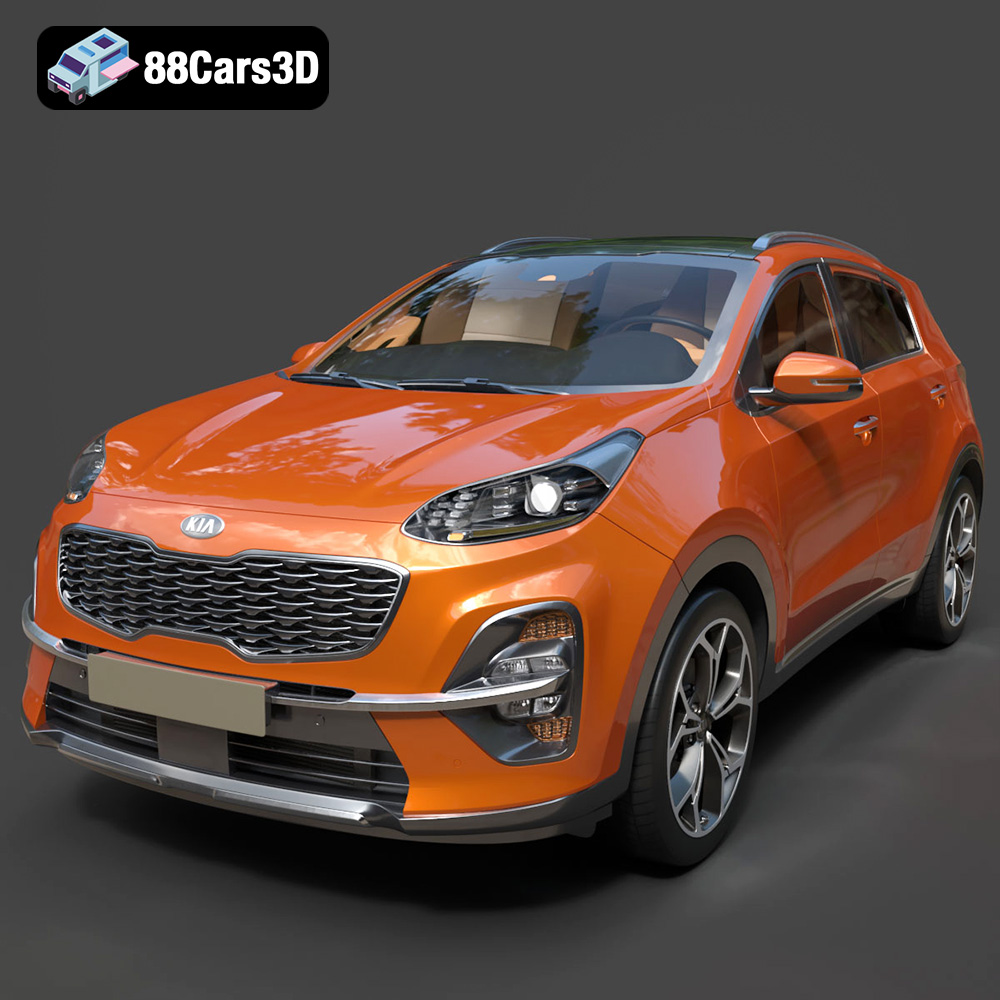
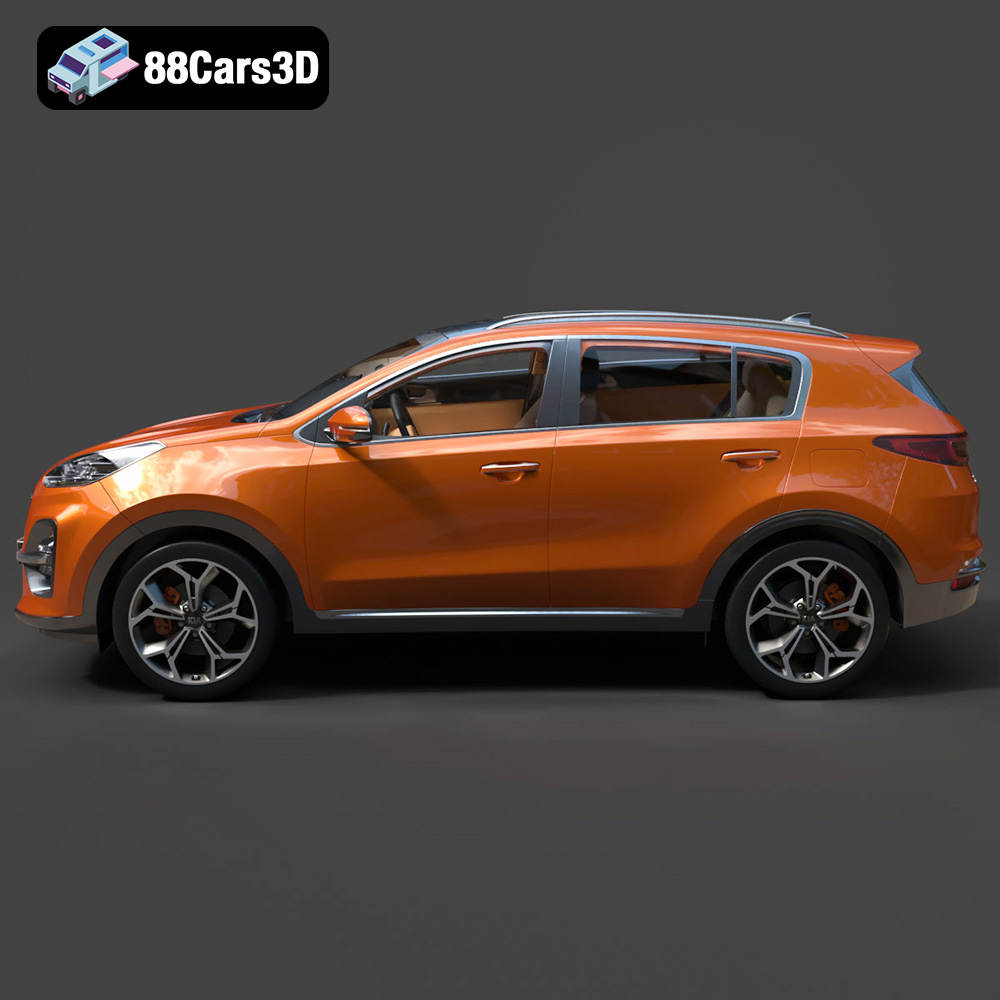
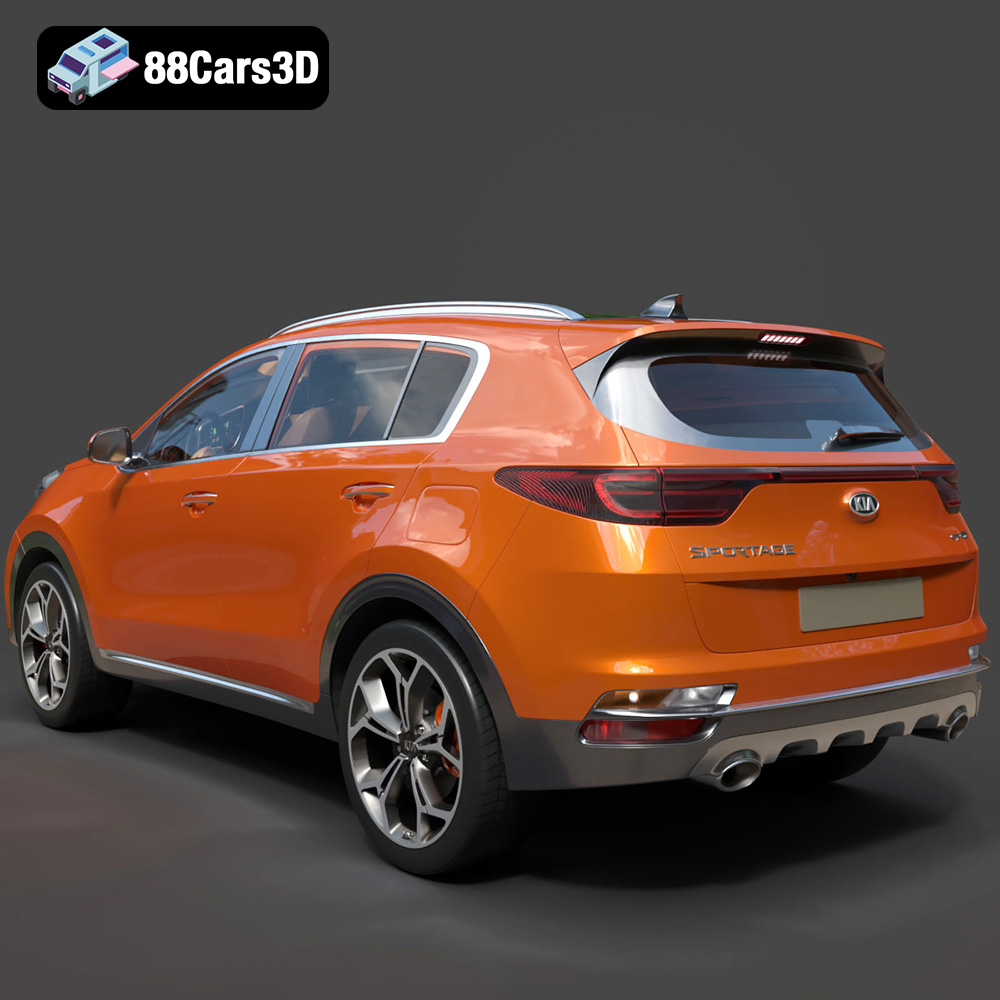
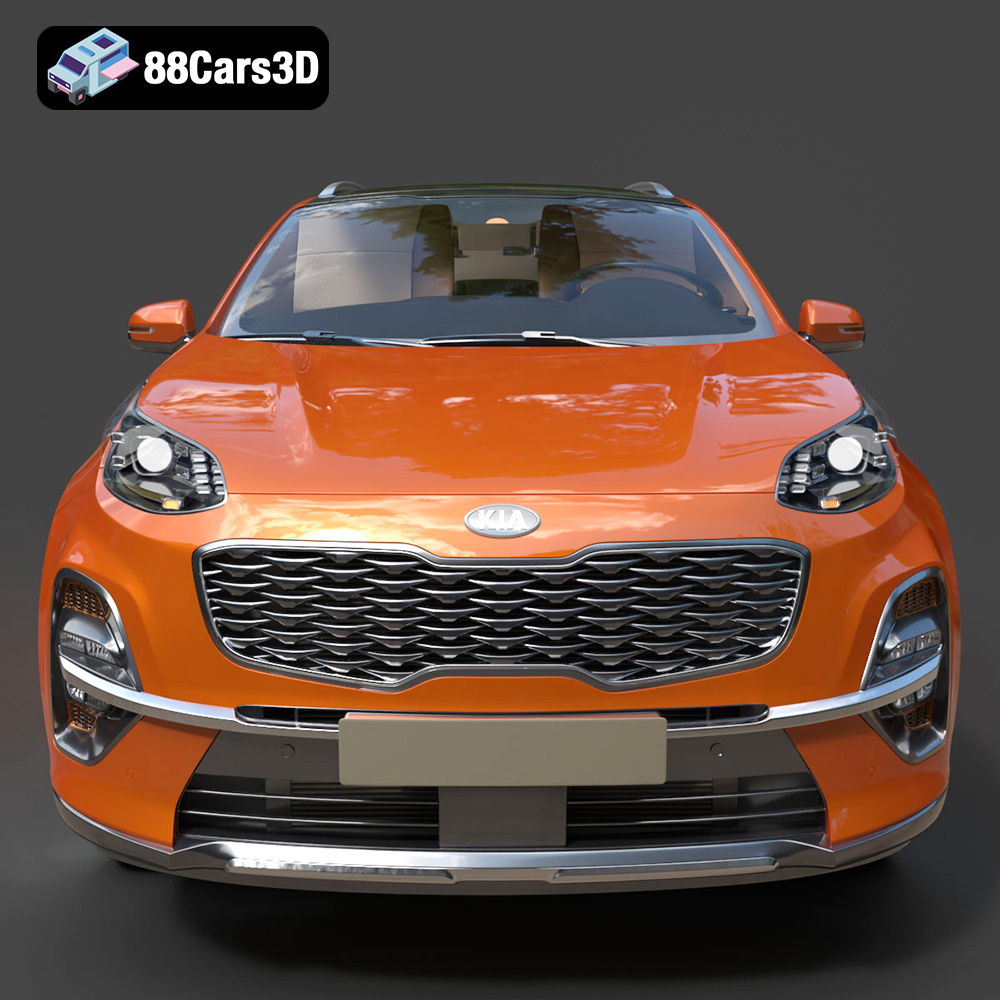
Achieving truly professional results requires more than just a visually appealing model. It demands clean geometry, optimized topology, accurate UV mapping, and versatile file formats that integrate seamlessly into diverse workflows. This level of detail and technical excellence is precisely what professionals seek, and it’s exemplified by assets like the Kia Sportage 2019 3D Model. This particular asset, available on 88cars3d.com, stands out for its unparalleled realism, featuring a fully replicated interior and an exterior designed with absolute precision. It’s built with professional standards in mind, ensuring clean geometry, realistic materials, and optimized edge flow, making it an ideal choice for a multitude of demanding applications, from advanced game development to cinematic rendering and immersive AR/VR simulations.
The versatility and utility of a 3D model are intrinsically linked to the file formats it supports. Different formats are optimized for various stages of the production pipeline, from initial modeling and animation to real-time engine integration and physical output. Understanding each format’s strengths is crucial for any professional working with 3D car models, ensuring smooth interoperability and efficient workflows. The Kia Sportage 2019 3D Model, for instance, offers a comprehensive suite of formats, catering to virtually any professional requirement.
The availability of the Kia Sportage 2019 3D Model in these diverse formats underscores its professional utility, making it a highly adaptable asset for any pipeline, whether it’s for high-end rendering, game development, or AR/VR.
What truly sets a professional-grade 3D car model apart from a basic one? It’s a combination of meticulous artistic skill and rigorous technical discipline. A model like the Kia Sportage 2019 3D Model from 88cars3d.com exemplifies these qualities, showcasing the critical elements that contribute to unparalleled realism and performance.
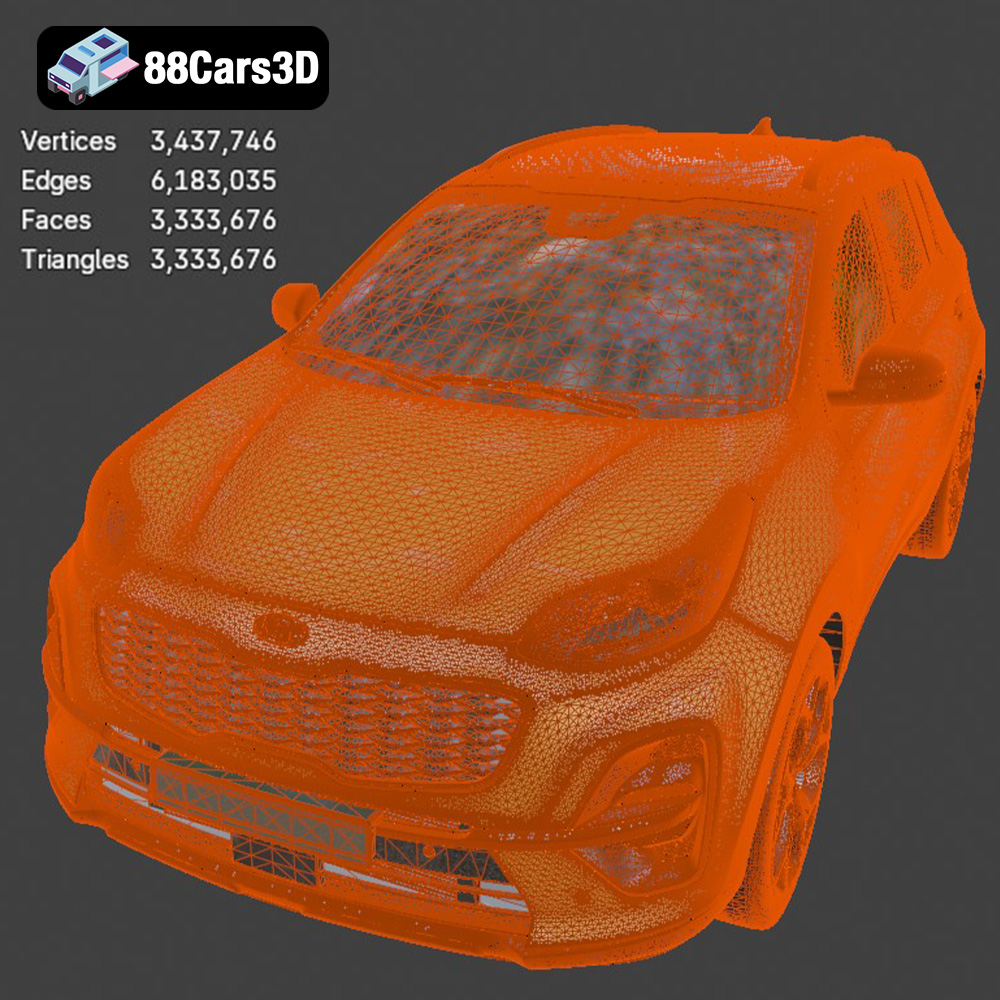
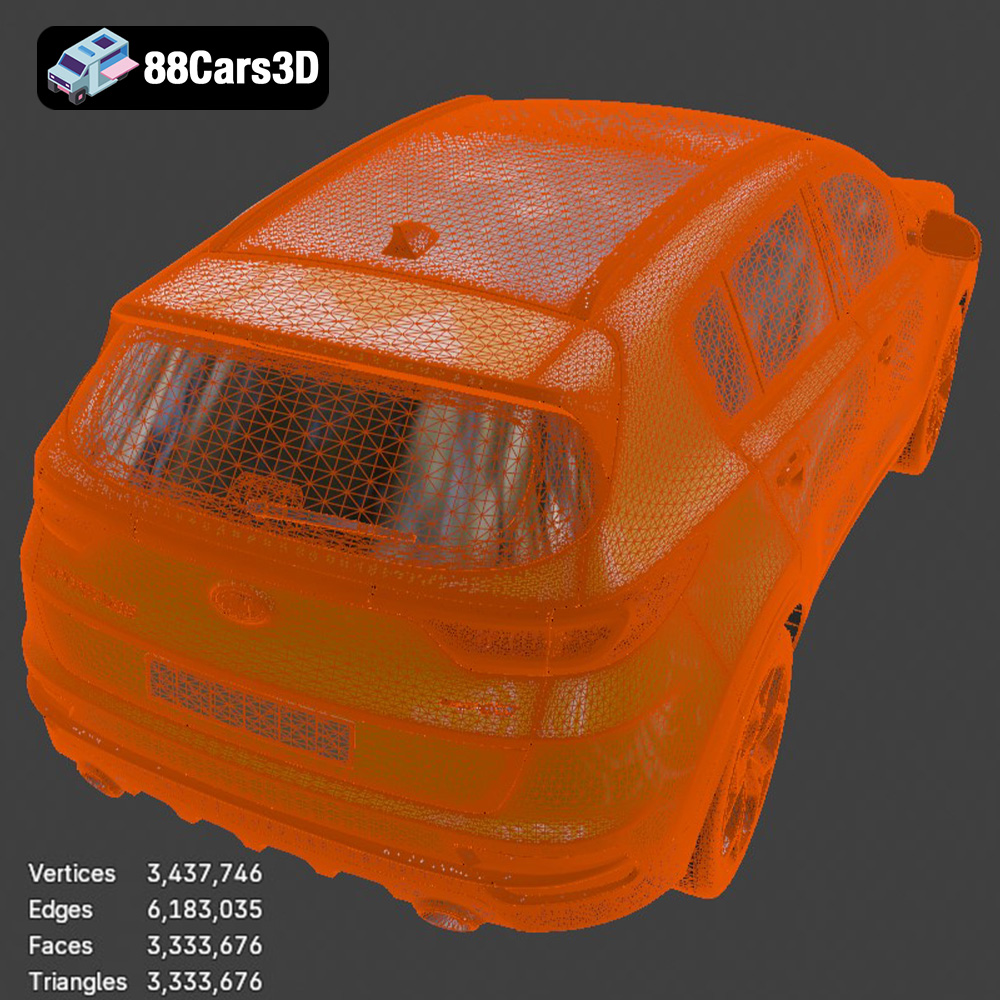
At the core of any excellent 3D model lies its geometry and topology. “Clean geometry” refers to a mesh free of issues like non-manifold edges, inverted normals, or overlapping faces, which can cause rendering artifacts and performance problems. “Optimized edge flow” means that the polygons are arranged efficiently to accurately define the car’s curves and contours without unnecessary density. This careful topology not only ensures smooth subdivision for close-up renders but also facilitates easier deformation if the model needs to be animated. For real-time applications, an optimized poly count is paramount. While cinematic renders can often handle millions of polygons, game engines and AR/VR experiences demand efficient meshes to maintain high frame rates. A well-constructed 3D car model, such as the Kia Sportage 2019, balances visual fidelity with poly count, ensuring “outstanding performance and accurate surface reflections” across various applications.
Even the most perfectly sculpted mesh will look bland without high-quality textures. This is where UV mapping comes in – the process of unwrapping the 3D surface into a 2D space, much like flattening a cardboard box. Proper UV mapping prevents stretching or distortion of textures and allows for efficient texture packing. Professional 3D car models utilize physically based rendering (PBR) workflows, where materials are defined by properties like albedo (base color), roughness, metallic, and normal maps. These maps interact realistically with light, giving surfaces like paint, glass, and rubber their authentic appearance. The “realistic materials” promised by the Kia Sportage 2019 3D Model imply that its textures are carefully crafted to respond correctly to lighting, creating truly convincing visual fidelity.
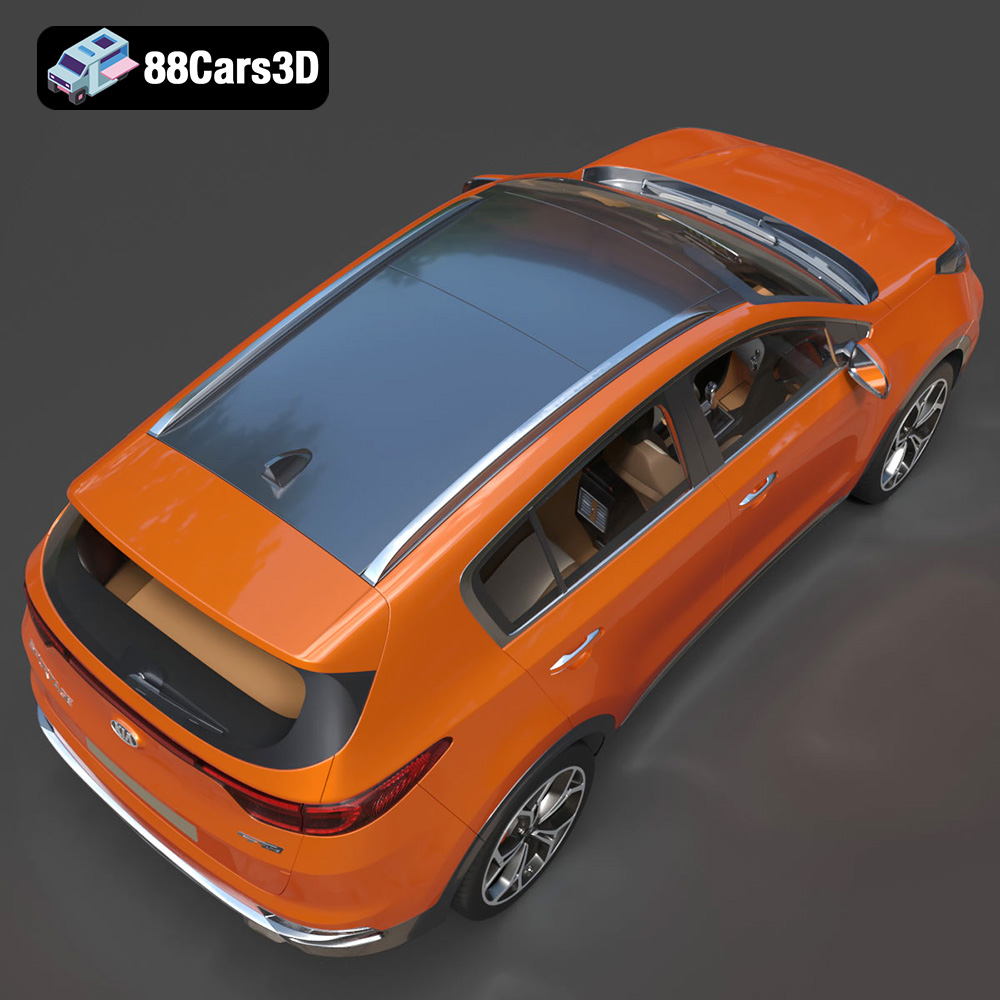
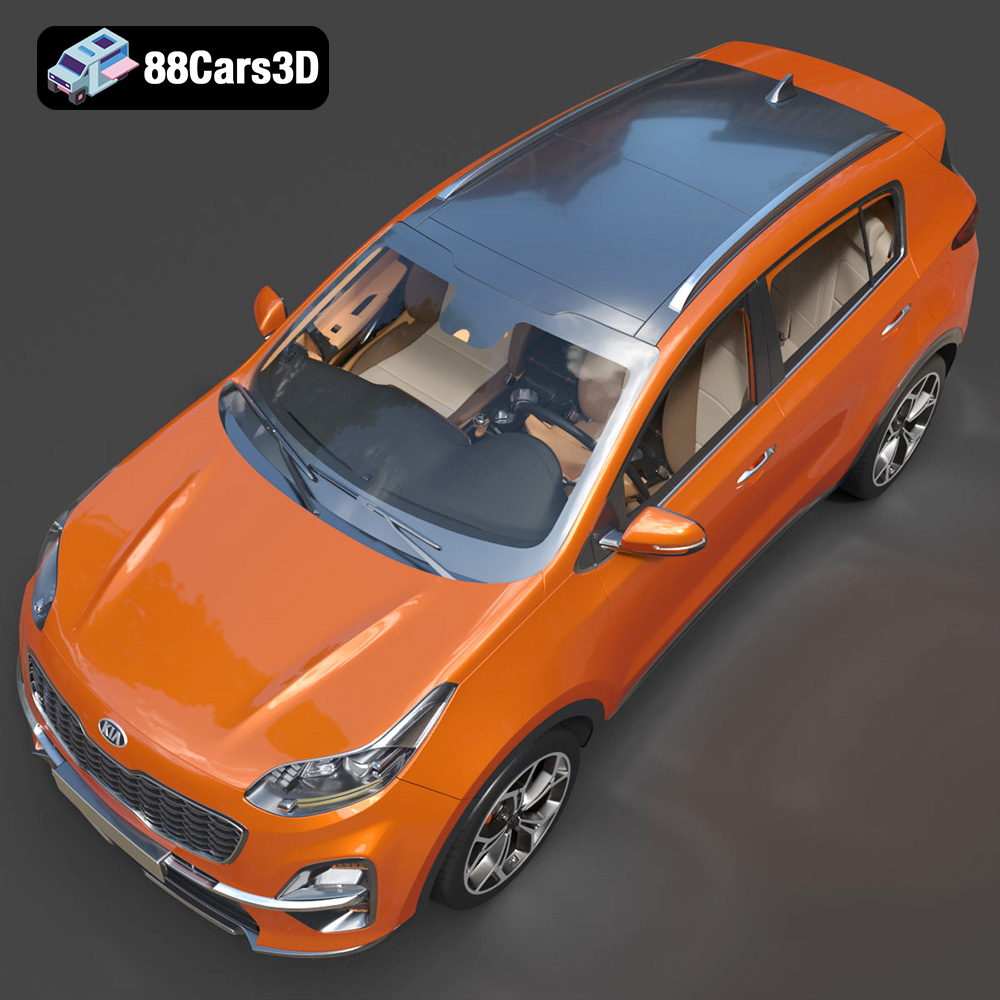
Many 3D car models neglect the interior, opting for simplified representations. However, for true realism, especially in virtual tours, simulations, or close-up renders, a “fully replicated interior” is indispensable. This means accurate dashboard layouts, seat upholstery, steering wheel details, and functional elements like pedals and gear shifters. The attention to detail inside the cabin significantly enhances immersion, particularly in AR/VR applications or driving simulators. The Kia Sportage 2019 3D Model’s commitment to a detailed interior elevates it beyond basic visualization, making it suitable for projects where the viewer will experience the vehicle from within.
High-quality 3D car models are the backbone of modern automotive rendering and visualization. They allow designers, marketers, and enthusiasts to explore, present, and interact with vehicles in ways that go beyond traditional photography or physical prototypes. The Kia Sportage 2019 3D Model is perfectly suited for these high-fidelity applications, offering the precision and detail required for professional results.
In advertising and film, photorealistic renders and animations of cars are standard. Automotive companies invest heavily in digital assets to create stunning commercials and promotional materials before a physical car even rolls off the assembly line. Using 3ds Max or Blender, artists can take a model like the Kia Sportage 2019, place it in dynamic virtual environments, add sophisticated lighting, and render breathtaking visuals. These renders are indistinguishable from real-world photography, allowing for endless creative freedom without the logistical challenges and costs of physical photo shoots or location scouting. The “cinematic rendering” capability of the Kia Sportage 2019 3D Model ensures it can stand up to the closest scrutiny in such productions.
Beyond direct automotive promotion, 3D car models are vital for architectural visualization (ArchViz) and other product showcases. Imagine an architectural rendering of a luxury home or commercial building; a realistic car parked in the driveway or on the street adds scale, context, and a sense of lived-in authenticity. Similarly, for product configurators or virtual showrooms, a detailed model like the Kia Sportage 2019 can be integrated into a larger scene, allowing customers to visualize the vehicle in different settings or alongside other products. This cross-disciplinary utility highlights the versatility of high-quality assets.
Manufacturers often use 3D models for technical showcases, illustrating features, assembly processes, or internal mechanisms that would be impossible to film. Interactive 3D presentations, built around a core asset like the Kia Sportage 2019, can explain complex engineering in an engaging and accessible manner. For product launches, these models provide a flexible canvas for marketing teams to generate a vast array of promotional content long before mass production begins, ensuring consistent branding and messaging across all media.
The interactive nature of game development and real-time applications places unique demands on 3D assets. Performance, optimization, and seamless integration are paramount. The Kia Sportage 2019 3D Model, with its “game-engine ready” formats, is designed to meet these rigorous requirements, making it an invaluable asset for interactive projects.
Game developers rely on optimized 3D car models to populate virtual worlds. Importing models into powerful engines like Unreal Engine or Unity requires careful attention to poly count, UV layouts, material setups, and sometimes even Level of Detail (LOD) meshes. The .fbx and .unreal formats provided with the Kia Sportage 2019 3D Model are specifically tailored for these environments. An optimized model ensures smooth gameplay without sacrificing visual fidelity. Developers can integrate the Kia Sportage into racing games, open-world simulations, or even architectural walkthroughs, leveraging its clean geometry and PBR materials to achieve stunning real-time visuals that run efficiently.
Augmented Reality (AR) and Virtual Reality (VR) are transforming how we interact with digital content. In AR, a 3D car model can be overlaid onto the real world, allowing potential buyers to virtually “park” a Kia Sportage 2019 in their driveway or explore its interior details with their smartphone. In VR, users can step inside the car, experience its spaciousness, or even take it for a virtual test drive. The .glb format, optimized for web and real-time AR/VR platforms, is critical for delivering these immersive experiences with minimal latency and high visual quality. A meticulously detailed model like this one provides the necessary foundation for truly convincing and engaging AR/VR simulations.
Beyond entertainment, 3D car models are crucial for professional simulations and training. Automotive engineers might use them in virtual prototyping to test designs, aerodynamics, or structural integrity in a simulated environment. Driving schools could employ sophisticated simulators featuring realistic vehicle models to train new drivers in a safe, controlled setting. Emergency services can use car models in training scenarios for accident reconstruction or rescue operations. The precision and realism of the Kia Sportage 2019 3D Model make it an excellent candidate for these high-stakes, performance-critical simulation environments, contributing to accurate data and effective training outcomes.
The journey of a 3D car model from a digital marketplace to a finished project involves several critical steps. Professionals need to consider everything from asset acquisition to post-processing and optimization. This workflow is streamlined significantly when starting with a high-quality, versatile asset like the Kia Sportage 2019 3D Model available at 88cars3d.com.
The first step is selecting a 3D model that aligns with your project’s technical and visual requirements. Key considerations include: the level of detail (LOD) needed, the cleanliness of the mesh, the accuracy of the scale, and the availability of crucial features like a detailed interior. Furthermore, the range of supported file formats is paramount for compatibility with your existing software pipeline. Platforms like 88cars3d.com specialize in providing assets that meet these professional standards, ensuring that models like the Kia Sportage 2019 arrive ready for integration, minimizing the need for extensive cleanup or conversion work.
Once acquired, a 3D car model often requires some level of post-processing or customization to fit the specific needs of a scene. For users of 3ds Max or Blender, the .max and .blend files offer complete control. This might involve adjusting materials to match a particular lighting setup, changing paint colors, adding custom decals, or even modifying small elements of the interior to suit a brand or narrative. In Unreal Engine or Unity, the .fbx or .unreal formats allow for quick import, where materials can be re-tuned, LODs generated, and the model set up for physics or interaction within the game world. The clean topology of the Kia Sportage 2019 3D Model makes these modifications straightforward and efficient.
A single 3D car model often needs to serve multiple purposes, each with different performance demands. For cinematic rendering, maximum detail is desired. For mobile AR/VR or web-based visualizations, aggressive optimization, including mesh decimation and texture baking, might be necessary to maintain smooth performance. Professionals must be adept at these optimization techniques, selectively reducing polygon counts, creating simpler proxy models (LODs), and streamlining material complexity when targeting less powerful hardware or real-time applications. The inherently optimized “edge flow and careful topology” of the Kia Sportage 2019 3D Model provides an excellent foundation, making subsequent optimization steps far more manageable.
The landscape of 3D visualization is continually evolving, driven by advancements in rendering technology, real-time engines, and immersive experiences. At the heart of this evolution are high-quality 3D assets, particularly detailed 3D car models, which serve as versatile tools for professionals across diverse industries. From crafting photorealistic automotive renders and engaging game environments to developing groundbreaking AR/VR simulations, the demand for precision, technical excellence, and broad compatibility is non-negotiable.
The Kia Sportage 2019 3D Model stands as a prime example of such an asset, meticulously detailed with a fully replicated interior and optimized for various professional workflows. Its availability in a comprehensive range of file formats—from .blend and .max for comprehensive editing to .fbx and .unreal for game engines, and .glb for AR/VR—ensures seamless integration into any production pipeline. Investing in professionally crafted 3D models like this one is an investment in efficiency, quality, and the ability to bring complex visions to life with unparalleled realism.
For artists, developers, and designers seeking to elevate their projects, exploring a curated selection of high-quality assets is crucial. Visit 88cars3d.com to discover a wide range of professional 3D car models, including the Kia Sportage 2019 3D Model, designed to meet the rigorous demands of today’s digital content creation and visualization industries.
Experience unparalleled realism with the meticulously detailed Kia Sportage 2019 3D Model, complete with a fully replicated interior. Engineered for absolute precision, this digital asset accurately represents the vehicle’s signature exterior design and intricate cabin elements.
Built with professional standards in mind, this asset features clean geometry and realistic materials. The optimized edge flow and careful topology provide outstanding performance and accurate surface reflections, ensuring professional-grade visual fidelity.
This versatile asset is ready for a multitude of demanding applications. From advanced game development and cinematic rendering to immersive AR/VR simulations and professional visualizations, the model adapts seamlessly to any project requirement.
This package is provided in the following professional file formats for maximum compatibility:
$19.99
.arvr
.blend
.car3dmodel
.crossover
.fbx
.gameasset
.glb
.kia
.max
.obj
.ply
.rendering
.simulation
.sportage
.stl
.unreal
SUV